

What do you think?

On Self-Hatred: Learning to like oneself
A guide to emotional healing and living a more self-accepting life.
Behind many of our problems lies an often ignored we don’t like ourselves very much. We are sufferers of self-hatred. We tell ourselves the meanest things. It’s because of self-hatred that we tend to neglect our potential at work and get entangled in unfulfilling relationships, that we lack confidence in our social lives and suffer from anxiety, despair and imposter syndrome.
This is a book that, with immense compassion and fellow feeling, investigates the phenomenon of self-hatred while giving pragmatic advice on how to overcome it. It asks where the feeling comes from, what it makes us do and how we might become kinder and more compassionate towards ourselves.
We have probably spent far too much of our lives disliking ourselves and attacking everything we say, do or feel, while not even realizing what we’re up to. It’s time to overcome our masochism and move towards a more self-forgiving and accepting stance. The School of On Self Hatred is a guide to the more compassionate and gentle relationship we should have had with ourselves from the start, and can all achieve now.
IDENTIFIES THE ORIGINS AND CONSEQUENCES OF and provides advice for living a more self-accepting life.ENCOURAGES US TO DEVELOP ASSERTIVENESS AGAINST and
gives us the tools to challenge our inner critic and deal with imposter syndrome.ACCESSIBLE AND with a compassionate and realistic
tone, outlining the importance of self-care.PART OF THE SCHOOL OF LIFE'S SERIES OF GIFTABLE other titles
Why You Will Marry the Wrong Person, On Confidence,
How to Find Love and Self-Knowledge.
Behind many of our problems lies an often ignored we don’t like ourselves very much. We are sufferers of self-hatred. We tell ourselves the meanest things. It’s because of self-hatred that we tend to neglect our potential at work and get entangled in unfulfilling relationships, that we lack confidence in our social lives and suffer from anxiety, despair and imposter syndrome.
This is a book that, with immense compassion and fellow feeling, investigates the phenomenon of self-hatred while giving pragmatic advice on how to overcome it. It asks where the feeling comes from, what it makes us do and how we might become kinder and more compassionate towards ourselves.
We have probably spent far too much of our lives disliking ourselves and attacking everything we say, do or feel, while not even realizing what we’re up to. It’s time to overcome our masochism and move towards a more self-forgiving and accepting stance. The School of On Self Hatred is a guide to the more compassionate and gentle relationship we should have had with ourselves from the start, and can all achieve now.
IDENTIFIES THE ORIGINS AND CONSEQUENCES OF and provides advice for living a more self-accepting life.ENCOURAGES US TO DEVELOP ASSERTIVENESS AGAINST and
gives us the tools to challenge our inner critic and deal with imposter syndrome.ACCESSIBLE AND with a compassionate and realistic
tone, outlining the importance of self-care.PART OF THE SCHOOL OF LIFE'S SERIES OF GIFTABLE other titles
Why You Will Marry the Wrong Person, On Confidence,
How to Find Love and Self-Knowledge.
101 pages, Kindle Edition
Published August 4, 2022
About the author
The School of Life
175 books3,283 followersThe School of Life is a global organisation helping people lead more fulfilled lives.
We believe that the journey to finding fulfilment begins with self-knowledge. It is only when we have a sense of who we really are that we can make reliable decisions, particularly around love and work.
Sadly, tools and techniques for developing self-knowledge and finding fulfilment are hard to find – they’re not taught in schools, in universities, or in workplaces. Too many of us go through life without ever really understanding what’s going on in the recesses of our minds.
That’s why we created The School of Life; a resource for helping us understand ourselves, for improving our relationships, our careers and our social lives - as well as for helping us find calm and get more out of our leisure hours. We do this through films, workshops, books and gifts - as well as through a warm and supportive community.
We believe that the journey to finding fulfilment begins with self-knowledge. It is only when we have a sense of who we really are that we can make reliable decisions, particularly around love and work.
Sadly, tools and techniques for developing self-knowledge and finding fulfilment are hard to find – they’re not taught in schools, in universities, or in workplaces. Too many of us go through life without ever really understanding what’s going on in the recesses of our minds.
That’s why we created The School of Life; a resource for helping us understand ourselves, for improving our relationships, our careers and our social lives - as well as for helping us find calm and get more out of our leisure hours. We do this through films, workshops, books and gifts - as well as through a warm and supportive community.
Ratings & Reviews
Friends & Following
Create a free account to discover what your friends think of this book!
Community Reviews
Displaying 1 - 30 of 72 reviews

June 6, 2023
Brutally good. Very painful to read but goes straight to the heart of things and helps us to understand the nature of our self-loathing. There’s lots to commend here but the one to profile is the truth that we have to keep tearing off the plasters and enduring the searing pain that causes but all the time have faith that ultimately that exercise will get us to a better place. We hope and we hope and we hope that it will.

January 4, 2025
آلن دوباتن و مدرسه زندگی دست گذاشته روی موضوعات و عواطف مشترک انسانها.
خودبیزاری که امکان نداره انسانی در طول زندگیش دچارش نشده باشه و هنر پذیرش خود که باید برای مقابله با اون یاد گرفت.
این کتاب ابتدا به ریشهیابی دلایل خودبیزاری پرداخته و با ارائه راهکار و دلالیل منطقی، هنر پذیرش خود رو بهمون یادآور میشه.
در این دنیای پیچیده و سخت مدرن، باید بپذیریم بدون کامل و بینقص بودن میشه خودمون رو بپذیریم و انتظار پذیرش از طرف دیگران داشته باشیم.
کتاب کاربردی و مفیدی بود.
خودبیزاری که امکان نداره انسانی در طول زندگیش دچارش نشده باشه و هنر پذیرش خود که باید برای مقابله با اون یاد گرفت.
این کتاب ابتدا به ریشهیابی دلایل خودبیزاری پرداخته و با ارائه راهکار و دلالیل منطقی، هنر پذیرش خود رو بهمون یادآور میشه.
در این دنیای پیچیده و سخت مدرن، باید بپذیریم بدون کامل و بینقص بودن میشه خودمون رو بپذیریم و انتظار پذیرش از طرف دیگران داشته باشیم.
کتاب کاربردی و مفیدی بود.

August 28, 2025
'On Self-Hatred' is an interesting little booklet that I read together with my wife over the course of the past few months. It seems to be written by a collective of people that belong to what I knew as a YouTube channel creating videos about almost every imaginable topic in the realms of what could be called pop-psychology and pop-philosophy. It seems that it has grown into something quite a bit bigger than that, as I realized when we quite randomly found ourselves inside a 'The School of Life' café / book store / teaching space that we happened upon in Amsterdam last year. That is also where we bought this little booklet.
Even though the topic of the book was not immediately appealing to me, I can say that I still found it really thought-provoking and it sparked many great discussions. In the following I will try to sum up the main arguments of the book:
Self-hatred develops because of a divergence between the ideal - how we think we should be or feel - and how we actually perceive ourselves. This means it is especially tough for perfectionists, as their ideal and the expectations they try to meet are especially high. But this divergence is just the starting point: "The self-hating person not only dislikes themselves, they cannot get over their dislike...", they keep ruminating their shortcomings, the mean things others said, and so on.
The cure for self-hatred presented in the book is self-acceptance. This self-acceptance is rooted in the understanding that this gap between expectation and reality is an inherent characteristic of the human race. The authors acknowledge that this is hardly a new idea. In the Christian tradition this is called original sin. Every human being is basically "born in sin", which we could take to mean that we all keep falling short of our ideals, we do stupid things and have our ugly sides.
The following part of the book tries to identify possible origins of self-hatred. Here the focus is on unloving parents and emotional neglect. One possible situation is that "a parent may envy their own child for the possibility that it might have a better childhood than they had, and will unconsciously ensure it won't", but of course many different situations can also be imagined. This childhood trauma angle is by now quite widely known and definitely has its merits, but there was another different perspective in the book which I appreciated even more.
Politics and our cultural canvas can also be understood as playing a major role in nurturing self-hatred in many people nowadays. The above-mentioned belief about original sin for example is horribly outdated in the modern worldview of most people. In our individualistic societies we are rather made to believe that each individual has almost unlimited potential and that there is nothing but ourselves that can stop us from fulfilling our destinies. "For most of human history, our potential may have been limited by strictures of class and education, but we were at least spared the notion that we had failed in relation to an ideal of huge success and prosperity." In our times, failure, but maybe also just simple mediocrity, has become something far more depressing than ever before. Isn't it thus darkly logical that rates of suicide are much higher in advanced economies compared to more modest, god-fearing and resigned societies?
Self-acceptance was already mentioned as cure for self-hatred, but speaking more broadly, we could say that love is the truly transformative power (which also includes acceptance - at least in my definition). The way that the authors define love is also interesting: They understand "love not as a reward for strength but as a sympathy for, and commitment to attending to, weakness". In this perspective true love happens as a response to displays of vulnerability. Even though I think that this is a productive definition, I agree with my wife who critically pointed out that there is pretty thin line between love (as defined here) and pity. Even so, in the case of self-hatred, what one needs to learn is to develop first, understanding, and then sympathy for one's weaknesses and shortcomings, by acknowledging the factors mentioned above, and maybe by rediscovering for oneself this notion of "original sin" (which, of course, does not depend on religious dogma any sense).
Friendships based on love and shared confessions of weakness can also be of great help.
The final message of the book is that improvement (not perfection) is possible for the self-hating person and that it's possible to leave the "shores of self-hatred for the wider, kinder seas of self-acceptance."
Even though the topic of the book was not immediately appealing to me, I can say that I still found it really thought-provoking and it sparked many great discussions. In the following I will try to sum up the main arguments of the book:
Self-hatred develops because of a divergence between the ideal - how we think we should be or feel - and how we actually perceive ourselves. This means it is especially tough for perfectionists, as their ideal and the expectations they try to meet are especially high. But this divergence is just the starting point: "The self-hating person not only dislikes themselves, they cannot get over their dislike...", they keep ruminating their shortcomings, the mean things others said, and so on.
The cure for self-hatred presented in the book is self-acceptance. This self-acceptance is rooted in the understanding that this gap between expectation and reality is an inherent characteristic of the human race. The authors acknowledge that this is hardly a new idea. In the Christian tradition this is called original sin. Every human being is basically "born in sin", which we could take to mean that we all keep falling short of our ideals, we do stupid things and have our ugly sides.
The following part of the book tries to identify possible origins of self-hatred. Here the focus is on unloving parents and emotional neglect. One possible situation is that "a parent may envy their own child for the possibility that it might have a better childhood than they had, and will unconsciously ensure it won't", but of course many different situations can also be imagined. This childhood trauma angle is by now quite widely known and definitely has its merits, but there was another different perspective in the book which I appreciated even more.
Politics and our cultural canvas can also be understood as playing a major role in nurturing self-hatred in many people nowadays. The above-mentioned belief about original sin for example is horribly outdated in the modern worldview of most people. In our individualistic societies we are rather made to believe that each individual has almost unlimited potential and that there is nothing but ourselves that can stop us from fulfilling our destinies. "For most of human history, our potential may have been limited by strictures of class and education, but we were at least spared the notion that we had failed in relation to an ideal of huge success and prosperity." In our times, failure, but maybe also just simple mediocrity, has become something far more depressing than ever before. Isn't it thus darkly logical that rates of suicide are much higher in advanced economies compared to more modest, god-fearing and resigned societies?
Self-acceptance was already mentioned as cure for self-hatred, but speaking more broadly, we could say that love is the truly transformative power (which also includes acceptance - at least in my definition). The way that the authors define love is also interesting: They understand "love not as a reward for strength but as a sympathy for, and commitment to attending to, weakness". In this perspective true love happens as a response to displays of vulnerability. Even though I think that this is a productive definition, I agree with my wife who critically pointed out that there is pretty thin line between love (as defined here) and pity. Even so, in the case of self-hatred, what one needs to learn is to develop first, understanding, and then sympathy for one's weaknesses and shortcomings, by acknowledging the factors mentioned above, and maybe by rediscovering for oneself this notion of "original sin" (which, of course, does not depend on religious dogma any sense).
Friendships based on love and shared confessions of weakness can also be of great help.
The final message of the book is that improvement (not perfection) is possible for the self-hating person and that it's possible to leave the "shores of self-hatred for the wider, kinder seas of self-acceptance."

October 21, 2022
We are not hateful people; we have been the unloved ones who are now finally able to see our deprivation for what it is and are in a state of crisis that benefits, and can help us overcome, our illness.
On the cover, this book states that it tries to help the readers "learning to like oneself," and this stays true. When you're helping someone to learn, you can't just tell them they're doing wrong and show them the correct way to do something. Instead, you have to explain to them why is it that what they've been doing is wrong.
This book helps me to learn.
Through this book, I'm learning to be aware of the reason for my constant self-loathing. Many of the sentences in this book ring true, and it feels like reading my own journal instead of a random book written by strangers. This book helps me understand that one's self-hatred doesn't only stem from a bad childhood or unloving parents but also the current political situation and even the belief in the original sins.
The School of Life: On Self-Hatred doesn't immediately cure my hatred against myself, definitely not. But it helps me to understand my feelings and myself better, and hopefully, helps me love myself just a bit more as time passes.
On the cover, this book states that it tries to help the readers "learning to like oneself," and this stays true. When you're helping someone to learn, you can't just tell them they're doing wrong and show them the correct way to do something. Instead, you have to explain to them why is it that what they've been doing is wrong.
This book helps me to learn.
Through this book, I'm learning to be aware of the reason for my constant self-loathing. Many of the sentences in this book ring true, and it feels like reading my own journal instead of a random book written by strangers. This book helps me understand that one's self-hatred doesn't only stem from a bad childhood or unloving parents but also the current political situation and even the belief in the original sins.
The School of Life: On Self-Hatred doesn't immediately cure my hatred against myself, definitely not. But it helps me to understand my feelings and myself better, and hopefully, helps me love myself just a bit more as time passes.

November 6, 2022
Book saw right thru me
Wish I had read it when I was growing up. Many days could have been happier and less anxious and productive.
Wish I had read it when I was growing up. Many days could have been happier and less anxious and productive.
November 16, 2022
One of my top reads for 2022. Extremely insightful and therapeutic. Highly recommend.

February 4, 2026
Beautiful ductus but poorly researched with a rushed wrap-up
December 27, 2023
Having a positive review of a self-help book associated with your name on Goodreads seems a bit cringeworthy to me. But it's okay to be a bit cringeworthy!
I found the book lovely and helpful.
I found the book lovely and helpful.

September 29, 2025
Sometimes i‘m wondering what it feels like to erase all of my memories. What would happen if i can change my past, or i don’t have to be burdened by these mental conditions. I‘m trying so hard to stay here alive, i build a very complex and grand cathedral inside my head, holding control, memories, and myths. But i wanna be normal, i thought, i wanted to be normal. In fact i‘ve always been beautiful with my unusual pattern.
For me that‘s been living almost all my life through suffering and pain. When i remember the abuses that made me who i am, all the hatred i‘ve felt, all the understanding, i asked God why He created me like this. Why did i have to go through such unbearable terror and tensions since i was a kid. Now i‘m finding my comfort through complexity; semantics and linguistics. The museum of words and meanings was built precisely to help me stand on my own feet.
I‘m glad that even though i‘ve only known survivals, i always choose to be a better person. All the faces i have, they’re all mine, and i won’t ignore them. They’re all deserve to be hugged.
For me that‘s been living almost all my life through suffering and pain. When i remember the abuses that made me who i am, all the hatred i‘ve felt, all the understanding, i asked God why He created me like this. Why did i have to go through such unbearable terror and tensions since i was a kid. Now i‘m finding my comfort through complexity; semantics and linguistics. The museum of words and meanings was built precisely to help me stand on my own feet.
I‘m glad that even though i‘ve only known survivals, i always choose to be a better person. All the faces i have, they’re all mine, and i won’t ignore them. They’re all deserve to be hugged.

September 25, 2024
this book spoke to me 🎀 will be revisiting!
"we would know that we deserved love not because of how perfect and accomplished we were, but because of how broken and desperate we remained."
"if we are visited by the urge to kill ourselves, one of the many reasons why we should pause is that we are misdirecting our anger... we aren't perfect, but nor should we have ever expected that we needed to be in order to continue to have claims on existence."
"we aren't interested in perfect work at all: we are trying to escape from a feeling of being awful people, and work simply happens to be the medium through which we strive to grow tolerable in our own eyes. but because our problem didn't begin with work, work can never prove the solution."
"we would know that we deserved love not because of how perfect and accomplished we were, but because of how broken and desperate we remained."
"if we are visited by the urge to kill ourselves, one of the many reasons why we should pause is that we are misdirecting our anger... we aren't perfect, but nor should we have ever expected that we needed to be in order to continue to have claims on existence."
"we aren't interested in perfect work at all: we are trying to escape from a feeling of being awful people, and work simply happens to be the medium through which we strive to grow tolerable in our own eyes. but because our problem didn't begin with work, work can never prove the solution."

May 18, 2026
Much of the content is dressed in fancy words, which obscure some really good messages that I think are worthy of discussing. Some key takeaways: (1) Don't relegate all the blame to ourselves. Most of the time we are affected and shaped by external factors that are directly out of our control. (2) Be more self-compassionate. Talk to ourselves in a kind way. Be mindful when we are overly critical and cruel to ourselves. (3) We make mistakes because we are human. This makes us "lovable idiots." But even if we are "idiots," we are still lovable and worthy. We are not inherently flawed. (5) There is no need to compare our lives to others. We can only write our own stories, and as long as we are doing the best we could, we are ok.
The last chapter is short and perfectly summarizes the main ideas of this book. It is worthy of re-reading when one needs a refresher.
The last chapter is short and perfectly summarizes the main ideas of this book. It is worthy of re-reading when one needs a refresher.

April 6, 2024
Self-Acceptance > Self-Hatred. Love > Hate. Sometimes it seems so hard for some reason to accept the fact that it is not only you who have ever made mistakes despite the beginning of the human species mistakes have been made (Adam & Eve). If anything understanding that idea & coming to terms that mistakes are literally a part of life should help to put our minds at ease. To me, putting in effort to accepting yourself unconditionally through the roller coaster of emotions life brings at you on the daily will only push you to have more compassion & empathy towards others who may or may not be experiencing the same roller coaster ride. With what I just wrote I hope it’s obvious how much I genuinely enjoyed this book!
June 17, 2025
Short and decent, but rather overly and simplistically focused on what happens in childhood and in the family

March 21, 2023
Extremely simplistic, poorly written.

May 25, 2023
This book had me right on the verge of tears (or actually weeping) throughout almost the entire read. It made for excellent reading commuting to and from my choir concert weekend -- an activity that helps to bring me joy & confidence. It was a beautifully written reminder of just how broken we all are, the many ways that generational trauma trickles down to us, that it's absolutely ok to make and respect boundaries in our lives, and even to say no. It's been a long struggle with so many dips and changes in direction--I am far from perfect (perfectionism & self hate is another interesting section of the book), but it never should have felt like everything was "all my fault." I am getting there, slowly & surely.
September 22, 2022
I always enjoy The School of Life books. They are so sensible. This one was no different. I especially liked the point about people not realising how much luck plays a part in their life. Good read. Short, so easily done in a couple of days.

January 4, 2023
A bit basic in stretches but still made me sad

December 28, 2025
Low key life changing

April 16, 2025
آدمها در پشتِ ظاهر بسیار شیک و پیک و زبانی لبریز از اعتمادبهنفس و یا ظاهری دربوداغون، ممکن است که هر روز و هر ساعت در زیر مِنومِنهای کلافهکنندهی ذهن تندوتیزشان، قرار گرفته باشند که دائم آنها را به باد انتقاد گرفته و با زبان بیرحمانه و خشنش، به بازجوییاش فرابخواند و انگاری که در اتاقک تاریک و زیر تنها نور لامپ آویزان از سقفش، هی سینجیم شود که:«ای دستوپا چلفتی! تو از همکارت کمتر بودی؟ چرا نتونستی کار رو ازش بقاپی؟ همیشه تو تنبلترین کلاس بودی. اصلن لیاقت این موقعیتها را نداری. تلاش هم نمیکنی. چقدر تنبلی. ببین فلانی رو، چه آرامشی دارد؟ چه به راحتی از حل مشکلات برمیآید؟ تو به گِرد پایش هم نمیرسی». وجدانهایی سختگیر و بیرحم، که صاحبشان را موجودی مفلوک و درمانده خطاب میکنند. آنچنان که باعث میشوند که در مقایسه با دیگران، نسبت به خود، نفرت بیشتری بورزند.
ولی معلوم نیست چقدر از این ارزیابیها و مِنومِنهای وجدان، درست بوده باشد. مشخص نیست که این بیرحمیها و نفرت در حق خود، اصلن درست و بهحق باشد. و ذهن، بخشی قابل اعتماد باشد که بتوان ارزیابیهای آنرا چشمبسته قبول کرد. ذهن هم میتواند مفلوک باشد و به سبب انواع و اقسام تجربیات آدمی، ارزیابیهای نادرستی را به آدمی تحمیل کند. برای تسلیم شدن در برابر صداهای ذهن، باید خیلی دستبهعصا بود. سرگذشت آنرا شناخت:«برای تجهیز دوبارهٔ ذهن خود لازم است بیاموزیم کمتر به آن اطمینان کنیم. به جای پذیرش بلادرنگ دریافتهای شهودی ذهنمان باید به خود یادآور شویم چه تعداد از این برداشتها از تجربیات خاصی ناشی میشوند که مراقبانی نالایق برایمان رقم زدهاند و به همین سبب مملو از تحریفات و حذفیاتاند».
هرچه هست، زیر سر این وجدان و ذهنیست که هیچکس نمیتواند تضمین کند که خوبی ما را میخواهد و بهترین و صمیمیترین داوریست که صلاحیت دارد آدمی را به راه و کار درست فرابخواند. آلندوباتن هشدار میدهد که:« باید بین خود و ذهنهای تکانشی و تحریکپذیرمان فاصلهای ایجاد کنیم و با آنها مانند اندامهایی رفتار کنیم که زخمهایی قدیمی دارند و قطعیتهایشان را با کمک هوشمندی مستقلی زیر سؤال ببریم که میتوانیم در مواقع لزوم فرا بخوانیم». خیلی نمیشود که ترسهایمان را باور کنیم. نمیشود کورکورانه به زمزمههایی که دائم در حال وِزوِزند که:« ما انسانهای بیارزش و نالایقی هستیم»، اعتماد کرد. او با دقت و زیروزبر کردن این وجدان بیرحم، ما را دلداری میدهد که:«ما استحقاقش را داریم با منتقد درونیای که همیشه آمادهٔ سخن گفتن از ذات قابل نکوهشمان است مبارزه کنیم».
آدمی، هرکول نیست. اَبَرانسان نیست. آدمی همیشه در اوضاع نابسامانی وول میخورد. چندان دانش و تجربهای در چنته ندارد. مجبور است، کورمال کورمال راه برود. آدمی با شناخت از تواناییهای خود، با شناخت کلی از وضعیت انسان، میتواند به تصویر منصفانه از خویشتنِ خویش دست یابد. در اینصورت خواهد فهمید که:«ما ابداً وحشتناک نیستیم. فقط خیلی بیماریم». آدمی با پیبردن به خراشهایی که در گذرِ زمان بر جانش، چنگ انداخته است؛ میتواند نسبت به خودش با مهربانی برخورد کند:«ما انسانهایی هستیم گرفتار در چنگال بیماریای بیرحم که به طور نظاممند هر گونه اعتماد یا بخشندگیای را که ممکن است نسبت به خود احساس کنیم از بین میبرد. با خشونت و بیرحمیای بیمثال با خود رفتار میکنیم، خشونتی که محال است آن را در حق بدترین دشمنانمان نیز روا بدانیم».
آدمی با پذیرش وضعیت خود، ذهن بیمار خود را میتواند ساکت کرده و پی ببرد که:«دنیای همراه با پذیرش خود جایی خواهد بود با درخشش و شکوه کمتر اما به مراتب شادتر که در آن آمادگی داریم به افراد بسیار موفق این اطمینان خاطر را بدهیم همواره و از همان ابتدا ارزش دوست داشته شدن را داشتهاند».
تنها راه تسلی دربرابر این ذهن شکنجهگر این است که زخمهایش را دریابد. باید دریابد که انسانها کمتر و بیشتر، دارای ضعفهایی در خویشاند. آنهایی هم که به آدمهای موفق شُهرهاند؛ به زخمهایی دیگر مبتلایند. تنها کسی در این میان میتواند که متمایز از دیگران قلمداد شود که نسبت به کمصلاحیتهای خود، تحمل بیشتری داشته باشد. انسانهایی که در حق خویش بسیار مؤاخذه میکنند؛ آنهایی هستند که:«هنگام لغزشهایی که جزئی ذاتی از رشد گونهٔ ماست، بخشش مهرآمیز را تجربه نکردهاند. اضطرابها و اشتباهات عادی برای آنها با نکوهش و شرمساریای ناروا همراه بوده است، تو گویی این ویژگی طبیعی انسان نیست و گناهی است فقط مختص آنها. نتیجه آنکه، این مبتلایان حالا بیرحمانه بر سر خود فریاد میزنند و به خود حمله میکنند و حال آنکه ضرورت حفظ سلامت ایجاب میکند با خود با مدارا و بخشایش رفتار کنند».
آلندوباتن ما را دلداری میدهد که:«بزرگسال واقعیایی که الگوی بیباکی و فضیلت باشد، وجود ندارد. آنچه هست تعداد زیادی افراد بزرگسال است که میکوشند علیرغم ویژگیهای روانشناختی عجیب و غریب خود، آرامششان را حفظ کنند و بیشتر اوقات ظاهری مقبول از خود به نمایش میگذارند اما گاهی نیز دواندوان خود را به خانه میرسانند تا در خلوتشان زار بزنند، مأیوس شوند، وحشت کنند و فریاد بزنند. هیچ کس هرگز خود را آنطور که گمان میکند بایسته است، شایسته نمیبیند. تفاوت میان افراد در میزان تحملی است که نسبت به کمصلاحیتی خود دارند».
کتاب، عوامل بیزاری از خود را میجورد. آنها را زیر ذرهبین میبرد تا بتواند به خواننده نشان دهد که این ویژگی، چیزی جز یک بیماری نیست. بیماریایی که کمتر کسی پیدا میشود که بدان مبتلا نبوده باشد.
ولی معلوم نیست چقدر از این ارزیابیها و مِنومِنهای وجدان، درست بوده باشد. مشخص نیست که این بیرحمیها و نفرت در حق خود، اصلن درست و بهحق باشد. و ذهن، بخشی قابل اعتماد باشد که بتوان ارزیابیهای آنرا چشمبسته قبول کرد. ذهن هم میتواند مفلوک باشد و به سبب انواع و اقسام تجربیات آدمی، ارزیابیهای نادرستی را به آدمی تحمیل کند. برای تسلیم شدن در برابر صداهای ذهن، باید خیلی دستبهعصا بود. سرگذشت آنرا شناخت:«برای تجهیز دوبارهٔ ذهن خود لازم است بیاموزیم کمتر به آن اطمینان کنیم. به جای پذیرش بلادرنگ دریافتهای شهودی ذهنمان باید به خود یادآور شویم چه تعداد از این برداشتها از تجربیات خاصی ناشی میشوند که مراقبانی نالایق برایمان رقم زدهاند و به همین سبب مملو از تحریفات و حذفیاتاند».
هرچه هست، زیر سر این وجدان و ذهنیست که هیچکس نمیتواند تضمین کند که خوبی ما را میخواهد و بهترین و صمیمیترین داوریست که صلاحیت دارد آدمی را به راه و کار درست فرابخواند. آلندوباتن هشدار میدهد که:« باید بین خود و ذهنهای تکانشی و تحریکپذیرمان فاصلهای ایجاد کنیم و با آنها مانند اندامهایی رفتار کنیم که زخمهایی قدیمی دارند و قطعیتهایشان را با کمک هوشمندی مستقلی زیر سؤال ببریم که میتوانیم در مواقع لزوم فرا بخوانیم». خیلی نمیشود که ترسهایمان را باور کنیم. نمیشود کورکورانه به زمزمههایی که دائم در حال وِزوِزند که:« ما انسانهای بیارزش و نالایقی هستیم»، اعتماد کرد. او با دقت و زیروزبر کردن این وجدان بیرحم، ما را دلداری میدهد که:«ما استحقاقش را داریم با منتقد درونیای که همیشه آمادهٔ سخن گفتن از ذات قابل نکوهشمان است مبارزه کنیم».
آدمی، هرکول نیست. اَبَرانسان نیست. آدمی همیشه در اوضاع نابسامانی وول میخورد. چندان دانش و تجربهای در چنته ندارد. مجبور است، کورمال کورمال راه برود. آدمی با شناخت از تواناییهای خود، با شناخت کلی از وضعیت انسان، میتواند به تصویر منصفانه از خویشتنِ خویش دست یابد. در اینصورت خواهد فهمید که:«ما ابداً وحشتناک نیستیم. فقط خیلی بیماریم». آدمی با پیبردن به خراشهایی که در گذرِ زمان بر جانش، چنگ انداخته است؛ میتواند نسبت به خودش با مهربانی برخورد کند:«ما انسانهایی هستیم گرفتار در چنگال بیماریای بیرحم که به طور نظاممند هر گونه اعتماد یا بخشندگیای را که ممکن است نسبت به خود احساس کنیم از بین میبرد. با خشونت و بیرحمیای بیمثال با خود رفتار میکنیم، خشونتی که محال است آن را در حق بدترین دشمنانمان نیز روا بدانیم».
آدمی با پذیرش وضعیت خود، ذهن بیمار خود را میتواند ساکت کرده و پی ببرد که:«دنیای همراه با پذیرش خود جایی خواهد بود با درخشش و شکوه کمتر اما به مراتب شادتر که در آن آمادگی داریم به افراد بسیار موفق این اطمینان خاطر را بدهیم همواره و از همان ابتدا ارزش دوست داشته شدن را داشتهاند».
تنها راه تسلی دربرابر این ذهن شکنجهگر این است که زخمهایش را دریابد. باید دریابد که انسانها کمتر و بیشتر، دارای ضعفهایی در خویشاند. آنهایی هم که به آدمهای موفق شُهرهاند؛ به زخمهایی دیگر مبتلایند. تنها کسی در این میان میتواند که متمایز از دیگران قلمداد شود که نسبت به کمصلاحیتهای خود، تحمل بیشتری داشته باشد. انسانهایی که در حق خویش بسیار مؤاخذه میکنند؛ آنهایی هستند که:«هنگام لغزشهایی که جزئی ذاتی از رشد گونهٔ ماست، بخشش مهرآمیز را تجربه نکردهاند. اضطرابها و اشتباهات عادی برای آنها با نکوهش و شرمساریای ناروا همراه بوده است، تو گویی این ویژگی طبیعی انسان نیست و گناهی است فقط مختص آنها. نتیجه آنکه، این مبتلایان حالا بیرحمانه بر سر خود فریاد میزنند و به خود حمله میکنند و حال آنکه ضرورت حفظ سلامت ایجاب میکند با خود با مدارا و بخشایش رفتار کنند».
آلندوباتن ما را دلداری میدهد که:«بزرگسال واقعیایی که الگوی بیباکی و فضیلت باشد، وجود ندارد. آنچه هست تعداد زیادی افراد بزرگسال است که میکوشند علیرغم ویژگیهای روانشناختی عجیب و غریب خود، آرامششان را حفظ کنند و بیشتر اوقات ظاهری مقبول از خود به نمایش میگذارند اما گاهی نیز دواندوان خود را به خانه میرسانند تا در خلوتشان زار بزنند، مأیوس شوند، وحشت کنند و فریاد بزنند. هیچ کس هرگز خود را آنطور که گمان میکند بایسته است، شایسته نمیبیند. تفاوت میان افراد در میزان تحملی است که نسبت به کمصلاحیتی خود دارند».
کتاب، عوامل بیزاری از خود را میجورد. آنها را زیر ذرهبین میبرد تا بتواند به خواننده نشان دهد که این ویژگی، چیزی جز یک بیماری نیست. بیماریایی که کمتر کسی پیدا میشود که بدان مبتلا نبوده باشد.

February 11, 2023
We are not hateful people; we have been the unloved ones who are now finally able to see our deprivation for what it is and are in a state of crisis that benefits, and can help us overcome, our illness.
Secara garis besar, series TSOL kali ini membahas tuntas mengenai self-hatered yang sering secara gak sadar kita lakuin ke diri sendiri. mulai dari diagnosanya, efek dari self hatred di kehidupan kita, mengapa kita dapat cenderung self hating, kemudian pembahasan buku ini akan ditutup dengan topik self acceptance.
Sadar gak sadar kita tuh kadang suka terlalu jahat sama diri sendiri, seringkali memperlakukan orang lain lebih baik dari pada kita memperlakukan diri sendiri :( huhu. Nah melalui buku ini, kita akan diajak untuk 'melek' dan menyadari alasan mengapa kita cenderung membenci diri sendiri, banyak pembahasan yang relate dan penting banget untuk disadari banyak orang.
Selain itu, buku inipun mengajarkan self acceptance sebagai solusi.. mengapa self acceptance?
"the cure of self-hatred doesn't heightening self-love, but in fostering self-acceptance. self-acceptance doesn't require us to overcome every vestige of self-criticism. it is compatible with a realistic appraisal of our strength and weaknesses."
Dengan self acceptance kita dapat secara objektif menilai baik buruknya diri kita.. cause let's face it, we're not perfect and will never be 🙂. Menurut buku ini dengan kita menerapkan self acceptance, kita akan dapat menerima diri kita, namun juga tetap memberi ruang diri untuk terus berkembang.
'On self-Hatred' doesn't immediately cure my hatred against myself, definitely not. But it helps me to understand my feelings and myself better, and hopefully, helps me love myself just a bit more as time passes. In the end, aku rasa buku ini perlu dibaca untuk semua orang, setidaknya sekali seumur hidup.
Secara garis besar, series TSOL kali ini membahas tuntas mengenai self-hatered yang sering secara gak sadar kita lakuin ke diri sendiri. mulai dari diagnosanya, efek dari self hatred di kehidupan kita, mengapa kita dapat cenderung self hating, kemudian pembahasan buku ini akan ditutup dengan topik self acceptance.
Sadar gak sadar kita tuh kadang suka terlalu jahat sama diri sendiri, seringkali memperlakukan orang lain lebih baik dari pada kita memperlakukan diri sendiri :( huhu. Nah melalui buku ini, kita akan diajak untuk 'melek' dan menyadari alasan mengapa kita cenderung membenci diri sendiri, banyak pembahasan yang relate dan penting banget untuk disadari banyak orang.
Selain itu, buku inipun mengajarkan self acceptance sebagai solusi.. mengapa self acceptance?
"the cure of self-hatred doesn't heightening self-love, but in fostering self-acceptance. self-acceptance doesn't require us to overcome every vestige of self-criticism. it is compatible with a realistic appraisal of our strength and weaknesses."
Dengan self acceptance kita dapat secara objektif menilai baik buruknya diri kita.. cause let's face it, we're not perfect and will never be 🙂. Menurut buku ini dengan kita menerapkan self acceptance, kita akan dapat menerima diri kita, namun juga tetap memberi ruang diri untuk terus berkembang.
'On self-Hatred' doesn't immediately cure my hatred against myself, definitely not. But it helps me to understand my feelings and myself better, and hopefully, helps me love myself just a bit more as time passes. In the end, aku rasa buku ini perlu dibaca untuk semua orang, setidaknya sekali seumur hidup.

February 23, 2024
School of Life books rock, although some of them are a little difficult to admit you have read, excellent though they may be.
The interesting thing about this topic is it goes largely unnoticed and undiagnosed. Society just deals with the outcomes, often mis-labelling it as something more sinister. Physical abuse of children is a focus, but when it comes to a lack of something, that can be more difficult to identify and far less transparent, especially when the person subject to the treatment is in denial as a form of survival.
This book not only discusses the long term impacts of emotional neglect, it also highlights some of the symptoms to look for, which some people might find surprising: grandiosity, anger, people-pleasing, obsessive perfectionism, criticism et al. That person who comes across as unlikeable, unreachable, prickly...whatever, may very possibly have a darker history than you realise and these negative outcomes might be a result of their trying to cope and survive. That is not to say you give unsociable people a free pass, it's more about understanding, especially when that person might be your child, your friend, your partner, your parent or...yourself. Understanding a problem is the first step to dealing with it.
These books are written in simple, caring language, and are short. You can see by the other reviews here that it has already helped a lot of people who now feel 'seen'. I for one will be following this book up with 'How to Overcome Your Childhood'. School of Life books should be part of a wider more general curriculum as they teach the things we need most to survive as functioning caring adults.
The interesting thing about this topic is it goes largely unnoticed and undiagnosed. Society just deals with the outcomes, often mis-labelling it as something more sinister. Physical abuse of children is a focus, but when it comes to a lack of something, that can be more difficult to identify and far less transparent, especially when the person subject to the treatment is in denial as a form of survival.
This book not only discusses the long term impacts of emotional neglect, it also highlights some of the symptoms to look for, which some people might find surprising: grandiosity, anger, people-pleasing, obsessive perfectionism, criticism et al. That person who comes across as unlikeable, unreachable, prickly...whatever, may very possibly have a darker history than you realise and these negative outcomes might be a result of their trying to cope and survive. That is not to say you give unsociable people a free pass, it's more about understanding, especially when that person might be your child, your friend, your partner, your parent or...yourself. Understanding a problem is the first step to dealing with it.
These books are written in simple, caring language, and are short. You can see by the other reviews here that it has already helped a lot of people who now feel 'seen'. I for one will be following this book up with 'How to Overcome Your Childhood'. School of Life books should be part of a wider more general curriculum as they teach the things we need most to survive as functioning caring adults.

June 21, 2023
I'm so glad to read this book. There are many thought-provoking ideas to help us accept and love ourselves. Despite short pages, this book covers many essential topics.
One of my favorite quotes: "We should develop the strength occasionally to tell a partner that we are feeling ignored and used. We should tell a colleague that they have not done their fair share. We might try to explain to a parent that they cannot rely on our goodwill unless they show some understanding of what they have put us through. It will feel deeply uncomfortable when we first try; we may expect that terrible vengeance will be exacted on us for our openness. But we may also discover that those who are truly worthy of our time will be ready to listen to our hurts. We should afford more regularly to exchange self-hatred for lawful and honourable expressions of annoyance."
It's okay to express our thoughts and we should choose wisely to whom we show our vulnerable side.
I also enjoy the dialogue between the inner critic and the sell-accepting reply at the end of the book.
I, too, recommend you leave the shores of self-hatred for the wider, kinder seas of self-acceptance.
Thank you to The School of Life and NetGalley for providing digital ARC for "On Self-Hatred." A short but impactful book that I read this year.
One of my favorite quotes: "We should develop the strength occasionally to tell a partner that we are feeling ignored and used. We should tell a colleague that they have not done their fair share. We might try to explain to a parent that they cannot rely on our goodwill unless they show some understanding of what they have put us through. It will feel deeply uncomfortable when we first try; we may expect that terrible vengeance will be exacted on us for our openness. But we may also discover that those who are truly worthy of our time will be ready to listen to our hurts. We should afford more regularly to exchange self-hatred for lawful and honourable expressions of annoyance."
It's okay to express our thoughts and we should choose wisely to whom we show our vulnerable side.
I also enjoy the dialogue between the inner critic and the sell-accepting reply at the end of the book.
I, too, recommend you leave the shores of self-hatred for the wider, kinder seas of self-acceptance.
Thank you to The School of Life and NetGalley for providing digital ARC for "On Self-Hatred." A short but impactful book that I read this year.

April 13, 2025
‚That‘s a good question many find confusifying: Are people really born wicked? Or do they have wickedness thrust upon them?‘
Upon reading this book I wonder in how far we even are wicked or simply *feel* wicked. If self hate is a feeling, as is argued in this book, then we can approach it with the tools of acceptance and commitment therapy etc. That is genuinely important: our self-perception might be closer tied to emotions than to facts. Being wicked and feeling wicked is just as distinct as is being loved and feeling loved etc. We must not confuse our feelings for realities and I wonder how often people conflate their self perception and who they are with their feeling such as self hatred?
I genuinely thought this book would be a venture into something unrelated to my life, a new intellectual adventure so to speak. Little did I expect that this journey would take me to the shores of familiarity. Apparently self-loathing and self-hatred show through:
- high achieving
- over-working
- people pleasing
- imposter syndrome
- perfectionism
- grandiosity
Joke is on me: what a list. Feels like 80% of self-hating people mingle in academia. I genuinely learned a lot and really recommend this book. It’s short so your ca 3h are well invested.
Upon reading this book I wonder in how far we even are wicked or simply *feel* wicked. If self hate is a feeling, as is argued in this book, then we can approach it with the tools of acceptance and commitment therapy etc. That is genuinely important: our self-perception might be closer tied to emotions than to facts. Being wicked and feeling wicked is just as distinct as is being loved and feeling loved etc. We must not confuse our feelings for realities and I wonder how often people conflate their self perception and who they are with their feeling such as self hatred?
I genuinely thought this book would be a venture into something unrelated to my life, a new intellectual adventure so to speak. Little did I expect that this journey would take me to the shores of familiarity. Apparently self-loathing and self-hatred show through:
- high achieving
- over-working
- people pleasing
- imposter syndrome
- perfectionism
- grandiosity
Joke is on me: what a list. Feels like 80% of self-hating people mingle in academia. I genuinely learned a lot and really recommend this book. It’s short so your ca 3h are well invested.
This entire review has been hidden because of spoilers.

May 12, 2026
A powerful reminder about how we are part of the human race with flaws / mistakes / errors, our brains can’t lead us faultlessly through the obstacle course of life, and we are the product of societies / histories / politics, so we deserve sympathy and compassion.
- Self-hatred 😣 shows itself through 1) High achievement = Those who self-hate pursue money, power, acclaim and distinction for sense of basic adequacy 2) Romantic masochism = The self-hating lover unconsciously seeks frustrating or mean-minded partners (who act with the same disdain for themselves)
What we should do 💪
- Cure for self-hatred: self-acceptance (realistic appraisal of our strengths and weaknesses)
- Stop comparing ourselves with people with different beginnings.
- Vulnerably reveal our true and guarded selves to others for others’ compassion and loyalty
- Minimise exposure to media, surround ourselves with enthusiastic and warm-heated people, avoid pushing ourselves too hard.
- (Parents) Not make your child a villain of mishaps, give opportunities for emotional expression, discoveries and ideas; show kids that imperfections can be accepted and outgrown without shame. —> Kids have self-compassion and love others
- Self-hatred 😣 shows itself through 1) High achievement = Those who self-hate pursue money, power, acclaim and distinction for sense of basic adequacy 2) Romantic masochism = The self-hating lover unconsciously seeks frustrating or mean-minded partners (who act with the same disdain for themselves)
What we should do 💪
- Cure for self-hatred: self-acceptance (realistic appraisal of our strengths and weaknesses)
- Stop comparing ourselves with people with different beginnings.
- Vulnerably reveal our true and guarded selves to others for others’ compassion and loyalty
- Minimise exposure to media, surround ourselves with enthusiastic and warm-heated people, avoid pushing ourselves too hard.
- (Parents) Not make your child a villain of mishaps, give opportunities for emotional expression, discoveries and ideas; show kids that imperfections can be accepted and outgrown without shame. —> Kids have self-compassion and love others

October 15, 2023
The beginning of this was a good phenomenology of self-hatred. That was the strongest part for me.
The diagnostics will be helpful for some, less helpful for others.
The biggest issue is that it did not grapple with the fact that self-hatred often stems from what one takes to be justified true beliefs about oneself. The ONLY appropriate response to how badly one has failed to live up to the task of being human is self-hatred. One's personal and professional failures leave no other avenue. And the way to stop hating yourself isn't to change your mind but to change your behavior.
Worse, you want to make sure that everyone is aware that you know you should hate yourself given how much you've screwed up. You want others to know that you are trying to be less of a drain on the world, and are under no illusions about your conduct and personality.
Perhaps this is too personal (and I shouldn't have even written this) but it was my main complaint about the book. Still worth reading for those interested although it's no substitute for therapy and being a better person so you have less of a reason to feel how you do.
The diagnostics will be helpful for some, less helpful for others.
The biggest issue is that it did not grapple with the fact that self-hatred often stems from what one takes to be justified true beliefs about oneself. The ONLY appropriate response to how badly one has failed to live up to the task of being human is self-hatred. One's personal and professional failures leave no other avenue. And the way to stop hating yourself isn't to change your mind but to change your behavior.
Worse, you want to make sure that everyone is aware that you know you should hate yourself given how much you've screwed up. You want others to know that you are trying to be less of a drain on the world, and are under no illusions about your conduct and personality.
Perhaps this is too personal (and I shouldn't have even written this) but it was my main complaint about the book. Still worth reading for those interested although it's no substitute for therapy and being a better person so you have less of a reason to feel how you do.
June 9, 2023
buku ini mengungkap apa saja yang dulu dilakukan atau tidak dilakukan oleh orang tuamu yang di kemudian hari ternyata bisa membuat hidupmu menderita mempertemukanmu dengan hikmah-hikmah terbesar dalam hidupmu 🥲
di dalam buku ini dibahas hal-hal yg tidak kita sadari ternyata adalah wujud dari sikap membenci diri sendiri. dari hal yang sangat ekstrim seperti keinginan untuk bunuh diri, sampai hal yang mungkin tidak disadari oleh banyak orang bahwa itu adalah wujud dari kebencian terhadap diri sendiri seperti menjadi high achiever, perfeksionis, selalu mengutamakan kepentingan orang lain di atas kepentingan diri sendiri, pemalu, cemas, anti kritik, bahkan grandiose yang biasanya sering disalah artikan sebagai sikap sangat percaya diri/mencintai diri sendiri.
meski tidak membahas secara mendalam, aku rasa buku ini cukup untuk orang-orang yang baru saja akan memulai perjalanan ke dalam kawah candradimuka: mengenal diri sendiri untuk hidup sadar sesadar sadarnya. perjalanan mencintai kehidupan, pencipta kehidupan, & dirinya sendiri.
ada sebuah drama series yang baru saja selesai aku tonton, dan di dalamnya ada quote yang aku pikir pas sekali untuk menggambarkan isi buku ini:
“kids makes small mistakes, while the adults make big mistakes. but the adults are not as brave as the kids, who have the courage to admit their mistakes.
-bapaknya li jianjian
di dalam buku ini dibahas hal-hal yg tidak kita sadari ternyata adalah wujud dari sikap membenci diri sendiri. dari hal yang sangat ekstrim seperti keinginan untuk bunuh diri, sampai hal yang mungkin tidak disadari oleh banyak orang bahwa itu adalah wujud dari kebencian terhadap diri sendiri seperti menjadi high achiever, perfeksionis, selalu mengutamakan kepentingan orang lain di atas kepentingan diri sendiri, pemalu, cemas, anti kritik, bahkan grandiose yang biasanya sering disalah artikan sebagai sikap sangat percaya diri/mencintai diri sendiri.
meski tidak membahas secara mendalam, aku rasa buku ini cukup untuk orang-orang yang baru saja akan memulai perjalanan ke dalam kawah candradimuka: mengenal diri sendiri untuk hidup sadar sesadar sadarnya. perjalanan mencintai kehidupan, pencipta kehidupan, & dirinya sendiri.
ada sebuah drama series yang baru saja selesai aku tonton, dan di dalamnya ada quote yang aku pikir pas sekali untuk menggambarkan isi buku ini:
“kids makes small mistakes, while the adults make big mistakes. but the adults are not as brave as the kids, who have the courage to admit their mistakes.
-bapaknya li jianjian

November 4, 2024
3.5 stars
Elegantly written, with expressive images as all School of Life books paint. However I am finding them a little repetitive and will take a break - they promote reasonable ideas such as self-compassion, humility, having realistic expectations. However they at their core contain many of the same messages - which isn’t necessary a bad thing as these things are so difficult to truly absorb and act upon. However, it does make for slightly repetitive reading.
I personally wasn’t a fan of how this iteration of School of Life heavily focussed on how we are treating as young babies / children by parental figures as a reason for many of our self-hatred and internal struggles. The imagery was helpful however it’s not nuanced enough - I think there’s many more layers that go into this.
Elegantly written, with expressive images as all School of Life books paint. However I am finding them a little repetitive and will take a break - they promote reasonable ideas such as self-compassion, humility, having realistic expectations. However they at their core contain many of the same messages - which isn’t necessary a bad thing as these things are so difficult to truly absorb and act upon. However, it does make for slightly repetitive reading.
I personally wasn’t a fan of how this iteration of School of Life heavily focussed on how we are treating as young babies / children by parental figures as a reason for many of our self-hatred and internal struggles. The imagery was helpful however it’s not nuanced enough - I think there’s many more layers that go into this.

April 30, 2026
Of course this has almost a 5 star review - one doesn't pick up a book called "On Self-Hatred" unless something is going wrong in their life.
So I picked up this book, and while the first half was a nice bit of realizing that I had set for myself this vision of my life that was both the only one where I saw myself happy, and also totally impossible, the second half, where you get to the "okay, so what now?" didn't stick any particular landing that resonated with me. I guess there is something to be said about the path out of self-hatred being steady but boring, but that doesn't mean the book has to be.
One of those books that has a "if you're looking for a sign, here it is" spirit to it.
So I picked up this book, and while the first half was a nice bit of realizing that I had set for myself this vision of my life that was both the only one where I saw myself happy, and also totally impossible, the second half, where you get to the "okay, so what now?" didn't stick any particular landing that resonated with me. I guess there is something to be said about the path out of self-hatred being steady but boring, but that doesn't mean the book has to be.
One of those books that has a "if you're looking for a sign, here it is" spirit to it.

December 23, 2023
An insightful and therapeutic reminder of how beautifully broken we all are. Rare is the person who should not learn how to better like or love oneself. The reasons for this folly are many, like "feeling ugly stems from a deficit of love, not of beauty", but most important is the regrettable symptom of our human condition that we find it so hard to know our own past (childhood), how we were treated and how this influences how we view our present. The cure of self hatred does not require self love, but requires us to merely foster better understanding and self acceptance, which does not require us to overcome every vestige of self criticism.
May 4, 2025
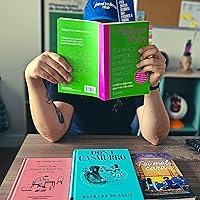
“Behind many of our problems lies an often ignored factor: we don’t like ourselves very much.”
I really like how the books of The School Of Life can show us the truth behind our behaviors. In “On Self-Hatred” we are invited to dive in our memories and remember when we start to hate ourselves and why we feel this.
It is an interesting and challenging reflection exercise and there are many possibilities for how you can respond to it. The origins of self-hatred can lie in childhood, in the emotional neglect we suffered, or in the way our parents teach us about love.
The good thing of this reality is that we can find self-acceptance and develop the ability to love ourselves. The path may be difficult at first, but we are able to do this. Learning to like yourself is for everyone and this book can help us to start that process.
I really like how the books of The School Of Life can show us the truth behind our behaviors. In “On Self-Hatred” we are invited to dive in our memories and remember when we start to hate ourselves and why we feel this.
It is an interesting and challenging reflection exercise and there are many possibilities for how you can respond to it. The origins of self-hatred can lie in childhood, in the emotional neglect we suffered, or in the way our parents teach us about love.
The good thing of this reality is that we can find self-acceptance and develop the ability to love ourselves. The path may be difficult at first, but we are able to do this. Learning to like yourself is for everyone and this book can help us to start that process.
Displaying 1 - 30 of 72 reviews