

What do you think?

Hell Screen
"There can be no doubt that Akutagawa] had more individuality than any other writer of his time and has left in Japanese literature a mass of artistic work, often grotesque and curious, that, while it undoubtedly angers the proletarian experimenters who now hold the stage and fight with lusty pens and a highly developed class consciousness against all that he stood for, will continue to live as long as men go on treasuring the fancies their fellows from time to time set down with care on paper."--Glen W. Shaw
Kindle Edition
First published January 1, 1918
About the author
Ryūnosuke Akutagawa
1,664 books2,257 followersAkutagawa Ryūnosuke (芥川 龍之介) was one of the first prewar Japanese writers to achieve a wide foreign readership, partly because of his technical virtuosity, partly because his work seemed to represent imaginative fiction as opposed to the mundane accounts of the I-novelists of the time, partly because of his brilliant joining of traditional material to a modern sensibility, and partly because of film director Kurosawa Akira's masterful adaptation of two of his short stories for the screen.
Akutagawa was born in the Kyōbashi district Tokyo as the eldest son of a dairy operator named Shinbara Toshizō and his wife Fuku. He was named "Ryūnosuke" ("Dragon Offshoot") because he was born in the Year of the Dragon, in the Month of the Dragon, on the Day of the Dragon, and at the Hour of the Dragon (8 a.m.). Seven months after Akutagawa's birth, his mother went insane and he was adopted by her older brother, taking the Akutagawa family name. Despite the shadow this experience cast over Akutagawa's life, he benefited from the traditional literary atmosphere of his uncle's home, located in what had been the "downtown" section of Edo.
At school Akutagawa was an outstanding student, excelling in the Chinese classics. He entered the First High School in 1910, striking up relationships with such classmates as Kikuchi Kan, Kume Masao, Yamamoto Yūzō, and Tsuchiya Bunmei. Immersing himself in Western literature, he increasingly came to look for meaning in art rather than in life. In 1913, he entered Tokyo Imperial University, majoring in English literature. The next year, Akutagawa and his former high school friends revived the journal Shinshichō (New Currents of Thought), publishing translations of William Butler Yeats and Anatole France along with original works of their own. Akutagawa published the story Rashōmon in the magazine Teikoku bungaku (Imperial Literature) in 1915. The story, which went largely unnoticed, grew out of the egoism Akutagawa confronted after experiencing disappointment in love. The same year, Akutagawa started going to the meetings held every Thursday at the house of Natsume Sōseki, and thereafter considered himself Sōseki's disciple.
The lapsed Shinshichō was revived yet again in 1916, and Sōseki lavished praise on Akutagawa's story Hana (The Nose) when it appeared in the first issue of that magazine. After graduating from Tokyo University, Akutagawa earned a reputation as a highly skilled stylist whose stories reinterpreted classical works and historical incidents from a distinctly modern standpoint. His overriding themes became the ugliness of human egoism and the value of art, themes that received expression in a number of brilliant, tightly organized short stories conventionally categorized as Edo-mono (stories set in the Edo period), ōchō-mono (stories set in the Heian period), Kirishitan-mono (stories dealing with premodern Christians in Japan), and kaika-mono (stories of the early Meiji period). The Edo-mono include Gesaku zanmai (A Life Devoted to Gesaku, 1917) and Kareno-shō (Gleanings from a Withered Field, 1918); the ōchō-mono are perhaps best represented by Jigoku hen (Hell Screen, 1918); the Kirishitan-mono include Hokōnin no shi (The Death of a Christian, 1918), and kaika-mono include Butōkai(The Ball, 1920).
Akutagawa married Tsukamoto Fumiko in 1918 and the following year left his post as English instructor at the naval academy in Yokosuka, becoming an employee of the Mainichi Shinbun. This period was a productive one, as has already been noted, and the success of stories like Mikan (Mandarin Oranges, 1919) and Aki (Autumn, 1920) prompted him to turn his attention increasingly to modern materials. This, along with the introspection occasioned by growing health and nervous problems, resulted in a series of autobiographically-based stories known as Yasukichi-mono, after the name of the main character. Works such as Daidōji Shinsuke no hansei(The Early Life of
Akutagawa was born in the Kyōbashi district Tokyo as the eldest son of a dairy operator named Shinbara Toshizō and his wife Fuku. He was named "Ryūnosuke" ("Dragon Offshoot") because he was born in the Year of the Dragon, in the Month of the Dragon, on the Day of the Dragon, and at the Hour of the Dragon (8 a.m.). Seven months after Akutagawa's birth, his mother went insane and he was adopted by her older brother, taking the Akutagawa family name. Despite the shadow this experience cast over Akutagawa's life, he benefited from the traditional literary atmosphere of his uncle's home, located in what had been the "downtown" section of Edo.
At school Akutagawa was an outstanding student, excelling in the Chinese classics. He entered the First High School in 1910, striking up relationships with such classmates as Kikuchi Kan, Kume Masao, Yamamoto Yūzō, and Tsuchiya Bunmei. Immersing himself in Western literature, he increasingly came to look for meaning in art rather than in life. In 1913, he entered Tokyo Imperial University, majoring in English literature. The next year, Akutagawa and his former high school friends revived the journal Shinshichō (New Currents of Thought), publishing translations of William Butler Yeats and Anatole France along with original works of their own. Akutagawa published the story Rashōmon in the magazine Teikoku bungaku (Imperial Literature) in 1915. The story, which went largely unnoticed, grew out of the egoism Akutagawa confronted after experiencing disappointment in love. The same year, Akutagawa started going to the meetings held every Thursday at the house of Natsume Sōseki, and thereafter considered himself Sōseki's disciple.
The lapsed Shinshichō was revived yet again in 1916, and Sōseki lavished praise on Akutagawa's story Hana (The Nose) when it appeared in the first issue of that magazine. After graduating from Tokyo University, Akutagawa earned a reputation as a highly skilled stylist whose stories reinterpreted classical works and historical incidents from a distinctly modern standpoint. His overriding themes became the ugliness of human egoism and the value of art, themes that received expression in a number of brilliant, tightly organized short stories conventionally categorized as Edo-mono (stories set in the Edo period), ōchō-mono (stories set in the Heian period), Kirishitan-mono (stories dealing with premodern Christians in Japan), and kaika-mono (stories of the early Meiji period). The Edo-mono include Gesaku zanmai (A Life Devoted to Gesaku, 1917) and Kareno-shō (Gleanings from a Withered Field, 1918); the ōchō-mono are perhaps best represented by Jigoku hen (Hell Screen, 1918); the Kirishitan-mono include Hokōnin no shi (The Death of a Christian, 1918), and kaika-mono include Butōkai(The Ball, 1920).
Akutagawa married Tsukamoto Fumiko in 1918 and the following year left his post as English instructor at the naval academy in Yokosuka, becoming an employee of the Mainichi Shinbun. This period was a productive one, as has already been noted, and the success of stories like Mikan (Mandarin Oranges, 1919) and Aki (Autumn, 1920) prompted him to turn his attention increasingly to modern materials. This, along with the introspection occasioned by growing health and nervous problems, resulted in a series of autobiographically-based stories known as Yasukichi-mono, after the name of the main character. Works such as Daidōji Shinsuke no hansei(The Early Life of
Ratings & Reviews
Friends & Following
Create a free account to discover what your friends think of this book!
Community Reviews
Displaying 1 - 30 of 391 reviews

April 29, 2026
Eccentric, provocative, and strangely alluring. This is one of those stories that leave you on edge throughout, and ultimately bewildered and uneasy.
A part of this story reminds me of The Secret History where the characters exist in a perpetual cycle of chasing aestheticism while simultaneously distorting their already skewed moral compass. Here, something similar happens — or at least the sense of it. What unfolds is not merely a narrative of an arrogant man in pursuit of artistic perfection, but an exploration on the lengths a person is willing to go in hopes of attaining that success.
Similarly to the aforementioned book, it shows how ambition can lead to the disorientation of the mind and the collapse of one’s sense of normalcy, wherein even the most pragmatic and basic forms of moral authority are stripped bare. And, instead of scholars, the presented character is an artist.
There’s something about the artist which I respect: that is his ability to seek beauty in ugliness. What goes wrong, however, is what he chooses to do with that ability; and that is perhaps what lends this story its terrifying edge. The psychological horror isn’t written in an abstract way either — every explicit detail is carefully written, leaving us unsettled and constantly feeling that foreboding dread. What ultimately stuck with me is how the power dynamic is played out; and how it led to that eventual outcome is devastating.
4.25 stars
P.S. Thank you, Hanna for recommending this book! Don’t worry, I won’t eat you because this was fantastic <3
A part of this story reminds me of The Secret History where the characters exist in a perpetual cycle of chasing aestheticism while simultaneously distorting their already skewed moral compass. Here, something similar happens — or at least the sense of it. What unfolds is not merely a narrative of an arrogant man in pursuit of artistic perfection, but an exploration on the lengths a person is willing to go in hopes of attaining that success.
Similarly to the aforementioned book, it shows how ambition can lead to the disorientation of the mind and the collapse of one’s sense of normalcy, wherein even the most pragmatic and basic forms of moral authority are stripped bare. And, instead of scholars, the presented character is an artist.
There’s something about the artist which I respect: that is his ability to seek beauty in ugliness. What goes wrong, however, is what he chooses to do with that ability; and that is perhaps what lends this story its terrifying edge. The psychological horror isn’t written in an abstract way either — every explicit detail is carefully written, leaving us unsettled and constantly feeling that foreboding dread. What ultimately stuck with me is how the power dynamic is played out; and how it led to that eventual outcome is devastating.
4.25 stars
P.S. Thank you, Hanna for recommending this book! Don’t worry, I won’t eat you because this was fantastic <3
August 28, 2025
I grew up reading a lot of local folklore and this story kinda reminded me of those. Usually, whenever I read a short story I get a feeling that it's incomplete, but not with this one. Definitely planning on reading more from Akutagawa.
December 11, 2025
Arrogance, selfishness and the depravity that occurs when man’s ambition becomes his master.
I’ve never read anything by Akutagawa before but… I guess sometimes Goodreads does give good recommendations? Anywho, I didn’t really expect much except to be disappointed by yet another too-short story and instead I’m still processing the events of those last few pages I read.
Hell Screen immediately grabs your attention with its elegant, almost musical prose and there’s just the right amount of foreshadowing to make you want to continue reading.
Despite the lull of the beautiful, immersive writing, the tone of foreboding carried throughout the piece keeps you on edge, which is only furthered with the events that follow, leaving you uneasy and slightly dreading where this might end.
The ending, while foreseeable, still halts you in your tracks and leaves you staring at the wall. It’s not just what happened, but the reactions of those who witnessed it that leave you disgusted and perturbed.
I can’t say much because it’ll spoil it but this is a very short and easy read that hooked me from beginning to end and it reminded me of a quote I read in one of the Little House on the Prairie books once:
“Ambition is, like other good things, a good only when used in moderation. It has worked great good for the world, and great evil also.
Alexander is an example of a man completely carried away by ambition: so much so that when he had conquered the whole world (which one would suppose was enough to satisfy ambition); he wept because there were no more world to conquer.
Ambition is a good servant, but a hard master; and if you think it is likely to become your master: I would say to you in the words of the immortal Shakespeare: 'Cromwell, I charge thee fling away ambition, by that sin fell the angels.”
Just... wow
I’ve never read anything by Akutagawa before but… I guess sometimes Goodreads does give good recommendations? Anywho, I didn’t really expect much except to be disappointed by yet another too-short story and instead I’m still processing the events of those last few pages I read.
Hell Screen immediately grabs your attention with its elegant, almost musical prose and there’s just the right amount of foreshadowing to make you want to continue reading.
Despite the lull of the beautiful, immersive writing, the tone of foreboding carried throughout the piece keeps you on edge, which is only furthered with the events that follow, leaving you uneasy and slightly dreading where this might end.
The ending, while foreseeable, still halts you in your tracks and leaves you staring at the wall. It’s not just what happened, but the reactions of those who witnessed it that leave you disgusted and perturbed.
I can’t say much because it’ll spoil it but this is a very short and easy read that hooked me from beginning to end and it reminded me of a quote I read in one of the Little House on the Prairie books once:
“Ambition is, like other good things, a good only when used in moderation. It has worked great good for the world, and great evil also.
Alexander is an example of a man completely carried away by ambition: so much so that when he had conquered the whole world (which one would suppose was enough to satisfy ambition); he wept because there were no more world to conquer.
Ambition is a good servant, but a hard master; and if you think it is likely to become your master: I would say to you in the words of the immortal Shakespeare: 'Cromwell, I charge thee fling away ambition, by that sin fell the angels.”
Just... wow

January 13, 2016
Ryūnosuke Akutagawa wrote Rashomon and Seventeen Other Stories, one of the greatest pieces of Japanese literature since the beginning of it's existence, these two stories, maintain him at such a level. His most beautiful stories tend to take place in a dark world, that lies between reality, myth, and fiction, or all three combined. They are tragic, and involve complex characters that rank from sociopaths to nice old ladies, but he webs all types so beautifully and perfectly, that suddenly, a short story about them is not enough.
This work contains two stories, Hell Screen and The Spider's Thread , both dealing with villanous types, reedemable or not.
In Hell Screen we get the story of an artist, whose only love aside art, is his daughter (something might have happened to her, but there is no definite answer). Then the Lord of Horikawa wishes for this painter to do a depiction of Hell, and he does. But his art comes with a prize, from the mistreatment of his apprentices to extreme circumstances, to someone's death. Is it a story solely based on artistic obsession or is it something more? Most likely something more.
In The Spider's Thread there is a criminal, who die to one act of kindness is given a chance by Buddha to make into Heaven, by climbing to it on a spider thread. He is not the only one to notice this form of escape, and what he does next will define his end, and will show a nature of other characters, not only him.
For an introduction to this genius, this is a perfect sample of two of his greatest stories, but I recommend everyone read his collections, much more to read there, and so much beauty, and carnage, and knowledge.
This work contains two stories, Hell Screen and The Spider's Thread , both dealing with villanous types, reedemable or not.
In Hell Screen we get the story of an artist, whose only love aside art, is his daughter (something might have happened to her, but there is no definite answer). Then the Lord of Horikawa wishes for this painter to do a depiction of Hell, and he does. But his art comes with a prize, from the mistreatment of his apprentices to extreme circumstances, to someone's death. Is it a story solely based on artistic obsession or is it something more? Most likely something more.
In The Spider's Thread there is a criminal, who die to one act of kindness is given a chance by Buddha to make into Heaven, by climbing to it on a spider thread. He is not the only one to notice this form of escape, and what he does next will define his end, and will show a nature of other characters, not only him.
For an introduction to this genius, this is a perfect sample of two of his greatest stories, but I recommend everyone read his collections, much more to read there, and so much beauty, and carnage, and knowledge.

August 25, 2017
كتاب پرده جهنم/ريونوسكه اكتاگاوا/جلال بايرام/انتشارات نيلوفر/٢١٧ صفحه
ريونوسكه اكتاگاوا را پدر داستان كوتاه ژاپن ميدانند.او راهي را اغاز كرد كه بعدها منجر به بردن ٢ جايزه ادبي نوبل براي ژاپن شد.
اكيرا كوراساوا كارگردان برجسته ژاپني فيلم تحسين شده اش به نام راشومون را بر اساس ٢ داستان راشومون و در بيشه از اكتاگاوا ساخت.
مادر اكتاگاوا در زمان كودكي او به دليل مرگ يكي از فرزندانش به جنون دچار شد.اكتاگاوا كودكي درون گرا،بسيار حساس و تا حدودي عجيب بود.او تنها ٣٧ سال زندگي كرد و در اواخر عمرش دچار شيزوفرني شد،بطوريكه شبها از ترس ريختن ديوارهاي اتاق به روي خود به گريه مي افتاد.در نهايت او كه ديگر تحمل چنين شرايطي را نداشت اقدام به خودكشي با قرص كرد.
كتاب حاضر ٤ داستان كوتاه از اوست.او در داستانهايش هجمه هاي زيادي به شخصيت ادمها كرده.او به هر طريقي منش و كردار انسانها را به سخره گرفته و از هيچ راهي براي طعنه زدن به ان دريغ نكرده.
در داستان "كاپا" (نام موجودي در فرهنگ عامه ژاپن به قد ٦٠ تا ٧٠ سانتيمتر و وزن ٢٠-٣٠ كيلوگرم.كاپاها روي سرشان كاسه اي دارند كه چنانچه درون ان اب باشد تقريبا هيچ كس زورش به انها نميرسد)..مردي به صورت اتفاقي كاپايي ميبيند و سعي ميكند او را بگيرد ولي در گودالي مي غلتد و وارد يك شهر زيرزميني كاپايي ميشود.بر خلاف تصورش كاپاها كاملا متمدن و جامعه اي پيشرفته دارند.ضمن انكه انها هم مثل انسانها بعضا اخلاقياتي نا درست مثل دروغگويي،غرور،ريا،دزدي،تجمل گرايي و..دارند..
در داستان پرده جهنم كه نام كتاب برگرفته از ان است داستان يك نقاش و اثر مشهورش از طريق يك راوي گمنام روايت ميشود.او داستان را از ٢ طريق روايت ميكند.يكي شنيده هايش از مردم و ديگري ذهنيت خودش از ان ماجراها.
يوشي هيده نقاشي ست در دربار حاكم بزرگ هوريكاوا..او پادشاهي ست عدل گستر و يوشي هيده نقاشي مغرور و متكبر و منفور..او به مقدسات احترام نميگذارد و احترام مردم و تا حدودي پادشاه را هم نگه نميدارد.ضمنا دختر زيبايش در دربار پادشاه كنيز است.
هر چه داستان جلو ميرود به طرز نامحسوسي متوجه ميشويم كه تقريبا تمام روايات بر عكس بوده اند.يوشي هيده ادمي معمولي و حتي خوبي بوده كه چون كاري به كار كسي نداشته منفور همگان ميشود.ضمن اينكه انقدر دخترش را عاشقانه دوست دارد كه چندين بار جسارت كرده و از پادشاه درخواست ازادي او را كرده.در اخر حاكم به او دستور ميدهد يك نقاشي از جهنم بكشد.همين موضوع باعث بروز اتفاقاتي ميشود..
داستان بعدي به نام تار عنكبوت داستان بوداست كه در بهشت در حال نظاره جهنم است و چشمش به راهزني مي افتد كه روزگاري كار نيكي انجام داده.بودا سعي ميكند فرصت دوباره اي به او بدهد،پس مقدماتي فراهم ميكند تا راهزن از ان طريق خودش را برهاند..ولي زمانيكه راهزن در حال فرار بقيه جهنميان كه از همان طريق در حال فرار هستند را به ناسزا ميگيرد بودا نا اميد ميشود و راه هاي فرار برا ي راهزن هم بسته ميشود.
و اما داستان اخر با نام "دماغ" كه يكي از مشهورترين اثار اوست..كاهني به نام ذن چي دماغ بزرگي به طول ٥ بند انگشت دارد بطوريكه در حين غذا خوردن كسي بايد دماغش را با يك تكه چوب بالا بگيرد.دماغ تمام فكر و ذكر كاهن را فرا گرفته.او كه به عنوان يك فرد روحاني عذاب وجدان دارد كه چرا اين موضوع برايش مهم است توان رهايي خودش از فكر كردن به ان را ندارد.كاهن هر كاري براي كوچك كردن دماغش ميكند ولي هيچكدام افاقه نميكند.كارش به جايي ميرسد كه در حياط معبد بشيند و ببيند ايا در بين زائرين يا بقيه كاهنان كسي هست كه دماغي به بزرگي او داشته باشد.يا حتي شروع به جستجو در كتابهاي تاريخي ميكند تا مگر كسي را پيدا كند كه دماغ بزرگي داشته و همين امر موجب تسكينش شود.
روزي يكي از شاگردانش از پزشكي چيني نحوه كوچك كردن دماغ را مي اموزد و طي يك عمليات دشوار دماغ كاهن به اندازه يك دماغ معمولي در مي ايد..كاهن سعي ميكند نشان ندهد تا چه اندازه خوشحال است ولي در باطن او شادترين انسانها بود.ولي همه چيز ارام ارام تغيير ميكند.مردم شروع به پچ پچ كردن پشت سرش ميكنند و با دست او را به همديگر نشان ميدهند.كار به جايي ميرسد كه با صداي بلند به او ميخندند.ذن چي كه در ابتدا دوباره نسبت به اين كانون توجه بودن بي اهميت است،تحملش را از دست ميدهد و تبديل به مردي پرخاشگر ميشود و دعا ميكند كه دماغش دوباره به حالت اول برگردد.
اكتاگاوا در اين داستان انتقاد تند و تيزي به دو دسته ادمها ميكند..قرباني كننده و قرباني شونده..
او ميگويد ذات ادميزاد جوري ست كه اگر نقصي در درون كسي ديد برايش دل مي سوزاند و حتي با او ابراز همدردي ميكند ولي چنانچه ببيند همان ادم مشكلش حل شده در باطن ناراحت ميشود و حسادت مي ورزد و حتي دست به دشمني بي موردي با او ميزند.چرا؟چون ان ادم ديگر ان انسان ضعيف و ناقص قبل نيست.
انتقاد ديگر او به افرادي ست كه اجازه ميدهند نظر مردم راجع به زندگي شان چنان پر اهميت شود كه بدون تاييد انها زندگي شان به هم بريزد.
ريونوسكه اكتاگاوا را پدر داستان كوتاه ژاپن ميدانند.او راهي را اغاز كرد كه بعدها منجر به بردن ٢ جايزه ادبي نوبل براي ژاپن شد.
اكيرا كوراساوا كارگردان برجسته ژاپني فيلم تحسين شده اش به نام راشومون را بر اساس ٢ داستان راشومون و در بيشه از اكتاگاوا ساخت.
مادر اكتاگاوا در زمان كودكي او به دليل مرگ يكي از فرزندانش به جنون دچار شد.اكتاگاوا كودكي درون گرا،بسيار حساس و تا حدودي عجيب بود.او تنها ٣٧ سال زندگي كرد و در اواخر عمرش دچار شيزوفرني شد،بطوريكه شبها از ترس ريختن ديوارهاي اتاق به روي خود به گريه مي افتاد.در نهايت او كه ديگر تحمل چنين شرايطي را نداشت اقدام به خودكشي با قرص كرد.
كتاب حاضر ٤ داستان كوتاه از اوست.او در داستانهايش هجمه هاي زيادي به شخصيت ادمها كرده.او به هر طريقي منش و كردار انسانها را به سخره گرفته و از هيچ راهي براي طعنه زدن به ان دريغ نكرده.
در داستان "كاپا" (نام موجودي در فرهنگ عامه ژاپن به قد ٦٠ تا ٧٠ سانتيمتر و وزن ٢٠-٣٠ كيلوگرم.كاپاها روي سرشان كاسه اي دارند كه چنانچه درون ان اب باشد تقريبا هيچ كس زورش به انها نميرسد)..مردي به صورت اتفاقي كاپايي ميبيند و سعي ميكند او را بگيرد ولي در گودالي مي غلتد و وارد يك شهر زيرزميني كاپايي ميشود.بر خلاف تصورش كاپاها كاملا متمدن و جامعه اي پيشرفته دارند.ضمن انكه انها هم مثل انسانها بعضا اخلاقياتي نا درست مثل دروغگويي،غرور،ريا،دزدي،تجمل گرايي و..دارند..
در داستان پرده جهنم كه نام كتاب برگرفته از ان است داستان يك نقاش و اثر مشهورش از طريق يك راوي گمنام روايت ميشود.او داستان را از ٢ طريق روايت ميكند.يكي شنيده هايش از مردم و ديگري ذهنيت خودش از ان ماجراها.
يوشي هيده نقاشي ست در دربار حاكم بزرگ هوريكاوا..او پادشاهي ست عدل گستر و يوشي هيده نقاشي مغرور و متكبر و منفور..او به مقدسات احترام نميگذارد و احترام مردم و تا حدودي پادشاه را هم نگه نميدارد.ضمنا دختر زيبايش در دربار پادشاه كنيز است.
هر چه داستان جلو ميرود به طرز نامحسوسي متوجه ميشويم كه تقريبا تمام روايات بر عكس بوده اند.يوشي هيده ادمي معمولي و حتي خوبي بوده كه چون كاري به كار كسي نداشته منفور همگان ميشود.ضمن اينكه انقدر دخترش را عاشقانه دوست دارد كه چندين بار جسارت كرده و از پادشاه درخواست ازادي او را كرده.در اخر حاكم به او دستور ميدهد يك نقاشي از جهنم بكشد.همين موضوع باعث بروز اتفاقاتي ميشود..
داستان بعدي به نام تار عنكبوت داستان بوداست كه در بهشت در حال نظاره جهنم است و چشمش به راهزني مي افتد كه روزگاري كار نيكي انجام داده.بودا سعي ميكند فرصت دوباره اي به او بدهد،پس مقدماتي فراهم ميكند تا راهزن از ان طريق خودش را برهاند..ولي زمانيكه راهزن در حال فرار بقيه جهنميان كه از همان طريق در حال فرار هستند را به ناسزا ميگيرد بودا نا اميد ميشود و راه هاي فرار برا ي راهزن هم بسته ميشود.
و اما داستان اخر با نام "دماغ" كه يكي از مشهورترين اثار اوست..كاهني به نام ذن چي دماغ بزرگي به طول ٥ بند انگشت دارد بطوريكه در حين غذا خوردن كسي بايد دماغش را با يك تكه چوب بالا بگيرد.دماغ تمام فكر و ذكر كاهن را فرا گرفته.او كه به عنوان يك فرد روحاني عذاب وجدان دارد كه چرا اين موضوع برايش مهم است توان رهايي خودش از فكر كردن به ان را ندارد.كاهن هر كاري براي كوچك كردن دماغش ميكند ولي هيچكدام افاقه نميكند.كارش به جايي ميرسد كه در حياط معبد بشيند و ببيند ايا در بين زائرين يا بقيه كاهنان كسي هست كه دماغي به بزرگي او داشته باشد.يا حتي شروع به جستجو در كتابهاي تاريخي ميكند تا مگر كسي را پيدا كند كه دماغ بزرگي داشته و همين امر موجب تسكينش شود.
روزي يكي از شاگردانش از پزشكي چيني نحوه كوچك كردن دماغ را مي اموزد و طي يك عمليات دشوار دماغ كاهن به اندازه يك دماغ معمولي در مي ايد..كاهن سعي ميكند نشان ندهد تا چه اندازه خوشحال است ولي در باطن او شادترين انسانها بود.ولي همه چيز ارام ارام تغيير ميكند.مردم شروع به پچ پچ كردن پشت سرش ميكنند و با دست او را به همديگر نشان ميدهند.كار به جايي ميرسد كه با صداي بلند به او ميخندند.ذن چي كه در ابتدا دوباره نسبت به اين كانون توجه بودن بي اهميت است،تحملش را از دست ميدهد و تبديل به مردي پرخاشگر ميشود و دعا ميكند كه دماغش دوباره به حالت اول برگردد.
اكتاگاوا در اين داستان انتقاد تند و تيزي به دو دسته ادمها ميكند..قرباني كننده و قرباني شونده..
او ميگويد ذات ادميزاد جوري ست كه اگر نقصي در درون كسي ديد برايش دل مي سوزاند و حتي با او ابراز همدردي ميكند ولي چنانچه ببيند همان ادم مشكلش حل شده در باطن ناراحت ميشود و حسادت مي ورزد و حتي دست به دشمني بي موردي با او ميزند.چرا؟چون ان ادم ديگر ان انسان ضعيف و ناقص قبل نيست.
انتقاد ديگر او به افرادي ست كه اجازه ميدهند نظر مردم راجع به زندگي شان چنان پر اهميت شود كه بدون تاييد انها زندگي شان به هم بريزد.

April 4, 2011
The two stories that make up this short book in the Penguin Mini Modern Classics series were a pleasant surprise. I had never read anything by Ryunosuke Akutagawa before so I did not know what to expect. Despite these stories having been first published in 1918, I felt them to be contemporary in style, although this may partly be due to the work of the translator, Jay Rubin.
Both stories - 'Hell screen' and 'The spider thread' - can be described as horror in a medieval setting, so they appealed as much to the horror fan as to the historian in me. The stories deal with pride, arrogance and selfishness and especially cruelty - themes that refer not only to the protagonists of the stories but also, more pervasively, to the wider social milieu of medieval Japan.
This wider societal cruelty (as well as arrogance and selfishness) can be seen in 'Hell Screen' when the narrator recalls how, 'when construction of Nagara Bridge seemed to be running counter to the will of a local deity, [the local lord] offered up a favourite boy attendent as a human sacrifice to be buried at the foot of a pillar' (p. 3). That hapless boy would not be one to cross the new bridge, unlike his lord. Implied cruelty can be seen when the protagonist of 'Hell Screen' - a painter - is mentioned as having gone out 'specially to inspect a corpse lying on the roadside - the kind of sight from which any ordinary person would recoil - and spent hours sitting before it, sketching its rotting face and limbs without missing a hair' (p. 19). We are not told whose corpse it was, but one supposes that he or she had died here by the roadside, alone and exposed to the elements without any assistance offered to him or her and, once dead, nobody thought to bury or cremate his/her remains. Also, there is this hint of the cruelty of war:
To mention the cruelty described in the course of the narrative would give too much away of the story, so I won't refer to it here, but the narrator is as shocked by what he witnesses and hears as might the modern reader be. This implies, of course, that while cruelty might have been commonplace in medieval Japan, it was not necessarily accepted as the norm by all Japanese.
Overall, while I preferred 'Hell screen' to 'The spider web', I liked Akutagawa's two stories for their rich description and for the strangeness of the narrative, as well as for their accessibility to the 21st-century reader. I will probably explore more of Ryunosuke Akutagawa's writing in future.
4 April 2011
Both stories - 'Hell screen' and 'The spider thread' - can be described as horror in a medieval setting, so they appealed as much to the horror fan as to the historian in me. The stories deal with pride, arrogance and selfishness and especially cruelty - themes that refer not only to the protagonists of the stories but also, more pervasively, to the wider social milieu of medieval Japan.
This wider societal cruelty (as well as arrogance and selfishness) can be seen in 'Hell Screen' when the narrator recalls how, 'when construction of Nagara Bridge seemed to be running counter to the will of a local deity, [the local lord] offered up a favourite boy attendent as a human sacrifice to be buried at the foot of a pillar' (p. 3). That hapless boy would not be one to cross the new bridge, unlike his lord. Implied cruelty can be seen when the protagonist of 'Hell Screen' - a painter - is mentioned as having gone out 'specially to inspect a corpse lying on the roadside - the kind of sight from which any ordinary person would recoil - and spent hours sitting before it, sketching its rotting face and limbs without missing a hair' (p. 19). We are not told whose corpse it was, but one supposes that he or she had died here by the roadside, alone and exposed to the elements without any assistance offered to him or her and, once dead, nobody thought to bury or cremate his/her remains. Also, there is this hint of the cruelty of war:
'One among them appeared most eager to be of service to His Lordship, a burly samurai who had distinguished himself in the campaign against the northern barbarians some years earlier. He was said to have survived starvation by eating human flesh, after which he had the strength to tear out antlers of a living stag with his bare hands.' (pp. 41-2)
To mention the cruelty described in the course of the narrative would give too much away of the story, so I won't refer to it here, but the narrator is as shocked by what he witnesses and hears as might the modern reader be. This implies, of course, that while cruelty might have been commonplace in medieval Japan, it was not necessarily accepted as the norm by all Japanese.
Overall, while I preferred 'Hell screen' to 'The spider web', I liked Akutagawa's two stories for their rich description and for the strangeness of the narrative, as well as for their accessibility to the 21st-century reader. I will probably explore more of Ryunosuke Akutagawa's writing in future.
4 April 2011
July 20, 2020
این ایدههای دستنخورده و مخوف چجوری به ذهنشون میرسه؟
ادبیات ژاپن واقعاً بکره، مشتاق شدم بیشتر ازش بخونم.
ادبیات ژاپن واقعاً بکره، مشتاق شدم بیشتر ازش بخونم.

June 4, 2025
ادبیات ژاپن هیچوقت نااُمیدم نمیکنه ^^
اولین کتابی بود که از آکوتاگاوا میخوندم و واقعا شگفتانگیز بود.
مشتاق شدم که کتابهای بیشتری از این نویسنده بخونم.
راجع به داستان چیزی نمیگم چون کوتاهه و باید خودتون بخونید تا اونطور که باید، اثرشو حس کنید.
پ.ن: من این کتاب رو با ترجمهی خانم مرضیه خسروی خوندم ولی توی گودریدز ثبت نشده بود.
اولین کتابی بود که از آکوتاگاوا میخوندم و واقعا شگفتانگیز بود.
مشتاق شدم که کتابهای بیشتری از این نویسنده بخونم.
راجع به داستان چیزی نمیگم چون کوتاهه و باید خودتون بخونید تا اونطور که باید، اثرشو حس کنید.
پ.ن: من این کتاب رو با ترجمهی خانم مرضیه خسروی خوندم ولی توی گودریدز ثبت نشده بود.

November 23, 2024
Mind-blowing stuff!
This is the first work by Ryunosuke I’ve read, originally published in 1918.
It’s about an Emperor people see as a Buddha, but then he goes and does something totally insane.
I’m not gonna spoil the plot here, just read it and see how brilliant it is!
This is the first work by Ryunosuke I’ve read, originally published in 1918.
It’s about an Emperor people see as a Buddha, but then he goes and does something totally insane.
I’m not gonna spoil the plot here, just read it and see how brilliant it is!

August 27, 2017
دو داستان کوتاه ژاپنی.
داستان جالبی داشت و نحوه بیاناش هم متفاوت و ژاپنی بود و داستان رو از بقیه نوشتهها متمایز میکرد. گاهی راوی مستقیم با خواننده صحبت میکرد و گاهی سوم شخص میشد و صرفن واقعیات رو ثبت میکرد. داستان، بیشتر شبیه قصهها و افسانهها بود و کمتر شبیه داستانهای امروزی.
داستان جالبی داشت و نحوه بیاناش هم متفاوت و ژاپنی بود و داستان رو از بقیه نوشتهها متمایز میکرد. گاهی راوی مستقیم با خواننده صحبت میکرد و گاهی سوم شخص میشد و صرفن واقعیات رو ثبت میکرد. داستان، بیشتر شبیه قصهها و افسانهها بود و کمتر شبیه داستانهای امروزی.

November 13, 2020
Hell Screen [1918/48] - ★★★★★
This is a short story by "the father of the Japanese short story" who is probably best known for such short stories as Rashomon [1915] and In a Grove [1922]. Said to be the reworking of the Uji Shūi Monogatari, Japanese tales written in the thirteenth century, Hell Screen tells the story of Yoshihide, an eccentric painter and allegedly a despicable human being, who resides at the court of one powerful Lord Horikawa. When the Lord requests Yoshihide to paint the picture of Hell, the artist takes this request too close to heart. Moreover, slowly, Yoshihide's beautiful daughter becomes the centre of the newest rumour and intrigue. Akutagawa's story may be short, but it also evokes the most powerful imagery. The author was a master of story-telling, and in this story we are presented with vivid descriptions that he also coupled with the peculiarly Japanese literary minimalism. The outcome is one disturbing, unforgettable story of obsession and damnation.
This is a short story by "the father of the Japanese short story" who is probably best known for such short stories as Rashomon [1915] and In a Grove [1922]. Said to be the reworking of the Uji Shūi Monogatari, Japanese tales written in the thirteenth century, Hell Screen tells the story of Yoshihide, an eccentric painter and allegedly a despicable human being, who resides at the court of one powerful Lord Horikawa. When the Lord requests Yoshihide to paint the picture of Hell, the artist takes this request too close to heart. Moreover, slowly, Yoshihide's beautiful daughter becomes the centre of the newest rumour and intrigue. Akutagawa's story may be short, but it also evokes the most powerful imagery. The author was a master of story-telling, and in this story we are presented with vivid descriptions that he also coupled with the peculiarly Japanese literary minimalism. The outcome is one disturbing, unforgettable story of obsession and damnation.
April 8, 2021
The seductive mystique that the European vampire/ghost chooses to hide behind is tainted by the current nude vulgarity of the West, and in that stride, they aren't really mysterious. Cold isn't that scary anymore. Japenese ghosts, however, represent the sonorous quiet of taboos that must accompany transgressions of any kind, peak perversity. Spring is still the most treacherous of all seasons.Japenese horror, therefore, is more batshit than the European one.
This barely has anything to do with the story. All of this is just to say that I am more scared of the Japenese ghosts than I am of the English ones. And I am going to dream about the Dantean depths of art that the Hell Screen plunges into for days to come! My poor impressionable brain!
This barely has anything to do with the story. All of this is just to say that I am more scared of the Japenese ghosts than I am of the English ones. And I am going to dream about the Dantean depths of art that the Hell Screen plunges into for days to come! My poor impressionable brain!

October 31, 2023
An interesting collection of eerie short stories in translation from a Japanese author in the early 1900's. I liked a couple of these a lot- the titular Hell Screen was a standout. But the last few were just kind of depressing and semi-autobiographical in a way that was very sad boy navel-gazing which I'm less a fan of. But still worth a read and interesting as a piece of classic literature.
Big content warning for suicide and suicidal ideation in multiple stories.
Big content warning for suicide and suicidal ideation in multiple stories.
October 2, 2022
Ryūnosuke Akutagawa (born 1892) was one of the first authors I ever truly fell into, and Hell Screen remains one of the clearest demonstrations of why his work still feels psychologically dangerous nearly a century later. It’s the best anthology.
His life was moulded by instability and loss. His mother died when he was young, his father suffered from mental illness, and Akutagawa himself lived with relentless depression and intense self-scrutiny before dying by suicide in 1927, aged just 35. But none of that is sentimentalised in his work. His fiction is saturated with despair, morality, and the uglier corners of the human mind with cold, analytical precision.
Hell Screen, in particular, shows how far he was willing to go. He was obsessed with the ambiguity of truth and the limits of human empathy. His stories are psychologically shrill in the best way: tightly constructed, symbolic, and deeply unsettling. Characters aren’t just tormented, they’re exposed, ethically, almost clinically. There’s no comfort. No neat answer. Just pressure, and the choices people make under it.
That’s part of what makes Akutagawa such a foundational figure in modern Japanese literature. His influence is everywhere. Yukio Mishima admired Akutagawa’s psychological depth and stylistic control, echoing that same fascination with existentialism and the tension between tradition and modernity. Yasunari Kawabata, later Japan’s first Nobel laureate, picked up on Akutagawa’s introspective style and refracted it through something quieter, more fragile, psychological tension turned into fleeting moments of beauty and silence.
Reading Akutagawa, I also can’t help thinking of Dostoyevsky. It’s not a coincidence. Writers of Akutagawa’s generation were obsessed with European literature, and Dostoyevsky was popular among Japanese readers and scholars, especially his moral extremity, his guilt, his endless cycles of obsession and collapse. Akutagawa isn’t imitating, but there’s a shared spirit: the interest in people not as heroes or victims, but as creatures under unbearable psychological and ethical weight. The ones who survive it, and the ones who don’t.
If you’re someone who loves Dostoyevsky (as I do), Hell Screen feels weirdly familiar: the same sense that intelligence and suffering aren’t opposites, but bedfellows. But Akutagawa translates those questions into a Japanese cultural register, less feverish, maybe, but just as brutal. He doesn’t flinch.
Kenzaburō Ōe also credited Akutagawa as a major influence, especially in how he blurred the lines between reality and imagination, ethics and story. And then, of course, there’s Osamu Dazai. The connection there feels more like a haunting than an influence. Dazai admired him profoundly, not just his technique, but his unflinching engagement with alienation, shame, and despair. No Longer Human reads like a direct conversation with Akutagawa’s legacy: the same hollowing-out of the self, the same exhaustion with trying to be human at all.
And what still strikes me now, after reading and rereading him, is how little Akutagawa explains. There’s no moral hand-holding. His stories don’t ask for sympathy; they demand attention. Hell Screen isn’t just dark. It’s methodical in its cruelty, asking us to confront what it means to serve beauty, obsession, or genius at the cost of everything else.
For an author I met so early, Akutagawa has only become more unsettling with time. His influence is vast. His technique, surgical. His view of humanity? Unforgiving. In the best way.
An absolute masterpiece, by an absolute legend.
His life was moulded by instability and loss. His mother died when he was young, his father suffered from mental illness, and Akutagawa himself lived with relentless depression and intense self-scrutiny before dying by suicide in 1927, aged just 35. But none of that is sentimentalised in his work. His fiction is saturated with despair, morality, and the uglier corners of the human mind with cold, analytical precision.
Hell Screen, in particular, shows how far he was willing to go. He was obsessed with the ambiguity of truth and the limits of human empathy. His stories are psychologically shrill in the best way: tightly constructed, symbolic, and deeply unsettling. Characters aren’t just tormented, they’re exposed, ethically, almost clinically. There’s no comfort. No neat answer. Just pressure, and the choices people make under it.
That’s part of what makes Akutagawa such a foundational figure in modern Japanese literature. His influence is everywhere. Yukio Mishima admired Akutagawa’s psychological depth and stylistic control, echoing that same fascination with existentialism and the tension between tradition and modernity. Yasunari Kawabata, later Japan’s first Nobel laureate, picked up on Akutagawa’s introspective style and refracted it through something quieter, more fragile, psychological tension turned into fleeting moments of beauty and silence.
Reading Akutagawa, I also can’t help thinking of Dostoyevsky. It’s not a coincidence. Writers of Akutagawa’s generation were obsessed with European literature, and Dostoyevsky was popular among Japanese readers and scholars, especially his moral extremity, his guilt, his endless cycles of obsession and collapse. Akutagawa isn’t imitating, but there’s a shared spirit: the interest in people not as heroes or victims, but as creatures under unbearable psychological and ethical weight. The ones who survive it, and the ones who don’t.
If you’re someone who loves Dostoyevsky (as I do), Hell Screen feels weirdly familiar: the same sense that intelligence and suffering aren’t opposites, but bedfellows. But Akutagawa translates those questions into a Japanese cultural register, less feverish, maybe, but just as brutal. He doesn’t flinch.
Kenzaburō Ōe also credited Akutagawa as a major influence, especially in how he blurred the lines between reality and imagination, ethics and story. And then, of course, there’s Osamu Dazai. The connection there feels more like a haunting than an influence. Dazai admired him profoundly, not just his technique, but his unflinching engagement with alienation, shame, and despair. No Longer Human reads like a direct conversation with Akutagawa’s legacy: the same hollowing-out of the self, the same exhaustion with trying to be human at all.
And what still strikes me now, after reading and rereading him, is how little Akutagawa explains. There’s no moral hand-holding. His stories don’t ask for sympathy; they demand attention. Hell Screen isn’t just dark. It’s methodical in its cruelty, asking us to confront what it means to serve beauty, obsession, or genius at the cost of everything else.
For an author I met so early, Akutagawa has only become more unsettling with time. His influence is vast. His technique, surgical. His view of humanity? Unforgiving. In the best way.
An absolute masterpiece, by an absolute legend.

July 14, 2018
I have only read 'Hell Screen' (twice) and not the second story in this collection so I can only comment on that. In short, it is a superb and horrific tale of artistic obsession.
Famous as the author of 'Rashomon', this work haunts as it sets the formal judicial cruelty of power alongside the blind obsessive cruelty of the artist. The former finally tests the latter by destroying a human love and the artist responds with ecstasy as it enables him to fulfil his project.
In fact, there is not much to say about this work because it stands entirely for itself, filled with ambiguities and suggestion, perfect in fact. And, while the debt to Western symbolism is clear, the sensibility is fully Japanese with a sense of the supernatural hovering just at the edge of the natural.

December 31, 2014
کتاب نگارشی عجیب دارد، بیش از حد سیاه است و لبریز است از وحشتی خالص، اما هیچ نمیترساندتان. ریونوسکه آکوتاگاوا با این کتاب بی برو برگرد به نویسندهی محبوب ژاپنی زبانم تبدیل شد.

December 16, 2021
Very strange, slightly terrifying and brilliant.

October 20, 2020
I like 'Hell Screen' a lot more than the second story in the book : 'The Spider's Thread'. Mostly read this little book to make sure that I like Akutagawa's writing enough to read his full novels. And I most definitely will be reading his other books.

September 12, 2023
none of these stories sparked joy

May 6, 2024
I've come to realize that some of the most impactful books to me tend to be on the shorter side, and Hell Screen is definitely one of them. Comprising two stories the book masterfully interweaves the darkest side and the unthinkable of human nature, with the supernatural.
The first story, "Hell Screen," spotlights an extremely talented painter, Yoshihide who boasts to be the best painter in the country, and is at the behest of the Lord of Horikawa. He often commissions Yoshihide to make the most breathtaking paintings — ones that highlight the beauty of ugliness. This includes a large project that depicts Hell in its full fury. But the painter's arrogance and infatuation with his potential magnus opus becomes ultra disturbing and comes at a hefty price.
I particularly love dark fiction that explores the concept of beauty in contrast to ugliness, and how they synthesize well to either produce the most disturbing thing to humans, or the complete opposite. Everyone has their "ugly" side, and this story hyperbolizes that in a way that underscores the relation between the surreal and reality. The line becomes blurry, and art further allows our imagination to ascend (or descend, rather) to the point where our humanity is scarcely in tact. Akutagawa's descriptions of Yoshihide's transformation are truly horrific yet mesmerizing, and the ending culminates in a plot twist that concludes where his priorities lie as an artist and a human being.
"In a sense, the hell in his painting was the hell into which Yoshihide himself, the greatest painter in the realm, was doomed one day to fall."
The second story, "The Spider's Thread," focuses on a criminal in Hell who's been given a second chance at redemption after committing a small act of kindness. But as the saying goes, no good deed goes unpunished, and his chance of escaping Hell seems to be narrowing, he suspects. It's a short but dark fable foregrounding the concept of selflessness, and ironically self-sabotaging due to one's selfishness.
"All was silent as the grave, and when a faint sound did break the stillness, it was the feeble sigh of a sinner."
Really impressed with the lovely, detailed prose that somehow doesn't meander, and I'll be reading more of Akutagawa's works.
The first story, "Hell Screen," spotlights an extremely talented painter, Yoshihide who boasts to be the best painter in the country, and is at the behest of the Lord of Horikawa. He often commissions Yoshihide to make the most breathtaking paintings — ones that highlight the beauty of ugliness. This includes a large project that depicts Hell in its full fury. But the painter's arrogance and infatuation with his potential magnus opus becomes ultra disturbing and comes at a hefty price.
I particularly love dark fiction that explores the concept of beauty in contrast to ugliness, and how they synthesize well to either produce the most disturbing thing to humans, or the complete opposite. Everyone has their "ugly" side, and this story hyperbolizes that in a way that underscores the relation between the surreal and reality. The line becomes blurry, and art further allows our imagination to ascend (or descend, rather) to the point where our humanity is scarcely in tact. Akutagawa's descriptions of Yoshihide's transformation are truly horrific yet mesmerizing, and the ending culminates in a plot twist that concludes where his priorities lie as an artist and a human being.
"In a sense, the hell in his painting was the hell into which Yoshihide himself, the greatest painter in the realm, was doomed one day to fall."
The second story, "The Spider's Thread," focuses on a criminal in Hell who's been given a second chance at redemption after committing a small act of kindness. But as the saying goes, no good deed goes unpunished, and his chance of escaping Hell seems to be narrowing, he suspects. It's a short but dark fable foregrounding the concept of selflessness, and ironically self-sabotaging due to one's selfishness.
"All was silent as the grave, and when a faint sound did break the stillness, it was the feeble sigh of a sinner."
Really impressed with the lovely, detailed prose that somehow doesn't meander, and I'll be reading more of Akutagawa's works.

September 22, 2020
.
قرار نیست خود اتفاق غافلگیری رو یه وجود بیاره، از همون توصیف خود پرده مشخصه که چه اتفاقی قرار بیفته. اون چیزی ک غافلگیرت میکنه بی شرمی اتفاق افتادنشه. چطور چنین اتفاق بیرحمانهای به همین سادگی رخ میده؟ و به طرز عجیبتری پذیرفته میشه ک این سادگی طبیعیه.
شاید داستان ساده به نظر بیاد ولی حقیقتن به استادی نوشته شده، این احساسات متناقض به چیزی که فقط یه واکنش باید بگیره مثل خود پرده، واقعن ستودنیه.
لینک طاقچه
قرار نیست خود اتفاق غافلگیری رو یه وجود بیاره، از همون توصیف خود پرده مشخصه که چه اتفاقی قرار بیفته. اون چیزی ک غافلگیرت میکنه بی شرمی اتفاق افتادنشه. چطور چنین اتفاق بیرحمانهای به همین سادگی رخ میده؟ و به طرز عجیبتری پذیرفته میشه ک این سادگی طبیعیه.
شاید داستان ساده به نظر بیاد ولی حقیقتن به استادی نوشته شده، این احساسات متناقض به چیزی که فقط یه واکنش باید بگیره مثل خود پرده، واقعن ستودنیه.
لینک طاقچه

June 1, 2023
finished this last month after putting it off for half a year and honestly just reading this little clothbound classic was a whole alleviating experience. also saw someone state that akutagawa's writing was somewhat similar to kafka's and i agree, he definitely reminded me of kafka a lot here.

March 10, 2025
[short book]
I just know my mind will think about the story in my empty moments.
I just know my mind will think about the story in my empty moments.
March 18, 2011
In celebration of the fiftieth anniversary of Penguin Modern Classics, a diverse set of acclaimed novels and anthologies that over the years have been packaged and repackaged by the world’s leading trade publisher between distinctively expressive and sophisticated covers, a smaller set of short literary works — modern classics, really — is reissued by Penguin UK for readers all over the world, especially lovers of short fiction. Dubbed Penguin Mini Modern Classics, the collection gathers novellas and short stories from fifty dignitaries of world literature, including Italo Calvino, Angela Carter, H. P. Lovecraft, F. Scott Fitzgerald, and Frans Kafka. True to their literary form and moniker, the Penguin Mini Modern Classics are available as tiny pocket books sporting a look similar to the current Penguin Modern Classics design by Jim Stoddart sans the cover photographs. Also, each of the books is so short and engaging that it can be easily read in one sitting — or less.
Such is the case for the Penguin Mini Modern Classics book Hell Screen, which contains a couple of hard-hitting short stories by the father of the Japanese short story himself, Ryunosuke Akutagawa. Both stories, Hell Screen and The Spider’s Thread, share the same publication date (1918) as well as the same themes of afterlife and retribution. Less notably, both stories are translated here by Haruki Murakami’s frequent collaborator, Jay Rubin, so brilliantly, it must be said, that none of the presumptive heft of the original Japanese is lost in translation.
The title story is a chilling tale of obsession involving a painter named Yoshihide. Known for his frighteningly realistic visual representations of fantastical scenes as much as for his self-importance, he is commissioned by his longtime employer, the Lord of Horikawa, to compose a folding screen depicting the eight Buddhist hells. For somebody who is hailed as “the Greatest Painter in the Land” and is a self-described advocate of “the beauty of ugliness,” the task should be nothing but a piece of ke-ki-. But here’s the thing with the great Yoshihide: “As a rule,” he says, “I can only paint what I have seen.”
And so for some key details of the hell screen not only does he draw from his nightmares inhabited by monsters and demons but he also uses extremely unorthodox methods to recreate hellish scenes right before his eyes. In one instance, Yoshihide has one of his unfortunate apprentices stripped of his clothes, bound in chains, and tortured by a wild, enormous bird. And in the story’s subtly foreshadowed climax, he demands that a woman of noble beauty be burned to death in a grand carriage just so he can accurately portray the hell screen’s fiery centerpiece.
These and the other episodes that bear a similarly bloodcurdling effect in this twenty-section short story are narrated by a servant who in his atypical lucidity as narrator is obviously partial to Yoshihide’s patron, His Lordship, who in turn evidently harbors lust for an attractive lady-in-waiting. Understandably, one may have a sneaking suspicion that behind it, like the titular painting, the weaving of the story itself was commissioned by the powerful lord, if only to have himself exonerated of charges of assault against the supposed object of his desire. There is no doubt however that Akutagawa’s morbid tale, which those familiar with the author’s short life will deem semi-autobiographical in more than one sense, is, despite — or because of — its brevity, an effective depiction of the power of madness and the madness of power and the price of perfection.
Turning the page following the intense conclusion of Hell Screen, one is likely to consume the far shorter short story of The Spider’s Thread as a mere afterthought. It’s a story whose length and structure resemble that of a typical Aesop’s fable. No wonder: The Spider’s Thread is said to be an expanded retelling of a fable, albeit one attributed not to the ancient storyteller but to Fyodor Dostoyevsky. As does The Fable of the Onion in Brothers Karamazov, The Spider’s Thread begins with a deity who learns about “a single act of goodness” done on earth by a sinner now suffering in hell and decides to give the sinner a chance at salvation by making the sinner endure a long and arduous climb from the nether world. In Dostoyevsky’s story-within-a-story the sinner, a shameful woman, once gave a beggar an onion and now must hold on to the same onion until she is successfully pulled out; here in the updated version the sinner, a thief-arsonist-murderer named Kandata, once spared a spider its life and now must make his ascent along, of course, a spider’s thread. The situation, sneeringly, gives literal meaning to the often figurative phrase, “hanging by a thread.”
The Spider’s Thread starts on an agreeable note, but in an Akutagawa story that is barely five pages long, things make a tragic, if predictable, turn in no time. A companion piece to Hell Screen, it’s a parable of karmic comeuppance and a curiously delightful coda to the famed Rashomon and In A Grove author’s danse macabre.
--
Originally posted here.
Such is the case for the Penguin Mini Modern Classics book Hell Screen, which contains a couple of hard-hitting short stories by the father of the Japanese short story himself, Ryunosuke Akutagawa. Both stories, Hell Screen and The Spider’s Thread, share the same publication date (1918) as well as the same themes of afterlife and retribution. Less notably, both stories are translated here by Haruki Murakami’s frequent collaborator, Jay Rubin, so brilliantly, it must be said, that none of the presumptive heft of the original Japanese is lost in translation.
The title story is a chilling tale of obsession involving a painter named Yoshihide. Known for his frighteningly realistic visual representations of fantastical scenes as much as for his self-importance, he is commissioned by his longtime employer, the Lord of Horikawa, to compose a folding screen depicting the eight Buddhist hells. For somebody who is hailed as “the Greatest Painter in the Land” and is a self-described advocate of “the beauty of ugliness,” the task should be nothing but a piece of ke-ki-. But here’s the thing with the great Yoshihide: “As a rule,” he says, “I can only paint what I have seen.”
And so for some key details of the hell screen not only does he draw from his nightmares inhabited by monsters and demons but he also uses extremely unorthodox methods to recreate hellish scenes right before his eyes. In one instance, Yoshihide has one of his unfortunate apprentices stripped of his clothes, bound in chains, and tortured by a wild, enormous bird. And in the story’s subtly foreshadowed climax, he demands that a woman of noble beauty be burned to death in a grand carriage just so he can accurately portray the hell screen’s fiery centerpiece.
These and the other episodes that bear a similarly bloodcurdling effect in this twenty-section short story are narrated by a servant who in his atypical lucidity as narrator is obviously partial to Yoshihide’s patron, His Lordship, who in turn evidently harbors lust for an attractive lady-in-waiting. Understandably, one may have a sneaking suspicion that behind it, like the titular painting, the weaving of the story itself was commissioned by the powerful lord, if only to have himself exonerated of charges of assault against the supposed object of his desire. There is no doubt however that Akutagawa’s morbid tale, which those familiar with the author’s short life will deem semi-autobiographical in more than one sense, is, despite — or because of — its brevity, an effective depiction of the power of madness and the madness of power and the price of perfection.
Turning the page following the intense conclusion of Hell Screen, one is likely to consume the far shorter short story of The Spider’s Thread as a mere afterthought. It’s a story whose length and structure resemble that of a typical Aesop’s fable. No wonder: The Spider’s Thread is said to be an expanded retelling of a fable, albeit one attributed not to the ancient storyteller but to Fyodor Dostoyevsky. As does The Fable of the Onion in Brothers Karamazov, The Spider’s Thread begins with a deity who learns about “a single act of goodness” done on earth by a sinner now suffering in hell and decides to give the sinner a chance at salvation by making the sinner endure a long and arduous climb from the nether world. In Dostoyevsky’s story-within-a-story the sinner, a shameful woman, once gave a beggar an onion and now must hold on to the same onion until she is successfully pulled out; here in the updated version the sinner, a thief-arsonist-murderer named Kandata, once spared a spider its life and now must make his ascent along, of course, a spider’s thread. The situation, sneeringly, gives literal meaning to the often figurative phrase, “hanging by a thread.”
The Spider’s Thread starts on an agreeable note, but in an Akutagawa story that is barely five pages long, things make a tragic, if predictable, turn in no time. A companion piece to Hell Screen, it’s a parable of karmic comeuppance and a curiously delightful coda to the famed Rashomon and In A Grove author’s danse macabre.
--
Originally posted here.

September 28, 2021
داستان اول به شدت تکاندهنده و وحشتناک بود. داستان از جانب نگهبانی بیان میشد که تمام حقایق رو نمیدونست و همین جذابترش میکرد.
داستان دوم رو قبلا جایی خونده بودم اما به این شکل نبود. دونستن نسخهی اصلیش برام جالب بود.
داستان دوم رو قبلا جایی خونده بودم اما به این شکل نبود. دونستن نسخهی اصلیش برام جالب بود.

January 26, 2022
The first story, Hell Screen, was a really disturbing one. But I loved it nonetheless. Everything he depicted in the Hell Screen strongly reminded me of the paintings of Bosch though I don't know if there is any connection there. I am very curious about other works of him now. I just learned he had a famous(?) dispute with Tanizaki too. I would love to read more about it, if I can find a good source.
September 19, 2024
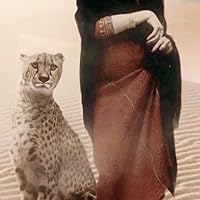
''other painters are such mediocrities, they cannot appreciate the beauty of ugliness.''
January 17, 2026
მშვენიერი ნაწარმოებების კრებული. იდეალური აკუტაგავას გასაცნობად. Love of apricots

May 18, 2026
I am currently obsessed with Ryūnosuke Akutagawa. This was fantastic. And now I need to break my temporary self-imposed book buying ban to snag an essential Akutagawa collection in hardcover. My TBR hates me. 😅
Thank god reading and book buying are two totally unrelated hobbies.
Thank god reading and book buying are two totally unrelated hobbies.

January 27, 2026
First time reading japanese literature and Hell Screen was the ideal introduction for me to the genre, it is a short story written by Ryūnosuke Akutagawa, whom, in this book, tells us about a mad painter **yoshihide** who is commissioned to depict hell so vividly, hence the book name .
I find it so fascinating that the main character - throughout the book - is described as unpleasant, someone who is anything but normal yet is praised for his insane ability of portraying horrifying art, as well as being a doting father in spite of it, wich was the reason I felt compassionate towards him despite his eerie nature, or maybe it is the fact that his character was meant to be previewed as morally discomforting, it is ! And I tend to find that extremely interesting, when reading about this sort of character .
One thing I was a huge fan of is the monkey and the bond it had with Yoshihide's daughter, dare I say it was my favorite character and I feel bad referring to it as " it " because that animal had more empathy than half the men in the story, and I am certain that the author intentionally placed yoshihide's loving streak into it .
The author's simple lucid way of narrating was a huge contributor to my interest in his work, when I first started reading I felt that it perhaps wasn't for me, next thing I knew I was swiping through the pages eager to see where the story would lead . I think it's safe to say there isn't a thing I didn't enjoy about it .
I find it so fascinating that the main character - throughout the book - is described as unpleasant, someone who is anything but normal yet is praised for his insane ability of portraying horrifying art, as well as being a doting father in spite of it, wich was the reason I felt compassionate towards him despite his eerie nature, or maybe it is the fact that his character was meant to be previewed as morally discomforting, it is ! And I tend to find that extremely interesting, when reading about this sort of character .
One thing I was a huge fan of is the monkey and the bond it had with Yoshihide's daughter, dare I say it was my favorite character and I feel bad referring to it as " it " because that animal had more empathy than half the men in the story, and I am certain that the author intentionally placed yoshihide's loving streak into it .
The author's simple lucid way of narrating was a huge contributor to my interest in his work, when I first started reading I felt that it perhaps wasn't for me, next thing I knew I was swiping through the pages eager to see where the story would lead . I think it's safe to say there isn't a thing I didn't enjoy about it .
Displaying 1 - 30 of 391 reviews