The award-winning author John Wray dives deep into the wild, risky world of heavy metal in the 1980s and '90s.
Kip, Leslie, and Kira are outliers--even in the metal scene they love. In arch-conservative Gulf Coast Florida in the late 1980s, just listening to metal can get you arrested, but for the three of them the risk is well worth it, because metal is what leads them to one another.
Different as they are, Kip, Leslie, and Kira form a family of sorts that proves far safer, and more loving, than the families they come from. Together, they make the pilgrimage from Florida's swamp country to the fabled Sunset Strip in Hollywood. But in time, the delicate equilibrium they've found begins to crumble. Leslie moves home to live with his elderly parents; Kip struggles to find his footing in the sordid world of LA music journalism; and Kira, the most troubled of the three, finds herself drawn to ever darker and more extreme strains of metal. On a trip to northern Europe for her twenty-second birthday, in the middle of a show, she simply vanishes. Two years later, the truth about her disappearance reunites Kip with Leslie, who in order to bring Kira home alive must make greater sacrifices than they could ever have imagined.
In his most absorbing and ambitious novel yet, John Wray dives deep into the wild, funhouse world of heavy metal and death cults in the 1980s and '90s. Gone to the Wolves lays bare the intensity, tumult, and thrill of friendship in adolescence--a time when music can often feel like life or death.
John Wray is the author of five critically acclaimed novels, Godsend, The Lost Time Accidents, Lowboy, The Right Hand of Sleep and Canaan's Tongue. He was named one of Granta's Best Young American Novelists in 2007. The recipient of a Whiting Award and a Guggenheim Fellowship, he lives in Brooklyn and Mexico City.
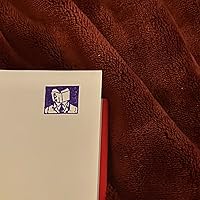
So I didn't hate this book but, I didn't love it either. What I loved was the metal scene this book delved into. That was the books strength. Bands like Sepultura, Anthrax, Metallica, Cannibal Corpse and so many more were talked about. The scene was awesome and captivating. I think where this fell a bit off the rails was the last half of the book. The whole point was to find Kira and it all happened too quickly for anything to make complete sense. The ending felt rushed and it was a bit disappointing. Also these three characters Kip, Leslie and Kira were supposed to be this found family. They were friends but, the relationships were so toxic and one sided. Not a single one was truly likeable which made it difficult to connect to them for me. I don't regret reading this but I wished I would have checked it out of the library instead of paying full price. At least the cover and end pages are pretty damn cool.
Metal has been my saving grace for as long as I can remember. Whenever I need to destress and relax I put on a metal album. It's really what gives me the power to go forth with my day and be productive.
I was instantly hooked when I first laid my eyes on this book. It's the most metal cover by the most badass dude on the planet. He's a guy that I would go to metal shows with. But enough about my crush...
This book was amazing and I loved every page. I loved how the story progressed and how the mystery of Kira came to be. The characters were all very likable and you felt their pain, excitement, and love through the pages. Protect Kip at all costs!! I can't tell you how loud I screamed when certain metalheads from Norway popped up. I almost dropped the book I was holding. It made the story so much more interesting.
Gone to the Wolves was an amazing story. Great story with fantastic writing that only draws you more into the story. John Wray knows his metal and now I have the biggest crush. I'll go to a metal show with him any day.
It should have stuck to either the coming of age and dissolution of the trio, or to the death metal cult thing that was randomly stuck in the back of the book because it felt like there was no place else to go. But mostly, it should have just stayed clear of the manic pixie dream girl trope because this one wasn't even a well done MPDG.
Well, that was a disappointment. While there's a few funny lines even our shared love for metal couldn't make me relate to the characters or get invested in them.
An unlikeable character is one thing but a deliberately cryptic a-hole that even his "best friend" only marginally seems to like can really ruin a story especially when that story doesn't seem to know where it wants to go and is taking forever to get there. Oddly enough though there's a handful of authors that I think could have written that story and made it work so there's definitely something there.
When I read the synopsis of Gone to the Wolves, I was hoping this book would do with '80s heavy metal culture what Tomorrow, and Tomorrow, and Tomorrow did with the early gaming industry. I'm only tangentially familiar with heavy metal music (thanks to my 15-year-old-son for what little knowledge I do possess), but when I read the synopsis, I was like, okay: John Wray's going for the same coming-of-age dynamic as Tomorrow, maybe this book will teach me and move me like that one did.
Unfortunately, it didn't.
Gone to the Wolves definitely delves into the '80s heavy metal scene -- but Wray writes about it at a remove, almost academically, so the reader is an observer rather than a participant. I never felt the passion and awe and obsession that the best music can inspire, and I think that's because I was seeing it through the eyes of characters who I never connected with, and whose connection to each other I didn't quite buy into. Kip, Leslie, and Kira all felt like stereotypical characters in their own way -- especially Kira, who was some kind of Manic Pixie Death Metal Dream Girl with no backstory or depth whatsoever. When the last third of the book shifts to rescuing her, I just was like...why?
It's very hard to explain, because technically, it's all there. The coming-of-age story, the friendships and music that defined our youth. The freedom and fuck-ups of early adulthood. All set against the backdrop of a historic cultural music movement. The writing is phenomenal. But I didn't feel the emotion behind it all, and I wasn't moved. Honestly, I was mostly bored. I fully acknowledge that this may be due to the fact that I'm not a metalhead, so I think maybe this book just wasn't a good fit for me. 2.5 stars rounded up.
The hell with these stars, how do I do this? 2 star chapters, 12 star chapters. This novel is a roller coaster that almost stops at the lowest, slowest moments of telling and then takes off again, shrieking into the starry night, higher and higher, leaving you rattled, mesmerized, breathless.
It’s really hard to write fiction about any contemporary music scene, to get the voice and the beat and the lift that live music can bring like nothing else. To write a novel full of the metal scene in the 80s, and make the reader actually feel it? I was doubtful, but I love John Wray - and so, I dug in. And he can do it, he can bring you there.
I loved the opening chapters, the sweet and the rank, the wry humor of high school seniors on the edge of everything, teetering there, falling back on each other. The relationship between Kip and Leslie is a fine, rare portrayal of a deeply felt connection between two lost teenagers. Leslie is a black gay kid whose adoption by a dotty but loving wealthy white couple has done almost nothing to keep him from spiraling downwards; Kip, a white, straight kid born to poverty and violence, abused and neglected, with no one to count on but himself. They connect through a mutual devotion to 80s metal, and quickly recognize the Perennial Outsider in each other. Enter Kira, the third musketeer, becoming a devoted friend and love interest. She never comes quite as vividly into view, though I feel like I knew this girl, years ago, all hard angles, quick smiles, her need to move into the shadows. And metal, screaming heavy 80s metal through all of it - oh, someone is going to have a blast putting together the soundtrack for this story, if it's adapted as I hope it will be.
Wray knows his stuff, sometimes needs to show us too much of it; after devouring the first 5 chapters, my heart sunk with the opening of chapter 6 and it’s sudden change of stance; away from the intensity of emotion the book takes off with, we’re suddenly presented with a rather flat presentation of the audience at an 80s Anthrax show. Such an odd and sudden u-turn. There’s so much listing. Lists of band names, metal zines, lists of looks and outfits in various music scenes. An editor should have gently mentioned that not all of the author’s research or pre novel obsession needed to be included …then weirdly, I started to like the lists.
Time shifts, the setting changes. Florida. California. Europe. Three young people with no ties to the world but each other and the music that runs through each of them. As they move - not entirely forward - and leave their teens behind, there are moments of possibility, at least for Kip, but mostly, the world they’re in gets darker. In the California chapters, I somehow kept imagining an oil can tipped over, leaking foul gasoline down an empty highway.
There are scenes in Wolves that cut like a switchblade. Young lovers with a shared childhood history of little but abuse and pain, finding in each other a hidden place to relive and recreate the anguish foisted upon them when they couldn’t fight back. The despairing need for violent sex, the opposite of whatever “making love” might be, that act for other people; people nothing like them.
After Kip tries to kill that energy, he realizes, “He couldn’t make things real for her. He could only make things dead.” Later, in a European city neither of them knew or had even imagined, everything has shifted, they are lost tourists. “The entire city struck Kip as a monument to his lack of education.” So, yes, it’s bleak, but I was still in transit with them, still somehow hoping - but then. The last quarter of Gone to the Wolves makes everything that came before it, even the low points of drug addiction and toxic love, look like a sunny holiday.
We land inside a whirling nightmare of the late 80s-early 90s satanic cult that swept small pockets of the Norwegian metal scene. Silence, ice, dread and ultimately horror overwhelm the music that sometimes slid, sometimes raged through the previous chapters. In my notes I found that I wrote: This segment is: Too long Hypnotic Boring Terrifying.
Yet,yet, yet. Perhaps I haven’t made it clear: I loved Gone to the Wolves. I’ll return to it. Wray remembers things I also remember, or he makes me believe that he does. Some of it is very, very hard going. But oh, that ending. Dangling sweetness that we leave hanging in the air, believing, hoping, that it might finally arrive for these three Misfits who found sanctuary in each other.
Heavy metal scene buddy story with a sizable helping of mindfuckery.
Three unlikely friends brought together by their love of heavy metal during the 80s in Gulf Coast of Florida. This is has some train wrecks in it, and how friends ebb and flow in their relationship, but there is some seriously bizarre twists--definitely not horror, but not for the timid.
Pushed into four star territory because it's a page turner and perhaps just a bit of nostalgia--the metal part, not the super creepy part.
I was really rooting for this book, since the premise and the subject matter are so original. Unfortunately it left a lot to be desired. The 3 parts of the novel felt so disconnected from each other and really needed more to unite them into a cohesive work.
I feel like there is a good book in here trying to get out, but failing.
It starts out well enough, establishing the main characters as teenage metal heads trying to live that life in Florida.
We then get an abrupt jump to California, where our protagonists are still in the scene but in different ways.
The third jump, though, just doesn't make sense. Suddenly our characters are mixed up with a bunch of spooky and evil people in some other metal scene in Norway. This final third of the book feels like John Wray was writing two books, couldn't finish one, couldn't start the other, and said why not just glue them together? It just doesn't really work for me.
This is nothing yet everything I expected. It was weird and enjoyable at the same time. I started this book and could hardly put it down. I love the cover because it reminds me of the metal concert posters I used to save from concerts. Thank you so much for this ARC. Will deff be on the look out for this book in May.
Dies ist keine Rezension! Wäre ich Amerikaner und noch 0,5 Prozent spießiger, als ich’s eh schon bin, hätte ich eine Lesermail an den Originalverlag geschrieben. Warum? Also, Folgendes. Diesen neuen Roman von John Wray habe ich mir spontan in der Bahnhofsbuchhandlung gekauft. Und zwar, ganz klassisch, weil mich der Klappentext gekriegt hat. Es geht um drei Jugendliche, die in Florida in ärmlichen Verhältnissen aufwachsen und Teil der im Entstehen begriffenen Death-Metal-Szene sind bzw. werden. Ein mehr oder weniger literarischer Coming-of-Age-Roman im Achtziger-Extrem-Metal-Milieu? Ich konnte einfach nicht anders! Kaum fängt man an zu lesen, wird in Metal-Hinsicht abgeliefert: Einer der Protagonisten spielt dem anderen das frisch erschienene Debütalbum der Band Death vor und meint, das sei »Chucks Album. Chuck Schuldiner. Seine Mom geht in unsere Kirche.« Okay, dachte ich mir, coool! Den kenn ich doch! Genau sowas wollte ich lesen! Als Nächstes legt er auf den Plattenteller: Slayer. Klar. Aber welches Album? »Seasons in the Abyss«. Ähm. Moment. Im Jahr 1987? Das Album ist doch erst 1990 erschienen. So, die meisten werden jetzt aus Desinteresse aufgehört haben zu lesen. Die anderen ahnen: Darum geht’s mir. Ich MUSS jetzt einfach mal den Nerd raushängen lassen! Denn das Buch wird online mal gut, mal weniger gut besprochen, es wurde lobend von Zeitungen wie der New York Times rezensiert. Aber niemand erwähnt, dass »Gone to the Wolves« voll (!) ist mit Heavy-Metal-Recherchefehlern. Ich gebe es zu: Ich habe bald angefangen, eine Liste zu führen. Eine Liste mit falschen Metal-Fakten, mit Metal-Widersprüchen, Metal-Kontinuitätsfehlern. Und die Liste ist lang! Da wird eine Kassette in die Auto-Anlage geschoben: »Day of Reckoning« von Cathedral. Nicht von Pentagram? (Cathedral gab es zu dieser Zeit noch gar nicht.) Es werden Konzerte von Deicide, Cannibal Corpse und Suffocation besucht, noch bevor das zweite Death-Album »Leprosy« (1988) erscheint. (Ja, ja, es ist Erbsenzählerei, aber das allererste Konzert von Cannibal Corpse gibt’s sogar bei YouTube: 1989.) Es werden Tickets für ein Mercyful-Fate-Konzert gekauft — im Jahr 1990. Die Band existierte zwischen 1985 und 1993 gar nicht. Trotzdem besitzt Kira, die weibliche Hauptfigur (später aber vor allem Damsel in Distress), ein Tourshirt von 1989. Es gibt eh interessante Tourshirts: Zum Schluss trägt jemand eins von Morbid Angel mit der Aufschrift »Altars of Madness Tour US/Canada 1987«. Zwei Jahre bevor das dazugehörige Album erschienen ist. Naja, sind wahrscheinlich einfach Bootlegs … Einer der Protagonisten, Kip, mausert sich zum Metal-Journalisten und fängt an, unter anderem für die Magazine Zero Tolerance, Decibel und Terrorizer zu schreiben. Die leider alle im Jahr 1990 noch nicht existierten. Kurze Meckerpause. Trotz alledem fand ich die Lektüre extrem kurzweilig. Und das liegt vielleicht auch daran, dass der Besserwisser in mir so eine Freude daran hatte, auf den jeweils nächsten Fehler zu lauern, um diesen daraufhin empört in die »Notizen«-App zu tippen. Er kann aber auch einfach gut erzählen, der Herr Wray. Ist einfach so. Selbst wenn ich die Figuren von Anfang an als ziemliche Karikaturen wahrgenommen habe. (Achtung, Spoiler!) Von Florida aus geht’s für die drei nach Los Angeles und später dann nach … Norwegen. Auweia, war mein erster Gedanke. Jetzt auch noch ein literarischer Black-Metal-Take. Kann ja kaum was schiefgehen. (Cringe-Panik hoch zehn!) Und was soll ich sagen, der Autor geht in die Vollen: Euronymous, Count Grüffelo, Samoth, solche Leute kommen hier echt alle als handelnde Figuren vor — fehlt nur noch Wilson Gonzalez Ochsenknecht. Es wird sogar eine (wenn auch sehr kleine) Kirche angezündet. Ich merke gerade erst beim Schreiben so richtig, wie abstrus das ist. Trotz allem muss ich sagen: Es liest sich rein erzählerisch bei weitem nicht so peinlich, wie es eigentlich hätte werden müssen (was schon ein Kunststück ist!). Die Geschichte an sich driftet am Ende dennoch ganz schön ab, Subkultur und Trailerpark-Milieu reichen nicht mehr, plötzlich ist es eine Art Sekten-Horrorstory, die atmosphärisch sogar einiges zu bieten hat (vielleicht hat John Wray in den letzten Jahren auch so begeistert Mariana Enríquez gelesen wie ich). Doch allerspätestens hier wird klar: Das ist zwar alles sehr unterhaltsam erzählt und zusammengestellt (und mit Bedeutung aufgeladen), aber gleichzeitig auch ein ganz schöner Quatsch. Laut Perlentaucher meinte Jan Drees im Deutschlandfunk, mit diesem Roman habe sich John Wray endgültig eingeschrieben in die Riege der »großen Novellisten amerikanischer Provenienz«. Na denn. Auch als solcher könnte er beim nächsten Thema, das er sich für einen Roman aussucht, mal jemanden drüber gucken und die Fakten checken lassen. Würde bestimmt nicht schaden!
PS: Passend zum neuen Album der Band Deicide, die im Roman eine größere Rolle spielt (und dessen AI-Cover in Fan-Kreisen einen kleinen Shitstorm ausgelöst hat), hat sich auch der Rowohlt-Verlag bei »Unter Wölfen« für ein auf den ersten Blick ansehnliches, aber bei genauerem Hinsehen vor allem irritierendes AI-Cover entschieden.
Gone to the Wolves is ultimately an ode to Heavy Metal that takes us to the various locales of metal scenes throughout the US and Norway as three young friends try to find something real to align themselves with.
Kip moves to Venice, Florida to live with his grandmother and takes up with Leslie Z, a black boy in love with hair and all other types of metal. They bond over records at Leslie's parents house before they come across Kira one night at a bonfire and the trio become inseparable for a time until they move to LA following graduation.
Wray builds their relationships wonderfully managing to make them both tender and fraught. These young characters for as close as they are do not always know how to articulate how they feel about one another and it all leads to Norway in the end.
The Norway sequence towards the end of the book didn't live up to what led to it, but you get the flickers of the resonance of the relationships between the trio in parts of it. I suppose Wray is including all the types of metal he's enjoyed over the years into the story and this is somewhat a tribute to the dedication of the Norwegian scene.
It's not difficult to understand friendships built upon musical tastes based on my own experience and that likely held something for me in terms of loving the story. Hopefully all you metalheads out there will pick it up when it's released.
It did take me a bit to get into this book but once I did I was off running amidst the wolves. This story follows three characters: Kip, Kira, and Leslie. All three of them love metal and come from interesting backgrounds. It follows the ebb and flow of their friendship, a look at the metal scene in the late 80s and early 90s, and what happens when one of them disappears and the other two have to go after them.
From Florida to L.A. to Berlin and Norway. The waves of metal and darkness underneath takes you on a journey that is sad and quietly beautiful amidst the headbanging glory of metal.
DNF @ 17%. the dialogue was so cringe that i was skimming even before page 50. the way kira is portrayed is borderline misogynistic and MPDG done badly. i don't think an author has to be queer and out to write about queer characters, but the use of the f-slur felt.....weird and used too liberally if the author is straight. the final straw was this white author using a slur against black folks as a joke on page 60 lmao i feel like i gave this book more than enough of a chance and it kept getting worse!! what a waste of a gorgeous cover
Es gibt zwar schon jede Menge Biografien von Metal-Musikern, Geschichten über die Szene prägende Bands wie Mötley Crüe oder Judas Priest, aber ein ganzer Roman darüber hat meines Wissens nach Seltenheitswert. Zum Glück hat diese Lücke John Wray mit seinem 2024 im Rowohlt Verlag erschienenen und von Bernhard Robben übersetzten Roman „Unter Wölfen“ geschlossen. Auch wenn der Kreis der Leser:innen eingeschränkt sein dürfte, denn wer sich nicht für die harten Töne begeistern kann, wird wohl auch kaum zu diesem Roman greifen. Und wenn doch, dürften sich viele Nicht Metal-Hörer:innen in ihrer „schlechten“ Meinung über Metal und die diese Musik konsumierenden Menschen „bestätigt“ fühlen, denn John Wray spart nicht damit, liebevoll und immer passend zur Story vorherrschende Klischees in seinen Roman einzubauen *g*. So gibt es zahlreiche Cameo-Auftritte von Bands wie Cannibal Corpse, die frühen Death, Vince Neil von Mötley Crüe oder norwegische Black Metal-Musiker, über deren Gebaren man durchaus kritisch entsetzt sein darf; das aber weiter auszuführen spare ich mir an dieser Stelle.
Anyway: wer Metal hört ist (und bleibt) meistens eine Art Außenseiter – ob für Eltern, Familie, Arbeitskolleg:innen etc. Das sollte einem aber herzlich egal sein. Nach dem Motto agieren auch die drei Held:innen des Romans. Kip Norvald, Kira Carson und Leslie Z – alle drei aus mehr oder weniger schwierigen häuslichen bzw. familiären Verhältnissen - lernen sich in den frühen 1980er Jahren in Venice (Florida) kennen. Sind es zunächst Bands wie Death, Cannibal Corpse, Deicide (ja, durch das Namedropping müsst ihr jetzt durch ha ha ha), zu deren Musik sie headbangen, philosophieren und auch lieben, ändert sich mit dem Schauplatz im Roman auch die Musik. Denn im zweiten von drei Abschnitten begleiten wir die drei durch ihre Zeit in Los Angeles mit Bands wie Ratt, Whitesnake, Mötley Crüe, Alice Cooper etc. Kip widmet sich irgendwann sogar beruflich der Szene und verfasst Platten- und Konzertkritiken, während Kira in den legendären Clubs wie dem Palace oder dem Whisky a Go Go kellnert.
Der dritte Teil führt dann ins kalte Norwegen, genauer gesagt nach Oslo und Bergen. Kleiner Tipp für die Leser:innen: den „Prolog“ Berlin 1991 nach dem Ende des zweiten Abschnitts noch einmal lesen – erschließt sich dann noch einmal besser!
Im Großen und Ganzen hat John Wray mit seinem Roman alles richtiggemacht: er mischt gekonnt CoA mit einer Liebesgeschichte und würzt das Ganze noch mit ein bisschen Thriller-Pfeffer. Zwischendurch verheddert sich der Roman allerdings auch in etwas belanglosen Dialogen oder es triefen die „S** & Drugs“-Klischees etwas zu arg aus den Zeilen, weshalb ich auch ab und an etwas mit den Augen gerollt habe. Die meiste Zeit habe ich mich aber köstlich amüsiert, habe während der Lektüre die ein oder andere erwähnte Platte (wieder)entdeckt (hier wäre eine (komplette) Übersicht der im Buch vorkommenden Alben am Ende oder ein QR-Code zu einem Soundtrack interessant gewesen *g*) – von daher sehe ich über die genannten Schwächen gerne hinweg, gebe 4 headbangende Sterne aus und eine Leseempfehlung für alle, die gerne Heavy Metal hören oder Leser:innen, die die Welt des Metals etwas näher kennenlernen möchten.
Not a good book. Literally like what was even happening, because nothing even happened. I think it started off strong. I do like Kip, Leslie, and even stupid fucking Kira and I like seeing them interact at the beginning and Kip entering the metal scene. Kira was so manic pixie dream girl and as the reader I got that perfectly. Once they moved to LA it started going downhill and then the trip to Europe I was so bleh. Like the whole book was him chasing Kira who just literally couldn't care less about them. The ending of her being in some insane cult was just like so unnecessary and confusing and then afterwards she goes back to butt fuck florida and is all ok now?? yeah sure. I kept reading solely because of the Florida callback which I love (took place 2 hrs away from where I am now) and also I want to start getting into the local hyperrock and punk scene.
Ein Metal-Roman sollte sich auch wie Heavy Metal lesen, nicht nur davon handeln. Was als ganz gelungene Milieustudie der Florida Death-Metal-Szene beginnt gleitet in einen halbwegs gut recherchierten, aber sehr klischeehaft geplotteten Norwegen Tatort ab. Diese „Steigerung“ des „Extremen“ ist ein abgeschmackter Boulevard Diskurs der sich weder für das eigentliche Potential noch für die tendenziell reaktionäre Romantik dieser Musik interessiert. Jedes Buch von Josef Winkler ist mehr Black Metal. Wenn die Charaktere flach bleiben hilft auch kein Name Dropping.
I really, truly wanted to love this novel. Ilana Masad gave a glowing review for NPR (https://www.npr.org/2023/05/04/117361...), which only heightened my interest and led me to purchase the e-book through Barnes & Noble.
As a traumatized and misfit kid of the ‘80s who embraced heavy metal in ’85, then thrash in ’87, then speed in ’88, then crust and grindcore and death metal after my very first concert—the Milwaukee Metal Fest of ’89, then . . . just a couple of years later as the “Grunge Gold Rush” took off . . . all subgenera of what is now a vast spectrum of metal musicianship, I felt this story might resonate deeply within my grey matter of memories. Back then, metalheads were truly outcasts just about everywhere, the geeks and freaks and broken things that slithered into our own cloistered cliques who haunted the back of the cafeteria and found solace in empty parking lots far away from the football and basketball games, wanting to disappear and be left alone with our music and comic books and hollowed-out dreams. Finding kinship in any form was something akin to fate; the dark gods smiling on their chosen bastard children for some blissful moment. Tape-trading was the ONLY way to discover new music that wasn’t on garbage FM rock stations, until Columbia House started having a metal insert in their monthly mailings. There were the magazines, but we never read any of them. Nobody had the money to piss away, or the monomaniacal fascination to toss money at them. I didn’t even know about MTV’s Headbangers Ball until about ’90 and only then because my girlfriend was babysitting at a house who could afford cable.
I remember that hallowed night in a cavernous building in the dead of winter watching some 30 bands blast us to shreds in Milwaukee, most of whom I had never heard of before then. We were kids amongst a horde of leather-clad giants handing us beers and drags from joints and pushing pills in our hands (“just say no!”). Nuclear Assault nuked the place to ashes. I remember being deafened by a wall of speakers as Judas Priest opened up with a long drum solo for their Painkiller tour in Chicago, while Rob Halford languidly rolled out on his Harley as another curtain opened to reveal a second wall of speakers. I remember climbing a plastic construction fence to get to the sound booth in the rafters as Rage Against the Machine whipped the crowd into a frenzied mob on the outskirts of Honolulu. They tore the place apart. I remember seeing Metallica in Bangkok in an open-air arena with what felt like a million others who spoke a different language. I remember seeing Type O Negative, Danzig, and Ronnie James Dio-fronted Black Sabbath play on Halloween 1994, and the hurried drive back for the graveyard shift with some kindred spirits with ears ringing and the afterglow lasting long past dawn. I remember seeing Project 86 at what seemed like a 1950s cocktail lounge in Chevy Chase, Maryland, as they thunderously evoked their Songs to Burn Your Bridges By, and as I prepared to go to Iraq to save hallowed democracy from the evils of Islam (and cash in on their oil fields). I remember seeing Slipknot at a filthy toilet-bowl bar in downtown Des Moines looking like lunatics who just escaped from the asylum and raided a cheap costume store (by this time I was wearing earplugs to concerts big and small). I remember seeing the almighty GWAR, alien overlords that they are, in Minneapolis, drenching the crowd in fountains of fake bile and blood and semen. I remember thousands of us screaming “God hates us all!” over and over at a Slayer show to the silent, impotent, starry and frigid firmament in Sacramento. I remember seeing Obituary on Leap Day 2020, as the world soon succumbed to the worst pandemic in a hundred years, and the millions of obituaries which followed in its wake. I remember, quite recently, Body Count turning their mosh pit into a furious meat grinder with energy I’ve not witnessed ever before, nor probably will ever again. The hate is real, America. It is so tangibly real. So many other venues, tours, and bands with less-permanent memories are held within my mind, for as long as that lasts. Metal music is infused within my apostate, heathen, godless life-blood. It will accompany me beyond, to whatever end awaits us all. Most likely boring, open-mawed Oblivion.
The chord that rang out was familiar enough—an overdriven minor triad—but what stood [Kip’s] hair on end was how it felt. Distorted guitar had always had a certain temperature to him: it had always, no matter how vicious the music, been a sound he understood in terms of heat. Embedded with that warmth—hidden inside it—lived a cryptic form of life-affirming power. Deicide and Morbid Angel played their riffs to raise the dead, not to inter them. That was the nature of the exchange, the secret truth of the transaction, however bleak the songs might sound to virgin ears. Rage and violence and pain instead of nothingness (pp. 226-227, Nook).
Wray captures this environment—this “subculture”—incredibly well, even if his chosen trio is nothing like anyone I ever knew, wedged as we were between the steel mills and iron works of East Chicago and Gary, Indiana, and the endless cornfields of everywhere beyond. Florida backwater it was not, but neither did anyone have the depth of knowledge in guitars, amplifiers, band members, and vocabulary like Leslie does at such a similar age. Doesn’t matter. I was the quiet, awkward, rage-filled wallflower . . . and metal music filled the void in my damaged soul.
Masad has understandable issues with the lone female character, Kira, but at the same time the “beautiful but broken girl from a white-trash home” was a familiar trope from my high-school hellscape. No circus-freak father required. Normal blue-collar fathers were awful enough. My white-collar Vietnam Vet father was simply a haunted monster no bottle of bourbon could quell. Connie and Angie and Kim and Shannon and Crystal fit the bill all-too perfectly with Kira, if tragically. Masad may want to do some research on childhood trauma and its effects on developing brains, especially with girls. I have no idea if any of them are alive today, but I have no recollection of any of them speaking to the depth of personality that Kira does either. We didn’t grow up online though. We had, at best, five or six television stations to gawk at. Some regrets can never be resolved. Some mistakes never forgiven.
Gone To The Wolves is theatrically broken into three parts for our wayward trio: the Florida Death Metal scene, the dying LA Glam and rising LA Thrash scene, then—oddly—the Norwegian Black Metal scene. It’s the Scooby-Doo third part that collapsed my nostalgic high, but I understand Wray’s supposed Dan-Brown desire to make a “thrilling finale”. For me, it falls flat by stepping way outside plausible reality (but I’m primarily a nonfiction reader so grant me some leeway if this is the norm these days). Too many people need endorphin bumps every two minutes or so thanks to tech addiction. I do not. I would have liked to see our troubled trio mature in the early 90s, like most of us did to one degree or another. Some died early of course, others weren’t true metalheads to begin with. We die-hards are devoted to the bitter end.
While I can’t definitively identity with any character in this book, Wray opens to door to so many vibrant arteries of our subculture’s primordial existence that we can—at the very least—sympathize with them. We knew people who resembled them. The lost souls, the drug addicts, the lovelorn, the bipolar-depressive violent. I have to assume early heavy metal coming-of-age stories are rare. Nobody truly cared about us, and they still don’t. So maybe we can call this The Perks of Being a Wallflower meets Lords of Chaos?
2.75 stars. So I made it a 3, generously. I bought this book as a mystery book at a book fair based on the tiny hints of it relating to ‘80s metal. As a metal head that’s what sold me, it was indeed deep with metal lore and bands I enjoy which kept me interested. Aside from this, the book is far off what I usually read, general fiction, coming of age (or what I thought). None of these characters are likeable, they all fucking suck. Terrible people, shitty teens that never grow up, and awful decisions. Next after 3/4 of the book it turns into a vicious death metal cult of shit. I didn’t expect that, but it happened and it made the ending insufferable. This would have been better as a remaining coming of age story of metal head kids who bonded over the love of death metal and eventually smartened up and became decent human thriving adults…but that didn’t happen. They all suck, and kept on sucking. The book kept me engaged though even with the authors ability to totally ransack a solid story.
What started off as a nostalgic trip to my death metal days turned into an almost coming of age tale. Fighting personal demons, peer pressure, and just trying to survive with only the raw, grinding feel of 80’s and 90’s metal to sustain you
This book is about love and heavy metal. I have to be honest, I don't listen to much heavy metal, beyond Metallica and the like, but I did recognize several of the band names. Being a fan of music in general, I could relate to the characters and their love of going to shows and listening to music. The relationship between the three main characters is complicated and interesting. There are some dark parts in the story and a mystery as well. Everything blends together seamlessly to tell the total story. I thought this book was awesome and will be reading more by John Wray in the future.
God, I loved this story and John’s writing. The way he speaks about music, the scene, the devotion to bands, all really resonated with me. This book challenged me in the best way and I loved the bleeding and blending of reality with the mythic. Super rad and different and impactful storytelling.
I don’t often write reviews on books, just because I never really have too much to say. But I do about this book. I did give it three stars since it was an easy read and did feel like I was in the story. I just kind of didn’t care about it.
Based off of the blurb that I read, I thought that this book would have much more to do with the cult and extracting Kira from it.
Then when I realized that that wasn’t the main point of the book, I thought it would be more of a character study. And I’m fine with those. I appreciate seeing a character getting fleshed out and their growth a throughout the book. But it wasn’t really that either???
I guess I’m mostly just struggling with what this book was. Kip didn’t grow. He sucks throughout in my opinion. He’s obsessed with a girl that he shouldn’t be. And it doesn’t make sense for him to be so obsessed. I feel like that wasn’t fleshed out at all. Kira is THE WORST! I tried so hard to like her but she’s every pretentious person who thinks that they are so “real” and “deep” and in reality they just suck. Leslie is the only one I liked and Kip and Kira never take his concerns seriously.
And I really could have done without the Black Metal scene at the tail end of the book. Having your main characters interact with the Black Metal murder people is just…random? Like it didn’t feel earned that Kip would get in that easily and be accepted.
Basically I feel like nothing in this book was earned. And the main two (let’s be real, Leslie doesn’t matter really to either Kip or Kira) just….suck.
This entire review has been hidden because of spoilers.
DNF. this was another random pickup at the local library, bless them. this, along with Everything The Darkness Eats were books i grabbed against my better judgement, hoping for a home run. i thought, hmm, "GONE" in the Sodom font? "WOLVES" in a generic black metal font? set in Florida in the late 80's/early 90's at the height of the burgeoning death metal underground? could be good... sometimes you take a chance and get Kim Wilkins or Dexter Palmer. sometimes you get John Wray.
let me tell you something. books about underground music are tricky things. the more intense the subculture, the harder it is to nail the right feelings, which lest we forget are wholly subjective to begin with. in this sense i don't begrudge Wray his work here; the writing isn't technically objectionable in itself, it's the characterization that suffers, both embodied (i can't recall a more annoying character than Leslie Z in recent memory) and abstract (the music).
i hate writing about metal music because my experience isn't your experience. and unlike other observable phenomena such as seeing a bird in flight, for whatever reason i simply cannot convey my sense of the feeling of the music in the same way that i can describe the arc of avian flight, at least not in any way that resonates. furthermore, in my decades of immersion, i can count on one hand the number of times i've resonated with someone else's written account myself. at the risk of sounding sickening pretentious i'll liken it to describing spirituality - something deeply personal, powerful and subjective to a degree such that it simply defies description.
(i should probably note at this point that my subgenre of choice is raw black metal. i don't get so much of an emotional kick from death metal or any other strand)
all that being said, i'm sure Wray's descriptions resonate with him, but they leave me completely cold. there's also my distance from the ages of these characters, i mean it's embarrassing to hear the life or death breathless descriptions at play. i was a teenager once but my experiences were never shared, never frothing like these.
Adam Nevill's book The Ritual does a pretty good job of hitting the right notes for my kind of "metal" feel. otherwise i'd keep it to the zines and liner notes.
(just finished skimming the other reviews and i'm thankful i DNF, i believe this review would have been MUCH harsher if i had)
This book is a must read for metal fans. It’s kind of like the metal version of Forest Gump. The main character travels through the various metal scenes chasing his version of Jenny and runs into all sorts of metal icons along the way. While the metal theme is what drew me in, the bond between the friends in this story along with their struggles is what made me love it. If you like coming of age stories, it’s worth checking out. If you like metal and coming of age stories, don’t miss it.
Lately, I haven’t been reading as much as I used to. Gone to the Wolves took me about 3-4 months to finish and I am glad to have stuck to it because it was an easy read and finishing it, I feel accomplished. The story itself wasn’t the more riveting or ground breaking but the introduction to the heavy death metal world was new to me, and kept my interest. I even found myself playing heavy death metal songs on my Alexa and the emo screamo vibes with the strange sounding riffs were somewhat soothing. It’s been a weird 2024 and the book kept the theme. The first two parts were easy to read but the build up was longer than it should have been. Part three was the worst and honestly by the time I got to it, I was expecting something more. Like I said, this book isn’t all that groundbreaking but it’s not terrible either. If you are in the mood to read a coming of age story about drug fueled teenagers who are coming of age who are wanting the California Hollywood dream but quickly realize what a cesspool LA really can be, and want to learn about heavy metal bands in the meantime, I guess this is the book for you? Character building was meh. I didn’t really care for any of them. They were all a bit self serving assholes. Not really sure what else to say…
Through books one and two, I loved the pacing and the exploration of the main characters’ friendship dynamics. I felt that the author didn’t truly understand some of his characters- most glaringly, Leslie and Kira- but excused the lack of dimension by reasoning that the limited third-person perspective could be reflecting Kip’s own adolescent narcissism.
Then the third act got shoehorned in and the characters started to fall apart in the sudden barrage of action. By the end, it seemed that Kira had only ever existed to be Kip’s damsel in distress, while Leslie was there to be the goofy sidekick. The story just kind of fizzles out!
Edit: the more I think back on this story as a whole, the more it annoys me! I really only enjoyed this book bc I thought the narrator was supposed to be a self centered idiot….but then I got to the end and realized I’d imagined the self-awareness & I was reading into things that the author probably wasn’t even aware of. Such a let down!
I don't know what to say, this was fuckin bonkers. I did /not/ foresee the hard right turn into this novel being a Mayhem/ Burzum fanfic with Real People and original characters, my eyebrows got an unexpected workout. Honestly I don't know how it got approval for widespread publishing considering ... everything. That being said, it was goofy, sometimes kind of fun (?), annoying, weird, dumb, but believably late 80s early 90s asshole teenagery. I feel like if I hadn't been familiar with Mayhem and all those folks it would've completely lost me. That made it so enormously ridiculous I had to see where it went. Just, the complete audacity of it. I did like the music discussions & scene shit because I was familiar with enough of it, grew up in Fl and now live near LA. I don't knowwwww though, this was just nuts. Surreal, goofy shit, not mad I read it though! I just ... cannot believe it exists.