"A collection of powerful essays and affirmations that follows Mimi Zhu's journey toward embodying and re-learning love after a violent romantic relationship, a stunning and provocative book that will guide and inspire readers to lean into love with softness In their early twenties, Mimi Zhu was a survivor of intimate-partner abuse. This left them broken, in search of healing and ways to re-learn love. This work is a testament to the strength and adaptability all humans possess, a tribute to love. Be Not Afraid of Love explores the intersections of love and fear in self-esteem, friendship, family dynamics, and romantic relationships, and extends out to its effects on society and the greater political realm. In sharing their own intimate encounters with oppression, healing, joy, and community, Mimi invites readers to reflect deeply on their own experiences as well, with the intention of acting as a guide to undoing the hurt or uncertainty within them. In this heartrending and revolutionary book, Mimi reminds us, be not afraid of love"--
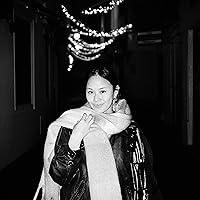
Mimi Zhu (they/them) is a queer Chinese-Australian writer and artist. They explore the many intersections of love and fear, and they facilitate workshops that are dedicated to the healing power of the written word. Their work has been featured in The New York Times, PAPER, i-D, The Guardian, Printed Matter, VICE, and more. They are based in Brooklyn, New York.
Starting off the new year in my healing era. This book was tender, sincere, and nourishing. It has encouraged me to feel things more deeply while reflecting on how to fill my life with love and compassion.
Serene, tender, and powerful. In this essay collection, Mimi Zhu reflects on their healing journey as a survivor of intimate partner violence. I liked their honesty about the pain of their abusive relationship and the wide range of emotions they experienced after it. They share many avenues and resources they used for healing, including individual therapy, group therapy, living in a rad group home, attuning themselves toward their body, and connecting with their ancestry and the wisdom of their elders. Their path toward healing wasn’t linear and it took work. They reference several feminist and social justice-oriented texts in this collection, including writings by bell hooks, Audre Lorde, Ling Ma, Thich Nhat Hanh, and Mia Mingus. I cherished and resonated with a few of their insights in particular, such as not conflating the presence of passion in a relationship with actual healthy communication and behavior, learning to prioritize friendship and alternative forms of community over heteronormative monogamous romance, and engaging in mindfulness and appreciation of simple beautiful things throughout one’s day.
I think Zhu flips between “showing” us snippets of their past relationship and their healing with “telling” us things about the emotional and political insights they’ve acquired. I think the telling can feel less immersive than the showing, however, I did agree with pretty much everything they told. This book will maybe feel more novel for folks who haven’t read some of the writers in the first paragraph, otherwise it’s still a pleasant read.
All I can say is that this book felt like the sweetest, most tender sleepover where we all braid each other's hair and talk about the secrets of the universe. Thank u Mimi.
feel weird giving this a star rating as this didnt work for me personally but i still appreciate how vulnerable mimi was. think it was just a case of reading too many 5 star reviews ahead of time and going into it w really high expectations. not bad by any means but with these kinds of books it’s ofcourse going to be a very subjective experience and most of the insights here were things i had already come across in other books.
for lots of the same reasons i find bell hooks challenging, this genre is not for me. Ultimately it is a highly personal story with highly personal “truths” - some, relevant to lots more folks than others, but some of the assertions rly toed the line between unsubstantiated references and General Humanist Truth (I think it veered to the former). I did think my experience with therapy (and what I’m personally going thru) had a huge impact on why this didn’t resonate with me — i have had the privilege of hearing lots of the more useful teachings before, and in ways that stuck with me more profoundly. I think the reliance on repeating chunks of secondary material, often huge parts of chapters, was also part of why I didn’t love it, but I also get the desire to reference your influences.
I did think the chapters on numbness and shame were very, very excellent - this book will probably be life changing for some folks! Just not me at this moment :) regardless, thank you mimi for sharing their story with us - as difficult as it probably was - I respect their desire to help & teach others as others have done the same for them.
I think this book has a lot of nuggets of gold. I think the problem is that the title doesn't actually reference what the book is about. I think it needed to be marketed as a decolonization of mental health specifically in response to intimate partner violence. I frames it in the beginning as if it doesn't only apply to domestic violence survivors, and though that's partially true, I think that demographic is going to get the most from this book. It tries to cover a lot of ground which I don't think is entirely necessary. It feels like this book is two or three books integrated into one. Not necessarily a bad thing, but wasn't exactly what I looking for. It wasn't bad though, so I didn't want to give it a bad rating for something I think could be helpful for many!
Read too much like a college thesis (with the Instagram and Youtube footnotes too) or a primer for people new to community activism and self reflection. Probably salient for others but did not glean any new insight or perspective
Mimi Zhu is that one stranger who you woke up to in your living room from the party the night before. Makeup is streamed all over her face and you ask her if she's okay and you make her a cup of tea.
She holds it close to her chest, this cup, and she says, "As a kid, whenever I felt incredibly angry or sad, I'd imagine this mug, warm and all, so close to my chest and everything would feel a bit calmer."
You think this is funny, scoff at the idea in your head, but when she leaves, you try it, the idea of the warm mug, alone. And you feel at ease. And you think about her every time you see a warm mug, the heat rising off the surface of tea or coffee. You think of a full heart. She then becomes less of a stranger and more of a friend in that secret, quiet way.
*A much needed book to tidy up all the feelings at the end of the year. I'll be honest, I feel a bit more content. I know what to do with numbness, how to better purge my feelings, and where to place my heart.
It’s worrying to me how popular this book is. The whole thing reads like if you fed an AI a bunch of Instagram captions and told it to write a self help book in the same style. This book more than any other made me concerned that social media has damaged our ability to write meaningful things.
The whole book just uses the same handful of buzzwords over and over: healing, soma, trauma, survivor, etc ad nauseum
Mimi Zhu was incredibly brave for sharing their experience healing from intimate partner violence. My favourite chapter was Presence - I loved the imagery of the estuary and Buddhist concepts of what it means to let go. I also found some of their concluding notes about the nature of love to be profound and touching.
That being said, I was pretty disappointed by this book. It was filled with flowery language and platitudes about self-love, platonic connection, community, and romantic love. Zhu also made several blanket statements about the human condition that felt unoriginal, contrived, unsupported, or based on their own personal truth.
Zhu draws connections between their violent relationship and the violence of the state. I don’t necessarily disagree with this comparison, but a lot of their ideas about state violence, capitalism, the nuclear family, oppression, and heteronormativity read like a social justice script rather than ideas that they arrived at through research and genuine introspection.
The book also features footnotes throughout, most of which could have been omitted. They cited urls and even shared their personal opinions about works they included; “this is an incredible essay” etc. Tbh if I’m interested in exploring these texts I will seek them out myself and form my own opinions.
This book might be really valuable to people who are healing from intimate partner violence, heartbreak, or for people who want an introduction to mutual aid and community care. For me, it didn’t really land.
i read it as an ebook and had to get a copy because i physically need to hold this book. i don’t know what to say except it’s a new favorite. mimi is a survivor and shares such vulnerability, softness, and emotional intelligence. it’s difficult to do what she is encouraging - accepting every part of ourselves. to listen with compassion. it’s so much easier to numb our feelings and delay grief instead of listening to our hurt and anger or exploring our shadows. this hit me in the gut but in a wonderful ‘you’re alive’ kind of way. i cried and highlighted so much because it resonated with me profoundly. so incredibly grateful for this book, and so happy it came at this time of my life...
Maybe I had the wrong impression going into this. I don't know. But the title, the testimonials, the reviews lead me to believe that in reading this book, I would have an intimate understanding of the writer; their story, complete with all of the ups and downs of emerging from a harrowing relationship. I thought we would 'get' each other. But maybe I expected too much from Zhu; do they really owe me that? This is why I feel awful about leaving a 2-star review.
Zhu does share some awfully gruesome parts of their story, that's for sure. And it's incredibly brave of them to do so. But most of their reflections are from a highly sociological lens, not a personal one, as I was lead to believe they would be from the marketing of their book. As many other reviewers have said, it's like reading an endless stream of Instagram captions. I agree with it all, but it feels bland. It feels difficult to connect to.
Maybe this will be a beneficial read to those who are not aware of the repercussions of an abusive relationship, but to someone well-read on the matter, or looking for real-world guidance and understanding, I don't imagine this book will be useful. The book reveals so much about Zhu's awful experience, and yet somehow, has little vulnerability. It is social commentary, and at that, has quite surface-level research put into it.
I feel awful leaving this review for a book that has doubtlessly come from a place of indescribable struggles. But I've read so much on the area that I can't really recommend it, unfortunately. If you're looking for a story from someone on what it means to leave an abusive relationship, I believe there are books out there that will make you feel far more seen and supported than this one.
highly recommend for anyone interested in an accessible, survivor centered narrative rooted in abolition + transformative justice + politicized somatics. this was everything i’ve needed since i was a teenager, and i am so grateful to Mimi Zhu for their willingness to share their brilliance and vulnerability with us. this whole book is an invitation to be more loving and accountable towards all of our parts, towards our non linear and intrinsically messy healing processes, towards our people and towards our communities. especially recommend for survivors who have systematically been denied access to mainstream survivor healing spaces and /or excluded from dominant narratives around what surviving violence looks like and necessitates. will be thinking about + returning to this one for a long, long time 🌹
Very vulnerable and raw but did not necessarily provide any new modes of understanding. The theme of prioritizing love beyond romantic love is always an important reminder but felt like a crowdsource of other people’s work that I was for the most part already familiar with.
i met myself many times while reading and cried just as many times. deeply compassionate, moving, profound and affirming. i have never connected to a book so much as this ! beautiful work
وقتی این کتاب به دستم رسید، پیشداوریم این بود که مثل بیشتر کتابهای سلف-هلپ پر باشه از نسخه پیچیهای شخصی و تعریف و تمجید از خود نویسنده که آاای ببینید من چقد خفنم، شما هم مث من باشید تا خفن بشید! اما از همون ابتدای کتاب، وقتی نویسنده از شرم و سختی ای که در نوشتن این کتاب داشته و افشای رازهای پنهان درونش حرف زد، و صرفا به بیان سرگذشتش اشاره کرد، بدون اینکه بخواد عقاید و باورشو تحمیل کنه، برای ادامه کتاب مشتاق و نرم تر از قبل شدم.
این کتاب سرگذشت نویسنده پس از پشت سر گذاشتن واقعه بسیار تلخ و شکننده ای در زندگیشه: خشونت جسمی و جنسی از طرف معشوق! نویسنده از تعلیمات بوداییسم برای دوباره یادگیری احساساتی مثل ترس، غم، بی حسی و حتی عشق برای درمان خودش بهره می گیره. یجورایی میشه گفت نوشتن این کتاب خودش روشی درمانی برای پشت سر گذاشتن لحظات سخت و دردناک بعد از واقعه دلخراشی باشه که براش اتفاق افتاده. البته غیر از تعلیمات بوداییسم از تشکل های رادیکالی هم کمک میگیره که برای کمک رسانی به اقلیت هایی چون رنگین پوستها، مهاجرین، معلولین و افراد ناتوان در امرار معاش گرد هم جمع شدن و هدفشون ارائه خدمات درمانی، اعم از جسمی و روحی، و حتی خدمات معیشتی به این افراده. افرادی که با ناعدالتی از دید جوامع کاپیتالیست دور موندن. این کتاب به نقد این جوامع و سیستم هایی که در اونها در گردش هست هم می پردازه. دستگاه های کیفری، پزشکی و رسانه ایشون رو زیر ذره بین قرار میده و فکر خواننده رو به این حقیقت معطوف میکنه که آیا من هم در این چرخ دنده ها گیر کردم؟؟ آیا من هم اسیر بازی های کاپیتالیستها شدم و مهره ای هستمکه صرفا نقشی کم رنگ در رسیدن این سیستم ها به بردشون بازی می کنم؟؟ آیا من هم عشق به خود، به طبیعت، به خانواده و به دوستان رو فراموش کردم و به همون هیولای مصرف کننده ای تبدیل شدم که ذهنم با اعداد و ارقام و لذت های زودگذر اشباع شده؟؟آیا مرده متحرکی بیش نیستم؟؟!
make sure to look up tw’s before reading as content gets graphic and sensitive in some areas. there are also warnings within the book.
i followed mimi zhu on instagram for a while and found their art and words calming and reflective. i was excited to see that they had written a book and immediately preordered. becayse i mostly read fiction, i had to build myself up a little to read something nonfiction.
labelled a self help book and a memoir, i found myself deeply relating to zhu’s words as well as feeling sympathy and warmth from their words. that sounds like i pitied their story but it’s not that at all. i just had a deeper understanding of what their situation was and how it impacted their life as well as how it changed their views on things.
a lot of the things they wrote really resonated with me and were things that i really connected to because i had also had similar thoughts. i just didnt know how to eloquently explain the feelings and thoughts i had. zhu does an amazing job of writing in a sincere voice that also gives credit to the sources and organizations they turned to in a time of need. i found it refreshing.
while radical, i also found it soft and full of layers. the complexities they wrote about opened my eyes further to what love means, how it can be transformed and how it can change us. it was also reflective in a way that made me think more about the life i live and the one i want to live fully. this book was a great reminder on my views as a person and how i can allow myself to be more open and more intentional.
Interpersonal abuse and abuse at the hands of the state are two sides of the same coin. A necessary, brutal, optimistic, loving, intense book I want to shove into the hands of people I love.
"Loving myself did not mean that I had to confine myself to an island and loving my life did not mean that I had to venture through it alone."
"I do not seem romance as a desperate distraction like I used to, though my heart is wide open to the arrival of romantic love as a blessing in my life."
"Being gentle with myself, reparenting myself, and romancing myself strengthened all my relationships."
It feels so fitting that I finished this on the last day of 2022.
I often find that most self-help falls into categories that help you improve your material wealth - update your mindset SO that you can make more money, start that business, network more effectively, be less afraid of professional judgement.
Be Not Afraid of Love is the opposite - it encourages a deep interrogation with the self and asks us to analyze the ways in which we both idolize and distance ourselves from love. We love "love" but often don't know how to meaningfully engage with it, or what it means to really love someone outside of a mainstream definition of possessiveness and attachment. It asks us to become 'familiar with our shadows' and to honour emotions that often feel too unpalatable to share - rage, numbness, dissociation, profound grief - and to understand both the necessity and inevitability of these feelings when engaging with love in all its forms. It asks us if self-love can be bought - through vacations, through gym memberships, through performative social media - or if it's something you could always give yourself, for free.
I started this book during a period of grief in my life, and am not ashamed to admit I stopped many times while reading to weep. It's genuinely rare to find books that not only teach you, but make you feel truly seen. I closed this book a different person than when I started. I'm so grateful that this body of work exists.
Ugh. Really wanted to like this one due to the importance of the topic and personal connections to it. The author’s arguments became redundant and I found myself feeling lost in their imagery very often. I feel as though it could’ve been a really strong essay, I probably wouldn’t have been checked out so soon had that been the case. May or may not finish.
one of my favourite reads of all time. candid, tender, and vulnerable. this collection memoir/essays captures the ups and downs of healing from sexual violence so beautifully. this book is so affirming and validating, putting to paper the most relatable thoughts. highly recommend to any woman, regardless of their experiences, as it provides thoughtful reflections on love, sexualization, anxiety, anger, distrust, and shame. zhu compliments her survival story with sharp reflections on the role of patriarchy, colonialism, and carceral states in perpetuating these cycles of violence. cannot recommend this book enough
4.5, so beautiful!! i feel like this was a great well rounded collection of lessons on life & “healing” that went beyond just relationship trauma and was done in a way that was very digestible. this book just felt so human and vulnerable, it truly moved me <3