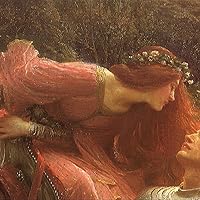
Athalie est la tragédie de Racine qui montre la plus sûre technique dramatique ; toutes les lois du théâtre y sont appliquées. Athalie règne depuis huit ans ; il faudra qu'en une journée, Joas, caché dans le temple, inconnu de tous, soit couronné, et Athalie condamnée à mort. Celle-ci, avertie par un songe, veut se faire livrer l'enfant. Le grand prêtre attire la reine dans un piège, le peuple se rallie à Joas, mais l'action ne connaît aucun temps mort. Cependant, c'est une pièce religieuse : la mythologie y prend la forme de l'Histoire Sainte, la fatalité devient providence divine. «Impitoyable Dieu, toi seul as tout conduit», s'écrit Athalie. Ce n'est plus le destin aveugle de la tragédie grecque, livrée aux caprices des divinités de l'Olympe, mais l'Histoire qui se déroule selon une fin. Dieu est le principal personnage de la tragédie. Le style en reçoit une grandeur nouvelle, le vers est modelé par la parole biblique. Les personnages simplifiés ont une beauté sculpturale, dans un décor grandiose, celui du Temple de Jérusalem, le sanctuaire par excellence. C'est l'aboutissement de tout le théâtre de Racine, et sa dernière pièce.
Classical Greek and Roman themes base noted tragedies, such as Britannicus (1669) and Phèdre (1677), of French playwright Jean Baptiste Racine.
Adherents of movement of Cornelis Jansen included Jean Baptiste Racine.
This dramatist ranks alongside Molière (Jean Baptiste Poquelin) and Pierre Corneille of the "big three" of 17th century and of the most important literary figures in the western tradition. Psychological insight, the prevailing passion of characters, and the nakedness of both plot and stage mark dramaturgy of Racine. Although primarily a tragedian, Racine wrote one comedy.
Orphaned by the age of four years when his mother died in 1641 and his father died in 1643, he came into the care of his grandparents. At the death of his grandfather in 1649, his grandmother, Marie des Moulins, went to live in the convent of Port-Royal and took her grandson Jean-Baptiste. He received a classical education at the Petites écoles de Port-Royal, a religious institution that greatly influenced other contemporary figures, including Blaise Pascal.
The French bishops and the pope condemned Jansenism, a heretical theology, but its followers ran Port-Royal. Interactions of Racine with the Jansenists in his years at this academy great influenced the rest of his life. At Port-Royal, he excelled in his studies of the classics, and the themes of Greek and Roman mythology played large roles in his works.
Jean Racine died from cancer of the liver. He requested burial in Port-Royal, but after Louis XIV razed this site in 1710, people moved his body to the church of Saint-Étienne-du-Mont in Paris.
Sent-Bev je ovaj, poslednji Rasinov komad, pohvalama digao u nebesa, poredivši ga ni manje ni više nego Kraljem Edipom. Nije bio jedini – istorija „Atalije” je istorija pohvala, velikih reči o bezvremenosti i uzvišenosti. Kada se tome doda sjajan tandem – predgovor Miodraga Ibrovca i prevod Sime Pandurovića, neko bi pomislio da je u pitanju apsolutni, oplemenjujući književni trijumf, koji treba da dopre do svakog ljubitelja pisane reči. Stvarnost je, plašim se, drukčija. Koliko god bilo šarmantno izdanje SKZ iz 1913. godine, zub vremena ga je ozbiljno ujeo, pa svaka stranica donosi napad čestica starijih od stoleća. To ne mora da bude neprijatno, prašina mi nekad čak i prija, čudan sam čovek, znam, ali ovaj put su remetilački faktori bili snažniji od moje volje da se u prijatnosti susretnem sa tekstom. Dok su se moje oči i grlo borili sa saznanjima o Atalijinoj krvoločnosti i mogućoj griži savesti, kao i o kovanju osvete ugroženih naslednika i starih struktura moći, uz vešte, tečne aleksandrince Sime Pandurovića, pomislio sam kako je ovo jedan od onih primera divljenja sa distance. Znam, mogu da doskočim i ja sa hvalospevom, da ga zakitim dionizijsko-apolonijskim momentima, transpozicijom starozavetnih tema, simpatijama prema negativnom junaku, kompoziciji i još koječemu, ali, prosto, nažalost, tekst je saobrazan izdanju koje sam čitao – lepo, vredno, ali... zastarelo.
Hvala Vučkoviću Vuku na donaciji. Ako se ne osvežimo s vremena na vreme minulim vekovima, ovo sadašnje vreme će nam izmicati manje nego što mora.
This is the last play that Racine ever wrote and produced and it did not seem to go down all that well with the people of the time, maybe because there had recently been a political affair involving a woman who was trying to set herself up as Queen (read king) of France. However, it did garner some accord from a number of intellectuals at the time, including Voltaire, who believed that it was one of Racine's greatest plays. The political machinations that Racine manages to bring out of his plays do exalt him to the position of one of the great playwrights, and in a way he is set apart from Shakespeare because of this. However, despite the fact that he is French and he wrote in French, he still does not seem to attract the popularity that the Bard's plays tend to (probably because he is French).
Athalie is one of two plays that Racine wrote based around biblical stories, both of them from the Old Testament. The other biblical play that he wrote is Esther, and anybody somewhat familiar with the Bible is probably familiar with the book of Esther. However the story of Athalie (or Athaliah in English) is much less familiar, and I would not be surprised if there are a number of Christians out there who have been Christians for a long time that are unfamiliar with the story of Athalie.
The story itself comes from 1 Kings 11 and occurs after the brutal murders (not that they weren't asking for it) of King Ahab and Queen Jezebel (the monarchs of the northern Kingdom of Israel) by King Jehu (the king of the southern Kingdom of Judah – Racine explains this in his introduction). While at the time Jehu did what was right in the eyes of God, as he grew old he become corrupted with power, and no doubt threw away his faith in God. It appears that he did not produce an heir because his mother, Athalie, took hold of the reigns of power in Judah and then proceeded to execute the rest of the royal family, leaving her firmly in control.
The play begins pretty quickly after she had ascended to the throne of Judah and had brought the worship of the Baals (foreign gods) back into Judah. However the priests of the Temple in Jerusalem continued the worship of the one true God, and they also had an ace up their sleeve – the only surviving heir to the throne of Judah and the only surviving descendant of the line of King David. Thus the play is set up to be a play where the queen and her prophets struggle and fight against the high priest and his prophets, who are also trying to keep the soul surviving heir a secret.
Some have suggested, and this is probably true, that this play comes out of Racine's Jansenist upbringing. In fact after Phaedre, Racine left the lime light and returned to the faith of his youth, and it was only later in life that he returned to the stage to produce a couple of plays outlining his new found faith. However it is interesting to note that Racine still does not bring the extra-ordinary into his plays. This is similar to what we see in Shakespeare and which differs from the great tragedians (and even the old comics) of the Ancient world who had the gods playing an important role in the plays. However, it is also the case that in the Ancient World the gods played an important role in civil life.
It is not that the Christian god did not play an important role however, it is just that it appears that ever since Christ's ascension to heaven, literature tended to drift away from the direct intervention of a divine ruler. Most of the stories that have come about have either come directly from the Bible, or simply focus only on the physical aspects of the world. We see this in Racine's Greek plays where the gods simply do not appear (which differs from Euripides, who would have the gods introduce and conclude the play, and also appear so as to set things right). In the European plays we tend to see a much more humanist aspect in the action, in that the play is not resolved through divine intervention, but through the acts of mere mortals.
Maybe this is what Schaeffer is talking about when he talks about nature eating up grace. Namely, we divide the world into an upper and lower story (that is heaven and Earth) and by separating heaven from Earth we restrict the power of heaven's influence over Earth. We also see this in discussions on the Greek plays where modern commentators will criticise Euripides' use of the deus ex machina, in that it is a poor attempt to resolve the play's conflict when in Eurpides' time such scenes were accepted by the audience. I suspect that it has a lot to do with us moderns drifting further and further away from the acceptance of a divinity that can actually influence the world in which we live.
FRANÇAIS: C'est la première fois que je lis ce pièce de Racine, le dernier qu'il a écrit. La versification française est excellente.
Racine prend quelques libertés avec le récit biblique d'Athalie. Il en fait la fille d'Achab et de Jézabel, alors que le Deuxième Livre des Rois et le Deuxième Livre des Chroniques affirment qu'elle était la fille d'Omri. Il invente également qu'Athalie aurait fait un rêve l'avertissant du danger que représentait pour elle l'existence de Joas (appelé Eliacin). Ce dernier détail sert à rallonger le récit, bien qu'on ignore pourquoi Dieu aurait voulu avertir la reine du danger qui la menaçait. À moins que Racine n'assimile le dieu Baal, que la reine vénérait, à un démon, et que le rêve soit d'origine infernale, mais il ne le précise pas.
ESPAÑOL: Es la primera vez que leo esta obra de Racine, la última que escribió. La versificación francesa es excelente.
Racine se toma algunas libertades con el relato bíblico sobre Atalía. Hace a esta hija de Ajab y de Jezabel, aunque el 2º libro de los Reyes y el 2º de las Crónicas dicen que era hija de Omrí. Inventa también que Atalía tuvo un sueño que la avisó del peligro que suponía para ella la existencia de Joás (llamado Eliacin). Este último detalle le sirve para alargar el relato, aunque no se ve por qué Dios querría avisar a la reina del peligro que la amenazaba. A menos que Racine identifique con un demonio al dios Baal, a quien la reina adoraba, y que el sueño fuera de origen infernal, pero eso no lo dice.
ENGLISH: This is the first time I've read this play by Racine, the last he wrote. The French versification is excellent.
Racine takes some liberties with the biblical account of Athaliah. He makes her the daughter of Ahab and Jezebel, although the Second Book of Kings and the Second Book of Chronicles say she was the daughter of Omri. He also invents that Athaliah had a dream that warned her of the danger posed to her by the existence of Joash (called Eliacin). This last detail serves to lengthen the narrative, although it's unclear why God would want to warn the queen of the danger that threatened her. Unless Racine identifies the god Baal, whom the queen worshipped, with a demon, and the dream were of infernal origin, but he doesn't say so.
A story of the resurrection of a king with strong biblical undertones. A noted quote:
"This impious troop says: Let us laugh and sing! Let our desires roam as they will From flowers to flowers, one pleasure to the next; Madness it is, to trust the future. Who knows the number of our fleeting years? Let us enjoy life while we can, today: Who is sure of existence on the morrow?"
Biblical plays aren't really my thing, but I just wanted to try something from the 17th century. It might be that this is simply not one of Racine's better works, as I was pretty bored to be honest. Unlike Shakespeare and certain wines, this hasn't aged well.
I know nothing about religion but this was a banger. It seemed untypical for a Racine play in quite a few ways and the last couple of lines made me feel so uneasy (in a good way). Definitely a very refreshing read and way more enjoyable than anticipated.
Racine a écrit cette pièce à la demande d'une directrice d'un pensionnat pour jeunes filles qui voulait une pièce édifiante à sujet biblique. "Athalie" qui décrit la lutte courageuse par un groupe de juifs courageux à la défense de la vraie foi remplit bien ce mandat. Elle est certainement bien intentionnée mais les personnages n'ont pas le même profondeur psychologique que l'on trouve ailleurs chez Racine.
One is wary when one dips into 17th Century drama. Well, this "one", being me, is wary. Below are my trepidations when I read that it is a Old Testament derived drama about an obscure Jewish queen in divided Jerusalem. This ain't Law & Order "ripped from the headlines" by any stretch.
Trepidations:
1. French verse drama in translation. Is the translator beholden to making poetry or making theater? I would much rather read the second.
2. Obscure Jewish queen in biblical Jerusalem. Will I care enough about the characters to want to keep reading? I mean, who really reads the Old Testament when it gets into those biblical kings with all those grudges and religious dogmas and begats?
3. Similarly to number 2, will the dramatic crisis be something that anyone would care about who isn't a Jewish history fanatic?
4. In the dramatis personae I see this name: "Jehoshebath". Really. Shouldn't I just go on to something else right now? Look, there's dust on that lamp - let me run and get the duster RIGHT NOW!
5. A cast of characters with similarly unpronounceable names. However, there is an "Abner". Yes, just "Abner". I can handle "Abner". But will the gobbledygook characters all just seem the same in my reading?
6. A religiously divided Jerusalem? Oh come on now, who could believe anything so bizarre and antiquated? I wouldn't have the first clue how to relate that to modern times. Sheesh...
So with the above trepidations I began to read - if only because it was a shortish play with lots of white space! And you know what, the play worked. Somehow I got a good translation (old Penguin classics) that didn't try to get all wonky with "proper" rhymes and meter, and syntax out of a "how assemble" manual of a Korean plasma TV.
There was a Shakespearean feel to the drama, which I won't spoil by outlining the plot, and reading Racine's preface is key to getting the lowdown on the history of the conflicts: tribes, God, backsliding into Baal, temple priests, murders, burnt offerings, etc.
The cast of characters was easier to keep track off than I thought it would be - much easier than some of Shakespeare's plays which seem like less than an exercise in literature than an Actor Job Creation Scheme.
Athalie herself is quite a character - maybe not as deeply drawn as Lady Macbeth - but still interesting to discover her motivations and what she'll do.
In the end, Abner plays a key role (yay Abner!) and it's the bureaucrat Joad who saves the day! And as I always say "Long live the temple bureaucrats!"
I suppose this is what you'd call badly dated. Presumably in French the poetry might be impressive enough to redeem it, but this reads essentially like propaganda. Pretty, passable propaganda, with a mildly interesting antagonist and bloody boring supporting characters. Almost lifts off in a few parts but ultimately doesn't.
Ladies and gentlemen If you, my dear user, were impatient for this review, you won't have to wait any longer, but it was necessary to clarify this controversy to put the author and this work in context. I don't know if it was this one or Esther by Jean Racine|170142347] which Madame de Maintenon , last mistress and wife of Louis XIV, commissioned from the author of this work. Both my father and Le The book Genie Du Christianisme by François-René de Chateaubriand was praised. From Chateaubriand 's book , I recommend the chapter in which he compares pagan and Christian works, highlighting the superiority of the latter, and this point can be appreciated here. This review will be written in French, in addition to Spanish, English, and Polish, to honor the author and his country of origin. This wonderful historical drama (by the way, in our last letter, the Professor and I were discussing the differences between comedy, drama, and tragedy; I'll get his reply on Friday and will share it in Monday's review, which you don't know what it will be). As I mentioned in the first part of this review, I have a preference for Jean Racine and for historical plays. That's why I wanted to get hold of Athaliah , but it was impossible to find; there seemed to be no recent editions in Spanish. But as always, Austral came to my aid, and thanks to secondhand books, I was able to get a copy. However, there's a better edition from Bruguera with almost all of Jean Racine's plays, and it would be very interesting to get hold of them (there are some I haven't read). One of the things that surprises me is how little of the Old Testament episodes are adapted into novels, plays, and theater Holy Bible : New International Version with the very interesting historical episodes it contains [ book: Historical Books of the Old Testament: Questions and Answers|185192283] ( unfortunately, Goodreads only gives me the Protestant versions of the historical books). Unlike César Vidal, I have always considered the Bible not only as a religious and instructive book but also as the greatest work ever written. The Peruvian Ricardo Palma and História Sagrada: O povo bíblico by Henri Daniel-Rops discuss these topics, the former from a novelistic point of view and the latter from a historical one. What Racine has done is turn one of the episodes from the book of kings 2 Kings The Second Book of Kings (The Holy [Bible #12) NIVUK In Chronicles, or Paralipomena, the restoration of the Davidic lineage of the southern kingdom is also recounted. It is worth remembering that Jehoshaphat made the mistake of marrying his son Joram to Athaliah, but one must go back to the death of King Solomon, who, due to his wives and lovers, fell into idolatry. His long reign and high taxes caused the kingdom of Israel to split in two. The southern kingdom (comprising the tribes of Judah, Levi, and Benjamin, from which Saint Paul descends), or Judah, remained loyal to the house of David. The kingdom of Israel remained loyal to King Solomon's enemy, Jeroboam , who, to prevent reunification with the kingdom of Judah, encouraged idol worship in Bethel and was even more idolatrous than the kingdom of Judah, which also did not have very good kings. God's plan was for Jeroboam to have some descendants, but if he remained faithful, he would extend the reign of his dynasty. However, although the northern kingdom, composed of ten tribes, was wealthier than the south, the latter fell into idolatry and gradually became corrupt and degraded. As mentioned, it fell into idolatry, experiencing a profound decline, and despite the fall of Baasha, the last monarch of Jeroboam 's line, the kingdom fell to a series of coup-plotting generals like Zimri , and then to the house of Omri , from which the wicked King Ahab came . Ahab then married a Syrophoenician princess who introduced the worship of Baal and Astarte to the northern kingdom and persecuted the prophets, especially Elijah. Ahab, disregarding the biblical perspective, achieved some military victories, the most notable being his victory against Ashurnasirpal of Assyria. However, although he allied himself with the southern kingdom, mending the strained relations between the two (and practically recognizing the de facto independence of the northern kingdom), Ahab succumbed to idolatry and to the murder and seizure of Naboth 's vineyard . This provoked the wrath of the Prophet Elijah, who commissioned his disciple Elisha to enthrone Hazael, who succeeded the benevolent Syrian king Ben -Hadad. He also anointed King Jehu , who would eventually exterminate the lineage of Omri and murder Queen Jezebel. This character is the subject of the novel * Frank G. Slaughter's Novel of a Biblical Queen : The Curse of Jezebel* (170683150) by Frank G. Slaughter (4161636). It's very good, according to what my father told me. The author took many liberties and even invented a romance between Jezebel and the nonexistent Prince Michael of Judah. Slaughter has written better things, and if you want to know what books he's written, go to my channel, The Bibliophile 's Corner , and subscribe ;-). However, Jezebel became the embodiment of the wicked woman and the quintessential sinner. She was a proselytizer and persecuted God's priests with ferocity and cruelty. In the end, Jehu killed her and threw her body away, where it was devoured by dogs (which is very creepy). Jehu had three descendants before his house was exterminated by the next usurping dynasty, but that will be discussed at the end of my review. The southern kingdom was ruled by Rehoboam , who was succeeded by his son Abijah. Abijah achieved some victories against Jeroboam (the wicked king spent his time fleeing from his enemies). Besides the death of his tax collector Adonikam, Rehoboam suffered the Egyptian incursion of Pharaoh Sheshach , which inspired the film Indiana Jones and the [Raiders of the Lost Ark Abijah was succeeded by Asa, who continued to achieve victories against the northern kingdom and witnessed the fall of Basha of the northern kingdom. However, with the Omri dynasty , the northern kingdom was consolidated, and each respected the other's independence. Jezebel and Ahab married Athaliah to Joram, the son of Jehoshaphat (it should be noted that the last of the House of Omri was also named Joram), and they had a son, Ahaziah, whom Jehu also exterminated ( you may remember Jehu from a carving in which he kneels before the Assyrian king Shalmaneser III, completely prostrate). Taking advantage of her son's death, Athaliah usurped the throne and exterminated her son's children (she wiped out all her grandchildren), only to be saved by Jehoiada (or Joad, as he is called in this novel, and by Princess Jehosheba , or Jehosheba ). This is the subject of Racine's play, which, in addition to the main characters—High Priest Joad , Jehosheba , and King Joash— includes Zechariah and Shulaimith (sons of Joad and Jehosheba), the priests Azariah and Ishmael, and among the villains are Athaliah, Matthan (who was the leader of the pagan or polytheistic priests, presented here as a renegade who has betrayed the Eternal), Nabal (Abigail's husband, the future wife of King David, who choked while eating after refusing to help King David), and Hagar (actually Abraham's Egyptian lover). This is a small episode from the Book of Kings, so Racine has to expand it, and he does so by introducing characters like Abner, the Chief of the Guard (who was actually the Chief of King Saul's Guard). Perhaps the story's flaw lies in the padding Racine adds, but given the short nature of the episode, this is understandable, and it's not ahistorical ; rather, it adheres to the historical facts as they occurred. Aside from the characters, this work could also be a splendid musical because, like Greek tragedies, it features choruses (especially those of the Jews faithful to the Almighty). The character of Joad embodies grandeur, prudence, and nobility, and he desires to restore the legitimate heir, Joash, whom he has raised as his own son (in reality, he is his nephew, and his name is Eliakim). In fact, he is a cousin of Zechariah and of Soulamith . Athaliah appears in few scenes, but they are decisive and always threatening, as is Matthan (who is more inclined to make drastic decisions). Matthan, besides being a pagan, is portrayed here as an apostate, even though he once worshipped God. The Professor didn't like the theme of dreams. But I didn't mind him using a dream to test Athaliah, since he thinks all he has to do is kill Joas, and that would end the play and the conflict. However, this is a device that some authors have used, some more successfully than Racine, including William Shakespeare and, in Richard III, to test people. This adds nuance to the personality of the treacherous Queen Athaliah and prevents the play from being Manichean, neither black nor white. There is a benevolent character, Joad ; later, when Joas becomes King, he will be corrupted, even though he maintains his good intentions here. He will suffer the same fate as Malcolm in The Tragedy of [McBeth|34210955]. One of the most epic moments in the story is when Athaliah tries to corrupt Eliakim (or Joash ) to lure him to her palace instead of killing him in cold blood, as Matthan proposes . Matthan acts as a henchman and harasser, displaying brutality in some dialogues with the Princess. I really liked the character of Joshebe because of her hesitation and doubts. There are moments when she talks about forming an alliance with the temporal power, in this case with Jehu and Joad (who is not the atheist intellectual with whom the Catholic writers of Literary debated). Converts : Spiritual Inspiration in an The Age of Unbelief (1319537) by Joseph Pearce (11627) already speaks of how Jehu remains an idolater and addresses the fickleness of temporal powers in a way very similar to that of Saint [Augustine of Hippo (6819578). This theme is very relevant now, given the widespread discontent with the tyrants imposed by the globalist plutocracy nurtured by [George Soros (76751), and the general dissatisfaction with elected leaders. They cannot count on the help of the tribes of Benjamin, nor on the majority tribe of Judah, who are dormant. It will have to be the priestly tribe of Levi that leads the revolt against Athaliah. This work also addresses the dilemma of rising up and resorting to armed struggle to rid oneself of the tyrant, something advocated by the Visigothic councils, the Calvinist monarchmachus , and the Jesuits [author: Juan de Mariana|2117829] and Francisco Suárez. The work is of high quality, magnificently well-written, and transcendent (that is, religious). I hesitated about what rating to give it. Initially, I leaned towards four stars, but ultimately, due to its quality, its religious themes, and its highly original structure, my final rating is 5/5. Although Jezebel doesn't appear, even in death she is very much present, and Racine demonstrates a great knowledge of the Bible, even mentioning enemies of Moses such as Dathan and Abiram . However, Joash, although he was one of the righteous kings to God, in his later years he corrupted what Jehoiada had done (just like King Malcolm in William Shakespeare's novel). He was succeeded by Amaziah , then by Uzziah , then by Jotham, who modernized the weapons, and was succeeded by Jehoahaz, and then by his son Hezekiah, the best King of Judah along with Josiah. All these kings had been righteous to God, but everything went wrong with Manasseh. Although he repented in the end, the countdown to the destruction of the kingdom of Judah was underway (tradition tells us that he murdered the Prophet Isaiah by sawing him in two), but his son Amon was even worse than him. He was succeeded by Jehoahaz, and after him, the last hope, Josiah, to whom the fall of the Southern Kingdom was prophesied, but God granted him death beforehand (he died in Megiddo confronting Pharaoh Necho Pashmistich of Egypt, but although he lost, this delay caused the destruction of Assyria, which was destroyed by the Babylonians and the Medes of Nabopalassar , father of Nebuchadnezzar II, and by Cyaxares of Media, who divided the Assyrian Empire, and thus began Babylonian hegemony). He was followed by the Jehoiachins , and the deportations began, and after him came Zedekiah , and the end of the Southern Kingdom. But Cyrus II restored the Jews and saved them from the Babylonians, and in the 1st century, salvation came, but that is another story that will be told in due course. Regarding King Hezekiah, I recommend the novel Gods and Kings by Lynn Austin and God King: A Story in the Days of King Hezekiah by Joanne Williamson Hezekiah survived the Assyrians, something the northern kingdom could not do, whose king Hoshea was defeated by the Assyrian kings Shalmaneser V and Sargon II. It took until the 1st century for enlightenment to reach the rest of the world, but that is another story for another day. My following criticism will be or, Conan the Usurper from A Landscape with Dragons: The Battle for Your Child's Mind from Michael D. O'Brien.
Like Shakespearean ones, Racine's evil characters awaken more interest than the good ones. Sometimes we even feel sympathy for them. This is Athalie's case. After seeing, as a child, her mother defenestrated and eaten by dogs, and suffering still from nightmares, she conceives an understandable hatred for King David's family and their God, who were responsible for that death. Even if she commits horrible murders to eliminate this family, we cannot see her fully as a monster; a woman, alone on the throne of a traditionally sexist country, facing the fierce monotheism of Jewish priests,who will not allow another religion in the country, her position is not an easy one. Child-king Joas and his followers are nice charcaters, but for a 21st century reader,they may seem fanatic and intolerant.
Anyway, all this is saved by the amazing lyrical beauty of the play, with a chorus of Jewish girls who sing beautiful psalms and with monologues and dialogues of great poetical force. A beautiful play.
Lu pour les cours de littérature classique (religion et théâtre au 17e).
J'ai clairement pas aimé cette lecture, je m'endormais littéralement toutes les 5 minutes. Le texte est dense, et renvoi beaucoup à la Bible (Ancien Testament), alors pour quelqu'un qui ne l'a jamais lu comme moi c'est compliqué. J'aurais pas compris grand chose sans mes cours, c'est dire, et travailler sur des extraits était plus sympa et compréhensible. Le texte est dense dans la mesure où il se passe beaucoup trop de choses en 3h seulement, ça faisait un peu cafouillage, mais aussi par rapport aux formulations alambiquées des vers. Je comprends bien qu'on parle pas le même français, mais il y a pas mal de tournures que j'ai été obligée de relire plusieurs fois pour comprendre. Le personnage le plus présent est Joad, pas Athalie, ce qui est assez décevant vu le titre. L'histoire m'intéressait pas plus que ça, la fin va trop vite. Bref, plus de Racine pour moi.
Acte III Scène VII JOAD (...) Quel est dans le Lieu saint ce Pontif égorgé ? Pleure, Jéruslame, pleure, Cité perfide, Des Prophètes divins malheureuse homicide. Ton encens à ses yeux est un encens souillé. Où menez-vous ces enfants, et ces femmes ? Le Seigneur a détruit la Reine des Cités. Ses Prêtres sont captifs, ses Rois sont rejetés. Dieu ne veut plus qu'on vienne à ses solennités. Temple, renverse-toi. Cèdres jetez des flammes. Jérusalem, objet de ma douleur, Quelle main en un jour t'a ravi tous tes charmes ?
Para poder ejemplificar el "point de caption", Lacan cita las famosas líneas de la Athalie de Racine: "Temo a Dios, querido Abner, y no tengo otros temores".
Athaliah was written after Racine converted back to his earlier Christian beliefs, and reading it makes me heartily wish he had not.
I recognise that here I am in a minority. While I was bored by the play (at least as written on paper), many critics regard it as one of his best works. So while I cannot bring myself to recommend reading it, I will not go so far as to discourage anyone who wishes to try it either. Judge for yourself. If you disagree with me, you are in good company.
For his subject matter Racine chooses a more obscure Bible story from one of the two books of Kings, hardly the most exciting part of the Scriptures. Characters have names like Jehoshabeath and Jehoiaida.
The story is as follows. At this point in time Athaliah has seized the throne of Judah and eliminated all rivals, or so she thinks. This ruthless queen has renounced the Jewish religion (we should see this more as Christianity than Judaism) and returned to worshipping Baal.
Unhappily for Athaliah, the grandson of the late king, Joash has survived after all. Now the Queen has bad dreams about him overthrowing her. As Joash’s identity becomes clearer, there is a race against time to see whether Athaliah will put Joash to death, or whether the young boy’s followers will kill her instead.
Of course there is not much doubt of the outcome as this is a Bible story. The Judeo-Christian side will prevail against the followers of the older religion.
There is much potential for drama here, and there is excitement in seeing how events will turn out. Athaliah is the most interesting character, a Queen who has performed bad deeds, but who vacillates, unable to bring herself to take the ruthless decisions that will secure her place.
Sadly Racine’s religious views ultimately swamp the narrative. Athaliah is only indecisive because God has afflicted her, Racine seems to say, making her fickle behaviour seem less interesting.
As Racine is expressing his own religious faith through the play, there is no room for moral ambiguity, even if the facts of the case suggest otherwise. Athaliah is evil. Her ruthless priest Mattan is a hypocrite. Both secretly know they are wrong.
By contrast the Christians are righteous, even when they overcome the Queen by an act of deceit and treachery. Joash is virtuous, and we had better ignore later parts of the Bible where our ‘hero’ turns back towards the old gods as well.
To the objective reader, neither side seems any better than the other, but to Racine there is a clear fight between good and evil. He reinforces this at the end of each act by having a dull chorus appear and utter bland pieties.
Now that I have read three Racine plays, I can make a few observations about the dramatist himself. Firstly Racine is no Shakespeare. His characters are interesting, but the dialogue does not bring them to life.
Shakespeare’s characters talk to one another; Racine’s characters make speeches at one another. Shakespeare’s characters express emotion. Racine’s characters proclaim emotion.
Still this style works well when Racine is writing about ancient Greek stories, since many of the original plays shared the same qualities. There is some undeniably beautiful writing in the plays, and great nuance of meaning, though this is less evident in Athaliah.
Perhaps one day I will return to Athaliah and be impressed by it. Perhaps if I see or hear a performance of the play, it will impress me when witnessed in its true element. For now I regard it with a little respect, but not much enthusiasm.
J’ai été étonné par deux aspects de cette oeuvre. D’abord les répliques d’une pièce de théâtre tout en poésie qui rime. C’est bien la Renaissance, mais d’autre part le sujet profondément biblique, c'est-à-dire un récit à la fois politique et religieux qui tiré de la Bible au livre des Rois et dans les Chroniques. Un tel sujet abordé par un auteur français serait évidemment impensable aujourd’hui. Mais bon, c’est l’époque de la Réforme et même dans leurs débats théologiques avec les protestants, les catholiques furent forcés de lire la Bible et la diffuser en français (autrefois hors de la portée du peuple, car en latin seulement et lus par quelques prêtres). Combien savent que Blaise Pascal a participé à la traduction de la Bible de Sacy (1667) que cite Racine? Un autre point pour lequel une telle oeuvre serait impensable aujourd’hui est le fait que Racine ne respecte pas le dogme du féminisme voulant que, face à l’homme, la femme est toujours VICTIME, donc on ne peut jamais lui demander des comptes.
Et combien d’auteurs francophones actuels pourraient démontrer une telle maîtrise du langage pour écrire une pièce de théâtre en vers? Sans doute le goût du public a changé, mais cette capacité existe-t-elle encore? Et l’hypothèse proposée par Racine que le massacre des princes de Judas ait été une vengeance de la part d’Athalie pour les massacres de la maison de son père Achab faits par Jéhu me semble plausible.
Un truc m’a intrigué ici. Ma lecture de la préface savante de cette pièce laissait entendre qu’au moins une partie de la pièce est musicale, dont la chorale devait chanter leurs répliques comme un opéra. Il semble que du vivant de Racine, il n’y eut que 3 présentations (privées) de cette pièce, mais sans orchestre (un seul clavecin, je crois). Cela me donnait l’impression que TOUTES les répliques des acteurs devaient être chantées, et dans ce cas il serait plus logique de parler d’opéra que de pièce de théâtre... Mais on m’a corrigé et suivant le modèle du théâtre grec ancien, il semble que seules les répliques du choral furent chantées.
დასაწყისი კარგი აქვს და არც გაგრძელებას ეთქმის ურიგო, მაგრამ ბოლოში ძაან მარტივი დასასრული აქვს.
მე მგონი ამ პიესაში პირველად ხდება, რომ ანტიკურ სამყაროში არ მიმდინარეობს მოქმედება და ძველი რომის და საბერძნეთის ნაცვლად ჩვენ ისრაელში გადავდივართ, ანუ კლასიციზმის წესებიდან მცირე ამოვარდნას აქვს ადგილი.
საკმაოდ საინტერესო ფსიქოლოგიური პიესაა, რომელიც მოგვითხრობს ისრაელის პირველ და მგონი ერთადერთ ქალ მმართველზე, რომელმაც საკუთარი შვილები ამოხოცა ძალაუფლების მოსაპოვებლად და მის რისხვას მხოლოდ ერთი შვილი გადაურჩა. თუ არ ვცდები ბიბლიაში ის გადარჩენილი ბავშვი მისი შვილი კი არა, შვილიშვილია და რასინმა ეგ შეცვალა. დედის ინსტიქტების გაღვიძება დიქტატორში, სიზმრებით გატანჯული ქალის სახე, რაც კარგი მასალა იქნებოდა ფორიდისთვის, მაგრამ მგონი არ წაუკითხავს ეს პიესა :დ
მეფეებისთვის შეხსენება, რომ ღვთის გზას არ უნდა გადაუხვიონ, თორემ დიქტატურა გარანტირებულია )))
ცუდი პიესაა არაა, უბრალოდ ძაან კარგი დასაწყისი ჰქონდა ბოლოში ბანალური გახდა.
რაღაცები შეეცვალა ბიბლიური ისტორიიდან სჯობდა, რომელიც ძაან წაადგებოდა პიესას
The aesthetic merit of this play was apparent even in (what seemed to me, at least) a subpar translation. What struck me most was the ambivalence of the play toward the possibility of any lasting union of earthly power with divine or moral right, something which should not surprise anyone familiar with the Old Testament source. We are reminded of the fate of previous kings, including Solomon, and Athaliah’s curse at the end casts doubt on what would otherwise be an entirely happy ending. By emphasizing the fleeting and imperfect nature of all earthly government, even the most righteous, while holding out the possibility of spiritual salvation, the play succeeds in marrying tragedy with a Christian worldview.
Plein d’action. Joas qui a survécu a l’assassinat de sa famille s’est fait recueillir par des prêtres et vit une vie religieuse. Il ne sait pas qu’il est l’héritier du trône. Athalie est cruelle mais s’adoucit lorsqu’elle rencontre Joas (caché sous l’identité d’Eliacin), et veut le kidnapper contre la survie du temple religieux. Joad qui est le père adoptif de Joas, n’accepte pas et entend révéler l’identité d’Eliacin aux yeux du peuple afin de soulever le trône. Il tend alors un piège a Athalie en lui présentant son descendant assis sur le trône. Athalie est assassinée a son tour. Tirade de Mathan p.82 ou p.84
Interesting syncretic that has the form of Greek theater and content of Biblical themes. Maybe I'm missing something from Racine but his "greek plays" (andromaque, phedre, iphegnie, and I guess this one) all combine the prolixity of Greek tragedy with barely any of the interesting parts (no eye gouging after finding out you killed your dad and married your mother or killing your children in a jealous revenge in Racine!) I think perhaps a lot of Racine's genius is untranslatable and that it comes from the language he uses rather than the plots/characters themselves. Could be wrong though!
Após um longo percurso pela tragédia grega e daquelas escritas por Sêneca, chegar à Racine foi, para mim, um destino lógico. O domínio da língua francesa é impressionante, com seus diálogos escritos na metrificação do verso alexandrino francês, de doze sílabas. Profunda análise psicológica da alma humana. Feliz a hora em que decidi ler a obra integral daquele que é, para mim, o maior dramaturgo francês de todos os tempos.
Maybe it was just due to it not being "secular" but I found this play to be the least moving of any of the Racine ones that I've read so far. The "tragedy" of the central character didn't really seem that tragic at all. I also didn't like the use of the chorus; in Racine's previous plays I enjoyed how he had cut that out as a way of distancing himself from his classical forbearers, so it was a bit jarring to see it used so prominently in this play.
He won every battle but lost the war. Each couplet is healthy as an autumn elk, yet the whole work flags and wobbles. Athalie is Jezebel’s daughter, a worshiper of evil pagan idols. It’s just a problematic premise…
Chosen at random (and translated by me):
Athalie. He lets me be, in these places, the master, in truth; I peacefully rejoice in my wisdom’s fruit; But an unseen trouble comes, these last few days, Interrupting my prosperities in many ways.