

What do you think?

The Last Summer
Set in Russia during the winter of 1916, Serezha visits his married sister. Tired after a long journey, he falls into a restless sleep and half-remembers, half-dreams the incidents of the last summer of peace before the First World War 'when life appeared to pay heed to individuals'. As tutor in a wealthy, unsettled Moscow household he focuses his intense romanticism on Mrs Arild, his employer's paid companion, while spending his nights with the prostitute Sashka.
93 pages, Paperback
First published January 1, 1934
About the author
Boris Pasternak
644 books1,762 followersBoris Leonidovich Pasternak was born in Moscow to talented artists: his father a painter and illustrator of Tolstoy's works, his mother a well-known concert pianist. Though his parents were both Jewish, they became Christianized, first as Russian Orthodox and later as Tolstoyan Christians. Pasternak's education began in a German Gymnasium in Moscow and was continued at the University of Moscow. Under the influence of the composer Scriabin, Pasternak took up the study of musical composition for six years from 1904 to 1910. By 1912 he had renounced music as his calling in life and went to the University of Marburg, Germany, to study philosophy. After four months there and a trip to Italy, he returned to Russia and decided to dedicate himself to literature.
Pasternak's first books of verse went unnoticed. With My Sister Life, 1922, and Themes and Variations, 1923, the latter marked by an extreme, though sober style, Pasternak first gained a place as a leading poet among his Russian contemporaries. In 1924 he published Sublime Malady, which portrayed the 1905 revolt as he saw it, and The Childhood of Luvers, a lyrical and psychological depiction of a young girl on the threshold of womanhood. A collection of four short stories was published the following year under the title Aerial Ways. In 1927 Pasternak again returned to the revolution of 1905 as a subject for two long works: "Lieutenant Schmidt", a poem expressing threnodic sorrow for the fate of the Lieutenant, the leader of the mutiny at Sevastopol, and "The Year 1905", a powerful but diffuse poem which concentrates on the events related to the revolution of 1905. Pasternak's reticent autobiography, Safe Conduct, appeared in 1931, and was followed the next year by a collection of lyrics, Second Birth, 1932. In 1935 he published translations of some Georgian poets and subsequently translated the major dramas of Shakespeare, several of the works of Goethe, Schiller, Kleist, and Ben Jonson, and poems by Petöfi, Verlaine, Swinburne, Shelley, and others. In Early Trains, a collection of poems written since 1936, was published in 1943 and enlarged and reissued in 1945 as Wide Spaces of the Earth. In 1957 Doctor Zhivago, Pasternak's only novel - except for the earlier "novel in verse", Spektorsky (1926) - first appeared in an Italian translation and has been acclaimed by some critics as a successful attempt at combining lyrical-descriptive and epic-dramatic styles.
Pasternak lived in Peredelkino, near Moscow, until his death in 1960.
Pasternak's first books of verse went unnoticed. With My Sister Life, 1922, and Themes and Variations, 1923, the latter marked by an extreme, though sober style, Pasternak first gained a place as a leading poet among his Russian contemporaries. In 1924 he published Sublime Malady, which portrayed the 1905 revolt as he saw it, and The Childhood of Luvers, a lyrical and psychological depiction of a young girl on the threshold of womanhood. A collection of four short stories was published the following year under the title Aerial Ways. In 1927 Pasternak again returned to the revolution of 1905 as a subject for two long works: "Lieutenant Schmidt", a poem expressing threnodic sorrow for the fate of the Lieutenant, the leader of the mutiny at Sevastopol, and "The Year 1905", a powerful but diffuse poem which concentrates on the events related to the revolution of 1905. Pasternak's reticent autobiography, Safe Conduct, appeared in 1931, and was followed the next year by a collection of lyrics, Second Birth, 1932. In 1935 he published translations of some Georgian poets and subsequently translated the major dramas of Shakespeare, several of the works of Goethe, Schiller, Kleist, and Ben Jonson, and poems by Petöfi, Verlaine, Swinburne, Shelley, and others. In Early Trains, a collection of poems written since 1936, was published in 1943 and enlarged and reissued in 1945 as Wide Spaces of the Earth. In 1957 Doctor Zhivago, Pasternak's only novel - except for the earlier "novel in verse", Spektorsky (1926) - first appeared in an Italian translation and has been acclaimed by some critics as a successful attempt at combining lyrical-descriptive and epic-dramatic styles.
Pasternak lived in Peredelkino, near Moscow, until his death in 1960.
Ratings & Reviews
Friends & Following
Create a free account to discover what your friends think of this book!
Community Reviews
Displaying 1 - 30 of 43 reviews

August 31, 2015
পঞ্চাশের দশকে ডক্টর জিভাগো লিখে বিশ্বখ্যাতি, নোবেল পুরস্কার, সোভিয়েত সরকারের আক্রোশ এবং ডেভিড লীনের এপিক সিনেমা, সবই জুটেছিল বরিস পাস্তের্নাকের ভাগ্যে। যে কথাটা অত প্রচার পায় না, তা হলো কুড়ির দশকের গোড়া থেকেই রুশ ভাষার অন্যতম শ্রেষ্ঠ কবি হিসেবে স্বীকৃত ছিলেন পাস্তের্নাক। তার ভাষার কাব্যময়তার কিছুটা আভাস পাওয়া যায় ১৯৩৪ সালে লেখা এই আত্মজীবনীমূলক উপন্যাসিকা থেকে। রুশ ভাষায় সাদামাটা শিরোনাম পাভিয়েস্ত ("গল্প") - পেংগুইন ক্লাসিক্সের এই সংস্করণে সেটা বদলে রাখা হয়েছে "দ্য লাস্ট সামার"।
মস্কো থেকে দীর্ঘ ট্রেন জার্নি করে সেরেঝা এসেছে উরাল পর্বতের পাদদেশে। ছোট এক ফ্যাক্টরি টাউনে স্বামী-সংসার নিয়ে থাকে ওর বড় বোন নাতাশা - তাদের সাথেই কয়েকদিন ছুটি কাটাবে। সময়টা ১৯১৬ সালের শীতকাল। প্রথম বিশ্বযুদ্ধে ব্যতিব্যস্ত রুশ সৈন্য-সামন্ত, কিন্তু ফ্রন্ট থেকে হাজার হাজার মাইল দূরে এই সুমসাম শহর, প্রায় এশিয়া মহাদেশে গিয়ে পড়েছে। যাত্রা শেষে ক্লান্ত সেরেঝা, স্টেশন থেকে বরফ ঠেলে বোনের বাড়ি পৌঁছে প্রায় সাথে সাথেই ঘুমিয়ে পড়লো। বেহুঁশ হয়ে স্বপ্ন দেখে অতীতের - দুই বছর আগে ভার্সিটি থেকে পাশ করে বেরিয়ে কিছুদিন হাউজ টিউটরের কাজ করেছিল, মস্কোর এক বড়লোক ব্যবসায়ী ফ্রেস্টেল্ন-এর বাড়িতে। গ্রীষ্মের সেই ঢিম তেতালের দিনগুলোতে পরিচয় হয় তরুণী ডেনিশ বিধবা আনা আরিল্ডের সাথে। আনা মিসেস ফ্রেস্টেল্ন-এর বেতনভুক সহকারী। বাগানে হাঁটে একসাথে ওরা, একদিন দুজনে মিলে মস্কোর সকোল্নিকি পার্কে বেড়াতে যায়। এদিকে রাত্রিবেলা সাশ্কা নামের এক বেশ্যার কাছেও নিয়মিত যায় সেরেঝা, তার প্রতিও মাদক আকর্ষণ অনুভব করে।
মস্কোর দক্ষিণে তুলা জেলায় খামারবাড়ি আছে ফ্রেস্টেল্ন পরিবারের। কিন্তু হ্যারি নামে ছোট ছেলেটার অসুখ করেছে, তাই এই বছর গ্রীষ্মের ছুটিতে যেতে বিলম্ব হচ্ছে। এক অলস বিকেলে বাসা খালি, আনাকে খুঁজতে গিয়ে পায় না সেরেঝা। অবশেষে আনা'র ঘরে ঢুকে দেখে অজ্ঞান হয়ে পড়ে আছে। মুখে কিছু পানি ছিটিয়ে আনা'র জ্ঞান ফিরিয়েই সেরেঝা স্বীকার করে ওর ভালোবাসার কথা। সাবধানী আনা কি দেবে প্রতিদান? সেরেঝা যে লেখক হবার সংকল্প করেছে, তাতে কি সফলকাম হবে? তুলার ছুটিতেই বা কি ঘটবে? এইসব নানা প্রশ্ন অমীমাংসিত রেখে শেষ হয়ে যায় 'দ্য লাস্ট সামার'।
লেখকের খুব বড় মাপের কাজ বলা ঠিক হবে না। তরুণ সেরেঝার গল্প বলায় এটা ছিল পাস্তের্নাকের তৃতীয় প্রচেষ্টা - এর আগে একই কাহিনী লিখেছিলেন, গদ্য এবং পদ্য দুই ফর্মেই। ভাষার কাব্যময়তার পাশাপাশি প্রচুর হেয়ালি আর ধোঁয়াশা টাইপ কথাবার্তা আছে ("Acting thus from conventional discretion, she like a luminary ascribed it to her special attribute of caste.") সেটা কি মূল গদ্যের বৈশিষ্ট্য নাকি অনুবাদের দুর্বলতা, বোঝা গেল না। ভূমিকায় লেখকের বোন লিদিয়া অবশ্য লিখেছেন যে পাস্তের্নাকের ভাষার আবেশ রুশ পাঠকের চোখে অশ্রু আনে। সেদিক থেকে আমাদের মত পাঠকরা লস খেয়েছি নিশ্চয়ই, কিন্তু তারপরেও কিছু কিছু রূপকের বিস্ময়কর ব্যবহার থেকে সেই শক্তিমত্তার হালকা আঁচ পাওয়া যায়।
লিদিয়া আরো বলেন যে বরিসের যৌবনের ঘটনাবলী আর চরিত্রের সংমিশ্রণে এই কাহিনী। বইটির অনেকখানি মূল্য বোধ করি সেখানেই - তরুণ তৃষ্ণার্ত লেখকের জীবন থেকে নেয়া কয়েকটি স্ন্যাপশট, অক্টোবর বিপ্লবে সবকিছু তোলপাড় হয়ে যাবার আগে রুশ সমাজের আংশিক কিছু খন্ডচিত্র। পেঙ্গুইনের দেয়া শিরোনামের স্বার্থকতা বোঝা যায় বইয়ের একটি বহুল উদ্ধৃত লাইন থেকে - "that last summer when life appeared to pay heed to individuals, and when it was easier and more natural to love than to hate". প্রথম মহাযুদ্ধের নারকীয় যজ্ঞ যেমন সেকেলে ইউরোপীয় সভ্যতার মৃত্যু ডেকে এনেছিল, রুশ প্রেক্ষাপটে বিশ্বযুদ্ধ এবং লাল বিপ্লবের সহবাস একই কার্য সমাধা করেছিল পাস্তের্নাকের পরিচিত পৃথিবীর জন্যে।
PS প্রচ্ছদের চমতকার প্রতিকৃতি এঁকেছেন পাস্তের্নাকের বাবা লিওনিদ, তিনি স্বনামধন্য চিত্রশিল্পী ছিলেন বলে জানতে পেলাম। বাপ কা বেটা...
PPS গ্রামের বাড়িতে বনেদী পরিবারের ছুটি কাটানোর ব্যাপারটা রুশ সাহিত্যের একটা থীম বলা যায় - চেখভের নাটকে ঘুরে ফিরে এসেছে বারবার, কয়েকদিন আগে ১৯শ শতকের বিপ্লবী হার্জেন-এর স্মৃতিকথায়ও পড়লাম খুব সুস্বাদু বিবরণ। এই নিয়ে দেখি বইও লেখা হয়ে গেছে। The House in Russian Literature - স্রেফ সূচীপত্র পড়েই জিভে জল এসে গেল!!!
মস্কো থেকে দীর্ঘ ট্রেন জার্নি করে সেরেঝা এসেছে উরাল পর্বতের পাদদেশে। ছোট এক ফ্যাক্টরি টাউনে স্বামী-সংসার নিয়ে থাকে ওর বড় বোন নাতাশা - তাদের সাথেই কয়েকদিন ছুটি কাটাবে। সময়টা ১৯১৬ সালের শীতকাল। প্রথম বিশ্বযুদ্ধে ব্যতিব্যস্ত রুশ সৈন্য-সামন্ত, কিন্তু ফ্রন্ট থেকে হাজার হাজার মাইল দূরে এই সুমসাম শহর, প্রায় এশিয়া মহাদেশে গিয়ে পড়েছে। যাত্রা শেষে ক্লান্ত সেরেঝা, স্টেশন থেকে বরফ ঠেলে বোনের বাড়ি পৌঁছে প্রায় সাথে সাথেই ঘুমিয়ে পড়লো। বেহুঁশ হয়ে স্বপ্ন দেখে অতীতের - দুই বছর আগে ভার্সিটি থেকে পাশ করে বেরিয়ে কিছুদিন হাউজ টিউটরের কাজ করেছিল, মস্কোর এক বড়লোক ব্যবসায়ী ফ্রেস্টেল্ন-এর বাড়িতে। গ্রীষ্মের সেই ঢিম তেতালের দিনগুলোতে পরিচয় হয় তরুণী ডেনিশ বিধবা আনা আরিল্ডের সাথে। আনা মিসেস ফ্রেস্টেল্ন-এর বেতনভুক সহকারী। বাগানে হাঁটে একসাথে ওরা, একদিন দুজনে মিলে মস্কোর সকোল্নিকি পার্কে বেড়াতে যায়। এদিকে রাত্রিবেলা সাশ্কা নামের এক বেশ্যার কাছেও নিয়মিত যায় সেরেঝা, তার প্রতিও মাদক আকর্ষণ অনুভব করে।
মস্কোর দক্ষিণে তুলা জেলায় খামারবাড়ি আছে ফ্রেস্টেল্ন পরিবারের। কিন্তু হ্যারি নামে ছোট ছেলেটার অসুখ করেছে, তাই এই বছর গ্রীষ্মের ছুটিতে যেতে বিলম্ব হচ্ছে। এক অলস বিকেলে বাসা খালি, আনাকে খুঁজতে গিয়ে পায় না সেরেঝা। অবশেষে আনা'র ঘরে ঢুকে দেখে অজ্ঞান হয়ে পড়ে আছে। মুখে কিছু পানি ছিটিয়ে আনা'র জ্ঞান ফিরিয়েই সেরেঝা স্বীকার করে ওর ভালোবাসার কথা। সাবধানী আনা কি দেবে প্রতিদান? সেরেঝা যে লেখক হবার সংকল্প করেছে, তাতে কি সফলকাম হবে? তুলার ছুটিতেই বা কি ঘটবে? এইসব নানা প্রশ্ন অমীমাংসিত রেখে শেষ হয়ে যায় 'দ্য লাস্ট সামার'।
লেখকের খুব বড় মাপের কাজ বলা ঠিক হবে না। তরুণ সেরেঝার গল্প বলায় এটা ছিল পাস্তের্নাকের তৃতীয় প্রচেষ্টা - এর আগে একই কাহিনী লিখেছিলেন, গদ্য এবং পদ্য দুই ফর্মেই। ভাষার কাব্যময়তার পাশাপাশি প্রচুর হেয়ালি আর ধোঁয়াশা টাইপ কথাবার্তা আছে ("Acting thus from conventional discretion, she like a luminary ascribed it to her special attribute of caste.") সেটা কি মূল গদ্যের বৈশিষ্ট্য নাকি অনুবাদের দুর্বলতা, বোঝা গেল না। ভূমিকায় লেখকের বোন লিদিয়া অবশ্য লিখেছেন যে পাস্তের্নাকের ভাষার আবেশ রুশ পাঠকের চোখে অশ্রু আনে। সেদিক থেকে আমাদের মত পাঠকরা লস খেয়েছি নিশ্চয়ই, কিন্তু তারপরেও কিছু কিছু রূপকের বিস্ময়কর ব্যবহার থেকে সেই শক্তিমত্তার হালকা আঁচ পাওয়া যায়।
লিদিয়া আরো বলেন যে বরিসের যৌবনের ঘটনাবলী আর চরিত্রের সংমিশ্রণে এই কাহিনী। বইটির অনেকখানি মূল্য বোধ করি সেখানেই - তরুণ তৃষ্ণার্ত লেখকের জীবন থেকে নেয়া কয়েকটি স্ন্যাপশট, অক্টোবর বিপ্লবে সবকিছু তোলপাড় হয়ে যাবার আগে রুশ সমাজের আংশিক কিছু খন্ডচিত্র। পেঙ্গুইনের দেয়া শিরোনামের স্বার্থকতা বোঝা যায় বইয়ের একটি বহুল উদ্ধৃত লাইন থেকে - "that last summer when life appeared to pay heed to individuals, and when it was easier and more natural to love than to hate". প্রথম মহাযুদ্ধের নারকীয় যজ্ঞ যেমন সেকেলে ইউরোপীয় সভ্যতার মৃত্যু ডেকে এনেছিল, রুশ প্রেক্ষাপটে বিশ্বযুদ্ধ এবং লাল বিপ্লবের সহবাস একই কার্য সমাধা করেছিল পাস্তের্নাকের পরিচিত পৃথিবীর জন্যে।
PS প্রচ্ছদের চমতকার প্রতিকৃতি এঁকেছেন পাস্তের্নাকের বাবা লিওনিদ, তিনি স্বনামধন্য চিত্রশিল্পী ছিলেন বলে জানতে পেলাম। বাপ কা বেটা...
PPS গ্রামের বাড়িতে বনেদী পরিবারের ছুটি কাটানোর ব্যাপারটা রুশ সাহিত্যের একটা থীম বলা যায় - চেখভের নাটকে ঘুরে ফিরে এসেছে বারবার, কয়েকদিন আগে ১৯শ শতকের বিপ্লবী হার্জেন-এর স্মৃতিকথায়ও পড়লাম খুব সুস্বাদু বিবরণ। এই নিয়ে দেখি বইও লেখা হয়ে গেছে। The House in Russian Literature - স্রেফ সূচীপত্র পড়েই জিভে জল এসে গেল!!!

December 21, 2013
Pasternak's writing could be described more as a prose poem in contrast to Dr. Zhivago here, and he takes a lot from his practice as a poet with these beautifully shrouded scenes from the point of view of Serezha who, asleep on his sister's couch, dreams of the last summer before the outbreak of World War I as a young tutor in Russia. It was nice and sweet - hard to follow at times (as is the essence of dreams) but, the pictures Pasternak creates of young Serezha, his relationship with Arild and his dreams of fortune are well worth the read. It's hardly 100 pages anyways, so why not?

July 3, 2012
This was either very poorly translated, or poorly written, or both. It had the feel of a very young man trying too hard to be poetic and quite often missing the mark. The story itself was rambling and amounts to little more than a collection of observations and reminiscences, interesting in parts, but, on the whole, a bit tiresome.
April 3, 2022
The Last Summer ~ Boris Pasternak (1934)
The Last Summer is a semi autobiographical novella, set in the winter of 1916 and which tells us the memories of Serezha during this one summer of course.
I’ve been meaning to get to Doctor Zhivago in quite a while and after finding this book, I thought it should be a good introduction to his writing style. I’m not sure if it does him justice, unless you’ve read all of his other work.
The introduction of his book is written by his sister, Lydia Slater. I don’t usually read introductions but I did this one because after I read the book I felt like I was missing something. She mentions that this piece of work is connected to both Doctor Zhivago and The Childhood of Luvers which made more sense to me. Also I’m not sure about the translation.
There’s not much of a plot with this one, it is very much dreamy like, a collection of reminiscences. Nevertheless it does feel like poetic prose. Some of the descriptions are mesmerising and words just flow beautifully.
The second half of the novella did leave me with questions and wanting to read more. On that note I always find that with most novellas, because I always prefer tomes and I like to know all the details.
Not sure if this review helps at all but these were some of my random thoughts I had when I read it last year. I’d like to come back to this one after reading Doctor Zhivago, which hopefully I will get to this year.
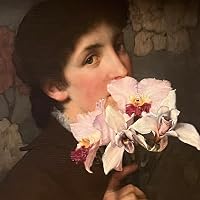
Fun fact: the cover shows of drawing of Boris Pasternak, by his father Leonid Pasternak.
The Last Summer is a semi autobiographical novella, set in the winter of 1916 and which tells us the memories of Serezha during this one summer of course.
I’ve been meaning to get to Doctor Zhivago in quite a while and after finding this book, I thought it should be a good introduction to his writing style. I’m not sure if it does him justice, unless you’ve read all of his other work.
The introduction of his book is written by his sister, Lydia Slater. I don’t usually read introductions but I did this one because after I read the book I felt like I was missing something. She mentions that this piece of work is connected to both Doctor Zhivago and The Childhood of Luvers which made more sense to me. Also I’m not sure about the translation.
There’s not much of a plot with this one, it is very much dreamy like, a collection of reminiscences. Nevertheless it does feel like poetic prose. Some of the descriptions are mesmerising and words just flow beautifully.
The second half of the novella did leave me with questions and wanting to read more. On that note I always find that with most novellas, because I always prefer tomes and I like to know all the details.
Not sure if this review helps at all but these were some of my random thoughts I had when I read it last year. I’d like to come back to this one after reading Doctor Zhivago, which hopefully I will get to this year.
Fun fact: the cover shows of drawing of Boris Pasternak, by his father Leonid Pasternak.

November 7, 2018
The Last Summer is only 90-odd pages long in my Penguin Modern Classics edition of 1960, but it’s more than a short story. Titled Povest (A Tale) when first published in 1934, it’s not listed among Boris Pasternak’s works in the Russian edition of Wikipedia, suggesting that perhaps the original was never published in the USSR as a separate title. (As far as I can tell, that is, using Google Translate’s word сказка meaning fairy tale, fable or story). Maybe Povest was published in a journal or a collection, and only published separately as a book when it was translated in 1959 by George Reavey and published by Peter Owen in the afterglow of Pasternak’s Nobel Prize in 1959.
The first thing to say about the introduction by Pasternak’s sister Lydia Slater is that it’s more about legacy-building than about clarifying the story. There are a great many superlatives, and she quotes V.S. Pritchett as saying it is a concerto in prose. She says its central theme is poetry, the essence of which is the suffering woman.
Well, maybe it is. She was at Oxford in 1960, which was the year of Pasternak’s death, though I do not know whether when the book went to print he had already died (of lung cancer, see the cigar in his hand in his father’s sketch on the book’s cover?) People who read Russian may well agree with her comparison of his work with Tolstoy’s. But those of us reading the book now, knowing all the weight of Soviet history and the constraints under which he wrote, and making do with the English translation, may beg to differ. Because to me, The Last Summer seems to be—thematically—more than about poetry.
Slater’s florid assertions to protect Pasternak’s status as a great poet may be because she would have been well aware of Soviet outrage about Doctor Zhivago and the CIA’s machinations to ensure that Pasternak got the Nobel Prize. She would have known that Pasternak’s wife and daughter were vulnerable to retaliation for Dr Zhivago reaching the west (see Wikipedia re their prompt despatch to the Gulags after his death). Even from the safety of Oxford, it would have been imprudent for Slater to point out any veiled anti-Soviet allusions in The Last Summer.
And they are there, though it takes close reading to find them, in a book difficult to comprehend because it is so clouded by reminiscences loosely interwoven, cutting into each other, brilliant descriptions of people, situations, thunderstorms, and thoughts. I started it three times before I took out my journal and began making copious notes and slowly got the drift of it. By the look of the two- and three-star reviews at Goodreads, most readers struggle with it too.
The Last Summer is bookended by Serezha’s return from Moscow to his sister Natasha’s house in Ousolie in 1916, a heavily polluted salt-mining place not even granted town status until 1925. This date is significant, because it’s (prudently) before the October Revolution in 1917, but after the failed one of 1905. Natasha is depicted as having believed in the aims of the 1905 revolution and as far as she is concerned the revolution has only been postponed. Here she is:
Natasha, in other words, has no idea what she is in for. (Pasternak, writing in 1934, had by this time, seen Lenin come and go, and had time to see the Soviet state in action. Russia was becoming industrialised, the consequent crisis of agricultural distribution had failed to be ameliorated by collectivisation, and he had witnessed the acquisition of private homes and subsequent overcrowding that he writes about so well in Doctor Zhivago).
To see the rest of my review please visit https://anzlitlovers.com/2018/11/07/t...
The first thing to say about the introduction by Pasternak’s sister Lydia Slater is that it’s more about legacy-building than about clarifying the story. There are a great many superlatives, and she quotes V.S. Pritchett as saying it is a concerto in prose. She says its central theme is poetry, the essence of which is the suffering woman.
Well, maybe it is. She was at Oxford in 1960, which was the year of Pasternak’s death, though I do not know whether when the book went to print he had already died (of lung cancer, see the cigar in his hand in his father’s sketch on the book’s cover?) People who read Russian may well agree with her comparison of his work with Tolstoy’s. But those of us reading the book now, knowing all the weight of Soviet history and the constraints under which he wrote, and making do with the English translation, may beg to differ. Because to me, The Last Summer seems to be—thematically—more than about poetry.
Slater’s florid assertions to protect Pasternak’s status as a great poet may be because she would have been well aware of Soviet outrage about Doctor Zhivago and the CIA’s machinations to ensure that Pasternak got the Nobel Prize. She would have known that Pasternak’s wife and daughter were vulnerable to retaliation for Dr Zhivago reaching the west (see Wikipedia re their prompt despatch to the Gulags after his death). Even from the safety of Oxford, it would have been imprudent for Slater to point out any veiled anti-Soviet allusions in The Last Summer.
And they are there, though it takes close reading to find them, in a book difficult to comprehend because it is so clouded by reminiscences loosely interwoven, cutting into each other, brilliant descriptions of people, situations, thunderstorms, and thoughts. I started it three times before I took out my journal and began making copious notes and slowly got the drift of it. By the look of the two- and three-star reviews at Goodreads, most readers struggle with it too.
The Last Summer is bookended by Serezha’s return from Moscow to his sister Natasha’s house in Ousolie in 1916, a heavily polluted salt-mining place not even granted town status until 1925. This date is significant, because it’s (prudently) before the October Revolution in 1917, but after the failed one of 1905. Natasha is depicted as having believed in the aims of the 1905 revolution and as far as she is concerned the revolution has only been postponed. Here she is:
Like all of them, Natasha believed that the most demanding cause of her youth had merely been postponed and that, when the hour struck, it would not pass her by. This belief explained all the faults of Natasha’s character. It explained her self-assurance, which was softened only by her complete ignorance of her defect. It also explained those traits of Natasha’s aimless righteousness and all-forgiving understanding, which inwardly illuminated her with an inexhaustible light and which yet did not correspond with anything in particular. (p.32)
Natasha, in other words, has no idea what she is in for. (Pasternak, writing in 1934, had by this time, seen Lenin come and go, and had time to see the Soviet state in action. Russia was becoming industrialised, the consequent crisis of agricultural distribution had failed to be ameliorated by collectivisation, and he had witnessed the acquisition of private homes and subsequent overcrowding that he writes about so well in Doctor Zhivago).
To see the rest of my review please visit https://anzlitlovers.com/2018/11/07/t...

March 13, 2024
I don't know what to make of this. I'll think on it. Tentatively give this 3 stars. This has a feel of The Brothers Karamazov about it. It made me wonder how much Dostoyevsky towers over Russian literature.
July 1, 2014
This came as a disappointment to me after Doctor Zhivago. I really enjoyed some descriptions here, and the draft of the story that Serezha writes, but found myself quite lost in several places, maybe because it delved so deep into Serezha's mind that I didn't care enough (or simply was unable) to break down the metaphors. Perhaps my lack of knowledge about Russian history had something to do with it?
(If someone can share a link to a good analysis of this novella, I'd really appreciate it.)
(If someone can share a link to a good analysis of this novella, I'd really appreciate it.)

October 21, 2013
More poetry than prose: perhaps that is why it has such a variety of responses.
While the language is very beautiful, the narrative is extremely loose and the 'half-dreamt, half-remembered' style ends up becoming combative.
The second half ended up winning me over but by then the story was nearly finished and I left feeling unsatisfied.
While the language is very beautiful, the narrative is extremely loose and the 'half-dreamt, half-remembered' style ends up becoming combative.
The second half ended up winning me over but by then the story was nearly finished and I left feeling unsatisfied.

June 7, 2015
I feel like I'm missing something, maybe it was the translation, or maybe it's something I'll never get, not being able to read Pasternak in Russian. The introduction explained that this book is not a narrative, but 'loosely interwoven reminiscences. Once I got my head around that, I did enjoy some parts.

September 26, 2015
I did not get it. I didn't understand the ending; I couldn't remember who Lemokh was, because it was so boring and difficult to read. There were phrases, metaphors, sentences and entire paragraphs that made no sense to me.
July 31, 2008
One of my favorite books i read when i was kinda young...during the hot humid summer nights at a pale light

July 13, 2024
“'I know Chekhov and Dostoyevsky,' Mrs Arild began, winding her arms round the back of the bench and looking straight at Serezha. 'and I've been in Russia only five months. You're worse than the French. To believe in a woman's existence, you have to attribute to her some unpleasant secret. As though, in the lawful light she were something colourless like boiled water. But when she throws an obscene shadow on a screen, then it's another matter: you have no quarrel over that silhouette and think it beyond price. I have not yet seen the Russian country-side. But, in the cities, your weakness for shady alleys proves that you are not living your own life, and that each of you, in his own way, is straining to share someone else's. It's not that way in Denmark”.
“Serezha stood there, feeling glad and puzzled why one should play the fool when one could be a natural fool without trying”.
“Serezha stood there, feeling glad and puzzled why one should play the fool when one could be a natural fool without trying”.

October 20, 2019
Näistä kansista löytyy sekalainen kokoelma Pasternakin tekstejä. Ensin on kaksi upeaa novellia Ljuversin lapsuus ja Viimeinen kesä. Niitä lukiessani uppouduin Pasternakin kaihoisaan ja lyyriseen maailmaan, jossa henkilöt lipuvat elämänsä läpi itseään suuremman kohtalon vietävinä.
Sitten on Turvakirja-niminen ja toinen hajanaisempi yritelmä omaelämänkerraksi, kirjailijan jälkisanat sekä ymmärtääkseni suomentajan oikaisuja väärin muistettuihin asioihin.
Oliko Pasternak Živagon, Nobelin palkinnon ja Neuvostoliitossa kokemiensa vaikeuksien takia niin kiinnostava henkilö, että tällaiselle ylijäämäpakille löytyi Suomessa lukijoita? Toki lopputuloksena rakentuu jonkinlainen kirjailijakuva.
Jälkisanoissa Pasternak itse on sitä mieltä, että hän on elämässään kirjoittanut vain yhden romaanin, johon hän on täysin tyytyväinen. Se kirja on tietysti upea klassikko Tohtori Živago. Olisikohan näin itsekriittinen kirjailija ollut ylpeä tästä sekakokoelmasta, jonka tekstien pirstaleita ei saa ilman kirjailijan elämää koskevaa taustatyötä liittymään toisiinsa.
Jos olet kiinnostunut Pasternakista tai kirjaharvinaisuuksista, voit lukea enemmän blogistani https://keltainenkirjasto.blogspot.co...
Ja kiitos, jos joku teistä librarianeista haluaa lisätä suomennoksen Goodreadsiin.
Sitten on Turvakirja-niminen ja toinen hajanaisempi yritelmä omaelämänkerraksi, kirjailijan jälkisanat sekä ymmärtääkseni suomentajan oikaisuja väärin muistettuihin asioihin.
Oliko Pasternak Živagon, Nobelin palkinnon ja Neuvostoliitossa kokemiensa vaikeuksien takia niin kiinnostava henkilö, että tällaiselle ylijäämäpakille löytyi Suomessa lukijoita? Toki lopputuloksena rakentuu jonkinlainen kirjailijakuva.
Jälkisanoissa Pasternak itse on sitä mieltä, että hän on elämässään kirjoittanut vain yhden romaanin, johon hän on täysin tyytyväinen. Se kirja on tietysti upea klassikko Tohtori Živago. Olisikohan näin itsekriittinen kirjailija ollut ylpeä tästä sekakokoelmasta, jonka tekstien pirstaleita ei saa ilman kirjailijan elämää koskevaa taustatyötä liittymään toisiinsa.
Jos olet kiinnostunut Pasternakista tai kirjaharvinaisuuksista, voit lukea enemmän blogistani https://keltainenkirjasto.blogspot.co...
Ja kiitos, jos joku teistä librarianeista haluaa lisätä suomennoksen Goodreadsiin.

October 29, 2020
In the second paragraph of the opening page of The Last Summer, the author tells us that this novel—well, novella really—previously existed as a “novel in verse.” Within a few pages more, readers will readily agree with that admission, but will also wonder whether this prose story is literally a verbatim representation of the verse, simply without any telltale poetic structure! One other element that readers should not look for is plot—because there isn’t any!
With that said, this is a one-sitting, fairly pleasant read. It tells of an episode in the life of the protagonist, Serezha, who journeys from Moscow to visit his sister Natasha in Ousolie. Travel-exhausted, Serezha immediately follows his sister’s advice and takes a nap. But it is anything but restful. In fact, Serezha’s mind is a tumultuous amalgam of recollections of his tutoring, his romantic notions about women, and his desire to magically become wealthy enough to spend his time in philanthropic works. These troubled recollections as he sleeps are the substance of the narrative.
Serezha’s tutoring is undemanding, which leaves him plenty of time to fantasize about Anna Arild, the paid companion of his student’s mother, Mrs. Fresteln. Relations with Anna come across as unpredictable, for Anna is fickle about taking Serezha seriously. In his frustration (one would assume), Serezha has a far more predictable outcome with a prostitute, Sashka, even though it relies on Sashka’s tolerant and broadminded husband, who is often at home when Sashka is “working.”
In terms of creating a windfall of money, Serezha hits upon the idea of writing a masterpiece, and in his dream he begins to develop the story plot. The protagonist is a young man, Mr. Y, who puts himself for auction. As a demonstration of his worth, he shows he is a piano-playing genius as well as a captivating reader of blank verse. He tells the auction crowd that though “their love has touched him, they do not love him enough,” which is why he must “make himself a commodity of exchange.” The winning bid is by a principled philanthropist, who treats Mr. Y with extraordinary pampering, but who cannot reconcile with “owning” someone, and thus gives Mr. Y his freedom. The dreamed plot fizzles out here, leaving it unclear about exactly what happens, but there’s a strong hint that Mr. Y finds himself back to where he was before the auction.
Readers will undoubtedly enjoy the eloquent writing of this short tale, but the enjoyment will be tinged with perhaps mild dissatisfaction that the story “doesn’t really go anywhere.” There is no doubt that there are numerous allusions to the social and political conditions in Russia in the 1914-1916 time frame, knowledge of would likely enhance the pleasure or reading The Last Summer.
With that said, this is a one-sitting, fairly pleasant read. It tells of an episode in the life of the protagonist, Serezha, who journeys from Moscow to visit his sister Natasha in Ousolie. Travel-exhausted, Serezha immediately follows his sister’s advice and takes a nap. But it is anything but restful. In fact, Serezha’s mind is a tumultuous amalgam of recollections of his tutoring, his romantic notions about women, and his desire to magically become wealthy enough to spend his time in philanthropic works. These troubled recollections as he sleeps are the substance of the narrative.
Serezha’s tutoring is undemanding, which leaves him plenty of time to fantasize about Anna Arild, the paid companion of his student’s mother, Mrs. Fresteln. Relations with Anna come across as unpredictable, for Anna is fickle about taking Serezha seriously. In his frustration (one would assume), Serezha has a far more predictable outcome with a prostitute, Sashka, even though it relies on Sashka’s tolerant and broadminded husband, who is often at home when Sashka is “working.”
In terms of creating a windfall of money, Serezha hits upon the idea of writing a masterpiece, and in his dream he begins to develop the story plot. The protagonist is a young man, Mr. Y, who puts himself for auction. As a demonstration of his worth, he shows he is a piano-playing genius as well as a captivating reader of blank verse. He tells the auction crowd that though “their love has touched him, they do not love him enough,” which is why he must “make himself a commodity of exchange.” The winning bid is by a principled philanthropist, who treats Mr. Y with extraordinary pampering, but who cannot reconcile with “owning” someone, and thus gives Mr. Y his freedom. The dreamed plot fizzles out here, leaving it unclear about exactly what happens, but there’s a strong hint that Mr. Y finds himself back to where he was before the auction.
Readers will undoubtedly enjoy the eloquent writing of this short tale, but the enjoyment will be tinged with perhaps mild dissatisfaction that the story “doesn’t really go anywhere.” There is no doubt that there are numerous allusions to the social and political conditions in Russia in the 1914-1916 time frame, knowledge of would likely enhance the pleasure or reading The Last Summer.


August 15, 2011
This is a master novella,translated into English,the best I have read in 30 years by any author.The descriptions are full of direct visual evocation.
April 2, 2013
Another five star read. A dreamy, sunlit, sweaty obsessive kind of book. I haven't read Doctor Zhivago, but i will . . . someday. Read this if you like Russian fevers. Dostoevsky on a good day.

Did Not Finish
September 9, 2013Abandoned at page 30 as couldn't get on with it - perhaps it was the translation?
Too many books and not enough time.
Too many books and not enough time.

November 28, 2019
Πρόκειται για μία σύντομη νουβέλα με έντονα ποιητικό λόγο, μία πρόζα θα έλεγε κανείς. Ολιγοσέλιδη νουβέλα που φαίνεται να δημιουργεί αντικρουόμενα συναισθήματα στους αναγνώστες. Κατά τη γνώμη μου, η σύντομη αυτή νουβέλα δε συγκρίνεται σε καμία περίπτωση με το μεγαλείο του "Δόκτωρ Ζιβάγκο". Με δεδομένο ότι το προηγούμενό μου ανάγνωσμα ήταν το "Σπίτι των Νεκρών" του Ντοστογιέφσκι που προχωρά σε βαθιές αναλύσεις των ηρώων του, η "γεύση" που μου άφησε αυτό το ανάγνωσμα ήταν μάλλον αδιάφορη. Ο Παστερνάκ δε φαίνεται να ενδιαφέρεται τόσο για τη αφήγηση ή για την ιστορία -άλλωστε η ιστορία είναι πιο πολύ σύννεφα αναμνήσεων του πρωταγωνιστή που αλληλοπλέκονται μεταξύ τους ενώ οι ήρωες του βιβλίου δε σκιαγραφούνται σε βάθος παρά φαίνονται να είναι πιο πολύ περαστικοί- παρά για την . Δε μπορώ να μην αναγνωρίσω τις υπέροχες μεταφορές που χρησιμοποιεί στο κείμενο ο Παστερνάκ όπως "οι δρόμοι έμοιαζαν με πλανόδια πανέρια παπαρούνας" "θαρρείς και τα λευκά φύλλα είχαν προσφέρει το γάλα τους" "τα σωριασμένα φύλλα φάνταζαν σαν αποκόμματα από σκισμένες αποδείξεις".
Ο Σερέτσα, γυρνάει στο σπίτι της αδερφής του το 1916 (ένα χρόνο πριν την Οκτωβριανή επανάσταση και μετά την αποτυχημένη επανάσταση του 1905 για την οποία η αδερφή του δείχνει να τρέφει ελπίδες ότι θα επαναληφθεί με επιτυχία -αυταπάτη όπως τη χαρακτηρίζει ο πρωταγωνιστής και ουσιαστικά ο Παστερνάκ που όταν χρονικά έχει ολοκληρώσει το έργο έχει ήδη ζήσει τις πολιτικές ανατροπές τη άνοδο του Στάλιν κλπ) και μετά από αρκετή κούραση λόγω της δουλειάς του σε εργοστάσιο πέφτει για ύπνο. Ο ύπνος δε έρχεται εύκολα καθώς όπως υπονοείται οι αναμνήσεις της πολιτικής αστάθειας και του πολέμου (ο πρωταγωνιστής στρατεύθηκε και απαλλάχτηκε λόγω τραυματισμού) Το υπόλοιπο βιβλίο είναι ένα πλέγμα αναμνήσεων, ονείρων και σκέψεων του πρωταγωνιστή, ο οποίος δίνει την αίσθηση ενός ανθρώπου όχι πραγματικά χαρούμενου, χωρίς ένα ξεκάθαρο στόχο παρά μόνο την περίεργη επιθυμία να αποκτήσει πολλά χρήματα με τα οποία θα βοηθήσει τις ιερόδουλες με τις οποίες έρχεται σε επαφή να "σωθούν" αλλά και γενικότερα τις γυναίκες στις οποίες επιλεκτικά θα μοιράσει τα λεφτά με την ελπίδα της αναδιανομής των χρημάτων σε άλλες γυναίκες.
Ενδιαφέρον έχει η χρήση του νερού και ο συμβολισμός του στο εν λόγω έργο.
Ενδιαφέρουσα πληροφορία: Στη εισαγωγή του βιβλίου, η αδερφή του Παστερνάκ εξηγεί ότι οι Ρώσοι έχουν την ίδια λέξη για την αγάπη και για τη λύπηση (zhalet).
Ο Σερέτσα, γυρνάει στο σπίτι της αδερφής του το 1916 (ένα χρόνο πριν την Οκτωβριανή επανάσταση και μετά την αποτυχημένη επανάσταση του 1905 για την οποία η αδερφή του δείχνει να τρέφει ελπίδες ότι θα επαναληφθεί με επιτυχία -αυταπάτη όπως τη χαρακτηρίζει ο πρωταγωνιστής και ουσιαστικά ο Παστερνάκ που όταν χρονικά έχει ολοκληρώσει το έργο έχει ήδη ζήσει τις πολιτικές ανατροπές τη άνοδο του Στάλιν κλπ) και μετά από αρκετή κούραση λόγω της δουλειάς του σε εργοστάσιο πέφτει για ύπνο. Ο ύπνος δε έρχεται εύκολα καθώς όπως υπονοείται οι αναμνήσεις της πολιτικής αστάθειας και του πολέμου (ο πρωταγωνιστής στρατεύθηκε και απαλλάχτηκε λόγω τραυματισμού) Το υπόλοιπο βιβλίο είναι ένα πλέγμα αναμνήσεων, ονείρων και σκέψεων του πρωταγωνιστή, ο οποίος δίνει την αίσθηση ενός ανθρώπου όχι πραγματικά χαρούμενου, χωρίς ένα ξεκάθαρο στόχο παρά μόνο την περίεργη επιθυμία να αποκτήσει πολλά χρήματα με τα οποία θα βοηθήσει τις ιερόδουλες με τις οποίες έρχεται σε επαφή να "σωθούν" αλλά και γενικότερα τις γυναίκες στις οποίες επιλεκτικά θα μοιράσει τα λεφτά με την ελπίδα της αναδιανομής των χρημάτων σε άλλες γυναίκες.
Ενδιαφέρον έχει η χρήση του νερού και ο συμβολισμός του στο εν λόγω έργο.
Ενδιαφέρουσα πληροφορία: Στη εισαγωγή του βιβλίου, η αδερφή του Παστερνάκ εξηγεί ότι οι Ρώσοι έχουν την ίδια λέξη για την αγάπη και για τη λύπηση (zhalet).

November 8, 2025
A long short story, or a short novella. Serezha has gone to visit his sister, Natasha, in a factory town in the country, in 1916, in Russia. He is very tired after his train journey and when sleeping he dreams?, remembers? 1914, the last summer before WW1. Possibly the last summer before the world went mad, forever.
This story is filled with wonderful sentences. A tiny selection is:
"Solitary sounds brooded over the water of black puzzles under the snow." p.20
"Spring was early that year, and the noondays were warm and appetising." p.38
"To refuse him had involved no labour." p. 76
"The chief conductor found the carriage to his liking, for he kept reappearing." p.88
Just a few examples of the wonderful way Pasternak puts the words together.
A story of loss, of joy, of family, of fun, of love, and a lost time. A really enjoyable little read.
This story is filled with wonderful sentences. A tiny selection is:
"Solitary sounds brooded over the water of black puzzles under the snow." p.20
"Spring was early that year, and the noondays were warm and appetising." p.38
"To refuse him had involved no labour." p. 76
"The chief conductor found the carriage to his liking, for he kept reappearing." p.88
Just a few examples of the wonderful way Pasternak puts the words together.
A story of loss, of joy, of family, of fun, of love, and a lost time. A really enjoyable little read.
August 6, 2019
This is a poetic and moving novel. The novel plays nicely on dreaming and memory, as well as a self-referential narrator who plays both on his own craft and the protagonist's. There is a very evocative, highly lyrical, description of Sashka's - who is a prostitute - room which reflects meaningfully on life at the lowest and the ways in which it is raised up into metaphysical meaning.
There is something wooden and strange about the style - I suspect it is more the translation (which is from the '50s) than Pasternak's original. Nevertheless, many of the metaphors too do seem strained and not quite right - whether they are idiomatic is something I can't determine. Definitely not the level of Dr. Zhivago but a good book nevertheless (especially as a source of comparison).
There is something wooden and strange about the style - I suspect it is more the translation (which is from the '50s) than Pasternak's original. Nevertheless, many of the metaphors too do seem strained and not quite right - whether they are idiomatic is something I can't determine. Definitely not the level of Dr. Zhivago but a good book nevertheless (especially as a source of comparison).

December 24, 2019
Nice little meditative piece of writing. Strictly speaking it’s a novella but it didn’t seem like that. There’s no plot as such but instead there are themes, and lots of oblique (and not so oblique) references to war, relationships, love, life etc. Not especially accessible...you do need to be alert to follow this, and even then the connections are at times opaque, or abstract. Some lovely descriptive phrases and paragraphs. Quite short, definitely improved on second trading.
June 20, 2020
I will start this with a caveat: I read this book while in a very strange headspace, so I am sure there is more to be taken from it that I managed.
Nonetheless, I found this book extremely difficult to get through. Despite the occasional poetic flourish, it was dense in the extreme. It felt like a snapshot, but one that was missing information. This easily could have been a single chapter from a larger book, and it lacked the self-contained feel that really good short stories should contain.
Nonetheless, I found this book extremely difficult to get through. Despite the occasional poetic flourish, it was dense in the extreme. It felt like a snapshot, but one that was missing information. This easily could have been a single chapter from a larger book, and it lacked the self-contained feel that really good short stories should contain.

August 16, 2023
Drawn by this one's length and title I took it on a week long vacation... it's one of those dense narratives with too many characters and no clear direction as to who one is supposed to care for and who might just be passing through.
My hopes for summer vibes were misstepped into its winter reflection on a passing season. Perhaps of interest for those curious about that particular season of Russian history, but it did little for me beyond that.
My hopes for summer vibes were misstepped into its winter reflection on a passing season. Perhaps of interest for those curious about that particular season of Russian history, but it did little for me beyond that.
April 4, 2022
The language is brilliant at times. However, sometimes I also found myself wondering if it was me or a poor translation that made it somewhat difficult to follow. (I read an old Swedish translation) I know he uses several names for the same person so that wasn’t the trouble. Some sentences just didn’t make sense so if I return to him it must by the way of an English translation.

May 25, 2024
Always a pleasure to know that I’m not the only one who was completely lost. Every star might be for: “it is the miracle of his own voice, that is, the miracle of their tomorrow’s way of feeling and remembering.” Proof that Pasternak is first and foremost a poet. Even though no one can deny just how juicy Dr. Zhivago is

February 7, 2026
Scaned it flew above my head. A book written by a young man who has nothing to sayand pretends to be poetic or profound. That this comes from the same author as Doctor Zivago is quite bizarre.... pffffffffffff...... AAARGGGHHHH. A jumble of words that supposedly forms a story. DIE! Fk Die!!

September 22, 2017
A perfect little September novel

November 20, 2017
Seems like half a novel.
So until Boris rises out of his grave, zombies up and writes the other half I am holding off giving him 2 additional stars.
So until Boris rises out of his grave, zombies up and writes the other half I am holding off giving him 2 additional stars.

August 6, 2021
A writer who sees ordinary things dense with tangible and intangible meanings and intentions and who is able to choose arresting and ingenious words to convey his perceptions. Rewarding confusion reigns as you turn the pages and when you have turned the last you know you have to start again.
Displaying 1 - 30 of 43 reviews