

What do you think?

The Horned God: Weird Tales of the Great God Pan
‘…and then the music was so loud, so beautiful that I couldn’t think of anything else. I was completely lost to the music, enveloped by melody which was part of Pan.’
In 1894, Arthur Machen’s landmark novella The Great God Pan was published, sparking the sinister resurgence of the pagan goat god. Writers of the late-nineteenth to mid-twentieth centuries, such as Oscar Wilde, E. M. Forster and Margery Lawrence, took the god’s rebellious influence as inspiration to spin beguiling tales of social norms turned upside down and ancient ecological forces compelling their protagonists to ecstatic heights or bizarre dooms.
Assembling ten tales and six poems – along with Machen’s novella – from the boom years of Pan-centric literature, this new collection revels in themes of queer awakening, transgression against societal bonds and the bewitching power of the wild as it explores a rapturous and culturally significant chapter in the history of weird fiction.
In 1894, Arthur Machen’s landmark novella The Great God Pan was published, sparking the sinister resurgence of the pagan goat god. Writers of the late-nineteenth to mid-twentieth centuries, such as Oscar Wilde, E. M. Forster and Margery Lawrence, took the god’s rebellious influence as inspiration to spin beguiling tales of social norms turned upside down and ancient ecological forces compelling their protagonists to ecstatic heights or bizarre dooms.
Assembling ten tales and six poems – along with Machen’s novella – from the boom years of Pan-centric literature, this new collection revels in themes of queer awakening, transgression against societal bonds and the bewitching power of the wild as it explores a rapturous and culturally significant chapter in the history of weird fiction.
305 pages, Kindle Edition
First published August 18, 2022
Ratings & Reviews
Friends & Following
Create a free account to discover what your friends think of this book!
Community Reviews
Displaying 1 - 30 of 31 reviews

December 17, 2023
Another in the Tales of the Weird series from the British Library. These stories (and a few poems) relate to Pan, who was a Greek god of the fields and woods. He was also musical, playing a form of pipes. There was a fascination with Pan in the late nineteenth and early twentieth century. This was often as a counterpoint to formal, dry, established religion and a looking back to pre-Christian beliefs and rites. The music, often at the edge of hearing, the links to a more wild sexuality, a sense of the forbidden all have links to Blake’s “doors of perception”. Pan is also a challenge to modern rationality and science. He represents liberties relating to gender, sexuality and faith. The editor, Michael Wheatley, notes that Pan is much less visible in modern fiction.
There are stories from Arthur Machen, George Egerton, Barry Pain, E M Forster, Saki, Kenneth Grahame, Margery Lawrence, Algernon Blackwood, Signe Toksvig (Sandi Toksvig’s great aunt), David Keller and Dorothy Quick. There are also poems from Oscar Wilde, Dorothy Quick, Elizabeth Barrett Browning, Edith Hurley, Willard Marsh and A. Lloyd Bane.
There are some interesting stories in this collection. One of the most fascinating is inclusion of a chapter from The Wind in the Willows. The chapter at the centre of the book “The Piper at the Gates of Dawn”. It is also the title of Pink Floyd’s debut album; the only one with Syd Barrett taking the lead. The chapter involves mole and rat searching at night for Portly, a missing otter cub. The chapter has been described as one of the most heathen moments in modern literature. They search for much of the night and eventually hear music and find Pan:
“and then, in that utter clearness of the imminent dawn, while Nature, flushed with fullness of incredible colour, seemed to hold her breath for the event, [Mole] looked in the very eyes of the Friend and Helper; saw the backward sweep of the curved horns, gleaming in the growing daylight; saw the stern, hooked nose between the kindly eyes that were looking down on them humourously, while the bearded mouth broke into a half-smile at the corners; saw the rippling muscles on the arm that lay across the broad chest, the long supple hand still holding the pan-pipes only just fallen away from the parted lips; saw the splendid curves of the shaggy limbs disposed in majestic ease on the sward; saw, last of all, nestling between his very hooves, sleeping soundly in entire peace and contentment, the little, round, podgy, childish form of the baby otter. All this he saw, for one moment breathless and intense, vivid on the morning sky; and still, as he looked, he lived; and still, as he lived, he wondered.”
The story by Forster involves a group of tourists in Italy who stumble across Pan. They experience fear and run, apart from one, a young man who is slightly apart from the group because of his idleness and “failures of masculinity”. The experience with Pan changes him. This is clearly a queer awakening narrative and the young man finds liberation.
These stories have more of an edge than some of the usual ghost stories and this is one of the better volumes in the series.
There are stories from Arthur Machen, George Egerton, Barry Pain, E M Forster, Saki, Kenneth Grahame, Margery Lawrence, Algernon Blackwood, Signe Toksvig (Sandi Toksvig’s great aunt), David Keller and Dorothy Quick. There are also poems from Oscar Wilde, Dorothy Quick, Elizabeth Barrett Browning, Edith Hurley, Willard Marsh and A. Lloyd Bane.
There are some interesting stories in this collection. One of the most fascinating is inclusion of a chapter from The Wind in the Willows. The chapter at the centre of the book “The Piper at the Gates of Dawn”. It is also the title of Pink Floyd’s debut album; the only one with Syd Barrett taking the lead. The chapter involves mole and rat searching at night for Portly, a missing otter cub. The chapter has been described as one of the most heathen moments in modern literature. They search for much of the night and eventually hear music and find Pan:
“and then, in that utter clearness of the imminent dawn, while Nature, flushed with fullness of incredible colour, seemed to hold her breath for the event, [Mole] looked in the very eyes of the Friend and Helper; saw the backward sweep of the curved horns, gleaming in the growing daylight; saw the stern, hooked nose between the kindly eyes that were looking down on them humourously, while the bearded mouth broke into a half-smile at the corners; saw the rippling muscles on the arm that lay across the broad chest, the long supple hand still holding the pan-pipes only just fallen away from the parted lips; saw the splendid curves of the shaggy limbs disposed in majestic ease on the sward; saw, last of all, nestling between his very hooves, sleeping soundly in entire peace and contentment, the little, round, podgy, childish form of the baby otter. All this he saw, for one moment breathless and intense, vivid on the morning sky; and still, as he looked, he lived; and still, as he lived, he wondered.”
The story by Forster involves a group of tourists in Italy who stumble across Pan. They experience fear and run, apart from one, a young man who is slightly apart from the group because of his idleness and “failures of masculinity”. The experience with Pan changes him. This is clearly a queer awakening narrative and the young man finds liberation.
These stories have more of an edge than some of the usual ghost stories and this is one of the better volumes in the series.

October 19, 2022
Lots of Pan-related stories I'd never read, so yay!
Between a 4 and 4.5. Full post is here:
http://www.oddlyweirdfiction.com/2022...
Some time ago I read Paul Robichaud's nonfiction work called Pan: The Great God's Modern Return and at the time I noted that someone would really be doing a favor for readers like me if they'd collect and compile every known story written about the great god Pan and then publish them in book form. Well, it's like someone heard my plea; although there are only seventeen "Pan-centric" stories/poems in this book, it's a great start. The best news is that outside of Machen's original Pan story included here (which is frankly one of the creepiest tales ever), I hadn't come across any of the others except for E.M. Forster's excellent "The Story of a Panic" which more than epitomizes the theme that so clearly runs throughout the book. As the editor notes in his introduction, the stories in this book focus "on the representation of Pan during the late-nineteenth and early twentieth century," ranging from 1860 to 1949. Wheatley's selections include not only the "sinister Pan," but cover interpretations from the Plutarchian, the Renaissance, and the Romantic. And as Pan serves as the "guardian of the natural world," these stories, again quoting the editor, "suggest a way to return to a primeval state of being, as embodied by Pan and his wilds."
In the US for some reason the publication date shows March of 2023, but strangely, you can purchase a Kindle copy now. I originally did that, but before I had time to start reading, I found my paper copy at Book Depository, available now. As always, I offer major praise for the British Library Tales of the Weird series as a whole, and praise for this volume, which more than satisfies my strange addiction to tales of the goat-footed god. Do not miss Michael Wheatley's introduction, which is excellent and provides a lot of insight into what you are about to read.
Very highly recommended.
Between a 4 and 4.5. Full post is here:
http://www.oddlyweirdfiction.com/2022...
Some time ago I read Paul Robichaud's nonfiction work called Pan: The Great God's Modern Return and at the time I noted that someone would really be doing a favor for readers like me if they'd collect and compile every known story written about the great god Pan and then publish them in book form. Well, it's like someone heard my plea; although there are only seventeen "Pan-centric" stories/poems in this book, it's a great start. The best news is that outside of Machen's original Pan story included here (which is frankly one of the creepiest tales ever), I hadn't come across any of the others except for E.M. Forster's excellent "The Story of a Panic" which more than epitomizes the theme that so clearly runs throughout the book. As the editor notes in his introduction, the stories in this book focus "on the representation of Pan during the late-nineteenth and early twentieth century," ranging from 1860 to 1949. Wheatley's selections include not only the "sinister Pan," but cover interpretations from the Plutarchian, the Renaissance, and the Romantic. And as Pan serves as the "guardian of the natural world," these stories, again quoting the editor, "suggest a way to return to a primeval state of being, as embodied by Pan and his wilds."
In the US for some reason the publication date shows March of 2023, but strangely, you can purchase a Kindle copy now. I originally did that, but before I had time to start reading, I found my paper copy at Book Depository, available now. As always, I offer major praise for the British Library Tales of the Weird series as a whole, and praise for this volume, which more than satisfies my strange addiction to tales of the goat-footed god. Do not miss Michael Wheatley's introduction, which is excellent and provides a lot of insight into what you are about to read.
Very highly recommended.

January 13, 2023
When the pipes play…
The last of the British Library Tales of the Weird anthologies that I’ve read for this year’s spooky season, this one contains 11 stories and 6 short poems all on the theme of Pan. As I’ve said before, the poems in these anthologies never really interest me and I tend to skim over them, so to be fair I don’t include them when deciding how to rate the book. The eleven stories, though, are very good. I’ve always liked Pan from way back when first introduced to him in Kenneth Grahame’s The Wind in the Willows, and indeed the relevant chapter of that book, The Piper at the Gates of Dawn, is included here and works very well as a standalone story, showing Pan in his demigod role as friend and protector of animals.
Most of the stories here, though, are more interested in Pan as everything from a champion of free sex, to a corrupter of the innocent, to a campaigner against the deadliness of some of the more joyless types of Christianity. Pan, when he’s being presented as a positive force, encourages people to find freedom from the strict conventionalities of Victorian/Edwardian society, that being the era of most of these stories. But just as often he’s presented as bad or, rather, amoral, corrupting people and destroying them either morally or physically or both. Seems to very much depend on the outlook of the author!
The blurb suggests the stories share a theme of “queer awakenings” which surprised me when I looked at the index and saw that Ratty and Mole were about to appear, along with Arthur Machen’s The Great God Pan which I had also already read and loved, and which for me had themes of degeneracy and degradation rather than any kind of awakening, queer or otherwise! As I suspected, this claim is little more than a marketing ploy to tie in with the current obsession with all things queer in contemporary culture – while it could feasibly be claimed for a couple of the stories, most of the sex, actual or implied, in the stories is of the heterosexual kind, and often not presented positively at all. Being of that earlier era, it is also never described graphically, though there are enough hints for the reader to be able to imagine what’s going on in those forest glades at midnight…
This is another collection that got consistently high ratings from me, excluding the poems. Of the eleven stories, I gave seven the full five stars, and none of the stories rated as poor. Here’s a flavour of a few of the ones I enjoyed most:
The Moon-Slave by Barry Pain – a story of a young girl who loves to dance! I highlighted this one in a previous Tuesday Terror! post.
The Story of a Panic by EM Forster – Young Eustace, a “repellent” 14-year-old (is there any other kind?), is staying in an Italian hotel with two aunts and a group of dully conventional and mostly middle-aged English and American people. During a picnic, everyone suddenly feels a great fear and they all run off… except Eustace. Whatever happened to him on that hill, (and there’s a reason the word “panic” has Pan in it), Eustace is changed forever, and no matter how hard they try, the other guests are unable to “cure” him. This is one on which the “queer awakenings” claim is based, and it can certainly easily be read that way, though it can equally be read as simply a breaking away from society’s conventions. It’s very well told, with some humour but also with some depth.
The Devil’s Martyr by Signe Toksvig – (If you’re wondering, yes, she was the great-aunt of Sandi Toksvig.) An orphaned young boy has been left in the guardianship of a bishop, who has handed him over to monks to train him up for a life in the Church – a particularly harsh version of the Church, where all is sin and the monks enjoy nothing more than a good bit of self-flagellation of an evening. However, a friend of the boy’s father shows up and gets the bishop to agree to allow the boy to go away with him for a month. During that month, he introduces the boy to wine, women and song, and shows him there is another god to worship – Pan, who in this story is not unlike the Devil. This is a dark story which is certainly about sexual awakening, but also about the evils that can result when religion is taken to extremes.
The Golden Bough by David H Keller – Two newlyweds are honeymooning, when the rather fey young wife tells her husband that she has dreamt of a house and wants them to live in it. The husband, who is wealthy and loving to a fault, agrees to drive around till they find the house, which they eventually do. It turns out to be a castle, isolated from all other people, in the middle of a forest. The husband isn’t wildly keen but decides to stay there for a while in the hopes his young wife will tire of the loneliness. But there’s a mysterious man in the forest, who plays a mysterious pipe, and the wife becomes enthralled by him. Very dark, with elements of fairy stories and some great horror imagery at the end.
I seem to have picked out some of the darker stories, but there are lighter stories too. However, the overall lesson is that Pan is not a god to treat lightly! If you hear those pipes when you’re walking in the forest, run! An excellent collection that is interesting for showing the variety of ways in which Pan has been portrayed.
NB This book was provided for review by the publisher, the British Library.
www.fictionfanblog.wordpress.com
The last of the British Library Tales of the Weird anthologies that I’ve read for this year’s spooky season, this one contains 11 stories and 6 short poems all on the theme of Pan. As I’ve said before, the poems in these anthologies never really interest me and I tend to skim over them, so to be fair I don’t include them when deciding how to rate the book. The eleven stories, though, are very good. I’ve always liked Pan from way back when first introduced to him in Kenneth Grahame’s The Wind in the Willows, and indeed the relevant chapter of that book, The Piper at the Gates of Dawn, is included here and works very well as a standalone story, showing Pan in his demigod role as friend and protector of animals.
Most of the stories here, though, are more interested in Pan as everything from a champion of free sex, to a corrupter of the innocent, to a campaigner against the deadliness of some of the more joyless types of Christianity. Pan, when he’s being presented as a positive force, encourages people to find freedom from the strict conventionalities of Victorian/Edwardian society, that being the era of most of these stories. But just as often he’s presented as bad or, rather, amoral, corrupting people and destroying them either morally or physically or both. Seems to very much depend on the outlook of the author!
The blurb suggests the stories share a theme of “queer awakenings” which surprised me when I looked at the index and saw that Ratty and Mole were about to appear, along with Arthur Machen’s The Great God Pan which I had also already read and loved, and which for me had themes of degeneracy and degradation rather than any kind of awakening, queer or otherwise! As I suspected, this claim is little more than a marketing ploy to tie in with the current obsession with all things queer in contemporary culture – while it could feasibly be claimed for a couple of the stories, most of the sex, actual or implied, in the stories is of the heterosexual kind, and often not presented positively at all. Being of that earlier era, it is also never described graphically, though there are enough hints for the reader to be able to imagine what’s going on in those forest glades at midnight…
This is another collection that got consistently high ratings from me, excluding the poems. Of the eleven stories, I gave seven the full five stars, and none of the stories rated as poor. Here’s a flavour of a few of the ones I enjoyed most:
The Moon-Slave by Barry Pain – a story of a young girl who loves to dance! I highlighted this one in a previous Tuesday Terror! post.
The Story of a Panic by EM Forster – Young Eustace, a “repellent” 14-year-old (is there any other kind?), is staying in an Italian hotel with two aunts and a group of dully conventional and mostly middle-aged English and American people. During a picnic, everyone suddenly feels a great fear and they all run off… except Eustace. Whatever happened to him on that hill, (and there’s a reason the word “panic” has Pan in it), Eustace is changed forever, and no matter how hard they try, the other guests are unable to “cure” him. This is one on which the “queer awakenings” claim is based, and it can certainly easily be read that way, though it can equally be read as simply a breaking away from society’s conventions. It’s very well told, with some humour but also with some depth.
The Devil’s Martyr by Signe Toksvig – (If you’re wondering, yes, she was the great-aunt of Sandi Toksvig.) An orphaned young boy has been left in the guardianship of a bishop, who has handed him over to monks to train him up for a life in the Church – a particularly harsh version of the Church, where all is sin and the monks enjoy nothing more than a good bit of self-flagellation of an evening. However, a friend of the boy’s father shows up and gets the bishop to agree to allow the boy to go away with him for a month. During that month, he introduces the boy to wine, women and song, and shows him there is another god to worship – Pan, who in this story is not unlike the Devil. This is a dark story which is certainly about sexual awakening, but also about the evils that can result when religion is taken to extremes.
The Golden Bough by David H Keller – Two newlyweds are honeymooning, when the rather fey young wife tells her husband that she has dreamt of a house and wants them to live in it. The husband, who is wealthy and loving to a fault, agrees to drive around till they find the house, which they eventually do. It turns out to be a castle, isolated from all other people, in the middle of a forest. The husband isn’t wildly keen but decides to stay there for a while in the hopes his young wife will tire of the loneliness. But there’s a mysterious man in the forest, who plays a mysterious pipe, and the wife becomes enthralled by him. Very dark, with elements of fairy stories and some great horror imagery at the end.
I seem to have picked out some of the darker stories, but there are lighter stories too. However, the overall lesson is that Pan is not a god to treat lightly! If you hear those pipes when you’re walking in the forest, run! An excellent collection that is interesting for showing the variety of ways in which Pan has been portrayed.
NB This book was provided for review by the publisher, the British Library.
www.fictionfanblog.wordpress.com

October 30, 2022
One of the best collections from this series I've read so far. Highly recommended!

July 30, 2023
I’ve been fascinated by Pan ever since I got into Greek mythology at a young age (thanks Rick Riordan), but this collection of Pan stories/poetry is on another level. Michael Wheatley did a great job selecting an array of different tales with common themes, while interspersing it with eerie poetry. My favorite poem in the collection was “The Haunted Forest” by Edith Hurley and my favorite story was “Music on the Hill” by Saki.
October 12, 2022
I learned so much about Pan reading this book. The introductions helped me to really appreciate the varied representations of Pan. It’s without a doubt my favourite of the British Library Tales of the Weird collection. Highly recommend!

September 25, 2022
A very comprehensive collection with some pleasant surprises (the poems and the illustrations, mostly), it covers the bod spectrum of modern Pan-lore. Very good introduction and biographical notes for the authors. It was real fun to read and it makes you think about Pan as a symbol or perhaps a sort of a web of signs and meanings to capture our stunted relationship to the thing we call nature.
May 7, 2023
Only around four stories are worth the price of admission but the good ones have a lot of atmosphere. It serves as a nice reminder of "the piper at the gates of dawn", a weird chapter in wind of the windows which is completely different in tone as well as adding nothing to the story. A lot of the style in the early stories felt stilted and the arcs underwhelming

March 9, 2026
Although atmospheric, The Horned God overwhelmingly portrayed Pan as a malicious figure rather than one of ambivalence. Some of the poems and tales which centred around the sublime and whimsical nature of Pan, such as How Pan Came to Little Ingleton, were fun and lighthearted, yet the melancholy tone of many of the stories made for a rather depressing read. This is a varied collection of tales which does portray the attitudes towards and perceptions of Pan well, but I did nonetheless find myself disappointed by the repeated tragedies of many of these short stories. I loved the illustrations and the introductions by Wheatley for each author, but can only give it 3 stars as I didn’t quite enjoy this as much as I hoped to.

November 28, 2024
Liked most of the poems and some of the short stories quite a bit, but I found some of the latter quite boring. Story of a Panic I particularly disliked. The Great God Pan was a fun narrative, probably the best in the collection. I enjoyed the format of putting all of these thematically related pieces together although perhaps I would've enjoyed some of the other collections by the publisher more, will probably try them out again.


October 17, 2025
Fantastic compilation. Excellent introduction, and very cool artwork from the original pulp publications. I will be buying other books from this series. Informative and well-crafted.

January 2, 2023
3.5☆
An interesting compilation of literary (and visual) works involving the mythical god Pan. This time around the collection includes not only short stories but also poetry and excerpts from novels, making this feel like a thorough exploration of the topic. A very enchanting read.
Favourite works: "The Great God Pan" by Arthur Machen, "The Moon Slave" by Barry Pain, "The Piper at the Gates of Down" (excerpt from "The Wind in the Willows") by Kenneth Grahame, "The Story of a Panic" by E.M. Forster, "The Touch of Pan" by Algernon Blackwood, "How Pan Came to Little Ingleton" by Margery Lawrence, "The Devil's Martyr" by Signe Toksvig, "The Golden Bough" by David H. Keller and "The Cracks of Time" by Dorothy Quick.
An interesting compilation of literary (and visual) works involving the mythical god Pan. This time around the collection includes not only short stories but also poetry and excerpts from novels, making this feel like a thorough exploration of the topic. A very enchanting read.
Favourite works: "The Great God Pan" by Arthur Machen, "The Moon Slave" by Barry Pain, "The Piper at the Gates of Down" (excerpt from "The Wind in the Willows") by Kenneth Grahame, "The Story of a Panic" by E.M. Forster, "The Touch of Pan" by Algernon Blackwood, "How Pan Came to Little Ingleton" by Margery Lawrence, "The Devil's Martyr" by Signe Toksvig, "The Golden Bough" by David H. Keller and "The Cracks of Time" by Dorothy Quick.

March 3, 2023
As a regular reader of the British Library Tales of the Weird series, I thought this was a interest approach to take- the golden age of the classic weird tale in English coincided with an increased interest in the classical god Pan as a symbol of the world which was being lost to industrialisation and empire. This does mean that while the collection rightly begins with Arthur Machen, the idea is a little overstretched by the end of the collection and one or two of the stories could probably have been omitted with no great loss.

Read
October 8, 2025Phenomenal collection. Establishes an image of Pan simultaneously particular and broad; he is the other, that part of the world that we cannot reach but know is there, the old world and the other world and the natural world all at once. The primary interaction here is one of access: Pan represents an access to something else, either unattainable or attainable only with the sacrifice of our participation in society, moral rectitude, sanity, or life. These human constructs that limit our experience to a finite, structured whole are antithetical to Pan, and so the access he provides must negate them. It is from this deep pool of mystery that Machen draws his tale of cosmic horror, the terror of what lies beyond the veil of consciousness perfectly represented by the otherworldliness of Pan. It is where Egerton, Pain, Keller, and Quick draw their tales of sexual repression released in devotion and betrayal of the heteronormative ideal of marriage. It is from this strangeness that Blackwood constructs his tale of manic liberation, and his primitivist characters whose passion for purity and the rejection of modern civilization borders on eco-fascism. That Lawrence and Toksvig invert Christian morality and construct parallel understandings of devotion based in something older than Christ. That Forster offers an escape from the masculine ideal in the form of his bacchanalia. That Grahame's animal characters are given access to something extraordinary out of sympathy for their legitimate bestial nature, but are too human, and so must forget lest they cease to prioritize their sense of civilization and individualism.
The primary structural tool in these stories is a turn, wherein the natural/other/old/under worlds are at first peripheral, or even beneath the human characters before the primal power of Pan shocks them into a realization of their smallness, or their passion, or their (in)humanity. This is easily seen in a short passage from Saki, as his Sylvia stands watching a great stag being hunted, who at first has sympathy for the pain of the creature before: "In an instant her pity for the hunted animal was changed to wild terror at her own danger" (153). The shift from a paternalistic sense of pity to a horror at one's own positionality as that which is not all and that which cannot see all is characteristic.
Browning's poem obliterates this image of Pan. She sees not some surreality of Pan as god from beyond man, but as a painfully and cruelly human character. Adapting the myth of Syrinx, who tries to escape rape by Pan by transforming into a reed before Pan cuts down all the reeds of the lake to create his pipes. Browning's Pan, as sexually violent man, annihilates some piece of the natural world and of his victim "Till there was not a sign of a leaf indeed / To prove it fresh from the river" (117). But this violent process, so human, in its destruction gives rise to beauty, as he creates his pipes "And the lilies revived, and the dragon-fly / Came back to dream on the river" (118). Pan reconstitutes the beauty he has disrupted with the instruments constructed in his violence. This is not an unfamiliar, alien creature giving some access to a more legitimate or older view of the world than is accessible to humanity. This Pan is human, is cruel and is creative, and does not precede the natural world, but alters it in his image. That god we have imagined is other still cannot help but mimic us. We have not accessed the inaccessible. Pan makes use of "The only way since gods began / To make sweet music they could succeed" (118). He does nothing new, and nothing forgotten, but that single destructive/creative act that encompasses all experience, as we obliterate the world around us to create something new. He is not special. And he is careless of his victims, careless as man, more careless than a god should be, as "The true gods sigh for the cost and pain,— / For the reed that grows nevermore again / As a reed with the reeds in the river" (119).
The primary structural tool in these stories is a turn, wherein the natural/other/old/under worlds are at first peripheral, or even beneath the human characters before the primal power of Pan shocks them into a realization of their smallness, or their passion, or their (in)humanity. This is easily seen in a short passage from Saki, as his Sylvia stands watching a great stag being hunted, who at first has sympathy for the pain of the creature before: "In an instant her pity for the hunted animal was changed to wild terror at her own danger" (153). The shift from a paternalistic sense of pity to a horror at one's own positionality as that which is not all and that which cannot see all is characteristic.
Browning's poem obliterates this image of Pan. She sees not some surreality of Pan as god from beyond man, but as a painfully and cruelly human character. Adapting the myth of Syrinx, who tries to escape rape by Pan by transforming into a reed before Pan cuts down all the reeds of the lake to create his pipes. Browning's Pan, as sexually violent man, annihilates some piece of the natural world and of his victim "Till there was not a sign of a leaf indeed / To prove it fresh from the river" (117). But this violent process, so human, in its destruction gives rise to beauty, as he creates his pipes "And the lilies revived, and the dragon-fly / Came back to dream on the river" (118). Pan reconstitutes the beauty he has disrupted with the instruments constructed in his violence. This is not an unfamiliar, alien creature giving some access to a more legitimate or older view of the world than is accessible to humanity. This Pan is human, is cruel and is creative, and does not precede the natural world, but alters it in his image. That god we have imagined is other still cannot help but mimic us. We have not accessed the inaccessible. Pan makes use of "The only way since gods began / To make sweet music they could succeed" (118). He does nothing new, and nothing forgotten, but that single destructive/creative act that encompasses all experience, as we obliterate the world around us to create something new. He is not special. And he is careless of his victims, careless as man, more careless than a god should be, as "The true gods sigh for the cost and pain,— / For the reed that grows nevermore again / As a reed with the reeds in the river" (119).

Read
September 15, 2023I normally get twitchy when these collections include material readily available elsewhere, and bar a Wilde villanelle, this opens by devoting nearly a quarter of its length to Arthur Machen's brilliant but no longer inaccessible novella The Great God Pan, before proceeding to include Saki's The Music On The Hill and, better known yet, the Piper at the Gates of Dawn chapter from The Wind In The Willows*. Here, though, it works. With an anthology themed around Christmas or London or woods, there's always going to be far more material than you could ever hope to include, so using pages for something your reader likely already has is a waste. Here, though, in keeping with one derivation of its subject's name**, editor Michael Wheatley aspires to something like a comprehensive survey, slipping in more art and poetry than the series usually offers, and even a list of further reading which rights or space precluded. So the Machen in particular has to be here; despite/because of the mixed reception it received in 1894, it began a trend, and here we find the appropriately strange and various manifestations of that idea, through to 1948 and Dorothy Quick's The Cracks Of Time. Pan appears as a bringer of life, or death, a curse or a redeemer, and yet somehow only A. Lloyd Payne's apocalyptic Moors Of Wran doesn't feel like him, more like he's stood in for Cthulhu due to a calendar mix-up at Weird Tales. Otherwise, even stories in diametric opposition feel like they can both exist within his multifarious significance, so that Margery Lawrence's delightful How Pan Came To Little Ingleton (in which he saves the soul of a puritanical vicar by redirecting him to a gentler, only mildly pantheistic Christianity which reminded me of Ronald Blythe) can be immediately followed by Signe Toksvig***'s The Devil's Martyr, which offers a straight opposition between the followers of the old god of nature and love, and a grasping, sadistic church straight out of the more lurid strain of Gothic novel. This is not to say that everything here is great - Algernon Blackwood's The Touch Of Pan is less reminiscent of Machen's Pan than of his A Fragment Of Life, except redone by the only reader ever to think it needed less magic, more clunky topical satire and editorialising about modern marital mores. Still, even that rises in its best moments to dancing with moonbeams across the lawn, as though nobody who approaches the horned god with suitable openness, however burdened with message, will altogether be refused a glimpse.
*Which, to be fair, when I first encountered it as a child was one of the most terrifying things I ever read, right up there with the barrow-wights and Shelob. Read now, it's awe-inspiring but also fundamentally lovely.
**Now deprecated, the introduction tells us. At which I swear I heard a mischievous chuckle.
***Yep, Sandi's great aunt.
*Which, to be fair, when I first encountered it as a child was one of the most terrifying things I ever read, right up there with the barrow-wights and Shelob. Read now, it's awe-inspiring but also fundamentally lovely.
**Now deprecated, the introduction tells us. At which I swear I heard a mischievous chuckle.
***Yep, Sandi's great aunt.

May 24, 2023
4.5 stars!
This was my first foray into the Tales of the Weird series by the British Library and I'm happy to report that it has started off with a high. This was a thoroughly engrossing collection of stories all focusing on a figure that I already find incredibly intriguing. Having previously read Machen's The Great God Pan I knew that I was going to enjoy that story. However, I was pleasantly surprised with how much I enjoyed this collection overall. There is not a single story here that I would consider poor or would rate below a 3.5 stars.
I hadn't realized how much of a subject in fiction Pan was and I very much enjoyed seeing the various interpretations authors had for this character. In these stories the goat god ranges from a representation of eldritch horror, to a conduit of sexual awakening, to an omen of societal transgressions. The imagination certainly abounds with Pan along with the lush descriptions of nature. While the majority of these stories can be quite unsettling I wouldn't be opposed to recommend this as a summer read. Each author in this collection does some service to Arcadia, as its only fitting for Pan. I don't think I've come across a selection of stories that simultaneously disturbed and soothed me.
Favorite Stories
The Great God Pan by Arthur Machen
Pan by George Egerton
The Piper at the Gates of Dawn by Kenneth Grahame
The Golden Bough by David H. Keller
"He tossed his arms upward. In one hand was the pipe, in the other there was nothing, and with that hand he clutched at moonbeams. Again he laughed gaily."
This was my first foray into the Tales of the Weird series by the British Library and I'm happy to report that it has started off with a high. This was a thoroughly engrossing collection of stories all focusing on a figure that I already find incredibly intriguing. Having previously read Machen's The Great God Pan I knew that I was going to enjoy that story. However, I was pleasantly surprised with how much I enjoyed this collection overall. There is not a single story here that I would consider poor or would rate below a 3.5 stars.
I hadn't realized how much of a subject in fiction Pan was and I very much enjoyed seeing the various interpretations authors had for this character. In these stories the goat god ranges from a representation of eldritch horror, to a conduit of sexual awakening, to an omen of societal transgressions. The imagination certainly abounds with Pan along with the lush descriptions of nature. While the majority of these stories can be quite unsettling I wouldn't be opposed to recommend this as a summer read. Each author in this collection does some service to Arcadia, as its only fitting for Pan. I don't think I've come across a selection of stories that simultaneously disturbed and soothed me.
Favorite Stories
The Great God Pan by Arthur Machen
Pan by George Egerton
The Piper at the Gates of Dawn by Kenneth Grahame
The Golden Bough by David H. Keller
"He tossed his arms upward. In one hand was the pipe, in the other there was nothing, and with that hand he clutched at moonbeams. Again he laughed gaily."
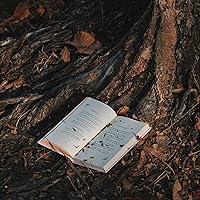
kindle-tbr
October 26, 2024"Pan: A Double Villanelle" by Oscar Wilde
rating: tbd/5
The Great God Pan by Arthur Machen
rating: tbd/5
"Pan" by George Egerton
rating: tbd/5
"A Musical Instrument" by Elizabeth Barrett Browning
rating: tbd/5
"The Moon-Slave" by Barry Pain
rating: tbd/5
"The Piper at the Gates of Dawn" by Kenneth Grahame (excerpt from The Wind in the Willows)
rating: tbd/5
"The Music on the Hill" by Saki
rating: tbd/5
"The Haunted Forest" by Edith Hurley
rating: tbd/5
"The Story of a Panic" by E. M. Forster
rating: tbd/5
"The Touch of Pan" by Algernon Blackwood
rating: tbd/5
"Moors of Wran" by A. Lloyd Bayne
rating: tbd/5
"How Pan Came to Little Ingleton" by Margery Lawrence
rating: tbd/5
"The Devil's Martyr" by Signe Toksvig
rating: tbd/5
"Bewitched" by Willard N. Marsh
rating: tbd/5
"The Golden Bough" by David H. Keller
rating: tbd/5
"Forest God" by Dorothy Quick
rating: tbd/5
"The Cracks of Time" by Dorothy Quick
rating: tbd/5
rating: tbd/5
The Great God Pan by Arthur Machen
rating: tbd/5
"Pan" by George Egerton
rating: tbd/5
"A Musical Instrument" by Elizabeth Barrett Browning
rating: tbd/5
"The Moon-Slave" by Barry Pain
rating: tbd/5
"The Piper at the Gates of Dawn" by Kenneth Grahame (excerpt from The Wind in the Willows)
rating: tbd/5
"The Music on the Hill" by Saki
rating: tbd/5
"The Haunted Forest" by Edith Hurley
rating: tbd/5
"The Story of a Panic" by E. M. Forster
rating: tbd/5
"The Touch of Pan" by Algernon Blackwood
rating: tbd/5
"Moors of Wran" by A. Lloyd Bayne
rating: tbd/5
"How Pan Came to Little Ingleton" by Margery Lawrence
rating: tbd/5
"The Devil's Martyr" by Signe Toksvig
rating: tbd/5
"Bewitched" by Willard N. Marsh
rating: tbd/5
"The Golden Bough" by David H. Keller
rating: tbd/5
"Forest God" by Dorothy Quick
rating: tbd/5
"The Cracks of Time" by Dorothy Quick
rating: tbd/5
November 19, 2025
This is a wonderful selection of short stories and poems originating from the 19th-century revival of the Greek god Pan, who, through these tales, represents the wild side of human nature: sex, desire, freedom, queerness, and nature. Wheatley's choice of texts gives a broad scope of the attitude towards and necessity of Pan in society, representing an escape from monotony and industrialisation, perhaps best exemplified through the first poem, "Pan: A Double Villanelle" by Oscar Wilde.
The following short story, "The Great God Pan" by Arthur Machen, is perhaps the story I enjoyed most. This horror story (praised heavily by Stephen King!) perfectly encapsulates the entrancing and seductive nature of Pan, and sets the tone for the rest of the stories and poems very well. Other stories I particularly enjoyed were "The Golden Bough" by David H. Keller, "The Cracks of Time" by Dorothy Quick, and "How Pan came to Little Ingleton" by Margery Lawrence, among others.
I must admit that I found myself lost occasionally across stories and as such would probably rate this 3.5 stars, but this is my introduction back into reading and as such may have been rather disjointed. A wonderful collection of fantastic stories well worth reading, and a splendid re-introduction to reading!
The following short story, "The Great God Pan" by Arthur Machen, is perhaps the story I enjoyed most. This horror story (praised heavily by Stephen King!) perfectly encapsulates the entrancing and seductive nature of Pan, and sets the tone for the rest of the stories and poems very well. Other stories I particularly enjoyed were "The Golden Bough" by David H. Keller, "The Cracks of Time" by Dorothy Quick, and "How Pan came to Little Ingleton" by Margery Lawrence, among others.
I must admit that I found myself lost occasionally across stories and as such would probably rate this 3.5 stars, but this is my introduction back into reading and as such may have been rather disjointed. A wonderful collection of fantastic stories well worth reading, and a splendid re-introduction to reading!
December 28, 2022
The Horned God Weird Tales of the Great God Pan is a collection of literary pieces by a range of authors from mid 19th century to early 20th.
The pieces chosen, mainly prose, make and exquisite, mesmerising and disturbing read in the fairy tale tradition. In these stories the god Pan manifests itself, for better or for worse, to a posy of characters set in arcadia. Whether the protagonists are aristocratic or rustic, they experience the imperative call - often tragic - of their sexual awakening.
There are some poems as well, just as hauntingly beautiful as the tales.
In short, The Horned God Weird Tales of the Great God Pan is a magical, broody arrangement of stories and representations of Pan. I highly recommend it. 5/5
The pieces chosen, mainly prose, make and exquisite, mesmerising and disturbing read in the fairy tale tradition. In these stories the god Pan manifests itself, for better or for worse, to a posy of characters set in arcadia. Whether the protagonists are aristocratic or rustic, they experience the imperative call - often tragic - of their sexual awakening.
There are some poems as well, just as hauntingly beautiful as the tales.
In short, The Horned God Weird Tales of the Great God Pan is a magical, broody arrangement of stories and representations of Pan. I highly recommend it. 5/5
July 24, 2025
Another hit from the British Library, with a collection of folk tales based around Pan. Perfect summer reading, with Pan being a force for mischief, good, and evil depending on the interpretation. For the most part, he is a background presence, and the opening Arthur Machen story (perhaps the most famous) sets the scene with a series of short tales connected by a loose narrative. I re-read this novella after I finished the full book to better comprehend it, although not sure it helped. Would be lovely to read this in a village pub somewhere, with several pints of good ale.
July 2, 2025
I've been reading this on and off for a year now, whenever I felt the need for the energy of Pan. A collection full of beauty and grotesqueness, of desire and doom, and as you read you can't help but hear the notes of Pan's enthralling flute. Both the stories and the poems were excellent selections, enchanting our world with the presence of the forgotten (?) Great God Pan.
Ah, leave the hills of Arcady!
This modern world hath need of thee!
(from Pan: A double Villanelle - Oscar Wilde)
Ah, leave the hills of Arcady!
This modern world hath need of thee!
(from Pan: A double Villanelle - Oscar Wilde)
October 30, 2025
This book contains one of my all time favorite short stories/ novella, “The Great God Pan”. Nothing else in this collection even comes close to it. I guess these are supposed to be “weird” tales rather than outright horror stories, but you would expect Pan stories to be somewhat frightening. None of them are. In one of them, the climax of the story is literally a kid won’t stop running around outside at night. Mildly entertaining at best.
This entire review has been hidden because of spoilers.
October 8, 2023
A really fascinating collection of stories, great to read at a cabin in the woods! ;) There's an introductory note about each author/story which is quite helpful, but sometimes it does give the story away a bit; if you're sensitive about spoilers, maybe read those introductions *after* reading the stories they pertain to.

January 3, 2024
Spirited collection of stories and poems related to or featured Pan in many guises. Machen's tale, The Great God Pan has long been a perennial favorite and I never fail pick pick up another tantalizing and shuddersome detail. The rest of the stories pale a bit by comparison but several are very good reads.
June 6, 2026
I'm really not sure about anthologies any more. The longest story in the book (Machen - call me a philistine...) I just didn't get into, so that was pretty much a third of the book skipped straight away. It was an ok collection of tales. Highlights for me were Margery Lawrence and Dorothy Quick's offerings.

July 20, 2025
The selection of short stories is half oft-anthologized and half new enough to really count. The verse, on the other hand, is more Weird Tales magazine than works by Victorian, Edwardian, and Modernist scribes.

May 10, 2024
One of the great additions to the weird series, some really rare reprints in here. Recommended!
January 19, 2025
I guess getting cucked by Pan is a bit of a trope
Highlights were "The Great God Pan" by Arthur Machen, "The Music on the Hill" by Saki, and "The Golden Bough" by David H. Keller.
Highlights were "The Great God Pan" by Arthur Machen, "The Music on the Hill" by Saki, and "The Golden Bough" by David H. Keller.
Displaying 1 - 30 of 31 reviews