Não há no inferno ferocidade como a de uma noiva desprezada... Unindo comédia romântica e representatividade, com um casal "enemies to lovers" e reencontros, se apaixone pelo livro de Mia Sosa que traz protagonismo a vozes latinas e exalta a cultura brasileira.
Você está cordialmente convidado para testemunhar o pior padrinho de casamento recebendo o que merece!
Uma organizadora de casamentos abandonada no altar? Sim, Carolina Santos também consegue ver a ironia da situação. Mas isso é coisa do passado, ainda mais quando Lina se vê diante da oportunidade de elevar sua carreira a um novo patamar. Só tem um detalhezinho… Para conseguir o emprego dos sonhos, ela vai ter que trabalhar lado a lado com o padrinho de suas quase-núpcias, também conhecido como o homem que convenceu seu quase-marido a desistir de se casar.
O agente de marketing Max Hartley está determinado a impressionar Rebecca, a dona de uma renomada rede de hotéis que deseja expandir seu negócio para incluir serviços de casamento. Até que ele descobre que precisa trabalhar com a afiada, fria e vingativa ex-noiva do seu irmão, que, se o visse se engasgando com um bem-casado, provavelmente o deixaria sufocar.
Agora, para que ambos saiam ganhando, eles precisam montar um plano de negócios inigualável sem se matarem, e sem que Rebecca descubra o passado conturbado que compartilham. Mas, quando o rancor dá lugar a sentimentos ainda mais fortes e ainda mais difíceis de controlar, Max e Lina vão ter que enfrentar um outro tipo de problema…
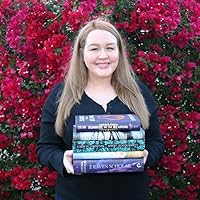
Mia Sosa is an award-winning and USA Today bestselling author of contemporary romance. Her books have received praise from Publishers Weekly, Kirkus Reviews, Booklist, Library Journal, The Washington Post, Buzzfeed, NPR, and more.
Booklist called her the “go-to author for fans of sassy and sexy contemporary romances,” and Entertainment Weekly described her trade paperback debut, The Worst Best Man, as "rom-com perfection."
A former First Amendment and media lawyer, Mia practiced for more than a decade before trading her suits for loungewear (read: sweatpants). Now she writes fun, flirty, and moderately dirty stories about imperfect characters finding their perfect match.
Mia lives in Maryland with her husband, their two daughters, a gentle Cavalier King Charles Spaniel, and one rescue cat that rules them all.
For more information about Mia and her books, visit www.miasosa.com.
Great news!!!! Project X Entertainment acquires the feature rights to this gem! It’s gonna be a movieeeee!!!! Yayyy!
THIS.IS.SOOOO.GOOD. I didn’t understand why some readers skipped this book or wrote some negative comments. I know exactly books arise some different feelings and bring out different opinions. But come on we have a sweetest, charming, so much likable, adorable book-boyfriend in da house. Yesss, let’s make some noise for MAX! If it is not for him, I could give the book four stars but his charm, patience, honesty stole my heart!
What I really liked about this story:
Author’s amazing sense of humor (I laughed out hard when I read the “Nutcrackers” reference and the size of the room dialogues between Rebecca and Lina when Max hid himself in the bathroom)
Sweet, swoony, delightful chemistry of couple: I want to call them LIMAX! I loved their sarcastic dialogues and their openness about their feelings.
Brazilian culture introduction: As a “meat-woman” (Most of my vegan friends turned into my enemies and wanted to bury me alive) I only know their amazing kitchen but thankfully I learned more about their traditions, sports and other special kitchen suggestions instead of meat dishes with this book and I enjoyed every part of it.
Only two things I wish about this book:
The TITLE SIMILARITY: It shares the same name with one of my favorite Lucy Score’s rom-coms. And I never call anything “the worst” about “Max”! For the first time I loved hero more than a heroine.
ABSENCE OF EPILOGUE PART: I loved the ending but I wish I could read more what will happen to this lovable couple in near future. Well, I think, we need to wait for till reading Dean’s upcoming story which I’m already invested right now. ( I love this name because of reminding me of Dean Winchester.)
OVERALL: Sweet, enjoyable, heartwarming, smart, entertaining rom-com that I truly needed. Special thanks to NetGalley and HarperCollins Publishers/Avon for sharing this swoony and funny
ARC COPY in exchange my honest review. And thanks to Mia Sosa to enlighten my day with her talent and remarkable sense of humor.
Y’all… this shit was so good!!! absolutely fucking gold!! deserves nothing less than 5 stars!!
ok so this book basically follows Lina who was left at the alter at her wedding, and her fiancé’s brother, Max, had to break the news to her. and also admit that he kinda had a hand in his brothers decision to break off the wedding. so Lina and Max have beef. and years later they now have to work together as wedding planners TA-DA!!
the chemistry was potent from day one. the angst and the fucking TENSION!! This because dual POV and the way these characters describe one another had me breathing hard and heavy.
Lina, the main character is Brazilian, and reading about the Brazilian culture or so refreshing. I will definitely be trying out some Brazilian dishes in the future. she’s a strong well-rounded character and is funny as fuck. The way she teases Max had me screaming. i was genuinely laughing out loud while reading this book. I had to stifle my giggles with a pillow because i read i finished this book around 3am.
Max is a hot, dark hair, six pack, pussy pleaser, of a man. bro the way he talks to Lina?!? i was blushing for days. “I wish I could make you come so hard you’d cry out loud enough to shatter the windows of this ridiculously charming inn.” bro i was cheeking.
the smut? y’all the SMUT!!! don’t let the cover deceive you!! this is the type of book in which she falls first but he falls harder!!! a book shouldn’t be making me blush this much!!
i was smiling ear to ear while reading this book. the plot? the characters? all 10/10! mia sosa deserves to get her ass ate for writing this book. she put her whole thrussy into this. mia deserves the world and nothing less because this book ate DOWN!!!
I really liked this! It’s enemies to lovers but that angst doesn’t last for long, so that might not be everyone’s cup of tea. I will say I listened to the audiobook and the narrator for Max was definitely not my favourite, especially when he did a more feminine voice. It sounded like he was Trump when he was voicing females so needless to say, not a fan. But getting past that, overall this was a lot of fun. I loved the inclusion of Lina’s family and culture, and I thought the overall background of Max and Lina being enemies was believable. I did find the dialogue and sex scenes to be corny at times. But the characters were enjoyable for me. A really solid romance!
this one was just okay for me. it had good ingredients: compelling main characters, enemies to lovers, cool side characters, fun plot. but the execution was just lacking something that i can't totally put my finger on. i think it's just the general feeling i get when reading trad published romances.
they're written well and i can see why people like them. but i just crave the kind of writing that typically dwells in the indie romance space. it feels rougher in the best way and the plots tend to be more inventive and push the envelope.
which is all to say that if you're into trad published romances this is one of the better ones. it was a perfectly enjoyable listening experience but it's not a book that i'll be thinking about.
On paper (hah), there's nothing wrong with this story. It's diverse, there's communication, it's sorta-enemies-to-lovers, or reluctant-rivals-y-to-lovers, whatever, there is friction, and there's other good things. But I was bored pretty much from 8% right on through to the end. Suffice it to say, my Wheel of Fortune app got a lot of attention the last day or so.
But anyway.
Yes, points for diversity, points of tackling sensitive and relevant topics such as "acceptable" behaviours for people — specifically women — of colour. Except.. I didn't feel anything. The playful almost-hate banter in the beginning? Odd or juvenile and sometimes both. The sudden attraction? Not a single zing. The touching warming-up-to-each-other moments? Yawn. The sexy times? They felt.. I don't know, awkward. Too much talking. Too much.. something. I don't know. The weird transitions? Weird.
Also, this is a weird criticism, and one I'm making again that I made in another review just recently, but this whole going hard to be socially savvy or relevant, by having all this dialogue around certain topics is.. I don't know, overkill. I'm sure there's a way to touch on all these hot button issues without making the reader feel like they are being condescended to, or preached at, but maybe some readers aren't as dialed in or don't mind? I don't know what it is. And I doubt I'll ever be able to articulate my feelings on this properly. But. It's just a lot.
Anyway, this never really got better, but nor did it deep dive into anything terrible, and yet here we are. This was my first Sosa and while the concept appealed enough for me to request it, there was no feeling in the writing or the story. Or at least nothing that made me feel anything. So I doubt I'll pick up this author again.
I think other readers will like this, particular those who enjoy Sosa's writing. So don't take my word for it. Try a sample and see how it goes.
1.5 stars
** I received an ARC from Edelweiss and the publisher (thank you!) in exchange for an honest review. **
This wasn't a perfect book for me, but I did end up enjoying it a lot more than I expected to. I really felt the chemistry between the two main characters and I appreciated that, although the book starts off on a pretty ridiculous note, the characters grow A LOT by the end of the novel and ultimately end up making some very Adult decisions. I will say though, the sex scenes in this one were p awkward. I felt like the author was trying to make them overly ~sassy~ and it really just took me out of the scene and made me feel awkward reading them. Overall, this one was fun and I recommend if you enjoy a zany rom-com, but it wasn't a complete new favorite.
Nothing better than reading a story with two main characters you absolutely root for in every way possible. Whether they’re together or apart.
That’s what solidified my 5-star rating. I got to a point where they received some good news, and I was genuinely happy for them.
I loved the story. There was the inevitable awkwardness but all in all, it was dealt with in a mature manner. Because at the end of the day, you gotta do what you gotta do. Keep it pushin’, keep it moving.
Also the side characters, the Brazilian culture, the friendships, the family were all beautifully done and developed and I wish we could’ve gotten more. I wanted to be a part of it all.
I’m so glad we’re getting Dean’s story next. I literally whooped out loud! 😁
Read for The Reading Rush readathon. Challenge: Read a book that starts with the word “The”.
I knew from the moment I saw this epic cover that The Worst Best Man would be a ton of fun, but I wasn't prepared for HOW much fun, or for the unexpected feels it hit me with.
When I like things a lot I become incapable of discussing them coherently, so let me try to stay on track by approaching this like a list. Thing I Loved #1: Carolina Santos. What a badass, relatable heroine with a wicked sense of humour and a commitment to the petty life that I admire and respect. I loved being in Lina's head, I loved her amazing family, I loved her ability to hold a good, strong grudge. I also loved reading a character who experienced a lot of the same things I have when it comes to acceptable behaviour for a woman of colour and the 'right' way to express emotions... or to feel them at all. That side of Lina's story really hit. Like. Wow. Thank u, Mia Sosa. SPEAK ON IT.
Thing I Loved #2: Lina's family and friends. I know I already kinda mentioned them, but they deserve their own entry because they were honestly hilarious.
Thing I Loved #3: This book had that classic 90s romcom movie feel - updated for the present day, translated into book (or audiobook, in my case) format, but still unmistakeable with its familiar sparkle and safe, happy comfort. Not all romcom books feel this way, and I don't think they all need to, but when a book DOES hit that note it makes me really giddy.
Thing I Loved #4: The tropes! Hate to love, rivalry feels, forced to work together, long-term grudges revisited. Sosa even threw in road trips and fake relationship feels and There's Only One Bed because she is a kind and merciful goddess who knows what I like. Seriously, I was in trope heaven. Yum.
Thing I Loved #5: Max, of course. He was the SWEETEST, even when he was being an insecure moppet. And with a brother like Andrew his issues were 100% understandable, LOL. But regardless, he was also a wonderful... well, hero. He made me swoon twenty-thousand times and I envision him with a dimple in his chin.
Thing I Loved #6: The audio performance! I listened to this book and it was a fabulous experience. Props to both narrators, they were excellent.
A fun, steamy tale of self-worth and learning from your bad choices
Three years ago, wedding planner, Carolina Santos was jilted on her wedding day (ahh how awful anyway but to happen a wedding planner?!!). Lina's ex fiancé's brother, Max broke the news, and was also apparently the cause of her fiancé's departure. Now Lina has to work together with Max if they both want to succeed in their careers. Firstly I am really surprised at the bad reviews of this book, compared to the ratings of similar books? I get that this book isn't for everyone, but it was made clear in the synopsis that the romance would be between Max and Lina! She was with his brother years before, and the brothers are not close, but it is what it is! If you can’t get past that, then don't read it? It's not something I've personally seen or would feel comfortable with in real life, but it has happened (we've all seen Jeremy Kyle or your own country's equivalent seedy talk show) and it is written well here I feel. Also there seems to be hate directed at Lina for taking her abandonment out on Max, rather than Andrew her ex fiancé. My take on this is that it wasn't really hate, it was more like 'ah crap we’re in a mess and I shouldn't be attracted to you but I am, but will pretend that I'm not' kind of situation! The book wasn’t perfect, but it made my heart flutter and it was very sweet.
I think what made this stand apart from other rom-coms though, was the Brazilian culture. I’ve read romance books which have included some token diversity to tick boxes, but it felt really genuine in this book. I loved reading about all of the Brazilian food, the Capoeira, the dancing and I loved the scattering of Portuguese language throughout. The culture was so vibrant and I really loved it! I adored Lina’s family and the dynamics that they had. They had a really strong bond and were a lot of fun! I especially liked Lina’s cousin Natalia and her aunt who were so dramatic and hilarious. Carolina was a great main character. She had made mistakes in the past so had become closed off and acted professional at all times. She spoke about having to work hard to not come across as over emotional as a woman, which I related to so hard. It was especially hard for Lina as an Afro-Latinx woman, as she didn’t want to come across as ‘the angry black woman.’ So instead Lina held all her emotions inside, guarded her heart, and chose ‘safe’ options, or she did until Max dismantled her armour! I loved how we gradually saw the real Lina emerge as Max got to know her better. She was so kind and caring, yet was still a strong woman. I also appreciated Lina’s insecurities as a second generation immigrant. She felt that she had to work extra hard in order to repay her mother and aunts for all of the sacrifices that they made for her and her cousins. But I LOVED her mum’s view that she had made those sacrifices so that Lina didn’t have to work so hard💖
Max…sigh…..what a main character! He was so likeable. A calm and patient man, who realised that he had been a bit of a douche when he was younger, and had grown up and taken responsibility for his past actions. He had great chemistry and banter with Lina, but not only that, they developed a real friendship! I loved his bromance with Dean too, and can’t wait for the next book to be about him! Hopefully we will get to see lots more Max and Lina in 'The Wedding Crasher' too!
There were a lot of tropes in this book-like the sharing one bed trope, the wedding planner falling in love etc and it was such a funny and sweet book! I just fell head over heels for Max, Lina and her family! There were a couple of niggles, hence not a five star read for me. Firstly I would have liked to see more of Max’s family. The whole sibling rivalry with his brother was brought up a lot, but wasn’t really dealt with, plus I would’ve liked to see more about their mum. Why did she encourage them to compete so much? How did she react to Lina? What is her relationship like with her sons outside of wok, where she’s not just their boss? Also an epilogue would have been nice, where we actually got to see Lina and Max together, but hopefully my need for this will be addressed by reading the next book!
Overall I really enjoyed my first Mia Sosa book, and loved the characters, so bring on the wedding crasher!
Many thanks to HarperCollins and Edelweiss for this ARC in exchange for an honest review!
OKAYYYYY WHERE ARE MY BRASILEIROS AT? because this was FOR US 🇧🇷💛 y’all it made my heart so fcking happy to read about a brazilian mc!!! seeing everything that I eat & do every day mentioned in a book just… IT SHOOK ME TO MY CORE!! pão de queijo, capoeira, guaraná, carnaval, strogonoffe de frango, pimenta malagueta, brigadeiro, havaianas, samba.. AND THE LIST GOES ON!!! it was ALL IN THIS BOOK! Lina’s whole family was my favorite ever & they made this book for me. You know those books where you love the guy but you’re SIMPINNGGG for the girl? that’s this one! Don’t get me wrong.. I did love me some Max & his eagerness to learn ;) iykyk! BUT LINA IS WHERE ITS AT!!! anyway, this was such a fun read and an amazing romcom! I cant wait to read the next book 💚
“to be continued, right?” “to be continued forever”
Over the last 12-18 months, I've read a lot of rom-coms. They're the perfect foil for some of the heavier stuff and thrillers I read, and they never fail to put me in a good mood—and in some cases, even choke me up. (Not that that should surprise anyone who follows me, given that I cry watching television commercials sometimes.)
I've found that rom-coms fall into one of a few tropes: friends-to-lovers, where long-time friends suddenly realize their feelings for one another but are afraid to voice them for fear of ruining the friendship; meet cute, where there's some unexpected encounter that sparks an interest between two people, often strangers; second chance, reuniting former lovers or former rivals after a long separation only to see there's still (or suddenly) a spark; and hate-to-love, when two people who can't stand each other for whatever reason suddenly realize the animosity is covering up some serious chemistry. And with most rom-coms, once you can identify the trope, you can generally predict how the book is going to go, and that often doesn't diminish its appeal.
Mia Sosa's new book, The Worst Best Man, falls squarely in the hate-to-love category. Lina is a wedding planner who takes total control for her clients, but she is utterly thrown for a loop when her fiancé, Andrew, decides he doesn't want to get married—the morning of her wedding. The coward can't even tell her himself; he gives that assignment to his brother, Max, who apparently said some things while the brothers were drinking the night before that led Andrew to cancel the wedding. (And the worst part of it is, Max doesn't even remember what he said to his brother.)
Lina has never forgiven Max for his role in ruining her life. So needless to say, she’s unprepared to come face-to-face with Andrew and Max in the midst of an interview for an exclusive wedding planner job for a hotel chain. She has to pair up with Max on a marketing presentation to win this job, while Andrew will work with her competition. When she realizes she has no choice but to collaborate, she lets her guard down, only to discover her animosity might be hiding something else, something stronger.
Max desperately wants to win this job to prove he’s his own man, not just a carbon copy of his brother. He also can’t deny that he wants Lina—but he isn't interested in playing second fiddle to Andrew once again.
I loved how Sosa incorporated Lina’s Brazilian heritage into the book. The Worst Best Man is steamy (super steamy, actually) and fun, but it just didn’t wow me. Even though I know how rom-coms usually end, I found this almost too predictable, and the story seemed to drag for me.
Still, lots of others have loved it, so I may just be cranky. If this sounds like fun to you, give it a shot!
The Worst Best Manis a super cute and fun enemies to lovers rom-com. It's my first Mia Sosa book and I enjoyed it so much!
Lina is a wedding planner who was jilted at the alter years ago. Now, she has an opportunity to take her business to the next level. The catch? She has to work with her ex-fiance's brother. Talk about awkward.
I listened to the audio book which was narrated by Rebecca Mozo and Wayne Mitchell, and while I enjoyed it for the most part, some of the times when the male narrator was doing the female characters voices, it felt a little off. This is one of those books I think I would recommend reading over listening to.
I would consider this a bit of a forbidden romance as well as a slow burn romance. And those are some of my favorite kinds! It was also just an all around good time and one I would recommend if you're looking for a fun read with a lot of heart.
3.5 stars This story is cute. It follows this girl Carolina/Lina who is a wedding planner and she gets stood up at her own wedding. Years later she runs into her ex and his brother when she is trying to get a job she really wants and she is forced to work with her exes brother Max. We get this really cute banter-y hate to love romance that forms between them!
The first 200 pages of this book were great, I thought the characters were hilarious and the banter between Lina and Max was on point, I was cackling. I also loved the scenes of them being forced to pretend to be a couple, it’s one of my favorite romance tropes. I also really love Deans character and I’m really excited to hear the next book in the series will be his story!
But the last 150 pages of this book were very meh for me. It was very underwhelming after they actually got together and I just became very bored with the story unfortunately, so I ended up skimming the last hundred pages or so.
But overall this is still a fun hate to love romance that I would still recommend, it’s nothing life changing but it’s still a cute and quick read.
I read this book as a palette cleanser between two long, dense fantasy books, and it checked that box. I thought this book was fun and easy with a great main character and representation of Brazilian culture, but it was also just cheesy and rushed and convenient. I'm not mad because it's a romance book so I didn't have the highest expectations ever, but the dialogue was often cringy (especially during sex, oof) and the male main character was too much of an unrealistic goofball given his role in the book that I just couldn't really feel attached to the characters. Still, I'm always down for a there's-only-one-bed trope and some enemies to lovers, even if this one was a bit more bland than I was expecting because it was so short.
This is a hate to love romance between an ambitious wedding planner and the brother of her fiancé from 3 years prior who left her at the alter. That premise sounds like it would make for a lot of drama and a potential love triangle, but it is actually very clear from the beginning that Lina and her ex were not a good match. This makes the potential drama of finding out she's a better match with his brother to be a non-issue, as neither one still holds a torch for the other. There were some parts that were over the top, particularly at the beginning when Lina is trying to get back at Max, after the end up having to work together, as he was apparently the one that convinced her ex not to marry her years ago. But there are wonderful moments of vulnerability between these two, as Lina is someone who has walls up due to her past and not wanting to show emotion. A big part of their journey is opening up to each other. Also, Lina is an Afro-Latinx woman (Brazilian) and her culture and family is a major part of her life. Another thing I loved seeing was the very real, imperfect sex scenes. This book had the couple tripping over pants, failing to unclasp bras, and any other normal awkward thing that may happen in the bedroom. It was refreshing and cute.
Has a character ever frustrated you so much that you just wanted to jump in and shake them a bit? Some of the characters here made me feel that.
This book follows the love story between Carolina, a wedding planner who was left at the altar, and Max, the brother of the runaway groom. In that sense, it's your basic hate-to-love trope that we all love and much. We get all those good rom-com tropes that are overdone but so incredibly entertaining. The hate to love, the awkward situations, the one bed, the crazy yet lovable family. Also, Brazillian culture!
That said, this book also had a lot of stuff I didn't love. For starters, there was a very sexual scene halfway through the book that mostly made me cringe. It was awkward for me to read.
The characters were also weird to me. They were likable enough but I couldn't connect with them. The book is told in dual POV and other than the character name at the top of the chapter, it's almost impossible to tell the two apart.
Then there was the chemistry between the characters. It was there. But also not really. They meet, fall in love, and go through all that rom-com drama in the course of 5 weeks. They technically knew each other prior to this, but they had never interacted before the day of the almost wedding, and it was only for a single disastrous conversation.
Which leads me to the animosity between the two. Lina had a massive grudge toward Max. This is understandable given the fact that it was Max who accidentally, and unbeknownst to him, convinced his brother to call off the wedding. The thing is, Lina never once gave Andrew (her ex-fiance) a second thought. She said she was upset at the breakup but we never really see it. She only mentions Andrew in passing and we get the sense that he's pretty irrelevant to her. Max on the other hand, who had been nothing but decent to her, gets all the hate and blame and animosity for actions that no one forced Andrew to take!
It was so frustrating!
In the end, I rate books based on enjoyment. On whether it made me feel something. This book didn't. It was just ok. It had its entertaining moments and I am certain that some of you will enjoy it. Sadly, I did not, despite wanting so desperately to fall in love with it.
I wanted to like this book, I swear I did. The premise is cute and I had high hopes after reading a positive a review on here recently. The Worst Best Man seemed to have potential, but in the end it didn't work for me.
The story follows Lina, a wedding planner who had the misfortune of being left at the altar. She got the news that the wedding won't happen from her fiance's brother, Max, and he kind of is to blame for the whole thing. Or so Lina thinks. But she moves on, and come present day, she's offered a great new job opportunity that could be amazing for her career. The downside to the job - she's forced to work with no other than the worst best man ever, Max himself.
This is the classic "enemies to lovers" trope (one that I'm not the biggest fan of to start with), but it doesn't even do that well. It lacks the tension and drama needed for a good enemies to lovers story. Lina and Max seem to get over their grievances waaaaay too quickly, without much communication. They only seemed to be attracted to each other physically, because there's no real chemistry besides that.
A major issue I had with this book were the sex scenes. They were just so.... cringy. This is how my face looked every time they were at it:
If you ask me, they talked too much before and during. The pillow talk felt forced and more like a script from bad porn. I just didn't feel any chemistry between them.
On another note, I would have loved to read more about the wedding planner stuff, more about the job they were working, see them connect more. I also would have loved a better developed scene where they addressed the fact that they were nearly in-laws and how weird it could be for them to end up together.
I don't know if it's just me and I'm being weird about this or what, but I think it's kinda yuck and inappropriate to date/sleep with your ex's brother.
Let alone realize that you screwed the wrong brother first, only to later end up in the same family. Ffs, Max was this close to being her brother in law. There are other fish in the sea, Lina! I mean, I'm saying this mainly because it's not like they connected on a higher level or anything. They were just like "oh yeah, we were almost related by marriage, but whatever, you're hot so I'd hit that". I can't even..
Unfortunately, this romantic comedy didn't do much for me. I feel like it wasn't even a little bit romantic, nor was it funny. Just poorly written and a little too cheesy.
“Thing is,” he says, his chin resting on my head, “there is no single way to be a badass. Your mother and aunts coming here and making new lives for themselves? Badass. My mother running her own firm even after she and my father divorced? Badass. You facing the obstacles in your path and reinventing yourself in the process? Badass. There’s room for different kinds of greatness. Even if you cry doing it. Hell, especially if if you cry doing it.”
THIS was just the funny steamy romcom read I was craving. I have no doubt that the current state of the world & social distancing is skewing my rating upwards but tbh I really don't care...I needed a laugh and some feelgood feelz & this came through for me in spades 🤣🤩😂😍🔥 4.75* rounded up
The double entendres and bff interactions were interchangeably hilarious and heart-warming...so much communication on many fronts I almost overdosed 😅 This wasn't purely laugh out loud moments as it sensitively tackled issues I, a white female, am in no-way qualified to comment on but I was here for the education & am so glad these own voice stories are being seamlessly woven into more mainstream releases. We all deserve to tell our own story & share our cultures as we experience them...the good and bad as the case may be. The wonderful Brazilian culture leapt off the page 🇧🇷 Having been lucky enough to visit this beautiful country once and sample some of the delicious cuisine made me even more eager to return!
I loved Lina's amazingly supportive family; Jaslene (deffo honorary member), Natalia, the wonderful Tias, Mãe and Rey are such delights & I absolutely cannot wait to learn more about Dean in 2021 (I was so hoping he would get a spin off 😍) Max & Lina actually COMMUNICATE - yep yep ✔ I may have initially rolled my eyes at some of the romcom tropes that got them there but, I am a deffo fan of the "only-one-bed-trope" and the accidental counselling that helped them better communicate possibly tipped this book for me alongside the "bathroom" humour...and nope, it's not what you might think but it was such fun to see the characters grow and adapt from knowing one another 😂
I will be the first to admit the blurb and their previous almost(?)-family connection initially tripped me up big time about picking this book up but thanks to the ever wonderful Fran, whose romcom reviews always put me on the right track, I am so very glad I picked this up. As always thank you so much & I will know better in the future not to question your amazing ability to suss out the tropes we hate and taking the hits for the team when you tackle so many ARCs.
I have seen many say that they'd have liked an epilogue, 🤷 sure deffo wouldn't go astray but obvs didn't take away from my massive enjoyment of this book. That ending with was perfect to me - equal parts hopeful and hilarious 😎
People have also said they'd have liked more intel on Andrew, but I seriously NOPED out on that 🍆 and honestly don't care what his reasoning may have been - perhaps cruel as we all have our story. But he deffo didn't endear himself to me in this, however I am willing to be proven wrong if he were to get his own book & after some serious soul searching on his part cos, oh boy, was he a douche in this! Although I guess we get a very one-sided (well 2) PoV from people he hasn't always treated the best...🤔 I don't want to judge people too harshly either - but let's just say he has a lot of ground to make up but I would read that book as I really liked this authors sense of humour & from what we saw Andy here could use some help there - he seems rather uptight and tbh up other things but I am trying to be polite!
Right, so that's more than enough waffle from me on this book. It was just what I hoped it would be a funny, fluffy read that gives a cynical cranky cow like me the false hope that there are still good guys to be found - but I do wonder where all these physical hunks with hearts of gold be hiding in rl....whatever about movies giving people misleading expectations of masculinity let's be honest here - these books are not behind the door neither! The amount of muscle descriptions in romcom reads would deff give people body issues 😅
Edit 2: So I clowned on this book for having the characters watch the carnaval parade on Easter and well....... because of the pandemic, the carnaval parade this year was actually a week after Easter, which is not exactly the same but it's close enough for me to be mad at this book all over again LMAO
Edit: Any gringo praising this specifically for the ~culture!!!~ (especially if it's the only positive thing you highlight) personally owns me 100 reais.
Wow, I have a lot of thoughts about this book.
Let's start with the easy part, which is the plot. Basically, really flimsy, with very inconsistent characters. The main conflict in this ultimately made no sense, why is she mad at the brother? As he even mentions in the book, he wasn't the one who left her at the altar. The competition aspect was a little confusing, I didn't really understand when the planning for the presentation ever happened, it just seemed like Lina and Max were just hanging out while she happened to be at work, I honestly didn't get it. Also, the enemies to lovers aspect was really forced, and I didn't really like the romance. I didn't think the pacing was good, I didn't think their chemistry was good, and the sex scenes were not well done at all, which made me deeply regret ever picking this up, like, how is not even the sex good?
While the main characters were incredibly boring, the side characters were mostly unnecessary. I genuinely forgot some of them existed until they showed up again. I also didn't like how the ex-fiance was made to be a villain in this story for no discernible reason. The ending was... meh. Overall, it was just a really below-average romance. I wish it had been just that.
Here's the main reason I hated this book. Sure, the plot and the romance were boring, but this had the diversity as the main thing to make this book interesting. And I have a lot of opinions about that.
I am Brazilian. I was born and raised here, I've never lived out of the country. The main character is Brazilian-American. These are two completely different life experiences. Immigrant cultures are their own thing, completely separate from their country of origin and from the country they've settled in. Why is this relevant? Because people who are not immigrants, or not from the country of origin, read diverse books by xxxx-Americans and take it at face-value, placing those experiences as xxxx, instead of understanding it's just another facet of being American. Sure, a white American doesn't experience the same things as a Brazilian-American, but a Brazilian-American is still an American. The point is, immigrant culture depends on a number of things (the reason you migrated, the region in your country of origin you grew up in, your social class, where you settle in the new country etc.), and it will never be representative of their country of origin, it's usually an amalgamation of things that remind them of home that end up becoming staples, and these are often heavily stereotyped. A Brazilian-American might pick this book up and find things in it relatable, but I, a Brazilian, found a lot of it to be in poor taste.
I hated how this book painted Brazilian culture. It was just stereotype on top of stereotype crammed sometimes into single paragraphs. You can literally make a bingo with all the references it has. The plot came to a stop several times each chapter to go on about some aspect of Brazilian culture. The characters go to Brazilian restaurants that serve menus that aren't even a little cohesive, take capoeira classes, and dance the samba randomly in the middle of the day, all while explaining the most surface level Brazilian things. To me, it was far too didactic, and very tiring to read. I know all that stuff, and it's not even relevant to the plot. There are too many descriptions of food, history lessons on Brazilian slavery, more descriptions of food, name-dropping of random brands (Guaraná Brazilia is apparently a brand of soda from New Jersey, which explains why I've never heard of it, and why an immigrant probably has (To be fair, they do sell Antártica in the US (they even sell Dolly in the US, what's your excuse) so I don't know why you'd waste your time with an American brand of a soda flavor that only exists here)), did I mention descriptions of food??? It was just too much, too forced, it didn't blend well with the story and it tried too hard to showcase the one thing this book had that was different from other similarly mediocre romance novels. The use of Portuguese was choppy, not exactly how a native would speak, even though it didn't have any obvious mistakes. Still, I can't even imagine how painful it must have been to read this if you're not fluent in Portuguese.
One thing had me really confused, though. Why were the characters watching the carnaval parade........................ on Easter Sunday????????????? I know they were watching it on Youtube, but still, who would wait forty days to watch it when the recording is probably up like, the day after????? Also, who gathers their families to watch the parade??? Is that a carioca* thing because I know the whole 'allegiance to your samba school' thing definitely is. (I'd say most people in Brazil do not care about samba schools nearly as much as they care about their football teams, and it's probably because most people in Brazil don't live in Rio.) This whole Easter scene was bizarre to me because they were eating feijoada??? On Easter???? That sounds really really really weird to me, and even though the traditional day we eat fish is Good Friday, feijoada still seems so.... heavy for Easter. Also, someone tell these characters carnaval isn't a fixed holiday and it 100% depends on the phases of the moon, so it's not in March every year (in fact, we say it's a late carnaval the years it is in March. It's usually in February). This bothered me so much, because these are things you can just...... google.
A couple more gripes I had with the names: Carol is a much more common Brazilian nickname for Carolina than Lina; Natalia should have an accent on the second a (Natália); I sure hope Paolo is Italian and not Brazilian, because the Portuguese version is spelled Paulo, and this is a mistake gringos make all. The. Time.
I don't know. I mean, I do know, I hated this book. The story was terrible, and I can't look past the mess that was the Brazilian culture in this. There's nothing in this book I can say I liked, which... I can't say I wasn't expecting that, because I read some reviews beforehand. But nothing could have prepared me for how horrible I would actually find this.
*Carioca is a person who is from Rio de Janeiro (the city, not the state)
I was provided an ARC via Edelweiss Plus in exchange for an honest review.
It is always a sad day when a book you were so excited about doesn't deliver and The Worst Best Man fell that pattern.
One important thing to know is that as a Brazilian, born and raised in Brazil, currently living in it, having a Brazilian main character was a very exciting thing to witness.
And that brings me to the good sides of this book: it was really nice seeing my culture on the pages, I think for people that don't know much of Brazilian culture it will be a very interesting read. There's a lot about the food, costumes, carnaval, samba and more.
Another thing I enjoyed was the humor, not always, did fell flat often but at times would make me chuckle. There was a lot of clever banter going on.
Sadly that was what I enjoyed the most about the book, because it disappointed and annoyed me more often than not.
My biggest issue was Lina's alleged dislike towards Max and how she kept holding a grudge. Now, it is fine to be upset at the person that indirectly hurt you. But the book made Max drunk telling his brother to not marry Lina worse than, you know, the guy that cancelled the wedding in its day through his brother.
Lina would constantly try to be cold and short with Max and again, I see why but still doesn't add up on why she barely thought of her ex, didn't seem to be a lot of love there to begin with but she still was so upset because Max might have said something to make him change his mind about the wedding. Taking in consideration his brother wasn't obligated, he cancelled so easily because deep down didn't want to marry her in the first place.
I would not be as annoyed if: 1) Lina and Max had some sort of friendship, making it plausible she'd me mad because she'd thought of him as a friend but talked his brother off marrying her, yet they met each other just a couple days before the wedding or 2) Lina showed she truly loved Max's brother, making it make sense she'd be so mad since she lost the man she loved. But none of these were the case.
There was no fallout and even thoughts of her to the ex fiancé that left her at the-almost-altar but a lot of hard feelings towards the best man that couldn't even remember what he told his brother since he was so drunk.
This also made Lina, a mature independent woman come across as very immature and childish, putting her own career at jeopardy because would make working with Max so difficult just to get back at him for what he did years ago. She also never just talked out why Max did what he did like adults. Instead would warm up to him to immediately go cold and act up.
That also made the romance seen very out of nowhere. At one point they met again years later, the next we are supposed to buy they have feelings for each other. By the time things were progressing I just couldn't get into it or believe they had feelings for each other when I felt like there's no development. A few bickering lines doesn't equal a good relationship built up.
In the end, this sadly wasn't for me. I wish I loved it. I really did. Thought of dnf'ing it but kept hoping would get better.
I know it's hard to say "I recommend" after all this, but in case this doesn't sound like something would be a turn off for you, I do recommend for a fun, quick read.
3.5 stars, rounded up because I really, really appreciated the time taken to explain why it can be so difficult for women of color (such as our Afro-Latinx MC, Lina) to allow themselves to fully express their feelings. I thought that was such an important topic and it's one I haven't seen addressed in many books.
This was cute! I definitely struggled with Lina from time to time, just for how petty she could be with her pranks, but all's well that ends well and I grew to love her and empathize with her more as the story progressed. I will admit that I spent a solid chunk of the story wanting to grab her and shake her until something clicked in her brain, though. I don't think I'll ever quite grasp the concept that she totally moved on from her ex-fiance leaving her at the altar, yet couldn't get over her hatred of his brother for supposedly talking the fiance out of the marriage. That just... doesn't compute. I also have one other little complaint, which I wasn't going to mention because it felt like maybe it was just me, but I have to: the sex scenes were a little weird to me? I felt so much chemistry between Lina and Max throughout the rest of the book, but not in the steamy scenes.
That said, I enjoyed this story a lot overall. I thought it was addictive and fast-paced, I loved the banter (when Lina wasn't busy pranking Max), and I thought it held so many important conversations, such as Lina's fear of disappointing her family after they immigrated to the US and worked so hard to help give her the life she has. While this wasn't a perfect read for me, I still really enjoyed it and recommend it! I'm happier for having read it and definitely want to check out more of the author's work.
Oh wow, this book grabbed me from the first page with the snarky, fun writing. Wedding planner Lina gets dumped at the altar. Worse, her husband-to-be’s brother, Max, is the one designated to break the news. Three years later and all three of them (Max, Lina, and the loser ex-husband-to-be) are all teamed up together on a high-profile project no one wants to foul up (oh the drama!) and this gets sooooo fun and hilarious! I loved the slow burn between these two as they worked on their project together, worked through their past issues, and found activities they enjoyed doing together as a couple (all while pretending to hate each other.) And the cool bits of Brazilian culture (and food—OMG so yummy!!!) were neat to read about!
The Worst Best Man is the first book I’ve read by Mia Sosa, and I will definitely be reading more in the future!!
This book is so good and exceeded all my expectations!!
Lina is a wedding planner who was left at the alter at her own wedding. Now, she has to work with her ex-fiancée’s brother, Max, because it’s an opportunity that could change her career/ life.
I really love the premise of this book. It’s different from other books I’ve read and it's a story I don’t think I’ll forget! I LOVE that it’s an ex’s brother romance; the whole drama around this made it worth it. the attraction and chemistry between them were UGH AMAZING!! Also a lot of tension!🥵
THE DIVERSITY! I was so invested in learning more about Brazilian culture and loved every second of it. I loved Lina and her family! They’re so funny, and I found myself laughing so hard at some of the things they said. They’re also kind of dramatic (the best kind of drama, though!).
I loved Lina! she's a strong, independent, hardworking woman that knows what she wants and goes after it! She's amazing and I might've been a bit jealous of Max...
I love the fact that it's an enemies-to-lovers AND workplace romance! I love it when those two get paired together, and The Worst Best Man did it beautifully! I loved their banter. Honestly, I felt like they balanced each other out, and their personalities were so compatible, I was rooting for them the entire time!
Not only that, but it is surprisingly spicy, the perfect mix of steamy and romcom!
This book could most definitely be a sitcom, and I would watch and love every second of it!
Overall, this was a wonderful read with lots of steam, comedy, and FAMILY DRAMA!! very enjoyable and I would definitely recommend! <3
read if you like:
→ Enemies to lovers → Workplace Romance → Forced Proximity → Ex’s brother romance → Dual POV → Brazilian rep → Only one bed → Steamy romance → open-door romance
When I started this book, I was loving this story and these characters. Nothing gets me like a good enemies to lovers romance and Lina really hated Max when he encourages his brother to break up with her on their wedding day. Flash forward five years and Lina and Max have to work together on a project that could earn Lina the job of a lifetime. Of course, she wants to keep Max as far away as possible, but Max is determined to do his fair share and help her win the job.
My favorite part of this book was when Max and Lina had to pretend to be a couple and it gave me so many Unhoneymooners vibes. Lina was trying everything to push Max's buttons and test him, but he took everything in stride. Their bantering was so fun and I loved how Max genuinely liked Lina and wanted her to see he wasn't a good guy. I also loved how they were working on wedding planning! I love movies and books surrounded around weddings, so I enjoyed how Lina was working on weddings throughout the book.
When Lina decided she didn't like Max anymore, I kind of...lost some interest in the romance? I love enemies to loves and the angst that comes with that. Once they're done hating each other, that angst and tension is over and I wanted it to last a little bit longer. I also wasn't a fan of the overly malicious character at the end that felt like more of a soap opera conflict. So I loved the first half and enjoyed the second half. But if you want a fun enemies to lovers, pick this one up!