

What do you think?

La edad del tiempo
گرینگوی پیر
امبروز بییرس، نویسندهٔ سرشناس امریکایی، که در اواخر قرن نوزدهم و اوایل قرن بیستم با کتابها و مقالات خود جنجالهای فراوان در امریکا برپا کرده، در سال ۱۹۱۳، در سن ۷۱ سالگی، دل از خانمان و میهن خود برمیکند و به سرزمین آشوبزدهٔ مکزیک میرود تا به انقلاب بپیوندد. اگرچه بی یرس چند نامه از مکزیک به یکی از دوستانش در ایالات متحده مینویسد، دیری نمیگذرد که ردّ او در آشوب انقلاب مکزیک گم میشود و دیگر هیچکس از سرنوشت او خبری نمیشنود. کارلوس فوئنتس در گرینگوی پیر گزارشی تخیلی از سرنوشت این نویسنده بهدست میدهد.
زمینهٔ این رمان انقلاب مکزیک است و بر متن این انقلاب، فوئنتس زندگی و سرنوشت سه شخصیت اصلی رمان را تصویر میکند. اما انقلاب تنها یک بُعد این رمان را تشکیل میدهد
زمینهٔ این رمان انقلاب مکزیک است و بر متن این انقلاب، فوئنتس زندگی و سرنوشت سه شخصیت اصلی رمان را تصویر میکند. اما انقلاب تنها یک بُعد این رمان را تشکیل میدهد
212 pages, Paperback
First published September 1, 1985
About the author
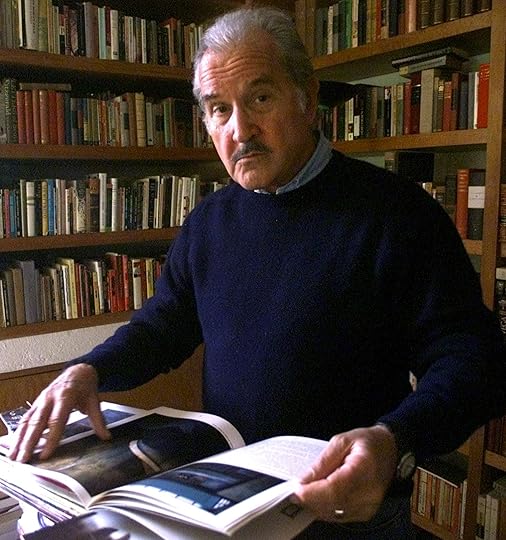
Carlos Fuentes
403 books1,828 followersCarlos Fuentes Macías was a Mexican writer and one of the best-known novelists and essayists of the 20th century in the Spanish-speaking world. Fuentes influenced contemporary Latin American literature, and his works have been widely translated into English and other languages.
Fuentes was born in Panama City, Panama; his parents were Mexican. Due to his father being a diplomat, during his childhood he lived in Montevideo, Rio de Janeiro, Washington, Santiago, and Buenos Aires. In his adolescence, he returned to Mexico, where he lived until 1965. He was married to film star Rita Macedo from 1959 till 1973, although he was an habitual philanderer and allegedly, his affairs - which he claimed include film actresses such as Jeanne Moreau and Jean Seberg - brought her to despair. The couple ended their relationship amid scandal when Fuentes eloped with a very pregnant and then-unknown journalist named Silvia Lemus. They were eventually married.
Following in the footsteps of his parents, he also became a diplomat in 1965 and served in London, Paris (as ambassador), and other capitals. In 1978 he resigned as ambassador to France in protest over the appointment of Gustavo Diaz Ordaz, former president of Mexico, as ambassador to Spain. He also taught courses at Brown, Princeton, Harvard, Penn, George Mason, Columbia and Cambridge.
---
کارلوس فوئنتس در ۱۱ نوامبر ۱۹۲۸ در پاناماسیتی به دنیا آمد. مادرش برتا ماسیاس ریواس و پدرش رافائل فوئنتس بوئهتیگر است. پدر وی از دیپلماتهای مشهور مکزیک است. وی سفیر مکزیک در هلند، پاناما، پرتغال و ایتالیا بود.
دوران کودکیاش در واشنتگتن دی.سی. و سانتیاگوی شیلی گذشت. فوئنتس در دانشگاه مکزیک و ژنو در رشتهٔ حقوق تحصیل کرد. او به زبانهای انگلیسی و فرانسه تسلط کامل دارد.
آثار
* مرگ آرتمیوکروز، ۱۹۶۲
* آئورا، ۱۹۶۲
* زمین ما، ۱۹۷۵
* گرینگوی پیر، ۱۹۸۵
* ملکهٔ عروسکها
* آسوده خاصر، ترجمهٔ محمدامین لاهیجی.
* مرگ آرتمیو کروز، ترجمهٔ مهدی سحابی.
* آئورا، ترجمهٔ عبدالله کوثری.
* سرهیدا.
* خودم با دیگران (به تازگی با نام از چشم فوئنتس) ترجمهٔ عبدالله کوثری.
---
Carlos Fuentes Macías fue un escritor mexicano y uno de los novelistas y ensayistas más conocidos en el mundo de habla española. Fuentes influyó en la literatura contemporánea de América Latina, y sus obras han sido ampliamente traducidas al inglés y otros idiomas.
Fuentes nació en la ciudad de Panamá, Panamá, sus padres eran mexicanos. Debido a su padre era un diplomático, durante su infancia vivió en Montevideo, Río de Janeiro, Washington, Santiago y Buenos Aires. En su adolescencia regresó a México, donde vivió hasta 1965. Estuvo casado con la estrella de cine Rita Macedo de 1959 hasta 1973, aunque era un mujeriego habitual y, al parecer, sus asuntos - que se ha cobrado incluyen actrices como Jeanne Moreau y Jean Seberg, su llevados a la desesperación. La pareja terminó su relación en medio del escándalo, cuando Fuentes se fugó con un periodista muy embarazada y entonces desconocido de nombre Silvia Lemus. Se casaron finalmente.
Siguiendo los pasos de sus padres, también se convirtió en un diplomático en 1965 y sirvió en Londres, París (como embajador), y otras capitales. En 1978 renunció al cargo de embajador en Francia en protesta por el nombramiento de Gustavo Díaz Ordaz, ex presidente de México, como embajador en España.
Fuentes was born in Panama City, Panama; his parents were Mexican. Due to his father being a diplomat, during his childhood he lived in Montevideo, Rio de Janeiro, Washington, Santiago, and Buenos Aires. In his adolescence, he returned to Mexico, where he lived until 1965. He was married to film star Rita Macedo from 1959 till 1973, although he was an habitual philanderer and allegedly, his affairs - which he claimed include film actresses such as Jeanne Moreau and Jean Seberg - brought her to despair. The couple ended their relationship amid scandal when Fuentes eloped with a very pregnant and then-unknown journalist named Silvia Lemus. They were eventually married.
Following in the footsteps of his parents, he also became a diplomat in 1965 and served in London, Paris (as ambassador), and other capitals. In 1978 he resigned as ambassador to France in protest over the appointment of Gustavo Diaz Ordaz, former president of Mexico, as ambassador to Spain. He also taught courses at Brown, Princeton, Harvard, Penn, George Mason, Columbia and Cambridge.
---
کارلوس فوئنتس در ۱۱ نوامبر ۱۹۲۸ در پاناماسیتی به دنیا آمد. مادرش برتا ماسیاس ریواس و پدرش رافائل فوئنتس بوئهتیگر است. پدر وی از دیپلماتهای مشهور مکزیک است. وی سفیر مکزیک در هلند، پاناما، پرتغال و ایتالیا بود.
دوران کودکیاش در واشنتگتن دی.سی. و سانتیاگوی شیلی گذشت. فوئنتس در دانشگاه مکزیک و ژنو در رشتهٔ حقوق تحصیل کرد. او به زبانهای انگلیسی و فرانسه تسلط کامل دارد.
آثار
* مرگ آرتمیوکروز، ۱۹۶۲
* آئورا، ۱۹۶۲
* زمین ما، ۱۹۷۵
* گرینگوی پیر، ۱۹۸۵
* ملکهٔ عروسکها
* آسوده خاصر، ترجمهٔ محمدامین لاهیجی.
* مرگ آرتمیو کروز، ترجمهٔ مهدی سحابی.
* آئورا، ترجمهٔ عبدالله کوثری.
* سرهیدا.
* خودم با دیگران (به تازگی با نام از چشم فوئنتس) ترجمهٔ عبدالله کوثری.
---
Carlos Fuentes Macías fue un escritor mexicano y uno de los novelistas y ensayistas más conocidos en el mundo de habla española. Fuentes influyó en la literatura contemporánea de América Latina, y sus obras han sido ampliamente traducidas al inglés y otros idiomas.
Fuentes nació en la ciudad de Panamá, Panamá, sus padres eran mexicanos. Debido a su padre era un diplomático, durante su infancia vivió en Montevideo, Río de Janeiro, Washington, Santiago y Buenos Aires. En su adolescencia regresó a México, donde vivió hasta 1965. Estuvo casado con la estrella de cine Rita Macedo de 1959 hasta 1973, aunque era un mujeriego habitual y, al parecer, sus asuntos - que se ha cobrado incluyen actrices como Jeanne Moreau y Jean Seberg, su llevados a la desesperación. La pareja terminó su relación en medio del escándalo, cuando Fuentes se fugó con un periodista muy embarazada y entonces desconocido de nombre Silvia Lemus. Se casaron finalmente.
Siguiendo los pasos de sus padres, también se convirtió en un diplomático en 1965 y sirvió en Londres, París (como embajador), y otras capitales. En 1978 renunció al cargo de embajador en Francia en protesta por el nombramiento de Gustavo Díaz Ordaz, ex presidente de México, como embajador en España.
Ratings & Reviews
Friends & Following
Create a free account to discover what your friends think of this book!
Community Reviews
Displaying 1 - 30 of 439 reviews

March 7, 2019
The author, Fuentes (1928-2012), was a prolific writer of about two dozen novels and half that many collections of short stories. He’s probably the best-known Mexican writer to Americans, especially for his books Aura and The Death of Artemio Cruz.
This novel is a fictional account of what might have happened to the American writer and journalist, Ambrose Bierce (1842-1914). Bierce, a muck-raking journalist for Hearst’s newspapers was also well-known as the author of The Devil’s Dictionary and a much-anthologized short story of an execution during the Civil War, An Occurrence at Owl Creek Bridge. Bierce traveled to Mexico in 1914 when he was 71. Apparently he wanted to join up with or perhaps write stories about Pancho Villa’s rebels. In any case, he was never seen again, so he created an enduring literary mystery.
Fuentes assumes Bierce came to Mexico to die – giving new meaning to the phrase ‘crossing the border.’ Bierce had poor relations with his family and had had two sons die tragically from alcohol or suicide. Fuentes also paints him as regretting his journalistic career specialized in sarcasm and ridicule.
The story: It revolves around three people: Bierce, the “Old Gringo;” a Mexican general fighting the dictator's Federales troops and hoping to hook up with Villa in Mexico City, and a young woman freshly arrived from the US who was hired as a nanny and tutor to the children of wealthy hacienda owners. As the story opens, the owners have just fled and the general has burned the hacienda.
Although he burned the mansion, the General left standing a mirrored dance hall as a symbol of the extravagance of the wealthy elite and as an opportunity for poor Mexicans soldiers and their families to see themselves for the first time in their lives in a full-length mirror. (The Mexican soldiers travel with their families. The General lives in a railroad car with his wife, the Old Gringo and the American woman.) The burning of the hacienda may have had great symbolic value but no practical purpose. The local Indians immediately start rebuilding it for shelter as they try to establish a self-governing commune and start farming the land.
In the very first military action, the Old Gringo, careless of his life, and like a comic book superhero, heads up the charge into battle on a white horse, ignoring bullets and cannon balls whizzing by his head. A May-December romance starts to bud between the Old Gringo and the 31-year-old woman. As we learn of their lives, both the woman and the General see their absent fathers in the Old Gringo. The Old Gringo dies of course but not in the way anyone would predict.
In long conversational discourses, especially from the General, we learn about philosophy, life, death, love, Christianity. How he deals with his mixed ancestry – he’s a mestizo – his father a wealthy European landowner, his mother an Indian servant. Why fight? The General knows “there has to be a new violence to end the old violence.” But the woman knows “he will go on fighting until he dies, he will never stop fighting, even if he wins…”
There’s some graphic sex. The book was made into a movie starring Jane Fonda and Gregory Peck in 1989 – I’ve not seen it.
In my rating I rounded up from 3.5 and gave it a 4. The philosophical conversations and thinking at times turned into discourses and it was a bit repetitive – too much made of the mirrors and the woman’s missing father, and a specific example: we must have been told 40 times that “the Old Gringo came here to die” – a bit much even as an intentional mantra.
By the way, some samples from Bierce’s The Devil’s Dictionary:
Cannon
(n.) An instrument employed in the rectification of national boundaries.
Conservative
(n.) A statesman who is enamored of existing evils, as distinguished from the Liberal, who wishes to replace them with others.
Egotist
(n.) A person of low taste, more interested in himself than in me.
Lawyer
(n.) One skilled in circumvention of the law.[35]
Love
(n.) A temporary insanity curable by marriage...
Positive
(a.) Mistaken at the top of one's voice.
Here are links to reviews of other books I’ve read by Carlos Fuentes:
The Years With Laura Diaz
The Death of Artemio Cruz
The Crystal Frontier (short stories)
Happy Families (short stories)
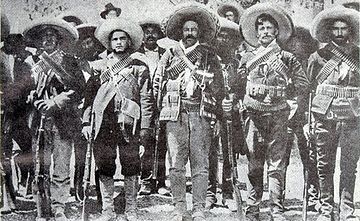
Top photo: Pancho Villa and his men from Wikipedia commons
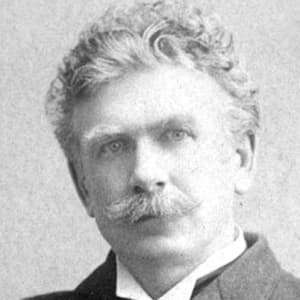
Middle photo: Amrose Bierce from biography.com
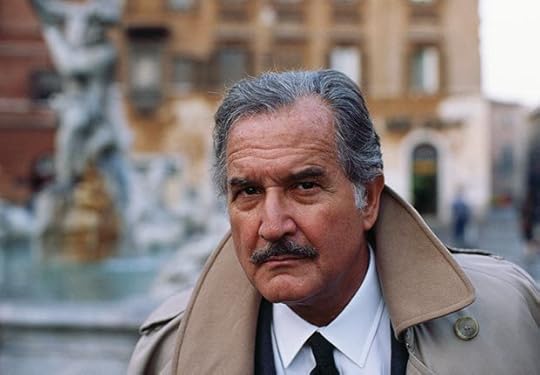
Bottom: Author Carlos Fuentes from mhpbooks.com
This novel is a fictional account of what might have happened to the American writer and journalist, Ambrose Bierce (1842-1914). Bierce, a muck-raking journalist for Hearst’s newspapers was also well-known as the author of The Devil’s Dictionary and a much-anthologized short story of an execution during the Civil War, An Occurrence at Owl Creek Bridge. Bierce traveled to Mexico in 1914 when he was 71. Apparently he wanted to join up with or perhaps write stories about Pancho Villa’s rebels. In any case, he was never seen again, so he created an enduring literary mystery.
Fuentes assumes Bierce came to Mexico to die – giving new meaning to the phrase ‘crossing the border.’ Bierce had poor relations with his family and had had two sons die tragically from alcohol or suicide. Fuentes also paints him as regretting his journalistic career specialized in sarcasm and ridicule.
The story: It revolves around three people: Bierce, the “Old Gringo;” a Mexican general fighting the dictator's Federales troops and hoping to hook up with Villa in Mexico City, and a young woman freshly arrived from the US who was hired as a nanny and tutor to the children of wealthy hacienda owners. As the story opens, the owners have just fled and the general has burned the hacienda.
Although he burned the mansion, the General left standing a mirrored dance hall as a symbol of the extravagance of the wealthy elite and as an opportunity for poor Mexicans soldiers and their families to see themselves for the first time in their lives in a full-length mirror. (The Mexican soldiers travel with their families. The General lives in a railroad car with his wife, the Old Gringo and the American woman.) The burning of the hacienda may have had great symbolic value but no practical purpose. The local Indians immediately start rebuilding it for shelter as they try to establish a self-governing commune and start farming the land.
In the very first military action, the Old Gringo, careless of his life, and like a comic book superhero, heads up the charge into battle on a white horse, ignoring bullets and cannon balls whizzing by his head. A May-December romance starts to bud between the Old Gringo and the 31-year-old woman. As we learn of their lives, both the woman and the General see their absent fathers in the Old Gringo. The Old Gringo dies of course but not in the way anyone would predict.
In long conversational discourses, especially from the General, we learn about philosophy, life, death, love, Christianity. How he deals with his mixed ancestry – he’s a mestizo – his father a wealthy European landowner, his mother an Indian servant. Why fight? The General knows “there has to be a new violence to end the old violence.” But the woman knows “he will go on fighting until he dies, he will never stop fighting, even if he wins…”
There’s some graphic sex. The book was made into a movie starring Jane Fonda and Gregory Peck in 1989 – I’ve not seen it.
In my rating I rounded up from 3.5 and gave it a 4. The philosophical conversations and thinking at times turned into discourses and it was a bit repetitive – too much made of the mirrors and the woman’s missing father, and a specific example: we must have been told 40 times that “the Old Gringo came here to die” – a bit much even as an intentional mantra.
By the way, some samples from Bierce’s The Devil’s Dictionary:
Cannon
(n.) An instrument employed in the rectification of national boundaries.
Conservative
(n.) A statesman who is enamored of existing evils, as distinguished from the Liberal, who wishes to replace them with others.
Egotist
(n.) A person of low taste, more interested in himself than in me.
Lawyer
(n.) One skilled in circumvention of the law.[35]
Love
(n.) A temporary insanity curable by marriage...
Positive
(a.) Mistaken at the top of one's voice.
Here are links to reviews of other books I’ve read by Carlos Fuentes:
The Years With Laura Diaz
The Death of Artemio Cruz
The Crystal Frontier (short stories)
Happy Families (short stories)
Top photo: Pancho Villa and his men from Wikipedia commons
Middle photo: Amrose Bierce from biography.com
Bottom: Author Carlos Fuentes from mhpbooks.com
June 3, 2015
Highly oneiric. Revolutionary Mexico. Swift jumps from conciousness to conciousness, yet with the purpose of generating a coherent narrative. The language is spritely, sullen, erotic by turns. The old gringo, American journalist and author Ambrose Bierce, is a bitter man come to Mexico seeking death at the hands of the Revolution. He meets the younger rebel General Tomas Arroyo whose innate machismo turns his relationship with the old gringo into a Game of Manhood. A game only the general seems to be interested in playing. The old gringo fearlessly marches straight into the most dangerous faceoffs with the Federales. He seems invulnerable, god-like. The bullets don't so much as graze him. General Arroyo's rebels marvel at him but the General resents the gringo for stealing his thunder. In a comandeered train the general, his army, and the gringo cross the desert for a day and a night to the famous Miranda Hacienda. It was here that Arroyo was fathered by Señor Miranda. It was here Arroyo grew up and came to know intimately his nation's "aristocracy." It is in the destruction of the hacienda that the general seems to want to make a grand statement. On arrival he and the old gringo find the white woman -- the "gringa" -- arrived only hours earlier from the U.S. to teach English to the Miranda children, long since flown the coop. Her name is Harriet Winslow. She positively screams uptight white anglo-saxon protestant, and the destruction of personal property is incomprehensible to her. She discounts the long history of class oppression in Mexico in a trice. Somehow she feels -- laughably -- even in the absence of the departed Mirandas, that she is responsible not only for stopping the destruction of the hacienda, but also for seeing to its restoration. (She sets the peons to whitewashing the place.) Yet like certain characters in Anita Brookner’s oeuvre, she knows she's missed much of life in her 31 years. She becomes Arroyo's lover. One feels she could use the workout. The old gringo sees her submission to Arroyo only in terms of the General’s machismo. He does not for a minute imagine the attraction this man of action might hold for Harriet. The sex is electric. As I've said elsewhere, I’m no fan of sex in literature. It's almost always badly done, but not here. Here the sex is integral, it works to push the story forward; whereas, usually, all the action of the fiction must stop for nookie time. It's almost too long, the sex. Fuentes pushes it about ten pages too far. But one can see why. It's working so well. The novel's onieric bent seamlessly blends backstory, dialogue, both thought and spoken, hopes and dreams, you name it. The prose is consistently dazzling. You must read it.

August 12, 2020
“No More West, Boys”
Like most who know of Ambrose Bierce, his Devil’s Dictionary was the sum of what I knew about him. That and his disappearance in the deserts of Chihuahua in 1913. His book became a companion of my young adulthood, confirming my own less than positive attitude about things as diverse as military life, patriotism, and so-called family values in America. I suppose the mystery of his final months provided an excuse to consider him as ‘taken up’ rather than dead, a sort of literary Elijah whose prophecies were being fulfilled. I think Carlos Fuentes may have had similar feelings when he wrote this fictional ending to Bierce’s life.
That life spanned a crucial transition in American culture. Not only did Bierce experience the horror of the Civil War, he also watched as the country subsequently was transformed into a dominantly corporate society controlled by men like Leland Stamford and Randolph Hearst, that is to say by finance and information (Bierce had investigated the former on behalf of the latter). Bierce knew both intimately and hated that he had worked in and for the system that fostered them and the other corporate robber barons who ran the country for their benefit (and largely still do). His frequent journalistic sarcasm was self-directed as much as it was comment on American society.
Manifest Destiny, the idea that white Northern Europeans were entitled to expand across the North American continent to the Pacific, was the prevailing policy of the American government during all of Bierce’s life. And the policy-objective had been achieved by the end of the 19th century. There was no more Western frontier. The American Dream had been realised: “In his own lifetime, the old gringo... had seen an entire nation move from New York to Ohio to the battlegrounds of Georgia and the Carolinas and then to California, where the continent, sometimes even destiny, ended.” What had been produced was not the predicted utopia of Calvinist pre-destination but a cultural cesspit. “My country 'tis of thee, Sweet land of felony...,” Bierce sings. His mere presence in Mexico as an escapee from his own country is a mockery of “God, his Homeland, Money.”
Like the Dutch building dikes, perhaps, America doesn’t know how to stop its successful expansionism. Among other things, it invades Cuba on a pretext, sends troops into Mexico to fight ‘bandits,’ and shells the port of Veracruz for ‘insulting the flag of the United States.’ The cultural imperialism and racism of America cannot contain itself. “We are caught in the business of forever killing people whose skin is of a different color,” the old gringo muses. And, of course he is right. The momentum of American hatred for what is ‘other’ continues unabated more than a century after Bierce’s self-exile.
The Mexicans know why Bierce has come: “The old gringo came to Mexico to die... He wanted us to kill him, us Mexicans.” A running theme throughout the story is the mirrored ballroom of a hacienda captured by Pancho Villa’s troops. The locals had never seen a mirror before and don’t know what to make of the images; but the gringo (and a rather stupid gringa who could well be the United States in a skirt), see themselves as never before. The vision in the mirrors is disconcerting and it changes the self-images of the Americans. They recognise that “each of us carries the real frontier inside.” The dream had been a delusion. To recognise the inherent inferiority of this delusion is why “to be a gringo in Mexico is one way of dying”
Like most who know of Ambrose Bierce, his Devil’s Dictionary was the sum of what I knew about him. That and his disappearance in the deserts of Chihuahua in 1913. His book became a companion of my young adulthood, confirming my own less than positive attitude about things as diverse as military life, patriotism, and so-called family values in America. I suppose the mystery of his final months provided an excuse to consider him as ‘taken up’ rather than dead, a sort of literary Elijah whose prophecies were being fulfilled. I think Carlos Fuentes may have had similar feelings when he wrote this fictional ending to Bierce’s life.
That life spanned a crucial transition in American culture. Not only did Bierce experience the horror of the Civil War, he also watched as the country subsequently was transformed into a dominantly corporate society controlled by men like Leland Stamford and Randolph Hearst, that is to say by finance and information (Bierce had investigated the former on behalf of the latter). Bierce knew both intimately and hated that he had worked in and for the system that fostered them and the other corporate robber barons who ran the country for their benefit (and largely still do). His frequent journalistic sarcasm was self-directed as much as it was comment on American society.
Manifest Destiny, the idea that white Northern Europeans were entitled to expand across the North American continent to the Pacific, was the prevailing policy of the American government during all of Bierce’s life. And the policy-objective had been achieved by the end of the 19th century. There was no more Western frontier. The American Dream had been realised: “In his own lifetime, the old gringo... had seen an entire nation move from New York to Ohio to the battlegrounds of Georgia and the Carolinas and then to California, where the continent, sometimes even destiny, ended.” What had been produced was not the predicted utopia of Calvinist pre-destination but a cultural cesspit. “My country 'tis of thee, Sweet land of felony...,” Bierce sings. His mere presence in Mexico as an escapee from his own country is a mockery of “God, his Homeland, Money.”
Like the Dutch building dikes, perhaps, America doesn’t know how to stop its successful expansionism. Among other things, it invades Cuba on a pretext, sends troops into Mexico to fight ‘bandits,’ and shells the port of Veracruz for ‘insulting the flag of the United States.’ The cultural imperialism and racism of America cannot contain itself. “We are caught in the business of forever killing people whose skin is of a different color,” the old gringo muses. And, of course he is right. The momentum of American hatred for what is ‘other’ continues unabated more than a century after Bierce’s self-exile.
The Mexicans know why Bierce has come: “The old gringo came to Mexico to die... He wanted us to kill him, us Mexicans.” A running theme throughout the story is the mirrored ballroom of a hacienda captured by Pancho Villa’s troops. The locals had never seen a mirror before and don’t know what to make of the images; but the gringo (and a rather stupid gringa who could well be the United States in a skirt), see themselves as never before. The vision in the mirrors is disconcerting and it changes the self-images of the Americans. They recognise that “each of us carries the real frontier inside.” The dream had been a delusion. To recognise the inherent inferiority of this delusion is why “to be a gringo in Mexico is one way of dying”

February 17, 2022
در کتاب گرینگوی پیر ، زندگی و سرنوشت آمبروز بیرس ، روزنامه نگار آمریکایی پایه و اساس داستان فوئنتس کبیر شده است تا او با استادی و مهارت بی نظیر خود بر بستر تاریخ مکزیک ، تاریخ خود را بسازد ، تاریخی که اگر چه واقعی نیست اما از درون آن می توان با مکزیک شگفت انگیز اما دوپاره یا چند پاره شده آشنا شد .
فوئنتس کتابی آفریده اگرچه سخت خوان اما جذاب و خواندنی ، او داستان اصلی را در کنار چندین روایت فرعی پیش برده و در درازای کتاب از تاریخ مکزیک ، شخصیت های انقلاب مانند پانچو ویلا به دفعات آن گونه که خود می خواسته استفاده کرده است ، در پایان و با کم رنگ شدن روایت های موازی ، داستان اصلی ایست که پررنگتر شده و جان می گیرد .
شاید مرگ را بتوان درون مایه اصلی گرینگوی پیر دانست ، گرینگو که خود برای مرگ به جنوب آمده تعریف نابی از مرگ کرده :
مرگ جدا ناشدنی از زندگی که نه تو فکر می کنی ، نه ، بلکه مرگ به جای زندگی در حالی که ما فکر می کنیم زنده ایم .
استاد آنچه در انقلاب مکزیک دیده تنها مرگ ، تجاوز ، خون و آتش نبوده ، او در میانه نکبت و هرج و مرج آفریده انقلاب ، شخصیت هایی آفریده که اگر چه هر کدام آرزوهایی در سر دارند اما به گونه ای هر کدام درمانده در سرنوشت مقدر شده خود هستند ، سرنوشتی که پای گریز از آن را هیچ یک ندارند .
بدون شک ترجمه استاد عبدالله کوثری نقش بسیار مهمی در شیوایی ، جذابیت و گیرایی کتاب داشته ، کوثری البته به مانند همیشه ، با ترجمه شاعرانه خود افزون بر حفظ کلام جادویی فوئنتس با مهارت روحیه و حالات شخصیتها و همچنین محیط داستان را برای خواننده مجسم کرده است .
پایان این کتاب کوتاه اما عمیق ، برای خواننده چاره ای جز احترام به نبوغ فراوان فوئنتس باقی نمی گذارد ، با وجود حجم کم کتاب او جهانی فراموش نشدنی و چند وجهی و سرشار از مفاهیم آفریده است .
فوئنتس کتابی آفریده اگرچه سخت خوان اما جذاب و خواندنی ، او داستان اصلی را در کنار چندین روایت فرعی پیش برده و در درازای کتاب از تاریخ مکزیک ، شخصیت های انقلاب مانند پانچو ویلا به دفعات آن گونه که خود می خواسته استفاده کرده است ، در پایان و با کم رنگ شدن روایت های موازی ، داستان اصلی ایست که پررنگتر شده و جان می گیرد .
شاید مرگ را بتوان درون مایه اصلی گرینگوی پیر دانست ، گرینگو که خود برای مرگ به جنوب آمده تعریف نابی از مرگ کرده :
مرگ جدا ناشدنی از زندگی که نه تو فکر می کنی ، نه ، بلکه مرگ به جای زندگی در حالی که ما فکر می کنیم زنده ایم .
استاد آنچه در انقلاب مکزیک دیده تنها مرگ ، تجاوز ، خون و آتش نبوده ، او در میانه نکبت و هرج و مرج آفریده انقلاب ، شخصیت هایی آفریده که اگر چه هر کدام آرزوهایی در سر دارند اما به گونه ای هر کدام درمانده در سرنوشت مقدر شده خود هستند ، سرنوشتی که پای گریز از آن را هیچ یک ندارند .
بدون شک ترجمه استاد عبدالله کوثری نقش بسیار مهمی در شیوایی ، جذابیت و گیرایی کتاب داشته ، کوثری البته به مانند همیشه ، با ترجمه شاعرانه خود افزون بر حفظ کلام جادویی فوئنتس با مهارت روحیه و حالات شخصیتها و همچنین محیط داستان را برای خواننده مجسم کرده است .
پایان این کتاب کوتاه اما عمیق ، برای خواننده چاره ای جز احترام به نبوغ فراوان فوئنتس باقی نمی گذارد ، با وجود حجم کم کتاب او جهانی فراموش نشدنی و چند وجهی و سرشار از مفاهیم آفریده است .

March 16, 2021
This book is, to say the least, confusing. The story is somewhat disjointed, and the unlikely characters intersect in a story that is not very credible. I found it hard to get attached to them. However, a few pretty passages, sometimes almost poetic writing, and the desire to know where all this would lead me allowed me to reach the end (by skipping a few pages, I admit).

May 5, 2015
An old Anglo man in Mexico, amidst the turbulence of that country’s revolutionary period of 1910-20, might ordinarily not draw much attention. Yet in Carlos Fuentes’s 1985 novel El gringo viejo (The Old Gringo), the old man is not just any old man, and his journey across the Rio Grande has everything to do with reckonings facing both Mexico and the United States of America.
Fuentes, the son of diplomats who served in many nations of Latin America, later said that his residence in a variety of countries throughout the region gave him something of an insider-outsider’s perspective on his home nation of Mexico. The winner of prestigious literary awards like the Miguel de Cervantes Prize (given for lifetime achievement in Spanish-language literature), Fuentes is a careful observer of his society and a perceptive student of human character – and his interest in physical borders and cultural boundaries comes through strongly in The Old Gringo.
The title character and dramatic situation of El gringo viejo proceed from a still-unsolved historical mystery involving the American writer Ambrose Bierce. Students of American literature know him as “Bitter Bierce,” for Bierce wrote journalism and fiction that fairly dripped with his cynical disdain for human character and personality generally.
The short story collection In the Midst of Life: Tales of Soldiers and Civilians (1892), with stories that almost invariably end in death, provides a good example of Bierce’s downbeat sensibility. So, for that matter, does Bierce’s satirical The Devil’s Dictionary (1911), a thoroughly cynical lexicon that defines “love,” for example, as “a temporary insanity, curable by marriage.” No wonder they called him “Bitter Bierce.”
What may have drawn Fuentes to want to write about Bierce was the set of mysterious circumstances surrounding Bierce’s death. Bierce traveled into revolutionary Mexico in October of 1913 to report on the war there, and made his way from Ciudad Juárez to the city of Chihuahua. From that point on, Bierce simply disappears from history, his ultimate fate still unknown.
In El gringo viejo, Fuentes sets forth an imaginative recounting of what might have happened during Bierce’s last days. In this novel, Bierce is in Mexico because he wants to die; he has outlived his wife and his children, and he is monumentally tired of living. Yet he cannot take his own life – because one of his sons committed suicide, and Bierce cannot engage in an appropriation of his late son’s pain. Therefore he wants someone else to fire the fatal bullet, to put him out of his misery – and it is for that reason that he is in Mexico.
In composing El gringo viejo, Fuentes certainly had in mind this quote from a letter Bierce wrote to a cousin before crossing into Mexico:
“Good-bye — if you hear of my being stood up against a Mexican stone wall and shot to rags please know that I think that a pretty good way to depart this life. It beats old age, disease, or falling down the cellar stairs. To be a Gringo in Mexico — ah, that is euthanasia!”
Accordingly, Bierce has crossed the U.S.-Mexico border on what amounts to an elaborate suicide mission. His crossing of the border from the stability of the U.S.A. into the turmoil of revolutionary Mexico gives him considerable opportunity to meditate on frontiers both literal and metaphorical: “There’s one frontier we only dare to cross at night….The frontier of our differences with others, of our battles with ourselves.” Later, Bierce offers similar reflections that “I’m afraid that each of us carries the real frontier inside.”
Eventually, Bierce finds himself with troops commanded by General Tomás Arroyo, whose forces have liberated, and burned most of, the old Miranda estate on which he once lived as a young peon. The Mirandas, as Arroyo informs Bierce, were cruel hacienda owners, beating and mistreating the peons on any pretext. Arroyo always carries the old ownership papers from the hacienda, to emphasize that ordinary Mexican people like him always held the true title to the land – even though he cannot actually read the papers.
At the hacienda, the reader meets Harriet Winslow, a young Anglo woman from Washington, D.C., who traveled to Mexico to teach the children of the hacienda, only to discover that her prospective job has gone up in flames along with most of the hacienda. Bierce befriends Harriet, but holds back one crucial detail: “He did not tell her that he had come here to die because everything he loved had died before him.”
When General Arroyo destroyed almost all of the Mirandas’ hacienda, he spared the grand ballroom with its floor-to-ceiling mirrors; and when he shares the reason why with Bierce, he does so in a manner that emphasizes the poverty people like the Miranda estate’s peons have always known:
“They had never seen their whole bodies before. They didn’t know their bodies were more than a piece of their imagination or a broken reflection in a river. Now they know.”
“Is that why the ballroom was spared?”
“You’re right, gringo. For that very reason.”
“Why was everything else destroyed? What did you gain by that?”
“Look at those fields, Indiana General.” Arroyo gestured with a swift, weary movement of his arm which pushed his sombrero onto his shoulders. “Not much grows here. Except memory and bitterness.”
The book’s action depicts an episodic series of military actions, in a manner that recalls Mariano Azuela’s 1928 novel Los de abajo (The Underdogs). In one of those battles, Bierce single-handedly charges a group of federales, earning the admiration of the revolutionaries; but Bierce deflects their praise, saying, “It’s not difficult to be brave when you’re not afraid to die.”
In the breaks between military actions, the characters have opportunities to reflect on differences between Mexico and the United States. Bierce, for example, offers Harriet these reflections on racial attitudes in the two countries: “We are caught in the business of forever killing people whose skin is of a different color. Mexico is the proof of what we could have been, so keep your eyes wide open.”
Harriet, for her part, shows her own kind of ingenuity, saving a revolutionary’s life at one crucial point; and Bierce and Arroyo are both drawn toward Harriet. Bierce feels a sort of fatherly, protective affection toward Harriet; Arroyo’s feelings toward Harriet, meanwhile, are decidedly not fatherly, as a couple of spicy love scenes make clear.
The one thing that I found truly unfulfilling about The Old Gringo was the novel’s ending. Fuentes as novelist has given himself the challenge of concocting an explanation for Bierce’s still-unexplained disappearance in Mexico during the Revolution of 1910-20; but the manner in which he does so seems contrived – as if he feels he somehow has to work in a metaphor for the United States' often exploitative relationship with Mexico.
And I cannot blame him for wanting to do so. Consider that the combined impact of the Texas Revolution (1835-36), the Mexican-American War (1846-48), and the Gadsden Purchase (1854) was that almost one million square miles of resource-rich territory passed from Mexican to U.S. sovereignty. What thoughtful citizen of Mexico could not think about the process through which a neighboring country gained so much territory at the expense of their own? Yet Fuentes’ attempt to combine a necessary plot element with an historical allusion simply did not work for me.
None of that, however, takes away from the overall success of El gringo viejo – a highly popular novel that was adapted for cinema in 1989, with Gregory Peck as Bierce, Jane Fonda as Harriet, and Jimmy Smits as Arroyo. This book provides incisive characterizations, well-crafted imagery, and a thoughtful look at frontiers both literal and metaphorical; as Bierce once puts it, “each of us has a secret frontier within him, and that is the most difficult frontier to cross”.
Fuentes, the son of diplomats who served in many nations of Latin America, later said that his residence in a variety of countries throughout the region gave him something of an insider-outsider’s perspective on his home nation of Mexico. The winner of prestigious literary awards like the Miguel de Cervantes Prize (given for lifetime achievement in Spanish-language literature), Fuentes is a careful observer of his society and a perceptive student of human character – and his interest in physical borders and cultural boundaries comes through strongly in The Old Gringo.
The title character and dramatic situation of El gringo viejo proceed from a still-unsolved historical mystery involving the American writer Ambrose Bierce. Students of American literature know him as “Bitter Bierce,” for Bierce wrote journalism and fiction that fairly dripped with his cynical disdain for human character and personality generally.
The short story collection In the Midst of Life: Tales of Soldiers and Civilians (1892), with stories that almost invariably end in death, provides a good example of Bierce’s downbeat sensibility. So, for that matter, does Bierce’s satirical The Devil’s Dictionary (1911), a thoroughly cynical lexicon that defines “love,” for example, as “a temporary insanity, curable by marriage.” No wonder they called him “Bitter Bierce.”
What may have drawn Fuentes to want to write about Bierce was the set of mysterious circumstances surrounding Bierce’s death. Bierce traveled into revolutionary Mexico in October of 1913 to report on the war there, and made his way from Ciudad Juárez to the city of Chihuahua. From that point on, Bierce simply disappears from history, his ultimate fate still unknown.
In El gringo viejo, Fuentes sets forth an imaginative recounting of what might have happened during Bierce’s last days. In this novel, Bierce is in Mexico because he wants to die; he has outlived his wife and his children, and he is monumentally tired of living. Yet he cannot take his own life – because one of his sons committed suicide, and Bierce cannot engage in an appropriation of his late son’s pain. Therefore he wants someone else to fire the fatal bullet, to put him out of his misery – and it is for that reason that he is in Mexico.
In composing El gringo viejo, Fuentes certainly had in mind this quote from a letter Bierce wrote to a cousin before crossing into Mexico:
“Good-bye — if you hear of my being stood up against a Mexican stone wall and shot to rags please know that I think that a pretty good way to depart this life. It beats old age, disease, or falling down the cellar stairs. To be a Gringo in Mexico — ah, that is euthanasia!”
Accordingly, Bierce has crossed the U.S.-Mexico border on what amounts to an elaborate suicide mission. His crossing of the border from the stability of the U.S.A. into the turmoil of revolutionary Mexico gives him considerable opportunity to meditate on frontiers both literal and metaphorical: “There’s one frontier we only dare to cross at night….The frontier of our differences with others, of our battles with ourselves.” Later, Bierce offers similar reflections that “I’m afraid that each of us carries the real frontier inside.”
Eventually, Bierce finds himself with troops commanded by General Tomás Arroyo, whose forces have liberated, and burned most of, the old Miranda estate on which he once lived as a young peon. The Mirandas, as Arroyo informs Bierce, were cruel hacienda owners, beating and mistreating the peons on any pretext. Arroyo always carries the old ownership papers from the hacienda, to emphasize that ordinary Mexican people like him always held the true title to the land – even though he cannot actually read the papers.
At the hacienda, the reader meets Harriet Winslow, a young Anglo woman from Washington, D.C., who traveled to Mexico to teach the children of the hacienda, only to discover that her prospective job has gone up in flames along with most of the hacienda. Bierce befriends Harriet, but holds back one crucial detail: “He did not tell her that he had come here to die because everything he loved had died before him.”
When General Arroyo destroyed almost all of the Mirandas’ hacienda, he spared the grand ballroom with its floor-to-ceiling mirrors; and when he shares the reason why with Bierce, he does so in a manner that emphasizes the poverty people like the Miranda estate’s peons have always known:
“They had never seen their whole bodies before. They didn’t know their bodies were more than a piece of their imagination or a broken reflection in a river. Now they know.”
“Is that why the ballroom was spared?”
“You’re right, gringo. For that very reason.”
“Why was everything else destroyed? What did you gain by that?”
“Look at those fields, Indiana General.” Arroyo gestured with a swift, weary movement of his arm which pushed his sombrero onto his shoulders. “Not much grows here. Except memory and bitterness.”
The book’s action depicts an episodic series of military actions, in a manner that recalls Mariano Azuela’s 1928 novel Los de abajo (The Underdogs). In one of those battles, Bierce single-handedly charges a group of federales, earning the admiration of the revolutionaries; but Bierce deflects their praise, saying, “It’s not difficult to be brave when you’re not afraid to die.”
In the breaks between military actions, the characters have opportunities to reflect on differences between Mexico and the United States. Bierce, for example, offers Harriet these reflections on racial attitudes in the two countries: “We are caught in the business of forever killing people whose skin is of a different color. Mexico is the proof of what we could have been, so keep your eyes wide open.”
Harriet, for her part, shows her own kind of ingenuity, saving a revolutionary’s life at one crucial point; and Bierce and Arroyo are both drawn toward Harriet. Bierce feels a sort of fatherly, protective affection toward Harriet; Arroyo’s feelings toward Harriet, meanwhile, are decidedly not fatherly, as a couple of spicy love scenes make clear.
The one thing that I found truly unfulfilling about The Old Gringo was the novel’s ending. Fuentes as novelist has given himself the challenge of concocting an explanation for Bierce’s still-unexplained disappearance in Mexico during the Revolution of 1910-20; but the manner in which he does so seems contrived – as if he feels he somehow has to work in a metaphor for the United States' often exploitative relationship with Mexico.
And I cannot blame him for wanting to do so. Consider that the combined impact of the Texas Revolution (1835-36), the Mexican-American War (1846-48), and the Gadsden Purchase (1854) was that almost one million square miles of resource-rich territory passed from Mexican to U.S. sovereignty. What thoughtful citizen of Mexico could not think about the process through which a neighboring country gained so much territory at the expense of their own? Yet Fuentes’ attempt to combine a necessary plot element with an historical allusion simply did not work for me.
None of that, however, takes away from the overall success of El gringo viejo – a highly popular novel that was adapted for cinema in 1989, with Gregory Peck as Bierce, Jane Fonda as Harriet, and Jimmy Smits as Arroyo. This book provides incisive characterizations, well-crafted imagery, and a thoughtful look at frontiers both literal and metaphorical; as Bierce once puts it, “each of us has a secret frontier within him, and that is the most difficult frontier to cross”.

November 22, 2016
امروز به بهانه زادروز امبروز بیرس "Ambrose Bierce" آمدم و این یادداشت را سر و سامانی دادم. حالا بخوانید:
روایت احساسات ضدآمریکایی در هر کجای جهان رنگوبوی خودش را دارد. بسته به این که آمریکاییها در یک کشور چه نوع تجاوز و سوءاستفادهای انجام دادهباشند، تصویری در آینۀ ادبیات آن کشور منعکس میشود که رنگ و بویی خاص دارد.
یکی از کشورهایی که از دستاندازی آمریکا در امان نمانده، همسایۀ جنوبی این کشور، یعنی مکزیک است.
«کارلوس فوئنتس» نویسندۀ مطرح مکزیکی در رمان خواندنی «گرینگوی پیر» راوی بخشی از دستاندازی این همسایۀ مزاحم به خاک مکزیک است.
فوئنتس شخصیت نویسنده و روزنامهنگار آمریکایی «امبروز بییرس» را بهانهای قرار میدهد تا با قرار دادن یک آمریکایی در دل انقلاب مکزیک برخی از تفاوتهای عمیق فرهنگی و اقتصادی بین این دو همسایه را حلاجی کند و از این رهگذر تیغ انتقاد را به روی انسان آمریکایی که جز با غارت و تصرف، راهی برای شناخت پدیدهها نمیداند، کشیدهاست.
امبروز بییرس نویسنده و روزنامهنویس آمریکایی بود که بابت لحن تند نوشتهها و انتقادهای آتشینش به فرهنگ و نظام حاکم بر آمریکا شناختهشدهبود. وی در میانۀ آشوب انقلاب مکزیک به تنهایی از مرز آمریکا وارد مکزیک شد و پس از آن دیگر خبری از سرنوشت وی در دست نیست. اما فوئنتس با جعل ماجراهای بییرس در مکزیک داستانش را به پیش بردهاست.
به روایت فوئنتس بییرس پس از ورود به مکزیک به نیروهای «ژنرال آرویو» - که دومین شخصیت مهم رمان است - میپیوندد و اگرچه از طرف شورشیان یک «گرینگو»، یعنی غریبه، حساب میشود، اما از طرف ژنرال آرویو مورد پذیرش قرار میگیرد. نام امبروز بییرس تنها یک بار در طول رمان برده میشود و نویسنده همه جا او را «پیرمرد» مینامد.
سومین شخصیت مهم رمان دختری آمریکایی به نام »هریت وینسلو» است که به مکزیک آمده تا در شهر چیهو اهوا به دختران تنها خانوادۀ متمول شهر زبان انگلیسی بیاموزد.
لشکرکشی آمریکا به بندر وراکروز
فوئنتس داستانش را در بستر تحولات انقلاب مکزیک پیریزی کردهاست و ما همهجا با نیروهای ژنرال آرویو که یکی از فرماندهان تحت امر «پانچو ویلا»، از رهبران انقلاب مکزیک است، همراه هستیم. در چندین فراز از رمان به واقعه تاریخی اشغال بندر وراکروز به دست سربازان آمریکایی اشاره میشود و این مسئله به عنوان یک تجاوزگری معرفی میشود. از جمله در فصل 20 که تماماً به شخصیت پانچو ویلا ارتباط دارد میخوانیم:
«راستی، ژنرال ویلا دربارۀ اشغال وراکروز به دست آمریکاییها چه نظری دارید؟»
«مهمان ناخوانده و آدم مُرده دوروزه گندشان بلند میشود.»
«ژنرال، ممکن است دقیقتر صحبت کنید؟»
«تفنگدارهای دریایی بعد از بمباران شهر و کشتن دانشجوهای دانشکده افسری توی وراکروز پیاده شدند... آمریکاییها توی طرفداران انقلاب شکاف انداختند و به اوئرتا، این مردکۀ دائم الخمر، امکان دادند مالیات لعنتیاش را تحمیل کند. بچههایی که فکر میکردند به وراکروز میفرستندشان تا با گرینگوها جنگ کنند، به کواهوئیلا فرستاده شدند تا با من بجنگند. من نمیدانم شما از این وضع خوشتان میآید یا نه، اما انگار آمریکاییها جایی که برای منافع خودشان زرنگی نشان نمیدهند، پاک خنگ میشوند.»
آمریکاییهایی که از خود میگریزند
یکی دیگر از جنبههای ضدآمریکایی رمان «گرینگوی پیر» شخصیتهای آمریکایی آن است که برای فرار از جامعه و فرهنگی آلوده، به مکزیک گریختهاند. پیرمرد یکی از این آمریکاییهاست که نمود گریز وجدان بیدار از فضای آلودۀ فرهنگی و رسانهای آمریکاست. او از دروغگویی و فساد دولتمردان و ارباب رسانه فرار کرده و برای دوشیزه وینسلو تعریف میکند که چطور یکی از سرمایهداران بزرگ آمریکا میخواسته با رشوه دادن صدای او را خفه کند. پیرمرد از هر چیزی که رنگ آمریکایی دارد متنفر است:
«همهتان را با ریشخند خودم میکــُــشم. همهتان را زیر خندههای زهرآگینم دفن میکنم. به ریشتان میخندم، همانطور که به ریش ایالات متحد میخندم. به آن ارتش و پرچم مسخرهاش.»
اما هریت وینسلو نیز در حال گریختن از خود است و کمی که جلوتر میرویم متوجه میشویم او نیز از «خانوادۀ آمریکایی» میگریزد. پدر او که چندان مرد وفاداری نبودهاست، در لشکرکشی نیروهای آمریکایی به کوبا شرکت کرده؛ ولی در کوبا ماندگار شده و با فرار از مسئولیتهای خانوادگیاش در کوبا به زنی دیگر دل باختهاست. هریت شدیداً از پدرش متنفر است و تنها راه برای فرار از خانوادۀ از هم پاشیده و نفرتانگیزش را آمدن به مکزیک به بهانۀ تدریس زبان انگلیسی دیدهاست. او آگهی خانواده پولدار میراندا را در روزنامه دیده و به مکزیک آمده، غافل از آن که موج انقلاب پیش از رسیدن او خانوادۀ میراندا را از شهر چیهواهوا فراری دادهاست. اگرچه در ابتدا میبینیم که او به آمریکایی بودنش افتخار میکند و قانون اساسی آمریکا را محافظ جان خودش میشمرد، اما به تدریج در مییابیم او تعلق خاطری به این کشور ندارد.
هریت که توان درک فرهنگ مردم مکزیک را ندارد، آنها را بدوی میشمارد و سعی میکند به زنان مکزیکی متمدنانه زیستن را یاد بدهد؛ اما در تلاش خودش ناکام میماند و با اشارات ژنرال آرویو به این حقیقت پی میبرد که آنچه این مردم نیاز دارند، فرهنگ آمریکایی نیست بلکه عدالت است.
«گرینگوی پیر» یکی از بهترین رمانهای ضد آمریکایی است که تنهایی مردم رنج کشیدۀ مکزیک را با تنهایی نهادینه شده در ذات بشر به خوبی پیوند زدهاست. فوئنتس مکزیک را کشوری تصویر کرده که مردمش از فقر و گرسنگی رنج میبرند و آمریکا که همسایۀ آن است به جای کمک به مردم از نظام ستمگر ژنرال اوئرتا دفاع میکند.
از امبروز بیرس همچنین میتوانید بخوانید این کتاب جالب توجه را :
فرهنگ شیطان
روایت احساسات ضدآمریکایی در هر کجای جهان رنگوبوی خودش را دارد. بسته به این که آمریکاییها در یک کشور چه نوع تجاوز و سوءاستفادهای انجام دادهباشند، تصویری در آینۀ ادبیات آن کشور منعکس میشود که رنگ و بویی خاص دارد.
یکی از کشورهایی که از دستاندازی آمریکا در امان نمانده، همسایۀ جنوبی این کشور، یعنی مکزیک است.
«کارلوس فوئنتس» نویسندۀ مطرح مکزیکی در رمان خواندنی «گرینگوی پیر» راوی بخشی از دستاندازی این همسایۀ مزاحم به خاک مکزیک است.
فوئنتس شخصیت نویسنده و روزنامهنگار آمریکایی «امبروز بییرس» را بهانهای قرار میدهد تا با قرار دادن یک آمریکایی در دل انقلاب مکزیک برخی از تفاوتهای عمیق فرهنگی و اقتصادی بین این دو همسایه را حلاجی کند و از این رهگذر تیغ انتقاد را به روی انسان آمریکایی که جز با غارت و تصرف، راهی برای شناخت پدیدهها نمیداند، کشیدهاست.
امبروز بییرس نویسنده و روزنامهنویس آمریکایی بود که بابت لحن تند نوشتهها و انتقادهای آتشینش به فرهنگ و نظام حاکم بر آمریکا شناختهشدهبود. وی در میانۀ آشوب انقلاب مکزیک به تنهایی از مرز آمریکا وارد مکزیک شد و پس از آن دیگر خبری از سرنوشت وی در دست نیست. اما فوئنتس با جعل ماجراهای بییرس در مکزیک داستانش را به پیش بردهاست.
به روایت فوئنتس بییرس پس از ورود به مکزیک به نیروهای «ژنرال آرویو» - که دومین شخصیت مهم رمان است - میپیوندد و اگرچه از طرف شورشیان یک «گرینگو»، یعنی غریبه، حساب میشود، اما از طرف ژنرال آرویو مورد پذیرش قرار میگیرد. نام امبروز بییرس تنها یک بار در طول رمان برده میشود و نویسنده همه جا او را «پیرمرد» مینامد.
سومین شخصیت مهم رمان دختری آمریکایی به نام »هریت وینسلو» است که به مکزیک آمده تا در شهر چیهو اهوا به دختران تنها خانوادۀ متمول شهر زبان انگلیسی بیاموزد.
لشکرکشی آمریکا به بندر وراکروز
فوئنتس داستانش را در بستر تحولات انقلاب مکزیک پیریزی کردهاست و ما همهجا با نیروهای ژنرال آرویو که یکی از فرماندهان تحت امر «پانچو ویلا»، از رهبران انقلاب مکزیک است، همراه هستیم. در چندین فراز از رمان به واقعه تاریخی اشغال بندر وراکروز به دست سربازان آمریکایی اشاره میشود و این مسئله به عنوان یک تجاوزگری معرفی میشود. از جمله در فصل 20 که تماماً به شخصیت پانچو ویلا ارتباط دارد میخوانیم:
«راستی، ژنرال ویلا دربارۀ اشغال وراکروز به دست آمریکاییها چه نظری دارید؟»
«مهمان ناخوانده و آدم مُرده دوروزه گندشان بلند میشود.»
«ژنرال، ممکن است دقیقتر صحبت کنید؟»
«تفنگدارهای دریایی بعد از بمباران شهر و کشتن دانشجوهای دانشکده افسری توی وراکروز پیاده شدند... آمریکاییها توی طرفداران انقلاب شکاف انداختند و به اوئرتا، این مردکۀ دائم الخمر، امکان دادند مالیات لعنتیاش را تحمیل کند. بچههایی که فکر میکردند به وراکروز میفرستندشان تا با گرینگوها جنگ کنند، به کواهوئیلا فرستاده شدند تا با من بجنگند. من نمیدانم شما از این وضع خوشتان میآید یا نه، اما انگار آمریکاییها جایی که برای منافع خودشان زرنگی نشان نمیدهند، پاک خنگ میشوند.»
آمریکاییهایی که از خود میگریزند
یکی دیگر از جنبههای ضدآمریکایی رمان «گرینگوی پیر» شخصیتهای آمریکایی آن است که برای فرار از جامعه و فرهنگی آلوده، به مکزیک گریختهاند. پیرمرد یکی از این آمریکاییهاست که نمود گریز وجدان بیدار از فضای آلودۀ فرهنگی و رسانهای آمریکاست. او از دروغگویی و فساد دولتمردان و ارباب رسانه فرار کرده و برای دوشیزه وینسلو تعریف میکند که چطور یکی از سرمایهداران بزرگ آمریکا میخواسته با رشوه دادن صدای او را خفه کند. پیرمرد از هر چیزی که رنگ آمریکایی دارد متنفر است:
«همهتان را با ریشخند خودم میکــُــشم. همهتان را زیر خندههای زهرآگینم دفن میکنم. به ریشتان میخندم، همانطور که به ریش ایالات متحد میخندم. به آن ارتش و پرچم مسخرهاش.»
اما هریت وینسلو نیز در حال گریختن از خود است و کمی که جلوتر میرویم متوجه میشویم او نیز از «خانوادۀ آمریکایی» میگریزد. پدر او که چندان مرد وفاداری نبودهاست، در لشکرکشی نیروهای آمریکایی به کوبا شرکت کرده؛ ولی در کوبا ماندگار شده و با فرار از مسئولیتهای خانوادگیاش در کوبا به زنی دیگر دل باختهاست. هریت شدیداً از پدرش متنفر است و تنها راه برای فرار از خانوادۀ از هم پاشیده و نفرتانگیزش را آمدن به مکزیک به بهانۀ تدریس زبان انگلیسی دیدهاست. او آگهی خانواده پولدار میراندا را در روزنامه دیده و به مکزیک آمده، غافل از آن که موج انقلاب پیش از رسیدن او خانوادۀ میراندا را از شهر چیهواهوا فراری دادهاست. اگرچه در ابتدا میبینیم که او به آمریکایی بودنش افتخار میکند و قانون اساسی آمریکا را محافظ جان خودش میشمرد، اما به تدریج در مییابیم او تعلق خاطری به این کشور ندارد.
هریت که توان درک فرهنگ مردم مکزیک را ندارد، آنها را بدوی میشمارد و سعی میکند به زنان مکزیکی متمدنانه زیستن را یاد بدهد؛ اما در تلاش خودش ناکام میماند و با اشارات ژنرال آرویو به این حقیقت پی میبرد که آنچه این مردم نیاز دارند، فرهنگ آمریکایی نیست بلکه عدالت است.
«گرینگوی پیر» یکی از بهترین رمانهای ضد آمریکایی است که تنهایی مردم رنج کشیدۀ مکزیک را با تنهایی نهادینه شده در ذات بشر به خوبی پیوند زدهاست. فوئنتس مکزیک را کشوری تصویر کرده که مردمش از فقر و گرسنگی رنج میبرند و آمریکا که همسایۀ آن است به جای کمک به مردم از نظام ستمگر ژنرال اوئرتا دفاع میکند.
از امبروز بیرس همچنین میتوانید بخوانید این کتاب جالب توجه را :
فرهنگ شیطان

June 7, 2016
تعتبر أعمال الحروب الأدبية لها نكهة خاصة جدًا فهي دائمًا لا يكون الحب فيها الركيزة بل أن الحب فيها هو حب الأرض وهذا عندي ساحر ولا يغني عن حب الروح طبعًا. لكني أجده متنفس وميدان آخر. عن الثورة المكسيكية ومدى التبادل الثقافي في المكسيك وأمريكا بحكم الجوار والنزاع بين البلدين وحضور الموت تكون أحداث الرواية للمبدع كارلوس فوينتس في الغرينغو العجوز.
دور امبروز بيرس في أحداث الرواية الرجل الثوري الذي لا يسعي لشيء بعد أن غادر كل ماضيه إلا لأجل الثورة. فمن حدث بسيط تأتي بقية الرواية المجنونة عندما يختفي (أمبروس : كاتب أمريكي شمالي) في دولة المكسيك عهد الثورة المكسيكية (1910) ولكنه أضاف في النص التاريخي لمسته المتخيلة لبعض الشخصيات ليعطي النص ظهورًآ جديدًا يفرض نفسه بأحداث تساعد نقله أفكاره عن الثورة والحياة السياسية في المكسيك.
ذهاب المدرسة الإمريكية للمكسيك كمربية أسرة والتي تجد نفسها أمام الثورة فيها فتتمحور القصة حول الثورة المكسكية وأبطالها كالمغامر والصحفي أمبروز بيرس الذي يمثل روح النابضة بالرفض والساعية للحرية، وهنالك هاربيت المربية، والجنرال المكسيكي. لنرى من خلال هؤلاء وكل رجال الثورة مدى النزعة البشرية للخير وللشر.
ينقل لنا كارلوس قصة الغرينغو (وهو كل متحدث بغير الإسبانية وإن كان دومًا المعني بها الأمريكي) حيث يربط الماضي بالحاضر بإسلوبه الجميل وثورته الخاصة به في الكتابةو ومدى مزج الثقافات خصوصًا المكسيكية والأمريكية
فوينتس لم ينتشر كثيرًا في المكتبة الخليجية وهذا يقع أثمه على دور النشر فلم يصل عربيًا له إلا ما نذر للأسف، والنص مر بأكثر من ترجمة فلم يصلنا من لغته الأم مباشرة. لكنه النص في الإنجليزية غاية في الروعة فيغنيك عن النص المترجم إلا في حال ولادات جديدة لترجمات أخرى. ولكن مع ذلك يحتل الأدب اللاتيني مكانة متقدمة في الترجمة للعربية أكثر من الإنجليزي وتقبله عند الذائقة العربية لعبقرية هذا الأدب وبحث الكثير منا عن نتاج الواقعية السحرية التي أصطلح على تسميتها عند بروزها بأدب البوم (القنبلة) والتي نبحث عنها عند أسماى مثل : بورخيس، ولوجونس، وخوليو كورتاثر، رومولو جايجوس، غابرييل ماركيز، ألفارو ماتيس، ماريو فارغاس يوسا، كارلوس فوينتس، لويس سبولفيدا وغيرهم الكثير.
الصوت في الرواية (تعدده) كان غاية في الجمال البنائي للعمل. لكن الترجمة العربية لم تجعلني في سعادة كبيرة أبحثها في النص الذي لا أشك في جماله وروعة تاريخية تفاصيله. رغم تكرار العبارتين اللتين تلزمانك علي التركيز أكثر في النص وهما: (وحيدة تجلس الآن وتتذكر)، و(جاء الغرينغو العجوز المكسيك ليموت) وتجدهما بعد كل صفحات .رغم أن النص مزود بشخصيات إيضاحية للرواية كبانشوفيللا، ووليام راندوف هيرست، وكارانزا، وأوبريغونو وزاباتا، وفرانسيسكو ماديرو، وغيرهم الكثير.
شاهدت الفلم المستوحى من النص وكان لابأس به لو كتب له إعادة إكتشاف هو الآخر بمخرج وتقنيات عالية لكان شيئًا رائعًا مع الحفاظ على موسيقى لي هولدريدج.
Old Gringo - 1989, Directed by Luis Boenzo
Music by Lee Holdridge
دور امبروز بيرس في أحداث الرواية الرجل الثوري الذي لا يسعي لشيء بعد أن غادر كل ماضيه إلا لأجل الثورة. فمن حدث بسيط تأتي بقية الرواية المجنونة عندما يختفي (أمبروس : كاتب أمريكي شمالي) في دولة المكسيك عهد الثورة المكسيكية (1910) ولكنه أضاف في النص التاريخي لمسته المتخيلة لبعض الشخصيات ليعطي النص ظهورًآ جديدًا يفرض نفسه بأحداث تساعد نقله أفكاره عن الثورة والحياة السياسية في المكسيك.
ذهاب المدرسة الإمريكية للمكسيك كمربية أسرة والتي تجد نفسها أمام الثورة فيها فتتمحور القصة حول الثورة المكسكية وأبطالها كالمغامر والصحفي أمبروز بيرس الذي يمثل روح النابضة بالرفض والساعية للحرية، وهنالك هاربيت المربية، والجنرال المكسيكي. لنرى من خلال هؤلاء وكل رجال الثورة مدى النزعة البشرية للخير وللشر.
ينقل لنا كارلوس قصة الغرينغو (وهو كل متحدث بغير الإسبانية وإن كان دومًا المعني بها الأمريكي) حيث يربط الماضي بالحاضر بإسلوبه الجميل وثورته الخاصة به في الكتابةو ومدى مزج الثقافات خصوصًا المكسيكية والأمريكية
فوينتس لم ينتشر كثيرًا في المكتبة الخليجية وهذا يقع أثمه على دور النشر فلم يصل عربيًا له إلا ما نذر للأسف، والنص مر بأكثر من ترجمة فلم يصلنا من لغته الأم مباشرة. لكنه النص في الإنجليزية غاية في الروعة فيغنيك عن النص المترجم إلا في حال ولادات جديدة لترجمات أخرى. ولكن مع ذلك يحتل الأدب اللاتيني مكانة متقدمة في الترجمة للعربية أكثر من الإنجليزي وتقبله عند الذائقة العربية لعبقرية هذا الأدب وبحث الكثير منا عن نتاج الواقعية السحرية التي أصطلح على تسميتها عند بروزها بأدب البوم (القنبلة) والتي نبحث عنها عند أسماى مثل : بورخيس، ولوجونس، وخوليو كورتاثر، رومولو جايجوس، غابرييل ماركيز، ألفارو ماتيس، ماريو فارغاس يوسا، كارلوس فوينتس، لويس سبولفيدا وغيرهم الكثير.
الصوت في الرواية (تعدده) كان غاية في الجمال البنائي للعمل. لكن الترجمة العربية لم تجعلني في سعادة كبيرة أبحثها في النص الذي لا أشك في جماله وروعة تاريخية تفاصيله. رغم تكرار العبارتين اللتين تلزمانك علي التركيز أكثر في النص وهما: (وحيدة تجلس الآن وتتذكر)، و(جاء الغرينغو العجوز المكسيك ليموت) وتجدهما بعد كل صفحات .رغم أن النص مزود بشخصيات إيضاحية للرواية كبانشوفيللا، ووليام راندوف هيرست، وكارانزا، وأوبريغونو وزاباتا، وفرانسيسكو ماديرو، وغيرهم الكثير.
شاهدت الفلم المستوحى من النص وكان لابأس به لو كتب له إعادة إكتشاف هو الآخر بمخرج وتقنيات عالية لكان شيئًا رائعًا مع الحفاظ على موسيقى لي هولدريدج.
Old Gringo - 1989, Directed by Luis Boenzo
Music by Lee Holdridge

February 12, 2024
از گلایهها از برخی دوستان کتابخوان گرفته تا بررسی کتاب گرینگوی پیر، ترجمه و باز نشر ایران را در ویدئوی زیر میتوانید تماشا کنید:
https://www.youtube.com/watch?v=ywXL8lF5m0s
گرینگوی پیر، روایتی است تخیلی از یک داستان واقعی.
کارلوس فوئنتس، نویسندهی مشهور و پر آوازهی مکزیکی، ماجرای سفر آقای «امبروز بیرس»، نویسنده و روزنامهنگار ۷۱ سالهی امریکایی به مکزیک را که پس از مدتی از صفحهی روزگار پاک میشود را به شکل تخیلی روایت میکند چون هیچ اطلاعی از سرنوشت واقعی او وجود نداشت.
گرینگو کیست؟
نه فوئنتس و نه قهرمان داستان او، هیچ علاقهای برای معرفی نام حقیقی خود ندارند. مکزیکیها به هر شخص امریکایی که در مکزیب پناهنده شده باشد یا مشغول به کار باشد، گرینگو گویند و به سبب کهولت سن و پیری قهرمان داستان، به او لقب «گرینگوی پیر» دادهاند.
شخصیتهای کتاب
داستان علاوه بر گرینگوی پیر، سه شخصیت اصلی و مهم دیگر نیز دارد:
-یک ژنرال خودخواندهی مکزیکی به نام «توماس آرویو» که به دنبال ارتباط با «ویلا» است که در مکزیکوسیتی با ارتش فدرال در جنگ بود.
-زن جوانی به نام «هریت وینسلو» که تازه از ایالات متحده امریکا به مکزیک آمده بود تا به عنوان پرستار بچه و معلم زبان برای فرزندان ثروتمندان مکزیکی مشغول به کار شود اما با رسیدنش میفهمد که ثروتمندان پیش از رسیدنش فرار کردهاند.
-و همچنین «لالونا» یا همانطور که استادکوثری در داستان خطابش کردهاند، زن ماه سیما.
شخصیتها به تدریج با یکدیگر آشنا میشوند.
از آشناییه اولیه گرینگو با آرویو و کشمکشهای آنها در داستان تا ورود هریت به جمع آنان و تشکیل یک مثلث آتشین از جذابیتهای داستان آقای فوئنتس است.
تمام شخصیتها بار گذشتهای تلخ خود را حمل میکنند.
گذشتهای که برشانههایشان سنگینی میکند و آزارشان میدهد. هر کدام از آنها به شکلی در حال فرار از گذشته خویش هستند. گذشتهای که نه میتوانند رها و فراموشش کنند و نه میتوانند تغییرش دهند. آنها هر کدام به شکلی زخم خوردهی گذشتهی خویش هستند. در این میان گرینگوی پیر فقط مرگ را چاره خود میدید.
تکرار، تکرار و باز هم تکرار...
فوئنتس دهها بار در کتابش تکرار کرد که، گرینگوی پیر به مکزیک آمده بود تا بمیرد! گاهی برایم خواندن این جمله خسته کننده میشد اما میتوان این جمله را یک شور حماسی برای ادامهی داستان دانست. گرینگویی که به مکزیک آمده بود تا بمیرد اما وقتی پایش به مکزیک رسید، گویی دگر باره جوان شده بود و شور زندگی یافته بود! او با یک کوله پشتی که درون آن یک جلد از کتاب دون کیشوت قرار داشت، سوار اسبی که خریده بود وارد مکزیک شد تا بمیرد و ... .
هویت، تنهایی، نژاد و انقلاب
فوئنتس با بهره گیری از المانهای فوق به داستانش شکل داد. داستان کتاب یک روایت غیر خطی است اما به سبک سیال ذهن نگارش نشده است. خوانش داستان ساده نیست و خواننده باید صبوری کند، گویی از خوابی برخواسته و مشغول به یاد آوردن خواب خود هست، همانطور که خود فوئنتس مینویسد:
اکنون تنها مینشیند و به یاد میآرد.
در میان دیالوگهای داستان روایتهای فلسفی هم دیده میشود اما فلسفهاش دل خواننده را نمیزند.
داستان، زادهی فرهنگ مکزیک و طبیعتا ادبیات امریکاست و بنابراین رابطهی جنسی بخشی از آن است اما فوئنتس زیاده روی نمیکند و خواندنش دلچسب مینماید.
گلایه از برخی دوستان
ترجمهی استاد کوثری خوب و قابل قبول بود و فاقد ایراد ساختاری ولی چند مورد بسیار مهم وجود دارد که در ویدئویی که در یوتوب آپلود کردم به آن مفصل پرداختهام و پیشنهاد میکنم ویدئو را تماشا کنید چون گلایهای هم نسبت به برخی دوستان داشتم و امیدوارم موارد این چنینی از ذهن و فکر علاقهمندان کتاب خارج شود.
بیست و سوم بهمنماه یکهزار و چهارصد و دو
https://www.youtube.com/watch?v=ywXL8lF5m0s
گرینگوی پیر، روایتی است تخیلی از یک داستان واقعی.
کارلوس فوئنتس، نویسندهی مشهور و پر آوازهی مکزیکی، ماجرای سفر آقای «امبروز بیرس»، نویسنده و روزنامهنگار ۷۱ سالهی امریکایی به مکزیک را که پس از مدتی از صفحهی روزگار پاک میشود را به شکل تخیلی روایت میکند چون هیچ اطلاعی از سرنوشت واقعی او وجود نداشت.
گرینگو کیست؟
نه فوئنتس و نه قهرمان داستان او، هیچ علاقهای برای معرفی نام حقیقی خود ندارند. مکزیکیها به هر شخص امریکایی که در مکزیب پناهنده شده باشد یا مشغول به کار باشد، گرینگو گویند و به سبب کهولت سن و پیری قهرمان داستان، به او لقب «گرینگوی پیر» دادهاند.
شخصیتهای کتاب
داستان علاوه بر گرینگوی پیر، سه شخصیت اصلی و مهم دیگر نیز دارد:
-یک ژنرال خودخواندهی مکزیکی به نام «توماس آرویو» که به دنبال ارتباط با «ویلا» است که در مکزیکوسیتی با ارتش فدرال در جنگ بود.
-زن جوانی به نام «هریت وینسلو» که تازه از ایالات متحده امریکا به مکزیک آمده بود تا به عنوان پرستار بچه و معلم زبان برای فرزندان ثروتمندان مکزیکی مشغول به کار شود اما با رسیدنش میفهمد که ثروتمندان پیش از رسیدنش فرار کردهاند.
-و همچنین «لالونا» یا همانطور که استادکوثری در داستان خطابش کردهاند، زن ماه سیما.
شخصیتها به تدریج با یکدیگر آشنا میشوند.
از آشناییه اولیه گرینگو با آرویو و کشمکشهای آنها در داستان تا ورود هریت به جمع آنان و تشکیل یک مثلث آتشین از جذابیتهای داستان آقای فوئنتس است.
تمام شخصیتها بار گذشتهای تلخ خود را حمل میکنند.
گذشتهای که برشانههایشان سنگینی میکند و آزارشان میدهد. هر کدام از آنها به شکلی در حال فرار از گذشته خویش هستند. گذشتهای که نه میتوانند رها و فراموشش کنند و نه میتوانند تغییرش دهند. آنها هر کدام به شکلی زخم خوردهی گذشتهی خویش هستند. در این میان گرینگوی پیر فقط مرگ را چاره خود میدید.
تکرار، تکرار و باز هم تکرار...
فوئنتس دهها بار در کتابش تکرار کرد که، گرینگوی پیر به مکزیک آمده بود تا بمیرد! گاهی برایم خواندن این جمله خسته کننده میشد اما میتوان این جمله را یک شور حماسی برای ادامهی داستان دانست. گرینگویی که به مکزیک آمده بود تا بمیرد اما وقتی پایش به مکزیک رسید، گویی دگر باره جوان شده بود و شور زندگی یافته بود! او با یک کوله پشتی که درون آن یک جلد از کتاب دون کیشوت قرار داشت، سوار اسبی که خریده بود وارد مکزیک شد تا بمیرد و ... .
هویت، تنهایی، نژاد و انقلاب
فوئنتس با بهره گیری از المانهای فوق به داستانش شکل داد. داستان کتاب یک روایت غیر خطی است اما به سبک سیال ذهن نگارش نشده است. خوانش داستان ساده نیست و خواننده باید صبوری کند، گویی از خوابی برخواسته و مشغول به یاد آوردن خواب خود هست، همانطور که خود فوئنتس مینویسد:
اکنون تنها مینشیند و به یاد میآرد.
در میان دیالوگهای داستان روایتهای فلسفی هم دیده میشود اما فلسفهاش دل خواننده را نمیزند.
داستان، زادهی فرهنگ مکزیک و طبیعتا ادبیات امریکاست و بنابراین رابطهی جنسی بخشی از آن است اما فوئنتس زیاده روی نمیکند و خواندنش دلچسب مینماید.
گلایه از برخی دوستان
ترجمهی استاد کوثری خوب و قابل قبول بود و فاقد ایراد ساختاری ولی چند مورد بسیار مهم وجود دارد که در ویدئویی که در یوتوب آپلود کردم به آن مفصل پرداختهام و پیشنهاد میکنم ویدئو را تماشا کنید چون گلایهای هم نسبت به برخی دوستان داشتم و امیدوارم موارد این چنینی از ذهن و فکر علاقهمندان کتاب خارج شود.
بیست و سوم بهمنماه یکهزار و چهارصد و دو

December 29, 2012
Such a simple plot: the old man goes to Mexico to die in the Revolution. All he wants is a dignified death. But of course, there is a woman involved, and a Mexican general.
This is a short book but it may as well have been War and Peace based on how long it took me to read it, maybe because it's written more like poetry than prose, forcing me to slow down, re-read, savor the language and question its meaning. There are more themes here than I can probably even recognize. Death, life, love, national borders, what it means to be a parent, or a daughter/son, sex, dignity, true human relationships, time, poverty, power, identity. And none of them are painted in black and white. No, there are no real answers here. And at times the reader really can't be blamed for wondering what is really happening, the narrative is so subjective. And yet the uncertainties seem to come closer to approaching any semblance of real truth than bold and specific claims in black and white ever could.
"Each of us carries his Mexico and his United States within him, a dark and bloody frontier we dare to cross only at night."
"Then the roving consciousness that was the seal and the fascination of his imagination, if not his genius, asked the old gringo: Did you know she has been creating you just as you were creating her? Did you know, old man, that she had created a plan for living for you? Did you know we are all the object of another's imagination?"
You might think this turns out to be the most depressing story in the world, but somehow, it's not. Somehow, by the end of it, I became convinced that true and deep human interaction is indeed possible, and it is the stuff that in the end defines our lives. So I guess when I said there were no real answers, I may have been wrong. It's just that the answers are very gray. And of course, subjective.
"Loneliness is an absence of time." I'm glad I marked some of my time with this book.
This is a short book but it may as well have been War and Peace based on how long it took me to read it, maybe because it's written more like poetry than prose, forcing me to slow down, re-read, savor the language and question its meaning. There are more themes here than I can probably even recognize. Death, life, love, national borders, what it means to be a parent, or a daughter/son, sex, dignity, true human relationships, time, poverty, power, identity. And none of them are painted in black and white. No, there are no real answers here. And at times the reader really can't be blamed for wondering what is really happening, the narrative is so subjective. And yet the uncertainties seem to come closer to approaching any semblance of real truth than bold and specific claims in black and white ever could.
"Each of us carries his Mexico and his United States within him, a dark and bloody frontier we dare to cross only at night."
"Then the roving consciousness that was the seal and the fascination of his imagination, if not his genius, asked the old gringo: Did you know she has been creating you just as you were creating her? Did you know, old man, that she had created a plan for living for you? Did you know we are all the object of another's imagination?"
You might think this turns out to be the most depressing story in the world, but somehow, it's not. Somehow, by the end of it, I became convinced that true and deep human interaction is indeed possible, and it is the stuff that in the end defines our lives. So I guess when I said there were no real answers, I may have been wrong. It's just that the answers are very gray. And of course, subjective.
"Loneliness is an absence of time." I'm glad I marked some of my time with this book.

January 8, 2026
Lethal Weapon copied off this book- the main character is not afraid to put himself in dangerous situations because he doesn’t care if he dies. The main character is an old American who crosses the border because he wants to fight in the Mexican Civil War on the side of the rebels. Carlos Fuentes was a brilliant writer. This is the first book written by a Mexican that became the top selling book in the United States. There is a little bit of everything in this book. It has gun fighting, romance, drama, and comic relief. The book is also a fantastic historical novel. I learned a lot about the Mexican Revolution where they basically kicked the rich Spanish landowners out.
Read
June 14, 2018صفحه 124
ما همه رویاهایی داریم، اما وقتی رویاها سرنوشتمان می شوند، باید خوشحال باشیم که راست درآمده اند؟
ما همه رویاهایی داریم، اما وقتی رویاها سرنوشتمان می شوند، باید خوشحال باشیم که راست درآمده اند؟

July 4, 2018
با خوندن این کتاب مطمئن شدم که فوئنتس اصلا همه پسند نیست ولی برای من نوشته هاش خود خود بهشته.
کتاب به شدت سخت خوانه. جمله های طولانی و بعضا شاعرانه.
روایت کتاب خطی نیست، پرش های زمانی داره، از حال به گذشته شخصیتهای اصلی.
ظاهرا داستان قراره سرگذشت نویسنده ای باشه که در جریان انقلاب مکزیک به اونجا میره و مفقود میشه ولی هدف اصلی فوئنتس شرح سرگذشت ایشون نبوده.
هدف به نظر من نوشتن از مرز باریک بین مرگ و زندگی بوده و دریافت اون لحظه جاودانه زندگی.
فوئنتس فضای انقلابی مکزیک رو انتخاب کرده برای شرح هدفش و چه انتخاب به جایی هم بوده. مکزیکی ها، سرخپوستها، اسپانیایی ها، آمریکایی ها هر کدوم نمادی از یک نوع تفکر راجع به زندگی.
و باز هم پرواز بین خیال و واقعیت که بخش مورد علاقه من راجع به فوئنتسه. شاید بشه گفت این کتاب تا حد زیادی هم حالت اروتیک داره، باز هم مثل دو کتاب دیگه ای که ازش خوندم ولی بسیار بیشتر.
من در کل خیلی کتاب رو دوست داشتم، چه نوع روایتش، چه فضاش، چه هدفش. ولی کاملا کسایی که دوست نداشتن این کتاب رو درک میکنم. اصلا کتابی نیست که بخوام به کسی خوندنش رو پیشنهاد بدم.
کتاب به شدت سخت خوانه. جمله های طولانی و بعضا شاعرانه.
روایت کتاب خطی نیست، پرش های زمانی داره، از حال به گذشته شخصیتهای اصلی.
ظاهرا داستان قراره سرگذشت نویسنده ای باشه که در جریان انقلاب مکزیک به اونجا میره و مفقود میشه ولی هدف اصلی فوئنتس شرح سرگذشت ایشون نبوده.
هدف به نظر من نوشتن از مرز باریک بین مرگ و زندگی بوده و دریافت اون لحظه جاودانه زندگی.
فوئنتس فضای انقلابی مکزیک رو انتخاب کرده برای شرح هدفش و چه انتخاب به جایی هم بوده. مکزیکی ها، سرخپوستها، اسپانیایی ها، آمریکایی ها هر کدوم نمادی از یک نوع تفکر راجع به زندگی.
و باز هم پرواز بین خیال و واقعیت که بخش مورد علاقه من راجع به فوئنتسه. شاید بشه گفت این کتاب تا حد زیادی هم حالت اروتیک داره، باز هم مثل دو کتاب دیگه ای که ازش خوندم ولی بسیار بیشتر.
من در کل خیلی کتاب رو دوست داشتم، چه نوع روایتش، چه فضاش، چه هدفش. ولی کاملا کسایی که دوست نداشتن این کتاب رو درک میکنم. اصلا کتابی نیست که بخوام به کسی خوندنش رو پیشنهاد بدم.

May 10, 2018
Old Gringo by Carlos Fuentes represents a masterful fusion between an author's own identity & that of a fellow writer, Ambrose Bierce, a character whose identity we don't learn until late in the story but an abiding presence throughout the novel. I suspect that there are multiple reasons to dislike the book because it portrays a chapter of Mexican history that few are familiar with, is steeped in a kind of visceral violence & misogyny that many would be offended by and lastly, the tale is not told in a linear fashion that would make it easier to digest. To be sure, while it is a fairly brief book, Old Gringo takes a consistent amount of care to unravel.
There are several distinct metaphors & images that serve to define the Fuentes novel, one being the concept of frontiers & the other the images cast by mirrors. The book begins by telling us that the old gringo had crossed to the South (Mexico) because he did not have any frontiers left to cross in his own country.
The gringo has fought in the American Civil War when quite young & now, much older, he has purposefully sought out the Mexican Revolutionary War as a place to die because "to be a gringo in Mexico is euthanasia". The gringo is a voluntary fugitive who crosses the border into the violent uncertainty of Mexico with minimal baggage but among his personal effects is a copy of Cervantes Don Quixote + 2 other books by an American author. The gringo declares that "each of us carries his own frontier inside."
The old gringo expresses a determination to remain in charge of his own destiny, not to die old & unattended but to go out in a blaze of glory: "I will always be young because I dare to be young". But with that personal manifesto, he also admits to feeling "like an albino monster in a land that the sun has reserved for its favored."
In time, he meets up with a renegade group of soldiers led by Tomas Arroyo, one of whose soldiers quickly realizes that the old gringo has come to Mexico to die, with another soldier commenting, "yes, but with honor". As it turns out, dying will not be quite so easily accomplished, even in the midst of battles against federal troops & even though the gringo obviously seems an easy target but manages to take on a phantom-like nature, impressing Arroyo & his Mexican troops.
Meanwhile, Tomas Arroyo is in the midst of a different sort of quest, an illiterate bastard child of a wealthy man who owns a large hacienda but who flees with his family when he senses a large-scale insurrection. A woman enters the scene, a well-born but now impoverished American who has decided to throw caution to the wind by fleeing her urban life, intending to become a governess to the affluent family that has just fled in an ill-timed manner.
Alas, Harriet Winslow also has lingering questions about her own father, who had enjoyed a passionate relationship with the family maid & who may or may not have been slain while a soldier in Cuba, in any case being at that point unaccounted for. The old gringo, Tomas Arroyo & Harriet Winslow form an eclectic, very unstable bond. It is said that Arroyo, who has revenged his upbringing by destroying most of the hacienda "contains a whole library of words in his illiterate head." Even the gringo has an apparently unsettled relationship with his late father & is said to have committed "fictional parenticide."
One might say that these 3 characters fuse while each is in search of some form of liberation from their given identities & while enfolded by great uncertainty & tropical heat, for as it is explained, "here in Mexico, there is nothing to subdue & nothing to save." There is a wonderful scene when in the remnants of the ballroom of the former hacienda, peasant soldiers view themselves in a mirror for the first time, matched by other moments when a mirror is used to convey an image that is both true & mysterious, with its viewer not wishing to accept it as a true facsimile.
There are several distinct metaphors & images that serve to define the Fuentes novel, one being the concept of frontiers & the other the images cast by mirrors. The book begins by telling us that the old gringo had crossed to the South (Mexico) because he did not have any frontiers left to cross in his own country.
The gringo has fought in the American Civil War when quite young & now, much older, he has purposefully sought out the Mexican Revolutionary War as a place to die because "to be a gringo in Mexico is euthanasia". The gringo is a voluntary fugitive who crosses the border into the violent uncertainty of Mexico with minimal baggage but among his personal effects is a copy of Cervantes Don Quixote + 2 other books by an American author. The gringo declares that "each of us carries his own frontier inside."
The old gringo expresses a determination to remain in charge of his own destiny, not to die old & unattended but to go out in a blaze of glory: "I will always be young because I dare to be young". But with that personal manifesto, he also admits to feeling "like an albino monster in a land that the sun has reserved for its favored."
In time, he meets up with a renegade group of soldiers led by Tomas Arroyo, one of whose soldiers quickly realizes that the old gringo has come to Mexico to die, with another soldier commenting, "yes, but with honor". As it turns out, dying will not be quite so easily accomplished, even in the midst of battles against federal troops & even though the gringo obviously seems an easy target but manages to take on a phantom-like nature, impressing Arroyo & his Mexican troops.
Meanwhile, Tomas Arroyo is in the midst of a different sort of quest, an illiterate bastard child of a wealthy man who owns a large hacienda but who flees with his family when he senses a large-scale insurrection. A woman enters the scene, a well-born but now impoverished American who has decided to throw caution to the wind by fleeing her urban life, intending to become a governess to the affluent family that has just fled in an ill-timed manner.
Alas, Harriet Winslow also has lingering questions about her own father, who had enjoyed a passionate relationship with the family maid & who may or may not have been slain while a soldier in Cuba, in any case being at that point unaccounted for. The old gringo, Tomas Arroyo & Harriet Winslow form an eclectic, very unstable bond. It is said that Arroyo, who has revenged his upbringing by destroying most of the hacienda "contains a whole library of words in his illiterate head." Even the gringo has an apparently unsettled relationship with his late father & is said to have committed "fictional parenticide."
One might say that these 3 characters fuse while each is in search of some form of liberation from their given identities & while enfolded by great uncertainty & tropical heat, for as it is explained, "here in Mexico, there is nothing to subdue & nothing to save." There is a wonderful scene when in the remnants of the ballroom of the former hacienda, peasant soldiers view themselves in a mirror for the first time, matched by other moments when a mirror is used to convey an image that is both true & mysterious, with its viewer not wishing to accept it as a true facsimile.
Harriet looked at the old gringo exactly as he wanted to be looked at before he died. He felt that her gaze completed the fragmented sequence of his imagination of Harriet Winslow that had begun in the reflections of the mirrors in the ballroom that was but a threshold of the road to dream, atomized into a thousand oneiric instants & now joined again in the words that told the old gringo that Harriet would not allow a living testimony to her sensuality, that she was giving the old man the right to dream about her, but not Arroyo.This was my first encounter with Carlos Fuentes & much of the prose in the Old Gringo is magical, playing on things that are at times dreamlike, occult, paranormal--drawn from Mesoamerican folk traditions. One guesses that Fuentes was influenced by James Joyce & other "modern" authors & aims to merge some of the fabric of his novel with more deeply-rooted Mexican folk aspects. The author intones...
Were all these bodies lying around the square carefully stretched out there like bleached dolls simply the proof that they themselves--the old man & the young general, her errant father & her abiding mother, little Pedro & the moon-faced woman--were all bodies occupied by the dead, carcasses presently inhabited by people called Harriet Winslow, Tomas Arroyo, Ambrose Bierce...who was a dead name printed on the covers of 2 books the old man traveled with.Like Ambrose Bierce, Fuentes had 2 children who predeceased him & perhaps there are other parallels shared by the authors. Old Gringo is a figure whose identity is tied to two wars, one American & the other Mexican and Fuentes is a Mexican who grew up in large part in the U.S. & was very keen on the war stories of Ambrose Bierce. While I found the novel rather slow-going occasionally, the time spent in dissecting it was time well-spent & ultimately an enjoyable literary experience.
She could not call him Cervantes, the author's name on the other book. So maybe calling him Bierce was just as far-fetched. It was an invisible name, simply because the old man had no name; it was already a dead name. As dead as the corpses neatly laid out around the village square. Did they ever have names?

August 24, 2020
من شیفتهی ادبیات آمریکای لاتینم، با خوندنشون وارد دنیایی میشی که هیچجای دیگه شبیهشو پیدا نمیکنی، البته نمیدونم گرینگوی پیر رو چقدر میشه توی دسته رئالیسم جادوئی قرارش داد، اما من لذت بردم ازش. سختخوانه، اما حسش برای من مثل خوردن شرابی بود که آدم کمکم میچشه و گرماش میدوئه توی تنش.

April 20, 2015
اگر به محض بیداری سعی نکنی زندگی را سر و سامان دهی ، ناچاری با رویایت رو به رو شوی

Read
June 18, 2018از این جهت که داستان روایتی تخیلی از سرنوشت نامعلوم امبروز بیرس بود لذت بردم .
اینکه حقیقتا برای ایشان چه اتفاقی افتاده مهم نیست مهم این است که در ذهن ما چه اتفاقی می افتد .
زمانی به این فکر میکردم که واقعا چیزی جز دنیای ذهن ما وجود دارد؟ ادمهایی که میایند و تازمانی که در حیطه ادراک ماهستند وجود دارند و بعد دیگر وجود ... ندارند یا چه؟
اگر داستانی از زندگی کسی تصور کنم همان وجود خواهد داشت و اگر داستان دیگری متصور شوم چه؟
این سومین کتابی بود از کارلوس فئونتس که خواندم و فکر نکنم دیگر سراغ کتابهای او بروم .
هر چند عاشق مکزیک و حال هوای گرم و پر تب و تابش هستم ولی نه با این نویسنده .
اینکه حقیقتا برای ایشان چه اتفاقی افتاده مهم نیست مهم این است که در ذهن ما چه اتفاقی می افتد .
زمانی به این فکر میکردم که واقعا چیزی جز دنیای ذهن ما وجود دارد؟ ادمهایی که میایند و تازمانی که در حیطه ادراک ماهستند وجود دارند و بعد دیگر وجود ... ندارند یا چه؟
اگر داستانی از زندگی کسی تصور کنم همان وجود خواهد داشت و اگر داستان دیگری متصور شوم چه؟
این سومین کتابی بود از کارلوس فئونتس که خواندم و فکر نکنم دیگر سراغ کتابهای او بروم .
هر چند عاشق مکزیک و حال هوای گرم و پر تب و تابش هستم ولی نه با این نویسنده .

December 26, 2019
پیشنوشت: داستان گرینگوی پیر روایت خیالی از زندگی امبروز بییرسه که هفتاد و یک سالگی به مکزیک میاد تا به انقلاب ملحق بشه. فوئنتس در دل این داستان کنشهای روانی انسانها و تاریخ انقلاب مکزیک رو برای خواننده تعریف میکنه. چیزی که توی کتاب برام جالب بود این بود که نویسنده از همون اول مرگ گرینگو رو برات مشخص میکنه و بعد روایتش میکنه ولی در مجموع به خوبی بقیهی کارای فوئنتس نیست شاید بیشتر پلی هست برای ورود به دنیای فوئنتس در سایر کتابهاش
____________________________________________________________
اما چهکس از سرنوشت استخوانهایش باخبر است
یا اینکه چندبار باید به خاک سپرده شود؟
سر تامس براون
____________________________________________________________
آنچه مرگش میخوانند
همانا درد واپسین است
امبروز بییرس
_____________________________________________________________
و مرز اینجا پی؟ این را از زنِ اهل آمریکای شمالی، درحالیکه به پیشانیش میزد پرسیده بود. ژنرال آرویو در پاسخ دست بر قلبش نهاده بود و گفته بود: و مرزی که اینجاست چی؟ گرینگوی پیر میگفت: مرزی هست که ما فقط شبانهدلِ گذشتن از آن را داریم؛ مرز تفاوتهای خودمان با دیگران، مرز نبردهامان با خودمان
____________________________________________________________
آدمهایی هستند که واقعیت بیرونیشان بخشنده است، چون شفاف است، چون میتوانی از ورای آن همهچیز را بخوانی و هرچیزی را که دربارهی آنهاست بپذیری و بفهمی؛ آدمهایی که آفتابشان را با خودشان دارند
____________________________________________________________
وقتی بمیرم، میخواهم رها باشم از تحقیر، نفرت، گناه، یا سوءظن، میخواهم اختیاردار خودم باشم، عقاید خود را داشته باشم، بیآنکه زهدفروشی کنم یا فریسی مسلک باشم
____________________________________________________________
فرض کنیم آیندهای داری با قدرت، قلدری، سرکوب، غرور و بیاعتنایی به دیگران. ژنرال هیچ انقلابی را میشناسی که از این سرنوشت فرار ککرده باشد؟ پس چطور میشود که فرزندان این مادر، که انقلاب باشد، از سرنوشت او جان در ببرند
____________________________________________________________
فقط یک فصل را به یاد میآورد. همیشه همان بود. در اینجا زمان آن نشانهها را بر خود نداشت، و از این روی بود نیاز بیامان به نشان زدن بر زمان یا زخمهایی فراموشنشدنی، زخمهایی که حتی بعد از التیام دردناک میمانند. این زندگی او بود
____________________________________________________________
زبان به ما رخصت دیدن میدهد. بدون کلمات ما کوریم
____________________________________________________________
مدتها با مرگی که درون خودم بود زندگی کردم میدانستم که مردهام و میدانستم چون این را میدانم مرگ فقط میتواند در درون من رخ بدهد، فقط در درون من، بقیهی چیزها اهمیتی نداشت. حالا تو به من بگو، ژنرال توماس آرویو، بگو بدانم آیا من، یک جوری، به شکلی معجزهآساخودم نمیدانم چطور، از درون خودم بیرون آمدهام و بعد از زندگی با مرگی که فقط درون خودم بوده، حالا پا به زندگی بیرون از خودم گذاشتهام، زندگیای که انکارش میکردم و حالا میپذیرمش
____________________________________________________________
اما چهکس از سرنوشت استخوانهایش باخبر است
یا اینکه چندبار باید به خاک سپرده شود؟
سر تامس براون
____________________________________________________________
آنچه مرگش میخوانند
همانا درد واپسین است
امبروز بییرس
_____________________________________________________________
و مرز اینجا پی؟ این را از زنِ اهل آمریکای شمالی، درحالیکه به پیشانیش میزد پرسیده بود. ژنرال آرویو در پاسخ دست بر قلبش نهاده بود و گفته بود: و مرزی که اینجاست چی؟ گرینگوی پیر میگفت: مرزی هست که ما فقط شبانهدلِ گذشتن از آن را داریم؛ مرز تفاوتهای خودمان با دیگران، مرز نبردهامان با خودمان
____________________________________________________________
آدمهایی هستند که واقعیت بیرونیشان بخشنده است، چون شفاف است، چون میتوانی از ورای آن همهچیز را بخوانی و هرچیزی را که دربارهی آنهاست بپذیری و بفهمی؛ آدمهایی که آفتابشان را با خودشان دارند
____________________________________________________________
وقتی بمیرم، میخواهم رها باشم از تحقیر، نفرت، گناه، یا سوءظن، میخواهم اختیاردار خودم باشم، عقاید خود را داشته باشم، بیآنکه زهدفروشی کنم یا فریسی مسلک باشم
____________________________________________________________
فرض کنیم آیندهای داری با قدرت، قلدری، سرکوب، غرور و بیاعتنایی به دیگران. ژنرال هیچ انقلابی را میشناسی که از این سرنوشت فرار ککرده باشد؟ پس چطور میشود که فرزندان این مادر، که انقلاب باشد، از سرنوشت او جان در ببرند
____________________________________________________________
فقط یک فصل را به یاد میآورد. همیشه همان بود. در اینجا زمان آن نشانهها را بر خود نداشت، و از این روی بود نیاز بیامان به نشان زدن بر زمان یا زخمهایی فراموشنشدنی، زخمهایی که حتی بعد از التیام دردناک میمانند. این زندگی او بود
____________________________________________________________
زبان به ما رخصت دیدن میدهد. بدون کلمات ما کوریم
____________________________________________________________
مدتها با مرگی که درون خودم بود زندگی کردم میدانستم که مردهام و میدانستم چون این را میدانم مرگ فقط میتواند در درون من رخ بدهد، فقط در درون من، بقیهی چیزها اهمیتی نداشت. حالا تو به من بگو، ژنرال توماس آرویو، بگو بدانم آیا من، یک جوری، به شکلی معجزهآساخودم نمیدانم چطور، از درون خودم بیرون آمدهام و بعد از زندگی با مرگی که فقط درون خودم بوده، حالا پا به زندگی بیرون از خودم گذاشتهام، زندگیای که انکارش میکردم و حالا میپذیرمش
June 14, 2018
کتابهای فوئنتس کلا یه ذره سخت خوان هستند. ترجمهای هم که شده بود بعضا سختترش کرده بود. جملاتی چند خطی که چندبار باید بخونیش تا همهش رو با هم بفهمی. خط سیر رو نسبتا خوب میشه از توی داستان در آورد و اتفاقات و درونیات رو روی یه خط زمانی منظم کرد.
مکزیک جای نسبتا جذابی میتونه حساب بشه. از جنگهایی که با آمریکا داشته و بعد جنگهای استقلالی که داشته و هویتی که در اون جنگهای استقلال برای مکزیکیها ظاهر میشه. در اینجا خیلی کم رویداد محور و بیشتر درونیات محور تعامل دوتا گرینگو (غیر مکزیکی) با انقلاب و روحیهی آدمها رو میشه دید. چند روز پیش فیلم «زندهباد زاپاتا» هم از جبههی جنگ در جنوب مکزیک میگفت.
اسمهاشون سخته، ولی اون اسامیای که با آدم تا آخر داستان میمونند پنج ششتا بیشتر نیستند.
در کل سبک فوئنتس سبک مورد علاقه من نیست!:)
مکزیک جای نسبتا جذابی میتونه حساب بشه. از جنگهایی که با آمریکا داشته و بعد جنگهای استقلالی که داشته و هویتی که در اون جنگهای استقلال برای مکزیکیها ظاهر میشه. در اینجا خیلی کم رویداد محور و بیشتر درونیات محور تعامل دوتا گرینگو (غیر مکزیکی) با انقلاب و روحیهی آدمها رو میشه دید. چند روز پیش فیلم «زندهباد زاپاتا» هم از جبههی جنگ در جنوب مکزیک میگفت.
اسمهاشون سخته، ولی اون اسامیای که با آدم تا آخر داستان میمونند پنج ششتا بیشتر نیستند.
در کل سبک فوئنتس سبک مورد علاقه من نیست!:)

September 24, 2018
خوندن این ۲ کتاب فوئنتس، تجربههای عجیبی بوده و شدیدا متفاوت
هر چقدر آئورا، با همهٔ توصیفاتش، سهلخوان بود، این یکی سختخوان از آب درآمد. از توصیفات و جملاتی دور و درازی که ترجمهٔ هرکدومشون کلاس درس ترجمه هست تا رگههای جریان سیال ذهن و اینکه در وسط صحبت به جایی میرسی که رشتهٔ اینکه الان کی داره صحبت میکنه از دستت در رفته
تاریخ مکزیک، حدیثیست پرآبِ چشم و به بهانهٔ این داستان، با بریدهای از وقایع جنگ داخلی مکزیک و قیام علیه دیکتاتوری هوئرتا مواجه میشیم
تاروپود داستان رو همین سبقهٔ تاریخی و فرهنگ مکزیکیها تشکیل میده. چرا مکزیک با آمریکا فرق داره و آیا برای یک خارجی، راهی به درون آن جامعه هست؟
مطمئن نیستم چقدر لایهٔ نمادین داستان رو درک کرده باشم، ولی نویسنده چندین بار سرنخهاش رو تکرار کرد، شاید خودش هم امیدی نداشت با یک بار درک بشه
هر چقدر آئورا، با همهٔ توصیفاتش، سهلخوان بود، این یکی سختخوان از آب درآمد. از توصیفات و جملاتی دور و درازی که ترجمهٔ هرکدومشون کلاس درس ترجمه هست تا رگههای جریان سیال ذهن و اینکه در وسط صحبت به جایی میرسی که رشتهٔ اینکه الان کی داره صحبت میکنه از دستت در رفته
تاریخ مکزیک، حدیثیست پرآبِ چشم و به بهانهٔ این داستان، با بریدهای از وقایع جنگ داخلی مکزیک و قیام علیه دیکتاتوری هوئرتا مواجه میشیم
تاروپود داستان رو همین سبقهٔ تاریخی و فرهنگ مکزیکیها تشکیل میده. چرا مکزیک با آمریکا فرق داره و آیا برای یک خارجی، راهی به درون آن جامعه هست؟
مطمئن نیستم چقدر لایهٔ نمادین داستان رو درک کرده باشم، ولی نویسنده چندین بار سرنخهاش رو تکرار کرد، شاید خودش هم امیدی نداشت با یک بار درک بشه

June 14, 2018
به جرات میگم که گرینگوی پیر آخرین کتابیه که از فوئنتس حداقل تا یک سال بعد خوندم. در این کتاب هم طبق معمول نثر فوئنتس زن ستیزی و توصیفات زیاده از حد حرف اول رو میزنه. اما اونچه که به نظرم این کتاب رو حداقل از بقیه کتابهاش که من خوندم متمایز میکنه اینه که جناب فوئنتس در این کتاب روده درازی رو به معنای واقعی کلمه پیاده کرده. داستانی که شاید در کل ده صفحه هم نمیشد، انقدر کش اومده که یک کتاب نزدیک به دویست صفحه ای رو ساخته و پرداخته کرده. به علاوه در این داستان هیچ شخصیتی رو نمی یابین که بتونین اندکی بهش نزدیک بشین یا حداقل باهاش همذات پنداری کنین. تنها گاه چند جمله نسبتا تفکر برانگیز در خلال اون سطور ملال آور گنجونده شده که شاید برای لحظه ای هم که شده ، خواننده رو از وادی کتاب بیرون میبره.
و نتیجه این پنج کتاب اینکه کارلوس فوئنتس هرگز از نظر من نویسنده ای محبوب نخواهد بود.
و نتیجه این پنج کتاب اینکه کارلوس فوئنتس هرگز از نظر من نویسنده ای محبوب نخواهد بود.

September 20, 2020
در مجموع خوشحالم که چنین رمان خاصی را خواندم
فوئنتس سعی میکند مبارزه علیه بی عدالتی را منصفانه روایت کند. تا آنجا که بی عدالتی مبارزان و مدعیان مبارزه با بی عدالتی را نیز آشکار میکند
رمان هم ضد آمریکایی است هم ضد هرج و مرج است
هم ضد ستمگری است هم ضد خشونت
نویسنده سعی کرده بین دو آرمان عدالت و صلح را جمع کند و نگاهی اخلاقی داشته باشد
البته که نقدهایی هم میتوان به این روایت داشت. بین امتیاز سه و چهار شک داشتم
فوئنتس سعی میکند مبارزه علیه بی عدالتی را منصفانه روایت کند. تا آنجا که بی عدالتی مبارزان و مدعیان مبارزه با بی عدالتی را نیز آشکار میکند
رمان هم ضد آمریکایی است هم ضد هرج و مرج است
هم ضد ستمگری است هم ضد خشونت
نویسنده سعی کرده بین دو آرمان عدالت و صلح را جمع کند و نگاهی اخلاقی داشته باشد
البته که نقدهایی هم میتوان به این روایت داشت. بین امتیاز سه و چهار شک داشتم

February 22, 2019
تقابل میان دو فرهنگ. تلاشی برای پیوند. مرگ، زندگی، عشق، جنگ، انقلاب، شورش. یک نویسندهی آمریکاییِ از همهچیز بریده صاف خودش را میاندازد وسط انقلاب مکزیک؛ به پیشواز مرگ.

August 20, 2010
This is not a bad book. That being said, after reading Fuentes's Crystal Frontier and being powerfully moved, The Old Gringo fell a bit short. I was excited to read this modern classic, especially as it was inspired by the mysterious disappearance of Ambrose Bierce, an author whose life and work I find compelling.
While the hypothetical circumstances and characters Fuentes creates are believable, and there is some great symbolism here (particularly his comparison of the United States and Mexico to the opposing emotional forces within the individual), I found there was an unnecessary banal tone to a number of passages. I am surprised to find myself offering this criticism, as normally offensive language, violence, etc. are not of themselves problematic for me. Perhaps my issue was that these particular passages felt a bit forced.
The largest problem I had was that Fuentes seemed to concentrate much more on several other characters than the old gringo himself (the character that led me to read the story in the first place). In fact, the last third or so of the book doesn't deal with him at all. I expected some more insight into his character, his rationale, and his identity as a writer. On the whole, it felt anti-climactic.
While the hypothetical circumstances and characters Fuentes creates are believable, and there is some great symbolism here (particularly his comparison of the United States and Mexico to the opposing emotional forces within the individual), I found there was an unnecessary banal tone to a number of passages. I am surprised to find myself offering this criticism, as normally offensive language, violence, etc. are not of themselves problematic for me. Perhaps my issue was that these particular passages felt a bit forced.
The largest problem I had was that Fuentes seemed to concentrate much more on several other characters than the old gringo himself (the character that led me to read the story in the first place). In fact, the last third or so of the book doesn't deal with him at all. I expected some more insight into his character, his rationale, and his identity as a writer. On the whole, it felt anti-climactic.

March 28, 2018
Um velho chega ao México para morrer. Uma mulher passa a fronteira para aprender com aquela nação. E um general regressa ao seu lar para conquistar o que é seu.
Este é um relato que aborda a origem do conflito entre americanos e mexicanos. Mas também é uma história de solidão, culpa e compaixão. Harriet é a personagem mais completa deste romance. Ela tenta compreender tanto os motivos do velho gringo como do general Tomás Arroyo. Apesar de não perdoar o general pelo que ele a obriga a fazer, não deixa de ouvir sua história e de consolar a sua dor.
O velho gringo é inspirado em Ambrose Bierce, que tal como o velho, queria morrer na fronteira mexicana. Desapareceu e nunca mais foi visto. Carlos Fuentes possibilita-nos com a sua obra conhecer a profundidade das fronteiras humanas, e perceber que nem ninguém vilão apenas toma más decisões esperando no fim se redimir.
Este é um relato que aborda a origem do conflito entre americanos e mexicanos. Mas também é uma história de solidão, culpa e compaixão. Harriet é a personagem mais completa deste romance. Ela tenta compreender tanto os motivos do velho gringo como do general Tomás Arroyo. Apesar de não perdoar o general pelo que ele a obriga a fazer, não deixa de ouvir sua história e de consolar a sua dor.
O velho gringo é inspirado em Ambrose Bierce, que tal como o velho, queria morrer na fronteira mexicana. Desapareceu e nunca mais foi visto. Carlos Fuentes possibilita-nos com a sua obra conhecer a profundidade das fronteiras humanas, e perceber que nem ninguém vilão apenas toma más decisões esperando no fim se redimir.

May 3, 2026
دوستش داشتم. در لحظاتی خیلی زیاد و در لحظات دیگه کمتر.
باید کتاب رو یه پازل بزرگی از رشته ی خیالات و افکار شخصیت های مختلف در نظر گرفت، که در هر لحظه که بین این افکار جابجا میشیم، به این پازل بزرگ اطلاعاتی اظافه میشه. خیلی هم ظریفانه و در حد یک جمله. طوریکه اگه سریع یا بی دقت میخوندم احتمالا از دستش میدادم. یکجورایی بخش اول کتاب برام معماگونه بود. و بسیار لذت بردم از ذره ذره وارد شدن به دنیای ذهنی این شخصیت ها و پی بردن به گذشته اشون، در بستر تحولات اجتماعی و سیاسی مکزیک که اتفاقا از بعضی جهات من رو یاد اوضاع فعلی خودمون مینداخت :)
درمورد ترجمه هم، وقتی این ترکیب زیبای کلماتی که عبدالله کوثری کنارهم گذاشته میخوندم، به نظرم رسید که فارسی ای که من صحبت میکنم واقعا فرسنگها با فارسی ای که ایشون بلده فاصله داره. :) یک بخش زیادی از لذت کتاب رو مدیون ترجمه ی عالیش هستم.
باید کتاب رو یه پازل بزرگی از رشته ی خیالات و افکار شخصیت های مختلف در نظر گرفت، که در هر لحظه که بین این افکار جابجا میشیم، به این پازل بزرگ اطلاعاتی اظافه میشه. خیلی هم ظریفانه و در حد یک جمله. طوریکه اگه سریع یا بی دقت میخوندم احتمالا از دستش میدادم. یکجورایی بخش اول کتاب برام معماگونه بود. و بسیار لذت بردم از ذره ذره وارد شدن به دنیای ذهنی این شخصیت ها و پی بردن به گذشته اشون، در بستر تحولات اجتماعی و سیاسی مکزیک که اتفاقا از بعضی جهات من رو یاد اوضاع فعلی خودمون مینداخت :)
درمورد ترجمه هم، وقتی این ترکیب زیبای کلماتی که عبدالله کوثری کنارهم گذاشته میخوندم، به نظرم رسید که فارسی ای که من صحبت میکنم واقعا فرسنگها با فارسی ای که ایشون بلده فاصله داره. :) یک بخش زیادی از لذت کتاب رو مدیون ترجمه ی عالیش هستم.

January 14, 2013
In the end I came sort of round to the book, but lots of impediments to the liking.
Fuentes must have read all of Faulkner, then thought: so this is how one writes.
Too many convolutions, paradoxes, contradictions, enigmas, etc. of primal, mythic, esoteric etc. essence for me. And unfortunately not Faulkner's skill at making you feel like you really are peering into the heart of something very dark and mysterious, something which you really need and want to know about but never will.
I think Fuentes should have read Hemingway first.
You also need some historical background: Mexico, Pancho Villa and Ambrose Bierce, as the novel presents those two and that land as the major characters in the novel. The book has some historical basis to it, though it is primarily about the revolutionary collision of the Mexican social classes with a good dose of American intervention (which we still doing).
The book also seemed rather clichéd in its presentation of the Wild West (Wild Mexico, that is) and the full complement Clint Eastwood heroes, villains and right hand men.
I guess in the end, the book's main draw is that it keeps you going, though not overly enthusiastically.
But maybe if you're Mexican or interested in Mexico, then this might seem a much better book.
Fuentes must have read all of Faulkner, then thought: so this is how one writes.
Too many convolutions, paradoxes, contradictions, enigmas, etc. of primal, mythic, esoteric etc. essence for me. And unfortunately not Faulkner's skill at making you feel like you really are peering into the heart of something very dark and mysterious, something which you really need and want to know about but never will.
I think Fuentes should have read Hemingway first.
You also need some historical background: Mexico, Pancho Villa and Ambrose Bierce, as the novel presents those two and that land as the major characters in the novel. The book has some historical basis to it, though it is primarily about the revolutionary collision of the Mexican social classes with a good dose of American intervention (which we still doing).
The book also seemed rather clichéd in its presentation of the Wild West (Wild Mexico, that is) and the full complement Clint Eastwood heroes, villains and right hand men.
I guess in the end, the book's main draw is that it keeps you going, though not overly enthusiastically.
But maybe if you're Mexican or interested in Mexico, then this might seem a much better book.

May 5, 2019
در هر صفحه اش بوی مرگ می آید.
آقای فوئنتس با روایتی با سبک و سیاق جریان سیال ذهن رابطه ی سه شخصیت را طوری بیان میکند که به روان ناپیدای آدمی پی میبری.
جدا از فوئنتس، آقای کوثری این گرینگوی پیر هم طوفان کرده.
دست مریزاد همشهری
آقای فوئنتس با روایتی با سبک و سیاق جریان سیال ذهن رابطه ی سه شخصیت را طوری بیان میکند که به روان ناپیدای آدمی پی میبری.
جدا از فوئنتس، آقای کوثری این گرینگوی پیر هم طوفان کرده.
دست مریزاد همشهری

June 11, 2018
ترس تنها آن گاه که به اندیشه درآمد بدل به لذت شد

Read
October 22, 2018Bu kitapla ilişkimi neden bitiremiyorum? Bir kitap içimde sürüp gider buna alışığım. Bu kez sözünü ettiğim farklı. Bitti diye rafa kaldıramıyorum. Tekrar tekrar okuyorum bazı sayfaları. Çok sevdiğimden değil çok karmaşık anlaşılmaz bulduğumdan da değil. Üstüne düşünmelerim de aynı şekilde başlıyor, gelişiyor,dağılıyor. Sonlanamıyor. Keyifli zenginleştirici bir dağılma hissi de değil. Yazmak iyi olabilir diye düşündüm. Kaçıncı kez başlıyorum. Sınırların iç dünya ve dış gerçeklikle olan ilişkisi diyorum birkaç cümle kuruyorum, sonra babalar, babanın sınır koyuculuğu “üçüncü”nün varlığının yaratıcılıkta önemi... diyorum, Koca Gringo’nun oğulları, kızı ve meslek yaşamı... Don Kişot ile ölmeye geldiği Meksika. İşte böyle bir şekle kavuşamıyor, yazmadan geçemiyorum. Sanki bu romanda bulduğum ya da bulacağımı hissettiğim bir şeyi arıyorum.
İç dünyamızla dış gerçekliğin birbiri üstünde ne çok etkileri olduğunu Fuentes çok defa kahramanlarının geçmiş hikayelerine dönerek anlatmış. Babalarımızla olan ilişkimizin ülkemizle, sevdiklerimizle olan ilişkimizdeki etkilerini (bazen fazla buldum) büyük bir açıklıkla göstermiş. İç gerçeklik ve düşlemler dış dünyadaki olayları, seçimlerimizi rezervuar olarak kullanırken dış dünyada yaşadıklarımız, coğrafyamız, içine düştüğümüz, ya da düşemeyip dışına atıldığımız ailemizse bugün kim olduğumuzu belirliyor.
Sınır yaradır, yara travma, ayrılıklar, yakınlıklara getirilen sınırlar. Yaşam da sınırlarla başlamaz mı? Doğumda, sonsuz okyanus hislerinden, zamanın koyduğu sınır ile rahimden ayrılarak başlarız ağlamaya. Yarayı anne de bebek de taşır bedeninde. Sonraki sınırlarımızda ise babanın varlığı gerekir. Simgesel olarak baba, yasa koyucu, devlet. Fuentes kendi topraklarına, baba ocağına gerçek bir hikayeden yola çıkarak baktığı bu romanında sanırım en çok bunun üzerinde durmuş. 20 yılda tamamlamış bu romanını. Ülkesinin meselelerine de hep başka ülkelerde yaşarken bakmış.
Koca Gringo çöle, ölmeye geldiği Meksika’ya çantasında traş makinesi ve Don Kişot romanıyla geldi. Başlangıçta bunu okuyup geçmiştim. Sonra Don Kişot’un idealizm ve materyalizm ekseninde, gerçeklik sanrısallık ilişkisi içinde savruluşunu anımsadım. İllüzyonunun simgesi yel değirmenleriydi. Koca Gringo da tam olarak yıllardır mücadele ettiğini, yazdıklarıyla savaş verdiğini düşündüklerinin aslında yel değirmenleri olduğunu anlamış, kaybettikleriyle alet edildiklerinin kendine dönük öfkesiyle Meksika’ya tam da gerilla savaşının en sıcak yerine at üstünde gelmişti. Bir yanıyla hala yüzündeki kesik izini dahi çok önemseyecek kadar yaşama ait gibi dururken diğer yanıyla silahlıların üstüne atını sürecek kadar ölüme koşan biriydi.
“Juarez’de sınırı geçer geçmez, ayrı bir dünyaya ayak basmışçasına bir kurtuluş duygusuna kapılmıştı. Şimdi artık emindi:Her birimizin içinde gizli bir sınır vardır, bu da geçilmesi en zor olan sınırdır, çünkü hepimiz oraya varınca tek başımıza olacağımızı umar ama kendimizi her zamankinden çok başkalarının arasında buluruz.”
Romandaki üç ana karakterin öyküleri çölde birbirine karıştı. Yitirdiği oğullarının ve kızının acısından kaçan yaşlı adam bir kız ve bir oğul buldu kendine. Babasının tutkusunun izinden egzotik olana giden anlamaktan yorulan artık hissetmek ve yaşamak isteyen Harriet ise hem bir baba hem de babasının egzotik tutkusunu buldu. Arroyo babasını yok etmek, kendine ait olanı geri almak için, felç halinden çıkmışken, ateşli bir devrimciyken devrimin içine hapsolup kaldığını anladı, inkarına izin vermeyen Koca Gringo’yu yani babayı yok etti.
“... benim olabilirdi dediğin, hatta bir bakıma, anlıyorsun ya, senin olan, gene de masallardaki saraylardan daha uzak bir eve karşıdan mı baktın? Kimi şeyler vardır, hem senindir hem değil; yüreğini dağlayarak senindirler çünkü senin değillerdir. Anlıyor musun? Bir başka ev görürsün, sonra da geceleyin söndüklerini görürsün. Bu evin hem içindesindir, hem de dışında.”
Romanın sonunda içimdeki sorular: şövalyeliğiniz, kahramanlıklarınız, aşkınız hepsi onların yel değirmeni olmadığının ısrarındayken ölümden korkmadığı için yiğit gibi görünen, devrimin yaşamaya, yeniye dair ruhunu ölümle cansızlaştıran Koca Gringo’yu öldürmek bir çözüm oldu mu? Koca Gringo da Arroyo’nun illüzyonlarını elinden alarak erken bir yüzleşme mi yaşatmaya çalıştı? Devrime inanmayarak ölüme yol alarak...Yaşama ideallerimizin gerçekdışı yanlarını kabul ettikten sonra tutunmaya devam etmek mümkün mü?
Sonradanlığın nehri bakalım bu romandan başka neler taşıyacak. Nehir demişken ne kadar çok nehir ismi, nehir simgesi vardı romanda. Akıp giden...
İç dünyamızla dış gerçekliğin birbiri üstünde ne çok etkileri olduğunu Fuentes çok defa kahramanlarının geçmiş hikayelerine dönerek anlatmış. Babalarımızla olan ilişkimizin ülkemizle, sevdiklerimizle olan ilişkimizdeki etkilerini (bazen fazla buldum) büyük bir açıklıkla göstermiş. İç gerçeklik ve düşlemler dış dünyadaki olayları, seçimlerimizi rezervuar olarak kullanırken dış dünyada yaşadıklarımız, coğrafyamız, içine düştüğümüz, ya da düşemeyip dışına atıldığımız ailemizse bugün kim olduğumuzu belirliyor.
Sınır yaradır, yara travma, ayrılıklar, yakınlıklara getirilen sınırlar. Yaşam da sınırlarla başlamaz mı? Doğumda, sonsuz okyanus hislerinden, zamanın koyduğu sınır ile rahimden ayrılarak başlarız ağlamaya. Yarayı anne de bebek de taşır bedeninde. Sonraki sınırlarımızda ise babanın varlığı gerekir. Simgesel olarak baba, yasa koyucu, devlet. Fuentes kendi topraklarına, baba ocağına gerçek bir hikayeden yola çıkarak baktığı bu romanında sanırım en çok bunun üzerinde durmuş. 20 yılda tamamlamış bu romanını. Ülkesinin meselelerine de hep başka ülkelerde yaşarken bakmış.
Koca Gringo çöle, ölmeye geldiği Meksika’ya çantasında traş makinesi ve Don Kişot romanıyla geldi. Başlangıçta bunu okuyup geçmiştim. Sonra Don Kişot’un idealizm ve materyalizm ekseninde, gerçeklik sanrısallık ilişkisi içinde savruluşunu anımsadım. İllüzyonunun simgesi yel değirmenleriydi. Koca Gringo da tam olarak yıllardır mücadele ettiğini, yazdıklarıyla savaş verdiğini düşündüklerinin aslında yel değirmenleri olduğunu anlamış, kaybettikleriyle alet edildiklerinin kendine dönük öfkesiyle Meksika’ya tam da gerilla savaşının en sıcak yerine at üstünde gelmişti. Bir yanıyla hala yüzündeki kesik izini dahi çok önemseyecek kadar yaşama ait gibi dururken diğer yanıyla silahlıların üstüne atını sürecek kadar ölüme koşan biriydi.
“Juarez’de sınırı geçer geçmez, ayrı bir dünyaya ayak basmışçasına bir kurtuluş duygusuna kapılmıştı. Şimdi artık emindi:Her birimizin içinde gizli bir sınır vardır, bu da geçilmesi en zor olan sınırdır, çünkü hepimiz oraya varınca tek başımıza olacağımızı umar ama kendimizi her zamankinden çok başkalarının arasında buluruz.”
Romandaki üç ana karakterin öyküleri çölde birbirine karıştı. Yitirdiği oğullarının ve kızının acısından kaçan yaşlı adam bir kız ve bir oğul buldu kendine. Babasının tutkusunun izinden egzotik olana giden anlamaktan yorulan artık hissetmek ve yaşamak isteyen Harriet ise hem bir baba hem de babasının egzotik tutkusunu buldu. Arroyo babasını yok etmek, kendine ait olanı geri almak için, felç halinden çıkmışken, ateşli bir devrimciyken devrimin içine hapsolup kaldığını anladı, inkarına izin vermeyen Koca Gringo’yu yani babayı yok etti.
“... benim olabilirdi dediğin, hatta bir bakıma, anlıyorsun ya, senin olan, gene de masallardaki saraylardan daha uzak bir eve karşıdan mı baktın? Kimi şeyler vardır, hem senindir hem değil; yüreğini dağlayarak senindirler çünkü senin değillerdir. Anlıyor musun? Bir başka ev görürsün, sonra da geceleyin söndüklerini görürsün. Bu evin hem içindesindir, hem de dışında.”
Romanın sonunda içimdeki sorular: şövalyeliğiniz, kahramanlıklarınız, aşkınız hepsi onların yel değirmeni olmadığının ısrarındayken ölümden korkmadığı için yiğit gibi görünen, devrimin yaşamaya, yeniye dair ruhunu ölümle cansızlaştıran Koca Gringo’yu öldürmek bir çözüm oldu mu? Koca Gringo da Arroyo’nun illüzyonlarını elinden alarak erken bir yüzleşme mi yaşatmaya çalıştı? Devrime inanmayarak ölüme yol alarak...Yaşama ideallerimizin gerçekdışı yanlarını kabul ettikten sonra tutunmaya devam etmek mümkün mü?
Sonradanlığın nehri bakalım bu romandan başka neler taşıyacak. Nehir demişken ne kadar çok nehir ismi, nehir simgesi vardı romanda. Akıp giden...
Displaying 1 - 30 of 439 reviews