Jump to ratings and reviews
Rate this book

A Council of Dolls

Rate this book
From the mid-century metropolis of Chicago to the windswept ancestral lands of the Dakota people to the bleak and brutal Indian boarding schools, A Council of Dolls is the story of three women, told in part through the stories of the dolls they carried.

Sissy, born 1961: Sissy’s relationship with her beautiful and volatile mother is difficult, even dangerous, but her life is also filled with beautiful things, including a new Christmas present, a doll called Ethel. Ethel whispers advice and kindness in Sissy’s ear, and in one especially terrifying moment, maybe even saves Sissy’s life.

Lillian, born 1925: Born in her ancestral lands in a time of terrible change, Lillian clings to her sister, Blanche, and her doll, Mae. When the sisters are forced to attend an “Indian school” far from their home, Blanche refuses to be cowed by the school’s abusive nuns. But when tragedy strikes the sisters, the doll Mae finds her way to defend the girls.

Cora, born 1888: Although she was born into the brutal legacy of the “Indian Wars,” Cora isn’t afraid of the white men who remove her to a school across the country to be “civilized.” When teachers burn her beloved buckskin and beaded doll Winona, Cora discovers that the spirit of Winona may not be entirely lost.

A modern masterpiece, A Council of Dolls is gorgeous, quietly devastating, and ultimately hopeful, shining a light on the echoing damage of Indian boarding schools, and the historical massacres of Indigenous people.

304 pages, Hardcover

First published August 8, 2023

950 people are currently reading
36691 people want to read

About the author

Mona Susan Power

7 books419 followers
Susan Power, now publishing under the name "Mona Susan Power," is an enrolled member of the Standing Rock Sioux tribe (Iháŋktȟuŋwaŋna Dakhóta). She was born and raised in Chicago. She earned her bachelor's degree from Harvard University and a JD from Harvard Law School. She decided to become a writer, starting her career by earning an MFA from the Iowa Writers' Workshop.
Her fellowships include an Iowa Arts Fellowship, James Michener Fellowship, Radcliffe Bunting Institute Fellowship, Princeton Hodder Fellowship, United States Artists Fellowship, McKnight Fellowship, and Native Arts & Cultures Foundation Fellowship.
She resides in Saint Paul, Minnesota.
Her newest novel is A Council of Dolls (forthcoming in August 2023 from Mariner/HarperCollins).

Ratings & Reviews

What do you think?
Rate this book

Friends & Following

Create a free account to discover what your friends think of this book!

Community Reviews

5 stars
2,532 (31%)
4 stars
3,333 (42%)
3 stars
1,673 (21%)
2 stars
345 (4%)
1 star
52 (<1%)
Displaying 1 - 30 of 1,309 reviews
Profile Image for Sujoya - theoverbookedbibliophile.
789 reviews3,512 followers
September 6, 2023
4.5⭐️

Revolving around themes of Native American history, heritage, identity, trauma and healing A Council of Dolls by Mona Susan Power tells the story of three generations of Native American women spanning the nineteenth century to the present day.

The narrative is presented to us from the first-person perspectives of Sissy (Jesse), Lillian and Cora. Also sharing their perspectives are the three dolls that bear witness to the sorrows, loss and trauma these three women during their childhood years – their friends, companions, confidantes and source of strength in difficult times- Sissy’s doll Ethel, Lillian’s doll is a Shirley Temple doll she calls Mae and Cora’s is a buckskin doll named Winona.

“We've had forces working to get rid of our culture and beliefs, our way of living, for many generations now.”

Sissy’s mother Lillian is a strong woman, an activist with a volatile temperament whose childhood experiences, both in her family and in school, have cast a long shadow on her present family life. Growing up in 1960s Chicago, Sissy was too young to comprehend that her Lakhota/Dakhota parents belong to a generation of indigenous people (and those who came before them) who were forced to attend schools meant to strip them of their language, their identity and their roots.

Lillian’s mother, Cora is a loving presence in Sissy’s life but has had a difficult life, growing in the Standing Rock Indian Reservation amid tremendous upheaval in the wake of the killing of Hunkpapa Lakhota leader Sitting Bull, and her experiences in an Indian residential school and troubled marriage to Jack, Lillian’s alcoholic father.

“We're used to white folks telling us how lucky we are that they are in our lives, telling us we didn't know how to live until they came along. We're used to being made feel dirty, backward, feeble-minded, lax in our conduct, nasty in our manners-just one tiny hair from being a beast in the zoo.”

The narrative begins with a glimpse into Sissy’s childhood and a tragic loss, the impact of which follows her into adulthood. The following sections follow Lillian’s and Cora’s stories and are set in the 1920s and late 1800s, respectively. In the final segment of the story, we meet Sissy who is now in her fifties and has changed her name to Jesse, as she collates the stories of her mother and grandmother to understand how their experiences are tied together and their experiences have impacted their family through generations – an endeavor that proves to be a cathartic experience that paves the way for personal healing.

I finished this book a few days ago and have been thinking about it ever since. Needless to say, this is not an easy read. Combining fact and fiction, the author has poured heart and soul into a narrative that is powerful in its simplicity, matter of fact yet intimate, insightful and thought-provoking. The use of magical realism and related symbolism to trace the impact of generational trauma in a Native American family through the eyes of the dolls who were their companions is unique and interesting. Initially, the three narratives set years apart, felt a tad disjointed but eventually the three threads are woven into a cohesive and profoundly impactful narrative that highlights Native American history, beliefs and ‘lore and the impact of colonization, the atrocities inflicted upon generations of indigenous people including war and massacres, indoctrination and the horrific treatment meted out to children in residential schools for Native American children and and the hardships generations of indigenous people have endured to preserve their history, culture and heritage.

In her Note, the author talks about her extensive research, her family history and the real people and events that inspired this novel. Overall, I found this to be a heart-wrenching, informative and impactful read that I wouldn’t hesitate to recommend to those who enjoy character-driven fiction rooted in history.

Many thanks to Mariner Books for the gifted copy. All opinions expressed in this review are my own.

“We've learned that healing the present doesn't only clear waters flowing into the future, recovery also flows backward and alleviates the suffering of ancestors. So they can settle down their tears in dark memories, their guilt and shame, their vengeance. And because Time is our relative, a flexible being that moves through every thought and memory, branching into a million rivers of possibility, healing even one of its streams will eventually heal the world.”


Connect with me!InstagramMy Blog The StoryGraph
Profile Image for Canadian Jen.
661 reviews2,804 followers
October 29, 2023
A unique story with dolls playing a leading role in the lives of 3 Native American girls. Each bearing witness to harmful acts and the guardians in the girl’s darkest moments.

The trauma these girls suffered and carried with them for 3 generations. The husbands, fathers, brothers all abused at the hands of priests and nuns in the residential Catholic schools.The shameful history.

I can’t say I completely connected with the final section of the story. One could consider this magical realism with the dolls being their own individual characters and voices. Some may connect with it from a native spiritual perspective; or others may believe the dolls to be a coping mechanism for the psychological trauma endured.

But, the stain on humanity remains. This narrative is a reminder of the suffering these people went through: All for the white man threatened by a culture and language that didn’t align with his own.
4⭐️
Profile Image for Rosh ~catching up slowly~.
2,377 reviews4,888 followers
February 14, 2025
In a Nutshell: A powerful multi-timeline narrative detailing the horrors faced by the indigenous citizens of the USA. Character-driven, introspective, brutal, slow-paced. Great use of the titular “dolls”. A book to be savoured than to be zoomed through. Recommended!

~~~~~~~~~~~~~~~~~~~~~~~

Plot Preview:
Sissy ~ a second-grader in 1960s Chicago. Has a volatile mother and a doting father. Loves her Christmas present: a Black Thumbelina doll named Ethel, who always supports Sissy and offers advice during tough times.
Lillian ~ a child of the 1930s. Born at a time of turmoil and conflict. Her sister Blanche and her Shirley-Temple-lookalike doll named Mae are her biggest sources of support. When the sisters are forced to go to an “Indian school” run by nuns, Mae turns out to be Lillian’s guiding light during the dark days.
Cora ~ born in the 1900s during the “Indian Wars”. Faces challenges head-on when she is sent alone to a school “to be civilised.” Her new teachers burn her beloved doll: a handmade bead-and-buckskin creation named Winona, but Cora soon learns that Winona’s spirit is not tied to her body.
The story comes to us over four compartmentalised sections from the first-person perspective of these three Native American girls whose dolls are more than mere toys in their lives.

Over the years, there have been plenty of fictional novels narrating the brutality that Black people had to suffer historically and even contemporarily. Now is the turn of the original "Americans" to reveal the harsh truths of the torture they had to undergo because of the so-called “civilised” people. As expected, this OwnVoices work is powerful, and even in its fictional bits, you can see dollops of truth.


Bookish Yays:
🙌 The idea of having a child narrator for such a dark story – an interesting writing choice that creates a different impact on the reader. The children are mature for their age, as often happens to kids forced to live under tragic or traumatising circumstances. But there is also an innocence to their voice that generates all sort of protective feelings in us.

🙌 The important role that dolls have to play in each section. Each of the dolls is distinct in their make as well as features, but they all have a voice that speaks to, advises, and even reprimands their little owners. I love how the writing took this aspect much beyond the typical “child’s imagination” trope and made the dolls sound real and sometimes even more perceptive than the girls they belonged to. We learn the relevance of the title “A Council of Dolls” only in the final section, but once revealed, it makes perfect sense.

🙌 As the narrators are children, their observations aren’t restricted to themselves (as happens in YA novels) but also include their parents, teachers, and other adults they interact with. Though written in first person, their narration helps us get a good handle on the personality of the adults in their lives. I like that the book doesn’t have a typical good-mom-bad-dad portrayal. Sissy’s dad was among the best characters in the book, and the author achieved this without making him seem like a vulnerable or weak man.

🙌 Having four distinct sections from separate timelines, one section at a time, is much easier to follow than having alternating sections jumping across three different narrators/timelines.

🙌 Further to the above, the choice of writing the first three sections in reverse chronological order is intriguing. It means that we meet the characters in one section but in the next, we see them at a younger age and learn what made them that way in adulthood. The final section offers a culmination to all the arcs.
(PSA: As you might have guessed, you need to keep all key character names in mind as they pop up across sections.)

🙌 The multi-timeline-multi-character approach smartly shows us how both personal and inter-generational trauma works. Plus, it also depicts how trauma and discrimination affect individuals varyingly even when they have undergone common experiences.

🙌 Plenty of historical insights and facts about the lives of the indigenous people in the USA under the white supremacists. (I was disappointed to learn some unsavoury truths about Abraham Lincoln’s attitude towards the Native citizens. 😥)

🙌 Each section is true to its era. Even without constant reminders of the year, there is a strong sense of the period during which the scenes are taking place through the character behaviour and their social experiences. Every narration thus offers an immersive experience into the reality of that timeline.

🙌 Cora’s perspective in the third section is the only one that comes from a journal, and this is wonderfully done. The author never forgets that the content should sound like a personal diary and every sentence adheres to this tone. This is an art many writers need to master – most show diary/journal entries written like fictional novels!

🙌 The OwnVoices factor, which brings a great deal of honesty to the writing. The regular sprinkling of Dakhóta and Lakota words adds to the authenticity.

🙌 The author’s note at the end, clarifying the facts as well as the parts where she took fictional liberty. Excellent, helpful, and insightful.


Bookish Mixed Bags:
🤔 As a character-focussed narrative, the pacing is obviously a bit slower. The final section, however, went a tad too slow and meandering for me.

🤔 The first two sections were fabulous in every way. The third section seemed to shift a little in tone, with magical realism dominating over the realism. I am fond of magical realism in general, but somehow, it didn’t work for me in this section. The final section goes into realistic mode again, but feels a bit too expository.

🤔 As each of the four sections is in the first-person perspective, it takes some time at the start of each section to get used to the new narrator. Those who don't enjoy character-driven storylines might find this aspect difficult.


All in all, while the first half of the book worked better for me, I still found this character-driven novel a compelling work, unveiling the extent of indigenous oppression in the US. The OwnVoices factor plays a strong role in making the story even more impactful.

This is not an easy book to read, but read it, you must! No one should make similar mistakes in future under the guise of religious/racial supremacy. However, looking at how certain governments are operating at present – dividing their citizens by religion instead of uniting them under a singular national identity, it seems like many “leaders” still haven’t learned the importance of separating religion from politics. I wonder if Bible-spouting Christian leaders even recollect Matthew 7:12, the foundational principle of Christianity. Not that leaders from other religions fare better. There are quite a few such nincompoops in various positions of power in my own country, not to mention those in the extended South Asian and Middle-East Asian governments.
(Wow! Looks like the book infuriated me more than I realised! 😬 Better get back on track!)

Much recommended to literary fiction readers, OwnVoices fans, and historical fiction lovers. If you can handle the triggers, the book will offer you much to contemplate upon.

4.25 stars.


My thanks to Random Things Tours, Mariner Books, and author Mona Susan Power for a complimentary copy of 'A Council of Dolls'. This review is voluntary and contains my honest opinion about the book.

Once you have read the book, read this article:
https://www.nytimes.com/2023/08/07/bo...

~~~~~~~~~~~~~~~~~~~~~~~
Connect with me through:
My Blog || The StoryGraph || Instagram || X/Twitter || Facebook ||
Profile Image for Angela M .
1,456 reviews2,115 followers
September 18, 2023
While I reading this book, it was nominated for the National Book Award . I can see why. I’ve been thinking about this so much the last two days, I upped my rating. 4.5 stars rounded up.

“There is no true healing without remembering…”

A legacy of trauma as a result of brutality, abuse, loss, war, prejudice. A reflection of the Native American experience through three generations of Dakhota women and their dolls who are their companions and confidants who see and sense and speak . A child’s imagination or spirits? There are other spirit encounters with ancestors. There are visions. I just accepted them as part of the story.

Through six year old Sissy in 1960’s and Ethel, her black Thumbelina doll, through her mother Lillian in the 1930’s and her Shirley Temple doll named Mae and through Cora, her grandmother and her Native doll Winona, Power tells a haunting, powerful and important story. The Indian boarding school experience seems to have come to light more and more recently and it’s imperative that we not just remember, but bear witness to what happened to so many Native American children.The last part of this novel with stories of the three dolls was gutting, stunning actually. This is difficult to read, but it’s imperative to acknowledge this history.

The author in her note:
“While this book is a work of fiction and it characters a product of my imagination, some of the experiences depicted in these pages are inspired by stories my mother shared with me about what it was like growing up on the Standing Rock Sioux Reservation…”

“From earliest memory I've been familiar with the history of the devastating Indiar Boarding School experience. Both grandparents on my mother's side of the family attended the Carlisle Indian Industrial School.”

https://carlisleindianschoolproject.com/

I received a copy of this book from HarperCollins through Edelweiss.
Profile Image for s.penkevich [hiatus-will return-miss you all].
1,573 reviews14.8k followers
July 10, 2025
Wrecked children inherit the power of the destroyed—a formidable energy.

The horrors of history haunt the living as the evils that befell ancestors often rear their ugly head down the line through generational trauma. Yet ‘there is no true healing without remembering,’ as indigenous author Mona Susan Power tells us in A Council of Dolls and the novel spirals down the rabbit hole of family lineage to confront the painful past in order to embrace one's sense of self and chart a brighter course for the future. Told across generations through the eyes of young girls who, aided by their dolls that may or may not be able to speak with them and fight to keep them safe, Mona Susan Power addresses the agony of the attempted erasure and violence against indigenous peoples in the United states such as the nightmares of the boarding schools aimed at stripping children of their identities. Through each harrowing tale A Council of Dolls is a brilliant and heart wrenching saga, yet one that finds hope in healing that can stretch out through past, present, and future.

Our future blinds us with light, though we carry ourselves with humility to cover the mutiny that still lives in our hearts.

Mona Susan Power’s ambitious fifth novel comes alive through direct yet poetically poignant prose fully saturated in emotional intensity and laced with a sense of magical realism. A semi-autobiographical novel based on the author’s own family and real historical figures, A Council of Dolls weaves through the lives of multiple Yanktonai Dakota women, Sissy, Lillian, and Cora, as well as their dolls, Ethel, Mae, and Winona respectively. Set over the course of a century, the novel weaves through the atrocities against indigenous people in the United States, from the murder of Sitting Bull to the Carlisle Indian Industrial Schools, but also the grueling traumas of alcoholism, cultural erasure, and the general violence and indoctrination inflicted upon them.
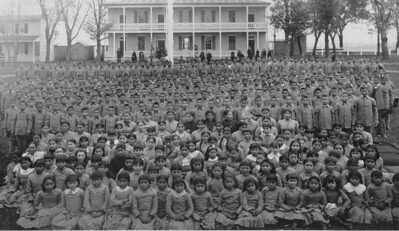
PrattPupilsinFrontofPrattsQuartersCarlisleIndianSchool1885L
Students at the Carlisle Indian Boarding School

It is a novel about identity and bearing witness to the past, but there is the conundrum of embracing identity when ‘there is a danger here in being fully seen and known.’ The stories deliver emotional blows by the page, yet it is easy to be eagerly engulfed in Mona Susan Power’s words and ride the powerful waves of empathy through each story. The narration, while strong, does suffer a bit from many of the voices sounding similar yet this is only a minor issue and each story is versatile enough to make up for it with a really great range of characters as well.

Perhaps we are too proud, too certain of success. Certainty is a smug creature that begs to have his legs kicked out from under him. Perhaps we tempt the spirits to bring us back to earth. Or maybe it’s simply life having its way with us, rolling on as it does, unmindful of how its course impacts anyone.

Moving backwards through time before finally arriving at the end of the timeline in the final section, each chapter gives us insight to the traumas that came before and inform upon the characters. The mother in the opening chapter, for instance, is revisited as a young girl in the next section, hardly unrecognizable in the innocence and warmth about to be snuffed out. ‘Your ancestors set this chapter in motion,’ we are told, ‘they have a stake in everything that happens to you’ and the thread of generational trauma is traced back through the ages to show the interconnection of family bruising from the abusive of the white colonizers. ‘We've had forces working to get rid of our culture and beliefs, our way of living, for many generations now,’ Power writes and theses forces appear throughout the novel, pitting the narrators between survival and their own identities which they are both proud of yet struggling with the shame inflicted upon them for occupying their own identity. The novel is at some of its best, however, when the characters speak about their heritage:
We were born with strong spirits that are related to all other beings in our territory, related to the hills and rivers, the sun and moon. The inner light my teachers wish to give me is already here, though some of them do their best to snuff it out.

Language becomes a key element here as characters such as Lillian considers the power of inhabiting her cultural language and feeling despair from being removed from it. ‘Your spirit isn’t big enough to walk in our words,’ she thinks, ‘they hold mysteries you can only understand with the heart,’ and one might wonder if the magical realism elements of the dolls are part of this magic. They are a connection to the past—a form of bearing witness as we learn later—and a further texture to the theme of communing with ancestors in a culture so filled with suffering and ghosts. ‘How’d he like it if the only person in the world who cared about him kept tugging on him to do the impossible—pull her back into this world, make her alive again?’ a character states, and throughout the novel we feel this sort of tug on the narrators through each generation.

The captain thinks that to “save” Indian people he must run a factory that produces shades—children who no longer recognize themselves or believe in their existence.

Much of the novel focuses on the lingering horrors of the boarding schools, such as the Carlisle Indian Industrial Schools.
This place was not what it pretended, and what was sterile could also be filthy.

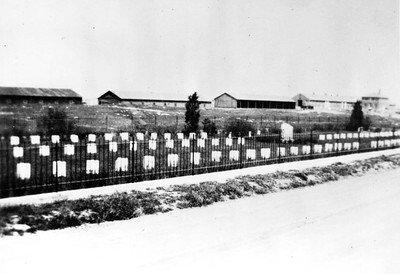
Opened in 1879, this Federal boarding school for indigenous students set the model for boarding schools across the country. Chillingly, all that remains of the original campus is a cemetery for those who died while attending (in 2019, the remains of students buried there were returned to family’s private cemeteries). The purpose of the school and those like it was forced assimilation into white culture through removal and suppression from indigenous culture with Richard Henry Pratt, founder and superintendent of Carlise, stating ‘ I agree with the sentiment [the only good indian is a dead indian] but only in this: that all the Indian there is in the race should be dead. Kill the Indian in him, and save the man.
12-09-05-edit-copy
Cemetery at Carlisle

The school is sight to many awful experiences, such as a shocking death that scars Lillian for life despite the best efforts of her doll to protect her from it. Students have their culture and identities ground to dust in the mechanisms of the school, especially those who are ‘defiant as any warriors battle cry,’ and, worse, are told they should be grateful for it.
We're used to white folks telling us how lucky we are that they are in our lives, telling us we didn't know how to live until they came along. We're used to being made feel dirty, backward, feeble-minded, lax in our conduct, nasty in our manners-just one tiny hair from being a beast in the zoo.

These horrors have had a recent spotlight in news media in both the US and Canada, and were also depicted in Tommy Orange’s more recent novel, Wandering Stars. An aspect of fiction that I’ve long appreciated is how authors can spin the traumas of the past into narratives that put us directly in the seats of these horrors and experiencing generational trauma through these narrators gives us a far deeper and emotionally resonant understanding of how they can affect an individual, a family, or a community at large for generations to come.

Since the age of fourteen I’ve been Jesse Holy Thunder, and while I haven’t even begun to live up to that name, I know that version of me is in here somewhere, waiting to come out.

Healing often seems a gargantuan tasks in the face of so much sadness and cruelty, a sort of cruelty that isn’t unique to the United States and may recall forced internments and separations around the world, such as the Magdalene laundries is Ireland. Though the US does have a particularly dark history of such things having inflicted traumas through the Japanese internment camps during WWII or, in the present, the forced separation of families and losing family records to ensure children stolen from their parents by ICE agents and adopted out cannot be reunited. Yet, as we see late in the novel, one must accept identity through both the good and the bad and confront history as an act of bearing witness to heal themselves but also to give healing to those now gone. Hiding from the past never allows for healing to occur.
I learned that we can’t heal the story by changing the plot, pretending the awful stuff didn’t happen. Tragedy just breaks out somewhere else along the line. The story won’t heal until the players do.

Despite the harshness of the novel, the end comes to a rather hopeful and bright place where healing can begin. It’s a note of optimism that perfectly puts a wrap on the novel and instructs us how to move forward when the weight of history is so tight around our necks.

We’ve learned that healing the present doesn’t only clear waters flowing into the future, recovery also flows backward and alleviates the suffering of ancestors. So they can set down their tears and dark memories, their guilt and shame, their vengeance.

Mona Susan Power’s A Council of Dolls is a staggeringly emotional saga of generational trauma and indigenous heritage that cut straight to my heart. The narrative structure is quite engaging and creatively allows the weight of history to be felt while threading multiple generations in to give a wider perspective and demonstrate generational trauma in a productive manner. It is a heavy novel, but one with plenty of valuable themes to contemplate and a powerful statement on embracing one’s own heritage to fully occupy identity. A haunting and harrowing—yet hopeful—read.

4.5/5

Together, we have lived through many branches of Story. We did what we could to help. We all want happy endings. We are nudging everyone closer to Love. But when we fail, Time convinces us to try again. We flow with it in every direction.
Profile Image for Michael Burke.
282 reviews249 followers
March 21, 2025
Little Witnesses

“Council of Dolls” gives personality to the inhumanity suffered by three generations of Yanktonai Dakota women at the hands of "civilized” America. They were victims of the Indian boarding school re-education travesty which sought to strip them of any trace of their culture. This fiasco resulted in irreparable damage to the psyches of these children.

Cora, Lillian, and Sissy are the girls we follow– but Winona, Mae, and Ethel are their companions, dolls who speak as confidants and protectors. These dolls have been witness to massacres and tragedies and their mission is to do what they can to heal the ones they love. Are they magic? Can they really speak? Author Mona Susan Power leaves just enough leeway for the possibility these dolls are mechanisms allowing the girls to deal with life.

When Cora first arrived at Carlisle Indian Industrial School in the early 1900’s, her group was herded together to be photographed in their native attire with the few precious belongings they had brought along. Then they were stripped down, had their hair cut, had their things seized, and were forced to watch as their past lives were burned in a bonfire. Among the casualties was Winona, Cora’s doll. It was not the last of Winona, though, it was just another hardship to overcome.

No one is ignorant enough to deny the atrocities committed here. It is hard to accept the lengths that people will go to in order to “convert” people considered inferior. The behavior of a nun in the story would be unbelievable if accounts like these were not relayed over and over again. It is not just an American quality, one only needs to see the parallels in the Magdalen Laundries in Ireland, where unmarked graves hold echoes of the voices of souls punished for not measuring up. It makes you question where this evil comes from.

“Council of Dolls” is not always an easy read. Not only is the brutality hard to witness, we also see the repercussions in these lives. Lillian is a wonderful and charming girl who watches an awful death and today call it PTSD, her personality changes so violently we hardly recognize her later in life. So, no, not always easy to read… but important for us to bear witness to.

Thank you to Mariner Books and NetGalley for providing the advance reader copy in exchange for an honest review. #ACouncilofDolls #NetGalley

***On the National Book Award longlist for fiction. ***
Profile Image for Cheri.
2,041 reviews2,966 followers
July 1, 2023

This story covers the lives of three generations of young Dakhóta and Lakhóta women, girls, with their individual stories that connect them, as well as the eras that separate them.

This begins in Chicago during the 1960’s with Sissy’s story and her doll, Ethel. The Mayor has no interest in helping any of the people whose skin is a shade other than white. Sissy is in second grade, and is aware of the prejudice that they are surrounded by. Her mother is from North Dakota and is Dakhóta tall, and her father is Lakhota, and Lakhóta tall.

Lily’s story is set in the 1930’s and Lily’s doll is a Shirley Temple doll that she names Mae. Lily’s doll shares her thoughts with Lily, and Lily shares her thoughts, fears and wishes in return.

Cora’s story is set at the start of the century, her doll is Winona, who is made of deer hide.

What these three dolls have in common is each seems to have the ability to speak, at least to the girl to whom they are attached. They become the repository of the words of these young girls.

As the story nears the end, Sissy, whose has changed her name to Jesse, is writing a story, her story, which also includes the stories of her ancestors.

There’s more to this story, the boarding schools they are forced to attend, the abuse they - or others - are forced to endure. The cruel and inhumane treatment that takes the lives of others, as well. And how the loss of the lives of their friends and/or family members affect them.

A story of trauma inflicted intentionally upon these people, as well as others, the impact it has on them, as well as their families and their futures.


Pub Date: 08 Aug 2023

Many thanks for the ARC provided by Mariner Books
Profile Image for Marjie Lam.
83 reviews
August 7, 2023
I'm of two minds on this book. I went in pretty blind - I'm not sure how I heard of it, and had literally no idea what to expect. I loved reading about a Native American family's experiences across the 20th century - it was both educational and heartbreaking and learning about experiences different from my own is a big part of why I read. The author's note talks about how much of the experiences of the girls in the book and the historical context were based on her mother and grandmother, which definitely made it more impactful. I think this would work well for fans of Betty (there is definitely trauma and a lot of triggers in this book, but not nearly on the same level as Betty).

Unfortunately, there were a few things about this book that didn't work for me, which are definitely "me" things that I know I don't enjoy. The book follows three generations of women, moving backwards in time, and then circles back to the first. Each section of the book felt very separate, and on the whole made the book feel like interconnected stories, which I just don't enjoy (I don't like starting over with a new character as soon as I've settled into one). It was also a bit challenging because it follows each character as a little girl, and I found it a little hard to keep them straight. While I ultimately enjoyed each of the girls' stories, the last section of the book didn't feel like it really added to the book, and it was too long, so I found myself really antsy for the book to be over. Also, the premise of the book involves dolls who talk to the girls, and I just generally struggle with magical realism in books. Overall, I think this book will be perfect for a lot of readers, it just wasn't quite the right fit for me.

Thank you NetGalley and Mariner Books for the free copy in exchange for my honest review!
Profile Image for Thomas.
1,863 reviews12k followers
March 16, 2025
Appreciated this book’s messages about the damage of Indian boarding schools and the atrocious massacres of Indigenous people in the U.S. I liked how Mona Susan Power was bold and honest in her tone and voice and didn’t hold back to appeal to colonizers’ sensitivities. While the writing style wasn’t my favorite – it was hard for me to distinguish between the three characters and timelines on a voice and sentence-level – I think A Council of Dolls carries important messages for sure.
Profile Image for Haly .
170 reviews16 followers
November 13, 2025
5☆
Imagine being a child of seven years old and being taken away from your loving family and everything you know. And, realizing that is just the beginning of your nightmare.

I had to sit with my emotions for awhile after completing this novel. I was truly and utterly filled with gut wrenching sorrow. Every time I read about the atrocities inflicted upon my ancestors I come away with a pain, not just in my heart, but in my stomach. I liken it to the raw grief of losing someone that I love.

Power wrote a thoughtful, informative and haunting portrayal of the effects of colonialism on the people of the First Nations. The atrocities of the Indian school are detailed masterfully, without inflammatory name calling or graphic descriptions of acts that the White leaders of such institutions carried out, Power was able to bring the horror to the forefront. Her words depict how an entire Peoples way of life; names, culture, religion, language, way of dressing, eating and even mourning were mercilessly stripped away. The erasure wasn't done gradually but suddenly, like an explosion. It was inhuman, grossly arrogant and left generational trauma in its wake.

The history of one family, from the 1800s to the present day, is told through the dolls each girl turned to for comfort and strength. Three generations of women weave together while each tells her story through the eyes of her doll, memories and diaries. Each woman has a powerful story.

I highly recommend Power's novel with one caveat: be prepared to weep.

Favorite Quotes:
"Sometimes when you lose a lot, you have to put your heart away to keep it ticking."
Jack Holy Thunder
"The point is that even in difficult times, see how the light is always working to come in."
Cora Holy Thunder
Profile Image for Oscar Hokeah.
Author 4 books349 followers
April 23, 2023
It was honest and healing. I enjoyed the complex characters. It felt so true to life. The structure is amazing. The ties to the boarding school era were powerful and gave me chills as it reminded me of Zitkala-sa. The dolls were very intriguing and I still think about them now. I highly recommend reading this novel. This will be one you'll want to talk about with your friends.
Profile Image for Emily Coffee and Commentary.
607 reviews265 followers
August 27, 2025
“I learned that we can't heal the story by changing the plot, pretending the awful stuff didn't happen. Tragedy just breaks out somewhere else along the line. The story won't heal until the players do.”
💧🪡 🌾
A breathtaking family saga on love and storytelling. Following three generations of a Dakhota/Sioux family and the dolls who shaped their childhoods, this novel is a harrowing look into the immense cruelty colonial America imposed on indigenous communities. Eloquently written and overflowing with emotion, A Council of Dolls is a devastating account of generational trauma and the ways in which we attempt to encapsulate all of the loves and losses, the relationships we have with the women who paved the way for us, on paper. Blending fact and fiction into an incredibly powerful journey of trauma and healing, this is a novel that radiates with the memories that become tangible, the precious things that have the power to transform our surroundings, to fuel our imaginations and hearts, to push us gently forward, to live on, and live with love. A courageous, wise work of endless heart.
Profile Image for Tania.
1,450 reviews358 followers
October 28, 2023
3.5 stars. I really enjoyed the first three sections of this book which shares the stories of three young girls and the special bond each of them had with their doll. As these stories are set in 1969, 1930's and 1888 respectively, it gives us a glimpse into the heartbreaking Native experience over a period of time.

I especially liked that each child's voice and story was distinct and individual. The reason I did not rate this higher is because of the last section, which felt overly sentimental and somehow disconnected from the previous sections.

The Story: A council of dolls follows three generations of Dakota girls and their dolls as they are made to survive "re-educational" schools as well as the impact these experiences have on the generations of girls who come after.
Profile Image for Sarah ~.
1,055 reviews1,037 followers
November 30, 2025
A Council of Dolls - Mona Susan Power


”أحيانًا، عندما تخسر الكثير، عليك أن تحفظَ قلبك في مكانٍ آمن حتى يستمر في النبض.“


"أعني أننا لا نعي حقيقة جُلّ أفعالنا. نحن نعيش ونمضي قُدُمًا وَحسب. لعل الإنجليزية أكثر أمانًا لي لأنها بلا معنى، لأن كلماتها جوفاء في روحي. بلا كياان.."

"يريدونَ أرضنا ويتمنون زوالنا, لكي ينسونا إلى الأبد... لكننا هنا صامدون، نتذكر عالمًا بلا وجودهم، عالم أسلافنا الزاخر.. نحن خطر على أحلام الرجل الأبيض، فهم لا يعرفون معنى الكفاف."
...


هذه قصة ثلاث فتيات من ثلاثة أجيال مختلفة من نفس العائلة.. نظرة على مجتمع السكان الأصليين ولغتهم وتراثهم وتاريخهم ومعاناتهم..

ولدت سيسي في العام 1961م تقضي أيامها مع والدتها ودميتها الجديدة إثيل وتعيش في شيكاغو بعيدة عن داكوتا أراضي أجدادها ومع أم مريضة نفسيًا وأب مشغول دائمًا...
,
ليليان ولدت في العام 1925 .. تذهب مع شقيقتها بلانش لمدرسة داخلية مخصصة لأبناء قبائل السكان الأصليين حيث يعاني الأطفال من إساءة المعاملة والتعذيب وحتى القتل..

كورا التي ولدت عام 1888م.. في الخلفية حروب الهنود مع السلطات الأمريكية وسعيهم للدفاع عن أنفسهم.. وتجربتها في مدرسة لتحويل أطفال "الهنود" لمتحضرين.

رواية حزينة، عن قصص وتاريخ السكان الأصليين.. عن المذابح التي واجهوها ومعاناتهم مع المدارس الداخلية المخصصة لأبنائهم والآثار اتي ترتبت على هذا، من المرض النفسي والإدمان على الكحول.. إلخ...
Profile Image for Pat.
324 reviews5 followers
November 25, 2023
Just before sitting down to read the final 35 pages of this book, I did something I rarely do - I gave it a "premature" Goodreads rating of four stars. At that time, having spent two days reading the first 250 pages totally enthralled, I thought the book was that good. Then, unique in my entire reading life, as I read the final pages of this otherwise excellent novel, it seemed as though I'd stepped into an alternate universe and was now reading something someone else had written. I won't belabor here why the conclusion was equal parts trite, disappointing, and downright mystifying, especially because the first 250 pages were so strong. Instead, I'll let you read it and tell me how you think this talented author lost her way so completely as she wrapped up her book. In fairness to the skill on display for most of it, three stars is still a fair rating.
26 reviews
May 24, 2023
It seems I will be in the minority here, but for me, this book left a lot to be desired. I appreciated the complex and real characters created by Powers, but I felt that there were many cliches in the book and as if the author was trying to take on too much in one novel. For me, the most challenging part was the writing style. Perhaps because a lot of this book was narrated by young characters, but I didn’t feel that the writing flowed in a way I would have liked. I had trouble sticking with this book for more than a few pages at a time.
Profile Image for Jodi.
544 reviews236 followers
November 20, 2023
Heartbreaking but tremendously well done! First Nations Peoples in Canada and the U.S. have a unique and very beautiful relationship with family members who've passed on. I wish it could be so for everyone. I was completely captivated by this story but find it difficult to review, so please read Fran's excellent review. It was spot on!: https://www.goodreads.com/review/show...

5 stars.⭐⭐⭐⭐⭐
Profile Image for Rebecca.
4,182 reviews3,447 followers
April 5, 2024
Power’s fourth novel is an Indigenous saga that draws on her own family history. Through first-person narratives by three generations of Dakhóta and Lakhóta women, she explores the ongoing effects of trauma resulting from colonialist oppression. The journey into the past begins with Sissy, a little girl in racist 1960s Chicago with an angry, physically abusive mother, Lillian. This section sets up the book’s pattern of ascribing voice and agency to characters’ dolls. Specifically, Sissy dissociates from her own emotions and upsetting experiences by putting them onto Ethel, her Black doll. Power relies on the dramatic irony between Sissy’s childhood perspective and readers’ understanding.

Moving backward: In 1930s North Dakota, we see Lillian coping with her father’s alcohol-fuelled violence by pretending she is being directed in a play. She loses her Shirley Temple doll, Mae, in an act of charity towards a sickly girl in the community. Lillian and her sister, Blanche, attend an Indian school in Bismarck. Run by nuns, it’s even crueller than the institution their parents, Cora and Jack, attended: the infamous Carlisle Indian Industrial School in Pennsylvania (also a setting in Wandering Stars by Tommy Orange). Cora’s beautifully introspective journal from the 1910s reveals the systematic cultural annihilation that took place there. Her doll, Winona, rescued from a massacre in the time of Sitting Bull, was on the pyre of precious belongings – tribal costumes, instruments, medals, sacred feathers ­– burned on students’ arrival. But her stone heart survives as a totem of resilience.

This is a powerful but harrowing story. The characterization and narration are strong, and the nesting-dolls structure means we get glimpses into the future for all three protagonists. However, I was disappointed by a number of Power’s decisions. It appeared that a fourth and final narrator close to the present day would introduce another aspect, but in fact Jesse is a new name that Sissy chose for herself. Now a 50-year-old academic and writer, she becomes a medium for the dolls’ accounts – but this ends up repeating material we’d already encountered. The personification of familial tragedy in the figure of “the injured woman” who appears to Cora verges on mawkish, and the touches of magic realism to do with the dolls sit uneasily beside clinical discussions of trauma. In Jesse’s section, there is something unsubtle about how this forms the basis of a conversation between her and her friend Izzy:
(Jesse thinks) “I wanted that chance to break the chain of passing on harmful inner scripts, the self-loathing that comes from brutally effective colonization.”

(Izzy says) “whoo, that’s a big fat pipe full of misery … Our people have been pathologized from the very beginning. Still are.”

It’s possible I would have responded to this with more enthusiasm had it been packaged as a family memoir. As it is, I was unsure about the hybridization of autofiction and magic realism and wondered what white readers coming to the novel should conclude. I kept in mind Elaine Castillo’s essay “How to Read Now,” about her sense of BIPOC writers’ job: “if our stories primarily serve to educate, console and productively scold a comfortable white readership, then those stories will have failed their readers”. Perhaps Power’s novel was not primarily intended to serve in that way.

I’ll let her have the last word, via the Author’s Note: “outrageously prejudiced depictions of my ancestors and our people are one reason I became a writer. From childhood I felt an urgent need to speak my truth, which was long suppressed. Writing this book was a healing endeavor. May it support the healing of others.”

Originally published on my blog, Bookish Beck.
Profile Image for Emmeline.
439 reviews
Read
September 3, 2025
A book in four parts, the first of which was originally published as a short story, all of which concern First Nations girls and their dolls, through generations of cultural erasure.

This is impossible to rate because the first section is very good, the second good, the third okay if a bit repetitive and the fourth (in the present day) so unbelievably bad it hardly seems to be written by the same person, full of therapy speak, all the same information regurgitated, and girlfriends bonding over wine. Just dreadful. And it's a shame because the first section was evocative, featured a complex relationship and was full of surprises.
Profile Image for Ann.
364 reviews122 followers
February 5, 2024
This is a wonderfully creative – but devastatingly tragic – novel of three Native American (Dakhota and Lakhota) women and their dolls The reader experiences the lives of Sissy (daughter and granddaughter, 1960’s) and her doll, Ethel; Lillian (mother and daughter, 1930’s) and her doll Mae; and Cora (grandmother, late 19th century) and her doll, Winona. Over three generation, we watch as the Native American people are brutalized, forced to assimilate and marginalized. The scenes at the Indian Boarding Schools were the most devastating. Children were removed from their families and culture and then everything from language to dear personal possessions was forcibly taken from them. But what separated this novel from other retellings of this tragic history was the presence of the dolls. Each doll was her own mystical force and voice. Each doll spoke to, and provided courage and strength to, her girl. The dolls also had special powers which allowed them to support their girls in the many challenges of their lives. The dolls enhanced the girls’ stories with an additional sense of Native American culture, mysticism and spiritualism. I will be left with the voices of the dolls and their telling of this tragic and shameful history for a long time.
Profile Image for Moonkiszt.
3,023 reviews333 followers
January 30, 2024
Through the tragedy in three lives the stories of these Dakota women paint a picture of lives lived that this reader never heard about in History 101, or Western History 201. Conflicts, cowboys and Indians, governmental assistance to control problems, and charitable offerings to "educate" - that was more along the line of what I got in school. Hmpfh!

Coming from three different generations, each has a doll that they've come by through their years and when they find themselves in challenging times, robbed of the support of loved ones, their dolls are not dolls at all - they become counselors, full of wisdom, hope and guidance. I don't know about you, but I often have conversations with long-held items throughout my life - they've witnessed the good times and the bad - and give voice to the spirits that strive with us through our days. Because of this, I didn't have to create any bridges to understand these women and their dolls.

Cora (1888) had Winona who didn't need her doll body to keep Cora safe; Lillian (1925) has Mae to help her and her sister Blanche; and Sissy (1961) has Ethel to help her find a way through.

Not an easy or comfortable read - but important to remember that dark history is all around us and that the best way to make sure it isn't repeated is to shine a clear, bright light on the brave hearts that lived it and work toward remedies.
Profile Image for Jessica.
255 reviews
May 27, 2024
I’m crying in the airport
Profile Image for Maureen.
496 reviews208 followers
November 17, 2024
This is a very unique book. The story of three generations of Dakho’ta and Lakh’ota women. Each one connected to a doll with a story to tell. It is filled with Magical Realism.
This book was a history lesson for me. A real eye opener of historical facts I knew nothing about.
It is beautifully written. At times it was hard to read. The abuse that these young girls endured was unbearable. They were children forced to go to boarding schools and abused by the people in charge.
It is a story you will not forget.
Profile Image for Marialyce.
2,238 reviews679 followers
dnf
August 28, 2023
Going to push this one aside for now. I am not in the mood for the very long chapters.
Profile Image for Elizabeth Tuttle.
435 reviews99 followers
April 10, 2025
Well done and wicked depressing, A Council of Dolls explores the generational trauma caused by colonization and the attempt to force conformity on indigenous Americans. Our protagonists represent several generations of a family within the Sioux nation. By presenting the youngest member first and working our way back, we learn to hold our judgement and understand the volatility of certain characters as being caused by the deeply traumatic circumstances.

I feared the magical realism of telling this story using talking dolls would come off as cheesy or YA, but instead the author powerfully presents each character's voice in her own age and uses the dolls as a collective for ancestral memory, key to understanding history.
Profile Image for Malli (Chapter Malliumpkin).
993 reviews113 followers
June 5, 2023
ARC was provided by NetGalley and Mariner Books.

Release Date: December 1, 2023


Content/Trigger Warnings: Toxic/abusive relationship, child abuse/neglect, brief mentions of murder, loss of siblings (in the past), grief, Residential Schools, talk of the American Frontier Wars (also known as American Indian Wars), talk of colonization, mentions financial hardships, brief mentions of divorce, scene of implied adultery/infidelity, blood, brief mentions of bigamy, talk of alcoholism, scene of implied trauma/PTSD, talk of continued genocide of Native/Indigenous people, talk of death, sexual harassment, bullying (in the past), mentions of MMIWG2S, mentions pedophilia & sexual abuse (in the past), death of an infant (in the past), mentions of racism, on page death of a parent, and potentially more!


Whew, I don't know where to begin with this book. First, please use caution and make sure you're in a good headspace when reading this book. There are a lot of content/trigger warnings throughout this entire book. So please take care of yourselves while reading. Secondly, I don't even know how to describe a book that describes the generational trauma that's laced through Native/Indigenous communities. Following three generations of daughters, we move backward in time starting with Sissy, then her mother Lillian, and finally moving to her grandmother, Cora's perspective where we see the "Indian Wars" and the beginning of Residential School start. We'll follow each of their stories along with a special doll for each daughter, acting as a guide, giving advice, and being a protector to them. Honestly, I'm completely stunned and blown away. I cried a lot reading this book because it's so emotional and harrowing especially if you're a Native reader like myself. Growing up Native, you're told the stories about the horrors of the Residential Schools, you listen to the wisdom from your elders of the things they experienced with the whole colonization of Turtle Island, and this book just beautifully laces all of that into one book. Overall, I'm just completely overwhelmed by this book, incredibly emotional over it, and it's really hard for me to even write a review for a book that I think everyone should just read without knowing too much about. Truly a wonderful, powerfully written book that everyone should pick up.


All thoughts, feelings, experiences, and opinions are honest and my own.


Instagram|Ko-fi|Throne
Profile Image for Liz Hein.
483 reviews370 followers
September 25, 2023
I am not planning on reading the entire National Book Award for Fiction longlist, but A Council for Dolls sounded like something I would love, and I absolutely did. This book has four sections. We start with one generation of Yanktonai Dakota women and we learn her story. Then we learn her mom's. Then her mom's after that. Finally, we learn a bit more about these women through the dolls in their possession.

I don't often like child narrators, but I loved every voice of this novel. Everything about this book was stunning. If you think you are tired of the multi generational family saga, what Mona Susan Power is doing here is so unique and powerful. She makes the voices of the women's ancestors loud, connecting them through heart lines and memories and the storytelling is mesmerizing. This story of generational trauma and healing is an absolute stunner and I'm so glad the NBA put this on the list or it would never have come across my radar.
Profile Image for Brionka.
28 reviews1 follower
May 19, 2025
One of the best books I’ve read in an awfully long time. Because I was once a little girl that held her dolls close, I am now an adult that will hold this book even closer. Not only was it powerful and inspiring, but the author writes in such a way that hoists you up and places you right there in the text. As if you’d been there too, clasping your own doll right alongside them. I feel like that’s so important in the telling of such a story - pulling your reader in, making them feel as if they’re part of the story and then vowing to never let them go until the very final page. That’s what this book did for me and now IT has a part of ME. I will never forget it. Growing up, I had two dolls named Cora and Sissy and I got chills when I noticed those names in the book. I absolutely loved it and I am looking forward to reading more from this author! ❤️
Profile Image for Clif Hostetler.
1,280 reviews1,033 followers
April 20, 2025
This work of historical fiction explores the multigenerational trauma and injustices experienced by three generation of Dakhóta women and exposes examples of its lasting psychic impacts on them and their relationships. The book's narrative begins in the 1960s with the third generation Sissy as a young girl growing up in Chicago. Next the story skips back to the second generation and tells the story of Lillian—Sissy’s mother— as a young person growing up on the Standing Rock Reservation in the 1930s. Then the story of the first generation Cora, Lillian’s mother, is told who can remember as a three-year-old when Sitting Bull was killed in 1890.

As each of these stories are told there is a doll that plays a prominent roll in each of these girl's young lives. The final part of the book takes places in 2010 and the adult Sissy—now named Jesse—enters the story through first person narrative as the writer who is recording these stories. She has assembled facsimiles of these three dolls (the council of dolls) who reveal their stories to her, and the three generational story is reviewed again, this time in chronological order.

We learn that the first doll had already passed through two generations by the time it was given to Cora, and the doll tells how it was rescued from the Whitestone Hill Massacre of 1863. When Cora arrived at the Carlisle Indian Industrial School all personal belongings that might remind the young students of their heritage—including this doll— were burned. Lillie of the second generation had received a used doll from a thrift store and she had loved it very much, but due to social expectations she gave the doll to a sick young friend who later died and the doll was buried in the grave with her. Nevertheless, the spirit of the doll stayed with Lillie and offered solace in times of trauma. The third generation doll has its own origin story and provided needed companionship for Sissy during hard times. The spirits of all three dolls stayed with the three girls even when circumstances forced their separation. Later these same three spirits visit with the author as she writes their stories.

The imaginary but real relationship between the girls and their dolls seemed to me to be mostly in the realm of normal and believable behavior. But in the final part of the book when the dolls began speaking to the author and telling her what to write, I felt that the narrative was venturing into magic realism. Nevertheless I as a listener was willing to accept this switch to spirit talk because the dolls were bearing witness to a turbulent past that is pleading to be told and remembered.

This book is semi-autobiographic in nature, and toward the end of the book the fictional author shares what I perceive to be self psychoanalysis as one who is a descendant of the Native American experience. I think the author's intent in this analysis—as well as the story as a whole—was to explore some commonly found legacies of multigenerational trauma. I couldn't help but wonder how much of these feelings were also those of the author Mona Susan Power.
Profile Image for Eileen Uihlein Donohue.
113 reviews
September 24, 2023
I was loving the book; chapters 1-3. Thought the writing was exceptional. The sentences conveyed thoughts so precisely without filler descriptions that pad many novels. It was a different story line -based on historical timelines of three Dakota Native American women and their dolls who spoke to them like magical spirits. Then chapter 4 derailed and bombed - a dialogue of mania. Read chapters 1-3- leave 4 ... it doesn't answer any additional information not already hinted at and is not needed. Author could save the prince character for another story.
Displaying 1 - 30 of 1,309 reviews

Can't find what you're looking for?

Get help and learn more about the design.