

What do you think?

ثلاثة حكماء مسلمين
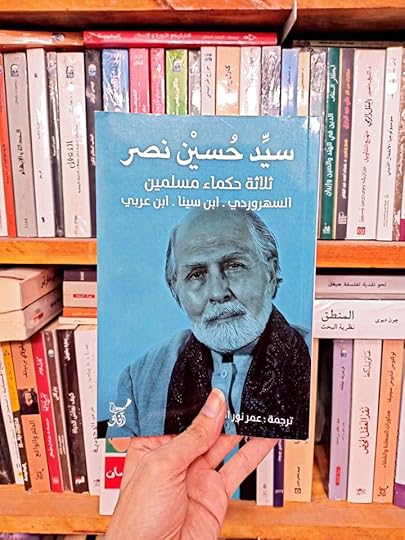
يعالج سيّد حسين نصر، المفكّر الايراني المعروف، الفلسفة الاشراقية من خلال ثلاثة من روّادها هم: ابن سينا، السهروردي وابن عربي. ويتناول الباحث سيرة هؤلاء الثلاثة وتجاربهم وفلسفاتهم.
228 pages
First published January 1, 1969
About the author
Seyyed Hossein Nasr
250 books744 followersSeyyed Hossein Nasr was born on April 7, 1933 (19 Farvadin 1312 A.H. solar) in Tehran into a family of distinguished scholars and physicians. His father, Seyyed Valiallah, a man of great learning and piety, was a physician to the Iranian royal family, as was his father before him. The name "Nasr" which means "victory" was conferred on Professor Nasr's grandfather by the King of Persia. Nasr also comes from a family of Sufis. One of his ancestors was Mulla Seyyed Muhammad Taqi Poshtmashhad, who was a famous saint of Kashan, and his mausoleum which is located next to the tomb of the Safavid king Shah Abbas, is still visited by pilgrims to this day.
Seyyed Hossein Nasr, currently University Professor of Islamic Studies at the George Washington University, Washington D.C. is one of the most important and foremost scholars of Islamic, Religious and Comparative Studies in the world today. Author of over fifty books and five hundred articles which have been translated into several major Islamic, European and Asian languages, Professor Nasr is a well known and highly respected intellectual figure both in the West and the Islamic world. An eloquent speaker with a charismatic presence, Nasr is a much sought after speaker at academic conferences and seminars, university and public lectures and also radio and television programs in his area of expertise. Possessor of an impressive academic and intellectual record, his career as a teacher and scholar spans over four decades.
Professor Nasr began his illustrious teaching career in 1955 when he was still a young and promising, doctoral student at Harvard University. Over the years, he has taught and trained an innumerable number of students who have come from the different parts of the world, and many of whom have become important and prominent scholars in their fields of study.
He has trained different generations of students over the years since 1958 when he was a professor at Tehran University and then, in America since the Iranian revolution in 1979, specifically at Temple University in Philadelphia from 1979 to 1984 and at the George Washington University since 1984 to the present day. The range of subjects and areas of study which Professor Nasr has involved and engaged himself with in his academic career and intellectual life are immense. As demonstrated by his numerous writings, lectures and speeches, Professor Nasr speaks and writes with great authority on a wide variety of subjects, ranging from philosophy to religion to spirituality, to music and art and architecture, to science and literature, to civilizational dialogues and the natural environment.
For Professor Seyyed Hossein Nasr, the quest for knowledge, specifically knowledge which enables man to understand the true nature of things and which furthermore, "liberates and delivers him from the fetters and limitations of earthly existence," has been and continues to be the central concern and determinant of his intellectual life.
Seyyed Hossein Nasr, currently University Professor of Islamic Studies at the George Washington University, Washington D.C. is one of the most important and foremost scholars of Islamic, Religious and Comparative Studies in the world today. Author of over fifty books and five hundred articles which have been translated into several major Islamic, European and Asian languages, Professor Nasr is a well known and highly respected intellectual figure both in the West and the Islamic world. An eloquent speaker with a charismatic presence, Nasr is a much sought after speaker at academic conferences and seminars, university and public lectures and also radio and television programs in his area of expertise. Possessor of an impressive academic and intellectual record, his career as a teacher and scholar spans over four decades.
Professor Nasr began his illustrious teaching career in 1955 when he was still a young and promising, doctoral student at Harvard University. Over the years, he has taught and trained an innumerable number of students who have come from the different parts of the world, and many of whom have become important and prominent scholars in their fields of study.
He has trained different generations of students over the years since 1958 when he was a professor at Tehran University and then, in America since the Iranian revolution in 1979, specifically at Temple University in Philadelphia from 1979 to 1984 and at the George Washington University since 1984 to the present day. The range of subjects and areas of study which Professor Nasr has involved and engaged himself with in his academic career and intellectual life are immense. As demonstrated by his numerous writings, lectures and speeches, Professor Nasr speaks and writes with great authority on a wide variety of subjects, ranging from philosophy to religion to spirituality, to music and art and architecture, to science and literature, to civilizational dialogues and the natural environment.
For Professor Seyyed Hossein Nasr, the quest for knowledge, specifically knowledge which enables man to understand the true nature of things and which furthermore, "liberates and delivers him from the fetters and limitations of earthly existence," has been and continues to be the central concern and determinant of his intellectual life.
Ratings & Reviews
Friends & Following
Create a free account to discover what your friends think of this book!
Community Reviews
Displaying 1 - 30 of 36 reviews

March 23, 2019
سه روز اول سال جدید، با سه حکیم مسلمان. (:
سلجوقیها، مقدمات انحطاط
هر داستان از جایی شروع میشه، و من داستانم رو با سلجوقیها شروع میکنم. تا قبل از سلجوقیها، ممالک مختلف اسلامی تحت حکومتهای مختلف و گاه شیعه (مثل آل بویه، یا حکومت سامانی که در برههای به اسماعیلیه گرایش پیدا کردن) اداره میشد، و تسلط حکومت عباسی روشون کم بود. همین نبود تسلط باعث شد فلسفه بتونه در بعضی ممالک اسلامی رشد کنه.
اما بعد سلجوقیها اومدن و حکومتها رو دونه دونه از صحنه خارج کردن و یک حکومت بزرگ و متحد به وجود آوردن که از لحاظ دینی تحت سلطه حکومت عباسی بود که از راستکیشی حمایت میکرد. در نتیجه فلسفه، و نه فقط فلسفه، که هر تفکر متفاوت با راستکیشی، به شدت منکوب شد و تحت تعقیب قرار گرفت. همین دوره است که عین القضات همدانی رو مقابل مدرسهش دار میزنن و جسدش رو میسوزونن. همین دوره است که سهروردی زندانی میشه و در زندان به شکل نامعلومی میمیره. همین دوره است که مدارس نظامیه در هر سرزمینی تأسیس میشه تا لشکری از علمای راستکیش و حامی حکومت تربیت بشن.
غزالی، آغاز انحطاط
یکی از بزرگترین علمای راستکیش که توی نظامیه تحصیل و تدریس میکرد، غزالی بود. غزالی بخش بزرگی از همّ خودش رو صرف حمله به فلاسفه و شیعیان (مخصوصاً اسماعیلیان) و باقی فرقههای دگراندیش کرد، و این فرقهها رو با دلایل متعدد محکوم به کفر کرد.
دیگه چندان عجیب نیست که بعد از این، بساط فلسفه و کلا تفکر آزاد در عالم اسلام برچیده شد، و منحصر شد به سرزمین اندلس که دور از تسلط سلجوقیها بود و از همون جا هم منتقل شد به اروپا. همین شد نقطهٔ افتراق دو تمدن اسلامی و مسیحی: در اولی تصوف (اونم تصوف ابن عربی که توضیح میدم) روز به روز قدرت گرفت و تبدیل به قرائت رسمی دین شد، و در دومی فلسفه روز به روز قوت گرفت و راه خودش رو تا رنسانس و روشنگری ادامه داد.
ابن عربی، آقای انحطاط
اما این جا اتفاقی افتاد که توجه رو جلب میکنه: اون سختگیری شدید نسبت به فلاسفه و شیعیان مخصوصاً اسماعیلیها، روی گروهی از متصوفه اعمال نشد، از جمله ابن عربی. ابن عربی در دربار «ملک ظاهر» زندگی می کرد، همون پادشاهی که سهروردی چند سال قبلتر بهش رو آورده بود. اما سرنوشت این دو نفر زمین تا آسمون فرق می کنه. سهروردی در سی و هشت سالگی به کفر محکوم شد و در زندانِ همین ملک ظاهر مرد، در حالی که ابن عربی تا کهنسالی در نهایت احترام زندگی کرد و به مرگ طبیعی از دنیا رفت. چه اتفاقی افتاد که این دو نفر که به نظر هر دو نظریاتی غیر راستکیشانه داشتن، سرنوشتی تا این حد متفاوت پیدا کردن؟
به نظر میرسه بخشی از جواب رو باید در آثار این دو نفر جستجو کرد. در حالی که سهروردی در آثارش به صراحت از عبارات زرتشتی برای بیان مضامین زرتشتی استفاده می کرد و از عبارات گنوسی برای بیان مضامین گنوسی، ابن عربی برای بیان مضامین غیر اسلامیش، از اصطلاحات قرآنی استفاده می کنه، و گاهی به قدری در این انطباق مفاهیم غیر اسلامی با عبارات اسلامی پیش میره که حرفی که می خواد بزنه انسجام منطقی خودشو از دست میده. نویسنده تأکید می کنه که ابن عربی نظام خداشناسی و جهانشناسی منطقی و یکپارچهای بنا نمی کنه، بلکه نظریاتش تکهتکه و نامنسجمه و نمیشه تحت نظام واحدی جمعشون کرد.
از طرف دیگه، سهروردی در بیان مقاصد خودش پروایی نداره، و وقتی می خواد بگه «الف ب است» بی پروا اعلام می کنه که «الف ب است». بر خلاف ابن عربی که مدام از زدن حرفی که می خواد بزنه طفره میره و همین عباراتش رو باز هم مبهمتر و نامنسجمتر می کنه. مثلاً قبول نداره که جهان از خدا جداست، اما از ترس تکفیر، نمی خواد صریح بگه جهان با خدا متحده. و میگه: جهان نه از خدا جداست و نه با خدا متحده. و وقتی میگن این که نمیشه، اگه نه اینه و نه اون، پس چیه؟ جواب میده: این سری از اسرار الهیه که با عقل بشری قابل درک نیست و باید با شهود درک بشه.
یا در مورد صفات الهی، می گه صفات الهی نه از خداست و نه جز خدا، و باز میگه: دنبال کشف مفهوم این حرف نباشید، چون این سری از اسرار الهیه که با عقل بشری قابل درک نیست و باید با شهود درک بشه.
مثل این که کسی بترسه بگه خدا نیست، و قبول هم نداشته باشه که خدا هست، و بگه خدا نه هست و نه نیست، و وقتی بپرسن خب آخه یعنی چی؟ بگه دنبال فهمش نباشید، این سری از اسرار الهیه که با عقل بشری قابل درک نیست.
تیتر الکی، محض این که مطالب پشت سر هم نباشه و خسته کننده نشه
این ترفندها بعد از ابن عربی وجه مشخصهٔ تفکر فلسفی و عرفانی اسلامی شد. مبهم حرف زدن، فرار کردن از صراحت، تا حد افتادن به ورطهٔ بی معنایی، به شدت اسلامی حرف زدن حتی به قیمت از دست رفتن انسجام و معنا، فرار از بحث و تفکر، فرار از مقابله، با این دستاویز که این حرف من «با عقل بشری قابل درک نیست و باید با شهود درک بشه» که در حقیقت یعنی بستن راه استدلال و توقف تفکر. اینها همه ثمرهٔ سلطهٔ یکپارچهٔ سلجوقی و حملات غزالی به دگراندیشیه. وقتی حکومتی با این شدت و حدت هر نوع تفکر رو تحت تعقیب قرار میده، نباید انتظار نتیجهای جز تبدیل تفکر به شبهتفکری عقیم و بیخطر داشته باشیم.
از اون دوران دیگه فرهنگ اسلامی، جز در برهههایی، نتونست از این بیماری نجات پیدا کنه، و گسترش بی حدّ و حصر تصوّف ابن عربی نمود بزرگ این بیماریه. همین هم فرق صوفیانی مثل عین القضاته که اعدام میشدن، و صوفیانی مثل ابن عربی که با احترام زندگی میکردن و طرز تفکرشون تا دوران صفویه و تا همین سالها ادامه پیدا کرده، تفکری که عملاً هیچ چیز نمیگه و در عین حال مدعیه که همه چیز رو میگه.
سلجوقیها، مقدمات انحطاط
هر داستان از جایی شروع میشه، و من داستانم رو با سلجوقیها شروع میکنم. تا قبل از سلجوقیها، ممالک مختلف اسلامی تحت حکومتهای مختلف و گاه شیعه (مثل آل بویه، یا حکومت سامانی که در برههای به اسماعیلیه گرایش پیدا کردن) اداره میشد، و تسلط حکومت عباسی روشون کم بود. همین نبود تسلط باعث شد فلسفه بتونه در بعضی ممالک اسلامی رشد کنه.
اما بعد سلجوقیها اومدن و حکومتها رو دونه دونه از صحنه خارج کردن و یک حکومت بزرگ و متحد به وجود آوردن که از لحاظ دینی تحت سلطه حکومت عباسی بود که از راستکیشی حمایت میکرد. در نتیجه فلسفه، و نه فقط فلسفه، که هر تفکر متفاوت با راستکیشی، به شدت منکوب شد و تحت تعقیب قرار گرفت. همین دوره است که عین القضات همدانی رو مقابل مدرسهش دار میزنن و جسدش رو میسوزونن. همین دوره است که سهروردی زندانی میشه و در زندان به شکل نامعلومی میمیره. همین دوره است که مدارس نظامیه در هر سرزمینی تأسیس میشه تا لشکری از علمای راستکیش و حامی حکومت تربیت بشن.
غزالی، آغاز انحطاط
یکی از بزرگترین علمای راستکیش که توی نظامیه تحصیل و تدریس میکرد، غزالی بود. غزالی بخش بزرگی از همّ خودش رو صرف حمله به فلاسفه و شیعیان (مخصوصاً اسماعیلیان) و باقی فرقههای دگراندیش کرد، و این فرقهها رو با دلایل متعدد محکوم به کفر کرد.
دیگه چندان عجیب نیست که بعد از این، بساط فلسفه و کلا تفکر آزاد در عالم اسلام برچیده شد، و منحصر شد به سرزمین اندلس که دور از تسلط سلجوقیها بود و از همون جا هم منتقل شد به اروپا. همین شد نقطهٔ افتراق دو تمدن اسلامی و مسیحی: در اولی تصوف (اونم تصوف ابن عربی که توضیح میدم) روز به روز قدرت گرفت و تبدیل به قرائت رسمی دین شد، و در دومی فلسفه روز به روز قوت گرفت و راه خودش رو تا رنسانس و روشنگری ادامه داد.
ابن عربی، آقای انحطاط
اما این جا اتفاقی افتاد که توجه رو جلب میکنه: اون سختگیری شدید نسبت به فلاسفه و شیعیان مخصوصاً اسماعیلیها، روی گروهی از متصوفه اعمال نشد، از جمله ابن عربی. ابن عربی در دربار «ملک ظاهر» زندگی می کرد، همون پادشاهی که سهروردی چند سال قبلتر بهش رو آورده بود. اما سرنوشت این دو نفر زمین تا آسمون فرق می کنه. سهروردی در سی و هشت سالگی به کفر محکوم شد و در زندانِ همین ملک ظاهر مرد، در حالی که ابن عربی تا کهنسالی در نهایت احترام زندگی کرد و به مرگ طبیعی از دنیا رفت. چه اتفاقی افتاد که این دو نفر که به نظر هر دو نظریاتی غیر راستکیشانه داشتن، سرنوشتی تا این حد متفاوت پیدا کردن؟
به نظر میرسه بخشی از جواب رو باید در آثار این دو نفر جستجو کرد. در حالی که سهروردی در آثارش به صراحت از عبارات زرتشتی برای بیان مضامین زرتشتی استفاده می کرد و از عبارات گنوسی برای بیان مضامین گنوسی، ابن عربی برای بیان مضامین غیر اسلامیش، از اصطلاحات قرآنی استفاده می کنه، و گاهی به قدری در این انطباق مفاهیم غیر اسلامی با عبارات اسلامی پیش میره که حرفی که می خواد بزنه انسجام منطقی خودشو از دست میده. نویسنده تأکید می کنه که ابن عربی نظام خداشناسی و جهانشناسی منطقی و یکپارچهای بنا نمی کنه، بلکه نظریاتش تکهتکه و نامنسجمه و نمیشه تحت نظام واحدی جمعشون کرد.
از طرف دیگه، سهروردی در بیان مقاصد خودش پروایی نداره، و وقتی می خواد بگه «الف ب است» بی پروا اعلام می کنه که «الف ب است». بر خلاف ابن عربی که مدام از زدن حرفی که می خواد بزنه طفره میره و همین عباراتش رو باز هم مبهمتر و نامنسجمتر می کنه. مثلاً قبول نداره که جهان از خدا جداست، اما از ترس تکفیر، نمی خواد صریح بگه جهان با خدا متحده. و میگه: جهان نه از خدا جداست و نه با خدا متحده. و وقتی میگن این که نمیشه، اگه نه اینه و نه اون، پس چیه؟ جواب میده: این سری از اسرار الهیه که با عقل بشری قابل درک نیست و باید با شهود درک بشه.
یا در مورد صفات الهی، می گه صفات الهی نه از خداست و نه جز خدا، و باز میگه: دنبال کشف مفهوم این حرف نباشید، چون این سری از اسرار الهیه که با عقل بشری قابل درک نیست و باید با شهود درک بشه.
مثل این که کسی بترسه بگه خدا نیست، و قبول هم نداشته باشه که خدا هست، و بگه خدا نه هست و نه نیست، و وقتی بپرسن خب آخه یعنی چی؟ بگه دنبال فهمش نباشید، این سری از اسرار الهیه که با عقل بشری قابل درک نیست.
تیتر الکی، محض این که مطالب پشت سر هم نباشه و خسته کننده نشه
این ترفندها بعد از ابن عربی وجه مشخصهٔ تفکر فلسفی و عرفانی اسلامی شد. مبهم حرف زدن، فرار کردن از صراحت، تا حد افتادن به ورطهٔ بی معنایی، به شدت اسلامی حرف زدن حتی به قیمت از دست رفتن انسجام و معنا، فرار از بحث و تفکر، فرار از مقابله، با این دستاویز که این حرف من «با عقل بشری قابل درک نیست و باید با شهود درک بشه» که در حقیقت یعنی بستن راه استدلال و توقف تفکر. اینها همه ثمرهٔ سلطهٔ یکپارچهٔ سلجوقی و حملات غزالی به دگراندیشیه. وقتی حکومتی با این شدت و حدت هر نوع تفکر رو تحت تعقیب قرار میده، نباید انتظار نتیجهای جز تبدیل تفکر به شبهتفکری عقیم و بیخطر داشته باشیم.
از اون دوران دیگه فرهنگ اسلامی، جز در برهههایی، نتونست از این بیماری نجات پیدا کنه، و گسترش بی حدّ و حصر تصوّف ابن عربی نمود بزرگ این بیماریه. همین هم فرق صوفیانی مثل عین القضاته که اعدام میشدن، و صوفیانی مثل ابن عربی که با احترام زندگی میکردن و طرز تفکرشون تا دوران صفویه و تا همین سالها ادامه پیدا کرده، تفکری که عملاً هیچ چیز نمیگه و در عین حال مدعیه که همه چیز رو میگه.

March 5, 2014
While the book title focuses on three Muslim sages, Nasr's intention here is to delineate a particular progression in Islamic knowledge through these three figures. From Avicenna (Ibn Sina) as the exemplar of Islamic Peripatetic Philosophy to Suhrawardi's theosophy and finally to Ibn Arabi's gnosis, we see not only a historical/universal progression, but a kind of microcosmic possibility in the individual as well.
Looked at from a Sufi perspective, we see three progressing levels of awareness in knowledge (hearing of something and believing it), certainty (seeing it) and immersion through direct contemplation or connection. It is possible from another perspective to see these three systems of thought on more of a horizontal plane as representing three different approaches to viewing divinity. Yet that would also require viewing all three systems simply from an intellectual vs. experiential perspective.
Nasr, as a traditionalist/perennialist is big on using symbols as a paradigm, and this is seen in the way he defines theosophy as "neither philosophy nor theology, but a knowledge of the Divine mysteries" (150). In this definition, knowledge becomes certainty short of direct experience, which is then taken up by Arabi's foundational structures of Sufism.
Nasr's focus is on the transcendent reality as expressed through all revealed religions, but in this particular case as culminated in Islam. His effort here is one more in his great corpus of work that embraces all forms of knowledge that have enriched the Islamic tradition. Nasr as a writer has historically encouraged reading "the book of nature" alongside the Qur'an, and to him nature is not just the outdoors, but all available forms of wisdom and experience that enlighten our knowledge of divinity.
Looked at from a Sufi perspective, we see three progressing levels of awareness in knowledge (hearing of something and believing it), certainty (seeing it) and immersion through direct contemplation or connection. It is possible from another perspective to see these three systems of thought on more of a horizontal plane as representing three different approaches to viewing divinity. Yet that would also require viewing all three systems simply from an intellectual vs. experiential perspective.
Nasr, as a traditionalist/perennialist is big on using symbols as a paradigm, and this is seen in the way he defines theosophy as "neither philosophy nor theology, but a knowledge of the Divine mysteries" (150). In this definition, knowledge becomes certainty short of direct experience, which is then taken up by Arabi's foundational structures of Sufism.
Nasr's focus is on the transcendent reality as expressed through all revealed religions, but in this particular case as culminated in Islam. His effort here is one more in his great corpus of work that embraces all forms of knowledge that have enriched the Islamic tradition. Nasr as a writer has historically encouraged reading "the book of nature" alongside the Qur'an, and to him nature is not just the outdoors, but all available forms of wisdom and experience that enlighten our knowledge of divinity.

March 1, 2021
This is a profound compilation of the works of Avicenna, Suhrawardi and Ibn ‘Arabi. Sufism to me as a Westerner was always that distant light far from the realms of Catholicism, Judaism and Christianity. To attain spiritual realization was not a goal while in the midst of the culture of materialism/media that commandeered many minds. Was nature lost?
“Peripatetics like al-Farabi and Avicenna were the real philosophers in Islam. Aristotle answered, not a degree in a thousand. Rather, the Sufis Bastami and Tustari are the real philosophers."
---Suhrawardi
The silence confounds us---it is there that we find ourselves. Sufi poetry I stumbled upon some time ago, and even then it was like nature, simple, engaging and transparent. A poem I recall was “Why Wasna was like a pearl” which told the story of a child born of a sex in a region that consumed precious pearls quickly---buried in the sand at birth (87).
Finding within a meeting between a student and Avveroes (ibn Rushd) and expounding “between the yes and no souls take their flight from their matter and the necks become detached from their bodies (93).” Force is mentioned, and also reflection for he did not take the glory for himself and awarded it to the divine. Muyhi al-Din and Rumi (find link).
---
هذا تجميع عميق لأعمال ابن سينا والسهروردي وابن عربي. كانت الصوفية بالنسبة لي بصفتي غربيًا دائمًا ذلك النور البعيد بعيدًا عن عوالم الكاثوليكية واليهودية والمسيحية. لم يكن تحقيق الإدراك الروحي هدفاً في خضم ثقافة المادية / الإعلام التي استحوذت على العديد من العقول. هل فقدت الطبيعة؟
كان المشاة مثل الفارابي وابن سينا الفلاسفة الحقيقيين في الإسلام. أجاب أرسطو ، ليس بألف درجة. بل إن الصوفيين البسطامي والتوستاري هم فلاسفة حقيقيون ".
- السحوردي
يحيرنا الصمت - هناك نجد أنفسنا. الشعر الصوفي الذي عثرت عليه منذ فترة ، وحتى ذلك الحين كان مثل الطبيعة ، بسيطًا ، جذابًا وشفافًا. كانت إحدى القصائد التي أتذكرها هي "لماذا كانت واسنا مثل اللؤلؤة" والتي تحكي قصة طفل ولد من جنس في منطقة تلتهم بسرعة اللؤلؤ الثمين - مدفونًا في الرمال عند الولادة (87).
إيجاد في لقاء بين طالب وبين أفيروز (ابن رشد) وشرح "بين نعم ولا أرواح تهرب من أمرها وتنفصل أعناقها عن أجسادها" (93). يذكر القوة ، وكذلك التأمل ، لأنه لم يأخذ المجد لنفسه ومنحه الإله. محيي الدين والرومي (إبحث عن الرابط)
“Peripatetics like al-Farabi and Avicenna were the real philosophers in Islam. Aristotle answered, not a degree in a thousand. Rather, the Sufis Bastami and Tustari are the real philosophers."
---Suhrawardi
The silence confounds us---it is there that we find ourselves. Sufi poetry I stumbled upon some time ago, and even then it was like nature, simple, engaging and transparent. A poem I recall was “Why Wasna was like a pearl” which told the story of a child born of a sex in a region that consumed precious pearls quickly---buried in the sand at birth (87).
Finding within a meeting between a student and Avveroes (ibn Rushd) and expounding “between the yes and no souls take their flight from their matter and the necks become detached from their bodies (93).” Force is mentioned, and also reflection for he did not take the glory for himself and awarded it to the divine. Muyhi al-Din and Rumi (find link).
---
هذا تجميع عميق لأعمال ابن سينا والسهروردي وابن عربي. كانت الصوفية بالنسبة لي بصفتي غربيًا دائمًا ذلك النور البعيد بعيدًا عن عوالم الكاثوليكية واليهودية والمسيحية. لم يكن تحقيق الإدراك الروحي هدفاً في خضم ثقافة المادية / الإعلام التي استحوذت على العديد من العقول. هل فقدت الطبيعة؟
كان المشاة مثل الفارابي وابن سينا الفلاسفة الحقيقيين في الإسلام. أجاب أرسطو ، ليس بألف درجة. بل إن الصوفيين البسطامي والتوستاري هم فلاسفة حقيقيون ".
- السحوردي
يحيرنا الصمت - هناك نجد أنفسنا. الشعر الصوفي الذي عثرت عليه منذ فترة ، وحتى ذلك الحين كان مثل الطبيعة ، بسيطًا ، جذابًا وشفافًا. كانت إحدى القصائد التي أتذكرها هي "لماذا كانت واسنا مثل اللؤلؤة" والتي تحكي قصة طفل ولد من جنس في منطقة تلتهم بسرعة اللؤلؤ الثمين - مدفونًا في الرمال عند الولادة (87).
إيجاد في لقاء بين طالب وبين أفيروز (ابن رشد) وشرح "بين نعم ولا أرواح تهرب من أمرها وتنفصل أعناقها عن أجسادها" (93). يذكر القوة ، وكذلك التأمل ، لأنه لم يأخذ المجد لنفسه ومنحه الإله. محيي الدين والرومي (إبحث عن الرابط)

March 5, 2019
کتاب بسیار شیرینیه برای کسی که حداقل علاقمندی به فلسفه رو داره. سه حکیم مسلمان داستان فکری بوعلی سینا، سهره وردی و ابن عربی، سه تن از بزرگترین حکمای مسلمانه که در سنت فکری ایران و اسلام و حتی غرب تاثیرگذاری شگرفی داشتند، نه فقط در فلسفه و عرفان، بلکه در تمام شاخه های علوم مخصوصا بو علی سینا. لحن کتاب بواسطه اینکه سخنرانی سیدحسین نصر تبدیل به کتاب شده، از پیچیدگیها و خشکی معمول کتابهای فلسفی دوره، هر چند خلاصه ای از آرای فلسفی خاص این حکیمان در مختصات کاملا فلسفی ارائه میشه که فهمیدنش حتما مطالعه قبلی میخواد. در خلال معرفی این بزرگان، به اساتید و شاگردان و بقیه متفکران موثر و متاثر اشاره میشه که برای من بسیار جالب بود، چرا که با خیل عظیمی از متفکران این سرزمین اشنا میشی. خود نویسنده این کتاب هم از بزرگان حکمت ایران و شاید شناخته شده ترین و بین المللی ترین فیلسوف ایرانی باشه. نکته جالب اینه که پروفسور سید حسین نصر خودش زندگی جالبی داره و در خلال سرچ کوچکی در اینترنت، متوجه شدم، رئیس شاخه مریمیه از طریقت متصوفه شاذلیهاست که در سراسر جهان طرفدار داره.

Read
April 25, 2021اختتمت هذا الكتاب بقولي: الله الله ! كمن يستكشف شيئاً لأول مرة!
وكيف لا ، وقد جاوز عمري الأربعين وهيا المرة الأولى التي أقرأ فيها عن كل هذه المعارف، وكل هذا التاريخ من البحث العقلي والفلسفي في تاريخ الإسلام !
ربما قد عُمي عنا لبُعد المجال الدراسي، وربما لهذه العبارة التي وردت في الكتاب:
"والواقع أن رد فعل الإسلام السني والشيعي في الفلسفة كان مختلفًا بعض الشيء ، فقد اختفت الفلسفة المشائية من العالم السني ولم يبق منها في المدارس إلا المنطق، كما أن المذاهب العرفانية تصدرت الساحة حتى دخلت مناهج التعليم ، أما الإسلام الشيعي فقد كان مختلفًا تمامًا ، فعلم الإلهيات في مدرسة السهروردي قد تكامل بالتدريج مع فلسفة ابن سينا من ناحية ومن ناحية أخرى مع المذهب العرفاني لابن عربي، وقد كان هذا النسق في الشيعية بمثابة برزخ بين الفلسفة والعرفان المحض …"
الكتاب صعب بدون خلفية فلسفية مسبقة، لذا لم أقم بتقييمه … ولكنه فتح لي الطريق للكثير من الكتب الشارحة والتي دونتها للقراءة لاحقًا.
وكيف لا ، وقد جاوز عمري الأربعين وهيا المرة الأولى التي أقرأ فيها عن كل هذه المعارف، وكل هذا التاريخ من البحث العقلي والفلسفي في تاريخ الإسلام !
ربما قد عُمي عنا لبُعد المجال الدراسي، وربما لهذه العبارة التي وردت في الكتاب:
"والواقع أن رد فعل الإسلام السني والشيعي في الفلسفة كان مختلفًا بعض الشيء ، فقد اختفت الفلسفة المشائية من العالم السني ولم يبق منها في المدارس إلا المنطق، كما أن المذاهب العرفانية تصدرت الساحة حتى دخلت مناهج التعليم ، أما الإسلام الشيعي فقد كان مختلفًا تمامًا ، فعلم الإلهيات في مدرسة السهروردي قد تكامل بالتدريج مع فلسفة ابن سينا من ناحية ومن ناحية أخرى مع المذهب العرفاني لابن عربي، وقد كان هذا النسق في الشيعية بمثابة برزخ بين الفلسفة والعرفان المحض …"
الكتاب صعب بدون خلفية فلسفية مسبقة، لذا لم أقم بتقييمه … ولكنه فتح لي الطريق للكثير من الكتب الشارحة والتي دونتها للقراءة لاحقًا.

January 1, 2013
3.5/5
أصل الكتاب محاضرات ألقاها حسين نصر عن ثلاثة علماء (أو حكماء) من التراث الإسلامي، جُمعت ونقّحت بعد أن نالت إعجاب المستمعين. مُعالجة نصر لهؤلاء الثلاثة (ابن سينا - السهروردي المقتول - ابن عربي) يمكن تلّمّحها من جانب عرض الفلسفة الإشراقية وتطورها (من حيث تأثّر السهروردي -الذي تُنسب إليه هذه المدرسة- بابن سينا، وتجلّي هذه الرؤية وتطورها على يد ابن عربي). تقديم حسين كان مناسباً ومُرضياً؛ فبعد أن يقدم أهم أوجه تاريخ حقبة كل واحد منهم يعرض ملامح حياته، ثم يشرح أبرز أفكاره بشكل سهل ومفهوم يدل على تعمقه. الكتاب مناسب جداً كمدخل لمن يريد الغوص في تراث أياً من هؤلاء الثلاثة.
على الهامش: قرأت نسخة إلكترونية عدد صفحاتها يتجاوز المئتين، لا أدري مالفرق بينها وبين هذه النسخة.
أصل الكتاب محاضرات ألقاها حسين نصر عن ثلاثة علماء (أو حكماء) من التراث الإسلامي، جُمعت ونقّحت بعد أن نالت إعجاب المستمعين. مُعالجة نصر لهؤلاء الثلاثة (ابن سينا - السهروردي المقتول - ابن عربي) يمكن تلّمّحها من جانب عرض الفلسفة الإشراقية وتطورها (من حيث تأثّر السهروردي -الذي تُنسب إليه هذه المدرسة- بابن سينا، وتجلّي هذه الرؤية وتطورها على يد ابن عربي). تقديم حسين كان مناسباً ومُرضياً؛ فبعد أن يقدم أهم أوجه تاريخ حقبة كل واحد منهم يعرض ملامح حياته، ثم يشرح أبرز أفكاره بشكل سهل ومفهوم يدل على تعمقه. الكتاب مناسب جداً كمدخل لمن يريد الغوص في تراث أياً من هؤلاء الثلاثة.
على الهامش: قرأت نسخة إلكترونية عدد صفحاتها يتجاوز المئتين، لا أدري مالفرق بينها وبين هذه النسخة.
October 23, 2017
برخلاف نام کتاب و تصور اولیهای که از آن داشتم، این کتاب در واقع به بیان سیر حکمت اسلامی میپردازد با نگاهی ویژه به سه قله اصلی آن، ابن سینا، سهروردی و ابن عربی.
سیری که درآن حکمت و فلسفه مشايي با ابن سینا به اوج خود میرسد و پس از آن سهروردی حکمت اشراقی را که در اصل ترکیبی از شهود و فلسفه است پایهگذاری میکند. در این بین حملات غزالی به فلسفه نگاه همه را از فلسفه به عرفان و تصوف بر میگرداند و به گفت سید حسین تقدیر الهی چنین میشود که مسیر را برای تصوف که قلب و حقیقت اسلام است باز میکند. و در نهایت به ابن عربی ختم میشود که تصوف و عرفان را به شکل نظامند و به زبانی رمزی در حجم وسیعی از تالیفات خود بیان میکند. تالیفاتی که به گفته خود وی از الهام و اتصال به منبع اصلی حقیقت بوده است.
سیری که درآن حکمت و فلسفه مشايي با ابن سینا به اوج خود میرسد و پس از آن سهروردی حکمت اشراقی را که در اصل ترکیبی از شهود و فلسفه است پایهگذاری میکند. در این بین حملات غزالی به فلسفه نگاه همه را از فلسفه به عرفان و تصوف بر میگرداند و به گفت سید حسین تقدیر الهی چنین میشود که مسیر را برای تصوف که قلب و حقیقت اسلام است باز میکند. و در نهایت به ابن عربی ختم میشود که تصوف و عرفان را به شکل نظامند و به زبانی رمزی در حجم وسیعی از تالیفات خود بیان میکند. تالیفاتی که به گفته خود وی از الهام و اتصال به منبع اصلی حقیقت بوده است.

June 14, 2020
It was a treat to read. the Giant persona of these three sages, the voluminous work they have written and the legacy they left which inspired generations on the path of truth, was all made possible in under 200 pages. through these three personas, Syed Hussain Nasr summarised, to what zenith teachings of Plato and peripatetics were taken. I liked Hussain Nasr's easy explanations and am looking forward to reading him more.

February 26, 2026
(ابن عربي)كتاب رائع عن الحكماء المسلمين الشيخ الريس (ابن سينا) و يسوع الايراني(السهروردي) و الشيخ الاكبر
المهم شئ موجود في الكتاب بس جزء مبهم الحلاج مات لانه أفشي السر مش لانه كافر
الحلاج ليس كافر و العبارة الشهيرة لا تجعله يتبني الحلول ولكن هذه صحو أو يعني سكر ولكن سكر حلال مش بالخمر
بين نور الأنوار و واجب الوجود و الله الي كل شئ في كون تجلي له هو و ليس هو فيها!
January 14, 2018
سه تکگویی عالی پیرامون سهروردی، ابنسینا و ابنعربی از نصر در دانشگاه هاروارد که من بر کاغذهای زرد رنگ و کاهی فرانکلین خواندمش

March 27, 2020
قرار است با اندیشههای سه حکیم مسلمان یعنی ابنسینا، سهروردی و ابنعربی آشنا شویم. اما یک مشکل این است که نصر چهرهای ناقص و کاریکاتوری از فیلسوفان مسلمان تصویر میکند. از ابتدا تأکید کتاب بر جنبههای باطنی و اشراقی فلسفهی اسلامی است و این تصویر بهخصوص در فصل ابنسینا آزارنده میشود. عمدهی آثار ابنسینا نظرورزیهای عقلی است و ابتکارات فراوانی در بسط ارسطو چه در منطق و چه در مابعدالطبیعه دارد. اما در این کتاب تقریبا هیچ توضیحی دربارهی منطق و مابعدالطبیعهی ابنسینا نمیخوانیم هرچند مطالب فراوانی دربارهی فرشتهشناسی ابنسینا پیدا میکنیم.
بهطور کلی خط اصلی بحث در کتاب پیگیری جنبههای باطنی جهانشناسی و نقش اشراق و عوالم دیگر در شناخت و تکامل انسان است.
اما در مجموع زبان کتاب ساده و شیرین است و از خواندنش ممکن است نکات خوبی (مثل رابطهی جهانشناسی فلسفی و طبیعیات این سه حکیم) عائد شود.
بهطور کلی خط اصلی بحث در کتاب پیگیری جنبههای باطنی جهانشناسی و نقش اشراق و عوالم دیگر در شناخت و تکامل انسان است.
اما در مجموع زبان کتاب ساده و شیرین است و از خواندنش ممکن است نکات خوبی (مثل رابطهی جهانشناسی فلسفی و طبیعیات این سه حکیم) عائد شود.

December 30, 2023
يستعرض التاريخ الثقافي والآراء الفلسفية لثلاثة حكماء: ابن سينا، السهروردي، وأخيرا ابن عربي. اختار ثلاثة فيهم نزعة صوفية فلسفية، فكأنه أراد متابعة التطور الفلسفي لهذه النزعة الصوفية التي بدأت بذورها من منطق الإشراقيين عند الشيخ الرئيس وصولا إلى التبلور الأخير للنظرة الصوفية عند ابن عربي. جدير بالذكر أنه لم يتناول هؤلاء الثلاثة فقط، بل من خلال الكلام عنهم، تكلم عمن سبقوهم، وعاصروهم، وجاءوا بعدهم. فيُذكر الكندي والفارابي والغزالي والرازي وابن رشد وهكذا.
الترجمة ليست سيئة لكنها كانت وعرة من ناحية إن بعض المصطلحات هي ترجمة عن الترجمة الإنقلش لمصطلح كلامي/فلسفي عربي، ثم في فصل ابن عربي أصبحت الترجمة وعرة جدا، وهو راجع لقلة خبرتي بمذهبه، وإغراقه في الرموز، وكونه غير مفهوما في ذاته، ففعليا لا أظن أن الفصل الأخير يصلح أن يُقرأ مترجما.
الترجمة ليست سيئة لكنها كانت وعرة من ناحية إن بعض المصطلحات هي ترجمة عن الترجمة الإنقلش لمصطلح كلامي/فلسفي عربي، ثم في فصل ابن عربي أصبحت الترجمة وعرة جدا، وهو راجع لقلة خبرتي بمذهبه، وإغراقه في الرموز، وكونه غير مفهوما في ذاته، ففعليا لا أظن أن الفصل الأخير يصلح أن يُقرأ مترجما.
April 15, 2022
Really interesting book about some of the key philosophical figures that have carried Islamic thought into some of the sciences that we see in the present day and age. Suhrawardi In particular has probably come up with the one single line that in my youth was perhaps the most philosophical point that had challenged my thinking the most. This is what he said: “if your eyes aren't deceived by the mirage, do not be proud of the sharpness of your understanding, for it could be that your freedom from that illusion is due to an imperfection in your thirst.”
Here are the best bits from the book:
It's always been the idea that has dominated over the individual according to the saying of imam Ali, the representative par excellence of Islamic wisdom and of the esoteric message of the prophet, who taught his disciples to consider as important what is said not he who has said it.
Now why from its perch on high was it cast like this
To the lowest nadirs gloomy and drear abyss?
Was it God who cast it forth for some purpose wise
Concealed from the keenest seekers inquiring eyes?
Then its descent a discipline wise but stern
That the things that it hath not heard it thus may learn
So it's she whom fate doth plunder until her star
Setteth at length in a place from it's rising far
Like a gleam of lightning which over the meadows shown
And as though it never had been, in a moment it is gone.
That is why the human soul is always unhappy in this world, it is actually searching for its other half for its celestial alter ego and will not gain ultimate Felicity and happiness until it has become united with its angelic half and has regained its celestial abode. Sunny: this is exactly the point that I bring up in my own book “Amma in heaven” where individuals at the point of death encounter a feeling of merging with their other celestial halves.
Men should be aware of the precious moments of life allotted to him and spend them in purifying his soul so that it becomes like an Angel and similar to its celestial prototype.
Man is himself a word of God and a chant from the wing of Gabriel. (wow)
Hallaj left some beautiful Arabic poems behind, he also uttered certain phrases which have never ceased to dominate the horizon of Sufism. His ana’l haqq (I am the truth) has become perennial witness to the fact that Sufism is essentially gnosis and that ultimately it is like in US who utters “I” once the veil of otherness has been removed.
Creation is also compared by ibn Arabi to the articulation of sound from the human mouth. Just as through the human breath words which are in an undifferentiated state become distinct and articulate.
He who adores me never ceases to approach me until I love him, and when I love him, I am the hearing by which he has, the sight by which he sees, the hand with which he grasps, and the foot with which he walks.
The divinely revealed paths lead to the same summit and that to have lived one religion fully is to have lived them all.
Here are the best bits from the book:
It's always been the idea that has dominated over the individual according to the saying of imam Ali, the representative par excellence of Islamic wisdom and of the esoteric message of the prophet, who taught his disciples to consider as important what is said not he who has said it.
Now why from its perch on high was it cast like this
To the lowest nadirs gloomy and drear abyss?
Was it God who cast it forth for some purpose wise
Concealed from the keenest seekers inquiring eyes?
Then its descent a discipline wise but stern
That the things that it hath not heard it thus may learn
So it's she whom fate doth plunder until her star
Setteth at length in a place from it's rising far
Like a gleam of lightning which over the meadows shown
And as though it never had been, in a moment it is gone.
That is why the human soul is always unhappy in this world, it is actually searching for its other half for its celestial alter ego and will not gain ultimate Felicity and happiness until it has become united with its angelic half and has regained its celestial abode. Sunny: this is exactly the point that I bring up in my own book “Amma in heaven” where individuals at the point of death encounter a feeling of merging with their other celestial halves.
Men should be aware of the precious moments of life allotted to him and spend them in purifying his soul so that it becomes like an Angel and similar to its celestial prototype.
Man is himself a word of God and a chant from the wing of Gabriel. (wow)
Hallaj left some beautiful Arabic poems behind, he also uttered certain phrases which have never ceased to dominate the horizon of Sufism. His ana’l haqq (I am the truth) has become perennial witness to the fact that Sufism is essentially gnosis and that ultimately it is like in US who utters “I” once the veil of otherness has been removed.
Creation is also compared by ibn Arabi to the articulation of sound from the human mouth. Just as through the human breath words which are in an undifferentiated state become distinct and articulate.
He who adores me never ceases to approach me until I love him, and when I love him, I am the hearing by which he has, the sight by which he sees, the hand with which he grasps, and the foot with which he walks.
The divinely revealed paths lead to the same summit and that to have lived one religion fully is to have lived them all.

August 9, 2022
کتاب تصویری هلیکوپتری به خواننده میدهد. سه حوزهی عرفان، فلسفهی مشائی و فلسفهی اشراقی را بهصورت کلی بهبهانهی پرداختن به ابن عربی، ابن سینا و سهروردی مطرح میکند؛ لذا برای آشنایی اولیه با ادبیات بحث در این سه حوزه میتواند مفید باشد اما ورودی به جزئیات ندارد.
همچنین اگر بنا به آشنایی با جریانهای اندیشهای در مسلمانان باشد جای خالی جریان فقاهت در کتاب حس میشود.
همچنین اگر بنا به آشنایی با جریانهای اندیشهای در مسلمانان باشد جای خالی جریان فقاهت در کتاب حس میشود.

October 3, 2009
چیزهای زیادی به من یاد داد.

Read
January 29, 2010تنها چیزی که از این کتاب در خاطرم مانده این است که درباره سه نفر است.
ابن سینا، سهروردی، ابن عربی و ملاصدرا
چرا چهارتا شد!!؟
ابن سینا، سهروردی، ابن عربی و ملاصدرا
چرا چهارتا شد!!؟

October 28, 2015
كتاب صغير الحجم عظيم القيمة، خاصة الجزء الثالث الذي يتحدث عن ابن عربي وضح لي العديد من المسائل الملتبسة بأسلوب سهل ومختصر.

April 25, 2017
یک حسی رو در من زنده می کنه که چندین سال هست سعی می کنم ساکتش کنم.

July 7, 2025
To the point, informative, and insightful.

June 3, 2020
الكتاب زي ما كنت متوقع دسم رغم صغر حجمه، طبيعي، اللي كاتبه فيلسوف.
على رغم إن الكتاب مش كبير، بس قدر سيد حسين نصر يعمل عرض عميق لفلسفة إبن سينا، اشراق السهروردي وصوفية إبن عربي. عرض تاريخي، معلوماتي وفلسفي. هل أنصح به لكل الناس؟ واللهِ هو ممكن تقرأه وحتى لو مفهتمش الأجزاء الفلسفية التقيلة، هتستفاد ببقية المعلومات المطروحة بشكل سهل.
الحقيقة ماستمتعتش قوي بالكتاب علشان محتوى أصحاب الكتاب لا يمت ليَّ بصله. واحد فيلسوف قعد يهري كتير في حاجات ملهاش أي لازمة ومش هتفيد أي حد زي عدد الملائكة ودرجاتهم وتراتيبهم، والتاني نفس الكلام، والتالت كلامه كله محدش هيفهمه غير لو مرّ باللي هو مرّ به، وممكن ميفهمش في الآخر. ابن سينا باني معظم أفكاره على معتقدات دينية ملهاش إثبات، السهروردي نفس الكلام مع شوية تصوف، وابن عربي تجارب روحية هو ربطها بدون أي دليل بالدين اللي هو مؤمن به. ومش قصدي واللهِ التقليل من أي حد فيهم، أنا ماجيش رباط في جزمة حد منهم، لا أشك لحظة في إنهم كانوا عباقرة، ولكن أنا شايف إن رغم عبقريتهم، وقعوا في مغالطات وهلفطة كتيرة وكبيرة كانوا ممكن يتجنبوها.
والترجمة جميلة.
على رغم إن الكتاب مش كبير، بس قدر سيد حسين نصر يعمل عرض عميق لفلسفة إبن سينا، اشراق السهروردي وصوفية إبن عربي. عرض تاريخي، معلوماتي وفلسفي. هل أنصح به لكل الناس؟ واللهِ هو ممكن تقرأه وحتى لو مفهتمش الأجزاء الفلسفية التقيلة، هتستفاد ببقية المعلومات المطروحة بشكل سهل.
الحقيقة ماستمتعتش قوي بالكتاب علشان محتوى أصحاب الكتاب لا يمت ليَّ بصله. واحد فيلسوف قعد يهري كتير في حاجات ملهاش أي لازمة ومش هتفيد أي حد زي عدد الملائكة ودرجاتهم وتراتيبهم، والتاني نفس الكلام، والتالت كلامه كله محدش هيفهمه غير لو مرّ باللي هو مرّ به، وممكن ميفهمش في الآخر. ابن سينا باني معظم أفكاره على معتقدات دينية ملهاش إثبات، السهروردي نفس الكلام مع شوية تصوف، وابن عربي تجارب روحية هو ربطها بدون أي دليل بالدين اللي هو مؤمن به. ومش قصدي واللهِ التقليل من أي حد فيهم، أنا ماجيش رباط في جزمة حد منهم، لا أشك لحظة في إنهم كانوا عباقرة، ولكن أنا شايف إن رغم عبقريتهم، وقعوا في مغالطات وهلفطة كتيرة وكبيرة كانوا ممكن يتجنبوها.
والترجمة جميلة.

September 7, 2013
I was interest in this book because of the Sufi Tradition and my readings of "The Conference of the Birds" by Attar, "Three Muslim Sages" is a journey unto itself and it provides us with new viewpoints on some of our senses. I hope to reread soon.

July 23, 2018
It's quite interesting book, focuses introduced Islamic knowledge through these three figures. From Avicenna (Ibn Sina) as the exemplar of Islamic Peripatetic Philosophy to Suhrawardi's theosophy and finally to Ibn Arabi's gnosis.
This book shows us good explanation about divinity theological and metaphysical terms like: essence, quiddity, polytheism.. etc, also shows us historical progression about Muslim in medieval era.
This book shows us good explanation about divinity theological and metaphysical terms like: essence, quiddity, polytheism.. etc, also shows us historical progression about Muslim in medieval era.

June 3, 2020
ليس كتاب سير ولا كتاب تأريخ ولا كتاب عرفان أو فلسفة بل خليط بين هذا وذاك
فيه ملخص لبعض الأراء المهمة لأولائك الحكماء الثلاثة
ابن سينا
السهروردي
ابن عربي
ولا يغفل ذكر أشهر تلاميذهم وشراح فلسفاتهم
فيه ملخص لبعض الأراء المهمة لأولائك الحكماء الثلاثة
ابن سينا
السهروردي
ابن عربي
ولا يغفل ذكر أشهر تلاميذهم وشراح فلسفاتهم

January 13, 2021
قرأت عن هؤلاء الحكماء من قبل، ولم أجد من بسّط مذاهبهم وعلومهم (للعامّة) مثل هذا الفيلسوف العظيم.
ليته ضم كل الحكماء والفلاسفة في كتابه.
جزئية "ابن عربي" رائعة جدًا، تفتّحت لي أبواب كانت مغلقة بسبب غرابة الكثير من المعاني الصوفية/العرفانية.
ليته ضم كل الحكماء والفلاسفة في كتابه.
جزئية "ابن عربي" رائعة جدًا، تفتّحت لي أبواب كانت مغلقة بسبب غرابة الكثير من المعاني الصوفية/العرفانية.
April 18, 2021
A great fan of the giant Ibn sinna, one of the greatest philosophers, scientist and physician of his era. A true sage of the age. Hoped the book were a bit more informative about their life, rather than a mere explanation of events.
July 27, 2022
应该至少读完亚里士多德再读这本书的;
一本很薄的书,但因为缺乏哲学和神学以及伊斯兰相关的知识,读了好几天才读完.
这种找三个代表人物,放在同一坐标轴上的写法很有意思.
Ibn Sina 是哲学家,科学家加上一点神学家;
Suhrawardi 是哲学家和神学家,两种身份比例差不多;
Ibn Arabi 则不管是生平还是学说,都是仙风道骨,显然主要身份是神学家.
这三位 saga 当中,我最中意 Suhrawardi ---可能是因为我只看懂了作者对 Suhrawardi 思想的介绍---因为他的很多思想与后来的宇宙弦论以及暗物质理论有神似之处.
一本很薄的书,但因为缺乏哲学和神学以及伊斯兰相关的知识,读了好几天才读完.
这种找三个代表人物,放在同一坐标轴上的写法很有意思.
Ibn Sina 是哲学家,科学家加上一点神学家;
Suhrawardi 是哲学家和神学家,两种身份比例差不多;
Ibn Arabi 则不管是生平还是学说,都是仙风道骨,显然主要身份是神学家.
这三位 saga 当中,我最中意 Suhrawardi ---可能是因为我只看懂了作者对 Suhrawardi 思想的介绍---因为他的很多思想与后来的宇宙弦论以及暗物质理论有神似之处.

September 20, 2018
اعتماد به نفس تاریخی ما

March 19, 2019
له ترجمة طبعت هذا العام
ترجمها عمر نور الدين
ترجمها عمر نور الدين

June 19, 2019
الترجمة ضعيفة والتراتبط الفكري في الكتاب لم تعجبني

August 26, 2021
هبوط آدمی به جهان ماده با رمز غربت و تبعید در مغرب بیان شده
سه حكيم مسلمان ، سيد حسين نصر ، مترجم احمد آرام - تهران: شركت انتشارات علمی و فرهنگی1385- صفحه 69
سه حكيم مسلمان ، سيد حسين نصر ، مترجم احمد آرام - تهران: شركت انتشارات علمی و فرهنگی1385- صفحه 69
Displaying 1 - 30 of 36 reviews