What do you think?
Rate this book


224 pages, Mass Market Paperback
First published January 1, 1869
"To Mr Alphonse Daudet, poet, living in Paris, here present and accepting it:
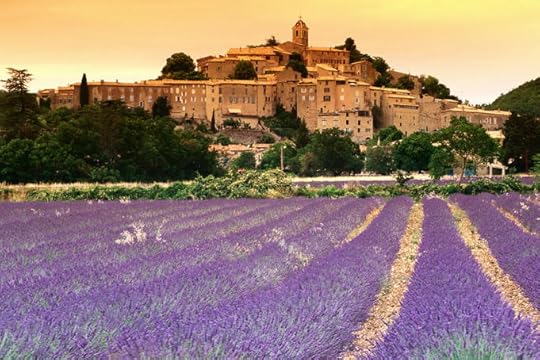
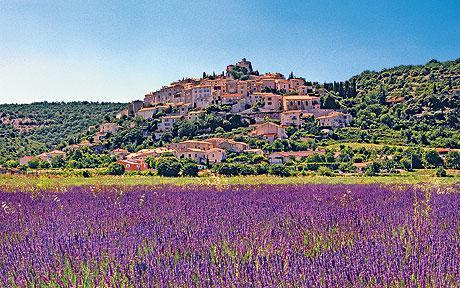
A windmill and flourmill, located in the Rhône valley, in the heart of Provence, on a wooded hillside of pines and green oaks; being the said windmill, abandoned for over twenty years, and not viable for grinding, as it appears that wild vines, moss, rosemary, and other parasitic greenery are climbing up to the sails.
Notwithstanding the condition it is in and performs, with its grinding wheel broken, its platform brickwork grown through with grass, this affirms that the Mr Daudet finds the said windmill to his liking and able to serve as a workplace for his poetry, and accepts it whatever the risk and danger, and without any recourse to the vendor for any repairs needing to be made thereto."

"To really appreciate oranges, you have to see them in their natural setting; in the Balearics, Sardinia, Corsica, and Algeria; in the sunny blue skies of the warm Mediterranean. I can recall with great pleasure a small orchard of orange trees, at the gates of Blidah, just such a place where their true beauty could be seen! Amongst the dark, glossy, lustred leaves, the fruits had the brilliance of stained glass windows and perfumed the air all around with the same magnificent aura that usually envelops gorgeous flowers. Here and there, gaps in the branches revealed the ramparts of the little town, the minaret of a mosque, the dome of a marabout, and, towering above, the immense Atlas mountains, green at the base, and snow-capped, with drifts of snow here and there.
One night during my stay, a strange phenomenon, not seen for thirty years, occurred; the ice from the freezing zone descended onto the sleeping village, and Blidah woke up transformed, and powdered in white snow. In the light, pure Algerian air, the snow looked like the finest dusting of mother of pearl, and had the lustre of a white peacock's feather. But it was the orange orchard that was the most beautiful thing to be seen. The firm leaves kept the snow intact and upright like sorbets on a lacquered plate, and all the fruits, powdered over with frost, had a wonderful mellowness, a discrete radiance like silk-draped gold. It was all vaguely evocative of a church saint's day; the red cassocks under the lacy robes, and the gilt on a lace altar cloth…."