

What do you think?

Brave Enough to Be Broken: How to Embrace Your Pain and Discover Hope and Healing
None of us are perfect. And that is okay!
Trauma, abuse, childhood wounds, and toxic relationships have broken us. But there is no shame in brokenness. In fact, it’s in our brokenness where the healing power of Jesus comes to find us.
Brave Enough to Be Broken is a biblical road map you can use to heal from the pain, the shame, and the regrets that have tried to steal your joy, so you can rest in the unconditional love, healing, and hope of Jesus.
From Toni Collier, founder of the international women's ministry Broken Crayons Still Color, Brave Enough to Be Broken will show you how to bravely process your brokenness so that you can experience the fullness of God's restoration power.
Many of us feel the pressure to be perfect, but what we really want is the freedom to be broken. We long to hear that our brokenness doesn't discount us, and we want a way out of the pain that threatens to overwhelm us.
Toni shares practical steps and biblical wisdom to help you stand in your brokenness and experience healing. No perfection required.
You’ll learn how to
Overcome shame and other inner obstacles blocking you from healing Recognize the harmful effects of trauma and toxic relationships on your mental health Embrace your brokenness so you can help others do the same Hear the voice of Jesus saying “you ARE worthy” when you don’t feel it Accept the unconditional love of Jesus when you surrender your brokenness Brave Enough to Be Broken will guide you to the hope that is found in pain and the beauty that exists in brokenness. It's an invitation to reclaim the wholeness and freedom waiting for you in the fullness of God's purpose for your life.
Trauma, abuse, childhood wounds, and toxic relationships have broken us. But there is no shame in brokenness. In fact, it’s in our brokenness where the healing power of Jesus comes to find us.
Brave Enough to Be Broken is a biblical road map you can use to heal from the pain, the shame, and the regrets that have tried to steal your joy, so you can rest in the unconditional love, healing, and hope of Jesus.
From Toni Collier, founder of the international women's ministry Broken Crayons Still Color, Brave Enough to Be Broken will show you how to bravely process your brokenness so that you can experience the fullness of God's restoration power.
Many of us feel the pressure to be perfect, but what we really want is the freedom to be broken. We long to hear that our brokenness doesn't discount us, and we want a way out of the pain that threatens to overwhelm us.
Toni shares practical steps and biblical wisdom to help you stand in your brokenness and experience healing. No perfection required.
You’ll learn how to
Overcome shame and other inner obstacles blocking you from healing Recognize the harmful effects of trauma and toxic relationships on your mental health Embrace your brokenness so you can help others do the same Hear the voice of Jesus saying “you ARE worthy” when you don’t feel it Accept the unconditional love of Jesus when you surrender your brokenness Brave Enough to Be Broken will guide you to the hope that is found in pain and the beauty that exists in brokenness. It's an invitation to reclaim the wholeness and freedom waiting for you in the fullness of God's purpose for your life.
240 pages, Kindle Edition
Published November 1, 2022
About the author
Toni Collier
5 books54 followersToni Collier is the founder of a global women’s organization called Broken Crayons Still Color and helps women process through brokenness and get to healing and hope. Toni is a speaker, host of the Still Coloring podcast, and author of several books: Don't Try This Alone, Brave Enough to be Broken, and a children's book, Broken Crayons Still Color. Toni is teaching people all over the globe that you can be broken and still worthy, or feel unqualified and still be called to do great things.
Ratings & Reviews
Friends & Following
Create a free account to discover what your friends think of this book!
Community Reviews
Displaying 1 - 30 of 42 reviews

May 21, 2023
3.5 stars 😉 This book had some great points on dealing with difficult life circumstances but sometimes didn’t point to the word deep enough. There are scripture references but may be a good one to read with the Bible next to you too so you can decipher and understand what God’s word says and not just a person’s opinion. Very easy, conversational writing (and yes, I put down the book for a while and finally came back 🤪🫠)

February 24, 2024
Good book, I just did not relate to much of what she’s gone through. Would be great for someone going through more of what she did!

December 10, 2022
Brave Enough to Be Broken
How to Embrace Your Pain and Discover Hope and Healing
by Toni Collier
Pub Date 01 Nov 2022
Nelson Books, Thomas Nelson
Christian
I am reviewing a copy of Brave Enough to Be Broken through Thomas Nelson and Netgalley:
We have been broken by abuse, childhood wounds, and toxic relationships have broken us. But there is no shame in brokenness. In fact, it’s in our brokenness where the healing power of Jesus comes to find us.
Brave Enough to Be Broken is a biblical road map you can use to heal from the pain, the shame, and the regrets that have tried to steal your joy, so you can rest in the unconditional love, healing, and hope of Jesus.
Brave Enough to Be Broken is written by Toni Collier, r, founder of the international women's ministry Broken Crayons Still Color, Brave Enough to Be Broken will show you how to bravely process your brokenness so that you can experience the fullness of God's restoration power.
We feel the pressure to be perfect, but what many of us really want is the freedom to be broken.
We long to hear that our brokenness doesn't discount us, and we want a way out of the pain that threatens to overwhelm us.
Toni shares practical steps and biblical wisdom to help you stand in your brokenness and experience healing. No perfection required.
You’ll learn how to overcome shame and other inner obstacles blocking you from healing.
Recognize the harmful effects of trauma and toxic relationships on your mental health.
Embrace your brokenness so you can help others do the same
Hear the voice of Jesus saying “you ARE worthy” when you don’t feel it
Accept the unconditional love of Jesus when you surrender your brokenness.
I give Brave Enough to Be Broken five out of five stars!
Happy Reading!
How to Embrace Your Pain and Discover Hope and Healing
by Toni Collier
Pub Date 01 Nov 2022
Nelson Books, Thomas Nelson
Christian
I am reviewing a copy of Brave Enough to Be Broken through Thomas Nelson and Netgalley:
We have been broken by abuse, childhood wounds, and toxic relationships have broken us. But there is no shame in brokenness. In fact, it’s in our brokenness where the healing power of Jesus comes to find us.
Brave Enough to Be Broken is a biblical road map you can use to heal from the pain, the shame, and the regrets that have tried to steal your joy, so you can rest in the unconditional love, healing, and hope of Jesus.
Brave Enough to Be Broken is written by Toni Collier, r, founder of the international women's ministry Broken Crayons Still Color, Brave Enough to Be Broken will show you how to bravely process your brokenness so that you can experience the fullness of God's restoration power.
We feel the pressure to be perfect, but what many of us really want is the freedom to be broken.
We long to hear that our brokenness doesn't discount us, and we want a way out of the pain that threatens to overwhelm us.
Toni shares practical steps and biblical wisdom to help you stand in your brokenness and experience healing. No perfection required.
You’ll learn how to overcome shame and other inner obstacles blocking you from healing.
Recognize the harmful effects of trauma and toxic relationships on your mental health.
Embrace your brokenness so you can help others do the same
Hear the voice of Jesus saying “you ARE worthy” when you don’t feel it
Accept the unconditional love of Jesus when you surrender your brokenness.
I give Brave Enough to Be Broken five out of five stars!
Happy Reading!

March 18, 2023
I won this book in a Goodreads giveaway at the perfect time. I had endured years and years of pain, burying it and numbing myself without dealing with any of it. It all came to a head when I lost my mother due to alcoholism unexpectedly 3 weeks before my twin boys were due. All of the wounds I had buried for so long came out. I became angry, made bad choices that furthered my pain, and found myself in a fight for survival that I didn’t have the strength to win. For the first time in my life, I fell to my knees knowing I had to surrender. I could no longer face my pain alone.
Every word in this book touched me. I fell in love with it from the dedication to her daughter in the beginning of the book. I knew the feeling of having trauma, praying you can break the cycle, and that you do not give your children the pain you didn’t heal from. I found this book at a time that I was so ready to surrender. I needed God’s help but couldn’t fully submit. The author explains her pain and walks you through her experiences, while telling the deep roots to help you understand the why’s behind her actions that were deeply rooted from unresolved trauma. I give this book 10/10!!! Highly recommend!!!!
Every word in this book touched me. I fell in love with it from the dedication to her daughter in the beginning of the book. I knew the feeling of having trauma, praying you can break the cycle, and that you do not give your children the pain you didn’t heal from. I found this book at a time that I was so ready to surrender. I needed God’s help but couldn’t fully submit. The author explains her pain and walks you through her experiences, while telling the deep roots to help you understand the why’s behind her actions that were deeply rooted from unresolved trauma. I give this book 10/10!!! Highly recommend!!!!
February 14, 2023
A good memoir by Toni Collier. She talks about ways through Jesus how we can work through our brokenness and find healing. Toni Collier doesn't shy away from her past and her story as she pours into other women. A good book about not shying away from brokenness, a road map to healing and hope, and walking in hope. A very hopeful book even if you don't feel terribly broken.
"The truth is that unhealed trauma will keep impacting us. We can't run from it. Our minds, hearts, and bodies weren't made for it, and so we are consciously and unconsciously clawing our ways to relief and refuge. Our bodies want freedom and true hope."
"If you are going to fight the Enemy, it won't require intellect; it will demand your kneeling."
I received an eARC of this book from the publisher via NetGalley. All opinions expressed in this review are my own.
"The truth is that unhealed trauma will keep impacting us. We can't run from it. Our minds, hearts, and bodies weren't made for it, and so we are consciously and unconsciously clawing our ways to relief and refuge. Our bodies want freedom and true hope."
"If you are going to fight the Enemy, it won't require intellect; it will demand your kneeling."
I received an eARC of this book from the publisher via NetGalley. All opinions expressed in this review are my own.

January 1, 2023
Spiritual, NOT Biblical…
Toni Collier has actually written her autobiography and focused on those events that relate to her abusive marriage and divorce. Thankfully, she has recovered well from those events and is now devoting her life to helping other women learn to do the same.
My issues are related to positioning this book as a biblical or Christian resource. Collier does mention God, prayer and quotes Bible verses freely but many of the snippets are out of context, have added text that’s from other contemporary authors, (like Oprah, in one case!), and none of the biblical examples, have any application from the Bible. There’s plenty of suggestions from Toni and others she used for sources.
All things considered, well written and engaging but not for a serious Christian audience📚
Toni Collier has actually written her autobiography and focused on those events that relate to her abusive marriage and divorce. Thankfully, she has recovered well from those events and is now devoting her life to helping other women learn to do the same.
My issues are related to positioning this book as a biblical or Christian resource. Collier does mention God, prayer and quotes Bible verses freely but many of the snippets are out of context, have added text that’s from other contemporary authors, (like Oprah, in one case!), and none of the biblical examples, have any application from the Bible. There’s plenty of suggestions from Toni and others she used for sources.
All things considered, well written and engaging but not for a serious Christian audience📚

December 26, 2024
Good uplifting

March 11, 2026
Audiobooked this one, such a good listen and love all the ties back to the Bible. Highly recommend for those that have dealt with any kind of hardship in their life and are looking for biblical ways to handle it

July 15, 2023
"Brave Enough to Be Broken" by Toni Collier is a powerful and compassionate guidebook for anyone seeking healing from trauma, abuse, childhood wounds, and toxic relationships. With a biblical foundation, Collier reminds readers that brokenness is not a source of shame but an opportunity for the healing power of Jesus to restore and transform lives.
In a world that often pressures us to appear perfect, Collier embraces the reality of brokenness and invites readers to do the same. She reassures us that our brokenness does not discount us or diminish our worth. Through practical steps and biblical wisdom, Collier shows readers how to navigate their brokenness and experience true healing without the need for perfection.
"Brave Enough to Be Broken" addresses the inner obstacles that hinder healing, such as shame and self-doubt. Collier helps readers recognize the harmful effects of trauma and toxic relationships on their mental health and provides guidance on embracing brokenness as a means of helping others. Through the book, readers will find solace in the unconditional love of Jesus and discover their worthiness, even in their moments of doubt.
The author's compassionate and relatable approach creates a safe space for readers to process their pain and regrets. By embracing their brokenness, readers will find the hope and beauty that exist within it. Collier's message is an invitation to reclaim wholeness and freedom and to step into the fullness of God's purpose for their lives.
"Brave Enough to Be Broken" is an inspiring and uplifting book that offers guidance, encouragement, and practical tools for anyone seeking healing and restoration. Toni Collier's words resonate with authenticity and empathy, making it a valuable resource for individuals on a journey of healing and self-discovery.
In a world that often pressures us to appear perfect, Collier embraces the reality of brokenness and invites readers to do the same. She reassures us that our brokenness does not discount us or diminish our worth. Through practical steps and biblical wisdom, Collier shows readers how to navigate their brokenness and experience true healing without the need for perfection.
"Brave Enough to Be Broken" addresses the inner obstacles that hinder healing, such as shame and self-doubt. Collier helps readers recognize the harmful effects of trauma and toxic relationships on their mental health and provides guidance on embracing brokenness as a means of helping others. Through the book, readers will find solace in the unconditional love of Jesus and discover their worthiness, even in their moments of doubt.
The author's compassionate and relatable approach creates a safe space for readers to process their pain and regrets. By embracing their brokenness, readers will find the hope and beauty that exist within it. Collier's message is an invitation to reclaim wholeness and freedom and to step into the fullness of God's purpose for their lives.
"Brave Enough to Be Broken" is an inspiring and uplifting book that offers guidance, encouragement, and practical tools for anyone seeking healing and restoration. Toni Collier's words resonate with authenticity and empathy, making it a valuable resource for individuals on a journey of healing and self-discovery.
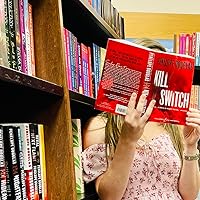
September 14, 2026
The world makes us believe that we can face anything on our own, but that is not true. The world has lied to us.
PART 1 -Embracing brokenness leads to hope
Ch 1: Beware of the comparison trap; we are all worthy of Him, regardless of our traumas. Boast about our weaknesses, like Paul. Instead of praying for God to take away the pain, pray for Him to be with me during the pain. God didn't promise me a life of perfections, He promised to be with me in the imperfections.
Ch 2: My behaviors are how I cope with the traumas I’ve endured. If I’m going to heal from things, then I’ve got to name what they are. Maybe I’m afraid of naming my wounds because I feel that once I name them, they’re going to be exposed and it might hurt more. Our secrets have more control over us when they’re hidden. Like the story of the woman who committed adultery in the Bible, we can be healed and forgiven. Invite God to this healing.
Ch 3: When God created the world, He wasn’t finished until He created me. There’s a better way to healing and sometimes it’s been right in front of us all along, waiting for our willingness to see it. The enemy wants us to believe that we are alone, that God isn’t with us, wanting us to give up on healing. We have to name the lies that the enemy has planted.
It isn’t about the broken crayons and the mess. It’s about being alone, exhausted, and in tears.
Ch 4: If I feel that my brokenness is too small to be considered valid, I need to honor my pain, avoiding the comparison trap. Even when the valley is too deep to see hope, God will find me and give me hope when I surrender at His feet. I need to be honest about how I feel.
Broken crayons still color.
PART 2 - A roadmap to healing and hope
Ch 5: We are all different, so we need to go at our own pace. Bring our prayers to Him, big or small, knowing He will answer those that are good for us. Focus on the quality and not the quantity of prayers, in intimate spaces and with open hearts. Because we were created in His image, we are to be like Jesus - and Jesus prayed; we were made to pray and worship. God's Word says He wants to be close to me even in my brokenness, but the enemy will say that I'm too broken to be loved.
Ch 6: Addiction needs treatment. The enemy uses our shame to isolate us, making us believe that hiding will lead us to healing. We need community. Some people only want to be with us in the good times, leaving us to walk through the bad seasons alone. Here Toni talks about how during her divorce, she lost friends and people who she thought would help her through it; and when she saw that the people walked away, she got closer to God, praying for the right people to enter her life instead of people pleasing to avoid feeling lonely. I'm not alone in this. Who is in my inner circle and are they holding me back or growing with me?
Ch 7: Can I live a peaceful life that doesn't require me to be abused? It is important to have counseling to help us navigate our feelings and emotions, to help us find the best version of ourselves. Needing a counselor does not mean I lack faith in God; God is the healer, counselors are a resource for the healing. Being in an abusive relationship for so long, my thoughts were rewired; I need to destroy my thoughts and build healthier ones - my worth isn't measured on how much I can please others. My healing is an investment on myself. Be open with the counselor, hiding leads to shame. :(
Ch 8: When we only know chaos, we become numb to the trauma and hard things don't faze us. Gratitude can give us dopamine and serotonin; gratitude affects our behavior. What does gratitude look like in my life? What I can do: compliment myself with Godly confidence and human humility, speak/show gratitude to others, write about the things I'm grateful for, gratitude reflection (thinking about what the things I'm grateful for and saying it out loud).
PART 3 - Walking bravely in hope
Ch 9: I'm doing the work and I can claim that I am a woman of hope. A life with hope can be hard in some moments. My pain does not excuse me from forgiveness, if we accept the freely given forgiveness from God then we should give it freely as well. The enemy is real and he's lurking and waiting to attack.
Ch 10: Everyone has their brokenness, but the enemy tells us that we are alone and that the dark night will last forever. It's not only about knowing God, it's also about knowing the enemy and his schemes. The first lie he will tell us is that we are unworthy; (the enemy made his move with Eve) the world wasn't complete until God made Eve, we women are the period to God's creation. The second lie the enemy will tell us is that we are less than others; the game of comparison is a game of no winners, the enemy will whisper that we deserve more now now now, we need to trust in God's timing. The third lie the enemy will tell us is that we don't need help; we don't need to be seen as brave and strong, the key to success is surrender: trade our weakness by God's power by opening up to Him, RELY on God.
Ch 11: Once we heal and become the strong women we were born to be, we can use our knowledge of our experiences to help others, leading them closer to Christ. What if my story was something that could set someone else free, would I tell my story? Would I share about my brokenness to offer hope to others? It's very important to heal before helping.
How to tell if a woman is healed or not yet healed: if she's not healed, her actions/words will come from resentment, sadness, and bitterness. If she's healed, she produces life bearing fruits, she shows empathy and grace, she doesn't forget what she endured but you can smell the aroma of healing.
No one and nothing and can take away the hope I find in Jesus.
PDF with resources:
https://www.harpercollinschristian.co...
PART 1 -Embracing brokenness leads to hope
Ch 1: Beware of the comparison trap; we are all worthy of Him, regardless of our traumas. Boast about our weaknesses, like Paul. Instead of praying for God to take away the pain, pray for Him to be with me during the pain. God didn't promise me a life of perfections, He promised to be with me in the imperfections.
Ch 2: My behaviors are how I cope with the traumas I’ve endured. If I’m going to heal from things, then I’ve got to name what they are. Maybe I’m afraid of naming my wounds because I feel that once I name them, they’re going to be exposed and it might hurt more. Our secrets have more control over us when they’re hidden. Like the story of the woman who committed adultery in the Bible, we can be healed and forgiven. Invite God to this healing.
Ch 3: When God created the world, He wasn’t finished until He created me. There’s a better way to healing and sometimes it’s been right in front of us all along, waiting for our willingness to see it. The enemy wants us to believe that we are alone, that God isn’t with us, wanting us to give up on healing. We have to name the lies that the enemy has planted.
It isn’t about the broken crayons and the mess. It’s about being alone, exhausted, and in tears.
Ch 4: If I feel that my brokenness is too small to be considered valid, I need to honor my pain, avoiding the comparison trap. Even when the valley is too deep to see hope, God will find me and give me hope when I surrender at His feet. I need to be honest about how I feel.
Broken crayons still color.
PART 2 - A roadmap to healing and hope
Ch 5: We are all different, so we need to go at our own pace. Bring our prayers to Him, big or small, knowing He will answer those that are good for us. Focus on the quality and not the quantity of prayers, in intimate spaces and with open hearts. Because we were created in His image, we are to be like Jesus - and Jesus prayed; we were made to pray and worship. God's Word says He wants to be close to me even in my brokenness, but the enemy will say that I'm too broken to be loved.
Ch 6: Addiction needs treatment. The enemy uses our shame to isolate us, making us believe that hiding will lead us to healing. We need community. Some people only want to be with us in the good times, leaving us to walk through the bad seasons alone. Here Toni talks about how during her divorce, she lost friends and people who she thought would help her through it; and when she saw that the people walked away, she got closer to God, praying for the right people to enter her life instead of people pleasing to avoid feeling lonely. I'm not alone in this. Who is in my inner circle and are they holding me back or growing with me?
Ch 7: Can I live a peaceful life that doesn't require me to be abused? It is important to have counseling to help us navigate our feelings and emotions, to help us find the best version of ourselves. Needing a counselor does not mean I lack faith in God; God is the healer, counselors are a resource for the healing. Being in an abusive relationship for so long, my thoughts were rewired; I need to destroy my thoughts and build healthier ones - my worth isn't measured on how much I can please others. My healing is an investment on myself. Be open with the counselor, hiding leads to shame. :(
Ch 8: When we only know chaos, we become numb to the trauma and hard things don't faze us. Gratitude can give us dopamine and serotonin; gratitude affects our behavior. What does gratitude look like in my life? What I can do: compliment myself with Godly confidence and human humility, speak/show gratitude to others, write about the things I'm grateful for, gratitude reflection (thinking about what the things I'm grateful for and saying it out loud).
PART 3 - Walking bravely in hope
Ch 9: I'm doing the work and I can claim that I am a woman of hope. A life with hope can be hard in some moments. My pain does not excuse me from forgiveness, if we accept the freely given forgiveness from God then we should give it freely as well. The enemy is real and he's lurking and waiting to attack.
Ch 10: Everyone has their brokenness, but the enemy tells us that we are alone and that the dark night will last forever. It's not only about knowing God, it's also about knowing the enemy and his schemes. The first lie he will tell us is that we are unworthy; (the enemy made his move with Eve) the world wasn't complete until God made Eve, we women are the period to God's creation. The second lie the enemy will tell us is that we are less than others; the game of comparison is a game of no winners, the enemy will whisper that we deserve more now now now, we need to trust in God's timing. The third lie the enemy will tell us is that we don't need help; we don't need to be seen as brave and strong, the key to success is surrender: trade our weakness by God's power by opening up to Him, RELY on God.
Submit yourselves, then, to God. Resist the devil, and he will flee from you. Come near to God and he will come near to you. Wash your hands, you sinners, and purify your hearts, you double-minded. Grieve, mourn and wail. Change your laughter to mourning and your joy to gloom. Humble yourselves before the Lord, and he will lift you up. (James 4:7-10)
Ch 11: Once we heal and become the strong women we were born to be, we can use our knowledge of our experiences to help others, leading them closer to Christ. What if my story was something that could set someone else free, would I tell my story? Would I share about my brokenness to offer hope to others? It's very important to heal before helping.
How to tell if a woman is healed or not yet healed: if she's not healed, her actions/words will come from resentment, sadness, and bitterness. If she's healed, she produces life bearing fruits, she shows empathy and grace, she doesn't forget what she endured but you can smell the aroma of healing.
No one and nothing and can take away the hope I find in Jesus.
PDF with resources:
https://www.harpercollinschristian.co...

July 22, 2023
I received an ARC of this book from NetGalley in exchange for an honest review.
I thought this book was really encouraging and I appreciated the author’s transparency! She had good practical and spiritual advice for women who have endured trauma.
I thought this book was really encouraging and I appreciated the author’s transparency! She had good practical and spiritual advice for women who have endured trauma.

December 13, 2022
In this book, Toni Collier shares advice and encouragement for Christian women recovering from abusive relationships, destructive life choices, or other problems that have caused brokenness and shame in their lives. She is very vulnerable with her personal story, and her honesty can help other women feel capable of talking about their difficult pasts as well.
She writes in a chatty, conversational style throughout the book, and she shares lots of great advice about recovering from toxic communities, drawing good boundaries, learning to forgive yourself and others, and practicing gratitude. She also shares practical advice about pursuing counseling. However, even though Collier talks about God so pervasively that this book won't appeal to someone who isn't a believer, some of the faith elements seemed shallow.
This book's Christian themes add spirituality to general self-help advice, but they aren't the foundation of her message. For example, when she was writing about forgiveness, Collier mainly focused on the therapeutic elements of this, rather than writing about what we learn about forgiveness from the Bible or through Christ's sacrifice for us. This book has lots of Bible verses and references to God, but it's missing the gospel. It's very focused on self-betterment and self-love, without showing how those things ultimately flow through repenting of our sins, receiving God's grace, and finding healing in Jesus. So much of feeling forgiven comes from this, not from telling ourselves over and over to not be ashamed.
On a similar note, Collier also repeatedly prioritizes hearing a personal revelation from God over reading Scripture. I absolutely believe that God can speak to individuals in meaningful ways, but this is the exception, not the norm, and you shouldn't have to hear God speak to you to know that He loves you. That is already displayed clearly throughout the Bible, in Jesus's life and ministry, and in his death and resurrection.
Overall, this book has a lot of great elements. I appreciate the author's honesty about her personal struggles, her joy over how she has overcome, and her deep desire to see other women heal from their pasts and flourish. However, I'm concerned by some of the theological flaws and omissions in this book, which may sidetrack women from the healing that they can find most fully and completely in Christ. I wouldn't discourage Christians from reading this, since there are lots of great elements, but they should approach this with discernment and careful thought. Meanwhile, people who don't believe in God anyway will be better off reading something else entirely, since the faith themes are still so pervasive and such a major part of the message.
I received a free copy from the publisher through Amazon Vine in exchange for an honest review.
She writes in a chatty, conversational style throughout the book, and she shares lots of great advice about recovering from toxic communities, drawing good boundaries, learning to forgive yourself and others, and practicing gratitude. She also shares practical advice about pursuing counseling. However, even though Collier talks about God so pervasively that this book won't appeal to someone who isn't a believer, some of the faith elements seemed shallow.
This book's Christian themes add spirituality to general self-help advice, but they aren't the foundation of her message. For example, when she was writing about forgiveness, Collier mainly focused on the therapeutic elements of this, rather than writing about what we learn about forgiveness from the Bible or through Christ's sacrifice for us. This book has lots of Bible verses and references to God, but it's missing the gospel. It's very focused on self-betterment and self-love, without showing how those things ultimately flow through repenting of our sins, receiving God's grace, and finding healing in Jesus. So much of feeling forgiven comes from this, not from telling ourselves over and over to not be ashamed.
On a similar note, Collier also repeatedly prioritizes hearing a personal revelation from God over reading Scripture. I absolutely believe that God can speak to individuals in meaningful ways, but this is the exception, not the norm, and you shouldn't have to hear God speak to you to know that He loves you. That is already displayed clearly throughout the Bible, in Jesus's life and ministry, and in his death and resurrection.
Overall, this book has a lot of great elements. I appreciate the author's honesty about her personal struggles, her joy over how she has overcome, and her deep desire to see other women heal from their pasts and flourish. However, I'm concerned by some of the theological flaws and omissions in this book, which may sidetrack women from the healing that they can find most fully and completely in Christ. I wouldn't discourage Christians from reading this, since there are lots of great elements, but they should approach this with discernment and careful thought. Meanwhile, people who don't believe in God anyway will be better off reading something else entirely, since the faith themes are still so pervasive and such a major part of the message.
I received a free copy from the publisher through Amazon Vine in exchange for an honest review.

January 30, 2023
Trauma, abuse, and childhood wounds have broken me, and for the longest time, I was deeply ashamed of my brokenness.
I always felt under so much pressure to be perfect, to keep the peace, and to not rock the boat by speaking my truth.
I grew up being told that my brokenness discounted me from any sort of future, that no one would ever want someone like me, would never be able to love someone like me.
The pain threatened to overwhelm me on a daily basis. It still does.
Only now I know I am not alone, not the only one trying to simply breathe and make it through yet one more day.
This book was so hard for me to read, I saw myself in every page, every word. It was also essential. It has been pivotal for me, it has sparked something inside me which is no longer content to simply sleepwalk through life, to remain dormant until death.
The brokenness is still there, this isn’t a magic cure, but I shifted slightly. I’m ready now, to start really living, one step at a time.
Thank you to NetGalley for a copy of this book in return for my honest review.
I always felt under so much pressure to be perfect, to keep the peace, and to not rock the boat by speaking my truth.
I grew up being told that my brokenness discounted me from any sort of future, that no one would ever want someone like me, would never be able to love someone like me.
The pain threatened to overwhelm me on a daily basis. It still does.
Only now I know I am not alone, not the only one trying to simply breathe and make it through yet one more day.
This book was so hard for me to read, I saw myself in every page, every word. It was also essential. It has been pivotal for me, it has sparked something inside me which is no longer content to simply sleepwalk through life, to remain dormant until death.
The brokenness is still there, this isn’t a magic cure, but I shifted slightly. I’m ready now, to start really living, one step at a time.
Thank you to NetGalley for a copy of this book in return for my honest review.

February 11, 2026
This isn't a bad book by any means, but it felt much more like a personal memoir than a practical guide. I would say it leaned heavily toward autobiography rather than instruction (70% auto, rest instructional). While I respect the author's openness and vulnerability, much of the content centered on her own experiences, with limited practical advices.
I was hoping for more concrete guidance on how to live out God's Word and experience His Love and help in real, everyday situations; I guess I'll just stick to the bible on that lol. That said, I did appreciate the 7-4-1 prayer and the encouragement to consider EMDR therapy, both are practical takeaways that I plan to apply. The rest of the book felt more like gentle reminders of familiar Christian principles: seek God first, journal, let go, find healthy community, leave toxic relationships behind, and resist negative thoughts (which Satan is good at). While those truths are important, I found myself wanting deeper insight and more actionable steps.
I do love the "broken crayons still color." That line moved me.
I was hoping for more concrete guidance on how to live out God's Word and experience His Love and help in real, everyday situations; I guess I'll just stick to the bible on that lol. That said, I did appreciate the 7-4-1 prayer and the encouragement to consider EMDR therapy, both are practical takeaways that I plan to apply. The rest of the book felt more like gentle reminders of familiar Christian principles: seek God first, journal, let go, find healthy community, leave toxic relationships behind, and resist negative thoughts (which Satan is good at). While those truths are important, I found myself wanting deeper insight and more actionable steps.
I do love the "broken crayons still color." That line moved me.

December 10, 2024
Brave Enough to Be Broken byToni Collier is a powerful and deeply moving exploration of personal struggle, resilience, and healing. Collier shares her journey with raw honesty, addressing the emotional scars of past trauma and the courage it takes to face them head-on. The writing is both poetic and vulnerable, creating a strong emotional connection with the reader as she navigates the complexities of brokenness and self-discovery. While the message of hope and healing is inspiring, the pacing can feel slow at times, with some parts of the narrative dragging a bit. Overall, it's an empowering read that speaks to the strength in vulnerability, earning a solid 3 out of 5 stars for its emotional depth and heartfelt storytelling.
PS: This is a self-development book!
PS: This is a self-development book!

May 1, 2023
I was drawn to Toni's book after seeing her speak. Her energy, her joy, and her passion are evident in both her speaking and her writing. I believe this is a good memoir by Toni Collier. Toni talks about ways people can work through our brokenness and find healing through Jesus. Toni does not shy away from her past and her story as she pours into other women. A hopeful and uplifting memoir.
I received an eARC of this book from the publisher via NetGalley. All opinions expressed in this review are my own.
I received an eARC of this book from the publisher via NetGalley. All opinions expressed in this review are my own.

September 18, 2024
This was a good quick read, and it definitely gave me some motivation and some things to think about. That I will be mulling over for sure. Though it was lacking in the practical,I’m glad I read it. I can appreciate the vulnerability from the author and still enjoyed the book, even though I felt it lacking. Also just be warned that her theology is off, but I could feel the sincerity of her love and care for the brotheren and for God.

May 22, 2023
This book was so good! I really enjoyed hearing about Toni’s story and just how she persevered through her trials. I really love the way that mental health and therapy is talked about. There is a lot of really good lessons and more from this book that I am excited to implement in my own life and hopefully share with others. Definitely recommend this book!!

July 19, 2023
"When our pain is brought into the light, hope and healing can be found."
"If we’re going to heal from it, we’ve got to name it."
"Avoid the comparison trap and acknowledge that your pain, big or small, is valid."
"When we name our brokenness and boast freely about it, we find freedom in Christ."
"If we’re going to heal from it, we’ve got to name it."
"Avoid the comparison trap and acknowledge that your pain, big or small, is valid."
"When we name our brokenness and boast freely about it, we find freedom in Christ."

December 9, 2023
I have this five stars because I received it as a birthday gift from one of my best friends, and it felt like reading a letter from a sister. It encouraged me that despite the losses and hurt I’ve endured lately, that I have a God that wants me to know I am His, I am enough, and he wants healing for me. I was reminded to forgive, to seek help, and to speak life into myself.

June 16, 2024
Toni spoke at my church and her book has been on my list. The book references several points in her speech so it was a good reminder of what I heard and learned that day. I loved how strong she is now having grown through her relationship with God and therapy. Such a good reminder that there is no shame in taking care of your mental health and not just praying for it.

November 22, 2024
(5☆ Would recommend & would read again)
This is one of the best books I've read in a while. I love how open & vulnerable the author is with her own story. The healing process that she went through was fantastic & the wisdom she gives is not only great advice, but even better because she's already walked that path. Such a good read! I highly recommend!
This is one of the best books I've read in a while. I love how open & vulnerable the author is with her own story. The healing process that she went through was fantastic & the wisdom she gives is not only great advice, but even better because she's already walked that path. Such a good read! I highly recommend!
March 26, 2023
It is so hard to be ok with not being ok. I felt what you were saying from the perspective of someone with disabilities. There are so many issues for so many different groups of people as you acknowledged in your book. Thank you for that.

October 26, 2023
Loved how honest she was as the book progressed. It's not easy to show the hard times in life. You always think others will judge, and I'm sure some do. But it's good to remember that not all will and that you shouldn't let shame and fear prevent you from seeking God's love and healing!

January 10, 2025
Easy to read. I wish we got more of her back story than a few pieces. And that she could add a reprint at the end about her and her now X husband.
This book had some good tips in it for helping identify some hard topics.
This book had some good tips in it for helping identify some hard topics.
July 15, 2025
This book was amazing! I read it as a first time mom and all the feelings that go with that. People have hurt me, I’ve made mistakes, and I’ve gone through a very hard death. It helps to hear you are not alone. I also want things to be different for my daughter, and show her the world.
December 1, 2022
This is a book to be worked through, it is the knowledge and acceptance that we all have broken places in our hearts and minds that we need to heal and to find hope in Lord to do that healing.
December 10, 2022
Honest and Refreshing
I think what i love most about this book is Toni's ability and courage to be open and honest about her past/sin/mistakes. The good, the bad, and the ugly.
I think what i love most about this book is Toni's ability and courage to be open and honest about her past/sin/mistakes. The good, the bad, and the ugly.

December 23, 2022
I really enjoyed this one! Highly recommend!

January 5, 2023
The message is good, but I didn't relate to her story. I have my own pain and didn't relate to the author's story, but the message is still good. The prayers at the end were very sweet.
Displaying 1 - 30 of 42 reviews