

What do you think?

La Folie Baudelaire
Roberto Calasso is one of the most original and acclaimed of writers on literature, art, culture and mythology. In Baudelaire's Folly, Calasso turns his attention to the poets and writers of Paris in the nineteenth century who created what was later called 'the Modern.' His protagonist is Charles Baudelaire: poet of nerves, art lover, pioneering critic, man about Paris, whose groundbreaking works on modern culture described the ephemeral, fleeting nature of life in the metropolis - and the artist's role in capturing this - as no other writer had done.
With Baudelaire's critical intelligence as his inspiration, Calasso ranges through his life and work, focusing on two painters - Ingres and Delacroix - about whom Baudelaire wrote acutely, and then turns to Degas and Manet, who followed in the tracks Baudelaire laid down in his great essay The Painter of Modern Life. In a mosaic of stories, insights, dreams, close readings of poems and commentaries on paintings, Paris in Baudelaire's years comes to life. In the eighteenth century, a 'folie' was a garden pavilion set aside for people of leisure, a place of delight and fantasy. Here Calasso has created a brilliant and dramatic 'Folie Baudelaire': a place where the reader can encounter Baudelaire, his peers, his city, his extraordinary likes and dislikes, and his world, finally discovering that it is nothing less than the land of 'absolute literature'.
With Baudelaire's critical intelligence as his inspiration, Calasso ranges through his life and work, focusing on two painters - Ingres and Delacroix - about whom Baudelaire wrote acutely, and then turns to Degas and Manet, who followed in the tracks Baudelaire laid down in his great essay The Painter of Modern Life. In a mosaic of stories, insights, dreams, close readings of poems and commentaries on paintings, Paris in Baudelaire's years comes to life. In the eighteenth century, a 'folie' was a garden pavilion set aside for people of leisure, a place of delight and fantasy. Here Calasso has created a brilliant and dramatic 'Folie Baudelaire': a place where the reader can encounter Baudelaire, his peers, his city, his extraordinary likes and dislikes, and his world, finally discovering that it is nothing less than the land of 'absolute literature'.
425 pages, Paperback
First published September 1, 2008
About the author
Roberto Calasso
60 books710 followersRoberto Calasso (1941 – 2021) was an Italian writer and publisher.
Calasso was born in Florence in 1941, into a family of the Tuscan upper class, well connected with some of the great Italian intellectuals of their time.
Calasso worked for the publishing firm of Adelphi Edizioni since its founding by Roberto Bazlen in 1962 and became its Chairman in 1999. In 2015, he bought out the company to prevent it from being acquired by a larger publishing firm. His books have been translated into more than 20 languages.
He was the author of an unnamed ongoing work reflecting on the culture of modernity, which began with The Ruin of Kasch in 1983, a book admired by Italo Calvino. Dedicated to the French statesman Charles Maurice de Talleyrand-Périgord or, Talleyrand, it was followed in 1988 by The Marriage of Cadmus and Harmony, in which the tale of Cadmus and his wife Harmonia becomes a pretext for re-telling the great tales of Greek mythology and reflecting on the reception of Greek culture for a contemporary readership. Another world civilization is surveyed in Ka (1996, where the subject of the re-telling is Hindu mythology). K restricts the focus to a single author, Franz Kafka; this trend continues with Il rosa Tiepolo (Tiepolo Pink), inspired by an adjective used by Marcel Proust to describe a shade of pink used by Venetian artist Giambattista Tiepolo in his paintings. With La folie Baudelaire, Calasso once more broadens his scope from fresco to a whole civilisation, that of Paris in the latter half of the 19th century, reconsidering the lives and works of the post-romantic generation of writers and artists from Baudelaire to Valéry. In one of his more recent works, Ardore (2010), the author returns to India for an exhaustive analysis of the theory and practice of Vedic sacrifice and its significance for post-modern epistemology.
Along with his status as a major analyst specifically of the works of Kafka, Calasso was, more broadly, active in many essays in retrieving and re-invigorating the notion of a Central European literary culture. He also served as the president of the International Alexander Lernet-Holenia Society, which promotes the publication, translation and study of this multi-genre Austrian writer and his focus on the identity crisis of his characters at odds with postimperial Austria and Central Europe.
Calasso was born in Florence in 1941, into a family of the Tuscan upper class, well connected with some of the great Italian intellectuals of their time.
Calasso worked for the publishing firm of Adelphi Edizioni since its founding by Roberto Bazlen in 1962 and became its Chairman in 1999. In 2015, he bought out the company to prevent it from being acquired by a larger publishing firm. His books have been translated into more than 20 languages.
He was the author of an unnamed ongoing work reflecting on the culture of modernity, which began with The Ruin of Kasch in 1983, a book admired by Italo Calvino. Dedicated to the French statesman Charles Maurice de Talleyrand-Périgord or, Talleyrand, it was followed in 1988 by The Marriage of Cadmus and Harmony, in which the tale of Cadmus and his wife Harmonia becomes a pretext for re-telling the great tales of Greek mythology and reflecting on the reception of Greek culture for a contemporary readership. Another world civilization is surveyed in Ka (1996, where the subject of the re-telling is Hindu mythology). K restricts the focus to a single author, Franz Kafka; this trend continues with Il rosa Tiepolo (Tiepolo Pink), inspired by an adjective used by Marcel Proust to describe a shade of pink used by Venetian artist Giambattista Tiepolo in his paintings. With La folie Baudelaire, Calasso once more broadens his scope from fresco to a whole civilisation, that of Paris in the latter half of the 19th century, reconsidering the lives and works of the post-romantic generation of writers and artists from Baudelaire to Valéry. In one of his more recent works, Ardore (2010), the author returns to India for an exhaustive analysis of the theory and practice of Vedic sacrifice and its significance for post-modern epistemology.
Along with his status as a major analyst specifically of the works of Kafka, Calasso was, more broadly, active in many essays in retrieving and re-invigorating the notion of a Central European literary culture. He also served as the president of the International Alexander Lernet-Holenia Society, which promotes the publication, translation and study of this multi-genre Austrian writer and his focus on the identity crisis of his characters at odds with postimperial Austria and Central Europe.
Ratings & Reviews
Friends & Following
Create a free account to discover what your friends think of this book!
Community Reviews
Displaying 1 - 30 of 40 reviews

October 24, 2012
Maybe I’m inclined to what Nietzsche called “impure thought,” that is to say, a kind of thought where abstractions are so mixed with the facts of life that you can’t disentangle them. I feel thought in general, and in particular what is unfortunately called “philosophy,” should lead a sort of clandestine life for a while, just to renew itself. By clandestine I mean concealed in stories, in anecdotes, in numerous forms that are not the form of the treatise. Then thought can biologically renew itself, as it were.
— Calasso's Paris Review interview
The structure of Calasso’s book resembles that of the “brothel-museum” of which Baudelaire dreamt in the early hours of March 13, 1856, a Thursday – a dream interrupted at 5am when his mistress, Jeanne Duval, moved a piece of furniture in another room. Baudelaire encounters a fellow poor man of letters with whom he splits a horse cab; they pursue an oneiric, nocturnal version of their daily routine, calling at editors’ offices to submit or solicit reviews, and to present their published books to possible patrons. Baudelaire stops the cab at a brothel and gets out to present a manuscript to the madam (on the surface, Les Fleurs du Mal was then in final preparation).
In a letter to Asselineau, Baudelaire said the brothel-museum was composed of “immense galleries, adjourning, poorly lit” – “like an erotic Piranesi,” Calasso adds – in which scattered girls and clients chat. Baudelaire is bashful of his bare feet and his penis hanging from his fly, and so studies the pictures on the walls: sketches of Egyptian ruins, birds with moving, “lively” eyes, and clinical photographs of deformed children born to prostitutes. At last he comes upon “a monster born in the house,” “pink and green,” who squats painfully upon a pedestal, with an elastic, snakelike appendage, starting from his nape, wound around his body. They chat – “he informs about his troubles and pains,” the greatest of which is the humiliation of dining at the same table with the prostitutes, the ropelike coil of his neck-tail at his side. "I awake," Baudelaire reported, "tired, enfeebled, with aching bones, my back, legs and sides painful. I presume I had been sleeping in the monster's contorted position."
So, I got carried away there – but c’mon, that’s an awesome dream. La Folie Baudelaire is a series of galleries, some immense, others just closets – a grand bazaar or dilapidated palace of paragraph- to page-sized essays in which certain paintings, artifacts and texts are presented for explication – or rather for explication so insinuatingly subtle you think it the fruit of your own silent contemplation. But Calasso’s extensive arcades do have a center, and I think it’s this:
Baudelaire’s case of a “clandestine metaphysics” glimpsed here and there in ephemeral feuilletons, of a “marginal and erotic” modernity infiltrating familiar forms without rupturing them (“the greatest exemplar of modern poetry in any language,” according to Eliot, also wrote sonnets so morphologically antique that when Aleksander Wat placed one before Czeslaw Milosz, alongside a seventeenth century sonnet, Milosz hesitated a moment before pronouncing which was Baudelaire's), provides the theme, a theme whose variations Calasso tracks in the circumambient painters and poets. Ingres extolled drawing and denigrated a concern for color, while being one of those most inventively bizarre and idiosyncratic colorists of all time; pompously lit candles at the academic shrines of “Raphael” and “Nature” while his pencil, said Paul Valéry, pursued ideal grace “to the point of monstrosity”:
“Manet loved success, parties, the old masters, women,” writes Calasso, “but as soon as we look at his paintings everything becomes far more obscure and disturbing.” Degas, in Medieval War Scene and Interior , comes right up to traditional, legible genre painting, but withholds some crucial touches, so that the works permit no narrative, or permit any and all narrative – in Interior (obtusely re-titled The Rape by the painter’s close friends) Calasso says “meanings are opaque, sentiments obscure, the whole thing could fall only into that all-enveloping, brooding, formless genre that is life itself.” Degas obeyed tradition in his obsession with the female figure, but stubbornly – fetishistically – pursued the marginal, “the intermediate poses among the canonical ones,” the poses that have “no meaning and are only functional…and often not perceived even by those who make them” – the washerwoman yawning, the dancer stretching, the bather drying her toes. (Terrence Malick, especially in his improvisatory, fully impressionistic recent work, has revealed himself an heir of Degas – and of Woolf. To the Lighthouse – To the Wonder – À la merveille.)
Degas’ Portrait of Edmund Duranty is one of my favorite paintings and I realized that I’ve loved it in Calasso’s terms – a known form imbued with strange perception; the coexistence of closely-drawn portraiture and pure coloristic abstraction; Degas translated Duranty’s books into that “new existence in a beyond of color” of which Rilke spoke, where they exist “without any previous memories.”
This is a vast and rich book, and I sound simple emphasizing the schema. (Calasso has long been a writer I felt should read, now he's one I know I must; the jacket bio says La Folie Baudelaire is the "sixth panel" of a rambling work that I assume begins with The Ruin of Kasch...) Compensatory anecdotes:
—On the return leg of their louche tour of the fleshpots of Egypt, Flaubert and Du Camp sojourned in Istanbul. There they dined with the French ambassador, General Aupick, and his wife. Aupick felt obliged to talk shop with the two writers, and awkwardly, gruffly asked, “Has literature made any good recruits since you left Paris?” Flaubert stared blankly, probably trying to keep a straight face after “recruits.” Du Camp mumbled something about meeting this guy Baudelaire, “who will make a name for himself.” Embarrassed silence. Du Camp did not know that Baudelaire was the General’s disowned and disgraced stepson. Later, while the General and Flaubert were talking about something else, Madame Aupick timidly approached Du Camp, whispering, “He has talent, doesn’t he?”
—In Courbet’s The Artist’s Studio Baudelaire is famously marginal and book-absorbed in the hubbub of models, critics, pets, and assorted hangers-on. Photographic analysis has revealed that Courbet painted Jeanne Duval – “a black woman looking very coquettishly at herself in a mirror,” said Courbet – beside Baudelaire, but erased the image at Baudelaire’s insistence. A talismanic framed print – a detail of The Artist’s Studio of Baudelaire reading, a plate from a ruined 1930s book on Courbet I found for 50 cents – has hung on my wall for six years. I took it down – and immediately saw Jeanne’s ghostly face floating over Baudelaire’s. How have I missed it? Calasso says that 19th century French audiences – modernism’s first audience – didn’t see what they weren’t looking for.
— Calasso's Paris Review interview
The structure of Calasso’s book resembles that of the “brothel-museum” of which Baudelaire dreamt in the early hours of March 13, 1856, a Thursday – a dream interrupted at 5am when his mistress, Jeanne Duval, moved a piece of furniture in another room. Baudelaire encounters a fellow poor man of letters with whom he splits a horse cab; they pursue an oneiric, nocturnal version of their daily routine, calling at editors’ offices to submit or solicit reviews, and to present their published books to possible patrons. Baudelaire stops the cab at a brothel and gets out to present a manuscript to the madam (on the surface, Les Fleurs du Mal was then in final preparation).
In a letter to Asselineau, Baudelaire said the brothel-museum was composed of “immense galleries, adjourning, poorly lit” – “like an erotic Piranesi,” Calasso adds – in which scattered girls and clients chat. Baudelaire is bashful of his bare feet and his penis hanging from his fly, and so studies the pictures on the walls: sketches of Egyptian ruins, birds with moving, “lively” eyes, and clinical photographs of deformed children born to prostitutes. At last he comes upon “a monster born in the house,” “pink and green,” who squats painfully upon a pedestal, with an elastic, snakelike appendage, starting from his nape, wound around his body. They chat – “he informs about his troubles and pains,” the greatest of which is the humiliation of dining at the same table with the prostitutes, the ropelike coil of his neck-tail at his side. "I awake," Baudelaire reported, "tired, enfeebled, with aching bones, my back, legs and sides painful. I presume I had been sleeping in the monster's contorted position."
So, I got carried away there – but c’mon, that’s an awesome dream. La Folie Baudelaire is a series of galleries, some immense, others just closets – a grand bazaar or dilapidated palace of paragraph- to page-sized essays in which certain paintings, artifacts and texts are presented for explication – or rather for explication so insinuatingly subtle you think it the fruit of your own silent contemplation. But Calasso’s extensive arcades do have a center, and I think it’s this:
Genius is none other than childhood formulated with precision.” It is possible to come across some of Baudelaire’s stunning definitions (and the art of definition was the one in which he excelled above all) obliquely or hidden in a corner, sometimes amalgamated almost inseparably with the writings of another (who is De Quincey here) or camouflaged in an occasional piece, composed reluctantly. Generally, they are not isolated phrases, with aphoristic pretensions, but fragments of phrases from which they must be detached so that their luminosity may expand. It is his way of protecting secrets: not concealing them behind esoteric barriers, but on the contrary, throwing them into a promiscuous ambience, where they can easily get lost, like a face in a crowd in a big city, thus going back to breathe their unnoticed and radiating life. Thus the cell that emits vibrations is not the verse and not even the phrase, but the suspended definition, which we can find anywhere, set in a chronicle or in a sonnet, in a digression or in a note…In all these fragments of phrases we recognize a perceptual constellation that had never crystallized before. They are juxtapositions of sensations, syntagmas, phantasms, single words, sentiments, ideas, that moved away from current schemas, but without damaging form too much.
Baudelaire’s case of a “clandestine metaphysics” glimpsed here and there in ephemeral feuilletons, of a “marginal and erotic” modernity infiltrating familiar forms without rupturing them (“the greatest exemplar of modern poetry in any language,” according to Eliot, also wrote sonnets so morphologically antique that when Aleksander Wat placed one before Czeslaw Milosz, alongside a seventeenth century sonnet, Milosz hesitated a moment before pronouncing which was Baudelaire's), provides the theme, a theme whose variations Calasso tracks in the circumambient painters and poets. Ingres extolled drawing and denigrated a concern for color, while being one of those most inventively bizarre and idiosyncratic colorists of all time; pompously lit candles at the academic shrines of “Raphael” and “Nature” while his pencil, said Paul Valéry, pursued ideal grace “to the point of monstrosity”:
…the spine never long and supple enough, the neck flexible enough, the thighs smooth enough, or all the curves of the body sufficiently beguiling to the eye, which envelopes and caresses more than it sees them. The Odalisque, with a hint of the plesiosaurus about her, makes one wonder what might have resulted from a carefully controlled selection, through the centuries, of a breed of woman specially designed for pleasure – as the English horse is bred for racing.
“Manet loved success, parties, the old masters, women,” writes Calasso, “but as soon as we look at his paintings everything becomes far more obscure and disturbing.” Degas, in Medieval War Scene and Interior , comes right up to traditional, legible genre painting, but withholds some crucial touches, so that the works permit no narrative, or permit any and all narrative – in Interior (obtusely re-titled The Rape by the painter’s close friends) Calasso says “meanings are opaque, sentiments obscure, the whole thing could fall only into that all-enveloping, brooding, formless genre that is life itself.” Degas obeyed tradition in his obsession with the female figure, but stubbornly – fetishistically – pursued the marginal, “the intermediate poses among the canonical ones,” the poses that have “no meaning and are only functional…and often not perceived even by those who make them” – the washerwoman yawning, the dancer stretching, the bather drying her toes. (Terrence Malick, especially in his improvisatory, fully impressionistic recent work, has revealed himself an heir of Degas – and of Woolf. To the Lighthouse – To the Wonder – À la merveille.)
Degas’ Portrait of Edmund Duranty is one of my favorite paintings and I realized that I’ve loved it in Calasso’s terms – a known form imbued with strange perception; the coexistence of closely-drawn portraiture and pure coloristic abstraction; Degas translated Duranty’s books into that “new existence in a beyond of color” of which Rilke spoke, where they exist “without any previous memories.”
This is a vast and rich book, and I sound simple emphasizing the schema. (Calasso has long been a writer I felt should read, now he's one I know I must; the jacket bio says La Folie Baudelaire is the "sixth panel" of a rambling work that I assume begins with The Ruin of Kasch...) Compensatory anecdotes:
—On the return leg of their louche tour of the fleshpots of Egypt, Flaubert and Du Camp sojourned in Istanbul. There they dined with the French ambassador, General Aupick, and his wife. Aupick felt obliged to talk shop with the two writers, and awkwardly, gruffly asked, “Has literature made any good recruits since you left Paris?” Flaubert stared blankly, probably trying to keep a straight face after “recruits.” Du Camp mumbled something about meeting this guy Baudelaire, “who will make a name for himself.” Embarrassed silence. Du Camp did not know that Baudelaire was the General’s disowned and disgraced stepson. Later, while the General and Flaubert were talking about something else, Madame Aupick timidly approached Du Camp, whispering, “He has talent, doesn’t he?”
—In Courbet’s The Artist’s Studio Baudelaire is famously marginal and book-absorbed in the hubbub of models, critics, pets, and assorted hangers-on. Photographic analysis has revealed that Courbet painted Jeanne Duval – “a black woman looking very coquettishly at herself in a mirror,” said Courbet – beside Baudelaire, but erased the image at Baudelaire’s insistence. A talismanic framed print – a detail of The Artist’s Studio of Baudelaire reading, a plate from a ruined 1930s book on Courbet I found for 50 cents – has hung on my wall for six years. I took it down – and immediately saw Jeanne’s ghostly face floating over Baudelaire’s. How have I missed it? Calasso says that 19th century French audiences – modernism’s first audience – didn’t see what they weren’t looking for.

Read
September 9, 2023Meni je ovo bilo vrhunsko štivo, išla sam naokolo i prepričavala ljudima odabrane bisere uporedo s čitanjem. Nije možda doseglo Kalasovu Propast grada Kaša, ali šta pa i jeste.
Kalaso se ovde pokazuje kao ono što se kod nas pre stotinu godina s ponosom zvalo "francuski đak": trista i kusur stranica ispisuje pozivajući se na sve i svakog ali ni na jednog jedinog italijanskog autora ili mislioca. Da uzgred ne prominu senke Ticijana i Tintoreta bila bi ovo knjiga koja se počev od naslova (u originalu takođe na francuskom) u svakoj žilici odvaja od zemlje porekla: Kalaso, naime, ovde sklapa jedan zaslepljujuće pronicljiv esej o Bodleru i o najvažnijim slikarima njegovog doba - redom se nižu poglavlja u kojima su glavni likovi Engr, Delakroa, Dega, Mane, i tek pri kraju se vraća umetnicima reči, Rembou i Sent-Bevu (Kalaso je odranije najveći fan Sent-Beva što mi se čini retko uspelim izborom ako neko želi da se odredi kao vrh vrhova kulturnog elitizma tako cirka 2008. kad je ova knjiga prvobitno objavljena).
Beskrajno je zabavno, zlobno, oštroumno, nižu se citati koji u kontrapunktu otkrivaju novi smisao, analiza Bodlerovog sna pretiče se sa učitavanjem skrivenog smisla u Degaove slike - poglavlja o Engru i Degau su zapravo daleko najuspelija, prava mala otkrovenja u tumačenju likovnosti. Sjajno sam se provela i hoću još.
PS i naravno ako se nekom do sada nisu otvorile oči prilikom, ne znam, prvog susreta sa Kurbeovim Poreklom sveta, ovo može da se čita i kao mali priručni vodič kroz lascivno naličje a katkad i lice klasičnog slikarstva.
PPS Naravno da i Kalaso citira dnevnik braće Gonkur, ljudi su bili po svemu sudeći krajnje dosadni kao pisci ali kao izvor tračeva - najbolji i najliterarniji izvor na svetu, naravno da kod nas Dnevnik nije preveden čak ni u odlomcima :(
Kalaso se ovde pokazuje kao ono što se kod nas pre stotinu godina s ponosom zvalo "francuski đak": trista i kusur stranica ispisuje pozivajući se na sve i svakog ali ni na jednog jedinog italijanskog autora ili mislioca. Da uzgred ne prominu senke Ticijana i Tintoreta bila bi ovo knjiga koja se počev od naslova (u originalu takođe na francuskom) u svakoj žilici odvaja od zemlje porekla: Kalaso, naime, ovde sklapa jedan zaslepljujuće pronicljiv esej o Bodleru i o najvažnijim slikarima njegovog doba - redom se nižu poglavlja u kojima su glavni likovi Engr, Delakroa, Dega, Mane, i tek pri kraju se vraća umetnicima reči, Rembou i Sent-Bevu (Kalaso je odranije najveći fan Sent-Beva što mi se čini retko uspelim izborom ako neko želi da se odredi kao vrh vrhova kulturnog elitizma tako cirka 2008. kad je ova knjiga prvobitno objavljena).
Beskrajno je zabavno, zlobno, oštroumno, nižu se citati koji u kontrapunktu otkrivaju novi smisao, analiza Bodlerovog sna pretiče se sa učitavanjem skrivenog smisla u Degaove slike - poglavlja o Engru i Degau su zapravo daleko najuspelija, prava mala otkrovenja u tumačenju likovnosti. Sjajno sam se provela i hoću još.
PS i naravno ako se nekom do sada nisu otvorile oči prilikom, ne znam, prvog susreta sa Kurbeovim Poreklom sveta, ovo može da se čita i kao mali priručni vodič kroz lascivno naličje a katkad i lice klasičnog slikarstva.
PPS Naravno da i Kalaso citira dnevnik braće Gonkur, ljudi su bili po svemu sudeći krajnje dosadni kao pisci ali kao izvor tračeva - najbolji i najliterarniji izvor na svetu, naravno da kod nas Dnevnik nije preveden čak ni u odlomcima :(

October 23, 2016
No one had crossed that city so wisely and congenially, like some saturnine guardian; no one had made it breathe in his prose and poetry as Baudelaire had done.
Calasso has penned a book where the fantastic and the bizarre in all their connotations dovetail. It is vison from a fever, a strange state of affairs and the lodestar is one Charles Baudelaire. The book is a gallery or to borrow Baudelaire's famed dream, it is a brothel-museum where one can trod barefoot and indecently exposed and marvel at the amor fati, the crazed and brazen, where the chronicles of Manet or Ingres can astonish. Where humility leaves us weeping.
The sections on Baudelaire and Rimbaud were superior, a crackling mastery of modernity is on display. Calasso weaves and constructs, he teases us with a theory of allegory and flashes an homage to Baudelaire's embrace of definition. The sections on painting are the sinew of the book, but were less effective to my simple soul.
Calasso is always looking both forward and back, his erudition is breathtaking as is the pellucid prose.
Calasso has penned a book where the fantastic and the bizarre in all their connotations dovetail. It is vison from a fever, a strange state of affairs and the lodestar is one Charles Baudelaire. The book is a gallery or to borrow Baudelaire's famed dream, it is a brothel-museum where one can trod barefoot and indecently exposed and marvel at the amor fati, the crazed and brazen, where the chronicles of Manet or Ingres can astonish. Where humility leaves us weeping.
The sections on Baudelaire and Rimbaud were superior, a crackling mastery of modernity is on display. Calasso weaves and constructs, he teases us with a theory of allegory and flashes an homage to Baudelaire's embrace of definition. The sections on painting are the sinew of the book, but were less effective to my simple soul.
Calasso is always looking both forward and back, his erudition is breathtaking as is the pellucid prose.

August 8, 2022
Roberto Calasso died a year ago and I mourn his loss. We won’t be seeing any more books from him. The only comfort and it is considerable is that the books he published can be read again and again with pleasure. The depth of his insights, the range of his reference, his uncanny ability to find and extract exactly the right aperçu from the most recondite material, do not lose their charm – charm in the ancient sense, their magic.
I started his book on Baudelaire when it first appeared in 2012, and then it drifted into the pile of half-read books, and then to the shelves where it set next to his others. Last month, spurred by a new edition of Fleurs de Mal, I found it again and lost myself.
Eric has written an excellent review of the book; I happily refer any readers of this review to his, which I won’t try to amplify. The first third (roughly) of the book is on Baudelaire, as you’d expect, although Calasso’s theme is always and at the same time the adventure of modernity, imperiled and haunted by forgotten gods and rituals of sacrifice. In these chapters I was reminded repeatedly of Walter Benjamin. Calasso is his equal in perception and acuity.
The center of the book takes a detour through the works of Ingres, Delacroix, Degas and Manet. At first I was impatient with this change of focus, until I realized that Calasso (of course) was taking us deeper into the world of Baudelaire. A bonus of these chapters is the precise selection of paintings Calasso presents to ground his commentary.
Baudelaire returns in the final chapters, an apotheosis by way of Rimbaud, Sainte-Beuve (wherein we discover the context of la folie Baudelaire), Proust, and Paul Bourget. The few pages on Proust, by the way, are more illuminating than entire books on Proust — that is, for those who treasure Proust and are weary of the usual recitative.
For those who haven’t read Calasso I’ll trot out a line of praise you’ll find in many reviews of his works because it’s so right — Italo Calvino’s review of Calasso’s first book:
La rovina di Kasch tratta di due argomenti: il primo è Talleyrand, il secondo è tutto il resto. “The Ruin of Kasch has two subjects: the first is Talleyrand and the second everything else.”
You don’t read Calasso to extract information, you read to think along with him. He is always deeper, further ahead, more imaginative, and gracious throughout.
I started his book on Baudelaire when it first appeared in 2012, and then it drifted into the pile of half-read books, and then to the shelves where it set next to his others. Last month, spurred by a new edition of Fleurs de Mal, I found it again and lost myself.
Eric has written an excellent review of the book; I happily refer any readers of this review to his, which I won’t try to amplify. The first third (roughly) of the book is on Baudelaire, as you’d expect, although Calasso’s theme is always and at the same time the adventure of modernity, imperiled and haunted by forgotten gods and rituals of sacrifice. In these chapters I was reminded repeatedly of Walter Benjamin. Calasso is his equal in perception and acuity.
The center of the book takes a detour through the works of Ingres, Delacroix, Degas and Manet. At first I was impatient with this change of focus, until I realized that Calasso (of course) was taking us deeper into the world of Baudelaire. A bonus of these chapters is the precise selection of paintings Calasso presents to ground his commentary.
Baudelaire returns in the final chapters, an apotheosis by way of Rimbaud, Sainte-Beuve (wherein we discover the context of la folie Baudelaire), Proust, and Paul Bourget. The few pages on Proust, by the way, are more illuminating than entire books on Proust — that is, for those who treasure Proust and are weary of the usual recitative.
For those who haven’t read Calasso I’ll trot out a line of praise you’ll find in many reviews of his works because it’s so right — Italo Calvino’s review of Calasso’s first book:
La rovina di Kasch tratta di due argomenti: il primo è Talleyrand, il secondo è tutto il resto. “The Ruin of Kasch has two subjects: the first is Talleyrand and the second everything else.”
You don’t read Calasso to extract information, you read to think along with him. He is always deeper, further ahead, more imaginative, and gracious throughout.

July 14, 2021
Con Baudelaire in primo piano e' buona parte dell'800 francese ad essere coinvolto in questo viaggio (spesso troppo compiaciuto) nel ventre accogliente, torbido e decadente della nazione che ha segnato maggiormente l'arte e la letteratura del XIX secolo. Vediamo muoversi personaggi solitamente cristallizzati su pagine ormai ingiallite e che invece raccontati da Calasso guadagnano una vitalita' e una presenza insospettabili. Zola, Hugo, Stendhal, Balzac, Gautier, Flaubert per citare alcuni nomi, si aggirano in una Parigi che non puo' essere piu' ottocentesca di cosi'. E i pittori: Delacroix, Manet, Degas, Ingres. Oggi sono nomi, pagine da leggere e tele da osservare, ma furono personalita' geniali e al tempo stesso tormentate da fantasmi che Calasso riesce, con un registro non certo semplice, a ben rappresentare.

Want to Read
September 27, 2017nei dispiaceri del vero poliziotto, Bolano fa innamorare Amalfitano di un falsario di quadri di nome Castillo, con cui una sera va a vedere uno spettacolo di spogliarelliste e maghi a cui assistono anche contadini e magnaccia di puttane. Per molto tempo, ho pensato a cosa evocasse in me il nome Castillo e per molto tempo non ho saputo dirlo. Poi un giorno, quasi all'improvviso - ed è una specie di grazia fulminante-, mi sono ricordato del sogno di Baudelaire, che Calasso racconta in questo libro. Il poeta scrive al suo amico Asselineau di aver sognato che una notte, mentre si aggirava per commissioni, incontra l'amico e letterato Castille, anche lui impegnato in commissioni, e sale nella sua carrozza. Questa carrozza si ferma di fronte a un bordello dove Baudelaire scende, con il pene che gli spunta dall'apertura dei pantaloni e i piedi nudi, indecente come non mai, per affidare alla maîtresse un libro osceno. E' la stessa oscenità con cui si presenta la letteratura di Bolano, piena di verghe in bellavista. L'entrata timida e impacciata in questo bordello è l'entrata in una sorta di museo, in una galleria alle cui pareti è appeso di tutto, - disegni, fotografie, figure egizie, uccelli -, e tutto è indecifrabile eppure vibrante di mistero. Fino all'incontro con un mostro, un mostro con cui Baudelaire avrebbe continuato a parlare di «noie e dolori», di cose semplici della vita di tutti i giorni, non di misteri inaccessibili, se non l'avesse svegliato la moglie Jeanne. Come non sentire al termine di questo racconto-sogno, l'olezzo della letteratura? Tra le righe, viene suggerito quasi un metodo, che Bolano così bene seppe catturare, per poter arrivare a parlare con il "mostro" di cose semplici e quotidiane. "Non disegnate mai dal vero" ammoniva Degas; disegnate solo ciò che rimane nella memoria, ciò che visita le vostre notti, la parte essenziale.

September 11, 2014
It almost never takes as long to read a book as it did this one (almost two weeks). I feel a bit silly reviewing it, because I don't feel smart enough to comment. It's probably brilliant, and Calasso is amazingly knowledgable in a wide variety of ways (literature, art, languages, philosophy, who knows what else...), but a lot of it went over my head and the prose was in general dense and challenging.
As another reviewer has noted, having finished the book, I don't feel I have gotten to know Baudelaire the man very much at all. He's more a leitmotif than a central character. It seems odd to me that other figures, all of them artists, come through vividly -- Ingres, Manet, Degas -- but Baudelaire does not, at least not for me.
I can't figure out if this book is remarkably learned or just somewhat pompous. Calasso inserts words and phrases in a great many languages (French, of course, but also German, Greek, Italian, and undoubtedly others). There are sentences and passages in French which are not translated, and my facility in the language was not adequate to understand them fully. Buy, hey, even his English was often beyond me, and my vocabulary is pretty good. What on earth is an "oneiric paralogism?" And how about these words: aerolite, ecliptic, scrotoma, coryphaei, palisande, incondite and hierodule? Do they come from Capasso or the translator?
There are an enormous number of writers, thinkers, artists and others alluded to in the book and often discussed. I'm afraid while it is probably impressive, it was just too much to absorb. "La Folie Baudelaire" is probably best read by an academic with a deep background in 19th Century European culture and politics which I unfortunately lack. It seems very much worth reading, but I can't say it gave me very much pleasure.
As another reviewer has noted, having finished the book, I don't feel I have gotten to know Baudelaire the man very much at all. He's more a leitmotif than a central character. It seems odd to me that other figures, all of them artists, come through vividly -- Ingres, Manet, Degas -- but Baudelaire does not, at least not for me.
I can't figure out if this book is remarkably learned or just somewhat pompous. Calasso inserts words and phrases in a great many languages (French, of course, but also German, Greek, Italian, and undoubtedly others). There are sentences and passages in French which are not translated, and my facility in the language was not adequate to understand them fully. Buy, hey, even his English was often beyond me, and my vocabulary is pretty good. What on earth is an "oneiric paralogism?" And how about these words: aerolite, ecliptic, scrotoma, coryphaei, palisande, incondite and hierodule? Do they come from Capasso or the translator?
There are an enormous number of writers, thinkers, artists and others alluded to in the book and often discussed. I'm afraid while it is probably impressive, it was just too much to absorb. "La Folie Baudelaire" is probably best read by an academic with a deep background in 19th Century European culture and politics which I unfortunately lack. It seems very much worth reading, but I can't say it gave me very much pleasure.

February 4, 2015
I read this book during dark days of too much work. I would get up at 4:30AM and ride the early train at 5 in the morning and read this slightly phantasmagoric text amongst sleepy riders in my crepuscular journey to work. I am glad I took notes while reading: “…all-embracing concatenation from prostitution to taxonomy, a progression of forms that culminated in the amorphous, in other words, creatures that seem to have fallen from another world (aerolites) highly erudite and insane.” I would say for this book, come for the Baudelaire, stay for the Ingres and Degas. This is not so much as a biography of Baudelaire but more of a capture of his milieu. Calasso writes about other writers, painters, thinkers that Baudelaire most likely have rubbed elbows with. As an art history student, I was very unimpressed with Ingres and Degas, but Calasso’s chapters on these painters opened new interpretations and insights into their techniques and subject matter which I had never considered- this enough would have been worth the read.
Overall, the language and meditations on modernity, Paris, and writing fit my liminal mindset, my reading during darkened transports, and my sad time loss. And as a habitué of certain moments in history, I appreciated delving into this writer’s life- strange and hallucinatory Baudelaire.
Overall, the language and meditations on modernity, Paris, and writing fit my liminal mindset, my reading during darkened transports, and my sad time loss. And as a habitué of certain moments in history, I appreciated delving into this writer’s life- strange and hallucinatory Baudelaire.

May 20, 2019
Andarsene così

September 9, 2017
Calasso indubbiamente sa scrivere, e questo non è un libro per neofiti. Si tratta, in effetti, di un saggio che risulterebbe oltremodo ostico a qualcuno che non abbia una minima conoscenza del periodo di cui si parla e degli artisti presentati. In massima parte si presenta come una raccolta di aneddoti, intervallati da riflessioni e conclusioni dell'autore, il tutto esposto utilizzando uno stile che ben si adatta al periodo narrato. Calasso, come ho detto, sa scrivere: si muove fra metafore e paragoni arditi con scioltezza invidiabile e con stile sontuoso, naviga - o nuota - attraverso le correnti del XIX secolo come il Bateau Ivre di Rimbaud. Senza una meta apparente, attraverso concetti non sempre lineari anzi talvolta un po' laboriosi da seguire. Il saggio si apre con Baudelaire, figura che permea in qualche modo l'intera opera e resta perennemente sospesa fra le righe, e con Baudelaire si chiude (i due ultimi paragrafetti mi hanno perfino un po' commosso!). Il filo portante è la modernità, la sua origine, le sue antinomie di fondo. Calasso vola radente da Baudelaire a Ingres, passando per Delacroix, Berthe Morisot, Manet, Degas, Rimbaud e altri, finendo a Proust e dunque già agli inizi del secolo XX. Ciò che ne esce è un dipinto che, esattamente come un quadro di Manet, va guardato da lontano per essere del tutto compreso: ossia, se i capitoli presi singolarmente possono risultare mancanti di un filo conduttore, poco più appunto di una raccolta di aneddoti, arrivando alla fine si nota la composizione del quadro completo: un evocativo, suggestivo ritratto della seconda metà del XIX secolo, divisa fra il classicismo e le avanguardie nascenti, pregna di una sensualità opulenta eppure velata, fra Sainte-Beuve e una corrente bohémienne che faceva paura, fra progresso e passato. Il capitolo dedicato al bordello-museo di Baudelaire, quello centrale, è anche quello che esplicita perfettamente il fondamento della modernità, quasi un paradosso, pur se in questo punto ho anche trovato un po' azzardate alcune delle conclusioni a cui Calasso giunge.
Punti più alti del saggio sono, secondo me: le poche righe dedicate all'amicizia fra Chopin e Delacroix; l'ultima parte del capitolo del bordello-museo, quella in cui si analizza il mostro; in generale il capitolo dedicato alla modernità, con particolare attenzione ai paragrafi dedicati a Manet; l'ultimo capitolo, in cui è interessante anche l'analisi e la particolare attenzione prestate a Sainte-Beuve, intellettuale altrimenti poco considerato (e reso qui in maniera vividissima!).
Utile inoltre l'apparato bibliografico, e sempre belli da vedere i dipinti inseriti.
Punti più alti del saggio sono, secondo me: le poche righe dedicate all'amicizia fra Chopin e Delacroix; l'ultima parte del capitolo del bordello-museo, quella in cui si analizza il mostro; in generale il capitolo dedicato alla modernità, con particolare attenzione ai paragrafi dedicati a Manet; l'ultimo capitolo, in cui è interessante anche l'analisi e la particolare attenzione prestate a Sainte-Beuve, intellettuale altrimenti poco considerato (e reso qui in maniera vividissima!).
Utile inoltre l'apparato bibliografico, e sempre belli da vedere i dipinti inseriti.

February 1, 2018
Questa splendida edizione deluxe, dalle cui dimensioni si può apprezzare il repertorio iconografico del libro in maniera non paragonabile all'edizione Adelphi, l'ho trovata - a offerta libera - in un mercatino di beneficenza al supermercato. Era un'edizione regalo pagata da Mps, suppongo, per i suoi clienti migliori.
Be', cliente Monte Paschi Siena che non sapevi che fartene di Baudelaire: hai fatto bene a liberartene. Sempre meglio lasciare spazio in casa per gli oggetti che ci interessano davvero. E ancora meglio, rimettere in circolo gli oggetti che non ci interessano; qualcuno che se ne innamora prima o poi salterà fuori.
Be', cliente Monte Paschi Siena che non sapevi che fartene di Baudelaire: hai fatto bene a liberartene. Sempre meglio lasciare spazio in casa per gli oggetti che ci interessano davvero. E ancora meglio, rimettere in circolo gli oggetti che non ci interessano; qualcuno che se ne innamora prima o poi salterà fuori.

October 26, 2012
What, I'm supposed to write a better review of this than Eric? Gimmee a break. Just go give his some 'likes':
http://www.goodreads.com/review/show/...
http://www.goodreads.com/review/show/...

Read
November 4, 2019Alla penombra d’una finestra di un antico palazzo nel milanese, potreste scorgere Roberto Calasso muoversi lungo le pareti della sua casa, contemplante i motivi felini ornamentali che il suo intimo amico e poeta Iosif Aleksandrovič Brodskij dipinse quando venne a visitare l’autore e la moglie, la scrittrice italo-svizzera Fleur Jaeggy.
Le alte mura, sino al soffitto, sono nascoste dall’altra metà della sua biblioteca, quella lontana dagli uffici Adelphi dei quali è presidente e consigliere delegato.
Non poche opere sono importanti prime edizioni, giacché per mezzo degli scritti, e in molti casi attraverso la vita personale dello stesso, sono convogliati alcuni dei nomi più essenziali nel pensiero e nella letteratura mondiale: Thomas Bernhard; Jorge F. I. Luis Borges Acevedo; Djuna Barnes; Italo Calvino; Emil Cioran; William C. Faulkner; Milan Kundera; Czesław Miłosz, Vladimir V. Nabokov…
Le ore che la sua vita editoriale non occupa sono dedicate alla scrittura. Anche se meno conosciuto, specialmente al di fuori dei circoli strettamente accademici, il nome di Calasso convive da anni con quello dei grandi del Parnaso letterario. Ogni sua opera è difficilmente classificabile. Non saggi, non romanzi, non poesie, non filosofia: ciascuna nella qualità della prossima e ben più altro.
È, tentando la definizione, una profonda esplorazione dell’animo umano attraverso l’arte, il linguaggio ed il mito, costituenti una visione che ne racchiude l’interezza, dalle origini più nascoste di una memoria congenita, alla sensibilità moderna.
Concedendosi il piace del raffronto, quale poeta è dunque per antonomasia legato al sentimento di inadeguatezza per la contemporaneità? Charles Pierre Baudelaire, intensamente concentrato sul suo malessere viscerale, è uno dei primi scrittori a far uso del termine modernité, dopo Honoré de Balzac e P. J. Théophile Gautier.
Egli scorge suoni e ode colori; i suoi scritti sono saturi delle parvenze del mondo modernizzante e l’uso dell’esperienza sensoriale come base della soggettività diviene fondamentale per lo sviluppo del progressismo letterario. In La Folie Baudelaire, Roberto Calasso lo colloca nella tumultuosa congiuntura storica percorrente le rivoluzioni del 1830 e del 1848, nonché della ricostruzione di Parigi da parte del Secondo Impero di Napoleone III.
Nel fitto, spesso oscuro lirismo, l’autore parafrasa lo scrittore franco come ambivalente filosofo della cultura a lui contemporanea, la cui voce è tale da aver mutato il comune intendimento dell’arte anteriore e conseguente il proprio passaggio. Appoggiandosi più alla prosa che alla poesia, Calasso denuda la figura del moderno negli artisti da cui Baudelaire ha agguantato e disadornato il significativo corpus di stesi critici. Le sue parole e la crescente nobilitazione di quel genere intermedio, la poesia in prosa, alla ricerca dell’intensità del sentimento, dell’audacia tematica e dell’originalità espressiva, il tutto unito a uno sforzo caratteristico di attraversamento d’avanguardia incarnata con straordinario vigore psicologico ed incoraggiato da un’onestà talora dolente.
Baudelaire pone la modernità in netto contrasto con il culto della scienza e del progresso che ha accompagnato i suoi tempi, lamentando come una marcia a senso unico verso il futuro possa condurre all’assenza di una cultura regolare, il che significa, scrive Calasso, l’obbligo del pensatore al commettere un peccato infinito, ovvero dedicarsi all’introspezione di sé e dell’ambiente estroverso in un movimento continuo, improvviso e frantumato. Il vero progresso che si configura in Baudelaire è questa ricerca dell’immagine, una forma contenitiva che modella la sostanza che vi viene introdotta, spinto lui dall’insano demone dell’analogia in contatto con la sostanza stessa della mitologia, del simbolico, in cui oggetti e concetti possono intercedere l’uno in nome dell’altro.
La Folie, la follia a cui il libro di Calasso deve il titolo, nasce dalla proposta del critico letterario Charles A. de Sainte-Beuve, che commosso dalla deferenza, dalla gentilezza di Baudelaire, il quale a volte gli invia dei versi, lo consiglia con dileggio di elargire la sua arte alla protezione dei quaranta dell’Académie Française. A suo dire, egli trova il modo di convogliare al di là dei noti confini del Romanticismo una folla tanto tormentata quanto aggraziata e misteriosa, di persone declamanti raffinati sonetti, inebriate di oppiacei in tazze della migliore porcellana. Così facendo Sainte-Beuve conferisce all’opera del giovane un appropriato soffio di esotismo, ciò nondimeno il poeta francese è ormai troppo distante nella sua esplorazione del nuovo, del senso della follia per essere richiamato a vecchie strade, laddove il piacere dell’ornamento è unito alla tortura autoinflitta.
Calasso è esperto nel comporre allusioni intriganti, seppur raramente si dilunghi su ognuna di esse, come se fosse sufficiente fare riferimento a un’idea affinché l’intero suo ordine si schiuda da qualche parte nella mente del lettore, come un fiore di aromatica camelia in acqua calda. Lontano dalle formalità della corrente letteraria, i principi di Calasso sono fedeli solo alla propria percezione del testo, dell’opera d’arte. Si direbbe che interpreti il contenuto semantico di ogni parola alla luce dell’immensa conoscenza, accumulata dopo decenni di studio attento e paziente, per poi trasmettere il risultato della sua particolare analisi con ricercate sfumature.
Calasso non è un divulgatore il cui fine è quello di accompagnare un pubblico erudito o meno verso il riassunto di miti, di concetti o idee. Egli favorisce la storia raccontata, cogliendone la natura innata, non solo con raro intelletto, altresì col retroterra culturale e linguistico con i quali valuta ogni aspetto sul cui sguardo critico si posa.
Riuscendo a forgiare uno dei monumenti più forti delle lettere umane, il dono che l’autore offre è uno specchio limpido nel quale può essere veduto non senza ammirazione, poiché il viaggio che il lettore deve intraprendere per concepirne l’essenza non è meno epico di quello di Gilgamesh o di Ulisse; è il cammino che alcuni scelgono di fare sapendo che non dovrà necessariamente ultimarsi. Il lettore adatta la sua percezione culturale e letteraria all’oceano di informazioni che l’autore gli pone davanti. Calasso sussurra all’orecchio i frammenti di una verità universale da intuire, non indicandone un percorso, ma diversi possibili, foggiati dall’individuo soggetto e personale. Chiunque voglia immergersi nella finezza che ha prodotto La Folie Baudelaire affronterà un lento processo di iniziazione. V’è qualcosa nei toni di Roberto Calasso, nella facilità con la quale si relaziona, nella convinzione con cui enuncia, che dà una veridicità trasparente a tutto quel che esprime, come se leggendone i passi, non si eviti di credere che abbia veduto con i propri occhi Baudelaire denudatosi in una galleria parigina. Vi sono molti spettatori che riportano la cronaca delle vicende umane, Calasso, tuttavia, è probabilmente un raro testimone intellettuale, tra i pochi ad aver assistito all’antico viaggio della nostra mente, rivolto alla vera natura dello spirito umano.
Le alte mura, sino al soffitto, sono nascoste dall’altra metà della sua biblioteca, quella lontana dagli uffici Adelphi dei quali è presidente e consigliere delegato.
Non poche opere sono importanti prime edizioni, giacché per mezzo degli scritti, e in molti casi attraverso la vita personale dello stesso, sono convogliati alcuni dei nomi più essenziali nel pensiero e nella letteratura mondiale: Thomas Bernhard; Jorge F. I. Luis Borges Acevedo; Djuna Barnes; Italo Calvino; Emil Cioran; William C. Faulkner; Milan Kundera; Czesław Miłosz, Vladimir V. Nabokov…
Le ore che la sua vita editoriale non occupa sono dedicate alla scrittura. Anche se meno conosciuto, specialmente al di fuori dei circoli strettamente accademici, il nome di Calasso convive da anni con quello dei grandi del Parnaso letterario. Ogni sua opera è difficilmente classificabile. Non saggi, non romanzi, non poesie, non filosofia: ciascuna nella qualità della prossima e ben più altro.
È, tentando la definizione, una profonda esplorazione dell’animo umano attraverso l’arte, il linguaggio ed il mito, costituenti una visione che ne racchiude l’interezza, dalle origini più nascoste di una memoria congenita, alla sensibilità moderna.
Concedendosi il piace del raffronto, quale poeta è dunque per antonomasia legato al sentimento di inadeguatezza per la contemporaneità? Charles Pierre Baudelaire, intensamente concentrato sul suo malessere viscerale, è uno dei primi scrittori a far uso del termine modernité, dopo Honoré de Balzac e P. J. Théophile Gautier.
Egli scorge suoni e ode colori; i suoi scritti sono saturi delle parvenze del mondo modernizzante e l’uso dell’esperienza sensoriale come base della soggettività diviene fondamentale per lo sviluppo del progressismo letterario. In La Folie Baudelaire, Roberto Calasso lo colloca nella tumultuosa congiuntura storica percorrente le rivoluzioni del 1830 e del 1848, nonché della ricostruzione di Parigi da parte del Secondo Impero di Napoleone III.
Nel fitto, spesso oscuro lirismo, l’autore parafrasa lo scrittore franco come ambivalente filosofo della cultura a lui contemporanea, la cui voce è tale da aver mutato il comune intendimento dell’arte anteriore e conseguente il proprio passaggio. Appoggiandosi più alla prosa che alla poesia, Calasso denuda la figura del moderno negli artisti da cui Baudelaire ha agguantato e disadornato il significativo corpus di stesi critici. Le sue parole e la crescente nobilitazione di quel genere intermedio, la poesia in prosa, alla ricerca dell’intensità del sentimento, dell’audacia tematica e dell’originalità espressiva, il tutto unito a uno sforzo caratteristico di attraversamento d’avanguardia incarnata con straordinario vigore psicologico ed incoraggiato da un’onestà talora dolente.
Baudelaire pone la modernità in netto contrasto con il culto della scienza e del progresso che ha accompagnato i suoi tempi, lamentando come una marcia a senso unico verso il futuro possa condurre all’assenza di una cultura regolare, il che significa, scrive Calasso, l’obbligo del pensatore al commettere un peccato infinito, ovvero dedicarsi all’introspezione di sé e dell’ambiente estroverso in un movimento continuo, improvviso e frantumato. Il vero progresso che si configura in Baudelaire è questa ricerca dell’immagine, una forma contenitiva che modella la sostanza che vi viene introdotta, spinto lui dall’insano demone dell’analogia in contatto con la sostanza stessa della mitologia, del simbolico, in cui oggetti e concetti possono intercedere l’uno in nome dell’altro.
La Folie, la follia a cui il libro di Calasso deve il titolo, nasce dalla proposta del critico letterario Charles A. de Sainte-Beuve, che commosso dalla deferenza, dalla gentilezza di Baudelaire, il quale a volte gli invia dei versi, lo consiglia con dileggio di elargire la sua arte alla protezione dei quaranta dell’Académie Française. A suo dire, egli trova il modo di convogliare al di là dei noti confini del Romanticismo una folla tanto tormentata quanto aggraziata e misteriosa, di persone declamanti raffinati sonetti, inebriate di oppiacei in tazze della migliore porcellana. Così facendo Sainte-Beuve conferisce all’opera del giovane un appropriato soffio di esotismo, ciò nondimeno il poeta francese è ormai troppo distante nella sua esplorazione del nuovo, del senso della follia per essere richiamato a vecchie strade, laddove il piacere dell’ornamento è unito alla tortura autoinflitta.
Calasso è esperto nel comporre allusioni intriganti, seppur raramente si dilunghi su ognuna di esse, come se fosse sufficiente fare riferimento a un’idea affinché l’intero suo ordine si schiuda da qualche parte nella mente del lettore, come un fiore di aromatica camelia in acqua calda. Lontano dalle formalità della corrente letteraria, i principi di Calasso sono fedeli solo alla propria percezione del testo, dell’opera d’arte. Si direbbe che interpreti il contenuto semantico di ogni parola alla luce dell’immensa conoscenza, accumulata dopo decenni di studio attento e paziente, per poi trasmettere il risultato della sua particolare analisi con ricercate sfumature.
Calasso non è un divulgatore il cui fine è quello di accompagnare un pubblico erudito o meno verso il riassunto di miti, di concetti o idee. Egli favorisce la storia raccontata, cogliendone la natura innata, non solo con raro intelletto, altresì col retroterra culturale e linguistico con i quali valuta ogni aspetto sul cui sguardo critico si posa.
Riuscendo a forgiare uno dei monumenti più forti delle lettere umane, il dono che l’autore offre è uno specchio limpido nel quale può essere veduto non senza ammirazione, poiché il viaggio che il lettore deve intraprendere per concepirne l’essenza non è meno epico di quello di Gilgamesh o di Ulisse; è il cammino che alcuni scelgono di fare sapendo che non dovrà necessariamente ultimarsi. Il lettore adatta la sua percezione culturale e letteraria all’oceano di informazioni che l’autore gli pone davanti. Calasso sussurra all’orecchio i frammenti di una verità universale da intuire, non indicandone un percorso, ma diversi possibili, foggiati dall’individuo soggetto e personale. Chiunque voglia immergersi nella finezza che ha prodotto La Folie Baudelaire affronterà un lento processo di iniziazione. V’è qualcosa nei toni di Roberto Calasso, nella facilità con la quale si relaziona, nella convinzione con cui enuncia, che dà una veridicità trasparente a tutto quel che esprime, come se leggendone i passi, non si eviti di credere che abbia veduto con i propri occhi Baudelaire denudatosi in una galleria parigina. Vi sono molti spettatori che riportano la cronaca delle vicende umane, Calasso, tuttavia, è probabilmente un raro testimone intellettuale, tra i pochi ad aver assistito all’antico viaggio della nostra mente, rivolto alla vera natura dello spirito umano.

October 6, 2013
“Quaerens quem devoret”
Roberto Calasso pone de manifiesto esta frase en latín que significa “Buscando a quien devorar” en manos de Baudelaire pues a lo largo del libro es lo que representa el espíritu del poeta. La Folie Baudelaire es un libro que bien podría leerse como una novela, como un ensayo, incluso como una historia de la pintura del siglo XIX; y es que todo parece tejerse a través del arte, de las pinturas, sobre todo de las pequeñas historias que conforman y forman parte de su creación, que al mismo tiempo es alimento para la obra creativa del autor de Las flores del mal. Sin embargo, todo comienza desde Sainte-Beuve “el crítico despiadado no solo con los escritores jóvenes sino también con los de su generación, incluso crítico con autores excelsos como Chateaubriand, Flaubert a quien criticó tras la publicación de Salambó insinuando que era el camino incorrecto luego del éxito de Madame Bobary; también, Stendhal, de quien dijo que trataba a los parisinos con dureza, aun con muchas impertinencias, pero se cuidaba mucho de la opinión del propio París. Algo similar sucedía por ese entonces con Baudelaire: era reacio a los círculos literarios, diletantes, de dandismo, y sin embargo, en el fondo, quería que hablarán de él, de su poesía y escritos. Pues Baudelaire solía escribirle a Sainte-Beuve para que le hiciera una reseña, pero el asunto parecía ser vano. No obstante, Sainte-Beuve le consagró algunas palabras. Sainte-Beuve denominó la propuesta artística y poética de Baudelarie como “La folie Baudelaire: un quiosco raro, muy decorado, muy atormentado, pero coqueto y misterioso, donde se lee a Poe, donde se recitan sonetos exquisitos, donde nos embriagamos con hachís para después reflexionar sobre ello, donde se toma opio y mil drogas abominables en tazas de porcelana muy fina”. Sainte-Beuve dice además: “El autor está satisfecho de haber hecho algo imposible, allí donde se creía que nadie podía ir” (pag. 321). Incluso lo asemejó al Kamchatka, la península volcánica rusa, ya que Baudelaire trató de ir más allá de los confines del romanticismo (pag. 322)
Para Calasso Baudelaire sitúa a París como su lugar de imaginación, de construcción, y representación. Entiendo a la Ciudad Luz como un marco, en donde el límite cuestiona un exterior e interior. “La psicología se detiene antes de la literatura, y Baudelaire había ido más allá de la literatura”, escribe Calasso (pag. 93). “El ‘boheme’ es o un artista sin talento, es decir, para usar la expresión de Balzac, una superficie comercial, o bien un artista de talento que no ha sabido explotar su superficie comercial.” Todo esto parecía llenar el espíritu baudelairiano de aburrimiento y tedio. Conque Baudelaire toma un primer contacto para desembarazarse de dichas contingencias un sueño recurrente. En él, explora por primera vez la posibilidad de realizar un prostíbulo-museo, el Burdel-Museo. Baudelaire pretendía converger aquellos frentes antagónicos, para muchos, menos para él, en un solo terreno; con todo, pretendía converger lo cultural y el amor, el placer y la admiración: era su imaginario. Baudelaire dice: “Entonces pienso que la necedad y la tontería modernas tienen una utilidad misteriosa, y con frecuencia, por obra de una mecánica espiritual, aquello que ha sido hecho por el mal se convierte en un bien… ¿Es el hecho de que el burdel se vuelva además, en cuanto museo, un elemento de la difusión de las Luces?” (pag. 181)
De ese modo Calasso nos introduce en un lenguaje conciso, prolijo, al mundo del arte de los principales pintores de siglo XIX, que sirve gran influencia en la poética de Baudelaire. En primer lugar, encontramos a Ingres, a quien Baudelaire admiraba sobremanera por su carácter romántico y realista en cuanto al erotismo y la mujer, de los que recuerda los retratos de Madame de Sanonnes, que es incalculablemente un bellísima pintura; también está el cuadro prácticamente ignorado de Júpiter y Tetis. En segundo lugar, está Delacroix, de quien del mismo modo alababa su representación de lo femenino. Delacroix atormentado en sus pensamientos y trabajo escribía: “La pintura me hostiga y me atormenta de mil maneras; a decir verdad, como la amante más exigente; desde hace cuatro meses huyo desde el amanecer y corro hacia este trabajo seductor como a los pies de la amante más adorada.” Baudelaire, quien era un atento observador del Arte, escribió al respecto: “Sin duda [Delacroix] había amado mucho a la mujer en sus horas agitadas de juventud. ¡Quién no ha sacrificado mucho a ese ídolo temible? ¿Y quién no sabe que son precisamente aquellos que le han servido mejor quienes más se lamentan? Pero, largo tiempo antes de su fin, había excluido a la mujer de su vida”. Otro pintor muy poco considerado en vida pero apreciado por el poeta fue Constantin Guys, al que Baudelaire ponía a la misma altura que un Manet. El tercero es Degas, que también mostraba su incapacidad de amar a las mujeres, de tratarlas: solo las pintaba, y como no conocía su forma de actuar, prefería evitarlas. Dicha devoción a la mujer, al cuerpo femenino, partía de un ideal desesperante, irrealizado, pero realizado a través de la pintura. Frases que Degas gustaba repetir: “La pintura es vida privada”, “Vosotros necesitáis una vida natural; yo, una vida artificial”; también gustaba teorizar sobre el arte; decía: “La forma no está en el trazo sino en el interior del trazo”, “la sombra no se pone junto al trazo, sino sobre el trazo”. Los cuadros que Calasso explora son de lo mejor: Las desventuras de la ciudad de Orléans, conocido también como Escena de guerra, e Interior, que también es llamado “El estupro”. El cuarto hito es Manet quien quería competir imitando o versionando las pinturas de Renoir, del mismo Degas, Monet, incluso Goya. Las pinturas que Manet le dedica a Berthe Morisot son insufriblemente exquisitas.
La Folie Baudelaire es un libro que no debería pasar de la simple lectura. Calasso nos habla de un Baudelaire en dos vertientes: introspectivo y retrospectivo; articula sabiamente las anécdotas, las vivencias, las historias, del poeta con la creación poética; podemos entender con claridad a quien se dirige Baudelaire cuando escribe tal o cual poema; podemos apreciar cómo transforma su sensibilidad espiritual en herramientas de trabajo, de desarrollo poético. Finalmente alguien anunció la muerte de Baudelaire con 15 meses de anticipación, pero nadie anunció la grandiosa figura poética en la que se convertiría, a lo mejor el único que lo hizo en su tiempo fue Sainte-Beuve.
René Llatas Trejo
http://dossier-rllt.tumblr.com/post/5...
Roberto Calasso pone de manifiesto esta frase en latín que significa “Buscando a quien devorar” en manos de Baudelaire pues a lo largo del libro es lo que representa el espíritu del poeta. La Folie Baudelaire es un libro que bien podría leerse como una novela, como un ensayo, incluso como una historia de la pintura del siglo XIX; y es que todo parece tejerse a través del arte, de las pinturas, sobre todo de las pequeñas historias que conforman y forman parte de su creación, que al mismo tiempo es alimento para la obra creativa del autor de Las flores del mal. Sin embargo, todo comienza desde Sainte-Beuve “el crítico despiadado no solo con los escritores jóvenes sino también con los de su generación, incluso crítico con autores excelsos como Chateaubriand, Flaubert a quien criticó tras la publicación de Salambó insinuando que era el camino incorrecto luego del éxito de Madame Bobary; también, Stendhal, de quien dijo que trataba a los parisinos con dureza, aun con muchas impertinencias, pero se cuidaba mucho de la opinión del propio París. Algo similar sucedía por ese entonces con Baudelaire: era reacio a los círculos literarios, diletantes, de dandismo, y sin embargo, en el fondo, quería que hablarán de él, de su poesía y escritos. Pues Baudelaire solía escribirle a Sainte-Beuve para que le hiciera una reseña, pero el asunto parecía ser vano. No obstante, Sainte-Beuve le consagró algunas palabras. Sainte-Beuve denominó la propuesta artística y poética de Baudelarie como “La folie Baudelaire: un quiosco raro, muy decorado, muy atormentado, pero coqueto y misterioso, donde se lee a Poe, donde se recitan sonetos exquisitos, donde nos embriagamos con hachís para después reflexionar sobre ello, donde se toma opio y mil drogas abominables en tazas de porcelana muy fina”. Sainte-Beuve dice además: “El autor está satisfecho de haber hecho algo imposible, allí donde se creía que nadie podía ir” (pag. 321). Incluso lo asemejó al Kamchatka, la península volcánica rusa, ya que Baudelaire trató de ir más allá de los confines del romanticismo (pag. 322)
Para Calasso Baudelaire sitúa a París como su lugar de imaginación, de construcción, y representación. Entiendo a la Ciudad Luz como un marco, en donde el límite cuestiona un exterior e interior. “La psicología se detiene antes de la literatura, y Baudelaire había ido más allá de la literatura”, escribe Calasso (pag. 93). “El ‘boheme’ es o un artista sin talento, es decir, para usar la expresión de Balzac, una superficie comercial, o bien un artista de talento que no ha sabido explotar su superficie comercial.” Todo esto parecía llenar el espíritu baudelairiano de aburrimiento y tedio. Conque Baudelaire toma un primer contacto para desembarazarse de dichas contingencias un sueño recurrente. En él, explora por primera vez la posibilidad de realizar un prostíbulo-museo, el Burdel-Museo. Baudelaire pretendía converger aquellos frentes antagónicos, para muchos, menos para él, en un solo terreno; con todo, pretendía converger lo cultural y el amor, el placer y la admiración: era su imaginario. Baudelaire dice: “Entonces pienso que la necedad y la tontería modernas tienen una utilidad misteriosa, y con frecuencia, por obra de una mecánica espiritual, aquello que ha sido hecho por el mal se convierte en un bien… ¿Es el hecho de que el burdel se vuelva además, en cuanto museo, un elemento de la difusión de las Luces?” (pag. 181)
De ese modo Calasso nos introduce en un lenguaje conciso, prolijo, al mundo del arte de los principales pintores de siglo XIX, que sirve gran influencia en la poética de Baudelaire. En primer lugar, encontramos a Ingres, a quien Baudelaire admiraba sobremanera por su carácter romántico y realista en cuanto al erotismo y la mujer, de los que recuerda los retratos de Madame de Sanonnes, que es incalculablemente un bellísima pintura; también está el cuadro prácticamente ignorado de Júpiter y Tetis. En segundo lugar, está Delacroix, de quien del mismo modo alababa su representación de lo femenino. Delacroix atormentado en sus pensamientos y trabajo escribía: “La pintura me hostiga y me atormenta de mil maneras; a decir verdad, como la amante más exigente; desde hace cuatro meses huyo desde el amanecer y corro hacia este trabajo seductor como a los pies de la amante más adorada.” Baudelaire, quien era un atento observador del Arte, escribió al respecto: “Sin duda [Delacroix] había amado mucho a la mujer en sus horas agitadas de juventud. ¡Quién no ha sacrificado mucho a ese ídolo temible? ¿Y quién no sabe que son precisamente aquellos que le han servido mejor quienes más se lamentan? Pero, largo tiempo antes de su fin, había excluido a la mujer de su vida”. Otro pintor muy poco considerado en vida pero apreciado por el poeta fue Constantin Guys, al que Baudelaire ponía a la misma altura que un Manet. El tercero es Degas, que también mostraba su incapacidad de amar a las mujeres, de tratarlas: solo las pintaba, y como no conocía su forma de actuar, prefería evitarlas. Dicha devoción a la mujer, al cuerpo femenino, partía de un ideal desesperante, irrealizado, pero realizado a través de la pintura. Frases que Degas gustaba repetir: “La pintura es vida privada”, “Vosotros necesitáis una vida natural; yo, una vida artificial”; también gustaba teorizar sobre el arte; decía: “La forma no está en el trazo sino en el interior del trazo”, “la sombra no se pone junto al trazo, sino sobre el trazo”. Los cuadros que Calasso explora son de lo mejor: Las desventuras de la ciudad de Orléans, conocido también como Escena de guerra, e Interior, que también es llamado “El estupro”. El cuarto hito es Manet quien quería competir imitando o versionando las pinturas de Renoir, del mismo Degas, Monet, incluso Goya. Las pinturas que Manet le dedica a Berthe Morisot son insufriblemente exquisitas.
La Folie Baudelaire es un libro que no debería pasar de la simple lectura. Calasso nos habla de un Baudelaire en dos vertientes: introspectivo y retrospectivo; articula sabiamente las anécdotas, las vivencias, las historias, del poeta con la creación poética; podemos entender con claridad a quien se dirige Baudelaire cuando escribe tal o cual poema; podemos apreciar cómo transforma su sensibilidad espiritual en herramientas de trabajo, de desarrollo poético. Finalmente alguien anunció la muerte de Baudelaire con 15 meses de anticipación, pero nadie anunció la grandiosa figura poética en la que se convertiría, a lo mejor el único que lo hizo en su tiempo fue Sainte-Beuve.
René Llatas Trejo
http://dossier-rllt.tumblr.com/post/5...

June 14, 2019
Un librone immenso, pieno di nozioni, pieno di sapere. Calasso è il gran Maestro che ci inizia a una conoscenza di livello superiore, non è facilissimo stargli dietro ma dopo le prime pagine risulta tutto meno ostico. Bello e importante.

January 13, 2025
muito bom. é sempre ótimo ler crítica de arte, porque melhora bastante tua capacidade de leitura e interpretação das mesmas. e nesse caso, melhor ainda se for sobre baudelaire e sua relação pessoal e profissional com os parcerias dele (simplesmente os impressionistas). destaque pro última capítulo, maravilhosamente escrito e pela informação que o Baudelaire comparava o Delacroix com o Montezuma.

September 7, 2022
hello. burgeoning calasso superfan here. gonna start one of those yt channels that documents people’s ‘hair journeys’ but it’s just me slowly reading every calasso book that’s been translated into english as my hair and general appearance gets more and more unkept. since first discovering him two months ago i no longer believe in shampoo and have 3 books down 11 to go!!!!!!! also i take a fat shot of laudanum every time he makes a far flung comparison of something highly specific from vedic india with something like idk a single sentence baudelaire once wrote to his mom (that he loved um maybe a leeeettle too much) about someone he found rather boorish and distasteful but nevertheless wanted to lend him some more money so he could buy drugs, not pay them back, and write some of the best prose on art ever. follies all round for everyone!

July 21, 2015
This book helped me appreciate a historical novel that pays homage to Baudelaire("Baudelaire's Revenge") and went well beyond that to help me place him in the larger context of 19th Century French arts. But much of it was beyond me. The writer assumes the reader has a deep and broad knowledge of 19th Century French literature. Without that, it is a tough read. I felt like I was in an upper-level college course and had not taken the prerequisites.

August 21, 2013
I give up. This is not about Baudelaire. He is just an excuse to talk about 19th-century artists.
I don't read much about visual art, but I don't think Calasso is very good.
The one long analysis of Baudelaire was his recording of a dream. I say 'analysis' but to write this drivel after Freud is hilarious, insulting (to both the reader and Baudelaire), etc.
I don't read much about visual art, but I don't think Calasso is very good.
The one long analysis of Baudelaire was his recording of a dream. I say 'analysis' but to write this drivel after Freud is hilarious, insulting (to both the reader and Baudelaire), etc.

August 16, 2023
LA FOLIE BAUDELAIRE. Roberto Calasso. 2008. 426 páginas.
He de decir que no conocía al autor ni la obra.
La leí con la intención de contextualizar y encontrar el camino para entender las espinosas “Flores del Mal” de Baudelaire. Pensaba que leería una biografía, que en parte lo es.
Pero sólo en parte. Tras la lectura no quedé satisfecha, sinceramente lo digo.
Me sobraron datos (demasiados, me he sentido muy ignorante y superada en esta lectura) y sin embargo, tenía la sensación de que no acababa de conocer a Baudelaire.
Quizá Calasso sea tan listo que sabe que para conocer a este autor hay que conocer todo lo que nombra en el libro.
Baudelaire creía en la unión de todas las artes.
De hecho, podríamos considerar sus poemas como cuadros (por las imágenes que usa) o composiciones musicales (por el uso de rima y ritmo).
Por eso Baudelaire tiene una estética tan peculiar, resultado de una reflexión profunda sobre las funciones del arte (él le llama modernidad) que busca en pintores (Delacroix, Manet, Renoir), en compositores (como Wagner), en escritores, como Chateaubriand.
Para entender a Baudelaire (si lo consigo algún día) tenía que saber que fue crítico de arte. Tenía que conocer la ironía y rebeldía de Diderot, el romanticismo de Hugo,la desesperación de Stendhal, la importancia de la naturaleza de Fourier, .su relación con Caroline, con Duval, con el dinero, con el alcohol, con Chopín, con Sand, con Degas… y tantos otros.
Baudelaire fue heredero de muchos y precursor de otros tantos.
Figura compleja. Recibió también muchas críticas (en el libro nos habla de Sainte-Beuve)
Por eso, tiempo después de la lectura de este libro, me he dado cuenta de su importancia. Más que una biografía, considero esta obra como un recorrido a través de ensayos sobre diferentes artistas que influyeron a Baudelaire y la figura de éste como hilo conductor.
Una ambiciosa obra que nos pasea por el ambiente cultural de Francia de 1830 a 1900. Lenguaje muy denso, culto, específico, referencias a centenares de artistas clásicos y más actuales.
Podéis leerlo, si sois valientes.
He de decir que no conocía al autor ni la obra.
La leí con la intención de contextualizar y encontrar el camino para entender las espinosas “Flores del Mal” de Baudelaire. Pensaba que leería una biografía, que en parte lo es.
Pero sólo en parte. Tras la lectura no quedé satisfecha, sinceramente lo digo.
Me sobraron datos (demasiados, me he sentido muy ignorante y superada en esta lectura) y sin embargo, tenía la sensación de que no acababa de conocer a Baudelaire.
Quizá Calasso sea tan listo que sabe que para conocer a este autor hay que conocer todo lo que nombra en el libro.
Baudelaire creía en la unión de todas las artes.
De hecho, podríamos considerar sus poemas como cuadros (por las imágenes que usa) o composiciones musicales (por el uso de rima y ritmo).
Por eso Baudelaire tiene una estética tan peculiar, resultado de una reflexión profunda sobre las funciones del arte (él le llama modernidad) que busca en pintores (Delacroix, Manet, Renoir), en compositores (como Wagner), en escritores, como Chateaubriand.
Para entender a Baudelaire (si lo consigo algún día) tenía que saber que fue crítico de arte. Tenía que conocer la ironía y rebeldía de Diderot, el romanticismo de Hugo,la desesperación de Stendhal, la importancia de la naturaleza de Fourier, .su relación con Caroline, con Duval, con el dinero, con el alcohol, con Chopín, con Sand, con Degas… y tantos otros.
Baudelaire fue heredero de muchos y precursor de otros tantos.
Figura compleja. Recibió también muchas críticas (en el libro nos habla de Sainte-Beuve)
Por eso, tiempo después de la lectura de este libro, me he dado cuenta de su importancia. Más que una biografía, considero esta obra como un recorrido a través de ensayos sobre diferentes artistas que influyeron a Baudelaire y la figura de éste como hilo conductor.
Una ambiciosa obra que nos pasea por el ambiente cultural de Francia de 1830 a 1900. Lenguaje muy denso, culto, específico, referencias a centenares de artistas clásicos y más actuales.
Podéis leerlo, si sois valientes.

November 23, 2017
The Europeans really have an enviable way of writing. I can't describe this book. It's not fiction, but it's not quite non-fiction either. It's rather wonderful in its way. I do feel like I've learned something, but I've no idea what. It's not for everyone, but if you like Baudelaire, it's definitely worth picking up

June 14, 2017
Non mi ha preso e spesso dispersivo. Troppe divagazioni.
March 13, 2018
Interesting portraits and descriptions from the era of decadence in France. Calasso’s books are all well worth reading.

July 3, 2020
Come tutti i libri di Calasso, anche questo è la porta per un sogno. Lungo, difficile in alcuni punti, ma un sogno che vale la pena sempre di essere sognato.

October 24, 2021
Calasso che parla di Ingres e Degas è impagabile.
May 9, 2022
Vrhunska esejistika.

November 14, 2023
Innanzitutto è una fonte inesauribile di spunti per approfondire e studiare! Dopo averlo letto un po’ di più, Calasso diventa più comprensibile, ovvero sai dove andrà a finire…

June 17, 2026
uffffffff

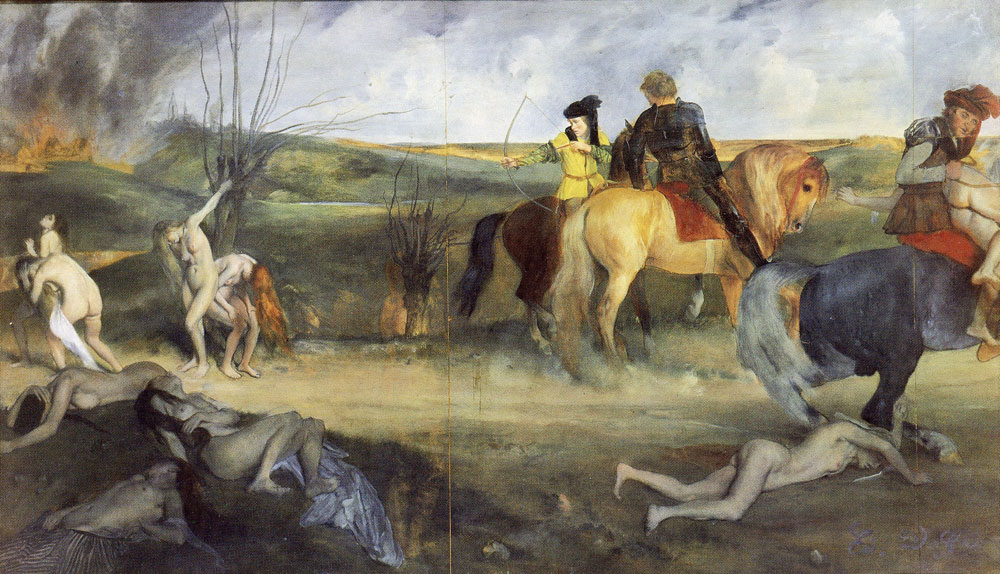
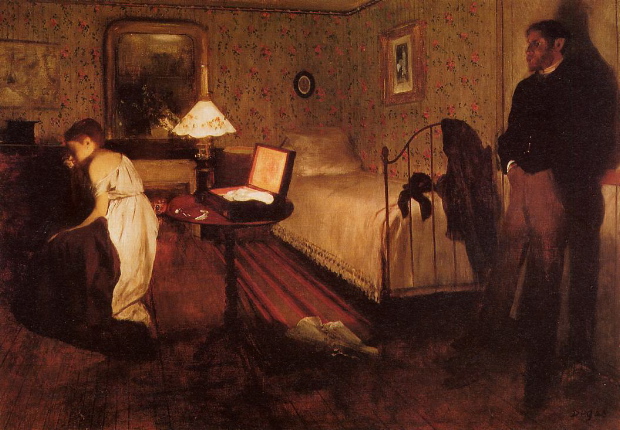
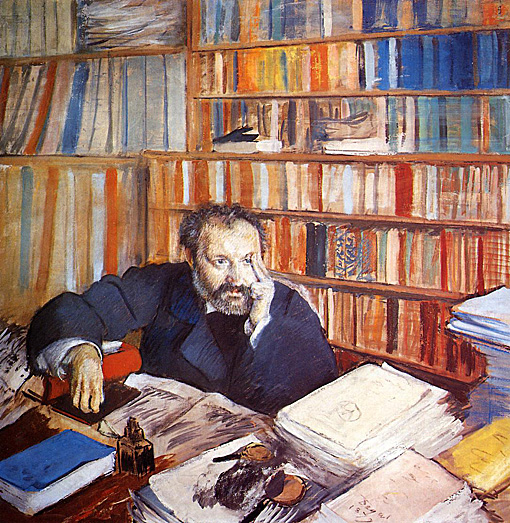


November 23, 2018
An applause for your history.
Displaying 1 - 30 of 40 reviews