

What do you think?

Love in a Headscarf
At the age of thirteen, I knew that I was destined to marry John Travolta. One day he would arrive on my North London doorstep, fall madly in love with me and ask me to marry him. Then he would convert to Islam and become a devoted Muslim.
Shelina is keeping a very surprising secret under her headscarf - she wants to fall in love and find her faith. Torn between the Buxom Aunties, romantic comedies and mosque Imams, she decides to follow the arranged-marriage route to finding Mr Right, Muslim-style. Shelina's captivating journey begins as a search for the one, but along the way she also discovers herself and her faith.
Shelina is keeping a very surprising secret under her headscarf - she wants to fall in love and find her faith. Torn between the Buxom Aunties, romantic comedies and mosque Imams, she decides to follow the arranged-marriage route to finding Mr Right, Muslim-style. Shelina's captivating journey begins as a search for the one, but along the way she also discovers herself and her faith.
267 pages, Paperback
First published October 1, 2009
About the author
Shelina Zahra Janmohamed
6 books173 followersShelina Zahra Janmohamed is the author of "Love in a Headscarf", a humorous and irreverent memoir about growing up as a Muslim woman. She writes regularly for EMEL magazine, a leading glossy Muslim lifestyle magazine. She also writes for the Times Online, the National (based in the UAE) and has written for the Guardian and Comment is Free.
She has her own award-winning blog which is now four years old at spirit21.co.uk. She has travelled with the British Foreign and Commonwealth office to Darfur, Egypt, Saudia Arabia, Indonesia, Qatar and Turkey under its programme to build links with British Muslims and encourage dialogue. She is a creator and organizer of social and cultural events for young British Muslims, as part of creating a new British Muslim culture and identity, and the host of the annual ‘Eid in the Square’ event which is held in Trafalgar Square. She is a trustee of the Windsor Fellowship which encourages minority ethnic students to excel in education and employment.
Shelina was named by The Times newspaper and the UK Equalities Commission as one of the UK's 100 most influential Muslim women, and most recently she was named as one of the 500 most influential Muslims in the world. She is a graduate of New College, Oxford. She is married and currently lives in London.
She has her own award-winning blog which is now four years old at spirit21.co.uk. She has travelled with the British Foreign and Commonwealth office to Darfur, Egypt, Saudia Arabia, Indonesia, Qatar and Turkey under its programme to build links with British Muslims and encourage dialogue. She is a creator and organizer of social and cultural events for young British Muslims, as part of creating a new British Muslim culture and identity, and the host of the annual ‘Eid in the Square’ event which is held in Trafalgar Square. She is a trustee of the Windsor Fellowship which encourages minority ethnic students to excel in education and employment.
Shelina was named by The Times newspaper and the UK Equalities Commission as one of the UK's 100 most influential Muslim women, and most recently she was named as one of the 500 most influential Muslims in the world. She is a graduate of New College, Oxford. She is married and currently lives in London.
Ratings & Reviews
Friends & Following
Create a free account to discover what your friends think of this book!
Community Reviews
Displaying 1 - 30 of 320 reviews
October 31, 2010
Shelina is a thoroughly modern Muslim - a British Indian Muslim. Her ancestors were from India and converted to Islam and moved to Tanzania. When Tanzania was granted independence from Britain, Shelina's father chose to take the offer as a British citizen to move to England. Moving into that environment has caused her family to closely examine which Muslim practices are/were part of their culture, and which were actually a part of Islam. This was the second book I've ever read about Muslim women, the first being Princess: A True Story of Life Behind the Veil in Saudi Arabia, which could not be more DIFFERENT in portrayal of the life of a Muslim woman. I think this, more than anything, solidified my knowledge that Islam is quite wonderful, and all of the ugly atrocities in Muslim nations come from awful cultural traditions than anything the Qu'ran has ever said.
Shelina wrote this book about how as a modern Muslim woman, she chose the traditional path of an arranged marriage. When I read the book blurb I thought it would be more crazy tales along the lines of "hijinx ensue, lol". While she did include quite a bit of descriptions in first person voice of her experiences which were funny, much of the rest of the writing was expository. Not in a bad way - I sure do not know a lot about the Muslim faith (I know a little) and I appreciated the explanations. It seemed like those were the driest parts of the book, though.
What I do know about the Muslim faith was reaffirmed. It is a loving, peaceful, family-based religion. They adhere to a high standard of strict moral conduct: no drinking, immorality, immodesty, etc. The sanctity of motherhood and children is tantamount and life and society should be built around the traditional family unit. Listening to Shelina describe her standards, you could almost see her living in SLC and being mistaken for a Mormon (although the headscarf would be a dead giveaway). In fact there were so many similarities I was only left to one conclusion: whether you are an American Mormon or a British Muslim, we are all children of the same loving God - whether you call him Allah or Heavenly Father, he has the same standards and laws and loves us all the same. There were times when the similarities were quite striking. When Shelina went on her Hajj - her pilgramage to their sacred Kabaa in Mecca (which they call the house of their God) they all dress in white to remove materialism and individuality - so they all stand before Allah as equal spirits. They then perform symbolic rituals. Hmmmm.
There was part of the book she spoke about her spiritual journey. From blind obedience, to actively choosing conversion, to following the letter of the law, to following the spirit of the law, after that there was a little journey into mysticism. I started feeling a little nervous about that part . . . our LDS (Mormon) religion discourages delving into the mysteries of God (as, most assuredly, there is much our human comprehension is not up to the task) and stick to what we have been given as the path back to our Heavenly Father (that after all the good works we can do we still stand sinful and must accept the Savior as our mediator through Grace to gain admittance into Heaven). But the more I thought about it the more I saw the similarities of her journey with ours. In our religion after living the spirit of the law we are most assuredly encouraged to continue on our spiritual journey - one of stiriving to be more like the Savior and to literally develop a personal relationship with Him. This is a deeply personal and intimate spiritual journey that I could equate to that stage in her life. Where she discovered LOVE. God is LOVE. This is a beautiful story of discovery - both self discovery and spiritual discovery.
I wanted to end my review with an explanation of my four+star rating. Is the writing such that it's artistic and destined to be a classic in the auto-biographical genre? No. Lively and beautiful at times? yes. Dry and a little slow sometimes? yes. But there was one part of the book where she described her grandmother - her angel grandmother. Her grandmother who married a man of her loving father's choosing, who raised 10 faithful children of her own, and who rises every morning at 3 am for her daily prayer with Allah. I felt this woman's spirituality, her closeness to God. I envied it. What a beautiful example. This woman was geographically, religiously, and generationally apart from me and has inspired me to be a better woman. A better Mormon. A better Daughter of God. And to be inspired in such a manner - well, was rather shocking for me :-) in a good way!
p.s. I think Shelina and I were spirit sisters separated at birth! I call myself a feminist Mormon housewife (in every positive connotation of the word) and well, I think we may have been cut from the same cloth. A highly educated, faithful woman who defies cultural traditions to climb Mount Kilimanjaro and become one of the most influential Muslim women in British society? You go, girl! :-)
Shelina wrote this book about how as a modern Muslim woman, she chose the traditional path of an arranged marriage. When I read the book blurb I thought it would be more crazy tales along the lines of "hijinx ensue, lol". While she did include quite a bit of descriptions in first person voice of her experiences which were funny, much of the rest of the writing was expository. Not in a bad way - I sure do not know a lot about the Muslim faith (I know a little) and I appreciated the explanations. It seemed like those were the driest parts of the book, though.
What I do know about the Muslim faith was reaffirmed. It is a loving, peaceful, family-based religion. They adhere to a high standard of strict moral conduct: no drinking, immorality, immodesty, etc. The sanctity of motherhood and children is tantamount and life and society should be built around the traditional family unit. Listening to Shelina describe her standards, you could almost see her living in SLC and being mistaken for a Mormon (although the headscarf would be a dead giveaway). In fact there were so many similarities I was only left to one conclusion: whether you are an American Mormon or a British Muslim, we are all children of the same loving God - whether you call him Allah or Heavenly Father, he has the same standards and laws and loves us all the same. There were times when the similarities were quite striking. When Shelina went on her Hajj - her pilgramage to their sacred Kabaa in Mecca (which they call the house of their God) they all dress in white to remove materialism and individuality - so they all stand before Allah as equal spirits. They then perform symbolic rituals. Hmmmm.
There was part of the book she spoke about her spiritual journey. From blind obedience, to actively choosing conversion, to following the letter of the law, to following the spirit of the law, after that there was a little journey into mysticism. I started feeling a little nervous about that part . . . our LDS (Mormon) religion discourages delving into the mysteries of God (as, most assuredly, there is much our human comprehension is not up to the task) and stick to what we have been given as the path back to our Heavenly Father (that after all the good works we can do we still stand sinful and must accept the Savior as our mediator through Grace to gain admittance into Heaven). But the more I thought about it the more I saw the similarities of her journey with ours. In our religion after living the spirit of the law we are most assuredly encouraged to continue on our spiritual journey - one of stiriving to be more like the Savior and to literally develop a personal relationship with Him. This is a deeply personal and intimate spiritual journey that I could equate to that stage in her life. Where she discovered LOVE. God is LOVE. This is a beautiful story of discovery - both self discovery and spiritual discovery.
I wanted to end my review with an explanation of my four+star rating. Is the writing such that it's artistic and destined to be a classic in the auto-biographical genre? No. Lively and beautiful at times? yes. Dry and a little slow sometimes? yes. But there was one part of the book where she described her grandmother - her angel grandmother. Her grandmother who married a man of her loving father's choosing, who raised 10 faithful children of her own, and who rises every morning at 3 am for her daily prayer with Allah. I felt this woman's spirituality, her closeness to God. I envied it. What a beautiful example. This woman was geographically, religiously, and generationally apart from me and has inspired me to be a better woman. A better Mormon. A better Daughter of God. And to be inspired in such a manner - well, was rather shocking for me :-) in a good way!
p.s. I think Shelina and I were spirit sisters separated at birth! I call myself a feminist Mormon housewife (in every positive connotation of the word) and well, I think we may have been cut from the same cloth. A highly educated, faithful woman who defies cultural traditions to climb Mount Kilimanjaro and become one of the most influential Muslim women in British society? You go, girl! :-)

January 10, 2013
This is a memoir of a British Indian Muslim woman looking for a husband.
The book started with a very juvenile style. The author's Islamic reasoning was a little too simplistic — like that of a teenager. I actually thought the book was excerpts from Shelina's diary when she was 19.
The book lacks a clear time-frame. All I know is that it started when Shelina was a college student, it mentioned half-way through the book that the internet was still new, and it was published in 2009.
Also, I only know the author was 19 at the beginning of the book, then she mentioned working, and at the end she got married.
At some point, Shelina even seemed to suffer from a quarter life crisis like a 40-year old man. By that, I mean that she just went ahead and bought a racing car.
Disclosing her age, and the date, would have helped readers relate to her challenges.
The scene with the French tourist was so petty for both sides. Again, I don't know what year that happened, but I like to think that in 2013 people are more enlightened, and Muslims have better reasoning skills. I can only hope.
I learned many new things about Indian culture from this book. For example: biodata. I heard about it before, but I thought it was just a joke.
I am surprised to learn that some Indian families are deeply involved in the marriage quest of their daughters — I thought only boys had that privilege since they are the seekers.
For over 200 pages, the author was lamenting her fate, asking questions, raising her own hopes about love and marriage, questioning herself for a very short time then quickly changing her mind and claiming firmly that no, it was not her fault that she'd been single for so long.
It's only on the last 10 pages that she brings up how she met the "one". Except she doesn't go into much details as she did with all the rejected suitors. You finish the book and you don't even know how old her husband is nor what he does for a living.
I guess we have the right to that information now, don't we?
I also wonder what happened to Noreen and Sara.
The very fact that the author spent most of her time and energy on sharing her misfortunes while looking for love, and then she said very little about her happiness when she finally found it, is very realistic. That's how people are everywhere. You'll hear all about your friends' problems and misery, you'll be up-to-date with all their drama, but as soon as things are well, they fall off the face of the earth. It's a human thing, unfortunately.
I think Shelina is another woman for whom marriage is the end — the culmination of her life. It's as if her love quest ended with the "one", whereas it's supposed to only start. Since the book's title is "love in a headscarf", it should rather tell the story of life with the "one", not end with finding him. It should answer some of all the questions Shelina asked as a single girl, not just expose her young dreams and hopes.
A minor detail, but one that haunted me during the entire book: Who the heck serves guests - suitors or not - instant coffee with condensed milk or bagged tea??? This was such a cultural shock for me. I did NOT know you could do that!
Finally, I think "A British Indian Muslim marriage quest in a headscarf" is a more appropriate title.
The book started with a very juvenile style. The author's Islamic reasoning was a little too simplistic — like that of a teenager. I actually thought the book was excerpts from Shelina's diary when she was 19.
The book lacks a clear time-frame. All I know is that it started when Shelina was a college student, it mentioned half-way through the book that the internet was still new, and it was published in 2009.
Also, I only know the author was 19 at the beginning of the book, then she mentioned working, and at the end she got married.
At some point, Shelina even seemed to suffer from a quarter life crisis like a 40-year old man. By that, I mean that she just went ahead and bought a racing car.
Disclosing her age, and the date, would have helped readers relate to her challenges.
The scene with the French tourist was so petty for both sides. Again, I don't know what year that happened, but I like to think that in 2013 people are more enlightened, and Muslims have better reasoning skills. I can only hope.
I learned many new things about Indian culture from this book. For example: biodata. I heard about it before, but I thought it was just a joke.
I am surprised to learn that some Indian families are deeply involved in the marriage quest of their daughters — I thought only boys had that privilege since they are the seekers.
For over 200 pages, the author was lamenting her fate, asking questions, raising her own hopes about love and marriage, questioning herself for a very short time then quickly changing her mind and claiming firmly that no, it was not her fault that she'd been single for so long.
It's only on the last 10 pages that she brings up how she met the "one". Except she doesn't go into much details as she did with all the rejected suitors. You finish the book and you don't even know how old her husband is nor what he does for a living.
I guess we have the right to that information now, don't we?
I also wonder what happened to Noreen and Sara.
The very fact that the author spent most of her time and energy on sharing her misfortunes while looking for love, and then she said very little about her happiness when she finally found it, is very realistic. That's how people are everywhere. You'll hear all about your friends' problems and misery, you'll be up-to-date with all their drama, but as soon as things are well, they fall off the face of the earth. It's a human thing, unfortunately.
I think Shelina is another woman for whom marriage is the end — the culmination of her life. It's as if her love quest ended with the "one", whereas it's supposed to only start. Since the book's title is "love in a headscarf", it should rather tell the story of life with the "one", not end with finding him. It should answer some of all the questions Shelina asked as a single girl, not just expose her young dreams and hopes.
A minor detail, but one that haunted me during the entire book: Who the heck serves guests - suitors or not - instant coffee with condensed milk or bagged tea??? This was such a cultural shock for me. I did NOT know you could do that!
Finally, I think "A British Indian Muslim marriage quest in a headscarf" is a more appropriate title.

July 10, 2016
اصلا نمیدونم این کتاب و چرا خریدم
هنوز که نگاش میکنم عذابی که کشیدم تا تمومش کنم و حس کنم - از بس باهاش ارتباط برقرار نمیکردم
مال روزهایی که یه لیست خوب برای کتاب خریدن نداشتن و احتمالا از روی اسمش کتاب و خریدم
برام سواله اصلا چرا از رو اسمش این کتاب و خریدم 😅
هنوز که نگاش میکنم عذابی که کشیدم تا تمومش کنم و حس کنم - از بس باهاش ارتباط برقرار نمیکردم
مال روزهایی که یه لیست خوب برای کتاب خریدن نداشتن و احتمالا از روی اسمش کتاب و خریدم
برام سواله اصلا چرا از رو اسمش این کتاب و خریدم 😅

December 5, 2010
My motivation to read “Love in a Headscarf” was pure curiosity. I tend to judge people as individuals rather than as part of a group and really had no prior knowledge of Islam before 9/11. Since that terrible day a lot of (mostly negative) statements have been made about Muslim belief and it seemed appropriate to listen to the voice of someone who actually lives that life.
I thoroughly enjoyed this book. The author’s sense of humor in finding a husband created a story that entertained while also educating me about the role of women in Muslim culture. I was hoping she would address the events of 9/11 and she did….
“I wondered what drove someone to the point where they were willing to end their own life and create destruction around them. What kind of macabre aspiration was that? Was it pure hatred? Was it an evil mind that had got hold of the means to carry out a bloodthirsty act? I couldn’t help but think those who committed the acts of September 11 fell into this category, although none of us would ever know the truth.”
In my opinion, organized religion is at its best a code of ethics. Despite the fact that the author was raised as a British Muslim and I am an American Jew, I feel that we belong to the same sisterhood.
This book was helpful to me and I hope it is widely read as rationality needs to overcome fear and distrust and I think people need to focus on what they have in common, not on how they are different.
I thoroughly enjoyed this book. The author’s sense of humor in finding a husband created a story that entertained while also educating me about the role of women in Muslim culture. I was hoping she would address the events of 9/11 and she did….
“I wondered what drove someone to the point where they were willing to end their own life and create destruction around them. What kind of macabre aspiration was that? Was it pure hatred? Was it an evil mind that had got hold of the means to carry out a bloodthirsty act? I couldn’t help but think those who committed the acts of September 11 fell into this category, although none of us would ever know the truth.”
In my opinion, organized religion is at its best a code of ethics. Despite the fact that the author was raised as a British Muslim and I am an American Jew, I feel that we belong to the same sisterhood.
This book was helpful to me and I hope it is widely read as rationality needs to overcome fear and distrust and I think people need to focus on what they have in common, not on how they are different.

May 25, 2013
كتاب جيد ربما يفيد الغير مسلمات أكثر
فلقد كانت قرائته نوع من التذكير لما نعاني منه أو يحدث لنا كفتيات عربيات أو مسلمات.
كتاب ذو عنوان لطيف وإن كنت أفضل اعنوان الانجليزي له
love in a headscarf
و غلاف أنيق ذو ألوان رقيقة
في البداية ظننته كتاب فكاهي أو ساخر من نوعية (عايزة أتجوز) ولكن النسخة الانجليزية,
ولكني فوجئت به كتاب يتحدث عن الزواج في الإسلام كما هو مكتوب علي الغلاف مصحوبا ببعض المواقف الشخصية
تحدث الكتاب عن شروط فارس الأحلام التي تضعها معظم الفتيات,
وعلاقتيّ الحب والزواج من منظور إسلامي مخلوطاً بمنظور آسيوي (من ناحية الثقافة والعادات والتقاليد)
كما تحدث عن المرأة في الإسلام وحقوقها وواجباتها وكيف اختلفت نظرة النساء للعالم ونظرة العالم لهن بعد مرور أجيال عديدة
في النهاية كانت المحصلة أن:
*الفتاة المسلمة المحجبة-أو غير المحجبة- تفكر في االحب والزواج والرومانسية كسائر النساء علي وجه الأرض.
*الخالات السمينات(السيدات التقليديات في العائلة من طراز مش هنفرح بيكي يا حبيبتي عندنا في مصر) ظاهرة لا علاقة لها بالثقافة أو البلد أو المجتمع أو مدي تطور البشرية.......إنهن في كل مكان
:D
*من الواضح أن كل النساء يعانين من مشكلة العثور علي الرجل المناسب بشكل يتناسب طرديا مع مدي نجاح المرأة وطموحها وارتفاع سقف توقعاتها بالنسبة للطرف الآخر-حقيقة للأسف-
*الإسلام دين العزة للمرأة وإن أصبحنا نهتم ببعض تعاليمه ونتجاهل البعض في مسألة الزواج
فعلي سبيل المثال:
السيدة خديجة (رضي الله عنها) عندما تقدمت بطلب الزواج من الرسول(صلي الله عليه وسلم) ومازلنا نعيب عائلة الفتاة إن اتخذت الخطوة الأولي في مسألة الزواج
فارق السن بين النبي صلي الله عليه وسلم وبينها
قال رسول الله صلي الله عليه وسلم: (إذا جاءكم من ترضون دينه وخلقه فزوجوه) صدق رسول الله صلي الله عليه وسلم, فأين نحن من هذا الحديث الشريف الآن!!!!!
مقتطفات أعجبتني:
***********
لقد أجبرتني هذه التناقضات في النهاية علي أن أفهم أن الدين ةالثقافة هما شيئان منفصلان تمام, وأنه علي أن أتعلم كيف أتعامل معهما كشيئين منفصلين. الثقافة هي تجربة إنسانية رائعة وجميلة ومحكمة, يجب أن تحترم وتقدر.كنت مصرة علي التمسك بكل المعايير الثقافية التي كانت جزءا مني.
كنت أحب التقاليد الثقافية والأعراف والمناسبات,وكنت أجد فيها نوعا من الجمال والتاريخ إضافة إلي بساطتها وأناقتها,وكثيرا ما كانت تعطي إجابات بسيطة لأسئلة معقدة.لكن في بعض الأحيان كانت المعايير الثقافية تخطيء ولا عيب في الاعتراف بذلك فالثقافة بحاجة لتعديل من حين لآخر ولهذا أرسل كل هذا العدد من الأنبياء إلي الناس لكي يحرصوا علي تصحيح الأخطاء الثقافية الجسيمة.
من نصائح جدتها:
عليك أن تعتني بزوجك.أعرف أن أفكار الناس تختلف اليوم,لكن إذا اعتنيت به فسوف يعتني بك.تذكري هذا عندما تسوء الأمور وعندما لا تحصلين علي ما تريدين
الجزء الأصعب يأتي بعد الزواج.تذكري أن تعتذري حتي عندما لا يكون الخطأ خطأك.الرجال مختلفون عن النساء فنحن عندما ننزعج نخفي انزعاجنا,بينما الرجال يعبرون عن انزعاجهم ثم ينسونه.
بعد خمسين سنة من يتذكر إذا كان الخطأ خطأك أم خطأه؟
أنتما في المركب نفسه.إن ما يتذكره دائما هو أن لديه زوجة تحبه وتهتم لأمره بعد كل هذه السنين.
فلقد كانت قرائته نوع من التذكير لما نعاني منه أو يحدث لنا كفتيات عربيات أو مسلمات.
كتاب ذو عنوان لطيف وإن كنت أفضل اعنوان الانجليزي له
love in a headscarf
و غلاف أنيق ذو ألوان رقيقة
في البداية ظننته كتاب فكاهي أو ساخر من نوعية (عايزة أتجوز) ولكن النسخة الانجليزية,
ولكني فوجئت به كتاب يتحدث عن الزواج في الإسلام كما هو مكتوب علي الغلاف مصحوبا ببعض المواقف الشخصية
تحدث الكتاب عن شروط فارس الأحلام التي تضعها معظم الفتيات,
وعلاقتيّ الحب والزواج من منظور إسلامي مخلوطاً بمنظور آسيوي (من ناحية الثقافة والعادات والتقاليد)
كما تحدث عن المرأة في الإسلام وحقوقها وواجباتها وكيف اختلفت نظرة النساء للعالم ونظرة العالم لهن بعد مرور أجيال عديدة
في النهاية كانت المحصلة أن:
*الفتاة المسلمة المحجبة-أو غير المحجبة- تفكر في االحب والزواج والرومانسية كسائر النساء علي وجه الأرض.
*الخالات السمينات(السيدات التقليديات في العائلة من طراز مش هنفرح بيكي يا حبيبتي عندنا في مصر) ظاهرة لا علاقة لها بالثقافة أو البلد أو المجتمع أو مدي تطور البشرية.......إنهن في كل مكان
:D
*من الواضح أن كل النساء يعانين من مشكلة العثور علي الرجل المناسب بشكل يتناسب طرديا مع مدي نجاح المرأة وطموحها وارتفاع سقف توقعاتها بالنسبة للطرف الآخر-حقيقة للأسف-
*الإسلام دين العزة للمرأة وإن أصبحنا نهتم ببعض تعاليمه ونتجاهل البعض في مسألة الزواج
فعلي سبيل المثال:
السيدة خديجة (رضي الله عنها) عندما تقدمت بطلب الزواج من الرسول(صلي الله عليه وسلم) ومازلنا نعيب عائلة الفتاة إن اتخذت الخطوة الأولي في مسألة الزواج
فارق السن بين النبي صلي الله عليه وسلم وبينها
قال رسول الله صلي الله عليه وسلم: (إذا جاءكم من ترضون دينه وخلقه فزوجوه) صدق رسول الله صلي الله عليه وسلم, فأين نحن من هذا الحديث الشريف الآن!!!!!
مقتطفات أعجبتني:
***********
لقد أجبرتني هذه التناقضات في النهاية علي أن أفهم أن الدين ةالثقافة هما شيئان منفصلان تمام, وأنه علي أن أتعلم كيف أتعامل معهما كشيئين منفصلين. الثقافة هي تجربة إنسانية رائعة وجميلة ومحكمة, يجب أن تحترم وتقدر.كنت مصرة علي التمسك بكل المعايير الثقافية التي كانت جزءا مني.
كنت أحب التقاليد الثقافية والأعراف والمناسبات,وكنت أجد فيها نوعا من الجمال والتاريخ إضافة إلي بساطتها وأناقتها,وكثيرا ما كانت تعطي إجابات بسيطة لأسئلة معقدة.لكن في بعض الأحيان كانت المعايير الثقافية تخطيء ولا عيب في الاعتراف بذلك فالثقافة بحاجة لتعديل من حين لآخر ولهذا أرسل كل هذا العدد من الأنبياء إلي الناس لكي يحرصوا علي تصحيح الأخطاء الثقافية الجسيمة.
من نصائح جدتها:
عليك أن تعتني بزوجك.أعرف أن أفكار الناس تختلف اليوم,لكن إذا اعتنيت به فسوف يعتني بك.تذكري هذا عندما تسوء الأمور وعندما لا تحصلين علي ما تريدين
الجزء الأصعب يأتي بعد الزواج.تذكري أن تعتذري حتي عندما لا يكون الخطأ خطأك.الرجال مختلفون عن النساء فنحن عندما ننزعج نخفي انزعاجنا,بينما الرجال يعبرون عن انزعاجهم ثم ينسونه.
بعد خمسين سنة من يتذكر إذا كان الخطأ خطأك أم خطأه؟
أنتما في المركب نفسه.إن ما يتذكره دائما هو أن لديه زوجة تحبه وتهتم لأمره بعد كل هذه السنين.
January 8, 2024
Reading Love in a Headscarf, I felt like I was walking beside Shelina on her journey ! not just toward marriage, but toward understanding herself.
I felt like Shelina in her trip of finding her soulmate. The expectations, the cultural pressures, the silent negotiations between faith, family, and personal desire… it all felt so real. Her story isn’t just about finding “the one,” it’s about learning who you are before choosing who walks with you.
What touched me most is how she refuses to reduce love to either blind romance or cold tradition. She searches with dignity, intelligence, and faith. She questions. She hopes. She doubts. And through it all, she keeps her identity intact.
This book made me reflect on how difficult it is to balance modern life with deep-rooted values. It reminded me that the journey to love is also a journey toward emotional maturity.
And when I closed the book, I carried with me a quiet hope.
Maybe one day, in my own time and in my own way, I will find the one who feels written for me 🥰— not just a partner, but a companion in faith, growth, and serenity. Until then, like Shelina, I choose patience and trust..
Ameen ❤️
I felt like Shelina in her trip of finding her soulmate. The expectations, the cultural pressures, the silent negotiations between faith, family, and personal desire… it all felt so real. Her story isn’t just about finding “the one,” it’s about learning who you are before choosing who walks with you.
What touched me most is how she refuses to reduce love to either blind romance or cold tradition. She searches with dignity, intelligence, and faith. She questions. She hopes. She doubts. And through it all, she keeps her identity intact.
This book made me reflect on how difficult it is to balance modern life with deep-rooted values. It reminded me that the journey to love is also a journey toward emotional maturity.
And when I closed the book, I carried with me a quiet hope.
Maybe one day, in my own time and in my own way, I will find the one who feels written for me 🥰— not just a partner, but a companion in faith, growth, and serenity. Until then, like Shelina, I choose patience and trust..
Ameen ❤️

May 8, 2015
شلینا، دختر مسلمان هندی-آفریقایی ساکن لندن، به سن ازدواج می رسد. شلینا دختر مستقلی است. دانشجوی آکسفورد. اما به هر حال درگیر کلیشه های رایج ازدواج می شود: شوهرت باید از تو بزرگتر باشد، بلندتر، باهوش تر و ... شلینا شش ایده آل برای همسر آینده اش در نظر گرفته و بعد تر، که سنش بیشتر و بیشتر می شود، باز هم از ایده آل هایش دست نمی کشد. برای پیدا کردن همسر آینده اش از هیچ روشی صرف نظر نمی کند: خواستگاری سنتی، بلایند دیت، سایت های همسریابی، آژانس های همسریابی و ... روایت شلینا بسیار خواندنی ست. اما در خلال کتاب، به کرات و طولانی اطلاعاتی در مورد اسلام داده شده که خواندنش برای من کسالت آور و دوست نداشتنی بود. علاوه بر اینکه اطلاعات قرآنی شلینا عموما ناقص و غلط هستند.
اما در کل از خواندنش لذت بردم. مخصوصا اینکه تسلیم نشدن شلینا و کوتاه نیامدنش ستودنی بود.
اما در کل از خواندنش لذت بردم. مخصوصا اینکه تسلیم نشدن شلینا و کوتاه نیامدنش ستودنی بود.

May 13, 2015
وقتی خریدم فکر می کردم رمان است. ولی نیست. روایت زندگی خود نویسنده است در دورانی که می خواهد ازدواج کند.
خوب ها
بخش هایی که اسلام را توضیح می داد یا داستان های قرآن را با زندگی خودش مقایسه می کرد...نسان دادن تفاوت و حتی تضاد و تناقض سنت با دین.
بد ها
روش های شلینا برای رسیدن به هدفش به خصوص در نیمه ی دوم کتاب...ریتم کند روایت در بخش هایی از کتاب.
پی نوشت: حدود یک سالی صبر کردم تا "عشق زیر روسری" با جلد اصلیش چاپ شود بعد بخرم. ( ظاهربینی روشنفکرانه:))
خوب ها
بخش هایی که اسلام را توضیح می داد یا داستان های قرآن را با زندگی خودش مقایسه می کرد...نسان دادن تفاوت و حتی تضاد و تناقض سنت با دین.
بد ها
روش های شلینا برای رسیدن به هدفش به خصوص در نیمه ی دوم کتاب...ریتم کند روایت در بخش هایی از کتاب.
پی نوشت: حدود یک سالی صبر کردم تا "عشق زیر روسری" با جلد اصلیش چاپ شود بعد بخرم. ( ظاهربینی روشنفکرانه:))

November 20, 2012
اولا احب ان اسجل اعتراضى الشديد على عنوان الكتاب عند ترجمته الى العربية (اريد عريس) .. هذا الكتاب لا يشابه كتاب غادة عبد العال وان تماثل الموضوع .. ولا ادرى ما المشكلة فى ترجمته بالانجليزية (الحب من خلال الحجاب) .. الا اذا كان لدى الناشر مشكلة مع الحجاب مثلاً !
احببت الكتاب كثيراً ، الشخصية المثقفة واسعة الذكاء والاهتمامات : شيلينا هى مثال للكثير من الفتيات المصريات الان ، وبعكس الجو المصرى الخاص بنا (البكاء على اللبن المسكوب او اضاعة العمر فى الاكتئاب) تواجه شيلينا موقفها بشجاعة وبالكثير من الايمان ،، ربما لو قرات كتابها فى فترة كان الاكتئاب يغمرنى لظننتها فقط متفائلة اكثر من اللازم ،، الان بعد ان استعدت اتزانى النفسى وبمواجهتى الامر مسلحة بايمانى واقترابى كثيراً من خالقى استطعت ان اصل لنفس مفهومها وتقبلها للامر الواقع ..
ربما يكون هذا الكتاب صيحة تواصل وانسجام بين فتيات يشتركن فى نفس المشكلة الكونية وان اختلفت زاوية رؤيتهن للامور بحسب بلد المنشا .. هناك فتاة اخرى فى بقعةٍ ما من هذا العالم الواسع تشترك معي فى هذه المشكلة .. وبدلاً من موضوعات: احبى نفسك وكونى دائماً متالقة وما الى هذا ستسحرك شيلينا بتواصلها مع الخالق فى رحلة صوفية صغيرة فى الفصول النهائية من الكتاب ..
انصح به لفتيات اقل سناً ايضاً فبالتاكيد ثراء تجربتها اضافة جيدة للكثيرات ..
احببت الكتاب كثيراً ، الشخصية المثقفة واسعة الذكاء والاهتمامات : شيلينا هى مثال للكثير من الفتيات المصريات الان ، وبعكس الجو المصرى الخاص بنا (البكاء على اللبن المسكوب او اضاعة العمر فى الاكتئاب) تواجه شيلينا موقفها بشجاعة وبالكثير من الايمان ،، ربما لو قرات كتابها فى فترة كان الاكتئاب يغمرنى لظننتها فقط متفائلة اكثر من اللازم ،، الان بعد ان استعدت اتزانى النفسى وبمواجهتى الامر مسلحة بايمانى واقترابى كثيراً من خالقى استطعت ان اصل لنفس مفهومها وتقبلها للامر الواقع ..
ربما يكون هذا الكتاب صيحة تواصل وانسجام بين فتيات يشتركن فى نفس المشكلة الكونية وان اختلفت زاوية رؤيتهن للامور بحسب بلد المنشا .. هناك فتاة اخرى فى بقعةٍ ما من هذا العالم الواسع تشترك معي فى هذه المشكلة .. وبدلاً من موضوعات: احبى نفسك وكونى دائماً متالقة وما الى هذا ستسحرك شيلينا بتواصلها مع الخالق فى رحلة صوفية صغيرة فى الفصول النهائية من الكتاب ..
انصح به لفتيات اقل سناً ايضاً فبالتاكيد ثراء تجربتها اضافة جيدة للكثيرات ..

May 8, 2012
(This review is also published on my blog: http://amuslimahwrites.wordpress.com/...
So here, in my own words, is the underlying premise of Love in a Headscarf: It is a truth universally acknowledged, that a single, practicing, devout Muslim woman in possession of intelligence, wit, and beauty must be in want of a husband who has the same qualities. As well as romance. Lots of romance.
The novel is an account of the author's search for "the One" through highly structured and family and community-oriented means. She also dwells a great deal on how her faith shaped her search for a partner, alongside more general discussions about Islam and being Muslim in the west.
One Amazon reviewer called the book "interesting, but not uplifting." Their review is a good way to pave way into my experience of reading the book:
For those single Muslim men and women who are enduring the struggle to find mates or are preparing to embark on that journey, [this book] is not helpful and is even rather despairing at times, although that was clearly not intended by the author. The unwounded in the modern Muslim marriage plight may miss that negative tenor, but the potential emotional drag for those with real-life experience in this arena may be enough to recommend passing over this book.
So true. For the most part, this book was depressing. While I enjoyed seeing how the author's experiences with meeting prospects mirrored mine (having to suffer through men who are inexcusably non-punctual, who hate books and those who read them, who show up simply because their parents forced them into it, who are fixated on matters of height even if it comes down to a few inches, etc.) they simply reinforced my frustrations about the deeply flawed assumptions that have crept into cultural practices surrounding marriage and courtship (or lack thereof) in the Muslim South Asian diaspora. Janmohamed does question some of these assumptions, but not at all in a way that I found satisfying or particularly illuminating.
I did like reading about how the author braved "the instruments of social compliance" designed to keep women in line by doing things like climbing Mount Kilimanjaro and buying a racing car. I appreciate the idea of her wanting to be the change she wanted to see. Another really interesting point she brings up is how, in the final stages of the husband hunt, she learns to see men not just as potential suitors, but just as who they are. "Each person," she writes, "was a delicious moment to be savoured with respect for their humanity." This healthy attitude is a wonderful way to grow and learn through what can often be a dreary, heartbreaking process of finding a spouse.
However, for a story that is so centred on finding deep, enduring, romantic love, I feel that the book is strangely devoid of it. On the occasions the author feels a deep attraction to a prospective spouse, the rapport between them comes off as fleeting and superficial. The result being: even when she met someone who seemed promising, I couldn't be less indifferent about what the outcome would be. There are worthy points made about "capital 'L' love," and seeking to be closer to the divine. While they were important and noteworthy, they weren't particularly memorable for me. (This Altmuslimah review, however, is more appreciative of this aspect of the book.)
I also think the book had tangents into discussions about Islam and womanhood that seemed a bit elementary and intended for non-Muslim audiences who are not familiar with Islam. I could see how it was intended to frame the author's experience of being a British Asian Muslim woman who wears the hijab, but to me they were just wearisome distractions, parts to be skimmed through just so I could get back to her story of how she finally meets her husband.
I suppose my not wholly enjoying this book largely has to do with my questioning whether the kind of marriage process that Janmohamed went through can always be equated to finding love. As much as I want to believe that parents, imams, and a vicious team of aunties have the potential to find "the one" for you, the whole point of the "one" is that there is something that grows organically with them, a process that I can't imagine naturally occurring under the watchful eyes of community elders and inordinate pressures to get married. That is why Muslim stories that are not as "by the book" as community leaders would like them to be--honest accounts such as those in Love, InshAllah or of Muslim men's experiences with finding a partner--resonate so much more with me.
I have great respect for Janmohamed's enacting of the changes that she wanted to see by challenging stereotypes about Muslim women. However, as far as the marriage process is concerned, the changes I think are needed require something much more radical, something that skirts along the edges of conventional, accepted territory. It requires more than a few raised eyebrows and ruffled feathers over what kind of a vehicle a woman drives to the mosque. The system needs more than a poke: it needs a good shake. It starts with an acceptance of the fact that love can take on an unlikely, unpredictable form that our social interactions and suitor screening processes need to make room for so that it may be easier for the single Muslim to fulfill half their deen, so to speak.
Janmohamed's story is not every Muslim woman's story, for she is fortunate enough to exercise her agency in a close-knit community she has known her whole life. It is up to each of us to seriously and honestly examine our needs, contexts and values and forge a path to our future partner that works within our systems or in opposition to it.
So here, in my own words, is the underlying premise of Love in a Headscarf: It is a truth universally acknowledged, that a single, practicing, devout Muslim woman in possession of intelligence, wit, and beauty must be in want of a husband who has the same qualities. As well as romance. Lots of romance.
The novel is an account of the author's search for "the One" through highly structured and family and community-oriented means. She also dwells a great deal on how her faith shaped her search for a partner, alongside more general discussions about Islam and being Muslim in the west.
One Amazon reviewer called the book "interesting, but not uplifting." Their review is a good way to pave way into my experience of reading the book:
For those single Muslim men and women who are enduring the struggle to find mates or are preparing to embark on that journey, [this book] is not helpful and is even rather despairing at times, although that was clearly not intended by the author. The unwounded in the modern Muslim marriage plight may miss that negative tenor, but the potential emotional drag for those with real-life experience in this arena may be enough to recommend passing over this book.
So true. For the most part, this book was depressing. While I enjoyed seeing how the author's experiences with meeting prospects mirrored mine (having to suffer through men who are inexcusably non-punctual, who hate books and those who read them, who show up simply because their parents forced them into it, who are fixated on matters of height even if it comes down to a few inches, etc.) they simply reinforced my frustrations about the deeply flawed assumptions that have crept into cultural practices surrounding marriage and courtship (or lack thereof) in the Muslim South Asian diaspora. Janmohamed does question some of these assumptions, but not at all in a way that I found satisfying or particularly illuminating.
I did like reading about how the author braved "the instruments of social compliance" designed to keep women in line by doing things like climbing Mount Kilimanjaro and buying a racing car. I appreciate the idea of her wanting to be the change she wanted to see. Another really interesting point she brings up is how, in the final stages of the husband hunt, she learns to see men not just as potential suitors, but just as who they are. "Each person," she writes, "was a delicious moment to be savoured with respect for their humanity." This healthy attitude is a wonderful way to grow and learn through what can often be a dreary, heartbreaking process of finding a spouse.
However, for a story that is so centred on finding deep, enduring, romantic love, I feel that the book is strangely devoid of it. On the occasions the author feels a deep attraction to a prospective spouse, the rapport between them comes off as fleeting and superficial. The result being: even when she met someone who seemed promising, I couldn't be less indifferent about what the outcome would be. There are worthy points made about "capital 'L' love," and seeking to be closer to the divine. While they were important and noteworthy, they weren't particularly memorable for me. (This Altmuslimah review, however, is more appreciative of this aspect of the book.)
I also think the book had tangents into discussions about Islam and womanhood that seemed a bit elementary and intended for non-Muslim audiences who are not familiar with Islam. I could see how it was intended to frame the author's experience of being a British Asian Muslim woman who wears the hijab, but to me they were just wearisome distractions, parts to be skimmed through just so I could get back to her story of how she finally meets her husband.
I suppose my not wholly enjoying this book largely has to do with my questioning whether the kind of marriage process that Janmohamed went through can always be equated to finding love. As much as I want to believe that parents, imams, and a vicious team of aunties have the potential to find "the one" for you, the whole point of the "one" is that there is something that grows organically with them, a process that I can't imagine naturally occurring under the watchful eyes of community elders and inordinate pressures to get married. That is why Muslim stories that are not as "by the book" as community leaders would like them to be--honest accounts such as those in Love, InshAllah or of Muslim men's experiences with finding a partner--resonate so much more with me.
I have great respect for Janmohamed's enacting of the changes that she wanted to see by challenging stereotypes about Muslim women. However, as far as the marriage process is concerned, the changes I think are needed require something much more radical, something that skirts along the edges of conventional, accepted territory. It requires more than a few raised eyebrows and ruffled feathers over what kind of a vehicle a woman drives to the mosque. The system needs more than a poke: it needs a good shake. It starts with an acceptance of the fact that love can take on an unlikely, unpredictable form that our social interactions and suitor screening processes need to make room for so that it may be easier for the single Muslim to fulfill half their deen, so to speak.
Janmohamed's story is not every Muslim woman's story, for she is fortunate enough to exercise her agency in a close-knit community she has known her whole life. It is up to each of us to seriously and honestly examine our needs, contexts and values and forge a path to our future partner that works within our systems or in opposition to it.

May 13, 2015
تفاوت فرهنگی آشکار می شود حتی اگر این دین یک دین واحد باشد تصویر شدن این تفاوت رو به شدن دوست داشتم و خب بلاخره بعضی جاهای داستان ریتم کند ان خسته کننده می شد و اسم کتاب رو به شدت دوست دارم

August 28, 2017
کتاب جالبی بود در کل، با اینکه بعضی قسمتها زیادی درباره آداب مسلمانها و مراسمشون توضیح میداد (که برای ماها که آشنا هستیم خسته کننده میشه اما چون نویسنده کتاب رو در واقع برای مخاطبان غیرمسلمان نوشته قابل توجیهه ). حس میکنم زمانی که کتاب رو خوندم زمان مناسبیه و بهش نیاز داشتم، اینکه آدم دغدغه ها و افکار خودشو از زبان دیگری بشنوه تجربه جالبیه

August 8, 2020
بنظرم برای دخترهای در شرف ازدواج کتاب خوبیه.
با اینکه از زبان یه مسلمان لندن نشین هست، ولی اشتراک فرهنگی زیادی دیده میشه توش.
منم موافقم که متن یه جاهایی خارج از موضوع و حوصلهسربر میشه ولی من چون شناخت فرهنگ کشورها و مردم دیگه رو دوست داشتم، از اون قسمتها هم عبور نکردم.
با اینکه از زبان یه مسلمان لندن نشین هست، ولی اشتراک فرهنگی زیادی دیده میشه توش.
منم موافقم که متن یه جاهایی خارج از موضوع و حوصلهسربر میشه ولی من چون شناخت فرهنگ کشورها و مردم دیگه رو دوست داشتم، از اون قسمتها هم عبور نکردم.
Read
April 6, 2026The way I was even happier than Shelina herself for finding a husband because it meant that this book finally ended.
Aside from whatever I did or didn't agree with in terms of her opinions and actions, the writing style wasn't very enjoyable which was in some ways the main issue for me. Nevertheless, the company was delightful, as alwayss <3
Aside from whatever I did or didn't agree with in terms of her opinions and actions, the writing style wasn't very enjoyable which was in some ways the main issue for me. Nevertheless, the company was delightful, as alwayss <3
July 4, 2010
Read my full review of Love In A Headscarf at theinspirationtree.wordpress.com
Reading about Shelina’s life was a very pleasant experience. She began her book by envisaging that she is telling us her story over a cup of coffee and, while reading, I actually felt like I was sitting with her in such a place, listening to her relate her story. I laughed at all the right places, shook my head sadly when things got a little depressing, brooded thoughtfully over her reasoning and rejoiced when she finally met her ‘One’.
What made this book even more enjoyable was that was that the author and I share a similar upbringing and cultural and religious experiences. I was even able to cringe when reading about her first introduction because it bought up memories of my first introduction, buried deep between memories of Horrible Hairstyles and First Days Of School. As for her Six Stages Of Self Pity, I was shocked at how accurate they were; my friends and I can list them off by heart!
Shelina’s deep insight into her life and faith encouraged me to probe deeper into my own character and appropriately question my ideals as a British, Muslim woman within the confines of culture. My respect for the author increased chapter by chapter; we all know that it takes courage to stand up for what you believe in against what society wants you to believe. This theme even extends back to the time of great Romantic authors such as Ralph Waldo Emerson and Henry David Thoreau.
At the end, I came to the conclusion that I have a lot to learn about myself and about my religion, but nevertheless, I am optimistic about setting off on my own spiritual journey. After I’m done with discovering the world and it’s hidden secrets, maybe then I can write a book about my experiences too!
Overall I was very pleased with the book, although at times, in particular when the discussion revolved around history or philosophy, my attentiveness to what was being said burned out somewhat. I was more interested in reading on and discovering how this analysis related to her life experiences (and when I did so, I was not disappointed). Personally, I believe that I have a lot to experience and learn before I can understand and truly appreciate the reasoning put forward in the book.
Also, I did wish that the author revealed more about the ‘One’ when he finally made it into the story. Having read about all the terrible situations she was put in with Syed (Mr. Cricket Lover), Mobeen (Mr. Practical Joker) and Khalil (just Khalil-I can’t even place a description for that guy), I was justifiably eager for more details about Mr. One. I just felt like it was over so quickly, but since it was a (very) happy ending, it was still worth it.
Reading about Shelina’s life was a very pleasant experience. She began her book by envisaging that she is telling us her story over a cup of coffee and, while reading, I actually felt like I was sitting with her in such a place, listening to her relate her story. I laughed at all the right places, shook my head sadly when things got a little depressing, brooded thoughtfully over her reasoning and rejoiced when she finally met her ‘One’.
What made this book even more enjoyable was that was that the author and I share a similar upbringing and cultural and religious experiences. I was even able to cringe when reading about her first introduction because it bought up memories of my first introduction, buried deep between memories of Horrible Hairstyles and First Days Of School. As for her Six Stages Of Self Pity, I was shocked at how accurate they were; my friends and I can list them off by heart!
Shelina’s deep insight into her life and faith encouraged me to probe deeper into my own character and appropriately question my ideals as a British, Muslim woman within the confines of culture. My respect for the author increased chapter by chapter; we all know that it takes courage to stand up for what you believe in against what society wants you to believe. This theme even extends back to the time of great Romantic authors such as Ralph Waldo Emerson and Henry David Thoreau.
At the end, I came to the conclusion that I have a lot to learn about myself and about my religion, but nevertheless, I am optimistic about setting off on my own spiritual journey. After I’m done with discovering the world and it’s hidden secrets, maybe then I can write a book about my experiences too!
Overall I was very pleased with the book, although at times, in particular when the discussion revolved around history or philosophy, my attentiveness to what was being said burned out somewhat. I was more interested in reading on and discovering how this analysis related to her life experiences (and when I did so, I was not disappointed). Personally, I believe that I have a lot to experience and learn before I can understand and truly appreciate the reasoning put forward in the book.
Also, I did wish that the author revealed more about the ‘One’ when he finally made it into the story. Having read about all the terrible situations she was put in with Syed (Mr. Cricket Lover), Mobeen (Mr. Practical Joker) and Khalil (just Khalil-I can’t even place a description for that guy), I was justifiably eager for more details about Mr. One. I just felt like it was over so quickly, but since it was a (very) happy ending, it was still worth it.

January 30, 2013
this book took me on a journey, i would never have experienced anywhere else, it spoke out my unspeakable troubles, calmed my frayed nerves and most importantly it led me on a journey to find the one, the great one, Almighty Allah.
i love this book a lot. thanks to my friend bilkis begum for recommending it to me. xx
i love this book a lot. thanks to my friend bilkis begum for recommending it to me. xx

June 22, 2017
چقدر دوستش داشتم. چقـدر این شینا زهرای عزیز خوب نوشته، چقدر حال خوبی داشت این کتاب. اکثر مواقع موقع خواندنش لبخند میزدم، نه فقط به خاطر بامزگیهایش، به خاطر فکر درست و خوبش، به خاطر زیرکی و هوشش که چنین کتابی نوشته؛ با چنین بستری برای بیان مطالب مهمی در مورد اسلام و مسلمانان.
این خانم واقعا همانطور که خالهخانباجیها گفتند باهوش است. مطالبی که درمورد نقش و جایگاه زن بیان میکرد، حقوق زن و مرد، جایگاه خانواده، نقش محبت و احترام در خانواده اسلامی و جامعه اسلامی، و موارد بسیار دیگر بسیار نزدیک به تفکر ناب اسلامی هستند. البته برخی موارد حس میکنم اختلافات و نواقصی باشد. گرچه من خودم هم چندان مطالعه و اطلاعاتی ندارم، جز خواندن چند کتاب و پاس کردن چند واحد درسی دینی. و چقدر عالی از داستانها برای بیان این اعتقادات استفاده کرده، به خاطر همین این کتاب برای جامعه خودمان هم لازم و مفیده. چون خیلی اعتقادات رو به زبانی گفته که مطابق هست با تفکر جوان ایرانی که تحت فشار تفکر غربیه.
و درمورد سیر تحولی نگرشش به عشق، حرفهاش رو پسندیدم، ارتباط عشق زمینی با عشق الهی رو خوب توصیف کرده بود. نقطه اوجش جایی بود که آسمان کویر رو تماشا میکرد. خب توی خیلی از مراحل هم کاملا همذاتپنداری کردم با شلینا زهرای مسلمان که ریشهاش و فرهنگش متفاوت بود با محل زندگیاش و این وسط دنبال همراه و شریک زندگی هم بود.
کتاب خوب، کتابی است که بعد از بستنش، توی ذهنت باز بماند، و این کتاب برای من همینطور است.
و درمورد ترجمه هم اول بسیار تشکر میکنم برای ترجمه این کتاب، بعد تحسین میکنم تلاش آقای بدره رو. خیلی خوب از پس انتقال لحن و ترجمه عبارات برآمدن.
ولی خب یک سری ایرادات هم بود، خصوصا جاهایی که نویسنده مباحث جدی درمورد جهانبینیاش یا عرفان مطرح میکرد، گنگ بودند. انگار جملات بلند نویسنده خیلی خوب به زبان فارسی برگردانده نشده یا شاید هم اشکال از متن اصلی باشد، خلاصه برخی جملات احتیاج به تأمل بود که درک شوند و خب این خستهکننده بود.
راستی صفحه 122 از یک خواستگار میگه به اسم اکیل که البته فکر میکنم منظور عقیل باشه، چون به انگلیسی این اسم اکیل نوشته میشه.
این خانم واقعا همانطور که خالهخانباجیها گفتند باهوش است. مطالبی که درمورد نقش و جایگاه زن بیان میکرد، حقوق زن و مرد، جایگاه خانواده، نقش محبت و احترام در خانواده اسلامی و جامعه اسلامی، و موارد بسیار دیگر بسیار نزدیک به تفکر ناب اسلامی هستند. البته برخی موارد حس میکنم اختلافات و نواقصی باشد. گرچه من خودم هم چندان مطالعه و اطلاعاتی ندارم، جز خواندن چند کتاب و پاس کردن چند واحد درسی دینی. و چقدر عالی از داستانها برای بیان این اعتقادات استفاده کرده، به خاطر همین این کتاب برای جامعه خودمان هم لازم و مفیده. چون خیلی اعتقادات رو به زبانی گفته که مطابق هست با تفکر جوان ایرانی که تحت فشار تفکر غربیه.
و درمورد سیر تحولی نگرشش به عشق، حرفهاش رو پسندیدم، ارتباط عشق زمینی با عشق الهی رو خوب توصیف کرده بود. نقطه اوجش جایی بود که آسمان کویر رو تماشا میکرد. خب توی خیلی از مراحل هم کاملا همذاتپنداری کردم با شلینا زهرای مسلمان که ریشهاش و فرهنگش متفاوت بود با محل زندگیاش و این وسط دنبال همراه و شریک زندگی هم بود.
کتاب خوب، کتابی است که بعد از بستنش، توی ذهنت باز بماند، و این کتاب برای من همینطور است.
و درمورد ترجمه هم اول بسیار تشکر میکنم برای ترجمه این کتاب، بعد تحسین میکنم تلاش آقای بدره رو. خیلی خوب از پس انتقال لحن و ترجمه عبارات برآمدن.
ولی خب یک سری ایرادات هم بود، خصوصا جاهایی که نویسنده مباحث جدی درمورد جهانبینیاش یا عرفان مطرح میکرد، گنگ بودند. انگار جملات بلند نویسنده خیلی خوب به زبان فارسی برگردانده نشده یا شاید هم اشکال از متن اصلی باشد، خلاصه برخی جملات احتیاج به تأمل بود که درک شوند و خب این خستهکننده بود.
راستی صفحه 122 از یک خواستگار میگه به اسم اکیل که البته فکر میکنم منظور عقیل باشه، چون به انگلیسی این اسم اکیل نوشته میشه.

October 25, 2012
النسخة الانجليزية من كتاب عايزه أتجوز
اينعم هو الاسم تجاري
علشان الناس تربط بينه وبين
عايزة أتجوز
ودا شئ غريب
بس ماشي
انا مش هعرف أقيمه لسبب بسيط
الكتاب بالنسبة ليا
غير موجه للعرب
هو موجه بشكل كبير للغرب
الكتاب عن فتاة انجليزية من اصول آسيويه ومسلمة
بتحكي عن قصصها عن العرسان اللي اتقدموها ليها عن طريق الخاطبة
وجواز الصالونات
ايون ف انجلترا
اه فيه خاطبة
الفرق كبير بالنسبة ليا
بينه وبين عايزه أتجوز يمكن للاختلاف الشخصيات
وطريقة التفكير
هناك مفيش قولبة زي هنا
هناك اه بيعمولها زي علبة التونة
بس مش زي هنا خالص
فيه ضغط بس فيه فكر وتعامل
واعتقد ان فيه غباوة كبيرة بتحصل يعني برده
فيه جزء لما جت مصر انا واثق انها متعرفش ان اللي حصل معاها دا اسمه تحرش
وانه جزء من الاشتغلات المصرية الاصيلة
سواقين تاكسي وبايعين ف محلات آثار وبتوع حمير وجمال
عرضوا عليها الجواز
بعد 5 دقايق من معرفتها بيهم
طبعا مش محتاج اقول علشان هي انجليزية وكدا يعني
بس هي طيبة وكانت ساعات بتفكر ف الكلام وبتوزنه والحمد لله ان دا محصلش
انا مش من مؤيدن الزواج بالطريقة دي
طوال الخط
مبحش فكرة الفاترينه وتعالا عاين البضاعة
النساء نوع أرقي من البشر
علي الاقل من وجهة نظري
مشكلة الكتاب , بلاش مشكلة الكتاب
الفكرة هنا
ان الكتاب غير موجه للعرب والمسلمين تحديدا منهم
لانها ف اغلب اجزائه بتحاول تشرح اشياء ف الاسلام
وايات موقف الاسلام من الحجاب وحرية المرأة وكل الهري اللي بيدورا عليه بره
فانا قاعد اقرأ وماشي فل
طبعا التخلف اللي ف المواقف اللي شبه دي
زي اي مكان ف العالم
واحد رفضها علشان اقصر من الطول اللي عاوزه ب 10 سمم
واحد قالها انتي زي الفل تلقعي الحجاب سنة وبعدين تلبسيه
يمكن افضل فصل بتاع 11/9 والهجمات بتاعت لندن 2005
بس حسيته يعني مش عارف
فعلا مش عارف اقول ايه بالظبط
الكتاب مش سئ
بس مش لينا
اينعم هو الاسم تجاري
علشان الناس تربط بينه وبين
عايزة أتجوز
ودا شئ غريب
بس ماشي
انا مش هعرف أقيمه لسبب بسيط
الكتاب بالنسبة ليا
غير موجه للعرب
هو موجه بشكل كبير للغرب
الكتاب عن فتاة انجليزية من اصول آسيويه ومسلمة
بتحكي عن قصصها عن العرسان اللي اتقدموها ليها عن طريق الخاطبة
وجواز الصالونات
ايون ف انجلترا
اه فيه خاطبة
الفرق كبير بالنسبة ليا
بينه وبين عايزه أتجوز يمكن للاختلاف الشخصيات
وطريقة التفكير
هناك مفيش قولبة زي هنا
هناك اه بيعمولها زي علبة التونة
بس مش زي هنا خالص
فيه ضغط بس فيه فكر وتعامل
واعتقد ان فيه غباوة كبيرة بتحصل يعني برده
فيه جزء لما جت مصر انا واثق انها متعرفش ان اللي حصل معاها دا اسمه تحرش
وانه جزء من الاشتغلات المصرية الاصيلة
سواقين تاكسي وبايعين ف محلات آثار وبتوع حمير وجمال
عرضوا عليها الجواز
بعد 5 دقايق من معرفتها بيهم
طبعا مش محتاج اقول علشان هي انجليزية وكدا يعني
بس هي طيبة وكانت ساعات بتفكر ف الكلام وبتوزنه والحمد لله ان دا محصلش
انا مش من مؤيدن الزواج بالطريقة دي
طوال الخط
مبحش فكرة الفاترينه وتعالا عاين البضاعة
النساء نوع أرقي من البشر
علي الاقل من وجهة نظري
مشكلة الكتاب , بلاش مشكلة الكتاب
الفكرة هنا
ان الكتاب غير موجه للعرب والمسلمين تحديدا منهم
لانها ف اغلب اجزائه بتحاول تشرح اشياء ف الاسلام
وايات موقف الاسلام من الحجاب وحرية المرأة وكل الهري اللي بيدورا عليه بره
فانا قاعد اقرأ وماشي فل
طبعا التخلف اللي ف المواقف اللي شبه دي
زي اي مكان ف العالم
واحد رفضها علشان اقصر من الطول اللي عاوزه ب 10 سمم
واحد قالها انتي زي الفل تلقعي الحجاب سنة وبعدين تلبسيه
يمكن افضل فصل بتاع 11/9 والهجمات بتاعت لندن 2005
بس حسيته يعني مش عارف
فعلا مش عارف اقول ايه بالظبط
الكتاب مش سئ
بس مش لينا

January 31, 2016
I read this like 3 years ago I think. It was one of the required novels for my 20th Century Literature subject. I usually feel pressured when I have to read novels for my literature class, despite my love for reading. Because I'm the kind of person of who thinks a lot about the workload i.e assignments, quizzes, exams....and reading. Every semester I have to read 5-8 novels, supposedly it was a good thing right? but imagine when you have to read book that doesn't strike your interest at all. But you can't DNF it because they are subject's requirement. And this has somehow tainted my reading experience. Well, I might be a little exaggerated. It's not that bad actually. I enjoyed reading numerous of required novels throughout my study. haha
At first, I thought that I would feel pressure when I read this novel, but turns out it was such a good read! I read this novel like a week before my final exam. I know I'm a bad example. DON'T DO THIS!
But anyway, Shelina Zahra manages to deliver serious issues in humorous way. I don't remember the story in great detail now. But it is about a Muslim girl, age 23 (I think) who lives in UK , in search for her soulmate. Or rather it was her family who's been egging her to look for one. Basically, this is what the novel is about. But trust me, the story is actually much more complex than what I just said.
It talks about the culture of Muslim immigrants, where majority of them experience the clash of civilization between the East and the West, the shift of culture itself. I understand that the Muslim in the West has somehow mold their own culture throughout generations. Which means there are mixtures of East and West. Which is very interesting! Not only that, it also address the treatment of the non-Muslims pre and post 9/11. If you think this book is preachy...I have to say, that it is not preachy at all. It surely is a thought-provoking read. I mean, I read this for my literature class! How can it not be thought-provoking?!
I need to find some time and reread this. For sure!
For my 20th Century Literature lecturer, I know you don't have a GR account. But I want to say thank you for introducing me to this book. You're one of my fav lecturers. :D
At first, I thought that I would feel pressure when I read this novel, but turns out it was such a good read! I read this novel like a week before my final exam. I know I'm a bad example. DON'T DO THIS!
But anyway, Shelina Zahra manages to deliver serious issues in humorous way. I don't remember the story in great detail now. But it is about a Muslim girl, age 23 (I think) who lives in UK , in search for her soulmate. Or rather it was her family who's been egging her to look for one. Basically, this is what the novel is about. But trust me, the story is actually much more complex than what I just said.
It talks about the culture of Muslim immigrants, where majority of them experience the clash of civilization between the East and the West, the shift of culture itself. I understand that the Muslim in the West has somehow mold their own culture throughout generations. Which means there are mixtures of East and West. Which is very interesting! Not only that, it also address the treatment of the non-Muslims pre and post 9/11. If you think this book is preachy...I have to say, that it is not preachy at all. It surely is a thought-provoking read. I mean, I read this for my literature class! How can it not be thought-provoking?!
I need to find some time and reread this. For sure!
For my 20th Century Literature lecturer, I know you don't have a GR account. But I want to say thank you for introducing me to this book. You're one of my fav lecturers. :D

August 11, 2016
2.5 stars
I didn't want to read this book.
It was pure horror.
I have no plans of ever getting married and this book revolves around it, around the whole process, the'tradional'Asian groom hunting thing and how women are supposed to be and the essential such a very nice pretty young girl/boy and their families, doctor, dentist, accountant, girl younger than boy, boy more educated than girl
*Gag* *Frosty save me*
I see Twitter and follow quite a few 'young' missions on there and yes, everyone, EVERYONE is looking to get married. Marriage hasn't really looked ideal to me.
Except the few fleeting mystical moments when Jij says I'll fight for Love and Phaetel said i can marry anyone I love, because my happiness counts and everything, everyone else are chaperones from Allah, a means to attain the Love of the Beloved. Okay I added my words to it.
But SERIOUSLY I AM MORTIFIED BY THE THOUGHT OF IT. Especially if I'm going to be stuck here in India and all my relatives' prejudices and gossip...
Gah my older brother even decided a wedding venue and menu! Do they not see that I have other aspirations? Sadly this mindset won't change and it was all embedded in this book, what the society will think, what they will say, what they won't understand..
Most importantly, how blind they in forgetting that tradition and culture are different from religion; Islam.
Sigh. It's almost 4 a.m. this book was a horror story, a prophecy of sorts, I had so much to rant but the last third of the book dissolved it.

May 2, 2013
Shelina Zahra is a twenty-something, British, Asian, Muslim. She is an Oxford educated, modern young woman who is devout in her faith. She does not come from a culture that wears a Burka but because of her faith dresses modestly and wears a hijab (or headscarf covering). This book is a delightful romp through her decision to opt for the traditional "arranged" marriage route to find a life partner. Through ten long years, Shelina learns more about her faith, her own self and what she truly wants in a "perfect mate".
This really is an interesting book because having been raised in western society, Shelina has an idealized picture of what she wants in a husband gained through movies, magazines, and books. Along the way of the arranged marriage, just like any other young woman, Shelina is introduced to a lot of frogs before she finds her prince. She also discovers that a more modern version of the "arranged" marriage is necessary in the Muslim culture to meet the needs of more westernized young Muslim men and women.
I did learn more about the Muslim faith through this book. I didn't agree with everything that she believed, but I think it gave a much more well-rounded picture of the average Muslim in today's modern world than what we see in the radicalized version depicted in mainstream media. Shelina points out in the book that she has had to spend time fighting that image when she appears in public wearing her hijab.
I would have given this book a 5 but some of her stories of her "arranged" dates got repetitive after a while.
This really is an interesting book because having been raised in western society, Shelina has an idealized picture of what she wants in a husband gained through movies, magazines, and books. Along the way of the arranged marriage, just like any other young woman, Shelina is introduced to a lot of frogs before she finds her prince. She also discovers that a more modern version of the "arranged" marriage is necessary in the Muslim culture to meet the needs of more westernized young Muslim men and women.
I did learn more about the Muslim faith through this book. I didn't agree with everything that she believed, but I think it gave a much more well-rounded picture of the average Muslim in today's modern world than what we see in the radicalized version depicted in mainstream media. Shelina points out in the book that she has had to spend time fighting that image when she appears in public wearing her hijab.
I would have given this book a 5 but some of her stories of her "arranged" dates got repetitive after a while.
January 11, 2012
It was fun to read this Muslim woman's memoir and marvel about the similarities between her dating experiences and the courtship system in my culture. The parallels were striking, even in small ways. The involvement of the entire family, the priorities, the traditional values, the power of the "aunties" (middle-aged women who may or may not be relatives and may or may not be nice people) who serve as the gatekeepers between the seeking woman and possible guys and must be humored at all costs, and more.
Having said that, a number of flaws interfered with my enjoyment. I wasn't crazy about the writing, which I often found irritatingly sophomoric and distracting. Focus was lacking as somewhat repetitive ill-fated-blind-date-woe-is-me memoir sections alternated with didactic and sometimes preachy Islam-for-dummies sections. I suppose both aspects of the book were arguably necessary, but I would have preferred a more seamless transition between the two and better editing.
Finally, though reading about the author's reaction to 9/11 as a Muslim living in London was certainly enlightening, I found much of what she said apologetic and one-dimensional as she denied any pro-violent sentiments in the Koran or in Islam. I'm sure I'm not the most objective person on this topic, but I found some of what she said difficult to swallow.
Still, a fast and enlightening read. I'd be curious to hear a shidduch-dater's reaction to the book.
Having said that, a number of flaws interfered with my enjoyment. I wasn't crazy about the writing, which I often found irritatingly sophomoric and distracting. Focus was lacking as somewhat repetitive ill-fated-blind-date-woe-is-me memoir sections alternated with didactic and sometimes preachy Islam-for-dummies sections. I suppose both aspects of the book were arguably necessary, but I would have preferred a more seamless transition between the two and better editing.
Finally, though reading about the author's reaction to 9/11 as a Muslim living in London was certainly enlightening, I found much of what she said apologetic and one-dimensional as she denied any pro-violent sentiments in the Koran or in Islam. I'm sure I'm not the most objective person on this topic, but I found some of what she said difficult to swallow.
Still, a fast and enlightening read. I'd be curious to hear a shidduch-dater's reaction to the book.

December 17, 2010
Arranged marriages or match-made marriages are not quite as black and white as they used to be. These days, arranged marriages come with some flexibility that allows for both the boy and the girl looking for a life partner, to spend a little bit of time trying to get to know one another, and with both parties able to choice to decline any further communication with the other.
In this book, Shelina outlines her reasons for wanting an arranged marriages, and gives examples of the men who were introduced to her family, some with great hilarity. She provides an interesting view of the match-making process and also what she learns about the process itself and herself along the way. Putting a list of one's criteria in looking for a life partner turns out to be more difficult than she thought.
For any young person looking to learn about Islam, Shelina provides a surface introduction to her faith and what she and her fellow Muslim friends believe in, including why she chooses to wear a headscarf, living as a Muslim in the UK, and the terror they all felt on September 11.
A relatively entertaining read.
In this book, Shelina outlines her reasons for wanting an arranged marriages, and gives examples of the men who were introduced to her family, some with great hilarity. She provides an interesting view of the match-making process and also what she learns about the process itself and herself along the way. Putting a list of one's criteria in looking for a life partner turns out to be more difficult than she thought.
For any young person looking to learn about Islam, Shelina provides a surface introduction to her faith and what she and her fellow Muslim friends believe in, including why she chooses to wear a headscarf, living as a Muslim in the UK, and the terror they all felt on September 11.
A relatively entertaining read.
February 26, 2013
Love in a Headscarf is highly readable. In this personal memoir, Shelina, a British-Asian Muslim woman, shares the secret of how in her teenage fantasy, she had set her standards so as to fall in love with the man she would marry. Considering her Asian background and culture, this seems impossible. Having tried the recommendations of the “Buxom Aunties” and some close family members, but still without a suitor to match the earlier standards she had set, Shelina decides to follow a Muslim-style arranged-marriage route to finding her Mr. Right. Along the way she discovers her faith and herself.
Generally, I found Love in a Headscarf quite interesting. At one point, I felt pity for Shelina when she first felt she had found the right one, but he turned out not to be, and then she got stood up by another person. It was also a great read for learning about a culture different than my own. Love in a Headscarf is highly recommended for anyone contemplating marriage in particular and women in general.
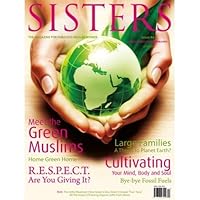
Reviewed by Fawziyyah Emiabata for the February 2013 issue of SISTERS Magazine.
Generally, I found Love in a Headscarf quite interesting. At one point, I felt pity for Shelina when she first felt she had found the right one, but he turned out not to be, and then she got stood up by another person. It was also a great read for learning about a culture different than my own. Love in a Headscarf is highly recommended for anyone contemplating marriage in particular and women in general.
Reviewed by Fawziyyah Emiabata for the February 2013 issue of SISTERS Magazine.

March 18, 2014
Shia woman's desperate search for hot mate; uses all the words she learnt at Oxford to describe the journey. Oh, and there's God. But He only appears when she thinks you might catch on to what she actually wants. Which brings us full circle to the 'hot mate' part.
What Shelina Wants in a Husband:
I wouldn't have minded her list if she didn't spend the rest of the book trying to convince us that she was definitely looking for more than just looks in a spouse. Having to suffer through how she treats the people she is attracted to compared to the people she's not - all the while pretending she's giving everyone a fair chance in an over-the-top, holier-than-thou attitude - is torturous at best.
To top it off was her arrogance - she takes it for granted that she is deeply religious and superbly intelligent. In fact, she is so intelligent and religious that she finds it perfectly logical to equate the things she does to the things the Noble Saints of history may have done, to name an example:
Apparently Hadhrat Khadija (R.A) climbed mount Hira to give the Prophet food (I never found any source for this 'story') so she climbs Mount Kilamanjaro in imitation ofher non-shia friends er.. I mean, to feed... someone food. I think.
When she goes on a Middle East tour with some girlfriends of hers, I actually had to stop reading because I eye-rolled so badly at the sheer stupidity of the argument she and her friend got into with a french girl. I was so offended that a) she expects us to believe that actually happened, b) at her friend's juvenile response, and c) being clear that because she was traveling alone without a male meant that she was 'liberated' and not 'oppressed'! I suppose only if you travel alone you can call yourself liberated!
Oh yeah, and the 'search for the one' becomes stale fast. The Desperation! I have never seen anything like it. Seven online match-making sites at once?! Honestly, you'd think she would have gotten a life after about a 100 pages of 'God a.k.a. Love' and 'Independence' but no - it is right there until the end -
Since in she couldn't be honest about what she wanted and how she judged her prospective husbands, she should have at least given us more insight into the life of a Shia. Unfortunately, all we got was another lesson in Taqiya.
What Shelina Wants in a Husband:
'Good looking
Height 5'8 - 5'10
Fantastic dress sense
The most handsome man in the world; it would simply not be possible for any other man to be better looking
Smells good
Handsome (did I mention Handsome?)'
I wouldn't have minded her list if she didn't spend the rest of the book trying to convince us that she was definitely looking for more than just looks in a spouse. Having to suffer through how she treats the people she is attracted to compared to the people she's not - all the while pretending she's giving everyone a fair chance in an over-the-top, holier-than-thou attitude - is torturous at best.
To top it off was her arrogance - she takes it for granted that she is deeply religious and superbly intelligent. In fact, she is so intelligent and religious that she finds it perfectly logical to equate the things she does to the things the Noble Saints of history may have done, to name an example:
Apparently Hadhrat Khadija (R.A) climbed mount Hira to give the Prophet food (I never found any source for this 'story') so she climbs Mount Kilamanjaro in imitation of
When she goes on a Middle East tour with some girlfriends of hers, I actually had to stop reading because I eye-rolled so badly at the sheer stupidity of the argument she and her friend got into with a french girl. I was so offended that a) she expects us to believe that actually happened, b) at her friend's juvenile response, and c) being clear that because she was traveling alone without a male meant that she was 'liberated' and not 'oppressed'! I suppose only if you travel alone you can call yourself liberated!
Oh yeah, and the 'search for the one' becomes stale fast. The Desperation! I have never seen anything like it. Seven online match-making sites at once?! Honestly, you'd think she would have gotten a life after about a 100 pages of 'God a.k.a. Love' and 'Independence' but no - it is right there until the end -
'There was no moment where I did not expect to meet him [the One]. I expected it all the time. That's why I chose to wear Coco Chanel that day. I wanted to be prepared, just in case.'
Since in she couldn't be honest about what she wanted and how she judged her prospective husbands, she should have at least given us more insight into the life of a Shia. Unfortunately, all we got was another lesson in Taqiya.

December 24, 2010
A great first book for 2012, although I have no idea why it took me a year from getting my hands on it to finally read it!
Anyone who has any experience with arranged marriages or curiosity about them should read this book. Anyone who is open to hearing a Muslim explain what her religion is about (hint: neither oppression of women nor terrorism) should as well.
It was interesting to me how much of both aspects I could relate to, though the details of course are different. And some parts, of course, I could not relate to at all. But I too have been told that as a member of a traditionally patriarchal religion that I am oppressed -- and that if I refused to accept that, it must mean I was brainwashed too.
And I enjoyed the ending, too. :)
Anyone who has any experience with arranged marriages or curiosity about them should read this book. Anyone who is open to hearing a Muslim explain what her religion is about (hint: neither oppression of women nor terrorism) should as well.
It was interesting to me how much of both aspects I could relate to, though the details of course are different. And some parts, of course, I could not relate to at all. But I too have been told that as a member of a traditionally patriarchal religion that I am oppressed -- and that if I refused to accept that, it must mean I was brainwashed too.
And I enjoyed the ending, too. :)

July 19, 2015
When I started this book, I did not know what to expect. I've never read any similar books, and to say that I was pleasantly surprised would be an understatement. I liked the book. I really did.
Written in 1st person's narrative, Shelina Zahra Jannmohamed recounts her experiences in her journey as a British Muslim of Asian origin (or something of that sort). As tradition demands, her practice of "husband-searching" started at the tender age of eighteen when she was still going to university. The book is about the process of self-discovering, and how she comes to become the person she is now.
I think it's a lovely book, refreshing almost, and I had a fun time reading it.
Written in 1st person's narrative, Shelina Zahra Jannmohamed recounts her experiences in her journey as a British Muslim of Asian origin (or something of that sort). As tradition demands, her practice of "husband-searching" started at the tender age of eighteen when she was still going to university. The book is about the process of self-discovering, and how she comes to become the person she is now.
I think it's a lovely book, refreshing almost, and I had a fun time reading it.
August 23, 2010
This autobiography narrates the search for the pure love (the Divine love), along with the man-woman love, that is more essential &nurturing for the soul. It shows how God has Wisely prepared her for the moment she always dreamed of, and that this was the most suitable time (Not earlier or later). Her character was amazingly formed during her search for the One. She mainly extracted her principles from her faith (Islam) rather than traditions. She believes that traditions are, most of the time, not related to religion.

December 24, 2010
The author is here both trying to tell the story of her decade-long search for Mr. Right, and explain/defend Muslim practices to the non-Muslim reader. I think she met both of those objectives. I came away from the book with a greater understanding of Islam and a greater appreciation of arranged marriages, and had a couple of chuckles on the way -- particularly the part where, while traveling in Egypt, Shelina and a friend put an arrogant, bigoted tourist in her place.
(I received this book for free from LibraryThing's Early Reviewers program.)
(I received this book for free from LibraryThing's Early Reviewers program.)

May 31, 2017
Though I might not agree to some points, the book does bring an end to many misconceptions about Islam and if anything, it has only deepened my faith.
The story read like non-fiction (or maybe I didnt realize it earlier?) and some of Shelina's points are contradictory. But salute to this author, for coming forward and writing about her faith and actually getting it published. It is certainly a good inspiration for all muslim girls out there struggling to get their voice heard.
The story read like non-fiction (or maybe I didnt realize it earlier?) and some of Shelina's points are contradictory. But salute to this author, for coming forward and writing about her faith and actually getting it published. It is certainly a good inspiration for all muslim girls out there struggling to get their voice heard.
Displaying 1 - 30 of 320 reviews