What do you think?
Rate this book


311 pages, Paperback
First published June 25, 2019


...the sensors jammed into a mako’s head resemble the cockpit of an F-35 fighter jet. [presumably without the design flaws and cost overruns] The mako’s sensors are equal in sophistication to the fighter jet’s advanced systems except they are bundled in nerves, flesh, and blood.Not comforting.
While sharks kill an average of four humans a year, humans kill 100 million sharks each year. That is not a typo. Humans kill 100 million sharks each year.



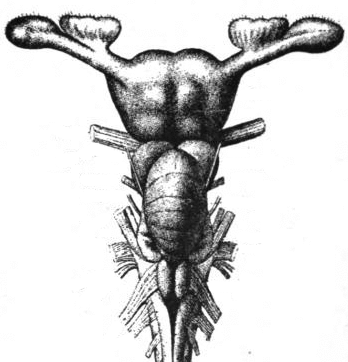
Numerous popular articles have described the brain of a white shark as being the size of a walnut, a misleading and inaccurate comparison. The brain of an adult white shark is shaped like a “Y,” and from the scent-detecting bulbs to the brain stem, a shark’s brain can measure up to approximately 2 feet in length…relative to the body weight of birds and marsupials…the great white’s brain is massive.Makos and Great Whites hunt using their blazing speed, then close the deal with insanely powerful jaws, nicely lined with many large, very sharp teeth; Tiger sharks are also deadly fast, but they prefer to swim slowly and ambush prey with a sudden burst of speed. Tiger sharks like to sneak up on divers, disappearing and reappearing like a magician’s trick, which unnerves many. Can’t imagine why.

When tigers remove garbage—weak and sick fish—they remove from the ocean bacteria and viruses that can harm reefs and seagrass. However, the tiger’s work extends beyond mere custodial work: as apex predators, tiger sharks play an important role in maintaining the balance of fish species across the ecosystem. Moreover, the research shows that areas with more apex predators have greater biodiversity and higher densities of individuals than do areas with fewer apex predators.Sorry, no Land Sharks.