

What do you think?

پنیر و کرمها: جهان یک آسیابان قرن شانزدهمی
کارلو گینزبورگ در پنیر و کرمها کوشیده است سطر به سطر اسناد اندکی را که از محاکمهٔ او بر جای مانده است بکاود و جهانبینی این آسیابان گمنام را ترسیم کند و نشان دهد که شهروندان عادی آنگونه که تا کنون گمان میبردهایم، صرفاً فرمانبرِ فرادستان نبودهاند بلکه فقط صدایشان ناشنیده مانده است. پنیر و کرمها از شاخصترین نمونههای تاریخنگاریِ خُرد و تاریخنگاریِ فرهنگی در جهان است.
330 pages, Paperback
First published January 1, 1976
About the author
Carlo Ginzburg
76 books273 followersBorn in 1939, Ginzburg was the son of Italian-Ukranian translator Leone Ginzburg and Italian writer Natalia Ginzburg. As a historian his fields of interest ranged from the Italian Renaissance to early modern European History, with contributions in art history, literary studies, popular cultural beliefs, and the theory of historiography.
Ratings & Reviews
Friends & Following
Create a free account to discover what your friends think of this book!
Community Reviews
Displaying 1 - 30 of 780 reviews

November 13, 2025
پنیر و کرم ها ،کتابی است از کارلو گینزبورگ ، نویسنده و تاریخ نگار ایتالیایی . همانگونه که از عنوان کتاب مشخص است ، نویسنده جهان یک آسیابان قرن شانزدهمی ایتالیایی را در دوران تفتیش عقاید یا همان ا نکیزیسیون شرح داده .
قهرمان کتاب او فردی است به نام دومنیکو اسکاندلا، معروف به منوکیو که اواخر قرن شانزدهم توسط دادگاه تفتیش عقاید کلیسا محاکمه شد . او در بازجوییها، دیدگاههای شخصی و متفاوت از نظر کلیسا دربارهٔ آفرینش، خدا، و جهان بیان کرد .
سبک کتاب گینزبورگ را از این رو که نویسنده به بررسی تاریخ از زاویهٔ تجربههای فردی و ساختارهای فرهنگی کوچک پرداخته، نه روایتهای کلان سیاسی یا مذهبی ، باید تاریخ نگاری خرد دانست . گینزبورگ این گونه نشان داده که تاریخ فقط داستان نخبگانی مانند جوردانو برونو یا گالیله نیست؛ بلکه زندگی و اندیشههای مردم عادی هم ارزش بیان دارند.
در ستایش منوکیو
منوکیو، آسیابانی از شمال ایتالیا در قرن شانزدهم، نمونهای نادر از فردی غیرنخبه است که توانست با ترکیب تجربهٔ زیسته، فرهنگ شفاهی و خواندن چند کتاب ، جهانبینیای مستقل و پیچیده ای شکل دهد. او در بازجوییهای دادگاه تفتیش عقاید، دیدگاههایی شخصی دربارهٔ آفرینش، دین و قدرت بیان کرد که با آموزههای رسمی کلیسا در تضاد بود.
اهمیت منوکیو را باید در توانایی و جراتش برای اندیشیدن و بیان آزادانهٔ افکار دانست. او نشان داد که سواد و تفکر، منحصر به نخبگان نیست و مردم عادی نیز میتوانند دربارهٔ هستی و اخلاق پاسخها و دیدگاه خودشان را داشته باشند. منوکیو را باید بهعنوان نماد اندیشهٔ مستقل، سواد تجربی و مقاومت دربرابر طرز فکر محدود کلیسا شناخت و ستود ؛ نه بهخاطر نتیجهٔ محاکمهاش، بلکه بهخاطر کیفیت گفتوگوهایی که در دل آن محاکمه شکل گرفت.
منوکیو که به صورت تجربی و شخصی ، با سواد شده بود برخلاف مردم عادی ، کتاب می خواند . کتاب هایی مانند دکامرون ، متون مذهبی و عرفانی و حتی قران . او این گونه با ذهن کنجکاو و بی پروای خود نهتنها میخواند، بلکه تفسیر هم میکرد و این تفسیرها را با صدای بلند گویی فریاد می زد ، حتی در برابر کلیسا.
کتاب سخت خوان گینزبورگ شامل مکالمه های منوکیو و ماموران و مسئولان کلیسا است . او تقریبا در برابر هر سوال و جوابی منبع آن را ذکر کرده ، این امر گرچه سبب تحسین خواننده به سبب سیستم ثبت اطلاعات کلیسا می شود که منبعی بسیار غنی برای فهم زندگی، اندیشه و فرهنگ مردمی آن دوران فراهم کرده ، اما هدف اصلی کلیسا از ثبت این اطلاعات، کنترل و سرکوب عقاید انحرافی بود، نه حفظ فرهنگ مردمی و بهخاطر همین ثبتها ، بسیاری از افراد محاکمه و سوزانده شدند.
پنیر و کرمها سرشار از اشاره به متون مذهبی، فلسفی و تاریخی قرن شانزدهم است که برای خوانندهٔ ناآشنا (همانند من) سنگین و دشوار به نظر میرسد. تمرکز کتاب بر تحلیل جهانبینی منوکیو و زمینههای اجتماعیست، نه روایت ماجرا. از این رو، مطالعهٔ کتاب مستلزم تمرکز بالا و آشنایی با مفاهیم تاریخی و فرهنگی است، و نمیتوان آن را برای همهٔ خوانندگان مناسب دانست.
قهرمان کتاب او فردی است به نام دومنیکو اسکاندلا، معروف به منوکیو که اواخر قرن شانزدهم توسط دادگاه تفتیش عقاید کلیسا محاکمه شد . او در بازجوییها، دیدگاههای شخصی و متفاوت از نظر کلیسا دربارهٔ آفرینش، خدا، و جهان بیان کرد .
سبک کتاب گینزبورگ را از این رو که نویسنده به بررسی تاریخ از زاویهٔ تجربههای فردی و ساختارهای فرهنگی کوچک پرداخته، نه روایتهای کلان سیاسی یا مذهبی ، باید تاریخ نگاری خرد دانست . گینزبورگ این گونه نشان داده که تاریخ فقط داستان نخبگانی مانند جوردانو برونو یا گالیله نیست؛ بلکه زندگی و اندیشههای مردم عادی هم ارزش بیان دارند.
در ستایش منوکیو
منوکیو، آسیابانی از شمال ایتالیا در قرن شانزدهم، نمونهای نادر از فردی غیرنخبه است که توانست با ترکیب تجربهٔ زیسته، فرهنگ شفاهی و خواندن چند کتاب ، جهانبینیای مستقل و پیچیده ای شکل دهد. او در بازجوییهای دادگاه تفتیش عقاید، دیدگاههایی شخصی دربارهٔ آفرینش، دین و قدرت بیان کرد که با آموزههای رسمی کلیسا در تضاد بود.
اهمیت منوکیو را باید در توانایی و جراتش برای اندیشیدن و بیان آزادانهٔ افکار دانست. او نشان داد که سواد و تفکر، منحصر به نخبگان نیست و مردم عادی نیز میتوانند دربارهٔ هستی و اخلاق پاسخها و دیدگاه خودشان را داشته باشند. منوکیو را باید بهعنوان نماد اندیشهٔ مستقل، سواد تجربی و مقاومت دربرابر طرز فکر محدود کلیسا شناخت و ستود ؛ نه بهخاطر نتیجهٔ محاکمهاش، بلکه بهخاطر کیفیت گفتوگوهایی که در دل آن محاکمه شکل گرفت.
منوکیو که به صورت تجربی و شخصی ، با سواد شده بود برخلاف مردم عادی ، کتاب می خواند . کتاب هایی مانند دکامرون ، متون مذهبی و عرفانی و حتی قران . او این گونه با ذهن کنجکاو و بی پروای خود نهتنها میخواند، بلکه تفسیر هم میکرد و این تفسیرها را با صدای بلند گویی فریاد می زد ، حتی در برابر کلیسا.
کتاب سخت خوان گینزبورگ شامل مکالمه های منوکیو و ماموران و مسئولان کلیسا است . او تقریبا در برابر هر سوال و جوابی منبع آن را ذکر کرده ، این امر گرچه سبب تحسین خواننده به سبب سیستم ثبت اطلاعات کلیسا می شود که منبعی بسیار غنی برای فهم زندگی، اندیشه و فرهنگ مردمی آن دوران فراهم کرده ، اما هدف اصلی کلیسا از ثبت این اطلاعات، کنترل و سرکوب عقاید انحرافی بود، نه حفظ فرهنگ مردمی و بهخاطر همین ثبتها ، بسیاری از افراد محاکمه و سوزانده شدند.
پنیر و کرمها سرشار از اشاره به متون مذهبی، فلسفی و تاریخی قرن شانزدهم است که برای خوانندهٔ ناآشنا (همانند من) سنگین و دشوار به نظر میرسد. تمرکز کتاب بر تحلیل جهانبینی منوکیو و زمینههای اجتماعیست، نه روایت ماجرا. از این رو، مطالعهٔ کتاب مستلزم تمرکز بالا و آشنایی با مفاهیم تاریخی و فرهنگی است، و نمیتوان آن را برای همهٔ خوانندگان مناسب دانست.

Read
June 13, 2011Fantastic study based on trial records of a sixteenth century Italian miller charged with heresy. The book offers a glimpse into an alternative (and generally unheard from) world-view that is full of so much imagination on the part of the miller that it should put many a fiction writer to shame.
That really is its strength and virtue, to be a reminder that the masses of people that now we label as Lutheran, Catholic or Anabaptist were a mess of individuals. While the beliefs of the hierarchies can be listed and referenced to published works the actual beliefs of their followers remain unknown unless they happened to run foul of the heresy courts in one jurisdiction or another, even then the inquisitor might be looking to squeeze them into some known category of schismatic or other.
Here by contrast are an individuals beliefs. Messy, uninfluential but individual. They offer as much of a clue as what people actually believed as the writings of a Luther or Zwingli and an insight with its images of mouldy cheese and God as master builder with sub-contracted angels creating the world into just how divergent the reception of ideas could be.
That really is its strength and virtue, to be a reminder that the masses of people that now we label as Lutheran, Catholic or Anabaptist were a mess of individuals. While the beliefs of the hierarchies can be listed and referenced to published works the actual beliefs of their followers remain unknown unless they happened to run foul of the heresy courts in one jurisdiction or another, even then the inquisitor might be looking to squeeze them into some known category of schismatic or other.
Here by contrast are an individuals beliefs. Messy, uninfluential but individual. They offer as much of a clue as what people actually believed as the writings of a Luther or Zwingli and an insight with its images of mouldy cheese and God as master builder with sub-contracted angels creating the world into just how divergent the reception of ideas could be.

September 12, 2026
این ریویوو هیچ اطلاعاتی درباره کتاب نمیده و صرفا صدای بلند بلند فکر کردن منه.
توضیح مفصل درباره کتاب رو ریویوو صوتی کردم.
بنظرم اگه این آقای منوکیو امروز تو همون روستای فریولی شمال ایتالیا زندگی میکرد، بجای اینکه سر از دادگاه تفتیش عقاید دربیاره یه گوشی دستش بود، یه اکانت توییتر داشت و هر چند روز یه بار با یه پست جنجالی و تفسیر عجیبغریب از کتاب مقدس، کک به جون کلیسا مینداخت. البته خب بعدش حتمن زیر پستهاش هم یه عده کامنت میدادن و تهدیدش میکردن و به خواهر مادرش فحش میدادن و یه عدهام که خشونتطلب نبودن یا کمتر بودن بهش میگفتن شعورش به این چیزا قد نمیده و کتاب رو درست نخونده و هشتگ التماس تفکر میزدن. اونایی هم که دستشون نمیرسید از صفحه روزگار حذفش کنن، بلاک و ریپورتش میکردن.
خوشبختانه اما حالا زمانه عوض شده و حداقل دیگه خیلی جاهای دنیا آدما رو بخاطر فهم و نظرات متفاوتشون وسط میدون آتیش نمیزنن ( ایموجی پوزخند) ولی مشکل بدخوانی از همون موقعها و قبلترها قطعاً و تا هنوز سر جاشه.
قشنگی پنیر و کرمها دقیقاً توی همین بدخواندنه. منوکیو کتابها رو میخوند، اما در برابرشون چشمبسته کوتاه نمیاومد. کلماتی رو که میخوند با تجربه زندگی خودش، حرفهای مردم روستا و باورهاش قاطی میکرد و از دلش به نتیجههایی میرسید که هوش از سر آدم میپروند.
ما معمولاً موقع کتاب خوندن مدام نگرانیم که منظور دقیق نویسنده رو کشف کنیم، اما منوکیو اصلاً از این فداکاریها نمیکرد. کتاب رو برمیداشت، میخوند و بعد اونو مال خودش میکرد. کلمات برای منوکیو مثل الوار بودن و اون مثل نجاری بود که چندان کاری به نقشهی ساخت نداشت؛ چوب رو میبرید تا ازش چیزی بسازه که به درد خودش بخوره، حتی اگه آخرش یه چارپایهی کجومعوج از آب درمیومد.
البته این به این معنی نیست که هر برداشتی از کتاب درسته؛ وگرنه یکی میتونست بیاد و بگه رمان "درجستجوی زمان از دست رفته" یه کتاب شیرینیپزی عه.
مسئله اینه که هیچکدوم از ما با ذهن کاملاً خالی سراغ کتابها نمیریم. تجربههامون، باورهامون و چیزهایی که از زندگی یاد گرفتیم، همگی روی خوانشمون اثر میذارن؛ فقط منوکیو این حقیقت رو خیلی عریان نشون میده. در خوانش او از کتابهایی که به دستش میرسیدن، فاصله بین چیزی که نوشته شده بود و چیزی که فهمیده شده بود، اونقدر زیاد بود که نمیشد نادیدهاش گرفت.
اما شاید مهمتر از خود این فاصله، چیزی باشه که منوکیو باهاش انجام میداد. اون حاضر نبود معنای کتاب رو بیچونوچرا از مرجع قدرت یعنی کلیسا تحویل بگیره. منوکیو کتاب رو میخوند، با زندگی خودش قاطی میکرد و از نو یه کتاب جدید میساخت.
و از اینجا به بعد منوکیو فقط یک آسیابان عجیبوغریب نیست؛ آینهایه که توش میشه عادتهای خودمون رو هم ببینیم. ما هم وقتی کتاب میخونیم، چیزهایی رو با خودمون میبریم و چیزهایی رو ازش بیرون میکشیم که ممکنه نویسنده هیچوقت قصد نکرده باشه. شاید همینجا باشه که توهم فهمیدن کامل شروع میشه...
اما قصه وقتی جالبتر میشه که بپرسیم: اصلاً کارلو گینزبورگ، نویسنده کتاب، از کجا میدونسته منوکیو واقعاً چطور فکر میکرده؟
منوکیو که دفتر خاطرات نداشته و چیزی که ازش باقی مونده پروندههای بازجویی دادگاهه؛ حرفهای آدمی که زیر فشار بوده و کلماتش توسط کسانی ثبت شده که لزوماً همدلش نبودن. پس گینزبورگ باید از روی همین خردهریزها جلو میرفته؛ یک جمله تکراری، یک تناقض، یک اشاره کوچک، نویسنده از دل این تکهپارهها سعی کرده تصویری از ذهن یک آدم رو دوباره بسازه.
البته این بازسازی هم خودش یک جور تفسیره. گینزبورگ هم مثل منوکیو با یک جهان کامل روبهرو نبوده که فقط کافیه درش رو باز کنه و حقیقت رو برداره. اون با سندهای ناقص و پراکنده طرف بوده و باید بین اونها ارتباط برقرار میکرده، چیزهایی رو کنار هم میذاشته و از دلشون به تصویری از جهان فکری منوکیو میرسیده.
منوکیو از تکههای کتابها جهان خودش رو ساخت؛ گینزبورگ از تکههای پروندههای دادگاه، جهان منوکیو رو بازسازی کرد؛ و من هم امروز از تکههای کتاب گینزبورگ دارم برداشت خودم رو میسازم؛ و این خیلی برام جالبه.
توضیح مفصل درباره کتاب رو ریویوو صوتی کردم.
بنظرم اگه این آقای منوکیو امروز تو همون روستای فریولی شمال ایتالیا زندگی میکرد، بجای اینکه سر از دادگاه تفتیش عقاید دربیاره یه گوشی دستش بود، یه اکانت توییتر داشت و هر چند روز یه بار با یه پست جنجالی و تفسیر عجیبغریب از کتاب مقدس، کک به جون کلیسا مینداخت. البته خب بعدش حتمن زیر پستهاش هم یه عده کامنت میدادن و تهدیدش میکردن و به خواهر مادرش فحش میدادن و یه عدهام که خشونتطلب نبودن یا کمتر بودن بهش میگفتن شعورش به این چیزا قد نمیده و کتاب رو درست نخونده و هشتگ التماس تفکر میزدن. اونایی هم که دستشون نمیرسید از صفحه روزگار حذفش کنن، بلاک و ریپورتش میکردن.
خوشبختانه اما حالا زمانه عوض شده و حداقل دیگه خیلی جاهای دنیا آدما رو بخاطر فهم و نظرات متفاوتشون وسط میدون آتیش نمیزنن ( ایموجی پوزخند) ولی مشکل بدخوانی از همون موقعها و قبلترها قطعاً و تا هنوز سر جاشه.
قشنگی پنیر و کرمها دقیقاً توی همین بدخواندنه. منوکیو کتابها رو میخوند، اما در برابرشون چشمبسته کوتاه نمیاومد. کلماتی رو که میخوند با تجربه زندگی خودش، حرفهای مردم روستا و باورهاش قاطی میکرد و از دلش به نتیجههایی میرسید که هوش از سر آدم میپروند.
ما معمولاً موقع کتاب خوندن مدام نگرانیم که منظور دقیق نویسنده رو کشف کنیم، اما منوکیو اصلاً از این فداکاریها نمیکرد. کتاب رو برمیداشت، میخوند و بعد اونو مال خودش میکرد. کلمات برای منوکیو مثل الوار بودن و اون مثل نجاری بود که چندان کاری به نقشهی ساخت نداشت؛ چوب رو میبرید تا ازش چیزی بسازه که به درد خودش بخوره، حتی اگه آخرش یه چارپایهی کجومعوج از آب درمیومد.
البته این به این معنی نیست که هر برداشتی از کتاب درسته؛ وگرنه یکی میتونست بیاد و بگه رمان "درجستجوی زمان از دست رفته" یه کتاب شیرینیپزی عه.
مسئله اینه که هیچکدوم از ما با ذهن کاملاً خالی سراغ کتابها نمیریم. تجربههامون، باورهامون و چیزهایی که از زندگی یاد گرفتیم، همگی روی خوانشمون اثر میذارن؛ فقط منوکیو این حقیقت رو خیلی عریان نشون میده. در خوانش او از کتابهایی که به دستش میرسیدن، فاصله بین چیزی که نوشته شده بود و چیزی که فهمیده شده بود، اونقدر زیاد بود که نمیشد نادیدهاش گرفت.
اما شاید مهمتر از خود این فاصله، چیزی باشه که منوکیو باهاش انجام میداد. اون حاضر نبود معنای کتاب رو بیچونوچرا از مرجع قدرت یعنی کلیسا تحویل بگیره. منوکیو کتاب رو میخوند، با زندگی خودش قاطی میکرد و از نو یه کتاب جدید میساخت.
و از اینجا به بعد منوکیو فقط یک آسیابان عجیبوغریب نیست؛ آینهایه که توش میشه عادتهای خودمون رو هم ببینیم. ما هم وقتی کتاب میخونیم، چیزهایی رو با خودمون میبریم و چیزهایی رو ازش بیرون میکشیم که ممکنه نویسنده هیچوقت قصد نکرده باشه. شاید همینجا باشه که توهم فهمیدن کامل شروع میشه...
اما قصه وقتی جالبتر میشه که بپرسیم: اصلاً کارلو گینزبورگ، نویسنده کتاب، از کجا میدونسته منوکیو واقعاً چطور فکر میکرده؟
منوکیو که دفتر خاطرات نداشته و چیزی که ازش باقی مونده پروندههای بازجویی دادگاهه؛ حرفهای آدمی که زیر فشار بوده و کلماتش توسط کسانی ثبت شده که لزوماً همدلش نبودن. پس گینزبورگ باید از روی همین خردهریزها جلو میرفته؛ یک جمله تکراری، یک تناقض، یک اشاره کوچک، نویسنده از دل این تکهپارهها سعی کرده تصویری از ذهن یک آدم رو دوباره بسازه.
البته این بازسازی هم خودش یک جور تفسیره. گینزبورگ هم مثل منوکیو با یک جهان کامل روبهرو نبوده که فقط کافیه درش رو باز کنه و حقیقت رو برداره. اون با سندهای ناقص و پراکنده طرف بوده و باید بین اونها ارتباط برقرار میکرده، چیزهایی رو کنار هم میذاشته و از دلشون به تصویری از جهان فکری منوکیو میرسیده.
منوکیو از تکههای کتابها جهان خودش رو ساخت؛ گینزبورگ از تکههای پروندههای دادگاه، جهان منوکیو رو بازسازی کرد؛ و من هم امروز از تکههای کتاب گینزبورگ دارم برداشت خودم رو میسازم؛ و این خیلی برام جالبه.

May 12, 2019
Kurgu dışı, popüler bilim diliyle yazılmış bir tarih kitabı. Teoloji ve felsefe ile de yakından ilgili. Tarihi belgelere dayanılarak yazılan bu kitapta okuma-yazma bilen, alışılmadık bir 16. yüzyıl köylüsünün, değirmenci Menocchio'nun çok ilginç bir hikayesi anlatılıyor. Onu engizizyona götüren düşünceleri "İsa bizim gibi bir insan olarak doğdu, İsa'nın bir bakire den doğmuş olduğuna ve çarmıhta öldüğüne inanmak mantık dışıdır. Eğer o ebedi Tanrı olsaydı, kendisini ele geçirmelerine ve çarmıha germelerine izin vermezdi" şeklinde özetlenebilir.
Kitabın adı “Peynir ve Kurtlar” değirmencinin engizisyondaki ilk savunmasında söylediklerinden çıkarım yapılarak konulmuş. Menocchio'nun kendisi ilk sorgulamasında "ben dedim ki, bana göre, her şey kaostu... bu bütünün içinden bir kütle doğdu -tıpkı peynirin sütten yapılışı gibi- ve içinden kurtlar çıktı, bunlar da meleklerdi, meleklerin arasında Tanrı da vardı, o da bu kütleden aynı zamanda yaratılmıştı...” şeklinde devam eden savunmasından alıntı yapılarak konulmuş.
16. yüzyılın ikinci yarısında geliri belli bir değirmencinin, kitapların yaygın ve ucuz olmadığı bir dönemde sadece birisini satın aldığını kabul ettiği 11 kitabı olması, bunlardan birisinin de Kuran olması (o yıllarda Venedik’te Kuran İtalyanca basılmıştı) çok çok ilginç. Ekonomik alım gücü ile bu kitapları alamayacağı açık olan değirmencinin o zamanlar hiç de azımsanmayacak bir ödünç kitap alıp-verme ağının toplumun alt sınıflarında var olması çok şaşırtıcı. Kitaplardan birisi de Boccacio’nun sansürsüz Decameron kitabı. Engizisyoncu ile Menocchio arasındaki tatışmanın olduğu 26. bölüm ilgi çekici.
Kitapta anlatılan olayların engizisyon tarafından yargılanan ve sonunda Roma'da Campo dei Fiori meydanında yakılan Giordano Bruno’nun yaşadıklarıyla neredeyse aynı tarihlerde yaşanmış olması da ayrı bir ilginç tesadüf oldu benim için.
Kitabın adı “Peynir ve Kurtlar” değirmencinin engizisyondaki ilk savunmasında söylediklerinden çıkarım yapılarak konulmuş. Menocchio'nun kendisi ilk sorgulamasında "ben dedim ki, bana göre, her şey kaostu... bu bütünün içinden bir kütle doğdu -tıpkı peynirin sütten yapılışı gibi- ve içinden kurtlar çıktı, bunlar da meleklerdi, meleklerin arasında Tanrı da vardı, o da bu kütleden aynı zamanda yaratılmıştı...” şeklinde devam eden savunmasından alıntı yapılarak konulmuş.
16. yüzyılın ikinci yarısında geliri belli bir değirmencinin, kitapların yaygın ve ucuz olmadığı bir dönemde sadece birisini satın aldığını kabul ettiği 11 kitabı olması, bunlardan birisinin de Kuran olması (o yıllarda Venedik’te Kuran İtalyanca basılmıştı) çok çok ilginç. Ekonomik alım gücü ile bu kitapları alamayacağı açık olan değirmencinin o zamanlar hiç de azımsanmayacak bir ödünç kitap alıp-verme ağının toplumun alt sınıflarında var olması çok şaşırtıcı. Kitaplardan birisi de Boccacio’nun sansürsüz Decameron kitabı. Engizisyoncu ile Menocchio arasındaki tatışmanın olduğu 26. bölüm ilgi çekici.
Kitapta anlatılan olayların engizisyon tarafından yargılanan ve sonunda Roma'da Campo dei Fiori meydanında yakılan Giordano Bruno’nun yaşadıklarıyla neredeyse aynı tarihlerde yaşanmış olması da ayrı bir ilginç tesadüf oldu benim için.

February 20, 2025
پنیر و کرمها نوشتهی کارلو گینزبرگ اثری است تاریخی پژوهشی که یا یک نگاه بسیار ریزبینانه و پر از جرئیات پرده از اتفاقی در قرن شانزدهم میلادی در ایتالیا بر میداره. موضوعی که نویسنده دست روی اون گذاشته در مورد آسیابانی است به نام منوکیو که دو بار توسط دادگاه تفتیش عقاید محاکمه میشه و در نهایت جسدش سوزانده میشه.شرحی که نویسنده داده یک شرح پر از جرئیاته و به کلیات ماجرا بسنده نکرده. اگر در زمینه کتابهای تاریخی، کتابی از خانم باربارا تاکمن مطالعه کرده باشید، میدونید که ایشون هم روایت تاریخ رو با جزئیات فراوان نقل میکنه و آقای گیزنبرگ هم این ماجرا رو با دقت فراوان و جزئیات بالا بیان کرده. پس از اون دسته کتابهایی است که نه میشه سریع خوندش و نه شکل روایتش روان و جذابه.این اولین نکته.
نکته بعدی اینکه نویسنده تاکید زیادی روی این داره که آنچه که بررسی کرده در واقع روایت تاریخی از افراد گمنامه.منوکیو آسیابانی است گمنام و شهرت افرادی چون گالیله رو نداره.به قولی نویسنده، در این کتاب از صدای بی صدایان گفته.از اون افرادی گفته که در لا به لای صفحات تاریخ دیده نمیشند و اگر هم در کتب تاریخی بهشون پرداخته بشه، جز چند سطر چیزی ازشون گفته نمیشه.از این جهت میشه اثر رو ارزشمند دونست و به نظرم کلیت موضوع و پرداختن به یک انسان گمنام نکته جالبیه. در واقع کتاب رو تحت تاریخ خرد قلمداد میکنند که در مقدمه کتاب نویسنده توضیحات مفصلی در مورد تاریخ خرد و چالشهایی که داره به خوبی داده.
شکل روایت کتاب که تا حدی هم میشه گفت سخت خوان حساب میشه به این صورته که ما شرحی از جلسات دادگاه منوکیو رو میخونیم و همزمان مسیری که برای منوکیو طی شد تا به این عقاید برسه و در نهایت بازداشت و محاکمه بشه. منوکیو فرد بی سوادی نبوده و تونسته کتابهای گوناگونی رو بخونه.تحت تاثیر این کتابها عقاید دینیاش دچار تغییر و تحول میشه.از کتاب ها حرف زده میشه. از اینکه چه کتاب هایی خوانده شده و چه تاثیری از کتاب پذیرفته. حتی منوکیو به قرآن هم سری زده و اون رو هم مطالعه کرده... در کتاب ما زیاد با احتمالا،شاید،مطمئن نیستم نویسنده مواجه میشیم. در ابتدا این شکل روایت رو دوست داشتم و بیشتر به حساب صداقت نویسنده گذاشتم که جایی که منبع معتبری نبوده حکم قطعی صادر نکرده ولی هر چه از خواندن کتاب گذشت و دیدم این عدم قطعیتها زیاد و زیادتر شد و تعدد بالای عدم قطعیت نویسنده در روایت های کتاب، مساله ای بود که کمی از کتاب دلزدهام کرد. به دو نمونه دقت داشته باشید:
1- روز قبل از آن، خانه منوکیو تفتیش شده بود. تمامی صندوقهایش را در حضور شاهدان گشودند و کتابها و نوشتههایش ضبط شدند.شوربختانه نمیدانیم که این نوشتهها چه بودند. صفحه212
2-اینها حدس و گمانهایی صرف هستند. مدرکی در اختیار نداریم که نشان دهد آن زیباترین کتابی که منوکیو شورمندانه در مورد آن سخن گفته بود به راستی قرآن باشد. صفحه206
از این شکل نمونه ها در کتاب زیاد بود. به عنوان آخرین نکته هم به این اشاره کنم که حجم کتاب از 35 صفحه مقدمه مترجم و نویسنده، 245 صفحه مطلب اصلی کتاب و 82 صفحه یادداشتهای انتهایی تشکیل شده.
نکته بعدی اینکه نویسنده تاکید زیادی روی این داره که آنچه که بررسی کرده در واقع روایت تاریخی از افراد گمنامه.منوکیو آسیابانی است گمنام و شهرت افرادی چون گالیله رو نداره.به قولی نویسنده، در این کتاب از صدای بی صدایان گفته.از اون افرادی گفته که در لا به لای صفحات تاریخ دیده نمیشند و اگر هم در کتب تاریخی بهشون پرداخته بشه، جز چند سطر چیزی ازشون گفته نمیشه.از این جهت میشه اثر رو ارزشمند دونست و به نظرم کلیت موضوع و پرداختن به یک انسان گمنام نکته جالبیه. در واقع کتاب رو تحت تاریخ خرد قلمداد میکنند که در مقدمه کتاب نویسنده توضیحات مفصلی در مورد تاریخ خرد و چالشهایی که داره به خوبی داده.
شکل روایت کتاب که تا حدی هم میشه گفت سخت خوان حساب میشه به این صورته که ما شرحی از جلسات دادگاه منوکیو رو میخونیم و همزمان مسیری که برای منوکیو طی شد تا به این عقاید برسه و در نهایت بازداشت و محاکمه بشه. منوکیو فرد بی سوادی نبوده و تونسته کتابهای گوناگونی رو بخونه.تحت تاثیر این کتابها عقاید دینیاش دچار تغییر و تحول میشه.از کتاب ها حرف زده میشه. از اینکه چه کتاب هایی خوانده شده و چه تاثیری از کتاب پذیرفته. حتی منوکیو به قرآن هم سری زده و اون رو هم مطالعه کرده... در کتاب ما زیاد با احتمالا،شاید،مطمئن نیستم نویسنده مواجه میشیم. در ابتدا این شکل روایت رو دوست داشتم و بیشتر به حساب صداقت نویسنده گذاشتم که جایی که منبع معتبری نبوده حکم قطعی صادر نکرده ولی هر چه از خواندن کتاب گذشت و دیدم این عدم قطعیتها زیاد و زیادتر شد و تعدد بالای عدم قطعیت نویسنده در روایت های کتاب، مساله ای بود که کمی از کتاب دلزدهام کرد. به دو نمونه دقت داشته باشید:
1- روز قبل از آن، خانه منوکیو تفتیش شده بود. تمامی صندوقهایش را در حضور شاهدان گشودند و کتابها و نوشتههایش ضبط شدند.شوربختانه نمیدانیم که این نوشتهها چه بودند. صفحه212
2-اینها حدس و گمانهایی صرف هستند. مدرکی در اختیار نداریم که نشان دهد آن زیباترین کتابی که منوکیو شورمندانه در مورد آن سخن گفته بود به راستی قرآن باشد. صفحه206
از این شکل نمونه ها در کتاب زیاد بود. به عنوان آخرین نکته هم به این اشاره کنم که حجم کتاب از 35 صفحه مقدمه مترجم و نویسنده، 245 صفحه مطلب اصلی کتاب و 82 صفحه یادداشتهای انتهایی تشکیل شده.

July 30, 2019
2019'un en düşük notunu (3/5) bir tarih kitabı olan İnsanın Hikayesi'ne verdikten kısa bir süre sonra yılın ikinci tarih kitabını biraz korkarak elime aldım. Okul yıllarında Tarih ve İnkilap Tarihi başlığı altında "resmi tarih" yani "resmi ideoloji"ye maruz kalarak sakatlanıp mağdur edilen bir halkın ferdi olarak korkumun nedeni anlaşılabilir. Neyse ki korkulan olmadı... Okuma alışkanlığım sayesinde karşıma çıkan Vico ve Collingwood gibi tarihçi ve bilim adamları ile, aldığım tarih felsefesi eğitimi istikametimi tamamen ters yöne çevirdi. Tarih felsefesinin terimleriyle res gestae ekolünden historia rerum gestarum'a sıçrama yaptım. Daha açık bir ifadeyle tarihi geçmiş olayların bilgisinden ziyade bir bilim olarak, bir bilgi etkinliği olarak görmeye başladım. Bu durumda bu kitabın yazarı, ben ve "tarihte dün yoktur, yarın yoktur sadece bugün vardır" diyen Giambatista Vico ile aynı ekoldeniz. Bu ekolden olanlar bilgi, belge ve tanıklıklar sayesinde yeni bir bütünlük oluşturmaya çalışır, yanlışları, fazlalıkları ayıklayarak. Bu haliyle aslında söz konusu ekolden olan tarihçinin işi biraz romancıya benziyor. Bu bahis daha uzamasın diye burada kesip kitaba geçiyorum.
Carlo Ginzburg'un işi daha da zormuş, çünkü bilindiği gibi tarih yazımı daha ziyade egemen sınıfların tekelindeymiş. Bu bakımdan on altıncı yüzyılda yaşamış naif bir değirmencinin hikayesinde sınırlı kaynak nedeniyle akılcı yoruma daha çok ihtiyaç olmakta. Değirmencinin soruşturma, yargılama sürecinden ziyade onun yaşadığı aydınlanma daha çok merak konusu. "Naif" kelimesini burada bir daha kullanıp değirmenci Menocchio'yu özetleyen kelimenin bu olduğunu söyleyelim. Engizisyon kitaplarına ve yazılarına el koyduğu için Ginzburg daha ziyade onun beslendiği düşünülen kaynaklar üzerinden, onun aydınlanma sürecini okuyor.
Matbaa ve Reform'un Menocchio'nun fikirlerinin oluşmasında etkisi inkar edilemez. Burada Walter Benjamin'i anarak tekniğin sadece sanat eserlerin çoğalmasında işe yaramadağı, kişinin bilinçlenme serüveninde de başat rol oynadığını söyleyelim.Bu nedenle de Batı'daki dönüşümlerde matbaa'nın rolünü atlamamak lazım. Lutherci görüşler İtalya'yı ne derece etkilemiş olsa bu görüşleri keskinleştirip yaymaya çalışan Anabaptistler'in Menocchio'nun gelişimine katkısı çok. Papalığa karşı olan ve ilk günahı reddedikleri için vaftize karşı çıkan Anabaptistler Münster'de Köylü Savaşları sırasında baş aktör konumundaydılar. İşte Menocchio'nun asıl hikayesi tabandan gelen bu sınıfsal hareketliliğin ve kilise karşıtı söylemin Cizvitlerin aracılığıyla sönümlenmesine bağlanabilir...
İlk soruşturmanın neticesinde suçlu bulunup hapis cezası ile cezalandırılan Menocchio nedamet getirdiği için affedilir ve o zamanki aynı pozisyondakilere giydirilen habitello adlı üst giysiyle gezmesine izin verilir ancak. Zamanla kriptoluğa isyan edecek olan Menocchio'nun habitelloyu üstünden atması da sonrasında an meselesi.
Yaşamı ve fikirlerine gelirsek Menocchio'nun yaşamı bana hep Hallac-ı Mansur'un hikayesi hatırlatmış olsa da Arabi'nin Vahdet'i Vücud felsefesinin de etkisi olabilir bence. Zaten kaynakları arasında Kuran'ı görünce de bunun mümkün olabileceğini düşündüm. Spinoza geldi aklıma ama, yaşadığı dönemleri düşününce ancak Menocchio'nun Spinoza'yı etkileme ihtimali olabilir.
Hiçlikten ve yokluktan var olunmayacağı fikri; beden ölümüyle birlikte, ruh ölümünün de gerçekleştiği ama evrensel bir tinin yaşamaya devam ettiğini düşünmesi; İsa'yı bir insan olarak düşünmesi; kutsal ruhu Tanrı ile eşitlemesi; herkesin ve herşeyin tanrı olduğunu söylemesi; papalığın ezilen sınıfları egemenliği altında tutmak için bir şeyleri gizlediği görüşünü yayması; hıristiyanlarla birlikte onların düşmanları olan Yahudiler, Türkler, Paganlar ve diğer ulus ve cemaatlerin birlikte selamete kavuşacağı inancı sonunu hazırlamıştır... Bunu yaparken de söz sanatlarına metaforlara, alegorilere başvurması da zekasının sınırlarını işaret eder.
Carlo Ginzburg'un işi daha da zormuş, çünkü bilindiği gibi tarih yazımı daha ziyade egemen sınıfların tekelindeymiş. Bu bakımdan on altıncı yüzyılda yaşamış naif bir değirmencinin hikayesinde sınırlı kaynak nedeniyle akılcı yoruma daha çok ihtiyaç olmakta. Değirmencinin soruşturma, yargılama sürecinden ziyade onun yaşadığı aydınlanma daha çok merak konusu. "Naif" kelimesini burada bir daha kullanıp değirmenci Menocchio'yu özetleyen kelimenin bu olduğunu söyleyelim. Engizisyon kitaplarına ve yazılarına el koyduğu için Ginzburg daha ziyade onun beslendiği düşünülen kaynaklar üzerinden, onun aydınlanma sürecini okuyor.
Matbaa ve Reform'un Menocchio'nun fikirlerinin oluşmasında etkisi inkar edilemez. Burada Walter Benjamin'i anarak tekniğin sadece sanat eserlerin çoğalmasında işe yaramadağı, kişinin bilinçlenme serüveninde de başat rol oynadığını söyleyelim.Bu nedenle de Batı'daki dönüşümlerde matbaa'nın rolünü atlamamak lazım. Lutherci görüşler İtalya'yı ne derece etkilemiş olsa bu görüşleri keskinleştirip yaymaya çalışan Anabaptistler'in Menocchio'nun gelişimine katkısı çok. Papalığa karşı olan ve ilk günahı reddedikleri için vaftize karşı çıkan Anabaptistler Münster'de Köylü Savaşları sırasında baş aktör konumundaydılar. İşte Menocchio'nun asıl hikayesi tabandan gelen bu sınıfsal hareketliliğin ve kilise karşıtı söylemin Cizvitlerin aracılığıyla sönümlenmesine bağlanabilir...
İlk soruşturmanın neticesinde suçlu bulunup hapis cezası ile cezalandırılan Menocchio nedamet getirdiği için affedilir ve o zamanki aynı pozisyondakilere giydirilen habitello adlı üst giysiyle gezmesine izin verilir ancak. Zamanla kriptoluğa isyan edecek olan Menocchio'nun habitelloyu üstünden atması da sonrasında an meselesi.
Yaşamı ve fikirlerine gelirsek Menocchio'nun yaşamı bana hep Hallac-ı Mansur'un hikayesi hatırlatmış olsa da Arabi'nin Vahdet'i Vücud felsefesinin de etkisi olabilir bence. Zaten kaynakları arasında Kuran'ı görünce de bunun mümkün olabileceğini düşündüm. Spinoza geldi aklıma ama, yaşadığı dönemleri düşününce ancak Menocchio'nun Spinoza'yı etkileme ihtimali olabilir.
Hiçlikten ve yokluktan var olunmayacağı fikri; beden ölümüyle birlikte, ruh ölümünün de gerçekleştiği ama evrensel bir tinin yaşamaya devam ettiğini düşünmesi; İsa'yı bir insan olarak düşünmesi; kutsal ruhu Tanrı ile eşitlemesi; herkesin ve herşeyin tanrı olduğunu söylemesi; papalığın ezilen sınıfları egemenliği altında tutmak için bir şeyleri gizlediği görüşünü yayması; hıristiyanlarla birlikte onların düşmanları olan Yahudiler, Türkler, Paganlar ve diğer ulus ve cemaatlerin birlikte selamete kavuşacağı inancı sonunu hazırlamıştır... Bunu yaparken de söz sanatlarına metaforlara, alegorilere başvurması da zekasının sınırlarını işaret eder.

March 3, 2026
The history contained in this book is unique in that it is about the ideas, thoughts and actions of an insignificant and unimportant person who lived 450 years ago in rural northern Italy. The only reason this information is accessible to historians today is because he got on the wrong side of the local priest who turned him into the Inquisition, and the Inquisition kept detailed records of the arguments he made before the judges.
The individual upon whom this book is focused is Menocchio (1532–1599), also known as Domenico Scandella, who was an Italian miller and jack of many trades. Through the transcripts of two trials fifteen years apart we can perceive influence from books he read and a glimpse of popular culture and pre-Christian naturalistic peasant religions.
He was first tried for heresy in 1583, and initially he spoke freely because he didn’t think he had done anything wrong. (He was probably happy that somebody was interested in what he had to say.) At the end of that trial in 1584 he was forced to abjure his statements and spent another twenty months in prison. Released in 1586 he promised to uphold the teachings of the Church. He continued to carry on with life subject to some parol terms for a number of years, but apparently he couldn’t keep his mouth shut. He would share his ideas with anybody who would listen.
His ideas seem harmless to a modern reader. Most people apparently considered him to be a harmless talker, and there’s no indication that he was convincing anybody to think like him. He was arrested again as a lapsed heretic in 1598, and in 1599 he was declared a heresiarch and was burned at the stake.
The title of this book comes from Menocchio’s cosmology about the creation of the earth as indicated in the following quotation.
The individual upon whom this book is focused is Menocchio (1532–1599), also known as Domenico Scandella, who was an Italian miller and jack of many trades. Through the transcripts of two trials fifteen years apart we can perceive influence from books he read and a glimpse of popular culture and pre-Christian naturalistic peasant religions.
He was first tried for heresy in 1583, and initially he spoke freely because he didn’t think he had done anything wrong. (He was probably happy that somebody was interested in what he had to say.) At the end of that trial in 1584 he was forced to abjure his statements and spent another twenty months in prison. Released in 1586 he promised to uphold the teachings of the Church. He continued to carry on with life subject to some parol terms for a number of years, but apparently he couldn’t keep his mouth shut. He would share his ideas with anybody who would listen.
His ideas seem harmless to a modern reader. Most people apparently considered him to be a harmless talker, and there’s no indication that he was convincing anybody to think like him. He was arrested again as a lapsed heretic in 1598, and in 1599 he was declared a heresiarch and was burned at the stake.
The title of this book comes from Menocchio’s cosmology about the creation of the earth as indicated in the following quotation.
… in my opinion, all was chaos, that is, earth, air, water, and fire were mixed together; and out of that bulk a mass formed — just as cheese is made out of milk — and worms appeared in it, and these were the angels.His ideas seemed to be his own, and didn’t fit into any of the other schisms that were prevalent at the time. He certainly wasn’t a Lutheran, and though he had no respect for the authority of a State Church much as the Anabaptists, he didn’t believe in baptism (or any of the sacraments). In general he believed in moral living in this life and that the Church was guilty of oppression of common people.

February 18, 2023
این کتاب در مورد طرز تهیه پنیر کرمزده در سده شانزدهم نیست. در واقع یک آسیابان ایتالیایی به نام دومنیکو اسکاندلا معروف به منوکیو، در زمان جنبش ضد اصلاحات دینی به خاطر گفتن این جملات متهم به بدعتگذاری شده، بعد کارش به تشکیلات تفتیشعقاید کشیده و در نهایت سوزانده میشود: در آغاز فقط خائوس بود، یعنی اینکه خاک، هوا و آتش با یکدیگر درآمیخته بودند. و از آن فراخنا تودهای شکل گرفت، درست همچون پنیری که از شیر گرفته میشود؛ و کرمها از آن پدیدار شدند و این کرمها فرشتگان بودند. آن جلال اقدس مقدر داشت که اینان خداوند و فرشتگان باشند و در میان آن شمار فرشتگان نیز خداوند وجود داشت که او نیز همزمان از آن توده خلق شده و با چهار سرکرده یعنی لوسیفر، میکائیل، جبرئیل و اسرافیل به مقام اربابی رسید
یک. چرا پنیر و کرمها کتاب مهمی محسوب میشود
این کتاب یکی از آثار شاخص تاریخنگاری خرد است. گینزبرگ تلاش کرده با استفاده از اسناد به جای مانده از محاکمهی منوکیو، سطر به سطر روند این رویداد را بازسازی کند تا برخلاف بسیاران مکتوب محاکمهی شخصیتهای مشهور قربانی نهاد تفتیش عقاید مثل جوردانو برونو و ژاندارک و ژان هوس و گالیله، صدای فراموششدهی یک اسیابان معمولی سواددار را از پستوی تاریخ بیرون بکشد تا پرتویی نور به دورهای سراسر خشونت و جزماندیشی بتاباند. اینکه برخلاف باور ما، در معدود مواردی افرادی از طبقهی فرودست دغدغههایی فراتر از گاوآهن و زمین و خوراک داشتهاند. هرچند آنچه از صداهای این محکومان به دست ما رسیده، از صافی محاکمهکنندگان عبور کرده
دو. تاریخ خرد به چه معناست
شیوهی کار گینزبرگ به یک پارادایم نشانهخوانی تعلق دارد؛ یعنی تعبیر سرنخها به نحوی که بیشتر همسو با کار یک شکارچی یا بازجو است تا یک دانشمند. پژوهشگران تاریخ خرد اینطور اعلام میکنند که تغییرات تاریخی فقط زمانی به طور کامل درک میشوند که در سطح خرد مورد تحلیل قرار بگیرند؛ همان سطحی که در آن، همواره پیامدهای ساختارهای اجتماعی کلان خود را نشان میدهند. گینزبرگ در مقدمهای سی صفحهای چالشهای نوشتن کتابش را به صورت مبسوط شرح داده که میتوان این چالشها را به تمام مورخان تاریخ خرد تعمیم داد. در جهانی که سنت غالب تاریخنویسی آگاهی از کارهای بزرگ پادشاهان بوده، مورخ تاریخ خرد جهت جمعآوری منابع راجع به شخصیتها و رویدادهای طرد شده یا نادیدهگرفته شدهی تاریخی، دچار مشکل خواهد شد. همین کمبود شواهد در باب رفتار و نگرش طبقات فرودست بزرگترین مانع این شکل از تاریخنگاری است. مورخ تاریخ خرد در صورت به بنبست رسیدن، آزمون و خطا خواهد کرد و احیاناً به حدسزدن روی خواهد آورد و از این جهت به یک کاراگاه شباهت دارد. در مجموع، تاریخ خرد از تاریخ کلان یکسره جدا نیست، بلکه ارزش افزودهای به تاریخ کلان میبخشد
سه. چه بر منوکیو گذشت
گینزبرگ در خلال روند دو محاکمهی منوکیو، تصویری از افکار، احساسات و تصورات او عرضه میکند. مهمترین بخش پنیر و کرمها بررسی نوشتههایی است که منوکیو به آنها دسترسی داشته و سهمی بزرگ در جهانبینی این آسیابان داشتهاند. کتابهایی که به زعم نهاد تفتیشعقاید ممنوعه بودهاند و مصداق بارز بدعتگذاری. در زمانهای که ثروت کشور تحت کنترل پادشاه و نهادهای وابستهاش بوده و در مسائل دادگستری و سیاست خارجی بالاترین مرجعیت را داشتهاند و نهاد تفتیش عقاید به عنوان بازوی اجراییِ قدرتمند کلیسای کاتولیک رومی در سرکوب دگراندیشان ایفای نقش مینموده، منوکیو این نظم موجود را به چالش میکشد؛ نه چندان حماسی اما بسیار هنجارشکنانه. گینزبرگ برای شناخت کیهانشناسی عجیب منوکیو بررسی میکند که شاید اینها سخنان مردی دیوانه هستند. پس از کنار گذاشتن این فرضیه، فرضیهی آناباپتیست بودن احتمالی منوکیو مطرح میشود که این هم رد میشود. فرضیات گینزبرگ در مواجهه با مورد پیچیدهی منوکیو بارها به بنبست میرسد اما در نهایت با کنارهم گذاشتن فرهنگ تولیدی و فرهنگ تحمیلی طبقات فرودست، تصویری به دست میآید از جهانبینی منوکیو و هرآنچه احاطهاش کرده یا در احاطهاش بوده
چهار. چرا به سراغ این کتاب رفتم
خواندن پنیر و کرمها برای من هم خالی از چالش نبود. اطلاعی از اهمیت کتاب نداشتم و صرفاً جذب عنوان کتاب شدم. خیلی زود فهمیدم نباید سرسری با این اثر برخورد کنم. با این حال فهم بخشهایی از کتاب مشکل بود و مجبور شدم برای ایجاد ارتباط بیشتر به عقب برگردم و مرور کنم؛ و جسته گریخته مطالبی هم درباره تاریخ خرد و باورهای مسیحیت خواندم. از جمله کتابی که بهش مراجعه کردم، کتاب دیگر گینزبرگ -یعنی کتاب مورلی، فروید و شرلوک هولمز- بود. حسی که به این کتاب داشتم شبیه رمان خواندن بود. انگار که کارلو گینزبرگ مثل مادرش ناتالیا گینزبرگ دستی هم بر قصهگویی داشته. ترجمه هم بسیار عالی و وسواسگونه انجام شده
یک. چرا پنیر و کرمها کتاب مهمی محسوب میشود
این کتاب یکی از آثار شاخص تاریخنگاری خرد است. گینزبرگ تلاش کرده با استفاده از اسناد به جای مانده از محاکمهی منوکیو، سطر به سطر روند این رویداد را بازسازی کند تا برخلاف بسیاران مکتوب محاکمهی شخصیتهای مشهور قربانی نهاد تفتیش عقاید مثل جوردانو برونو و ژاندارک و ژان هوس و گالیله، صدای فراموششدهی یک اسیابان معمولی سواددار را از پستوی تاریخ بیرون بکشد تا پرتویی نور به دورهای سراسر خشونت و جزماندیشی بتاباند. اینکه برخلاف باور ما، در معدود مواردی افرادی از طبقهی فرودست دغدغههایی فراتر از گاوآهن و زمین و خوراک داشتهاند. هرچند آنچه از صداهای این محکومان به دست ما رسیده، از صافی محاکمهکنندگان عبور کرده
دو. تاریخ خرد به چه معناست
شیوهی کار گینزبرگ به یک پارادایم نشانهخوانی تعلق دارد؛ یعنی تعبیر سرنخها به نحوی که بیشتر همسو با کار یک شکارچی یا بازجو است تا یک دانشمند. پژوهشگران تاریخ خرد اینطور اعلام میکنند که تغییرات تاریخی فقط زمانی به طور کامل درک میشوند که در سطح خرد مورد تحلیل قرار بگیرند؛ همان سطحی که در آن، همواره پیامدهای ساختارهای اجتماعی کلان خود را نشان میدهند. گینزبرگ در مقدمهای سی صفحهای چالشهای نوشتن کتابش را به صورت مبسوط شرح داده که میتوان این چالشها را به تمام مورخان تاریخ خرد تعمیم داد. در جهانی که سنت غالب تاریخنویسی آگاهی از کارهای بزرگ پادشاهان بوده، مورخ تاریخ خرد جهت جمعآوری منابع راجع به شخصیتها و رویدادهای طرد شده یا نادیدهگرفته شدهی تاریخی، دچار مشکل خواهد شد. همین کمبود شواهد در باب رفتار و نگرش طبقات فرودست بزرگترین مانع این شکل از تاریخنگاری است. مورخ تاریخ خرد در صورت به بنبست رسیدن، آزمون و خطا خواهد کرد و احیاناً به حدسزدن روی خواهد آورد و از این جهت به یک کاراگاه شباهت دارد. در مجموع، تاریخ خرد از تاریخ کلان یکسره جدا نیست، بلکه ارزش افزودهای به تاریخ کلان میبخشد
سه. چه بر منوکیو گذشت
گینزبرگ در خلال روند دو محاکمهی منوکیو، تصویری از افکار، احساسات و تصورات او عرضه میکند. مهمترین بخش پنیر و کرمها بررسی نوشتههایی است که منوکیو به آنها دسترسی داشته و سهمی بزرگ در جهانبینی این آسیابان داشتهاند. کتابهایی که به زعم نهاد تفتیشعقاید ممنوعه بودهاند و مصداق بارز بدعتگذاری. در زمانهای که ثروت کشور تحت کنترل پادشاه و نهادهای وابستهاش بوده و در مسائل دادگستری و سیاست خارجی بالاترین مرجعیت را داشتهاند و نهاد تفتیش عقاید به عنوان بازوی اجراییِ قدرتمند کلیسای کاتولیک رومی در سرکوب دگراندیشان ایفای نقش مینموده، منوکیو این نظم موجود را به چالش میکشد؛ نه چندان حماسی اما بسیار هنجارشکنانه. گینزبرگ برای شناخت کیهانشناسی عجیب منوکیو بررسی میکند که شاید اینها سخنان مردی دیوانه هستند. پس از کنار گذاشتن این فرضیه، فرضیهی آناباپتیست بودن احتمالی منوکیو مطرح میشود که این هم رد میشود. فرضیات گینزبرگ در مواجهه با مورد پیچیدهی منوکیو بارها به بنبست میرسد اما در نهایت با کنارهم گذاشتن فرهنگ تولیدی و فرهنگ تحمیلی طبقات فرودست، تصویری به دست میآید از جهانبینی منوکیو و هرآنچه احاطهاش کرده یا در احاطهاش بوده
چهار. چرا به سراغ این کتاب رفتم
خواندن پنیر و کرمها برای من هم خالی از چالش نبود. اطلاعی از اهمیت کتاب نداشتم و صرفاً جذب عنوان کتاب شدم. خیلی زود فهمیدم نباید سرسری با این اثر برخورد کنم. با این حال فهم بخشهایی از کتاب مشکل بود و مجبور شدم برای ایجاد ارتباط بیشتر به عقب برگردم و مرور کنم؛ و جسته گریخته مطالبی هم درباره تاریخ خرد و باورهای مسیحیت خواندم. از جمله کتابی که بهش مراجعه کردم، کتاب دیگر گینزبرگ -یعنی کتاب مورلی، فروید و شرلوک هولمز- بود. حسی که به این کتاب داشتم شبیه رمان خواندن بود. انگار که کارلو گینزبرگ مثل مادرش ناتالیا گینزبرگ دستی هم بر قصهگویی داشته. ترجمه هم بسیار عالی و وسواسگونه انجام شده

July 25, 2011
The Cheese and the Worms is a ground breaking exposé into the field of microhistory and remains a foundational work for historians today. Ginzberg used the story of Menocchio, a sixteenth century miller who was twice prosecuted and ultimately condemned by the inquisition for holding and preaching egregiously heretical beliefs. As a miller and a literate man, Menocchio had a greater exposure to people and ideas than the average peasant-farmer, and apparently also a keen intellect which he used to ponder the world, and the Catholic church’s teachings. Ginzberg uses his story to attempt to reveal what ideas were floating around in the general peasant population concerning the reformation and Catholic and protestant doctrine. The tale Ginzberg weaves has tantalizing possibilities, but it suffers from two general flaws. The most grave of which is that he clearly had too much information for a concise paper, but far too little evidence for a satisfying monograph. What information Ginzburg mined from the inquisition records was reduced, reused, and recycled to the point where the reader finds himself continually double checking his page to make sure he isn’t re-reading. Furthermore, making 62 chapters out of 128 pages seems to be little more than the classic and transparent undergraduate technique to fill space. In his defense, the lack of pages comes not from a lack of research, but from a limited information pool – it seems that too many documents have been lost to time. Ginzberg also patents what has become the downfall of microhistories by writing up to chapter 61 on just Menocchio, and then in the next to last chapter attempting to explain (unconvincingly) how this single man illustrates a sampling of the greater picture. He attempted to bolster his claim by introducing a new character (also a miller), but quite frankly it just doesn’t cut it. In this case, Ginzberg’s claim seems particularly odd as he built so much of his argument on the fact that Menocchio was not representative of the average peasant as he was clearly someone who thought for himself, collating authored passages with his own distinctive observations and whimsical notions. While this technique of microhistory is certainly an interesting approach to doing history, I remain as of yet unconvinced that it is a wholly viable method because of the problems it creates for historians when they arrive at the end of the book and find themselves forced to justify their musings by answering the ever-crucial “so what?” factor. When Ginzberg found himself in this said predicament, his resolution was to grasp at straws and attempt to make broad claims for which his work did not lay the proper foundation to support. That said, as the first in its field, and as a highly intriguing study about a most interesting man, the work merits reading and re-reading – once for content and a second for technique.

April 2, 2020
As with language, culture offers to the individual a horizon of latent possibilities—a flexible and invisible cage in which he can exercise his own conditional liberty.
Largely a detective endeavor of sorts with leanings towards literary analysis. The work itself is an account of a heresy trial in early modern Italy. While the fate of the miller might be grim, this book also offers a startling optimism. As Terry Eagleton once noted the fact that we send our youth to universities where they have access to the revolutionary sway of ideas there's always hope for a liberated future. Ginzburg dazzles the reader with his erudition, his examination of the 16C testimony where a bit of a loud mouth freethinking miller finds himself in ecclesiastic court which wasn't quite Torquemada's Inquisition, yet it was during the Counter-Reformation and that didn't bode well. The miller wanted an audience until he saw that his neck was on the line. His arrogant cosmology is rather fascinating. Ginzburg's parsing of the books the miller had read and juxtaposing such with his testimony is rather exciting.
Largely a detective endeavor of sorts with leanings towards literary analysis. The work itself is an account of a heresy trial in early modern Italy. While the fate of the miller might be grim, this book also offers a startling optimism. As Terry Eagleton once noted the fact that we send our youth to universities where they have access to the revolutionary sway of ideas there's always hope for a liberated future. Ginzburg dazzles the reader with his erudition, his examination of the 16C testimony where a bit of a loud mouth freethinking miller finds himself in ecclesiastic court which wasn't quite Torquemada's Inquisition, yet it was during the Counter-Reformation and that didn't bode well. The miller wanted an audience until he saw that his neck was on the line. His arrogant cosmology is rather fascinating. Ginzburg's parsing of the books the miller had read and juxtaposing such with his testimony is rather exciting.

August 18, 2011
Non dite di conoscere l’Italia, se non siete mai andati a mangiare in trattoria.
Partiamo col dire che non è un ricettario a base di prodotti caseari, tramandato dai nostri avi.
Quindi abbandonate il grembiule e mettetevi comodi.
Ma non troppo comodi, scordatevi l’amaca e il mojito in mano. Piuttosto scrittoio e appunti, preceduti dalla visione di qualche vecchia cassetta di “Un giorno in pretura”.
Trattasi infatti degli atti realtivi a un processo giudiziario del ‘500.
Scordatevi però che riguardi il caso avvincente di qualche mostro o killer dal sorriso diabolico, che seppelliva cadaveri nel parcogiochi antistante casa.
E’ esattamente il contrario. L’imputato è un comune mugnaio, che non ha ucciso nessuno, ma reinterpretando e adeguando le teorie cristiane inculcategli, rielabora una cosmogonia originale, innovativa, e alla portata di tutti: tutto ebbe origine dal formaggio e i vermi.
Ai giorni nostri, potrebbe essere definito un insegnante bislacco e dalla mentalità molto aperta. Nel ‘500 era ovvio venisse tacciato di eresia.
Ma come dal carrello della spesa del cliente in fila davanti a voi, si riescono a capire molte cose, se è single o sposato, se è danaroso o fa i salti per arrivare a fine mese, se è un tipo delicatino che in bagno, per carità, solo quattro piani di morbidezza oppure no, così dai verbali di questo processo, riusciamo a decodificare il microcosmo del mugnaio Domenico Scandella, detto il Menocchio, e di seguito, l’intero assetto culturale e sociale del suo tempo.
Voi direte “Embè? Mi leggo un libro di storia dell’epoca e faccio prima!”
Embè sto cavolo.
Fate uno sforzo. Se puta caso venisse l’Apocalisse, e il mondo puf.. implodesse, e dalle macerie del nuovo futuro mondo, spuntasse casualmente il diario personale di Pinco Pallino, e l’agendina personale di Briatore, da quale dei due pensate si possano trarre più informazioni riguardo alla vita degli esseri umani ante-apocalisse? Dalla lista di vip invitati sullo yacht di rappresentanza di Briatore, o dalle considerazioni quotidiane dell’anonimo Pinco Pallino?
E quindi, tra leggere le teorie inquisitorie dei giudici del ‘500, che rappresentavano la cultura dominante, e i pensieri del Menocchio, che rappresentava la cultura subalterna, la tradizione orale e le credenze pagane, da chi pensate di poter ricevere più informazioni veritiere su come “girava il mondo” cinquecento anni fa? Perché poi, alla resa dei conti, ciò che hanno in
comune "Cesare e l’ultimo soldato delle sue legioni, san Luigi e il contadino che coltiva le sue
terre, Cristoforo Colombo e il marinaio delle sue caravelle", non è tanto la mentalità, ma l’indipendenza di giudizio, che è proprio quella cosa che assieme a certi sentimenti, ci rende tutti uguali quando siamo seduti sulla tavoletta del cesso.
E insomma, non vi resta che sedervi (non sulla tavoletta, potete usare una sedia/poltrona.. fate voi) ed entrare nel mondo di Menocchio, ringraziando Ginzburg di aver preso dalla mamma l’amore per la conoscenza, e il dono di saperla trasmettere attraverso un’analisi dettagliata e raffinata.
Altro che "Forum"!!!
Partiamo col dire che non è un ricettario a base di prodotti caseari, tramandato dai nostri avi.
Quindi abbandonate il grembiule e mettetevi comodi.
Ma non troppo comodi, scordatevi l’amaca e il mojito in mano. Piuttosto scrittoio e appunti, preceduti dalla visione di qualche vecchia cassetta di “Un giorno in pretura”.
Trattasi infatti degli atti realtivi a un processo giudiziario del ‘500.
Scordatevi però che riguardi il caso avvincente di qualche mostro o killer dal sorriso diabolico, che seppelliva cadaveri nel parcogiochi antistante casa.
E’ esattamente il contrario. L’imputato è un comune mugnaio, che non ha ucciso nessuno, ma reinterpretando e adeguando le teorie cristiane inculcategli, rielabora una cosmogonia originale, innovativa, e alla portata di tutti: tutto ebbe origine dal formaggio e i vermi.
Ai giorni nostri, potrebbe essere definito un insegnante bislacco e dalla mentalità molto aperta. Nel ‘500 era ovvio venisse tacciato di eresia.
Ma come dal carrello della spesa del cliente in fila davanti a voi, si riescono a capire molte cose, se è single o sposato, se è danaroso o fa i salti per arrivare a fine mese, se è un tipo delicatino che in bagno, per carità, solo quattro piani di morbidezza oppure no, così dai verbali di questo processo, riusciamo a decodificare il microcosmo del mugnaio Domenico Scandella, detto il Menocchio, e di seguito, l’intero assetto culturale e sociale del suo tempo.
Voi direte “Embè? Mi leggo un libro di storia dell’epoca e faccio prima!”
Embè sto cavolo.
Fate uno sforzo. Se puta caso venisse l’Apocalisse, e il mondo puf.. implodesse, e dalle macerie del nuovo futuro mondo, spuntasse casualmente il diario personale di Pinco Pallino, e l’agendina personale di Briatore, da quale dei due pensate si possano trarre più informazioni riguardo alla vita degli esseri umani ante-apocalisse? Dalla lista di vip invitati sullo yacht di rappresentanza di Briatore, o dalle considerazioni quotidiane dell’anonimo Pinco Pallino?
E quindi, tra leggere le teorie inquisitorie dei giudici del ‘500, che rappresentavano la cultura dominante, e i pensieri del Menocchio, che rappresentava la cultura subalterna, la tradizione orale e le credenze pagane, da chi pensate di poter ricevere più informazioni veritiere su come “girava il mondo” cinquecento anni fa? Perché poi, alla resa dei conti, ciò che hanno in
comune "Cesare e l’ultimo soldato delle sue legioni, san Luigi e il contadino che coltiva le sue
terre, Cristoforo Colombo e il marinaio delle sue caravelle", non è tanto la mentalità, ma l’indipendenza di giudizio, che è proprio quella cosa che assieme a certi sentimenti, ci rende tutti uguali quando siamo seduti sulla tavoletta del cesso.
E insomma, non vi resta che sedervi (non sulla tavoletta, potete usare una sedia/poltrona.. fate voi) ed entrare nel mondo di Menocchio, ringraziando Ginzburg di aver preso dalla mamma l’amore per la conoscenza, e il dono di saperla trasmettere attraverso un’analisi dettagliata e raffinata.
Altro che "Forum"!!!

June 29, 2018
We should not let the long tradition of smearing practicing Catholics as the brainwashed servants of a threatening foreign power—in which sensationalist and hyperbolic depictions of the Roman Inquisition play a part—from identifying the Catholic Church of the late sixteenth century for what it was: a repressive, cruel, and (in modern terms) fussily anal-retentive organization. No justification can or should be sought for torture, for the wracking of Menocchio and countless others on the ropes of the strappado, or in the flames of the auto-da-fé. Nor will excuses be made here on the basis of torture’s application in a minority of cases, or of the historical—and, sadly, contemporary—commonplaceness of the practice. The human scream cuts readily through such objections. (The transcript of Menocchio's agonies reads: “Oh Jesus, oh Jesus, oh poor me, oh poor me.") It is nevertheless the case that popular visions of pits and pendulums, of sadistic vicars gleefully condemning Christ to die (as in Ivan Karamazov’s famous parable), are not only wrong but do a disservice to the victims, Menocchio among them, of what was in fact a calculating, rational, blandly bureaucratic office.
The Inquisition targeted Menocchio not for arbitrary or merely punitive purposes, but because they rightly ascertained the very real threat he posed to Catholic hegemony in the hills of Friuli. Menocchio’s heresies were especially flamboyant iterations of the largely oral culture of the peasantry, rooted in a deep literalism of religious interpretation (which is not to say non-interpretation) that bore explosive political potential. Carlo Ginzburg is thus at pains at several points in The Cheese and the Worms to illustrate Menocchio’s representativeness of the culture around him. More precisely, Ginzburg claims that by examining the way Menocchio, a man of the oral culture, interprets or in some cases willfully misreads the books he encounters (representatives of the print culture), we can thereby discern certain qualities of the oral culture; or may do so, at least, to the degree that the oral culture is extricable from that of print, and to the degree that separate spheres of culture may be defined along certain media.
Ginzburg makes this case compellingly. One way he does so is by pointing to Montereale’s seeming tolerance of Menocchio and his ideas, without which Menocchio would have been hauled in long before he was for the first time in 1583—and only then after he was ratted on by the village priest. Hence Menocchio’s popularity with the villagers despite his (often despised) profession as miller. Hence also his election as mayor, and one villager’s description of him as “‘a man who is everybody’s friend.'" (Tolerance is not to say acceptance, as Menocchio’s “only confessed follower” in Montereale was “an illiterate carpenter” named Melchiorre.) Possibly this is a result of what Ginzburg calls elsewhere in the text “one of several channels feeding into a popular current—of which so far very little is known—favoring toleration, a few traces of which can be discerned in the course of the sixteenth century." This tolerance of the populace is evidence of a public at sharp odds with the Catholic authorities, one that becomes more interesting in light of the relative literacy of Montereale and environs. Of the eleven books Menocchio certainly read, six of them were loaned to him from friends (certainly not from his priest), which seems to indicate the existence of “a network of readers”; as Ginzburg observes, ““it’s astonishing that so much reading went on in this small town in the hills."
Another tack of Ginzburg’s, less convincing than the first, is to search for similarities between Menocchio’s heresies and those of another Italian miller from a generation prior, known as Pighino “the fat." While such similarities do exist—e.g. the emphasis of both heretics on the simplicity of the Gospel, their disdain for Church corruption and for the sacraments—these similarities are as easily explained as semi-learned peasant distortions of Luther as they are a springing forth from an oral underground. The sheer idiosyncrasy of Menocchio’s theology and cosmogony are enough to dispel accusations of Lutheranism in his case, but the same cannot be said for Pighino, who in fact was denounced as a “‘concubine-keeping Lutheran.'" We are therefore left with the lingering possibility that the coexistence of these cases is only a curious coincidence. Even so, the coincidence itself is striking, especially in light of the more concrete evidence Ginzburg provides in his reading of the Inquisitional record.
These records are the foundation of Ginzburg’s book. They are living documents, in that they present a theology that evolves before our eyes, in response to the attacks of his interrogator. See, for example, Menocchio’s distinction between a mortal soul that dies with the body and an immortal spirit that will be reunited with God at the end of time through apocatastasis. This distinction is not found in the trial records of 1583 or the first half of those from 1599, but under the pressure of the inquisitor, Menocchio begins splitting this particular hair. On other more crucial points, though, Menocchio remains steadfast, as in his bold claim that “‘it’s more important to love our neighbor than to love God’”, his denial of the divinity of Christ, and the apparent pantheism in his statement that “everything is God."
The danger of these beliefs to the power of the Church, should they be widely adopted, is self-explanatory. The question is whether there was a real risk that they would be, and here the evidence is twofold. First, Menocchio displays through his testimony about several books, especially the “parascriptural” chronicle Il Fioretto della Bibbia, a “manner of reading [that] was obviously one-sided and arbitrary—almost as if he was searching for confirmation of ideas and convictions that were already firmly entrenched”. These ideas and convictions, or at least the soil in which they grow, come from the oral culture. Second, the Inquisitor’s acrimonious sentence of 1584 emphasizes the sin of Menocchio’s decision to share his belief “‘not only with men of religion, but also with simple and ignorant people’”, putting their salvation at risk. The implication of this statement—and the cascade of vitriol that follows it—is that the peasantry are more susceptible to spiritual seduction than the elite, who are armed with their educations. The stated cause of this quality is the ostensible stupidity (“simplicity and ignorance”) of the peasant mind, but this is an evasion by the inquisitor. If peasants are in fact more open to Menocchio’s ideas, it is not because of their unintelligence per se, but because their “unintelligence” (in Inquisitorial eyes) leads them to hold common beliefs—that is, a peasant culture—which may then be stoked by Menocchio, and brought to light.
All of which is to say that the Church saw a threat in Menocchio because he was not an isolated case, and because his beliefs threatened the Inquisition’s goal of heretical containment and its emphasis on the value of theological purity and consistency. This emphasis, in contrast to the localization and syncretism of late medieval Christianity, was implicitly a validation of Protestant criticisms of the Church—that it practiced sloppy sacerdotalism rather than properly educating its members, or for that matter its clergy—and was an attempt to rectify these faults. This was done for reasons both moral (the genuine desire for spiritual improvement) and political (the destruction of Protestantism), and there is often much overlap between these categories. The renewed vigor, and consequent cruelty, of the Church during the Counter-Reformation meant that, barring overly literal counter-factuals (i.e. what if Menocchio hadn’t run into that tattletale flutist in 1598?), Menocchio’s death at the stake was for all intents inevitable. The immovable object that was the early modern church met the unstoppable force of Menocchio’s endless stream of words: earthy, evocative, by turns strident and simpering, and always painfully human, even across the chasm of centuries. Few of us have the courage or quixotic folly to stare up at an inquisitor asking us to explain ourselves and respond: “I thought you’d never ask.” For this the miller deserves not just our scholarly attention, but our respect and our love.
The Inquisition targeted Menocchio not for arbitrary or merely punitive purposes, but because they rightly ascertained the very real threat he posed to Catholic hegemony in the hills of Friuli. Menocchio’s heresies were especially flamboyant iterations of the largely oral culture of the peasantry, rooted in a deep literalism of religious interpretation (which is not to say non-interpretation) that bore explosive political potential. Carlo Ginzburg is thus at pains at several points in The Cheese and the Worms to illustrate Menocchio’s representativeness of the culture around him. More precisely, Ginzburg claims that by examining the way Menocchio, a man of the oral culture, interprets or in some cases willfully misreads the books he encounters (representatives of the print culture), we can thereby discern certain qualities of the oral culture; or may do so, at least, to the degree that the oral culture is extricable from that of print, and to the degree that separate spheres of culture may be defined along certain media.
Ginzburg makes this case compellingly. One way he does so is by pointing to Montereale’s seeming tolerance of Menocchio and his ideas, without which Menocchio would have been hauled in long before he was for the first time in 1583—and only then after he was ratted on by the village priest. Hence Menocchio’s popularity with the villagers despite his (often despised) profession as miller. Hence also his election as mayor, and one villager’s description of him as “‘a man who is everybody’s friend.'" (Tolerance is not to say acceptance, as Menocchio’s “only confessed follower” in Montereale was “an illiterate carpenter” named Melchiorre.) Possibly this is a result of what Ginzburg calls elsewhere in the text “one of several channels feeding into a popular current—of which so far very little is known—favoring toleration, a few traces of which can be discerned in the course of the sixteenth century." This tolerance of the populace is evidence of a public at sharp odds with the Catholic authorities, one that becomes more interesting in light of the relative literacy of Montereale and environs. Of the eleven books Menocchio certainly read, six of them were loaned to him from friends (certainly not from his priest), which seems to indicate the existence of “a network of readers”; as Ginzburg observes, ““it’s astonishing that so much reading went on in this small town in the hills."
Another tack of Ginzburg’s, less convincing than the first, is to search for similarities between Menocchio’s heresies and those of another Italian miller from a generation prior, known as Pighino “the fat." While such similarities do exist—e.g. the emphasis of both heretics on the simplicity of the Gospel, their disdain for Church corruption and for the sacraments—these similarities are as easily explained as semi-learned peasant distortions of Luther as they are a springing forth from an oral underground. The sheer idiosyncrasy of Menocchio’s theology and cosmogony are enough to dispel accusations of Lutheranism in his case, but the same cannot be said for Pighino, who in fact was denounced as a “‘concubine-keeping Lutheran.'" We are therefore left with the lingering possibility that the coexistence of these cases is only a curious coincidence. Even so, the coincidence itself is striking, especially in light of the more concrete evidence Ginzburg provides in his reading of the Inquisitional record.
These records are the foundation of Ginzburg’s book. They are living documents, in that they present a theology that evolves before our eyes, in response to the attacks of his interrogator. See, for example, Menocchio’s distinction between a mortal soul that dies with the body and an immortal spirit that will be reunited with God at the end of time through apocatastasis. This distinction is not found in the trial records of 1583 or the first half of those from 1599, but under the pressure of the inquisitor, Menocchio begins splitting this particular hair. On other more crucial points, though, Menocchio remains steadfast, as in his bold claim that “‘it’s more important to love our neighbor than to love God’”, his denial of the divinity of Christ, and the apparent pantheism in his statement that “everything is God."
The danger of these beliefs to the power of the Church, should they be widely adopted, is self-explanatory. The question is whether there was a real risk that they would be, and here the evidence is twofold. First, Menocchio displays through his testimony about several books, especially the “parascriptural” chronicle Il Fioretto della Bibbia, a “manner of reading [that] was obviously one-sided and arbitrary—almost as if he was searching for confirmation of ideas and convictions that were already firmly entrenched”. These ideas and convictions, or at least the soil in which they grow, come from the oral culture. Second, the Inquisitor’s acrimonious sentence of 1584 emphasizes the sin of Menocchio’s decision to share his belief “‘not only with men of religion, but also with simple and ignorant people’”, putting their salvation at risk. The implication of this statement—and the cascade of vitriol that follows it—is that the peasantry are more susceptible to spiritual seduction than the elite, who are armed with their educations. The stated cause of this quality is the ostensible stupidity (“simplicity and ignorance”) of the peasant mind, but this is an evasion by the inquisitor. If peasants are in fact more open to Menocchio’s ideas, it is not because of their unintelligence per se, but because their “unintelligence” (in Inquisitorial eyes) leads them to hold common beliefs—that is, a peasant culture—which may then be stoked by Menocchio, and brought to light.
All of which is to say that the Church saw a threat in Menocchio because he was not an isolated case, and because his beliefs threatened the Inquisition’s goal of heretical containment and its emphasis on the value of theological purity and consistency. This emphasis, in contrast to the localization and syncretism of late medieval Christianity, was implicitly a validation of Protestant criticisms of the Church—that it practiced sloppy sacerdotalism rather than properly educating its members, or for that matter its clergy—and was an attempt to rectify these faults. This was done for reasons both moral (the genuine desire for spiritual improvement) and political (the destruction of Protestantism), and there is often much overlap between these categories. The renewed vigor, and consequent cruelty, of the Church during the Counter-Reformation meant that, barring overly literal counter-factuals (i.e. what if Menocchio hadn’t run into that tattletale flutist in 1598?), Menocchio’s death at the stake was for all intents inevitable. The immovable object that was the early modern church met the unstoppable force of Menocchio’s endless stream of words: earthy, evocative, by turns strident and simpering, and always painfully human, even across the chasm of centuries. Few of us have the courage or quixotic folly to stare up at an inquisitor asking us to explain ourselves and respond: “I thought you’d never ask.” For this the miller deserves not just our scholarly attention, but our respect and our love.

October 23, 2021
He added sarcastically, “Everybody has his calling, some to plow, some to hoe, and I have mine, which is to blaspheme.”
Having finally read this one, I understood why people appreciate it so strongly. An account of a miller, Menocchio, put on trial for heresy in the Friuli area in what is now northeastern Italy, the book continues with an account of Menocchio's reading, his belief system, and the course of the trial. The miller wanted an audience for his beliefs, and he was eager to show off the world he had assembled, but the consequences of the inquisition loomed.
Ginzburg has done brilliant work in this, particularly in finding the sources that Menocchio had consulted and compared. That is its own bit of investigative work, but the book also raises questions about how much of a historical perspective scholars and readers can estimate from the life of an individual.
Having finally read this one, I understood why people appreciate it so strongly. An account of a miller, Menocchio, put on trial for heresy in the Friuli area in what is now northeastern Italy, the book continues with an account of Menocchio's reading, his belief system, and the course of the trial. The miller wanted an audience for his beliefs, and he was eager to show off the world he had assembled, but the consequences of the inquisition loomed.
Ginzburg has done brilliant work in this, particularly in finding the sources that Menocchio had consulted and compared. That is its own bit of investigative work, but the book also raises questions about how much of a historical perspective scholars and readers can estimate from the life of an individual.

September 28, 2023
A fascinating read that leaves so much unanswered. The account closes with a brief sociological observation about the status and social position of millers in 16th-century Italy that should not only have been at the start of the book, providing some context for the trial of Menocchio but also should have been massively expanded upon to give the reader a proper sense of historical and sociological place. The author relies too much upon the trial records, with the result that the account is too thin, a real shame.

July 28, 2023
A fascinating document of the opinions, interests, religious thoughts and philosophising of a sixteenth century miller. Unusually for the time this is a document of the world of the working-classes, although this should be caveated with the knowledge that millers were in a slightly elevated position because everyone (rich and poor) needed their services and our own Friulian miller was able to read, write and add.
What is fascinating is how the religious turmoil spreading across Europe at the time (reformations, burnings of heretics, the flip-flopping between Catholic and Protestant persecution, inquisitions) impacted on a small rural community in Friuli, northern Italy.
Menocchio our miller seems to have been quite a character – reading it I imagined him as a Piers Corbyn figure, known to be eccentric and maybe someone you wouldn’t want to be stuck in a lift with but with some very valid and considered ideas amid the rambling. Some of the testimonies given by his neighbours paint a vivid picture of a man desperately seeking people to discuss his ideas with.
“He is always arguing with somebody about the faith just for the sake of arguing – even with the priest.”
“He will argue with anyone, and when he started to debate with me I said to him: ‘I am a shoemaker, and you a miller, and you are not an educated man, so what’s the use of talking about it?’”.
The mistake here was the assumption that Menocchio was not educated. He wasn’t formally but his choice of reading material had educated him and fired his desire to explore ideas and possibilities about the world.
Despite his narrow topic of conversation the miller was universally liked, being described as, “an honourable man”, “…everybody’s friend” and many saying, “I like him very much”.
Menocchio has survived through the transcripts of his two trials for heresy. During his questioning he displays a knowledge of many well-known and influential books of the time and shows how his reading of them have shaped his views, views that seem surprisingly modern today and in conflict to how we imagine people of that period viewed Christianity. One of the books he read was the Decameron and seeing the portrayal of priests, monks and nuns in these stories along with the injustices he saw as endemic in the church can be seen as contributing to his belief that the organised church had little do with spiritual belief. He says,
“Priests want us under their thumb, just to keep us quiet, while they have a good time.”
He sees many of the rituals of the church as being self-serving rather than God-serving, believing indulgences and baptism are unnecessary and questioning the notion of original sin.
He also has an all embracing attitude to other religions. There is some evidence he read the Koran and he repeatedly (if foolishly) says that if he had been born another religion he would love it as much and be as happy as do Christians. This tolerance to his fellow man is at the heart of his version of religion (spirituality I think we’d term it today) as he believes that entry into heaven, that to live a good life how you treat your neighbour is the benchmark, more important than any religious practice you might observe.
His ideas on the origin of the world sound crazy but is not a million miles away from life evolving almost spontaneously from a primordial soup and the big bang theory. The title comes from his theorising that,
“All was chaos, that is earth, air, water and fire were mixed together; and out of that bulk a mass formed – just as cheese is made out of milk – and worms appeared in it, and these were the angels”.
A fascinating peek into the life of a well-read working man living through some of the most tumultuous times in history, his attempts to make sense of his world and his search for meaning away from the dogmas of faith. Menocchio is a man you should become acquainted with through this wonderful book.
What is fascinating is how the religious turmoil spreading across Europe at the time (reformations, burnings of heretics, the flip-flopping between Catholic and Protestant persecution, inquisitions) impacted on a small rural community in Friuli, northern Italy.
Menocchio our miller seems to have been quite a character – reading it I imagined him as a Piers Corbyn figure, known to be eccentric and maybe someone you wouldn’t want to be stuck in a lift with but with some very valid and considered ideas amid the rambling. Some of the testimonies given by his neighbours paint a vivid picture of a man desperately seeking people to discuss his ideas with.
“He is always arguing with somebody about the faith just for the sake of arguing – even with the priest.”
“He will argue with anyone, and when he started to debate with me I said to him: ‘I am a shoemaker, and you a miller, and you are not an educated man, so what’s the use of talking about it?’”.
The mistake here was the assumption that Menocchio was not educated. He wasn’t formally but his choice of reading material had educated him and fired his desire to explore ideas and possibilities about the world.
Despite his narrow topic of conversation the miller was universally liked, being described as, “an honourable man”, “…everybody’s friend” and many saying, “I like him very much”.
Menocchio has survived through the transcripts of his two trials for heresy. During his questioning he displays a knowledge of many well-known and influential books of the time and shows how his reading of them have shaped his views, views that seem surprisingly modern today and in conflict to how we imagine people of that period viewed Christianity. One of the books he read was the Decameron and seeing the portrayal of priests, monks and nuns in these stories along with the injustices he saw as endemic in the church can be seen as contributing to his belief that the organised church had little do with spiritual belief. He says,
“Priests want us under their thumb, just to keep us quiet, while they have a good time.”
He sees many of the rituals of the church as being self-serving rather than God-serving, believing indulgences and baptism are unnecessary and questioning the notion of original sin.
He also has an all embracing attitude to other religions. There is some evidence he read the Koran and he repeatedly (if foolishly) says that if he had been born another religion he would love it as much and be as happy as do Christians. This tolerance to his fellow man is at the heart of his version of religion (spirituality I think we’d term it today) as he believes that entry into heaven, that to live a good life how you treat your neighbour is the benchmark, more important than any religious practice you might observe.
His ideas on the origin of the world sound crazy but is not a million miles away from life evolving almost spontaneously from a primordial soup and the big bang theory. The title comes from his theorising that,
“All was chaos, that is earth, air, water and fire were mixed together; and out of that bulk a mass formed – just as cheese is made out of milk – and worms appeared in it, and these were the angels”.
A fascinating peek into the life of a well-read working man living through some of the most tumultuous times in history, his attempts to make sense of his world and his search for meaning away from the dogmas of faith. Menocchio is a man you should become acquainted with through this wonderful book.

July 17, 2020
sjajan uvid u unutarnji svijet mlinara domenica scandelle, zvanog menocchio, iz furlanije, o kojemu je carlo ginzburg skupio dokumentaciju, a ujedno i vrijedan dokument djelovanja inkvizicije u drugoj polovici XVI. stoljeća.
menocchio se drznuo misliti svojom glavom, prevrtati pitanja vjere, drugačije poimati temeljna pitanja katoličke vjere i o tome pričati drugima pa ubrzo glas o njemu (prijavio ga je lokalni župnik) dolazi do crkvenih službenika koji ga izvode pred sud. tijekom ispitivanja izlaze na vidjelo menocchijeve zabluđene ideje: "zrak je bog... zemlja je naša majka...", "nije moguće da je djevica rodila krista i ostala djevicom", bunio se što se misa održava na latinskom jer tako sirotinja ništa ne može razumjeti (btw. misa će se zadržati na latinskom sve do, nevjerojatno, 1965. godine), žalio se da crkva ima previše posjeda nauštrb sirotinje, da preko sakramenata crkva zgrće pare i guli sirotinju, da su evanđelja napisali popovi jer su bili "dokoni", a nesumnjivo je uvelike pridonio svojoj osudi rekavši: "odlaziti na ispovijed popovima i fratrima isto je što i odlaziti kakvu stablu."
za razliku od 80% stanovništva tog vremena, menocchio je znao čitati (bolje) i pisati (nešto slabije), a i "ponešto od abaka", posjedovao je desetak knjiga (jedna 0d njih je i boccacciov decameron) koje su mu tijekom suđenja zaplijenjene, a koje su ga nadahnule u njegovim idejama. nije bio učen, ali je imao pristup informacijama koje, ipak, nije sasvim jasno znao formulirati - od svake knjige pokupio je ponešto, do nekih ideja dolazio je kroz razgovore s drugima, a jedan dio je i njegova vlastita interpretacija - pomiješao je katolicizam s protestantizmom i islamom, ubacio vlastitu teologiju i kozmologiju i od svega napravio čušpajz koji se crkvi nimalo nije svidio.
nakon ispitivanja i tri mjeseca provedenih u zatvoru, menocchio je pušten kući uz pokoru: zabranu napuštanja mjesta, obavezan post i molitvu, obavezno nošenje "haljetka" (haljina sa znakom križa kao znak sramote) i uz, naravno, zabranu pričanja o onome što misli i širenja svojih heretičkih ideja.
ali menocchio nije izdržao. petnaest godina poslije, napušta svoj montereale i odlazi u udine gdje na trgu sreće svog druga lunarda simona i s kojim kreće čavrljati; njegove heretičke ideje ostale su nepromijenjene. tvrdi da josip nije htio oženiti mariju jer jer marija imala već dvoje djece, ulazi u teološke začkuljice tipa "jesu li duh i duša isto" i drma po nauku o presvetom trojstvu. ponovno prijavljen, menocchio po drugi put završava pred inkvizicijom 1599. gdje će se stvari ovaj put brže odvijati: i inkvizitorima je već pomalo dojadilo misaono nadmetanje s tvrdoglavim mlinarom pa nakon ispitivanja bacaju ga na muke užetom da bi cinkao svoju družbu (nema siroti menocchio družbe, on je, zapravo, usamljen u svojim idejama) koje on manje-više junački podnaša pola sata, ali prepoznat ne tek kao "heretik", nego i kao "utemeljitelj hereze", pod papom klementom VIII. biva osuđen na smrt (istog mjeseca, inkvizicija je osudila i giordana bruna zbog njegovih filozofskih misli o svemiru i atomima - obojica će biti spaljeni).
i tako završava život tog živopisnog mlinara, sasvim drugačijeg od svojih suvremenika.
a ako se pitaš zašto se djelo zove "sir i crvi", evo zašto: jedno od mnogih menocchijevih teoloških razmišljanja ide ovako: "prema mojem mišljenju i vjerovanju, sve je kaos... a ta je zapremina tako idući napravila hrpu, baš kao što se sir napravi u mlijeku, i u njemu su nastali crvi, a to su bili anđeli; a presveto je veličanstvo htjelo da to budu bog i anđeli, a u tom je broju anđela bio i bog također u isto doba stvoren od te hrpe..."
ne treba biti poznavatelj crkvenog nauka da se vidi da samo u toj rečenici menocchio debelo skreće sa zadanog crkvenog učenja - a takvih i tome sličnih ideja on je imao za tri života proživjeti.
koliko zabavno i komično dok se sprijateljuješ s menocchiom, slušaš ga kako po svojoj glavi premeće raznorazne ideje koje ni on sam na može uhvatiti ni za glavu ni za rep, diviš se kako je tvrdoglav i ustrajan i žališ ga dok ga inkvizitori rešetaju pitanjima, a on, u svojoj zbunjenosti ni sam ne zna kako da se izvuče.. toliko s druge strane tragično kad znaš kako i zašto je crkva tijekom 500 godine rješavala ono što danas nazivamo "slobodom misli".
menocchio se drznuo misliti svojom glavom, prevrtati pitanja vjere, drugačije poimati temeljna pitanja katoličke vjere i o tome pričati drugima pa ubrzo glas o njemu (prijavio ga je lokalni župnik) dolazi do crkvenih službenika koji ga izvode pred sud. tijekom ispitivanja izlaze na vidjelo menocchijeve zabluđene ideje: "zrak je bog... zemlja je naša majka...", "nije moguće da je djevica rodila krista i ostala djevicom", bunio se što se misa održava na latinskom jer tako sirotinja ništa ne može razumjeti (btw. misa će se zadržati na latinskom sve do, nevjerojatno, 1965. godine), žalio se da crkva ima previše posjeda nauštrb sirotinje, da preko sakramenata crkva zgrće pare i guli sirotinju, da su evanđelja napisali popovi jer su bili "dokoni", a nesumnjivo je uvelike pridonio svojoj osudi rekavši: "odlaziti na ispovijed popovima i fratrima isto je što i odlaziti kakvu stablu."
za razliku od 80% stanovništva tog vremena, menocchio je znao čitati (bolje) i pisati (nešto slabije), a i "ponešto od abaka", posjedovao je desetak knjiga (jedna 0d njih je i boccacciov decameron) koje su mu tijekom suđenja zaplijenjene, a koje su ga nadahnule u njegovim idejama. nije bio učen, ali je imao pristup informacijama koje, ipak, nije sasvim jasno znao formulirati - od svake knjige pokupio je ponešto, do nekih ideja dolazio je kroz razgovore s drugima, a jedan dio je i njegova vlastita interpretacija - pomiješao je katolicizam s protestantizmom i islamom, ubacio vlastitu teologiju i kozmologiju i od svega napravio čušpajz koji se crkvi nimalo nije svidio.
nakon ispitivanja i tri mjeseca provedenih u zatvoru, menocchio je pušten kući uz pokoru: zabranu napuštanja mjesta, obavezan post i molitvu, obavezno nošenje "haljetka" (haljina sa znakom križa kao znak sramote) i uz, naravno, zabranu pričanja o onome što misli i širenja svojih heretičkih ideja.
ali menocchio nije izdržao. petnaest godina poslije, napušta svoj montereale i odlazi u udine gdje na trgu sreće svog druga lunarda simona i s kojim kreće čavrljati; njegove heretičke ideje ostale su nepromijenjene. tvrdi da josip nije htio oženiti mariju jer jer marija imala već dvoje djece, ulazi u teološke začkuljice tipa "jesu li duh i duša isto" i drma po nauku o presvetom trojstvu. ponovno prijavljen, menocchio po drugi put završava pred inkvizicijom 1599. gdje će se stvari ovaj put brže odvijati: i inkvizitorima je već pomalo dojadilo misaono nadmetanje s tvrdoglavim mlinarom pa nakon ispitivanja bacaju ga na muke užetom da bi cinkao svoju družbu (nema siroti menocchio družbe, on je, zapravo, usamljen u svojim idejama) koje on manje-više junački podnaša pola sata, ali prepoznat ne tek kao "heretik", nego i kao "utemeljitelj hereze", pod papom klementom VIII. biva osuđen na smrt (istog mjeseca, inkvizicija je osudila i giordana bruna zbog njegovih filozofskih misli o svemiru i atomima - obojica će biti spaljeni).
i tako završava život tog živopisnog mlinara, sasvim drugačijeg od svojih suvremenika.
a ako se pitaš zašto se djelo zove "sir i crvi", evo zašto: jedno od mnogih menocchijevih teoloških razmišljanja ide ovako: "prema mojem mišljenju i vjerovanju, sve je kaos... a ta je zapremina tako idući napravila hrpu, baš kao što se sir napravi u mlijeku, i u njemu su nastali crvi, a to su bili anđeli; a presveto je veličanstvo htjelo da to budu bog i anđeli, a u tom je broju anđela bio i bog također u isto doba stvoren od te hrpe..."
ne treba biti poznavatelj crkvenog nauka da se vidi da samo u toj rečenici menocchio debelo skreće sa zadanog crkvenog učenja - a takvih i tome sličnih ideja on je imao za tri života proživjeti.
koliko zabavno i komično dok se sprijateljuješ s menocchiom, slušaš ga kako po svojoj glavi premeće raznorazne ideje koje ni on sam na može uhvatiti ni za glavu ni za rep, diviš se kako je tvrdoglav i ustrajan i žališ ga dok ga inkvizitori rešetaju pitanjima, a on, u svojoj zbunjenosti ni sam ne zna kako da se izvuče.. toliko s druge strane tragično kad znaš kako i zašto je crkva tijekom 500 godine rješavala ono što danas nazivamo "slobodom misli".

January 7, 2013
As a medievalist, I run across this book all the time, which is funny considering it's not really a medieval book (it's more Renaissance/early modern). It's made a huge splash in The Study of Old Things, though, so I'm not surprised it finally showed up in a class of mine on the reading list.
So, the gist of the story (and it really does read like a story, which is kind of neat) is Ginzburg following the trials by the inquisition (no, not the one you didn't expect, another one) of a miller for being, well, batshit crazy about his theology. The title comes from this miller's idea of the beginning of the universe; that it kind of curdled, like cheese, into being, and the angels came out of it like worms.
Yeah. It's gross. And odd.
And a lot of the other ideas of the miller (Domenico Scandella, a.k.a. Menocchio) are also odd, and they eventually got him burnt. (Omg spoiler alert, I know.) What Ginzburg is doing (and, then, his translators, the Tedeschis) is taking the handful of sources we have that document Menocchio's trials and filling in the blanks to create a coherent story. It's microcosm history, and it's hard to categorize because Ginzburg is taking a lot of liberties in saying what people were thinking and feeling when all we have is what they said. So it's not straight-up history, but then it's not fiction, either, because we really do have all of these documents left behind (evidenced in the endnotes, which you can skip reading and still understand what's going on--he wrote it that way, actually, and has no numbers anywhere, which took some getting used to).
What comes out of this is an interesting story about a crazy miller who didn't know when to shut up, so I recommend it for that. The historian in me just can't quite handle the leaps Ginzburg makes from the available evidence, though, so I'm really unsure if I will hang on to it.
So, the gist of the story (and it really does read like a story, which is kind of neat) is Ginzburg following the trials by the inquisition (no, not the one you didn't expect, another one) of a miller for being, well, batshit crazy about his theology. The title comes from this miller's idea of the beginning of the universe; that it kind of curdled, like cheese, into being, and the angels came out of it like worms.
Yeah. It's gross. And odd.
And a lot of the other ideas of the miller (Domenico Scandella, a.k.a. Menocchio) are also odd, and they eventually got him burnt. (Omg spoiler alert, I know.) What Ginzburg is doing (and, then, his translators, the Tedeschis) is taking the handful of sources we have that document Menocchio's trials and filling in the blanks to create a coherent story. It's microcosm history, and it's hard to categorize because Ginzburg is taking a lot of liberties in saying what people were thinking and feeling when all we have is what they said. So it's not straight-up history, but then it's not fiction, either, because we really do have all of these documents left behind (evidenced in the endnotes, which you can skip reading and still understand what's going on--he wrote it that way, actually, and has no numbers anywhere, which took some getting used to).
What comes out of this is an interesting story about a crazy miller who didn't know when to shut up, so I recommend it for that. The historian in me just can't quite handle the leaps Ginzburg makes from the available evidence, though, so I'm really unsure if I will hang on to it.

April 23, 2014
this guy goes on for 150+ pages about ALL the possible explanations for this random peasant thinking that the world was formed from chaos like the way cheese coagulates. then he's like the collective unconscious is an "unacceptable" explanation like wtf this whole book is dumb and this guy wasted his time writing it and the translators wasted their time translating it. it's literally written like "well the miller may have gotten his ideas from THIS SMALL, FAR OFF CHRISTIAN EXTREMIST GROUP because their thoughts line up so well!! but actually it's completely IMPOSSIBLE FOR HIM TO HAVE EVER BEEN IN CONTACT WITH THEM DURING THIS ERA" like seriously SHUT UP u dragged it

June 19, 2018
Sıradan insanların yaşayışlarına yer olmayan tarih anlatımının çok uzağında, ince ince işlenmiş bir mikro tarih çalışması. Ortaçağ engizisyonunun gölgesinde yaşayıp eline geçen kitapları okuyan, okudukça ufku aydınlanan bir değirmenci ve dönemin sosyolojik yapısı ezber bozan cinsten.

February 7, 2026
Think Graeber makes the point in his dawn of everything that you can trace all radical social critique back to reports written by Europeans on first encountering the relatively egalitarian societies they then set about destroying (Montaigne might be where they got this from). Ginzburg has a twist here whereby his miller comes to class consciousness - a more materialist Anabaptism as he puts it - from the proto science-fictional sections of Mandeville.
Its like a humanist variant of those generative anecdotes Foucault has, celebrating his mistakes and contradictions as indicative of an independent and roving intellect. As in Foucault there's a lot of stretches, but if you're of the view that the 16th c. is when you have the first coming together of the beginning of everything you need to get to capitalism as totality (transcendent ideology, state authority, colonies, trade, commercialised agriculture) but trying to square the seeming absence of an oppositional pole that is articulated (as opposed to perennial peasant uprisings), here is one.
Its like a humanist variant of those generative anecdotes Foucault has, celebrating his mistakes and contradictions as indicative of an independent and roving intellect. As in Foucault there's a lot of stretches, but if you're of the view that the 16th c. is when you have the first coming together of the beginning of everything you need to get to capitalism as totality (transcendent ideology, state authority, colonies, trade, commercialised agriculture) but trying to square the seeming absence of an oppositional pole that is articulated (as opposed to perennial peasant uprisings), here is one.

January 18, 2010
This book is so hyped in academic circles, that it was perhaps setting itself up as a disappointment before I even cracked it open. I'm sure for the right type of history major (that is, one that's interested in actual events in history rather than their theoretical importance) this is a revelation. For me, it was more boring than I care to admit. I couldn't care about the miller Menocchio anymore than I care about any other random individual on the street. Sure, he was uncommonly literate, and yes it was somewhat interesting to see how his reading manifested itself into his belief system (thus justifying fears that when peasants get a hold of books they are going to come to their own conclusions regarding their contents, rather than those the clergy so dogmatically thrust upon them). However, Ginzburg is careful to not blame books entirely for Menocchio's heresy. He explains (though it sometimes seems like he's doing little more than speculating) how traditions of oral culture combined with the burgeoning literary culture to produce Menocchio's beliefs. In any case, I wanted more theory and less story. Especially since this book is continually praised as an example of how you can tell an important tale without more than a close analysis of a single person's life (thus triumphs the qualitative researcher!). Ginzburg talks a bit about this in the preface, and has some interesting and reasoned insights -- he never claims Menocchio's story is representative, merely that it represents something we haven't heard before. I'm certain this is true; I only wish the new story were more compelling.

March 28, 2019
Diğerlerine benzemeli, başkaları gibi hareket etmeli ve onlarla aynı düşünceleri paylaşmalısın. Öyle kafandan istediğin gibi fikir falan çıkaramazsın Menocchio...

July 12, 2026
At the beginning, Ginzburg criticizes Bakhtin for trying to get at the world of the common people through Rabelais because few common people read Rabelais, but I'm not sure that Ginzburg does much better in trying to get at the common people through the Inquisition's heresy trial of the miller Menocchio. There are few reliable sources about common people of this era that are not seen through the lens of the nobility, so the records of Menocchio's own words at his trial is rare case of the historical record preserving what a commoner thought and said. But come on. The Inquisitors controlled the process and asked all of the questions. From start to finish the trial tracks their agenda. The accused knows that his reputation and freedom and possibly his life are at stake so he has every incentive to answer selectively and lie. And how representative is a miller? The millers were the aristocracy of the common people with more resources, more education and more time to think than common labors and peasants.
But even if Menocchio is not representative of his class, there are some interesting things to be observed in his story. I was surprised at the level of his literacy and his erudition in expressing his theological ideas. His ideas were quite sophisticated - openly questioning the divinity of Jesus, seeing God as a universal presence that pervades the world and advocating religious toleration. The Inquisition was much fairer than I expected. Their main objective was get him to recant sincerely, failing which they wanted to keep him from infecting others with his heretical ideas. And they were meticulous in adhering to their version of due process and record keeping. It all felt much more modern than I expected going in.
But even if Menocchio is not representative of his class, there are some interesting things to be observed in his story. I was surprised at the level of his literacy and his erudition in expressing his theological ideas. His ideas were quite sophisticated - openly questioning the divinity of Jesus, seeing God as a universal presence that pervades the world and advocating religious toleration. The Inquisition was much fairer than I expected. Their main objective was get him to recant sincerely, failing which they wanted to keep him from infecting others with his heretical ideas. And they were meticulous in adhering to their version of due process and record keeping. It all felt much more modern than I expected going in.
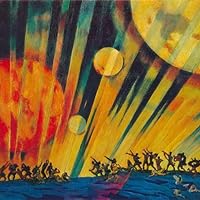
August 23, 2026
‘We have seen what books Menocchio read. But how did he read them?’
We will avenge you Menocchio
We will avenge you Menocchio

October 16, 2018
This is an insightful book for all of us who assume European peasants were illiterate, uneducated, non-thinking folk. Our hero, the miller Menocchio, could read and write, owned a few books, borrowed a few more, had read the Decameron and dipped into the Koran, and combined the ideas he got from books with the oral tradition of 16th century rural Friuli to form his own slightly odd, very creative, para-Catholic religious notions. His discussions of these notions with others brought him to the attention of the local inquisition, which questioned him and decided he wasn't just a heretic, but a badass heresiarch. He was influencing others, and needed to be imprisoned and forever wear a penitential garment. After a few years he was released from prison, but he couldn't stop talking, and ultimately the cardinal and pope put their red slippers down and insisted he be burned at the stake, pronto. The reason this book gets assigned in history courses is because of its historiographic interest, the overlap between social history and the history of ideas.

June 12, 2022
Blow-by-blow of the sixteenth-century trial of a Friulian miller named Menocchio, whose heretical beliefs included that the world, including God, emerged from a primordial chaos, like worms spontaneously generated by cheese. Along with The Return of Martin Guerre, one of the classic works of microhistory, the focus on specific stories of peasants or the underclass, rather than the powerful. In his introduction, Ginzburg cites François Furet that
The story itself is fascinating. Menocchio's nonconformist theology was not quite as fantastic as the title suggests, but rather a naturalistic patch over the idea of divine creation, which reconciled Scripture with Ovid. (Spontaneous generation was no less scientific that the Church's doctrine, and is the congealing of proteins in a warm soup so far from the modern concept of the origin of life? Ginzburg adds: "The origin of the universe is explained in an Indian myth in the Vedas by the coagulation - similar to that of milk - of the waters of the primordial sea, beaten by the creator gods.") Adding to this was a rejection of the need for priests and formal rites, and a religious pluralism rooted in Boccaccio's story of the Three Rings (expurgated from officially sanctioned versions of the Decameron: the counter-Reformation cared much more about heresy than obscenities) - which is also told in the climax of Lessing's co-existence play Nathan the Wise - as well as reading the Qur'an and the travels of John Mandeville (I mixed this guy up with the author of the Fable of the Bees, but there seems to be no connection).
Menocchio was a humble miller - a profession despised by his own peasant class - who wrote nothing, so what we know comes only from his testimony and that of others during his trial. The Roman Inquisition was
The cover of my edition compares this book to Montaillou and A Distant Mirror, but unlike those works of social history, this is a book about the opening of the European mind. Like his contemporary Montaigne, Menocchio was moved by his encounters with nonwestern cultures to question the dogmas of his time and toward universalism. For reasons of class and geography, his life ended up much worse, his historical impact coming only through the proceedings of his trial, in which Pope Clement VIII ultimately ordered the death sentence, a few years before doing the same to Giordano Bruno.
Ginzburg imagines Menocchio as representing a broader tradition of peasant radicalism, a proto-Reformation which he subsumes under the label "Anabaptism". (I seem to remember Wat Tyler's mob having some connections to John Wycliffe, too, but this seems to be exaggerated.) Clearly his ideas were more than abstract fancies; he admits that when first arrested
what we know about the non-privileged classes is necessarily statistical, a statement which disqualified as irrelevant research such as mine. I, instead of doing research on the privileged classes, had embarked on the study of a miller who had a name, who had strange ideas, and who had read a number of books. The substance of a possible footnote had become the subject of a book…It was a choice I had made much earlier, but which drew new energy and justification from the radical political climate of the 1970s.The political motivation is obvious - Ginzburg namechecks Gramsci, but also writers such as Proust, Brecht and the Oulipo novelist Raymond Queneau. (He even considered writing a book in which each paragraph was a pastiche of a different literary style, but apparently decided that even he had limits.) Such a rethinking of the purpose and potential of history brings to mind Hayden White (the two overlapped at UCLA), whose major work Metahistory pushed literature in a purely literary direction, rejecting tout court the concept of verification.
The story itself is fascinating. Menocchio's nonconformist theology was not quite as fantastic as the title suggests, but rather a naturalistic patch over the idea of divine creation, which reconciled Scripture with Ovid. (Spontaneous generation was no less scientific that the Church's doctrine, and is the congealing of proteins in a warm soup so far from the modern concept of the origin of life? Ginzburg adds: "The origin of the universe is explained in an Indian myth in the Vedas by the coagulation - similar to that of milk - of the waters of the primordial sea, beaten by the creator gods.") Adding to this was a rejection of the need for priests and formal rites, and a religious pluralism rooted in Boccaccio's story of the Three Rings (expurgated from officially sanctioned versions of the Decameron: the counter-Reformation cared much more about heresy than obscenities) - which is also told in the climax of Lessing's co-existence play Nathan the Wise - as well as reading the Qur'an and the travels of John Mandeville (I mixed this guy up with the author of the Fable of the Bees, but there seems to be no connection).
Menocchio was a humble miller - a profession despised by his own peasant class - who wrote nothing, so what we know comes only from his testimony and that of others during his trial. The Roman Inquisition was
not a drumhead court, a chamber of horrors, or a judicial labyrinth from which escape was impossible. Capricious and arbitrary decisions, misuse of authority, and wanton abuse of human rights were not tolerated.Everything was written down
the legal manuals required "not only all the defendant’s responses and any statements he might make, but also what he might utter during the torture, even his sighs, his cries, his laments and tears"to be recorded by the notary. (One nuncio, a real banality-of-evil type, complained of "the nuisance, for anyone who isn’t a model of patience, of having to listen to the inanities uttered by so many, especially during torture, that have to be written down word for word.")
The cover of my edition compares this book to Montaillou and A Distant Mirror, but unlike those works of social history, this is a book about the opening of the European mind. Like his contemporary Montaigne, Menocchio was moved by his encounters with nonwestern cultures to question the dogmas of his time and toward universalism. For reasons of class and geography, his life ended up much worse, his historical impact coming only through the proceedings of his trial, in which Pope Clement VIII ultimately ordered the death sentence, a few years before doing the same to Giordano Bruno.
Ginzburg imagines Menocchio as representing a broader tradition of peasant radicalism, a proto-Reformation which he subsumes under the label "Anabaptism". (I seem to remember Wat Tyler's mob having some connections to John Wycliffe, too, but this seems to be exaggerated.) Clearly his ideas were more than abstract fancies; he admits that when first arrested
"I was almost beside myself, and wanted to go out and cause some harm…I wanted to kill priests and set fire to churches and do something crazy: but because of my two little children, I restrained myself" This outburst of powerless desperation speaks eloquently about his isolation. In the face of the injustice afflicting him, his only reaction was one that he had suppressed instantly, that of individual violence: to revenge himself on his persecutors, lash out against the symbols of the oppression, and become an outlaw. A generation before, the peasants had set fire to the castles of the Friulian nobility. But times had changed.Ginzburg relies on Bakhtin's ideas of the carnivalesque (as portrayed, for instance, in Gargantua and Pantagruel) as representative of the suppressed low culture of the Middle Ages, which serves in its earthiness and grotesquerie as a safety valve for deeply radical ideas which could not be openly expressed. (A related Bakhtinian idea is that of "circularity" , the reciprocal transfer of ideas between lower and upper classes.) Through the bizarre image of God emerging as a worm from rotting cheese, Ginzburg reconstructs Menocchio's intellectual life, through his reading list, life history, and self-defense. Menocchio dreamed of explaining his ideas to princes and kings, and although he was executed alone and penniless (the son who assisted him during his first trial died before his second), his vivid and prescient ideas have at last found a wider audience.

July 20, 2024
Čak i da nije napisao o knjigu o životu mlinara sa severa Italije (Furlanija) u 16. veku, to što je Karlo Ginzburg sin Natalije Ginzburg, samo je po sebi zanimljivo. Međutim, ne treba se zadržati na nivou dosetke, jer je ovo jedna od onih knjiga koje su ponudile preokret u nekoj oblasti. Istorija nije samo istorija reprezentativne javnosti, velmoža, kraljeva i klanja, nego obuhvata i mikroistoriju – priče malih ljudi. Menokio, mlinar o kome se u delu piše, istorijska je figura zato što je imao originalan pogled na veru, u vremenu kada to zaista nije bilo preporučljivo. Ostalo je dosta pisanih izvora o tome kako su inkvizitori pokušavali da prevasipitaju Menokija, koji, uprkos pokušajima da se spasi, nakon mnogo godina, na kraju biva, kao i mnogi u krvavoj istoriji katoličke crkve, ubijen. Izvori originalnosti Menokijevog religijskog osećanja nije sasvim jasan, ali Ginzburg daje vrlo uzbudljive i uverljive pretpostavke o njegovoj mogućoj lektiri. Bilo je nesvakidašnje da čovek njegovog staleža u 16. veku bude pismen, ali Meonkio je bio i njegova biblioteka jeste bila ograničena, što može da olakša potragu o uticajima, međutim, iako poneka uverenja deluju bliska, na primer, anabaptistima, pa i islamu, neka su iznenađujuće inokosna – Menokio ne veruje u večnost duše (ali pravi razliku između duha i duše), odbacuje Hristovo razapinjanje, odbacuje Božje stvaranje sveta i moralni monopol crkve, a Boga doživljava kao prirodu – vazduh, vodu, zemlju. Tu se, štaviše, nalazi i odgonetka misterioznog naslova knjige – po Menokijevom mišljenju i verovanju, sve je bio haos, i taj prvobitni haos je nekako napravio hrpu, kao što se pravi u mleku i iz te hrpe su nastali crvi, koji su bili beli anđeli, a u njima je bio i Bog, stvoren od iste te hrpe (98). Menokijev panteizam, u nedostatku boljeg izraza, deluje fascinantno, a još više zadivljuje suštinski slobodna misao, nepristajanje da se bude deo krda i splet uverenja koje proizlazi iz životnog iskustva: iako je bio mlinar, ko zna koliko puta je mogao da prisustvuje scenama pravljenja sira i svaki put to je bila prilika za razmišljanje o kosmogoniji. Sve asocijacije koje neko ima na Bahtinovu misao su opravdane i dobrodošle: dragocenost uvida u polifoniju narodne kulture teško da može da se preceni.
November 18, 2021
Nefis bir mikro tarih kitabı...
16. yüzyılda bir değirmencinin okuduklarının etkisiyle sorguladıklarını çevresindekilerle tartışması sonucunda kendisini iki kere engizisyon yargıçlarının karşısında bulmasını anlatıyor. Menocchio kötü biri değil belki fazlasıyla iyi niyetli ve okuduklarının kendisine düşündürttüklerini engizisyon hakimlerinin karşısında bazen kendisiyle çelişkiye düşse de paylaşıyor...
O dönemde kitapların temin süreci ve köylülerin dünyasına dair nefis ip uçları olan eserde Menocchio dini bir dünya gerçeğine indirgemek için bazen rahipleri, bazen Meryem Anayı suçluyor bazen de İsa gerçekten tanrı mıydı sorusunun cevabını arıyor. Evrenin oluşumuna dair verdiği "kaos" cevabı ise düşündürücü... Okuma sürecinde çoğu zaman, "kişinin okuduğundan çıkarımı anladığı kadar." diye düşündüm. Menocchio'da gördüğüm buydu çünkü. Her şeye rağmen okumanın düşünce dünyasının gelişmesi adına çok önemli olduğuna inancım tam. zira farklı düşünceleri okuduğumuz an yanlış anlasak da zamanla fikirlerimizin gelişimine katkısını görüyoruz.
Yeter ki üzerimizde engizisyon gibi baskılar olmasın.
Altını çizdiklerimden bir tadımlık da şuracığa iliştirip gideyim:
"Siz papazlar ve keşişler, siz de Tanrı'dan daha fazla şey bilmek istiyorsunuz, şeytan gibisiniz, yeryüzünde tanrı olmaya kalkıyorsunuz, şeytanın izinden giderek Tanrı'nın bildiği kadar bilmek istiyorsunuz. Aslında bir insan ne kadar çok bildiğini sanırsa, o kadar az biliyor demektir."
Öğretici bir kitaptı. Teoloji seviyorsanız keyifle okursunuz.
16. yüzyılda bir değirmencinin okuduklarının etkisiyle sorguladıklarını çevresindekilerle tartışması sonucunda kendisini iki kere engizisyon yargıçlarının karşısında bulmasını anlatıyor. Menocchio kötü biri değil belki fazlasıyla iyi niyetli ve okuduklarının kendisine düşündürttüklerini engizisyon hakimlerinin karşısında bazen kendisiyle çelişkiye düşse de paylaşıyor...
O dönemde kitapların temin süreci ve köylülerin dünyasına dair nefis ip uçları olan eserde Menocchio dini bir dünya gerçeğine indirgemek için bazen rahipleri, bazen Meryem Anayı suçluyor bazen de İsa gerçekten tanrı mıydı sorusunun cevabını arıyor. Evrenin oluşumuna dair verdiği "kaos" cevabı ise düşündürücü... Okuma sürecinde çoğu zaman, "kişinin okuduğundan çıkarımı anladığı kadar." diye düşündüm. Menocchio'da gördüğüm buydu çünkü. Her şeye rağmen okumanın düşünce dünyasının gelişmesi adına çok önemli olduğuna inancım tam. zira farklı düşünceleri okuduğumuz an yanlış anlasak da zamanla fikirlerimizin gelişimine katkısını görüyoruz.
Yeter ki üzerimizde engizisyon gibi baskılar olmasın.
Altını çizdiklerimden bir tadımlık da şuracığa iliştirip gideyim:
"Siz papazlar ve keşişler, siz de Tanrı'dan daha fazla şey bilmek istiyorsunuz, şeytan gibisiniz, yeryüzünde tanrı olmaya kalkıyorsunuz, şeytanın izinden giderek Tanrı'nın bildiği kadar bilmek istiyorsunuz. Aslında bir insan ne kadar çok bildiğini sanırsa, o kadar az biliyor demektir."
Öğretici bir kitaptı. Teoloji seviyorsanız keyifle okursunuz.

March 17, 2025
Absolutely fascinating stuff

October 9, 2022
If you were around for the microhistory fad of (e.g.) the late '90s you'll have heard of this one: at the time it was often held up as either the first microhistory or at least a pioneer of the genre, and more than one microhistory writer spoke positively of its careful account of cheesemaking and the miller's life in the 16th century.
In actual fact, it's an account of the two heresy trials of an Italian named Menocchio (who was indeed a miller), written by someone who finds it much easier to see the point of view of the Inquisition than that of a simple country heretic, and thinks you do too.
Most of the book deals with the first trial and Menocchio's beliefs as revealed through the trial's documentation. His idiosyncratic morality, which is based around loving your neighbour and following your own judgement, is charming and naïve, and more or less accidentally cuts to the core of a number of specifically Catholic hypocrisies, which is also why the Inquisition got involved; it's also entirely his own, which seems to genuinely baffle Ginzburg: he devotes a bizarre amount of space to trying to trace the literary origins of Menocchio's beliefs and spuriously compares it to just about every contemporary heretic movement he can think of. In the end, he has to admit almost all of these excursions are dead ends, frustrated—he can't wrap his head around the possibility of real independent thought, and the fact that an undereducated but bright dude with access to a handful of very random books and too much time on his hands could, perfectly innocently, come up with an elaborate and slightly weird cosmology on his own doesn't even seem to occur to him. (Didn't he go to high school?)
Menocchio is inevitably found guilty and sentenced to life in prison, but he's released after a few years and resumes his old life. Though his imprisonment did put the fear of the Catholic Church if not God into him, he runs foul of the Inquisition again after a while, and this time they execute him. This section is shorter, presumably because the interrogation (with torture this time) was too. Possibly due to a lack of materials, Ginzburg now leans heavily on the accusations rather than Menocchio's own testimony, quietly taking them as factual representations of Menocchio's beliefs even though some of them seem to be wildly out of character for him and almost comically stereotypical for a heresy accusation—calling the Virgin Mary a whore and reading the Quran. Throughout, the actions of the Inquisition are presented as obviously intelligible (even the torturers themselves get a very "nuanced" treatment: the fact that the torture "only" lasted half an hour and their questions seemed rote and uninspired must be evidence that they felt disgust with the process), while Menocchio's largely remain impenetrable to Ginzburg.
So I do think it is fair to call Ginzburg a pioneer of the microhistory genre—he certainly set the tone for the level of care and competency exhibited by his successors. It would have been a better book if it had been about cheesemaking, actually.
In actual fact, it's an account of the two heresy trials of an Italian named Menocchio (who was indeed a miller), written by someone who finds it much easier to see the point of view of the Inquisition than that of a simple country heretic, and thinks you do too.
Most of the book deals with the first trial and Menocchio's beliefs as revealed through the trial's documentation. His idiosyncratic morality, which is based around loving your neighbour and following your own judgement, is charming and naïve, and more or less accidentally cuts to the core of a number of specifically Catholic hypocrisies, which is also why the Inquisition got involved; it's also entirely his own, which seems to genuinely baffle Ginzburg: he devotes a bizarre amount of space to trying to trace the literary origins of Menocchio's beliefs and spuriously compares it to just about every contemporary heretic movement he can think of. In the end, he has to admit almost all of these excursions are dead ends, frustrated—he can't wrap his head around the possibility of real independent thought, and the fact that an undereducated but bright dude with access to a handful of very random books and too much time on his hands could, perfectly innocently, come up with an elaborate and slightly weird cosmology on his own doesn't even seem to occur to him. (Didn't he go to high school?)
Menocchio is inevitably found guilty and sentenced to life in prison, but he's released after a few years and resumes his old life. Though his imprisonment did put the fear of the Catholic Church if not God into him, he runs foul of the Inquisition again after a while, and this time they execute him. This section is shorter, presumably because the interrogation (with torture this time) was too. Possibly due to a lack of materials, Ginzburg now leans heavily on the accusations rather than Menocchio's own testimony, quietly taking them as factual representations of Menocchio's beliefs even though some of them seem to be wildly out of character for him and almost comically stereotypical for a heresy accusation—calling the Virgin Mary a whore and reading the Quran. Throughout, the actions of the Inquisition are presented as obviously intelligible (even the torturers themselves get a very "nuanced" treatment: the fact that the torture "only" lasted half an hour and their questions seemed rote and uninspired must be evidence that they felt disgust with the process), while Menocchio's largely remain impenetrable to Ginzburg.
So I do think it is fair to call Ginzburg a pioneer of the microhistory genre—he certainly set the tone for the level of care and competency exhibited by his successors. It would have been a better book if it had been about cheesemaking, actually.
Displaying 1 - 30 of 780 reviews