

What do you think?

Ορέστης
Based on the conviction that only translators who write poetry themselves can properly recreate the celebrated and timeless tragedies of Aeschylus, Sophocles, and Euripides, The Greek Tragedy in New Translations series offers new translations that go beyond the literal meaning of the Greek in order to evoke the poetry of the originals. Under the editorship of Herbert Golder and the late William Arrowsmith, each volume includes a critical introduction, commentary on the text, full stage directions, and a glossary of the mythical and geographical references in the plays. Produced more frequently on the ancient stage than any other tragedy, Orestes retells with striking innovations the story of the young man who kills his mother to avenge her murder of his father. Though eventually exonerated, Orestes becomes a fugitive from the Furies (avenging spirits) of his mother's blood. On the brink of destruction, he is saved in the end by Apollo, who had commanded the matricide. Powerful and gripping, Orestes sweeps us along with a momentum that starting slowly, builds inevitably to one of the most spectacular climaxes in all Greek tragedy.
192 pages, Paperback
First published January 1, 409
About the author
Euripides
2,942 books2,146 followersEuripides (Greek: Ευριπίδης) (ca. 480 BC–406 BC) was a tragedian of classical Athens. Along with Aeschylus and Sophocles, he is one of the three ancient Greek tragedians for whom any plays have survived in full. Some ancient scholars attributed ninety-five plays to him, but the Suda says it was ninety-two at most. Of these, eighteen or nineteen have survived more or less complete (Rhesus is suspect). There are many fragments (some substantial) of most of his other plays. More of his plays have survived intact than those of Aeschylus and Sophocles together, partly because his popularity grew as theirs declined—he became, in the Hellenistic Age, a cornerstone of ancient literary education, along with Homer, Demosthenes, and Menander.
Euripides is identified with theatrical innovations that have profoundly influenced drama down to modern times, especially in the representation of traditional, mythical heroes as ordinary people in extraordinary circumstances. This new approach led him to pioneer developments that later writers adapted to comedy, some of which are characteristic of romance. He also became "the most tragic of poets", focusing on the inner lives and motives of his characters in a way previously unknown. He was "the creator of ... that cage which is the theatre of William Shakespeare's Othello, Jean Racine's Phèdre, of Henrik Ibsen and August Strindberg," in which "imprisoned men and women destroy each other by the intensity of their loves and hates". But he was also the literary ancestor of comic dramatists as diverse as Menander and George Bernard Shaw.
His contemporaries associated him with Socrates as a leader of a decadent intellectualism. Both were frequently lampooned by comic poets such as Aristophanes. Socrates was eventually put on trial and executed as a corrupting influence. Ancient biographies hold that Euripides chose a voluntary exile in old age, dying in Macedonia, but recent scholarship casts doubt on these sources.
Euripides is identified with theatrical innovations that have profoundly influenced drama down to modern times, especially in the representation of traditional, mythical heroes as ordinary people in extraordinary circumstances. This new approach led him to pioneer developments that later writers adapted to comedy, some of which are characteristic of romance. He also became "the most tragic of poets", focusing on the inner lives and motives of his characters in a way previously unknown. He was "the creator of ... that cage which is the theatre of William Shakespeare's Othello, Jean Racine's Phèdre, of Henrik Ibsen and August Strindberg," in which "imprisoned men and women destroy each other by the intensity of their loves and hates". But he was also the literary ancestor of comic dramatists as diverse as Menander and George Bernard Shaw.
His contemporaries associated him with Socrates as a leader of a decadent intellectualism. Both were frequently lampooned by comic poets such as Aristophanes. Socrates was eventually put on trial and executed as a corrupting influence. Ancient biographies hold that Euripides chose a voluntary exile in old age, dying in Macedonia, but recent scholarship casts doubt on these sources.
Ratings & Reviews
Friends & Following
Create a free account to discover what your friends think of this book!
Community Reviews
Displaying 1 - 30 of 254 reviews

Read
May 11, 2026In the opening scene of Orestes, Orestes' sister Electra talks about the infamous figure her family are descended from: Tantalus.
I knew a little about Tantalus from depictions in art where, as a punishment from the gods, he's shown perpetually reaching up for the bunch of grapes suspended tantalizingly above him but which he can never reach. I'd also come across him recently in The Odyssey when Odysseus visits the underworld and sees him suffering his endless food-deprived torture.
However, in this play, written a couple of centuries after The Odyssey, Electra describes his punishment differently. He is suspended perpetually in midair underneath a giant crag that threatens to squash him. The tantalizing part is missing but the perpetual agony of a looming doom is the same.
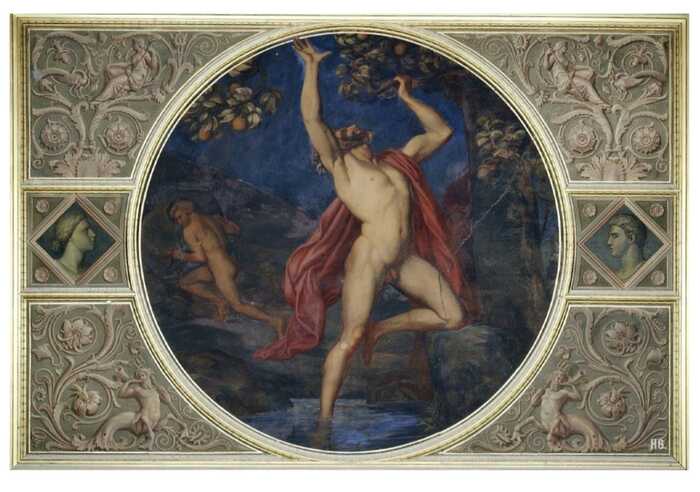
It was clever of Euripides to begin with that depiction because as it turns out, the family that descended from Tantalus also have perpetual doom hanging over them. Electra goes on to tell us a little about Tantalus' son Pelops and the woes he suffered at the hand of his father, and then how Pelops' son Atreus took terrible revenge on his brother Thyestes who'd tried to cheat him. And the strife didn't end with that generation. The two 'sons of Atreus', as Menelaus and Agamemnon were frequently named in The Iliad, were themselves immersed in war and strife, including spending ten years besieging the city of Troy in order to win back Menelaus' wife, Helen.
Electra and Orestes are the children of Agamemnon, and we aren't surprised to learn that their circumstances are full of strife too, and that doom looms over them, ready to fall on their heads.
Yes, their father Agamemnon, returned from the ten year battle in Troy, has been murdered by their mother Clytemnestra, aided by her lover, Aegisthus. This is the opposite of The Odyssey story since Odysseus' wife, also left alone during the ten year battle, and even throughout the long years he spent wandering the Mediterranean, didn't take a lover or a husband.
But back to this play. Prompted by the god Apollo, Orestes has avenged his dead father by killing his mother and her lover Aegisthus, aided by his sister Electra. When the play opens, the leading citizens of Argos, determined to avenge Aegisthus' death—he was an important figure in Argos—are voting on Orestes' and Electra's fate. Orestes sums up the situation: "Our life or death; so short the words that tell of things so long!"
Things certainly look bleak for the siblings but their uncle Menelaus arrives with his wife Helen (their mother's sister), and their daughter Hermione. The siblings feel that having their uncle present offers certain hope of acquittal. Menelaus is the king of Sparta after all, and he can surely sway the citizens of Argos.
But this is a drama, and Euripides has other plans for how things will work out. And since he's never shown Menelaus doing anything heroic in the other plays featuring him, he remains consistent here in his depiction of Menelaus. As Orestes says, after entreating Menelaus for help, "Caution was the line he took—the usual policy of traitorous friends."
We soon find out that Menelaus wants to take over his brother's kingdom and therefore needs to keep the citizens of Argos on his side. And he doesn't need Orestes or his sister at all. It would suit him better if they were dead—but he prefers to let others do the deed. And so the cycle of family member against family member continues.
However, the siblings, aided by their friend Pylades, are not easily defeated. Of all the Euripides plays I've read, this is the one with the most action. The siblings are under house arrest but soon Helen and Hermione join them in the house. Helen wishes to offer funeral gifts at the tomb of her sister Clytemnestra, but is afraid to venture out in case the citizens of Argos, who lost many sons in the Trojan war, will attack her, so she sends her daughter Hermione with the tomb gifts instead. The gifts include cuttings of her own hair. Electra has little sympathy for Helen: "Did ye mark how she cut off her hair only at the ends, careful to preserve its beauty? ‘Tis the same woman as of old. May Heaven’s hate pursue thee! for thou hast proved the ruin of me and my poor brother and all Hellas," she says, in an aside to the chorus of Argive women.
So we are not surprised when the siblings turn on Helen—though Helen is spirited away by the gods at the last minute (Zeus had seduced her mother Leda so she is a demi-goddess and can't die).
Then Electra comes up with a plan to take Hermione hostage on her return from Clytemnestra's tomb. "Hold her hard and fast; point a sword at her throat," she says. And so Hermione becomes the tool with which the siblings hope to bargain with Menelaus. "Ah! fortune, fortune! again and yet again the house is entering on a fearful contest for the race of Atreus, " sing the chorus.
There is an interesting dilemma at the heart of this play: how can the cycle of revenge be broken.
Tyndareus, former husband of Leda, and father of Clytemnestra and Helen, puts it well:
"Take this case: the wife of his bosom has slain him; his son follows suit and kills his mother in revenge; next the avenger’s son to expiate this murder commits another; where, pray, will the chain of horrors end? Our forefathers settled these matters the right way. They forbade any one with blood upon his hands to appear in their sight or cross their path; “purify him by exile,” said they, “but no retaliation!” Otherwise there must always have been one who, by taking the pollution last upon his hands, would be liable to have his own blood shed."
So, after a lot of drama, Apollo intervenes again and it is decided that Orestes will indeed be 'purified by exile' in Delphi just as Tyndareus wished. And the play ends with his departure.
I'm not so sure about him being 'purified' though, because in another Euripides play, Andromache, which I read before this one but which is set after it, Orestes turns up again and carries out another murder. But at least it's not against a member of his own family so the cycle of revenge within the house of Tantalus can be said to be truly broken.
I knew a little about Tantalus from depictions in art where, as a punishment from the gods, he's shown perpetually reaching up for the bunch of grapes suspended tantalizingly above him but which he can never reach. I'd also come across him recently in The Odyssey when Odysseus visits the underworld and sees him suffering his endless food-deprived torture.
However, in this play, written a couple of centuries after The Odyssey, Electra describes his punishment differently. He is suspended perpetually in midair underneath a giant crag that threatens to squash him. The tantalizing part is missing but the perpetual agony of a looming doom is the same.
It was clever of Euripides to begin with that depiction because as it turns out, the family that descended from Tantalus also have perpetual doom hanging over them. Electra goes on to tell us a little about Tantalus' son Pelops and the woes he suffered at the hand of his father, and then how Pelops' son Atreus took terrible revenge on his brother Thyestes who'd tried to cheat him. And the strife didn't end with that generation. The two 'sons of Atreus', as Menelaus and Agamemnon were frequently named in The Iliad, were themselves immersed in war and strife, including spending ten years besieging the city of Troy in order to win back Menelaus' wife, Helen.
Electra and Orestes are the children of Agamemnon, and we aren't surprised to learn that their circumstances are full of strife too, and that doom looms over them, ready to fall on their heads.
Yes, their father Agamemnon, returned from the ten year battle in Troy, has been murdered by their mother Clytemnestra, aided by her lover, Aegisthus. This is the opposite of The Odyssey story since Odysseus' wife, also left alone during the ten year battle, and even throughout the long years he spent wandering the Mediterranean, didn't take a lover or a husband.
But back to this play. Prompted by the god Apollo, Orestes has avenged his dead father by killing his mother and her lover Aegisthus, aided by his sister Electra. When the play opens, the leading citizens of Argos, determined to avenge Aegisthus' death—he was an important figure in Argos—are voting on Orestes' and Electra's fate. Orestes sums up the situation: "Our life or death; so short the words that tell of things so long!"
Things certainly look bleak for the siblings but their uncle Menelaus arrives with his wife Helen (their mother's sister), and their daughter Hermione. The siblings feel that having their uncle present offers certain hope of acquittal. Menelaus is the king of Sparta after all, and he can surely sway the citizens of Argos.
But this is a drama, and Euripides has other plans for how things will work out. And since he's never shown Menelaus doing anything heroic in the other plays featuring him, he remains consistent here in his depiction of Menelaus. As Orestes says, after entreating Menelaus for help, "Caution was the line he took—the usual policy of traitorous friends."
We soon find out that Menelaus wants to take over his brother's kingdom and therefore needs to keep the citizens of Argos on his side. And he doesn't need Orestes or his sister at all. It would suit him better if they were dead—but he prefers to let others do the deed. And so the cycle of family member against family member continues.
However, the siblings, aided by their friend Pylades, are not easily defeated. Of all the Euripides plays I've read, this is the one with the most action. The siblings are under house arrest but soon Helen and Hermione join them in the house. Helen wishes to offer funeral gifts at the tomb of her sister Clytemnestra, but is afraid to venture out in case the citizens of Argos, who lost many sons in the Trojan war, will attack her, so she sends her daughter Hermione with the tomb gifts instead. The gifts include cuttings of her own hair. Electra has little sympathy for Helen: "Did ye mark how she cut off her hair only at the ends, careful to preserve its beauty? ‘Tis the same woman as of old. May Heaven’s hate pursue thee! for thou hast proved the ruin of me and my poor brother and all Hellas," she says, in an aside to the chorus of Argive women.
So we are not surprised when the siblings turn on Helen—though Helen is spirited away by the gods at the last minute (Zeus had seduced her mother Leda so she is a demi-goddess and can't die).
Then Electra comes up with a plan to take Hermione hostage on her return from Clytemnestra's tomb. "Hold her hard and fast; point a sword at her throat," she says. And so Hermione becomes the tool with which the siblings hope to bargain with Menelaus. "Ah! fortune, fortune! again and yet again the house is entering on a fearful contest for the race of Atreus, " sing the chorus.
There is an interesting dilemma at the heart of this play: how can the cycle of revenge be broken.
Tyndareus, former husband of Leda, and father of Clytemnestra and Helen, puts it well:
"Take this case: the wife of his bosom has slain him; his son follows suit and kills his mother in revenge; next the avenger’s son to expiate this murder commits another; where, pray, will the chain of horrors end? Our forefathers settled these matters the right way. They forbade any one with blood upon his hands to appear in their sight or cross their path; “purify him by exile,” said they, “but no retaliation!” Otherwise there must always have been one who, by taking the pollution last upon his hands, would be liable to have his own blood shed."
So, after a lot of drama, Apollo intervenes again and it is decided that Orestes will indeed be 'purified by exile' in Delphi just as Tyndareus wished. And the play ends with his departure.
I'm not so sure about him being 'purified' though, because in another Euripides play, Andromache, which I read before this one but which is set after it, Orestes turns up again and carries out another murder. But at least it's not against a member of his own family so the cycle of revenge within the house of Tantalus can be said to be truly broken.

August 15, 2025
بازیافت، دادگاه و خدایی که در این نزدیکیست
آگاممنون برمیخیزد/الکترای ۱/الکترای ۲/بازگشت اورستس/پیلادس: قاتل خاموش
نامهایی که امروزه میتوانند متعلق به یک فرنچایز هالیوودی و اسپینآفهای نتفلیکس و ریبوتهای وارنر برادرز باشند، اما بهشکلی نهچندان متفاوت در دنیای باستان هم وجود داشتهاند. نیم قرن پس از اورستیا و یک دهه بعد از این الکترا و الکترای سوفوکلس، اوریپیدس دوباره سراغ ماجراهای خانوادهی آگاممنون میرود، با ماجراها و شخصیتهای جدید. او از یک طرف میداند که این اساطیر، بهعنوان بخشی جداییناپذیر از هویت یونانی، امتحانپسداده و برای مخاطب جذاباند، و از طرف دیگر فرصت را برای خلاقیت و آشناییزدایی فراهم میکنند. در حقیقت اوریپیدس هنرش را بر تعادلی ظریف بنا میکند، نه آنقدر غریب که نیمی از زمان نمایش صرف شناخت پیرنگ شود و نه آنقدر کهنه که نشخوار کردن حرف گذشتگان بهحساب بیاید. وفاداری حتا به الکترایی که خودش ده سال قبلتر نوشته هم لازم نیست. هر تراژدی —با وجود قرار گرفتن در شبکهی بینامتنیت با تراژدیهای قبل— به شکلی مستقل قضاوت میشود.
از لحاظ زمان اسطورهای، اورستس پس از الکترا (یا بین نمایشنامهی دوم و سوم اورستیا) قرار میگیرد. اورستس گناه کرده، اما مجبور بوده! هم خدا و هم عرف او را مجبور کردهاند و بهنظر خودش همین برای تبرئه شدنش کافیست. اما همه با این نظر موافق نیستند. آیسخولوس اورستس را به دادگاهی میبرد که قاضیاش خداست و شاکیاش هم خدایی دیگر. با اینکه هیئت منصفهاش انساناند، اما ساکتاند و تنها در انتهای رایشان را به صندوق میاندازند. برای اوریپیدس اما چیزهای رنگوبویی زمینیتر دارد. او اورستس را وسط معرکهای میاندازد که در آن هر شهروندی حق قضاوت دارد. «بخشش لازم نیست اعدامش کنید» را هر کس میگوید و ویرگول را جایی که میخواهد میگذارد و دست آخر هم انگار که تصمیم را از قبل گرفته باشند و اینها همه بازی باشد، اورستس گناهکار میماند و مستحق مجازات. مقالهی پایان کتاب از این میگوید که چطور همهی این زورآزماییهای کلامی دادگاه احتمالن بازنمایی روحیهی سوفسطاییگریِ آن زمانِ آتن بوده. حرف زدن، برای نشاندنش به کرسی، نه برای کشف حقیقت یا رسیدن به قضاوتی اخلاقی. آیا اوریپیدس، برخلاف آیسخولوس که به سامان آتنی افتخار میکرد، دل خوشی از دادگاههای شهروندان نداشت؟
یکی از چیزهای دیگری که اورستس را متمایز میکند این است که تنها تراژدی یونانیایست که یک گروگانگیری را مستقیمن بر صحنه میبرد. واکنشی که برخلاف کلیت داستان دیگر از نظر اخلاقی دوپهلو نیست و شدت استیصال شخصیتهایی را نشان میدهد که بر سر آنند که گر ز دست برآید، دست به کاری زنند که فقط دست به کاری زده باشند. اوریپیدس با گنجاندن صحنههای سینمایی و زیر سوال بردن خرد و اقتدار خدایان در جایجای نمایشنامه، نشان میدهد که تا دم مرگ هم از کلیشهشکن بودن دست نمیکشد. (اورستس آخرین نمایشنامهایست که در زمان زنده بودنش روی صحنه میرود.)
اورستس، با همهی نوآوریهایش، در پایانبندی بسیار کهنه است و سخت میتواند مخاطب امروزی را راضی نگه دارد. اوریپیدس با امداد غیبی بیگانه نیست و در مدهآ به شکلی راضیکننده از آن استفاده میکند. اما اینکه سرتاسر داستان از خدا و پیشگوییهای دروغینش گله کنی و آن خدا در صفحهی پایانی ظاهر شود و بگوید
پ.ن. ترجمهی دیگری از مقداد جاوید برا نشر مهرگان خرد هم وجود دارد که از کیفیتش بیخبرم.
آگاممنون برمیخیزد/الکترای ۱/الکترای ۲/بازگشت اورستس/پیلادس: قاتل خاموش
نامهایی که امروزه میتوانند متعلق به یک فرنچایز هالیوودی و اسپینآفهای نتفلیکس و ریبوتهای وارنر برادرز باشند، اما بهشکلی نهچندان متفاوت در دنیای باستان هم وجود داشتهاند. نیم قرن پس از اورستیا و یک دهه بعد از این الکترا و الکترای سوفوکلس، اوریپیدس دوباره سراغ ماجراهای خانوادهی آگاممنون میرود، با ماجراها و شخصیتهای جدید. او از یک طرف میداند که این اساطیر، بهعنوان بخشی جداییناپذیر از هویت یونانی، امتحانپسداده و برای مخاطب جذاباند، و از طرف دیگر فرصت را برای خلاقیت و آشناییزدایی فراهم میکنند. در حقیقت اوریپیدس هنرش را بر تعادلی ظریف بنا میکند، نه آنقدر غریب که نیمی از زمان نمایش صرف شناخت پیرنگ شود و نه آنقدر کهنه که نشخوار کردن حرف گذشتگان بهحساب بیاید. وفاداری حتا به الکترایی که خودش ده سال قبلتر نوشته هم لازم نیست. هر تراژدی —با وجود قرار گرفتن در شبکهی بینامتنیت با تراژدیهای قبل— به شکلی مستقل قضاوت میشود.
از لحاظ زمان اسطورهای، اورستس پس از الکترا (یا بین نمایشنامهی دوم و سوم اورستیا) قرار میگیرد. اورستس گناه کرده، اما مجبور بوده! هم خدا و هم عرف او را مجبور کردهاند و بهنظر خودش همین برای تبرئه شدنش کافیست. اما همه با این نظر موافق نیستند. آیسخولوس اورستس را به دادگاهی میبرد که قاضیاش خداست و شاکیاش هم خدایی دیگر. با اینکه هیئت منصفهاش انساناند، اما ساکتاند و تنها در انتهای رایشان را به صندوق میاندازند. برای اوریپیدس اما چیزهای رنگوبویی زمینیتر دارد. او اورستس را وسط معرکهای میاندازد که در آن هر شهروندی حق قضاوت دارد. «بخشش لازم نیست اعدامش کنید» را هر کس میگوید و ویرگول را جایی که میخواهد میگذارد و دست آخر هم انگار که تصمیم را از قبل گرفته باشند و اینها همه بازی باشد، اورستس گناهکار میماند و مستحق مجازات. مقالهی پایان کتاب از این میگوید که چطور همهی این زورآزماییهای کلامی دادگاه احتمالن بازنمایی روحیهی سوفسطاییگریِ آن زمانِ آتن بوده. حرف زدن، برای نشاندنش به کرسی، نه برای کشف حقیقت یا رسیدن به قضاوتی اخلاقی. آیا اوریپیدس، برخلاف آیسخولوس که به سامان آتنی افتخار میکرد، دل خوشی از دادگاههای شهروندان نداشت؟
یکی از چیزهای دیگری که اورستس را متمایز میکند این است که تنها تراژدی یونانیایست که یک گروگانگیری را مستقیمن بر صحنه میبرد. واکنشی که برخلاف کلیت داستان دیگر از نظر اخلاقی دوپهلو نیست و شدت استیصال شخصیتهایی را نشان میدهد که بر سر آنند که گر ز دست برآید، دست به کاری زنند که فقط دست به کاری زده باشند. اوریپیدس با گنجاندن صحنههای سینمایی و زیر سوال بردن خرد و اقتدار خدایان در جایجای نمایشنامه، نشان میدهد که تا دم مرگ هم از کلیشهشکن بودن دست نمیکشد. (اورستس آخرین نمایشنامهایست که در زمان زنده بودنش روی صحنه میرود.)
اورستس، با همهی نوآوریهایش، در پایانبندی بسیار کهنه است و سخت میتواند مخاطب امروزی را راضی نگه دارد. اوریپیدس با امداد غیبی بیگانه نیست و در مدهآ به شکلی راضیکننده از آن استفاده میکند. اما اینکه سرتاسر داستان از خدا و پیشگوییهای دروغینش گله کنی و آن خدا در صفحهی پایانی ظاهر شود و بگوید
پس تمامی شما به جایی که گفتم روانه شوید و هماکنون به این دشمنی پایان دهیدو بشنود که
چنین میکنیم آپولوتنبلانهترین تصمیم روایی ممکن است. اما به هر حال در مورد دو هزار و چهارصد سال پیش صحبت میکنیم.
پ.ن. ترجمهی دیگری از مقداد جاوید برا نشر مهرگان خرد هم وجود دارد که از کیفیتش بیخبرم.

June 24, 2020
orestes and pylades gossiping about menelaos being helen’s bitch is something that can actually be so personal...

July 31, 2019
(3.5 stars)
This is my second read and better for it. This is not a leisurely read, it’s alarming, bloody, angry and very anti-women.
Orestes by Euripides is hardly produced for the stage today but worth a read if, like me, you’re trying to put all the pieces together that makes mythology.
This is my second read and better for it. This is not a leisurely read, it’s alarming, bloody, angry and very anti-women.
Orestes by Euripides is hardly produced for the stage today but worth a read if, like me, you’re trying to put all the pieces together that makes mythology.

March 9, 2025
همیشه عاشق تراژدی های یونان و رم قدیم بودم از وقتی که بچه مدرسه ای بودم کتاب ایلیاد و اودیسه هومر رو خوندم،عاشق فرهنگشون و خدایانشون و افسانه هاشون شدم.
اوریپید نمایشنامه هایی مینویسه که درباره این موضوعات هستن و من عاشقش هستم.
خب بریم سراغ خود کتاب اگر کتاب مده آ رو خونده باشید اونجا میبینید قهرمان کتاب زن هست و کتاب تماما درباره رنج زن هاست. اما اینجا قهرمان مذکر عه و از اعمال ناپسند پدرکشی حرف میزنه و میخواد انتقام پدرش و بگیرعه.
اوریپید نمایشنامه هایی مینویسه که درباره این موضوعات هستن و من عاشقش هستم.
خب بریم سراغ خود کتاب اگر کتاب مده آ رو خونده باشید اونجا میبینید قهرمان کتاب زن هست و کتاب تماما درباره رنج زن هاست. اما اینجا قهرمان مذکر عه و از اعمال ناپسند پدرکشی حرف میزنه و میخواد انتقام پدرش و بگیرعه.

February 24, 2025
اورستس یکی از شاهکارهای تراژیک اوریپیده که در اون، به پیچیدگیهای اخلاقی، روانشناختی و خانوادگی انسانها بهشکلی بیرحمانه و در عین حال عمیق پرداخته میشه. این نمایشنامه نهتنها داستان انتقام و عدالت، بلکه کاوشیه در روان انسان و مرزهای بین خیر و شر.
اورستس، پسر آگاممنون، به سرزمین خودش برمیگرده تا انتقام مرگ پدرش رو از مادرش، کلاِمِنسِترا، بگیره. اما مسئله پیچیدهتر از یه انتقام سادهست. اورستس با دست خودش مادر رو میکشه و در نهایت با بحران روانی روبهرو میشه. در واقع، نمایشنامه بیشتر از اینکه به قصهای انتقامی بپردازه، به درونمایههای روانشناختی و اخلاقی این تصمیمها پرداخته و اثر عمیقی بر مفهوم انتقام، عدالت و سرنوشت میگذاره.
یکی از ویژگیهای برجسته این نمایشنامه اینه که اوریپید بهجای سادهسازی شخصیتها، اونها رو با تضادهای درونی پیچیده نمایش میده. اورستس درگیری شدیدی با وجدانش داره و همزمان با نیاز به اجرای عدالت، از این عمل دچار عذاب وجدان میشه. کلاِمِنسِترا هم، حتی با وجود خیانت به شوهرش، بهنوعی قربانی شرایط خودشه و در اینجا هیچکدوم از شخصیتها در قالبهای ساده "خوب" یا "بد" قرار نمیگیرن.
در نهایت، این نمایشنامه اثریه که با پرداختن به پیچیدگیهای درونی انسانها و تبیین تضادهای اخلاقی، درگیرکننده و تفکربرانگیزه. چیزی که اوریپید تو این اثر بهطور ماهرانهای به تصویر میکشه، اینه که که حتی در جستجوی عدالت، انسانها اغلب در خودشون گرفتار میشن و در تلاشی بیپایان برای تطبیق واقعیت با آرمانهاشون، خودشون رو نابود میکنن.
اورستس، پسر آگاممنون، به سرزمین خودش برمیگرده تا انتقام مرگ پدرش رو از مادرش، کلاِمِنسِترا، بگیره. اما مسئله پیچیدهتر از یه انتقام سادهست. اورستس با دست خودش مادر رو میکشه و در نهایت با بحران روانی روبهرو میشه. در واقع، نمایشنامه بیشتر از اینکه به قصهای انتقامی بپردازه، به درونمایههای روانشناختی و اخلاقی این تصمیمها پرداخته و اثر عمیقی بر مفهوم انتقام، عدالت و سرنوشت میگذاره.
یکی از ویژگیهای برجسته این نمایشنامه اینه که اوریپید بهجای سادهسازی شخصیتها، اونها رو با تضادهای درونی پیچیده نمایش میده. اورستس درگیری شدیدی با وجدانش داره و همزمان با نیاز به اجرای عدالت، از این عمل دچار عذاب وجدان میشه. کلاِمِنسِترا هم، حتی با وجود خیانت به شوهرش، بهنوعی قربانی شرایط خودشه و در اینجا هیچکدوم از شخصیتها در قالبهای ساده "خوب" یا "بد" قرار نمیگیرن.
در نهایت، این نمایشنامه اثریه که با پرداختن به پیچیدگیهای درونی انسانها و تبیین تضادهای اخلاقی، درگیرکننده و تفکربرانگیزه. چیزی که اوریپید تو این اثر بهطور ماهرانهای به تصویر میکشه، اینه که که حتی در جستجوی عدالت، انسانها اغلب در خودشون گرفتار میشن و در تلاشی بیپایان برای تطبیق واقعیت با آرمانهاشون، خودشون رو نابود میکنن.

Read
June 5, 2026It is evident in everything that this is a piece by the mature Euripides. It was performed in 408 BCE, one or two years before his death (the exact date of which we do not know), when he was already well into his 70s. The composition is quite complex, with a long build-up in which verbal passages predominate, and a very dynamic and even a bit chaotic final section brimming with dramatic action.
As in the Orestes plays by Aeschyles and Sophocles (in his case, specifically in the play titled Electra), the question of the justice of revenge is central. After all, Orestes, together with his sister Electra and his friend Pylades, murdered his mother Clytemnestra because she had murdered her husband (and thus Orestes’ father) Agamemnon. In Euripides, we once again see a wavering Orestes who is well aware of what he has done and anxiously awaits the consequences, to see whether he can escape divine justice (in the form of the goddesses of vengeance, the Erinyes) or human justice (the court at Argos). It comes to a trial in which all the arguments for and against are laid out once again, and ultimately a condemnation follows.
What is new in Euripides is that, for the first time, arguments of reason are explicitly addressed in that trial (the spiral of blood revenge must be brought to an end by applying alternative punishments such as banishment). And ultimately, it is not divine law, but secular law that prevails (a murderer must undergo the consequences of his deed, according to the letter of the law), although some leniency is applied.
The strange thing is that in the final part, Euripides then shows how blind hatred leads to complete derailment. At the instigation of his friend Pylades and his sister Electra, a violent plan of desperation is carried out, which unfolds in chaotic fashion and, strangely enough, is narrated through the eyes of a Phrygian slave, a complete outsider. It all ends rather suddenly, with Apollo, acting as a literal Deus ex Machina, settling the matter amicably.
In this play, Euripides introduces a tangle of narrative elements and themes that do not all come into their own equally well, but which nevertheless make this play one of the most interesting in his oeuvre.
There are also several historically interesting aspects, which are discussed in the review on my History account on Goodreads: https://www.goodreads.com/review/show....
Disclaimer: I'm reading and reviewing classic ancient Greek plays, more or less in chronological order. But I'm not giving a rating. How could I, given their age? I'll make an exception only when a play is exceptional and still strikes an emotional and/or intellectual chord.
As in the Orestes plays by Aeschyles and Sophocles (in his case, specifically in the play titled Electra), the question of the justice of revenge is central. After all, Orestes, together with his sister Electra and his friend Pylades, murdered his mother Clytemnestra because she had murdered her husband (and thus Orestes’ father) Agamemnon. In Euripides, we once again see a wavering Orestes who is well aware of what he has done and anxiously awaits the consequences, to see whether he can escape divine justice (in the form of the goddesses of vengeance, the Erinyes) or human justice (the court at Argos). It comes to a trial in which all the arguments for and against are laid out once again, and ultimately a condemnation follows.
What is new in Euripides is that, for the first time, arguments of reason are explicitly addressed in that trial (the spiral of blood revenge must be brought to an end by applying alternative punishments such as banishment). And ultimately, it is not divine law, but secular law that prevails (a murderer must undergo the consequences of his deed, according to the letter of the law), although some leniency is applied.
The strange thing is that in the final part, Euripides then shows how blind hatred leads to complete derailment. At the instigation of his friend Pylades and his sister Electra, a violent plan of desperation is carried out, which unfolds in chaotic fashion and, strangely enough, is narrated through the eyes of a Phrygian slave, a complete outsider. It all ends rather suddenly, with Apollo, acting as a literal Deus ex Machina, settling the matter amicably.
In this play, Euripides introduces a tangle of narrative elements and themes that do not all come into their own equally well, but which nevertheless make this play one of the most interesting in his oeuvre.
There are also several historically interesting aspects, which are discussed in the review on my History account on Goodreads: https://www.goodreads.com/review/show....
Disclaimer: I'm reading and reviewing classic ancient Greek plays, more or less in chronological order. But I'm not giving a rating. How could I, given their age? I'll make an exception only when a play is exceptional and still strikes an emotional and/or intellectual chord.

April 13, 2025
تا اینجا اورستس برای من منفورترین شخصیت یونان باستان بوده.

August 15, 2026
اورستس از نظرم بیشتر از اینکه یک تراژدی یونانی باشه، شبیه یک اقتباس مدرن از اسطورههای یونانی بود. شخصیتها خیلی انسانیتر و آشفتهتر از چیزی بودن که انتظار داشتم و خودِ مفهوم عدالت و انتقام هم مدام زیر سؤال میرفت. عجیب بود که نمایشی از اینهمه سال پیش، گاهی اینقدر امروزی به نظر میرسید.

November 10, 2020
Un singur cuvânt pregnant a fost prezent, pe tot parcursul lecturii: răzbunare. Fiecare personaj are motivele sale de răzbunare.
"MENELAOS: Ce vrei să spui? Vorbirea limpede vădește omul înțelept; obscuritatea nu."
"MENELAOS: Căci în se-ascunde milă și simțăminte mari se-ascund, comori de seamă pentru cine stă la pîndă."
"ORESTES: Ce dulce întîlnire! În ceasuri grele, un prieten credincios e mai plăcut vederii decît marea molcomă pentru navigatori."
"MENELAOS: Ce vrei să spui? Vorbirea limpede vădește omul înțelept; obscuritatea nu."
"MENELAOS: Căci în se-ascunde milă și simțăminte mari se-ascund, comori de seamă pentru cine stă la pîndă
"ORESTES: Ce dulce întîlnire! În ceasuri grele, un prieten credincios e mai plăcut vederii decît marea molcomă pentru navigatori."

Read
June 5, 2026A somewhat chaotic play, but very rich in content, with various aspects that tell us something about the historical context. It was performed in 408 BCE, at a time when both Athens and Sparta were at their wits' end in the brutal conflict, yet nevertheless continued with their war efforts. The comparison with the behavior of Orestes and his sister Electra in this play seems obvious: by opting for ruthless violence to escape the death penalty, they completely derail. It is an interpretation, of course, but it does seem as if Euripides is pleading for reason to finally prevail and to put an end to the strife.
Perhaps Menelaus’s remark regarding the impulsiveness of the people also ties in here: “An angry mob is like a consuming fire that cannot be extinguished. But if you handle the incited people cautiously and wait for the right moment, the storm can subside. And once the storm wind has raged, they are willing to grant you everything you ask of them. There is also compassion and magnanimity in the people; you must realize this well and bid your time.” It seems as if Euripides is giving a lesson in dealing maturely with the risky aspects of a democracy.
And false eloquence (of the war party) also gets a sharp rebuke: “For if a rascal with a smooth tongue misleads the crowd, that is a disaster for the state, whereas sensible counsel from an honorable man benefits the system of government sooner or later. That is the standard by which we must measure our leaders, for an orator bears the same responsibility as the judge who pronounces the verdict.” It should be noted, however, that according to some, this passage is a later-inserted text, but even so, it says something about the degree of reflection of the Athenians regarding leadership.
Regarding the core theme—how to deal with murder, especially when it is the result of a cycle of blood revenge—Euripides has a character voice the perspective of reason: “Our ancestors established this wise rule: whoever has stained his hands with blood may not come among his fellow citizens, may not show himself: banishment is his punishment, not blood for blood. Otherwise, there always remains someone threatened with death because he has taken the final blood guilt upon himself.”
And finally, we cannot ignore the fact that female characters once again feature prominently. Although the play is named after Orestes, his sister Electra plays a decisive role, albeit a not-so-positive one: it is she who, at the end, helps orchestrate a violent plan to evade their condemnation.
Perhaps Menelaus’s remark regarding the impulsiveness of the people also ties in here: “An angry mob is like a consuming fire that cannot be extinguished. But if you handle the incited people cautiously and wait for the right moment, the storm can subside. And once the storm wind has raged, they are willing to grant you everything you ask of them. There is also compassion and magnanimity in the people; you must realize this well and bid your time.” It seems as if Euripides is giving a lesson in dealing maturely with the risky aspects of a democracy.
And false eloquence (of the war party) also gets a sharp rebuke: “For if a rascal with a smooth tongue misleads the crowd, that is a disaster for the state, whereas sensible counsel from an honorable man benefits the system of government sooner or later. That is the standard by which we must measure our leaders, for an orator bears the same responsibility as the judge who pronounces the verdict.” It should be noted, however, that according to some, this passage is a later-inserted text, but even so, it says something about the degree of reflection of the Athenians regarding leadership.
Regarding the core theme—how to deal with murder, especially when it is the result of a cycle of blood revenge—Euripides has a character voice the perspective of reason: “Our ancestors established this wise rule: whoever has stained his hands with blood may not come among his fellow citizens, may not show himself: banishment is his punishment, not blood for blood. Otherwise, there always remains someone threatened with death because he has taken the final blood guilt upon himself.”
And finally, we cannot ignore the fact that female characters once again feature prominently. Although the play is named after Orestes, his sister Electra plays a decisive role, albeit a not-so-positive one: it is she who, at the end, helps orchestrate a violent plan to evade their condemnation.

Want to Read
July 9, 2017Jan Kott, whose Shakespeare Our Contemporary had been on my reading list for years, produced Euripides' Orestes. Orestes and Pylades appeared on motorcycles, Menelaus was a general, Tyndareus a southern politician, and Helen - well, Helen was a common whore. "He must have changed many lines," I said to Alan, who had supervised the production. "He didn't change a single line," Alan replied. And yet all the parts fitted perfectly, as if the play had been written today.
- from Killing Time: The Autobiography of Paul Feyerabend
- from Killing Time: The Autobiography of Paul Feyerabend

August 29, 2025
[13]
اکنون تنها خداست که باید در بلاهایی که بر سر من میباراند خست به خرج دهد.
• آنچه باید پیش از خوندن نمایشنامه بدونیم:
این نمایشنامه در ادامهی نمایشنامههای "الکترا" و "زنان تروا" روایت میشه پس بهتره که قبلش این دو تا نمایشنامه رو خونده باشین.
• خلاصهای از اتفاقاتی که در این دو نمایشنامه میفته (قطعا با اسپویل):
توی نمایشنامهی "الکترا"، اورستس طبق پیشگویی آپولو و با نقشهای که خواهرش (الکترا) میکِشه، برای خونخواهی و انتقام دست به قتل مادر خودش (کلوتایمنسترا) میزنه.
توی نمایشنامهی "زنان تروا" هم شاهد داستان هلن و پاریس هستیم که با هم فرار میکنند به تروا و منلائوس برای برگردوندن هلن وارد جنگ با تروا میشه.
نمایشنامه اورستس بعد از به قتل رسیدن کلوتایمنسترا و بازگشت هلن اتفاق میفته.
• آپولو هم مسبب عذاب و هم ناجی اورستس هست. باز هم به اهمیت خواست خدایان در تعیین سرنوشت انسان تأکید میشه. علاوه بر دستورات آپولو (که دلیل اصلی قتل کلوتایمنستراست) نقشهها و تشویقهای الکترا هم بیتأثیر نیست. یعنی اورستس به نحوی قربانی تصمیمات دیگران و سرنوشت از پیش تعیین شدهست. سرنوشتی که اورستس رو به جنون میکشه.
با وجود این سرنوشت سراسر رنج و عذاب، اورستس وفادارترین دوست رو داره. پیلادس یه شعله شمع کوچک توی تاریکی زندگی اورستسه. زمانی که مردم سرزمینش و حتی خانوادهش از جمله عموش (منلائوس) بهش پشت میکنن و به عذابش اضافه میکنن و براش حکم مرگ صادر میکنن، پیلادس همیشه کنارش میمونه و به حمایتش ادامه میده. به طوری که اورستس میگه:
"هیچ چیز ارزشمندتر از دوستی ثابتقدم نیست. نه دارایی و نه قدرت یک پادشاه با آن برابری نمیکند و هرآن کس که دوستی انبوه مردم را از یاری راستین و همرأی برتر بداند ابله است."
اورستس با یادآوری کمکی که آگاممنون در جنگ تروا برای بازگرداندن هلن از منلائوس دریغ نکرد، سعی میکنه منلائوس رو مدیون خودش کنه تا بتونه به سمتش دست یاری دراز کنه اما منلائوس منافع و موقعیت خودش رو در اولویت قرار میده و دست رد به سینه اورستش میزنه. همین باعث میشه که همچنان چرخه انتقام ادامه داشته باشه.
علارغم اینکه اوریپید میخواست به قدرت خدایان و بیاختیاری میرایان در تعیین تقدیر خودشون اشاره بکنه، پایان نمایشنامه اصلا رضایتبخش نیست.
هلن واقعا کرکتر بحثبرانگیزیه. علاوه بر اینکه توی نمایشنامهی "زنان تروا" خودش رو از گناه مبری میدونه و میگه که مسؤول و مقصر این جنگ و بیشمار فرزندان کشته شده در جنگ نیستم، بلکه هیچ مجازاتی شامل حالش نمیشه و حتی نجات پیدا میکنه و به جمع خدایان میپیونده! در صورتی که اورستس با کشتن مادر و آیگیستوس دچار عذاب و مجازات شد.
شاید این طعنهی اوریپید به عدالت الهی باشه. عدالتی که نیروی محرکه چرخهی انتقامه.
اکنون تنها خداست که باید در بلاهایی که بر سر من میباراند خست به خرج دهد.
• آنچه باید پیش از خوندن نمایشنامه بدونیم:
این نمایشنامه در ادامهی نمایشنامههای "الکترا" و "زنان تروا" روایت میشه پس بهتره که قبلش این دو تا نمایشنامه رو خونده باشین.
• خلاصهای از اتفاقاتی که در این دو نمایشنامه میفته (قطعا با اسپویل):
توی نمایشنامهی "الکترا"، اورستس طبق پیشگویی آپولو و با نقشهای که خواهرش (الکترا) میکِشه، برای خونخواهی و انتقام دست به قتل مادر خودش (کلوتایمنسترا) میزنه.
توی نمایشنامهی "زنان تروا" هم شاهد داستان هلن و پاریس هستیم که با هم فرار میکنند به تروا و منلائوس برای برگردوندن هلن وارد جنگ با تروا میشه.
نمایشنامه اورستس بعد از به قتل رسیدن کلوتایمنسترا و بازگشت هلن اتفاق میفته.
• آپولو هم مسبب عذاب و هم ناجی اورستس هست. باز هم به اهمیت خواست خدایان در تعیین سرنوشت انسان تأکید میشه. علاوه بر دستورات آپولو (که دلیل اصلی قتل کلوتایمنستراست) نقشهها و تشویقهای الکترا هم بیتأثیر نیست. یعنی اورستس به نحوی قربانی تصمیمات دیگران و سرنوشت از پیش تعیین شدهست. سرنوشتی که اورستس رو به جنون میکشه.
با وجود این سرنوشت سراسر رنج و عذاب، اورستس وفادارترین دوست رو داره. پیلادس یه شعله شمع کوچک توی تاریکی زندگی اورستسه. زمانی که مردم سرزمینش و حتی خانوادهش از جمله عموش (منلائوس) بهش پشت میکنن و به عذابش اضافه میکنن و براش حکم مرگ صادر میکنن، پیلادس همیشه کنارش میمونه و به حمایتش ادامه میده. به طوری که اورستس میگه:
"هیچ چیز ارزشمندتر از دوستی ثابتقدم نیست. نه دارایی و نه قدرت یک پادشاه با آن برابری نمیکند و هرآن کس که دوستی انبوه مردم را از یاری راستین و همرأی برتر بداند ابله است."
اورستس با یادآوری کمکی که آگاممنون در جنگ تروا برای بازگرداندن هلن از منلائوس دریغ نکرد، سعی میکنه منلائوس رو مدیون خودش کنه تا بتونه به سمتش دست یاری دراز کنه اما منلائوس منافع و موقعیت خودش رو در اولویت قرار میده و دست رد به سینه اورستش میزنه. همین باعث میشه که همچنان چرخه انتقام ادامه داشته باشه.
علارغم اینکه اوریپید میخواست به قدرت خدایان و بیاختیاری میرایان در تعیین تقدیر خودشون اشاره بکنه، پایان نمایشنامه اصلا رضایتبخش نیست.
هلن واقعا کرکتر بحثبرانگیزیه. علاوه بر اینکه توی نمایشنامهی "زنان تروا" خودش رو از گناه مبری میدونه و میگه که مسؤول و مقصر این جنگ و بیشمار فرزندان کشته شده در جنگ نیستم، بلکه هیچ مجازاتی شامل حالش نمیشه و حتی نجات پیدا میکنه و به جمع خدایان میپیونده! در صورتی که اورستس با کشتن مادر و آیگیستوس دچار عذاب و مجازات شد.
شاید این طعنهی اوریپید به عدالت الهی باشه. عدالتی که نیروی محرکه چرخهی انتقامه.

October 26, 2019
"noi stăm sub jugul crâncen al necesității"

October 25, 2018
Πόσο επίκαιρος ο λόγος του Ευρυπίδη. Οι σχέσεις εξουσίας και οικογένειας, η δικαιοσύνη, ο λαϊκισμός, οι λαοπλάνοι, θέματα που σήμερα κυριαρχούν στον δημόσιο βίο. Αυτό και μόνο δεν δικαιώνουν την έννοια των κλασικών έργων αλλά και την αδήριτη ανάγκη να διαβάζουμε και να ξαναδιαβάζουμε αυτούς τους μεγάλους Ελληνες τραγωδούς

Read
January 22, 2022euripides korkunç bir kadın düşmanı, anneyi öldürme motifinin işlendiği bir kitap için normal görünebilir fakat kitaptaki tüm kadınlardan istikrarlı bir şekilde nefret ediliyor. aiskhylos'un yazdığı versiyonu bulup okumayı çok isterim acaba o nasıl yazdı, çünkü hikayeyi ilk o yazmış. çeviri ve notlar harika. Ari beyle yolumuz uzun. <3

July 30, 2018
Orestes is Judged
30 July 2018
Well, that was interesting. When I bought this book I did so believing that the only play in it that I hadn’t read was the Heraclidae, however as I look over my collection I suddenly realised that I hadn’t doubled up on any of the other plays, I had just thought that I had read them when in reality I hadn’t. Well, I guess I have sorted that out now, well, at least all but two of them, and it seems that the satyr play The Cyclops isn’t included in any of the volumes that I already have, which is a real shame. Actually, it is one of the reasons that I am not a huge fan of Penguin in that for some reason they simply just don’t print certain books, like half of Plutarch. Then again, they generally target their books to the mass market (and my old Classics department only read them if there was nothing else available).
Orestes is sort of set during the time when he is being driven mad by the Euryines (or the Furies). He had killed his mother, and is currently in Argos waiting for a sentence of death. We know, or at least those of us familiar with the myth, know that he gets out of this little pickle because he ends up in Athens where Athena ends up acquitting him of all charges, namely because he was only following Apollo’s instructions. Actually, come to think of it, that is a pretty poor excuse, and almost reeks of the statement ‘the devil made me do it’. Then again, we are looking at a mythological world where many people actually believed in the gods, and honestly, when a god tells you to do something, it does tend to be pretty hard to say no.
So, as we are aware, Orestes killed his mother because while his father, Agamemnon, was out fighting at Troy she basically shacked up with a lover, and when Agamemnon returned home she killed him. Well, he was probably asking for it, considering that he did pretty much take all of the young men out of Greece for something like ten years, and many of them never came back, which makes me wonder what on Earth Aegisthus was doing all this time (though it might have been the case that he was too young to go to war when they set off, but that probably would have made him a baby, because honestly, these are the Greeks we are talking about here).
This is the problem – Orestes killed his mother, which is a pretty shocking thing to do, but then again he did so to exact revenge for her killing his father. Oh, and Electra was also involved in the conspiracy, so she is basically chained up with him. The problem is that nobody is willing to stick up for him, but then again they probably don’t buy the ‘but Apollo made me do it’ rubbish at all. Anyway, if that was the case, it really did put Orestes into a bit of a tight corner. However, I guess there is also this ‘she killed my father’ thing, even though I suspect that he never really knew his father because when Agamemnon set off for Troy he would have been a boy (if he was a teenager, he probably would have sailed with him). Yeah, then we have this whole ‘let’s kill my daughter so that Artemis changes the winds to allow us to get to Troy quicker’. It seems as if the gods really weren’t on Agamemnon’s side. In fact I get the feeling that the gods really weren’t on the side of the house of Atreus (though he wasn’t a particularly nice fellow, and the whole feeding his enemies a pie made out of human really doesn’t go down all that well).
So, what do Orestes and Electra decide to do – blame Helen. Of course they do because she was the one that apparently caused all of these problems. Then again, it does take two to tango, but I believe by this time Paris was well and truly dead, and it seemed that Helen and Menelaus basically kissed and made up (if you ignore the story about her actually being kidnapped by Pharoah as opposed to running away with Paris). Yeah, so, let’s cast the blame onto somebody else, so they decide that the best thing to do is kill her. Well, I guess there is this whole Menelaus refuses to stick up for them as well, so they also want to get back at him – considering that it was his brother that they were avenging, but the fact that Menelaus didn’t actually do anything to Clytemnestra and Aegisthus does suggest that maybe, just maybe, Agamemnon really wasn’t the type of person that anybody would probably bother avenging. Well, except for his son of course.
This is where it gets all weird with all of those Apollo ex Machina things. Helen is whisked away to heaven (seems like the gods didn’t particularly care about this whole running away with Paris thing either), and then Apollo steps in and basically saves the hide of both Orestes and Electra (though he does end up marrying Electra off to Pylaides, who happens to be Orestes’ best friend), and tells Orestes to go to Athens where he will get a somewhat farer trail. I guess this is the ancient version of the appellate court, though in Orestes’ case he needed to god to come down, and ironically the god who apparently ordered him to avenge his father. Come to think of it, why didn’t Apollo just deal with the matter then and there – if he ordered Orestes to kill his mother, then surely he could have also rectified the situation, but it seemed that that wasn’t all that possible because it was Athena who eventually provided to circuit breaker.
30 July 2018
Well, that was interesting. When I bought this book I did so believing that the only play in it that I hadn’t read was the Heraclidae, however as I look over my collection I suddenly realised that I hadn’t doubled up on any of the other plays, I had just thought that I had read them when in reality I hadn’t. Well, I guess I have sorted that out now, well, at least all but two of them, and it seems that the satyr play The Cyclops isn’t included in any of the volumes that I already have, which is a real shame. Actually, it is one of the reasons that I am not a huge fan of Penguin in that for some reason they simply just don’t print certain books, like half of Plutarch. Then again, they generally target their books to the mass market (and my old Classics department only read them if there was nothing else available).
Orestes is sort of set during the time when he is being driven mad by the Euryines (or the Furies). He had killed his mother, and is currently in Argos waiting for a sentence of death. We know, or at least those of us familiar with the myth, know that he gets out of this little pickle because he ends up in Athens where Athena ends up acquitting him of all charges, namely because he was only following Apollo’s instructions. Actually, come to think of it, that is a pretty poor excuse, and almost reeks of the statement ‘the devil made me do it’. Then again, we are looking at a mythological world where many people actually believed in the gods, and honestly, when a god tells you to do something, it does tend to be pretty hard to say no.
So, as we are aware, Orestes killed his mother because while his father, Agamemnon, was out fighting at Troy she basically shacked up with a lover, and when Agamemnon returned home she killed him. Well, he was probably asking for it, considering that he did pretty much take all of the young men out of Greece for something like ten years, and many of them never came back, which makes me wonder what on Earth Aegisthus was doing all this time (though it might have been the case that he was too young to go to war when they set off, but that probably would have made him a baby, because honestly, these are the Greeks we are talking about here).
This is the problem – Orestes killed his mother, which is a pretty shocking thing to do, but then again he did so to exact revenge for her killing his father. Oh, and Electra was also involved in the conspiracy, so she is basically chained up with him. The problem is that nobody is willing to stick up for him, but then again they probably don’t buy the ‘but Apollo made me do it’ rubbish at all. Anyway, if that was the case, it really did put Orestes into a bit of a tight corner. However, I guess there is also this ‘she killed my father’ thing, even though I suspect that he never really knew his father because when Agamemnon set off for Troy he would have been a boy (if he was a teenager, he probably would have sailed with him). Yeah, then we have this whole ‘let’s kill my daughter so that Artemis changes the winds to allow us to get to Troy quicker’. It seems as if the gods really weren’t on Agamemnon’s side. In fact I get the feeling that the gods really weren’t on the side of the house of Atreus (though he wasn’t a particularly nice fellow, and the whole feeding his enemies a pie made out of human really doesn’t go down all that well).
So, what do Orestes and Electra decide to do – blame Helen. Of course they do because she was the one that apparently caused all of these problems. Then again, it does take two to tango, but I believe by this time Paris was well and truly dead, and it seemed that Helen and Menelaus basically kissed and made up (if you ignore the story about her actually being kidnapped by Pharoah as opposed to running away with Paris). Yeah, so, let’s cast the blame onto somebody else, so they decide that the best thing to do is kill her. Well, I guess there is this whole Menelaus refuses to stick up for them as well, so they also want to get back at him – considering that it was his brother that they were avenging, but the fact that Menelaus didn’t actually do anything to Clytemnestra and Aegisthus does suggest that maybe, just maybe, Agamemnon really wasn’t the type of person that anybody would probably bother avenging. Well, except for his son of course.
This is where it gets all weird with all of those Apollo ex Machina things. Helen is whisked away to heaven (seems like the gods didn’t particularly care about this whole running away with Paris thing either), and then Apollo steps in and basically saves the hide of both Orestes and Electra (though he does end up marrying Electra off to Pylaides, who happens to be Orestes’ best friend), and tells Orestes to go to Athens where he will get a somewhat farer trail. I guess this is the ancient version of the appellate court, though in Orestes’ case he needed to god to come down, and ironically the god who apparently ordered him to avenge his father. Come to think of it, why didn’t Apollo just deal with the matter then and there – if he ordered Orestes to kill his mother, then surely he could have also rectified the situation, but it seemed that that wasn’t all that possible because it was Athena who eventually provided to circuit breaker.
April 27, 2026
R.I.P. Euripides, you would‘ve loved Temptation Island

October 27, 2016
it is always enlightening to see how ancient greeks viewed life, and how little they valued women. The whole play focuses on whether Orestes was jutified in killing his mother, beacuse she had cheated on his father and she had disgraced him, and his whole family.
Dear old Apollo gave the order, which should come as no surprise, since he has always been the most revengeful of the gods.
But, judging the play in the ancient time frame, I cannot argue that it is a work of art.
Dear old Apollo gave the order, which should come as no surprise, since he has always been the most revengeful of the gods.
But, judging the play in the ancient time frame, I cannot argue that it is a work of art.
May 5, 2008
Honestly, how can you go wrong with the Greeks. Perhaps the best part of the play is Orestes argument as to why he should be pardoned for killing his mother. "She killed my father, and if you punish me then what will stop women from killing their husbands all over Greece?" Excellent point Orestes

January 7, 2022
La ferocia degli Atridi non può che migliorare questo inizio d'anno.
Ti condannano a morte perché hai ammazzato tua madre, a sua volta assassina di tuo padre che ha sacrificato ad Artemide tua sorella? Nemmeno il fratello di tuo padre Agamennone ti supporta contro la folla inferocita?
Ma certo, minacciamo di morte sua moglie e sua figlia!
A DO RO
Ti condannano a morte perché hai ammazzato tua madre, a sua volta assassina di tuo padre che ha sacrificato ad Artemide tua sorella? Nemmeno il fratello di tuo padre Agamennone ti supporta contro la folla inferocita?
Ma certo, minacciamo di morte sua moglie e sua figlia!
A DO RO

August 12, 2026
" Eser, Aeschylus'un Oresteia üçlemesinin bittiği yerden, yani Orestes'in babası Agamemnon'un intikamını almak için öz annesi Klytaimnestra'yı öldürmesinden altı gün sonrasından başlar. Orestes, vicdan azabı ve Erinyeler (İntikam Tanrıçaları) tarafından zihinsel olarak çökertilmiş, yatağa düşmüş bir haldedir. Argos halkı ise ana katili olan Orestes ve ona yardım eden kız kardeşi Elektra için idam kararı vermek üzeredir.."
Euripides'in diğer eserlerine göre ele alınan çelişkilere dair argümanlar yüzeysel ve sıkıcı. Öte yandan aksiyonu bol bir trajedi. Deus Ex Machina* finali ise keyifsiz buldum.
Deus Ex Machina (Latince: "Makineden çıkan tanrı"), edebiyat, tiyatro ve sinemada kurgusal bir düğümün, çözülmesi imkânsız görünen ağır bir krizin veya mantıksal bir çıkmazın; dışarıdan gelen, beklenmedik, mantıksal altyapısı önceden hazırlanmamış veya doğaüstü bir müdahaleyle aniden çözüme kavuşturulması tekniğidir..
Euripides'in diğer eserlerine göre ele alınan çelişkilere dair argümanlar yüzeysel ve sıkıcı. Öte yandan aksiyonu bol bir trajedi. Deus Ex Machina* finali ise keyifsiz buldum.
Deus Ex Machina (Latince: "Makineden çıkan tanrı"), edebiyat, tiyatro ve sinemada kurgusal bir düğümün, çözülmesi imkânsız görünen ağır bir krizin veya mantıksal bir çıkmazın; dışarıdan gelen, beklenmedik, mantıksal altyapısı önceden hazırlanmamış veya doğaüstü bir müdahaleyle aniden çözüme kavuşturulması tekniğidir..

April 16, 2018
I feel like my ambivalence to this play is due to my position as a 21st century reader who is unfamiliar with the social and political contexts that would have informed audiences in the time of Euripides. I appreciate how he focuses on a part of the myth that hadn’t been dramatized by Aeschylus and makes it relevant for his Athenian viewers, but for me, this drama does not read as well on the page as it supposedly played out on stage for those ancient audiences. This was especially disappointing as I had just finished reading The Oresteia, which still retained its power for me as a modern reader with only a basic understanding of ancient history and politics. I feel like this might be a drama that I can revisit in the future after a few more years of reading and studying ancient literature along with the associated historical context.

June 10, 2026
Fucking crazy tragedy dit?! Alles loopt mis en juist tegelijk. Anne Carson haar vertaling was echt perfect, out of pocket, crazy, vlot en grappig. Haar subtiele manieren om de latente queerness en racial elements aan het licht te brengen, zijn echt insane vertaalwerk!!

August 2, 2026
short and messy. orestes is both pitiful and hateful. i hate to apply modern standards on older works, but some of this was truly vile. upon reflection i think that’s the point, but it was tough to read.

May 28, 2026
Mid, heel de tijd zegge da je iedereen ga killen ma dan niks doen, MINDER BLABLA MEER BOEMBOEM

November 27, 2019
don the unholy cloak and whisper
these dark prayers of Euripides
most tragic of tragedians
who sought that we read of the acts of heros and gods
as if the characters of myth were real
so that we might feel the realistic pain of sorrow and death
and apply this insight to our own lives
––Houshmandides, apocryphal
I am grateful to the essential Complete Greek Tragedies edition of this play, with intro and translation by William Arrowsmith, one of the foremost scholars of Euripides. In the intro Arrowsmith says that Euripides intended the events of the acclaimed Oresteia to take place in the then contemporary climate of law and order, courts, and civilized jurisprudence. This is a crucial aspect of the play, and a very interesting twist on the part of Euripides; in essence it is what makes him a genius. Whereas Aeschylus used the power of poetic language to make us feel the pain and sorrow of war, of a tradition of familial angst, and the crushing weight of guilt when combined with an inpenetrable sense of duty––Euripides (not the best poet, although there are some awesome lyrics in this) deliberately sets the events in the modern day, therefore playing with convention rather than words to do much of the same thing as his more-treasured fellow playwright. There are key differences in how this affects the reader as well: Where the Oresteia is psychological, inward, and thoughtful––essentially abstract––the Orestes has the feel of a True Crime narrative; it has all of the sensational callousness of hearing about constant murder that we get from local news.
The play was written four years before the end of the Peloponnesian War, a war mind you, that has Pelops (great-grandfather of Orestes and Electra) in its name: the Orestes is today, Euripides is telling us. It is happening right now. How you deal with "enemies", who you take your anger and frustration out on, the unwholesome biproducts of revenge––these aren't just poetic concepts to deal with in the abstract, they are real and have real consequences.
Everywhere here we see characters display the most meanspirited aspects of human nature. If one of them makes a point, they quickly contradict it in the name of their own thirst for vengeance. Orestes himself is a serial killer who at one point says, "I can never have my fill of killing whores." Absolutely brutal stuff. I think where some see this as an example of Euripides rancid outlook on life, I tend to think he is showing how women, and women's sexuality, is used as a scapegoat for male insecurity, and to justify war and murder. I think the point is that you get disgusted, because Euripides was hoping that people transfer that disgust to the war their city-state was currently engaged in, one that eventually ended in their town burning to the ground at the hand of the Spartans.
Blackest of black, here. Leave it to Euripides to drive home the point that some things––murder, revenge––are not merely æsthetic.
these dark prayers of Euripides
most tragic of tragedians
who sought that we read of the acts of heros and gods
as if the characters of myth were real
so that we might feel the realistic pain of sorrow and death
and apply this insight to our own lives
––Houshmandides, apocryphal
I am grateful to the essential Complete Greek Tragedies edition of this play, with intro and translation by William Arrowsmith, one of the foremost scholars of Euripides. In the intro Arrowsmith says that Euripides intended the events of the acclaimed Oresteia to take place in the then contemporary climate of law and order, courts, and civilized jurisprudence. This is a crucial aspect of the play, and a very interesting twist on the part of Euripides; in essence it is what makes him a genius. Whereas Aeschylus used the power of poetic language to make us feel the pain and sorrow of war, of a tradition of familial angst, and the crushing weight of guilt when combined with an inpenetrable sense of duty––Euripides (not the best poet, although there are some awesome lyrics in this) deliberately sets the events in the modern day, therefore playing with convention rather than words to do much of the same thing as his more-treasured fellow playwright. There are key differences in how this affects the reader as well: Where the Oresteia is psychological, inward, and thoughtful––essentially abstract––the Orestes has the feel of a True Crime narrative; it has all of the sensational callousness of hearing about constant murder that we get from local news.
The play was written four years before the end of the Peloponnesian War, a war mind you, that has Pelops (great-grandfather of Orestes and Electra) in its name: the Orestes is today, Euripides is telling us. It is happening right now. How you deal with "enemies", who you take your anger and frustration out on, the unwholesome biproducts of revenge––these aren't just poetic concepts to deal with in the abstract, they are real and have real consequences.
Everywhere here we see characters display the most meanspirited aspects of human nature. If one of them makes a point, they quickly contradict it in the name of their own thirst for vengeance. Orestes himself is a serial killer who at one point says, "I can never have my fill of killing whores." Absolutely brutal stuff. I think where some see this as an example of Euripides rancid outlook on life, I tend to think he is showing how women, and women's sexuality, is used as a scapegoat for male insecurity, and to justify war and murder. I think the point is that you get disgusted, because Euripides was hoping that people transfer that disgust to the war their city-state was currently engaged in, one that eventually ended in their town burning to the ground at the hand of the Spartans.
Blackest of black, here. Leave it to Euripides to drive home the point that some things––murder, revenge––are not merely æsthetic.

December 8, 2015
My tepid rating of this play is due in part to the translation by Theodore Buckley (this is the most commonly available one in the public domain) & partly due to Euripides' writing. I read this as part of the Kindle omnibus, "The Tragedies Of Euripides Volume I" and also listened along to the Librivox recording.
While the plot of this play includes a considerable amount of bloody action, it almost all takes place off stage. This is basically a "talking" play -- the various characters tell each other about the action rather than portray it. Because of this, the late Victorian style of Buckley's translation has a large impact on the effect of the play on the reader. I found that in some passages, I was drifting off even as murder and revenge were being discussed.
I would recommend anyone considering this play to seek out a more modern translation. The plot itself is quite interesting, dealing with fate & punishment, revenge & murder.
While the plot of this play includes a considerable amount of bloody action, it almost all takes place off stage. This is basically a "talking" play -- the various characters tell each other about the action rather than portray it. Because of this, the late Victorian style of Buckley's translation has a large impact on the effect of the play on the reader. I found that in some passages, I was drifting off even as murder and revenge were being discussed.
I would recommend anyone considering this play to seek out a more modern translation. The plot itself is quite interesting, dealing with fate & punishment, revenge & murder.

September 17, 2018
Again, this came across to me as ancient Greek fanfiction. Euripides took characters from other works and changed the way their events unfold. And honestly, changed the characters themselves as well. Practically every character in this is just despicable.
This was my second work by Euripides, and likely my last. I just really dislike what he does with these characters.
Some Favorite Quotes:
For those friends have the name, not the reality, who are not friends in adversity.
whither dost thou roam in thought
The populace is a terrible thing, when they have evil leaders.
for where shall I show myself thy friend, if I assist thee not when them art in perilous condition?
behold how contrary to expectation fate comes.
This was my second work by Euripides, and likely my last. I just really dislike what he does with these characters.
Some Favorite Quotes:
For those friends have the name, not the reality, who are not friends in adversity.
whither dost thou roam in thought
The populace is a terrible thing, when they have evil leaders.
for where shall I show myself thy friend, if I assist thee not when them art in perilous condition?
behold how contrary to expectation fate comes.

Read
June 15, 2015Read in the translation by William Arrowsmith.
Displaying 1 - 30 of 254 reviews