Jump to ratings and reviews
Rate this book

Het spinnenweb

Rate this book
‘Het spinnenweb’ is het duistere, visionaire debuut van Joseph Roth, een van de grootste literaire genieën van de twintigste eeuw. In het middelpunt van de roman staat Theodor Lohse, een luitenant die teleurgesteld teruggekeerd is uit de Eerste Wereldoorlog. In Berlijn raakt hij betrokken bij de activiteiten van een rechts-radicale, geheime organisatie die haar hoofdkwartier in München heeft en in contact staat met Hitler en Ludendorff. Als gedesillusioneerde, laffe meeloper belichaamt Lohse het fascistische gevaar in de eerste helft van de vorige eeuw. Met ‘Het spinnenweb’ schetst Joseph Roth een huiveringwekkend realistisch beeld van de samenzweringen van radicaal-rechts die de Weimarrepubliek zouden ondermijnen en de weg zouden effenen voor Hitler en het nationaalsocialisme.

144 pages, Paperback

First published January 1, 1923

27 people are currently reading
1064 people want to read

About the author

Joseph Roth

524 books781 followers
Joseph Roth, journalist and novelist, was born and grew up in Brody, a small town near Lemberg in East Galicia, part of the easternmost reaches of what was then the Austro-Hungarian empire and is now Ukraine. Roth was born into a Jewish family. He died in Paris after living there in exile.

http://www.josephroth.de/

Ratings & Reviews

What do you think?
Rate this book

Friends & Following

Create a free account to discover what your friends think of this book!

Community Reviews

5 stars
159 (15%)
4 stars
385 (37%)
3 stars
400 (38%)
2 stars
76 (7%)
1 star
10 (<1%)
Displaying 1 - 30 of 110 reviews
Profile Image for julieta.
1,333 reviews42.9k followers
September 6, 2021
Tremendo, tremendo libro. Es un retrato desolador de Alemania después de la primera guerra. Un ambiente en donde reina la falta de empatía, la xenofobia, esto crecido con hambre y enfermedades, más la frivolidad de una juventud que en realidad no tiene convicciones y que sus opiniones pueden cambiar fácilmente. En otras palabras, un territorio fértil para la llegada del nacionalsocialismo.

Theodor Lohse, un ex soldado (" El ejército había sido el único lugar donde había sido dichoso. Allí había tenido que creerse cuando le decían y los demás tuvieron que hacer lo propio cuando le tocaba hablar a él.") que vuelve de la guerra, un ejemplo de esa juventud, un tipo ambicioso y horrible, cobarde y mentiroso, con una única meta de ser reconocido, de tener dinero, va escalando hasta lograr un lugar en la extrema derecha.

"Qué cariño le tenía Benjamin a su ejemplar de detestado europeo, a Theodor: !al cobarde y cruel Theodor Lohse, el torpe y ladino, el orgulloso e inepto, el insensato y codicioso, el miembro de su clase, el descreído, el altivo y servil, el pisoteado y el carrerista! En él se encarnaba el joven europeo: nacionalista y egoísta, ignorante de credos y lealtades, despiadado y limitado. Era la joven Europa. "

Por otro lado Benjamin Lenz, un judío listo, que tiene perfectamente leído el ambiente, la verdad es la estrella de la novela, es un personaje fuertísimo, que está ganándose a todo el mundo, y engañando a todos, esperando "su momento", y de ver la destrucción de Europa.
Escenas super violentas, hambre, frivolidad, sangre, enfermedad. No puedo creer que este sea el primer libro de Roth, que lo haya escrito a los 29 años.

"La comitiva de los obreros canta La Internacional. Cómo desafinan los trabajadores: tienen las gargantas resecas. Desafinan, pero cantan con un brío conmovedor. Va cantando una fuerza que llora, un poderío que solloza.
¡Qué distinta la manera de cantar de los jóvenes estudiantes! Cánticos que surgen de voces bien cuidadas, sonidos acabados, canciones de victoria, de sangre, ahítas, sin quiebres ni tormentos: de las gargantas no salen sollozos; sólo júbilo, júbilo y exaltación."


Roth es increíble, se me fue la respiración muchas veces en esta angustiante novela, pero es fascinante su manera de escribir, sus frases cortas, sus enumeraciones, me deja muy conmovida este libro, y como siempre con ganas de leer más de este escritor tan alucinante. Hay muchas escenas que no voy a olvidar fácilmente, es terrorífico.

"A los extranjeros se les escupía. Los perros fieles eran sacrificados. Los jamelgos de las calesas, devorados. En los negociados se instalaban los funcionarios tras las rejas de sus ventanillas y, resguardados de la ira, repartían sonrisas e instrucciones. De pura hambre y rabia apaleaban los maestros a sus alumnos en los colegios. Los periódicos se inventaban horrores y se inventaban enemigos. Los militares afilaban sables. Los alumnos de instituto sacaban pistolas y disparaban. Los guardias sacaban pistolas y disparaban. Los mozalbetes sacaban pistolas y disparaban. Era una nación entregada al tiroteo."

"...el dinero fluía por entre los dedos de los ahítos, de ellos era el poder; el miedo a los hambrientos les nutría la crueldad; la fertilidad de sus bienes les hinchaba el orgullo; bebían champán en palacions repletos de luz; circulaban con estrepitosos coches del negocio al placer y del placer al negocio; morían peatones bajo las ruedas; los chóferes enloquecidos seguían como centellas adelante; los sepultureros se declaraban en huelga; los metalúrgicos se declaraban en huelga; frente a las tiendas de ultramarinos, del otro lado de las relucientes lunas, se estiraban cuellos famélicos y titilaban ojos a punto de saltar de las cuencas; puños exangües se cerraban metidos dentro de bolsillos andrajosos. "
Profile Image for Argos.
1,262 reviews493 followers
December 20, 2022
“Örümcek Ağı”nın yazıldığı yıl 1923, yazılanlar o zaman için distopik kesinlikle, Joseph Roth’un romanında yazdıkları ile Nazizmi haber veriyor adeta. I. Dünya Savaşı’ndan yenik çıkan, ekonomik ve sosyal huzursuzluğun yoğun yaşandığı Almanya’da savaştan dönen ezik bir kişilik olan Teğmen Theodor Lohse’nin adım adım Nasyonal Sosyalist olarak bir faşiste evrilmesinin hikayesi anlatılıyor. Vasıfsız, sıradan bir insan iken, yahudi ve sol düşünce düşmanlığını bayrak yaparak muhbirlik, provakotörlük yaparak, cinayet işlemeye varan şiddet kullanarak yükselmesini ve hepimizin bildiği o büyük felaketi yaratan Hitler’in prototipi olmasının hikayesi, daha doğrusu öngörüsü.

Günümüzde yaşananların 90-100 yıl önce yaşananlardan ne farkı var diye düşündüm. J. Roth’un ilk romanıymış, şiirsi dili hemen farkediliyor. Daha sonraki romanları bununki kadar iç karartıcı, korkutucu olmasalar da, onlarda bu şiirsi dili kullanmamış olmasını, ülkede yaşanan gelişmelerin onu daha yalın ve gerçekçi bir dil kullanmaya zorlamış olmasında aramak lazım. Külliyatını okumaya devam bu büyük romancının. Öneririm.
Profile Image for Kansas.
816 reviews487 followers
March 11, 2025

https://kansasbooks.blogspot.com/2024...


"Se aborrecían las lenguas extranjeras. A los extranjeros se les escupía. Los perros fieles eran sacrificados. Los periódicos inventaban horrores y se inventaban enemigos. Los militares afilaban los sables. Los alumnos de instituto sacaban pistolas y disparaban. Los estudiantes de la universidad sacaban pistolas y disparaban. Los guardias sacaban pistolas y disparaban. Era una nación entregada al tiroteo."


"La tela de araña" fue la primera novela de Joseph Roth, que además se publicó en 1923 por entregas y fue precisamente el año en que Hitler, el general Ludendorff y otros intentaron el golpe de estado en Munich para derrocar la República de Weimar y establecer su dictadura nacionalista, así que se puede decir que Joseph Roth se las vio venir antes de que ocurrieron los hechos que llevaron a Europa a una especie de mundo apocalíptico diez años después. Es una novela que me ha impactado porque aunque fue escrita justo hace un siglo se puede reconocer una cierta atmósfera de caos y desesperación que proporcionan los extremismos hoy en día, incluso reflexionando sobre ella, la visión adelantada a su tiempo de Joseph Roth en la que supo reconocer los signos que llevarían a Europa a un estado de terror y que supo plasmar tan bien en esta su primera novela, no deja de dejar testimonio de la importancia de la literatura como reflejo de la sociedad en la que vivimos.


"Siempre le había dado Theodor más crédito a la autoridad de los demás fuera quien fuera quién tuviera delante. El ejército había sido el único lugar dónde había sido dichoso. Alllí había tenido que creerse cuanto le decían y los demás tuvieron que hacer lo propio cuando le tocaba hablar a él. A Theodor le hubiera gustado quedarse en el ejército toda la vida.

La vida civil era distinta, era despiadada; todo eran malas artes que podían cebarse con uno en cualquier rincón y en el momento más inesperado. Si uno mostraba afanes, no sabía hacía donde encarrilarlos; las energías se desperdiciaban en cosas inciertas; todo era levantar castillos de naipes que una enigmática ráfaga de viento derribaba. No había empeño que diera frutos ni dedicación que que conociera recompensa.”


En esta novela es cierto que Joseph Roth evita juicios directos y se limita a contarnos la vida del teniente Theodor Lohse a su regreso de la Primera Guerra Mundial, pero aunque estos juicios no se emiten sí que están ya expuestos en la figura de Theodor, perdido sin la guía de un ejército en el que apenas tenía que tomar decisiones simplemente obedecer y dar órdenes. A su regreso a la vida civil, su vida se convierte en una especie de fracaso porque él aspira a ser alguien, a no ser un ser anónimo. Encuentra trabajo como preceptor de los hijos de un rico judío y a partir de aquí, su complejo de inferioridad parece acrecentarse mientras que él va menguando como personaje incapaz de tomar las riendas de su vida, responsabilizando continuamente a los demás de sus propios fracasos. Theodor Lohse no está satisfecho porque sueña con una vida en la que pueda destacar pero la mayoría están en su misma situación: sufren de pobreza, hambre, desesperanza y de una guerra perdida. Theodor tiene que trabajar después de haberse creído alguien durante la guerra y ser nombrado teniente. Pero él no es nadie y a nadie le importa. No inspira ningún respeto, no como cuando era teniente, así que se va hundiendo en su propia falta de autoestima. “Salía de la casa más menguado de lo que nunca había estado. Siempre le ocurría lo mismo; cada vez que se antojaba enaltecido tenía que retirarse; tenía que dar la vuelta y emprender dolido y desvalido el descenso, y eso siempre que se proponía escalar una cumbre.” En una época en la que reinaba el caos, la desesperación, en la que la supervivencia se asentaba sobre todo en la violencia, en el asedio a los más débiles, Theodor queda atrapado en actividades de organizaciones secretas radicales de derecha. Es aquí donde Theodor comienza a sentirse fuerte y con derecho a utilizar la violencia, porque de esta manera habrá soluciones más sencillas a los problemas que le aquejan. Theodor Lohse es un ejemplo de muchos que culparon a otros (los rusos, los comunistas, los socialistas, los judíos) de sus propios fracasos y de aquí había un solo un paso al abuso de la legitimidad para el establecimiento de un estado totalitario.


"Veía que cada cual trajinaba para su propio provecho y también lo hizo él, con mayor empeño que nadie. Quería... lo que quería no lo sabía del todo bien.
Quería ser líder, diputado, ministro, dictador. Fuera de su círculo continuaba siendo un don nadie. Le dolía el precepto del anonimato en que había de realizar cada acción."


El punto de vista de la narración nos viene de la perspectiva personal del propio Theodor Lohse, así que nos iremos haciendo una idea de cómo piensa una persona que desde la nada se convierte en seguidor de una organización secreta primero y de un partido de extrema derecha después. La mentalidad de Theodor no es tanto política como la de la propia supervivencia donde la falta de moral campa a sus anchas; él mismo justifica sus acciones, y sus pensamientos y sentimientos van conformando el contenido de una novela que se va convirtiendo poco a poco en una novela de terror, porque Theodor es alguien que actúa sin escrúpulos, pero él no es el único porque todos parecen querer sacar su tajada de un pastel que estaba descomponiéndose a pasos agigantados. Han pasado apenas cinco años desde el fin de la Primera Guerra Mundial y la pregunta estaba hasta qué punto la democracia podría sobrevivir a una dictadura totalitaria que se abría paso como elefante en una cacharrería…, las señales estaban todas ahí, y Roth no se amilana a la hora de sacarlo a la luz.


"Nacionalsocialismo era una palabra como otra cualquiera. No requería particulares convicciones. Vivían en la embriaguez, en el entusiasmo. La gente les iba a puñados. Fue a los despachos de inscripción. ¡De qué manera les acudía la gente! Obreros jóvenes, estudiantes, dependientes de comercio. Ya antes de ir afiliarse eran más crédulos, mas inflamables y ardorosos, y puras pavesas cuando se les aceptaba el ingreso."


"La tela de araña" es una novela brutal en su concepción de un personaje que parece surgido de una auténtica novela de horror porque la ignorancia y la estupidez humanas cuando alcanzan el poder pueden convertir la sociedad en una auténtica era de terror.: “Su día llegaría cuando la locura amodorrada de toda Europa entrase en erupción.” La novela está escrita sin alardes, con frases cortas y directas y Roth va al grano con sus frases breves, que de alguna forma pretenden emular el pensamiento entre militar y de la calle de un personaje básico como el de Theodor Lohse. Hay momentos impactantes que son precisamente los momentos en los que Theodor se enfrenta por primera vez con la manipulación de quiénes le hacen cruzar al otro lado, al de las organizaciones secretas, ahí donde estaba el final de una época y el comienzo de otra… "Lo más espantoso era la idea de que no hubiera escapatoria ni retroceso posible, que no hubiera modo de regresar a la libertad de la discreta vida de preceptor. ¿Qué órdenes le estarían aguardando? A partir de aquel momento dejó de estar seguro de su propia vida." Una novela colosal y terrorífica en su concepto de todo lo que representa de la naturaleza humana en sus horas más bajas. Lo más terrorífico de ella es que sigue siendo una novela visionaria, más actual que nunca.


“Que cariño le tenía Benjamin a su ejemplar de detestado europeo, a Theodor: ¡al cobarde y cruel Theodor Lohse, el torpe y ladino, el orgulloso e inepto, el insensato y codicioso, el miembro de su clase, el descreído, el altivo y servil, el pisoteado y carterista! En él se encarnaba el joven europeo: nacionalista y egoísta, ignorante de credos y lealtades, despiadado y limitado. Era la joven Europa.”


♫♫♫ The Cold genius song" - Henry Purcell ♫♫♫
Profile Image for Steve.
441 reviews583 followers
Read
August 29, 2022
After a long absence necessitated by various health problems, I tentatively venture to post a review again. The first and sole review of Joseph Roth’s work I’ve posted to this point discussed his last, posthumously published book – Die Legende vom heiligen Trinker, a harrowing account of an alcoholic in his final days, the poignancy of which was immeasurably heightened by the fact that when he composed that text Roth was himself an alcoholic in his final days, quite literally. Since then I’ve read much of his work and have come to value him greatly. There were so many fine authors writing in German during the first half of the twentieth century!

Born on the outskirts of the Austro-Hungarian Empire in 1894, Joseph Roth became a star journalist in Vienna, Frankfurt and Berlin while publishing a fair amount of fiction on the side. But on January 30, 1933, the day Adolf Hitler became Germany’s Chancellor, Roth left all that for exile in Paris, where he spent most of the remaining six years of his relatively short life struggling to survive amongst all the other émigrés that had flooded into the City of Lights.


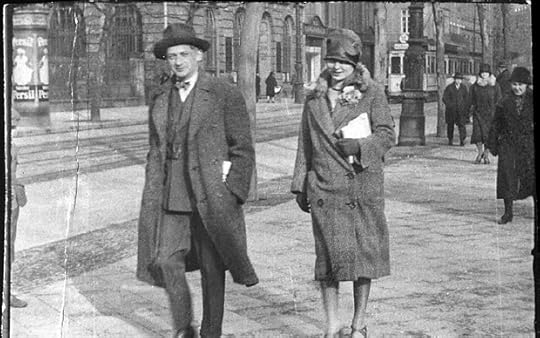
Joseph Roth in the mid-1920’s


Das Spinnennetz (1923) – available in English translation under the title The Spider’s Web – was Roth’s first novel, though he had previously published a few shorter texts such as Der Vorzugsschüler in newspapers (where Das Spinnennetz also first appeared), but the not entirely polished prose of this debut is more than balanced by the piquancy of the novel’s voice. Indeed, the story is told from the point of view of the young Theodor Lohse, one of the generation of World War I survivors that was so much at the center of Erich Maria Remarque’s attention; however, unlike all of Remarque’s main characters, Lohse is a budding anti-Semitic fascist who in the course of the novel rises from his postwar position as rancorous tutor for a Jewish jeweler’s young son to high-ranking, rancorous officer of a fascist movement. Remarkably, though the text is oftentimes shot through with a bitter irony, Lohse is drawn with insight and even empathy by the left-leaning Jewish author whose life would be destroyed by exactly such men as Lohse in a short ten years.

Lest you think you can imagine the course of this novel in advance and save yourself some time, I assure you that the surprises are aplenty, with twists and turns I did not anticipate at all. But I shan’t ruin them for you. This vivid little book is well worth your time, and when one realizes that it was finished a few months prior to Hitler’s Munich Beerhall Putsch, one must really admire Roth’s foresight.
Profile Image for Siti.
407 reviews166 followers
June 4, 2018
L’ex sottotenente Theodor Lohse terminata la grande guerra torna ai ranghi: è ora uno studente di legge e un precettore inadeguato presso la ricca famiglia ebrea Efrussi. Fuori dalle gerarchie militari perde la sua identità, non c’è una regola cui riferirsi e la disciplina è un derivato della miseria di chi non può ambire a posizioni migliori. L’anonimato lo schiaccia e si nutre di sogni grandiosi di rivalsa. La stessa che anima chi non può soggiacere ai trattati di Versailles, la stessa che non può veder soccombere l’impero, la stessa che agogna la Repubblica, la stessa che vorrebbe la rivoluzione, la stessa che imputa ogni scacco agli ebrei. Odia e diventa violento. Si insinua negli ambienti che cospirano e tramano, cospira, trama, sospetta, tradisce e supera qualsiasi ideologia, fa sue certe posizioni, le impara perfino a memoria, con esse attira le folle ma lui lavora solo per se stesso. E l’odio cresce, si autoalimenta, straripa. Lui vuole la gloria, il suo nome sui giornali, il nazionalsocialismo è d’altronde solo un’idea, lui vuole il denaro, lui vuole essere come l’ebreo e comprarsi perfino uno come lui. Lui vuole il potere…
Tremendo affresco rapsodico di una scalata individuale alla ricerca di un ordine nuovo, terribilmente individualista e senza morale.
Romanzo storico-politico del 1923, tratteggia un’epoca, tutta vissuta da Roth, in una Berlino ben rappresentata, e anticipa un altro sogno tramutatosi in tragedia. Incompiuto, lascia il lettore in un crescendo di intrighi, complotti, attentati, fughe, invischiato e intrappolato come un insetto in attesa del ragno. Lui Roth, presentendo il fallimento della Repubblica di Weimer, vide lungo lasciando Berlino per Parigi.
Profile Image for Amaranta.
590 reviews264 followers
August 2, 2020

Molto interessante questa lettura. Siamo all'inzio del Reich e Theodor è un giovane mediocre ma ambizioso. Vuole essere qualcuno, farsi notare, avere un posto nel mondo che sia tutto suo e che gli conceda la notorietà che il suo carattere non gli permette. E così si intrufola, tesse la sua tela di ragno attorno a sé e agli altri in un clima di odio, violenza, prevaricazione, preludio di "tempi migliori". La riflessione che ne scaturisce è ovvia. Davvero la mediocrità non ha altra via che la violenza per emergere? La risposta è si. Non c'è posto per l'elevazione morale e spirituale dove esiste la prevaricazione.
Un'ottima lettura, un Roth denso, completo, come sempre.
Profile Image for Laurent De Maertelaer.
804 reviews166 followers
September 15, 2016
Bevreemdend, intens, bijna verloren gegaan en oorspronkelijk als feuilleton verschenen romandebuut uit 1923 van de grote Roth. Het is het huiveringwekkende verhaal van de gedesillusioneerde Theodor Lohse, een luitenant die teleurgesteld teruggekeerd is uit de Eerste Wereldoorlog (rings a bell!) en in Berlijn betrokken raakt bij een extreem-rechtse, geheime organisatie die haar hoofdkwartier in München heeft en in contact staat met Hitler en Ludendorff (die sporadisch opduiken in de roman). Verrassend visionair gezien de gebeurtenissen die kort na verschijning de Weimar-democratie in brand zou zetten: de laatste aflevering van dit wrange boek verscheen twee dagen voor Hitlers mislukte staatsgreep. Roths typische stijl 'tussen ironie en sympathie, distantie en identificatie' is van een bloedstollende heftigheid: de korte, krachtige zinnen bedwelmen, overweldigen en spinnen een soms onontwarbaar web van mysterie, intriges en spanning. Niet het niveau van de latere werken, maar toch een must voor de Roth-adepten, al was het maar om alweer een schitterende vertaling van wijlen Wilfred Oranje.
Profile Image for Frabe.
1,198 reviews56 followers
July 2, 2018
Primo romanzo di Joseph Roth, pubblicato a 29 anni nel 1923. Lo stile narrativo è forse ancora acerbo, ma i contenuti sono molto significativi, con il protagonista Theodor Lohse, uno disposto a tutto per “diventare un capo”, che si muove dentro una realtà sociale sempre più instabile, con tasso di violenza crescente e con un soggetto, tra le figure emergenti, già individuato come decisamente “pericoloso”: tale Hitler.
Profile Image for Els Book Hunters.
481 reviews436 followers
Read
April 13, 2025
Quants cops heu conegut persones que us han semblat mediocres, però que, malgrat tot, heu vist prosperar en aquesta vida? Podria ser el cas d'en Theodor Loshe, de qui la seva pròpia família pensa que hauria estat millor que morís a la Gran Guerra, almenys així els hauria donat algun motiu d'orgull.

En Theodor no és un home amb gaires inquietuds, és de bon conformar. Però sí que té certes aspiracions que el porten a allistar-se a grups d'extrema dreta, i les noves companyies ho canvien tot. Quan veu que se'n surt amb les feines que li encomanen, decideix que aquell és el seu lloc i que arribarà lluny. Costi el que costi.

Que s'han de denunciar jueus? Doncs no en deixarà passar ni un. Que s'ha de delatar un company per traïdor? Ja pot calçar-se. Que s'ha de desfer d'algú? Doncs ja li carregarà el mort a algú altre. Una persona sense cap mena d'escrúpol que anirà escalant a la jerarquia. De la seva mà anirem entenent l'ascens del nazisme a l'Alemanya d'entre guerres, una manera molt enginyosa, a partir d'un personatge detestable, d'entendre moltes coses. Si visqués avui, Theodor Loshe tindria molts seguidors a twitter.

La meva estrena amb l'editorial Gatamaula ha estat una mica agredolça, ja que no he aconseguit entrar en l'estil de Joseph Roth. El plantejament de la història em sembla molt atractiu. El personatge d'en Theodor és d'aquests que et fan enrabiar, molt ben dibuixat. I el paral·lelisme amb la situació política, molt ben trobat. És breu, intens. Però no vaig fer el clic amb l'autor i això em treia de la lectura. Però si aconseguiu connectar-hi, xalareu. Ja m'hauria agradat gaudir-ne més, perquè penso que s'ho val.

(SERGI)

https://www.instagram.com/p/DIZTc_dInfq/
Profile Image for Marc Lamot.
3,467 reviews1,996 followers
October 3, 2020
Theodore Lohse, a German former soldier from the first world war, emerges as a fascist leader. There's no real story line, but it's a nice impression of the bustling 1920s and 30s. Written in a weird, fluctuating style.
Profile Image for Steve.
397 reviews1 follower
Read
May 4, 2025
Prescient is the word that comes to mind dwelling upon this unfinished novella. Through young Theodor Lohse, we gain a glimpse into the multipolar violence that affected Germany in the years immediately following the First World War. Nationalism, antisemitism, pacifism, communism, and socialism each provides justification for dark actions inspired through hatred, an aspiring autocrat’s most dependable social weapon.

Theodor was a lieutenant in the reserves at war’s end. He began to study law, and was a tutor to the Efrussi family. He soon added murder to his resume, a pickaxe the weapon. Theodor comes into his own as a shifty member of secret organizations – at first infiltrating the left, then as a rightwing loyalist. He longs to be a somebody. He marries a kindred soul in Elsa von Schlieffen, a woman of traditional values. Elsa also wishes for her new husband to achieve respected status. Together they sense a future, maybe President of the Reich is in the stars.

While I found the storyline challenging, I felt this author was remarkable for describing the birth of an evil spirit that was to plague Europe in the following two decades, the nascent power of propaganda tinged with animosity. Woe betide the person that challenged its promoters – a cracked skull or even death lurked.
Profile Image for Jayaprakash Satyamurthy.
Author 43 books519 followers
June 12, 2009
A dark, vivid little novel that follows the fortunes of an ambitious young man involving himself in right-wing maneuverings during the Weimar Republic. Not especially intelligent, but brutal enough to be effective in times when brutality was in the ascendant. He is, of course being manipulated by everyone, including a Jewish double- or more- agent who stands out as the most remarkable character in this book: sly, patient, cynical but with a hidden fervour.
Profile Image for Andrea.
183 reviews63 followers
October 20, 2024
"L'Europa, dove ci sono nazioni che non sono popoli"
Profile Image for Benny.
680 reviews114 followers
April 2, 2021
Het spinnenweb is – zoals dat wel meer is bij Roth – een boek met een verhaal. De geschiedenis van Theodor Lohse, de opgang van een loser binnen het extreemrechtse gezwel, werd voor het eerst in boekvorm gepubliceerd in 1967, maar verscheen voor het eerst als feuilleton in een Weense arbeiderskant in 1923. Dat is erg vroeg en maakt het boek akelig visionair.

Het is geen Roth grand cru, maar voor zijn vele fans ongetwijfeld een welkome aanvulling in het oeuvre.

Het begin van Het spinnenweb deed me denken aan Seventeen van Kenzaburo Oë, een boek uit een heel ander tijdsgewricht, maar ook daar wordt politieke radicalisering gekoppeld aan seksuele onzekerheid en vernederingen.

Verder in het boek vallen de staccato opsommingen op. Het poëtisch spervuur roept bij mij echo’s van Paul van Ostaijens Bezette Stad. Scènes als de onderstaande smeken er gewoon om ritmisch-typografisch gepimpt te worden:
“Vreemde mensen werd bespuugd. Trouwe honden werden geslacht. Koetspaarden opgegeten. Ambtenaren zaten achter getraliede loketten, onbereikbaar, beschermd tegen de woede, te glimlachen, te commanderen. Leraren sloegen van honger en woede erop los. Kranten verzonnen gruwelen van de vijanden. Officieren slepen sabels. Gymnasiasten schoten. Studenten schoten. Politieagenten schoten. Kleine jongens schoten. Het was een schietende natie.

En Benjamin leefde te midden van vertrokken gezichten, ontwrichte ledematen, gekromde ruggen, afgeranselde ruggen, gebalde vuisten […] kletterende zwaarden, klinkende ordetekens, paraderende generaals, fonkelende helmen.

O, hoezeer hield Benjamin Lenz van dit alles!” (p.85-86)
Altijd een genot Roth te lezen, zeker in de onvolprezen reeks van LJ Veen Klassiek, waar - in tegenstelling tot aan deze recensie - maar geen eind aan lijkt te komen.
Profile Image for Yolanda (dinsunllibre).
304 reviews62 followers
June 19, 2025
Amb la lectura d'aquest llibre, d'una banda, m'estren amb Joseph Roth, un autor que tenia moltes ganes de llegir i, d'altra banda, amb aquesta nova editorial gironina, Gata maula, que fa ben poquet que ha nascut, però que ve trepitjant fort!

Aquesta novel·la la protagonitza en Theodore Lohse, un antic oficial alemany, i és, probablement, el personatge literari que m'és he detestat. I en realitat això és un punt a favor de l'autor perquè ja és el que buscava. És a dir, volia retratar-nos una persona sense escrúpols, disposada a tot per ascendir i guanyar poder.

Roth, a través d'aquest personatge tan detestable, narra com, a poc a poc, el discurs feixista va guanyant posicions entre la població. Per fer-ho, se serveix del context políticosocial que estava travessant Alemanya després de la Primera Guerra Mundial: un clima tens, hostil i ple de frustració que va afavorir l'auge de moviments autoritaris i d'extrema dreta, i que tots ja sabem com va acabar.

La veritat és que l'autor va ser tot un visionari, ja que aquest llibre es publicà l'any 1923 i crec que aquesta novel·la va ser la seva manera d'advertir com aquest discurs feixista s'estava estenent entre la població, com si es tractés d'una teranyina, i, també, dels perills que suposava.

Actualment, ens trobem en un moment en què els discursos reaccionaris estan tornant a aflorar amb molta força i amb més rapidesa gràcies a les xarxes socials. Així doncs, en els temps que corren, i salvant les distàncies, la lectura d'aquest llibre agafa una nova dimensió en la qual ens podem emmirallar.
98 reviews
January 22, 2018
A prophetic (the book was written in 1923) descent into the abyss of nationalism and fascism in Germany's 1920's through the eyes of Theodor Lohse, an ambitious, yet average lieutenant, who quickly understands that his fastest ticket to the upper crust of society is to belong to an underground right-wing organization, bent on beating up socialists, communists and Jews. Not terribly smart, but without scruples, his lack of self-respect and humanity soon bring fruit. His dealings bring him to use the services of Benjamin Lenz, a much smarter, opportunistic Jew who figured out that helping (if not blackmailing) plotters from both right and left is key to his survival. In the end, in a remarkable reversal, the master is beholder to the slave: Lenz holds the power but the reader knows that, alas, the reversal is soon to come with devastating and catastrophic consequences.
The accuracy with which Roth described the rise of fascism in the Weimar Republic is stunning, 9 years before Hitler's rise to power.
Profile Image for Solistas.
147 reviews122 followers
April 11, 2015
Ανατριχιαστικά προφητικό, το ντεμπούτο του Ροτ εξελίσσεται την περίοδο του Μεσοπολέμου όταν ο ναζισμός έκανε τα πρώτα του δυνατά βήματα
Profile Image for Bob Jacobs.
363 reviews32 followers
August 9, 2024
Het bevreemdende debuut van Joseph Roth. Het vertelt profetisch over de periode in Duitsland net voor de nazi’s de macht grepen. Straf hoe Roth in 1923 dit werk kon neerpennen.
Profile Image for Hugo Pineda O'Neill.
152 reviews26 followers
September 6, 2025
La tela de la araña es un brillante ensayo escrito a manera de novela, tenemos frases sutiles y destacados párrafos que hacen entrever la siniestra realidad de una Europa que ha sido castigada por la gran guerra.

La tela de la araña es una mirada intima de cómo se desarrollan los totalitarismos. Quien da vida a nuestra obra es un siniestro personaje: Theodor Lohse, un ex-oficial Alemán, que luego de la primera guerra mundial, lamenta haber quedado con vida. No contento con su destino, inicia la carrera para volverse poderoso, todo sin ideales, sin convicciones, es él, contra cualquier obstáculo, a su favor, tiene mil máscaras, y hará todo para conseguirlo, porque es uno de ellos, aquellos capaces de todo, incluso de matarse a sí mismo para enaltecer su nombre.

''Ganar influencia y dejar de ser un ente irrelevante, convertirse en el inicio de una cadena, no un eslabón insignificante de ella''

La Alemania de posguerra refleja en pocas páginas su decadencia, no solo la económica, más bien es el reflejo de una sociedad que se va sumiendo en la degradación, que saborea lo más salvaje, y elemental del hombre.

Se materializa el argumento de que no hubo una guerra por poder o por territorios, fue guerra porque sus gentes habían retornado a su estado más primitivo, tenían sed de destrucción. Se habían convertido en las palabras del propio Roth ‘’en una nación entregada al tiroteo’’
Un libro vigente, tan actual que electrocuta.

''Era aquélla una boda europea por excelencia; estaba allí casándose un individuo que había matado irresponsablemente, que había trabajado atolondradamente, que no conocía ideales y que engendraría unos hijos que, a su vez, volverían a ser igual de homicidas, europeos, asesinos, crueles, cobardes, belicosos, nacionalistas, sangrientos cumplidores de los deberes religiosos y crédulos seguidores del Dios europeo rector de la política.''
Profile Image for Enas.
7 reviews4 followers
January 22, 2014
δυνατό βιβλίο ''ο ιστός της αράχνης'' του γιόζεφ ροτ.

ο κεντρικός χαρακτήρας, ο τέοντορ λόζε, είναι πρών στρατιωτικός, εθνικιστής, αντισημίτης, μέλος παρακρατικών οργανώσεων και μοναδικός στόχος της ζωής του είναι η ανάδειξή του σε ηγετική προσωπικότητα της χώρας του. για να το πετύχει αυτό δεν θα διστάσει να δολοφονήσει τους ανταγωνιστές του, να προδώσει ''συναγωνιστές'' του, να αιματοκυλίσει απεργίες εργαζομένων.

η γερμανία των πρώτων χρόνων μετά τον α' παγκόσμιο πόλεμο περιγράφεται έξοχα μέσα από το κοφτό, αποσπασματικό γράψιμο του ροτ, ο οποίος μέσα σε δυο σελίδες μεταδίδει ολοζώντανα το κλίμα της περιόδου, κάλυτερα και από ιστορικά βιβλία.όλα είναι εδώ: η εξαθλίωση του γερμανικού λάου, η άνοδος και η εδραίωση του εθνικισμού, τα πογκρόμ εναντίων των εβραίων και η καταστολή των εργατικών κινημάτων.

ο ''ιστός της αράχνης'' αξίζει να διαβαστεί τόσο για την λογοτεχνική του αξία, όσο και για την ιστορικότητά του, καθώς τα γεγονότα που περιγράφει, αλλά και αυτά που αφήνει να εννοηθούν, έγιναν πραγματικότητα τα επόμενα χρόνια.

υ.γ. πολύ καλή η έκδοση της ''κριτικής'' με χρησιμότατες παραπομπές και βιογραφικό σημείωμα για τον συγγραφέα στο τέλος του βιβλίου.
Profile Image for Maria Altiki.
424 reviews28 followers
July 9, 2020
Δύσκολο βιβλίο. Διαδραματίζεται στα χρόνια του μεσοπολέμου στην Γερμανία με ήρωα έναν εθνικιστή, ναζιστή. Οι περιγραφές ανατριχιαστικές και ώρες ώρες ασφυκτικά τρομακτικές. Εδώ όμως έρχεται το εξής δίλημμα πως να βαθμολογήσεις ένα τέτοιο βιβλίο; Εξαιρετικά γραμμένο και ρεαλιστικό, ίσως και προφητικό για την άνοδο του ναζισμού θα του έβαζα ένα 4. Έλα όμως που δεν πέρασα καλά διαβάζοντας το και μου προκαλούσε δυσφορία. Ο ήρωας άκρως αντιπαθής! Θα προτιμούσα να εξιστορήσει όλα αυτά που ήθελε να πει κάπως αλλιώς και άρα καταλήγω στο 3.
Profile Image for Peter Bradley.
1,042 reviews92 followers
April 23, 2017
Please give my Amazon review a helpful vote - https://www.amazon.com/review/R27CXKC...


To appreciate this book, we have to place it in its historical situation, namely, early Weimar Germany. Joseph Roth wrote this book in 1923, perhaps prior to Hitler's Beer Hall Putsch (November 9-11, 1923), and certainly prior to the trial and imprisonment of Hitler, and the writing of Mein Kampf. Interestingly, Roth does make a major point of his characters' involvement in some kind of conspiracy with a target date of early November a point in his book. Was that a foreshadowing of a coming Beer Hall Putsch? Or was Rot simply playing off of the Kapp Putsch of March, 1920?

The story is nothing less than the story of the radical corruption of a human being by the circumstances of history. The central character of the story is Theodore Lohse. Lohse starts out as a decent, if second-rate individual, with a propensity for corruption and opportunism. With the Great War ended, Lohse has been mustered out of the army as a Lieutenant. He lives a withdrawn and alienated life, studying law and working as a tutor for a Jewish family. He lives with his family, but has no real connection with them. In fact, Roth points out that they are ashamed or discomforted by his survival of the War; if he had died, they would have received a pension rather than being forced to accommodate an superannuated survivor.

Lohse gets his first break when he is invited to see the Prince at a reunion of his regiment. He apparently has a homosexual tryst with the Prince, and uses that connection to open certain doors. One door that is opened is a right-wing German secret society, the Bismarck Bundt, that engages in spying, assassination and other crimes under a murderous oath of secrecy. In short order, Lohse progresses through the ranks by opportunistically arranging murders, perjuring himself, betraying friends, oppressing workers and self-promoting himself above even his limited capacities.

It is fair to say that Lohse is an evil man.

However, Roth's treatment of Lohse is strangely dispassionate. Lohse does evil things, but does not reflect on the evil that he does with any particular horror or guilt, albeit there is guilt there, as we see when he has the occasional fit of hysteria at the thought of some of his victims reaching out for him. For the most part, though, Lohse comes across as a foreshadowing of Eichmann, as a person who is playing the game by the rules of the game without being particularly concerned by any transcendent morality (except when he fantasizes that he is being accused by the dead.)

As a literary project, I did not find the book itself to be of much interest. Roth's writing is crisp. Information is conveyed efficiently. Some of his prose is quite elegant. However, we never get below the surface of the character's minds and intentions. The story itself does not have an ending. Lohse has befriended a Jewish agent-provocateur, found that friend spying on him, and is contemplating having that person killed. The erstwhile friend gives money to his brother to leave Germany and indicates that he might also leave Germany.

And, there, the story ends.

There is no come-uppance for Lohse, who is now "Head of Security" of, I think, Prussia. We don't find out what happens to the friend.

Of course, in 1923, this may be a fitting conclusion to this story. The story is about the secret societies that did exist in Germany during the Weimar Republic. These societies were involved in their internecine struggles, sometimes helping this political party or that, thinking that they were using the political parties as pawns, when the opposite was true.

The chronology of the book is unclear. It obviously, opens in 1919, but it is hard to keep track of the years that go by after that. The great "November" conspiracy might have been 1923 or it might have been 1920. I wasn't clear if Lohse's promotion to Head of Security was supposed to happen in the mid-to-late 1920s.

I am assuming that Roth's had experience with the nebulous political underground as a leftwing reporter in Berlin at this time. There are two interesting aspects to this book. The first is the number of Jews who are wrapped up on this nationalist German secret society. Lohse is a conventional anti-semite, but his early mentor in the secret society, Dr. Trebisch, is Jewish as are his associates when he is Head of Security.

Another interesting feature is the injection of an example of nationalistic anti-Catholicism:

"It hurt him that all his activities must remain anonymous. And as the strength of his convictions diminished, so he widened the scope of his artificial hatreds: he now spoke not only against the workers and the Jews and the French, but also against the Catholics, those Romans. His gang raided the hall in which the Catholic writer, Lambrecht, was speaking.Theodor sat in the front row. Over his head flew sentences from some lien, incomprehensible language. But one word registred, the word "Talmud". It impinged on Theodor's half-dormant conscience. He whistled, and forty large members of his mob dived into the audience. Theodor screamed "Jew! Roman! at Lambrecht." (p. 41.)

Another passage:

"Self important men spoke in Parliament, Ministers yielded to their civil servants and became their prisoners. Public prosecutors drilled with the storm troopers. Judges broke up public meetings. Wandering nationalist speakers hawked thunderous platitudes. Cunning Jews counted money, poor Jews were persecuted. Pastors preached murder, priests swung cudgels, Catholics became suspect, parties lost supporters. Foreign tongues were hated." (p. 72.)

This seems authentic in light of the fact that the bishops of Germany were excommunicating member of the National Socialist Party at the time. Likewise, there was a long tradition of political anti-Catholicism in Germany. In addition, Ludendorff is a personality in this book. He is mentioned as an off-stage personality, Lohse writes him a letter, and he actually comes into the book as a character. Ludendorff was, of course, virulently anti-Catholic.

On the other hand, there are perhaps two mentions of the Nazis. Hitler gets mentioned in one paragraph:

"He went to the recruiting offices. how they poured in! Young labourers, office workers. Different material from Theodor's schoolboys. Therw were more trusting, more easily worked on, afire before they came and white-hot if they were accepted. Hitler was a menace. Was Theodor Lohse a menace? The newspapers spoke of Hitler every day. When did one see Theodor's name." (p. 53.)

Before I learned that Roth wrote the Spider's Web in 1923, I thought this might have been a scene from 1930. Now, I think it must have been referring to 1922, before the ban on the Nazi party.

A final point has to do with Lohse's corruption. On the one hand, Roth implies that Lohse's initial problem is the stifling of his limited ambition when he is mustered out of the army in 1919. Lohse feels the loss of the dignity and respect he was given as an officer. On the other hand, it seems that Lohse was always corrupt. He always envied the Jewish student who did better than him. We also learn later in the book that as a student he had embezzled money raised to buy a wreath, something which Lohse extolls as evidence of his ability to save money. We also learn early about his looting something during the war. So, it seems that he had a propensity to be the man he became, but that the circumstances of the time played to those characteristics.

I liked the book as a glimpse of life during the Weimar republic. I would recommend it on that basis.
Profile Image for Eduardo Gavín.
98 reviews5 followers
January 14, 2019
Le daría cinco porque imagino que debe ser un buen libro, si lo tradujese un profesional que sepa gramática, alemán, vocabulario y redactar.
Profile Image for Hans Luiten.
246 reviews34 followers
May 4, 2021
Geniaal en angstaanjagend. Juist in dit debuut schetst Roth in korte en krachtige zinnen zo sterk het karakter van zijn hoofdpersonen...Roth voelde al in 1923 haarscherp aan welke kant het op zou gaan in Duitsland.
Profile Image for Bihter İyidir.
289 reviews16 followers
March 2, 2020
Korkutucu bir kitap. Kendi sandığı kadar zeki olmayan, üstelik yeterince derinliği ve bilgisi de olmayan hatta alenen cahil olan oysa her seyi bildiğini, anladığı sanan, kıskançlıkla, hasetle yoğrulmuş insanların faşizmin kucağında nasıl da semirdiğini ve etrafındaki her şeyi nasıl kötülüğe bulayabildiğinin resmini çiziyor.
Korkutucu yanı, bu kitabı okuduğum bu günlerde etrafımızın bu tür insanlarla çevrilmiş olduğunu fark etmekten ileri geliyor. Kitapta daimi yinelenen ‘iç düşman’ paranoyası, savaş çığlıkları, farklıya, ötekine ırkından, dininden, fikrinden dolayı sürekli saldırı halinde olma hali o günlerin Almanyasını mı anlatıyor bugünlerin Türkiyesini ve dünyasını mı ayırt etmek zor hale geliyor okurken.
Kitap oldukça umutsuz bitiyor ama biz sonrasını da biliyoruz. II. Dünya Savaşı. Nihayetinde umutsuzluk ve insanlığın gidişatından duyulan utanç ve korku kalıyor insana.
Profile Image for Pau Jorba.
112 reviews5 followers
July 26, 2025
La teranyina retrata l’ascens del feixisme a l’Alemanya de postguerra mitjançant la figura de Theodor Lohse, un mediocre i covard jove excombatent de la Primera Guerra Mundial que es troba sense rumb en la nova República de Weimar. En tornar del front descobreix que el país pel qual ha lluitat ja no existeix i que ell no hi té cabuda: la seva família el menysprea i l’hauria preferit heroi mort que no pas un lloctinent arruïnat i sense feina. Humiliat i ressentit, en Theodor acaba treballant de preceptor en una rica família jueva –una ironia amarga, atès el seu antisemitisme visceral. Aviat, mogut per l’orgull ferit i l’ambició, busca refugi i reconeixement en els cercles secrets de l’extrema dreta alemanya, afiliant-se a una organització paramilitar clandestina que prolifera en la incertesa de la postguerra. Dins d’aquest entorn troba allò que la societat li negava: companyia, sentit de pertinença i l’oportunitat d’escalar posicions. La seva mediocritat i manca d’escrúpols es converteixen en armes, i ben aviat es guanya la fama d’informador efectiu i d’home disposat a tot per prosperar. En Theodor participa en accions violentes contra els “enemics” —ja siguin comunistes, jueus o qualsevol obstacle en el seu ascens— i no dubta a trair col·legues i a denunciar innocents si això l’avança dins l’organització. Embriagat pels seus èxits inicials, la seva ambició es desferma al punt de veure’s a si mateix com un possible “nou Führer” destinat a liderar el moviment feixista. Aquesta arrogància, però, alarma els seus superiors, que decideixen lligar-lo curt posant-li al damunt un agent de vigilància, en Benjamin Lenz, perquè controli els seus impulsos desmesurats. La teranyina evoluciona així cap a una trama d’intrigues i conspiracions internes on violència i traïció van de bracet, fins a desembocar en un desenllaç irònic i inquietant que subratlla la dimensió pasmosament premonitòria de la novel·la.

El títol mateix de la novel·la és una metàfora transparent del clima conspiratiu que s’hi representa. Roth ens mostra una Alemanya de postguerra teixida per una xarxa d’organitzacions ultradretanes clandestines –societats secretes, cèl·lules paramilitars, clubs nacionalistes– que van estenent els seus fils per la societat desorientada i ressentida de després de la derrota. Aquesta “teranyina” al·ludeix a com els feixistes ordisen complots i intrigues per infiltrar-se en les institucions i atrapar el poder, alhora que enreda als seus acòlits en una espiral de fanatisme. En Theodor Lohse, en entrar en aquest univers ocult, tant teixeix la seva pròpia trama de delacions i violència com queda atrapat ell mateix en trames més grans. La novel·la juga amb aquesta dualitat: d’una banda, en Theodor fa de predador que tusta i captura les seves víctimes dins la teranyina feixista (delatant companys, acusant jueus, eliminant rivals polítics); de l’altra, ell és només una mosca més, presa fàcil d’una conspiració superior.

El personatge de Theodor Lohse en si és un símbol vivent de tota una generació i del tipus de persona que va propiciar l’ascens del nazisme. Roth el presenta com un home mediocre i ressentit, un ésser qualsevol amb ànsies de grandesa que es transforma en fanàtic violent quan les circumstàncies li ho permeten. Theodor personifica “els homes que no trobaven el seu lloc” en la societat de postguerra —veterans desmobilitzats, sense feina, humiliats per la derrota— que van canalitzar la seva frustració cap a l’odi i el radicalisme. No és un ideòleg profund ni un cervell del moviment, sinó un oportunista consumit pel ressentiment social i la ràbia impotent. De fet, a mesura que puja dins la jerarquia extremista, menys li importen les idees: l’antisemitisme i l’anticomunisme esdevenen per a ell simples excuses per justificar la violència i afirmar la pròpia importància. Lohse simbolitza el “petit home” vulgar que esdevé perillós quan el treuen de la monotonia i li atien l’ego.

Joseph Roth compon una sàtira tràgica sobre els inicis del nazisme. L’obra, escrita el 1923, té un caràcter quasi visionari en anticipar els mecanismes de la radicalització feixista i els desastres que portaria. Sense adoptar un to didàctic ni alliçonador (Roth més aviat opta per la ironia i una certa caricatura amarga), La teranyina ens alerta dels perills de la intolerància i l’oportunisme violent a través de la força dels seus símbols i els seus personatges. Cada element simbòlic en la novel·la complementa la crítica social: la societat de postguerra apareix com un organisme ferit i enverinat, on els fils de l’odi es van entreteixint fins a formar una trampa mortal que atrapa tant víctimes com botxins. Roth aconsegueix així que aquesta història breu transcendeixi la seva època per esdevenir un relat universal sobre com el fanatisme es propaga com una teranyina i com, en última instància, aquells que la teixeixen poden acabar atrapats en els seus propis fils.

És la segona novel·la que llegeixo de l'editorial Gata Maula, que en l'albor de la seva història continua fent una feina excel·lent. Amb una traducció impecable (a càrrec de Marc Jiménez Buzzi) i pràcticament sense errors, és una mostra més que les editorials independents són font de cultura i guardianes del patrimoni humà.
Profile Image for Illiterate.
2,787 reviews56 followers
July 29, 2025
A fictional study of the rise of Nazism. Prescient if a bit too straightforward.
Profile Image for Edgar.
443 reviews49 followers
September 24, 2023
Das Erstlingswerk Joseph Roths (1894-1939), dem (anfangs) linken Juden aus einfachen Verhältnissen aus dem (heute ukrainischen) Ostgalizien, der 1923 als Feuilleton- bzw. Fortsetzungsroman in einer Zeitung erschien. Der Roman wird nicht zum Abschluss geführt, sondern bricht nach 30 Kapiteln ab.

Behandelt wird eine der (meiner Meinung nach) interessantesten Perioden Deutschlands, nämlich die Zeit zwischen den beiden Weltkriegen, die auch Weimarer Republik genannt wird. Der heimkehrende Leutnant Theodor Lohse, obrigkeitsgläubig und fremdbestimmt, wird aus Diensten der Armee entlassen und verliert mehr als nur Lohn und Brot. Er verliert Selbstverständnis und Ordnungsrahmen, Zukunft und Vergangenheit. Aber er ist entschlossen, sich eine neue Zukunft zu erobern und Karriere zu machen, zu einem Großen zu werden. Er genießt Macht über andere. Ein Mann will nach oben. Ach nee, das ist ja Fallada. Auch sehr gut.

Er wird zu einem Führer der faschistischen Szene, aber er ist nicht Hitler, denn den gibt es im Roman auch als Randfigur. 10 Jahre vor der Machtergreifung konnte Roth nicht wissen, was da noch kommen werde, aber nahe genug war er an der Wirklichkeit, als er den Roman ersann. 1920 und 1923 verübten ja Hitler und Konsorten zwei gescheiterte Putsche. Man konnte also schon absehen, dass die nicht ungefährlich sind. Nicht wie heute der "Rollatorputsch" um Prinz Heinrich, den die Politik zwecks Ablenkung mal schnell aus dem Hut zaubert. Ach ja, Prinz Heinrich ist am Anfang des Romans prominent vertreten mit einer kurzen Szene für die hier zahlreich versammelte LGBT-Community. Mehr als das gibt es aber nicht, ist wohl als Symbol für die Kompromisslosigkeit von Lohse gedacht.

Lohse hasst Juden und Sozialisten, Franzosen und Russen und stützt sich auf eine Geheimorganisation, während er sich die Melange aus demokratiefeindlichen Militärs, Kaisertreuen, Antisemiten zunächst als kleiner Spitzel zunutze macht, um Schritt für Schritt aufzusteigen. Er tut das durchaus skrupellos und geht bis zum Äußersten, wenn es seiner Publicity oder dem positionellen Fortkommen dient. Während des Romans treten mehrere authentische Personen oder Namen wir Ludendorff, Pauly oder von Schlieffen in erfundenen Zusammenhängen auf und in semiauthentischen Putschen, Demonstrationen und politischen Entwicklungen wird das Bild einer unruhigen Zeit gezeichnet.

Da die Geschichte nicht zum Ende geführt wird, schafft Lohse es "nur" bis zum höheren Beamten und Ehemann einer bekannten Adeligen. Dann ist Schluss mit dem Buch. Leider. Es bleibt ein Fragment.

Stilistisch ist das Werk noch kein Meisterwerk. Zwar ist es nicht im expressionistischen Stil geschrieben wie manchen behaupten und der in der Zeit durchaus beliebt war, siehe Döblins Alexanderplatz, doch eine gewisse Detailreduktion zugunsten des Eindrucks kann man insbesondere in der dramatischen Szene der gewaltsamen Demonstration zwischen Arbeitern und Studenten sehen. Wie im Stakkato schießen die Kurzsätze aus drei, vier Worten aus der Feder. Im gesamten Roman sind diese kurzen Satzstrukturen zu beobachten. Mal etwas anderes, aber kaum als "merkwürdig" zu bezeichnen, wie manche Kommentatoren hier meinen. Und auch nicht über das ganze Buch gleich.

Fazit: Als Auftakt auf die Romane von Joseph Roth sehr unterhaltsam, in den letzten drei Kapiteln flacht es vielleicht etwas ab. Nicht auf dem Niveau von "Radetzkymarsch", aber trotzdem gut.
Profile Image for Noah.
550 reviews74 followers
September 26, 2017
Joseph Roth hat mit diesem frühen Roman eine unglaubliche Weitsicht bewiesen. Der im Jahr 1923 - im Jahr des Hitler/Ludendorff Putsches - handelt von Theodor Lohse, einem Karrieristen, der mit Hilfe eines gewissenlosen jüdischen Spitzels und mit eigener Brutalität, Ahnungslosigkeit und Minderwertigkeitskomplexen in den verschwörerischen rechtsnationalen Kreisen zu einer Art jungem Hitler aufsteigt und nimmt damit sensibel die Stimmungen dieser stürmischen Zeit auf.

Negativ fällt indes auf, dass sicher der Roman in weiten Teilen nicht wie ein Roman, sondern wie der Rohentwurf liest. Es wirkt als hätte Roth - der sich in seinen späteren Romanen as exzellenter Stilist erweist - dies alles in wenigen Nächten runtergeschrieben. Es wirkt als sei der Autor ein getriebener und es liest sich gehetzt. Kein Charakter wird vertieft, kaum ein Dialog bleibt hängen. Interessante Charaktere, die eingeführt werden, verschwinden nach drei Seiten wieder. Immerhin, es kommt keine Langweile auf, auch wenn die Bezeichnung Thriller zu hoch gegriffen erscheint.
Displaying 1 - 30 of 110 reviews

Can't find what you're looking for?

Get help and learn more about the design.