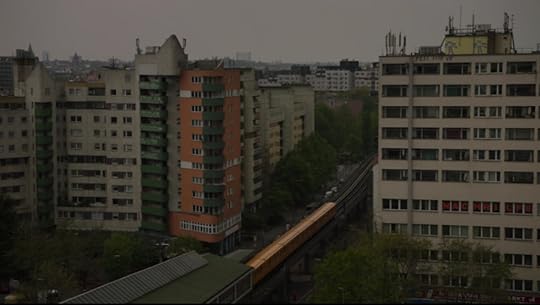
Ein Auftrag, der den Auftraggeber eigentlich nicht interessieren kann. Der auch Selb im Grunde nicht interessiert und in den er sich doch immer tiefer verstrickt. Merkwürdige Dinge ereignen sich in einer alteingesessenen Schwetzinger Privatbank. Die Spur des Geldes führt Selb in den Osten, nach Cottbus, in die Niederlagen der Nachwendezeit. Ein Kriminalroman über ein Kapitel aus der jüngsten deutsch-deutschen Vergangenheit.
Bernhard Schlink is a German lawyer, academic, and novelist. He is best known for his novel The Reader, which was first published in 1995 and became an international bestseller. He won the 2014 Park Kyong-ni Prize.
Un po’ tenue e leggero per il mio gusto: per rendere meglio l'idea, più televisivo che cinematografico. Gradevole ma a tratti prolisso – come succedeva nella serialità d’antan c’è più cura per l’atmosfera e l’intreccio che per la caratterizzazione dei personaggi, che viene data per acquisita, almeno per quelli fissi. Il finale è un punto a favore, non c’è il solito bisogno di concludere con 2+2=4. Il passato nazista non è completamente sepolto – la Germania Est e la sua gente dopo 28 anni di muro e 44 di socialismo sovietico non assomigliano per niente alla Germania Ovest e ai tedeschi occidentali, la dittatura ha agito anche somaticamente.
Per mia futura memoria annoto la poca cura di redazione, i refusi a volte arrivano a compromettere il senso (Mi sarebbe piaciuto avere dei figli. Manu mi è nato benché mi fossi fatta sterilizzare. Con te non ne ho avuti, benché non abbia fatto nulla per non averli…). Annoto che già nel 2002 in Germania era possibile acquistare un cellulare e averlo funzionante e attivo in meno di sei ore. Che se c’è qualcosa di grandioso da ammirare nei palazzi del potere statale si pensa a Buckingham Palace e all’Eliseo, non certo al Quirinale.
Un bun roman polițist, scris de un meseriaș și urmînd o tradiție venerabilă: aceea a detectivului în vîrstă, bolnav, care mai are puțin de trăit și care știe că trebuie să rezolve cît mai repede cazul. Mi-a amintit de capodopera lui Friedrich Dürrenmatt, Judecătorul și călăul.
Una dintre scene e memorabilă. Detectivul Gerhard Selb este ajutat de o echipă de novici, lucrători la un spital, medici, surori medicale, să „neutralizeze” un suspect. Participă și o asistentă, turcoaică la origine, Füruzan. După ispravă, grupul justițiar se adună la o petrecere. Voi cita doar acest paragraf:
„Pe obrazul lui Füruzan nu se mai citea oboseala lungului drum din Anatolia pînă în Germania şi nici osteneala nopţilor - mult prea multe - cînd făcea de gardă ca să cîştige banii pe care-i trimitea alor săi de-acasă...”.
Căutați acest roman, nu cred că o să vă pară rău :)
Selb zum Dritten - und glücklicherweise auch Letzten. Denn wie schon bei den vorangegangenen Romanen, konnte ich auch "Selbs Mord" nicht wirklich viel abgewinnen. Bernhard Schlink schreibt in gutem und ansprechendem Deutsch und macht es auch unterhaltsam, dieses Buch ohne grosse Anstrengungen zu lesen. Allerdings wirkt dadurch vieles etwas seicht und die Geschichte um dunkle Machenschaften in einer Bank nimmt sich oft selber etwas die Spannung.
Auch die Eigenheiten des Privatdetektivs Selbs selber erschienen langsam eher mühselig als abhebend, und wie zu erwarten hatte auch dieser Fall seine Anfänge im zweiten Weltkrieg. Die Geister die ich rief ... Aber vielleicht liegt es auch einfach daran, dass ich nicht der klassische Krimileser bin. Andere werden diesem Buch wohl einiges mehr abgewinnen können.
Bernhard Schlink is the author of a series of award-winning crime novels starring Gerhard Self, a senior citizen private detective with a fondness for sweet cigarettes and liqueurs.
In this latest adventure, Self is lured out of retirement by Welker, the mysterious head of a longstanding private bank, who has a seemingly simple request for the aging investigator: find out the identity of a former secret partner in the family business. But as Self investigates, and comes face to face with his own and his country’s dubious past, he begins to wonder whether his mission is just a ruse for something far more sinister. Just how influential is Welker’s hardnosed Russian sidekick? And was the death of Welker’s wife really an accident?
The best thing about Schlink’s storytelling is the character of Self (an affable and philosophising old man who’s seen plenty) and the way Schlink touches on and questions aspects of German society and history. But the slowly-unfolding plot is more mildly interesting than gripping, the writing is crisp but somewhat ‘thin’ or one-note (possibly losing layers and depth in translation), and overall the reader is left with an ‘okay’ tale, reasonably well told.
Self is a nice old guy who enjoys good food and wine. He and his old police mate go off to find a crime to solve and have to address the sins of the past (including WWII). The Reader does a much better job in the analysis of how to handle the guilt of the past. As a crime novel it is OK.
Reading this novel I became aware once again how much I have wanted to read about the German reunification. If you, like me, are interested in the subject, this is the book for you. The mystery aspect works well within this framework and I was amazed - surprise, surprise! - to come across something Sorbian. In this case it is a bank but, having travelled in the area where Sorbian is spoken, it adds another dimension to the book. I have read three books by Schlink so far and may read a fourth.
Things I loved about this...I have been vague so as not to give plot away I hope! Plus, why do people summarise the plot on Goodreads? Pointless IMHO. So, I loved that it was definitely written in German, for Germans and is uncompromisingly full of places, shops and national themes that I knew nothing about and enjoyed learning (not including Nazis in this obvs). A bit like watching a foreign film with subtitles. Even if the story is a bit dodgy you can still enjoy the quirks of food, custom and manners - and Izettas (incidentally my British husband had one of those in his youth!) That the prose and chapters were short and unpretentious and there were many memorable characters. I also found the realistic description of the heart attacks affecting.
Not so good...
Some parts were just too coincidental, or far fetched. In the canal twice? Really? The Doctor Phillip was a bit unconvincing and the way a whole gang of them make a rescue...bit cartoonish. I did not understand the mention of his brother in law and "the cliff". Did I need to read them in order? A bit more info for the un-synched would have been helpful.
Overall an entertaining and thoughtful detective mystery made all the better by being from the pen of a serious author.
Much like in Self's Punishment Self is again hired by someone with either a secret or an ulterior motive. This time instead of an acquaintance hiring him it's a serendipitous meeting in the snow which leads to an archival job that masks another dicovery into the former Communist East Germany and ultimately leads back to the Nazi past. Schlink does a superb job of capturing a man pondering his life, wondering if he has made a difference, done anything, knowing which battles to fight, and trying to do the right thing. While dealing with a client who is a master manipulator he is also dealing with his girlfriend, an East German claiming to be his son, and life threatening health concerns. I like how Schlink gives the chapters titles and keeps them short. He weaves a very realistic story that is always compelling, sometimes poignant and at times humorous and even romantic. Self also again goes on vacation in the midst of all this turmoil(called life)-this time to Sardinia. Only one more Self book left for me to read and that's a pity. I tried to drag this one out too. Wish there were more!!
Bis zum Ende habe ich mich nicht entschieden, ob es wirklich Kriminalroman, echter Krimi, oder ein Lebens- relativ Philosofischer Roman ist - die Kriminalgeschichte wechselte mit Rückblicken auf das Leben und es gibt keine Krimi-Anhaftung. Manchmal dachte ich, dass der Author eindeutig nicht versteht, was.. wofür.. es fühlte sich apatisch sozusagen.
Trotzdem ist die Sprache so schön, dass man wirklich das entspannende Lesen genießen kann.
„Nein, Niederlagen machen einen nicht besser, nur kleiner. … Niederlagen kosten einen nicht nur, was man investiert hat. Sie nehmen einem jedesmal ein Stück von dem Glauben, man werde immerhin die nächste Probe und den nächsten Kampf bestehen. Man werde das Leben schaffen.“
Ehrlich gesagt, es war sehr angenehm dieses Buch zu lesen, wenn es zu Ihrer Laune passt.
Mein erster Krimi von Schlink. Er liest sich gut, die Geschichte mäandert voran und beschleunigt in den Kurven. Es packt einen genug um die Geschichte weiter miterleben zu wollen, aber es ist kein fesselnder Griff. Als ginge es hier nicht um den Mord. Auch nicht um die Psychologie des Verbrechens. Auch nicht um das Geheimnis des Motivs. Es geht (wie so oft in Schlinks Büchern) um das Leben. Und das altern.
قبلاً مجموعهداستان «دروغهای تابستانی» رو از همین نویسنده خونده بودم و خیلی دوستش داشتم، به همین خاطر با کلی خوشحالی این کتاب رو شروع کردم ولی از همون اولش ناامید کننده بود. نمیدونم چه اصراریه به آوردن اسم تکتک خیابانها و مکانها انگار داشتم آدرس درست و دقیق خونهها و جادهها رو میخوندم🤦🏽♀️ و یه مورد دیگه اینکه هیچ خبری نداشتن از شریک ضمنی (شریکی که در سرمایهگذاری شریک است، نه در تصمیمگیری) یه بانک چرا باید اینقدر مهم و هیجانی باشه که بهخاطرش وقت بذارم و ۲۸۵ صفحه بخونم؟
Ein einerseits rundes aber andererseits sehr unbefriedigendes Finale einer wundervollen Kriminalroman-Trilogie.
Bernhard Schlink schafft es mit prägnanten und knackigen Sätzen und wenig Worten teils sehr vielschichtige und interessante Charaktere zum Leben zu erwecken. Die Handlung ist realistisch und in ihrem Realismus erstaunlich hart.
Wie bereits die zwei Vorgänger, die man allerdings zuvor gelesen haben sollte, eine große Empfehlung meinerseits - insbesondere für Krimi-Fans.
Üçlemenin son cildinde, ihtiyar dostumuz Gerhard Selb, eski Almanya ve aslında kendisiyle günah çıkarmaya devam ederken, bize veda ediyor. Klasik polisiyelere göre daha durağan olsa da seriyi sevenler için güzel bir son parça, aynı zamanda üzücü bir veda.
Mi cabeza no logró apropiarse ni retener ni encariñarse ni comprometerse con los numerosos personajes que van apareciendo, todos parecidos y sin particularidad alguna. Lo único que rescato es cierta lograda atmósfera de novela policial. Perdón, Bernhard.
Nachdem mir der 2. Band: Selbs Betrug nicht so gut gefallen hat, wollte ich diesen ursprünglich nicht lesen, habe es jedoch doch getan - und war angenehm überrascht
weiss nicht obs daran lag dass ich teil 1&2 nicht gelesen habe aber irgendwie hat sichs mega gezogen und spannend wars irgendwie auch nicht so wie ich gehofft habe
SCHLINK, Bernhard: „Selbs Mord“, Zürich 2003 Der dritte Teil einer Trilogie mit Selb dem Privatdetektiven. Diesmal arbeitet er für einen Privatbanker, der von einem Ziehbruder erpresst wurde. Dieser Sohn einer russischen Mutter machte Geldwäscherei mit der Bank und erpresste den Besitzer. Durch einen Zufall kam der Privatdetektiv Selb in diesen Fall, indem er mit einer Nebensache beauftragt wurde, um dann in den wahren Fall einzusteigen. Seine Freunde – ein pensionierter Polizist und ein Spitalsarzt – helfen ihm dabei unwahrscheinliche Dinge zu tun. Es war sein letzter Fall. Er wollte ihn vollständig aufklären. Tat es aber nicht. Alle rieten ihm ab und letztendlich hatte er einen Herzinfarkt dem eine Herzoperation folgte. Schlink ist gut, wenn man entspannend lesen will. Leicht und flüssig geschrieben ist es angenehm der Geschichte zu folgen und auf andere Gedanken zu kommen. „ … man muss nicht Jahr um Jahr wie zwanzig aussehen wollen, wenn man älter wird … Mit welchem Recht sind meine Beine und Arme so dünn geworden? Mit welchem Recht hat ihr Fleisch seine alte Heimat verlassen und unter meinem Bachnabel eine neue gefunden? Kann es mich nicht fragen, ehe es in meinem Körper auf Wanderschaft geht?“ (Seite 115) „Man kann auch von einem Würstchen Angst haben, wenn es giftig und eklig genug ist.“ (Seite 204) „Nein, Niederlagen machen einen nicht besser, nur kleiner. … Niederlagen kosten einen nicht nur, was man investiert hat. Sie nehmen einem jedesmal ein Stück von dem Glauben, man werde immerhin die nächste Probe und den nächsten Kampf bestehen. Man werde das Leben schaffen.“ (Seite 206/207) (Buraimi, 27.05.2011)
Die Beschreibung auf dem Cover ließ mich auf einen Krimi hoffen. Leider hat sich der Autor nicht entscheiden können, was er nun schreibt. Jedes Mal, wenn sich ein Handlungsfaden entwickelt hat, wurde der brutal durch ein neue Kapitel abgewürgt. Also wechselte die Kriminalgeschichte mit Rückblicken auf eigene Versäumnisse und das Leben überhaupt. Das Gegreine über das Alter hat mich auch nur genervt. Ich war versucht dem Auto oder seiner Figur zu sagen, daß er die Chance verpaßt hat, jung zu sterben. Es gibt wohl Leute, denen dieses Buch gefallen hat, mir nicht. Nur für die klare Sprache gibt es 2 Sterne
Gerhard Self is an aging private investigator with a nose for trouble and a bad heart. This book is a murder mystery; someone is murdered and the Herr Self discovers the identity of the killer, but most of the investigation is actually historical research about banking and in the nasty paper nest of an archive that retired teacher Adolph Shuler calls home.
"The fact that I have loved many women doesn't mean I don't have any morals."
"If you are always on the level, you don't need a soul. We have a soul so we can look at ourselves in the mirror, even when we think we can't."
This entire review has been hidden because of spoilers.