

What do you think?

Selected Poems
مكتبة الأسرة 1998
- GenresPoetryMiddle East
88 pages, Hardcover
First published January 1, 1973
About the author
Mahmoud Darwish
227 books12.1k followers محمود درويش
Mahmoud Darwish was a respected Palestinian poet and author who won numerous awards for his literary output and was regarded as the Palestinian national poet. In his work, Palestine became a metaphor for the loss of Eden, birth and resurrection, and the anguish of dispossession and exile.
The Lotus Prize (1969; from the Union of Afro-Asian Writers)
Lenin Peace Prize (1983; from the USSR)
The Knight of the Order of Arts and Letters (1993; from France)
The Lannan Foundation Prize for Cultural Freedom (2001)
Prince Claus Awards (2004)
"Bosnian stećak" (2007)
Golden Wreath of Struga Poetry Evenings (2007)
The International Forum for Arabic Poetry prize (2007)
محمود درويش هو شاعرٌ فلسطيني وعضو المجلس الوطني الفلسطيني التابع لمنظمة التحرير الفلسطينية، وله دواوين شعرية مليئة بالمضامين الحداثية. ولد عام 1941 في قرية البروة وهي قرية فلسطينية تقع في الجليل قرب ساحل عكا, حيث كانت أسرته تملك أرضًا هناك. خرجت الأسرة برفقة اللاجئين الفلسطينيين في العام 1948 إلى لبنان، ثم عادت متسللة عام 1949 بعد توقيع اتفاقيات الهدنة، لتجد القرية مهدمة وقد أقيم على أراضيها موشاف (قرية زراعية إسرائيلية)"أحيهود". وكيبوتس يسعور فعاش مع عائلته في قرية الجديدة.
بعد إنهائه تعليمه الثانوي في مدرسة يني الثانوية في كفرياسيف انتسب إلى الحزب الشيوعي الإسرائيلي وعمل في صحافة الحزب مثل الإتحاد والجديد التي أصبح في ما بعد مشرفًا على تحريرها، كما اشترك في تحرير جريدة الفجر التي كان يصدرها مبام.
أحد أهم الشعراء الفلسطينيين والعرب الذين ارتبط اسمهم بشعر الثورة والوطن. يعتبر درويش أحد أبرز من ساهم بتطوير الشعر العربي الحديث وإدخال الرمزية فيه. في شعر درويش يمتزج الحب بالوطن بالحبيبة الأنثى. قام بكتابة وثيقة إعلان الاستقلال الفلسطيني التي تم إعلانها في الجزائر.
Tras una juventud dentro de la Palestina ocupada, años salpicados por numerosos arestos, se trasladó a Egipto y después al Líbano para realizar su sueño de renovación poética. Será en su exilio en Paris, tras tener que abandonar forzosamente el Líbano, donde logre su madurez poético y logre un reconocimiento ante los ojos occidentales.
En 1996, tras los acuerdos de Oslo para la autonomía de los territorios de Gaza y Cisjordania, dimite como ministro de Cultura de la Organización para la Liberación de Palestina y regresa a Ramallah. Allí dirige la revista literaria Al Karmel, cuytos archivos fueron destruidos por el ejército israelí durante el asedio a la ciudad en el año 2002.
Mahmoud Darwish was a respected Palestinian poet and author who won numerous awards for his literary output and was regarded as the Palestinian national poet. In his work, Palestine became a metaphor for the loss of Eden, birth and resurrection, and the anguish of dispossession and exile.
The Lotus Prize (1969; from the Union of Afro-Asian Writers)
Lenin Peace Prize (1983; from the USSR)
The Knight of the Order of Arts and Letters (1993; from France)
The Lannan Foundation Prize for Cultural Freedom (2001)
Prince Claus Awards (2004)
"Bosnian stećak" (2007)
Golden Wreath of Struga Poetry Evenings (2007)
The International Forum for Arabic Poetry prize (2007)
محمود درويش هو شاعرٌ فلسطيني وعضو المجلس الوطني الفلسطيني التابع لمنظمة التحرير الفلسطينية، وله دواوين شعرية مليئة بالمضامين الحداثية. ولد عام 1941 في قرية البروة وهي قرية فلسطينية تقع في الجليل قرب ساحل عكا, حيث كانت أسرته تملك أرضًا هناك. خرجت الأسرة برفقة اللاجئين الفلسطينيين في العام 1948 إلى لبنان، ثم عادت متسللة عام 1949 بعد توقيع اتفاقيات الهدنة، لتجد القرية مهدمة وقد أقيم على أراضيها موشاف (قرية زراعية إسرائيلية)"أحيهود". وكيبوتس يسعور فعاش مع عائلته في قرية الجديدة.
بعد إنهائه تعليمه الثانوي في مدرسة يني الثانوية في كفرياسيف انتسب إلى الحزب الشيوعي الإسرائيلي وعمل في صحافة الحزب مثل الإتحاد والجديد التي أصبح في ما بعد مشرفًا على تحريرها، كما اشترك في تحرير جريدة الفجر التي كان يصدرها مبام.
أحد أهم الشعراء الفلسطينيين والعرب الذين ارتبط اسمهم بشعر الثورة والوطن. يعتبر درويش أحد أبرز من ساهم بتطوير الشعر العربي الحديث وإدخال الرمزية فيه. في شعر درويش يمتزج الحب بالوطن بالحبيبة الأنثى. قام بكتابة وثيقة إعلان الاستقلال الفلسطيني التي تم إعلانها في الجزائر.
Tras una juventud dentro de la Palestina ocupada, años salpicados por numerosos arestos, se trasladó a Egipto y después al Líbano para realizar su sueño de renovación poética. Será en su exilio en Paris, tras tener que abandonar forzosamente el Líbano, donde logre su madurez poético y logre un reconocimiento ante los ojos occidentales.
En 1996, tras los acuerdos de Oslo para la autonomía de los territorios de Gaza y Cisjordania, dimite como ministro de Cultura de la Organización para la Liberación de Palestina y regresa a Ramallah. Allí dirige la revista literaria Al Karmel, cuytos archivos fueron destruidos por el ejército israelí durante el asedio a la ciudad en el año 2002.
Ratings & Reviews
Friends & Following
Create a free account to discover what your friends think of this book!
Community Reviews
Displaying 1 - 30 of 34 reviews

March 5, 2017

بورتريه لمحمود درويش بأقلامي.
****
قبل عدة أيام كنت بحاجة إلى قراءة أي ديوان لمحمود درويش، ولم يعد في مكتبتي شيء له لم أقرأه سوى أعماله النثرية، فقررت أن أقرأ قصيدته العظيمة "جدارية" إلكترونيًا.. والقراءة الإلكترونية لا ألجأ لها إلا نادرً، لكن لأجل درويش فلا بأس.
صادف حصولي بعدها على هذا الكتاب الذي يحتوي على قصائد مختارة. بالطبع أعرف أغلبها وقرأتها مسبقًا لكنه سحر محمود درويش الذي يدفعك أن تقرأ له أي شيء، حتى لو قرأته مائة مرة مسبقًا.. وكنت محظوظًا لقراءة الجدارية مرة ثانية في هذا الكتاب.
Read
August 20, 2012أنا من هناك. ولي ذكرياتٌ . ولدت كما تولد الناس. لي والدة
وبيتٌ كثير النوافذِ. لي إخوةٌ. أصدقاء. وسجنٌ بنافذة باردهْ.
لي موجةٌ خطفتها النوارس. لي مشهدي الخاص. لي عشبةٌ زائدهْ
ولي قمرٌ في أقاصي الكلام، ورزقُ الطيور، وزيتونةٌ خالدهْ
مررتُ على الأرض قبل مرور السيوف على جسدٍ حوّلوه إلى مائدهْ.
أنا من هناك. أعيد السماء إلى أمها حين تبكي السماء على أمها،
وأبكي لتعرفني غيمةٌ عائدهْ.
تعلّمتُ كل كلام يليقُ بمحكمة الدم كي أكسر القاعدهْ
تعلّمتُ كل الكلام، وفككته كي أركب مفردةً واحدهْ
هي: الوطنُ...

February 16, 2012
"كلّما آخيت عاصمة رمتنى بالحقيبة
فالتجأت إلى رصيف الحلم والأشعار
كم أمشى إلى حلمى فتسبقنى الحناجر
آه من حلمى ومن روما ! _محمود درويش"
حلم غامض
لاتلبث أن تفيق منه
حتى تراودك بقاياه
فى يقظتك ثم تتلاشى أجزاؤه
كقطرات الندى العالقة فى فضاء الفجر
تهرب من سوط الشمس..الواقع المُعادى
فالتجأت إلى رصيف الحلم والأشعار
كم أمشى إلى حلمى فتسبقنى الحناجر
آه من حلمى ومن روما ! _محمود درويش"
حلم غامض
لاتلبث أن تفيق منه
حتى تراودك بقاياه
فى يقظتك ثم تتلاشى أجزاؤه
كقطرات الندى العالقة فى فضاء الفجر
تهرب من سوط الشمس..الواقع المُعادى

February 25, 2013
جدارية أجمل مافيها

May 10, 2020
آن للشاعر أن يخرج مني للأبد
ليس قلبي من ورق
آن لي أن أفترق
عن مراياي وعن شعب الورق.
آن للنحلة أن تخرج من وردتها نحو الشفق
آن للوردة أن تخرج من شوكتها كي تحترق
آن للشوكة أن تدخل قلبي كله
كي أرى قلبي، وكي أسمع قلبي، وأحسه.
آن للشاعر أن يقتل نفسه،
لا لشئ،
بل لكي يقتل نفسه.
__________
أنا آت إلى ظل عينيك .. آت
من كتاب الكلام المنحط فوق الشفاة المعادة
أكلت فرسي، في الطريق، جراده
مزقت جبهتي، في الطريق، سحابه
صلبتني على الطريق ذبابه!
فأغفري لي ..
كل هذا الهوان، اغفري لي
انتمائي إلى هامش يحترق!
واغفري لي قرابة
ربطتني بزوبعة في كؤوي الورق
واجعليني شهيد الدفاع
عن العشب
والحب
والسخرية
ليس قلبي من ورق
آن لي أن أفترق
عن مراياي وعن شعب الورق.
آن للنحلة أن تخرج من وردتها نحو الشفق
آن للوردة أن تخرج من شوكتها كي تحترق
آن للشوكة أن تدخل قلبي كله
كي أرى قلبي، وكي أسمع قلبي، وأحسه.
آن للشاعر أن يقتل نفسه،
لا لشئ،
بل لكي يقتل نفسه.
__________
أنا آت إلى ظل عينيك .. آت
من كتاب الكلام المنحط فوق الشفاة المعادة
أكلت فرسي، في الطريق، جراده
مزقت جبهتي، في الطريق، سحابه
صلبتني على الطريق ذبابه!
فأغفري لي ..
كل هذا الهوان، اغفري لي
انتمائي إلى هامش يحترق!
واغفري لي قرابة
ربطتني بزوبعة في كؤوي الورق
واجعليني شهيد الدفاع
عن العشب
والحب
والسخرية
December 15, 2011
شعرٌ ..
برائحة القُدس ♥
برائحة القُدس ♥

Want to Read
December 30, 2013صورة الغلاف مش حلوة :-(

February 6, 2021
.. لا أدرى كيف يتم تقييم الشعر خاصة الحر منه ، فاخترت أن أقيمه بقدر ما لامسنى منه .
.. من بين كل قصائده ، احتلت " بطاقة هوية " المكانة الأولى عندى و لكنى لم احب خاتمتها برغم شهرتها .
" سجل برأس الصفحة الأولى
انا عربىّ
انا لا اكره الناس و لا اسطو على أحد
و لكن إذا ما جعت أكلت لحم مغتصبى
فحذار حذار من جوعى و من غضبى ."
ماذا لو اطعمك المغتصب ، هل يخبو غضبك ؟
عندما يجبرك الحرف على قول ما يناسب قافيته لا ما يناسبك ، فإنه يفقد قيمته بقدر ما أفقد صاحبه قيمته.
.. من بين كل قصائده ، احتلت " بطاقة هوية " المكانة الأولى عندى و لكنى لم احب خاتمتها برغم شهرتها .
" سجل برأس الصفحة الأولى
انا عربىّ
انا لا اكره الناس و لا اسطو على أحد
و لكن إذا ما جعت أكلت لحم مغتصبى
فحذار حذار من جوعى و من غضبى ."
ماذا لو اطعمك المغتصب ، هل يخبو غضبك ؟
عندما يجبرك الحرف على قول ما يناسب قافيته لا ما يناسبك ، فإنه يفقد قيمته بقدر ما أفقد صاحبه قيمته.

January 11, 2014
سجل
أنا عربي
سلبتَ كرومَ أجدادي
وأرضاً كنتُ أفلحُها
أنا وجميعُ أولادي
ولم تتركْ لنا.. ولكلِّ أحفادي
سوى هذي الصخورِ..
فهل ستأخذُها
حكومتكمْ.. كما قيلا؟
إذن
سجِّل.. برأسِ الصفحةِ الأولى
أنا لا أكرهُ الناسَ
ولا أسطو على أحدٍ
ولكنّي.. إذا ما جعتُ
آكلُ لحمَ مغتصبي
حذارِ.. حذارِ.. من جوعي
ومن غضبي”
أنا عربي
سلبتَ كرومَ أجدادي
وأرضاً كنتُ أفلحُها
أنا وجميعُ أولادي
ولم تتركْ لنا.. ولكلِّ أحفادي
سوى هذي الصخورِ..
فهل ستأخذُها
حكومتكمْ.. كما قيلا؟
إذن
سجِّل.. برأسِ الصفحةِ الأولى
أنا لا أكرهُ الناسَ
ولا أسطو على أحدٍ
ولكنّي.. إذا ما جعتُ
آكلُ لحمَ مغتصبي
حذارِ.. حذارِ.. من جوعي
ومن غضبي”

December 16, 2023
مختارات رائعة.
February 3, 2016
*حنيني إليك اغتراب
و لقياك منفى
أدق على كلّ باب
أنادي و أسأل كيف
تصير النجوم تراب*
جمالك يا درويش <3
و لقياك منفى
أدق على كلّ باب
أنادي و أسأل كيف
تصير النجوم تراب*
جمالك يا درويش <3

December 21, 2022
لَعلَّ شيئًا فيَّ يَنبذني. لعلِّي واحدٌ غَيري.

February 7, 2016
ان كان درويش قد مات ؛ فكل حرف من أشعاره ينبض باسمه

November 23, 2022
They asked: "do you love her to death?" ? I said: "speak of her over my grave and watch how she brings me back to life"
August 5, 2017
يا أيها الزَمَنُ الذي لم ينتظِرْ …
لم يَنْتَظِرْ أَحداً تأخَّر عن ولادتِهِ ،
دَعِ الماضي جديداً ، فَهْوَ ذكراكَ
الوحيدةُ بيننا ، أيَّامَ كنا أَصدقاءك ،
لا ضحايا مركباتك . واترُكِ الماضي
كما هُوَ ، لا يُقَادُ ولا يَقُودُ
وأَنا الغريبُ . تَعِبْتُ من ”الدرب ”
إلى الحبيب . تعبتُ من صِفَتي .
يَضيقُ الشَّكْلُ . يَتّسعُ الكلامُ . أُفيضُ
عن حاجات مفردتي . وأَنْظُرُ نحو
نفسي في المرايا :
هل أَنا هُوَ ؟
- هل قُلْتَ لي شيئاً يُغَيِّر لي سبيلي ؟
- لم أَقُلْ . كانت حياتي خارجي
أَنا مَنْ يُحَدِّثُ نفسَهُ :
وَقَعَتْ مُعَلَّقتي الأَخيرةُ عن نخيلي
وأَنا المُسَافِرُ داخلي
وأَنا المُحَاصَرُ بالثنائياتِ ،
لكنَّ الحياة جديرَةٌ بغموضها
وبطائرِ الدوريِّ …
لم يَنْتَظِرْ أَحداً تأخَّر عن ولادتِهِ ،
دَعِ الماضي جديداً ، فَهْوَ ذكراكَ
الوحيدةُ بيننا ، أيَّامَ كنا أَصدقاءك ،
لا ضحايا مركباتك . واترُكِ الماضي
كما هُوَ ، لا يُقَادُ ولا يَقُودُ
وأَنا الغريبُ . تَعِبْتُ من ”الدرب ”
إلى الحبيب . تعبتُ من صِفَتي .
يَضيقُ الشَّكْلُ . يَتّسعُ الكلامُ . أُفيضُ
عن حاجات مفردتي . وأَنْظُرُ نحو
نفسي في المرايا :
هل أَنا هُوَ ؟
- هل قُلْتَ لي شيئاً يُغَيِّر لي سبيلي ؟
- لم أَقُلْ . كانت حياتي خارجي
أَنا مَنْ يُحَدِّثُ نفسَهُ :
وَقَعَتْ مُعَلَّقتي الأَخيرةُ عن نخيلي
وأَنا المُسَافِرُ داخلي
وأَنا المُحَاصَرُ بالثنائياتِ ،
لكنَّ الحياة جديرَةٌ بغموضها
وبطائرِ الدوريِّ …

November 1, 2010
Seal me with your eyes.
Take me wherever you are—
Restore to me the colour of face
And the warmth of body
The light of heart and eye,
The salt of bread and rhythm,
The taste of earth…
Shield me with your eyes.
Take me as a relic from the mansion of sorrow.
Take me as a verse from my tragedy;
Take me as a toy, a brick from the house
So that our children will remember to return.
December 25, 2013
جميل وموفق

April 20, 2015
محمود درويش.. حتى وان ذهب من تلك الحياة البالية .. سيظل يعيش فى قلبى امد الدهر 3>
January 2, 2023
will reread for sure
September 21, 2022
“death & birth in my holy country are twins”
there’s prose that reads like poetry and poetry that reads like prose. in his work, mahmoud darwish plays with vivid imagery that makes me, as a reader, picture entire scenes, no matter how bloody or horrifying the thoughts may be.
growing up, i used to hear of him in my surroundings, family members and friends who had studied him in grade school or university, read his work when they were younger and still thought of the words decades later. after finally sitting down and taking the time to read, i understand why they’re still haunted.
i felt a pang in my heart (and a tear in my eye) at every mention of his homeland taken away from him, the longing to come back to a place he hadn’t yet left, and eventually, the heartbreak of being forcibly removed from it. i believe to make someone, a reader who’s experience of life could not be more different, feel so much sadness, one has to be of the most talented, and it is unsurprising (and very much not worth much from me) to say talent oozes out of mahmoud darwish.
there’s prose that reads like poetry and poetry that reads like prose. in his work, mahmoud darwish plays with vivid imagery that makes me, as a reader, picture entire scenes, no matter how bloody or horrifying the thoughts may be.
growing up, i used to hear of him in my surroundings, family members and friends who had studied him in grade school or university, read his work when they were younger and still thought of the words decades later. after finally sitting down and taking the time to read, i understand why they’re still haunted.
i felt a pang in my heart (and a tear in my eye) at every mention of his homeland taken away from him, the longing to come back to a place he hadn’t yet left, and eventually, the heartbreak of being forcibly removed from it. i believe to make someone, a reader who’s experience of life could not be more different, feel so much sadness, one has to be of the most talented, and it is unsurprising (and very much not worth much from me) to say talent oozes out of mahmoud darwish.

June 3, 2026
"Between Rita & my eyes is a gun
& whoever knows Rita kneels
& prays
to some divinity"
Borrowed from the library
translated by Ian Wedde and Fawwaz
images and words that were used a lot:
larks, sparrows and birds, and singing, and song
the beloved
jasmine, and the perfume of jasmine
trees, orange trees, eyelashes, green
wounds, wounds everywhere,
mothers, sisters, lovers, compatriots, and comrades, the sultan
the country as the wound, as the beloved
exile and guns, and death as a birth, and festivals and communism
& whoever knows Rita kneels
& prays
to some divinity"
Borrowed from the library
translated by Ian Wedde and Fawwaz
images and words that were used a lot:
larks, sparrows and birds, and singing, and song
the beloved
jasmine, and the perfume of jasmine
trees, orange trees, eyelashes, green
wounds, wounds everywhere,
mothers, sisters, lovers, compatriots, and comrades, the sultan
the country as the wound, as the beloved
exile and guns, and death as a birth, and festivals and communism
January 3, 2026
amazed by the level of education this man has in virtually every possible field, or at least by the fact that he possesses sufficiently specific knowledge and an indescribable ability to translate feeling and atmosphere into words

September 6, 2018
لا اعرف بالضبط عن أي جزء في الكتاب أو عن أي قصيدة اتحدث فالكتاب مختار بعناية والقصائد أكثر من رائعة
أحببته جدا
أحببته جدا

February 12, 2019
تُنسىٰ كأنك لم تكُن ..

March 30, 2020
الاختيار مكنش حلو اوي فيه قصائد لدرويش من وجهة نظري احسن من الي موجوده في الديوان مئة مره
بس still محمود درويش العظيم
بس still محمود درويش العظيم

December 5, 2021
يا لاعب النرد: لك اسمك والخلود ولنا شعرك
هذا متن خلقت له العلامة الكاملة
هذا متن خلقت له العلامة الكاملة

February 17, 2022
رائع كما هو
مميز كما عهدناه
جميل كما عرفناه
مميز كما عهدناه
جميل كما عرفناه
July 1, 2025
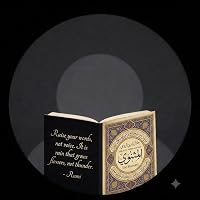
اي كلمة بيقولها محمود درويش بتحسوا انها لفلسطين
لمدينة الصلاة، لبهية المساكن، لزهرة المدائن.
لمدينة الصلاة، لبهية المساكن، لزهرة المدائن.
August 15, 2009
مختارات رائعة والأخيرة "جدارية" أروعها
Displaying 1 - 30 of 34 reviews