

What do you think?

Breza: Pripovijetke
U zbirci je pet pripovijedaka: Breza, Svoga tijela gospodar, Kriza, Sudnji dan ili kako je Janko Klasnić upoznao slobodu i Mi smo za pravicu. U dodatku je izbor autobiografskih tekstova pod naslovom O prvim književnim koracima
265 pages, Hardcover
First published January 1, 1928
About the author
Slavko Kolar
15 books1 followerSlavko Kolar (pravo ime: Aloysius Vjekoslav Kolar) je bio hrvatski književnik i scenarist. Za života je napisao i objavio više od stotinu djela, a najpoznatija su “Breza” i “Svoga tela gospodar”. Inspiraciju je pronalazio u društvenim zbivanjima oko njega, a njegovo stvaranje je bilo prožeto humorom i satirom. Preminuo je u Zagrebu 15.9.1963. godine.
Ratings & Reviews
Friends & Following
Create a free account to discover what your friends think of this book!
Community Reviews
Displaying 1 - 30 of 32 reviews

Read
January 7, 2023Jedva čekao da mu žena crkne da ide na svadbu. and they say love is dead 😍
June 24, 2021
Zabavan, poučan i autentičan prikaz tragikomike hrvatskog periferijskog života u periodu između dva svjetska rata. Kolarov stil je lako čitljiv, jednostavan, a opet vrlo bogat i slikovit. Opise prirode, seoskog melosa te ljudskih patologija onog vremena uspijeva svesti na osnovne elemente ne gubeći njihovu dubinu.
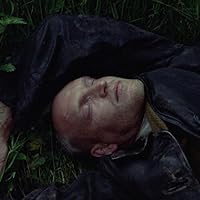
Po pripovijetci "Breza" snimljen je i dugometražni film, redatelja Ante Babaje, koji spada u sam vrh hrvatske kinematografije.
Preporuka za Kolarovu zbirku, a jednako tako i za Babajin film.
"Na priliku, zimi. Mrkla i hladna noć još zjapi kroz mala zamagljena okanca, niz strehu vise dugačke ledene svijeće ili curi beskonačna, prežalosna kiša, čovjeku još srce i duša spava - o kako bi se divno spavalo!"
"S jedne i druge strane ceste niske, nakrivljene drvenjare, s visokim krovovima. Crne, mrke, kao da su teški oblaci legli na zemlju, te iz njih kao sanjive mačje oči, umorna žmikala mala, žuto osvetljena okanca."
Po pripovijetci "Breza" snimljen je i dugometražni film, redatelja Ante Babaje, koji spada u sam vrh hrvatske kinematografije.
Preporuka za Kolarovu zbirku, a jednako tako i za Babajin film.
"Na priliku, zimi. Mrkla i hladna noć još zjapi kroz mala zamagljena okanca, niz strehu vise dugačke ledene svijeće ili curi beskonačna, prežalosna kiša, čovjeku još srce i duša spava - o kako bi se divno spavalo!"
"S jedne i druge strane ceste niske, nakrivljene drvenjare, s visokim krovovima. Crne, mrke, kao da su teški oblaci legli na zemlju, te iz njih kao sanjive mačje oči, umorna žmikala mala, žuto osvetljena okanca."
Read
October 23, 2021Read it and watched the movie. I'm just going to say I hate men.
November 29, 2018
Lektira za studeni 2018.
Ocjena 2 je samo zato što ima i gorih knjiga od ove.
Ocjena 2 je samo zato što ima i gorih knjiga od ove.

January 8, 2011
I probably wouldn't take this book on my own and start to read it but it was okay. At least i got an A ;)
August 19, 2021
you guys don't know how much I've enjoyed this story, no like really , I like it a lot
January 5, 2022
It's well written but boring. So, 2.75
September 28, 2025
Dobila zadatak da nađem humoristične dijelove. Ako je humoristično da je glavni lik umrla ili da se na kraju ubija njezin muž (nisan skroz sigurna, ali zadnja rečenica glasi " Objesio se, tužno i nemarno, onaj još jučer gizdavi brk."), onda stvarno ne znan ča da delan.
January 15, 2021
Lektira
Read
January 21, 2022Tužna priča. Svidjela mi se, ali joj ne mogu dati ocjenu jer je to priča od 27 stranica. Klasik lektira, nema šta.

March 26, 2024
Breza i druge pripovijetke (Birch-tree and other stories) is a collection of short stories that take place in 1930s during the Kingdom of Yugoslavia (the first Yugoslavia). The author belongs to literary realism and his main topic was the peasantry and its political status and the hard life it led. Even though he wrote the stories in Croatian Standard Language, he wrote the dialogues in the local dialect, to emphasise the importance of dialects in Croatian culture.
The first story in the collection, also his most famous one, Breza (Birch-tree) tells the story of a young peasant girl, Janica, who is at the tender age of 18 dying on her bed, while her wedded family just waits for her to die, because they are reluctant to call for a doctor (they do not believe in doctors and also can't afford one). While she is dying, the story takes us back a year before to find out how she got married and the hard life she has led ever since. Throughout the story, the author aims to show the hard life, economic disparity, lack of education, and superstition of the peasants, as well as local traditions in times of weddings, illness and death. This story was adapted into a famous feature movie.
The second story, Svoga tijela gospodar (His Own Body's Master), tells the story of an arranged, loveless marriage between two young people that leaves lasting consequences on everyone in the family, including the parents who arranged the marriage for the purpose of survival, knowing they will make their children unhappy for life.
The last two stories Kriza (Crisis) and Mi smo za pravicu (We Want Justice) speak about the crisis that hit the world in the 30s making the lives of already poor peasantry even worse. The last one takes place in 1935 when Croatians started developing a strong nationalistic sense, and there were already whispers of a possible war (the one that will become the Second World War) and change "for the better" in Croatia.
The first story in the collection, also his most famous one, Breza (Birch-tree) tells the story of a young peasant girl, Janica, who is at the tender age of 18 dying on her bed, while her wedded family just waits for her to die, because they are reluctant to call for a doctor (they do not believe in doctors and also can't afford one). While she is dying, the story takes us back a year before to find out how she got married and the hard life she has led ever since. Throughout the story, the author aims to show the hard life, economic disparity, lack of education, and superstition of the peasants, as well as local traditions in times of weddings, illness and death. This story was adapted into a famous feature movie.
The second story, Svoga tijela gospodar (His Own Body's Master), tells the story of an arranged, loveless marriage between two young people that leaves lasting consequences on everyone in the family, including the parents who arranged the marriage for the purpose of survival, knowing they will make their children unhappy for life.
The last two stories Kriza (Crisis) and Mi smo za pravicu (We Want Justice) speak about the crisis that hit the world in the 30s making the lives of already poor peasantry even worse. The last one takes place in 1935 when Croatians started developing a strong nationalistic sense, and there were already whispers of a possible war (the one that will become the Second World War) and change "for the better" in Croatia.
February 8, 2024
Knjiga je dobra, napisana je starinski u to staro vreme. Priča prati čovjeka Marka koji se zaljubljuje u Janicu tj. Brezu. On nju nije volio nego je bio sa njom radi udovoljavanja šefu. Breza je bila vitka i lijepa za razliku od drugih žena koje su bile debele. Breza umire a Marko nalazi utjehu u drugim stvarima. Sve u svemu dobra knjiga. ☺️


March 25, 2022
lektira.

January 2, 2023
lektira
April 19, 2023
Molin se bogovima lektire da bude pozitivno jer ništa nisan razumila al ka ok je
April 14, 2024
Odbrojavo on lijepo da mu zena crkne da moze na svadbu ic mirne glave
April 24, 2024
lektira 8 raz, marko labudan cigo
November 5, 2024
Marko samo ceko da krepa da moze da ide na svadbu. A na kraju mu bilo žao.
I da ovo mi je lektira
I da ovo mi je lektira

October 31, 2025
Jadna Janica s njim. 🥀🥀

December 21, 2025
tužna priča,koju neću zaboraviti.

January 31, 2026
fazon trauma dump. Ponadala sam se da ce Janica doci iz groba i pobit ih sve, al se to ocito nije dogodilo💔 #ihateallmen #womenarealwaysright
August 28, 2026
više mi se svida film

September 1, 2024
It was so bad I would give you a zero, but that's not possible so I give you a one

June 23, 2021
MOJ BOŽE ZAŠTO SAM DOLUČILA IMATI OPSESIJU S OVOM KNJIGOM U OSNOVNOJ??
Breza by a Croatian author Slavko Kolar is about a woman named Janica, who just lost her child and fell greatly ill. This novella is described as sad, tragic but wickedly humorous. It shows all kinds of stories; how life was in rural areas in former Yugoslavia, how foolish the people's traditions were, how love was depicted and the tragic story of a woman loosing her child. Janica also had a husband, Marko, who at first didn't really care that she died, but later on we see him loosing his mind over it. This novella perfectly portrayed that loss. Kolar's writing and descriptions of these human emotion are immaculate. The wicked/dark humor throughthout the book keeps you sane. It was so interesting learning about different perspectives of human emotions and loss. The ending was also insane, how the metaphor was used. This is a one hell of a novella.
Breza by a Croatian author Slavko Kolar is about a woman named Janica, who just lost her child and fell greatly ill. This novella is described as sad, tragic but wickedly humorous. It shows all kinds of stories; how life was in rural areas in former Yugoslavia, how foolish the people's traditions were, how love was depicted and the tragic story of a woman loosing her child. Janica also had a husband, Marko, who at first didn't really care that she died, but later on we see him loosing his mind over it. This novella perfectly portrayed that loss. Kolar's writing and descriptions of these human emotion are immaculate. The wicked/dark humor throughthout the book keeps you sane. It was so interesting learning about different perspectives of human emotions and loss. The ending was also insane, how the metaphor was used. This is a one hell of a novella.

November 10, 2013
It's really short book and not much is happening in it. I don't like it and it is not really interesting.

January 4, 2015
Klasika. Lektira. Krhka plavokosa Janica (metafora breze) i krkan Marko (možda Mata?). Janica je umrla. Marku(?) je na kraju, ipak bilo malo žao. To je to.

October 2, 2015
Really sad but beautiful in the same way
August 9, 2025
Nije loše
Displaying 1 - 30 of 32 reviews