Book Review
Bird’s Nest Soup by Hanna Greally
Attic Press – ISBN – 978-1-85594-210-3 - £7.99 – 138 pages
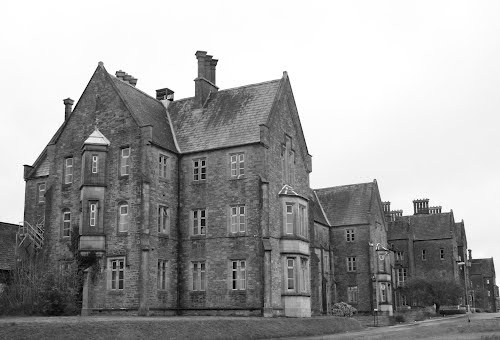
‘Bird’s Nest Soup’ is the real life memoir of Hanna Greally, who spent the best part of the 1940’s and 1950’s in a psychiatric Hospital in the Irish Midlands.
She is taken there by her Mother, for a short rest, which ends up, through no fault of her own, being for a lot longer. She is soon seen as being ‘Mentally well, but unclaimed’. She hopes that her Mother will claim, and take her back to the life that she knew before, but this is soon endangered by her Mother’s pressing need, through economic necessity to let Hanna’s room to lodgers, and then by her Mother’s untimely death. Her Brother and Aunts have no intention of claiming her either, despite her best efforts, both through her own letters, and the letters that her Doctor’s write saying she is well enough to be let go.
The stigma of ‘The Big House’ is one of the reasons for their reluctance, but it is also the fact that their lives have moved on, while Hanna’s has been seen to be stagnate in the time that she has spent away.
She talks about the social aspects of life in St Loman’s Psychiatric Hospital, the dances that they have, the work she does in the Laundry, and in sewing, a possible romance with another patient which leads nowhere. She talks of the nurses who see the patients as a nuisance, and of their unpleasant and sadistic nature, but she also talks of the kinder nurses, the Doctor who looks into her release, and of the strong relationship she forms with Rosie, an older patient who is so used to life in the hospital, that she does not want to leave.
The narrative of the book could have so easily succumbed to melodrama, but what is truly heartbreaking about the book is Greally’s matter of factness. When she starts referring to time in terms of ‘Another three years passed’ the horror of her predicament hits home.
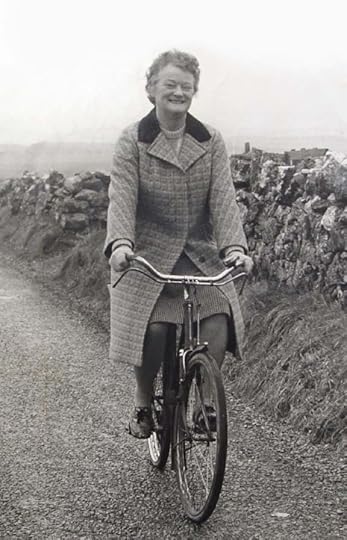
This is the third release for this important text, with forewords and afterwords to the 1971 and 1987 editions helping to put the book in some form of historical context. Although the text ends on a note of optimism, the epilogues relate that Greally went onto live a full and long life after her ordeal, and the book is a fitting testament to her character, and the strength of the human spirit.