If the Brazilian writer Caio Fernando Abreu were alive today, he would be 73 years old, unfortunately the author died in 1996, at the age of 47, leaving a legacy of award-winning and timeless stories. He began his life in literature at an early age, in 1966 he published the short story “The Frog Prince” and at the age of 18, in 1971, he wrote his first novel: “White Limit”. His inspirations are evident in her writing: Hilda Hilst, Clarice Lispector, Gabriel García Márquez and Julio Cortázar.
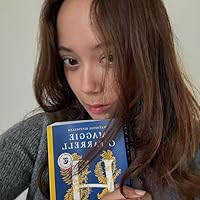
Caio has a simple, fluid and unconventional style and has written short stories, chronicles, novels, poems, children's literature, plays, letters, literary criticism, etc., Caio is better known for his short stories. It's the first time I've read Caio, and he's the type of author that you ask yourself, "Why did it take me so long to find you?" and nothing makes more sense than starting with his first published book.
"White Limit" goes beyond conventionalism and challenges the reader of different age groups and literary tastes. The author introduces us to the life of Maurício, the narrator-character, who is very young just like the author. The story takes place in the late 1960s and addresses Maurício's adolescence and maturation, it is as if it were a goodbye to this phase of life, both for the author and the character, and because it is based on Caio's experiences, the plot is so aesthetically beautiful.
There are two voices that alternate the narrative focus, presenting different points of view, but that complete each other: There is an omniscient narrator who tells Maurício's life in some flashbacks and there are also entries in the protagonist's diary at the beginning of the chapters focusing on the present time, pointing out his anguish, fears, needs, the beginning of puberty, the discovery of their sexuality and mood swings. This way we will get to know Maurício and the external and internal changes he will go through, we also get to know the other characters related to the boy's life.
An interesting thing about the book is that we see the formation of Maurício and his transition to adulthood, at the same time that we also see the birth of a new author Caio F Abreu who today we know is a name of great importance for Brazilian literature.
@thereader2408