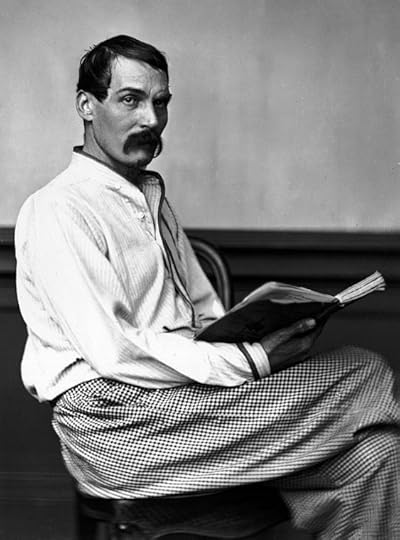
هذه الرواية مستوحاة من حياة وأعمال ريتشارد فرانسيس برتن (1821 - 1890) وتأتي أحداثها تارة متفقة مع سنوات شبابه في جميع تفاصيلها، كما نبتعد تارة أخرى كل البعد عن المتعارف.
Ilija Trojanow (bulgarisch Илия Троянов) ist ein deutscher Schriftsteller, Übersetzer und Verleger bulgarischer Abstammung. Ilija Trojanow im deutschen Wikipedia
اختار ايليا ترويانوف شخصية ريتشارد فرانسيس برتون ليحكي من خلالها عن عوالم مختلفة في القرن التاسع عشر برتون شخصية مثيرة للاهتمام, هو رحالة ومستكشف بريطاني وكاتب ومترجم, دائم الترحال, عنده قدرة مذهلة على تعلُم اللغات واللهجات وبارع في التعامل والاندماج في المجتمعات المختلفة ورغم انه مثير للريبة أيضا لبعض أعماله التجسسية لكنه كان مجازف وشغوف بمعرفة كل جديد ويجد متعة في تجربة أي شيء مختلف الرواية مزيج بين الواقع والخيال, عن ثلاث فترات في حياته, مراحل وجوده في الهند والحجاز وشرق أفريقيا في الهند كان يعمل كضابط في جيش بريطانيا الاستعمارية وفي الحجاز تنكر في شخصية مسلم هندي لأداء الحج, أما شرق أفريقيا فكانت رحلة جغرافية ومغامرة وسط الأدغال والغابات الاستوائية لاكتشاف منابع نهر النيل رواية ممتعة انتقل فيها ترويانوف من عالم لآخر ورسم تفاصيل الأماكن والشخصيات في كل رحلة بأسلوب جميل وسلس, مع تغيير في طريقة السرد باختلاف الراوي في كل مرحلة وعرض الاختلافات بين الشعوب والتنوع الكبير في الثقاقات والمعارف والعادات والمعتقدات وحتى في الأساطير والخرافات
Der britische Offizier Richard Burton bereist im 19. Jahrhundert Indien, Arabien und Afrika.
Mit einer Mischung aus Camouflage und Mimikri taucht der Entdecker und "Meisterspion" in fremde Rassen, Kulturen, Sprachen und Religionen ein, absorbiert einfach alles aus der fremden Welt und liefert für die britischen Kolonialherren als Spion wertvolle Aufzeichnungen und Innenansichten. Meist lässt Burton sich von der Umgebung völlig emotional mitreissen und manchmal distanziert er sich mit seinem britischen "aufgeklären Geist" vom Erlebten und kritisiert dadurch die herrschenden Zustände. Dadurch entsteht ein hoch politisches und philosophisches Werk mit intimen inneren Einsichten in den Islam und die Indischen Verhältnisse, die auch ein Europäer sehr gut verstehen kann und die aktueller denn je sind. Auch die Narben der Kolonialisierung und die unrühmliche Rolle der Briten dabei werden nicht ausgespart. (Der Lauscher hört seine eigene Schand)
Wortgewaltig mit einem sehr blumigen komplexen Deutsch, so als käme unsere Sprache direkt aus 1001 Nacht, beschreibt Ilija Trojanow die fremden Kulturen, was dieses Werk wahrscheinlich nur für Leute mit deutscher Muttersprache und einer gewissen Liebe zum Fabulieren bewältigbar macht.
Was mich aber dennoch gestört hat, sind die unzähligen Fremdwörter aus dem Indischen und Arabischen aus dem medizinischen Bereich etc., die zwar einigermassen in einem Glossar erkärt werden, durch die Häufigkeit auf den Seiten aber erheblich den Lesefluss stören. Sehr oft muss man nach hinten blättern oder ein Fremdwörterlexikon zu Rate ziehen. In diesem Fall hätten Fussnoten auf der Seite das Lesevergnügen und den Lesefluss erheblich erhöht und mich daran gehindert, doch einen Punkt abzuziehen.
Dem Hauptkritikpunkt von vielen Lesern an dem Werk, dass eigentlich nix passiert, kann ich zwar zustimmen, nur er stört mich überhaupt nicht. Den Weltensammler - welch treffender Titel! - kann man als historischen kolonialen Road-Roman bezeichnen, der von der teilnehmenden Beobachtung fremder Kulturen und kritschen Auseinandersetzung mit Politik, Kultur, Philosophie und Religion lebt.
Fazit - nicht für Jedermann - Keine Action viel Hintergrund und Beschreibung - "schwierige Sprache" Dennoch liebe ich dieses Buch und ich habe sehr viel gelernt!
Im zweiten Anlauf ist es mir gelungen dieses Buch durchzulesen. Es war kein einfaches Unterfangen. Zum einen muss man sich auf die Anlage des Buches in ständig wechselnden Sichtweisen einstellen, zum anderen verlangen die vielen fremden Bezeichnungen der Aufmerksamkeit, da weitaus nicht alle in dem angegliederten Glossar enthalten sind.
Ilija Trifonow schildert drei zentrale Stationen im Leben des britischen Offiziers, Entdeckungsreisenden und Literaten Richard Francis Burton: Indien und Sidh (im heutigen Pakistan), Kairo und Arabien und Ostafrika. Der Aufbau der drei Teile ist gleichartig, ein Kapitel aus Sichtweise Burtons bzw. eines westlichen Dritten wechselt sich ab mit einem Kapital aus der Sicht lokaler Personen. Dabei ist die Rolle, die Burton spielt, jeweils sehr unterschiedlich.
Ich weiß schon eigentlich, warum ich etwas gegen zeitgenössische deutsche Literatur habe. Irgendwas ist mit dieser Generation passiert: sie können einfach nicht vernünftig schreiben! wahrscheinlich hat sich in ihnen der Gedanke fest gesetzt: ein gutes buch muss kompliziert sein... von der gepflegten Erzählkultur, wie sie sich zum Beispiel die Angel-Sachsen erhalten haben, halten diese neuen deutschen Schriftsteller so gar nichts. Ich dachte, der Weltensammler wäre anders und ich beschloss dem buch eine Chance zu geben. zum einen, weil er - wieder einmal - von der Presse hochgelobt wurde, zum anderen weil das Thema so spannend und das Cover so schön gestaltet ist. Es geht hier um den Britischen Offizier Richard Burton, den Mann, der sich wirkungsvoll dem Klischee des Britischen "Soldier Heros" in den Kolonien wiedersetzt hat. Anstatt sein Überlegenheitsgefühl auszuspielen hat sich dieser Mann angepasst, die lokalen Bräuche und Sprachen gelernt und war schließlich kaum noch von den Einwohnern zu unterscheiden. Es ist der Mann, der die Bücher Kamasutra und 1000 und 1 Nacht in den westlichen Kulturkreis brachte. es ist der Mann, der als erster Westler die heilige Städte Mekka und Medina besuchte. Alles sehr sehr spannend, allein, das Buch ist staubtrocken. Trojanow entscheidet sich drei Episoden aus Burtons Leben aus drei verschiedenen Sichtweisen erzählen zu lassen. Keine der 3 Episoden, ist annähernd spannend erzählt. die erste kann man lesen, die 2 und 3 wurden für mich zunehmend zur Qual. es ist spannend, dieser Stoff, aber das Buch ist es nicht! Der Schreibstil ist so zurückhaltend, dass keine Atmosphäre aufkommt. Die Dialoge so verwirrend - wer spricht hier??? - dass der Leser zunehmend entnervt kapituliert.
Ich habe es gelesen, würde es nicht empfehlen. Wenn man etwas über den Britischen Kolonialismus lesen will sollte man sich wahrscheinlich doch lieber den guten alten Briten Kipling oder Conrad zuwenden. Das werde ich demnächst auch tun: mit den neuen deutschen habe ich erst mal wieder abgeschlossen!
Literate and no doubt well-researched, I was still left somewhat disappointed. The book is divided into three important chapters in Burton's life: His years as a soldier in India, the daring Haj disguised as one of the faithful, and the trek in east Africa to discover the source of the Nile. But it still brings us no closer to Burton the man. One would be better off picking up one of the excellent biographies written about Sir Richard, i.e.: Burton by Byron Farwell; A Rage To Live by Mary Lovell or Capt. Sir Richard Francis Burton by Edward Rice.
A very interesting novel about Sir Richard Burton that focuses on three segments of his life: his time in British India during which he translated the Kama Sutra, his performance of the Hajj in Arabia, and his voyages in East Africa with John Speke to find the source of the Nile. In each case, the story is told not so much from Burton's perspective as from the local people of the areas with whom he interacted.
In India this is his servant who is telling his story to a letter writer in order to get a letter that will secure him a new position. The letter writer is so interested in the story that he draws out more and more details to publish the story on his own. In Arabia, the Turkish government questions the people who Burton traveled with on his way to perform the most sacred act of the Muslim faith, a visit to Mecca. None of the fellow pilgrims suspected he was British. The exploits in Africa are related by his guide who tells the tale to his neighbors years later.
As a result this is as much a novel about the worlds Burton visited as it is about the great explorer himself. The book shows an immense knowledge of these parts of the world and the people who lived there. Sadly, the book is mostly about men and told from their perspective. The women in the book are minor characters and not well developed.
روايه دسمه جدا عن الطموح والعزيمه والتكبر وعن الاستشراق وعن تجاره العبيد وعن استكشاف الاديان انا لا انكر اني استمتعت بنسبه 75% ولا انكر ايضا اني اعجبت بشخصيه السير برتن رغم شخصيته المريبه واسلوب الكتاب عظيم والترجمه حلوه اوي واستمتعت بالتجربه دي رغم انها كانت صدفه اني اشتري كتاب من اسمه واسم المترجم واتمني انكم تستمتعوا بيها ع انها روايه وليست كتاب يسخر من الحياه الشرقيه والعادات السيئه. واكيد محتاج قراءة ثانية اكثر تمعن ونضج!
يبدأ ترويانوف بسنوات بيرتون في الهند البريطانية، كما يرويها خادمه نوكارام، الذي استأجر كاتبًا جشعًا ليكتب له رسالة قد تحسن موقعه. تقدم التفاصيل المطروحة ردًا على أسئلة الناسخ الفضولي تصورًا عن بيرتون المنغمس في اللغات والسياسة والألعاب الجنسية والثقافة الهندية في منتصف القرن التاسع عشر.
بعد ذلك، ينطلق بيرتون في زي هندي، وتحت غطاء طبيب ودرويش، إلى الحج في مكة والمدينة المنورة- وهو أمر غير مسموح به بالتأكيد لغير المسلمين. لذلك يتبنى بيرتون العادات والطقوس الإسلامية بشكل مثالي لدرجة قيامه بختان نفسه، ويتمكن في النهاية من إكمال الحج عام 1853 دون أن يكتشفه أحد. يتتبع والي عثماني أنشطته في محاولة لإثبات وجود مخططات لإنجلترا الإمبراطورية في المنطقة؛ وتوفر استجواباته وتقاريره مع القاضي نقطة لقراءة تأملات بيرتون حول رحلة الحج والمشاعر المقدسة.
وأخيرًا، تكاد مغامرة بيرتون الثالثة أن تودي بحياته وهو يحاول استكشاف منبع نهر النيل في قلب افريقيا. ويروي هذه الرحلة، من زنجبار إلى بحيرة تنجانيقا وبحيرة فيكتوريا، سيدي مبارك بُمباي دليل بيرتون. من مرجعة طويلة على Mate Review of Books
I cannot give a book more than a single star when I could barely finish it and had to skip through several pages just to feel closer to the end. That said there are positive things to say about Der Weltensammler by Iliya Troyanov. For instance, I enjoyed the writing, and another thing was how difficult I found it to actually give myself completely to the novel, which is also a thing I dislike, but I think this might also be a positive thing, because the author wanted to write a book about how impossible it can almost be to identify oneself with another culture which might have been my problem.
Beside these two positives I am no fan of this brick like novel, because of the plot structure which got my confused, and how it barely had a pulse: the book is divided into three sections in three different parts of the east and south, and even though the countries themselves are magnificent not greater happens. It becomes a book with great potential to teach about Richard Burton as a collector of the world, an adventure, but instead it teaches absolutely nothing about anything.
Ended up not finishing this novel, although the story could have had potential, I just found the writing style extremely boring and did not care for anything the characters involved had to say...
Bestimmt hatte der Romanheld ein spannendes Leben, aber der Roman war leider alles andere als spannend, selbst die abenteuerlichsten Szenen werden hier durch, sorry, einfach eine teils extrem umständliche Sprache und teils zwanghaft poetische Geschwätzigkeit zerredet und jegliche Spannung ausgelöscht.
The fact that it took me so terribly long to read this book should speak for itself I guess. It was not a bad book, it was even interesting at times. It was just difficult for me to keep track of the lines: who said what, where are we now, where is the main character going (HELP who IS the main character now was more than once the question...). The subject: a fictive / realistic story about the life and adventures of Richard Burton is good enough. I liked the passages about him, what he was doing, thinking, where he was traveling. I just got very confused by the different story tellers, that all talked about Burton too. I probably should read it again to give the book a second chance. Just not now :)
Absolutely one of the best novels I've ever read. It's about Richard Burton's travels through India, Asia, and Africa. Well crafted, brilliantly written - a real pleasure to read. The middle part is a bit challenging but well worth it by the time he gets to Africa. Highly recommended for the serious reader.
ما قدرت اخلصو التلات نجوم للقسم الاول من الكتاب، كان كتير ممتع وسلس وخصب القسم التاني والتالت كانت كمية ملل رهيبة وتقريباً ما قدرت اقرأ منو شي. محاولة منيحة بس كان ممكن يكون الكتاب كتير احسن من هيك لولا كل هالمماطلة بالأحداث والحوارات الي ما الها لازمة.
Livro que nos recorda "A volta ao mundo em 80 dias" e um pouco "O coração das trevas", fazendo-nos refletir as diferentes culturas, a colonização britânica e o tráfico de escravos. Divide-se em três partes: Índia, Arábia e África. A primeira parte é extremamente rica em informações sobre Francis Bruton.
The Victorian age was the last great age of exploration, and Sir Richard Francis Burton was the greatest explorer of them all. His life beggars description; he was a spy, he spoke 22 languages (at least), he discovered the source of the Nile, he was the first European to make the pilgrimage to Mecca -- in disguise -- he was the first person to translate the Kama Sutra into English. And on and on. My favorite story from his life was the time in Somalia when he was attacked in the middle of the night by a hostile tribe. He was outnumbered something like 150 to 1, and took a spear through his mouth, which he pulled out, and threw back at his assailant, killing him. He put the entire native army to rout virtually single-handed. They thought he was a demon, since the spear through the mouth didn't kill him. He helped the impression by cursing them in their own language as he fought; it pays to study foreign languages. Burton is almost forgotten today, unlike Livingstone, and Shackleton, and Peary. It's unfair; his life puts James Bond and Batman to shame. In part it's because he wrote copiously about his exploits, but most of the books are out of print or hard to get today. They are Victorian in style and manage to make his life-and-death exploits seem earnest and even a trifle dull. So this novel is a wonderful way to get to know the man, a little; my only complaint with it is that even at 400 pages the author leaves huge amounts out. Check out the wonderful movie "The Mountains of the Moon" for another glimpse of Burton, truly the Victorian age's most remarkable man.
Als ich dieses Buch zum ersten Mal aufschlug, war ich durchaus begeistert. Die Handlung kommt faszinierend vor: ein britischer Abenteurer erlebt Kulturen von Indien, Arabien, und Afrika im 19. Jahrhundert. Er ist ein sprachbegabter Wissenschaftler und Forscher, der keinerlei Angst davor hat, unter dem hiesigen Volk zu leben und von ihrer Weltanschauung zu lernen, ganz im Gegensatz zu den anderen Europäern, die sich zu dieser Zeit außerhalb von Europa aufhielten. Diese exotische Geschichte sollte also einfach packend sein, so voll von Personen und Orten ist sie, von denen man nur selten erfährt. Doch ist sie nicht. Ich kann den Grund nicht genau ausmachen, aber Der Weltensammler ist langweilig. Trojanows Stil schafft es irgendwie, voll uninterresant zu sein, und dazu verschafft er zwischen dem Leser und dem Lesestoff einen Abstand, der für mich kaum zu überwinden war. Als gäbe es einen Schleier, der mich erfolgreich behindert hat, in die Geschichte einzudringen und mich für dieses Buch zu begeistern.
Vielleicht liegt es teilweise daran, daß Trojanows überladender Stil mir vollkommen phantasielos vorkommt. Seine vielen Gleichnisse und Metaphern lassen sich lesen, als kämen sie aus einem Textbuch für möchtegern-Nobelpreisträgende Autoren. Der Weltensammler wirkt also gleichzeitig anmaßend und leblos. Eine unsympathische Kombination.
Reading this book was hard work. Firstly the German writing style is difficult. Secondly there was no drama. The story gave only a ghostly sketch of Sir Richard Burton, who somehow did not come to life. No doubt that the man was a fascinating character, a linguist and a traveller who was the first westerner to go on pilgrimage to Mecca. A man who translated the Kamasutra and spoke so many languages, and lived so many different lives. The book only gives glimpses of his personality through the re-telling of his travels from three different viewpoints: The narrator of the first part is Burton's servant in India, the second part is narrated by officials in the Ottoman empire investigating his trip to the Islamic holy cities and the third part is narrated by the African guide who accompanied Burton and Speke on their trip in East Africa to find the source of the Nile. The effect of this narration is to give the central character a back-seat, so we only get to see him through the eyes of others. This worked partially well in the first part where the servant was reasonably close to Burton, but in the two other parts it gave only a distant picture of the man and his adventure. The descriptions are long and there are pages upon pages of non-events. The book raised more questions about Richard Burton than it answered and I think I will have to meet him again in another biography.
There are small treasures throughout this book - a fictionalized narrative of the life of the explorer Richard Francis Burton. Troyanov finds in Burton's life all the contradictions of the British Empire: he underlines those contradictions by switching from the story as experienced by Burton and the story as recalled by those whose cultures he collected during his life. This will bear repeat readings.
This book is beautifully written in English and so the translator must have done an amazing job. The structure is different, fresh and quirky, but the story is lyrical and entrancing, Sehr gut!
Ich habe das Buch nach etwa der Hälfte abgebrochen. Es geht hier um Richard Burton, einem englischen Offizier der im 19.Jh die Welt dienstlich vereiste. Er landete u.a. in Indien, Arabien und Afrika und in diese drei Teile gliedert sich auch das Buch. Erzählt wird das ganze zum Teil klassisch im Allwissenden Erzähler-Stil (wobei manchmal Richard Burton nicht klar erkennbar ist als Person), zum Teil mit Einwürfen (Briefe und Gedanken) und zum Teil auch als Dialog (z.B. zwischen dem Diener Burtons und einem Geschichtsschreiber). Das erfordert vom Leser Aufmerksamkeit, sonst irrt man etwas hilflos durch die Handlung.
Prinzipiell fand ich Richard Burton als Person sehr interessant, gerade auch da sehr tolerant und interessiert und wohl auch etwas unkonventionell mit neuen Kulturen umgeht. Leider hat das Buch für mich einfach nicht funktioniert. Gefühlt wird viel geschwafelt, vom interessanten Teil kriegt man wenig mit. Zu wenig sogar, ich hatte das Gefühl, dass auf viele essentielle Dinge gar nicht wirklich eingegangen wird bzw. viel auch einfach im Sand verläuft. Dadurch wirkte das ganze episodenhaft, als dürfte ich nur durch einen Schleier auf die Geschichte spicken. Letztlich hat mir das Buch nicht genug geben können, um am Ball zu bleiben, schade.
This book deals with parts of Richard Burton's (the explorer, not the actor) life, his travels in India, his partaking in the Hadj to Mekka and his exploration of the source of the river Nile. Every part is told not by Burton himself but through some person from his entourage, mostly people that were his servant in some way. I don't think I am made for this kind of book; it took me a long time to plough through. I didn't find the witnesses talking about their lives with Burton compelling, really rather dull. It just took them too long to get anywhere in their stories. On the plus side, each story does have its unique style of transmitting the story. The first part is presented as an illiterate servant telling his experience to a letter writer. The second part is written as an inquisition of witnesses in the same caravan to Mekka as Burton. The last part is told by the expedition's guide. Still, I am glad I finished this one.
Die Geschichte hat mich fasziniert. Jede der drei Expeditionen aus zwei Sichten zu lesen. Burton ist eine schillernde Persönlichkeit, die Sprachen und Religionen in sich aufsaugt. Ein Pageturner auch wenn das Buch Längen hat.
3,5 ster. Prachtige beschrijvingen en waardevolle inzichten over botsingen van culturen in het 19e Eeuwse India, Arabië en Afrika. Gebaseerd op het merkwaardige leven van de Britse soldaat/spion Richard Burton biedt dit boek mooie anekdotes, maar laat het zich als geheel niet makkelijk lezen. Fragmentarisch en associatief, vanuit verschillende perspectieven verteld, is het niet altijd goed te volgen waar het verhalend naar toe gaat. Het duurde dan ook even voor het boek me greep. Enig voorkennis over de Geschiedenis, Cultuur en religies van de streken waarover Trojanow vertelt is ook handig. Niet alle ontwikkelingen en begrippen die hij benoemt zullen voor iedereen bekend zijn.
Richard Charles Burton had zeker een bijzonder leven, maar ik kan niet zeggen dat ik het boek geweldig vond. Ik denk een mix van een matige vertaling en de schrijver zelf maakten het allemaal niet echt een vlotte leeservaring
This is an extraordinary novel about an extraordinary man who had many talents and skills, particularly linguistic, who was able to assume the manners, customs, dress and behaviour of different cultures and religions yet never had a firm sense of himself or where he belonged; not even in his a childhood, a peripatetic existence in spent in numerous continental watering holes were his retired father searched out inexpensive places to live on his pension.
It is a background that overlaps with that of the author in so many ways. Ilija Trjanow left the country of his birth, Bulgaria, at the age of six when his parents fled abroad, eventually becoming refugees in Germany but almost immediately left for Kenya where his father continued his work as an engineer and young Ilija attended German schools before attending University in Paris and then Munich. His connection with African writers and languages is intense as his involvement with India where he has spent much time (reading his Wikipedia entry is well worth while).
It is not difficult to see why Mr. Trojanow should have chosen Burton as subject for a novel (I am desperately trying, while drawing comparisons, to resist the temptation of amateur psychological analysis a la writers such as Emil Ludwig in the 1930's) and the most brilliant parts of this novel are those where he goes inside the individual who knew, worked with or for, travelled with Burton in various periods and countries. He brings not only those characters to life, but their specific environments, brilliantly. I particularly enjoyed the subtle way the tensions between the Arabs of the holy cities of Mecca and Medina and their Turkish overlords are revealed.
Unfortunately while the worlds Burton stepped into are conjured up with a firmness and brilliant exposition Burton himself never comes into focus and we are left feeling we know less about him then if we had a biography.
A novel about a historical figure doesn't have to be bound by 'facts' in the same way as a biography. All lives have mysteries and have areas of the unknown and the biographer can only go by what evidence there is and suggest possibilities. But literature is there to imaginatively fill in those unknowable gaps and if it doesn't then it fails and unfortunately this novel fails to provide any insights into who or what Burton.
Indeed because so much of what is reported is from those who knew, but didn't really know, Burton a great deal of the man's barking mad, and honestly, unattractive characteristics are simply avoided. The famous, but possibly fictitious, report on Karachi boy brothels is barely mentioned or dealt with. Burton's investigations of sexual habits 'racial' characteristics (such as measuring penises) is barely touched on and what his actual views were about non-European peoples and cultures is never addressed.
All the same this is an amazing novel, I can't give it less then four stars because even though I regard it as failure it is a brilliant one.
Der Weltensammler war ein durchaus kulturell interessantes Werk; Trojanow hat keine Mühe gescheut, Richard Burton's Lebensgeschichte im Orient Mitte des 19. Jahrhunderts möglichst lebendig und vielfältig zu erzählen. Allerdings verstrickte sich der Autor in dermassen abwegige und langatmige Dialoge, dass es auch einem konzentrierten Leser nicht gerade einfach gemacht wird, der Handlung zu folgen. Eine Handlung, die zusätzlich eher dahinplätschert, sich manchmal in Details verliert und auf Rückblenden fokussiert ist.
Ausserordentlich gefallen hat mir aber der Erzählungsteil über Burton's Reise nach Medina und Mekka, als er, getarnt als Muslim ('Sheikh Abdullah'), die zermürbende Pilgerreise des Hadj (Hadsch) auf sich nimmt. Die lebendigen Beschreibungen der muslimischen Kultur, der religiösen Zentren, der alten Traditionen und den vielen Begegnungen zwischen Menschen aller Hautfarben war sehr bereichernd.
Alles in allem waren vielleicht 200 der über 500 Seiten angenehm und spannend zu lesen, auf den restlichen habe ich mich leider etwas abgemüht. Ausserdem ist das Werk trotz allem fiktiv, was einem am Schluss mit einem grossen Fragezeichen zu Burton's tatsächlichem Werdegang stehen lässt. Daher: 2/5.