

What do you think?

The Well and the Mine
With an introduction by Fannie Flagg Author of Fried Green Tomatoes at the Whistle Stop Café
A novel of warmth and true feeling, The Well and the Mine explores the value of community, charity, family, and hope that we can give each other during a time of hardship.
In a small Alabama coal-mining town during the summer of 1931, nine-year-old Tess Moore sits on her back porch and watches a woman toss a baby into her family’s well without a word. This shocking act of violence sets in motion a chain of events that forces Tess and her older sister Virgie to look beyond their own door and learn the value of kindness and lending a helping hand. As Tess and Virgie try to solve the mystery of the well, an accident puts their seven-year-old brother’s life in danger, revealing just what sorts of sacrifices their parents, Albert and Leta, have made in order to give their children a better life, and the power of love and compassion to provide comfort to those we love.
“Gin Phillips has a remarkable ear for dialogue and a tenderhearted eye for detail; you can hear the pecans and hickory nuts falling from the trees and feel the stillness of a hot summer night. A whisper runs through the novel—the ghosts of places and people and luscious peach pies. ”—Los Angeles Times
A novel of warmth and true feeling, The Well and the Mine explores the value of community, charity, family, and hope that we can give each other during a time of hardship.
In a small Alabama coal-mining town during the summer of 1931, nine-year-old Tess Moore sits on her back porch and watches a woman toss a baby into her family’s well without a word. This shocking act of violence sets in motion a chain of events that forces Tess and her older sister Virgie to look beyond their own door and learn the value of kindness and lending a helping hand. As Tess and Virgie try to solve the mystery of the well, an accident puts their seven-year-old brother’s life in danger, revealing just what sorts of sacrifices their parents, Albert and Leta, have made in order to give their children a better life, and the power of love and compassion to provide comfort to those we love.
“Gin Phillips has a remarkable ear for dialogue and a tenderhearted eye for detail; you can hear the pecans and hickory nuts falling from the trees and feel the stillness of a hot summer night. A whisper runs through the novel—the ghosts of places and people and luscious peach pies. ”—Los Angeles Times
304 pages, Paperback
First published January 21, 2008
About the author
Gin Phillips
7 books576 followersGin Phillips has published seven novels, and her work has been sold in 29 countries. Her newest novel, RUBY FALLS, will be published by Atlantic Crime on March 3, 2026.
Gin’s debut novel, THE WELL AND THE MINE, won the 2009 Barnes & Noble Discover Award. Her novel, FIERCE KINGDOM, was named one of the Best Crime Novels of 2017 by the New York Times Book Review. It was also named one of the best books of the year by NPR, Publishers Weekly, Amazon, and Kirkus Reviews. Gin’s novels also have been named as selections for Indie Next, Book of the Month, and the Junior Library Guild.
Born in Montgomery, Al., Gin graduated from Birmingham-Southern College with a degree in political journalism. After time spent in Ireland, New York, and Washington, D.C., she currently lives with her family (including a wonderfully weird golden mountain doodle) in Birmingham, Al.
Gin’s debut novel, THE WELL AND THE MINE, won the 2009 Barnes & Noble Discover Award. Her novel, FIERCE KINGDOM, was named one of the Best Crime Novels of 2017 by the New York Times Book Review. It was also named one of the best books of the year by NPR, Publishers Weekly, Amazon, and Kirkus Reviews. Gin’s novels also have been named as selections for Indie Next, Book of the Month, and the Junior Library Guild.
Born in Montgomery, Al., Gin graduated from Birmingham-Southern College with a degree in political journalism. After time spent in Ireland, New York, and Washington, D.C., she currently lives with her family (including a wonderfully weird golden mountain doodle) in Birmingham, Al.
Ratings & Reviews
Friends & Following
Create a free account to discover what your friends think of this book!
Community Reviews
Displaying 1 - 30 of 665 reviews

September 19, 2009
NO SPOILERS!!!!!
Oh, I do recommend this book. The last line was so perfect! I recommend it because the book whispers in a low, quiet unobtrusive manner and yet it leaves an important message. The book is about an upright, hard working miner's family of the 1930s living in Alabama. It is about a place, a time period and about determining your own personal guidelines. It is about living in the South during the Depression and it deals with racial inequalities too. First I thought it was primarily concerned with a child's point of view, but it isn't just that. The adults' views come across beautifully too. One family with a common high moral standard, but each individual perspective is quietly but clearly expressed.
A woman throws her baby down a well. That is the most obvious theme of the book. Who did this? Why did she do this? And how does each individual react to this? No one is left untouched.
What drew me to this novel from the very start was the author's turn of words, her ability to size up a character and in a given expression let the reader know who that person was. Here you see Tess and her sister Virgie. They are very clearly different types:
"And we ain't seen your new baby yet," said Tess. "But I heard he's precious." She grinned when she said it, dimples showing, tilting her head a little in that way that made her curls shake. I'd said I would do the talking, but I couldn't do what Tess did. She could turn on charm like pulling the light switch, the right words coming out so bright and easy. Adults were always patting her head, laughing at her, whispering to Papa and Mama how clever she was, what a cute little thing. And it wasn't like she even had to pull the string – it just happened. (37%)
But neither are the characters simple. Just as with real people they are multifaceted. I enjoy the prose style, and I enjoy meeting the people in this wonderful family. First you think all is so idyllic, but wait.
Here follows Tess' own views on the Baptists;
This particular Baptist preacher I didn't care for too much. He was too bony for one thing, with cheekbones that looked like you could slice yourself on them. And he sounded angry, shouting every word. I thought that might have been because he hadn't gotten enough to eat. But his bad mood caught hold of his sermon; he preached about how this earth wasn't our true home and we were only here for a brief time before we passed along to our true home. He talked about not being tied to money or earthly things and how we should shun this world and love the other. I wondered if he was right. I never liked sermons about this world being just a train stop. It had always seemed like a pretty nice place to me, with magnolias and chocolate cake and baby chicks. But it could be that I'd missed something important, that really the earth was a place full of harshness and danger as the preacher said. That the Well Woman was only the beginning of me seeing what was important. (52%)
Ever since that baby died, pieces didn't fit together as well as they used to. Some things were convoluted before, of course. Papa was the strongest man in the world, so of course nothing hurt him, but he was cracked all over from the mines. God was good, but he might decide to send you to hell. Getting baptized in the river cleaned your soul; but I still had to take a bath on Saturday nights even if I'd just been swimming. ….. (60%)
This is a gentle book which speaks of a harsh time. The whispered message
is beautiful in its simplicity..
So, if I recommend reading the book, why do I give it three stars? First of all because three stars means I did like the book. Secondly, perhaps it was a bit too sweet for my preferences. That is not a criticism of the book, but it affects my rating.
************************
I would like to read Storming Heaven soon. The two could well be read together.
Oh, I do recommend this book. The last line was so perfect! I recommend it because the book whispers in a low, quiet unobtrusive manner and yet it leaves an important message. The book is about an upright, hard working miner's family of the 1930s living in Alabama. It is about a place, a time period and about determining your own personal guidelines. It is about living in the South during the Depression and it deals with racial inequalities too. First I thought it was primarily concerned with a child's point of view, but it isn't just that. The adults' views come across beautifully too. One family with a common high moral standard, but each individual perspective is quietly but clearly expressed.
A woman throws her baby down a well. That is the most obvious theme of the book. Who did this? Why did she do this? And how does each individual react to this? No one is left untouched.
What drew me to this novel from the very start was the author's turn of words, her ability to size up a character and in a given expression let the reader know who that person was. Here you see Tess and her sister Virgie. They are very clearly different types:
"And we ain't seen your new baby yet," said Tess. "But I heard he's precious." She grinned when she said it, dimples showing, tilting her head a little in that way that made her curls shake. I'd said I would do the talking, but I couldn't do what Tess did. She could turn on charm like pulling the light switch, the right words coming out so bright and easy. Adults were always patting her head, laughing at her, whispering to Papa and Mama how clever she was, what a cute little thing. And it wasn't like she even had to pull the string – it just happened. (37%)
But neither are the characters simple. Just as with real people they are multifaceted. I enjoy the prose style, and I enjoy meeting the people in this wonderful family. First you think all is so idyllic, but wait.
Here follows Tess' own views on the Baptists;
This particular Baptist preacher I didn't care for too much. He was too bony for one thing, with cheekbones that looked like you could slice yourself on them. And he sounded angry, shouting every word. I thought that might have been because he hadn't gotten enough to eat. But his bad mood caught hold of his sermon; he preached about how this earth wasn't our true home and we were only here for a brief time before we passed along to our true home. He talked about not being tied to money or earthly things and how we should shun this world and love the other. I wondered if he was right. I never liked sermons about this world being just a train stop. It had always seemed like a pretty nice place to me, with magnolias and chocolate cake and baby chicks. But it could be that I'd missed something important, that really the earth was a place full of harshness and danger as the preacher said. That the Well Woman was only the beginning of me seeing what was important. (52%)
Ever since that baby died, pieces didn't fit together as well as they used to. Some things were convoluted before, of course. Papa was the strongest man in the world, so of course nothing hurt him, but he was cracked all over from the mines. God was good, but he might decide to send you to hell. Getting baptized in the river cleaned your soul; but I still had to take a bath on Saturday nights even if I'd just been swimming. ….. (60%)
This is a gentle book which speaks of a harsh time. The whispered message
is beautiful in its simplicity..
So, if I recommend reading the book, why do I give it three stars? First of all because three stars means I did like the book. Secondly, perhaps it was a bit too sweet for my preferences. That is not a criticism of the book, but it affects my rating.
************************
I would like to read Storming Heaven soon. The two could well be read together.

April 25, 2021
I’m right in the middle with this one, I didn’t love it but I didn’t hate it either. Some parts were incredibly interesting and at times I was thoroughly enjoying this novel and convinced it would be a five star read because there’s nothing I enjoy more than a good historical fiction with some mystery thrown in. Sometimes with historical fiction you see the same kind of storyline repeated too often but this story was definitely an original idea that I’ve never seen before so I loved that. But then it just seemed to meander around and get lost and not go anywhere for the longest time. The story is supposed to revolve around one action but it’s like it got forgotten for part of the story. But then when it did come back around it was excellent and really had me feeling emotional. So you see what I mean, I’m just right in the middle with this one!

April 12, 2009
This book, Phillips' debut novel, came out last year on Hawthorne Books, which has now belongs to Penguin, who will be re-releasing it sometime in the not too distant future. And well they should--this is a marvelous novel. Set in 1931 in Carbon Hill, Alabama, this book is more of a snapshot of life in a southern coal town than anything else. There is a bit of a mystery--a nine year old girl sees an unfamiliar woman throw a baby in a well on night--but it's biggest asset is the wonderful, detailed and delightful character development throughout the book. It centers on a family--Albert, who has mined coal his whole life; Leta, his hardworking and kindhearted wife; Virgie, the couple's teenage daughter whose beauty terrifies her parents; Tess, the middle child who is 9 and longing for adventure; and Jack, the ornery 7 year old little brother of the family. In some ways this reminds me a great deal of The Waltons, but the depth of the characters and the carefully crafted atmosphere transcend that similarity by light years. I was left aching for more when the last page was turned. I'm going to miss this family. And I'm going to watch out for Gin Phillips books--she's going to be an amazing southern voice in literary fiction.

May 15, 2009
I really enjoyed this book. It's quiet in its messages, this family is wonderful to get to know. The last line is perfect and sums up all the themes in this book.
This is a story of a warm, close, hard-working mining family in the 1930s in Southern USA. Times are tough but they hold together as a family and as a part of their community. Throughout, the story is told from all 5 viewpoints; each family member has a turn to tell part of the story. You'd think that this might lead to a jumpy, uneven story but the story is told seamlessly and we get to know each member as an individual.
That's a theme that permeates throughout: individuals being a part of a whole, working together yet staying themselves.
The viewpoints are interesting as well: father, mother and 2 sisters tell their side from the time of the story; son tells his side from memory as an (middle-aged?) adult. Was he too young at the time to have comments to add? Perhaps...perhaps the reader would have taken the words of a 7 year old less seriously and paid him no mind? That makes sense in terms of one of the themes of the storyline: prejudices.
I recommend this book highly for the quiet story it tells of a community in hard times (the depression) and at the cusp of social change (women's equality, racial prejudices). This is a lovely family to get to know, as well.
That said, this story is sweet and the family too perfect and doing too well (compared with their neighbours) for the situation of the town. The author made them a part of the town in every way, they belonged in their time and place, yet their good-fortune seemed excessive in some way, in comparison with the rest of the town.
This is a story of a warm, close, hard-working mining family in the 1930s in Southern USA. Times are tough but they hold together as a family and as a part of their community. Throughout, the story is told from all 5 viewpoints; each family member has a turn to tell part of the story. You'd think that this might lead to a jumpy, uneven story but the story is told seamlessly and we get to know each member as an individual.
That's a theme that permeates throughout: individuals being a part of a whole, working together yet staying themselves.
The viewpoints are interesting as well: father, mother and 2 sisters tell their side from the time of the story; son tells his side from memory as an (middle-aged?) adult. Was he too young at the time to have comments to add? Perhaps...perhaps the reader would have taken the words of a 7 year old less seriously and paid him no mind? That makes sense in terms of one of the themes of the storyline: prejudices.
I recommend this book highly for the quiet story it tells of a community in hard times (the depression) and at the cusp of social change (women's equality, racial prejudices). This is a lovely family to get to know, as well.
That said, this story is sweet and the family too perfect and doing too well (compared with their neighbours) for the situation of the town. The author made them a part of the town in every way, they belonged in their time and place, yet their good-fortune seemed excessive in some way, in comparison with the rest of the town.

January 12, 2020
If that opening line doesn't get you... "After she threw the baby in, nobody believed me for the longest time. But I kept hearing that splash."
The Well and the Mine tells the story of the Moore family in 1930s Alabama. The community survives because of the nearby mine which employs many of the men, including Albert Moore. While the story begins with the baby in the well at the Moore homestead, which was witnessed by 9-year-old Tess, there is so much more to this story than that alone. At times, it even seemed like that was hardly a part of the story at all. The Well and the Mine details life during the Depression in Alabama when life was often hard to face, but these characters not only survive but face life with a fierceness and determination that is not seen much in the 21st century. The mystery of the baby in the well is solved by the end of the story, but that discovery seems inconsequential compared to the other day-to-day trials of the Moore family and their neighbors.
The opening line may draw readers in, but the last line will keep readers thinking long after they have finished this one: "The right answer could be more than one thing at the same time."
The Well and the Mine tells the story of the Moore family in 1930s Alabama. The community survives because of the nearby mine which employs many of the men, including Albert Moore. While the story begins with the baby in the well at the Moore homestead, which was witnessed by 9-year-old Tess, there is so much more to this story than that alone. At times, it even seemed like that was hardly a part of the story at all. The Well and the Mine details life during the Depression in Alabama when life was often hard to face, but these characters not only survive but face life with a fierceness and determination that is not seen much in the 21st century. The mystery of the baby in the well is solved by the end of the story, but that discovery seems inconsequential compared to the other day-to-day trials of the Moore family and their neighbors.
The opening line may draw readers in, but the last line will keep readers thinking long after they have finished this one: "The right answer could be more than one thing at the same time."

June 16, 2012
There's a stunning metaphor hidden in the title of this novel: the mine (being a void of ever-increasing scale) is juxtaposed with the well which renews itself constantly, despite daily depletion. It's a great image: the mine offers up smoky, pitch-black coal, the well gives cool, refreshing water. I say the metaphor is 'hidden' because Phillips does almost nothing with this contrast. It's there, and it's set up, but it doesn't go anywhere. A bit like the Depression that surrounds this tale.
If To Kill a Mockingbird were set in a small mining town and the main characters had to more fully confront the grim reality of life during the depression, this would be that novel.
A baby is thrown into the Moore family's well. It's witnessed by 9 year old Tess and forms the central mystery that drives the story. Tess and her sister Virgie decide they are going to find out who could commit such a crime and begin their investigations. What they uncover is more about life itself in 1930s, Jim Crow deep south than it is about any one particular crime. A great tonal element is the ever-present threat posed by the savagely dangerous mines to which most of the characters owe their livelihoods. Collapses, explosions, rockfalls are always threatening as are foreclosures and unemployment.
The circling narrative, skipping constantly between all five members of the family is a nice touch. It's always surfacing different views of the same events but it also builds empathy for each character, narrator or not. Some of the race issues are handled a little clumsily, such as (father) Albert's awkward invitations to a black colleague to ride with him in the front seat of his car or to come for dinner. These are never resolved and they don't fully confront the even grimmer reality of being black in 1930s, Jim Crow deep south. Albert's half-hearted attempts at racial conciliation match the novel itself and Phillip's half-hearted attempts to grapple with such an issue.
There are some little touches of magic however, such as Leta's very understated but pivotal role in the novel, matching perfectly her role in the family as a whole. At the end, the novel is certainly more of a source of replenishment than depletion.
If To Kill a Mockingbird were set in a small mining town and the main characters had to more fully confront the grim reality of life during the depression, this would be that novel.
A baby is thrown into the Moore family's well. It's witnessed by 9 year old Tess and forms the central mystery that drives the story. Tess and her sister Virgie decide they are going to find out who could commit such a crime and begin their investigations. What they uncover is more about life itself in 1930s, Jim Crow deep south than it is about any one particular crime. A great tonal element is the ever-present threat posed by the savagely dangerous mines to which most of the characters owe their livelihoods. Collapses, explosions, rockfalls are always threatening as are foreclosures and unemployment.
The circling narrative, skipping constantly between all five members of the family is a nice touch. It's always surfacing different views of the same events but it also builds empathy for each character, narrator or not. Some of the race issues are handled a little clumsily, such as (father) Albert's awkward invitations to a black colleague to ride with him in the front seat of his car or to come for dinner. These are never resolved and they don't fully confront the even grimmer reality of being black in 1930s, Jim Crow deep south. Albert's half-hearted attempts at racial conciliation match the novel itself and Phillip's half-hearted attempts to grapple with such an issue.
There are some little touches of magic however, such as Leta's very understated but pivotal role in the novel, matching perfectly her role in the family as a whole. At the end, the novel is certainly more of a source of replenishment than depletion.

July 2, 2010
This book is Phillips' debut novel, and it is MARVELOUS!!!
Set in 1931 in Carbon Hill, Alabama, this book is more of a snapshot of life in a southern coal town than anything else.
She begins with a touch of mystery - nine year old Tess sees an unfamiliar woman throw a baby in the family well one night - and this mystery follows through the whole book, as the wonderful, detailed and delightful characters unfold; I was captivated from the very first page!
The Well and the Mine centers on a family: Albert, a very hard worker, who has mined coal his whole life; Leta, his hardworking and kindhearted wife; Virgie, the teenage daughter whose beauty terrifies her parents; Tess, the middle child who is 9 and longing for adventure; and Jack, a typical 7 year old little brother of the family.
As I was reading this, I often thought about Little House on the Prarie, or The Waltons, but the depth of the characters and the carefully crafted atmosphere transcend those similarities by light years. I could smell and taste the simple pleasures of their day - honey on biscuits, and Albert's strong coffee.
I am going to miss this sweet family - I feel as if I should add them to my Christmas card list!
This was a delicious novel.
Set in 1931 in Carbon Hill, Alabama, this book is more of a snapshot of life in a southern coal town than anything else.
She begins with a touch of mystery - nine year old Tess sees an unfamiliar woman throw a baby in the family well one night - and this mystery follows through the whole book, as the wonderful, detailed and delightful characters unfold; I was captivated from the very first page!
The Well and the Mine centers on a family: Albert, a very hard worker, who has mined coal his whole life; Leta, his hardworking and kindhearted wife; Virgie, the teenage daughter whose beauty terrifies her parents; Tess, the middle child who is 9 and longing for adventure; and Jack, a typical 7 year old little brother of the family.
As I was reading this, I often thought about Little House on the Prarie, or The Waltons, but the depth of the characters and the carefully crafted atmosphere transcend those similarities by light years. I could smell and taste the simple pleasures of their day - honey on biscuits, and Albert's strong coffee.
I am going to miss this sweet family - I feel as if I should add them to my Christmas card list!
This was a delicious novel.

March 20, 2022
Simply put this was a diamond in the rough. Since the author is from close to where I grew up in the south, I knew she should have a good perspective and a true southern voice. This story was told from 5 different voices , from one family. The first paragraph of the books pulls you in really quick- young 9 year old Tess witnesses a woman throwing a baby down their well. The mystery is half of the story and the rest makes you feel like you are living in 1930’s coal mining living in the south. Both my grandfathers worked at the mines, one down in the mines as the father character in the book and the other drove trucks with the red iron ore. Mining towns are all around where I live , even the very area in live now was a mining town 100 years ago. So this book may have appealed to me more because of that. The writing was superb however and I would have enjoyed it regardless. I do love the way Phillips wove in humor into the thoughts and actions of this family especially Tess; “opposum eating fairies “- I think I laughed out loud. Stellar debut novel from Gin Phillips that i will be checking out her other works.

October 15, 2015
This is a wonderful book; surprisingly a debut novel. The book takes place in a mining town in Alabama in 1931, and the sense of place is almost a character itself. The story opens with a distressing event, and the mystery surrounding the event carries through the book, but really it is a story about a family, a place, a time, and a way of living. There are multiple narrators, each well developed characters, each giving the reader a different perspective on this hard life.
The descriptions of the day-to-day lives of each family member are so well done that we learn so much but we as readers are never taken out of the story. The chores, the back breaking work, the limited food and how it is cooked are all intrinsic to the characters and the story. The author addresses poverty, racism, the unfairness of life, loss, and despair, and yet it is such a hopeful, warm and uplifting novel!
The writer has skills - her descriptions are beautiful, we see and feel and smell what they do, and despite the harsh reality of life in this mining town, there is so much beauty and love and it is inspirational!
Read this book, it will make you appreciate your family,the food on your table and most of all; your washing machine!
The descriptions of the day-to-day lives of each family member are so well done that we learn so much but we as readers are never taken out of the story. The chores, the back breaking work, the limited food and how it is cooked are all intrinsic to the characters and the story. The author addresses poverty, racism, the unfairness of life, loss, and despair, and yet it is such a hopeful, warm and uplifting novel!
The writer has skills - her descriptions are beautiful, we see and feel and smell what they do, and despite the harsh reality of life in this mining town, there is so much beauty and love and it is inspirational!
Read this book, it will make you appreciate your family,the food on your table and most of all; your washing machine!

August 15, 2009
Nice story, but nothing more than that. Told from different perspectives, which is a good thing, but often there is no real connection between the different parts, there is no flow. What's more, the story lacks tension. It is as if the author realizes from time to time: what were we talking about again? Oh yes, the well woman, let's say something about her. The plot is pretty lame and the story peters out. The protagonists themselves are very nice, very politically correct, not to say nauseatingly sweet. They do and say all the right things. At the start of each chapter, the author lets Jack say something about what happened to everyone in later life. I found this totally unnecessary and it took me out of the 1931 atmosphere, i.e. hampered the flow. Is there nothing positive I can say about this novel?The atmosphere of a small Alabama coal-mining town in the summer of 1931 is beautifully drawn. Also, the story is very rich in detail about working in a coal mine for instance, which was very interesting. All the characters are lovingly drawn, although this went a bit overboard sometimes, as stated above. All in all, a nice read, but a bit disappointing.

May 15, 2009
I have several novels lined up that take place in the southern US states. This filled my Alabama slot. It came on the heels of Faulkner and Mississippi - decidedly different! And, at first, I was unhappy about that difference. But I decided one should probably not have a steady diet of Faulkner. Life needs both its good and its not so good to appreciate either.
After I settled in to this, it was good enough. There is nothing great about the writing - but nothing terrible either. There are five characters who tell the story in first person prose: Albert (Papa), Leta (Mama), and the children: Virgie, Tess, and Jack. I think the author might have done a better job of differentiating these voices. For the most part it wasn't difficult to tell them apart, though I did have to flip back once or twice to remind myself which of the two girls was the current narrator.
After I settled in to this, it was good enough. There is nothing great about the writing - but nothing terrible either. There are five characters who tell the story in first person prose: Albert (Papa), Leta (Mama), and the children: Virgie, Tess, and Jack. I think the author might have done a better job of differentiating these voices. For the most part it wasn't difficult to tell them apart, though I did have to flip back once or twice to remind myself which of the two girls was the current narrator.

March 17, 2009
Not a book I ordinarily would pick up on my own; this was my April book club selection. The Well and the Mine was a work of Southern literature, based around a family living in a coal mining town. The book opened with a little girl witnessing someone dropping her baby down their well. This act immediately hooked me and made me want to find out who this mystery woman was and why she did it.
The narrative alternated between the perspectives of each of the five family members. The well incident sparked the story, but I felt it was merely a good way to bring the family into focus, for this was a character driven story. I enjoyed looking into the lives of this family and how they dealt with issues of poverty and racism. It made me realize how our own perceptions influence and color our view of the world. I'm glad I read this book and look forward to anything else that Phillips has to offer.
The narrative alternated between the perspectives of each of the five family members. The well incident sparked the story, but I felt it was merely a good way to bring the family into focus, for this was a character driven story. I enjoyed looking into the lives of this family and how they dealt with issues of poverty and racism. It made me realize how our own perceptions influence and color our view of the world. I'm glad I read this book and look forward to anything else that Phillips has to offer.

June 2, 2013
For a debut novel this is wonderful! Better than I expected. Really, I'm not much familiar with American literature from this era, so this was another new experience (other than Mockingbird|2657] and The Sound and the Fury.
She writes about poverty, racism, prejudice, and family life in the 1930s , I liked the reality of it better than Harper Lee's which seems near to perfection. Phillips understands and shows just like the well and mining; people/characters too will continue to discover and nothing is ever finished. This metaphor is nicely delivered.
Two things I wasn't crazy about:
Didn't really enjoy the multiple narrator technique.
I didn't understand why in some narrations Jack is an adult speaking about his childhood.
Loved Virgie than the protagonist Tess. (perhaps that was intentional?)
Recommended****
She writes about poverty, racism, prejudice, and family life in the 1930s , I liked the reality of it better than Harper Lee's which seems near to perfection. Phillips understands and shows just like the well and mining; people/characters too will continue to discover and nothing is ever finished. This metaphor is nicely delivered.
Two things I wasn't crazy about:
Didn't really enjoy the multiple narrator technique.
I didn't understand why in some narrations Jack is an adult speaking about his childhood.
Loved Virgie than the protagonist Tess. (perhaps that was intentional?)
Recommended****

July 5, 2013
This story, set in a mining town in depression-era Alabama, is at once the story of a family and of a community, and of a mystery which touches them all. When a baby is put down their family's well by a mysterious woman in the night, 9 year old Tess and 14 year old Virgie set out to make sense of this event which has rocked the comfortable world they've come to know. Along the way come lessons about social class, race, respect for others, growing up and finding one's place in the world. The story is told in the voices of Tess, Virgie and their parents, Albert and Leta, each of which I found distinctive and generally believable. Jack, the youngest member of the family, also does some narration, though his is from an adult perspective and is much broader in scope, covering events years down the road from the immediate story, which I felt was an interesting addition. A very nice read and definitely recommended.
July 14, 2011
This one goes into my favorites - to be a favorite it has to be one that I would reread again and that is certainly true of this novel.
Part of the reason, it was so good for me was the interaction between the three children, especially the girls! They way she wrote them was so real that they could have been my grandchildren - in fact I pictured my three as I read about them. Just great!!!!
The book reminded me in some respects of "Peace Like a River" - also one of my favorites. Particularly the father who was at times almost too good - same as Jeremiah in "Peace".
I didn't like the way the blacks were treated but it was the way it was at that time and in that place. Reminded me of "Mudbound" in that area - also a favorite of mine.
The mystery of the baby was interesting and the reader can work it out pretty much along with the girls but the absolutely best part is the author's description of family life at the time.
She also ties everything up which always gives the reader closure.
If she writes another book, I will definitely read it and can only hope I enjoy it as much.
Second reading - April 2012 for Book Club
It's always interesting to read a book for a second time; I usually find things I missed the first time around.
I don't think I remembered Flannie Flagg's introduction when I finished it the first time but this time I paid more attention to it and realized that it is an accurate summation of the time and place. She doesn't go into any explanation about the characters but I have to say that they still fill me with joy as much as they did the first time I read it. I enjoyed the whole Moore family but Tess and Virgie are my favorites and while I also loved Papa, he could be a little too self-sacrificing which bothered me.
Until I was part way through this time, I didn't remember the outcome of the baby in the well because that really was not that important to me. I felt the mystery was just there to move the novel along but that the real story was this wonderful family and how they coped with daily life.
Part of the reason, it was so good for me was the interaction between the three children, especially the girls! They way she wrote them was so real that they could have been my grandchildren - in fact I pictured my three as I read about them. Just great!!!!
The book reminded me in some respects of "Peace Like a River" - also one of my favorites. Particularly the father who was at times almost too good - same as Jeremiah in "Peace".
I didn't like the way the blacks were treated but it was the way it was at that time and in that place. Reminded me of "Mudbound" in that area - also a favorite of mine.
The mystery of the baby was interesting and the reader can work it out pretty much along with the girls but the absolutely best part is the author's description of family life at the time.
She also ties everything up which always gives the reader closure.
If she writes another book, I will definitely read it and can only hope I enjoy it as much.
Second reading - April 2012 for Book Club
It's always interesting to read a book for a second time; I usually find things I missed the first time around.
I don't think I remembered Flannie Flagg's introduction when I finished it the first time but this time I paid more attention to it and realized that it is an accurate summation of the time and place. She doesn't go into any explanation about the characters but I have to say that they still fill me with joy as much as they did the first time I read it. I enjoyed the whole Moore family but Tess and Virgie are my favorites and while I also loved Papa, he could be a little too self-sacrificing which bothered me.
Until I was part way through this time, I didn't remember the outcome of the baby in the well because that really was not that important to me. I felt the mystery was just there to move the novel along but that the real story was this wonderful family and how they coped with daily life.

November 7, 2014
A much more exhausting, real-life version of The Waltons and truer version of a family from "A Coal Miner's Daughter" lyrics. I was tired just reading this book. Phillips certainly goes into the back-breaking descriptions of picking cotton, working in the coal mine and the steps in washing a family's clothes when water has to be drawn from a well. Forget the internet about changing lives--for a mother in the '30s it had to be the purchase of a wringer washer. (The only "wait a minute, that's not right" pause I had was when the mother uses a rolling pin in making bread. I thought it was kneaded with hands, not a pin?)
This is a mood-setting book--maybe a 8 on mood and 3 on action. After all, how much can a family do when just living takes up all your energy? Yes, there's the whole "a woman threw a baby into the well" theme, but I bet that was to start and end the book, a bookends mystery.
The parents crossed the line into goody-two-shoeland and that's what made me think of The Waltons. Good night Tess, Virgie, Jack, Albert and Leta-ree!
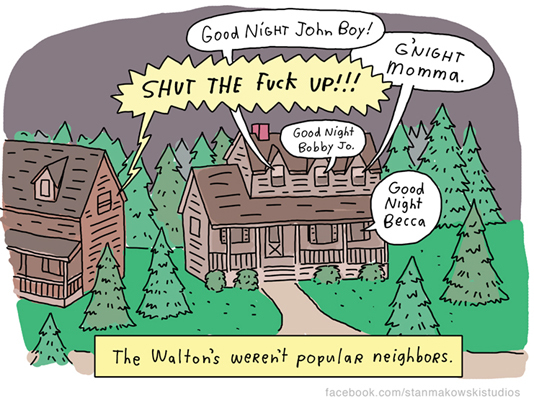
This is a mood-setting book--maybe a 8 on mood and 3 on action. After all, how much can a family do when just living takes up all your energy? Yes, there's the whole "a woman threw a baby into the well" theme, but I bet that was to start and end the book, a bookends mystery.
The parents crossed the line into goody-two-shoeland and that's what made me think of The Waltons. Good night Tess, Virgie, Jack, Albert and Leta-ree!

April 1, 2009
Gin Phillips won a Barnes & Noble "Discover New Writers" award of some sort for it, so I'm not the only one who loved it. Gin also went to Birmingham-Southern College with one of my three friends named Alice, and Alice was kind enough to send me the book in the hopes that I would agree with her about its awesomeness. Alice has fantastic taste, so I wasn't worried.
Anyway, the book is set in rural Alabama in the 1930's and it opens with 9-year-old Tess witnessing someone dumping what appears to be a baby into the family's well. Although the book is about that incident, it also explores each member of the family's character; the life of a coal miner (Tess's dad) and his family during the Depression; racism; poverty; and so much more. It's been a while since I've been introduced to someone I would consider a Great Southern Writer, but it's certainly looking like Gin Phillips could fit that bill.
Anyway, the book is set in rural Alabama in the 1930's and it opens with 9-year-old Tess witnessing someone dumping what appears to be a baby into the family's well. Although the book is about that incident, it also explores each member of the family's character; the life of a coal miner (Tess's dad) and his family during the Depression; racism; poverty; and so much more. It's been a while since I've been introduced to someone I would consider a Great Southern Writer, but it's certainly looking like Gin Phillips could fit that bill.

April 27, 2018
This is a gem of a book, about a hardworking family who lives in Alabama in the 1930's. The writing is so descriptive you can almost, feel, smell and taste all that the family experiences in their day to day existence. The voices of each of the family members are heard as they each talk about their lives and how they each deal with the day to day experiences. The coal miners, the tenant farmers, the business owners you get a feeling of life in a rural town in the South spanning the Depression. The racial inequality, those that have some and those that have nothing, most of the folks in this town live their lives with as much dignity as they can, especially this wonderful family. The mystery of the baby in the well permeates the book, yet there are happy times, sad times, people just living their lives. I closed the book wanting it to continue to keep the dignity of this family's life going with the changing of the times and the seasons. 4.5 stars

April 26, 2021
Part of the reason I enjoyed this book is because of all that it isn't. It isn't a thriller, nor is it suspenseful. It isn't about sex or crimes. It doesn't try to be inspirational or humorous or poetic. It's simply the story of good people who lived in a small town supported by coal mines back in the 1930s. A time when money was tight, prejudice was rampant (and blatant), and rural life from a child's viewpoint wasn't all that bad. Of course, Mom and Dad had plenty to worry about, but the kids were kids without evil lurking behind any corner.
Here's a sentence near the beginning of the book that caught my attention.
p 3: Virgie wore cicada shells, pinned like brooches at her collar. We used to wear them all the time, rows of them like buttons down our shirts during summer, but since she'd be going to the high school next year, she wouldn't wear them no more.
Here's a sentence near the beginning of the book that caught my attention.
p 3: Virgie wore cicada shells, pinned like brooches at her collar. We used to wear them all the time, rows of them like buttons down our shirts during summer, but since she'd be going to the high school next year, she wouldn't wear them no more.

June 6, 2009
The Well and the Mine is a beautiful work of Historical fiction that follows a lovable Southern family in the 1930’s. The writing style is one of the most interesting I have read recently; first person by each of the five main characters. Many meaty topics are explored (racial tension, poverty, humanity) while still managing to feel like sitting on the porch late into the night with a best friend. It starts out with a mystery and then turns into so much more. By the end of the book it almost isn’t important anymore whether the mystery is solved but that you were able to go on this journey with Tess, Virgie, Jack, Alfred, and Leta. An amazing debut novel by Gin Phillips.

January 11, 2010
The premise of this book was gripping and I generally liked the characters, but the plot became more and more tiresome as the book dragged on.

August 23, 2023
THE WELL AND THE MINE is a well-written Appalachian historical fiction title, and a recommendable choice for book discussion groups. The characters are nuanced and realistic--no one is either entirely good or entirely bad, and like the times they lived in, they had both commendable aspects and those that seem horribly backward-thinking. (No doubt future generations will have the same to say about our era.) The family at the center are good-hearted folks, however, who are trying to do their best in a hardscrabble environment.

December 22, 2014
Set in 1930s Alabama, this story is told from the perspectives of the Moore family: father and coal miner Albert, mother Leta, daughters Virgie and Tess, and son Jack. In alternating voices, the family details their life during the Depression, and their experience after a baby was thrown into their well. In particular, nine-year-old Tess is bothered by the baby's death and her subsequent realizations of the darker side of life, one filled with hardship and death that her parents have largely shielded her from. "She kept kicking her feet against the bales like it was normal to have babies lying in the backyard. Normal to have death coming up with the grass, up with the sun, up with the water bucket" (193).
Overwhelmingly, the Moores display themselves, and are viewed by those in the community, as good people. They do what they can for others who are even worse off than they are. Leta constantly refuses food so her children have enough to eat. Albert is deeply troubled by the way black miners are treated. Tess is troubled by her growing realization that other children in her town lead lives full of too much work and too little play.
This novel demonstrates that good can triumph over terrible circumstances and that seemingly unforgivable acts can merely be desperate choices by good people. If anything, my only complaint with this novel is that the main family appears too good. They seem to be viewed by the community as wholly good: "That your sister's real pretty. That your mama and papa give away to anybody that comes askin', that they're big on goin' to church, good people. Your papa don't never talk down to us or act like he's better than us" (228).
Although I liked the Moores - I liked their story, their family, their time period, and the way they interacted with each other and others - yet I felt like the plot of this novel failed to arc or come to a fitting conclusion. Throughout, son Jack's perspective jumps forward in time to reveal the family's contemporary existence, but no explanation is given to why Jack is chosen to jump forward in time and the girls aren't, particularly since Tess seems more central to the plot than anyone else. Yet overall a good debut full of incredibly likeable and respect worthy characters.
Overwhelmingly, the Moores display themselves, and are viewed by those in the community, as good people. They do what they can for others who are even worse off than they are. Leta constantly refuses food so her children have enough to eat. Albert is deeply troubled by the way black miners are treated. Tess is troubled by her growing realization that other children in her town lead lives full of too much work and too little play.
This novel demonstrates that good can triumph over terrible circumstances and that seemingly unforgivable acts can merely be desperate choices by good people. If anything, my only complaint with this novel is that the main family appears too good. They seem to be viewed by the community as wholly good: "That your sister's real pretty. That your mama and papa give away to anybody that comes askin', that they're big on goin' to church, good people. Your papa don't never talk down to us or act like he's better than us" (228).
Although I liked the Moores - I liked their story, their family, their time period, and the way they interacted with each other and others - yet I felt like the plot of this novel failed to arc or come to a fitting conclusion. Throughout, son Jack's perspective jumps forward in time to reveal the family's contemporary existence, but no explanation is given to why Jack is chosen to jump forward in time and the girls aren't, particularly since Tess seems more central to the plot than anyone else. Yet overall a good debut full of incredibly likeable and respect worthy characters.

August 18, 2009
The Well and the Mine was a surprising read. The synopsis of the story doesn't do it justice. This is more than the story of Tess and Virgie trying to solve the mystery of the dead baby. It is about the town that they live in, the people that lived there (both black and white), the era they lived in, and the way they survived.
One of the best things about The Well and the Mine is that it is from the first person perspective of all the members of the Moore family. In each story the reader gets an view into all five members point of view. Normally this style of writing can be pretty tricky to do but Phillips made it easy to adjust to the shifting character perspectives by labeling the change. Also, when switching from perspective to perspective the themes and timeline stayed the same. The youngest member of the family, Jack, set up the beginning of each chapter by reflecting on his childhood. By presenting each members view point readers got to see not only how the events at the mine affected them at the time but also how they changed their future.
The characters were very well developed. They were all likeable and relateable. Some of the characters were reminiscent of characters in Harper Lee's To Kill a Mockingbird. Tess comes of as a lot like Scout, a tomboy that is just enjoying her life until something happens that shakes her would. Albert is a little like Atticus but less scholarly. All of Albert's veiw point were based more of experince. His views on race and how his children were suppose to be raised were passed on personal experience and his beliefs about good or bad. It was interesting how the incident at the well and made him question his own actions and short comings.
One of the most interesting things about the story (personally) was the treatment of race issues in 1931. The children (Tess, Virgie, and Jack) never really deal with race, there is one incident with Jack. Albert is the one that deals with race the most and it is this experince that makes his sections so compelling to read.
One of the best things about The Well and the Mine is that it is from the first person perspective of all the members of the Moore family. In each story the reader gets an view into all five members point of view. Normally this style of writing can be pretty tricky to do but Phillips made it easy to adjust to the shifting character perspectives by labeling the change. Also, when switching from perspective to perspective the themes and timeline stayed the same. The youngest member of the family, Jack, set up the beginning of each chapter by reflecting on his childhood. By presenting each members view point readers got to see not only how the events at the mine affected them at the time but also how they changed their future.
The characters were very well developed. They were all likeable and relateable. Some of the characters were reminiscent of characters in Harper Lee's To Kill a Mockingbird. Tess comes of as a lot like Scout, a tomboy that is just enjoying her life until something happens that shakes her would. Albert is a little like Atticus but less scholarly. All of Albert's veiw point were based more of experince. His views on race and how his children were suppose to be raised were passed on personal experience and his beliefs about good or bad. It was interesting how the incident at the well and made him question his own actions and short comings.
One of the most interesting things about the story (personally) was the treatment of race issues in 1931. The children (Tess, Virgie, and Jack) never really deal with race, there is one incident with Jack. Albert is the one that deals with race the most and it is this experince that makes his sections so compelling to read.

March 20, 2010
"AFTER SHE THREW THE BABY IN, NOBODY BELIEVED ME for the longest time. But I kept hearing that splash".
What a fabulous opening to this debut novel! Nine year old Tess Moore and her older sister Virgie strive to discover the identity of the strange woman who threw a baby into their well in 1931. However, the more important story which comes to the fore is how the community of Carbon Hill, Alabama cope with the hardships which accompany the Depression.
The story is told from multiple points of view in the first person from the five different members of the Moore family. Sometimes this can be very distracting in novels as the reader strains to remember plot details but it works very well here as the prose is simple and strong and the story is related in a relaxed manner which matches the lazy hot Summer during which events take place. This is a very subtle, gentle tale very much focussed on the characters rather than a complicated plotline - I was reminded at times of Tracy Chevalier's Girl with A Pearl Earring, not thematically but it shares the same langourous ambiance as Chevalier's novel.
Whilst the story is low key, the themes are significant - racial tensions, family relationships, moral values. Poverty is colourblind but there is still a hierarchy and social order to be observed and Tess's father Albert is very naive to think he can readily challenge long established segregation.
This is a wonderful debut novel written in a very understated way which is reminiscent of Fannie Flagg's novels. I will certainly be on the lookout for more novels by this writer.
What a fabulous opening to this debut novel! Nine year old Tess Moore and her older sister Virgie strive to discover the identity of the strange woman who threw a baby into their well in 1931. However, the more important story which comes to the fore is how the community of Carbon Hill, Alabama cope with the hardships which accompany the Depression.
The story is told from multiple points of view in the first person from the five different members of the Moore family. Sometimes this can be very distracting in novels as the reader strains to remember plot details but it works very well here as the prose is simple and strong and the story is related in a relaxed manner which matches the lazy hot Summer during which events take place. This is a very subtle, gentle tale very much focussed on the characters rather than a complicated plotline - I was reminded at times of Tracy Chevalier's Girl with A Pearl Earring, not thematically but it shares the same langourous ambiance as Chevalier's novel.
Whilst the story is low key, the themes are significant - racial tensions, family relationships, moral values. Poverty is colourblind but there is still a hierarchy and social order to be observed and Tess's father Albert is very naive to think he can readily challenge long established segregation.
This is a wonderful debut novel written in a very understated way which is reminiscent of Fannie Flagg's novels. I will certainly be on the lookout for more novels by this writer.

June 10, 2011
From the cover blurb I expected this to be a mystery book, a slim but dark thriller with all sorts of scary small-town secrets coming out. I was mistaken. This is instead a portrait of a small mining town and a family in that town going through the Depression and getting by as best they can. It's slow-moving but often sweet, like honey. Sweet as it is, though, I would not call it sentimental: the troubles the characters face are serious and very real.
Each member of the Moore family gets a turn to narrate, although Jack, the youngest, speaks as an old man recollecting events from long ago. Through their eyes you see the dangerous and difficult job of coal mining, the struggles to keep house properly while under great economic strain, the usual trials of growing up, and children from less fortunate families dying of malnutrition in full view of everyone. The business with the baby is brought up on a regular basis, but it takes a backseat to the rest of the story.
I enjoyed this book a lot. However, I must warn people that there are no thrills to be had here.
For a far more graphic depiction of a mining town during the Great Depression, written by a contemporary, check out Tillie Olsen's Yonnondio .
Each member of the Moore family gets a turn to narrate, although Jack, the youngest, speaks as an old man recollecting events from long ago. Through their eyes you see the dangerous and difficult job of coal mining, the struggles to keep house properly while under great economic strain, the usual trials of growing up, and children from less fortunate families dying of malnutrition in full view of everyone. The business with the baby is brought up on a regular basis, but it takes a backseat to the rest of the story.
I enjoyed this book a lot. However, I must warn people that there are no thrills to be had here.
For a far more graphic depiction of a mining town during the Great Depression, written by a contemporary, check out Tillie Olsen's Yonnondio .

April 28, 2009
A debut novel and a very satisfying read.
The story starts with Tess, the youngest girl in the family witnessing a terrible thing. A woman throws a tiny baby into the well in her family's yard. Although the story centres around this mystery - who did it and why the novel is really not plot driven. It is a story of a small American town in the depression - a town that depends upon the coal-mine to keep it going.
Completely character driven, this is a wonderful little book and reminded me of time of To Kill A Mockingbird in that the main male character; Albert, is a hard-working family man with sound morals that he and his wife Leta pass on to their children, and the female child lead is something of a tom-boy. The people in the town work hard to keep their community together, but as expected in a novel about 1930s southern American there is the underlying notion of racism and despair.
A very touching novel that is narrated in the first person by the individual family members that starts with a terrible act and although the mystery is solved, it isnt really that important to the reader by the end.
The story starts with Tess, the youngest girl in the family witnessing a terrible thing. A woman throws a tiny baby into the well in her family's yard. Although the story centres around this mystery - who did it and why the novel is really not plot driven. It is a story of a small American town in the depression - a town that depends upon the coal-mine to keep it going.
Completely character driven, this is a wonderful little book and reminded me of time of To Kill A Mockingbird in that the main male character; Albert, is a hard-working family man with sound morals that he and his wife Leta pass on to their children, and the female child lead is something of a tom-boy. The people in the town work hard to keep their community together, but as expected in a novel about 1930s southern American there is the underlying notion of racism and despair.
A very touching novel that is narrated in the first person by the individual family members that starts with a terrible act and although the mystery is solved, it isnt really that important to the reader by the end.

April 7, 2012
I loved this book.
I loved the tenderness between the characters themselves and the tenderness with which the author wrote about them.
I loved the five distinct voices of the members of the Moore family, whose alternating narrations unwind the story frontwards, backwards, and inwards.
I loved the "wisp of suspense," as one reviewer put it; but I also loved that the mystery was embedded in the character development, not the other way around.
I loved the reality of it. Even the best of folks trying to make the best of decisions sometimes just get it all wrong.
I loved that Phillips didn't need eccentric quirks or minor evil streaks to bring her characters to life. She just wrote about ordinary people trying to do right by each other.
For a first time novelist to tackle poverty, racism, prejudice, and family life in 1930s Alabama is ballsy, not least because the inimitable Harper Lee already did it with spectacular near-perfection. But Gin Phillips understands that in mining and in writing and in getting to know ourselves and others, nothing is ever finished.
I loved the tenderness between the characters themselves and the tenderness with which the author wrote about them.
I loved the five distinct voices of the members of the Moore family, whose alternating narrations unwind the story frontwards, backwards, and inwards.
I loved the "wisp of suspense," as one reviewer put it; but I also loved that the mystery was embedded in the character development, not the other way around.
I loved the reality of it. Even the best of folks trying to make the best of decisions sometimes just get it all wrong.
I loved that Phillips didn't need eccentric quirks or minor evil streaks to bring her characters to life. She just wrote about ordinary people trying to do right by each other.
For a first time novelist to tackle poverty, racism, prejudice, and family life in 1930s Alabama is ballsy, not least because the inimitable Harper Lee already did it with spectacular near-perfection. But Gin Phillips understands that in mining and in writing and in getting to know ourselves and others, nothing is ever finished.

January 2, 2010
Most likely one of the best written books I have read in a while. Interesting perspective from the characters. The book takes place during the depression era. 1931 in a coal mining town in the South.
Has a little mystery in it but not much. So, if you are not a fan of mystery novels please don't igore this book because of that small feature.
Interesting to read about daily lifes, traumas, hard work, education and general life that took place during that era. It makes me wonder if 60 years from now, people reading stories about 2009 will think our lives were difficult. I am continually amazed at how much progress the world has made in making our lives easier(washing machines, dish washers,microwaves. computers etc.)and think back to the 1930's and wonder how people ever got everything accomplished.
Needless to say, they didn't write critiques on goodreads.
I thoroughly enjoyed this book & hope the author writes additional novels.
Has a little mystery in it but not much. So, if you are not a fan of mystery novels please don't igore this book because of that small feature.
Interesting to read about daily lifes, traumas, hard work, education and general life that took place during that era. It makes me wonder if 60 years from now, people reading stories about 2009 will think our lives were difficult. I am continually amazed at how much progress the world has made in making our lives easier(washing machines, dish washers,microwaves. computers etc.)and think back to the 1930's and wonder how people ever got everything accomplished.
Needless to say, they didn't write critiques on goodreads.
I thoroughly enjoyed this book & hope the author writes additional novels.

January 14, 2010
Well-crafted characters and well-defined settings make this a clear snapshot into the lives of this mining town. The writing is very good.
My beef with the story was this (I am not giving anything away, this all happens on the first page). The very first thing that happnes is that someone (we and the characters do not know who). Throws a baby into a well. Much of the book revolves around this mystery, but then it is kind of dropped, and then taken up again, and I was not satisfied with the ending. The whole time I was reading it, I was too busy ruling our suspects and obsessing over who would do such a horrible thing. When I did finally find out, it was so anticlimactic.
Perhaps that is what the author was trying to say, that life is not a big blockbuster event, bad things happen, and they happen for simple reasons. In that sense, I can appriciate the story. But in another sense, I needed more closure.
My beef with the story was this (I am not giving anything away, this all happens on the first page). The very first thing that happnes is that someone (we and the characters do not know who). Throws a baby into a well. Much of the book revolves around this mystery, but then it is kind of dropped, and then taken up again, and I was not satisfied with the ending. The whole time I was reading it, I was too busy ruling our suspects and obsessing over who would do such a horrible thing. When I did finally find out, it was so anticlimactic.
Perhaps that is what the author was trying to say, that life is not a big blockbuster event, bad things happen, and they happen for simple reasons. In that sense, I can appriciate the story. But in another sense, I needed more closure.
Displaying 1 - 30 of 665 reviews