

What do you think?
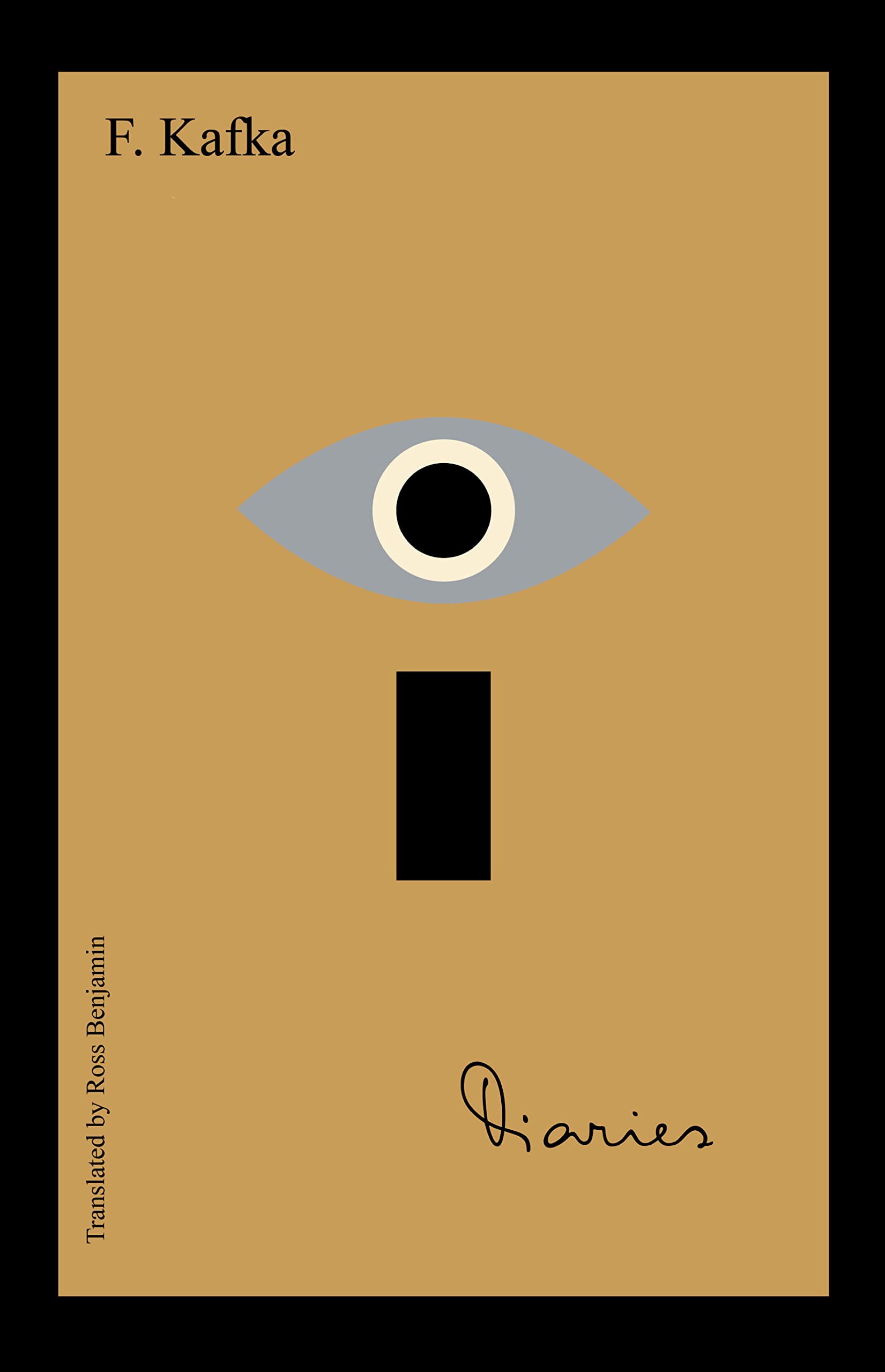
The Diaries of Franz Kafka
"An essential new translation of the author's complete, uncensored diaries-a revelation of the idiosyncrasies and rough edges of one of the twentieth century's most influential writers. Dating from 1909 to 1923, the handwritten diaries contain various kinds of accounts of daily events, reflections, observations, literary sketches, drafts of letters, accounts of dreams, as well as finished stories. This volume makes available for the first time in English a comprehensive reconstruction of the diary entries and provides substantial new content, including details, names, literary works, and passages of a sexual nature that were omitted from previous publications. By faithfully reproducing the diaries' distinctive-and often surprisingly unpolished-writing in Kafka's notebooks, translator Ross Benjamin brings to light not only the author's use of the diaries for literary experimentation and private self-expression, but also their value as a work of art in themselves"--
682 pages, Kindle Edition
First published January 1, 2023
About the author
Franz Kafka
3,603 books41.4k followersFranz Kafka was a German-speaking writer from Prague whose work became one of the foundations of modern literature, even though he published only a small part of his writing during his lifetime. Born into a middle-class Jewish family in Prague, then part of the Austro-Hungarian Empire, Kafka grew up amid German, Czech, and Jewish cultural influences that shaped his sense of displacement and linguistic precision. His difficult relationship with his authoritarian father left a lasting mark, fostering feelings of guilt, anxiety, and inadequacy that became central themes in his fiction and personal writings.
Kafka studied law at the German University in Prague, earning a doctorate in 1906. He chose law for practical reasons rather than personal inclination, a compromise that troubled him throughout his life. After university, he worked for several insurance institutions, most notably the Workers Accident Insurance Institute for the Kingdom of Bohemia. His duties included assessing industrial accidents and drafting legal reports, work he carried out competently and responsibly. Nevertheless, Kafka regarded his professional life as an obstacle to his true vocation, and most of his writing was done at night or during periods of illness and leave. Kafka began publishing short prose pieces in his early adulthood, later collected in volumes such as Contemplation and A Country Doctor. These works attracted little attention at the time but already displayed the hallmarks of his mature style, including precise language, emotional restraint, and the application of calm logic to deeply unsettling situations. His major novels The Trial, The Castle, and Amerika were left unfinished and unpublished during his lifetime. They depict protagonists trapped within opaque systems of authority, facing accusations, rules, or hierarchies that remain unexplained and unreachable. Themes of alienation, guilt, bureaucracy, law, and punishment run throughout Kafka’s work. His characters often respond to absurd or terrifying circumstances with obedience or resignation, reflecting his own conflicted relationship with authority and obligation. Kafka’s prose avoids overt symbolism, yet his narratives function as powerful metaphors through structure, repetition, and tone. Ordinary environments gradually become nightmarish without losing their internal coherence. Kafka’s personal life was marked by emotional conflict, chronic self-doubt, and recurring illness. He formed intense but troubled romantic relationships, including engagements that he repeatedly broke off, fearing that marriage would interfere with his writing. His extensive correspondence and diaries reveal a relentless self-critic, deeply concerned with morality, spirituality, and the demands of artistic integrity. In his later years, Kafka’s health deteriorated due to tuberculosis, forcing him to withdraw from work and spend long periods in sanatoriums. Despite his illness, he continued writing when possible. He died young, leaving behind a large body of unpublished manuscripts. Before his death, he instructed his close friend Max Brod to destroy all of his remaining work. Brod ignored this request and instead edited and published Kafka’s novels, stories, and diaries, ensuring his posthumous reputation.
The publication of Kafka’s work after his death established him as one of the most influential writers of the twentieth century. The term Kafkaesque entered common usage to describe situations marked by oppressive bureaucracy, absurd logic, and existential anxiety. His writing has been interpreted through existential, religious, psychological, and political perspectives, though Kafka himself resisted definitive meanings. His enduring power lies in his ability to articulate modern anxiety with clarity and restraint.
Kafka studied law at the German University in Prague, earning a doctorate in 1906. He chose law for practical reasons rather than personal inclination, a compromise that troubled him throughout his life. After university, he worked for several insurance institutions, most notably the Workers Accident Insurance Institute for the Kingdom of Bohemia. His duties included assessing industrial accidents and drafting legal reports, work he carried out competently and responsibly. Nevertheless, Kafka regarded his professional life as an obstacle to his true vocation, and most of his writing was done at night or during periods of illness and leave. Kafka began publishing short prose pieces in his early adulthood, later collected in volumes such as Contemplation and A Country Doctor. These works attracted little attention at the time but already displayed the hallmarks of his mature style, including precise language, emotional restraint, and the application of calm logic to deeply unsettling situations. His major novels The Trial, The Castle, and Amerika were left unfinished and unpublished during his lifetime. They depict protagonists trapped within opaque systems of authority, facing accusations, rules, or hierarchies that remain unexplained and unreachable. Themes of alienation, guilt, bureaucracy, law, and punishment run throughout Kafka’s work. His characters often respond to absurd or terrifying circumstances with obedience or resignation, reflecting his own conflicted relationship with authority and obligation. Kafka’s prose avoids overt symbolism, yet his narratives function as powerful metaphors through structure, repetition, and tone. Ordinary environments gradually become nightmarish without losing their internal coherence. Kafka’s personal life was marked by emotional conflict, chronic self-doubt, and recurring illness. He formed intense but troubled romantic relationships, including engagements that he repeatedly broke off, fearing that marriage would interfere with his writing. His extensive correspondence and diaries reveal a relentless self-critic, deeply concerned with morality, spirituality, and the demands of artistic integrity. In his later years, Kafka’s health deteriorated due to tuberculosis, forcing him to withdraw from work and spend long periods in sanatoriums. Despite his illness, he continued writing when possible. He died young, leaving behind a large body of unpublished manuscripts. Before his death, he instructed his close friend Max Brod to destroy all of his remaining work. Brod ignored this request and instead edited and published Kafka’s novels, stories, and diaries, ensuring his posthumous reputation.
The publication of Kafka’s work after his death established him as one of the most influential writers of the twentieth century. The term Kafkaesque entered common usage to describe situations marked by oppressive bureaucracy, absurd logic, and existential anxiety. His writing has been interpreted through existential, religious, psychological, and political perspectives, though Kafka himself resisted definitive meanings. His enduring power lies in his ability to articulate modern anxiety with clarity and restraint.
Ratings & Reviews
Friends & Following
Create a free account to discover what your friends think of this book!
Community Reviews
Displaying 1 - 30 of 76 reviews

February 3, 2023
12 (February 1922) The form of rejection which I was always met was not the one that says: I don’t love you, but the one that says: “You cannot love me, however much you want to, you are unhappily in love with the love for me, the love for me doesn’t love you.” Hence it is incorrect to say that I have experienced the words “I love you,” I have experienced only the expectant sickness that should have been broken by my “I love you,” that is all I have experienced, nothing else.
April 1, 2023
After spending so long with Kafka's thoughts and written whims, finally putting the diary down feels like saying goodbye to a most intimate friend. While not always entirely coherent (as one would expect from a private diary), the experience of reading this collection was not unlike taking a tentative and respectful tour through the mind of a fascinating, delicate man.
I decided to read this book on whim, with no real prior knowledge of Kafka, and I'm truly glad I did.
I decided to read this book on whim, with no real prior knowledge of Kafka, and I'm truly glad I did.

April 7, 2023
Translations are fascinating, and they can change everything. When you've worked long enough in a field that runs on translation, you become painfully aware of that. This is nothing new in the world of literature. Any translator who touches a project, either through action or inaction, makes a statement about the work they're doing. The first translation of Franz Kafka's diaries, as we learn from Ross Benjamin's foreword, took liberties. Removing less "acceptable" thoughts, tweaking unfinished work to tuck in the frayed edges... all things deeply misrepresentative of an author in the midst of his own thoughts.
This new translation is a ramble—a series of rambles. There's joy in the disjointed, meaning in the meaninglessness. Ideally, a reader sees a writer at their best, with their tags tucked in and their hair brushed and the lipstick stains off their teeth. But The Diaries of Franz Kafka is glorious in its honesty.
At times, he rambles to himself about his inability to love or be loved. Some days are people-watching: snippets of description, like an artist capturing a pose. Some entries are the same passage, over and over, refining the prose. Occasionally there are careful account of Kafka's day. The plays he takes in, the reading he himself is doing, vacations he's taken.
Sometimes—most meaningful of all—are short, agonized sentences admitting to once again having written nothing.
Benjamin has done a beautiful, difficult service: knowing when is the time to straighten an author's tie, and when to let him appear as he is, real and disheveled, to the world. There's something beautiful and personal in seeing this reality. For the authors among this book's readership, it's relatable and a relief. Writers are writers, no matter the level of fame, no matter the time period.
For a scholar of Kafka's works, it is likely a must-read. But for any author at all, of any level, it is hugely important. In these pages, Kafka ceases to be an untouchable luminary and becomes what we all are: a person doing their best in the world, navigating turbulent feelings day to day, and wondering what mark they'll eventually leave.
This new translation is a ramble—a series of rambles. There's joy in the disjointed, meaning in the meaninglessness. Ideally, a reader sees a writer at their best, with their tags tucked in and their hair brushed and the lipstick stains off their teeth. But The Diaries of Franz Kafka is glorious in its honesty.
At times, he rambles to himself about his inability to love or be loved. Some days are people-watching: snippets of description, like an artist capturing a pose. Some entries are the same passage, over and over, refining the prose. Occasionally there are careful account of Kafka's day. The plays he takes in, the reading he himself is doing, vacations he's taken.
Sometimes—most meaningful of all—are short, agonized sentences admitting to once again having written nothing.
Benjamin has done a beautiful, difficult service: knowing when is the time to straighten an author's tie, and when to let him appear as he is, real and disheveled, to the world. There's something beautiful and personal in seeing this reality. For the authors among this book's readership, it's relatable and a relief. Writers are writers, no matter the level of fame, no matter the time period.
For a scholar of Kafka's works, it is likely a must-read. But for any author at all, of any level, it is hugely important. In these pages, Kafka ceases to be an untouchable luminary and becomes what we all are: a person doing their best in the world, navigating turbulent feelings day to day, and wondering what mark they'll eventually leave.

December 7, 2022
The finish copy just landed on my desk and this mew translation is STUNNNNNNNNNNNNNNNING. Bravo to the team that labored over getting this out into the world and into the gorgeous Schocken Kafka library.

July 21, 2025
spent two months with the diaries. Kafka is always there for you like a great friend. Speaking of friends thanks to person who gave me this as a birthday present.

June 13, 2023
There's no Myth of Kafka. He's right there, if you pay attention. The treasure of my library.

April 1, 2023
“Always incomprehensible to me that it is possible for almost anyone who can write, suffering pain, to objectify the pain, so that I, for example, suffering unhappiness, my head perhaps still burning with unhappiness, can sit down and communicate to someone in writing: I am unhappy. Indeed, I can even go beyond that and in various flourishes depending on my talent, which seems to have nothing to do with the unhappiness, improvise on it simply or antithetically or with whole orchestras of associations. And it is not at all a lie and does not still the pain, is simply a merciful surplus of powers at a moment when the pain has actually visibly used up all my powers to the bottom of my being, which it scrapes. What sort of surplus is it, then?”

July 18, 2023
It's a sin to read someone's personal diaries. Their thoughts and the honestself gets exposed, naked, and it's an invasion of privacy. It's been a great commotion but it's Franz Kafka. And publishers did it before us. Does this justify this act ? I guess no.
His thoughts reveals how much he suffered, depression is not mere a term but a darkness that slowly consumes you. But Kafka notes it down, penned it into something that spreads beautiful colours of someone's in-depth thoughts on everyday life.
Kafka's Diaries offer an intimate and introspective glimpse into the renowned writer's mind. Renowned for his unique and existential fiction, Kafka's personal diaries take readers on an unfiltered and intense journey into the depths of his thoughts, desires, fears, and musings.
Apart from raw authenticity, ( ofcourse this was his diary) a candid account of his day-to-day life, including the monotonous details, mundane chores, and his innermost struggles. Some of it I tried to skip to be honest. But some of it was so intense.
Unfiltered and unedited, his entries demonstrate a willingness to expose the true nature of his inner demons and the constant wrestle with his creative process. This makes me wonder how true I would be if I write my diary. Could I be this honest?
In these diaries, Kafka openly confronts his anxieties, feelings of inadequacy, and his perpetual sense of isolation. His words are marked by a sense of unease, with an underlying somber tone, reflecting his endless struggles with his work, his health, and personal dilemmas.
I think I will be afraid to do so...even on paper! Because I am way too afraid to expose the vulnerability, even on paper. Even if I am able to write, I will just write and forget.
His thoughts reveals how much he suffered, depression is not mere a term but a darkness that slowly consumes you. But Kafka notes it down, penned it into something that spreads beautiful colours of someone's in-depth thoughts on everyday life.
Kafka's Diaries offer an intimate and introspective glimpse into the renowned writer's mind. Renowned for his unique and existential fiction, Kafka's personal diaries take readers on an unfiltered and intense journey into the depths of his thoughts, desires, fears, and musings.
Apart from raw authenticity, ( ofcourse this was his diary) a candid account of his day-to-day life, including the monotonous details, mundane chores, and his innermost struggles. Some of it I tried to skip to be honest. But some of it was so intense.
Unfiltered and unedited, his entries demonstrate a willingness to expose the true nature of his inner demons and the constant wrestle with his creative process. This makes me wonder how true I would be if I write my diary. Could I be this honest?
In these diaries, Kafka openly confronts his anxieties, feelings of inadequacy, and his perpetual sense of isolation. His words are marked by a sense of unease, with an underlying somber tone, reflecting his endless struggles with his work, his health, and personal dilemmas.
I think I will be afraid to do so...even on paper! Because I am way too afraid to expose the vulnerability, even on paper. Even if I am able to write, I will just write and forget.

June 10, 2026
"More and more anxious while writing. It is understandable. Every word, twisted in the hand of the spirits—this flourish of the hand is their characteristic movement—becomes a spear, turned against the speaker. A remark like this most especially. And so on to infinity. The consolation would be only: it happens whether you want it or not. And what you want helps only imperceptibly little. More than consolation is: You too have weapons."
Kafka, Franz. Diaries (pg. 494)
Kafka, Franz. Diaries (pg. 494)
February 12, 2024
"One forgets completely one’s earthly existence, because one is so completely filled with rage and is permitted to believe that on some occasion one will fill oneself to the brim in the same way with even more beautiful feelings"

Want to Read
January 22, 2024Just got the book yesterday, super excited to read this one.

October 25, 2024
hes just like me for real

February 5, 2026
ler Os Diários de Franz Kafka foi aceitar um convite ao desconforto. não o desconforto ruidoso das tragédias explícitas, mas aquele silêncio denso que se instala quando alguém escreve para não desaparecer.
the melancholy that runs through the diaries is not mere sadness; it is structural. kafka seems to live permanently within this undefined loss. he does not mourn a specific object, but the very impossibility of coinciding with himself. it was within this melancholy that I found myself.
tambem da pra relacionar com outros filosofos. kierkegaard appears in anguish as an existential condition, the feeling of always standing on the edge of an impossible decision. nietzsche emerges in the fragile body, in the tension between creative force and exhaustion, in the awareness that creation demands an almost unbearable price. schopenhauer, in turn, seeps into the pessimistic view of the world, into the perception that desire is a trap and will a burden.
terminei, there were days when I read three or four days’ worth of the diary at once (partly out of my own restlessness), and others when I read a single day and then didn’t touch the book again for days, needing time to reflect on it. kafka não oferece cura, oferece companhia. e, em certos momentos da vida, isso é tudo. foi me encontrar não na esperança, mas na lucidez. e perceber que, às vezes, sobreviver é simplesmente continuar com as pequenas alegrias, apesar de tudo.
:)
the melancholy that runs through the diaries is not mere sadness; it is structural. kafka seems to live permanently within this undefined loss. he does not mourn a specific object, but the very impossibility of coinciding with himself. it was within this melancholy that I found myself.
tambem da pra relacionar com outros filosofos. kierkegaard appears in anguish as an existential condition, the feeling of always standing on the edge of an impossible decision. nietzsche emerges in the fragile body, in the tension between creative force and exhaustion, in the awareness that creation demands an almost unbearable price. schopenhauer, in turn, seeps into the pessimistic view of the world, into the perception that desire is a trap and will a burden.
terminei, there were days when I read three or four days’ worth of the diary at once (partly out of my own restlessness), and others when I read a single day and then didn’t touch the book again for days, needing time to reflect on it. kafka não oferece cura, oferece companhia. e, em certos momentos da vida, isso é tudo. foi me encontrar não na esperança, mas na lucidez. e perceber que, às vezes, sobreviver é simplesmente continuar com as pequenas alegrias, apesar de tudo.
:)

July 21, 2025
"My happiness, my abilities and any possibility of being in some way useful have always resided in the literary realm."
27 (December 1910) "I don't have enough strength for another sentence."
"So forsaken by myself, by everything."
3 May (1913) "The terrible uncertainty of my inner existence."
"I hide away from people not because I want to live in peace but because I want to perish in peace."
25 II (1915) "(...) If I were a stranger observing me and the course of my life, I would have to say that it all must end in uselessness, expended in incessant doubt, creative only in self-torment. But as a participant I hope."
"Unsolvable question: Am I broken? Am I in decline? Almost all signs speak in favour of this (...) almost nothing but hope speaks against it."
"Take me into your arms, that is the depth, take me into the depth, if you refuse now, then later
Take me, take me, web of folly and pain"
"It is always the same, always the same"
"To be torn open again and again in the same wound channel, to see the wound that has been operated on countless times taken under treatment again, this is what is awful."
18 (October 1921) "Eternal childhood. Again a call of life."
I II (1922) "Nothing, only tired."
20 (February 1922) "Imperceptible life. Perceptible failure."
"When he is alone, it is true, all humanity reaches for him, but the countless outstretched arms become entangled with each other and no one reaches him."
27 (December 1910) "I don't have enough strength for another sentence."
"So forsaken by myself, by everything."
3 May (1913) "The terrible uncertainty of my inner existence."
"I hide away from people not because I want to live in peace but because I want to perish in peace."
25 II (1915) "(...) If I were a stranger observing me and the course of my life, I would have to say that it all must end in uselessness, expended in incessant doubt, creative only in self-torment. But as a participant I hope."
"Unsolvable question: Am I broken? Am I in decline? Almost all signs speak in favour of this (...) almost nothing but hope speaks against it."
"Take me into your arms, that is the depth, take me into the depth, if you refuse now, then later
Take me, take me, web of folly and pain"
"It is always the same, always the same"
"To be torn open again and again in the same wound channel, to see the wound that has been operated on countless times taken under treatment again, this is what is awful."
18 (October 1921) "Eternal childhood. Again a call of life."
I II (1922) "Nothing, only tired."
20 (February 1922) "Imperceptible life. Perceptible failure."
"When he is alone, it is true, all humanity reaches for him, but the countless outstretched arms become entangled with each other and no one reaches him."
October 14, 2024
Actually an amazing book.

August 14, 2026
I am probably not smart enough for this...diaries with broken chains of thought and trail of mind without any editing. I just can't do this.
July 14, 2025
I'd been missing Kafka. I spent so much time with him when I was younger and really learning everything all the time. Some writers want to have things their way and don't leave much room for you. Kafka for me brings you close but doesn't try to walk for you. He doesn't try to seduce you or overpower you. He doesn't show off. There's a great book "Kafka Goes To The Movies" which focuses on his experience of early cinema. His work is often described as dream-like and that is to a degree very apt but you don't hear, or I haven't, heard it described as cinematic. I don't mean that Kafka's work is demonstrably influenced by cinema. It's that his work conjures images and puts you in places that feel much like early film, without being overtly like a silent movie the way Beckett went.
This is rambling, because I don't have any one thing to say about Kafka at this point. He's been a teacher to me, and he often feels like a friend. He said something like this about Kierkegaard, and I don't equate myself with either. It's that Kafka invites you to feel like his friend without explicitly inviting you. I can't imagine meeting Kafka in life. Sometimes I'm not even sure that what Kafka put on the page is writing. And yet Kafka has such precise turns of phrase that would make Basho jealous.
Kafka never really lets you down. Of course you want to tell him to buck up and count his blessings, even shake him and tell him to snap out of it, kick him up the stairs and bounce him out the window and back in. His despair can truly get old. The Felice affair is excruciating, an example of a good man treating a good woman very, very poorly. Max Brod sounds like a leech sometimes. His relationship with his "F"ather could could been fought with a little more spine. Okay, maybe Kafka can let you down. He's never a complete son of a bitch, though. He never intends to lie, cheat or steal. And his weakness isn't weak.
This is just entertaining, even when it isn't. Kafka spends a lot of time agonizing that I can relate to but don't enjoy reading, so I don't necessarily savor those parts, but there is so much in these diaries that is funny, bizarre, unique and wise that I don't skip over much. It's also nice to revisit these diaries after having read them in their previous translation years before in a new package. None of the censored (Brod!) passages are too scandalous. This new translation and format does convey a messier and less polished collection, which does fit one's diaries. If this were any other writer, I would say he wanted this published and public, but it's Kafka. Yeah, I know the instructions to Brod to burn his works are a bit manipulative and suspect, but these are his diaries even if they only half of the time read like diaries. Kafka was a strange and contradictory person. His life was writing. He is the only equal in his time to Joyce, and no writer has been better than either since. I don't mean "important" or "impactful" but just better at writing, in putting you in a time and place even if that time and place is timeless.
You learn so much from reading Kafka's diaries, or at least I do. And eventually when you spend so much time with a writer, even a dead one, there is a kind of dialogue. Years ago I wrote a poem that went "Your name in the mountains of my mind / Moonflood" and then today looking through these diaries I read from July 19, 1915:
In the distance of the mountains
resounded slow speech. We heard.
Kafka deliberately did not choose to write poetry. I don't see his prose always as this early 20th century modernism in flat bureaucratic prose because often Kafka writes peasant, rural scenes in fairly pedestrian prose, but I think he needed to write straight blocks of prose because he needed a medium that could unconsciously and un-selfconsciously disappear before the reader's eyes. I don't say every writer tries to do this, and perhaps it doesn't even occur to try for most writers, but Kafka not only conjured a dream but knew that you can't conjure a dream with you knowing you're in it, at least for part of it. And I would argue that Kafka's medium is a little insulted by so constantly being compared to dreams, when dreams themselves could take some notes from Kafka.
This is rambling, because I don't have any one thing to say about Kafka at this point. He's been a teacher to me, and he often feels like a friend. He said something like this about Kierkegaard, and I don't equate myself with either. It's that Kafka invites you to feel like his friend without explicitly inviting you. I can't imagine meeting Kafka in life. Sometimes I'm not even sure that what Kafka put on the page is writing. And yet Kafka has such precise turns of phrase that would make Basho jealous.
Kafka never really lets you down. Of course you want to tell him to buck up and count his blessings, even shake him and tell him to snap out of it, kick him up the stairs and bounce him out the window and back in. His despair can truly get old. The Felice affair is excruciating, an example of a good man treating a good woman very, very poorly. Max Brod sounds like a leech sometimes. His relationship with his "F"ather could could been fought with a little more spine. Okay, maybe Kafka can let you down. He's never a complete son of a bitch, though. He never intends to lie, cheat or steal. And his weakness isn't weak.
This is just entertaining, even when it isn't. Kafka spends a lot of time agonizing that I can relate to but don't enjoy reading, so I don't necessarily savor those parts, but there is so much in these diaries that is funny, bizarre, unique and wise that I don't skip over much. It's also nice to revisit these diaries after having read them in their previous translation years before in a new package. None of the censored (Brod!) passages are too scandalous. This new translation and format does convey a messier and less polished collection, which does fit one's diaries. If this were any other writer, I would say he wanted this published and public, but it's Kafka. Yeah, I know the instructions to Brod to burn his works are a bit manipulative and suspect, but these are his diaries even if they only half of the time read like diaries. Kafka was a strange and contradictory person. His life was writing. He is the only equal in his time to Joyce, and no writer has been better than either since. I don't mean "important" or "impactful" but just better at writing, in putting you in a time and place even if that time and place is timeless.
You learn so much from reading Kafka's diaries, or at least I do. And eventually when you spend so much time with a writer, even a dead one, there is a kind of dialogue. Years ago I wrote a poem that went "Your name in the mountains of my mind / Moonflood" and then today looking through these diaries I read from July 19, 1915:
In the distance of the mountains
resounded slow speech. We heard.
Kafka deliberately did not choose to write poetry. I don't see his prose always as this early 20th century modernism in flat bureaucratic prose because often Kafka writes peasant, rural scenes in fairly pedestrian prose, but I think he needed to write straight blocks of prose because he needed a medium that could unconsciously and un-selfconsciously disappear before the reader's eyes. I don't say every writer tries to do this, and perhaps it doesn't even occur to try for most writers, but Kafka not only conjured a dream but knew that you can't conjure a dream with you knowing you're in it, at least for part of it. And I would argue that Kafka's medium is a little insulted by so constantly being compared to dreams, when dreams themselves could take some notes from Kafka.

April 18, 2023
Kafka frequently chides himself for the "heartlessness" that, he says, is induced by his literary calling; but it is more probably that a poor diet and unmedicated sleep habits caused his estrangement and alienation from the world. His desire to submerge himself in a world of books increased with his inability to establish a place for himself in the workforce, where he was torn between living for his body and living for his mind; and grievous harm was done to him in that the world he lived in had an incredibly demeaning view of the position of women and, in this regard, encouraged a demoralizing view of the religious feeling that pervaded his intellectually somewhat premature literary creations. Three stars.

Read
October 7, 2024Deeply deeply troubled, constantly in doubt of his abilities, constantly at war with his work and what he would allow of himself. One of the greatest ever
In periods of transition, as the past week has been for me and at least this moment still is, I'm often seized by a sad but calm astonishment at my emotionlessness. I am separated from all things by a hollow space, to the boundary of which I don’t even push myself.
——
Today is your birthday, but I'm not even sending you the usual book, for it would be nothing but pretense; at bottom I'm not even capable of giving you a book. I'm writing only because I so need to be close to you for a moment today and be it only with this card, and I've begun with the complaint so that you recognize me immediately.
In periods of transition, as the past week has been for me and at least this moment still is, I'm often seized by a sad but calm astonishment at my emotionlessness. I am separated from all things by a hollow space, to the boundary of which I don’t even push myself.
——
Today is your birthday, but I'm not even sending you the usual book, for it would be nothing but pretense; at bottom I'm not even capable of giving you a book. I'm writing only because I so need to be close to you for a moment today and be it only with this card, and I've begun with the complaint so that you recognize me immediately.

January 9, 2026
I often go back to Kafka’s diary when I’m having a bad day because no matter how bad of a day I’m having, he is always having a worse one. Puts things into perspective.
This is my second re-read. A master at words and description. You are not only reading about the story, you are seeing it, smelling it, touching it, experiencing every single detail of that moment.
Not a read for the faint of heart, it’s heavy with an extreme amount of detail that I sometimes find difficult to follow along, nevertheless it’s a masterpiece in it of itself.
This is my second re-read. A master at words and description. You are not only reading about the story, you are seeing it, smelling it, touching it, experiencing every single detail of that moment.
Not a read for the faint of heart, it’s heavy with an extreme amount of detail that I sometimes find difficult to follow along, nevertheless it’s a masterpiece in it of itself.
March 18, 2024
Ich habe diese Tagebücher jetzt mehrmals gelesen und ich fühle mich, als würde ich ihn kennen ... Er hatte Gedanken und Gefühle, von denen ich dachte, dass nur ich sie habe, dass sie delikat und persönlich wären, aber nein, there he was, vor über 100 Jahren, und schrieb schon darüber.
Er hatte unglaublich hohe Ansprüche an seine Literatur und es tut mir so weh, dass er nie erfahren wird, wie sehr sie die Menschen noch heute bewegt.
Er hatte unglaublich hohe Ansprüche an seine Literatur und es tut mir so weh, dass er nie erfahren wird, wie sehr sie die Menschen noch heute bewegt.
November 19, 2024
further proof that kafka was literally just a teenage girl. i like the travel diaries where he talks about the two beautiful swedish boys with legs so taut you could only really run your tongue along them cause WHAT 💜. i also love the bit where he details all the people that wronged him cause hes like ‘girl in street that didn’t smile back at me 🙄’ like ok diva. anyway franz i love you so so much ich liebe dich franzchen du bist mein liebling ich vermisse dich komm zurück zu mir 😓😓😓

August 3, 2023
i am separated from all things by a hollow space, to the boundary of which i don’t even push myself.
26/11/12. better self confidence. heartbeat closer to my wishes. the hiss of the gas light over me.
this was just so. wow. reading someone’s diary really makes you feel like you know them when in actuality you don’t. yeahg. ough
26/11/12. better self confidence. heartbeat closer to my wishes. the hiss of the gas light over me.
this was just so. wow. reading someone’s diary really makes you feel like you know them when in actuality you don’t. yeahg. ough

July 28, 2023
I love a man with daddy issues

March 3, 2024
man depressed and lonely as hell

August 14, 2024
I love reading Kafka’s mind. Thought provoking works. Sometimes difficult given you don’t always have full context, some parts aren’t translated, and his nicknames/shortenings can be confusing.
October 5, 2025
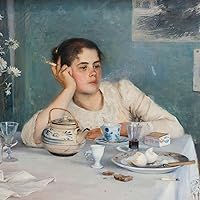
More and more anxious while writing. It is understandable. Every word, twisted in the hand of the spirits - this flourish of the hand is their characteristic movement - becomes a spear, turned against the speaker. A remark like this most especially. And so on to infinity. The consolation would be only: it happens whether you want it or not. And what you want helps only imperceptibly little. More than consolation is: You too have weapons.
I’ve always had a bit of a strange relationship with diary keeping. Whether it was my early desperation to keep one, faithfully and doggedly, out of an abundance of vanity and sentimentality, or the subsequent entire rejection of it, as feels somewhat inevitable in the contrary middle age between childhood and adulthood; the need to entirely abandon those things too deeply attached to your (believed to be) former self. It was something I realised I had always thought and felt about in extremes, and always for either the wrong reasons, or often for no real reason at all.
Until I started this volume of Kafka’s diaries, I don’t think I had quite realised any of this. That something so seemingly innocuous had so many misplaced and unnecessary connotations for me. These diaries made me not only realise this, but entirely reconsider these old prejudices about, and against, diary keeping. Kafka’s ability to display such honest emotion plainly and effectively, yet without it feeling like his entire beating heart bleeding embarrassingly over the page, is such a testament to his inherent skill as a writer. How natural yet refined his writing is here, even in what should be its rawest form, was what I found most remarkable about these diaries.
I also appreciated the many insights into Kafka’s writing process here, and into his feelings about his writing. Both the act and the finished product. How interesting and well written much of (both his complete and incomplete) work is, contrasted with his lamentations about either how difficult it was to summon, or how little he was sometimes able to recognise its quality, was consistently comforting, and a little endearing.
Equally, it was fascinating to see a lot of the themes in Kafka’s works, such as ideas of alienation and unbelonging, reflected consistently throughout the diaries too. Kafka often references fearing how secretly repugnant he is, that if someone would just look closely enough they would realise him a monster. Seeing the core of this, knowing how he would be able to use and channel this in his fiction, made for a really interesting glimpse behind the curtain.
Don’t get me wrong, there was also plenty here that was boring. Either by how inconsequential it was (and how often it was repeated) or by how uninterested I particularly was in it, such as Kafka’s extensive trips to the theatre, or details about his interactions with his religious community. These weren’t really what I came to the diaries for, and so this could really drag on. I can’t help but note this in terms of giving people who might be interested in Kafka’s diaries the right expectations, but this isn’t strictly a criticism. After all, this was always a private diary. Something never intended for public consumption. In some ways, this renders any actual judgment on it or its contents silly, really.
Equally, undeniably, in looking at the bigger picture, this can seem small compared to the wealth of either the, often surprisingly refined, literary fragments or Kafka’s genuine meditations on how excruciating living can sometimes be. How off handed these remarks were, while simultaneously being undeniably deep (sometimes for that very reason), created a juxtaposition that made even the smallest of entries in this diary so incredibly poignant.
I think if you’re a fan of Kafka and his writing style, there’s plenty to be got from time spent with this diary. Even if you’re not, this doesn’t become untrue, but there may also be too much else that makes reading this more of a chore than a joy. After all, this volume comes in at almost 600 hefty pages. It comes down to the same thing it always does with complete works, whether it’s a full diary like this or simply an author’s entire back catalogue. Even with the most genius of writers, not every thought that tumbles through their head is necessarily brilliant, and if you’re not a honest to goodness fan of said author, it may be difficult to really enjoy. It’s certainly no place to start.
Part of me would be happy to see something of an abridged version of these diaries, not as a replacement, but something that would be more palatable both for rereading (which I wouldn’t strictly be inclined to, despite the skill, because of how much I know I’d like to skip next time) and something that could appeal to a more casual Kafka fan, who I’m sure would like plenty of the contents of this volume, but maybe wouldn’t be inclined to commit to such a tome as this. Nonetheless, whatever version this diary might be read in, it’s ultimately worth it to spend whatever time with such a singular talent.
I’ve always had a bit of a strange relationship with diary keeping. Whether it was my early desperation to keep one, faithfully and doggedly, out of an abundance of vanity and sentimentality, or the subsequent entire rejection of it, as feels somewhat inevitable in the contrary middle age between childhood and adulthood; the need to entirely abandon those things too deeply attached to your (believed to be) former self. It was something I realised I had always thought and felt about in extremes, and always for either the wrong reasons, or often for no real reason at all.
Until I started this volume of Kafka’s diaries, I don’t think I had quite realised any of this. That something so seemingly innocuous had so many misplaced and unnecessary connotations for me. These diaries made me not only realise this, but entirely reconsider these old prejudices about, and against, diary keeping. Kafka’s ability to display such honest emotion plainly and effectively, yet without it feeling like his entire beating heart bleeding embarrassingly over the page, is such a testament to his inherent skill as a writer. How natural yet refined his writing is here, even in what should be its rawest form, was what I found most remarkable about these diaries.
I also appreciated the many insights into Kafka’s writing process here, and into his feelings about his writing. Both the act and the finished product. How interesting and well written much of (both his complete and incomplete) work is, contrasted with his lamentations about either how difficult it was to summon, or how little he was sometimes able to recognise its quality, was consistently comforting, and a little endearing.
Equally, it was fascinating to see a lot of the themes in Kafka’s works, such as ideas of alienation and unbelonging, reflected consistently throughout the diaries too. Kafka often references fearing how secretly repugnant he is, that if someone would just look closely enough they would realise him a monster. Seeing the core of this, knowing how he would be able to use and channel this in his fiction, made for a really interesting glimpse behind the curtain.
Don’t get me wrong, there was also plenty here that was boring. Either by how inconsequential it was (and how often it was repeated) or by how uninterested I particularly was in it, such as Kafka’s extensive trips to the theatre, or details about his interactions with his religious community. These weren’t really what I came to the diaries for, and so this could really drag on. I can’t help but note this in terms of giving people who might be interested in Kafka’s diaries the right expectations, but this isn’t strictly a criticism. After all, this was always a private diary. Something never intended for public consumption. In some ways, this renders any actual judgment on it or its contents silly, really.
Equally, undeniably, in looking at the bigger picture, this can seem small compared to the wealth of either the, often surprisingly refined, literary fragments or Kafka’s genuine meditations on how excruciating living can sometimes be. How off handed these remarks were, while simultaneously being undeniably deep (sometimes for that very reason), created a juxtaposition that made even the smallest of entries in this diary so incredibly poignant.
I think if you’re a fan of Kafka and his writing style, there’s plenty to be got from time spent with this diary. Even if you’re not, this doesn’t become untrue, but there may also be too much else that makes reading this more of a chore than a joy. After all, this volume comes in at almost 600 hefty pages. It comes down to the same thing it always does with complete works, whether it’s a full diary like this or simply an author’s entire back catalogue. Even with the most genius of writers, not every thought that tumbles through their head is necessarily brilliant, and if you’re not a honest to goodness fan of said author, it may be difficult to really enjoy. It’s certainly no place to start.
Part of me would be happy to see something of an abridged version of these diaries, not as a replacement, but something that would be more palatable both for rereading (which I wouldn’t strictly be inclined to, despite the skill, because of how much I know I’d like to skip next time) and something that could appeal to a more casual Kafka fan, who I’m sure would like plenty of the contents of this volume, but maybe wouldn’t be inclined to commit to such a tome as this. Nonetheless, whatever version this diary might be read in, it’s ultimately worth it to spend whatever time with such a singular talent.
June 14, 2024
I read this book because Kafka has been my all-time favourite writer since I was a teenager and I wanted to be reading Kafka during the centenary of his death from TB on June 3rd 1924.
One of the technical difficulties in reading Kafka translated into English is you never know how accurate the translation is linguistically or which version of which manuscript or notebook the translator has used, given that very little of Kafka’s work was published in his lifetime. Readers may be aware of the battles that have raged over Kafka’s manuscripts for decades. His friend and first editor, Max Brod, refused to follow Kafka’s deathbed injunction to burn all his manuscripts “unread and in their entirety.” Brod then went on to publish as much as he could but had a habit of meddling with some texts – especially notebooks and letters. The translator here, Ross Benjamin, makes it clear in his introduction that he has worked on all the surviving notebooks and has attempted to translate them accurately, word for word, and without omitting any awkward bits – as previous translators have done.
The result is Kafka warts and all, a Kafka I glimpsed a few years ago in Reiner Stach’s three volume biography. What we saw there – and again in the Diaries – is a bloke whose “tortured state” appears to be largely self-inflicted and self-indulgent. Kafka was in awe of just about all the quack medical fads doing the rounds in the early twentieth century: vegetarianism, nude swimming, sleeping with the window wide open in the middle of winter. Even the TB that eventually killed him seems to have been almost self-inflicted. Kafka clearly had issues about “body image” and these largely account for his failure to marry any of his fiancées as much as his claim that he was pure literature and couldn’t allow family life to interfere with his vocation. He allowed his job and his passion for extended holidays in sanatoria to interfere but not a wife and children.
Speaking of families, I was brought up to believe that Kafka’s father was a callow, philistine tyrant who didn’t have the artistic sensibility to understand that his son was a literary genius. That’s what you get from the blurb on the inside covers of the old Penguin Modern Classics editions of Kafka. Reiner Stach presents a different perspective: all old Mr Kafka and his wife were asking was for Franz to pull his weight a bit more. He refused to help out in the family shop and although he was a shareholder in another business venture – an asbestos factory – he insisted that he should be very much a sleeping partner. That asbestos factory is one of the many ironies of Kafka’s life. His day job as an insurance clerk was to ensure that workers injured in industrial accidents got fair compensation. In fact, he became quite an expert in what we now call health and safety risks. But in those days asbestos was considered a wonder material for preventing fires – and risk free – and Kafka couldn’t be bothered to deal with the details about how the factory was being run.
It’s often said that Kafka foresaw the totalitarian horrors of the mid-twentieth century, and his continuing relevance has been debated in the past few days in light of Putin, Trump and the Horizon scandal in the UK. When Kafka died, Nazism was on the rise, and he must have been aware of this as he had been living in Berlin for some time when he died. He may also have been aware of events in Italy and Russia, although these aren’t mentioned in the notebooks. He had an interest in Zionism but despite whatever foresight he had, he was not motivated to leave Europe, neither were his family. The end result of that was that his three sisters all became victims of the Holocaust. The two older sisters, Elli and Valli, both died in the Lodz ghetto in Poland. His youngest sister, Ottla, was murdered in the gas chambers of Auschwitz. Kafka was especially close to Ottla. Whereas Elli and Valli seem to have followed convention and become housewives and mothers, Ottla was determined to become a farmer – a very unusual career choice for a young woman at the time. Reading about Kafka has always made me want to know more about his sisters, and especially about the paths that led them to their deaths. May sound morbid, but what happened to them was reality, not fiction.
This is a fascinating book and I would recommend it to anyone who admires Kafka’s writing and wants to learn more about him.
One of the technical difficulties in reading Kafka translated into English is you never know how accurate the translation is linguistically or which version of which manuscript or notebook the translator has used, given that very little of Kafka’s work was published in his lifetime. Readers may be aware of the battles that have raged over Kafka’s manuscripts for decades. His friend and first editor, Max Brod, refused to follow Kafka’s deathbed injunction to burn all his manuscripts “unread and in their entirety.” Brod then went on to publish as much as he could but had a habit of meddling with some texts – especially notebooks and letters. The translator here, Ross Benjamin, makes it clear in his introduction that he has worked on all the surviving notebooks and has attempted to translate them accurately, word for word, and without omitting any awkward bits – as previous translators have done.
The result is Kafka warts and all, a Kafka I glimpsed a few years ago in Reiner Stach’s three volume biography. What we saw there – and again in the Diaries – is a bloke whose “tortured state” appears to be largely self-inflicted and self-indulgent. Kafka was in awe of just about all the quack medical fads doing the rounds in the early twentieth century: vegetarianism, nude swimming, sleeping with the window wide open in the middle of winter. Even the TB that eventually killed him seems to have been almost self-inflicted. Kafka clearly had issues about “body image” and these largely account for his failure to marry any of his fiancées as much as his claim that he was pure literature and couldn’t allow family life to interfere with his vocation. He allowed his job and his passion for extended holidays in sanatoria to interfere but not a wife and children.
Speaking of families, I was brought up to believe that Kafka’s father was a callow, philistine tyrant who didn’t have the artistic sensibility to understand that his son was a literary genius. That’s what you get from the blurb on the inside covers of the old Penguin Modern Classics editions of Kafka. Reiner Stach presents a different perspective: all old Mr Kafka and his wife were asking was for Franz to pull his weight a bit more. He refused to help out in the family shop and although he was a shareholder in another business venture – an asbestos factory – he insisted that he should be very much a sleeping partner. That asbestos factory is one of the many ironies of Kafka’s life. His day job as an insurance clerk was to ensure that workers injured in industrial accidents got fair compensation. In fact, he became quite an expert in what we now call health and safety risks. But in those days asbestos was considered a wonder material for preventing fires – and risk free – and Kafka couldn’t be bothered to deal with the details about how the factory was being run.
It’s often said that Kafka foresaw the totalitarian horrors of the mid-twentieth century, and his continuing relevance has been debated in the past few days in light of Putin, Trump and the Horizon scandal in the UK. When Kafka died, Nazism was on the rise, and he must have been aware of this as he had been living in Berlin for some time when he died. He may also have been aware of events in Italy and Russia, although these aren’t mentioned in the notebooks. He had an interest in Zionism but despite whatever foresight he had, he was not motivated to leave Europe, neither were his family. The end result of that was that his three sisters all became victims of the Holocaust. The two older sisters, Elli and Valli, both died in the Lodz ghetto in Poland. His youngest sister, Ottla, was murdered in the gas chambers of Auschwitz. Kafka was especially close to Ottla. Whereas Elli and Valli seem to have followed convention and become housewives and mothers, Ottla was determined to become a farmer – a very unusual career choice for a young woman at the time. Reading about Kafka has always made me want to know more about his sisters, and especially about the paths that led them to their deaths. May sound morbid, but what happened to them was reality, not fiction.
This is a fascinating book and I would recommend it to anyone who admires Kafka’s writing and wants to learn more about him.

June 1, 2024
I did not want this to end. I picked up Kafka’s diaries, in part, because I wanted to go writing school, as I’ve been keeping my own diary (or journal, or series of notebooks) since 2000, off and on. Kafka is a writer who I’ve only known indirectly through hearing about his obvious cultural and literary resonance and less through reading his own works. I approached Updike in this fashion, too, reading gobs of his non-fiction before ever really going into his fiction. I read the recent bio of Philip Roth having never read his fiction and it was incredibly illuminating — so much so that I’m in no hurry to read Roth’s novels. Kafka is different. It seems to me that going through the diaries has served as the hidden back door into finally reading his fiction which I’ve been avoiding for decades.
What’s in the diaries? Obviously it’s a record of his daily thoughts more or less from 1910 to 1923. It’s where he went to talk to himself and work on the raw materials of a writer’s crafts. He did a lot of observing. His city Prague and the other cities of Europe he visited all get fine-toothed combing over. This was before and during World War One in Middle Europe, the life of a mostly unknown Jewish German-speaking writer in Czechoslovakia. The sections where he is going to see Yiddish theatre productions and engaging in discussions regarding Zionism and Judaism more broadly are fascinating, particularly in this moment currently during the Israeli bombardment of Gaza over Hamas. I found myself turning to the diaries, and Kafka more generally, as a check (a Czech?) against the latent and manifest antisemitism I saw while reading the news of early 2024. History provides a window into the issues of European Jewry.
Kafka famously wondered what he had in common with the Jews, since he scarcely even had anything in common with himself. The diaries paint a portrait of a brilliant, sensitive, somewhat enervated, romantically crippled, genius writer who observed everything. As a writer I relished his descriptions of his fellow human beings, their clothes, mannerisms, voices, the collective aura of humanity seen from an insomniac’s lonely perch. The book was unbelievably inspiring and I’d recommend it to writers confronting the so-called myth of writer’s block. Reading just a few pages and seeing the quicksilver mind of Franz Kafka as he jumped from analyzing his relationships with women to drafting letters, traveling to Paris or Bohemian sanatoriums for his health, and endlessly trying to start a new short story, never really giving up on himself as a writer in spite of his palpable despair. There’s a moment when he writes the short story “The Judgment” essentially in one overnight writing session, out of whole cloth, then sits back and experiences a feeling of artistic self-esteem and clarity that shines through the pages. He realizes that this is how it must be done, with a sense of “indubitableness.” It is incredibly inspiring and heartening to witness since we know this is the same guy who wanted all his writing destroyed after he died. A complicated record of a complicated writer. Now I want to read all his fiction and his letters and everything else.
What’s in the diaries? Obviously it’s a record of his daily thoughts more or less from 1910 to 1923. It’s where he went to talk to himself and work on the raw materials of a writer’s crafts. He did a lot of observing. His city Prague and the other cities of Europe he visited all get fine-toothed combing over. This was before and during World War One in Middle Europe, the life of a mostly unknown Jewish German-speaking writer in Czechoslovakia. The sections where he is going to see Yiddish theatre productions and engaging in discussions regarding Zionism and Judaism more broadly are fascinating, particularly in this moment currently during the Israeli bombardment of Gaza over Hamas. I found myself turning to the diaries, and Kafka more generally, as a check (a Czech?) against the latent and manifest antisemitism I saw while reading the news of early 2024. History provides a window into the issues of European Jewry.
Kafka famously wondered what he had in common with the Jews, since he scarcely even had anything in common with himself. The diaries paint a portrait of a brilliant, sensitive, somewhat enervated, romantically crippled, genius writer who observed everything. As a writer I relished his descriptions of his fellow human beings, their clothes, mannerisms, voices, the collective aura of humanity seen from an insomniac’s lonely perch. The book was unbelievably inspiring and I’d recommend it to writers confronting the so-called myth of writer’s block. Reading just a few pages and seeing the quicksilver mind of Franz Kafka as he jumped from analyzing his relationships with women to drafting letters, traveling to Paris or Bohemian sanatoriums for his health, and endlessly trying to start a new short story, never really giving up on himself as a writer in spite of his palpable despair. There’s a moment when he writes the short story “The Judgment” essentially in one overnight writing session, out of whole cloth, then sits back and experiences a feeling of artistic self-esteem and clarity that shines through the pages. He realizes that this is how it must be done, with a sense of “indubitableness.” It is incredibly inspiring and heartening to witness since we know this is the same guy who wanted all his writing destroyed after he died. A complicated record of a complicated writer. Now I want to read all his fiction and his letters and everything else.

June 9, 2024
Penguin has tried to make this publication a bit of an event because, as their press release says, 'this volume makes available for the first time in English a comprehensive reconstruction of Kafka’s handwritten diary entries and provides substantial new content, restoring all the material omitted from previous publications — notably, names of people and undisguised details about them, a number of literary writings, and passages of a sexual nature, some of them with homoerotic overtones.' My italics but honestly couldn't we do without this tawdriness? And if you're now all set up for a racy, sensational read then you have disappointments in store.
In this new world of completeness and authenticity, Max Brod comes over as the villain for his interventionist approach. Not only did he edit out the items and passages referred to above but he actually tried to make the Diaries coherent and readable!!
Amidst the fanfare that has greeted the publication of this version I want to ask, what if Brod was right? Put aside the 'censorship' and consider if you would rather read interestingly selected notebook entries by someone who knew Kafka and his working methods well or you'd rather have the whole lot indiscriminately piled up for you to pull the gems out of a mass of irrelevant/boring/trivial/minorly prurient material.
It hasn't helped my reading of this new complete translation by Ross Benjamin of the S. Fischer Verlag critical edition that he comes over as somewhat zealous, so anti-Brod, in his Preface. And yet the aspects of his approach he clearly thinks are virtues pale a bit when considered. Two short examples. First, the direct comparison Benjamin makes of the opening passage between his own translation and the extant English translation of the Brod version (by Joseph Kresh) is nitpicking but also demonstrates how much Benjamin's plodding literalism quickly deadens the literary experience. Second, he makes much of the fact that Brod did not include the text of Kafka's story 'The Judgment' in place in the notebooks where Kafka wrote it in the course of one night. The profound feat of creativity Kafka brought off here in so short a space of time is already well attested and while it is interesting to see how little of the story changed from what's in the Notebooks to the published version, Benjamin's pedestrian English version doesn't compare well with other modern translations (I recommend Michael Hofmann in Penguin Modern Classics).
So I suppose my obvious point is, if you want a better literary experience, you might prefer to go with Brod (in the two volume translation overseen by Hannah Arendt). If you want a raw, difficult, often fragmented reading assignment this new translation will fit the bill. If you are seriously interested in Kafka of course you may have learned German and been able to avail yourself of the S. Fischer Verlag edition since the early 1990s.
In this new world of completeness and authenticity, Max Brod comes over as the villain for his interventionist approach. Not only did he edit out the items and passages referred to above but he actually tried to make the Diaries coherent and readable!!
Amidst the fanfare that has greeted the publication of this version I want to ask, what if Brod was right? Put aside the 'censorship' and consider if you would rather read interestingly selected notebook entries by someone who knew Kafka and his working methods well or you'd rather have the whole lot indiscriminately piled up for you to pull the gems out of a mass of irrelevant/boring/trivial/minorly prurient material.
It hasn't helped my reading of this new complete translation by Ross Benjamin of the S. Fischer Verlag critical edition that he comes over as somewhat zealous, so anti-Brod, in his Preface. And yet the aspects of his approach he clearly thinks are virtues pale a bit when considered. Two short examples. First, the direct comparison Benjamin makes of the opening passage between his own translation and the extant English translation of the Brod version (by Joseph Kresh) is nitpicking but also demonstrates how much Benjamin's plodding literalism quickly deadens the literary experience. Second, he makes much of the fact that Brod did not include the text of Kafka's story 'The Judgment' in place in the notebooks where Kafka wrote it in the course of one night. The profound feat of creativity Kafka brought off here in so short a space of time is already well attested and while it is interesting to see how little of the story changed from what's in the Notebooks to the published version, Benjamin's pedestrian English version doesn't compare well with other modern translations (I recommend Michael Hofmann in Penguin Modern Classics).
So I suppose my obvious point is, if you want a better literary experience, you might prefer to go with Brod (in the two volume translation overseen by Hannah Arendt). If you want a raw, difficult, often fragmented reading assignment this new translation will fit the bill. If you are seriously interested in Kafka of course you may have learned German and been able to avail yourself of the S. Fischer Verlag edition since the early 1990s.
Displaying 1 - 30 of 76 reviews