I haven't read a book this quickly in a long time. My first reaction was, "This reads just like fiction, like a really well done murder mystery, but ... it isn't fiction. It's real."
This should be required reading for all hospital managers, at all levels. While I was reading it, I kept looking for something ... unusual, something surprising, other than the murders themselves. It all hung together, and it all made sense. Too much sense. I could imagine this happening, and couldn't see any way to stop it that didn't involve some person or circumstance that is extraordinary, that does something unexpected. That is what is most terrifying about this. That it is so incredibly REASONABLE and awful at the same time. I know, since then, there have been changes in the laws to balance the dynamic of the rights of the patients and the rights of the hospitals. Things like this still happen. There are still coverups, still this awful balance between who you are protecting. Something milder but similar happened here last year. Not murder, but child pornography. Not 16 years but 6 months. Still.
Aside from the credibility of the story itself, it is well told and well crafted. The detail is amazing. The consistent and orderly progression of the story, the murders, the movements, the investigation ... what will tip the balance? I can imagine the author surrounding himself with piles of papers and notes and outlines and recordings, trying to assemble all the myriad interviews and pieces of evidence into a coherent timeline, and then doing a second sort by the point of view, balancing and weighing the importance to the overall story.
One other reviewer remarked that he wished there had been more about the actual confession. My interpretation is that those details were integrated throughout the rest of the story, comingled with the author's own interviews with Charles and the police and the informant. I loved the extremely clever pun in the title, how who is the good nurse changes throughout the telling of the tale, the layers of meaning in "good nurse," layers which are unfolded throughout the telling of the tale.
It isn't a perfect book, but it is a Very Good Book and an Important Book. Don't read this book and think for one second that it couldn't happen again, or hasn't happened before. This is not a unique tale. This is perhaps the richest and most comprehensive telling of this type of series of events, and a call for change. Not just legal change, but a more widespread cultural change. Or, is there any change that could prevent things like this from happening? We can make it harder, more difficult, more challenging, but is it really possible to prevent it?


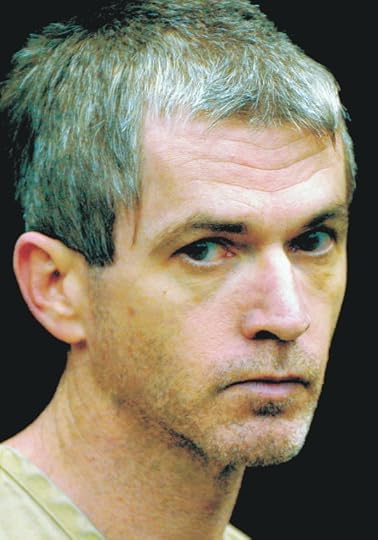
 Killer Nurse: Charles Cullin is sworn in during a court proceeding