

What do you think?

Endnotes 1: Preliminary Materials for a Balance Sheet of the Twentieth Century
Endnotes is a new journal from some people who previously participated in the autonomist / ultra-left magazine Aufheben.
Issue #1 entitled, "Preliminary Materials for a Balance Sheet of the Twentieth Century", begins where the engagement between Aufheben and the French group Thèorie Communiste left off. It consists mainly of a debate between Gilles Dauvé and Thèorie Communiste addressing why the traditional workers' movement failed to overcome capitalism, and what the restructuring of the 1970s means for class struggle and revolution today.
Issue #1 entitled, "Preliminary Materials for a Balance Sheet of the Twentieth Century", begins where the engagement between Aufheben and the French group Thèorie Communiste left off. It consists mainly of a debate between Gilles Dauvé and Thèorie Communiste addressing why the traditional workers' movement failed to overcome capitalism, and what the restructuring of the 1970s means for class struggle and revolution today.
261 pages, paperback
First published November 1, 2008
Ratings & Reviews
Friends & Following
Create a free account to discover what your friends think of this book!
Community Reviews
Displaying 1 - 30 of 32 reviews

May 10, 2018
Pros: Thèorie Communiste
Cons: Dauvé
Cons: Dauvé

April 25, 2021
ta chulo la verdad que le pondría un 3 si fuese solo las partes de tc pero mola👍 merece la pena leerlo pero recomiendo leer bring out your dead y luego el afterword antes que el resto

July 27, 2015
This journal is worth having, even if you don't read either of the subsequent issues, if only because it does a good job of curating the "debate" between Gilles Dauve and TC. Does the debate matter? Has communization as the horizon of class struggle always been possible or is it only now possible? I'm going to cast my vote for "probably doesn't matter." But if you're a nerd, its entertaining nonetheless.

December 27, 2022
Much to think about.

September 12, 2025
al principio pensé que no me enteraría de nada... pero he ido descifrando...
considero que la síntesis de democracia Y fascismo (en vez de democracia O fascismo) de dauvé es bastante buena, y a mí me han servido mucho los ejemplos concretos. pero hasta ahí...
en todo lo demás me creo bastante más a théorie communiste -creo que tienen un mejor entendimiento de la dialéctica-, en especial subrayo:
-la concepción de 'proletariado vs el capital' en vez de 'comunismo vs el capital'
"Hay que considerar la contradicción entre proletariado y capital como una relación de implicación recíproca, y la revolución y el comunismo como productos históricos, no como resultado de la naturaleza de la clase revolucionaria definida como tal de una vez por todas"
-el rechazo del 'podría haber sido' si realmente no... "Lo que no sucedió abandona el dominio del pensamiento y pasa a formar parte del dominio de la fe y de la locura. La ideología de lo posible vuelve la vista hacia el pasado y dice «esto podría haber sucedido o no»; consiste en considerar contingente, sobre la base del período posterior, aquello que para el período anterior fue fundamental."
también me llevo "Lo revolucionario no es defender la lucha de clases, sino afirmar que tal lucha puede desembocar en una revolución comunista." porque me recuerda mucho al "Una descripción es una cosa; una reivindicación, otra distinta." de Engels. me parece vital tener siempre presente la diferencia.
mención especial a los momentos cunty de TC -¿qué marxista que se precie no es un faltón?-:
"¡Por supuesto! De no venir de tan excelsos autores cabría sospechar que se trata de simple ignorancia"
"Todo transcurre como si existiera un termómetro enorme con una escala que llega hasta la Revolución Comunista —comunidad humana—: uno lo inserta en un punto sensible de los acontecimientos y se fija hasta dónde llega el mercurio, y luego explica que el mercurio solo llegó hasta ahí porque no subió más."
no sabía qué era la comunización. de pronto se abre un mundo. pero por ahora no me cala.
considero que la síntesis de democracia Y fascismo (en vez de democracia O fascismo) de dauvé es bastante buena, y a mí me han servido mucho los ejemplos concretos. pero hasta ahí...
en todo lo demás me creo bastante más a théorie communiste -creo que tienen un mejor entendimiento de la dialéctica-, en especial subrayo:
-la concepción de 'proletariado vs el capital' en vez de 'comunismo vs el capital'
"Hay que considerar la contradicción entre proletariado y capital como una relación de implicación recíproca, y la revolución y el comunismo como productos históricos, no como resultado de la naturaleza de la clase revolucionaria definida como tal de una vez por todas"
-el rechazo del 'podría haber sido' si realmente no... "Lo que no sucedió abandona el dominio del pensamiento y pasa a formar parte del dominio de la fe y de la locura. La ideología de lo posible vuelve la vista hacia el pasado y dice «esto podría haber sucedido o no»; consiste en considerar contingente, sobre la base del período posterior, aquello que para el período anterior fue fundamental."
también me llevo "Lo revolucionario no es defender la lucha de clases, sino afirmar que tal lucha puede desembocar en una revolución comunista." porque me recuerda mucho al "Una descripción es una cosa; una reivindicación, otra distinta." de Engels. me parece vital tener siempre presente la diferencia.
mención especial a los momentos cunty de TC -¿qué marxista que se precie no es un faltón?-:
"¡Por supuesto! De no venir de tan excelsos autores cabría sospechar que se trata de simple ignorancia"
"Todo transcurre como si existiera un termómetro enorme con una escala que llega hasta la Revolución Comunista —comunidad humana—: uno lo inserta en un punto sensible de los acontecimientos y se fija hasta dónde llega el mercurio, y luego explica que el mercurio solo llegó hasta ahí porque no subió más."
no sabía qué era la comunización. de pronto se abre un mundo. pero por ahora no me cala.

June 27, 2019
Really a low four/high three but still a required read for all communists regardless of their views on communisation. The debate between Tropolin and Theorie Communiste over the reason for the failure of communism in the 19th and 20th century are enlightening both in regard to Dauves excellent historiography and understanding of historical revolutions and TCs inquierie into the reason for these failures in the dynamics of the capital-proletariat relation. Over all I'm more interested in what endnotes have to say in the following numbers but I still have the feeling that communisation theory is the way forward despite numerous trouble especially in regards to its incorporation of Neue-Marx-lectüre which I would argue is the most correct analysis of capitalism.

March 31, 2024
la vdd es que he sufrido bastante leyéndolo pero estoy contenta de habérmelo acabado. Discusiones de señores comunizadores que serán muy listos pero se te hace bola si quieres entenderlo todo. Quizás en otro momento de mi vida pueda releerlo y disfrutarlo más. Le doy un tres porque ya estaba apunto de desistir pero algunas partes me han parecido interesantes:)

August 24, 2023
As with all the Endnotes volumes, I'm never quite sure which pieces I've read through, so I was glad to work through this one a bit more systematically. The spectre of operaismo weighs on each piece as a passive participant in the dispute over the relation of capital and labour and the historical forms this takes - TC offering a kind of class compositional analysis that of course Troploin reads as a restrictive determinism, all while disavowing the method itself.* The volume circles back and through the same questions of organisational form, historical diagnostics and the 'deep content' of communism numerous times - each time with greater vitriol between the authors - but its useful to gauge just how repetitive (if necessary) some of the far left debates really are, decade after decade. Less convinced by the practice of periodisation that they all take as vital, though.
*The firmness of the prose and it's argumentative intensity, I think, means an important distinction on the 'invariance' of communism is skipped: the idea that communism is realisable in any conjuncture or level of historical 'development' (contra more orthodox Marxists) is perhaps conflated with questions of the historical development of the forms the transition might have to take etc.
*The firmness of the prose and it's argumentative intensity, I think, means an important distinction on the 'invariance' of communism is skipped: the idea that communism is realisable in any conjuncture or level of historical 'development' (contra more orthodox Marxists) is perhaps conflated with questions of the historical development of the forms the transition might have to take etc.

July 23, 2026
Now that I'm well into Volume 2 I really gotta say that I don't exactly understand the point of this one. Or, well - I understand the point, the goal being strived for: that being, presenting the failures of the 20th century in order to move past them, build the basis for the theory that will follow in the subsequent volumes, but the execution is just... ugh. This work just feels mishandled.
Ultimately, its largest problem is the fact that this text is barely Endnotes, and reading the conclusion had me scratching my head as to why reading the *raw* 200 Page exchange between Troploin and TC was necessary, in stead of - y'know, citing and quoting parts to present the theory.
To clarify, this work isn't horrid in and of itself, it has some worthwhile theory, the topic itself is quite central for us, and the perspective of TC is quite novel and interesting to me, but, I question its form.
Volume 2 absolutely slaps so far and I hope that it's a situation where it'll make more sense in hindsight, but it's an unbelievably weak opener to a series which otherwise seems incredibly interesting.
P.S. I had a couple historical works by Dauvé lined up in the reading list, but this one possibly put me off reading them for a while. His historical analysis here seems pretty foolish... so, possible plus point for saving me a buncha time
2.5/5
Ultimately, its largest problem is the fact that this text is barely Endnotes, and reading the conclusion had me scratching my head as to why reading the *raw* 200 Page exchange between Troploin and TC was necessary, in stead of - y'know, citing and quoting parts to present the theory.
To clarify, this work isn't horrid in and of itself, it has some worthwhile theory, the topic itself is quite central for us, and the perspective of TC is quite novel and interesting to me, but, I question its form.
Volume 2 absolutely slaps so far and I hope that it's a situation where it'll make more sense in hindsight, but it's an unbelievably weak opener to a series which otherwise seems incredibly interesting.
P.S. I had a couple historical works by Dauvé lined up in the reading list, but this one possibly put me off reading them for a while. His historical analysis here seems pretty foolish... so, possible plus point for saving me a buncha time
2.5/5

February 12, 2024
creo que cumple su funcion, despertar el interes por ir mas alla de esta simple discusion entre tc y troploin y leer mas sobre comunización y demás. en sin un poco sin mas

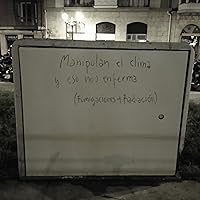
November 1, 2025
ba tias que resulta que el antifascismo tiende al frente popular ta por lo tanto ez da oso konpaginablia komunismuaz...

December 28, 2012
Really good introduction to the ideas of Troploin and Theorie Communiste. Takes a bit of effort to sort through if, like me, you don't have a very firm grounding in the ideas of Bordiga, the councilists or subsequent Situationist theories. Would recommend brushing up with recommendations made by the authors in the book's introduction and afterword before getting into the heart of the book.

October 30, 2023
És el segon Endnotes que em llegeixo (vaig començar pel 3).
El text recull el debat entre dues corrents dins de la comunització discutint sobre la història de la lluita de classes del segle passat. A banda i banda del ring: Dauvé i companyia VS Théorie Communsite (TC). Ambdues postures comparteixen la idea de la revolució com a comunització, és a dir, la producció immediata del comunisme, rebutjant els estats transicionals i defensant l'abolició del treball enlloc de la seva realització. Divergeixen, tanmateix, en les seves respectives filosofies de la història (tot i que potser TC rebutjaria aquest terme). Dauvé & Co consideren que les condicions per a la revolució com a comunització han estat presents en tot el sXX (i proposen múltiples exemples de formes de rebuig del treball en les revolucions passades). TC, per altra banda, ubica aquesta possibilitat a una transformació recent (des dels 70s) de la reproducció de les relacions socials capitalistes. Ubiquen tres fases emprant els termes que Marx proposa en el capítol VI inèdit del Capital (subsunció formal i real). En la tercera i actual fase (la segona fase de subsunció real) el vincle entre proletariat i capital esdevé intern i immediat. Autoafirmar-se com a proletariat, com havien fet les revolucions passades, ara implica afirmar el capital. L'única via possible és, per tant, autoabolir-se, abolint així les relacions socials capitalistes.
En general em fa més tilin TC que Dauvé. Tanmateix, el que no m'acaba d'agradar és l'ús tan històric de les categories de subsunció formal i real que almenys en Marx no representen dues etapes històriques sinó dues formes d'integració de la força de treball que es poden perfectament superposar. Al final és el lio que l'exposició lògica del Capital de Marx, des de les formes més simples a les més ampliades, no és necessàriament històrica.
Qüestió, que un petonet comunitzador i bona nit💖
El text recull el debat entre dues corrents dins de la comunització discutint sobre la història de la lluita de classes del segle passat. A banda i banda del ring: Dauvé i companyia VS Théorie Communsite (TC). Ambdues postures comparteixen la idea de la revolució com a comunització, és a dir, la producció immediata del comunisme, rebutjant els estats transicionals i defensant l'abolició del treball enlloc de la seva realització. Divergeixen, tanmateix, en les seves respectives filosofies de la història (tot i que potser TC rebutjaria aquest terme). Dauvé & Co consideren que les condicions per a la revolució com a comunització han estat presents en tot el sXX (i proposen múltiples exemples de formes de rebuig del treball en les revolucions passades). TC, per altra banda, ubica aquesta possibilitat a una transformació recent (des dels 70s) de la reproducció de les relacions socials capitalistes. Ubiquen tres fases emprant els termes que Marx proposa en el capítol VI inèdit del Capital (subsunció formal i real). En la tercera i actual fase (la segona fase de subsunció real) el vincle entre proletariat i capital esdevé intern i immediat. Autoafirmar-se com a proletariat, com havien fet les revolucions passades, ara implica afirmar el capital. L'única via possible és, per tant, autoabolir-se, abolint així les relacions socials capitalistes.
En general em fa més tilin TC que Dauvé. Tanmateix, el que no m'acaba d'agradar és l'ús tan històric de les categories de subsunció formal i real que almenys en Marx no representen dues etapes històriques sinó dues formes d'integració de la força de treball que es poden perfectament superposar. Al final és el lio que l'exposició lògica del Capital de Marx, des de les formes més simples a les més ampliades, no és necessàriament històrica.
Qüestió, que un petonet comunitzador i bona nit💖

June 28, 2025
Bueno, a ver, empezando por lo primero, tanto los textos de Troploin como los de Theorie Communiste apelan a la comunización en tanto superación del etapismo revolucionario.
Empezando con Troploin, se agradece la labor de facilitar una crítica porque en general todo el texto es una cosa espantosa y su defensa contra el idealismo y el determinismo es, si cabe, todavía más idealista y determinista, cosa que es increíble (hay un momento que habla de dualidades, del ser proletario... un texto absolutamente marciano). Eso hace que la crítica de TC sea una suma de críticas lógicas, es decir, no cabe otra ante el texto que se presenta.
El texto de TC me ha parecido más honesto y rico intelectualmente, pero parte de la crítica a un texto absolutamente vacío y que suma todas las críticas expuestas en el párrafo anterior. Además de algunas partes como la de la subsunción del trabajo que parte de una separación artificial (entre trabajo formal y real) que no acabo de ver, ya que se habla de dos etapas históricas, como si las dos formas de organización, como se hablaba en otro comentario, no se pudieran superponer.
En general, es un libro denso y que parte de unos tecnicismos y academicismos absolutamente inoperantes, pero que puede resultar interesante de cara a rescatar algunos apartados y, como se hablaba en otros comentarios, introducirte a la profundización de conceptos como el de la comunización.
Empezando con Troploin, se agradece la labor de facilitar una crítica porque en general todo el texto es una cosa espantosa y su defensa contra el idealismo y el determinismo es, si cabe, todavía más idealista y determinista, cosa que es increíble (hay un momento que habla de dualidades, del ser proletario... un texto absolutamente marciano). Eso hace que la crítica de TC sea una suma de críticas lógicas, es decir, no cabe otra ante el texto que se presenta.
El texto de TC me ha parecido más honesto y rico intelectualmente, pero parte de la crítica a un texto absolutamente vacío y que suma todas las críticas expuestas en el párrafo anterior. Además de algunas partes como la de la subsunción del trabajo que parte de una separación artificial (entre trabajo formal y real) que no acabo de ver, ya que se habla de dos etapas históricas, como si las dos formas de organización, como se hablaba en otro comentario, no se pudieran superponer.
En general, es un libro denso y que parte de unos tecnicismos y academicismos absolutamente inoperantes, pero que puede resultar interesante de cara a rescatar algunos apartados y, como se hablaba en otros comentarios, introducirte a la profundización de conceptos como el de la comunización.

September 30, 2026
Endnotes 1 documents a debate between Gilles Dauvé and Théorie Communiste (TC). Dauvé argues that the value-form is the core of exploitation, so any workers' management or democratic self-government that leaves it untouched will only churn out capitalists in new skins (care for my anarchist workers' prison?). In his view, every failure of the workers' movement comes down to never having touched the value-form.
TC's reply: that diagnosis is still too idealist, because it ignores concrete historical conditions. When the real subsumption of labor under capital had only gone so far, workers' self-understanding could only go so far too. They hit a ceiling, so don't blame the dead.
On the surface, council communism and Bordiga seem to be doing the heavy lifting here, but to me it's unmistakably Althusser's ghost at the table. What a classic showdown: philosophy of the subject (Dauvé) versus structuralism (TC).
TC's reply: that diagnosis is still too idealist, because it ignores concrete historical conditions. When the real subsumption of labor under capital had only gone so far, workers' self-understanding could only go so far too. They hit a ceiling, so don't blame the dead.
On the surface, council communism and Bordiga seem to be doing the heavy lifting here, but to me it's unmistakably Althusser's ghost at the table. What a classic showdown: philosophy of the subject (Dauvé) versus structuralism (TC).

May 6, 2025
Me ha gustado que sea un trabajo honesto que busca la claridad en el debate, sin embargo el nivel político es lamentable, si theorie communiste tiene algunos momentos de brillantez es únicamente por lo absurdamente estúpido de la argumentación en Dauvé y Nesic.
Por mucho que acierte en algunas críticas, en analizar la argumentación y los fallos... esto no supone una verdadera aportación para la lucha de clases, no es más que un poco de sentido común llamando a la puerta.
Los argumentos distintivos de TC pueden ser interesantes para reflexionar, al menos supone un debate válido sobre el momento en el que nos encontramos y como actualizar el análisis, pero a penas es un boceto en mitad de mucho fango ideológico.
Por mucho que acierte en algunas críticas, en analizar la argumentación y los fallos... esto no supone una verdadera aportación para la lucha de clases, no es más que un poco de sentido común llamando a la puerta.
Los argumentos distintivos de TC pueden ser interesantes para reflexionar, al menos supone un debate válido sobre el momento en el que nos encontramos y como actualizar el análisis, pero a penas es un boceto en mitad de mucho fango ideológico.
May 10, 2026
Molt interessant, encara que hem pareix café per a molt cafeteros. El més interessant del llibre són els debats que encenten els dos destacaments comunistes i els diferents punts de vista que tenen sobre el desenvolupament històric, la relació capital-treball i la negativitat del proletariat. La part més destacable són els fragments de TC i la seua mirada dels processos revolucionaris anteriors, en especial el programatisme; les parts de Dauvé son bones en tant que anàlisis dels processos polítics però molt idealistes, essencialistes i sense tindre en compte la historicitat del procés de lluita de classes.
La edició de Extàticas ho fa molt bé posant en context que es la comunització i explicant les seus potencialitats i carències. Ha estat bé.
La edició de Extàticas ho fa molt bé posant en context que es la comunització i explicant les seus potencialitats i carències. Ha estat bé.

May 2, 2019
As far as leftist analysis goes, the selections here don't pierce the strata of the contemporary situation well. Dauvé's pieces are especially poorly argued and confusingly organized. It amounts to typically leftist debates over historical insurrections, so nothing new for anyone remotely knowledgeable about left communism and the history of the European left. I gather the later issues may be better since Endnotes actually authors the pieces in those issues.
September 27, 2025
En el centro del libro hay una perla muy interesante, sobre la construccion de la identidad de una clase trabajadora que sólo ha conocido el trabajo en los terminos que impone el capitalismo.
Por lo demás el libro es interesante pero denso, y plagado por lo que a priori parecen teorizaciones desde el sofa. Para variar, teóricos franceses escribiendo como si les diera miedo que se les entienda.
Por lo demás el libro es interesante pero denso, y plagado por lo que a priori parecen teorizaciones desde el sofa. Para variar, teóricos franceses escribiendo como si les diera miedo que se les entienda.

November 17, 2025
Kind of a confusing debate, I probably need to read more Theorie Communiste and Troploin in order to understand the significance of the discussion. Pretty interesting stuff though, I think I lean a little more to the position of TC, although When Insurrection Die was probably still my favorite work in the selection.
July 17, 2026
Enlightening. Especially if you come from a Left Communist perspective. Personally, Theorie Communiste was more compelling, as it seems for most who have read the argument between them and Dauvé. TC completely changed my understanding of how to look at the history of capitalism and how the proletariat developed in relation to it.
May 6, 2021
would be 4* if all the Dauvé bits were cut out
May 14, 2023
This book has 216 pages, not 261.

November 22, 2023
curioso debate entre TC y Troploin

May 29, 2025
Muchísimo mas disfrutable la parte de Dauvé que la de Théorie Comuniste, digo más, por muy listos que sean estos no los vuelvo a leer ni con los ojos de otro

July 16, 2026
We were not prepared for this outstanding discussion

August 15, 2026
Interesting

March 1, 2023
I will be clear, some of this will feel entirely pointless and like splitting hairs. After all, both Dauve and TC seem to belong to the exact same niche of left politics. But the debate they're having is, under all of the drawn out back and forths, very much worth wild.
I'll admit I got quite a bit more out of Dauve's bits than the TC. I know that's heresy, but what can I say. TC's claim that Dauve is being tautological rings completely hollow if you actually read what he is saying. 'The working class didn't do the revolution because the working class didn't do the revolution' is a bit of a caricature of his argument. The working class didn't do the revolution because they didn't abolish the relations that necessitated it in the first place. We can argue about how plausible something like that is during a revolutionary phase (which TC does), but I really think it's disingenuous to claim he's being tautological.
Dauve's first essay is filled with sections that will leave you thinking about them for quite some time, even if you aren't one of these so-called communizers. A particular bit that stuck out to me was his insistence that both Marxists and anarchists fetishize the state as existing in a particular space, as if you can just go take over the post offices, parliament buildings and radio stations (podcast studios?) and suddenly boom, the state will be gone. But it is of course not that simple, as Dauve argues. The state is a guarantor of a specific set of relations. Without overcoming the relations, you will still have an alienated state form, even if it's one that operates in the name of the Bolsheviks or even the Spanish anarchists.
You can see how this, in part, leads Dauve in particular to the 'if the revolution doesn't do communism day one it will fail' attitude of the communizers. And while I find this sentiment really appealing and maybe even true, it does seem like anyone and their dog could apply this to their own brand of socialism, and delude themselves into believing it in one form or another. Regardless, if that thought isn't at least percolating in the back of your mind at all times when considering political economy, you may be a reformist.
I'll admit I got quite a bit more out of Dauve's bits than the TC. I know that's heresy, but what can I say. TC's claim that Dauve is being tautological rings completely hollow if you actually read what he is saying. 'The working class didn't do the revolution because the working class didn't do the revolution' is a bit of a caricature of his argument. The working class didn't do the revolution because they didn't abolish the relations that necessitated it in the first place. We can argue about how plausible something like that is during a revolutionary phase (which TC does), but I really think it's disingenuous to claim he's being tautological.
Dauve's first essay is filled with sections that will leave you thinking about them for quite some time, even if you aren't one of these so-called communizers. A particular bit that stuck out to me was his insistence that both Marxists and anarchists fetishize the state as existing in a particular space, as if you can just go take over the post offices, parliament buildings and radio stations (podcast studios?) and suddenly boom, the state will be gone. But it is of course not that simple, as Dauve argues. The state is a guarantor of a specific set of relations. Without overcoming the relations, you will still have an alienated state form, even if it's one that operates in the name of the Bolsheviks or even the Spanish anarchists.
You can see how this, in part, leads Dauve in particular to the 'if the revolution doesn't do communism day one it will fail' attitude of the communizers. And while I find this sentiment really appealing and maybe even true, it does seem like anyone and their dog could apply this to their own brand of socialism, and delude themselves into believing it in one form or another. Regardless, if that thought isn't at least percolating in the back of your mind at all times when considering political economy, you may be a reformist.

April 23, 2009
This is a dialogue in a pretty loose sense of the word.It seemed as if Troploin and Theorie Communiste talk past each other most of the time.
As advertised they did attempt to draw a balance sheet on the 20th Century and their ideas of communist revolution.
I would argue that parts of it are useful and/or interesting to a very select group of nerds. Nerds of communist history/theory specifically.
Was it any good? Dauve's contributions were definitely readable and illuminating.. TC meh notsomuch
As advertised they did attempt to draw a balance sheet on the 20th Century and their ideas of communist revolution.
I would argue that parts of it are useful and/or interesting to a very select group of nerds. Nerds of communist history/theory specifically.
Was it any good? Dauve's contributions were definitely readable and illuminating.. TC meh notsomuch
Displaying 1 - 30 of 32 reviews