Peter Stamm grew up in Weinfelden in the canton of Thurgau the son of an accountant. After completing primary and secondary school he spent three years as an apprentice accountant and then 5 as an accountant. He then chose to go back to school at the University of Zurich taking courses in a variety of fields including English studies, Business informatics, Psychology, and Psychopathology. During this time he also worked as an intern at a psychiatric clinic. After living for a time in New York, Paris, and Scandinavia he settled down in 1990 as a writer and freelance journalist in Zurich. He wrote articles for, among others, the Neue Zürcher Zeitung, the Tages-Anzeiger, Die Weltwoche, and the satirical newspaper Nebelspalter. Since 1997 he has belonged to the editorial staff of the quarterly literary magazine "Entwürfe für Literatur." He lives in Winterthur.
اهل سفر است. با یک اجازهنامه برای استفاده نامحدود از قطارهای سوییس. زمان زیادی را در کوپه قطار میگذراند. کنار پنجره مینشیند. لپتاپش همیشه با اوست. آن را باز کرده و دم دست میگذارد. شروع به نوشتن میکند. گاه دست از نوشتن کشیده و از پنجره قطار طبیعت زیبای سوییس را مینگرد. هوس میکند داستانی از همینگوی یا ریموند کارو بخواند. کمی بعد چشمهایش را میبندد و بند از خیال میگشاید. ناگهان ایدهای به ذهنش میرسد؛ دوباره شروع به نوشتن میکند. چند سفر باید تا کتاب تازهاش را تمام کند؟
شاید لازم باشد چند روزی بیرون از خانه روی کارش تمرکز کند. ساک کوچک و سبکی برمیدارد و میزند بیرون. در زوریخ زندگی میکند، اما چند سالی بیرون از سوییس و در پاریس، نیویورک، برلین و حتی بعضی از کشورهای اسکاندیناوی زندگی کرده. غروب که از قطار پیاده میشود در شمال سوییس است که مردمانش بیشتر آلمانیزبان هستند؛ خود او نیز داستانهایش را به همین زبان مینویسد. متصدی هتل نام او را شنیده. شاید زمانی که خبر یکی از شش جایزه معتبر ادبی که گرفته منتشر شده بوده. با خوشحالی میپرسد چند روز افتخار پذیرایی از شما را داریم؟
پیتر اشتام میگوید: یک هفته. شاید بیشتر یا شاید هم کمتر.
متصدی هتل با کمی تعجب، پرسشگرانه به او نگاه میکند.
- بسته به اینکه کی داستانم تمام شود.
لبخندی به اشتام میزند و وانمود میکند متوجه حرفهای او شده. اما اشتام میداند که نشده. برای کسی که تحصیلات عالیه دانشگاهیاش روانشناسی است و روی سادهترین رفتار آدمها تمرکز میکند فهمیدن این مسئله سخت نیست. او مدتی را در آسایشگاه روانی کار کرده و جنبههای روانشناسانه در پس ظاهر ساده داستانهایش آشکار است.
هیچ بعید نیست همین کتابی که حالا از اشتام با نام «یخبندان سیاه» پیش روی ماست، در یکی از همین سفرهای ریلی که مقصدشان نَه مکان و یا شهری؛ که نقطه پایان یک داستان است، نوشته شده باشند. شاید هم کنج هتلی؛ در خلوتی که کسی اجازه ورود به آن ندارد.
مجموعهی نُه داستان کوتاه با این عنوانها: شنا روی آب، یخبندان سیاه، اطراف شهر، همه حق دارند، کاری که از ما برمیآید، سرزمین پاک، در امتداد شب، گودالهای عمیق و ملاقات.
پیتر اشتام از جمله نویسندگان پستمدرن بهحساب میآید. اما این مسئله بیشتر در محتوای آثار او، نوع پرداختن به آنها و تلقی او از جهانِ پیرامونش جلوهگر میشود تا فرم و ساختار. بنابراین در کتابهای او با داستانهایی پیچیده یا سختخوان روبهرو نیستیم. برعکس، داستانهای او، بهخصوص در همین مجموعه، اغلب زبانی ساده دارند که تا حد زیادی حاصل تأثیرپذیری او از نویسندگانی هستند که زبانشان زبان سادهای است و تا حدی گزارشگونه که بر جملات کوتاه استوار است. به همین خاطر بهراحتی خوانده میشود. این در حالیست که نویسندگان آلمانیزبان اغلب از جملات طولانی استفاده میکنند.
در یخبندان سیاه، اشتام همانند اغلب داستانهایش به سراغ شخصیتهای معمولی جامعه رفته است؛ کارمند ساده بانک، زنی که با اجاره دادن خانهاش زندگی میکند و از این دست. کموکیف داستانهایش نیز بهگونهای نشان از همدلی او با این شخصیتها دارد. نشانههای این مسئله محسوس است. بهخصوص اینکه از راوی اولشخص استفاده کرده که بر صمیمیت فضای داستانها افزوده است. داستانهایی که بازبانی موجز و در عین ححال به شکلی روان و به دور از پیچیدگیهای روایی پیش میروند.
این شخصیتها برخلاف ظاهر سادهشان در موقعیتهای مختلف بسیار پیچیده نشان میدهند. در داستان «شناور روی آب» راوی، صاحبخانه خود را به همراه دو دوستش به سفری تفریحی میبرد. صاحبخانه زنی به نام «لاتا»ست که حضورش رفتهرفته بر رابطه این سه سایه میاندازد. در چنین موقعیتی است که شخصیتها چنان رفتارهای غیرقابل پیشبینی از خود نشان میدهند که گویی در عین دوستی و نزدیکی هیچ درباره یکدیگر نمیدانند.
در این داستان همانند برخی دیگر ازداستانهای همین کتاب، در طول روایت ماجرا بحرانی در پشت روابط در حال شکل گیریست که در نهایت کلیت داستان را تحت اشعاع خود قرار میدهد.
محوریترین ایدهی یخبندان سیاه که کلیت داستانها و روابط انسانی درون آنها بر مبنای آن چیده شده این است که پیتر اشتام انسانها را همانند یک راز به معرض دید میگذارد. انسانهایی که از وجوه پنهان بسیاری برخوردارند و همین مسئله زمینهای است که در موقعیتهایی خاص واکنشهایی غیرمنتظره نشان دهند.
از دیگر ایدههای محوری داستانهای این مجموعه، تأکید غیرمستقیم نویسنده بر قضاوتهای انسانها نسبت به یکدیگر است. قضاوتهایی که در موقعیتهای گوناگون کاملاً دگرگون یا متناقض میشوند. اینیکی، از ملموسترین ویژگیهای ازلی و ابدی انسان است؛ از گذشتههای دور تا امروز بوده و در آینده نیز خواهد بود.
شاید گفتن این نکته خالی از لطف نباشد که پیتر اشتام در سال ۱۳۸۵ هنگام برگزاری نمایشگاههای کتاب به ایران سفر کرد و جلسات داستان خوانی هم داشت و به شهرهای تاریخی و دیدنی ایران را هم سفر کرد.
Stamm is a documentarist, an observer and a realist. He doesn’t embellish human life. At times his short stories seem to display well-informed fragments of human existence.
The collection of stories does not suggest excitement. It doesn’t seem the author attempts to serve his reader’s curiosity. These are stories perfect for a reader who’s willing to observe rather than engage with the characters or indeed show empathy towards them. In fact, Stamm’s characters often seem to be missing from the actual story. The protagonists often have no names, they are he or she, sometimes, in an interesting twist, the story is told by the protagonist’s neighbour (The Stranger Garden). Perhaps this is a reason why Stamm manages to translate the situational atmosphere equally skilfully from a man and a woman’s perspective.
Reading these stories I often had a feeling of watching the snow fall steadily for hours on a dark evening street lit by a streetlight’s warm light.
Stamm doesn’t suggest and doesn’t offer any guidance to the reader as per what to feel or to conclude about a situation he has chosen to illustrate. All conclusions are individual and situational, like that feeling with the falling snow - not everyone will feel the same blending of tranquility and joy as I know I will. In fact, the reader may well end up having no conclusions at all about these life fragments. Nevertheless, each Stamm’s story bears a subtle sense of familiarity.
I really liked this short story collection. But sometimes Stamm's stories turn a bit uncomfortable and creepy. For instance there was a story (called Deep Furrows) about a couple with three beautiful 30-year-old daughters. They invited a man over and wanted him to marry one out of the three and stay forever. He had to climb over the wall that surrounded their property to get eway.. very strange story. I liked it though. Did not expect something like that in here...
Tengo que admitir que quizás hasta 4 o 5 de los cuentos me dejaron sin saber qué demonios pasó o para qué o qué sentí... pero también una cantidad similar me dejó embelesado. El resto son piezas de gran factura, enormemente disfrutables.
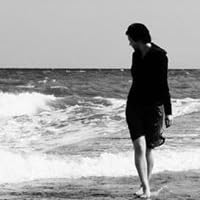
hm. ich lieh mir dieses buch aus der bücherei aus, weil ich auf geschichten hoffte, die stimmung widerspiegeln, die das coverfoto in mir hervorruft. eine oder zwei waren es leider nur, bei denen ich diese vibes spürte - "der besuch" und das titelgebende "in fremden gärten".
von peter stamm laß ich zuvor "agnes", was mir sehr, sehr gefiel. damals schon recht verwunderlich, weil ich diesem kurzen, knappen, abgeklärten & irgendwie grauem & leeren schreibstil, den man in so viel zeitgenössischer (deutscher) literatur findet, nicht wirklich viel abgewinnen kann. was in "agnes" für mich aber irgendwie doch funktionierte, wird mir hier zu viel. oder eher zu wenig. ein zuviel an zuwenigem. ein "zeit"-zitat auf dem rücken meiner ausgabe bezeichnet peter stamm als "meister der sprachlichen askese", doch diese askese wird mir hier irgendwie zu exzessiv. eine sprache, bei jemand mit einem laubschneider jedes schmückende ästchen, das in den nachbargarten ragt, brutal abgefetzt hat, um mal metaphorisch in der nähe des titels zu bleiben.
außerdem: ich weiß, dass ein mangel an anführungszeichen ja der heiße scheiß bei literarischen menschen ist, aber mich nervt das in jedem buch aufs neue. james joyce & ali smith verzeihe ich widerwillig diese vernachlässigung eines meiner liebsten satzzeichen, jede*r andere bekommt ein genervtes augenrollen gratis dazu.
Uno de los maestros del cuento contemporáneo. 10 relatos espléndidos y uno no tanto. En la mayoría impera un sentimiento melancólico. Sus personajes suelen viajar o esperar con sentimientos encontrados la visita de alguien. Los mejores relatos son “Como una niña, como un ángel” y la inquietante “Deep Furrows”. “El experimento” y “El beso” pintan dos caras de la imposibilidad de entender al otro. El único que me pareció fallido (¿algo se perdió en la traducción?) fue el titular del libro.
A continuum of cold facts and discrete events some of which lead to something some er...don't. The first collection in this edition are particularly stark appropriately titled Black Ice. But there remains a core humanity which suggests the authorship a posture and a kind of sympathy is won for the characters, who seem unfortunately hardened to this rather thinly populated world. But only in The Experiment in the second collection did I come across the callousness I'd expected from reading Zadie Smith's review of Stamm's Seven Years. The dedicatory verse to the first collection states love is the one thing the author cannot tell of, and the second collection In Strange Gardens is just perceptibly more colourful. One has to admire his control. There also seems to be a slight varying of tone as he moves throughout from Swedish wilds to Spanish Harlem, like some existentialist tourist guide. When he visits Ireland he allows himself some magical realism., again leading to nothing. Quietly engaging and shocking in turns a true masterpiece of - dare I say - postmodern meaninglessness.
review coming.. hopefully OK quick review (little time). Maybe come back and add...
These are stories about alienation, often about exiles (Swiss men usually in USA, Britain, Italy, Sweden) who are at an angle to the society they find themselves in. A disquiet that spreads to their relationships, most of which are unsatisfactory or superficial. Death hovers (can death hover?) in many of the pieces, although the characters are at a loss in how to deal with it or what it means. Like many of us, then. The writing is simple and elegant and conveys a sense of ennui well, although it probably could be parodied a la Paul Bryant, as you might see from this little bit chosen at random:
We went back to the living room, and she got a bottle of wine from the kitchen. Then she went over to the stereo, pulled a few CDs off the rack, and put them back. Then she switched on the radio. A Tracey Chapman song was playing. I went to the bathroom..
En los relatos. De estos jardines ajenos. La ajena. He sido yo.
Y si os digo que no recuerdo. Casi nada. No miento. Es fuerte el asunto.
Y mira que disfruto. Leyendo relatos. Pero nada. Estoy desmemoriada.
Aún así. Y haciendo un esfuerzo. Por si os apetece llevarme la contraria. Y decirme a las claras. Eres tú la culpable. Por no haber sabido arañar.
Que estas historias. Son un reflejo de lo cotidiano. Del pasar de los días. De esa espera que todos llevamos a cuestas. De que algo suceda. Llegue. O simplemente se marche.
Sin duda. Y de eso sí me acuerdo. Es la sensación de que la escritura es magnífica. No le pongo un pero ni un aunque.
Aquí la pena soy yo. El momento escogido. Y mi superficialidad al leerlo.
Escribiendo esto. Me planteo si volver a él. Daría la vuelta a todas las palabras vacías. Que le dedico sin querer.
اگه یه قو پاشو تو ساحل بذاره مثل یه غاز احمق به نظر می رسه اینکه پرنده باشی و هیچ وقت پرواز نکنی ، مثل این میمونه که به یه آهنگ فکر کنی اما نتونی بخونیش
Eine sehr schöne Sammlung Kurzgeschichten! Alle Geschichten sind sehr bittersüß und handeln von Charakteren, die sich irgendwie "in fremden Gärten"/Orten befinden. (Irland, London, NY, Portugal...) Sie sind alieniert und gehören auch nicht in ihrer Umgebung. Der Stil ist meiner Meinung nach sehr typisch Stamm, und es ist einer, der mir immer gefällt. Stamm beschränkt sich auf dasjenige, was man echt braucht und das finde ich bei Schriftstellern immer sehr erfrischend und angenehm.
"Der Besuch": süß! 4/5 "Die brennende Wand": Trauriger Missverstand und ebenso trauriger Unfall, eine scheiternde Suche nach Liebe. 4/5 "In fremden Gärten": traurig. Über Leere und Unglück. 4/5 "Die ganze Nacht": süß! Auf mich hat die Athmosphere magisch gewirkt. 4,5/5 "Wie ein Kind, wie ein Engel": traurig. 3/5 "Fado": Die Geschichte, die mich am Wenigsten fesseln konnte, aber trotzdem noch immer lesenswert. 3/5 "Alles, was fehlt": echt traurig. Über einen Menschen, dem ein Zuhause fehlt. 4,5/5 "Der Aufenthalt": unheimlich. 4/5 "Deep Furrows": Disturbing, to say the least. Unheimische Geschichte über einen "genbesessen" Doktor und seine alienartige Familie. 4/5 "Das Experiment": HAHA! Diese Geschichte in einem Satz zusammengefasst: "the joke's on you, dude." 4/5 "Der Kuss": Ein Vater und seine Tochter möchten sich einerseits annähern, andrerseits auch nicht. Außerdem fällt es ihnen überhaupt nicht leicht einander zu verstehen. Hat mich persönlich sehr gerührt. 4,5/5
Aus einer Review der Zeit: "'Er hatte nie Erklärungen gehabt, aber er war sich immer sicher gewesen', dieser Satz über eine seiner Figuren trifft auch den Stilisten Stamm. Er zeichnet Personen, die sich selber und der Welt recht fremd sind. Alle sind sie Angehörige einer weit verstreuten Familie von Unbehausten, oft passiv und Melancholiker – und doch hängen sie alle einem Sehnen nach, das mit diesem neuen Band Stammscher Erzählungen nochmals etwas klarer geworden ist. Und allen eignet in ihrer Ziellosigkeit wie ihrem Erzähler doch eine schwer erklärbare Energie und Bestimmheit." http://www.zeit.de/2003/42/L-Stamm
Aus einer Review von InKultura: "Peter Stamm schreibt von Menschen ohne Hoffnung und deshalb sind seine Figuren realistisch. Seine Erzählungen berühren den Leser und zwingen ihn, zu seinem eigenen Leben Stellung zu beziehen. Wohl dem, der es besser machen kann als Harry, Regina und andere." http://www.inkultura-online.de/pestam...
I bought this book at least a decade ago. I meant to read it for my German assignment: present a book. It was way too challenging for me back then and didn’t have the time or patience to work through understanding the short stories. But I kept this book with me, through all the many moves and it has also survived all my book giveaways. The title (In Strange Gardens) never stopped intriguing me and I was hoping for that one day when I was able to just read it. Well, I finally did and here’s my review.
The writing style is relatively simple: short sentences, very few embellishments and generally quite pragmatic. It tells you what is happening, and what is to be observed with no excitement. Each story seems to be about a different and specific character or two but it is never quite about them nor about their thoughts and feelings as much as it is about what surrounds them. They are never named and they always seem somehow caught in a distraction. As readers, we are invited to be there to observe a moment outside the bubble of these unnamed mostly ordinary people. Some stories leave you feeling a bit awkward, some take unexpected creepy turns. There is little to nothing comfortable in them. And I must say I felt a lot of discomfort whenever a POC character was included and the role they had in the story.
I am glad I kept it with me all these years, and I am so happy I was able to read it without having to check the dictionary for every second word. I am not sure I’d read it again but I think the book can be interesting to whoever is looking for somehow odd characters in their somehow odd little worlds (the book is also available in English).
از پیتر اشتام کتاب اگنس رو سه بار خوندم که یک رمان کوتاه عاشقانه و دوست داشتنی برام بود... و کتاب تمام چیزهایی که جایشان خالی است، که آن هم یک مجموعه داستان کوتاه است. این کتاب هم یک مجموعه داستان کوتاه از این نویسنده بود که داستانهای جالبی داشت ... البته به نظرم به پای آن دو کتاب قبلی که از این نویسنده خواندم، نمیرسید... «شناور روی آب»، «یخبندان سیاه»، «اطراف شهر»، «همه حق دارند»، «کاری که از دست ما برمیآید»، «سرزمین پاک»، «در امتداد شب»، «گودالهای عمیق» و «ملاقات» عناوین داستانهای این کتاب هستند
Some quite good stories. I particularly liked one describing a man waiting in Manhattan for someone to arrive by plane. Not much happens, but the descriptions of New York in the snow captured my imagination.
Esperaba algo más, el nombre es pretencioso, la portada es pretenciosa, te impregna de un aura que no existe realmente. Algunos cuentos son muy interesantes, te dejan pensando, otro no. Espero que sea este un libro regular de autor.
از پیدا کردن نویسندگانی که هنوز زنده هستند و داستان های ساده می نویسند، خوشم میاد. وقتی پیداش می کنم و خوشم میاد ازش چنین، می تونم برم و کلی دیگه از کارهاش رو هم بخونم و این حس خوبیه.
His narrative and writing style is much comparable to a peaceful creek, but his tone is down to a rainy day; dull, wet and cold. Melancholy and solitude are the strongest emotion I feel while turning pages. It's perhap the author's intention to remind us, Constant Readers, not to give up caring for the people to whom we relate, although it is probably the most difficult thing to do, for the reason that we are the living beings living and pleased to live in our own worlds that no one can break in or even visit. Stamm's world is that of everyday life which nothing happening is excited or any situation would be recognised an unforgottable great 'adventure' or 'redemption'. Reading his short stories is not entertaining and should not read while you're in the mood to sleep. It's an intrusion of your sunny day. However, it's much for everyone who doesn't mind. If you're aware of the fact that life is full of distress and it's not late to learn how to live with it, this book is for you and I undoubtedly recommend it to you.
I just read a short story by Stamm, a Swiss writer, in the New Yorker. It was beautiful. I'm always suspicious of male writers who use female main characters, because as often as not it seems they're just being exploitative or trying to make some kind of point they don't think they can make with a male character. But this one felt perfectly authentic. So I want to read more by him.
...and I just checked, and the library doesn't have it. I'll have to buy a copy. It *better* be good!
Der Stil und das Wesentliche der Geschichten ähnelt Albert Camus 'Der Fremde'. Nur als ich diesen Satz nun schreibe, fällt mir ein, dass 'fremd' auch im Titel Stamms Buches steht. Die Sprache ist einfach zu verstehen, aber die Bedeutung und das allgemeine Gefühl, das viel noch mit dem Leser bleibt, sind allerdings nicht einfach, sondern echt tief.
Good selection of short pieces - set in variuos locations internationally. The main figure is often a loner-type, and there is a strong feeling of melancholy in lots of the stories. Some pieces work better than others, but there are no poor selections here.
Excellent melancholy & beautiful short fiction about awkward & failed relationships and the general textures alienation. Reminiscent (to me at least) of Raymond Carver and Knut Hamsun.