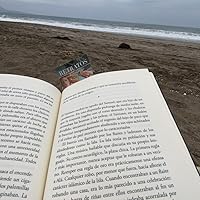
We who have had the good fortune to pick up a smattering of Classical accomplishments too often remind ordinary readers that Sophocles' Theban Plays did not constitute a trilogy like Aeschylus’ Oresteia. Actually those plays were written in reverse order from the events they portray, with Antigone belonging to the playwright’s earlier period, King Oedipus to maturity, and Oedipus at Colonus to late age, though it betrays no evidence of any decline in Sophocles’ powers. Reading that last play entirely in Greek had been long amongst my unfulfilled ambitions. After finishing the Electra, I now have done it, using the Perseus online text, an old school edition of Jebb’s commentary (surely even the ‘Classical Sixth’ at an English Great Public School must have needed more help), this Latin rendering by an 18th-century French classicist (Ezra Pound was a big fan of neo-Latin versions), and Aidan Kelly’s Sophocles: Oedipus at Colonus (Companions to Greek and Roman Tragedy), along with Robert Fitzgerald’s translation that had been my mainstay when I taught Greek tragedy to undergraduates.
As it turned out, these three plays read—and perform—well together. Kelly is good on what Arrowsmith would have called ‘the modalities’ of OT and OC: how the descent of Oedipus from great hero to blind beggar in the former is paralleled by his rise in the latter from blind beggar to chthonic daemon. And with Jebb, it was striking to notice how Sophocles so-to-speak back-shadows Antigone, setting up not only her determination to go on the Thebes to try to avert the fratricidal conflict, but in a terribly moving dialogue after Oedipus curses Polyneices, she endeavours in vain to dissuade him from the fatal expedition of the Seven against Thebes. And Antigone solemnly promises to see to his burial, advertising her role in the earlier play. Reading the episode slowly in the original, Polyneices emerged as a mistaken but sympathetic character. He knows his ‘fearless army from Argos’ is foretold by the gods to fail, but will not call off the attack. He cannot quite tell his sisters why, but somehow we know. He’s a general and fighting is what a general does, as Sophocles well knew. Did an Athenian audience think back on the Syracusan expedition?
The choral great odes get even better on each reading. At my age I surely ought to have reached a conclusion on whether to agree with the chorus that μὴ φῦναι τὸν ἅπαντα νικᾷ λόγον (first prize in life’s lottery is not to be born), but not having quite arrived at the limit the chorus prescribes at the close of OR, I’m reserving judgement. But I shivered at εἰ θέμις ἐστί μοι τὰν ἀφανῆ θεὸν / καὶ σὲ λιταῖς σεβίζειν (if it is permitted to worship the unseen gods - because the gods of the Underworld never yield to our prayers), especially when they ask Cerberus to move out of the threshold to give Oedipus an easy descent.
Unquestionably, Aristotle was right. Sophocles depicted the greatest characters. It was a lot of fun reading Euripides’ Bacchae, with its slpatterpunk gory effects. But do we ever feel sorry for what happens to any of Euripides’ characters? Yet realising that Polyneices was a thoroughly bad son, like Antigone we grieve as he goes off to his death, as we do for Antigone herself. What a pleasure to return to one of the greatest of the classics!