Great collection of haiku that broke one of my key preconceptions about the form, that "a bejewelled finger distracts from what it points at". Virgilio loves the music of a good haiku and makes that music work thematically, the first examples that come to mind are:
now the days are long through the blazing heat and haze: sprays of sparrow song
And the battle between insidious "sss" sounds and the harsh "ck" sounds here:
the sack of kittens sinking in the icy creek increases the cold
Other than that, you'll get unique, rough and non-syllabic haiku that contain razor sharp insights, the work of a true master of the form who can access and elicit any emotion through vivid images. Is every poem here great? No. But the consistency of quality is incredible, and out of the 98% of good poems he consistantly reaches mind-bendingly high highs that beg the uninitiated to think nothing of them; poems like
bass picking bugs off the moon
And
the blind musician extending an old tin cup collects a snowflake
Get this now. It is incredible. I can't say Virgilio is the best haiku poet ever, but i can say with absolute certainty that there is no english language haiku poet that is better.
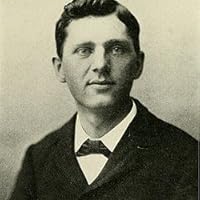
Nicholas Anthony Virgilio (June 28, 1928 – January 3, 1989) was an internationally recognized haiku poet who is credited with helping to popularize the Japanese style of poetry in the United States.
I enjoy the gutsiness of Virgilio's poetry. His brother was killed in the Vietnam War and many of his haiku are about the shock and grief of losing his brother:
telegram in hand, the shadow of the marine darkens our screen door
flag-covered coffin: the shadow of the bugler slips into the grave
autumn twilight: the wreath on the door lifts in the wind
I think the strength of Virgilio's poems is that he remembers the forgotten:
where cattle graze near the grassy battleground: the grave mounds of slaves
This classic collection of Virgilio's work is out of print now, but Turtle Light Press published a volume in 2012 -- Nick Virgilio: A Life in Haiku -- that features many of his classic haiku, as well as interviews and essays.
Many haiku in this collection struck me. The ones about his brother after his death were very poignant, and the sequence "Litany for the Dead" was intense, in spite of knowing what the last line would be.
Then other haiku were more observational. I quite liked this one:
Easter morning... the sermon is taking the shape of her neighbor's hat
With this book, I did something I rarely do: when I was finished, I went back to the beginning and read each poem a second time. I wasn't ready yet to let go of the experience of these profound and moving pieces.