

What do you think?
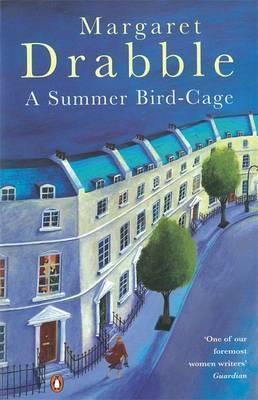
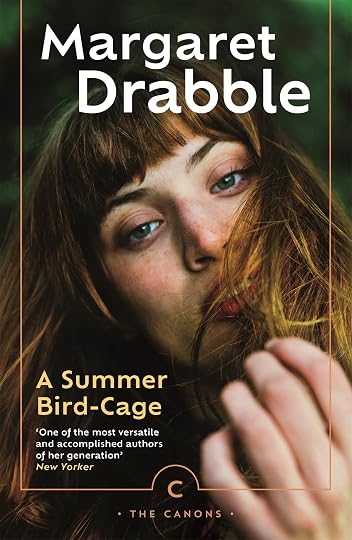
A Summer Bird-Cage
Sarah had come home from Paris to be a bridesmaid for her sister Louise. When a child, Sarah had adored her elder sister, but Louise had grown up to be an arrogant, selfish, cold and extravagant woman. She was also breath-takingly beautiful. The man she was to marry, Stephen Halifax, was a successful novelist, very rich and snobbishly unpleasant. From Sarah's first night at home she began to question Louise's motives in this loveless match.
A Summer Bird-Cage is the story of Louise's marriage as seen through Sarah's eyes. It is also the story of a year in Sarah's own life. She is a young woman, intelligent and attractive, just down from Oxford, but completly at loose ends without close friends or a lover. What she discovers about herself is as fascinating as what she discovers about love, infidelity and her sister Louise.
A Summer Bird-Cage is the story of Louise's marriage as seen through Sarah's eyes. It is also the story of a year in Sarah's own life. She is a young woman, intelligent and attractive, just down from Oxford, but completly at loose ends without close friends or a lover. What she discovers about herself is as fascinating as what she discovers about love, infidelity and her sister Louise.
208 pages, Paperback
First published January 1, 1963
About the author
Margaret Drabble
161 books520 followersDame Margaret Drabble was born in Sheffield in 1939 and was educated at Newnham College, Cambridge. She is the author of eighteen novels including A Summer Bird-Cage, The Millstone, The Peppered Moth, The Red Queen, The Sea Lady and most recently, the highly acclaimed The Pure Gold Baby. She has also written biographies, screenplays and was the editor of the Oxford Companion to English Literature. She was appointed CBE in 1980, and made DBE in the 2008 Honours list. She was also awarded the 2011 Golden PEN Award for a Lifetime's Distinguished Service to Literature. She is married to the biographer Michael Holroyd.
Drabble famously has a long-running feud with her novelist sister, A.S. Byatt. The pair seldom see each other, and each does not read the books of the other.
Drabble famously has a long-running feud with her novelist sister, A.S. Byatt. The pair seldom see each other, and each does not read the books of the other.
Ratings & Reviews
Friends & Following
Create a free account to discover what your friends think of this book!
Community Reviews
Displaying 1 - 30 of 168 reviews

October 12, 2018
I loved this book - this is my type of book, my type of writer. Margaret Drabble's first novel, published in 1963 when she was 24. It tells the story of two sisters, Sarah who is our narrator, and her older sister, Louise. Both have just recently left "Ox" as they call it and have launched themselves into life - trying to work out where they belong, what options are open to them and both more or less fearful of the narrow paths of marriage and babies.
This story isn't really about plot - the ending is rather weak and not completely believable, but I certainly sympathise with both sisters; they need to make a living and as educated young women with worthy degrees, they want to use their intelligence and skills. When asked what she really wants to do - Sarah says:
'Beyond anything I'd like to write a funny book. I'd like to write a book like Kingsley Amis, I'd like to write a book, like Lucky Jim. I'd give the world to be able to write a book like that.'
But she is caught in a mesh of desires, balanced against practical options.
Although Sarah is highly intelligent, she is also quite immature in some of her judgements and assessments of the people around her. This becomes clear in the chapter where she is invited to eat with Wilfred Smee, a friend of her sister's husband, Stephen Halixfax. Wilfred is concerned about the state of his friend's marriage and asks Sarah to sound out her sister's motivations for marrying Stephen. Sarah, however, is unable or unwilling to challenge her sister in anyway, and although she has her intuitions that the relationship is false; she cannot even remotely decipher the rationale behind Louise's decision - to marry. Sarah explains in an earlier chapter that she was constantly snubbed by Louise from the age of ten, and so there is no emotional closeness between them.
As Sarah puts it: In the end she taught me the art of competition, and this is what I really hold against her: I think I had as little desire to outdo others in my nature as a person can have, until she insisted on demonstrating her superiority. She taught me to want to outdo her.
So there is nothing except this intense rivalry between them. Although Sarah is bridesmaid at Louise's wedding, she does not have the confidence or insight to discuss or suggest that Louise may be making a mistake in marrying Stephen, the rich and successful novelist.
The plot unravels through various meetings and several parties and eventually the sisters are brought together through circumstances that allow each to confess their anxieties and worries about making it - as free and independent women.
There are plenty of minor characters, mostly women, who are offered as the options in life - Simone -the true bohemian, writing from Rome; Stephanie happily married with bouncy baby; cousin Daphne who is neither beautiful or clever, teaches in a Secondary Modern, and then Gill; presented as Sarah's social and intellectual equal, who is miserably in love with Tony, and miserably having an abortion because she can't stand the seediness of being married to Tony.
Sarah moves to London in search of work and is offered a flat with Gill, who has split from Tony. I think this is one of the best chapters in the whole book, it really seems to get to the heart of these young women. The girls fight over dishes and dirt, but ultimately realize they are trying to deal with the emotional demands of their high expectations: all the things they want from Life. They aspire to the higher realms, yet also need to deal with the mundane realities; earning money, negotiating equality with their men, sharing domestic duties - and it is exhausting! Gill for example cannot bare to sit around being Tony's model and have no work of her own. This is also possibly the funniest chapter. (Should be "bear", but will leave it.)
Sarah receives a letter from her sister Louise: ...I hadn't expected to hear from her at all. And in spite of myself, in spite of all the mechanism of suspicion that had been set in motion. I was pleased. I wanted to tell Gill, so I picked up my cup of Maxwell House and went into the kitchen where I could hear her banging about. I'd thought she'd been cooking herself some breakfast, but found she was doing the washing-up from the night before. This annoyed me because, although I'd no idea of the time, I knew she was due to leave for work, and we had always said that she was to leave everything for me at the weekends, as I didn't work on Saturdays. I tried to tell from her manner whether she was being martyred or not, and decided from the way she banged the plates into the plate rack that she probably was.
'I've had an invitation from Louise,' I said.
'Lucky you,' she said, and removed the saucer from under my cup of coffee and started to wash it up.
Oh, does Drabble deal with the realities of life - I love it.
And there is an interesting character called Jackie Almond, who is most gentlemanly and whom Sarah resists falling for as her fiance Francis is overseas in America studying for a postgraduate degree. When Jackie offers to drive Sarah home one evening after a party - she bursts into tears, she is of course fairly drunk, but the point is - that it is actually really nice to have someone to take care of you. On several occasions, she confesses how much she misses Francis.
There are so many lovely layers to this book, the relationship with the mother is included, for example, and the whole world of actors and the landscape of London, moving from Drury Lane, to Covent Garden, etc, or getting the tube at Holborn. And yet it is quite a short novel, only 208 pages, but Drabble knows how to create lively, vivid, characters, with dynamic aims, hopes and real demands on them.
All the wonderful details of 60s dresses, hairstyles and makeup - absolutely fabulous!
She was looking marvellous by any standards, wearing a kind of creamy-coloured wool dress in a curious towelling texture, neither knobbly nor hairy but a mixture of both. Perhaps it was more off-white than cream. It was obviously Italian, and my first thought was that she had brought it in one of those fearfully wordly shops that I and my friends used to pass, dusty and more or less barefoot, clutching our bottles of wine, maps, postcards of irresistible objects like the bust of Augustus, and encumbered with all the weariness and useless cockleshells of pilgrimage. It gave me a strange feeling to realize that a sister of mine had crashed into that other Rome, the Rome of the Romans.
I love it!!
This story isn't really about plot - the ending is rather weak and not completely believable, but I certainly sympathise with both sisters; they need to make a living and as educated young women with worthy degrees, they want to use their intelligence and skills. When asked what she really wants to do - Sarah says:
'Beyond anything I'd like to write a funny book. I'd like to write a book like Kingsley Amis, I'd like to write a book, like Lucky Jim. I'd give the world to be able to write a book like that.'
But she is caught in a mesh of desires, balanced against practical options.
Although Sarah is highly intelligent, she is also quite immature in some of her judgements and assessments of the people around her. This becomes clear in the chapter where she is invited to eat with Wilfred Smee, a friend of her sister's husband, Stephen Halixfax. Wilfred is concerned about the state of his friend's marriage and asks Sarah to sound out her sister's motivations for marrying Stephen. Sarah, however, is unable or unwilling to challenge her sister in anyway, and although she has her intuitions that the relationship is false; she cannot even remotely decipher the rationale behind Louise's decision - to marry. Sarah explains in an earlier chapter that she was constantly snubbed by Louise from the age of ten, and so there is no emotional closeness between them.
As Sarah puts it: In the end she taught me the art of competition, and this is what I really hold against her: I think I had as little desire to outdo others in my nature as a person can have, until she insisted on demonstrating her superiority. She taught me to want to outdo her.
So there is nothing except this intense rivalry between them. Although Sarah is bridesmaid at Louise's wedding, she does not have the confidence or insight to discuss or suggest that Louise may be making a mistake in marrying Stephen, the rich and successful novelist.
The plot unravels through various meetings and several parties and eventually the sisters are brought together through circumstances that allow each to confess their anxieties and worries about making it - as free and independent women.
There are plenty of minor characters, mostly women, who are offered as the options in life - Simone -the true bohemian, writing from Rome; Stephanie happily married with bouncy baby; cousin Daphne who is neither beautiful or clever, teaches in a Secondary Modern, and then Gill; presented as Sarah's social and intellectual equal, who is miserably in love with Tony, and miserably having an abortion because she can't stand the seediness of being married to Tony.
Sarah moves to London in search of work and is offered a flat with Gill, who has split from Tony. I think this is one of the best chapters in the whole book, it really seems to get to the heart of these young women. The girls fight over dishes and dirt, but ultimately realize they are trying to deal with the emotional demands of their high expectations: all the things they want from Life. They aspire to the higher realms, yet also need to deal with the mundane realities; earning money, negotiating equality with their men, sharing domestic duties - and it is exhausting! Gill for example cannot bare to sit around being Tony's model and have no work of her own. This is also possibly the funniest chapter. (Should be "bear", but will leave it.)
Sarah receives a letter from her sister Louise: ...I hadn't expected to hear from her at all. And in spite of myself, in spite of all the mechanism of suspicion that had been set in motion. I was pleased. I wanted to tell Gill, so I picked up my cup of Maxwell House and went into the kitchen where I could hear her banging about. I'd thought she'd been cooking herself some breakfast, but found she was doing the washing-up from the night before. This annoyed me because, although I'd no idea of the time, I knew she was due to leave for work, and we had always said that she was to leave everything for me at the weekends, as I didn't work on Saturdays. I tried to tell from her manner whether she was being martyred or not, and decided from the way she banged the plates into the plate rack that she probably was.
'I've had an invitation from Louise,' I said.
'Lucky you,' she said, and removed the saucer from under my cup of coffee and started to wash it up.
Oh, does Drabble deal with the realities of life - I love it.
And there is an interesting character called Jackie Almond, who is most gentlemanly and whom Sarah resists falling for as her fiance Francis is overseas in America studying for a postgraduate degree. When Jackie offers to drive Sarah home one evening after a party - she bursts into tears, she is of course fairly drunk, but the point is - that it is actually really nice to have someone to take care of you. On several occasions, she confesses how much she misses Francis.
There are so many lovely layers to this book, the relationship with the mother is included, for example, and the whole world of actors and the landscape of London, moving from Drury Lane, to Covent Garden, etc, or getting the tube at Holborn. And yet it is quite a short novel, only 208 pages, but Drabble knows how to create lively, vivid, characters, with dynamic aims, hopes and real demands on them.
All the wonderful details of 60s dresses, hairstyles and makeup - absolutely fabulous!
She was looking marvellous by any standards, wearing a kind of creamy-coloured wool dress in a curious towelling texture, neither knobbly nor hairy but a mixture of both. Perhaps it was more off-white than cream. It was obviously Italian, and my first thought was that she had brought it in one of those fearfully wordly shops that I and my friends used to pass, dusty and more or less barefoot, clutching our bottles of wine, maps, postcards of irresistible objects like the bust of Augustus, and encumbered with all the weariness and useless cockleshells of pilgrimage. It gave me a strange feeling to realize that a sister of mine had crashed into that other Rome, the Rome of the Romans.
I love it!!

July 13, 2019
Another book picked up on a whim in a second hand bookshop. This was Margaret Drabble's debut novel, and it is difficult not to see some of her relationship with her own sister A.S. Byatt in this tale of sibling rivalry among recent graduates in early 60s London.
For me this was interesting purely for what it shows about her future development as a writer - the story itself is rather slight and I don't think anyone would consider this one her best work.
For me this was interesting purely for what it shows about her future development as a writer - the story itself is rather slight and I don't think anyone would consider this one her best work.

October 11, 2011
C'mon girls! Do you believe in love? Cos Margaret's got something to say about it. And it goes something like this...
...don't marry heartless homosexual sadists for their money. Marry warm heterosexual actors who are kind to children.
(Also, be less of a bitch to your sister).
That's about it.
http://www.youtube.com/watch?v=GsVcUz...
...don't marry heartless homosexual sadists for their money. Marry warm heterosexual actors who are kind to children.
(Also, be less of a bitch to your sister).
That's about it.
http://www.youtube.com/watch?v=GsVcUz...

May 18, 2021
Escrita a principios de los 60, esta obra refleja el malestar de las mujeres en una época en que ya podían acceder a una educación universitaria, pero el matrimonio seguía siendo una opción imprescindible para alcanzar un buen estatus económico y social.
A priori, el tema es interesante y más al ser hasta cierto punto autoficción, ya que las hermanas Bennet (sí, como las de Orgullo y Prejuicio) son el trasunto de los conflictos entre la autora y su hermana en la vida real, la escritora A. S. Byatt.
La narración comienza cuando Sarah Bennet, licenciada en Oxford, después de un año sabático en París, vuelve a la casa familiar para la boda de su hermana, Louise, que se casa con un escritor de éxito. Esta boda le permite acceder a un mundo de comodidades y abundancia, con unas relaciones sociales que la distancian de su hermana Sarah, que vive modestamente de un trabajo precario en la BBC.
Sarah está obsesionada con la figura de su hermana – siempre la ha considerado superior – y siente curiosidad y cierta envidia por su matrimonio con un hombre del que no parece estar enamorada. Todo es una reflexión sobre el lugar de la mujer en la sociedad, el papel cambiante de la maternidad, el matrimonio y el acceso a la educación superior – debates que cambiarían totalmente la mentalidad en los años 60.
No me ha convencido la manera de narrar ni tampoco he sentido la menor empatía por las hermanas, que me han parecido desprovistas de humanidad y llenas de orgullo por su belleza e inteligencia - así nos lo repite la narradora, sobre todo cuando se compara con la pobre prima Daphne, tan desprovista de encantos. Creo que la autora, más que enfatizar a cada momento lo inteligente que se siente, hubiera tenido que demostrar esa inteligencia con un texto menos romo. Hay un tono general de aburrimiento, de indiferencia, de falta de objetivos, que no sé hasta qué punto se pueda achacar a factores externos o simplemente al carácter de las hermanas. Se lee rápido, eso sí.
A priori, el tema es interesante y más al ser hasta cierto punto autoficción, ya que las hermanas Bennet (sí, como las de Orgullo y Prejuicio) son el trasunto de los conflictos entre la autora y su hermana en la vida real, la escritora A. S. Byatt.
La narración comienza cuando Sarah Bennet, licenciada en Oxford, después de un año sabático en París, vuelve a la casa familiar para la boda de su hermana, Louise, que se casa con un escritor de éxito. Esta boda le permite acceder a un mundo de comodidades y abundancia, con unas relaciones sociales que la distancian de su hermana Sarah, que vive modestamente de un trabajo precario en la BBC.
Sarah está obsesionada con la figura de su hermana – siempre la ha considerado superior – y siente curiosidad y cierta envidia por su matrimonio con un hombre del que no parece estar enamorada. Todo es una reflexión sobre el lugar de la mujer en la sociedad, el papel cambiante de la maternidad, el matrimonio y el acceso a la educación superior – debates que cambiarían totalmente la mentalidad en los años 60.
No me ha convencido la manera de narrar ni tampoco he sentido la menor empatía por las hermanas, que me han parecido desprovistas de humanidad y llenas de orgullo por su belleza e inteligencia - así nos lo repite la narradora, sobre todo cuando se compara con la pobre prima Daphne, tan desprovista de encantos. Creo que la autora, más que enfatizar a cada momento lo inteligente que se siente, hubiera tenido que demostrar esa inteligencia con un texto menos romo. Hay un tono general de aburrimiento, de indiferencia, de falta de objetivos, que no sé hasta qué punto se pueda achacar a factores externos o simplemente al carácter de las hermanas. Se lee rápido, eso sí.

May 30, 2020
Una punta di indivia

Mi piace la scrittura di Margaret Drabble, che trovo fresca e piacevole in tutto quello che ho letto. Voliera estiva è la sua opera prima, pubblicata a 24 anni. La giovane autrice, giustamente, tratta un argomento a lei vicino: come si collocava nel Regno Unito degli anni'60 una giovane donna appena laureata in una università di eccellenza. Il tema potrebbe sembrare superato, ma non è così: anche ora le giovani donne che vorrebbero dedicarsi a un lavoro impegnativo incontrano notevoli difficoltà a farsi una famiglia prima dei quarant'anni. In ogni caso, ai suoi tempi la situazione era ben peggiore, dato che la società non era pronta a offrire lavori qualificati e l'alternativa si poneva fra un lavoro molto subalterno o sposarsi, ed è evidente che il matrimonio non può essere proposto come un ripiego.
L'autrice intreccia una storia brillante in cui due sorelle della buona borghesia, fresche di studi a Oxford, affrontano il dilemma in modo opposto. Il dettaglio pepato è che la rivalità fra le due ragazze riflette, spero in modo comico, il rapporto conflittuale fra Margaret Drabble e la celebre sorella Antonia Byatt. Le lettura è quindi speziata dal tentativo di distinguere la fantasia dall'autobiografia.
Pare che Drabble, minore, abbia fatto invidia alla sorella con una laurea elogiatissima. D'altra parte, per quanto Margaret Drabble mi piaccia molto, mi sembra che la statura letteraria di Antonia Byatt sia superiore.
Non oso immaginare che problemi adolescenziali possa avere avuto la terza sorella, nota storica dell'arte : ) e spero anche che non esista una cugina che possa identificarsi nella povera Daphne.

In ogni caso, è un libro che denota una scrittura e una personalità già ben formata che non teme di essere umoristica nel raccontare i piccoli drammi delle ragazze come fossero le tragedie di un'esistenza: una scrittrice senza talento con lo stesso tema avrebbe fatto chick-lit e questa non lo è, dato che si legge rispettosamente dopo più di cinquant'anni e mi ha fatto spesso ripensare a quando, dopo l'università, ho realizzato che, in quanto donna, avevo difficoltà ad accedere a certi lavori. Cosa che non mi era mai balenata in mente prima.
Una cosa che mi ha stupito è la leggerezza e anche la sufficienza con la quale l'autrice liquida Oxford. Ci sono stata un paio di anni fa da turista e sono rimasta abbagliata dai colleges con le lastre che ricordano le decine di uomini politici e scienziati che hanno compiuto i loro studi in quegli istituti. Temo che in Italia si dia meno importanza alla formazione delle persone che vanno a ricoprire alte cariche e i risultati spesso si vedono.
Probabilmente la giovane Drabble si concede un bel po' di snobismo, oppure si butta Oxford alle spalle interessandosi di teatro, e in effetti nella realtà ha studiato a Cambridge e ha sposato un attore : )

Il prato del college Christchurch, Oxford
Mi piace la scrittura di Margaret Drabble, che trovo fresca e piacevole in tutto quello che ho letto. Voliera estiva è la sua opera prima, pubblicata a 24 anni. La giovane autrice, giustamente, tratta un argomento a lei vicino: come si collocava nel Regno Unito degli anni'60 una giovane donna appena laureata in una università di eccellenza. Il tema potrebbe sembrare superato, ma non è così: anche ora le giovani donne che vorrebbero dedicarsi a un lavoro impegnativo incontrano notevoli difficoltà a farsi una famiglia prima dei quarant'anni. In ogni caso, ai suoi tempi la situazione era ben peggiore, dato che la società non era pronta a offrire lavori qualificati e l'alternativa si poneva fra un lavoro molto subalterno o sposarsi, ed è evidente che il matrimonio non può essere proposto come un ripiego.
L'autrice intreccia una storia brillante in cui due sorelle della buona borghesia, fresche di studi a Oxford, affrontano il dilemma in modo opposto. Il dettaglio pepato è che la rivalità fra le due ragazze riflette, spero in modo comico, il rapporto conflittuale fra Margaret Drabble e la celebre sorella Antonia Byatt. Le lettura è quindi speziata dal tentativo di distinguere la fantasia dall'autobiografia.
Pare che Drabble, minore, abbia fatto invidia alla sorella con una laurea elogiatissima. D'altra parte, per quanto Margaret Drabble mi piaccia molto, mi sembra che la statura letteraria di Antonia Byatt sia superiore.
Non oso immaginare che problemi adolescenziali possa avere avuto la terza sorella, nota storica dell'arte : ) e spero anche che non esista una cugina che possa identificarsi nella povera Daphne.
In ogni caso, è un libro che denota una scrittura e una personalità già ben formata che non teme di essere umoristica nel raccontare i piccoli drammi delle ragazze come fossero le tragedie di un'esistenza: una scrittrice senza talento con lo stesso tema avrebbe fatto chick-lit e questa non lo è, dato che si legge rispettosamente dopo più di cinquant'anni e mi ha fatto spesso ripensare a quando, dopo l'università, ho realizzato che, in quanto donna, avevo difficoltà ad accedere a certi lavori. Cosa che non mi era mai balenata in mente prima.
Una cosa che mi ha stupito è la leggerezza e anche la sufficienza con la quale l'autrice liquida Oxford. Ci sono stata un paio di anni fa da turista e sono rimasta abbagliata dai colleges con le lastre che ricordano le decine di uomini politici e scienziati che hanno compiuto i loro studi in quegli istituti. Temo che in Italia si dia meno importanza alla formazione delle persone che vanno a ricoprire alte cariche e i risultati spesso si vedono.
Probabilmente la giovane Drabble si concede un bel po' di snobismo, oppure si butta Oxford alle spalle interessandosi di teatro, e in effetti nella realtà ha studiato a Cambridge e ha sposato un attore : )
Il prato del college Christchurch, Oxford

May 16, 2021
“Se han acabado los días, gracias a Dios, en que la mujer justifica su existencia con el matrimonio. Al menos esto es cierto hasta que tiene hijos”.
Una jaula en un jardín de verano fue la primera novela de Margaret Drabble; la escribió en 1963 con 24 años y aquí debió verter mucha de su vida hasta entonces, sobre todo familiar. Aunque Margaret Drabble provenía de una familia muy intelectual (su padre fue abogado y escritor), su madre era maestra y no había podido desarrollar su talento más allá de lo que hubiera querido, quedando constreñida a su trabajo como maestra y ama de casa. Esta frustración por parte de su madre, y ese empeño en que sus hijas se cultivaran más allá de lo que había hecho ella, debió influir mucho en Margaret Drabble ya que uno de los temas esenciales de esta novela es sobre todo, cómo expuso la incómoda situación de las mujeres en el matrimonio que se veían abocadas a decidir entre casarse y dedicarse a la vida familiar, o directamente decidirse por la solteria y trabajar, ya que era casi imposible un término medio.
“- Siempre imaginé que serías catedrática. – dijo Louise.
- Eso creía yo. Pero te diré cuál es el problema. El sexo. No puedes ser una catedrática sexi. Los hombres pueden ser cultos y atractivos, pero no las mujeres. Desvirtúa la seriedad incuestionable del cargo. Está muy bien sentarse en una gran biblioteca y rezumar sexo y alterar a todo el mundo cada vez que que el vestido se desliza por tu hombre desnudo, pero no puedes ganarte la vida así. Enseguida tendrás que disimularlo e vez de realzarlo si pretendes llegar a lo más alto; y, cuando solo tienes una vida, parece una lástima.”
En esta novela las dos grandes protagonistas son las hermanas Sarah y Louise y la novela comienza justo cuando Sarah abandona Paris para asistir a la boda de su hermana Louise. Sarah ha vivido toda su vida ensombrecida por la belleza de su hermana mayor y asiste a la boda de su hermana justo cuando se encuentra en un momento en que no sabe que rumbo darle a su vida. Ambas hermanas fueron brillantes en la universidad, graduadas en Oxford, pero mientras que Louise se dedica tras la universidad a convertirse en una especie de mariposa social, Sarah quiere trabajar y en un futuro dedicarse a escribir. Asistimos durante toda la novela, que corresponde a un año en la vida de ambas, a las reflexiones de Sarah enfrentada a la vida que ha decidido tomar su hermana: Louise se casa con Stephen un novelista muy popular, mientras que se codea con artistas y actores, en una bulliciosa vida social que la convierte en portada de revistas y ecos sociales.
“Le he dado muchas vueltas, créeme. ¿Sabes lo que he acabado decidiendo? Que no sabía qué hacer con su vida, así que se casó. Suena demasiado burgués para ser cierto, ¿verdad? Justo una de las cosas que nuestra educación universitaria tenía que habernos quitado de la cabeza, pero el hecho es que, cuando se licenció hace dos años, no tenía ni idea a lo que dedicarse. ¿Te imaginas a Louise sentada en una oficina tratando de vender cosas?”
Realmente no hay un argumento definido durante la novela pero sí que en mi opinión la relación de ambas hermanas es el faro guía toda la historia. Una vez más pienso que Margaret Drabble estaba hablando de su vida en la figura de la propia Sarah, porque Margaret Drabble también estuvo casada en su primer matrimonio con un actor, y también en su vida existe una hermana fuerte, una figura prominente en el panorama literario británico, A.S. Byatt. Es muy conocida la rivalidad entre la Drabble y la Byatt, incluso lo han reconocido en entrevistas a lo largo de los años. Y esta rivalidad se respira continuamente en la novela, es la esencia en torno a la que gira toda ella. Sarah quiere algo más en su vida que convertirse en esposa y madre, pero al mismo tiempo, sabe lo difícil que es aunar ambos campos, y durante la novela esa es la dicotomía en la que se debate teniendo como ejemplo continuo a su hermana Luise.
“Y cuando me marché, me dije que nunca, nunca, nunca, dejaría que me pasara algo así. Nunca me casaría sin dinero. Supongo que lo que realmente me dije fue que nunca tendría hijos. Quiero mi vida, la quiero ahora, no quiero dársela a la siguiente generación. Así que me cuidé mucho de que eso no me ocurriera”.
Tanto el matrimonio de Louise por dinero con el novelista, como el matrimonio por amor del personaje de Gill, amiga de Sarah, son un espejo en el que Sarah se mira continuamente cuestionándose el papel de las mujeres en la sociedad de los años 60 en la que vive. El matrimonio es esa jaula de la que habla el título de la novela, y a medida que la novela avanza, la visión que tiene Sarah de la mujer en el mundo laboral, va variando. Ella no sabe qué rumbo darle a su vida, pero lo que si es cierto, es que cada vez tiene más claro, en lo que NO quiere convertir su vida. Esta novela aborda muchos temas esenciales en lo referente a la mujer, el sexo, la maternidad y sobre todo el aborto, temas que se repiten una y otra vez en las historias de Margaret Drabble, pero quizás para mí lo más importante no solo en esta novela de Margaret Drabble, sino en otras suyas que he leído, es el reconocimiento creciente del lugar de la mujer en nuestra sociedad y las dificultades por las que tienen que pasar muchas para afianzarse en este lugar.
"Esta vez me la encontré no en una estación, sino en una iglesia, ese otro refugio de las personas sin rumbo."
https://kansasbooks.blogspot.com/2021...
Una jaula en un jardín de verano fue la primera novela de Margaret Drabble; la escribió en 1963 con 24 años y aquí debió verter mucha de su vida hasta entonces, sobre todo familiar. Aunque Margaret Drabble provenía de una familia muy intelectual (su padre fue abogado y escritor), su madre era maestra y no había podido desarrollar su talento más allá de lo que hubiera querido, quedando constreñida a su trabajo como maestra y ama de casa. Esta frustración por parte de su madre, y ese empeño en que sus hijas se cultivaran más allá de lo que había hecho ella, debió influir mucho en Margaret Drabble ya que uno de los temas esenciales de esta novela es sobre todo, cómo expuso la incómoda situación de las mujeres en el matrimonio que se veían abocadas a decidir entre casarse y dedicarse a la vida familiar, o directamente decidirse por la solteria y trabajar, ya que era casi imposible un término medio.
“- Siempre imaginé que serías catedrática. – dijo Louise.
- Eso creía yo. Pero te diré cuál es el problema. El sexo. No puedes ser una catedrática sexi. Los hombres pueden ser cultos y atractivos, pero no las mujeres. Desvirtúa la seriedad incuestionable del cargo. Está muy bien sentarse en una gran biblioteca y rezumar sexo y alterar a todo el mundo cada vez que que el vestido se desliza por tu hombre desnudo, pero no puedes ganarte la vida así. Enseguida tendrás que disimularlo e vez de realzarlo si pretendes llegar a lo más alto; y, cuando solo tienes una vida, parece una lástima.”
En esta novela las dos grandes protagonistas son las hermanas Sarah y Louise y la novela comienza justo cuando Sarah abandona Paris para asistir a la boda de su hermana Louise. Sarah ha vivido toda su vida ensombrecida por la belleza de su hermana mayor y asiste a la boda de su hermana justo cuando se encuentra en un momento en que no sabe que rumbo darle a su vida. Ambas hermanas fueron brillantes en la universidad, graduadas en Oxford, pero mientras que Louise se dedica tras la universidad a convertirse en una especie de mariposa social, Sarah quiere trabajar y en un futuro dedicarse a escribir. Asistimos durante toda la novela, que corresponde a un año en la vida de ambas, a las reflexiones de Sarah enfrentada a la vida que ha decidido tomar su hermana: Louise se casa con Stephen un novelista muy popular, mientras que se codea con artistas y actores, en una bulliciosa vida social que la convierte en portada de revistas y ecos sociales.
“Le he dado muchas vueltas, créeme. ¿Sabes lo que he acabado decidiendo? Que no sabía qué hacer con su vida, así que se casó. Suena demasiado burgués para ser cierto, ¿verdad? Justo una de las cosas que nuestra educación universitaria tenía que habernos quitado de la cabeza, pero el hecho es que, cuando se licenció hace dos años, no tenía ni idea a lo que dedicarse. ¿Te imaginas a Louise sentada en una oficina tratando de vender cosas?”
Realmente no hay un argumento definido durante la novela pero sí que en mi opinión la relación de ambas hermanas es el faro guía toda la historia. Una vez más pienso que Margaret Drabble estaba hablando de su vida en la figura de la propia Sarah, porque Margaret Drabble también estuvo casada en su primer matrimonio con un actor, y también en su vida existe una hermana fuerte, una figura prominente en el panorama literario británico, A.S. Byatt. Es muy conocida la rivalidad entre la Drabble y la Byatt, incluso lo han reconocido en entrevistas a lo largo de los años. Y esta rivalidad se respira continuamente en la novela, es la esencia en torno a la que gira toda ella. Sarah quiere algo más en su vida que convertirse en esposa y madre, pero al mismo tiempo, sabe lo difícil que es aunar ambos campos, y durante la novela esa es la dicotomía en la que se debate teniendo como ejemplo continuo a su hermana Luise.
“Y cuando me marché, me dije que nunca, nunca, nunca, dejaría que me pasara algo así. Nunca me casaría sin dinero. Supongo que lo que realmente me dije fue que nunca tendría hijos. Quiero mi vida, la quiero ahora, no quiero dársela a la siguiente generación. Así que me cuidé mucho de que eso no me ocurriera”.
Tanto el matrimonio de Louise por dinero con el novelista, como el matrimonio por amor del personaje de Gill, amiga de Sarah, son un espejo en el que Sarah se mira continuamente cuestionándose el papel de las mujeres en la sociedad de los años 60 en la que vive. El matrimonio es esa jaula de la que habla el título de la novela, y a medida que la novela avanza, la visión que tiene Sarah de la mujer en el mundo laboral, va variando. Ella no sabe qué rumbo darle a su vida, pero lo que si es cierto, es que cada vez tiene más claro, en lo que NO quiere convertir su vida. Esta novela aborda muchos temas esenciales en lo referente a la mujer, el sexo, la maternidad y sobre todo el aborto, temas que se repiten una y otra vez en las historias de Margaret Drabble, pero quizás para mí lo más importante no solo en esta novela de Margaret Drabble, sino en otras suyas que he leído, es el reconocimiento creciente del lugar de la mujer en nuestra sociedad y las dificultades por las que tienen que pasar muchas para afianzarse en este lugar.
"Esta vez me la encontré no en una estación, sino en una iglesia, ese otro refugio de las personas sin rumbo."
https://kansasbooks.blogspot.com/2021...

October 1, 2016
One of the pleasures of the 1962 list in My Big Fat Reading Project has been reading first novels by authors I have always wanted to read or authors whose later novels I have read.
Examples: Cover Her Face by P D James, In Evil Hour by Gabriel Garcia Marquez, Letting Go by Philip Roth, Love and Friendship by Alison Lurie.
Margaret Drabble is the sister of A S Byatt. In the usual way of the media, much has been made over the years about their sibling rivalry. Actually both women have been outspoken about this in interviews and though both are highly acclaimed British novelists still publishing novels, they still don't get along. I get it. I have such a sister.
Another theme in novels by women published in 1962 is a growing awareness of a woman's place in society and in marriage, which would eventually become the Feminist movement, although that question has come up sporadically in novels I have read from earlier years.
Examples: The Golden Notebook by Doris Lessing, Love and Friendship by Alison Lurie, An Unofficial Rose by Iris Murdoch.
A Summer Bird-Cage falls into both categories. Sarah, the main character, is a recent Oxford graduate who is working out for herself how to fit her high level of intelligence into adult life. She can't settle on a career, she can't find a man to love, and she is watching other women for clues. Her older sister Louise has always been a torment to her.
As the novel opens, she has been called home for Louise's wedding. All the years of enmity are still there. Louise got the beauty, Sarah the brains. Puzzling to Sarah is why her sister is marrying an older successful novelist who is also a rather despicable man. Did she marry him for his money?
Over the course of a year, she sees the marriages of both her best friend and her sister fall apart as she grapples with her own identity as a woman and as an aspiring writer. The shift of power between the sisters is the most fascinating aspect of the story.
I have read countless novels about this very thing and usually find them good because the relationships between women and sisters are interesting to me and resonate with my experience. What I found exhilarating in this one was the excellent writing. Drabble (only 25 when this first novel was published) is unabashed when it comes to demonstrating her own intelligence. The tone of the writing is modern with an emphasis on dialogue that reads the way people actually talk.
I want more of Margaret Drabble!
Examples: Cover Her Face by P D James, In Evil Hour by Gabriel Garcia Marquez, Letting Go by Philip Roth, Love and Friendship by Alison Lurie.
Margaret Drabble is the sister of A S Byatt. In the usual way of the media, much has been made over the years about their sibling rivalry. Actually both women have been outspoken about this in interviews and though both are highly acclaimed British novelists still publishing novels, they still don't get along. I get it. I have such a sister.
Another theme in novels by women published in 1962 is a growing awareness of a woman's place in society and in marriage, which would eventually become the Feminist movement, although that question has come up sporadically in novels I have read from earlier years.
Examples: The Golden Notebook by Doris Lessing, Love and Friendship by Alison Lurie, An Unofficial Rose by Iris Murdoch.
A Summer Bird-Cage falls into both categories. Sarah, the main character, is a recent Oxford graduate who is working out for herself how to fit her high level of intelligence into adult life. She can't settle on a career, she can't find a man to love, and she is watching other women for clues. Her older sister Louise has always been a torment to her.
As the novel opens, she has been called home for Louise's wedding. All the years of enmity are still there. Louise got the beauty, Sarah the brains. Puzzling to Sarah is why her sister is marrying an older successful novelist who is also a rather despicable man. Did she marry him for his money?
Over the course of a year, she sees the marriages of both her best friend and her sister fall apart as she grapples with her own identity as a woman and as an aspiring writer. The shift of power between the sisters is the most fascinating aspect of the story.
I have read countless novels about this very thing and usually find them good because the relationships between women and sisters are interesting to me and resonate with my experience. What I found exhilarating in this one was the excellent writing. Drabble (only 25 when this first novel was published) is unabashed when it comes to demonstrating her own intelligence. The tone of the writing is modern with an emphasis on dialogue that reads the way people actually talk.
I want more of Margaret Drabble!

July 13, 2020
Sarah Bennett, who went straight from university in Oxford to Paris for want of a better idea of what to do with her life, is called home to Warwickshire to be a bridesmaid in the wedding of her older sister, Louise, to Stephen Halifax, a wealthy novelist. Afterwards, Sarah decides to move to London and share a flat with a friend whose marriage has recently ended. As the months pass, she figures out life as a single girl in a big city and attends parties hosted by Louise (back from an extended European honeymoon) and others. Sarah eventually works out – from gossip and from confronting Louise herself – that her sister’s marriage isn’t as idyllic as it appeared; Louise is upfront about having married Stephen for his money, and doesn’t intend to be faithful. Both sisters find themselves at a loss as for what to do next.
Although Drabble’s debut novel is low on action, its characters are sharply drawn and she delights in placing them in situations and conversations where their true values will emerge. I could relate to Sarah for her bookishness, her observant nature and her feeling that her best days of being a student are behind her:
Drabble was only 24 when this was published; though she was already married and a mother, her distinguished university career (double first from Cambridge) wasn’t long behind her. Given that Drabble’s sister is novelist A.S. Byatt, it’s impossible not to speculate about the autobiographical inspiration for this picture of sisters who are subconscious rivals and don’t even seem to enjoy spending casual time together (I seem to recall that Byatt tackled a similar subject in her early novel The Game):
What with the sisters sharing the maiden name Bennett, you also can’t help but think of one of the classic sister novels, Pride and Prejudice. Drabble makes her debt obvious when Sarah goes over to Louise’s for dinner and comments on the “charming convention of the scene – sisters idling away an odd evening in happy companionship. It was like something out of Middlemarch or even Jane Austen.” I was also reminded of the sister pair in Deerbrook: one got all the beauty, but the other seems much more interesting.
The title has nothing in particular to do with summer as a season, but comes from a John Webster quotation: “’Tis just like a summer bird-cage in a garden: / the birds that are without are desperate to get / in, and the birds that are within despair and / are in a consumption for fear that they will never / get out.” In other words, it’s easy to miss, and idealize, what you don’t have. Sarah still thinks she can have it all, while Louise has realized the choices life forces on you.
In modern parlance, this is about adulting and FOMO. Despite being written and set in the early 1960s, it still feels relevant, in a way that seems to anticipate the work of Sally Rooney.
Although Drabble’s debut novel is low on action, its characters are sharply drawn and she delights in placing them in situations and conversations where their true values will emerge. I could relate to Sarah for her bookishness, her observant nature and her feeling that her best days of being a student are behind her:
I always take a book with me to parties. I find it is a girl’s best chaperone, but I did wish I’d picked up something more likely than Paradise Lost.
a great wave of nostalgia came over me … for days at a library desk with a pile of books and an essay subject and a week to find the answer, and the prospect of someone to tell me I was right or wrong
Drabble was only 24 when this was published; though she was already married and a mother, her distinguished university career (double first from Cambridge) wasn’t long behind her. Given that Drabble’s sister is novelist A.S. Byatt, it’s impossible not to speculate about the autobiographical inspiration for this picture of sisters who are subconscious rivals and don’t even seem to enjoy spending casual time together (I seem to recall that Byatt tackled a similar subject in her early novel The Game):
In the end she taught me the art of competition, and this is what I really hold against her
‘I have always tried,’ I said, ‘not to be like Louise. Or at least from the age of ten onwards.’
I wondered at the social meaninglessness of all our meetings. I never saw Louise except by accident or at parties. And all we ever did when we saw each other was drink the odd drink, exchange a platitude or two, and wait till the next time.
I said to myself, Louise always wins. Whatever she does, she wins. And I lose. I’ve too much wit and too little beauty, so I lose.
What with the sisters sharing the maiden name Bennett, you also can’t help but think of one of the classic sister novels, Pride and Prejudice. Drabble makes her debt obvious when Sarah goes over to Louise’s for dinner and comments on the “charming convention of the scene – sisters idling away an odd evening in happy companionship. It was like something out of Middlemarch or even Jane Austen.” I was also reminded of the sister pair in Deerbrook: one got all the beauty, but the other seems much more interesting.
The title has nothing in particular to do with summer as a season, but comes from a John Webster quotation: “’Tis just like a summer bird-cage in a garden: / the birds that are without are desperate to get / in, and the birds that are within despair and / are in a consumption for fear that they will never / get out.” In other words, it’s easy to miss, and idealize, what you don’t have. Sarah still thinks she can have it all, while Louise has realized the choices life forces on you.
In modern parlance, this is about adulting and FOMO. Despite being written and set in the early 1960s, it still feels relevant, in a way that seems to anticipate the work of Sally Rooney.
April 25, 2021
Un libro muy sagazmente escrito . La vida de dos hermanas y cómo afrontan cada una la educación dad en una época donde aún “tiraba “ el casamiento como forma de escape . Sin embargo, en este punto se quiere ver tb un punto de ironía que me parece exquisito .
Me he encantado su lectura ágil y el transfondo. Ya en la penúltima página hay una afirmación , una reflexión mejor dicho, sobre cómo se viven las cosas , cómo nos dejamos
abatir y arrastrar desde hechos puntuales hasta de eso hacerlo una gran bola de fuego o de fuegos artificiales que nos devastan . Para mi, esa reflexión ha sido INMPRESIONANTE!
Me he divertido y a veces resido en algunos diálogos ...
En fin, para mi ha sigo gratificante su lectura . Os animo a leerlo.
Me he encantado su lectura ágil y el transfondo. Ya en la penúltima página hay una afirmación , una reflexión mejor dicho, sobre cómo se viven las cosas , cómo nos dejamos
abatir y arrastrar desde hechos puntuales hasta de eso hacerlo una gran bola de fuego o de fuegos artificiales que nos devastan . Para mi, esa reflexión ha sido INMPRESIONANTE!
Me he divertido y a veces resido en algunos diálogos ...
En fin, para mi ha sigo gratificante su lectura . Os animo a leerlo.

May 26, 2021
Nunca me leería este libro por iniciativa, creí que tampoco lo haría por ser del club pero... Empecé a leerlo y las páginas empezaron a volar. No es que sea una historia vertiginosa, al contrario es lenta, y cuenta únicamente la relación existente entre dos hermanas y estas con la gente ( sobre todo hombres) que las rodean.
Añadir esa maravillosa sensación que tienen las dos de que son únicas, guapas y maravillosas (a veces lo repiten tanto que llegas a la náusea leyendo)...una mas frívola que la otra pero ambas guapísimas y estupendísimas, y no lo digo yo, lo dice la narradora que mucho me temo tiene demasiado en común con la autora y su historia.
Y me pareció insulso, que no decía nada interesante, pero que se dejaba leer y al final me acabó gustando. Me gustan los libros que me obligan a subrayar frases, que me dejan KO cuando los estoy leyendo o que me llevan a copiar una frase para posteriormente discutirla con alguien.
Este me ha dado para eso.
Narrativa sencilla rápida, con una buena dosis de diálogos ligeros, una historia limpia sin entresijos... Una buena historia para intercalar con libros densos.
Añadir esa maravillosa sensación que tienen las dos de que son únicas, guapas y maravillosas (a veces lo repiten tanto que llegas a la náusea leyendo)...una mas frívola que la otra pero ambas guapísimas y estupendísimas, y no lo digo yo, lo dice la narradora que mucho me temo tiene demasiado en común con la autora y su historia.
Y me pareció insulso, que no decía nada interesante, pero que se dejaba leer y al final me acabó gustando. Me gustan los libros que me obligan a subrayar frases, que me dejan KO cuando los estoy leyendo o que me llevan a copiar una frase para posteriormente discutirla con alguien.
Este me ha dado para eso.
Narrativa sencilla rápida, con una buena dosis de diálogos ligeros, una historia limpia sin entresijos... Una buena historia para intercalar con libros densos.

August 2, 2026
A Summer Bird-Cage (1963) is Margaret Drabble's debut novel and is a delight from start to finish. There's little by way of plot, so no plot twists, instead the pleasure comes from its sharp social observations
A Summer Bird-Cage is such a vivid evocation of early 60s London complete with Beehives, bohemianism, and the shadow of Victorian values clearly present but starting to recede. It captures that narrow historical corridor between the austerity of the 1950s and the full explosion of Swinging London in the mid/late 60s. Here we can see some elements of modernity, the Parisian influences, the coffee bars, and the desire for intellectual and sexual independence, but the infrastructure for a truly modern female life hasn't quite been built yet. These characters are caught between eras
It's fab and has a wonderful duality: part classic novel of manners, part early herald of 1960s liberation. I loved it
5/5
The title captures the book's central theme, drawing from a Webster play: “...as birds do in a cage in summer, one would fain be out of the cage, and the other within.”
The story is narrated by Sarah Bennett, a clever, observant, an adrift young woman who has recently graduated from Oxford. Returning to London from a stint in Paris, she finds herself at a loose end, working a somewhat uninspiring job at the BBC and trying to figure out what her life is supposed to look like
The emotional core of the novel rests on the intense, complicated relationship between Sarah and her beautiful, formidable older sister, Louise
As the book opens, Louise is about to marry Stephen Halifax, a wealthy and socially prestigious novelist whom Sarah privately finds rather repellent. The marriage acts as a catalyst, forcing Sarah to observe her sister’s new, glamorous life from the sidelines and interrogate the societal expectations of the era
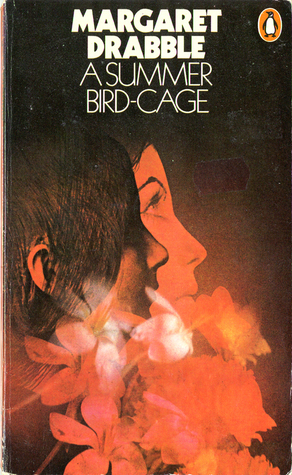
A Summer Bird-Cage is such a vivid evocation of early 60s London complete with Beehives, bohemianism, and the shadow of Victorian values clearly present but starting to recede. It captures that narrow historical corridor between the austerity of the 1950s and the full explosion of Swinging London in the mid/late 60s. Here we can see some elements of modernity, the Parisian influences, the coffee bars, and the desire for intellectual and sexual independence, but the infrastructure for a truly modern female life hasn't quite been built yet. These characters are caught between eras
It's fab and has a wonderful duality: part classic novel of manners, part early herald of 1960s liberation. I loved it
5/5
The title captures the book's central theme, drawing from a Webster play: “...as birds do in a cage in summer, one would fain be out of the cage, and the other within.”
The story is narrated by Sarah Bennett, a clever, observant, an adrift young woman who has recently graduated from Oxford. Returning to London from a stint in Paris, she finds herself at a loose end, working a somewhat uninspiring job at the BBC and trying to figure out what her life is supposed to look like
The emotional core of the novel rests on the intense, complicated relationship between Sarah and her beautiful, formidable older sister, Louise
As the book opens, Louise is about to marry Stephen Halifax, a wealthy and socially prestigious novelist whom Sarah privately finds rather repellent. The marriage acts as a catalyst, forcing Sarah to observe her sister’s new, glamorous life from the sidelines and interrogate the societal expectations of the era

March 8, 2018
Dopo la delusione della Piena, speravo di poter rivalutare mrs Drabble.
Invece l’annoiata lettura di questo racconto sciapo sulla rivalità tra due sorelle, ha risvegliato in me il desiderio di tornare a leggere la talentuosa Byatt.
Pare che le celebri sorelle non leggano mai i rispettivi libri. E hanno ragione: la distanza è siderale.
Addio, mrs Drabble.
Invece l’annoiata lettura di questo racconto sciapo sulla rivalità tra due sorelle, ha risvegliato in me il desiderio di tornare a leggere la talentuosa Byatt.
Pare che le celebri sorelle non leggano mai i rispettivi libri. E hanno ragione: la distanza è siderale.
Addio, mrs Drabble.

April 24, 2023
Last autumn I had Cambridge Literature Festival tickets to see Margaret Drabble and Tessa Hadley discuss the 1960s, but sadly I had to miss their talk; instead, I read this book, Drabble’s first. Although it is set in Oxford, and not in Cambridge - where Drabble, and her sister A.S. Byatt before her, both received degrees - the biographical parallels are obvious.
A Summer Bird-Cage is Drabble’s debut novel, and it centres around the relationship between two sisters: Sarah and Louise. The story is told from the point-of-view of the younger sister, Sarah, who has recently graduated from Oxford. She has spent her first post-graduation year in Paris - being an au pair, and accumulating life experience - but returns home for her older sister’s wedding. Sarah is in uneasy, somewhat resentful thrall to Louise: she still has a younger sister’s hero-worship, particularly for Louise’s beauty and self-composure, but also finds her cold, slippery and unknowable. The dynamic between the sisters is explored throughout the book, but it’s also used as a sort of plot device - mostly in terms of the choices available to “clever” women.
Both sisters have been academic successes at Oxford, but the world they enter into post-graduation only seems to offer two choices for women: wife, or decorative typist in an undemanding job. Louise opts for being the wife to a wealthy writer, whilst Sarah undergoes the trials of a graduate “starter” life in London.
Although some aspects of young graduate life remain the same - shared grubby flats, and drinking too much at parties, and unsatisfying jobs - this is very much a “period piece” in its tone and the conversational style of its characters. I enjoyed it in a minor way, but felt mostly unengaged by this pair of sisters.
I wondered about the title, and only upon finishing the book learned that it is a quotation from the play The White Devil by John Webster.
“It’s just like a summer bird-cage in a garden: the birds that are without despair to get in, and the the birds within despair and are in a consumption for fear they shall never get out.”
It’s an obvious allusion to marriage, but it could relate to other aspects of this novel as well.
A Summer Bird-Cage is Drabble’s debut novel, and it centres around the relationship between two sisters: Sarah and Louise. The story is told from the point-of-view of the younger sister, Sarah, who has recently graduated from Oxford. She has spent her first post-graduation year in Paris - being an au pair, and accumulating life experience - but returns home for her older sister’s wedding. Sarah is in uneasy, somewhat resentful thrall to Louise: she still has a younger sister’s hero-worship, particularly for Louise’s beauty and self-composure, but also finds her cold, slippery and unknowable. The dynamic between the sisters is explored throughout the book, but it’s also used as a sort of plot device - mostly in terms of the choices available to “clever” women.
Both sisters have been academic successes at Oxford, but the world they enter into post-graduation only seems to offer two choices for women: wife, or decorative typist in an undemanding job. Louise opts for being the wife to a wealthy writer, whilst Sarah undergoes the trials of a graduate “starter” life in London.
Although some aspects of young graduate life remain the same - shared grubby flats, and drinking too much at parties, and unsatisfying jobs - this is very much a “period piece” in its tone and the conversational style of its characters. I enjoyed it in a minor way, but felt mostly unengaged by this pair of sisters.
I wondered about the title, and only upon finishing the book learned that it is a quotation from the play The White Devil by John Webster.
“It’s just like a summer bird-cage in a garden: the birds that are without despair to get in, and the the birds within despair and are in a consumption for fear they shall never get out.”
It’s an obvious allusion to marriage, but it could relate to other aspects of this novel as well.

December 11, 2014
Written in 1962, this book takes us back to the beginning of the era when women were starting to push back against the assumption that, even if they went to college, they would marry and have kids right after. Sarah, our narrator, is a bit surprised that her older sister, the stunningly beautiful Louise, is not just marrying, but marrying Stephen, a writer who is distinctly odd. The sisters have never been close, so Sarah has no idea why Louise might be marrying who she does. Stephen, an author of very literary books, does have money, but even that doesn’t seem to make it all make sense. Sarah doesn’t give it too much attention, though; she’s having her own crisis of trying to figure out what she wants to do with her life now that she’s graduated. Nothing really interests her. She might like to write a humorous novel, a la Kingsley Amis, but no idea how to go about it. She might wed but the man she might want to marry is studying in America. So she works at a job that she doesn’t respect. Louise’s situation catches her attention when Sarah discovers that Louise has been having an affair with John both before and after her wedding.
This is a novel that is about women in the state of dissatisfaction. Sarah is dissatisfied with her business and personal life. Louise is dissatisfied with her husband and with her lover. Their mother is dissatisfied with her own life and with theirs. Sarah’s friend has just left her husband, an ultimate dissatisfaction. The men seem much happier with their lives, although we don’t really get to see that much of them. It’s interesting to note that all the dilemmas the women face are one’s that women today still face; there was a shift in the early 60s when many more women decided to have more of a life than being married and having children but there hasn’t been much change since then. I’m not sure there could be any more change; women (and men) must still face the existential question of what to do with their lives, and no matter what one does they will be missing out on something else. Although written fifty years ago, this book is a bit dated but still pertinent.
This is a novel that is about women in the state of dissatisfaction. Sarah is dissatisfied with her business and personal life. Louise is dissatisfied with her husband and with her lover. Their mother is dissatisfied with her own life and with theirs. Sarah’s friend has just left her husband, an ultimate dissatisfaction. The men seem much happier with their lives, although we don’t really get to see that much of them. It’s interesting to note that all the dilemmas the women face are one’s that women today still face; there was a shift in the early 60s when many more women decided to have more of a life than being married and having children but there hasn’t been much change since then. I’m not sure there could be any more change; women (and men) must still face the existential question of what to do with their lives, and no matter what one does they will be missing out on something else. Although written fifty years ago, this book is a bit dated but still pertinent.

December 22, 2016
This was a sheer delight of a book and not quite a frivolous as the synopsis led me to believe, though perhaps that's more of a result of time passing and a look back at this novel, now almost 60 years old. There is much to consider about family, sibling relationships and the pros and cons of marriage. The novel does take you back though to a place in your 20s when the whole world is spread out in front of you and seems full of choices and the narrative voice of Sarah, the story teller, and her nascent feminism, is delicious.
21st c. hindsight however does make me ponder the character of Stephen - almost certainly a gay man and deeply closeted, his own life and others around him a misery. What a different world it is today and I could easily imagine the novel being told from his point of view. The sorrow there.
21st c. hindsight however does make me ponder the character of Stephen - almost certainly a gay man and deeply closeted, his own life and others around him a misery. What a different world it is today and I could easily imagine the novel being told from his point of view. The sorrow there.

September 2, 2012
A Summer Bird-Cage by Margaret Drabble is a book with a hyphen in the title. This is apposite, since it presents a tale of two sisters, Louise and Sarah who, in a short but intense period of their lives, realise that there is an enduring bond between them, even if that bond may be no more than an agreement to compete.
Louise and Sarah have both been to Oxford. Louise is three years older than Sarah, who estimates that her sister is thus also three inches taller than herself. They are both beautiful, desirable young women, clearly drawn from society’s existing elite and destined not to tread beyond the boundaries of their class. Sarah’s first person narrative begins as she graduates, just as her older sister is about to marry Stephen Halifax. He is an awfully sophisticated author – whose books, nevertheless and by common consent, are pretty ropey – who seems permanently to roll in it, where ‘it’ refers to a mixture of money and whatever it is that allows an individual to claim the label ‘Bohemian’. (Being born in Bohemia would not endow that status, of course. We are literary, darling, not literal!) And Louise is twenty-four, for God’s sake, if we still demand His approbation in the 1960s. It is time she did something with her life, settled down, started a family, at least aspired to the respectable.
Sarah laments her sister’s good fortune. For years one side of her assumed future has yearned to attach such trappings to her own life, a standpoint to which she might only occasionally admit in mixed company. There is a gentleman friend, but he has hopped it across the Atlantic for a while to do some research. She wonders if he will ever come back. In matters of the heart, the immediate is always more likely to stir the emotions.
Throughout A Summer Bird-Cage the two sisters interact and we hear Sarah’s version of the envy, the bitchiness, the conflict, the resolution, the co-operation, the closeness and distance of their relationship. There are several parties where new people appear to gossip, to speculate or to provoke. Much is learned in these highly ceremonial gatherings about others.
And, as far as plot goes, that’s about it. There are some flaming rows, but no-one draws a gun. There is conflict, but no-one’s life is threatened. There’s duplicity, but the greatest sting is committed by a taxi driver who goes off with a whole two shillings of extra and undeserved tip. But even as early as the nineteen sixties lovers would sometimes take baths together!
Via Sarah’s frailties, imaginings, intellect, prejudice and eventual good sense and loyalty, Margaret Drabble presents a magnificent study in character and the human condition. If the reader were to pass Sarah on the street, not only would she be recognisable, she would immediately demand greeting. “By the way,” the reader might ask her, “did you really feel such resentment at everything your sister…” And no doubt Sarah would reply at length and in detail.
In A Summer Bird-Cage the encounters are real. The events are credible. The failings of these people are purely human, rendering them completely three dimensional. Yes, the society they inhabit is rarefied, elitist and limited in its world view, but surely they existed and, via this superb novel, still do.
Louise and Sarah have both been to Oxford. Louise is three years older than Sarah, who estimates that her sister is thus also three inches taller than herself. They are both beautiful, desirable young women, clearly drawn from society’s existing elite and destined not to tread beyond the boundaries of their class. Sarah’s first person narrative begins as she graduates, just as her older sister is about to marry Stephen Halifax. He is an awfully sophisticated author – whose books, nevertheless and by common consent, are pretty ropey – who seems permanently to roll in it, where ‘it’ refers to a mixture of money and whatever it is that allows an individual to claim the label ‘Bohemian’. (Being born in Bohemia would not endow that status, of course. We are literary, darling, not literal!) And Louise is twenty-four, for God’s sake, if we still demand His approbation in the 1960s. It is time she did something with her life, settled down, started a family, at least aspired to the respectable.
Sarah laments her sister’s good fortune. For years one side of her assumed future has yearned to attach such trappings to her own life, a standpoint to which she might only occasionally admit in mixed company. There is a gentleman friend, but he has hopped it across the Atlantic for a while to do some research. She wonders if he will ever come back. In matters of the heart, the immediate is always more likely to stir the emotions.
Throughout A Summer Bird-Cage the two sisters interact and we hear Sarah’s version of the envy, the bitchiness, the conflict, the resolution, the co-operation, the closeness and distance of their relationship. There are several parties where new people appear to gossip, to speculate or to provoke. Much is learned in these highly ceremonial gatherings about others.
And, as far as plot goes, that’s about it. There are some flaming rows, but no-one draws a gun. There is conflict, but no-one’s life is threatened. There’s duplicity, but the greatest sting is committed by a taxi driver who goes off with a whole two shillings of extra and undeserved tip. But even as early as the nineteen sixties lovers would sometimes take baths together!
Via Sarah’s frailties, imaginings, intellect, prejudice and eventual good sense and loyalty, Margaret Drabble presents a magnificent study in character and the human condition. If the reader were to pass Sarah on the street, not only would she be recognisable, she would immediately demand greeting. “By the way,” the reader might ask her, “did you really feel such resentment at everything your sister…” And no doubt Sarah would reply at length and in detail.
In A Summer Bird-Cage the encounters are real. The events are credible. The failings of these people are purely human, rendering them completely three dimensional. Yes, the society they inhabit is rarefied, elitist and limited in its world view, but surely they existed and, via this superb novel, still do.

July 13, 2010
Now, this is a period piece. Two middle-class sisters, Sarah and Louise, three years apart, in the early '60s after graduating ("coming down") from Oxford, are finding their ways in the world. This is told from younger Sarah's point of view. She's an intelligent, wry, bookish, romantic girl who's always taken second place to the more beautiful Louise. Neither one is close to the other, nor to her parents really. Louise marries a rich, boring, successful author, brings Sarah home from Paris to England for the wedding. Sarah remains in London trying to find her place in the world of the employed vs. the married-with-children friends from school. Where does she belong and why has Louise settled for this disappointment of a husband? That's what we find out in Margaret Drabble's beautiful, revealing prose.
My mother used to have shelves of Margaret Drabble. Now I know why.
Wilfred tells me that Stephen is writing another novel with Louise as a villainess: I foresee a book about a woman who is destroyed by a fatal streak of vulgarity, manifested by an inability to resist shades of mauve, purple and lilac.
My mother used to have shelves of Margaret Drabble. Now I know why.
Wilfred tells me that Stephen is writing another novel with Louise as a villainess: I foresee a book about a woman who is destroyed by a fatal streak of vulgarity, manifested by an inability to resist shades of mauve, purple and lilac.

January 3, 2022
Quirky, witty and sparkling with funny and satirical situations that follow to sisters who couldn’t be more different as they navigate relationships in 1960s London. The second of Margaret Drabble’s books I have read. I will be on the lookout for a third of hers to find!!

August 29, 2015
Drabble knows how to write about the complexity of sisterly love.
You don't always like the people you love.
So much truth, so much wit.
You don't always like the people you love.
So much truth, so much wit.

April 24, 2021
3,5 estrellas
Una novela cínica, descarnada, de hielo, sobre dos hermanas con una relación absolutamente tóxica, y su peculiar visión del matrimonio y el futuro que deparaba a las mujeres jóvenes, licenciadas universitarias y de clase media en la Inglaterra de principios de los años 60 del siglo pasado.
Imagino que cuando salió publicada esta novela, en 1963, el escándalo que debió provocar tuvo que ser morrocotudo. Y más tratándose de la primera novela de una joven escritora (24 años tenía) que da una bofetada a todas las convenciones sociales que se tenían sobre las jovencitas, y cuál era el modelo de vida que debían seguir.
El problema es que ha llovido mucho desde entonces, y ahora mismo la novela no resulta innovadora, escandalosa o provocadora. Más bien resulta convencional y algo trasnochada en este aspecto.
Por otro lado, todos y cada uno de los personajes son tan absolutamente mezquinos, empezando por Sarah, nuestra protagonista, siguiendo por su hermana Louise, y por todos los demás que las rodean, que se hace absolutamente imposible empatizar con ellas, y que Drabble logre transmitirse esa sensación de angustia, de no saber qué camino tomar, y de sentirse encerrada por las convenciones sociales que tienen ambas hermanas.
Sarah y Louise son bellas (Louise extremadamente bella), inteligentes (Sarah extremadamente inteligente), cultas, bastante engreídas (la falta de modestia es una constante en ambas, así como su sentimiento de superioridad hacia las personas que no son tan hermosas como ellas, o tan inteligentes), un poco esnobs y pretenciosas... y horribles como personas, la verdad.
Pero aquí debo precisar que eso es, precisamente, lo que busca la autora, porque la novela es descarnadamente honesta, y en modo alguno pretende enmascarar, maquillar o edulcorar sus pensamientos o acciones más mezquinos o menos afortunados, sus arrebatos de egoísmo, o sus ataques de envidia. Todo está iluminado como si Drabble utilizara unos potentes focos que no dejan el más mínimo resquicio para las sombras o para difuminar la imagen.
Porque si hay algo que reconocerle a la autora (además de su capacidad de trazar personajes muy imperfectos, pero a la vez muy humanos -desde una perspectiva pesimista del ser humano, claro-) es que escribe como los ángeles (debe ser cosa de familia, porque su hermana, A.S. Byatt es una novelista como la copa de un pino), y toda la novela, escrita desde la perspectiva de Sarah y en primera persona, es una frase afilada tras otra, sin concesiones, sin que Sarah haga nada por "quedar bien" frente al lector, en ningún momento pretende autoexcusarse, y eso que hay veces en que ella misma se da cuenta de que determinado pensamiento o forma de obrar no son precisamente loables. En otras ocasiones, lamentablemente, ni siquiera es consciente de ello (hay un pasaje en que reflexiona acerca de las personas con discapacidad que, por muy habitual que fuera en la época en que fue escrita la novela, me ha puesto especialmente de muy mala leche por su crueldad, falta de empatía y por ser estigmatizador y discriminador).
Pero pese a ello, una puede leer una novela en la que sus personajes, protagonistas incluidos, le caigan mal, y este ha sido mi caso.
Pese a todo, es tan descarnada y está tan bien escrita que, realmente, me ha gustado. Desde luego no se encuentra entre mis favoritas, pero aun así la he disfrutado. Lástima del final precipitado.
Una novela cínica, descarnada, de hielo, sobre dos hermanas con una relación absolutamente tóxica, y su peculiar visión del matrimonio y el futuro que deparaba a las mujeres jóvenes, licenciadas universitarias y de clase media en la Inglaterra de principios de los años 60 del siglo pasado.
Imagino que cuando salió publicada esta novela, en 1963, el escándalo que debió provocar tuvo que ser morrocotudo. Y más tratándose de la primera novela de una joven escritora (24 años tenía) que da una bofetada a todas las convenciones sociales que se tenían sobre las jovencitas, y cuál era el modelo de vida que debían seguir.
El problema es que ha llovido mucho desde entonces, y ahora mismo la novela no resulta innovadora, escandalosa o provocadora. Más bien resulta convencional y algo trasnochada en este aspecto.
Por otro lado, todos y cada uno de los personajes son tan absolutamente mezquinos, empezando por Sarah, nuestra protagonista, siguiendo por su hermana Louise, y por todos los demás que las rodean, que se hace absolutamente imposible empatizar con ellas, y que Drabble logre transmitirse esa sensación de angustia, de no saber qué camino tomar, y de sentirse encerrada por las convenciones sociales que tienen ambas hermanas.
Sarah y Louise son bellas (Louise extremadamente bella), inteligentes (Sarah extremadamente inteligente), cultas, bastante engreídas (la falta de modestia es una constante en ambas, así como su sentimiento de superioridad hacia las personas que no son tan hermosas como ellas, o tan inteligentes), un poco esnobs y pretenciosas... y horribles como personas, la verdad.
Pero aquí debo precisar que eso es, precisamente, lo que busca la autora, porque la novela es descarnadamente honesta, y en modo alguno pretende enmascarar, maquillar o edulcorar sus pensamientos o acciones más mezquinos o menos afortunados, sus arrebatos de egoísmo, o sus ataques de envidia. Todo está iluminado como si Drabble utilizara unos potentes focos que no dejan el más mínimo resquicio para las sombras o para difuminar la imagen.
Porque si hay algo que reconocerle a la autora (además de su capacidad de trazar personajes muy imperfectos, pero a la vez muy humanos -desde una perspectiva pesimista del ser humano, claro-) es que escribe como los ángeles (debe ser cosa de familia, porque su hermana, A.S. Byatt es una novelista como la copa de un pino), y toda la novela, escrita desde la perspectiva de Sarah y en primera persona, es una frase afilada tras otra, sin concesiones, sin que Sarah haga nada por "quedar bien" frente al lector, en ningún momento pretende autoexcusarse, y eso que hay veces en que ella misma se da cuenta de que determinado pensamiento o forma de obrar no son precisamente loables. En otras ocasiones, lamentablemente, ni siquiera es consciente de ello (hay un pasaje en que reflexiona acerca de las personas con discapacidad que, por muy habitual que fuera en la época en que fue escrita la novela, me ha puesto especialmente de muy mala leche por su crueldad, falta de empatía y por ser estigmatizador y discriminador).
Pero pese a ello, una puede leer una novela en la que sus personajes, protagonistas incluidos, le caigan mal, y este ha sido mi caso.
Pese a todo, es tan descarnada y está tan bien escrita que, realmente, me ha gustado. Desde luego no se encuentra entre mis favoritas, pero aun así la he disfrutado. Lástima del final precipitado.
June 26, 2020
"My sister, I should say, is an absolutely knock-out beauty. She really is. People are silent when she enters rooms, they stare at her on buses, they look round as she walks down the street."
This is a novel of two sisters. Younger sister, Sarah, narrates a period of her life when her older sister, Louise, gets married and starts a life with her husband Stephen. I found it to be quite a cerebral book. Sarah is a true academic at heart and is always in her head. We, the reader, get to join in on these forays into Sarah's mind's workings. She is part observer, part philosopher, part drinking buddy, part younger sister still grieving over the rebuffs of her youth from Louise, part advisor, and part lost in that familiar sea of life after college searching for a place in the world that is not in a library. All these parts create a storyteller that doesn't recognize her worth to the individuals in her life. These people are the male friends who seek her out to chat at parties because she is interesting and witty, her roommate Gill who breaks down and confesses she should be a better friend to her, her sister's husband Stephen who makes condescending remarks to her yet still engages her in friendly debate, but most of all her sister. As an older sister, I saw fragments of myself in Louise going to her younger sister for comfort and dropping the facade of always having my life in order. For such a short book, it is incredibly perceptive on many levels.
Louise and Sarah have a distant sort of relationship. Sarah notes it started when she was around the age of 11 or 13 and Louise wanted nothing to do with her. After that, there was some distant sort of rivalry never acknowledged. Sarah begins to wonder at the "social meaninglessness" of their exchanges and senses that at some point soon it would have to break down. The perceptiveness Sarah shows in knowing that their relationship will change and the acceptance seemed so incredibly mature to me. So she goes along with the ebb and flow of their sister relations without judgement.
I thought this was very well written and the perfect length for the novel. It's not one you can mentally "check out" while reading. Each exchange and conversation has a meaing and purpose. It is also important to note, what is not said but implied in the story. Hints at women's liberation and the changing of the workplaces. There are also overt conversations on the changing roles of women. Sarah admires Louise in how she has forged her own marriage counter to the culture. Louise married for money (which isn't out right said until the end of the novel) and is clearly having a life outside of her marriage. Sarah chooses obliviousness to this until confronted by it. A scene in which a college friend of Louise's is pregnant with a husband out of a job is recounted by Louise in which she is adamant she will never have children. Their family oriented mother would need smelling salts if she knew this. The world is changing and Sarah is a record keeper to it all. Even though she is also trying to figure out where she fits in this changing world. Her heart is in academics but she states she doesn't want to give up her sexuality for it. In her mind, female professors sacrifice parts of themselves far more often to obtain/keep their positions in order to have respect than the male professors. She isn't wrong!
Drabble layers and builds the story culminating in the break thru of the sisters' relationship and also their understanding of each other.
This is a novel of two sisters. Younger sister, Sarah, narrates a period of her life when her older sister, Louise, gets married and starts a life with her husband Stephen. I found it to be quite a cerebral book. Sarah is a true academic at heart and is always in her head. We, the reader, get to join in on these forays into Sarah's mind's workings. She is part observer, part philosopher, part drinking buddy, part younger sister still grieving over the rebuffs of her youth from Louise, part advisor, and part lost in that familiar sea of life after college searching for a place in the world that is not in a library. All these parts create a storyteller that doesn't recognize her worth to the individuals in her life. These people are the male friends who seek her out to chat at parties because she is interesting and witty, her roommate Gill who breaks down and confesses she should be a better friend to her, her sister's husband Stephen who makes condescending remarks to her yet still engages her in friendly debate, but most of all her sister. As an older sister, I saw fragments of myself in Louise going to her younger sister for comfort and dropping the facade of always having my life in order. For such a short book, it is incredibly perceptive on many levels.
Louise and Sarah have a distant sort of relationship. Sarah notes it started when she was around the age of 11 or 13 and Louise wanted nothing to do with her. After that, there was some distant sort of rivalry never acknowledged. Sarah begins to wonder at the "social meaninglessness" of their exchanges and senses that at some point soon it would have to break down. The perceptiveness Sarah shows in knowing that their relationship will change and the acceptance seemed so incredibly mature to me. So she goes along with the ebb and flow of their sister relations without judgement.
I thought this was very well written and the perfect length for the novel. It's not one you can mentally "check out" while reading. Each exchange and conversation has a meaing and purpose. It is also important to note, what is not said but implied in the story. Hints at women's liberation and the changing of the workplaces. There are also overt conversations on the changing roles of women. Sarah admires Louise in how she has forged her own marriage counter to the culture. Louise married for money (which isn't out right said until the end of the novel) and is clearly having a life outside of her marriage. Sarah chooses obliviousness to this until confronted by it. A scene in which a college friend of Louise's is pregnant with a husband out of a job is recounted by Louise in which she is adamant she will never have children. Their family oriented mother would need smelling salts if she knew this. The world is changing and Sarah is a record keeper to it all. Even though she is also trying to figure out where she fits in this changing world. Her heart is in academics but she states she doesn't want to give up her sexuality for it. In her mind, female professors sacrifice parts of themselves far more often to obtain/keep their positions in order to have respect than the male professors. She isn't wrong!
Drabble layers and builds the story culminating in the break thru of the sisters' relationship and also their understanding of each other.

February 8, 2015
I read this on the back of Drabble's reputation and the fact I love A S Byatt's work. I was curious whether two sibling writers could inspire me equally. Well I was disappointed. Far from being a "sparkling" debut novel, as the jacket blurb promised, I found this as dry as toast.
In Byatt's Frederica Potter #3 novel we find her eponymous hero pondering over the fact that "young ladies just down from Oxford, ought not to write novels about young ladies just down from Oxford" and on reading A Summer Birdcage I felt the autobiographical pang, that so many critics have observed as existing between these two writers.
Drabble's novel was also clearly an exploration of the dichotomous adversarial relationship she has with her own sister and it's not hard to see why the two are reputed not to get along all that well. When you use your own familial relationships to form the denouement of a novel and you paint the "other" sibling in such a light as Drabble paints Louise, it's not surprising that it might sour things somewhat.
At one point in the novel Drabble claims that she could describe the clothes, the conversation, the hairstyles of those at her sister's party, but that she isn't " that sort of writer"; if I'd received this manuscript across my desk I'd have returned it with a post-it on this page suggesting she should at least try!
I'll try another Drabble novel as this was merely the slimmest of books and clearly shows the teething marks of a freshly hatched writer ... I hope the next one proves more substantial.
In Byatt's Frederica Potter #3 novel we find her eponymous hero pondering over the fact that "young ladies just down from Oxford, ought not to write novels about young ladies just down from Oxford" and on reading A Summer Birdcage I felt the autobiographical pang, that so many critics have observed as existing between these two writers.
Drabble's novel was also clearly an exploration of the dichotomous adversarial relationship she has with her own sister and it's not hard to see why the two are reputed not to get along all that well. When you use your own familial relationships to form the denouement of a novel and you paint the "other" sibling in such a light as Drabble paints Louise, it's not surprising that it might sour things somewhat.
At one point in the novel Drabble claims that she could describe the clothes, the conversation, the hairstyles of those at her sister's party, but that she isn't " that sort of writer"; if I'd received this manuscript across my desk I'd have returned it with a post-it on this page suggesting she should at least try!
I'll try another Drabble novel as this was merely the slimmest of books and clearly shows the teething marks of a freshly hatched writer ... I hope the next one proves more substantial.

November 1, 2016
Mm... mi è difficile commentare questo libro sapendo che l'autrice e la sorella (che poi è una delle mie autrici preferite, Antonia S. Byatt) sono in faida da circa mezzo secolo. E questo è un romanzo - tra le altre cose - su un complesso rapporto tra sorelle. È impossibile non pensare che ci sia dell'ispirazione autobiografica dietro questo libro... Magari sbagliando, eppure il pensiero rimane lì, in sottofondo, a disturbare la lettura. È un romanzo ben scritto e molto realistico nel descrivere le donne, mi ha ricordato alcuni romanzi della Atwood, ma con una patina un poco più polverosa. Non male (ma la Byatt, nei suoi romanzi riusciti, mi piace immensamente di più).

June 22, 2022
Drabble was just twenty three when she wrote A Summer Bird-Cage. Beating her elder sister A.S. Byatt into print. It is also a book largely about the relationship of a couple of sisters. And ouch, it is unflinching and devastating. No wonder their relationship is cool. If Drabble never wrote another thing, this would have been enough to make every future Christmas dinner chilly. Though the novel lost a bit of momentum in the middle, it is sharp and intelligent and definitely redeemed itself in the end. Worth a read.
January 31, 2010
Margaret Drabble’s A Summer Bird-Cage , is an age-old tale of sisterhood and rivalry, and if the reviews are true, a rather bitchy portrayal of her equally brilliant sister, A.S. Byatt. Drabble’s protagonist and her friends announce their education with casual references to French, Latin, and Italian, quoting Shakespeare and Keats in their correspondence, and Paradise Lost is Sarah’s bus reading. Whereas Byatt’s work imitates and skewers academia, this novel earnestly addresses the competing demands of femininity and intellectualism or what is to be done with a girl once you educate her: what options does society provide?
In the novel, the protagonist Sarah returns home from aimlessly teaching English in Paris to attend her beautiful, talented sister Louise’s wedding to a boring but wealthy novelist, Stephen. Sarah cannot fathom why Louise would marry such a sour, disdainful, and unattractive man, and obviously has typical younger sibling envy for Louise, who has always made her feel unwanted and inadequate. She pities her country cousin, Daphne for being ugly and awkward. She meets her old friend from Oxford, Gill, who has just had an abortion and left her husband, Tony, a starving artist. She observes an odd tension between Louise and the best man, John, an actor. After the wedding and a guilt trip from her mother, Sarah moves to London to find a flat with Gill.
She then receives a letter from her old friend, Simone, who informs her about seeing her sister alone on her honeymoon in a Roman cathedral. Sarah is pining away for her old boyfriend, Francis, who is studying at Harvard. She tries to convince Gill to attend a party of another Oxford acquaintance for a change of pace, but Gill refuses. At the party, Sarah discovers that her brother-in-law’s 1st novel is being made into a movie, starring John, and that Stephen and Louise are in Paris. Sarah dances with a man called Jackie, and then John arrives at the party, where he implies that her sister spurned him. Jackie chivalrously takes a drunken Sarah home and calls her a high-powered girl. Sarah wonders if she is like Louise.
Time passes, and Gill and Sarah bicker over their dirty flat. Louise returns to London and invites Sarah to a dinner party. Sarah recalls being rejected by a superior teenage Louise and the triumph of stealing one of her boyfriends at Oxford. Gill and Sarah fight over the dishes, with Gill chastising Sarah for pretending to be apathetic and laissez-faire about everyone’s behavior. Sarah sees her poor cousin Daphne at the Tate and shamefully introduces her to a male acquaintance from Oxford, Lovell, who pities her awkwardness.
Sarah attends her sister’s dinner party and marvels over her pristine home and fancy make-up. She also obsesses over her sister’s over-dramatic red lipstick, and Stephen’s ultra-mod Greco-inspired design palette. Sarah is clearly envious of her sister’s aesthetic comforts in contrast to her squalor, though she claims to recognize her sister’s vulnerability and the social pressure of having to entertain Stephen’s friends. They bond briefly over Louise’s luxurious French leather jacket. Sarah portrays Louise as a materialistic sylph whose only concerns are material. Sarah feels out of her depth and liberated when she finally leaves the pretentious party.
On the way home, Sarah is accosted by Stephen’s friend, Wilfred, and has a snarky conversation about Louise, where she points out her own first-class degree in literature while ostensibly defending her sister’s supposedly respectable second in PPE and calls her, “nothing but a novelist’s wife.” Wilfred points out Louise’s affair with John and explains his concerns for Stephen, whom he claims has stopped writing and describes as a clinical neurotic. Sarah confesses to being scandalized by Louise’s behavior and resents herself for her old-fashioned values. After several other encounters with Louise, Sarah reflects on the flippant, casual nature of their relationship, always competitors, not friends. Louise remarks that she and Sarah are carnivores, while their poor cousin Daphne is an herbivore, whom she cannot bear to entertain. Sarah, equally egotistical, reflects on the unfair burden of being attractive and Daphne’s unfair burden of being ugly. While Stephen is away, Louise invites Sarah to cocktails with Stephen’s Italian friends, and afterwards, they go meet John at the theatre. When they go out together, Sarah acutely feels her loneliness and status as a third-wheel, of which Louise is oblivious.
John and Louise ask Sarah about her career prospects, and Sarah admits she has no definitive plans; her job with the BBC is just a time-filler. She wants to travel and write, but she lacks the finances to do so. Louise suggests a career in academia, but Sarah feels that you “can’t be a sexy don” and that being a woman prevents one from being a truly serious scholar or taken seriously by one’s colleagues, even though she truly loves the pursuit of knowledge (Cf. Beatrice Nest in Possession). Sarah seems to be forever in transition, waiting for Francis to return, waiting for her life to start. Louise, on the other hand, has abandoned erudition in favor of creature comforts and life as an unfaithful trophy wife, shamelessly reversing traditional roles.
After John and Louise leave Sarah at home, Sarah discovers her roommate has moved home to her parents in despair. Louise phones in the wee hours and announces that Stephen walked in on she and John in the bathtub and promptly threw her out. Though Sarah resents it, she takes Louise in, and Louise admits to marrying Stephen for his money, calling him a snob and a liar. She bemoans the fate of Oxbridge friends who married for love and are now poor and miserable, saddled with children they can barely afford and whose birth essentially ruined their lives and their marriage. Louise moves in with John, and Stephen starts to write a novel with her as the villainess.
Sarah marvels that she and her sister have become “friends,” but this claim is clearly undermined by her unsparing and unkind portrayal of Louise throughout, without the slightest generosity or mercy. Her disapproving, judgmental attitude toward Louise is perfectly illustrated in the final anecdote where Sarah points out that the humorous, unrepentant, absurdly heartless vanity that Louise laments not being caught in delicto flagrante but being caught so in her bathing cap. Throughout the novel, Sarah endeavors to present herself as the albeit unwilling conscience though she wishes she could practice moral relativism, superior to Louise in intellect and rectitude, undermining her sister at every turn for her selfish lack of mores and her bourgeois lifestyle. Bottom line: I’d be pissed too, if I were her sister.
In the novel, the protagonist Sarah returns home from aimlessly teaching English in Paris to attend her beautiful, talented sister Louise’s wedding to a boring but wealthy novelist, Stephen. Sarah cannot fathom why Louise would marry such a sour, disdainful, and unattractive man, and obviously has typical younger sibling envy for Louise, who has always made her feel unwanted and inadequate. She pities her country cousin, Daphne for being ugly and awkward. She meets her old friend from Oxford, Gill, who has just had an abortion and left her husband, Tony, a starving artist. She observes an odd tension between Louise and the best man, John, an actor. After the wedding and a guilt trip from her mother, Sarah moves to London to find a flat with Gill.
She then receives a letter from her old friend, Simone, who informs her about seeing her sister alone on her honeymoon in a Roman cathedral. Sarah is pining away for her old boyfriend, Francis, who is studying at Harvard. She tries to convince Gill to attend a party of another Oxford acquaintance for a change of pace, but Gill refuses. At the party, Sarah discovers that her brother-in-law’s 1st novel is being made into a movie, starring John, and that Stephen and Louise are in Paris. Sarah dances with a man called Jackie, and then John arrives at the party, where he implies that her sister spurned him. Jackie chivalrously takes a drunken Sarah home and calls her a high-powered girl. Sarah wonders if she is like Louise.
Time passes, and Gill and Sarah bicker over their dirty flat. Louise returns to London and invites Sarah to a dinner party. Sarah recalls being rejected by a superior teenage Louise and the triumph of stealing one of her boyfriends at Oxford. Gill and Sarah fight over the dishes, with Gill chastising Sarah for pretending to be apathetic and laissez-faire about everyone’s behavior. Sarah sees her poor cousin Daphne at the Tate and shamefully introduces her to a male acquaintance from Oxford, Lovell, who pities her awkwardness.
Sarah attends her sister’s dinner party and marvels over her pristine home and fancy make-up. She also obsesses over her sister’s over-dramatic red lipstick, and Stephen’s ultra-mod Greco-inspired design palette. Sarah is clearly envious of her sister’s aesthetic comforts in contrast to her squalor, though she claims to recognize her sister’s vulnerability and the social pressure of having to entertain Stephen’s friends. They bond briefly over Louise’s luxurious French leather jacket. Sarah portrays Louise as a materialistic sylph whose only concerns are material. Sarah feels out of her depth and liberated when she finally leaves the pretentious party.
On the way home, Sarah is accosted by Stephen’s friend, Wilfred, and has a snarky conversation about Louise, where she points out her own first-class degree in literature while ostensibly defending her sister’s supposedly respectable second in PPE and calls her, “nothing but a novelist’s wife.” Wilfred points out Louise’s affair with John and explains his concerns for Stephen, whom he claims has stopped writing and describes as a clinical neurotic. Sarah confesses to being scandalized by Louise’s behavior and resents herself for her old-fashioned values. After several other encounters with Louise, Sarah reflects on the flippant, casual nature of their relationship, always competitors, not friends. Louise remarks that she and Sarah are carnivores, while their poor cousin Daphne is an herbivore, whom she cannot bear to entertain. Sarah, equally egotistical, reflects on the unfair burden of being attractive and Daphne’s unfair burden of being ugly. While Stephen is away, Louise invites Sarah to cocktails with Stephen’s Italian friends, and afterwards, they go meet John at the theatre. When they go out together, Sarah acutely feels her loneliness and status as a third-wheel, of which Louise is oblivious.
John and Louise ask Sarah about her career prospects, and Sarah admits she has no definitive plans; her job with the BBC is just a time-filler. She wants to travel and write, but she lacks the finances to do so. Louise suggests a career in academia, but Sarah feels that you “can’t be a sexy don” and that being a woman prevents one from being a truly serious scholar or taken seriously by one’s colleagues, even though she truly loves the pursuit of knowledge (Cf. Beatrice Nest in Possession). Sarah seems to be forever in transition, waiting for Francis to return, waiting for her life to start. Louise, on the other hand, has abandoned erudition in favor of creature comforts and life as an unfaithful trophy wife, shamelessly reversing traditional roles.
After John and Louise leave Sarah at home, Sarah discovers her roommate has moved home to her parents in despair. Louise phones in the wee hours and announces that Stephen walked in on she and John in the bathtub and promptly threw her out. Though Sarah resents it, she takes Louise in, and Louise admits to marrying Stephen for his money, calling him a snob and a liar. She bemoans the fate of Oxbridge friends who married for love and are now poor and miserable, saddled with children they can barely afford and whose birth essentially ruined their lives and their marriage. Louise moves in with John, and Stephen starts to write a novel with her as the villainess.
Sarah marvels that she and her sister have become “friends,” but this claim is clearly undermined by her unsparing and unkind portrayal of Louise throughout, without the slightest generosity or mercy. Her disapproving, judgmental attitude toward Louise is perfectly illustrated in the final anecdote where Sarah points out that the humorous, unrepentant, absurdly heartless vanity that Louise laments not being caught in delicto flagrante but being caught so in her bathing cap. Throughout the novel, Sarah endeavors to present herself as the albeit unwilling conscience though she wishes she could practice moral relativism, superior to Louise in intellect and rectitude, undermining her sister at every turn for her selfish lack of mores and her bourgeois lifestyle. Bottom line: I’d be pissed too, if I were her sister.
This entire review has been hidden because of spoilers.

September 2, 2019
"Again, I did know what she meant, and the joy of having had so many intelligible things said to me during one morning sustained me for the rest of the day. Odd that one doesn't mind being called insensitive, selfish, and so on, provided that one can entirely understand the grounds for the accusation. It should be the other way round; one should not mind only when one knows that one is innocent. But it isn't like that. Perhaps the rare and simple pleasure of being seen for what one is compensates for being it. Anyway, the thought that Gill saw my failings more or less straight kept me happy for quite a while..."

July 13, 2025
3.5 stars.
The way Margaret Drabble writes is so light and witty and energetic. Her dialogue is sharp and to the point, and you almost don't really mind that you're just reading conversation after conversation here. I would have loved a bit more content so to speak from this one - it's really just Sarah wandering around, questioning her relationships and her future while being both intrigued and appalled by her elder beautiful sister Louise's new married lifestyle. I think The Millstone which I read previously was a more accomplished novel and felt less flimsy overall. But this was her debut so I can understand the weaknesses, and I still very much enjoyed the ride, so I'm of course now on the lookout for the next book I can dive into from her considerable bibliography.
The way Margaret Drabble writes is so light and witty and energetic. Her dialogue is sharp and to the point, and you almost don't really mind that you're just reading conversation after conversation here. I would have loved a bit more content so to speak from this one - it's really just Sarah wandering around, questioning her relationships and her future while being both intrigued and appalled by her elder beautiful sister Louise's new married lifestyle. I think The Millstone which I read previously was a more accomplished novel and felt less flimsy overall. But this was her debut so I can understand the weaknesses, and I still very much enjoyed the ride, so I'm of course now on the lookout for the next book I can dive into from her considerable bibliography.

June 7, 2015
A Summer Bird-Cage is evidence that an author can make a novel work for me even when I find the two main characters, an insufferable pair of sisters named Sarah and Louise, neither likable nor interesting. Both are pretty and clever, recent graduates of Oxford who don't know what to do with their lives. Louise marries a snotty, rich author and Sarah moves to London and works as a file clerk while deciding what to do. Actually, the main theme of this story, of being "over-educated but without any sense of vocation," of being a thinking person adrift in a largely amoral consumer society, is certainly still revelant, and the story still feels fresh and lively fifty years after its first publication. As a whole, I liked this book.
I most certainly didn't like the sisters, however. The story is told through Sarah's POV, and for most of it, Louise is a cipher to her. They have always been competitive and don't much like each other, although they have a lot in common. They feel they are too pretty for serious employment, too smart for conventional domesticity, and too materialistic to live as bohemians. For me, they were too conceited to be likable, too shallow to be interesting and too ordinary to be glamorous. Or else just extremely immature. I wonder if Drabble intended them to be so dreadful, or if it's just me.
I most certainly didn't like the sisters, however. The story is told through Sarah's POV, and for most of it, Louise is a cipher to her. They have always been competitive and don't much like each other, although they have a lot in common. They feel they are too pretty for serious employment, too smart for conventional domesticity, and too materialistic to live as bohemians. For me, they were too conceited to be likable, too shallow to be interesting and too ordinary to be glamorous. Or else just extremely immature. I wonder if Drabble intended them to be so dreadful, or if it's just me.
July 26, 2022
My first and so far only Drabble. I was deceived by the blurb on the back promising a "bizarre climax." In actuality, in this fiction, nothing all that bizarre or interesting happens. The narrator Sarah, and her sister Louise are self-absorbed and rather obsessed with appearances, the way that the young and the attractive can be. There isn't much of a plot at all. But young Drabble is clever and her sentences and paragraphs are often impressive, with that touch of neurotic deepness that the young and brilliant bring forth as they birth their way into the world of literature.

May 7, 2017
Such an intriguing novel, with fully fleshed out characters, and dashes of wonderful realism. Whilst not a great deal happened in terms of plot, the story and its participants contribute to a multilayered and rather deep book.
Displaying 1 - 30 of 168 reviews