Jump to ratings and reviews
Rate this book

River of Stars: Selected Poems

Rate this book
Yosano Akiko (1878-1942) is one of the most famous Japanese writers of the twentieth century. She is the author of more than seventy-five books, including twenty volumes of original poetry and the definitive translation into modern Japanese of the Tale of the Genji. Although probably best known for her exquisite erotic poetry, Akiko's work also championed the causes of feminism, pacifism, and social reform. Akiko's poetry is profoundly direct, often passionate, exposing the complexity of everyday emotions in poetic language stripped of artifice and presenting the full breadth of her poetic vision. Included in this volume are ninety-one of Akiko's tanka (a traditional five-line form of verse) and a dozen of her longer poems written in the modern style.

160 pages, Paperback

First published March 18, 1997

21 people are currently reading
1981 people want to read

About the author

Akiko Yosano

189 books139 followers
Sometimes Yosano Akiko. See also 与謝野 晶子.

Akiko Yosano was the pen-name of a Japanese author, poet, pioneering feminist, pacifist, and social reformer, active in the late Meiji period as well as the Taishō and early Showa periods of Japan. Her real name was Yosano Shiyo. She is one of the most famous, and most controversial, post-classical woman poets of Japan.

Ratings & Reviews

What do you think?
Rate this book

Friends & Following

Create a free account to discover what your friends think of this book!

Community Reviews

5 stars
256 (42%)
4 stars
233 (39%)
3 stars
92 (15%)
2 stars
14 (2%)
1 star
1 (<1%)
Displaying 1 - 30 of 100 reviews
Profile Image for Steve.
441 reviews583 followers
October 2, 2013
Yosano Akiko (1878-1942) was a dynamo. Among other things, she published some 75 books, of which 20 were her own poetry; she translated The Tale of Genji into modern Japanese (her translation is claimed by some to be definitive); she was a feminist, a pacifist (look at her dates again!), a scholar and a social activist; and on the side she managed to raise 11 children (two others died young). Remarkable.

River of Stars is a selection of her poetry co-translated by Sam Hamill and Keiko Matsui Gibson. It contains approximately 100 tanka (a classical form of 31 syllables in lines of 5-7-5-7-7 syllables), and 30 pages of poems using more modern forms or free verse. The translations of the tanka maintain the 5-7-5-7-7 syllabic structure of the original.

Yosano's tanka cover a wide range of topics, including many found in the classical Japanese poems whose form she has adopted. However, she re-enlivens old themes in unexpected ways. For example, consider this unorthodox view of the fundamental Buddhistic theme of the fragile brevity of life (a sutra is a sacred Buddhist text):


While mother begins
chanting a deathbed sutra,
beside her, the
tiny feet of her infant,
oh so beautiful to see.


There are many poems about young monks and temptation:


From her shoulder,
falling over the sutra,
a strand of unruly hair.
A lovely girl and a monk.
The burden of early spring.


There are the simply beautiful:


Hair in morning tangles,
perhaps I should comb it out
with spring rainwater
as it drips from the ink-black
feathers of swallows' wings.


There is longing:


I say his poem,
propped against this frozen wall,
in the late evening,
as bitter autumn rain
continues to fall.


And there is passion:


Spring quickly passes.
All the things of this world are
temporal! I cried! -
And lifted his hand to touch
my trembling, waiting breast.


It is remarkable how in poem after poem she finds novelty and insight in a 15 hundred year old art form.(*) I'm tempted to quote at least ten more of these poems, but I don't know where the "fair use" border actually begins.

The modern form poems are longer, too long to quote for the most part, and they, well they remind me of modern American poems of the kind I don't hate but don't love, either. There are strident political poems (feminist, pacifist) and there are personal, familial poems, and they are nice, but I've read too many like them. I can well imagine that the political poems made waves in a Japan already under paternalistic military rule. When I remind myself that they were written before the second world war, I am impressed, for a while. Isn't that curious? They are certainly not the poems of a poetaster, but, well, see what you think of them.


(*) You should try to imagine a country in which, in order to appear to be "above average", one must write tanka or waka or haiku , where every social organization had its poetry contests, monthly if not weekly; and then you must imagine the floods of insipid rubbish which ensued. The art form of tanka was vitiated when it was handed over to Yosano.
Profile Image for Steven Godin.
2,782 reviews3,404 followers
November 26, 2019
Akiko Yosano has been called a Goddess of poetry in Japan, and now I can see why.

This book is mostly made up of ninety-one untitled 'Tanka' (traditional five-line form of verse) poems, with the vast majority of them simply being utterly gorgeous.

Picked out a few of my faves (and there were many!)

Immersed in my hot
bath like a lovely lily
growing in a spring.
my twenty-year-old body-
so beautiful, so sublime.


You've never explored
this tender flesh or known
such stormy blood.
Do you not grow lonely, friend,
forever preaching the way?


With teary eyes, she
turns to me for sympathy,
but all I can see
reflected on the water
is a lonely harvest moon.


Don't complain to me,
don't hesitate, just hurry
to meet those soft hands
that are patiently waiting
to help you out of your clothes.


Like a summer flower,
fragile as its slender stem,
love wastes me away.
Yet I shall blossom, crimson,
under the bright noonday sun.


His hand on my neck
he whispers softly of love.
Dawn. Wisteria.
No way I can detain him,
my one-night-only lover!


Yesterday you spoke
of your love life's history.
Alone and sleepless,
twisting, my jealousy burns
through the merciless night.


My shiney black hair
fallen into disarray,
a thousand tangles,
like a thousand tangled thoughts
about my love for you.


Profile Image for Vesna.
239 reviews169 followers
August 8, 2023
Akiko Yosano preferred to write her poetry in the tanka traditional form (a short poem in 5 lines with the 5-7-5-7-7 syllabic structure) at the time when most other poets adopted the modernist free verse. This choice of tanka better suited her poetic sensibility in expressing sensual love. When she wrote in free verse, which forms a much smaller group of her writings, it was mostly for her protest poetry against war (“You Shall Not Be Killed, Brother!”) or women’s subjugation (“Women Are Plunder”). As an activist on the political Left, feminist, and pacifist, she was far ahead of her generation. The bulk of this collection contains her love poetry in tanka form (close to 100), appropriately so as it is most representative for the majority of her poems, but it was also a wise choice to include a smaller number of her free verse to give us a glimpse into her political commentary for progressive causes. But Akiko Yosano was right, it is in tanka that the lyrical beauty of her poetry shines the most.
So all alone
beside the temple bell:
I stole away
to secretly meet you here.
But now the fog has cleared.
*
Sutras grow bitter
on this long spring evening.
Deep within the shrine,
O twenty-five bodhisattvas,
please accept my humble song.
*
Where gentle spring winds
scatter pale cherry blossoms
near the pagoda,
on the wings of mourning doves
I shall write my poems.
*
It was only
the thin thread of a cloud,
almost transparent,
leading me along the way
like an ancient sacred song.
*
Feeling you nearby,
how could I not come
to walk beneath
this evening moon rising
over flowering fields.
*
Is it anyone's fault
that I who was once innocent
as the whitest silk
in constellations of stars
would fall into this world?
*
My shiny black hair
fallen into disarray,
a thousand tangles,
like a thousand tangled thoughts
about my love for you.
*
The river of stars
begins to part high
in the Milky Way while
through the curtains of our bed
I lie awake and watch.
*
Ignoring the ways
of right or wrong, eternal
life or lasting fame,
we turn to face each other,
loved and lover, face to face.
The translators, Hamill and Matsui Gibson, took on a more difficult task to render her poems in English in the tanka (5-7-5-7-7) form, faithfully to the original, and impressively succeeded. I compared theirs to a couple of alternative translations, including the literal prose rendering, on a sample of three poems and they are the only ones to use tanka in English while not altering the substantive content of the original text. Quite a feat! However, except for a short introduction, there are no notes on the poems, their sources are not mentioned nor are they accompanied by the transliterated text as is standard. It seems as if Shambhala envisioned it as a smaller coffee table book which would be very much wrong because there is a treasure of poetry here by one of the greatest Japanese poets.
Profile Image for Edita.
1,589 reviews595 followers
January 31, 2021
Love that starts in spring and is scattered by winds... Sorrow light like falling blossoms... Loneliness prevails expressed in beautiful tankas.

Wet with spring rain,
my lover finally comes
to my poor house
like a woman in love
under trees of pink blossoms.
*
So all alone
beside the temple bell:
I stole away
to secretly meet you here.
But now the fog has cleared.
*
Where gentle spring winds
scatter pale cherry blossoms
near the pagoda,
on the wings of mourning doves
I shall write my poems.
*
It was only
the thin thread of a cloud,
almost transparent,
leading me along the way
like an ancient sacred song.
*
All day yesterday
I questioned the outcome
of desperate love.
Even then I cried as hope
gave way to loneliness.
*
Was it a thousand
years ago or only
yesterday we parted?
Even now, on my shoulder,
I feel your friendly hand.


Profile Image for Eadweard.
604 reviews521 followers
September 21, 2020
"Gently, I open
the door to eternal
mystery, the flowers
of my breasts cupped,
offered with both my hands."


---
"Standing beside him
at his poor mother's grave,
we place the anise spig
upon her tomb. And I weep
the tears of a common-law wife."


---
"From her shoulder,
falling over the sutra,
a strand of unruly hair.
A lovely girl and a monk.
The burden of early spring."


---
"While mother begins
chanting a deathbed sutra,
beside her, the
tiny feet of her infant,
oh so beautiful to see"


---
"Where gentle spring winds
scatter pale cherry blossoms
near the pagoda,
on the wings of mourning doves
I shall write my poems"


---
"Rather than trying
to touch the burning passion
pulsing beneath my soft
pale skin, you preach morality
Aren't you awfully lonely?"


---
"Friends, please don't ask
whatever remains of love.
And don't preach to me.
Let our poetry endure.
It is the cross we bear."


---
"My shiny black hair
fallen into disarray,
a thousand tangles,
like a thousand tangled thoughts
about my love for you"


---
"A huge array
of brilliant colored
spring flowers line
the casket of
my beautiful friend."


---
"Ignoring the ways
of right and wrong, eternal
life or lasting fame,
we turn to face each other,
loved and lover, face to face."


---
"Mountain Moving Day

Mountain moving day has come
Is what I say. But no one believes it.
Mountains were just sleeping for a while.
Earlier, they had moved, burning with fire.
But you do not have to believe it.
O people! You'd better believe it!
All the sleeping women move
Now that they awaken."


---
"First Labor Pains

I am feeling bad today.
My body is feeling bad.
I am lying in bed before childbirth,
silent, with my eyes open.

Despite frequent brushes with death
and having gotten used to pain, blood and screams,
Why am I trembling with uncontrollable
anxiety and fear?

A young doctor consoled me and
told me about the happiness of birth.
I know it much better than he.
How useful is that now?

Knowledge does not belong to reality.
Experience belongs to the past.
Please, everyone, be quiet!
Would you remain as observers?

I am simply alone.
I am simply alone in heaven and on earth.
I will wait for my own act of God,
quietly biting my lip.

To give birth
is the only creation of truth
which actually explodes from within me.
There is no room for good and evil.

Now, the first labor pains...
The sun suddenly grows pale,
the world coldly calms down
and I am simply alone... "
Profile Image for sophia.
134 reviews27 followers
October 9, 2024
my food and water and the air i breathe. the only poet ever.

akiko yosano was one of the most influential feminist, female writers of her time, and even today her work continues to have a profound impact on her readers.
from the first few tanka, i was stunned into silence and brought to tears from the sheer emotion emanating from her words. her poems deliver a sense of desperation in her unyielding love, and do not fail to leave a lasting impression. a quote from the introduction written by sam hamill says, "her gift to humanity was her passionate undying love--erotic love, spiritual love, familial love."
i thumbed through a few pages over the course of a few months, but only now did i actually sit and read all of it. i only planned to read the introduction and then head to bed, but i ended up finishing it in one sitting, which i rarely do for any books. her style of writing draws the reader in and i felt such a strong connection to her and her experiences.
yosano is a beacon for poetry of her era and even now the themes shown in her poems are still relevant today. from each line there emenates the feeling of youth, love, transition of age, eroticism, and melancholic despair. they range from love poems to poems about the raw truth of the lonely world we live in, and i could see myself in each one. she captures the simplicity and the complexities in love both at the same time, and whether it was a strong poem describing her intense longing or a humble poem about how her lover is sitting by the river reading poetry, i loved them all. yosano manages to capture these universal feelings and turn them into a few, small words that have an immeasurable amount of value.

The little lamb's eyes,
desperate for forest water,
must resemble mine.
O you whose love I long for,
how can you understand me?
Profile Image for Juliana.
17 reviews29 followers
February 4, 2016
"Is it anyone's fault
that I who was once innocent
as the whitest silk
in constellations of stars
would fall into this world?"
Profile Image for juls.
159 reviews7 followers
March 13, 2023
"Is it anyone's fault
that I who was once innocent
as the whitest silk
in constellation of stars
would fall into this world?"

honestly it was a really enjoyable read
Profile Image for Bella ♡ ✧.*.
157 reviews14 followers
January 15, 2025
this is literally full of the most beautiful and emotion-provoking collection of poems i have read in a long time
Profile Image for S.B. Wright.
Author 1 book52 followers
July 26, 2015
Yosano Akiko is one of Japan’s most well known and controversial poets. Dying at age 63 in 1942, she was one of Japan’s first feminists, even daring to question the Emperor. Her Tanka poetry was erotically charged and showed women to be just as sexual, complex and assertive as men. Yasano said things and felt things that until that time were impolite to discuss.

Her life and achievements goes far beyond what can be covered in this review. River of Stars selects some ninety of her Tanka (she wrote some 20-50,000 poems in her lifetime) and twelve modern free-verse poems. The book is illustrated by Steven Addiss, who manages to evoke a style that to my eye was similar to a fusion of the line drawings by Lautrec and sumi-e.

The eroticism present in the poetry may seem a little subdued but I think it must be kept in mind how conservative Japan was at the time of publication. Take for example:

Fresh from my hot bath,

I dressed slowly before

the tall mirror,

a smile for my own body.

Innocence so long ago!


How much this poem breaks with traditional Tanka I am not sure but it is placing the poet’s body at the centre of the poem and using it to trigger memories of erotic journeys. Some of the poetry is more direct, some of it also speaks of the agony of absence.

This poem directed at a Buddhist monk:


You’ve never explored

this tender flesh or known

such stormy blood.

Do you not grow lonely, friend,

forever preaching the Way?


This possibly directed at her lover(and later spouse)Tekkan:


He does not return.

Spring evening slowly descends.

Only this empty heart

and, falling over my koto,

strands of my dishevelled hair.


There is something lost, I suspect, in the translations. I have a vague memory that tangled hair, dishevelled hair can also connote wild sexual passion, as well as frustration. So this poem while presenting elements of loss and absence could also underline this with a message of sexual passion for the lover.

It’s not all lust, loss and eroticism. There’s also longing for children (Yosano gave birth to 13 children):


After twenty years

of living the barren life,

I want to believe

that now all my patient dreams

will at last be realized.


I greatly enjoyed the Tanka selected for this collection. Despite Yosano’s work being tradition breaking and erotically charged I style find it has a quality of understatement that seems to characterise Japanese poetic forms.

The 12 modern poems included after the Tanka, held only limited attraction for me. Interesting from a historical standpoint but robbed of the constraints of the Tanka form, they felt as if they don’t quite port over to English as well as the short forms. Here is one of the shorter examples:

The Only Question

This one thing

I will ask you:

are you with the people

or apart from them?

Depending on your answer,

you and I

will be forever divided

between earth and heaven.


This collection is a must I think for lovers and writers of Tanka. I also think that unlike Haiku there’s more emotion that could hook in a wider readership. It’s a wonderful collection and showcase of a giant of Japanese Literature.
Profile Image for Aoi.
862 reviews84 followers
September 27, 2017
Oh, amazing!! If I didn't explicitly know that these poems were written at the turn of the 20th century, I would have gone my merry way & cherished them as another beautiful additions from the Heian period . Yosano Akiko embodies the old aesthetic, but gives it a fresh, new direction.


Not so long ago,
I was jealous of her beauty.
And now the incense
burns, smoke curling through the hair
of my friend whom we shall bury.

XXXXXX

On her cheek and mine,
although our minds so differ,
like utter strangers,
the pine winds blow equally—
almost as though we were friends.

XXXXXX


My shiny black hair
fallen into disarray,
a thousand tangles,
like a thousand tangled thoughts
about my love for you.

XXXXXX

He stood by the door,
calling through the evening
the name of my
sister who died last year
and how I pitied him!
Profile Image for d.
219 reviews206 followers
February 6, 2017
(The burden of early spring...)

It was only
the thin thread of a cloud,
almost transparent,
leading me along the way
like an ancient sacred song.
*

On her cheek and mine,
although our minds so differ,
like utter strangers,
the pine winds blow equally -
almost as though we were friends.
*

Who might that be,
giving voice to all the
lonely sorrows of
her life where bellflowers bloom
behind the monastery?
Profile Image for Aike.
419 reviews9 followers
April 24, 2021
Parts I underlined

From the tanka's:

"Hair in morning tangles,
perhaps I should comb it out
with spring rainwater
as it drips from the ink-black
feathers of swallow's wings."

"Rather than trying
to touch the burning passion
pulsing beneath my soft
pale skin, you preach morality.
Aren't you awfully lonely?"

"Agreed, we have
no talent for poetry.
We smile."

"To paint my soft lips
bright crimson, I must make do
with my writing brush,
its tip almost frozen
in the cold morning dawn."

"In return for all
the sins and crimes of men,
the gods created me
with glistening long black hair
and pale, inviting skin."


From Women are plunder:

"Although I abandoned God early on,
I am humble before beauty:
an eternal believer."

"First I must free myself of parasitic dependency on men,
and purify my soul and hands
with my own blood."

"Obeying signs in big department stores,
you try to decorate your small pale bodies
as the best and noblest,
the prized,
as if you are privileged."


From: You must not be killed, brother!

"Did your parents teach you to wield the sword to murder
other people?
Did your parents raise you
for twenty-four years
to kill and to die?"
Profile Image for lornapalmer.
255 reviews4 followers
August 5, 2024
Той самий випадок, коли хотілося неспішно почати й прочитати декілька віршів, а в результаті сподобалося настільки сильно, що одним махом прочитала цілу збірку. Розумію, що більшість віршів тут складається з п’яти рядків, та все ж сама здивована власним темпом. Акіко Йосано неймовірно красиво користується словами, і мені навіть сумно, що я не зумію прочитати написане нею в оригіналі. Та і як розумію, вона написала доволі багато чогось, що й англійською не перекладали, що також наганяє на мене смуток.

Взагалі це той випадок, де прочитання біографії авторки допомагає ще сильніше полюбити її творчість. Наприклад, вона є першою поетесою, яка у своїх творах засудила імператора, чим здобула собі статус бунтівниці та вважалася скандальною авторкою. Також вона відкрито підтримувала феміністичні ідеї, і у самій збірці можна прочитати її вірш на цю тему! Правда він, можливо, не зовсім підходить під наші сьогоденні стандарти та трохи межує зі звинуваченням інших жінок за їхній спосіб життя, але зі знижкою на момент написання претензії зникають.

Танки Йосано я умовно поділила у своїй голові на декілька частин, і вся збірка читалася дуже цілісно та швидко, бо було відчуття, що певні вірші перегукуються один з одним та розповідають цільну історію. Тут є багато рядків про буддизм (які, напевно, запам’яталися мені найменше, бо ця тема ніяк мені не близька), про кохання (які були куди менш невинні, ніж я очікувала дивлячись на роки їхнього написання! Й цілих дві танка, де авторка співчуває чоловікові, що присвятив життя релігії, бо той не може бути з нею інтимним, мене взагалі підкорили), про втрату близької людини, про втрату потягу до творчості (принаймні, я це так інтерпретувала). І мене не перестає вражати, як багато можна сказати, використовуючи такий мінімум слів. Іноді здається, що й закінченої думки немає, проте мозок відразу починає малювати в голові цілу історію.

Є тут і декілька віршів, що під визначення танка не підходять, і мені шкода, що їх було так мало! В них ще більше розкривається унікальний голос авторки та її бачення світу. Найбільше мені сподобався вірш, який Йосано написала про страх перед народженням дитини й про те, яким розгубленим та самотнім себе відчуваєш в ці тяжкі моменти. Самою темою та деякими рядками вона мені тут навіть нагадала Сильвію Плат!

А взагалі хочу зробити доволі рандомне порівняння й сказати, що ця збірка сподобається тим, кому подобається творчість Міцкі. Як мені здається, вони чимось схожі у своєму тяжінні до мінімуму слів, лаконічності й глибокого, яскравого та всеосяжного бачення людської самотності.

Давно я вже так сильно не вражалася поезією.

Like a summer flower,
fragile as its slender stem,
love washes me away.
Yet I shall blossom, crimson
under the bright noonday sun.
32 reviews117 followers
November 14, 2017
Highly enjoyable reading! I liked her modern poetry the most, although I am starting to truly appreciate tankas. "Women Are Plunder" was going so well for me until the weird reference to 'being as stupid as an African king' (huh? Can someone throw some light on that? Otherwise it's problematic, at least nowadays), also I am not quite sure I agree with the turn the poem takes, unless she meant it to be ironic...

But I am happy to truly be discovering more and more of Japanese literature beyond my usual, male authors. :) And I am happy to know a bit more about feminism in Japan!
Profile Image for jeremy wang.
91 reviews9 followers
August 9, 2022
such a pretty collection of poems. the rush of nature motifs subsumes the human moments in a way that folds us people back into the natural world. yosano sometimes slips into soggy sentiment, but overall i really enjoyed these poems! despite coming to “modern” poetry later in life, yosano writes longer poems with just as much flair as she does tanka, and the structural freedom gives her more room to expand interesting moments in detail.
Profile Image for Rosie.
224 reviews1 follower
January 3, 2022
I love the overlap of sex and nature. I love the way only a woman can talk about loving other women for being women while hating themselves for being women. I love the way everything was either white or red. Because everything is either virginal or violent. It was very beautiful.
Profile Image for Ririn.
733 reviews4 followers
October 12, 2019
The previous owner of the book made little notes that actually enlighten me about some of the content of the poems which made me understand it better.
Profile Image for Marina Sofia.
1,351 reviews287 followers
January 21, 2022
Would have liked a longer volume and more varied examples of her writing. But it's a good intro into one of the most interesting women poets of modern Japan.
Profile Image for Rosamund Taylor.
Author 2 books200 followers
April 8, 2018
Her poetry is so important in Japanese literature that her writing period (1878 - 1942) is sometimes known as the Age of Akiko. This selection gives the western reader a brief overview of her most important work, including tanka (five line poems) and longer free-verse pieces. I question the translation at times, as I read some of her work as translated by Kenneth Rexroth, and found his versions of her work to be more lively and robust. However, it is very important for Akiko to have a whole English-language collection devoted to her work, and I appreciate the chance to see something of her development as a poet. Her work in concerned with love, the female body, feminism, and intimacy. She uses the natural world, and her sense of her place in it, to convey these ideas. I found her tanka to be the strongest of her work in this collection: small moments that can be full of insight and beauty. Her free verse poems often felt very clumsy to me -- I don't know whether to blame the translation or whether a western understanding of what makes a good free verse poem and a Japanese understanding of it differ. However, I found her long poem "First Labour Pain" to be very effective and convey her fear and the intimacy of birth. It's interesting to read her later poems in comparison with her early tanka that are full of the joy of youth --

Immersed in my hot
bath like a lovely lily
growing in spring,
my twenty-year-old body --
so beautiful, so sublime.

Quickly her tanka become more complex and touch on sadness and grief, such as

While mother begins
chanting a deathbed sutra,
beside her, the
tiny feet of her infant,
oh so beautiful to see.

We begin to see the complexity of Akiko's character as her work develops.

Camellias and
plum blossoms are equally white.
But pink peach blossoms
don't amplify the shame
heaped upon my many sins.

My three-star rating is mainly because I am not convinced by the translation. Akiko is clearly an important and influential poet, and I want to continue exploring her work.
Profile Image for Diana Trăncău.
330 reviews8 followers
December 19, 2022
"Like a summer flower,
fragile as its slender stem,
love wastes me away.
Yet I shall blossom, crimson
under the bright noonday sun."

"Picking wild roses,
some to weave into my hair
and some for the hand,
I then waited for hours,
I waited for you all day."

"Even at nineteen,
I had come to realize
that violets fade,
spring waters soon run dry,
this life too is transient."

"The blossoming plum
bright pink in the morning mist
above this valley -
these mountains are beautiful,
and I am beautiful too."
Profile Image for rati.
52 reviews9 followers
September 28, 2008
Two poems from this collection:

By a nameless stream -
small and very beautiful,
last night spent alone-
these broad desolate fields
in a harsh summer dawn


My shining black hair
fallen into disarray,
a thousand tangles,
like a thousand tangled thoughts
about my .... for ...
Profile Image for Mr. Superfluous.
3 reviews
Read
June 8, 2008
Just a poem i came to love:

You never touch
this soft skin
surging with hot blood.
Are you not bored
expounding the Way?
Profile Image for Alauddin Ramadan.
2 reviews
March 14, 2017
https://faculty.psau.edu.sa/ar.elsaye...
أزهـار الكرز .. المرأة اليابانية الشاعرة..
للشعر الياباني تأثير رئيس على أدب العديد من الثقافات، ممثلاً في الواكا أولاً، ثم لاحقاً في الهايكو، حيث كافح الشعراء من أجل التكثيف والإيجاز إلى جانب العمل على تحقيق الحيوية القصوى لأعمالهم؛ حتى تألقت أعمالهم في أشكال شديدة الإحكام الفني، واجتذبت العديدين من الشعراء الغربيين المحدثين لينسجوا على منوالها.
وقد أسهمت المرأة في ذلك مساهمة مهمة، فسجلت المجموعات الشعرية الموروثة - منذ فجر التاريخ الياباني القديم وحتى الآن - جوانبَ مهمة من أدوارهن في هذا السياق. ومن أولئك الشاعرات الرائدات كانت السيدة أونو نو كوماتشي جا- آني، التي تنتمي إلى حقبة هيان المبكرة (794 – 898)، وهي شاعرة لطيفة ذات تصرف فني فريد، إذ مالت في عدد كبير من قصائدها إلى استعمال التورية المضاعفة (التي تسمى الكلمات المحورية ) لإنشاء طبقات معقدة من المعاني، فعلى أي نحو تقارن الشاعرة نفسها بأزهار الكرز في مطر الربيع؟.. إذ تقول:
صِبْغَةُ الكرز
تخبو بسرعة أيضاً .. في لمحة
كُلّ شيء للزوال
هذا جسد تعهده العجز
والمطر الربيعي ينهمر دون انقطاع.
شاعرات في عالم البلاط
كان يُقال دائماً إن الكاتبات والشاعرات اليابانيات على خلاف الحال في الغرب، ليس لديهن الوازع لإنشاء حرملك ، لأنهن كنَّ دائماً يمتلكن مكاناً مقبولاً في عالم الأدب الياباني الرفيع، وحتى في عالم البلاط الإمبراطوري. لذا سيجد أولئك الذين تآلفوا مع تاريخ اليابان الأدبي أن النساء من الناحية التاريخية والقومية تمتّعن بمكانة مرموقة بوصفهن كاتبات ومجددات رائدات؛ حيث لا غنى عنهن لإنشاء المجموعات الشعرية الكلاسيكية اليابانية المبكرة، التي ضمت أعمالاً كبرى ألفتها نساء، إلى جانب الأعمال غير الشعرية مثل تحفة القرن الحادي عشر للسّيدة موراساكي، حكاية جينجي التي تعد أولى الروايات الكبرى في الأدب العالمي. وبينما يعد الهايكو حتى الآن فناً ذكورياً، فإن كاجا نو تشايو (1703 – 1775)، التي درست علي أيدي سادة الهايكو، تُعدُّ إحدى أعظم شعراء الهايكو اليابانيين منذ حقبة إيدو (1615 – 1867)، وحتى الآن مروراً بحقبة مئيجي (1868 – 1912) التي تعد عصراً لانحطاط الأدب النسائي في اليابان.
ففي إحدى حقب التاريخ الياباني، عبّرت المرأة في شكل شاعري مستقيم، عن تعاليم الدراما والترجمة والتربية، لذا احتفت الذاكرة اليابانية بنسائها، وأبقت على مساهماتها حية في دواوينها الكبرى مثل الماني يوشي Manyóshú (مختارات أدبية من عشرة آلاف صحيفة، حوالي 780م)، والكوكينشو Kokinshú (مجموعة من العصور القديمة والحديثة، حوالي 905م)، فثلث القصائد في ماني يوشي Manyóshú كتبتها نساء، وثمان وعشرون كاتبة كُنَّ ممثَّلات في المجموعة الإمبراطورية الأولى من المختارات الأدبية الإحدى والعشرين؛ وشاركن كذلك في المجموعة الإمبراطورية اليابانية الشهيرة المعروفة باسم أوجورا هياكونين إزشو ، التي يرجع تاريخها إلى المرحلة الواقعة بين عهد الإمبراطور تينجي والإمبراطور جيانتونو، ويعني اسمها بشكل حرفي مائة قصيدة ألفها مائة شاعر مختلفين ؛ ومن بين هؤلاء المائة هناك أربع عشرة امرأة، تنتمي قصائدهن إلى فن الواكا وهو الأقرب إلى ما يعرف الآن بفن التانكا، وهي قصائد مكونة من خمسة أسطر في سياق يتألف من واحد وثلاثين مقطعاً. وكانت الواكا تمثل في ذلك العصر شعر البلاط الإمبراطوري؛ وسيدات هذه المجموعة هن: إيسي وإيسي نو أوسوكي، وأوكون، وإزومي شيكيبو، وكوشيكيبو نو نايشي، وسي شوناجون، وتايكين مون-إن نو هوريكاوا، وكاتائيكو دايني نو سانمي، وسوو نو نايشي، وغيرهن الكثيرات.
أما الشاعرات الثلاث اللواتي قدَّمْن أعظم القصائد للمختارات الأدبية الإمبراطورية الرابعة جوشيشو (وهي مجموعة اكتشفت مؤخراً وقد حوت 1218 قصيدة)، فهن: السيدة إيزومي Lady Izumi التي أسهمت بسبع وستين قصيدة، وساجامي بأربعين قصيدة؛ وأكازوئيمون باثنتين وثلاثين قصيدة. وأيضاً من أصل 2211 قصيدة في المختارات الأدبية الإمبراطورية السابعة عشرة فوجاشو (المجموعة الرشيقة، التي جُمِعَت ما بين 1344 – 1349)، كانت المشاركة النسائية لكل ��ن: الإمبراطورة آيفوكومونين التي نظمت تسعاً وستين قصيدة؛ وبالطبع كانت من بينهن امرأة البلاط السيدة موراساكي، التي كتبت حكاية جينجي، تحفة القرن الحادي عشر، والرواية الأولى في الأدب العالمي.
وبينما كان معاصروهن من الذكور ينظمون بلغة صينية مهمة في الثقافة الرفيعة ؛ كانت النساء الكاتبات في القصر الإمبراطوري الياباني يُتْقِنَّ التعبير بلغتهن المحلية في أغلب الأحوال؛ فكان ميراثهن الشاعري من الرشاقة والمهارة التقنية ملتحماً دائماً بالجماليات المحلية.
ازدهار الدور النسائي
إن يابان اليوم، على أية حال، تختلف على نطاق واسع عن يابان البلاط منذ ألف سنة مضت. وكذلك، تختلف شاعراتها والكاتبات. فأدب المرأة الياباني كان دائماً مرتبطاً عن قرب بالسياق الثقافي والاجتماعي في أيهما نشأ. ففي حقبة هيان (764 – 1185م)، زمن السيدة موراساكي، كتبت الشاعرات واكا (من أنماط الشعر الياباني الكلاسيكي) حسِّيَّة وغير متحفظة، استدعت بعد ذلك تانكا (مقطوعات شعرية كلاسيكية قصيرة)؛ بخبرة كانت لا ترقى إلى مستوى الواكا – إذ تتشكل فقط من واحد وثلاثين مقطعاً طويلاً – تُنظم للإشارة إلى مناسبة ما. علاوة على ذلك، وتتخذ تيمة واحدة جاذبة كالعاشق، وكانت محصورة في نوع شعري واحد. وفي الوقت نفسه، تضمنت هذه الأشعار العاطفية غالباً أشكالاً لطيفة من النقد الاجتماعي أو تعليقاً متوارياً على العلاقات بين الرجل والمرأة.
وقد نشأت في اليابان مجموعة عوامل اجتماعية وسياسية واقتصادية فريدة، أدّت إلى ازدهار المشاركات النسائية في الفنون المختلفة ولا سيما الشعر والرسم. ففي القرنين الثامن والتاسع عشر، وعلى الرغم من الحقيقة القائلة بأنّ موقع النساء في مجتمع اليابان الأبوي آنذاك كان متدنياً جداً، فإن النساء جئنَ من القطاعات المتنوّعة من المجتمع، وعملن في العديد من المدارس والتقاليد، وأبدعن أعمالاً مهمة تعرض تشكيلة واسعة من الأفكار والأساليب. فكسبن مؤازرة نظرائهن وكُنَّ شخصيات مهمة في كل الأوساط الأدبية والفنية .
بونجينجا: طبقة الشاعرات الرسامات
لعل أسباب زيادة عدد الشاعرات من النساء أثناء حقبة إيدو (1600-1868) كانت منوّعة. فبعد حوالي قرن من الحرب الأهلية، كانت اليابان تتمتع بعصر من السلام والازدهار، فانتشرت الرفاهية حتى وصلت إلى الطبقات الوسطى والدنيا. وتطور المواطنون الجدد وكليات الفنون والآداب الجديدة. وشاركت النساء في الفَنِّ والأدب، وحفزهن أيضاً انتشار التعليم، ونمو المدارس الخاصة والأهلية، فشاع التعلّم والتثقيف بين كُلّ الطبقات؛ والنساء اللواتي تعلّمن كُنّ على الأرجح أكثر تطلعاً من غيرهن وتحرُّكاً إلى ما بعد الأدوار المصدّق عليها اجتماعياً ، أي الزوجة والأمِّ .
فمعظم النساء اللواتي انفصلن في تلك الحقبة عن أدوارهن التقليدية وحققن اعترافاً بوصفهن شاعرات أو فنانات كن أفراداً من الطبقات غير الأرستقراطية؛ وهذا لا يعني أن نساء الحاشية أو عائلات الساموراي العليا كن غير موهوبات. بل كان هناك عدد من الشاعرات نبيلات بارزات، إنما فاقتهن النساء اللواتي حاصرهن شظف الحياة. لكن نساء تلك الحقبة عموماً كنّ نشيطات في عدّة ميادين. فمعظم اليابانيات العظيمات الناجحات بوصفهن شاعرات كن فنانات موهوبات أيضاً. فالعديدات من نبيلات الأعصر المبكرة اشتهرن برواياتهن، وشعرهن، كما أن الحياة الأدبية في حقبة إيدو وطنت لتقبل النساء شريكاً مهماً فيها، فظهرت أشعار من فن الواكا كانت تعد المناسبة جداً للنساء آنذاك؛ ومعظم اللواتي كسبن الإطراء الشعبي، حققن ذلك لأن مواهبهن كانت متاحة للجمهور. وكثيرات منهن كن وصيفات، استخدمن في إحدى المهن القليلة التي فيها نساء ذكيات من طبقات العامة حيث شُجّعن على عرض مواهبهن. وضمن هذه المهنة كان هناك العديد من المستويات: في القاع كانت المحظيات من الطبقة الدنيا، لكن في القمة كانت النساء الموهوبات جداً الماهرات في الشعر التقليدي، وخط اليد، والتصوير.
هذه الثورة الفكرية دفعت الخبراء إلى البحث عن أشعار كتبتها وصيفات بارزات مثل أوهاشي، التي نشطت في منتصف القرن الثامن عشر، وكانت تكتب شعرها من فن الواكا على أوراق مُزَيَّنة، وتميزت بتصميماتها المعروفة باسم شيراشي جاكي أو الكتابة المبعثرة ، ومن بين أعمالها الفنية لوحة تضمنت قصيدة يشير موضوعها إلى الفراق الحتمي بين الأحبة عند بزوغ الفجر، والحزن الذي يتبعه، تقول فيها:
يأتي الصباحُ فيما بعدُ،
فدع فراقك
يكون مثل حلم
فأنا لا أستطيع نسيان
بكاء الطير التعس .
وقد بدأت الشاعرات من ذوات المواهب المتعددة يرتقين إلى مطالع الصفوف داخل البلاط وبين الشعب، حتى إن إحداهن من الوصيفات لم تكن مجرد وصيفة. وشاع أن هذا الوصف كانت تعرف به تلك التي برزت وتميزت لمهارتها الفنية في قصائد الواكا.
شاعرات من طبقة العامة
العديد من النساء غير أرستقراطيات المولد، مثل أوتاجاكي رينجيتسو (1791-1875م)، شاعرة من حقبة إيدو (1615 – 1867م) أحرزت شهرةً كبرى، إذ ظلت شاعرة الواكا النسائية المقدرة بسبب أسلوبها الرائع في الكتابة وفي الخط الذي عنيت به وطوّرته. فكانت تكتب قصائدها في شكل رقيق طويل يعرف باسم تانزوكو ، إذ كان هو الشكل المفضل لدى اليابانيين لكتابة الأشعار القصيرة؛ حيث تصبغ الورقة بألوان زاهية جميلة في أغلب الأحيان و/أو تزين بالذهب والفضة فيكتب بهما على التصاميم؛ أعمال رينجيتسو الفنية في هذا الصدد فريدة، ولأول وهلة، تبدو كتابتها الخيطية قد تبدو ناعمة ومحكمة، لكنها مكتظة بالتوتر الداخلي، وتوصف في أغلب الأحيان بأنها تشبه أغصان الربيع.
وكما أن النساء أصبحن أفضل تعليماً، فإمكاناتهن الفنية ازدادت كذلك. إذ كن مدفوعات من قبل العديد من الرجال علماء وشعراء إلى الانضمام إلى ركب الهايكو والجماعات الشعرية. وكانت واحدة من أفضل النساء المعروفات بشاعرة الهايكو الرسامة تاجامي كيكوشا- ني (1752-1826م). ومن أعمالها الشهيرة لوحة خطية رسمتها بلون أرجواني خفيف مصحوبة بقصيدة هايكو، تقول فيها:
بينما تُزهرين كثيراً
لا تَنْسي شذاك ،
أيتها الزهور الأرجوانية.
طاقة كيكوشا الكبيرة ترددت في الإيقاع النشط في أسطر الكتابة المنحدرة. وكذلك في الأوراق والزهور الأرجوانية، فالأزهار مُشَبَّعة بمثل هذه الحركة الحيوية التي تشبه فراشات مجنّحة أوشكت أن تشرع في الرحيل وترمز إلى التواضع والصفاء. فالزهور الأرجوانية أصبحت موضوعاً شعبياً بين الرسامين لأن أشكال هذه النباتات أعارت نفسها لأعمال الفرشاة الخطّية مبكراً على أيدي هؤلاء الشعراء الرسامين.
كثيرات من النساء الشاعرات أضفن بحكم العادة رسوماً يسيرة إلى أشعارهن. فالصورة والشعر على الرغم من أنهما لم يُعدا ليكونا شكلاً فنياً لصيقاً متميزاً في اليابان التقليدية، فإنهما اتحدا كثيراً على أيدي زمرة من الشعراء والشاعرات كانوا رسامين وخطاطين ماهرين بشكل دائم تقريباً إلى جانب ما عرفوا به من شعر. فكل شكل فني منهما يسهم في مماثلة تقنيات الفرشاة، المهارة المحترفة لم تكن القاعدة للأهمية الكبرى في العديد من الدوائر الأدبية اليابانية، والأهم هو المميزات الشخصية للشاعرة التي كانت معروفة فيها أو لأعمالها من الأشعار واللوحات. وحتى أواخر القرن التاسع عشر، كانت نساء قليلات جداً ببساطة شاعرات شهيرات، كما كن شريكات فاعلات في عالم الفنون التشكيلية ولاسيما عالم اللوحات الخطية الذي يسوده الرجال. هذه الصلة القوية جداً بالأدب سمة مهمة عند النساء اليابانيات. ويزيد من أهميتها هنا أن العدد الأكبر من النساء الفنانات المعترف بهن ظهرن من بين الصفوف التي درست الشعر والرسم الصيني بتعطّش، فالاهتمام بتقليد الأدباء الصينيين أثير لدى اليابانيين في حقبة إيدو بالترويج لحكومة كونفوشيوسية جديدة، أدّت إلى دراسة العديد من مظاهر الثقافة الصينية، في نهاية القرنين الثامن عشر والتاسع عشر. تمتع الأدباء التشكيليون (تطلق عليهم الثقافة اليابانية اسم: بونجينجا bunjinga، أو نانجا nanga) بشعبية واسعة الانتشار بين قطاع عريض من الحضريين وسكان الأرياف.
لكن معظم هؤلاء الأديبات اللواتي مارسن فني الرسم والخط كن زوجات، أو أخوات، أو بنات لفنانين يعملون في تقليد الفنون والأعراف الفنية الصينية. فرسموا مواضيع الطبيعة قبل كل شيء. لذ صار المنظر الطبيعي هو الموضوع المسيطر لأنه يعكس حنين الفنانين المدرسيين إلى الوصول إلى مشاركة روحية مع الطبيعة. ومن بين هؤلاء الفنانات الشاعرات، الشاعرة كو راجكين من حقبة إيدو، التي كانت ناشطة في نهايات القرن الثامن عشر وأنجزت لوحات لمناظر طبيعية رائعة تبرز تفاصيل أنيقة في أعمالها من الرسوم التشكيلية.
ومنهن أيضاً الشاعرة إيما سايكو (1787-1861م) التي اشتهرت بأن لشعرها طرازاً صينياً، كما اشتهرت بلوحاتها الخيزرانية. وكان هذا الموضوع لوقت طويل مفضلاً لدى الأدباء الذين احترموا قوّة وقدرة النبات على التحمل. فأعواد الخيزران تظل خضراء طوال عام كامل وتقوّسها الريح لكنها 
لا تنكسر. فهو عندهم يضاهي السادة المحترمين كبار السن المستقيمين، بقدرتهم على مقاومة المشقة. وتُبْرِز أعمال سايكو التشكيلية الخيزران متموجاً ومتفكراً، مشبعاً بالقوّة، فنوعت التناغمات اللونية لأحبارها، مصورة الخيزران بالحبر الأسود الغني، وعلى نحو تدريجي خففت درجات اللون لخلق وهم انحسار المسطحات.
وهناك أيضاً أعمال للشاعرة تاتشيهارا شونسا (1814 – 1855م) في الفن التشكيلي يتجلى فيها التطبيق الهادئ للونها الشاحب. فقد أضافت شونسا إلى لوحاتها قصائدها التي من بينها رباعية تقول فيها :
في الريح الصافية وعربات الندى البيضاء شذى منفرد
ليس سوى الأقحوان يمكن أن يُرى عند هذا المساء البارد
عند ذلك أستدعي الشعر القديم
وفي هذه الأجواء أهمل كل طموحاتي الدنيوية .
نساء العصر الحديث
وخلال خمسمائة سنة قبل القرن العشرين - ذلك الامتداد الزمني الطويل جداً - أشاعت النساء الراويات المتجولات التقليد الشفهي من خلال قصصهن الشعبية الخيالية. وأثناء حقبة ميجي (1868–1912م)، عندما بدأ تحديث اليابان، شجعت الحكومة اليابانية بكل قوة دَوْرَ الزوجة الطيبة، والأم الحكيمة ، ذلك الدور الذي أكد فضائل الارتقاء بالعائلة والعناية بالقوانين. هكذا مُنِحت المرأة بعض الفرص لتكتب أو تنشر.
وبنهاية القرن التاسع عشر، كان هناك العديد من النساء الشاعرات النشيطات اللواتي لا ينتمين إلى عائلات فنية أو علمية. ويشير ذلك إلى أن أبواب عالم الآداب والفنون في اليابان أثناء تلك الحقبة، كانت مشرعة تماماً أمام النساء.
وفي العام 1911م, استطاعت النهضة أن تدفع بحركة المساواة بين الجنسين إلى التأثير على الحركة الأدبية الشعبية للعشرينيات. بعدئذ جاءت الحرب مع الصين والحرب العالمية الثانية فولدتـا تغييرات ثقافية أخرى؛ إذ بدأت المنشورات الأدبية بفتح المجالات للنساء الكاتبات، كما بدأ المحرّرون من الرجال بفتح الأبواب، مروجين للحركة الأدبية النسائية. وظهرت أيضا�� مجلات جديدة للنساء، فكن ينتجن أعمالهن بانتظام وينشرن أعمالاً مميزة.
المرأة الشاعرة في اليابان المعاصرة
واحدة من تلك النساء اللواتي نشرن أعمالهن الأدبية والفكرية، وأظهرن جرأة جديدة، كانت أكيكو يوسانو، التي استطاعت بمجموعتها ميداريجامي (شعر معقوص) عام 1901م، أن تحيي الشكل القديم للتانكا، في جرأة حسية على نحو واضح.
في أثناء حقبة تايشو المبكرة (1912–1926م)، خضعت اليابان لعملية تغيير اجتماعي واسع النطاق اقتفى النموذج الغربي. فبدأت النساء اليابانيات بالكفاح من أجل الحقوق التربوية والقانونية والاجتماعية. وبدأت النساء الكاتبات من اليابانيات يُعانقن انفتاح هذه الحريات الجديدة في قصائدهن ومقالاتهن. وخاصة اللواتي نشرن في المجلة الأدبية رايشو هيراتسوكا سيئيتو (الجورب الأزرق)، والمجلة الشعرية مايوجو (نجم الصباح) التي أصدرها زوج الشاعرة أكيكو يوسانو، السيد تيكَّان، تلك المجلة التي كان لها تأثير كبير على الشعراء الرومانتيكيين الجدد في اليابان. بينما المجلات الشعبية النسائية مثل فوجين كورون (منتدى النساء، 1918م)، و نيونين جيياجوتسو (الفنون النسائية، 1928م)، دعمت نمو الوعي النسائي، والمجموعة السياسية للمرأة. أما شينفوجين كيوكائي (رابطة المرأة الجديدة)، التي كانت قد أسست في عام 1919م بوساطة فوساي إتشيكاوا، وموميو أوكو، ا��تي دفعت بحنكتها السياسية العديد من النساء إلى الكفاح من أجل المساواة والفاعلية الاجتماعية.
في مقدمتها لكتاب فصل ممطر طويل ، استطاعت ليزا لويتز أن ترسم الحدود التاريخية والفكرية لتطور وعي المرأة اليابانية منذ مراحل مشاركاتها الأولى.، وأرجعت إلى المرأة اليابانية فضل تأليف الرواية العالمية الأولى حكاية جينجي ، وأحيتها مجدداً في العصر الحديث السيدة يوسانو أكيكو الشاعرة اليابانية المقدرة؛ وقد اشتركت مع ليزا في هذا العمل الذي يمتاز بالأهمية والقوة والضخامة كذلك كلا من مييوكي أوياما، وأكيميؤكا. وقد صدرت عدة أجزاء من هذا الكتاب في طبعات أنيقة عن دار ستون بريدج بكاليفورنيا؛ لتكون نواة منظمة لحديث طويل حول التاريخ الفكري والوجداني للمرأة اليابانية عامة والشاعرات منهن بخاصة.
سيدة الشعر الياباني الحديث
تعد أكيكو يوسانو أميرة الشاعرات اليابانيات وسيدة الشعر الياباني الحديث؛ ولدت في ضاحية ساكاي بالقرب من أوساكا، في اليابان في السابع من ديسمبر عام 1878م.
كانت واحدة من ثمانية أطفال في عائلة من الحلوانيين، لأب يملك متجر حلوى في ضاحية أوساكا، ومع ذلك كان محباً للفنون، ووالد جدها اشتهر بوصفه عالم العلماء في الإقليم، لمعرفته العميقة بالأدب الصيني الكلاسيكي ومنجزاته من الهايكو.
تخرجت أكيكو من مدرسة ساكي الثانوية العليا للبنات، ودرست المختارات الأدبية من الشعر الياباني الإمبراطوري الأول، ماني يوشي ، والأدب الكلاسيكي الياباني إضافة إلى الأدب والتاريخ الأوروبيين وشعراً معاصراً من عصرها.
في سن التاسعة عشرة بدأت كتابة الشعر، 
ونشرت قصيدتها الأولى من شعر التانكا في جريدة محلية، وخلال السنوات الثلاث التالية أصبحت بارزة في الدوائر الأدبية في نطاق أوساكا وكيوتو . حيث كانت الشاعرة الرئيسة، ثم تطورت إلى ناقدة اجتماعية .
وفي عام 1900م، انتقلت للعيش في طوكيو بعد أن تزوجت من الشاعر يوسانو هيروشي الشهير بـ تيكان الذي يعد زعيماً للحركة الرومانتيكية الجديدة في الشعر الياباني الحديث. وفي نوفمبر 1911م، سافرت بحراً معه في زيارة إلى فرنسا لسنوات ثلاث، لكنها بقيت هناك ستة أشهر فقط، ثم زارت ألمانيا، وهولندا، وإنجلترا، ومانشوريا، وألهمتها تلك السفرات وعززت إدانتها لما يتعلق باضطهاد النساء.
ماتت أكيكو يوسانو في الثالثة والستين من عمرها (1942م). وكانت قد أصبحت الشاعرة والكاتبة اليابانية الأكثر شهرة. فقد نشرت خمسة وسبعين كتاباً، منها عشرون مجلداً من الشعر المبتكر تحتوي على ألف وسبع عشرة قصيدة تانكا وخمسمائة قصيدة من الشعر الحر. وجمعت أيضاً خمسين مجلداً محققاً وموثقاً من حكاية جينجي التي ألفتها موراساكي شيكيبو، وأعادت صياغتها باللغة اليابانية الحديثة، والتي صارت حجر الزاوية في الأدب الياباني الحديث.
من قصائد أكيكو يوسانو
(1)
اختبار، يغريني إلى الأبد،
تلك الشفاه الغضة
على وشك أن تمس
قطرات الندى الباردة المكسوة بالصقيع
على زهرةِ لوتس بيضاء .
(2)
كانت ألفاً
تلك السنوات الماضية أم فقط
بالأمس افترقنا؟
فعلى كتفي، حتى الآن،
أشعر بيدك الودودة.
(3)
مطر على البحيرة...
وأوراق طافية، للوتس أبيض
فناني الصديق،
أنا سأمسك لك المظلة
هنا في مركبنا الصغير جداً.
(4)
يمكن أن أعطي أوامري
إلى تلك الريح كلما نفثت،
سأقول لها:
هناك .. هنا ..
شجرة وحيدة
من أيهما عليك أَن تبقي بعيداً .
(5)
ريح أثير
تأتي ملفحة بالظلام
في ليل ربيعي،
فلا تنفث فوق شعرها
حتى الآن لبرهة قصيرة .

(6)
أنا يجب أن أتركك الآن،
وداعاً.. !
قالها طائف الليل،
فاقتربت من حافة ردائه الذي يمر ماضياً
قطراتُ الرطوبة التي تبلل شعري.
(7)
بلا أسف :
السيف المكسور،
منكساً شنق
في غمده اختنق ؛
المثالي المطلق يجب أن يكون
زهرة بلا شوك .
(8)
مبللاً بمطر الربيع،
حبيبي يأتي أخيراً
إِلى داري المتواضعة
مثل إمرأة عاشقة
تحت أشجار الزهور الوردية.
(9)
همست، عم مساءً ،
وانسللت بصمت من غرفته
في مساء ربيعيْ .
ثم تمهلت عند عباءته
وجربت حجمها عليّْ .
(10)
القبطان الوسيم،
مغرداً، يمتطي النهر،
يملأني بالشوق
إنه استثار وحسب
ذكرى ليلة الأمس
لوداع فتاة الميناء .
مجلة القافلة العدد 15 السنة 2006
د. علاء الدين رمضان
This entire review has been hidden because of spoilers.
Profile Image for nadine.
214 reviews
October 22, 2022
i have to say that yosano's writing has simply grown on me. i didn't quite like it at first. i couldn't really see why people liked her works. they were mostly abstract, and, although i do enjoy that at times within poetry, i felt that her abstractness had been a bit excessive. this caused me to stop reading the book for a while. recently, however, when i picked it up again, i couldn't help but recognise a number of my favourite songs within her words. that is what made me continue this book, and it's part of the reason why i liked it a lot.
the way that she words emotions is simply beautiful. she captures them the same way that a painter would capture a magnificent yet bittersweet scene in their painting. there is an air to her poetry, an ambiance, i guess you could say, that's very different from most of the poems i've read, but i like that about her works. it makes them very characteristic and unique.
the range of topics that she discusses within her works are impressive. she talks about so many different topics and i've never quite seen someone do something similar. she talks about love, the treatment that women received during her time, the russo-japanese war and so many other topics, and, in my opinion, she did justice to them all. she explained them all in a very detailed and vivid manner, and expressed her opinion on them in the same way.
i honestly don't think that this book is for everyone, mostly due to her writing style. it didn't exactly work with me at first, even though it is what makes her unique as a writer. i would say that if you are a person who enjoys poetry a lot, you would like this more than others.
Profile Image for Atulya Kriday.
31 reviews9 followers
September 15, 2022
Yosano Akiko skillfully weaves nature motifs with desire, loneliness, and longing in her writing; her Tanka seamlessly glide from bittersweet longing to silent melancholy, and her words trace the female body in brazen moments of naked desire.

I say his poem,
propped against this frozen wall,
in the late evening,
as bitter autumn rain
continues to fall.

Was it a thousand
years ago or only
yesterday we parted?
Even now, on my shoulder,
I feel your friendly hand.

Don’t complain to me,
don’t hesitate, just hurry
to meet those soft hands
that are patiently waiting
to help you out of your clothes.

Lifting your head,
my slender arm beneath
the nape of your neck,
I want, suddenly, to suck
your feverish lips with mine.


In which she frames tempation in virginal white and paints desire in crimson:

Testing, tempting me
forever, those youthful lips
barely touching the
frosty cold drops of dew
on a white lotus blossom.

What can I put in
my burning mouth now the blood
from my lover’s finger—
he asked me to kiss it—
begins to dry on my lips.

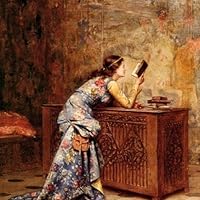
While the tanka are a delight to read, I found her modern poems in the collection bland with the sole exception of one particular poem 'You Shall Not Be Killed, Brother!' ( I particularly liked it for its sheer audacity bravery to openly criticize the Emperor.)
Profile Image for Irina.
106 reviews1 follower
Read
November 23, 2024
Yosano advocated for more heartfelt poetry that was "rooted in direct, firsthand experience" and "stripped of artifice". It comes through in many of these translated poems, even for a person not very versed in poetry who is reading them in their non-native language some hundred years later. There is raw emotion, vividly painted images and touching comparisons - I'll write some of my favorites below. Others felt somewhat clichéd or too distant to be really enjoyed. As a book, I would've appreciated some more details about the selected poems - when were they published, which collection did they belong to if they did, is there some overaching theme in that collection etc. This could have been put in separately in the book if it's thought to distract from the poems itself. I also was not the biggest fan of the artwork, but it did not bother me much.

Don't complain to me,
don't hesitate, just hurry
to meet those soft hands
that are patiently waiting
to help you out of your clothes.


In utter silence,
asking nothing in return,
with barely a bow,
they part on the sixth of the month,
two women and their man.


Agreed, we have
no talent for poetry.
We smile. This love
will last twenty thousand years.
Is that a long time or brief?


A huge array
of brilliantly colored
spring flowers line
the casket of
my beautiful friend.
Displaying 1 - 30 of 100 reviews

Can't find what you're looking for?

Get help and learn more about the design.