What do three murderers, Karl Marx's daughter and a vegetarian vicar have in common?They all helped create the Oxford English Dictionary.The Oxford English Dictionary has long been associated with elite institutions and Victorian men; its longest-serving editor, James Murray, devoted 36 years to the project, as far as the letter T. But the Dictionary didn't just belong to the experts; it relied on contributions from members of the public. By the time it was finished in 1928 its 414,825 entries had been crowdsourced from a surprising and diverse group of people, from archaeologists and astronomers to murderers, naturists, novelists, pornographers, queer couples, suffragists, vicars and vegetarians.Lexicographer Sarah Ogilvie dives deep into previously untapped archives to tell a people's history of the OED. She traces the lives of thousands of contributors who defined the English language, from the eccentric autodidacts to the family groups who made word-collection their passion. With generosity and brio, Ogilvie reveals, for the first time, the full story of the making of one of the most famous books in the world - and celebrates to sparkling effect the extraordinary efforts of the Dictionary People.
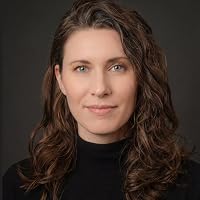
Dr Sarah Ogilvie Senior Research Fellow in the Faculty of Linguistics, Philology, and Phonetics and of Campion Hall
Dr Sarah Ogilvie is Senior Research Fellow in the Faculty of Linguistics, Philology, and Phonetics (and of Campion Hall) at the University of Oxford. She is the Director of Oxford’s MSc in Digital Scholarship. Before Oxford, she taught at Stanford and Cambridge Universities, and worked at Amazon’s innovation lab in Silicon Valley.
Dr Ogilvie is a linguist, lexicographer, and computer scientist who works at the intersection of technology and the social sciences. Her research focuses on lexicography, endangered languages, language documentation, field methods, historical development of language, corpus linguistics, and digital humanities. She directs the Dictionary Lab, a lab for digital research on dictionaries and language.
She completed her doctorate in linguistics at the University of Oxford, and is originally from Australia where she studied for a BSc in computer science and pure mathematics at University of Queensland and MA in linguistics at the Australian National University.
Dr Ogilvie is a former editor of the Oxford English Dictionary and has written books on its history and making, including The Dictionary People: the unsung heroes who created the Oxford English Dictionary (Chatto & Windus (UK), Knopf (USA), 2023) and Words of the World: A Global History of the Oxford English Dictionary (Cambridge University Press, 2013).
Her work in lexicography includes an edited book Cambridge Companion to English Dictionaries (Cambridge University Press, 2020) and a co-edited book The Whole World in a Book: Dictionaries in the Nineteenth Century (Oxford University Press, 2020). She was also etymologist of the sixth edition of the Shorter Oxford Dictionary.
A specialist in digital tools and methods, she is co-author of Gen Z, Explained: the art of living in a digital age (University of Chicago Press, 2022), in which she applied computational linguistics to analyze the language and culture of young people aged 16-25 years old.
Another area of her research focuses on the documentation and revitalization of endangered languages, especially in indigenous Australia and North America. Her books on this topic include the co-edited volumes Keeping Languages Alive: Documentation, Pedagogy, and Revitalization (Cambridge University Press, 2014) and the Concise Encyclopedia of the Languages of the World (Elsevier, 2008). She is currently collaborating with colleagues on efforts to document and describe Enggano, a threatened language of Indonesia. This project is funded by the Arts and Humanities Research Council, and will run from 2022-2024. It will result in an open-source lexical database that unifies all the available legacy materials of Enggano, as well as a learner’s dictionary, and mobile phone app.
Dr Ogilvie serves on the Advisory Boards of the Chicago Manual of Style (18th edition), the Bodleian Library, and Stanford University Libraries. She has a keen interest in the visual arts and served for eight years on the Board of the Fine Arts Museums of San Francisco, the de Young Museum and the Legion of Honour. She is a word nerd, and her musings on language and words can be found in her column The Joy of Lex in Prospect Magazine.
"I became obsessed with shining a light on these unsung heroes who helped compile one of the most extraordinary and uplifting examples of collaborative endeavour in literary history."
The Dictionary People shines a light on some of the people who helped compile the Oxford English Dictionary.
Ogilvie's journey to showcase the OED’s contributors began in 2014 when she was in the Oxford University Press basement where the OED’s archive is stored. In a hidden corner, she discovered a dusty box containing a small black book that belonged to James Murray (who was the primary editor of the OED). Within the book, Murray had written the names and addresses of thousands of people who volunteered to contribute to the OED. Ogilvie then began the monumental task of researching those thousands of people.
She showcases some of the most interesting people in this book, which is playfully organized like the alphabet with chapters going from A for Archaeologist and B for Best Contributor to Z for Zealots.
There are some truly fascinating people in this collection, including hoarders, murderers, pornography collectors, a daughter of Karl Marx, a vicar who was found dead in a cupboard, and more, making this an entertaining romp through history. Highly recommend if you're interested in a fun, entertaining read. The audiobook is fantastic!
I should have loved Sarah Ogilvie's The Dictionary People. Described as a sort of intersection between social history, language, and lexicography—three topics that I personally geek out over—this should have been an auto-recommendation, must-buy, five-star book for me. Alas, it was not.
Before I summarize my primary disappointments with the book, I do have to acknowledge its strengths and give well-earned kudos to the author. She has amassed an impressive collection of research, her dedication to and enthusiasm for the project are obvious from start to finish, and her writing style is accessible and can be quite engaging.
Despite these strengths, The Dictionary People lacks a clear focus (I'm sorry, but 'honor 3,000 people' is not a focus); the author's enthusiasm is simply not enough to carry all 26 chapters; and despite glimpses of excellent storytelling and engaging prose, my overall impression is that this book is disappointingly tedious and dull. There were too many instances where the author's speculation or supposition led her to make questionable connections and demonstrate poor analysis. For example, in the chapter titled 'L for Lunatics,' in which we read about contributors with any connection to asylums, Ogilvie asks, "Was it their madness that drove them to do so much Dictionary work, or was it the Dictionary work that drove them mad?"
Has no one ever reminded her that correlation does not equal causation?
Other questionable connections show through when she repeatedly (and unsuccessfully) tries to connect a contributor's profession, hobby, or illness to the books they cited or the words they submitted.
The twenty-six chapters, one for each letter of the alphabet, are Dictionary appropriate, maybe even clever, but the format repeatedly seems to back the author into a corner. Chapter-specific content often comes across as forced, only loosely connected, and/or too broad to be meaningful or interesting. There is also no real consistency regarding how each chapter is approached. Some include fairly long passages that read much like a research memoir (which would be fine if this were, in fact, a research memoir—spoiler: it's not). Others, like 'Q for Queers,' focus almost as much on the timeline of OED inclusion for subject-specific terminology as on the lives of specific contributors. The impression is too often that of an eager student writing a report, intent on cramming in everything she learned, regardless of whether or not it addresses the thesis.
By attempting to honor all manner of OED contributors, Ogilvie is perhaps trying to do too much in one non-scholarly volume. A narrower focus—for example, on just the female contributors or on the role of clubs and societies—could have made The Dictionary People both more interesting to general readers and more useful to future researchers. Alas.
[I received an ARC of this title in exchange for an honest review.]
This is my perfect type of book, all about words, peppered with lots of information and all presented in an alphabetical list! I’ve been interested in etymology and the creation of the dictionary for a while and so when I heard about this book I was keen to read it. Whereas most books have centred around Murray and the paid workers behind the dictionary, this book took a more novel approach and looked into just who were the everyday people who sent in contributions. The Oxford English Dictionary (OED) was created by people from all over the world sending in ‘slips’ with words on them and quotations with how these were used. I think a lot of people would expect it mainly to be academics who would have taken an interest but as Ogilvie illustrates that the volunteers were as varied as the words themselves. While it would be impossible to list every single person and information about them the book is split into alphabetical chapters which all take a theme and show more detailed case studies within each one. I really enjoyed reading this both from a point of view of the OED but also more broadly of social history of the time. A brilliant book for word nerds!
After royally touting this book at book club, I hit sporadic lulls and wanted to renounce my endorsement. The book started strong and I enjoyed learning about things I've always been curious about, but unfortunately my interest waned considerably after about 40%. I think I would have preferred to read this as I would the Oxford Dictionary- skipping pages to find parts I found enlightening. Some stories were inspiring, impressive, and pleasantly odd. While others gave far more detail than I desired- much like any group of humans that exist today.
To anyone wanting to read this interesting work of nonfiction, I would recommend acquiring the physical copy and reading the parts that intrigue. While the audio book was a British-lover's delight, it made it all too easy to daydream until a more fascinating person was mentioned.
*Topics I feel need to be commended: the format of the book is very clever with 26 chapters, A-Z with a correlating topic. Also the personalities and subjects she chose were overall interesting and eye-opening. I very much appreciated the mini histories of how things came about and were changed. And lastly, the author did an extraordinary job at researching the 2,000+ people who worked tirelessly to create a resource the world could use for information. The amount of work the author did to track down mostly unheard of people is remarkable and deserves far more credit that I can give.
I like this more for it heroic read is how it shows the people involved are from all walks of life, and other parts of the world, where most of them had no expectation of being credited, receiving pay or a reward for their contribution to make the OED.
Here, Sarah Ogilvie gives us her personal journey to track down some of the many volunteers that helped to make the OED. And as she does this she also gives enough of an overview (rather than an in-depth one) of the people behind the project (James Murray and Frederick Furnivall) and the process that brings together this dictionary.
In places the writing is pedestrian, and at times bitsy but before reading The Dictionary People I had no idea that so many ordinary people helped to produce the OED. Just thinking about this for me is truly wondrous.
This is not a perfect read but for me an interesting one.
I love the parallelism of this project: creating the OED was a massive exercise in categorization, as was writing this book about the ordinary people who contributed to this extraordinary dictionary. I suspect this book was more fun and interesting to research and write than it was to read. The static structure (one chapter per letter of the alphabet) got old pretty quickly. My favorite anecdotes:
1) In an 1808 letter, Jane Austen was the first person to write the word noonshine, meaning an afternoon snack. I am aligned with her on the necessity of that word.
2) James Murray, the dictionary’s primary editor and creator, was a great walker and regularly averaged 25 miles a day on his hikes. He also had 11 children so I feel very bad for his wife.
I thoroughly enjoyed this book. It is in an interesting and different premise delivered well. The prose is engaging, if a little challenging at points because of some of the more archaic/unusual words & their definitions. However the stories of the dictionary people shine through & really come to life. The enthusiasm of the author is apparent throughout & helps make this a great read.
Thanks to the author, NetGalley & the publishers for this ARC.
I found this to be a charming, well written, entertaining and informative read. The author's passion and enthusiasm really comes out. Okay, some of the chapters and lives of the Dictionary people are more interesting than others. But all are worth reading. I see a lot of reviewers aren't as taken with it as I am. I'm not sure what it is they're criticising. I found it to be the perfect divertissement from the rigours of modern life.
The Dictionary People is a celebration of and tribute to everyone who contributed words during the creation of the Oxford English Dictionary.
I found this book fascinating! I had no idea that the OED was a crowdsourcing project that took 70 years to complete. The editors and many of the contributors—most of whom were volunteers—became obsessed, chasing down obscure words and their first appearances in print.
I loved learning about the array of people involved. Some were college educated, though most were not. A few were in “lunatic asylums,” others in prison. The majority were otherwise average people who simply loved words.
An educational and entertaining read for all word nerds!
A labor of love about labors of love. Both the OED itself, obviously, but also the heretofore mostly unknown obsessives who pored through all manner of materials (apparently the Times of London is the top source for quotations, but wow, are there lots of others; this must be the longest of long tails) to send in essentially infinite quantities of slips tracing different strands of usage of common terms. You could, I suppose, easily tell this story through a Marxist lens, as the vast majority of the labor was unpaid, though usually (not always) acknowledged in some way (amusingly, Marx's daughter was among those seeking remuneration for what sounds like not especially perspicacious work-product), but Ogilvie instead emphasizes the endeavor's democratic character, the way that many outside the elite universities could participate in the endeavor. This includes a good number of feminists, a terrifying quantity of vicars, many gentlewomen, some mostly-forgotten novelists, an enthusiastic pornographer or two, and three known murderers. Organized, of course, A-Z (U is for United States, tracing the large and surpassingly excited--much more so than in England--American academic, as well as popular, engagement in the project), the book details the fascinating processes of organization of information as well as the social networks that connected and brought in new researchers, not to mention the global spread of submissions, which meant that the traces of empire are visible in the words that are included. (Fun little bonus discussion of how much Australian English was included, as well as a charming closing story about a contemporary word hunter who sent in bales of sources right up to his death.) Fun facts: vegetarian dates to 1842, vegan to 1944 (this is why we have the OED, no?); the hardest words to trace were the commonplace ones; there was a complicated symbolic system by which compilers' work was traced, including a fairly good number of deadbeats--though seemingly many fewer in proportion than the Grimms dealt with.
The most delightfully Victorian British passage? Two good candidates: a retired surgeon named James Dixon sends OED editor James Murray a sealed envelope inside another envelope, so terrifying are the contents. The inner envelope contains a plea that Murray not include the word condom ("a contrivance used by fornicators, to save themselves from a well-deserved clap") in the dictionary, on the grounds that it is not worthy of inclusion and, worse, is foreign: "everything obscene comes from France." Or this droll summary: Reverend Kirby Trimmer "amassed enough knowledge about Norfolk's plants that in 1866 he published a book on the subject....Ever eagle-eyed, while looking for plants he often noticed the fungi growing nearby (at least in East Norfolk) and began to collect them too, compiling 'A list of fungi met with in East Norfolk, 1842-1872.' This remains unpublished, but you can read it in the Norfolk Record Office."
The stories of the contributors are interesting, and I appreciated the opportunity to learn more about them – especially given that so many of them would otherwise have been lost to the archives, unnamed and unappreciated in the 21st century. I have to stop short of calling it a definitive account of the development of the OED, but it’s nonetheless a good contribution to the history of that particularly valuable document.
I know I have taken for granted what went into the making of the dictionary and did find this work enlightening. The Oxford English Dictionary was first started in 1857, volunteers and some paid workers and the first part was published in 1884. This is the story that tells a brief history of some of the men and woman who wrote new words on slips of paper and turned them in to those who sorted and assembled them. While finishing up her work at Oxford the author was saying farewell and decided to tour where she had been a lexicographer she saw some boxes in a storage area and thought to take a peek inside. What a find, record books with the names and additional data of some of the people who spent time reading books, over 3,000 names. She decided to write a book about those amazing people who helped assemble the dictionary from all over the globe. Some of the people had very unusual and incredible lives. I fully enjoyed the read. I also knew that J.R.R. Tolkien had worked on the dictionary as I remembered reading that fact in his biography. The book is written as a Abecedarium (that's a new one on me) by a lexicographer.
I have not finished this book as I had to return it to the library. But I can tell already that it is a wonderful set of stories about the people who volunteered to submit contributions on word usage to the creators of the OED. The author came upon this topic by happenstance as she was making a farewell visit to her favorite Oxford haunts and discovered the address books of the one of the editors that listed all the volunteers and their contributions. As the book is organized alphabetically, I have read through the Archaeologist, the Best contributor, and the Cannibal, and plan to continue as soon as my requested hold comes through!
I just finished this book and still enthusiastically recommend it! Five stars, A++!
The OED was a grand, impressive project people wanted to be affiliated with. It was crowdsourced and filled with all kinds of people with a thirst for knowledge and a love of words. You could not make up these quirky characters. There were people who made daily rainfall measurements for the British Rainfall Organization, another crowd sourced project. There were suffragettes and suffragists (who knew that was a word? There were the Sunday Tramps, organized by Virginia Woolf’s father; the group’s motto was “it is solved by walking.” There were Americans and Australians who sent their slips in by mail or by courier. An eccentric Australian naturist (nudist) sent slips in until his death in 2010. Women were hired because they were “more conscientious and cheaper,” but much of the work of the readers was done on a volunteer basis by people all over the world who wanted to be part of something larger than themselves. It is a story of ordinary people doing extraordinary things in the name of recording the living English language.
Of special interest: Jane Austen coined the word “noonshine,” her own name for an afternoon snack; and the study of English and higher education only developed in the 19th century with the first professor ship in English being established in 1857 at Rutgers University.
"A history and celebration of the many far-flung volunteers who helped define the English language, word by word...a celebration of words, language, and people, whose eccentricities and obsessions, triumphs, and failures enriched the English language."
What did I think?
- I loved the premise of this true story, the eclectic mix of contributors to the famous Oxford English Dictionary.
- Structured in a consumable and fun way - chaptered A-Z with stories about words/topics that related to each letter of the alphabet.
- Olgivlie's research into this story is jaw-dropping, and should be highly commended alone!
- I loved the breadth and diverse mix of people's stories/history that Olgivlie chose to share in this book, truly exploring the unsung heroes of the dictionary's creation - all down to her diligent research and good storytelling, of course.
- I found this a fascinating and insightful story that I previously knew nothing about I do however wish I'd read it in print as opposed to audio as I felt the latter was a struggle for me to stay engaged with given the structure and narration.
- In print, this book would be a good one to dip in and out of as opposed to feeling you had to read it in a linear manner (IMO).
- I loved the start of this book but (I think) because of how I read it, I struggled to stay engaged in the middle and I do feel it is a mix between reading it on audio and possibly also my own interest (or not) in some of the stories of the contributors to the dictionary.
In saying that if you have any interest in words, language and its development I would recommend.
Typically The Dictionary People would be a "must-read" book for me. I love dictionaries and quirky characters, the subject matter of Sarah Ogilvie's book. I liked learning about the many strange people who contributed to the Oxford English Dictionary and about how the dictionary took shape. Ogilvie arranged the 26 chapters to correspond with the alphabet--like a dictionary. Mostly I liked the stories of people who volunteered to work on the OED, but I found my mind wandering.
This is a fantastic and compelling representation of the wide variety of individuals whose unpaid work created the OED. It combines several of my favorite things: the history of books/knowledge creation, biographies, words nerds, words themselves...It was also fun to come across the names of many individuals I've encountered in my own research on the Early English Text Society.
Ogilvie reinforces a theme I've come across often in my research on women as knowledge creators: that much of the work done to create books and knowledge in the 19th and 20th centuries has been done by individuals barred from formal membership in academic bodies, meaning that institutions get to take credit for work done by those they excluded, usually on the basis of gender or social class (OED editor James Murray himself as a prime example).
The way the book is written is very compelling; I found myself quite engrossed in the stories of this random assortment of hard-working word nerds. My only complaint is that I was wishing for more critique of the impact of colonialism on the variety of English dialects represented in the OED. While I think the OED editors' decision to include all types of words adopted by English-speakers was a good one, there's not a lot of acknowledgement that the reason why English-speakers adopted Hindu and Indigenous American and Australasian terms, for example, is a result of the oppression and exploitation of colonialism.
Otherwise, I heartily enjoyed this book and would highly recommend to anyone who enjoys quality non-fiction, especially that which is focused on the topics mentioned above.
This is the third book I have read about the creation of the Oxford English Dictionary (OED) and it is by far my favourite. 'The Dictionary of Lost Words' I found a bit twee and the 'Surgeon of Crowthorne' a bit melodramatic. However, by arranging each chapter alphabetically with a theme it did make it overlong and caused a tendency of the writer to repeat information on the construction of the dictionary. This became a tedious over time. The author did an excellent job of teasing out the 'unsung heroes' as she focused very much of women, the queer community and other people who might not have been noticed by a male author. What Ogilivie managed to convey where the other two authors did not was the sheer amount of work that went in to the construction of the OED, the number of people involved (both as staff and as Readers), all the different countries Readers lived in, and the sheer length of time this took. I was originally under the impression that only people actually living in England had contributed but this was not the case. Also, 'The Dictionary of Lost Words' made it sound like all the editors were prudes and not wanting to include words about women. This book argued a case against that even though the author was favourable in her mentions of the novel It is a book for word nerds though and I did struggle through some chapters. Overall, a recommended read
First, this was a great Little Free Library find. Completely new hardcover copy which had clearly never been cracked open much less read.
Second, if you are a fan of the two Simon Winchester books about the creation of the OED, “The Meaning of Everything: The Story of the Oxford English Dictionary” and “The Professor and the Madman: A Tale of Murder, Insanity, and the Making of The Oxford English Dictionary” then there is a very good chance that you will enjoy this book as well as it delves deeper into the men and women who helped to collect the hundreds of thousands of illustrative quotes that have been used to describe the English language in the OED.
Third, the book written in 26 alphabetically titled chapters including:
- A for Archaeologist - C for Cannibals - H for Hopeless - P for Pornographers - N for New Zealanders - Z for Zealots
This allows the author to dive into the lives and backgrounds of the various contributors in a structured manner. Some examples going into deep detail and others lightly touched upon, but all interesting and informative.
This book may not be for everyone, but for the Word Nerds and OED curious this is definitely worthwhile read.
This was interesting, but not enough for me to finish it before it was due back at the library. I might pick it up and read more at some point. I think it suffers in part because I've already read The Professor and the Madman, which gave me a great, in-depth look at the writing of the dictionary.
I knew this was series of short pieces, each starting with a letter of the alphabet, and of course that means it's hard to have any carry over from one entry to the next. However I think it would have been a lot better if the author had stuck to one or two people as an example for each entry. Too many of these entries end up with laundry lists of names, all folks who mean nothing to us. Focus on what makes the most interesting story, don't try to mention every name you discovered in your research, please!
The Oxford English Dictionary and how it came about. When you search for the meaning of an unusual word in a dictionary (or more often on your phone nowadays), you never stop to think about how the definitions were decided and who wrote them. This is the story of how the Oxford English Dictionary evolved and how various people contributed to it. I like the way the chapter headings run sequentially through the alphabet eg D for Dictionary Word Nerds, S for Suffragists. A great book to dip into.
Fascinating read. Lots of interesting people and anecdotes. I was particular curious about how many people who worked on the dictionary had mental health struggles and were able to continue working while doing stints in asylums. Very inclusive!
قد يبدو غريباً أن يشارك كل هؤلاء بعمل قاموس ممعن في الأكاديمية لكننا جميعاً صناع قواميس بما أننا صناع اللغة نفسها
أحيانا نكره الكلمات على جمل ربما لم تتخيل نفسها فيها (غيتي)
داعب قاموس أكسفورد هذا خيال كثر حتى صار بطلاً في أفلام... وهؤلاء هم من وضعوه طبعته.
هذا عن المنهج، أو طرف بسيط من المنهج المتبع مع جهود المتطوعين، لكن ماذا عن أولئك المتطوعين أنفسهم، وهم موضوع "ناس القاموس" أو أهله.
تكمن بذرة كتاب سارة أوغيلفي - بحسب ما يذكر دنكان - في اكتشافها، قبل أن تترك العمل لمطبعة جامعة أكسفورد، "دفتر عناوين موراي، ملقى ومهملاً في قبو أرشيف المطبعة"، إذاً فـ"أهل القاموس" نتيجة تعقب هذه العناوين والغوص والتنقيب في حياة جيش المتطوعين الذي جنده موراي.
يستهل الناقد مايكل ديردا عرضه للكتاب بحكاية شخصية عن دعوة وجهتها مطبعة جامعة أكسفورد قبل عقدين من الزمن للروائيين ديفيد فوستر والاس، صاحب "النكتة اللانهائية"، وزادي سميث وسيمون وينشستر وخمسة كتاب آخرين مرموقين، فضلاً عن صحافي واحد مهووس بالكتب - يعني به نفسه - "للإسهام بملاحظات على استعمال طبعة وشيكة من قاموس أكسفورد للكتاب الأميركيين. ولما لم تكن المكافأة المالية ضخمة، فقد أغرى الناشر المشاركين بميزة لا تقاوم، إذ أعطى كلا منا نسخة من طبعة عام 1989 من قاموس أكسفورد للغة الإنجليزية المؤلفة من 20 جزءاً".
"في السنين الماضية منذ ذلك الحين، قرأت وتعمقت في نصف دزينة من الكتب الصادرة عن قاموس أكسفورد، وقد عنيت بخاصة بالتاريخ المبكر للطبعة الأولى من هذا العمل الهائل، الذي بدأ صدوره عام 1858 ولم يكتمل إلا عام 1928. وحتى في ذلك الحين، لم تظهر الطبعة المطولة المألوفة المكونة من 13 جزءاً - والراسخة في قسم المراجع بالمكتبات الجامعية - إلا عام 1933. لا يحصل المرء من صفحات ذلك السفر على التعريف والنطق لكل كلمة من قرابة 414825 كلمة، وإنما يجد مقتطفات وجيزة من نصوص منشورة توضح الاستعمال الفعلي لكل كلمة، ابتداء بأول ظهور معروف لها في الطباعة. ويلي هذا الاستعمال الأول عدد قليل من المقتطفات الإضافية، مرتبة ترتيباً زمنياً، وتبين حركة الكلمة في القرون التالية. وهذا مما يجعل من قاموس أكسفورد قاموساً تاريخياً".
داخل شبكة الكلمات
من نصف دزينة الكتب التي قرأها ديردا، ناقد "واشنطن بوست" المخضرم، كتاب "العالق في شبكة الكلمات"، وهو سيرة ذاتية للسير جيمس موراي كبير محرري القاموس بقلم حفيدته كاثرين موراي وصدرت سنة 1977، لكن موراي لم يكن العالق الوحيد في شبكة الكلمات كما يتبين من كتاب سارة أوغيلفي، فقد "اعتمد عمله التحريري على قرابة ثلاثة آلاف متطوع بلا أجر، منهم علماء فكتوريون وأشخاص غرباء الأطوار ومتخصصون وعصاميون في التعلم من شتى الألوان، بل ومنهم نزلاء مصحات عقلية. أولئك هم الرجال والنساء الذين وفروا كل تلك الاقتباسات التي تمثل مجد قاموس أكسفورد".
في القرن الـ19 "أعلن موراي على الناس طلبه منهم نقل فقرات وجيزة من قراءاتهم توضح كيفية الاستعمال الشاذ - والعادي - للكلمات. فكان المشاركون ينسخون المقتطفات على وريقات صغيرة، مقاس الواحدة منها أربع بوصات في ست، ثم يفرز موراي والمحررون المساعدون هذه القصاصات في 1029 علبة، تمهيداً لتخصيص أفضل الاقتباسات لكلماتها المعنية في القاموس". وبحلول عام 1880، كان قد تجمع في "غرفة المخطوطات" - بحسب تسميتهم لقاعة تحرير القاموس - مليونان ونصف المليون من تلك القصاصات.
لم يكن لمصطلح "معاداة السامية" مدخل خاص في القاموس لأن موراي لم يرجح أن يكون له استخدام كبير في المستقبل (أ ف ب)
"قضت سارة أوغيلفي 14 سنة تعمل معجمية في قاموس أكسفورد، فبدا طبيعياً لها ولا شك أن تمنح كتابها بنية القاموس الألفبائية، مستعملة هذا الترتيب لفرض نظام على ما هو في جوهره نثار مبهج من السير الذاتية الوجيزة، فالفصل الأول عنوانه (ألف ـ أثري)، وتحكي فيه الحياة المبكرة لعالمة الأثريات والمصريات الرائدة مارغريت آيه موراي الباقية في الذاكرة أساساً بكتابها (عقيدة الساحرات في أوروبا الغربية)، الذي تناول الشعائر الوثنية التي كانت تجري ممارستها سراً في العصور الوسطى، لكن مارغريت مواري اليافعة في الهند، بعثت قرابة 3800 اقتباس إلى غرفة المخطوطات، أخذتها من الكتاب المقدس في طبعة دواي".
"في فصل عنوانه (آكل لحم البشر)، تتمهل أوغيلفي عند سيرة السير جون رتشاردسن، فضلاً عن اضطراره إلى أكل لحم البشر ليتقي الموت جوعاً خلال بحثه عن الطريق الشمالي الغربي، أي الطريق البحري بين المحيطين الأطلسي والهادي مروراً بالمحيط المتجمد الشمالي، كان السير رتشاردسن أحد ثلاثة قتلة ساعدوا في توفير الاقتباسات للقاموس، ثم إنها تكتب لاحقاً في فصل (قاف قتلة) [أو M for Murderers بالإنجليزية] تعرض سارة أوغيلفي للقاتلين الآخرين، فأحدهما هو وليم تشيستر مينور الطبيب الأميركي المعتقل في مصحة "برودمور" للمجرمين المختلين عقلياً، وكان رابع أكثر المشاركين بإمداد موراي بالاقتباسات، وقد كتب الروائي سيمون وينشستر قصة مينور وحده في رواية صدرت عام 1998، وكانت من أكثر الروايات مبيعاً [وتحولت إلى فيلم سينمائي رائج أيضاً] وهي "البروفيسور والمجنون". أما ثالث القتلة فهو "رائد التصوير الفوتوغرافي إدويرد مويبريدج، الذي أطلق النار على عشيق زوجته من مسافة قريبة، وبمساعدة المحامين حصل على البراءة".
ابنة كارل ماركس
"ثمة فصل يبعث على الحزن هو الذي يوجز حياة إليانور أفلينج، واسمها قبل الزواج إليانور ماركس، وهي ابنة صاحب (رأس المال) نفسه. وقد عملت أفلينج في مهن شتى متعلقة بالكتابة، ولم تكسب من ذلك إلا أقل القليل، وعلى رغم مصادفتها شيئاً من النجاح، فقد انتهت فريسة الاكتئاب وماتت منتحرة. وبقيت ترجمتها لـ(مدام بوفاري) لفلوبير ترجمة أساسية لأجيال من القراء والدارسين".
"وحتى هنري سبنسر آشبي، المؤلف المحتمل لرواية (حياتي السرية) الإباحية، تطوع بخدماته لقاموس أكسفورد، مغدقاً على موراي الخجول بالاصطلاحات الفنية للممارسات الجنسية والوظائف الجسدية المختلفة. ومعروف أنه أوصى بمكتبته الإيروتيكية - وهي الأفضل من نوعها- للمتحف البريطاني الذي ظل حتى ستينيات القرن الـ20 يحجبها في خزانة خاصة. وفي قسم رائع آخر من هذا الكتاب الكاشف، تسرد أوغيلفي حياة ومسيرة كاثرين برادلي وإديث كوبر الأدبية، وهما خالة وابنة أختها، وقد شكلتا معاً ثنائياً منخطراً في سحاق المحارم، وأسهمتا في القاموس، فضلاً عن كتابتهما شعراً ومسرحاً شعرياً نال استحسان النقاد تحت اسم مستعار هو مايكل فيلد".
"وفي حين أن غالب المتطوعين للعمل في القاموس ومحرريه قليلو الشهرة اليوم، فإن منهم واحداً في الأقل له شهرة عالمية. ففي ما بين عامي 1919 و1920 عمل الشاب جيه آر آر تولكين [صاحب "لورد الخواتم"] في أصول الكلمات التي تبدأ بحرف W، وهو العمل اللغوي اللازم ولا شك لإبداع (الأرض الوسطى) ولغاتها [في روايته الشهيرة]، وعلى رغم أن موراي توفي في عام 1915 فمن المؤكد أن تولكين رأي صوره بلحيته البيضاء لأنه يبدو النموذج المستلهم للساحر في الأرض الوسطى". ولمن يريد الاستزادة في أثر قاموس أكسفورد على صاحب (لورد الخواتم) يشير ديردا إلى كتاب (خاتم الكلمات: تولكين وقاموس أكسفورد)".
يكتب مايكل ديريدا أن موراي أنجب من زوجته على مدار السنين 11 طفلاً، وشأن كثير من المؤلفين، تساءل المحرر المدمن على العمل في بعض الأحيان عما لو أنه أهدر حياته. وفي إحدى تلك الحالات كتب يقول إن "أعظم تضحية استوجبها القاموس مني، حتى الآن، هي التضحية برفقة أبنائي على الدوام، ولا أحسب الأمر كان يستحق هذه التضحية. لقد حاولت، زوجاً وأباً، أن أؤدي عمل عازب. ولا عجب أن ذلك كان شاقاً، لكن تراه كان يستحق؟".
يقول ديردا - ولا بد أن كثراً من ورائه - إن العمل بالقطع كان يستحق التضحية. وعلى أية حال تحكي أوغيلفي أن جميع أبناء موراي نجحوا في حياتهم وحصل كثير منهم على درجات علمية ممتازة في جامعة أكسفورد، ومضوا حتى عملوا في مهن محترمة، "لكن موراي نفسه للأسف مات في منتصف حرف الـT ولم يشهد قط اكتمال عمله.
قد يبدو غريباً أن يشارك أولئك القتلة، والمنتحرون، والشواذ من شتى الأصناف في عمل ممعن في الأكاديمية، يستوجب ما يقارب درجة التنسك في العمل، لكن التمهل قليلاً أمام هذه الغرابة ينفيها في تقديري، بل لعله يبدو ضماناً لتأليف قاموس جيد، وذلك لسببين: أولهما أن التفاني في تأمل اللغة، بدلاً من الاكتفاء باستعمالها، وتشغيلها في مهام الحياة اليومية، ربما يقتضي فعلاً بعض الشذوذ، فلماذا حقاً يلهيك عن الطعام، عن إعداده وتناوله وكسب المال لتوفيره، أن تتأمل الجذر والاشتقاق وشبكة المعاني القريبة والبعيدة من كلمة الطعام من دون الطعام نفسه؟ لماذا ما لم يكن بك شذوذ يدفعك قهراً إلى هذا، وإلى مثله مع كل كلمة؟ وكيف لا يكون قاتلاً محتملاً من ينفق عمره ليحمي الكلمات ويحفظها؟ فلو أنه ضحى بحياته نفسها، صوناً للكلمات، وتعقباً لمعانيها، فأيسر عليه أن يضحي بحيوات آخرين عقاباً لهم على هذه الهفوة أو تلك.
أما السبب الثاني، الأقرب في ظني إلى البداهة، فهو أننا كلنا صناع قواميس، بما أننا صناع اللغة نفسها، سواء منا القتلة والمجانين والقتلى والعقلاء، فكلنا نكره الكلمات على جمل ربما لم تتخيل نفسها فيها، منذ أن نستيقظ إلى أن ننام، ومنذ أن نطلق أولى صرخاتنا، وحتى نلفظ آخر أنفاسنا.
Although fascinating in many ways, this book is much too long and detailed to have great appeal to a general reader. I would have enjoyed it much more if it had been about half as long and had featured far fewer of the many, many people who contributed to the O.E.D. over the years. It's an impressive piece of research and employs a clever way of arranging the chapters with alphabetical titles in a dictionary type approach, but it contains so much, much more than I had any desire to know about these "dictionary people" that I began to find it tedious to read. A shorter book featuring only the very most fascinating dictionary contributors would have been more my speed.
The Dictionary People is an A to Z exploration of the people who contributed to the creation of the Oxford English Dictionary in the late 19th century and early 20th century. There's so much research in this book and so many interesting nuggets of information, I thoroughly enjoyed it.
Filled with delightful tidbits of information about the creation of one of the most important reference sources of all time, this is a fun book to dip in and out of- not to read all at once! Librarians are most likely to enjoy this one!
The words for the dictionary that eventually became the Oxford English Dictionary (OED) were gathered by readers, specialists, word addicts and others from around the world. They sent the editors both common and unusual words that they found while reading. They wrote each word on a 4-inch by 6-inch card, along with a quotation using the word and the source. It is these people, the volunteers from around the world, and the editor James Murray, that author Sarah Ogilvie writes about in The Dictionary People.
James Murray, the first major editor, began working on the OED in 1879 and continued until his death in 1915. In the beginning, the editors advertised for volunteers, asking them to send in English words from the books in their personal collections. They also sent books to readers so that words from a variety of topics would be included. Some volunteers became obsessed with the project and many gathered other volunteers.
Using the OED’s archives, Ogilvie looked at the actual millions of cards that were sent in and then searched for information about the senders, especially those who sent in multiple cards. A few even sent in over a hundred thousand cards. Most were ordinary people, some had unusual life stories and a few were even notorious. She organizes stories of the volunteer’s lives using the alphabet: A for Archeologist, B for Best Contributor, K for Kleptomaniac, L for Lunatic, M for Murderers and twenty one other pertinent topics
Perhaps Ogilvie became a bit obsessed in using her research and detective skills to find and describe so many people. She gathered examples of some of the intellectual and some of the ordinary people of that time, what they read and their interests.
She also briefly delves into the history of many early dictionaries, the standardization of English spelling and basic biographical information on Murray’s life. Editing the dictionary was a stressful occupation for Murray with impossible deadlines and never enough money. The payments Murray received, by contract, were for expenses incurred, salaries for those he hired and then what was left was his personal salary.
I was somewhat familiar with James Murray and the early work of the dictionary from recently reading two fictional books involving the OED, by Pip Williams, The Dictionary of Lost Words and The Bookbinder of Jericho. Ogilvie very briefly mentions Williams and her books.
The Dictionary People was obviously the result of careful scholarship,, but it includes far too many stories and other information. I suspect it was too hard for her to not share her favorites and the most prolific of the contributors.
At one time, Ogilvie was an editor of the OED.
The Dictionary People was longlisted for the 2024 Women’s Prize for Non-Fiction.
I listened to the audio book which was valiantly narrated by Joan Walker.
The Oxford English Dictionary is one of the greatest cultural artefacts in our national life, and the story of its creation is a remarkable one that has attracted both novelists and historians in equal measure. The massive task of reading and tracking down usages of words and terms could only be done by crowdsourcing (avant la lettre - the term itself only found its way into the dictionary in 2006), and to that end a large and diverse cohort of volunteer readers was recruited. Following her discovery of long-lost notebooks containing names and contact details of these ‘dictionary people’ Sarah Ogilvie (an ex-OED editor herself) sets off in search of some of the many volunteers, specialists and early editors who contributed to the towering achievement of the OED. There are vicars, spinsters, lunatics, murderers, explorers and lady novelists; and there are bibliophiles and collectors of pornography, lesbian aunts and nieces, families and loners and there are contributors from all over the English-speaking world, ranging from local dialect specialists to New Zealanders, Americans, Australians and more. It would be a poor writer indeed who could make the diverse, incredible and sometimes bizarre stories of the rich cast of ‘dictionary people’ dull; fortunately Sarah Ogilvie is an author with an eye for character and a story, making this a thoroughly entertaining and enlightening read.
English is a notoriously difficult language to read and write because there are so many inconsistencies in its spelling system. There are words which require context before we know how to pronounce them (think minute, read, bow). Some words contain silent letters (psalm, knife, debt) or letters that sound different in different word environments (the final /f/ sound in rough, and the initial /g/ sound in ghost) or ones that sound different in the same word environments (the final sounds in rough and though). In all, there are hundreds of ways of spelling the forty-four different sounds in English. With all these possible permutations, linguists today joke that the word fish could be spelled 'ghoti' (using the 'gh' spelling for /f/ in rough, the 'o' spelling for /i/ in women, and the 'ti' spelling for the /sh/ sound in the middle of nation). Ellis himself joked in 1845 that the word favourite might be spelled "phaighpheawraibt' using physic, straight, nephew, earth, write, captain, debt.