

What do you think?

Dream Cycle
Through the Gates of the Silver Key
At a gathering to decide the fate of Randolph Carter's estate which has been held in trust since his disappearance the mysterious Swami Chandraputra, who wears curious mittens and enveloping robes, tells Carter's acquaintances of his ultimate fate. He explains that the key took Carter to a type of higher dimension. There, Carter, on an ill-defined mission (or out of sheer curiosity), travelled strange sections of the cosmos by first meeting with 'Umr at-Tawil, a dangerous being warned of in the Necronomicon, saying those who deal with it never return.
48 pages, Paperback
First published July 1, 1934
About the author
H.P. Lovecraft
7,057 books19.9k followersHoward Phillips Lovecraft, of Providence, Rhode Island, was an American author of horror, fantasy and science fiction.
Lovecraft's major inspiration and invention was cosmic horror: life is incomprehensible to human minds and the universe is fundamentally alien. Those who genuinely reason, like his protagonists, gamble with sanity. Lovecraft has developed a cult following for his Cthulhu Mythos, a series of loosely interconnected fictions featuring a pantheon of human-nullifying entities, as well as the Necronomicon, a fictional grimoire of magical rites and forbidden lore. His works were deeply pessimistic and cynical, challenging the values of the Enlightenment, Romanticism and Christianity. Lovecraft's protagonists usually achieve the mirror-opposite of traditional gnosis and mysticism by momentarily glimpsing the horror of ultimate reality.
Although Lovecraft's readership was limited during his life, his reputation has grown over the decades. He is now commonly regarded as one of the most influential horror writers of the 20th Century, exerting widespread and indirect influence, and frequently compared to Edgar Allan Poe.
See also Howard Phillips Lovecraft.
— Wikipedia
Lovecraft's major inspiration and invention was cosmic horror: life is incomprehensible to human minds and the universe is fundamentally alien. Those who genuinely reason, like his protagonists, gamble with sanity. Lovecraft has developed a cult following for his Cthulhu Mythos, a series of loosely interconnected fictions featuring a pantheon of human-nullifying entities, as well as the Necronomicon, a fictional grimoire of magical rites and forbidden lore. His works were deeply pessimistic and cynical, challenging the values of the Enlightenment, Romanticism and Christianity. Lovecraft's protagonists usually achieve the mirror-opposite of traditional gnosis and mysticism by momentarily glimpsing the horror of ultimate reality.
Although Lovecraft's readership was limited during his life, his reputation has grown over the decades. He is now commonly regarded as one of the most influential horror writers of the 20th Century, exerting widespread and indirect influence, and frequently compared to Edgar Allan Poe.
See also Howard Phillips Lovecraft.
— Wikipedia
Ratings & Reviews
Friends & Following
Create a free account to discover what your friends think of this book!
Community Reviews
Displaying 1 - 30 of 118 reviews

February 16, 2016
H.P. Lovecraft didn't like sequels, and had misgivings about collaborating on this sequel to “The Silver Key.” Turns out he was right.
“Through the Gates of the Silver Key,” a long short story (14,000 words) written in collaboration with E. Hoffman Price—a Buddhist and a writer of “Oriental” tales for the pulps, a Republican with a day-job at Union Carbide—is a disappointment in many respects. It stains the Randolph Carter cycle in much the same way that Derleth—albeit more cleverly—marred the Cthulhu mythos: it takes a few uncanny suggestions and makes them philosophically and technically explicit, thus robbing them of most of their terror and all of their romance.
Price's original manuscript constitutes almost half this tale, and he is responsible for the worst of the tedious stuff: the elaborate theosophical explanations of the working of the gates that lead to the countless planes of existence. I fear I maligned Derleth, for this stuff is worse than Derleth. Painfully esoteric, it is like the overly-detailed manual for a bad role-paying game based on a poetic flight of fancy.
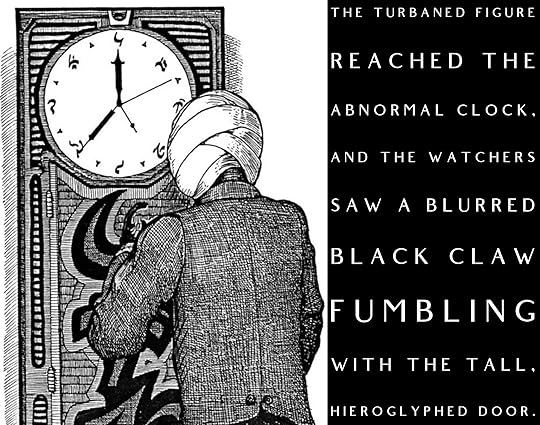
Lovecraft, is, however, responsible for the two best things about the story: 1) beginning with the meeting in New Orleans and using it as a framing tale, and 2) the introduction of Swami Chandraputra (aka Zkauba, Wizard of Yaddith), and his peculiar coffin-shaped clock.

November 11, 2023
Titulo: Through the Gates of the Silver Key
Autor: H.P. Lovecraft, E. Hoffmann Price
Motivo de lectura: Letras Macabras (Isla Macabra 2023)
Lectura / Relectura: Lectura
Mi edicion: Electronico
Puntuacion: 4/5
Esta es la secuela de La llave de plata (H.P. Lovecraft)
En esta continuacion encontramos un Lovecraft mas siniestro/misterioso, donde Randolph Carter explora planos, dimensiones. En hindi existe una palabra la cual es "Fanaa" que significa "la aniquilacion del propio ser", creo que esta palabra describiria este cuento en su totalidad. Carter se convierte en lo que considero un y todo lo que eso conlleva. Una metaforfosis rozando lo sagrado, donde el espacio y tiempo no tienen ingerencia.
Este cuento posee tantas capas de profundidad y significado, es de esos textos que podrias leer una y otra vez, y encontrarias nuevos significados todo el tiempo.
Autor: H.P. Lovecraft, E. Hoffmann Price
Motivo de lectura: Letras Macabras (Isla Macabra 2023)
Lectura / Relectura: Lectura
Mi edicion: Electronico
Puntuacion: 4/5
Esta es la secuela de La llave de plata (H.P. Lovecraft)
En esta continuacion encontramos un Lovecraft mas siniestro/misterioso, donde Randolph Carter explora planos, dimensiones. En hindi existe una palabra la cual es "Fanaa" que significa "la aniquilacion del propio ser", creo que esta palabra describiria este cuento en su totalidad. Carter se convierte en lo que considero un y todo lo que eso conlleva. Una metaforfosis rozando lo sagrado, donde el espacio y tiempo no tienen ingerencia.
Este cuento posee tantas capas de profundidad y significado, es de esos textos que podrias leer una y otra vez, y encontrarias nuevos significados todo el tiempo.

May 31, 2016
3.5
What really happened to Randolph Carter and the Silver key after he disappeared. Even though you get an explanation for that, Lovecraft ends this story with another mystery.
What really happened to Randolph Carter and the Silver key after he disappeared. Even though you get an explanation for that, Lovecraft ends this story with another mystery.

February 14, 2018
People have told me what a bizarre trip H.P. Lovecraft stories can be and those people knew what they were talking about. Randolph Carter has passed on and the fight for his estate is on...or has he passed on?
The story then takes us through a different dimension through space and time in which Carter travels and meets with other creatures and his own time-traveling self. I think in order to better understand this section of the story, you must take some kind of hallucinogenic drug because it's indeed a bit on the weird side.
The story is very short and quite a trip and the ending is indeed no different.
The story then takes us through a different dimension through space and time in which Carter travels and meets with other creatures and his own time-traveling self. I think in order to better understand this section of the story, you must take some kind of hallucinogenic drug because it's indeed a bit on the weird side.
The story is very short and quite a trip and the ending is indeed no different.

March 9, 2021
This is the strongest and only readable one of the five Randolph Carter stories, for me. And this one hits with all the might of Mythos. Based on the background I speculate it was actually written by E. Hoffmann Price with a nod from Lovecraft, because the writing is so much clearer and comprehensible compared to the other nonsense I have waded through lately.
HorrorBabble Youtube channel has a nice audio version of the stories https://www.youtube.com/watch?v=QyQZ2...
HorrorBabble Youtube channel has a nice audio version of the stories https://www.youtube.com/watch?v=QyQZ2...

October 5, 2016
This wasn't one of the better dream cycle stories, but it does complete the sequence.

December 3, 2021
A través de las puertas de la llave de plata es el último relato perteneciente al ciclo onírico y sirve como continuación directa de La llave de plata.
La idea del relato la tuvo el escritor E. Hoffmann Price, amigo de Lovecraft que había disfrutado enormemente con la historia sobre la llave de plata y le pidió a Lovecrfat que la continuara. Éste, reticente en un principio, acabó aceptando, transformando el relato inicial de unas 6.000 palabras en otro de 14.000, que según el propio Price "conservaba menos de cincuenta palabras del original".
Me sorprende sobremanera que este relato tenga tantas valoraciones negativas. Imagino que en parte se deberá a que es una colaboración, aunque tanto el tono como el tema son indudablemente lovecraftianos; pero creo que en parte también se puede deber a que, al igual que en La búsqueda onírica de la Desconocida Kadath, la historia se aleja del horror cósmico habitual en el que el individuo es un mero espectador (a menudo desafortunado) de indecibles horrores que escapan a su comprensión, para centrarse en descripciones y explicaciones bastante extensas sobre el funcionamiento del universo, logrando una narración más mística y espiritual a costa de sacrificar algo del misterio y el terror de las historias más icónicas del autor.
Yo considero a este relato, como a otros cuantos del ciclo onírico, una obra maestra que dota de cohesión al resto de historias lovecraftianas, y que además derrochan una imaginación y una genialidad que van más allá de la propia calidad literaria.
En esta historia se abandona, por vez primera, la típica moral del resto de relatos en la que todo lo concerniente a seres y realidades superiores es, automáticamente, maligno.
«El hombre que conoce la verdad está más allá del bien y del mal —entonaba una voz que no era voz—. El hombre que conoce la verdad ha comprendido la identidad de lo Uno y el Todo. El hombre que conoce la verdad ha comprendido que la ilusión es la realidad única y que la sustancia es la gran impostora.»
«Se asombraba de la inmensa variedad de quienes hablaban sin ton ni
son de los perversos Primigenios, como si Ellos pudieran abandonar sus
sueños eternos para desatar su cólera sobre la humanidad. Esto sería tan
absurdo —pensó— como imaginar un mamut ensañándose con una
lombriz».
Aunque, según las descripciones, estas verdades cósmicas y los seres que las habitan siguen siendo hórridos para el hombre, pero bueno, es un avance.
No puedo dejar de incidir en lo maravillosamente bien que este relato aglutina las majestuosas Tierras del Sueño repletas de verdades ocultas e indescifrables, la horrorosa grandiosidad de los inefables seres cósmicos y las explicaciones metafísicas que rayan en la ciencia ficción.
Por otro lado, aunque no sea un cierre como tal, me gusta la existencia de esta narración como desenlace para el arco de Randolph Carter. Aunque desde luego queda claro que no es el final de las aventuras del excéntrico ocultista y alter ego de Lovecraft.
En definitiva, una obra obligatoria para los fanáticos del autor, pero que requiere, bajo mi punto de vista, de la lectura previa, no sólo del arco de Randolph Carter, sino del grueso de los mitos.
La idea del relato la tuvo el escritor E. Hoffmann Price, amigo de Lovecraft que había disfrutado enormemente con la historia sobre la llave de plata y le pidió a Lovecrfat que la continuara. Éste, reticente en un principio, acabó aceptando, transformando el relato inicial de unas 6.000 palabras en otro de 14.000, que según el propio Price "conservaba menos de cincuenta palabras del original".
Me sorprende sobremanera que este relato tenga tantas valoraciones negativas. Imagino que en parte se deberá a que es una colaboración, aunque tanto el tono como el tema son indudablemente lovecraftianos; pero creo que en parte también se puede deber a que, al igual que en La búsqueda onírica de la Desconocida Kadath, la historia se aleja del horror cósmico habitual en el que el individuo es un mero espectador (a menudo desafortunado) de indecibles horrores que escapan a su comprensión, para centrarse en descripciones y explicaciones bastante extensas sobre el funcionamiento del universo, logrando una narración más mística y espiritual a costa de sacrificar algo del misterio y el terror de las historias más icónicas del autor.
Yo considero a este relato, como a otros cuantos del ciclo onírico, una obra maestra que dota de cohesión al resto de historias lovecraftianas, y que además derrochan una imaginación y una genialidad que van más allá de la propia calidad literaria.
En esta historia se abandona, por vez primera, la típica moral del resto de relatos en la que todo lo concerniente a seres y realidades superiores es, automáticamente, maligno.
«El hombre que conoce la verdad está más allá del bien y del mal —entonaba una voz que no era voz—. El hombre que conoce la verdad ha comprendido la identidad de lo Uno y el Todo. El hombre que conoce la verdad ha comprendido que la ilusión es la realidad única y que la sustancia es la gran impostora.»
«Se asombraba de la inmensa variedad de quienes hablaban sin ton ni
son de los perversos Primigenios, como si Ellos pudieran abandonar sus
sueños eternos para desatar su cólera sobre la humanidad. Esto sería tan
absurdo —pensó— como imaginar un mamut ensañándose con una
lombriz».
Aunque, según las descripciones, estas verdades cósmicas y los seres que las habitan siguen siendo hórridos para el hombre, pero bueno, es un avance.
No puedo dejar de incidir en lo maravillosamente bien que este relato aglutina las majestuosas Tierras del Sueño repletas de verdades ocultas e indescifrables, la horrorosa grandiosidad de los inefables seres cósmicos y las explicaciones metafísicas que rayan en la ciencia ficción.
Por otro lado, aunque no sea un cierre como tal, me gusta la existencia de esta narración como desenlace para el arco de Randolph Carter. Aunque desde luego queda claro que no es el final de las aventuras del excéntrico ocultista y alter ego de Lovecraft.
En definitiva, una obra obligatoria para los fanáticos del autor, pero que requiere, bajo mi punto de vista, de la lectura previa, no sólo del arco de Randolph Carter, sino del grueso de los mitos.

April 30, 2021
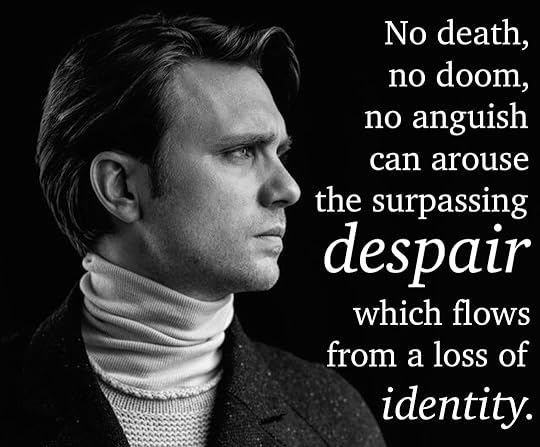
Through the Gates of the Silver Key (1933) H.P. Lovecraft & E. Hoffman Price ★★★½☆
Even in the depths of his most esoteric fantasies, Lovecraft reaches through time to speak to the outcasts among us, to the pained and confused souls looking for meaning. This is why he endures.
A sequel to The Silver Key, we learn what happened when Randolph Carter disappeared into his dreamworlds. We are told of his endless journeys and the gift of knowledge that, once received, nearly drove him mad. Like Arthur C. Clarke’s Star Child, only frightening. Through drugs and will Carter made the journey home but he’s no longer human. Outcast always...

July 21, 2020
Others may not like Lovecraft's rewrite of this sequel by Price, but I rather enjoyed it.

November 13, 2023
Secuela de La llave de plata, este relato explora los misterios que esconden los sueños y nos lleva de vieje por otras dimensiones donde el tiempo cobra otro sentido, pasando a través de una puerta custodiada por seres cósmicos.
Me gustó la rapidez con la que ocurren los hechos en esta historia, es como ir cayendo por un abismo oscuro.
Me gustó la rapidez con la que ocurren los hechos en esta historia, es como ir cayendo por un abismo oscuro.
June 10, 2020
When you walk in your dreams, you don't often find yourselves conversing with an interdimensional being that grants you the ability to travel between planets, split your identity between your "Earth" self and an "alien" body, and unravel the mysteries of the universe. Lovecraft saw fit to create a dream of this nature in this horribly boring and poorly written gibberish. Randolph Carter's disappearance in "The Silver Key" did not need an explanation, especially with the ridiculous excuse given in this story.
It is my firm belief that Lovecraft is better off telling horror stories with science fiction elements. Anytime Lovecraft ventures into fantastical ideas centered around dreams, his stories fall to pieces. His philosophical ramblings are dull, and they make little sense. These lackluster dream hypotheses are not helped by the pulpy nature of the story, flinging us into an assortment of unpronounceable names that would have been made up in a poorly written game of DnD. Yaddith, Dholes, Kled, Thran, Zkauba, etc. These are all terms, locations, and creatures that exist in this Mythos, but they are just thrown at the reader in a desperate attempt to make the universe feel real.
Lovecraft's previous works, "The Whisperer in the Dark," "The Dunwich Horror," and "The Call of Cthulu," did a much better job of introducing the complexity of this Mythos without drowning us in the details. This story utterly fails to accomplish this. There are no corners left unturned, and it renders the tension of the story completely ineffective. The writing is also substantially worse in this tale than any of Lovecraft's other works. I could see Carter's big reveal at the end from a mile away, and it felt embarrassing to read when it finally happened.
I do not know what happened with this story. Whether it comes from Lovecraft's collaboration with Hoffman Price, a forced need to cater to his audience members who were disappointed with "The Silver Key," or sheer ambivalence, this story is terrible. If I were to say one good thing, I would say the images of the dream world are interesting. I can only say this if this story is being considered an absurd pulp magazine tale. Most of Lovecraft's stories do not feel this way, and it is disappointing that this story succumbs to this shameful disposition. I now despair at the thought of visiting another one of Lovecraft's dream storylines more than I do his actual horror stories.
It is my firm belief that Lovecraft is better off telling horror stories with science fiction elements. Anytime Lovecraft ventures into fantastical ideas centered around dreams, his stories fall to pieces. His philosophical ramblings are dull, and they make little sense. These lackluster dream hypotheses are not helped by the pulpy nature of the story, flinging us into an assortment of unpronounceable names that would have been made up in a poorly written game of DnD. Yaddith, Dholes, Kled, Thran, Zkauba, etc. These are all terms, locations, and creatures that exist in this Mythos, but they are just thrown at the reader in a desperate attempt to make the universe feel real.
Lovecraft's previous works, "The Whisperer in the Dark," "The Dunwich Horror," and "The Call of Cthulu," did a much better job of introducing the complexity of this Mythos without drowning us in the details. This story utterly fails to accomplish this. There are no corners left unturned, and it renders the tension of the story completely ineffective. The writing is also substantially worse in this tale than any of Lovecraft's other works. I could see Carter's big reveal at the end from a mile away, and it felt embarrassing to read when it finally happened.
I do not know what happened with this story. Whether it comes from Lovecraft's collaboration with Hoffman Price, a forced need to cater to his audience members who were disappointed with "The Silver Key," or sheer ambivalence, this story is terrible. If I were to say one good thing, I would say the images of the dream world are interesting. I can only say this if this story is being considered an absurd pulp magazine tale. Most of Lovecraft's stories do not feel this way, and it is disappointing that this story succumbs to this shameful disposition. I now despair at the thought of visiting another one of Lovecraft's dream storylines more than I do his actual horror stories.
This entire review has been hidden because of spoilers.

March 18, 2024
damn how i hate this racist fuck and his writing

September 19, 2018
Zagrebačka naklada
Zagreb, 2012.
Preveo Toni Golub
Radi se o noveli.
Jezik je tipična lofkraftiština, unutar žanrovskih odrednica weird fictiona te s snažnim momentima atmosferičnosti.
Lovecraft ne aktualizira jezik već sadržaj, što je slučaj i u ovoj priči.
Shvaćanje da vrijeme u suštini ne postoji je temeljna stavka radnje ovog djela. Zanimljivo je kako suvremena postmoderna fizika negira suvremenu postmodernu humanistiku. Ideja paralelnih svemira, ideja da svjetlost nije ni val niti točka, sama teorija relativnosti ruše cjelokupni doživljaj ovog svijeta kao stvarnosti. Dok se humanistika i dalje bavi ljudskim pravima, koja su ipak njezina metafizika jer je to bog koji traži krvave žrtve, pa bile te žrtve i nerođena djeca, svijet se pokazuje daleko dubljim nego što smo mislili. Regresivna (degenerična) ljevica zajedno sa svojim agitpropom (velikim dijelom humanistike) razmišlja kao da smo i dalje u stoljeću Charlesa Darwina i Karla Marxa, zato i civilizacija koja je iznjedrila regeresivnu ljevicu demografski nestaje, i konačno, zato se džamije šire Europom. Džamije su po meni sredstvo čišćenja Europe od tog scijentističko-materijalističkog taloga. Tako da ne bi bilo zabune, regresivnost i dogmatičnost ljevice ne znači da su kradezeovske seljačine i ustaške gnjide u pravu. Zato u konačnici zbilja želim vidjeti što više džamija da se napokon riješimo i feminizma, održivog razvoja, ekologije (strašno umnootvarajuće stvari) s jedne strane te ustašluka, četništva i kradezeovčenja s druge. Pa, pa! I nemojte nam slati razglednice!
Europa ne pripada ni liberalima ni rasistima! Nego normalnima. Zato tim ljudima punim mržnje (liberali i rasisti) i smetaju zdrave i velike muslimanske obitelji. Mržnja je rođena iz ljubomore.
No, opet sam skrenuo s djela.
Zašto ja ovo pišem, što ako me ne zaposle radi ovakvih redaka? Znam koliko su ljudi zli i jadni, mnogi bi me i prijavili. A, što ću im ja. Opet ću biti, kao i malobrojni normalni, iznad tog kognitovno-svjesnosnog taloga. Tako da mi moju normalnost u odnosu na njih nikada ne mogu uzeti. A, i svi liberali i rasisti su ionako ovce, pa mi moju čovječnost također nikada ne mogu uzeti.
A, sad povratak ovoj noveli.
Ne želim prepričavati radnju. Samo bih rekao da se zbivaju putovanja u razne dimenzije, glavni lik shvaća da postoji istodobno i on iz 1883. i on iz 1928. jer samo vrijeme ne postoji. Minus mi je što četvorica "detektiva" (prike glavnog lika, koji ga traže) nisu više bili više uvučeni u radnju.
Sam kraj je baš kulerski. Nakon čitanja ove novele čini mi se da sam trebao i očekivati takav kraj, no zbilja nisam.
Topos metamorfnosti, i suživot drugih bića koji se mogu uobličiti u ljude, snažno podsjeća na neke ideje jednog blondija. Ne da su te ideje točne, već je zanimljivo koliko je stara ideja o drugim bićima koja se uobliče u čovjeka i dijele s nama ovaj planet i ovu dimenziju.
Klonite se liberalizma i kradezeovštine i rasizma. I čitajte. Mislim da ćete time postići osjećaj koji sam i ja postigao; https://www.youtube.com/watch?v=xofRV...
Hasta luego!
Zagreb, 2012.
Preveo Toni Golub
Radi se o noveli.
Jezik je tipična lofkraftiština, unutar žanrovskih odrednica weird fictiona te s snažnim momentima atmosferičnosti.
Lovecraft ne aktualizira jezik već sadržaj, što je slučaj i u ovoj priči.
Shvaćanje da vrijeme u suštini ne postoji je temeljna stavka radnje ovog djela. Zanimljivo je kako suvremena postmoderna fizika negira suvremenu postmodernu humanistiku. Ideja paralelnih svemira, ideja da svjetlost nije ni val niti točka, sama teorija relativnosti ruše cjelokupni doživljaj ovog svijeta kao stvarnosti. Dok se humanistika i dalje bavi ljudskim pravima, koja su ipak njezina metafizika jer je to bog koji traži krvave žrtve, pa bile te žrtve i nerođena djeca, svijet se pokazuje daleko dubljim nego što smo mislili. Regresivna (degenerična) ljevica zajedno sa svojim agitpropom (velikim dijelom humanistike) razmišlja kao da smo i dalje u stoljeću Charlesa Darwina i Karla Marxa, zato i civilizacija koja je iznjedrila regeresivnu ljevicu demografski nestaje, i konačno, zato se džamije šire Europom. Džamije su po meni sredstvo čišćenja Europe od tog scijentističko-materijalističkog taloga. Tako da ne bi bilo zabune, regresivnost i dogmatičnost ljevice ne znači da su kradezeovske seljačine i ustaške gnjide u pravu. Zato u konačnici zbilja želim vidjeti što više džamija da se napokon riješimo i feminizma, održivog razvoja, ekologije (strašno umnootvarajuće stvari) s jedne strane te ustašluka, četništva i kradezeovčenja s druge. Pa, pa! I nemojte nam slati razglednice!
Europa ne pripada ni liberalima ni rasistima! Nego normalnima. Zato tim ljudima punim mržnje (liberali i rasisti) i smetaju zdrave i velike muslimanske obitelji. Mržnja je rođena iz ljubomore.
No, opet sam skrenuo s djela.
Zašto ja ovo pišem, što ako me ne zaposle radi ovakvih redaka? Znam koliko su ljudi zli i jadni, mnogi bi me i prijavili. A, što ću im ja. Opet ću biti, kao i malobrojni normalni, iznad tog kognitovno-svjesnosnog taloga. Tako da mi moju normalnost u odnosu na njih nikada ne mogu uzeti. A, i svi liberali i rasisti su ionako ovce, pa mi moju čovječnost također nikada ne mogu uzeti.
A, sad povratak ovoj noveli.
Ne želim prepričavati radnju. Samo bih rekao da se zbivaju putovanja u razne dimenzije, glavni lik shvaća da postoji istodobno i on iz 1883. i on iz 1928. jer samo vrijeme ne postoji. Minus mi je što četvorica "detektiva" (prike glavnog lika, koji ga traže) nisu više bili više uvučeni u radnju.
Sam kraj je baš kulerski. Nakon čitanja ove novele čini mi se da sam trebao i očekivati takav kraj, no zbilja nisam.
Topos metamorfnosti, i suživot drugih bića koji se mogu uobličiti u ljude, snažno podsjeća na neke ideje jednog blondija. Ne da su te ideje točne, već je zanimljivo koliko je stara ideja o drugim bićima koja se uobliče u čovjeka i dijele s nama ovaj planet i ovu dimenziju.
Klonite se liberalizma i kradezeovštine i rasizma. I čitajte. Mislim da ćete time postići osjećaj koji sam i ja postigao; https://www.youtube.com/watch?v=xofRV...
Hasta luego!

June 25, 2018
This story has been given some bad reviews and even Lovecraft himself was not entirely happy with it, but I don't see why. I thought it was great. It's a sequel to "The Silver Key," which I don't recall reading, but it doesn't matter. It still has a good flow to it. Randolph Carter is the main character in the story. Carter was also in "The Statement of Randolph Carter," which was good, but not as good as this. He is Lovecraft's alter ego, so it was cool to envision Lovecraft himself floating around in all the different dimensions that the story depicts.
Carter has a silver key that allows him to pass through gates that go to different time periods and also outside of Earth's realm. As a grown man, he goes through one of the gates and travels back several decades to when he was a boy. Then he passes through another gate that leads to outer dimensions, and things get pretty bizarre from there. The author's vivid descriptions of these worlds can really stimulate the imagination. I see how he could have influenced contemporary fantasy authors. Finally he is struggling to get back to Earth and to the time-period where he left off. One of Lovecraft's greatest skills is that he can write a epic ending, and this one does not disappoint. I won't spoil it for you here though.
Carter has a silver key that allows him to pass through gates that go to different time periods and also outside of Earth's realm. As a grown man, he goes through one of the gates and travels back several decades to when he was a boy. Then he passes through another gate that leads to outer dimensions, and things get pretty bizarre from there. The author's vivid descriptions of these worlds can really stimulate the imagination. I see how he could have influenced contemporary fantasy authors. Finally he is struggling to get back to Earth and to the time-period where he left off. One of Lovecraft's greatest skills is that he can write a epic ending, and this one does not disappoint. I won't spoil it for you here though.

October 21, 2025
I had never read Lovecraft in English before, only in Spanish; and I must say - what a change! His rhythm becomes more haunting, his wording more precise... His Baroque "there are too many adjectives in these sentences" style feels more nuanced, which really helps see his greatness. Here Lovecraft becomes a pioneer of posthumanism through the lens of his translation of Indian mysticism. A great read!

May 9, 2021
I haven't been a fan of this Randolph Carter series, but this one was alright. Definitely found it more interesting than The Silver Key, despite me not being very into sci-fi. The ending was pretty thrilling. Also I want that coffin shaped clock!

July 27, 2025
I liked it very much. An adventure with time travel and aliens. It’s different from many Lovecraft’s works because finally something is explicit. There was al lot of philosophy combined with geometry which was kinda fun for me.
P.s. I also should remind you that Lovecraft is a racist.
P.s. I also should remind you that Lovecraft is a racist.

July 18, 2018
3*. Nice conclusion to the Randolph Carter cycle

June 11, 2020
Interesting, though horror/sci-fi or whatever it is, shouldn't be so dull.

July 18, 2022
Από τις έξι ιστορίες δύο μόνο μου κράτησαν το ενδιαφέρον. Οι άλλες διαβάζονται ευχάριστα αλλά δε βρήκα κάτι ιδιαίτερο για να τις θυμάμαι για καιρό...
August 10, 2013
Τὸ «Ἀσημένιο κλειδὶ» καὶ τὸ «Πέρα ἀπὸ τὶς πύλες τοῦ ἀσημένιου κλειδιοῦ» (τὸ δεύτερο σὲ συνεργασία μὲ τὸν Ἔ. Χόφμαν Πράις) εἶναι δύο ἀπὸ τὰ ἐξοχότερα καὶ μᾶλλον τὰ σημαντικότερα διηγήματα τοῦ Λάβκραφτ, ὅσον ἀφορᾷ στὶς ὀνειροχῶρες, τὴν φύσι τοῦ χωροχρόνου, τῆς πραγματικότητος καὶ τῆς συνειδήσεως. Συναρπαστικὸ ἐπίσης καὶ τὸ ἀγωνιῶδες «Στοὺς τοίχους τῆς Ἔρυξ», τὸ μόνο ἴσως καθαρὰ ἐπιστημονικῆς φαντασίας διήγημα τοῦ συγγραφέως.

July 19, 2011
While rather lengthy for Lovecraft, this story is exciting and gripping with just a touch of mystery. Lovecraft fingers upon those misty memories we call dreams with a fascinating premise.

September 8, 2014
I enjoy the stories about Randolph Carter, and this one did not disappoint. Quite a bit of science fiction in this strange tale, and the premise and setting was excellent. A man ahead of his time.

February 23, 2023
Shorten your work plz (also racism)
July 15, 2014
Surprisingly futuristic for a story written in 1920s. Lovecraft is the Boss.
August 21, 2018
Oh man, I should have really read this story before beginning the Titus Crow series. Here we get the origin of de Marigny’s clock and the father of Henri Laurent de Marigny, Etienne-Laurent de Marigny. I thought Lumley had made up the whole Carter being friends with de Laurent but apparently it came from here.
The Indian/Asian influences felt in this story I think come from E Hoffmann Price, as he apparently wrote many stories involving such themes.
This is a story people seem to either love or hate. For some, Carter’s trips through the titular gates of the Silver Key meander too much or are too mindfucky to be enjoyable. For others, these trips may be quite moody and psychedelic (but in a good way), as well as broaching on ideas/concepts current physics is still grappling with.
And some seem to not really like the Silver Key/Carter stories because they signed on for Cthulhu Mythos/horror stories and these stories are not going to satisfy that itch, or are only going to like the appearance of . I happen to like this occulty take on that being but mileage may vary. *shrug*
I enjoyed “The Silver Key” more than “Through the Gates of the SIlver Key”. Don’t get me wrong, this one introduces some pretty cool ideas and the last third are pretty traditional Lovecraft. “Through the Gates” also has a more typical story structure than “The Silver Key”, which in some ways is basically a philosophical polemic for the first half before even beginning to have a semblance of a plot in the last half. But “The Silver Key” has a dreamy atmosphere that I just eat up, and is quite thoughtful whereas “Through the Gates” is more of a neat sequel to what was an original tight story that didn’t need a sequel.
I like this one more for the implications it has for Carter as a character and some of its set up scenes than the story itself. Not bad by any means, I still quite like it, but I like it’s prequel more. Gonna try to dig up Price’s original “The Lord of Illusion”, which was Price’s original draft for this story before Lovecraft came in with his revisions. I am also interested in reading some of E Hoffmann Price’s other stories; poor guy’s work is overshadowed by this one collaboration. 😅
The Indian/Asian influences felt in this story I think come from E Hoffmann Price, as he apparently wrote many stories involving such themes.
This is a story people seem to either love or hate. For some, Carter’s trips through the titular gates of the Silver Key meander too much or are too mindfucky to be enjoyable. For others, these trips may be quite moody and psychedelic (but in a good way), as well as broaching on ideas/concepts current physics is still grappling with.
And some seem to not really like the Silver Key/Carter stories because they signed on for Cthulhu Mythos/horror stories and these stories are not going to satisfy that itch, or are only going to like the appearance of . I happen to like this occulty take on that being but mileage may vary. *shrug*
I enjoyed “The Silver Key” more than “Through the Gates of the SIlver Key”. Don’t get me wrong, this one introduces some pretty cool ideas and the last third are pretty traditional Lovecraft. “Through the Gates” also has a more typical story structure than “The Silver Key”, which in some ways is basically a philosophical polemic for the first half before even beginning to have a semblance of a plot in the last half. But “The Silver Key” has a dreamy atmosphere that I just eat up, and is quite thoughtful whereas “Through the Gates” is more of a neat sequel to what was an original tight story that didn’t need a sequel.
I like this one more for the implications it has for Carter as a character and some of its set up scenes than the story itself. Not bad by any means, I still quite like it, but I like it’s prequel more. Gonna try to dig up Price’s original “The Lord of Illusion”, which was Price’s original draft for this story before Lovecraft came in with his revisions. I am also interested in reading some of E Hoffmann Price’s other stories; poor guy’s work is overshadowed by this one collaboration. 😅

June 1, 2019
Це єдиний випадок співпраці з Прайсом і він дуже дивний.
Після того, як Рендольф Картер зник із срібним ключем і, як подейкують, повернувся в роки дитинства, пройшло кілька років. Весь цей час точилася боротьба за його спадок. Нарешті настає день, коли потрібно вирішити це питання і чотири чоловіки збираються для його обговорення. Господарем дому, в якому мають відбутися перемовини, є виконавець заповіту Єтьєн-Лорен де Маріньї. Жадібних спадкоємців представляє адвокат Ернест Аспінволл. Зберегти спадок в недоторканості просить Ворд Філіпс (камео автора). Четвертим є Свамі Чандрапутра, який має інформацію щодо Картера.
Всі, крім адвоката, володіють глибокими містичними знаннями і переконані, що Картер не помер. Загадковий чужинець може дещо уточнити здогадки інших двох. Він стверджує, що проник туди, куди ніхто з них поки що не зміг і отримав звістку від самого Картера.
Картер, буцімто, повернувся у дитинство, а згодом тим же ключем відкрив прохід у інший вимір. Там з ним поділилися всіма знаннями всесвіту і запропонували здійснити подорож будь-куди. Від нетерплячки Картер не зважив, що не зовсім розуміє механізм повернення, тому опинився замкненим у тілі комахоподібного чаклуна з далекої планети. Але йому вдалося повернутися на землю, і Свамі навіть може навести докази.
Лавкрафт ніколи не цурався згадувати події своїх попередніх творів, але це чи не єдиний випадок логічного продовження старої історії. Якщо в "Срібному ключі" Картер просто хотів повернутися в дитинство, то тут йому випадал змога зустрітися з Вищим Розумом і ледь не отримати божественні сили. Тобто вийшов, як полюбляють казати зарубіжні ютубери, якийсь збочений фанфікшн.
Після того, як Рендольф Картер зник із срібним ключем і, як подейкують, повернувся в роки дитинства, пройшло кілька років. Весь цей час точилася боротьба за його спадок. Нарешті настає день, коли потрібно вирішити це питання і чотири чоловіки збираються для його обговорення. Господарем дому, в якому мають відбутися перемовини, є виконавець заповіту Єтьєн-Лорен де Маріньї. Жадібних спадкоємців представляє адвокат Ернест Аспінволл. Зберегти спадок в недоторканості просить Ворд Філіпс (камео автора). Четвертим є Свамі Чандрапутра, який має інформацію щодо Картера.
Всі, крім адвоката, володіють глибокими містичними знаннями і переконані, що Картер не помер. Загадковий чужинець може дещо уточнити здогадки інших двох. Він стверджує, що проник туди, куди ніхто з них поки що не зміг і отримав звістку від самого Картера.
Картер, буцімто, повернувся у дитинство, а згодом тим же ключем відкрив прохід у інший вимір. Там з ним поділилися всіма знаннями всесвіту і запропонували здійснити подорож будь-куди. Від нетерплячки Картер не зважив, що не зовсім розуміє механізм повернення, тому опинився замкненим у тілі комахоподібного чаклуна з далекої планети. Але йому вдалося повернутися на землю, і Свамі навіть може навести докази.
Лавкрафт ніколи не цурався згадувати події своїх попередніх творів, але це чи не єдиний випадок логічного продовження старої історії. Якщо в "Срібному ключі" Картер просто хотів повернутися в дитинство, то тут йому випадал змога зустрітися з Вищим Розумом і ледь не отримати божественні сили. Тобто вийшов, як полюбляють казати зарубіжні ютубери, якийсь збочений фанфікшн.

September 10, 2022
The story is presented so we are listening a story inside a story with all the indication that its real, yet the reader is never harassed the book makes no attempts at sizzling flesh and salinating the cortex which allows for us to perceive the real ascension of Randolp Carter in a way that makes it wholly irrelevant. Carter is unneeded and the ideas that are expanded throught the dream cycle by Lovecraft is also sabotaged by Lovecraft through. It is the death drive, the suicidal intent of divine intellect (Lovecraft's Writing Instincts) to structure thought in this way which leaves no breathing room for the soul.
Both Hoffman and Lovecraft dips their toes into knowledge they have no rights to mess with (I didnt intended it to be anthologically relevant while thinking) from sources that also toyed with ideas that remain outside their grasp (Hoffman being a big fan of neoplatonism and eastern wisdom studies like buddhism and hinduism). Its no suprise that book proved to be an inspiration for Deleuze and Land for some of their most toothless ideas. This story could be described as an ontological demon pentagram. Regardless it was charming and shows us the penultimate work of Lovecraft (figuratively). If the order of things were right in the world Throught the Gates of Silver Key would be the last thing that appears in his mind right before the chasm created by this story is closed by another story of his that would find shape erroneously in his mind. Then Lovecraft would cease synaptic activity and die a saint. Thats how it should have happened but regardless this order of business still allows us to shed light unto Lovecraft as a titan of writing.
Both Hoffman and Lovecraft dips their toes into knowledge they have no rights to mess with (I didnt intended it to be anthologically relevant while thinking) from sources that also toyed with ideas that remain outside their grasp (Hoffman being a big fan of neoplatonism and eastern wisdom studies like buddhism and hinduism). Its no suprise that book proved to be an inspiration for Deleuze and Land for some of their most toothless ideas. This story could be described as an ontological demon pentagram. Regardless it was charming and shows us the penultimate work of Lovecraft (figuratively). If the order of things were right in the world Throught the Gates of Silver Key would be the last thing that appears in his mind right before the chasm created by this story is closed by another story of his that would find shape erroneously in his mind. Then Lovecraft would cease synaptic activity and die a saint. Thats how it should have happened but regardless this order of business still allows us to shed light unto Lovecraft as a titan of writing.

November 27, 2020
This story solidified within me one idea: H. P. Lovecraft's racism might have diminished in later life. We see in here, for instance, a Mr. Aspinwall; when this lawyer becomes angry, he yells at one Mr. Chandraputra, calling him an n-word. This racism seems to be a flaw within manifesting in Mr. Aspinwall. Unfortunately, a direct attack on racism is not what Lovecraft would write, and so it is true that, even if we assume my conclusion here, the fact of the matter is that Mr. Chandraputra is actually Randolph Carter - a white, self-insert of H. P. Lovecraft himself. It is a misapplication of racism. Randolph Carter himself cannot living in a non-human body, and his sole motivation is that of returning to a human one; he intrinsically hates it. If anything, it appears to me that this story denotes a change in attitude from the man on race; if not for his tragic death, he might have been on course toward the best work of his life. What is odd is that one of the main hero's of the work is a Creole (a person of mixed black and European descent - usually French or Spanish), so that mixed-race couplings do not appear to be as abhorrent to Lovecraft as they once were. In addition, although we don't see them, other Indian mystics help Carter in his distress, so, although the first example of Mr. Aspinwall is destroyed, there is subtext which states it might not be so dead as we think. I find it ultimately sad that he did not live longer - I would have liked to see what would happen.
This entire review has been hidden because of spoilers.
Displaying 1 - 30 of 118 reviews