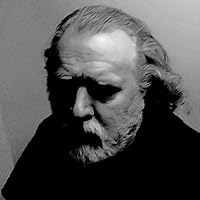
Much of what Rika Lesser has to say can be compared to the poetry of Robert Lowell, Sylvia Plath, Ann Sexton, Delmore Schwartz, and other poets who have struggled with manic-depressive illness. What sets her poetry apart, according to Richard Howard, is “the plot and purpose of her sequence to take us through the harrowing experiences she creates in her lines, and out the other side . . . this is where her book differs so from the sensational indulgences we are so familiar with.”
The book begins with poems on suicide attempts, clinical depression and mania which will attract readers with a special interest in “poetic madness.” But in the end the poet turns from death to a full engagement and participation in “normal life” and all that it entails.
In addition to the general poetry audience, this book will appeal to medical ethicists, psychiatrists, psychologists, counselors, and others needing insight into manic-depressive illnesses.
Rika Lesser, twice the recipient of translation prizes from the Swedish Academy, is the author of four books of poems and seven books of poetry in translation.
“What binds us — love or duty?” Rila Lesser I see the great poet you are. Only through staring at the abyss can such ominous and sublime words emerge. Cutting the darkness with your own tongue and words. Breathtaking.
Like many poetry books, the majority of poems may be uninteresting, as in they just didn't hit you the right way. However a small few will resonate perfectly. I found that over the span of this book the pages connected with me at higher and higher frequency.
Whether appealing or not, Rika's poems capture the experience of arduously trying to live in and back out of loss, depression, rebirth, and the hopelessness of navigating a mental health system that wants to kill you more than you want to kill yourself. It feels just as awkward, vast, and unconquerable as it does to live in real life.
The whole book is in juxtaposition of the Loss of others and the desire to end one's Self. It is an exploration of how painful both Life and Death can be, when viewed at different angles.
This book, and Lesser as well, has always been compared to Plath, with the occasional mention of Sexton thrown in, but I got more out, and was more impacted by, this book and all it does than I ever did out of Plath (or Sexton for that matter). If you're a fan of the latter two, I invited you to search this book out and read it, because I think you'll be very pleasantly surprised. Recommended.