Jump to ratings and reviews
Rate this book

Imperium

Rate this book
Ryszard Kapuscinski's last book, The Soccer War -a revelation of the contemporary experience of war -- prompted John le Carre to call the author "the conjurer extraordinary of modern reportage." Now, in Imperium, Kapuscinski gives us a work of equal emotional force and evocative a personal, brilliantly detailed exploration of the almost unfathomably complex Soviet empire in our time.He begins with his own childhood memories of the postwar Soviet occupation of Pinsk, in what was then Poland's eastern frontier ("something dreadful and incomprehensible...in this world that I enter at seven years of age"), and takes us up to 1967, when, as a journalist just starting out, he traveled across a snow-covered and desolate Siberia, and through the Soviet Union's seven southern and Central Asian republics, territories whose individual histories, cultures, and religions he found thriving even within the "stiff, rigorous corset of Soviet power."Between 1989 and 1991, Kapuscinski made a series of extended journeys through the disintegrating Soviet empire, and his account of these forms the heart of the book. Bypassing official institutions and itineraries, he traversed the Soviet territory alone, from the border of Poland to the site of the most infamous gulags in far-eastern Siberia (where "nature pals it up with the executioner"), from above the Arctic Circle to the edge of Afghanistan, visiting dozens of cities and towns and outposts, traveling more than 40,000 miles, venturing into the individual lives of men, women, and children in order to Understand the collapsing but still various larger life of the empire.Bringing the book to a close is a collection of notes which, Kapuscinski writes, "arose in the margins of my journeys" -- reflections on the state of the ex-USSR and on his experience of having watched its fate unfold "on the screen of a television set...as well as on the screen of the country's ordinary, daily reality, which surrounded me during my travels." It is this "schizophrenic perception in two different dimensions" that enabled Kapuscinski to discover and illuminate the most telling features of a society in dire turmoil.Imperium is a remarkable work from one of the most original and sharply perceptive interpreters of our world -- galvanizing narrative deeply informed by Kapuscinski's limitless curiosity and his passion for truth, and suffused with his vivid sense of the overwhelming importance of history as it is lived, and of our constantly shifting places within it.

331 pages, Hardcover

First published January 1, 1992

483 people are currently reading
9269 people want to read

About the author

Ryszard Kapuściński

112 books1,975 followers
Ryszard Kapuściński debuted as a poet in Dziś i jutro at the age of 17 and has been a journalist, writer, and publicist. In 1964 he was appointed to the Polish Press Agency and began traveling around the developing world and reporting on wars, coups and revolutions in Asia, the Americas, and Europe; he lived through twenty-seven revolutions and coups, was jailed forty times, and survived four death sentences. During some of this time he also worked for the Polish Secret Service, although little is known of his role.

See also Ryszard Kapuściński Prize

Ratings & Reviews

What do you think?
Rate this book

Friends & Following

Create a free account to discover what your friends think of this book!

Community Reviews

5 stars
3,960 (50%)
4 stars
2,861 (36%)
3 stars
800 (10%)
2 stars
109 (1%)
1 star
38 (<1%)
Displaying 1 - 30 of 595 reviews
Profile Image for Orsodimondo.
2,457 reviews2,430 followers
May 3, 2022
SOVIETISTAN


Mi rendevo conto che il nucleo del processo di disfacimento del comunismo, il cuore del divenire storico, era la Russia, ossia l’ex Unione Sovietica. Volevo descrivere quel fenomeno storico osservandolo nel suo punto centrale, e perciò scelsi la Russia e non la Cecoslovacchia, l’Ungheria o la Polonia, dove gli avvenimenti non avevano una portata globale. Quel sistema era nato in Russia e lì aveva trovato la sua tomba. Mi sembrava un dato importante. Da noi il comunismo era un sistema imposto, secondario. Per vederlo nella sua forma più pura bisognava andare là, e solo là se ne poteva studiare la caduta.


Imperium raccoglie le impressioni e i ricordi dei molteplici viaggi che Kapuściński ha fatto in Unione Sovietica. Così facendo, accompagnando le peregrinazioni del giornalista scrittore polacco nato in Bielorussia (Pinsk), Imperium racconta il crollo dell’URSS e la sua trasformazione in Russia.

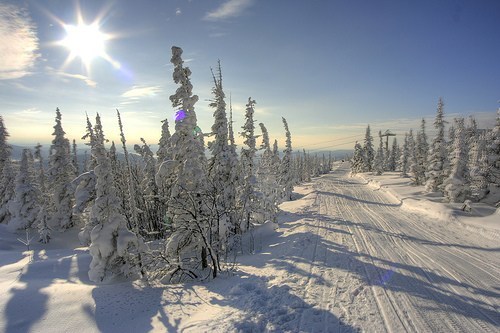
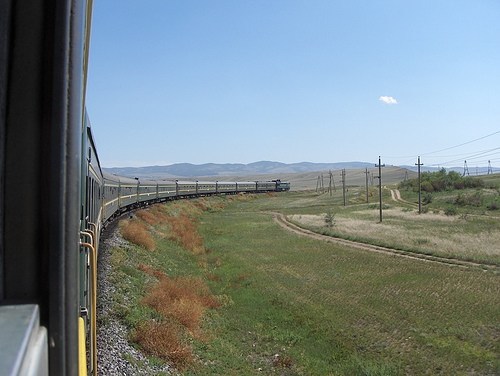
È diviso in tre parti: nella prima (1939-1967) Kapuściński viaggia in quella parte del mondo per la prima volta, in Transiberiana da Pechino a Mosca (1958), nella ghiacciata Siberia (proprio a gennaio!), nelle affascinanti repubbliche dell’Asia Centrale (per me doppiamente affascinanti visto che sto leggendo il reportage di Erika Fatland); nella seconda parte, la più lunga, Kapuściński parla degli anni 1988-1991 e qui i vagabondaggi vanno avanti e indietro per tutta l’URSS, sempre da solo, al di fuori delle istituzioni e dei percorsi ufficiali; nella terza condensa pensieri, riflessioni e previsioni.


Pinsk, la città dove Kapuściński è nato il 4 marzo del 1932, col patto Ribbentrop-Molotov passò sotto influenza nazista, il padre di Ryszard che era un ufficiale fu arrestato e costretto a scappare, molti dei vicini di casa finirono deportati. Alla fine della guerra, come si sa la Polonia e la Bielorussia passarono sotto influenza sovietica.
Viene da pensare che dopo una tale doppia esperienza di ‘imperi’ totalitari, Kapuściński abbia di gran lunga preferita frequentare Africa e Terzo Mondo.

Ciò detto, Imperium è il frutto della curiosità di Kapuściński che si fa mille domande e cerca di capire un impero dove le domande non erano consentite, che si è sgretolato a causa delle sue stesse contraddizioni interne.


Indimenticabile l’arrivo di Kapuściński al Circolo Polare Artico, l’incontro con una dozzina di locali che sta guardando una televisione che trasmette solo elettricità statica, una massa di puntini bianchi sfarfallanti su fondo grigio: ma a giudicare dalle urla di entusiasmo dei dodici spettatori del posto si trattava della partita di calcio Spartak contro Dynamo.

Per regnare in un paese così sconfinato si è dovuto creare uno Stato sconfinato. Questo ha sprofondato i Russi in una contraddizione. Per mantenere i grandi spazi il russo deve mantenere un grande stato, e per mantenerlo spende tutta la sua energia, che poi non gli basta più per il resto: organizzazione, economia, ecc. ecc. Spreme tutte le sue energie per lo stato, che lo schiavizza e lo opprime.


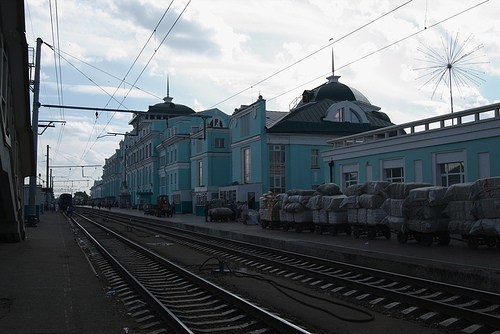
Ryszard Kapuściński viaggiava sempre accompagnato da un taccuino, una macchina fotografica e un gran numero di libri, tra i quali le immancabili storie di Erodoto. Queste foto sono sue.
Profile Image for Maziyar Yf.
813 reviews630 followers
December 16, 2024
امپراتوری ، یادداشت هایی از دوران استالین تا یلتسین ، کتابی ایست از ریشارد کاپوشچینسکی، روزنامه‌نگار و نویسنده‌ی برجسته‌ی لهستانی. این کتاب در واقع مجموعه‌ای از سفرنامه‌ها و مشاهدات شخصی نویسنده از اتحاد جماهیر شوروی سابق در طول چندین دهه است . کاپوشچینسکی در این کتاب، با زبانی ساده و گیرا، به روایت تجربیات خود از زندگی مردم عادی شوروی پرداخته. او با سفر به گوشه و کنار این امپراتوری گسترده، از شهرهای بزرگ تا روستاهای کوچک، با مردم مختلفی از اقوام و فرهنگ‌های گوناگون دیدار کرده و آشنا می‌شود.
کتاب امپراتوری شامل سه بخش اصلی است:

اولین برخوردها (1939-1967):
در این قسمت، کاپوشچینسکی به یادآوری ورود ارتش سرخ به زادگاهش، پیونسک، در سال 1939 می‌پردازد. او تجربه‌هایی از فقر و ترسی که در دوران حکومت شوروی بر مردم حاکم بود، را بیان می‌کند. کاپوشچینسکی با تفصیل به ترس و وحشتی که بر مردم حاکم بود، اشاره کرده و از نحوه زندگی مردم را نشان می دهد. به ویژه، او به موضوعاتی چون سانسور، سرکوب آزادی‌های فردی و پیگرد سیاسی پرداخته و نشان می‌دهد چگونه این عوامل باعث از بین رفتن روحیه و اعتماد به نفس مردم شد.
کاپوشچینسکی در این بخش، به تنوع فرهنگی و قومی در کشورهای تحت سلطه شوروی نیز اشاره می‌کند. او به آداب و رسوم بومی، زبان‌های محلی و هویت‌های فرهنگی مختلف پرداخته و تأثیر ریشه‌های فرهنگی بر هویت ملی مردم را نشان می دهد. از نگاه کاپوشچینسکی ، در شرایط سخت، فرهنگ و هنر می‌تواند به عنوان ابزاری برای مقاومت و ابراز وجود در برابر سرکوب عمل کند.


نگاه کلی (1989-1991):
این قسمت، بیش از نیمی از کتاب را شامل می‌شود و به سفرهای نویسنده در دوران فروپاشی شوروی اختصاص دارد . کاپوشچینسکی در این بخش به شهرهایی چون مسکو، تفلیس و یروان سفر کرده و مشاهدات خود را از شهرهای مختلف و مردم آن شهرها نوشته . او با مردمانی روبرو می‌شود که در آستانه‌ی تحولات عظیم، امیدها و ترس‌های خود را با او در میان می‌گذارند . سفرهای کاپوشچینسکی ، گویی تصویری پانوراما از این امپراتوری پهناور نشان می‌دهد . از مسکو، قلب تپنده شوروی، تا شهرهای تاریخی قفقاز، نویسنده شاهد تحولات بنیادینی بوده که منجر به فروپاشی این ابرقدرت شد. این سفرها هم جغرافیای متنوع شوروی را نشان می دهد ، بلکه روایتی زنده از بحران‌های سیاسی و اجتماعی و تحولات زیر پوستی جامعه را هم به تصویر می کشد .
ادامه داستان (1992-1993):
در این بخش، کاپوشچینسکی تلاش می‌کند تا تغییرات کشورهایی که از فروپاشی شوروی به وجود آمده‌اند را بیان کند. کاپوشچینسکی با بررسی چالش‌هایی همچون بحران اقتصادی، تنش‌های قومی و تلاش برای ایجاد هویت ملی جدید، می کوشد تا به تحولات رخ داده در این منطقه پی ‌برد . نویسنده با حضور در صحنه رویدادهای تاریخی، به عنوان یک شاهد عینی، تغییرات بنیادینی را که در کشورهای تازه استقلال‌یافته رخ می‌دهد، از نزدیک مشاهده می‌کند . در پایان او به این نتیجه می رسد که کار او با یک نتیجه‌گیری نهایی به پایان نمی‌رسد، چرا که با تحولات سریع و پی‌درپی ، هر لحظه وضعیت دگرگون می‌شود.

در پایان کتاب امپراتوری را باید یک سند تاریخی ارزشمند از کاپوشچینسکی دانست که با نگاه خاص خود ، با دقت و تیزبینی به تحولات سیاسی و اجتماعی اتحاد جماهیر شوروی پرداخته . کاپوشچینسکی با قلمی جذاب و گیرا، داستان زندگی مردمی را روایت کرده که در دل این تحولات عظیم قرار داشته و سرنوشتشان به شکل‌های گوناگون رقم خورده است.
Profile Image for Jonfaith.
2,145 reviews1,745 followers
October 5, 2014
Imperium isn't merely a travel narrative; such would ignore its vitality as palimpsest. It traverses the same roads again and again over time, it returns to immense crime scenes and it ponders a policy of ecological suicide. The book was published in 1994 just before a number of the text's issues came to boil: the two Chechen Wars. There are whispers of the rise of the oligarchs and somewhere lurking is in the frozen mist is Putin. Kapuściński has penned an amazing account of an empire. He often suffers the human failing of bullshit philosophy and guessing wrong about an inchoate state of affairs.

Stalin's chessboard left nascent atrocities across Central Asis. The author notes that dissent could've been crushed with death camps and mobile killing units, but then there would be a culpable element. Famine and cold spread the blame around. There is a sting of commiseration at the book's conclusion. I felt the stab of such as well.
Profile Image for Maciek.
573 reviews3,836 followers
December 29, 2014
PL: Recenzja w dwóch językach - tekst angielski znajduje się pod polskim.
ENG: This is a bilingual review - English text is presented below.

PL: Moja babcia urodziła się w małej wsi pod Lwowem w 1937 roku. Wraz z prababcią przeżyły najazd OUN-UPA chowając się w piwnicy swojego domostwa, podczas gdy wieś płonęła żywym ogniem i płynęła krwią pomordowanych. Obie jakimś cudem przetrwały rozmaite okupacje i represje, aż w końcu po wojnie zostały ostatecznie przesiedlone do małej miejscowości na nowym południu Polski - zabranej Niemcom, których wysiedlono jeszcze dalej na zachód. Dziś tam gdzie dorastały znajduje się Ukraina - i wciąż żyją tam potomkowie naszych krewnych. Pomimo tego że jesteśmy jedną rodziną, staliśmy się sobie obcy - mówimy w innych językach, obracamy się w innej kulturze, należymy do innych narodów. Lata (i historia) zrobiły swoje.

Imperium Kapuścińskiego to ZSRR - ogromna część naszej planety stanowiąca ostatnie imperium kolonialne 20 wieku, w którego burzliwą historię miało nieszczęście zaplątać się wiele narodów - w tym mój i autora. Książka Kapuścińskiego nie pretenduje do miana historii lub etnografii terenów byłego ZSRR - dzieło takie mierzone byłoby w tomach, nie stronach. Imperium to kolekcja wspomnień, refleksji i spostrzeżeń autora zebranych z podróży jakie odbył po jego terytorium, odwiedzając zapomniane przez czas zakamarki środkowej Azji i dalekiej Północy, różne od siebie jak noc od dnia. Książka dzieli się na trzy sekcje:

Pierwsze spotkania (1939--1967) otwiera prolog składający się ze wspomnień Kapuścińskiego o jego pierwszym zetknięciu z Imperium - wkroczeniu Armii Czerwonej do jego rodzinnego Pińska we wrześniu 1939, i powoli rozprzestrzeniającym się terrorze okupacji - pierwszych represjach, zniknięciach i deportacjach. Podobnie jak Lwów, Pińsk zostanie Polsce odebrany i wcielony do granic ZSRR - dzisiaj jest tam Białoruś.

Drugą część tego rozdziału stanowi relacja Kapuścińskiego z podróży Koleją Transsyberyjską, z Pekinu do Moskwy, przez niezmierzone połacie Syberii. Każda droga zdaje się nie mieć końca w tym oceanie białych stepów, stanowiących dumę i przekleństwo Rosjan: ta sama ogromna, potężna, i majestatyczna przestrzeń przytłacza swoim ogromem i bezkresnością, odbierając całą energię potrzebną do normalnego życia.

Trzecią częścią pierwszej sekcji książki jest wyprawa Kapuścińskiego na Południe - do republik środkowej Azji oraz Kaukazu, gdzie odwiedza Gruzję, Armenię, Azerbejdżan, Turkmenistan, Tadżykistan, Kirgistan i Uzbekistan. Mimo że na poznanie każdego z tych krajów ma zaledwie kilka dni, Kapuściński wykazuje się niespotykaną zdolnością obserwacji i z każdego z nich wynosi chociaż odrobinę historii i lokalnej kultury - szczególnie interesujące są sceny z rozmaitych azjatyckich -stanów, oraz pełen współczucia i zrozumienia opis tragedii narodu ormiańskiego.

Z lotu ptaka (1989-1991) to opis podróży Kapuścińskiego po ZSRR w czasach jego schyłku. Od Brześcia i Moskwy Kapuściński podróżuje do Tbilisi i Erywania, gdzie widzi rozpadający się system sowiecki i wzrost nacjonalizmu, lokalnych konfliktów i ambicji - taki jak spór Armenii i Azerbejdżanu o Górny Karabach; na dalekiej Północy odwiedza Magadan i Workutę, gdzie widzi dawne Kołymskie łagry - miejsce katorgi setek tysięcy ludzi. Podróżuje też na południe, do Uzbekistanu, gdzie plan stworzenia ogromnych pól bawełny doprowadził do tragicznego zaniku morza Aralskiego i zniszczenia całego regionu. Kapuściński odwiedza jeszcze Donieck - gdzie wspomina tragiczną dla narodu ukraińskiego Stalinowską kolektywizację rolnictwa, która doprowadziła do Wielkiego Głodu - i kończy w Pińsku, mieście swojego dzieciństwa, gdzie znajduje dawnych uczniów swoich rodziców.

Ciąg dalszy trwa (1992-1993) to ostatnia i najkrótsza część książki, stanowiący próbę podsumowania przemian w byłym ZSRR i samej Rosji, trafnie przewidując postępującą dezintegrację i wzrastające nierówności społeczne i ekonomiczne. Pomimo tych problemów i wielu paradoksów przyszłość Kapuściński widzi jednak dla Rosji optymistyczną - widząc w niej wielkie społeczeństwo z niewyczerpaną siłą i energią do podnoszenia się z wszelkich kryzysów.

Imperium to książka dla każdego czytelnika którego choć trochę interesuje Rosja i byłe republiki radzieckie - drugiego tak osobistego i równocześnie przystępnego, zajmującego reportażu o tej części świata prawdopodobnie nie ma, a po śmierci Kapuścińskiego druga taka książka najpewniej już nie powstanie.

ENG: My grandmother was born in a small village near Lviv in 1937. Together with my great grandmother she has survived the raid of OUN-UPA - they hid in the basement of their house as the village burned to the ground, and the ground was soaked with blood of the murdered. Both have also somehow survived various occupations and repressions, before finally being deported to a small town in new southern Poland after the War - taken away from the Germans, who themselves have been resettled further West. Today that small village is in Ukraine - along with descendants of our relatives. Although we are one family, we became strangers to ourselves - we speak different languages, evolved in different cultures, belong to different nations. Time - and history - did their part.

Ryszard Kapuściński's Imperium is the USSR - a great portion of our planet, and the last colonial empire of the 20th century, which entangled many different nations in its tumultuous history - including mine and the author's. Kapuściński's book doesn't aspire to be a history or ethnography of many lands which formed the USSR - such a work would be measured in volumes, not pages. Imperium is a collection of the author's memories, thoughts and observations which he gathered while travelling across its vast territory, visiting the forgotten nooks and crannies of Central Asia and the Far North, as different as night is from day. The book is divided into three sections:

First Encounters (1939-1967) begins with a prologue consisting of Kapuściński's memories of his earliest experience of Empire - arrival of the Red Army in his hometown of Pinsk, in September 1939, and the subsequent spread of the terror of occupation - first repressions, disappearances, and deportations. Like Lviv, Pinsk will be taken away from Poland and annexed into the USSR - today it is in Belarus.

The second part of this section is a report of Kapuściński's travel on the Trans-Siberian Railway, from Beijing to Moscow, across the immeasurable swathes of Siberia. Every road seems to be without end in this ocean of white steppe, which is the pride and curse of Russians; the same immense, mighty and majestic landscape is overwhelming with its magnitude, sucking away all the energy necessary for normal life.

The third part of the first section consists of Kapuściński's trip to the South - the Central Asian republics and the Caucasus, where he visits Georgia, Armenia, Azerbaijan, Turkmenistan, Tajikistan, Kyrgyzstan and Uzbekistan. Kapuściński displays an incredible skill of observation - even though he has only a few days to spend in each of these countries he takes a piece of each with himself, as he looks at their culture and history. The most interesting parts are the observations from various -stans, and the deeply felt and compassionate telling of the tragedy of the Armenian people.

From a Bird's-eye View (1989-1991) is an account of Kapuściński's travels across the USSR in it's dying hours. Beginning in Brest and Moscow, Kapuściński travels to Tbilisi and Yerevan, where he sees the disintegrating Soviet system and the rise of nationalism, local conflicts and ambitions - like the contention for Nagorno-Karabakh between Armenia and Azerbaijan. In the far North he visits Magadan and Vorkuta, witnessing the empty gulags of Kolyma - the nightmare of hundreds of thousands people. He also travels south, to Uzbekistan, where the plan to create vast fields of cotton resulted in the tragic shrinking of the Aral Sea and the destruction of the entire region. Kapuściński also visits Donetsk - where he recalls the Stalinist collectivization of agriculture, tragic for the Ukrainian people, as it led to a Great Famine - and ends his journey in Pinsk, his childhood home, where he finds his parents' former pupils.

The Sequel Continues (1992-1993) is the last, shortest part of the book, and an attempt at a summary of transformations in Russia and the former USSR, aptly foreseeing gradual disintegration and the rise of social and economic inequality. Still, despite its many problems and paradoxes, Kapuściński sees an optimistic future for Russia - seeing in it a great society, with unlimited energy and endless power to rise from any crisis.

Imperium is a book for any reader even remotely interested in Russia and the former Soviet republics - there is probably no other reportage on that part of the world which is so personal, engaging and accessible, and after Kapuściński's death another book like it is unlikely to be written.
Profile Image for Debbie Zapata.
1,980 reviews57 followers
June 20, 2023
Jun 16, 10am ~~ Review asap.

Jun 19, 8215pm ~~ I have needed a few days after finishing this book to settle down and decide what to say about it. I had a project this year to read this author's work; this is the final title on the list. The book was published on 1993 in the original Polish, the English translation came in 1994.

RK takes us through a personal history of how his life intersected with the Soviet Union. There are three sections to the book, dating from 1939 - 1967, then 1989 - 1991, and finally 1992 - 1993. The author first met the Soviets when they took over his home town. He was seven at the time. His home town was in the Polesia region of Poland but at publication time it was part of Belorussia.

By weaving his own travel experiences with chilling historic facts about the rulers of the region, the author creates a book that is compelling and timely even so many years after publication date. I was especially impressed with the pages about Ukraine, and I wonder what RK would have had to say about the war that is raging there now. I imagine he would not have been too surprised, considering what he wrote about August 24, 1991, the date that the Supreme Council of the Ukraine proclaims "the creation of the independent Ukrainian state ~~ Ukraine."

At the time the author was in Moscow. He said the news did not make much of a ripple in Europe, but in Moscow a session of the Supreme Council of the USSR is interrupted by the chairman to announce 'developments' in Ukraine and that a delegation must be sent there at once. But why? According to RK, who cites a Polish historian of the 1930's, "Without the Ukraine, Moscow is relegated to a northern wilderness." (J. Waswicz) Later in Kiev (author's spelling) RK spoke to one of the then-leaders of Ukraine, who told him that they wanted their government to be enlightened, good, democratic, and humane. The author's reply? 'Amen.'

It was sometimes hard to process all the horrible things that happened in the Soviet Union. RK tries to explain the different mindset of the people compared to those of us who have never lived in a state that intentionally starves its own citizens, beats them, arrests them for no reason, sends them off to labor camps or mines for years of hard labor, purposefully creates paranoia and rewards spying and informing, just to mention a few of the things people lived with beginning all the way back in the time of the Tsars. RK says that Russia has more of an Eastern attitude, where the State is run by one person who is the all-powerful authority. He can do or say anything he wants because he is The Boss. If 'regular people' ever had the ability to think for themselves they would quickly lose it because thinking would become a very dangerous pastime. So much safer to just hunker down and accept whatever The Boss says. But honestly, any human being can only take so much. There is a line somewhere that once crossed, even by The Boss, history will change course, at least for a little while.

For me the book was fascinating, and of course has opened up more topics to study. The section on Armenia also was of much interest. I knew about the exterminations, but I never realized how many thousands of years Armenia lived through before those awful times after World War One. I've ordered some books to explore the region more thoroughly.

I have also ordered a few books about some of the early Soviet leaders, simply because when I read short bits about them in books like this one, I wonder why there is such a need to destroy the very thing they want to claim as their own? Is it a guy thing? A Soviet thing? A Russian thing? Or just a plain old stupid and totally illogical thing?

Sorry for the slight digression. I will end this somewhat scattered review by saying I wish everyone would read this book. It is well worth your time.

Profile Image for Ana Cristina Lee.
765 reviews400 followers
December 3, 2023
El periodista polaco Kapuscinski es el gran cronista del la segunda mitad del siglo XX, cuando viajó por todo el mundo escribiendo apasionadamente sobre las transformaciones aceleradas que se estaban sucediendo. El Imperio del título es la URSS y en este libro recorre miles de quilómetros para describir los años cruciales de su descomposición: 1989-91.

Conquistado por Rusia y después obligado por la fuerza a formar parte de la URSS, aquel pequeño territorio me interesaba más que otros, dado que mi interés se ha centrado desde siempre en la descolonización del mundo, tanto la mental como la política, y allí, en el Transcáucaso, se estaba produciendo tal proceso.

Recorremos las turbulentas repúblicas caucásicas, pero también Siberia, Ucrania o Bielorrusia, territorios antiguamente unidos por un ideal político que se ha corrompido.

Kapuscinski no nos ahorra descripciones estremecedoras de la represión que durante años impuso el estalinismo y de la crueldad atávica que impera en los territorios.

En lugares como Kolymá la naturaleza se alía con el verdugo, le ayuda en la aniquilación de la víctima inocente y desarmada, está al servicio de los asesinos, se arrastra ante ellos, proporcionándoles continuamente nuevos instrumentos de tortura: un frío inhumano, vientos gélidos, nieve de varios pisos, inmensos desiertos helados imposibles de atravesar.

Al fracaso moral del sistema político se une el económico, pero nada puede quebrar el patriotismo ruso y el espíritu crítico no llega a arraigar en ningún momento:

Entre el ruso y su imperio existe una fuerte simbiosis: la suerte de la superpotencia es algo que al ruso le preocupa viva y profundamente. ¡También hoy!

Las crónicas de Kapuscinky son una lectura imprescindible hoy en día, porque nos ayudan a entender muchos aspectos de la actualidad, como la guerra de Ucrania o la expulsión de los armenios de Nagorno-Karabakh. Además están llenas de una poesía que se detiene más en las personas que en los grandes acontecimientos políticos, de una manera que nos hace entender el espíritu de las gentes y viajar con él:

Aquel armenio viejo a la sombra de un árbol... Todas las conspiraciones de Oriente se apoyan en gente como él. Inmóviles como rocas, aparecen como parte del pétreo paisaje de esta tierra. Apoyados sobre sus bastones, permanecen sentados en los rincones de las ciudades orientales. Lo ven todo, lo saben todo. Nada puede soliviantarlos. Nadie conseguirá engañarlos. Ni vencerlos.
Profile Image for Hana.
522 reviews369 followers
March 10, 2015
In 1917 an entire world went mad; a madness that came to be called the Soviet Union. The persecutions and wars that began with the October Revolution and that lasted for decades were marked by an almost incomprehensible series of mass exterminations; between 1918 and 1953 an estimated 54-110 million citizens of the USSR perished of unnatural causes. The Soviets left behind an enduring legacy of poverty, demoralization and ecological catastrophe.

Deftly weaving historical narrative, personal travel stories and the testimony of those he meets along the way, Polish journalist, poet and traveler Ryszard Kapuściński bears compassionate, clear-sighted witness to this world and its disintegration.

In one of the book's opening chapters, Kapuściński sets out from Peking on the Trans-Siberian railway in 1958 and reaches the border between China and the USSR: "Now it begins. The opening, the unfastening, the untying, the disemboweling. The rummaging, the plunging in, the pulling out, the shaking about. And what is this? And what is that for?...."

But the worst offenders are citizens of the Soviet Union who have brought in little sacs of kasha and it is the job of a customs inspector to sift through it all: "A careful, meticulous sifting through the fingers....The fingers, delicately and imperceptibly, but very carefully, very vigilantly, roll the grain about. They investigate. The experienced finger...ready to throttle the grain instantly, catch it in a trap, imprison it. But the little grain is simply what it is...."

And then comes one of those passages that set Ryszard Kapuściński apart--the flash of empathy, not for the more obvious victim of this nonsense, but for the inspector: "Why, these are fingers that should be should be sculpting gold, polishing diamonds! What microscopic movements, what responsive tremors, what sensitivity, what professional virtuosity!"

I have never read anything quite like this book. I finished it in just a couple of days and then immediately turned back to read it--study it--a second time. It's brilliant, beautiful, weird, astonishing, prescient, haunting and sometimes darkly comedic; filled with word-pictures that seemed rather like the glittering tesserae of a smashed mosaic. If you care about history, if you want to understand how and why the madness happened and why the world is still paying the price of this terrible time--read this book.

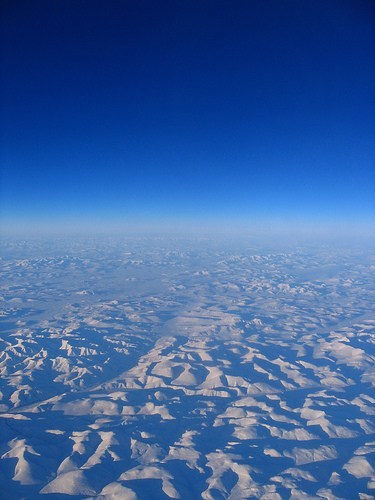
I've included more quotes and pictures of the former USSR in the comments section below.
Profile Image for Jorge.
301 reviews457 followers
May 27, 2022
He leído esta obra de Riszard Kapuscinski (1932-2007) con gran entusiasmo y mucho interés, es uno de esos libros que te envuelven con su estilo sencillo y con temas sumamente atrayentes. Había escuchado muchas veces el nombre de este ilustre periodista, poeta, ensayista y escritor polaco y lo conocía más bien por su faceta de periodista, pero nunca me había acercado a él y vaya que me resultó una experiencia lectora increíble.

A través de las páginas de esta obra Kapuscinski deja fluir las vivencias de sus viajes por la antigua URSS y algunas de ellas son auténticas aventuras. Su prosa es sencilla, esclarecedora y directa, a través de ella nos lleva por todas aquellos países que conformaron la antigua URSS. Además de sus vivencias personales el libro incluye toda una clase de geografía y de historia en torno a esa convulsa región del mundo. Ahora creo tener un poco de claridad sobre la problemática de todos esos pueblos, ciudades, repúblicas, óblasts, etnias, religiones e idiomas del Asia Central y de la Europa del Este que constituyeron por muchos años un mosaico multicolor siempre en proceso de rusificación.

El libro se divide en tres grandes partes: en la primera, el autor relata sus primeros y escasos contactos con esta región que datan de los años 1939 a 1967. La segunda parte, que ocupa la mayor parte del libro, abarca los muy importantes años de 1989 a 1991, tiempos en que se sucedieron los acontecimientos que cambiaron la conformación geopolítica del mundo. San Petersburgo, Moscú, Azerbaiyán, Uzbekistán, Armenia, Ucrania, Siberia, Kazajistán, lugares que visitó el periodista, forman parte de este extenso capítulo con todas sus conflictos y tragedias relatadas a la manera de Kapuscinski. El autor también se da tiempo para relatarnos hechos históricos tan notables y estrujantes como la hambruna de Ucrania que mató a 10 millones de personas en los años 30 del siglo pasado; o como todos los incidentes que ocurrieron en la construcción y derribo de la Catedral de Cristo Salvador en Moscú; o bien el raro caso de la ciudad de Nóvgorod que durante la Edad Media y hasta antes de la llegada de Iván III era una ciudad democrática y abierta al mundo.

Sin duda un libro sumamente recomendable. La traducción del polaco al español de Agata Orzeszek me ha parecido igualmente notable.
Profile Image for Shadin Pranto.
1,469 reviews560 followers
September 9, 2022
কাপুচেনস্কি বরাবরের মতো এবারও অতুলনীয় এবং নিজস্ব বৈশিষ্ট্যে সমুজ্জ্বল। সাংবাদিকতা বিভাগের শিক্ষার্থী হিসেবে সাংবাদিক হতে চাইলে চোখ বুজে কাপুচেনস্কি হতে চাইতাম।

পোল্যান্ড হয়তো অনেক কিছু নিয়েই গর্ববোধ করতে পারে। কিন্তু তাদের সর্বশ্রেষ্ঠ অহংকার জাগানিয়া সম্পদ হলেন রিজার্ড কাপুচেনস্কি। তাঁর লেখা পড়া মানে পাঠক হিসেবে নিজেই সম্মানিত হওয়া ( অতিশয়োক্তি মনে হলে নিজ গুণে মাফ করবেন)।

সোভিয়েট ইউনিয়ন ভ্রমণ নিয়ে কাপুচেনস্কির লেখা ''Imperium.''

সংবাদকর্মী হিসেবে সোভিয়েটের বিভিন্ন অঞ্চলে দীর্ঘসময় ঘুরেছেন কাপুচেনস্কি। গভীরভাবে পর্যবেক্ষণ করেছেন অসম্ভব বৈচিত্র্যমাখা সোভিয়েট ইউনিয়নের অধিবাসীদের। মধ্য এশিয়ার দেশগুলো যেমন- কাজাখস্তান, তুর্কমেনিস্তান, আজারবাইজান, কিরঘিজস্তান,তাজিকিস্তান ও আর্মেনিয়ার পথে-প্রান্তরে হেঁটেছেন তিনি। দেখেছেন প্রতিটি দেশের সংস্কৃতি এবং উপলব্ধি করেছেন সেখানকার নানান সমস্যা। তুর্কমেনিস্তান ও কাজাখস্তান নিয়ে এত সুন্দর বর্ণনা এই দেশগুলোর কোনো লেখকও দিতে পারবেন কিনা সন্দেহ। মধ্য এশিয়া যেন চোখের সামনে দেখতে পাচ্ছিলাম। এত বিশদ এবং দৃষ্টিনন্দন বর্ণনা বড়ো ঔপন্যাসিক ব্যতীত আশা করা যায় না।

সোভিয়েটের সমাজতন্ত্রের গুণমুগ্ধ কাপুচেনস্কি নন। সম্ভবত তার কিশোরবেলায় ঘটে যাওয়া সোভিয়েট নিয়ে তিক্ত অভিজ্ঞতা এর জন্য দায়ী। ব্যক্তিস্বাতন্ত্র্যকে খুন করে দলীয় প্রোপাগাণ্ডা ও নেতাদের প্রচারের কুৎসিত কার্যকলাপকে সমাজতন্ত্রের নামে চালিয়ে দেওয়াকে খুব ঘনিষ্ঠভাবে প্রত্যক্ষ করেছেন কাপুচেনস্কি। জোড়াতালি দেওয়া সােভিয়েটের বিভিন্ন অঞ্চলে লক্ষ করেছেন সাম্যবাদের নামে স্থানীয় জনগোষ্ঠীর ওপর জুলুমবাজি। আজকের ইউক্রেনের কথাই ধরুন না। স্ট্যালিনের আমলে পোষ না মানা ইউক্রেনিয় কৃষক ও বুদ্ধিজীবী সমাজকে নিশ্চিহ্ন করে দেওয়া হয়। সমবায় খামারে যোগ দিতে অস্বীকৃতি জানানো জমির মালিক ও চাষীদের শায়েস্তা করতে সেখানে নিয়মের বেড়াজালে পিষ্ট হয়ে মারা যান লাখ লাখ মানুষ।

বিশেষ ঘোষণার মধ্য দিয়ে ইউক্রেন স্বাধীনতা লাভ করে। কাপুচেনস্কি ভবিষ্যদ্বাণী করেছিলেন, আগামীতে ইউক্রেনের বড়ো চ্যালেঞ্জ হবে রাশিয়া ও পশ্চিমের মধ্যে ভারসাম্য বজায় রাখা। এখানে উনিশ-বিশ হলে বিপদে পড়বে ইউক্রেন এও সুস্পষ্ট করে উল্লেখ করেছিলেন কাপুচেনস্কি।


সাম্যবাদের নামে চরম অসাম্য, শোষণমুক্তির কথা বলে অসহনীয় নিপীড়নের নানান কাহিনি শুনিয়েছেন কাপুচেনস্কি। সোভিয়েট ইউনিয়নের ভাঙনের জন্য গর্বাচেভকে নিয়ে দায়ী মনে করেন না। বরং পাঁচ-ছয় বছর গর্বাচেভ কীভাবে ভঙ্গুর সোভিয়েটকে টিকিয়ে রেখেছিল তা নিয়েই কাপুচেনস্কি বিস্মিত৷ কেননা শেষের দিকে সােভিয়েট হয়ে গিয়েছিল তাসের ঘরের মতো। যে-কোনো এটির ভেঙে পড়াই ছিল নিয়তি।
Profile Image for Murtaza.
712 reviews3,387 followers
April 27, 2020
Ryszard Kapuściński was one of the great travel writers of the last century, a Marco Polo who returned dispatches from obscure corners of the world. This book is an account of his journeys across space and time in the Soviet Union. It begins during his wartime childhood in Poland and ends in the early 1990s, when the regime finally collapsed on itself in exhaustion. Unlike most of Kapuściński’s writings this book is clearly very personal. The horror of life inside the empire is described not just with eloquence but real pain. Kapuściński is sparse with his writing. He never hammers the reader over the head with details of atrocity. A simple description of how Soviet industrial policy caused the death of a lake in Central Asia can be enough to make one deeply understand just what kind of nightmare descended over that part of the world.

Kapuściński was accused later in life of embellishing details in his books. In one sense, the accusation likely has some merit. His memoir of growing up in a small town in Poland as the Communists took over seem a little too action-packed. Some of the dialogues he has with interlocutors across Russia seem a little too perfect. I would argue that this does not detract from his work, however. Kapuściński was someone who, by his own description, was experimenting with genre. While traveling on a train through Siberia, he wrote about things like borders and the natural human desire to expand out of them. His travelogues are those of a storyteller and have a dreamlike quality to them. If his books were written as novels, they would be masterpieces and no less "true" than a piece of reporting. That so many of his hinted-at predictions came to pass should suggest how genuine they really were.

Kapuściński wanted the reader to understand in an intimate way the incredible sufferings that this regime had inflicted on its people. I would say without hesitation that he succeeded. This is one of those books that, upon finishing, you feel fresh gratitude for the warm water in your faucet, the ability to talk freely about what is on one's mind and for the breathability of the air outside. It is one of the most visceral and accessible chronicles of the Soviet Empire that I’ve ever encountered.
Profile Image for Andy.
111 reviews
June 21, 2007
"Imperium" was the first Ryszard Kapuscinski book I read. I have since bought and read each of this other books if that tells you anything.

Kapuscinski was (he died early this year) a Polish Journalist extraordinaire who spent his life (he nearly died numerous times in the field) covering Coups, Wars and any other havoc he could fly into.

Imperium is about his travels, by plane, train, car, horse, whatever through the Soviet Union...more specifically: Siberia. The heartbreak he describes in these remote mining and Gulag towns is overwhelming. Maybe it's my morbid curiosity with the brutality of the Soviet Union that made me love it...or maybe it's because RK's descriptions read like a novel. His account of the far-reaching areas of Soviet Union are bleak, harrowing and full of life. His description of the 'Stans (for spelling's sake) are also excellent. Not only are they lively and detailed, he traces the history behind the ethnic areas in each, including Chechnya, which I found particularly fascinating.

"I thought about the terrible uselessness of suffering. Love leaves behind its creation-the next generation coming into the world; the continuation of humanity. But suffering? Such a great part of human experience, the most difficult and painful, passes leaving no trace. If one were to collect the energy of suffering emitted by the millions of people here [Magadan, Russia] and transform it into the power of creation, one could turn our planet into a flowering garden. But what would remain?

Rusty carcasses of ships, rotting watchtowers, deep holes which some kind of ore was once extracted. A dismal, lifeless emptiness. Not a soul anywhere, for the exhausted columns have already passed and vanished in the cold eternal fog."
Profile Image for Elena.
246 reviews132 followers
November 24, 2024
A principios de año leía su magnífico "Un día más con vida" y "El Imperio" ha superado cualquier expectativa. Ryszard Kapuściński despliega su magia de excelente narrador para involucrarnos en su miscelánea de libro de viajes, reportaje e historia. Hermoso y exquisito. Ojalá retener todas las historias que Kapuscinski nos cuenta. Los claveles congelados de Vorkutá. El sudor bajo la gorra prestada de piloto abandonando Nagorny Karabaj. El dios del algodón en Asia Central que aniquila el Mar de Aral. El aeropuerto de Ereván. La hambruna/genocidio ucraniano de los años treinta. La ciudad de Nóvgorod que "fue una especie de república feudal independiente y autogestionada cuyo poder supremo residía en la asamblea de la población urbana y de los campesinos libres de las aldeas colindantes." Y un larguísimo etcétera. Uno de los mejores libros que he leído este año.
Profile Image for Javier.
222 reviews81 followers
May 20, 2019
Si es por cómo entran, todos los libros de este hombre merecerían cinco estrellas. No conozco otro autor capaz de meterse en el bolsillo a cualquiera con esa forma de escribir a caballo entre la literatura de viajes, la crónica y la divulgación. Poco le hace falta a Kapuściński para interesarnos por lo que pasa en cualquier lugar remoto del mundo: un par de anécdotas, algo de contexto histórico y por supuesto ese toque suyo tan característico con sentencias por aquí, pausa dramática por allá, imagen impactante y pregunta lanzada a la cara. Aunque, a decir verdad, cuando has leído un par de libros suyos puede empalagar un poco y mejor si no usa demasiado este recurso, pues en estos pasajes se nota enseguida que el polaco ha puesto el piloto automático.

El Imperio es una obra de ambición mastodóntica que abarca un periodo larguísimo de tiempo y un territorio inmenso como es la antigua Unión Soviética. El libro se divide en tres partes, empezando por el primer contacto de Kapuściński con la potencia, a saber: sus recuerdos de la ocupación de Polonia, un viaje en el transiberiano y otro por las repúblicas soviéticas del sur. La parte central ocupa la odisea del reportero a lo largo y ancho del Imperio durante los años de la perestoika y la glásnost, cuando el sueño ya se desmoronaba por su propio peso, mientras que la tercera y última consiste en reflexiones sobre la caída del telón. A pinceladas, se tocan prácticamente todos los temas que interesa conocer, y las predicciones acerca del futuro de Rusia han resultado a la postre totalmente acertadas.

Quizá sea uno de los libros de Kapuściński que más he disfrutado leyendo. Lo que pasa es lo de siempre: en los años noventa, e incluso primeros dos mil, esta crónica sería puntera y su relevancia altísima. A día de hoy, desgraciadamente, es como leer un periódico viejo. No obstante, se puede extraer un conocimiento general de la época y pequeñas sabidurías (he flipado con la historia de Armenia, por ejemplo) de una manera, como digo, muy natural y placentera.
Profile Image for Michal.
113 reviews5 followers
November 1, 2019
Please read this one. If you are inclined to learn about soviet Russia, this is a must. It is so good, I could cry. And I did. So strong.
Profile Image for Sandra.
963 reviews333 followers
March 9, 2013
Finora è il libro di Kapuscinski che più mi ha coinvolto ed appassionato tra quelli letti. Raccoglie le vicende di persone, il racconto di fatti, le testimonianze e memorie raccolte durante i suoi viaggi nell’immenso paese che è stato l’ex U.R.S.S., che, in una narrazione circolare, prende il via dal paese natale dello scrittore, Pinsk, una cittadina polacca ora ricompresa nella Bielorussia, e dai ricordi infantili dell’occupazione russa, per terminare da dove è iniziato, nella stessa città, circa 50 anni dopo, dopo che gli eventi politici, che corrono sui binari della storia ad una velocità vertiginosa rispetto all’evolversi della vita quotidiana della gente, hanno portato al dissolvimento dell’impero russo, del monolite che era l’Unione delle Repubbliche Socialiste Sovietiche.
Mi è piaciuto molto perché non siamo di fronte a un semplice reportage giornalistico, sono l’anima e il cuore di Kapuscinski che leggiamo nelle sue pagine.
Viaggiamo con lui attraverso le repubbliche caucasiche, arriviamo con lui fino alla Siberia di Kolyma, dove la ferrovia, le case e le strade sono state costruite sui morti dei gulag, arriviamo sul mar d’Aral scomparso a causa del prosciugamento forzato dei due grandi fiumi che lo alimentavano, passeggiamo per le immense strade di Pietroburgo e attraversiamo con lui la città di Kiev, le cui bellezze architettoniche sono state sistematicamente distrutte dai bolscevichi. Rivivendo attraverso le parole di grandi scrittori, le testimonianze di chi ricorda e soprattutto il cuore di Kapuscinski gli orrori del regime staliniano, quali le deportazioni in Siberia, gli eccidi di massa, la Grande Fame in Ucraina che realizzò un genocidio di proporzioni immense.
“Pensavo all’atroce inutilità della sofferenza. L’amore lascia un segno: la nuova generazione che viene al mondo, il perpetuarsi della specie umana. Ma la sofferenza? Una parte così cospicua dell’esistenza umana, la più dolorosa e difficile, scorre via senza lasciare traccia. Se si potesse raccogliere l’energia dei patimenti subiti in questo luogo da milioni di persone e tradurla in forza creativa, si potrebbe trasformare il nostro pianeta in un giardino fiorito”.
Profile Image for Adam.
558 reviews435 followers
June 5, 2012
Kapuscinski delivers in Imperium a near equal of his masterpieces (Another Day of Life, The Emperor, and Shah of Shahs). Describing this makes it seems like an awful mess stitched together from reportage on the dissolution of the Soviet Union, a memoir of the author’s own contact with the empire, travelogue and history of the various regions (writer Geoff Dyer points out the section on the history of the Armenian book as especially wonderful, and I agree.), and an indictment of Stalin’s ruthless, brutal, and surreal rule. The beauty of the writing pulls this together into a meditation on a collapsing empire and a changing of the world order with all the chaos and transformation that is involved. The rot, decay, and weirdness of collapse are what Kapusciski crafts his poetry from, and here he is frequently at his most poetic.
Profile Image for Alexander.
161 reviews33 followers
Read
October 8, 2021
Enttäuscht hat Imperium von Ryszard Kapuściński keineswegs. Aber die Sammlung überwiegend journalistischer Texte -bei aller sprachlichen Finesse- ist wenig überraschend. Es sind Alltagsbeobachtungen und die Begegnungen mit durchschnittlichen Menschen und Politikern in der Sowjetunion, die seine Reportagen prägen- die letzten aus der frühen Nachwendezeit, die leider aber keinen bleibenden Eindruck hinterlassen haben.
Profile Image for Pečivo.
482 reviews182 followers
January 29, 2019
10/10. Absynt servíruje další Kapuscino a i když normálně piju černý kafe, tak tady jsem si opět pošmáknul.

Impérium je reportáží z prostředí bývalého sovětského svazu. Vodka, tanky a teplákovky se do knihy bohužel nevešly. Autor popisuje jeho zážitky z raného dětství, politické okolnosti, které vedly k pádu impéria a zároveň zabrousí do míst, ze kterých vzešly samostatné státy (Arménie, Ázerbájdžán, Tádžikistán a Takdál). Tam zabrousí sám na výlet ne jen na gůglu - jen pro pořádek. Souběžně s tím jsem četl Souostroví Gulag, takže teď mám Ruska zase dost až do května.

Autorovi se vejde do knihy všechno od počátku dvacátého století až po pád svazu a i tak se to čte jako vrabec se zelím a bramborový knedlikem. Škoda, že neumím číst slovensky a musím tak čekat až Absynt zase něco vydá česky. Svět je tak nespravedlivej.
Profile Image for Miloš.
145 reviews
June 24, 2021
čak i kada ustupi pred sebe-novinarom.. i pored toga što ume izletati sa uiverzalijama koje trebaju biti univerzalne, i pored toga što mu tekst curka sa strane, beži mimo stranica, rasipa se, i pored toga, ovo je prelepa Srednja Azija. toliko nosuprijemčivihtraženihželjenih mirisa, i toliko bednoubuđaloraspadnutog smrada.

Žukov:
S Moskalenkom, njegovim ađutantom i generalima Njemedelinim i Batickim sedim u sobi i čekam da se dvaput oglasi zvonce, ugovoreni signal. Upozoren sam da je Berija fizički jak i da zna pokrete džiu-džicu.
To nije ništa - odgovorih - i ja sam jak.
(178 str.)

Profile Image for Joni.
814 reviews46 followers
March 23, 2025
Segunda lectura para ir gugleando sin la prisa devoradora de una lectura primeriza.
Leído hará al menos una década, esta relectura tuvo en medio hace unos años Voces de Chernobil de Aleksievic.
Hoy en día uno tiene al alcance de un click el vasto abanico de imágenes que nos presenta Kapuscinski, lo cual expande la experiencia lectora. Hará cuarto de siglo apenas alguna imagen enciclopédica.
Siempre quedará la duda de cúanto de crónica y cúanto de ficción hay en estos relatos, pero no quita el mérito de ser un aventurado en recorrer esos parajes arriesgando su vida casi a cada paso.
Excelente testamento como siempre desde las entrañas de los sucesos, con mirada minimalista para pintar el cuadro general. El libro no comienza con el autor visitando el gigante soviético si no con la invasión del imperio a su ciudad natal siendo un niño.
Dividido en tres capítulos abarcan los periodos del 1939-1967, 1989-1991 y 1992-1993. O sea, comienzo, asentamiento, apogeo y debacle final; cierra con el cadáver fresco de la URSS y un interesante análisis final para sintetizar cómos y porqués, consecuencias y cicatrices.
Estos libros desbordan información y es recomendable llenarlo de papelitos con todas las menciones desconocidas, sean de personajes, lugares, hechos. No es un libro simpático, se narran al detalle las formas brutales que en el siglo masacraron entre cincuenta y cien millones de personas.
Altamente recomendable.
Crónica literaria; Capote la creó, Kapuscinski la elevó.
396 reviews18 followers
May 14, 2024
Es el libro que más me ha impresionado en lo que llevamos del año 2024. Ya había leído una obra de este autor sobre África que me encantó, pero con ésta he alucinado. Tiene momentos memorables como por ejemplo cómo describe cuando siendo un niño cae su pueblo en poder del ejército soviético (imagino que por el reparto que hicieron Hitler y Stalin de Polonia después del pacto que realizaron para repartirse el país). Cómo describe los problemas que van surgiendo en los países emergentes de Asia cuando se va desintegrando la URSS. Los millones de muerte por el hambre desatado en Ucrania, la destrucción de la catedral ortodoxa de Cristo Salvador en Moscú por orden del dictador y un larguísimo etcétera. Creo que el autor merece que le preste mucha más atención
Profile Image for Gauss74.
464 reviews93 followers
August 23, 2017
Alla luce di quanto sta accadendo ancora oggi nell'Est dell'Ucraina e che ci potrebbe cojnvolgere molto di più di quanto molti possano pensare, capire meglio cosa sia stata l'Unione Sovietica e cosa per contro sia la Russia attuale, è quanto mai utile.
Scritto nel momento in cui il collasso del gigante sovietico consentiva a sempre più persone di spezzare la cortina di ferro e di svelare al mondo l'identikit di un catastrofico fallimento, "Imperium" è un ottimo punto di partenza per capire la vera natura di quel tragico progetto, che condivide molte caratteristiche in comune anche con gli obiettivi e la politica della Russia di oggi.
Niente di nuovo sotto il sole, quindi? Libri sul crollo dell'URSS e sulla sua sanguinosa storia ne sono stati scritti tanti, più o meno inquisitori o giustificazionisti, a partire dal bellissimo resoconto di Tiziano Terzani (amico e collega di Kapuscinski) che percorreva l'Impero proprio negli stessi anni dell'amico rivale; ma quello che rende "Imperium" così speciale è proprio la storia personale dell'autore; è il vissuto del giornalista che lo rende adatto a capire il vero significato dell'URSS e della sua politica.
Ryszard Kapuscinski è polacco per etnia, lingua e cultura, ma in realtà è un senza patria: ed è stata proprio l' Unione Sovietica a renderlo tale. La sua città Natale, Pinsk, sarà strappata alla Polonia e forzosamente annessa alla Bielorussia dopo essere stata sottoposta ad una sanguinosa stroncatura culturale (deportazione dopo deportazione, distruzione dopo distruzione) allo scopo di impiantare il comunismo: i polacchi di Pinsk sono quindi dei colonizzati, dei sudditi. Sudditi di un impero.
E' da qui che nasce il titopo del libro, che apparentemente sembrerebbe cosi poco adatto alla storia di uno stato socialista; è da qui che nascono le idee tanto clamorose quanto ben argomentate che Kapuscinski ci consegna e che ci consentono di fare un grande passo avanti nel capire la storia dell'Est.
Quella bolscevica non è stata affatto una rivoluzione, se non in modo del tutto esteriore, e paradossalmente il Comunismo Reale si è dimostrato uno dei regimi più conservatori che siamo mai stato impiantati; Dal punto di vista del consolidamento del potere infatti non esiste soluzione di continuità tra la Russia degli Zar e l'unione sovietica di Lenin. Se gli zar aumentavano la loro presa sui popoli caricando la loro immagine di attributi religiosi in quanto protettori dell'ortodossia Cristiana, Lenin prima ed ancor di più Stalin poi capiranno la necessità di trasformare il comunismo stesso in una religione alternativa, e di attingere quindi alla medesima intoccabilità dei loro predecessori. Il culto della personalità, la feroce persecuzione del cristianesimo, il culto dei simboli del potere sovietico avevano questo significato, molto russo e molto poco marxista, si potrebbe constatare.
La politica nei confronti dei popoli perifierici, dei popoli che abitavano le republiche minori, caratterizza ancora di più l'Urss come prosecutore dei Gengis Khan e di Pietro il grande, piuttosto che di qualcosa di nuovo. Il feroce sfruttamento economico, il sangue come elemento per rafforzare un dominio, le deportazioni forzate in nome della omogeneizzazione culturale hanno lo stesso significato.
Letta in questi termini, non stupisce che la Russia del dopo Gorbachev si sia avvvicinata al mondo liberale con sospetto, anzi che ben presto si sia dotata di apparati governativi solo apparentemente democratici, cosi come non stupisce che la stessa Russia abbia cominciato a condurre in Ucraina ma anche in altre zone la stessa politica di ricostituzione dei confini dell'Impero che fu dell'Urss, degli Zar prima di loro, e via via andando indietro nel tempo.
Storicamente niente di nuovo sotto il sole quindi, ma dal punto di vista divulgativo questo libro è invece radicalmente innovativo: l'idea di una Urss non rivoluzionaria ma conservatrice, i suoi territori non federati ma domini coloniali, la rabbia dei coloni sradicati e privati di una patria sono impressioni mai arrivate agli occhi dell'occidente neanche durante la guerra fredda. E, al pari della denuncia dello spaventoso incubo in cui si trasforma uno stato che toglie la libertà al suo popolo in nome della giustizia (spaventoso perchè ancora oggi troppi uomini e donne rischiano di crederci), quanto sopra rende "Imperium" il libro da scegliere per chi volessa capire cosa è stata l'Unione Sovietica nel passato e cosa sia la Russia oggi, il colossale gigante che proprio in questi ultimi anni sembra essersi accorto di noi.
Profile Image for Wanda.
285 reviews11 followers
October 5, 2010
This book, by Ryszard Kapuscinski, is amazing. But it is work, albeit well worth the trouble.
It is difficult to put a finger on what it actually is -- travelogue vignettes is about as close as I can come to describing it. Kapuscinksi is a Polish journalist who traveled througout the Soviet Union when few other people could. As he traveled, he recorded his impressions throughout the years beginning with the Soviet occupation of Eastern Poland. His observations are relatively apolitical. They are mostly cultural and the book is filled with all kinds of cultural allusions, some of which I had to look up to understand.
His writing is dispassionate, even when describing the enormous environmental destruction wrought by the Soviets in Central Asia.
There are tidbits of information here that astound and illuminate. I doubt that this book will be read widely, especially in the U.S., but for students of the history of the Soviet Union this is a must. Well written and riveting even in translation, it is a rich portrait of a very diverse "imperium."
Profile Image for Igor.
109 reviews26 followers
May 4, 2022
Більша частина книжки присвячена подорожам журналіста Радянським Союзом у 1989-1991 роках, коли імперія доживала свої останні дні. Капусцінський документує бідність і занедбаність радянських міст та безпорадність і безправність простих людей. Він робить історичні екскурси в найгірші злочини режиму - "чистки" і розстріли, архіпелаг ГУЛАГ, Голодомор в Україні, русифікація та ліквідація інтелігенції неросійських народів, знищення Аральського моря. Звісно, у ці роки "гласності" та реформ він бачить і потенціал для світлого майбутнього, особливо в Україні. Водночас він показує залишки імперського мислення серед росіян та народження серед них ідеї (мейнстрімної в росії 2022 року) про те, що "Захід руками поляків, прибалтів, євреїв, українців знищує нашу велику росію, тому що заздрить її величі".
Profile Image for Táňa Sedláková.
82 reviews56 followers
July 31, 2016
jedna z najzásadnejších kníh aké som čítala. za tie drásavé vzdychy po dlhých sekundách zatajovaného dychu pri pomyslení na výpočet veľmocou tajených ohavností minulosti, prítomnosti aj možné riziká budúcna to poznanie stojí! Ryszard Kapuściński je podľa mňa génius. Napísať reportáž takto zrozumiteľne, jasne, citlivo a pútavo, takto vzbudzovať zvedavosť, záujem, odvahu a áno, vôľu žiť, na to nepostačuje vyšší intelekt, to chce celého cnostného výnimočného človeka - vau!
Profile Image for Nadia.
31 reviews13 followers
December 26, 2020
Kapuściński má jeden neuveriteľný talent. Vie preniknúť do jadra aj tak monštróznych tém, akými bolo impérium ZSSR, a vykresliť ich lesk a hrôzu jednak cez svoje osobné (a často riskantné) zážitky, ako aj cez útrapy existencie obyčajných ľudí.

Autorovo kamuflážne prepašovanie sa do Náhorného Karabachu, ako aj pasáže o Magadane a Holodomore ma budú prenasledovať ešte dlho.
Profile Image for Rupert Osborn.
48 reviews2 followers
December 22, 2025
4.5/5
Not as beautifully evocative as 'Shadow of the Sun' but thoroughly interesting. The individual stories of hardship across such a vast and diverse area effectively depict how bloated and internally incongruent the USSR was.

"The main repository of the Ukrainian spirit is the peasantry. To break that spirit, Stalin must destroy the peasantry. At the time, there were around thirty million Ukrainian peasants. Technically, one could have annihilated a significant portion of them by building a network of gas chambers. But that is an error Stalin did not commit. He who builds gas chambers bears all the blame, brings the disgrace of being a murderer down upon himself. Instead, Stalin saddled the victims of the crime with all the guilt for it: You are dying of hunger because you do not want to work, because you do not see the advantages of the kolkhoz. Furthermore, he complained, because of you the inhabitants of the cities are going hungry, women cannot nurse because they have no milk, children cannot go to school because they are too weak.

The Ukrainian countryside died in silence, isolated from the world, gnawing on the bark of trees and on the leather laces of its own shoes, looked upon with contempt by people from the cities, who stood in the streets in unending lines for bread"
Profile Image for Massimiliano.
408 reviews82 followers
February 13, 2022
Grande reportage.
Primo libro di Kapuscinski che leggo, decisamente approvato.
È uno dei pochi casi in cui la narrazione di viaggio offre anche l’occasione di vivere la storia nel momento in cui avviene, in questo caso parliamo della caduta dell’URSS.

Il libro è articolato in tre diverse parti:
- i cosiddetti “primi incontri” con l’Unione sovietica, dall’arrivo dei bolscevichi nella città natale durante la II Guerra mondiale ai viaggi nel Caucaso negli anni 60’
- Una serie di reportage da varie zone dell’ex Urss a fine anni 80’, nel pieno della perestrojka
- Un commento finale sulla situazione attuale della fu Unione sovietica (attuale per quando il libro è stato scritto, 1992-93, e per questo molto interessante)

Uno dei rari casi a mio avviso dove anche se i capitoli sono completamente scollegati tra di loro finiscono per offrire un affresco omogeneo di quel paese sterminato che non esiste più.
Profile Image for Kristína.
1,109 reviews106 followers
January 7, 2019
Aj druhýkrát to bolo úplne geniálne! <3
Profile Image for Julius.
481 reviews68 followers
February 10, 2024
En una reciente biografía de periodista y escritor polaco Ryszard Kapuściński, escrita por Artur Domosławski, se habla de lo permeables que suelen ser las fronteras entre realidad y ficción en el periodismo bien escrito. La crónica y el reportaje que hicieron célebre a Kapuściński tenían la virtud de imponer una lectura estética y, al mismo tiempo, el riesgo de fabricar verdades informativas con los recursos de la literatura de no ficción. La propia biografía de Kapuściński, quien accedió a la gran prensa occidental, en los años sesenta y setenta, como corresponsal de la comunista Agencia de Prensa Polaca –equivalente de la TASS soviética– es parte de ese entramado de ficción y realidad.

No deja de ser admirable que el titular de una agencia de prensa comunista fuera capaz de criticar el autoritarismo del Sha sin suscribir el autoritarismo de la revolución islámica o que se atreviera a describir el “terror rojo” en Etiopía, a pesar del apoyo que Moscú y La Habana brindaban a Mengistu. Detrás de aquellos juegos de equilibrio no sólo estaba el enorme talento de Kapuściński sino su propia condición de periodista polaco, obligado a marcar ciertas distancias con el bloque soviético. Esas distancias que salen a flote, ya sin escrúpulos, en su gran crónica sobre la caída del Muro Berlín y la descomposición de la URSS entre 1989 y 1992.

En la obra que me ocupa ahora, el autor ya adelanta que no se dispone a realizar un relato histórico ni riguroso de su recorrido por la Unión Soviética, no va de eso el libro. "Solo" describirá lo que el vio y vivió. Así, cada capítulo versa sobre una localización distinta en el mapa, con algunas ciudades más o menos luminosas. Bakú, Moscú, pueblos perdidos de Siberia, ciudades cercanas a puestos fronterizos... el autor nos lleva de ciudad en ciudad, de frontera a frontera, por aquel imperio soviético que ahora nos cuesta imaginar y que durante décadas rivalizó con Estados Unidos por el control del mundo hasta morir oxidado.

Es revelador y permite entender mejor el día de hoy, pasajes como este:
“Simplificando mucho las cosas – escribe Kapuściński -, puede decirse que existen dos Ucranias: la occidental y la oriental. La occidental (la antigua Galizia, territorio que formaba parte de la Polonia de entreguerras – y antes del Imperio Austrohúngaro, añado yo -) es más ‘ucraniana’ que la oriental. Sus habitantes hablan ucraniano y están orgullos de sentirse ucranianos hasta la médula. Aquí se ha conservado el espíritu nacional, la personalidad y la cultura del pueblo. La situación es muy distinta en la Ucrania oriental, con un territorio más grande que el de la occidental (…) aquí la rusificación fue más intensa y más brutal, aquí Stalin asesinó a casi toda la intelligentsia (…). La cultura ucraniana se ha conservado mejor en Toronto y Vancouver que en Donietsk y Járkov”.


A gente poca versada en historia soviética nos abre un poco más los ojos a la historia unas cuantas páginas que se dedican a Stalin, a la destrucción del Gran Templo en Moscú, al Boulevard del Petróleo, o a la vida exiliado en Siberia.
Displaying 1 - 30 of 595 reviews

Can't find what you're looking for?

Get help and learn more about the design.