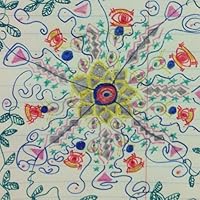
Using genetics, experimental abnormal and clinical psychology, personality research, descriptive psychiatry and literary analysis, the authors present the revolutionary idea that normality and psychosis are continuous with each other. This groundbreaking work explores the lives and works of ten authors, among them Virginia Woolf and Sylvia Plath, who embody both serious mental illness and great originality of thought. The book draws upon personal diaries, historical archives, clinical records and literary productions, and examines modes of thinking such as divergent thought, over-inclusiveness, and autism, which psychosis and creativity might have in common.
Dr. Gordon Claridge was a British psychologist best known for his pioneering research on schizotypy, a concept that explores the continuum between normal personality traits and vulnerability to psychosis. After earning his PhD under Hans Eysenck and Neil O’Connor, Claridge held influential academic and clinical positions at institutions including Bristol, Glasgow, and Oxford. He published widely on personality and mental illness, often challenging conventional boundaries between health and disorder. His books include Schizotypy: Implications for Illness and Health and Sounds from the Bell Jar.
While this is a worthwhile book if anyone has an interest in depression at the psychotic level, schizophrenia, bi-polar disorder, etc., I wouldn't recommend it to those not leaning in that direction. The book asks an almost unanswerable question about the relationship between literary genius and madness, and quotes much relevant scholarship. The bulk of the book is material about individual writers from the 14th to the 20th centuries weaving information about their antecedents (many of whom were described as insane), their upbringing (often idiosyncratic to point of abuse and/or neglect, and their adult personal and professional lives. The authors then make a tentative diagnosis of what label might best fit the person in question, taking cultural and historical factors into consideration. It does not in any glamorize madness (to use a generic term) and the havoc it wreaks both on the sufferers and most people in their lives.
I read this out of a sense of duty to my college self. I’m glad I got it out of the way. It’s definitely a painful and honest glimpse into depression and how stupidly it was treated in the late 40s, and a lot of Plath’s insights resonated with me. Wish we’d seen her older reflections upon this book, to see if she’d outgrown the period-appropriate racism and homophobia… anyway, glad I finished it.