À quelques mois de la retraite, Mohamed n'a aucune envie de quitter l'atelier où il a travaillé presque toute sa vie depuis qu'il est parti du bled. Mais un matin, il prend la route de son village natal, décidé à construire une immense maison qui accueillera tous ses enfants. Un retour «au pays» qui sera loin de ressembler à ce qu'il imaginait...
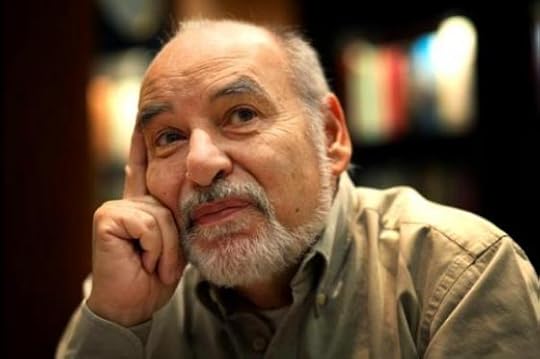
Tahar Ben Jelloun (Arabic: الطاهر بن جلون) is a Moroccan writer. The entirety of his work is written in French, although his first language is Arabic. He became known for his 1985 novel L’Enfant de Sable (The Sand Child). Today he lives in Paris and continues to write. He has been short-listed for the Nobel Prize in Literature.
The story of a devout Muslim Moroccan immigrant living in Paris. He's a worker on an auto assembly line at Renault. He lives in the Arab ghetto projects, where the young Muslims occasionally riot and burn cars, but he has no interest in politics – he loves his job and his life.
Once a year on vacation he returns to visit family in the old village which is like going back 50 years in time. He drags his kids along and they get bored after the first couple of days. But, in his opinion, all is well – wonderful, really. He compares his life with others in the factory, so we get little vignettes of the lives and problems of other immigrants. Then his children reach adulthood and he is of the age where he has to take compulsory retirement. Now what will he do with himself?
He gets the idea of blowing his retirement fund on building a palatial western-style house in the old village – no running water or electricity, mind you -- and somehow he expects his children to come visit to celebrate the Muslim holidays and maybe even live with him. Meanwhile his grown children are completely westernized – they speak French, have their own families, and two even married Christians. Are they packing up to move to the old village? Don't hold your breath.
When he returns to the village to build his house, and while he waits for his children to arrive, the book switches to fantasy realism as spirits from his ancestral grounds reach out to him.
The author is probably the best-known Moroccan writer. He won France’s Prix Goncourt in 1987 for a book, The Sacred Night.
This book is translated from the French. Another good book I have reviewed which is about Moroccan immigrants in Europe (in this case, in the Netherlands) is The Book of Doubt by Tessa de Loo. (This is an edited version of an earlier review I posted.)
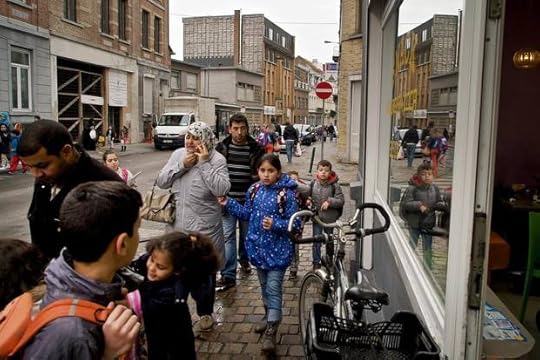
photo of Moroccan immigrants in Paris from theglobeandmail.com photo of the author from bookslive.co.za
أولا في البداية تحية لكل مغربي , مغاربي , عربي أو مسلم في بلاد الغربة , أعانكم الله على غربتكم و ثبت خطاكم في مواجهة صروف الدهر و ظروف الحياة .
رواية البلد للكاتب المبدع الطاهر بن جلون هي رواية الإنتماء , رواية الشرخ بين جيلين , جيل الآباء الذي يمثله محمد و هو عامل أمازغي مغربي هاجر إلى فرنسا في بداية الستينات فيما يعرف بتهجيرة اليد العاملة , إستقر بها يكابد و يعاني من تغير العقليات و إختلاف نمط الحياة , تقبل الحياة هناك بمرارة و لأجل الخبزة كما يسميها البعض , إلى أن جاء اليوم الموعود و الذي حول حياة محمد و غيرها , ذلك اليوم الذي خافه محمد أكثر من خوفه من الموت , ذلك اليوم الذي إنتقل فيه محمد من الحياة العملية و الروتين اليومي الشبيه بآلة ألمانية متقنة الصنع إلى حياة الفراغ و اللاعمل , إنه التقاعد . جيل الأبناء الذين تربوا في فرنسا و كبروا فيها و درسوا في مدارسها , البلد بالنسبة لهم ليست سوى مكان لتمضية العطلة , الحياة بالنسبة لهم هي الوصول إلى سن البلوغ ثم الإنتشار في الأرض ضاربين الأسرة و قيمها عرض الحائط , تغذوا و رضعوا العقلية الفرنسية التي تؤثر الحياة الدنيا و متعها على كل القيم الأخرى دينية كانت أو أسرية .
محمد قتله التقاعد , قتله القهر و الحزن , قتله حلم رؤية أولاده يحيطون به في بلده .
Quello dell’emigrazione è uno dei temi particolarmente cari alla scrittura di Tahar Ben Jelloun. Del resto, in quanto marocchino emigrato in Europa da decenni, anche se non certo per svolgere lavori di bassa manovalanza come molti suoi connazionali, non potrebbe essere altrimenti. Anche Mohamed, il protagonista del suo romanzo “Au pays”, ha lasciato il Marocco molti anni addietro per andare a vivere e lavorare in terra francese. Una vita semplice, la sua, fatta anzitutto di onesto lavoro, famiglia, sincera devozione religiosa e ferie estive trascorse immancabilmente nel paese nordafricano, tra la gente del suo sperduto villaggio d’origine in cui non sono ancora arrivate né l’elettricità né l’acqua corrente dentro casa. Arriva il momento della pensione, che però Mohamed vive con crescente angoscia, temendo di ridursi a condurre un’esistenza vuota e priva di utilità. È allora, come per sfuggire quella che ai suoi occhi appare l’anticamera della morte, che inizia a considerare l’idea di far ritorno al suo paese per costruirvi una grande casa dove riunire la famiglia al completo, senza tuttavia essere certo se i suoi cinque figli, ormai adulti e indipendenti, e soprattutto abituati a stili di vita più da francesi che da marocchini, siano o meno propensi a lasciare tutto e trasferirsi laggiù. Riuscirà il pover’uomo a realizzare il suo progetto? Con la consueta maestria del grande narratore, Tahar Ben Jelloun ci regala un romanzo che parla di emigrazione e (non completa) integrazione, di radici e sradicamento, di speranze e illusioni. Molto ben caratterizzato, il personaggio di Mohamed incarna alla perfezione l’immigrato di prima generazione che, seppur lontano da qualsiasi forma di estremismo religioso, tollerante e formalmente integrato, non riesce ad andare oltre certe frontiere culturali e sociali che lui stesso s’impone (noi-loro) e a distaccarsi pertanto da logiche legate al clan familiare (e nazionale) d’appartenenza; il venir meno di queste ultime provoca in lui disorientamento e timore di perdere la propria identità, mentre le seconde generazioni imparano presto a mantenersi in equilibrio, anche se talvolta precario, tra due culture diverse. Particolarmente intense le pagine che rievocano la partenza e il lungo viaggio dell’allora giovane Mohamed alla volta di quella che lui chiamerà sempre, con rispetto e spesso anche con un pizzico d’ironia, “Lalla França” (“lalla”, traducibile con “signora”, in Marocco è un titolo da principesse), dove la gente va di fretta e ad accoglierlo c’è soltanto la solitudine del silenzio.
“Il n’arrivait pas à s’imaginer qu’il n’allait pas retrouver la tribu, la famille, ce bled qui faisait partie de son corps et de tout de son être. Il sentait que quelque chose se détachait de lui, que plus le train avançait, plus le village qu’il avait quitté devenait minuscule jusqu’à disparaître entièrement. […] Il ne savait pas qu’il était en trai de passer d’un temps à un autre, d’une vie à une autre. Il changeait de siècle, de pays et d’habitudes.”
Attorno a quella del protagonista ruotano altre vicende, alcune delle quali non dissimili, altre invece di totale disadattamento, come quelle della giovani generazioni nate e cresciute nelle banlieue che insensatamente danno fuoco alle auto parcheggiate per le strade del quartiere. Una piccola storia ricca di spunti di riflessione, a tratti addirittura commovente, sullo sfondo di una Francia dove chi arriva, inevitabilmente, si porta dietro molto della propria terra d’origine e, nel contempo, di un Marocco, ancora per buona parte rurale e arcaico, dove chi ritorna non sarà mai più lo stesso di quando era partito.
মরক্কোর এক মরুগ্রামের অধিবাসী মুহাম্মদের দেখা পাই আমরা ফ্রান্সের মাটিতে। গত চল্লিশ বছর ধরে সে এখানে বাস করছে। তার পাঁচ ছেলে-মেয়েকে মুহাম্মদের একটু দূরের মানুষ বলেই মনে হয়। সে আসলে শাসনকারী পিতা নয়। চাপা স্বভাবের হওয়ায় কথাবার্তা একটু কমই বলে সে।
ইসলাম বলে সব মানুষ সমান। গ্রামের একটি মেয়ে আফ্রিকানকে বিয়ে করায় সেটা নিয়ে কত কথা! আমরা অবাক হয়ে দেখি মুহাম্মদের বন্ধু কাদের নিজেকে মুসলিম দাবি করে অথচ তার বক্তব্য হচ্ছে –“I’ve nothing against black Africans, I even think they’re okay, but what I can’t stand, it’s their smell, and yes, we all have a smell, but me, I’m allergic to the smell of Africans, I can’t help it, but I’m not racist.”
বড় ছেলে মুরাদ বিয়ে করেছে এক খ্রিস্টান মেয়েকে। বাবা হিসেবে ছেলের বিয়ে মেনে নিলেও মেয়ের খ্রিস্টান স্বামীকে মেনে নেয় না মুহাম্মদ। মেয়ের প্রশ্ন ইসলাম যে অধিকার ছেলেকে দেয় সেটা মেয়েকে কেন দেয় না?
মুহাম্মদ হজ্জ করেছে এবং রোজ পাঁচ ওয়াক্ত নামাজ আদায় করে। সে তার স্ত্রীর মতনই নজর লাগা, তাবিজ-কবজ, জীন-ভূতে বিশ্বাস করে। সে এই কুসংস্কার থেকে বের হতে পারেনা তবে সে তা স্বীকারও করে না, লেখকের ভাষায় “He was superstitious, although he would never have admitted it, since only women believe such nonsense.”
মুহাম্মদের একবন্ধু কাজ থেকে রিটায়ার করার পর মরক্কোতে তার গায়ে চলে যায়। কিন্তু আধুনিক সুযোগ-সুবিধায় বেড়ে উঠা তার ছেলেমেয়েরা কেউ সেখানে যেতে রাজি নয়। শেষকালে তার বন্ধুটি গায়ের বাড়িতে একলা একা মারা যায়। মুহাম্মদ ভয় পায় তার রিটায়ার করার পর কি এমনই ভাগ্য তাকেও বরন করতে হবে! সে এমন একলা একা মৃত্যু চায় না। মুহাম্মদের মতন আমরাও গালে হাত দিয়ে ভাবতে বসি আধুনিকতা মানে কি বাবা-মাকে উপেক্ষা করা! নিজের অতীতকে মুছে ফেলা!
মুহাম্মদের ছেলে-মেয়েরা সব বড় হয়ে গেছে তারা নিজের জীবনকে একান্ত নিজের মতন করে যাপন করতে শিখেছে। এদিকে মুহাম্মদ রিটায়ার করার পর মরক্কো ফিরে গিয়ে বিশাল এক বাড়ি বানিয়েছে। সে আশা করে তার সব ছেলে-মেয়ে, নাতি-নাতনীদের নিয়ে সেখানে বসবাস করবে একটি সুখী পরিবারের মতন। তার দাদা বা বাবার মতন করে। তার মেয়ের কথা শুনেই আমরা বুঝতে পারি বাকি ছেলেমেয়েদের মনোভাব – “Papa, please, weak up! The world has changed, and I’m not the little girl you used to shower with candies anymore. That’s over- give up, move on, forget this house and this idea of bringing us all back together as if we didn’t have our own lives to live.” আমরা বুঝলেও মুহাম্মদ বুঝে না। সে আশা করে তার ছেলে-মেয়েরা আসবে, সে পথ চেয়ে থাকে….
আমরা মুহাম্মদকে দেখতে পাই তার নতুন বাড়ির দরজার কাছে নাওয়া-খাওয়া বাদ দিয়ে একটি চেয়ারে বসে থাকতে আর অদ্ভূত সব স্বপ্ন দেখতে। চেয়ারটি আস্তে আস্তে মাটিতে দেবে যেতে থাকে সেই সাথে তার শরীরও। সবাই তাকে ওখান থেকে উঠে আসতে বললেও সে তা করে না। লেখকের ভাষায় “he was no longer waiting for his children but for release from the mercy of heaven,” তার স্ত্রীকে আমরা এসব বিষয় নিয়ে খুব একটা উচ্চবাচ্চ করতে দেখি না। জিব্রানের মতন তাকেও আমরা বলতে শুনি, সন্তান জন্ম দিলেও তারা তো আমাদের নয়, তাদের জীবন তাদের। যদিও শেষ পর্যন্ত আমরা তাকে ফ্রান্সে রওনা হতে দেখি ছেলেমেয়েদের নিয়ে আসার জন্য। কিন্তু প্রশ্ন হচ্ছে তারা কি আসবে? মুহাম্মদের স্বপ্ন কি পুরন হবে? সব স্বপ্ন কি পূরন হওয়ার জন্য দেখা হয় নাকি কিছু স্বপ্ন আজীবন অধরাই রয়ে যায়!
পুরো বইটাতেই ইসলামের ফ্লেবার পাওয়া যায় যদিও তার অনেকটাই কুসংস্কারের হাওয়াই মিঠাই দিয়ে মুরানো। বর্তমানে ইসলাম ধর্মের বাস্তবতা বোধহয় এটাই। আর পাওয়া যায় পুরনো মূল্যবোধের সাথে আধুনিক মূল্যবোধের সংঘাত। লেখক কোন পক্ষ সমর্থন করেননি.… এটা পাঠকের উপরেই নির্ভর করছে কি দেখবে সে বইটাতে। তাহের ভাইয়ের লেখার স্টাইল বেস ভালো লেগেছে।
I am a sucker for a day in bed with a book, but many years of schooling killed any desire for non-academic reading. In the last couple of months I have finally begun to come out of my reading coma and my first real author crush is on Tahar Ben Jelloun. Ben Jelloun is considered Morocco’s greatest living author and poet. I stumbled upon an English translation of his novel A Palace in the Old Village while living in Marrakech and fell in love. His descriptive story telling weaves humor and history to provide a portal for the reader to make a physical connection. He places his intimate portrait of his characters within the push/pull of political context. A Palace in the Old Village is a story about an immigrant’s dream to return home. The narrator, Mohammad, is an economic immigrant that leaves his village in western Morocco after being recruited to join the wave of North African labor that moved to post-WWII France. After living in France for more than 30 years, his compulsory retirement pushes him to consider returning to his home village. The story is a mixture of heartbreaking and comical insights into all the different components that define home and the complicated, and often unresolved, relationship of migration to a sense of place.
Years ago, I read This Blinding Absence of Light, and was absolutely floored. Just jaw-dropping, melancholy prose set in about as rough an environment as you could imagine. Years later, I've tracked down another of Tahar Ben Jelloun's novels, and found something just as melancholy, but rather than set in the explicit bad of a desert prison, it's set between worlds. Between metropolitan France and the Moroccan village, between old and new, tradition and modernity, and the odd interstices -- for example, the ways in which newly radicalized Muslim youth in Europe are perhaps even more alien from their parents than they are from their ancestral lands. Like the best postcolonial novels, it offers no easy answers, no heroes, no simple solutions, only human struggle.
المضمون فكرته جيدة كيف تنال الغربة من المهاجر وكيف يقتلك الفراغ الغربة التي تضطر المرء للقبول بها والعيش في كنفها ،لكنك ستدفع ثمنها باهضا كما دفع محمد اولاده فلذة كبده كمقابل لكن الاسلوب متداخل بعض الشيء مرة محمد مرة الراوي متفرقش شكون يحكي لكن بالمجمل العام جميلة
Kitap okuyormuşum gibi değil de Muhammed Limmigri ile birlikte çalıştığımız Fransız fabrikasının bahçesinde muhabbet ediyormuşum, Mağripli göçmenlerin takıldığı bir kahvede dedikoduları dinliyormuşum veya yazları hediye dolu valizlerle gelen amcamla muhabbet ediyormuşum gibiydi; çok sade, içten bir anlatımı vardı. Sırf vurucu bir son olsun diye apar topar, üstelik karakterin ruhsal tasvirine hiç uymayan davranışlarıyla bitmeseydi o bir yıldız da bende kalmazdı. :)
Vespolek. Tahle knížka je o starým muslimovi, kterej utekl z Maroka do Francie a tam vychoval svých šest dětí, Le Bagueta, Le Croisanta, Le Šneka, Le Čokoláda, Le Francouzák a Le Provensálské koření. Jak už to ale tak bejvá, lidi někdy zestárnou a jdou do důchodu. To se přihodí i starýmu muslimovi, kterej to nemůže rozdejchat. Je divný, že s průchodem, podchodem nebo záchodem problém žádnej nemá, ale s důchodem ano. No rozhodne se, že se přestěhuje zpátky do Maroka a postaví tam barák velkej jako šaty haliny pawlovský - tedy největší palác ve vesnici, a to jen proto, aby tam mohl pozvat všech svých šest dětí. Problém ale je, že skoro všichni ho nenávidí, protože je sice poctivej a hodnej člověk, ale taky koránem vymaštěnej magor.
Knížka je svižná a dva hlavní motivy, který řeší, jsou dost zajímavý - muslimáctví ve Francii a celkově imigrantství a ztráta identity + strach ze stáří a rozpad rodiny, kdy se děcka rozletí do celýho světa. Bohužel, je to takový nemastný neslaný. Předvídatelný konec tomu taky moc nepomáhá.
البلد، أولى رحلاتي مع الطاهر بنجلون. هم يفرحون بالعيد كما يريدون، وأنا أفرح بأنني أنهيت الرواية هذا اليوم.
في البلد، يكتب الطاهر مأساة محمد، الذي هاجر وأولاده إلى فرنسا، فأصبحوا بقوالبهم وقلوبهم فرنسيين، إلا الأبَ. يتحدث عن البلد الأصلي، سواء المغرب أو الجزائر أو غيرهما، وحداثة البلد الجديد، فرنسا أو إسبانية أو غيرهما، وتأثير الهوية الجديدة، البيئة المكتسبة على الصفة الأصلية، البيئة التي تمحو ما سبق، حتى تتبدل الهوية غير ما كانت.
بعد تقاعد محمد عن عمله، يحاول لملمة شتات أولاده، فيعود إلى موطنه الأصلي، يبني بيتاً كبيراً ثم يدعو أولاده واحداً واحداً، يدعوهم ليلتقيهم في أحد الأعياد، ليكونوا بجانبه، عائلة يد الفرد فيها بيد الآخر، وقلوب الأولاد على أبيهم. لكنّ، فرنسا، كانت قد جرفتهم بعيداً فيها، وغيّرت من عقولهم، وغسلت أفكارهم بأخرى مغايرة للمعتقدات أو الدين الأول.
من الرواية:
تتفتت العائلة. كان يعزي نفسه بأن يقول لنفسه: هذه هي الحياة، نلد أطفالاً، ندلّلهم ثم ذات يوم يرحلون، وبالكاد يتذكروننا، لكن ما العمل؟ لو كنا في القرية لكانوا كلهم هناك. تحت نظري. هنا نحن في بلد لا يرحم. يجب الكفاح طول الوقت للعيش، للتنفس، للنوم في سلام.
لقد فهمت، منذ زمن طويل، أن بناتها وأبناءها لم يعودوا في ملكهم، وأن دوامة فرنسا التهمتهم، وأنهم يحبون حياتهم، ولا يحسون فيها بالأسف والندم. لقد رأتهم يذهبون، وعرفت أنها لا تمتلك الوسائل لإبقائهم، لأن تحتفظ بهم بجانبها هي وزوجها. كانت تنظر من حولها وتلاحظ أن فرنسا تلتهم، بشكل أو بآخر، أولاد الأجانب.
فرنسا أخذت أبناءه، فرنسا أعطته عملاً، ثم أخذت منه كل شيء، أقول هذا لكل أولئك الذين يحلمون بالهذاب للعمل في الخارج. قيمنا لا تساوي شيئاً هناك، لغتنا لا قيمة لها، هناك، تقاليدنا لا تحترم.
محمد المهاجر المغربي في فرنسا وصراع الهوية والبقاء والمحافظة على الجذور ،، محمد هو الجيل الأول من المهاجرين الذين يرتبطون روحياً بالبلد الأم ولا يرى في بلد المهجر سوى معبر مؤقت للعمل وجمع المال ثم التقاعد والعودة لحياة الآباء والأجداد والسلوك القويم وللعادات المتوارثة من الذين يدركون حكمة الحياة ، الجيل الثاني وهم الأبناء الذين يرون في فرنسا بلد الحياة والمصير والفردية والحريات والاختيار ، هذا التناقض بين الجيلين الذي لم يستطع محمد ردمه هناك فعاد ليبني حلمه في بلدته ولكنه كذلك لم يتمكن من إعادة ما ليس موجوداً فقد انتهت البلد بالنسبة لهم كمواليد فرنسيين وعاد ليقتله التقاعد وحلمه بالعائلة الممتدة ،، الرواية تطرح إشكالية الغربة لملايين المهاجرين في الغرب بكثير من التفاصيل والألم ، الحوار الهادر الذي يدور داخل محمد الصامت الطيب الهاديء والحياة التي ينتمي إليها في المغرب بكل تعقيداتها هناك ولا يفهمها في فرنسا و المفارقات التي تجعله وهو القروي الأمي يعقد عشرات المقارنات والتساؤلات في داخله لينتهي نحو مسلمة واحدة هي أن هذه ليست حياتنا وليست بلادنا ، نحن مغاربة مسلمون وهذه فرنسا وليست لنا ولن تكون بيد أن الأبناء لا يجدون هذه المقارنات مجدية ففرنسا وطنهم ولا شيء آخر ،، رواية تختزل الكثير من المعاناة والصراع بين العودة والإندماج
Whenever I gazed at the horizon, at that dry mass of red and grey rock, my dreams were too intimidated to show their faces; I feared they might become stuck in that barren landscape, so hard and hopeless. Everything was exaggerated in that place: cold and heat, light and storms, the stars that swarmed in infinite numbers on some nights, and the clouds that blanketed the sky without shedding the tiniest drop of rain. So the dreams stayed sleeping in a cave I never dared to explore. I was scared of what I might find. Dreams, they’re like memories: I don’t know where they go or where they hide.
Un libro con una profundidad reflexiva muy interesante. A través del protagonista Mohamed, un inmigrante marroquí en Francia a punto de jubilarse, se abordan cuestiones tan amplias como la xenofobia, el racismo, la inmigración, la explotación laboral, la corrupción, las pésimas condiciones de vida en el tercer mundo, las prerrogativas del Islam, el machismo, la idea de familia, entre muchas otras. La lectura es lenta, Mohamed se sume en largos pensamientos, recuerdos y disquisiciones y en eso consiste la mayor parte del libro. Por momentos no queda claro cuál es la voz narrativa, hay un narrador en tercera persona pero este va alternando repentinamente con discursos en primera persona o incluso diálogos. El protagonista es un personaje con el que es difícil sentirse identificado. Su refugio es el Islam y la añoranza, finalmente problemática, de reunir a su familia en su aldea natal. Como trabajador e inmigrante, se le retrata por momentos bastante alienado, hundido en la rutina de la que salir representa una crisis, temeroso de reclamar lo que le corresponde y fiel en demasía (para mi gusto) a la fábrica en la que trabaja. Toda la cuestión de la recomposición de la familia también es un tema delicado. Sus hijos tienen otras aspiraciones y otros valores, criados ya en Francia y fuera de la tradición propia del Islam y de la vida en la aldea marroquí muy fuertemente arraigada en Mohamed. Pero él es severo y terco, no le es posible comprender las visiones disidentes a su esquema de valores. El final me conmovió porque instala ese dilema. Sus hijos también habrían podido ceder un poco. En definitiva, aunque no es un libro deslumbrante, aborda muchas temáticas y pone sobre la mesa reflexiones y discusiones interesantes, desde un punto de vista poco habitual. Me gustó.
Per Mohamed arrivare in Francia dal sud del Marocco non è un viaggio come tanti: vuol dire attraversare un secolo andando incontro a tradizioni, cultura e lingua diverse. Vuol dire iniziare una vita nuova che di quella passata non conserva alcuna traccia, se non quella della nostalgia. Vuol dire piombare in un mondo in cui le stagioni non hanno colore e il tempo trascorre nella monotonia e ripetitività di un lavoro che riempie le giornate regalando alla sera una stanchezza che concilia e assicura il riposo. E vuol dire anche vivere ai margini di una società cui non sentirà mai di appartenere e che gli toglierà i figli, abbagliati da una libertà che il rispetto delle tradizioni non consentirebbe loro. La vita si trascina fino al giorno, temuto, della pensione. Giorno in cui anche la routine del lavoro verrà meno e prenderà il sopravvento una nuova stanchezza, nata dal nulla che raggiunge le ossa. Mohamed decide di tornare in Marocco per costruire una casa enorme, grande come il suo cuore e disordinata come i suoi pensieri, nella speranza che in essa si realizzi il suo sogno di sempre: la sua famiglia riunita nella fede e nelle tradizioni. E' un libro intenso e tristissimo, struggente come la solitudine e l'incomunicabilità. Una storia che non lascia spiragli, perché anche la speranza verrà inghiottita da una terra che respinge chi l'ha abbandonata. Potrebbe essere un libro splendido, ma ha purtroppo un andamento discontinuo, a tratti perfino sciatto.
I loved the voice of Mohammed in this, the first novel I’ve read by Tahar Ben Jelloun, the distress he feels over upcoming retirement, his stories of emigration and immigrant life in France. The way in which he struggles with the fact that his children are French citizens with French values and culture who neglect their ties with their family is poignant and when he decides to return to Morocco and build a home in the hope that his children will follow him, we can only cross our fingers. Up until this return this probably would have been a five star read for me but once in Morocco, the narrative changes to become more dreamlike and mystical. This was no doubt intentional, especially as Mohammed is aging, but the shift in tone took me out of the story a bit. Even so, I would still eagerly read more by Ben Jelloun for the window he gives into a life and culture very different to my own.
When someone talks to me about Tahar Ben Jelloun, it's like preaching to the converted! His latest book is no exception. The writing style is faithful to itself, and the book is both touching - tough even, especially near the end - and also realistic. I easily felt friendship for the almost workman-like Mohamed, who later retires. The reader totally understands his feelings towards the confusing relationship he, as well as his whole generation of immigrants, have towards France, and the contrast between France and his country of origin, Morocco.
I found in this book the same kind of love and devotion to the family that we often see in M. Ben Jelloun's books (I particularly recommend "My Mother"). I'm impatiently looking forward to his next book!
وكالعادة.. يخبرك بن جلّون في نهاية كلّ رواية؛ أنّك إنسانٌ حقا، وتحترم إنسانيّتك، لأنكَ بكيتَ حين انتهيت من الكتاب وأغلقته. بكيتَ الأحلام المتكسّرة التي كنتَ تنسجها لتنقذ بها شخوص الرواية. بكيتَ آمالك بتغيير مجرى الأحداث لصالح سعادتهم. وصلتَ إلى النهاية، ولم يحدث شيء يغيّر تلك الكآبة القاتلة والحزن العميق اللذان يخنقان روحك! ببساطة.. لا يمكن تغيير الحياة والواقع بكلمات سحرية، ولا بآمال أو أحلام. وروايات بن جلّون هي الواقع.. وهي الحياة بكلّ ما فيها. إنّك تحتاج إلى أكثر من التمنّي لتخرج من موجة البكاء الثقيل التي غرقتَ فيها، لتخرج.. وتتنفّس.. وتعيش. تحتاج إلى أكثر بكثير من التمنّي، لتعود للحياة وقد رأيتَ الموت قبل لحظات بكلّ تفاصيله المؤلمة.. ولو في صفحات كتاب.
Tahar Ben Jelloun bu eserinde, Muhammed Limmigri karakteri üzerinden göç ve sonrasındaki kimlik karmaşasını işlemiş.
Muhammet müslüman, dürüst, inançlı, 40 yıl aynı fabrikada çalışmış, kendi halinde bir aile babası. 1962 Eylül'ünde para kazanmak için Fas'tan Fransa'ya göç etmiş/ettirilmiş. Hikayesini anlattığı zaman da artık onun için alışılması çok güç olan "emeklilik" evresine yaklaştığı ana denk geliyor.
Eşinin, arkadaşlarının ve çocuklarının üzerinden özellikle kimlik meselesini çok güzel işlemiş. Bu kısımda önceden bizim ülkemizde de yaşanan Avrupa'ya göç edip, orada Türk mahallelerinde kalma, Türkiye'ye tatillerde dönerken çikolata, elektronik eşya vb. hediyeler getirme gibi bir çok nokta size çok tanıdık gelecek. Çünkü göç eden adamın ismi Muhammed, dini İslam, gittiği ülke Avrupa'da Hristiyan bir ülke,bu noktalar yakın geldiği için okuma,anlama ve hissetme bağlamında da kolaylık sağlıyor.
Tahar Ben Jelloun takip ettiğim kadarı ile göç, mültecilik, yurtsuzluk, kimlikler arasında sıkışmışlık gibi konulara ağırlık veren bir yazar, bu konuları seviyorsanız tavsiye ederim. Kısacak kitapta, birçok duyguyu yaşayabiliyorsunuz.
Lafı çok uzatmadan, birkaç alıntı;
**Renkleri sevmediğimi zannediyorlar, çünkü çocuklarım her zaman griler içinde oluşumu eleştiriyorlar, aslında ilkbahar renklerini, doğal renkleri çok seviyorum, bunları sırtımda taşımama gerek yok,hepsi zihnimde duruyor,yorgun olduğum zaman bana müzik çalıyorlar, renkler dışıma çıkmıyor, bu yüzden hep hüzünlü olduğumu söylüyorlar, hüzün demek hayal kırıklığı demektir, hiçbir şey umduğum gibi olmuyor, elimden bir şey gelmediği için yüzümü kapalı tutuyorum ve tıpkı bir çılgınlığa kapılmış gibi ya da tedavisi olanaksız bir hummaya yakalanmış gibi debelenip duran insanları seyrediyorum; Fransa'ya geldiğimden beri hüzünlüyüm...
**Dindar, ahlaklı, Tanrı'nın yolundan asla ayrılmayan iyi bir Müslüman'ın sapkınlardan daha çok acı çekmesini anlamıyorum. Tanrı biliyor ki, sapkınlar çok kalabalıklar ve her yerdeler. Başarıya ulaşıyorlar, çalışmadan para kazanıyorlar, başkalarının malı mülküyle palazlanıyorlar, sağlıkları yerinde, herkesten fazla yemek yiyorlar ve hep şöyle diyorlar: Elhamdülillah! Eşşükrülillah! Sonra kendilerinden memnun bir halde geğiriyorlar.
**Kimse gelmedi. Ne bir araba sesi, ne bir toz bulutu, hiçbir şey. Çevrede, doğal olmayan bir sessizlik hakimdi. Tek bir kuş, tek bir böcek bile havada uçmuyordu. Hiçbir şey kıpırdamıyordu. Her şey donmuştu. Sanki yüksekten gelen bir buyrukla herkes susmuştu. Onun içindeki sessizlik, dünyanınkini bastırıyordu. Oradaydı, orada duruyordu, yüreği bekleyişle ve sorularla dolu bir halde. Sadece bir dua mırıldandı, son bir yakarış gibi.
This small novel probably will not live on as a significant work of literature, but it is very timely and, like Ben Jelloun's other writings. highly enjoyable. The story concerns Mohammed, who came to France from Morocco in the 1960's to work at an automobile factory. He is a good man, who is not at all sympathetic to radical movements within Islam and who, in his own peculiar way, cares deeply about his family and friends. But he is also completely incapable of adapting to France and, indeed, to the modern world, which alienates him from his children, who are more French than Moroccan. After many years as a devoted worker, Mohammed is retired and receives a generous pension--this itself a French custom he can't fully understand. He returns home to build a "palace" that he thinks will be a gathering place for his children . . . the patriarch's dream. His indulgent wife watches his folly as he waits in vain for his children to "come home" to Morocco, which of course is not their home! What happens then, which I will not disclose to avoid a "spoiler alert," is a piece of magical realism that will strike some readers as a beautiful vindication of a good man and others as a bizarre way of trying to redeem a character who is in large measure a victim of his own cultural stubbornness. I find myself in the latter camp but recommend this novel nevertheless as an important work on the problems of Muslims who live and work in Europe but either cannot or will not adapt.
النجمتين لمشهد النهاية حين موت محمد وهو جالس على كرسيه طوال اربعين يوماً دون ان يتحرك منه او يأكل او يتكلم . هل دوافعه كانت كافية للقيام بذلك الانتحار البطيء ؟ لا اطن . لكن المشهد جميل وهو يغوص بكرسيه -ثم بجسده - في الارض ، رويداً رويداً ، حتى دفنته الجاذبية و الزمن .
Mohamed llegó a Francia desde Marruecos. Se ha mantenido fiel al islam y siempre tiene el Corán cerca, porque ese libro lo nutre espiritual y éticamente.
Está a punto de jubilar y teme ese momento. Ha formado una familia con varios hijos, pero no todo ha resultado como esperaba. La generación de sus hijos tiene otras visiones, costumbres y proyectos.
Mohamed realiza un balance entre su pasado marroquí y sus años en Francia. Lo atormentan dudas sobre lo que se viene en este momento crítico de su vida. Y vuelve la mirada a Marruecos, para darle un cierre significativo a la última etapa de su vida.
Una novela muy bien escrita, donde, mediante la alternancia entre un narrador omnisciente y un monólogo interior que da cuenta de las reflexiones y recuerdos del protagonista, se arma una historia emotiva que toca los temas del desarraigo, el choque cultural, la identidad, la familia y las problemáticas sociales que conlleva la inmigración en el mundo contemporáneo.
This book really made me rethink many many things in my life. I read it for a university class and I`m honestly very grateful my professor picked this out. Thinking of my grandfather, who came to Germany in the 70`s, brought his family and worked super super hard for everybody. Idk i have many confusing thoughts right now
Muhammad drifted peacefully through his life. He never questioned the ways of the village he grew up in, or the customs of his culture, even when he and his family were uprooted to France. He knew who he was and quietly went through life that way, secure in what he knew to be so. He locked himself away from the new reality of life in France, assuming that things would work out as he knew they would. It sounds pretty blissful, especially to me, who questions everything and worries endlessly about the future. His dreams didn't play out as he envisioned. What does?
On another note, I discovered the existence of Harun al Rashid and his connection to the Thousand and One Nights, which delighted me because of the connection to Rushdie's wonderful book that I enjoyed so thoroughly, Haroun and the Sea of Stories. I love stumbling upon these paths weaving through quite separate works!
Lorsqu'on me parle de Tahar Ben Jelloun, on prêche une convertie! Ce livre ne fait pas exception. Le style d'écriture est fidèle à lui-même, et le livre est à la fois touchant, fort même (spécialement à la fin), et réaliste. On se prend facilement d'amitié pour Mohamed, ouvrier presque puis à la retraite, sur sa relation (un peu confuse) et celle des immigrés de sa génération avec la France, les comparaisons, aussi bien positives que négatives,avec le bled, et toujours cet amour fidèle envers la famille que l'on retrouve dans d'autres oeuvres de M. Ben Jelloun (je recommande particulièrement "Sur ma mère"). J'attends le prochain avec impatience!
رواية تحكي قصة مهاجر مغربي في فرنسا، عن عمله، عن انتماءه لبلده، عن أولاده الذين تسرقهم فرنسا منه! رواية جميلة حقا، تغيرت بعض مفاهيمي بعد قراءتها التقاعد مثلا، ارتبط معناه في عقلي سابقا بالراحة، ولكن بعد قراءة الرواية اكتشفت كيف يمكن للتقاعد أن يقتل رجلا قضى سنين عمره يعمل! وهناك أيضا قضية الانتماء للوطن. لم أستطع أن أفهم لماذا تتلهف أمي لزيارة بلدنا الأم وتعتبره المكان الوحيد الذي تنتمي إليه رغم أننا نعيش في العاصمة منذ 20 سنة! لم أستطع أن أفهم شعور أمي سوى بعد أن قرأت هذا الكتاب. الكتاب فتح آفاق عقلي إلى قضايا وأفكار كثيرة لم أكن أنتبه لها أبدا. عتبي الوحيد على اللغة، ربما لأنه كتاب مترجم، لا أدري، ولكن اللغة بدت غريبة في بعض المواضع!
في معظم رواياته يتناول "الطاهر بنجلون" موضوع الهجرة وصعوبة الإندماج، والحلم الدائم بالعودة لأولئك الذين هاجروا من بلدانهم، وخاصة من المغرب، بعد أن يكونوا قد حلّوا مشاكل صعوبة العيش.
الدِّين، المفاهيم الإجتماعية، اللغة، نمط الحياة، ذكريات الطفولة، الإنتماء... كل ذلك، يزيد من الأسئلة التي تعمّق الحيرة، وفوق ذلك يأتي الأولاد... الأولاد الذين ولدوا في "فرنسا"، وليس لهم ذكريات عن "البلد"، ولا يحتملون نمط الحياة والمفاهيم الإجتماعية التي يسعى والديهما لفرضها عليهم...! يفقد محمّد السكينة... إنهم الأولاد... تلك الحياة التي يعيشونها.
يدور حول حياة المهاجرين في بيئة مغايرة ، و انفصال الأبناء عن الاباء. و عند عودتك الى بلدك لتحقق حلمك الذي سافرت من أجمله : بناء دار كبيرة تجمع. شمل الاسرة ، حتى لا تمض عمرك او تموت وحيدا غريبا لا يسال عن ابن او بنت من الأبناء. اقام مجد دار لجمع اهله لكنه تلقى ضربة درامية مؤلمة فالغربة شقت صدر العائلة بين الكبار و الصغار فبم يستجب لدعواه للحضور لزيارة بيت الاب الجديد في المغرب .
..مشهد وفاة محمد في نهاية الرواية يعتصر القلب و يعكس عبثية حياته كلها التي أضاعها دون ان يحققق نتائج سعيه رواية جميلة .. اول مرة اقرأ لهذا الكاتب . من لديه ترشيحات لكتاب مغاربة أرجو ان يقدمها .
تخوض الرواية اشكالية المكان والفجوات التي تصنعها الغربة للمغاربة الذين تجبرهم الحياة للتغرب من أجل لقمة العيش ويخص هنا الطاهر فرنسا كونها أهم معاقل الغربة لديهم باحثا في تغير السلوك لحياة النشأة وما تكسبه من عادات يصعب الاندماج في نقيضها عند العودة الى الوطن ...لا أعتقد أن للنص صيغة جمالية أو أدبية بارعة .. لكنه أدى الرسالة التي أتت من أجلها الحكاية...لا بأس