

What do you think?

Mine-Haha, or On the Bodily Education of Young Girls
At once a dystopian fantasy and a critique of sexual norms, Mine-Haha describes a unique boarding institution for girls—part idyllic refuge, part prison—where pupils are trained only in the physical arts of movement, dance, and music, before issuing them into an adult world for which they have (unwittingly) been prepared. The narrator is an old woman recalling her strange childhood and the story is focused through the eyes of her earlier self. Praised by Leon Trotsky in 1908 for its progressive outlook, this symbolist novella is here presented alongside two rare, complementary short-fiction The Burning of Egliswyl and The Sacrificial Lamb .
112 pages, Paperback
First published January 1, 1901
About the author
Frank Wedekind
375 books82 followersFrank Wedekind was a German dramatist whose bold, unconventional plays reshaped modern theatre by challenging social norms and exposing the hypocrisies of bourgeois morality, especially around sexuality. Raised between Germany and Switzerland and drawn early to travel, performance, and satire, he lived an eclectic life that included work in advertising, time with a circus, and a celebrated stint as a cabaret performer with the influential troupe Die elf Scharfrichter. His fearlessness as both writer and performer made him a central figure in the artistic circles of Munich, where his sharp wit and provocative themes influenced a new generation of socially critical satirists. His early play Spring Awakening caused an uproar for its frank depictions of adolescent sexuality, repression, and violence, while his two-part “Lulu” cycle introduced a character whose rise and fall exposed society’s fascination with desire and destruction. These works challenged censorship, pushed theatrical boundaries, and later inspired films, operas, and adaptations across decades. Wedekind’s personal life was intense and often turbulent, marked by complicated relationships, creative restlessness, and brushes with authority, including a prison sentence for lèse-majesté after publishing satirical poems. His marriage to the actress Tilly Newes brought both devotion and strain, reflected in the emotional swings of his later years. Even near the end of his life, recovering from surgery, he returned to the stage too soon, driven by the same energy that fueled his art. His influence extended well beyond his death, resonating through the Weimar era and shaping the development of expressionism and later epic theatre. Many of his works were translated, staged, or adapted by major artists, ensuring that his confrontational spirit and fearless exploration of human desire would remain part of the theatrical canon.
Ratings & Reviews
Friends & Following
Create a free account to discover what your friends think of this book!
Community Reviews
Displaying 1 - 30 of 61 reviews

December 21, 2017
LO SPIRITO DELLA TERRA

Scritto all’alba del XX secolo, questo romanzo breve (brevissimo, cento paginette) racconta di un grande e magnifico parco, separato dal resto del mondo da un alto muro, oltre il quale è impossibile vedere, muro che si apre solo su un’alta cancellata di ferro tenuta chiusa da un pesante catenaccio
Q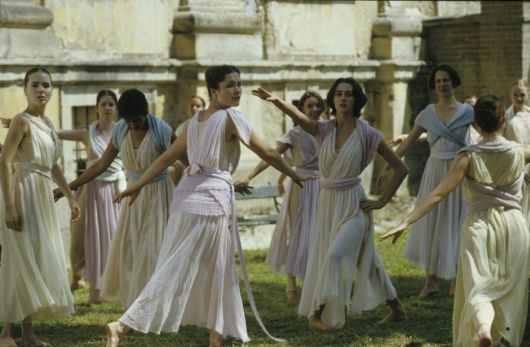
”The Fine Art of Love: Mine Ha-Ha”, il titolo originale del film non lascia dubbi sulla strada scelta.
Qui vivono circa duecento fanciulle che sono state lasciate nel parco alla nascita.
I genitori non compaiono mai, non li vediamo neppure quando lasciano i neonati in una cesta. Le insegnanti sono appartate come tutto e tutti.
I neonati vengono allevati da bambini di qualche anno più grandi.
All’età di 10 anni i maschi vengono separati dalle femmine (e che fine facciano non si sa), le fanciulle vanno a vivere in case indipendenti sparse nel parco, senza aver rapporti l’una con l’altra, men che meno col mondo esterno.
In questo universo chiuso (concentrazionario?), tutto è ordinato pulito perfetto: gli edifici geometrici e razionali, la vegetazione ben tenuta e rigogliosa, il vitto nutriente e buono, il vestiario funzionale e curato.
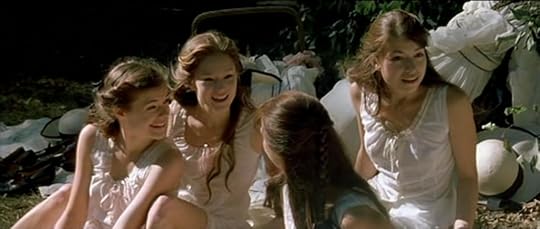
Il titolo italiano è fedele all’originale: “L’educazione fisica delle fanciulle”, omettendo però Mine Ha-Ha che avrebbe potuto confondere.
L’educazione delle fanciulle è solo ed esclusivamente fisica, proprio come recita il sottotitolo dell’opera, e trascura qualsiasi attività intellettuale o spirituale.
Quindi: ginnastica e danza, musica e canto e recitazione in quanto propedeutici alla danza, mirando alla perfetta tecnica corporea, alla purezza dei movimenti e del portamento.
L’errore non è ammesso, la debolezza respinta, il dolore negato, l’esercizio del comando inculcato.
Non sono ammessi, neppure incoraggiati, rapporti e amicizie particolari tra le ragazze. Non è concessa né prevista alcuna possibile decisione autonoma né, tanto meno, è possibile lasciare di propria volontà il parco.
Ubbidienza, senza particolare severità, ma rispetto delle gerarchie, dei ruoli, della supremazia, del potere: una ragazza che trasgredisce le regole viene tenuta a vita all’interno del parco, ridotta alla condizione di reietta, addetta ai compiti più umili.
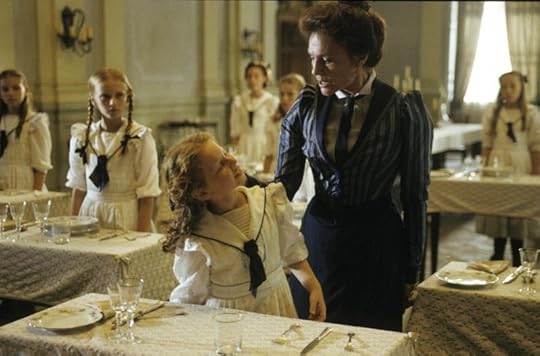
Jacqueline Bisset è la severa direttrice di quello che alla fine diventa solo un collegio.
Le fanciulle del parco vivono senza sesso, sotto controllo rigoroso di ogni pulsione erotica, in ascetismo estetico e scoraggiamento della vanità: la loro femminilità è espressa solo nell’esercizio fisico, spinto in territori che si ritiene appartengano all’arte. Gli esercizi di portamento, la danza, la musica, la recitazione, la ginnastica sono finalizzati a portare le ragazze nel teatro del parco, unico momento di apertura al mondo esterno, per mettere in scena recite e balletti di cui non conoscono e non sanno capire la trama, a cui il pubblico, unicamente maschile, assiste con goduriosa partecipazione.
Il teatro è un edificio posto all’interno del parco, senza porte né finestre, luogo di confine tra il parco e il mondo: le ragazze, raggiunta età e preparazione adeguata, vengono date e si danno in spettacolo a un pubblico che assiste dietro grate, che le guarda senza essere visto. Un pubblico invisibile di cui le ragazze sentono l’esistenza, le voci, lo scalpiccio dei piedi, le esultanze, ma mai ne vedranno i volti. Ed è per quel pubblico che esiste il parco e la sua organizzazione, gli introiti di quegli spettacoli finanziano e mantengono il parco.
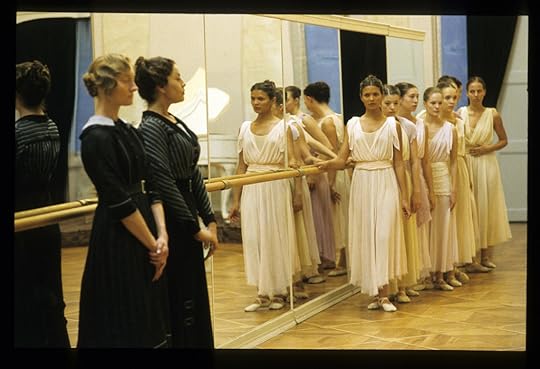
Eva Grimaldi, nota star internazionale, seconda da sinistra, insegnante di danza.
Ma perché sono lì, cosa fanno, che scopo hanno, cosa le aspetta?
Si apre il ballo delle interpretazioni: c’è chi ha letto in chiave capitalistica le ragazze come merci, bellissimi corpi oggetti da esposizione e in vendita - le fanciulle senza vera libertà, ridotte a strumenti, negate del semplice possesso del loro corpo, sfruttate dal pubblico pagante, sono ingranaggi di una catena di montaggio che le trasforma in beni d’uso.
Chi invece ha visto nel parco un tipo di organizzazione di stampo marxista. E perché no, per qualcuno anche un kibbutz.
Nella lunga postfazione (lunga quasi come metà del testo di Wedekind) Roberto Calasso dice che ci troviamo davanti al trionfo dell’art pour l’art.
Il testo è impregnato d’erotismo: il fatto che la sessualità delle fanciulle è repressa si trasforma in parabola erotica – il voyeurismo del pubblico nel teatro – la bellezza dei corpi durante l’esercizio fisico e nel contatto con la natura… Il cinema ha guardato soprattutto in questa direzione con palese morbosità.

Il film è un pastrocchio produttivo che mette insieme troppi paesi e troppe lingue. Il regista è l’inglese John Irvin. La sceneggiatura originale è firmata da Alberto Lattuada (e Ottavio Jemma): sarebbe dovuto essere l’ultimo film del maestro italiano – la sceneggiatura era piuttosto rispettosa, niente male. Ma il produttore italiano spingeva verso il soft porno, Lattuada resisteva, il tempo passava, Lattuada è morto, e il film s’è fatto così.
Wedekind non è mai esplicito, rimane sfuggente, elusivo, sfumato, enigmatico, incerto, oscuro, inquietante, controverso: questa novella è un concentrato di mistero.
In conclusione viene da chiedersi se fa più paura il parco e la vita che in esso si conduce o quel mondo esterno che quel parco ha creato e quella vita pretende, a cui interessa solo avere dei corpi modellati da guardare.
Eravamo felici, tutte quante, ma questo era tutto.
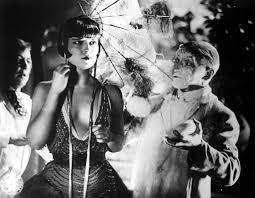
Wedekind è l’autore de “Lo spirito della terra” e “Il vaso di Pandora”, due drammi che occuparono ventuno anni della sua vita confluendo nel 1913 nell’opera unica “Lulu”, da cui il mitico film di Pabst del 1929 con Louise Brooks e il suo celebre caschetto.
Scritto all’alba del XX secolo, questo romanzo breve (brevissimo, cento paginette) racconta di un grande e magnifico parco, separato dal resto del mondo da un alto muro, oltre il quale è impossibile vedere, muro che si apre solo su un’alta cancellata di ferro tenuta chiusa da un pesante catenaccio
Q
”The Fine Art of Love: Mine Ha-Ha”, il titolo originale del film non lascia dubbi sulla strada scelta.
Qui vivono circa duecento fanciulle che sono state lasciate nel parco alla nascita.
I genitori non compaiono mai, non li vediamo neppure quando lasciano i neonati in una cesta. Le insegnanti sono appartate come tutto e tutti.
I neonati vengono allevati da bambini di qualche anno più grandi.
All’età di 10 anni i maschi vengono separati dalle femmine (e che fine facciano non si sa), le fanciulle vanno a vivere in case indipendenti sparse nel parco, senza aver rapporti l’una con l’altra, men che meno col mondo esterno.
In questo universo chiuso (concentrazionario?), tutto è ordinato pulito perfetto: gli edifici geometrici e razionali, la vegetazione ben tenuta e rigogliosa, il vitto nutriente e buono, il vestiario funzionale e curato.
Il titolo italiano è fedele all’originale: “L’educazione fisica delle fanciulle”, omettendo però Mine Ha-Ha che avrebbe potuto confondere.
L’educazione delle fanciulle è solo ed esclusivamente fisica, proprio come recita il sottotitolo dell’opera, e trascura qualsiasi attività intellettuale o spirituale.
Quindi: ginnastica e danza, musica e canto e recitazione in quanto propedeutici alla danza, mirando alla perfetta tecnica corporea, alla purezza dei movimenti e del portamento.
L’errore non è ammesso, la debolezza respinta, il dolore negato, l’esercizio del comando inculcato.
Non sono ammessi, neppure incoraggiati, rapporti e amicizie particolari tra le ragazze. Non è concessa né prevista alcuna possibile decisione autonoma né, tanto meno, è possibile lasciare di propria volontà il parco.
Ubbidienza, senza particolare severità, ma rispetto delle gerarchie, dei ruoli, della supremazia, del potere: una ragazza che trasgredisce le regole viene tenuta a vita all’interno del parco, ridotta alla condizione di reietta, addetta ai compiti più umili.
Jacqueline Bisset è la severa direttrice di quello che alla fine diventa solo un collegio.
Le fanciulle del parco vivono senza sesso, sotto controllo rigoroso di ogni pulsione erotica, in ascetismo estetico e scoraggiamento della vanità: la loro femminilità è espressa solo nell’esercizio fisico, spinto in territori che si ritiene appartengano all’arte. Gli esercizi di portamento, la danza, la musica, la recitazione, la ginnastica sono finalizzati a portare le ragazze nel teatro del parco, unico momento di apertura al mondo esterno, per mettere in scena recite e balletti di cui non conoscono e non sanno capire la trama, a cui il pubblico, unicamente maschile, assiste con goduriosa partecipazione.
Il teatro è un edificio posto all’interno del parco, senza porte né finestre, luogo di confine tra il parco e il mondo: le ragazze, raggiunta età e preparazione adeguata, vengono date e si danno in spettacolo a un pubblico che assiste dietro grate, che le guarda senza essere visto. Un pubblico invisibile di cui le ragazze sentono l’esistenza, le voci, lo scalpiccio dei piedi, le esultanze, ma mai ne vedranno i volti. Ed è per quel pubblico che esiste il parco e la sua organizzazione, gli introiti di quegli spettacoli finanziano e mantengono il parco.
Eva Grimaldi, nota star internazionale, seconda da sinistra, insegnante di danza.
Ma perché sono lì, cosa fanno, che scopo hanno, cosa le aspetta?
Si apre il ballo delle interpretazioni: c’è chi ha letto in chiave capitalistica le ragazze come merci, bellissimi corpi oggetti da esposizione e in vendita - le fanciulle senza vera libertà, ridotte a strumenti, negate del semplice possesso del loro corpo, sfruttate dal pubblico pagante, sono ingranaggi di una catena di montaggio che le trasforma in beni d’uso.
Chi invece ha visto nel parco un tipo di organizzazione di stampo marxista. E perché no, per qualcuno anche un kibbutz.
Nella lunga postfazione (lunga quasi come metà del testo di Wedekind) Roberto Calasso dice che ci troviamo davanti al trionfo dell’art pour l’art.
Il testo è impregnato d’erotismo: il fatto che la sessualità delle fanciulle è repressa si trasforma in parabola erotica – il voyeurismo del pubblico nel teatro – la bellezza dei corpi durante l’esercizio fisico e nel contatto con la natura… Il cinema ha guardato soprattutto in questa direzione con palese morbosità.
Il film è un pastrocchio produttivo che mette insieme troppi paesi e troppe lingue. Il regista è l’inglese John Irvin. La sceneggiatura originale è firmata da Alberto Lattuada (e Ottavio Jemma): sarebbe dovuto essere l’ultimo film del maestro italiano – la sceneggiatura era piuttosto rispettosa, niente male. Ma il produttore italiano spingeva verso il soft porno, Lattuada resisteva, il tempo passava, Lattuada è morto, e il film s’è fatto così.
Wedekind non è mai esplicito, rimane sfuggente, elusivo, sfumato, enigmatico, incerto, oscuro, inquietante, controverso: questa novella è un concentrato di mistero.
In conclusione viene da chiedersi se fa più paura il parco e la vita che in esso si conduce o quel mondo esterno che quel parco ha creato e quella vita pretende, a cui interessa solo avere dei corpi modellati da guardare.
Eravamo felici, tutte quante, ma questo era tutto.
Wedekind è l’autore de “Lo spirito della terra” e “Il vaso di Pandora”, due drammi che occuparono ventuno anni della sua vita confluendo nel 1913 nell’opera unica “Lulu”, da cui il mitico film di Pabst del 1929 con Louise Brooks e il suo celebre caschetto.

March 18, 2011
ugh, this is yours?? you can keep it.
i don't care if marianne faithfull did write the giant back-cover blurb, i say "mine-blahblah"
but it was pretty close to being good. rewrite it, please.
 come to my blog!
i don't care if marianne faithfull did write the giant back-cover blurb, i say "mine-blahblah"
but it was pretty close to being good. rewrite it, please.
come to my blog!
January 29, 2010
Even just a cursory glance over various analyses of Wedekind's short novella shows that interpretations tend to be just as conflicted and baffled as my own (*sigh of relief*). Because, well, this text is just weird. Really, really weird.
The story, revolving around an unorthodox boarding school young girls become mysteriously initiated into, places each girl into a hierarchical "family" of seven other girls, and over the next seven years rigorously trains them in ballet and to play instruments. By their sixth and seventh years, the girls, teetering on the edge of puberty, are then employed by the school to perform in elaborate nightly performances to help finance the institution, and judging from both Wedekind's detailed descriptions of the performances as well as the vocal reactions of the audience, the plays are selected for their "tastefully" lascivious plotlines and elements. The girls, unable to comprehend the double entendre of the actions they are performing, are then ushered out of the school once the menstruation process is about to begin.
If this sounds like erotica, if not actually thinly veiled pornography, countless descriptions and actions, often presented as asides, do little to dispel such a charge (i.e. "if you missed even a small step, you felt the cane on your legs, a sensation that trickled up to the back of your neck. Gertrud always smiled when she beat us"). Or such scenes of swimming in the stream, with "hundreds of girls… undressing ready to sunbathe" (they swim naked, of course), or the narrator's remembrance of her role as one of the peasant girls in her first performance, in which she remembers that they "had nothing to do but lie on the steps and display [their] naked upper bodies and calves." Umm, yeah. Creepy.
But just when one has pretty much written off Mine Haha as esoteric smut (albeit beautifully written, extremely fascinating smut), Wedekind switches gears, and suddenly giving the entire story a liberal, even feminist slant: the description of the performance features prominently the main female character trapped in a cage, railing against the injustice of her situation, and it retrospectively echos a brief moment earlier in the narrative when the narrator and several other girls stand at the large, barred iron front gate of their school in which they note the "heavy bolt" that prevents their access to the mysterious world beyond. While nothing is ever explicitly stated, it is clear, however, that more is involved now than an elaborate fantasy.
This squares with Wedekind's reputation, then, as one of the most vehement and articulate critics of European bourgeois culture in late 19th century, particularly in regards to its repressive stance in regards to sex and sexuality (one of the reasons why Spring Awakening still seems so audacious and modern, capturing such a huge American audience over the last few years). And so that becomes the pièce de résistance of weirdness—suddenly what has seemed so queasily porno-ish is now being positioned as a progressive, utopian social vision. It's an odd dynamic that the novella is never able to resolve (though really, Wedekind might not even have realized it was something that needed to be resolved), and that's what created such a conflicted, unmoored reaction in me.
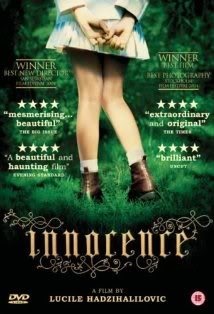
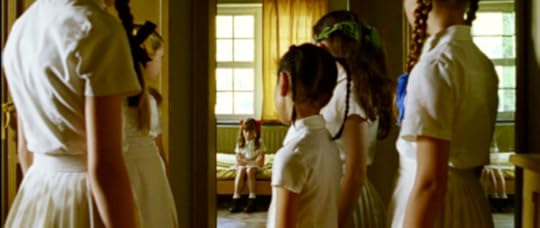
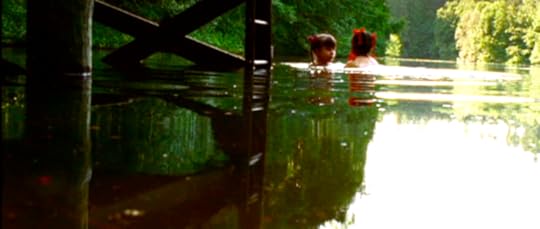
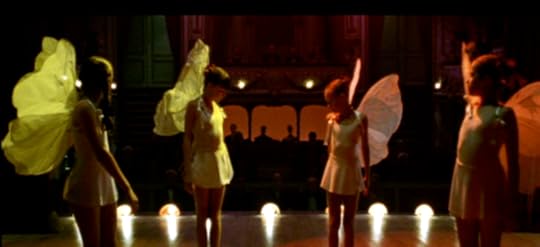
Which brings me to why I even read this in the first place. As it turns out, several years ago a French film director took the contradictions and ambiguities of Mine-Haha and transformed them into a masterful film. Among other things, in Innocence (2004), Lucile Hadzihalilovic completely reworked this material, positioning it as a dreamy, evocative metaphor for female sexual maturation, though she is careful to retain many of the ambiguities and complications that marks Wedekind's novella, leaving them eerily unresolved as well (which caused its own minor controversy when the film was released). As such, placing literary and cinematic texts next to each other creates a fascinating dialogue, their uneasy reflection in each other resolving some issues and questions but opening up even more.
Which, it must be admitted, is exactly as I was hoping for, as I'm writing on this topic for my thesis, and I was hoping to use this novella and adaptation as a key example. And now I can. :D
Review originally posted on my blog, Memories of the Future.
The story, revolving around an unorthodox boarding school young girls become mysteriously initiated into, places each girl into a hierarchical "family" of seven other girls, and over the next seven years rigorously trains them in ballet and to play instruments. By their sixth and seventh years, the girls, teetering on the edge of puberty, are then employed by the school to perform in elaborate nightly performances to help finance the institution, and judging from both Wedekind's detailed descriptions of the performances as well as the vocal reactions of the audience, the plays are selected for their "tastefully" lascivious plotlines and elements. The girls, unable to comprehend the double entendre of the actions they are performing, are then ushered out of the school once the menstruation process is about to begin.
If this sounds like erotica, if not actually thinly veiled pornography, countless descriptions and actions, often presented as asides, do little to dispel such a charge (i.e. "if you missed even a small step, you felt the cane on your legs, a sensation that trickled up to the back of your neck. Gertrud always smiled when she beat us"). Or such scenes of swimming in the stream, with "hundreds of girls… undressing ready to sunbathe" (they swim naked, of course), or the narrator's remembrance of her role as one of the peasant girls in her first performance, in which she remembers that they "had nothing to do but lie on the steps and display [their] naked upper bodies and calves." Umm, yeah. Creepy.
But just when one has pretty much written off Mine Haha as esoteric smut (albeit beautifully written, extremely fascinating smut), Wedekind switches gears, and suddenly giving the entire story a liberal, even feminist slant: the description of the performance features prominently the main female character trapped in a cage, railing against the injustice of her situation, and it retrospectively echos a brief moment earlier in the narrative when the narrator and several other girls stand at the large, barred iron front gate of their school in which they note the "heavy bolt" that prevents their access to the mysterious world beyond. While nothing is ever explicitly stated, it is clear, however, that more is involved now than an elaborate fantasy.
This squares with Wedekind's reputation, then, as one of the most vehement and articulate critics of European bourgeois culture in late 19th century, particularly in regards to its repressive stance in regards to sex and sexuality (one of the reasons why Spring Awakening still seems so audacious and modern, capturing such a huge American audience over the last few years). And so that becomes the pièce de résistance of weirdness—suddenly what has seemed so queasily porno-ish is now being positioned as a progressive, utopian social vision. It's an odd dynamic that the novella is never able to resolve (though really, Wedekind might not even have realized it was something that needed to be resolved), and that's what created such a conflicted, unmoored reaction in me.
Which brings me to why I even read this in the first place. As it turns out, several years ago a French film director took the contradictions and ambiguities of Mine-Haha and transformed them into a masterful film. Among other things, in Innocence (2004), Lucile Hadzihalilovic completely reworked this material, positioning it as a dreamy, evocative metaphor for female sexual maturation, though she is careful to retain many of the ambiguities and complications that marks Wedekind's novella, leaving them eerily unresolved as well (which caused its own minor controversy when the film was released). As such, placing literary and cinematic texts next to each other creates a fascinating dialogue, their uneasy reflection in each other resolving some issues and questions but opening up even more.
Which, it must be admitted, is exactly as I was hoping for, as I'm writing on this topic for my thesis, and I was hoping to use this novella and adaptation as a key example. And now I can. :D
Review originally posted on my blog, Memories of the Future.

August 4, 2021
La novella di Wedekind ci porta, attraverso le memorie di Hidalla, in un grande, misterioso parco cintato da alte mura che lo escludono dal resto del mondo. All'interno del parco, magnificamente curato, alcuni piccoli e bassi edifici ospitano altrettanti gruppi di fanciulle, senza genitori, ospiti sin dalla nascita. In questa comunità le neonate, che giungono nel parco ancora in fasce, vengono accudite dalle bambine di qualche anno più grandi. A loro volta, queste bambine vengono fatte crescere da delle giovani donne che, nel passaggio dall'infanzia alla pubertà, educano tali fanciulle ad attività prettamente fisiche (come rivela anche il sottotitolo dell'opera), cioè a camminare e muoversi armoniosamente, danzare, cantare, suonare, recitare e nuotare, in altri termini a sentire nient'altro che il proprio corpo, a essere nient'altro che il proprio corpo, senza che, accanto a questo tipo di educazione fisica, in un momento di cambiamento decisivo per la crescita, ci sia alcuna educazione intellettuale, sentimentale, morale, spirituale.
In una ambientazione così inquietante e claustrofobica, quella di una comunità chiusa, segregata e gerarchica, che dietro un apparente quadro idilliaco nasconde una situazione distopica, le fanciulle crescono come veri e propri oggetti estetici impersonali e tutti uguali, merci artistiche obbedienti e intercambiabili (“moneta viva”), senza che siano loro concesse relazioni amicali, occasioni di sviluppo di un pensiero autonomo e di una vera e propria sessualità (gli impulsi erotici vengono soffocati mediante la disciplina), svaghi o altre attività ricreative. Fino al momento in cui, raggiunta l'adeguata età e preparazione, saranno prescelte e successivamente rimpiazzate, non sarà possibile per loro abbandonare il parco, non sarà possibile per loro conoscere il mondo esterno. Le regole ferree della comunità sembrano fatte rispettare senza il pugno di ferro, ma l'eventuale disobbedienza sarà punita con la massima crudeltà. L'obiettivo ultimo di questa educazione è preparare queste ragazze a delle esibizioni, che si svolgono in un teatro che è l'unico luogo di contatto tra il parco ed il mondo esterno, e che risulta essere l'unica fonte di sostentamento del parco stesso, dal momento che esso accoglie degli spettatori maschi paganti, che vengono da fuori. Questi ultimi assistono, senza poter essere visti ma solo percepiti, agli spettacoli allusivi di queste fanciulle, la cui unica ragione di vita sembra essere il godimento del pubblico. Ma cosa ne sarà di queste fanciulle prescelte quando, ormai giovani donne, probabilmente oggetto di compravendita, abbandoneranno il parco?
La comunità, una sorta di incrocio aberrante tra modello spartano-marxista e babilonese-capitalista, viene descritta magnificamente per contrasti, tra la beltà dei paesaggi e degli ambienti e la sottile perversione dell'animo umano, tra l'ordine e il noto dell'interno e il caos e l'ignoto dell'esterno, tra la purezza dell'infanzia, la malizia della pubertà e la crudeltà arida dell'età adulta. La formazione delle ospiti, l'evoluzione dei loro corpi, segue la parabola di quello che è un rito iniziatico alla vita, che tuttavia è volutamente incompleto e maligno, perché lascia le fanciulle nell'ignoranza beata e nell'impersonalità, non dà loro i giusti strumenti di crescita per affrontare la vita in modo consapevole, autonomo e libero: il loro presente è imposto, esse vengono usate e consumate, ma quando non sono più necessarie, vengono gettate in pasto al mondo esterno, lasciate al loro futuro disarmate, un incubo tale da far preferire la reclusione e le costrizioni del passato. Di questo trattamento subdolo sembra accorgersi Hidalla, ma solo a distanza di tanti anni, nelle riflessioni contenute nelle sue memorie: “Eravamo felici, tutte quante, ma questo era tutto […]. A causa della totale ignoranza in cui vivevamo, i nostri rapporti erano limitati agli elementi più semplici. Così non ricordo nemmeno che tutte quelle ragazze mi siano mai apparse spiritualmente differenti una dall'altra. L'una pensava e sentiva come l'altra […]. Di nessuna delle ragazze mi è rimasto nella memoria come parlava. So ancora di ognuna soltanto come camminava” (pagine 51-52); “Nessuna di noi donne, se ripensa a quei giorni della sua vita, troverà oggi qualcosa di strano nel modo con cui, attraverso le più severe prove, ci fanno uscir fuori in un mondo del tutto sconosciuto, per abbandonarci indifese, nel più crudele senso del termine. Ma proprio qui sta per me il principale motivo per scrivere questi ricordi. Vorrei richiamare alla memoria dei contemporanei i brividi di paura che noi tutte una volta abbiamo sentito per il divertimento di una umanità rozza, sconsiderata, ebbra di voluttà, anche se le sorti violente e impreviste della vita ci fanno ben presto ripensare a quelle paure solo con un ironico sorriso […]. Frattanto, forse proprio attraverso queste situazioni incredibili, sono giunta alla superiore visione del mondo che mi fa apparire oggi tutta quanta la nostra civiltà umana come una conquista piuttosto discutibile” (pagine 79-81).
La schiavitù, lo sfruttamento e la mercificazione dei corpi femminili, ed i conseguenti risvolti psicologici in chi è vittima di questi trattamenti, sono i temi centrali del racconto di Wedekind, che, apparso alle soglie del XX secolo, potrebbe essere visto come il modello e l'ispirazione di molti romanzi distopici e portatori di istanze femministe del Novecento (come “Il racconto dell'ancella” di Margaret Atwood, per fare soltanto un esempio famoso). Il linguaggio utilizzato da Wedekind, nonostante sia ossessivamente dettagliato e preciso, a tratti pregno di un eros morboso, allo stesso tempo ingenuo e malizioso, resta volutamente sfuggente e privilegia l'implicito sull'esplicito. La narrazione criptica, ambigua ed enigmatica, avvolge il lettore in un alone di mistero ed inquietudine già dal titolo, accomunando quest'opera ad altre, altrettanto oniriche, particolari ed uniche, pur con tinte e sfumature diverse, come “L'altra parte” di Kubin o “Epepe” di Karinthy.
Erudito ed illuminante, come sempre, l'esauriente commento di Roberto Calasso all'opera di Wedekind. Riporto soltanto un estratto particolarmente significativo del suo saggio: “Le fanciulle del parco non appartengono a una famiglia, men che mai a se stesse. Come i bambini esposti della mitologia, sono promesse a una missione: non però eroica, di esseri unici. Al contrario, la loro educazione le affinerà alla permutazione senza fine, all'intercambiabile, cioè all'equivalenza […]. Le fanciulle del parco sono una proprietà sociale, che la società sacrifica a se stessa” (pagine 100-101). La sua cultura inesauribile, le sue capacità di lettura, di interpretazione e di scrittura ci mancheranno.
In una ambientazione così inquietante e claustrofobica, quella di una comunità chiusa, segregata e gerarchica, che dietro un apparente quadro idilliaco nasconde una situazione distopica, le fanciulle crescono come veri e propri oggetti estetici impersonali e tutti uguali, merci artistiche obbedienti e intercambiabili (“moneta viva”), senza che siano loro concesse relazioni amicali, occasioni di sviluppo di un pensiero autonomo e di una vera e propria sessualità (gli impulsi erotici vengono soffocati mediante la disciplina), svaghi o altre attività ricreative. Fino al momento in cui, raggiunta l'adeguata età e preparazione, saranno prescelte e successivamente rimpiazzate, non sarà possibile per loro abbandonare il parco, non sarà possibile per loro conoscere il mondo esterno. Le regole ferree della comunità sembrano fatte rispettare senza il pugno di ferro, ma l'eventuale disobbedienza sarà punita con la massima crudeltà. L'obiettivo ultimo di questa educazione è preparare queste ragazze a delle esibizioni, che si svolgono in un teatro che è l'unico luogo di contatto tra il parco ed il mondo esterno, e che risulta essere l'unica fonte di sostentamento del parco stesso, dal momento che esso accoglie degli spettatori maschi paganti, che vengono da fuori. Questi ultimi assistono, senza poter essere visti ma solo percepiti, agli spettacoli allusivi di queste fanciulle, la cui unica ragione di vita sembra essere il godimento del pubblico. Ma cosa ne sarà di queste fanciulle prescelte quando, ormai giovani donne, probabilmente oggetto di compravendita, abbandoneranno il parco?
La comunità, una sorta di incrocio aberrante tra modello spartano-marxista e babilonese-capitalista, viene descritta magnificamente per contrasti, tra la beltà dei paesaggi e degli ambienti e la sottile perversione dell'animo umano, tra l'ordine e il noto dell'interno e il caos e l'ignoto dell'esterno, tra la purezza dell'infanzia, la malizia della pubertà e la crudeltà arida dell'età adulta. La formazione delle ospiti, l'evoluzione dei loro corpi, segue la parabola di quello che è un rito iniziatico alla vita, che tuttavia è volutamente incompleto e maligno, perché lascia le fanciulle nell'ignoranza beata e nell'impersonalità, non dà loro i giusti strumenti di crescita per affrontare la vita in modo consapevole, autonomo e libero: il loro presente è imposto, esse vengono usate e consumate, ma quando non sono più necessarie, vengono gettate in pasto al mondo esterno, lasciate al loro futuro disarmate, un incubo tale da far preferire la reclusione e le costrizioni del passato. Di questo trattamento subdolo sembra accorgersi Hidalla, ma solo a distanza di tanti anni, nelle riflessioni contenute nelle sue memorie: “Eravamo felici, tutte quante, ma questo era tutto […]. A causa della totale ignoranza in cui vivevamo, i nostri rapporti erano limitati agli elementi più semplici. Così non ricordo nemmeno che tutte quelle ragazze mi siano mai apparse spiritualmente differenti una dall'altra. L'una pensava e sentiva come l'altra […]. Di nessuna delle ragazze mi è rimasto nella memoria come parlava. So ancora di ognuna soltanto come camminava” (pagine 51-52); “Nessuna di noi donne, se ripensa a quei giorni della sua vita, troverà oggi qualcosa di strano nel modo con cui, attraverso le più severe prove, ci fanno uscir fuori in un mondo del tutto sconosciuto, per abbandonarci indifese, nel più crudele senso del termine. Ma proprio qui sta per me il principale motivo per scrivere questi ricordi. Vorrei richiamare alla memoria dei contemporanei i brividi di paura che noi tutte una volta abbiamo sentito per il divertimento di una umanità rozza, sconsiderata, ebbra di voluttà, anche se le sorti violente e impreviste della vita ci fanno ben presto ripensare a quelle paure solo con un ironico sorriso […]. Frattanto, forse proprio attraverso queste situazioni incredibili, sono giunta alla superiore visione del mondo che mi fa apparire oggi tutta quanta la nostra civiltà umana come una conquista piuttosto discutibile” (pagine 79-81).
La schiavitù, lo sfruttamento e la mercificazione dei corpi femminili, ed i conseguenti risvolti psicologici in chi è vittima di questi trattamenti, sono i temi centrali del racconto di Wedekind, che, apparso alle soglie del XX secolo, potrebbe essere visto come il modello e l'ispirazione di molti romanzi distopici e portatori di istanze femministe del Novecento (come “Il racconto dell'ancella” di Margaret Atwood, per fare soltanto un esempio famoso). Il linguaggio utilizzato da Wedekind, nonostante sia ossessivamente dettagliato e preciso, a tratti pregno di un eros morboso, allo stesso tempo ingenuo e malizioso, resta volutamente sfuggente e privilegia l'implicito sull'esplicito. La narrazione criptica, ambigua ed enigmatica, avvolge il lettore in un alone di mistero ed inquietudine già dal titolo, accomunando quest'opera ad altre, altrettanto oniriche, particolari ed uniche, pur con tinte e sfumature diverse, come “L'altra parte” di Kubin o “Epepe” di Karinthy.
Erudito ed illuminante, come sempre, l'esauriente commento di Roberto Calasso all'opera di Wedekind. Riporto soltanto un estratto particolarmente significativo del suo saggio: “Le fanciulle del parco non appartengono a una famiglia, men che mai a se stesse. Come i bambini esposti della mitologia, sono promesse a una missione: non però eroica, di esseri unici. Al contrario, la loro educazione le affinerà alla permutazione senza fine, all'intercambiabile, cioè all'equivalenza […]. Le fanciulle del parco sono una proprietà sociale, che la società sacrifica a se stessa” (pagine 100-101). La sua cultura inesauribile, le sue capacità di lettura, di interpretazione e di scrittura ci mancheranno.

December 8, 2016
081216: fascinating, fast, concise, disturbing, allegorical fantastic portrayal of 'education'/'discipline' of young girls in 1900s germany. idea is that girls need learn only physical, 'bodily' education, as children growing to age, maturing physically, intended for given future. this implicit prison realm i see as surreal and sexualized perhaps because as also so in the beautiful film shaped of it: 'innocence' by lucille hadzihalilovic (2004)...
March 24, 2014
Mine-haha, Frank Wedekind. Recensione Quello di Wedekind fa parte dei romanzi finiti nelle mia libreria a causa di un film. Un film visto tardi, per caso e tanti anni fa.
Un film dal titolo misterioso, affascinante e, per qualche oscuro aspetto, inquietante: L'educazione fisica delle fanciulle di John Irvin.
A distanza di tempo, leggendo il romanzo, mi sono resa conto delle inevitabili discrepanze tra questa opera e la sua trasposizione cinematografica. Differenze, che, per alcuni aspetti, mi hanno permesso di capire meglio cosa stavo leggendo.
Cosa è Mine-Haha?
Come il titolo che sta impresso sulla copertina, il romanzo di Frank Wedekind è un piccolo mistero. Potete immaginarlo come l'alta (eppure quasi invisibile) recinzione che percorre tutto il gigantesco parco in cui circa duecentodieci fanciulle vengono educate nel corso di sette anni.
Educazione, qui, che non ha nulla a che vedere con una preparazione scolastica.
Le ragazze, infatti, vengono preparate "fisicamente", cioè addestrate nella danza e nella musica e la loro vita si svolge come una lenta e ordinata staffetta, per cui le più grandi si occupano delle più piccole che, a loro volta, una volta cresciute, si occuperanno delle nuove arrivate.
Qual è lo scopo di questa educazione?
Wedekind non lo dice, non del tutto, almeno.
Sappiamo solo che le ragazze più grandi, una volta diventate responsabili di una casa, ogni sera si recano al Teatro, una struttura circolare il cui accesso avviene mediante un treno sotterraneo. E nel teatro avvengono rappresentazioni che hanno una leggera sfumatura erotica, fatta di abiti semitrasparenti e di esercizi ginnici.
Oltre alle ragazze che restano nel parco sette anni, ci sono "le prescelte". Di loro sappiamo solo come avviene la selezione, e le vediamo scomparire misteriosamente dal racconto e dalla memoria delle altre ragazze, appena questa avviene.
Mentre quelle che rimangono, una volta raggiunta la pubertà (anche qui, Wedekind non parla mai esplicitamente, ma attraverso le sensazioni della protagonista, voce narrante del breve romanzo), vengono fatte uscire dal parco (di cui abbiamo solo una sommaria descrizione) e condotte, tra due ali di folla festante, nel Campidoglio. Per quale motivo? Non lo sappiamo, perché arrivati a questo punto, il romanzo si interrompe.
Mine-Haha è un romanzo onirico e con caratteristiche proprie di una distopia. Il grande parco recintato, da cui è severamente vietato tentare di evadere, pena la reclusione a vita (come avviene alle sfortunate e orribile serve della casa in cui si trova Hidalla, la voce narrante) rappresenta, infatti, tutto il mondo conosciuto dalle ragazze che vi sono rinchiuse.
Arrivate nel parco da piccolissime (probabilmente depositate già in fasce), arrivate ad una certa età vengono separate dai compagni maschi, con cui hanno condiviso una parte dell'infanzia in una casa che è, a tutti gli effetti, un orfanotrofio.
La cerimonia di passaggio in una delle "case di formazione" è particolare e ricorda l'evoluzione di una farfalla (o la cerimonia di "morte in vita" descritta da Verga in Storia di una capinera): chiuse in una cesta, vengono portate via e fatte uscire in una casa completamente nuova, lavate e rivestite.
Per sette anni non avranno contatto con altri che con le proprie compagne: la loro vita è scandita dagli esercizi fisici e musicali, arrivando perfino a dubitare che vi siano le stelle nel mondo esterno.
La descrizione degli ambienti è la parte più bella del romanzo: si ha l'impressione fisica di attraversare i giardini e immergersi nelle acque fredde del ruscello. Le immagini descritte da Wedekind hanno la forza visiva di piccoli quadri a olio, dove la luce si riflette sulle foglioline appena spuntate da un albero in fiore.
E questo, che rende bella la lettura di Mine-haha: lettura della storia di una vita che per quattordici anni ha vissuto come immersa nella foschia del sogno.
In appendice si trova un interessante saggio di Roberto Calasso, che aiuta a capire meglio l'intero romanzo.
Un film dal titolo misterioso, affascinante e, per qualche oscuro aspetto, inquietante: L'educazione fisica delle fanciulle di John Irvin.
A distanza di tempo, leggendo il romanzo, mi sono resa conto delle inevitabili discrepanze tra questa opera e la sua trasposizione cinematografica. Differenze, che, per alcuni aspetti, mi hanno permesso di capire meglio cosa stavo leggendo.
Cosa è Mine-Haha?
Come il titolo che sta impresso sulla copertina, il romanzo di Frank Wedekind è un piccolo mistero. Potete immaginarlo come l'alta (eppure quasi invisibile) recinzione che percorre tutto il gigantesco parco in cui circa duecentodieci fanciulle vengono educate nel corso di sette anni.
Educazione, qui, che non ha nulla a che vedere con una preparazione scolastica.
Le ragazze, infatti, vengono preparate "fisicamente", cioè addestrate nella danza e nella musica e la loro vita si svolge come una lenta e ordinata staffetta, per cui le più grandi si occupano delle più piccole che, a loro volta, una volta cresciute, si occuperanno delle nuove arrivate.
Qual è lo scopo di questa educazione?
Wedekind non lo dice, non del tutto, almeno.
Sappiamo solo che le ragazze più grandi, una volta diventate responsabili di una casa, ogni sera si recano al Teatro, una struttura circolare il cui accesso avviene mediante un treno sotterraneo. E nel teatro avvengono rappresentazioni che hanno una leggera sfumatura erotica, fatta di abiti semitrasparenti e di esercizi ginnici.
Oltre alle ragazze che restano nel parco sette anni, ci sono "le prescelte". Di loro sappiamo solo come avviene la selezione, e le vediamo scomparire misteriosamente dal racconto e dalla memoria delle altre ragazze, appena questa avviene.
Mentre quelle che rimangono, una volta raggiunta la pubertà (anche qui, Wedekind non parla mai esplicitamente, ma attraverso le sensazioni della protagonista, voce narrante del breve romanzo), vengono fatte uscire dal parco (di cui abbiamo solo una sommaria descrizione) e condotte, tra due ali di folla festante, nel Campidoglio. Per quale motivo? Non lo sappiamo, perché arrivati a questo punto, il romanzo si interrompe.
Mine-Haha è un romanzo onirico e con caratteristiche proprie di una distopia. Il grande parco recintato, da cui è severamente vietato tentare di evadere, pena la reclusione a vita (come avviene alle sfortunate e orribile serve della casa in cui si trova Hidalla, la voce narrante) rappresenta, infatti, tutto il mondo conosciuto dalle ragazze che vi sono rinchiuse.
Arrivate nel parco da piccolissime (probabilmente depositate già in fasce), arrivate ad una certa età vengono separate dai compagni maschi, con cui hanno condiviso una parte dell'infanzia in una casa che è, a tutti gli effetti, un orfanotrofio.
La cerimonia di passaggio in una delle "case di formazione" è particolare e ricorda l'evoluzione di una farfalla (o la cerimonia di "morte in vita" descritta da Verga in Storia di una capinera): chiuse in una cesta, vengono portate via e fatte uscire in una casa completamente nuova, lavate e rivestite.
Per sette anni non avranno contatto con altri che con le proprie compagne: la loro vita è scandita dagli esercizi fisici e musicali, arrivando perfino a dubitare che vi siano le stelle nel mondo esterno.
La descrizione degli ambienti è la parte più bella del romanzo: si ha l'impressione fisica di attraversare i giardini e immergersi nelle acque fredde del ruscello. Le immagini descritte da Wedekind hanno la forza visiva di piccoli quadri a olio, dove la luce si riflette sulle foglioline appena spuntate da un albero in fiore.
E questo, che rende bella la lettura di Mine-haha: lettura della storia di una vita che per quattordici anni ha vissuto come immersa nella foschia del sogno.
In appendice si trova un interessante saggio di Roberto Calasso, che aiuta a capire meglio l'intero romanzo.

April 27, 2017
Una fábula que es como un sueño. Un sueño vívido y de colores hermosos pero velado en todo momento, ocultando sus verdaderas formas e intenciones. El relato parece ligero pero resulta al mismo tiempo turbador. Me habría gustado que continuase, no despertar todavía. Siento que Hidalla tiene una historia que bien merece otras doscientas páginas.

June 30, 2021
i uh can't see how this wasn't written by a pedophile
but like sure, if you want raging misogyny & homophobia passed off through a woman narrator + hypersexualized seven year olds, then uh -- don't read this, go to tHeRAPY
but like sure, if you want raging misogyny & homophobia passed off through a woman narrator + hypersexualized seven year olds, then uh -- don't read this, go to tHeRAPY

December 9, 2017
... what have I just read

April 28, 2024
La trama comienza con Helene Engel, una anciana que entrega un manuscrito a su vecino, que resulta ser el propio autor, arrojándose posteriormente por la ventana. Dicho manuscrito consiste en unas memorias donde la protagonista narra una extraña historia. Se crió en una especie de orfanato, rodeada solo por niñas y alguna mujer, consagradas únicamente a perfeccionarse físicamente, mediante gimnasia, danza e interpretación de diversos instrumentos musicales. También actúan en obras de teatro con ciertos elementos eróticos, a las que asiste público, y donde el lector se da cuenta de la turbiedad del asunto, aunque no las niñas.
Interesante novela corta, fábula o relato infantil grotesco, sórdido aunque elegantemente narrado, inclasificable por lo que acontece en el mismo, tanto atmosféricamente como en todo lo relativo a esos ritos de iniciación que rodean la historia.
Interesante novela corta, fábula o relato infantil grotesco, sórdido aunque elegantemente narrado, inclasificable por lo que acontece en el mismo, tanto atmosféricamente como en todo lo relativo a esos ritos de iniciación que rodean la historia.

April 17, 2013
A very weird book... the first story is a tale of the ironic innocence a girl, trained though her body only, passed her first years in a questionable environment.
I liked more the two stories that came with Mine-Haha. One about how lust can make us lose everything and the last one... how innocence may be killed by a broken heart. That one, I loved.
I liked more the two stories that came with Mine-Haha. One about how lust can make us lose everything and the last one... how innocence may be killed by a broken heart. That one, I loved.

October 9, 2022
certainly an interesting read, and i’d like to eventually read the other two short stories in it. a critique on the over sexualization and horrible standards young girls are held to in society. exacerbated, obviously, but still a critique on how we train girls to act and view themselves to a certain standard.

September 21, 2011
Dario Argento says Mine-Haha was the inspiration for Suspiria. Thanks to Hesperus Press' English translation, I finally got to read it. Well worth it, and Marianne Faithfull approves, too.

January 5, 2023
1/50
In 2023 I am going to dust off and read fifty books from my to-read list.
This is the first book of this initiative and my god is it a great way to start. About eight years ago, shortly after leaving a job working in institutional childcare I watched an odd film (ostensibly) about institutional childcare. I didn’t understand it at all but upon finding out it was based on a book I clicked “want to read” and then let it sit there for nearly a decade.
Now I have read it and not only do I not understand the movie, I don’t understand the book either! Is this a satirical take on women’s place in society? Some sort of nimble farce on education for “real life”? Just a weird book by the one non-repressed turn of the century German guy?
The short description of this book is exactly correct, that is what this is about. Or is it? Am I an idiot? Is my male gaze so polluting that I can’t grasp subtlety?
If this were written today I’d expect a grotesque final act delivering what seems like an inevitable resolution for the quivering potential in every loving description of a child’s calves and/or hips and/or hair.
Instead they hit adolescence and just sort of scoot on outta there and that’s it. Presumably joining society as some sort of idealized feminine creature. And yet the book within the book was written by what seems like a quite ordinary old woman. So then is this saying the compound is the experience of all women???? Or that upbringing means nothing in the face of expectation?
I could go on and on forever. I am confused and frustrated and can’t fathom what made me continue to want to read this for eight years.
49 more books to go!!!!
In 2023 I am going to dust off and read fifty books from my to-read list.
This is the first book of this initiative and my god is it a great way to start. About eight years ago, shortly after leaving a job working in institutional childcare I watched an odd film (ostensibly) about institutional childcare. I didn’t understand it at all but upon finding out it was based on a book I clicked “want to read” and then let it sit there for nearly a decade.
Now I have read it and not only do I not understand the movie, I don’t understand the book either! Is this a satirical take on women’s place in society? Some sort of nimble farce on education for “real life”? Just a weird book by the one non-repressed turn of the century German guy?
The short description of this book is exactly correct, that is what this is about. Or is it? Am I an idiot? Is my male gaze so polluting that I can’t grasp subtlety?
If this were written today I’d expect a grotesque final act delivering what seems like an inevitable resolution for the quivering potential in every loving description of a child’s calves and/or hips and/or hair.
Instead they hit adolescence and just sort of scoot on outta there and that’s it. Presumably joining society as some sort of idealized feminine creature. And yet the book within the book was written by what seems like a quite ordinary old woman. So then is this saying the compound is the experience of all women???? Or that upbringing means nothing in the face of expectation?
I could go on and on forever. I am confused and frustrated and can’t fathom what made me continue to want to read this for eight years.
49 more books to go!!!!

November 5, 2023
= Me acerco a Wedekind con esta novela corta que naufraga entre lo onírico, lo turbio, lo irreal y la fantasía. El texto parte con el suicidio de una anciana que deja un manuscrito a un vecino escritor, quien finalmente, decide publicarlo. Hidalla nos narra sus días en el orfanato con sus compañeras, las actividades físicas que realizan, las lecciones de baile y música y el ambiente que encierra a las chicas. Es un texto breve que recaba en los modelos de mujer y en cómo había ciertas instituciones que impedían a las mujeres realizarse en otro tipo de roles y poder disfrutar de otro tipo de vidas. El tiempo pasa, las chicas siguen danzando y contorsionando, otras desaparecen y todas crecen. El paso del tiempo, las vidas que parecen felices a simple vista y desde fuera, la memoria o el desconocimiento que siempre ha habido en el mundo infantil sobre esos seres raros a los que llamamos “adultos”. En una especie de barreño roñoso caen pequeñas gotas continuas de un grifo desvencijado y, es que, el continuo caer da paz puesto que significa que todo sucede igual que siempre, pero llega un momento que el barreño rebosa y parece que, con un parpadeo mínimo, vemos la escena onírica e irreal como lo que siempre fue: un horror. Creo que las chicas de “Mine – Haha” se encuentran en esa escena: tras las obras de teatro, las piscinas o las clases de educación física se esconcen silencios, vacíos y una atmósfera tóxica y antinatural que mata cualquier intento de felicidad. Me ha parecido un relato corto, pero intenso y del que sólo el lector más avispado e introspectivo sabrá sacarle partido. Incluyo la lectura en el #24retosdelectura como protagonista de nombre raro (categoría 10) y mujer protagonista (categoría 17).

Read
August 3, 2026Allora: il racconto è assurdo e divertente e disturbante nel modo velato (poco) di sessualizzare le ragazzine. L'ho letto in poco tempo.
Il saggio successivo invece...
Questo però è colpa mia: se leggo un romanzo non sempre voglio che mi venga spiegato, men che meno lettera per lettera. Magari non capirò tutte le sfumature e i riferimenti e la cultura del tempo, ma dopotutto sto leggendo una storia che, spero, possa stuzzicare la mia fantasia, non sotterrarla sotto la stele dei 100 comandamenti accademici per capire il testo.
Insomma, l'abbiamo visto tutti l'Attimo Fuggente, no?
Il saggio successivo invece...
Questo però è colpa mia: se leggo un romanzo non sempre voglio che mi venga spiegato, men che meno lettera per lettera. Magari non capirò tutte le sfumature e i riferimenti e la cultura del tempo, ma dopotutto sto leggendo una storia che, spero, possa stuzzicare la mia fantasia, non sotterrarla sotto la stele dei 100 comandamenti accademici per capire il testo.
Insomma, l'abbiamo visto tutti l'Attimo Fuggente, no?
October 12, 2024
Hab vor vielen Jahren eine ganz krasse Verfilmung dieser Erzählung gesehen (The Fine Art of Love) - für mich definitiv ein grundlegendes sapphisches Werk. Wedekinds Geschichte ist im Vergleich dazu weniger queer und erotisch, aber dennoch ziemlich explizit und progressiv für seine Zeit. Das offene bzw. fehlende Ende ist, finde ich, eine interessante Entscheidung - man kann über den wahren Sinn der Geschichte endlos diskutieren.

August 26, 2024
¿Qué he leído? ¿Qué es este libro? ¿Por qué Fran Wedekind figura como el autor cuando realmente es el manuscrito de su vecina que se suicidó? ... me recomendaron este libro a raíz de decir que Las Vírgenes suicidas es uno de mis favoritos y nada que ver, eso es todo lo que tengo que decir.
November 26, 2025
Lo acabo de terminar y aún no sé lo qué he leído...muy inquietante todo.
July 23, 2023
Nice translation, and the two shorter stories at the end of the book were funny. My issue with it is probably more of a philosophical issue with the Naturalists. I’m glad it exists but it’s nasty to read. I do think it hit a little harder than it might have for me because I was thinking a lot about effective altruism and other techie philos kind of stuff while I was reading it. Generally pretty cool, but would not recommend.

May 27, 2010
waited almost a year for this book. thrilled it arrive today. first read.

January 7, 2012
This was . . . interesting. I'd like to read it again when I have the chance, just to figure out what I think it's about. It's so odd . . .

July 31, 2022
Bizarre
Also I have no idea how I even first heard of this book or why I was so intent on tracking down a copy but here we are
Also I have no idea how I even first heard of this book or why I was so intent on tracking down a copy but here we are

July 27, 2023
2.5 ⭐️
read in original german; no idea what i read there, though.
read in original german; no idea what i read there, though.
June 9, 2016
This book was difficult to track down. I first became aware of it several weeks ago, probably while reading about the author, and then only got around to reading it when I found myself with some unexpected free time in Manhattan, where the book can be found at the Schwarzman library.
I think I gave this book a low score (relative to my other ratings) because I am unsure what to make of it, and so I took the rating descriptions literally: I liked it, but didn't really like it. This book contains the title short story, two even shorter unrelated stories, and an elucidating note from the translator. I'm unfamiliar with Wedekind's other work, so the translator's explanation of his oeuvre helped a lot.
Mine-Haha reads like an exercise in allegorical writing. I can't say if I found it successful, though I did find the writing nicely evocative of a dream (no small thanks to the translator, I bet). It concerns the possibly-fictional memoir of a recently-deceased older woman, described by the author (within the framing story, the reader of the memoir) as worldly and definitely not a feminist. The memoir incredibly describes the education system in which this woman was raised from early childhood to menarche, focused entirely on the development of physical arts: dance, gymnastics, and music. In fact, no mention is ever made of the girls reading, which is more jarring in the context of a boarding school memoir than the fact that the girls apparently have no parents or the bizarre methods of graduation from the lower school to the higher school and then beyond.
This physical education, as described, seems to develop the girls' bodies much more for future observers than for the girls themselves to use. Before gender segregation, the boys and girls are taught to walk setting down their toes first, then heels; the unnaturalness of this gait is pointed out later when the narrator notes that a horse resembles her childhood teacher in bearing. Gender segregation then occurs when the girls are a set age: each girl is placed in a coffin and removed from the lower campus to live on the higher campus in a small house of girls. There is a strict hierarchy among the girls, and there is less play time: all girls must learn an instrument, gymnastics tricks (notably, walking on hands with legs extended forward), and formal stage dance under the tutelage of the older girls. Somewhat as in Never Let Me Go, this boarding school's secrets are obscured by urban legends, claiming that any girls who try to run away or engage in homoromantic relationships will be disfigured and forced into service as one of the markedly hideous servants on campus. All this obscures... a bizarre conspiracy where the older girls, hitherto barred from sexual relations of any kind, are forced to dance in sexual ballets. (Actually, it isn't clear what style of dance the girls are learning, merely that it always involves a lot of handstands. It is depicted in both movie adaptations as ballet, though, and the theater setting is reminiscent of modern ballet venues.) One of the acts mentioned in passing involves the beating of a member of the corps by the principal dancer, with implied S/M undertones; the act that the narrator takes part in and describes in detail involves an interpretive dance about extramarital sex, which the girls recognize only as forbidden bed-sharing. These ballets are attended by members of the general public (including, years later, the adult narrator), who hoot and holler and are hidden from the girls by a grille. Once the girls begin menstruating (suspiciously synchronously, as the members of each "class" don't even live together), they are taken on a train into the city proper where they see boys for the first time since lower school and the manuscript ends.
The mention in the translator's note that Wedekind liked women's legs most of all adds prurient overtones to the descriptions of exercises, but I think it's a mistake to write this off as ephebophilic soft porn. Considering the translator's statements of the author's beliefs, notably that women in his 19th century German society are forced to deny their inherent sexuality by being anything other than prostitutes, the story is easy to take at face value. The protagonist Hidalla begins the manuscript expressing contempt for women who habitually engage in public intellectual acts over sexual ones. She never questions her limited education, but rather questions the value of contemporaneous education outside the dance school. Passing remarks about her adult life (hinting that the Hidalla of the memoir may in fact be the Helene of the framing story, and the memoir therefore true) include various normative statements (e.g. she "cannot imagine" that any woman for whom she made a dress did not have dazzlingly white skin) about women's bodies that show how much her childhood has impacted her view of adulthood. Indeed, even as a child, Hidalla realizes that she is not intellectually distinct from her peers, and sees herself and those around her as distinct only in bodily characteristics: their entire beings are physical and can be completely known from the outside. And yet, this purely physical existence doesn't extend to each other, since the girls aren't free to embrace or touch outside strictly-defined bounds. Hidalla has no retrospective disgust for the sexual pantomimes; rather, she considers them completely innocent insofar as the actors had had no understanding of sex. Wedekind might have been trying to express contempt for contemporary virgin-whore sexual mores, which insisted that females remain sheltered from sex only to suddenly be exposed for sexual consumption by others at an arbitrary time. A modern view could add that a society that sees women as objects without inner life, as even Wedekind might have, dooms women to being objects without inner life and therefore inescapably unprepared for adulthood.
The second story, The Burning of Egliswyl is much shorter and also addresses themes of sexuality. It also has a framing device and a slightly dreamy tone, especially given the extreme nature of the conclusion: a young man miraculously manages to scoop three beautiful village girls without significant village drama; after tiring of his home, he moves to another village and lands a different girl, but a sudden bout of (implied) impotence sends him into a rage and he burns down his hometown. I suppose it's worth noting that the first three girls are all quite sweet and give him expensive gifts, but it's in trying to impress the girl in another town (who's a bit cold) that the narrator fails, and he can't tolerate his failure on a very primal level. While I found the themes and tone somewhat parallel to those of the first story, there really wasn't as much in this story.
The last story, The Sacrificial Lamb is slightly longer than the second. It also has a framing story, but unlike the other two, reads somewhat down-to-earth. A young woman tells a young man how she had been a dressmaker's apprentice, fell in love with a man who played hard-to-get to win, followed him to another city at the expense of her own family ties, and discovered he was married. It's then revealed that this woman is a prostitute telling her life story to a sanctimonious john in a brothel, but her contentment with life and refusal to feel spiritually compromised by her work cause him to leave the encounter deeply touched by the sadness of her story. He had gone in to make this prostitute "confess her sins" so that he could make her feel degraded by sex he wanted her to not want to have, and he came out feeling spiritually renewed. If Wedekind intended this to be satire, it was all right, if heavy-handed. Because the girl tells her story uninterrupted, it has shaggy dog undertones. It's short, though, so it's a brief impression.
I consider these works to have made a good collection because of their shared themes and, to an extent, their shared tone. It's not an extremely long read, but it requires some thinking. Wedekind's writing is not amazing here, so the substance of the stories outweighs their style. They do require a bit of thinking to avoid brushing them off as shallow.
I think I gave this book a low score (relative to my other ratings) because I am unsure what to make of it, and so I took the rating descriptions literally: I liked it, but didn't really like it. This book contains the title short story, two even shorter unrelated stories, and an elucidating note from the translator. I'm unfamiliar with Wedekind's other work, so the translator's explanation of his oeuvre helped a lot.
Mine-Haha reads like an exercise in allegorical writing. I can't say if I found it successful, though I did find the writing nicely evocative of a dream (no small thanks to the translator, I bet). It concerns the possibly-fictional memoir of a recently-deceased older woman, described by the author (within the framing story, the reader of the memoir) as worldly and definitely not a feminist. The memoir incredibly describes the education system in which this woman was raised from early childhood to menarche, focused entirely on the development of physical arts: dance, gymnastics, and music. In fact, no mention is ever made of the girls reading, which is more jarring in the context of a boarding school memoir than the fact that the girls apparently have no parents or the bizarre methods of graduation from the lower school to the higher school and then beyond.
This physical education, as described, seems to develop the girls' bodies much more for future observers than for the girls themselves to use. Before gender segregation, the boys and girls are taught to walk setting down their toes first, then heels; the unnaturalness of this gait is pointed out later when the narrator notes that a horse resembles her childhood teacher in bearing. Gender segregation then occurs when the girls are a set age: each girl is placed in a coffin and removed from the lower campus to live on the higher campus in a small house of girls. There is a strict hierarchy among the girls, and there is less play time: all girls must learn an instrument, gymnastics tricks (notably, walking on hands with legs extended forward), and formal stage dance under the tutelage of the older girls. Somewhat as in Never Let Me Go, this boarding school's secrets are obscured by urban legends, claiming that any girls who try to run away or engage in homoromantic relationships will be disfigured and forced into service as one of the markedly hideous servants on campus. All this obscures... a bizarre conspiracy where the older girls, hitherto barred from sexual relations of any kind, are forced to dance in sexual ballets. (Actually, it isn't clear what style of dance the girls are learning, merely that it always involves a lot of handstands. It is depicted in both movie adaptations as ballet, though, and the theater setting is reminiscent of modern ballet venues.) One of the acts mentioned in passing involves the beating of a member of the corps by the principal dancer, with implied S/M undertones; the act that the narrator takes part in and describes in detail involves an interpretive dance about extramarital sex, which the girls recognize only as forbidden bed-sharing. These ballets are attended by members of the general public (including, years later, the adult narrator), who hoot and holler and are hidden from the girls by a grille. Once the girls begin menstruating (suspiciously synchronously, as the members of each "class" don't even live together), they are taken on a train into the city proper where they see boys for the first time since lower school and the manuscript ends.
The mention in the translator's note that Wedekind liked women's legs most of all adds prurient overtones to the descriptions of exercises, but I think it's a mistake to write this off as ephebophilic soft porn. Considering the translator's statements of the author's beliefs, notably that women in his 19th century German society are forced to deny their inherent sexuality by being anything other than prostitutes, the story is easy to take at face value. The protagonist Hidalla begins the manuscript expressing contempt for women who habitually engage in public intellectual acts over sexual ones. She never questions her limited education, but rather questions the value of contemporaneous education outside the dance school. Passing remarks about her adult life (hinting that the Hidalla of the memoir may in fact be the Helene of the framing story, and the memoir therefore true) include various normative statements (e.g. she "cannot imagine" that any woman for whom she made a dress did not have dazzlingly white skin) about women's bodies that show how much her childhood has impacted her view of adulthood. Indeed, even as a child, Hidalla realizes that she is not intellectually distinct from her peers, and sees herself and those around her as distinct only in bodily characteristics: their entire beings are physical and can be completely known from the outside. And yet, this purely physical existence doesn't extend to each other, since the girls aren't free to embrace or touch outside strictly-defined bounds. Hidalla has no retrospective disgust for the sexual pantomimes; rather, she considers them completely innocent insofar as the actors had had no understanding of sex. Wedekind might have been trying to express contempt for contemporary virgin-whore sexual mores, which insisted that females remain sheltered from sex only to suddenly be exposed for sexual consumption by others at an arbitrary time. A modern view could add that a society that sees women as objects without inner life, as even Wedekind might have, dooms women to being objects without inner life and therefore inescapably unprepared for adulthood.
The second story, The Burning of Egliswyl is much shorter and also addresses themes of sexuality. It also has a framing device and a slightly dreamy tone, especially given the extreme nature of the conclusion: a young man miraculously manages to scoop three beautiful village girls without significant village drama; after tiring of his home, he moves to another village and lands a different girl, but a sudden bout of (implied) impotence sends him into a rage and he burns down his hometown. I suppose it's worth noting that the first three girls are all quite sweet and give him expensive gifts, but it's in trying to impress the girl in another town (who's a bit cold) that the narrator fails, and he can't tolerate his failure on a very primal level. While I found the themes and tone somewhat parallel to those of the first story, there really wasn't as much in this story.
The last story, The Sacrificial Lamb is slightly longer than the second. It also has a framing story, but unlike the other two, reads somewhat down-to-earth. A young woman tells a young man how she had been a dressmaker's apprentice, fell in love with a man who played hard-to-get to win, followed him to another city at the expense of her own family ties, and discovered he was married. It's then revealed that this woman is a prostitute telling her life story to a sanctimonious john in a brothel, but her contentment with life and refusal to feel spiritually compromised by her work cause him to leave the encounter deeply touched by the sadness of her story. He had gone in to make this prostitute "confess her sins" so that he could make her feel degraded by sex he wanted her to not want to have, and he came out feeling spiritually renewed. If Wedekind intended this to be satire, it was all right, if heavy-handed. Because the girl tells her story uninterrupted, it has shaggy dog undertones. It's short, though, so it's a brief impression.
I consider these works to have made a good collection because of their shared themes and, to an extent, their shared tone. It's not an extremely long read, but it requires some thinking. Wedekind's writing is not amazing here, so the substance of the stories outweighs their style. They do require a bit of thinking to avoid brushing them off as shallow.
This entire review has been hidden because of spoilers.
December 13, 2024
In something of a first I was reccommended this book by AI, based on my enjoyment of Arthur Schnitzler. THE BURNING OF EGLISWYL and THE SACRIFICIAL LAMB are somewhat distant cousins. I would describe TBoE as a semi-bawdy fairy tale but TSL resembles Schniztler rather closely. I did quite enjoy both of these very short stories.
MINE-HAHA is a different matter entirely. I didn't think it was bad by any means but it's something of an oddity in many ways, not least because it feels as though it's a manuscript that's missing all but the introduction to the novel.
Some of the themes - which many readers seem to have had trouble discerning - were quite interesting. Among them: the inability of youth to make sense of the world, its innocence, its acceptance of the arbitrary, the rigidity and repression of schooling and standards of society towards female beauty and the physcial form. This is all described with a nice lyrical note.
Mine-Haha itself would probably reach a 2.5, but with the latter two stores this is a comfortable 3* for me. I'm not in a rush to seek out more Wedekind based on this, but I wouldn't rule it out in future.
MINE-HAHA is a different matter entirely. I didn't think it was bad by any means but it's something of an oddity in many ways, not least because it feels as though it's a manuscript that's missing all but the introduction to the novel.
Some of the themes - which many readers seem to have had trouble discerning - were quite interesting. Among them: the inability of youth to make sense of the world, its innocence, its acceptance of the arbitrary, the rigidity and repression of schooling and standards of society towards female beauty and the physcial form. This is all described with a nice lyrical note.
Mine-Haha itself would probably reach a 2.5, but with the latter two stores this is a comfortable 3* for me. I'm not in a rush to seek out more Wedekind based on this, but I wouldn't rule it out in future.

July 4, 2023
This is the weirdest fucking thing! I don't know what to think of it. The story's about young girls at a boarding school, being trained in dance and physical movement in order to perform in some shady erotic play for the masses. Eventually they become adolescents and are made to leave the school and its theatre; they're basically ogled through the streets of a nearby town, and the novella ends abruptly, with no real idea of the future. The girls are completely ignorant of what's happening to them, but it must also be said that they all seem pretty happy with their weird, exploitative little lives. I'm not sure whether it's supposed to be a utopia or a dystopia, a feminist piece or a piece of fake feminism, and from the introduction it seems that this general bafflement is a fairly common reaction.
Apparently it's a symbolist work. I have no idea what that means. That it's incomprehensible, maybe? It manages to be both interesting and off-putting at once, anyway, and is strangely compelling because of it.
Apparently it's a symbolist work. I have no idea what that means. That it's incomprehensible, maybe? It manages to be both interesting and off-putting at once, anyway, and is strangely compelling because of it.
Read
November 4, 2025problematic, confused and intriguing. if this was written today mine haha would be on literotica, burning of egliswyl would be on ao3, and sacrificial lamb would be on wattpad. have wanted to read this for ages. innocence is my favourite film of all time and it’s amusing to see how lucile hadzihalilovic really tidied up his muddled lens on womanhood, objectification, animalism, liberation to create one of the most singular and unsettling cinematic experiences ive ever had. this man really sat down and said “i have news! women should be free to be sexy! they should only be sexy and do nothing else! mm yes sexy woman means epitome of freedom! but not me though. cos wait if that were me it would be kinda scary. hmm maybe if only sexy and nothing else, maybe brain empty? maybe not freedom?? hmm maybe be woman is not good? I feel bad for women? well anyway-“ bro you were on the PRECIPICE of something. edging his way to feminism brother I’m begging you to CHECK YOUR NOTES

November 15, 2018
Tedious and slow. This was very disappointing because Spring's Awakening is one of my favorite plays, but clearly Wedekind's talent for playwriting did not extend to writing fiction. This novella is so short (the actual story Mine-Haha is 60 pages) but it took ages to read because nothing was making an impact on me. I think I would have gained more from reading this had I actually read it in German (a language I definitely don't speak enough of to be literate in). Reading the foreword about how this can be read in a few different ways didn't help me understand it at all. This novella and the two short stories completely miss the mark for me. However, this makes me more interested to read Wedekind's Lulu plays, which are apparently about similar topics to those in Mine-Haha, and might be better expressed in the dramatic form.

August 22, 2026
(1,5/5)
Una bella premessa, un’atmosfera particolare e alcune immagini davvero memorabili, ma troppo poco sviluppate. Mine-Haha apre continuamente possibilità interessanti, sul corpo, sull’educazione, sulla libertà, sul desiderio e sulla società, senza però approfondirle davvero. Più che un’opera compiuta, mi è sembrato un abbozzo di idee potenzialmente molto più interessanti del racconto stesso.
Capisco il fascino che può esercitare e l’enorme spazio lasciato all’interpretazione, ma personalmente voglio che sia il libro a lasciarmi qualcosa, non le interpretazioni successive a costruirgli intorno un pensiero. Qui ho trovato soprattutto una premessa affascinante sviluppata troppo poco e un pensiero filosofico appena accennato.
Una lettura interessante per le possibilità che suggerisce, ma troppo incompleta per lasciarmi davvero qualcosa.
Una bella premessa, un’atmosfera particolare e alcune immagini davvero memorabili, ma troppo poco sviluppate. Mine-Haha apre continuamente possibilità interessanti, sul corpo, sull’educazione, sulla libertà, sul desiderio e sulla società, senza però approfondirle davvero. Più che un’opera compiuta, mi è sembrato un abbozzo di idee potenzialmente molto più interessanti del racconto stesso.
Capisco il fascino che può esercitare e l’enorme spazio lasciato all’interpretazione, ma personalmente voglio che sia il libro a lasciarmi qualcosa, non le interpretazioni successive a costruirgli intorno un pensiero. Qui ho trovato soprattutto una premessa affascinante sviluppata troppo poco e un pensiero filosofico appena accennato.
Una lettura interessante per le possibilità che suggerisce, ma troppo incompleta per lasciarmi davvero qualcosa.
Displaying 1 - 30 of 61 reviews