For over fifty years, Belgrade has provided a constant source of inspiration for the writer and painter Momo Kapor. In hisstories, essays and sketches, as well as in the highly refined strokes of his pen, he has been trying to discover wht it is that actually constitutes the magic of Belgrade. This book consists of stories and fragments, of anecdotes and of strange biographies of the inhabitants of this city which have beene selected from a few of the forty-plus books produced by this author of bestsellers translated into numerous languages. All these texts attempt to determine what it is that makes this city different from others - in a nutshell, what is that thing known as the spirit of Belgrade.
Momčilo "Momo" Kapor was a Serbian novelist and painter from Bosnia and Herzegovina
He authored several screenplays, over forty novels, short stories, travel and autobiographic books and essays. He was introduced to the literary circles as the author of radio, TV and theater drama at the beginning of the sixties. His books have been translated to twenty languages.
Momo Kapor was a popular Serbian writer during his lifetime, His literary phenomenon spread over three decades. Kapor easily attracted the attention of the public by writing his vivid reflections on the reality of then current times.
I loved this book, and cannot recommend it highly enough. I received a copy as a gift from a Serbian Goodreads friend. I had not heard of the author before – but will now keep an eye open for more of his books in English translation. This is not a book to rush – rather one to savour. I would start each day with a ration of 2 – 3 short chapters (each a couple of pages long) to get myself in the right mood for beginning work, and was rather upset when the book – and my ritual – came to an end. That was over a week ago now. Every time I sat down to write a review, I would pick up the book – and start reading it again! The review would have to wait. The idea of the book is summed up in the chapter called “Belgrade is the World”: “Belgrade is in all those Belgraders who still cannot or dare not come back. … Belgrade is not in Belgrade, as Belgrade, actually, is not a city – it is a metaphor, a way of life, an angle of looking at things”. Momo Kapor captures the spirit of Belgrade: its inhabitants and their unique characteristics (individuals and general types), the smells, the habits, the dichotomies – in short all the things that you might associate with Belgraders, if you lived there – but to which outsiders and tourists would likely be oblivious. There is one chapter (“Belgrade in Half an Hour”) which might – at a stretch – be a short tourist guide, as the author takes a visitor along Kralja Petra street, from the Sava to the Danube, past buildings from different eras, and of different civilisations, all of which have left their mark on Belgrade: “I see this modest street as a true lesson in tolerance and friendship”. It is also a very short history of Belgrade in four and a half pages. Throughout there is culinary thread with chapters on Cabbage, Roast Lamb, Winter Feasts, Pastries, Fish Chowder… It starts with the all-pervasive smell of pickled cabbage (“Cabbage is a must! Indispensable for sarma with spare ribs, for the sautéed sauerkraut called podvark, for pasta squares with sautéed cabbage …”) – onto tripe, pigs trotters (two dishes that I love, but find almost impossible to get in London), Srpska Salat, then the Turkish, French and Viennese pastry shops. There are several recipes. I fully intend to try making the vanilla cookies, but will probably give Isa the Unlucky’s fish chowder a miss. There are chapters on the grumbling old men with their nagging wives, the bold and beautiful modern women who have thrown off the shackles of their mothers, the eccentrics, the Belgraders living elsewhere in the world, who come home to visit, the markets and the Kevas. “Kevas are elderly and somewhat fat women of small stature … who carry on their shoulders not only the entire household, but also the family, life and the world…”. They seem like a cross between a Dobby house elf (“only very rarely are they given presents”) and a repository of traditional and wholesome Serbian cuisine, that is fast disappearing. And there is so much more! As well as the excellent prose, the author has illustrated the book with his own line drawings. I particularly like the drawings of the old people, with their character stamped onto their faces. The book pulls together five decades of Momo Kapor’s writings on Belgrade – a city that has undoubtably changed a lot over that period. Because there are no dates attached to each chapter, it is sometimes difficult for me – as a foreigner – to workout the timeline and background politics. Thus, the book appears timeless and all times at once. I will never now get to go to Belgrade – and in some ways I am glad. It could never live up to the picture that I now have in my mind of the magical Belgrade, thanks to Momo Kapor. Thank you so much George, for such a wonderful gem of a book.
Не бях впечатлен, за съжаление. Сега, години след прочита на тази книга мога да изстискам от паметта си единствено голямата любов на автора към Белград.
Подарих моето копие на читалище "Светлина" в София.
Голям автор, чудна книга, топла и бавна, с хубава корица, с отговорен редактор, още един редактор, технически редактор и коректор. И точно поради това "посланник" (22 пъти в един разказ), "полюлей" и "почтенност" лъщят като въшки на чело.
Očigledno je da je dotični pisac bio opterećen seksom.Za njega postoje samo dobre ribe sa kratkim suknjama i bez brushaltera. I bez mozga. Pa da se u njih bleji iz prve kafančuge u stilu perverzne ispušene muštikle.
Drago mi je što me, kao pripadnicu punije grupacije gradskih riba nikada ne bi ni pogledao.
Pun je prezira i podsmeha prema onima koji su odlučili da odu iz ovog grada. I to samo zato što se on "preko grane" nije snašao.
Ovu knjigu sam dobila na poklon, inače je nikada ne bih kupila.
Dve zvezdice dajem zbog nekih delova koji su me nasmejali i koji su, nažalost, istiniti.
Svojstveno Kaporu, "Magija Beograda" kroz zbirku kratkih priča na slikovit način opisuje šta je ono što Beograd i ljude koji žive u njemu čini specifičnim i drugačijim. Ko god da je odredjeni dio života proveo u ovom gradu, izvjesno je da će pronaći dubinu i smisao u nekoj od ovih priča, koje je Kapor ispisao na veoma jednostavan način. Lično bih izdvojio "Sreću" , "Dobra stara vremena" , "Inflaciju" i "Nekad i sad" kao moje omiljene priče iz ove zbirke.
Jedna od retkih knjiga koje želim da imam i u svojoj biblioteci, jer bih mogla da je čitam iznova i iznova i pronalazim ljubav prema Beogradu i prema Srbiji, kada mi je manjka.
Setila sam se koliko mnogo volim Beograd dok sam čitala. Setila sam se i koliko mi nedostaje. Na nekoliko mesta u knjizi slične rečenice se ponavljaju, što nije čudno s obzirom da je nastala kao spoj odlomaka i priča iz drugih Kaporovih knjiga. Ipak, zasmetalo mi je. Možda mi samo nije legla u ovom trenutku. Preporučila bih je kao (pre)laku plažnu literaturu.
Обичам градовете в малките им детайли, в събуждането на живота рано сутрин, в рутината на местните хора по тесните улички встрани от големите шумни булеварди, в локалния мирис на непознати комбинации от подправки, в погледа на чужди очи, в улици със странни имена, които трудно можеш да произнесеш и всички дребни случки, които те впечатляват. Обичам да поставям и себе си в тази обстановка, да сравнявам и да си обяснявам защо тези неща у нас, в България са различни. Ей така, мисли на самотния странстващ в непознатия град.
Докато четях “Магията на Белград” на Момо Капор имах чувството, че съм отново на път и отново се влюбвам в един вълшебен град, в който никога не съм оставала, а съм виждала единствено от прозореца на автобуса на път за някъде другаде. Влюбвах се именно в тези малки детайли, които винаги търся като „Пролетта”, “Битакът”, “Кафето”, “Нощта”, “Сладкото одумване”, “Духът”, та дори и “Агнешкото”, което никога не съм обичала. Опознавах града от думите, написани от художник, нарисувал места, хора и мисли, които вероятно само ние на Балканите можем да усетим толкова силно, близко и емоционално.
Защото това е и второто нещо, което те поглъща в тези кратки разкази-картини – общото умиление по неща, които “миришат на вкъщи”, общата мъка по загубата на всичко, погубено от алчност и простотия, общата сляпа надежда, че в “белия свят” ще ти е по-добре, знаейки, че никога няма да го усетиш като истински свой свят. Защото колкото тези разкази да са писани дълбоко, силно и изцяло за Белград, до голяма степен те описват и ситуацията в София и България. Какво да се прави… тук единственото нещо, което ни разделя, са войните – другите неща са общи, балкански.
Ipak, jednoga dana, vratiće se devojčice, iscrpljene životnim bitkama, pomalo umorne, pomalo utučene, sa očima u kojima je Zapad uspeo da ugasi onu skrivenu iskricu, naivnost i nadu; čudno štedljive (a bile su oduvek male raspikuće), sigurne u sebe, pune nepoverenja prema svima, s blagim stranim akcentom.
Interesting style of writing but I did not enjoy it. If I had not already visited and loved Belgrade, this book would cause me to avoid it, which is a real shame. Some might find it endearing, however.
Not sure if I will try another work by Momo Kapoor.
I received a copy as a gift from a Serbian friend, I had not heard of the author @momokapor before, but will keep an eye open for more of his books in English translation. This is not a book to rush – rather one to savour. I would start each day with a ration of 2 – 3 short chapters (each a couple of pages long) to get myself in the right mood for beginning work, and was rather upset when the book – and my ritual – came to an end.
The idea of the book is summed up in the chapter called “Belgrade is the World”: “Belgrade is in all those Belgraders who still cannot or dare not come back. … Belgrade is not in Belgrade, as Belgrade, actually, is not a city – it is a metaphor, a way of life, an angle of looking at things”. Momo Kapor captures the spirit of Belgrade: its inhabitants and their unique characteristics (individuals and general types), the smells, the habits, the dichotomies – in short all the things that you might associate with Belgraders. “I see this modest street as a true lesson in tolerance and friendship”. It is also a very short history of Belgrade in four and a half pages.
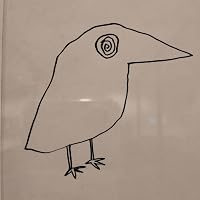
The author has illustrated the book with his own line drawings. I particularly like the drawings of the old people, with their character stamped onto their faces. The book pulls together five decades of Momo Kapor’s writings on Belgrade – a city that has undoubtably changed a lot over that period.
It could never live up to the picture that I now have in my mind of the magical Belgrade, thanks to @MomoKapor. Must read!
Ovu knjigu čitala sam nakon što sam se vratila sa tri meseca arheoloških iskopavanja po Srbiji, pa mi je Beograd bio naročito prelep i inspirativan. Ono što mi je bilo baš drago je to što su neke priče bukvalno ostale relevantne i danas, što mi daje nadu da možda nije skroz prava čar Beograda izgubljena nedavnim dešavanjima. Ipak, knjiga mi se dosta odužila i realno bih je ocenila sa tri zvezdice, ne krivicom samog kvaliteta knjige ili Mominim pisanjem (koje inače baš baš baaaš volim), već zato što sam ispala iz vajba. U jednom momentu mi je ležalo da čitam tako random kratke priče jedna za drugom, ali nekako brzo mi je falila neka konkretna radnja ili bar neki prividan tok duže priče (kao što je na primer bilo u "Beleške jedne Ane"). Ono što mi je isto bio bedak je što su se neke priče ponovile iz drugih izdanja, ali razumem da je to prosto posledica teme koja je usmerena u Beogradu, i da sam ja u jednom momentu tražila nešto drugo. Svakako, posle ove knjige mi sledi da pročitam minimum jedan roman Mome Kapora i uslišim sebi želju.
This entire review has been hidden because of spoilers.
Druga knjiga Mome Kapora u mojim rukama i drugi put kada prevrnem posljednju stranicu sa oduševljenjem a onda naidjem na gomilu loših utisaka o istoj. Mislim da je to jedan od razloga zašto neki autori postanu poznati a neki ostanu u sjenci. Baš zato što ne ostave nikoga ravnodušnim. Jedan od njih je za meine Momo Kapor. To, kako ovaj čovjek piše, se teško moze naučiti. Čitaš knjigu kod kuće na kauču a isto kao da se nalaziš kraj M.K., posmatrajući Beogradjane i obilazeci grad. Pročitala sam „Magiju Beograda“ šest mjeseci nakon što sam doselila u Srpsku prestonicu. U najzgodniji tren, kada sam već upoznala grad. Vjerovatno mi je to i bio razlog zašto sam uzivala čitajući. Obilazila sam sva ta mjesta o kojima piše i imala osjećaj da sam i ja jedan od likova mnogobrojnih priča. Predivna zbirka koju ću sigurno uzimati u ruke svaki put kada mi bude nedostajao Beograd… ako ga ikada napustim zauvijek… :)
Iako rodjeni Sarajlija, Kapor se sa 9 godina preselio u Beograd i slobodno se može reći da je prosečnog Beograđanina i sve njegove svakodnevne navike poznavao u dušu. Ostalo mi je nepoznato kada je Kapor počeo sa radom na ovoj zbirki kratkih priča i ispovesti ali činjenica da je knjiga izašla 2008. godine, ostavila je dovoljno prostora da se autor dotakne i danas akutnih tema u srpskom društvu, na jedan šeretski i aforistički način prepun humora. Svaka priča drži pažnju i poentira veoma efikasno ali bih izdvojio sledeće: Keva, Selo, Svakodnevne besmislice, Genetski liz, Portret, Kikiriki i još mnoge druge...
An attempt at romanticism of the worst aspects of our culture, lightly veiled sugar coating bitterness of progress. Particularly disappointed at the depiction of any female characters or mention of women. Women seem to be nothing more than objects of the male gaze and/or to serve men at their own detriment.
Едно произведение, което си служи прекрасно с иронията, и ми напомни колко всъщност близки сме си всичко балканци. Колко са близки културата ни, бита ни и дори градовете.
The narrative is easy to follow and writing is also easy written. I liked it. Little bit of everything. Good for relaxing and for understanding mind of a Serb (or better, Belgrade citizen)
Tople, divne i divno smiješne priče o Beogradu koje se lako čitaju. Priče u kojima ima istina, dijaloga, zapleta i predrasuda primjenjivih i na druge exYu gradove, njihove stanovnike i njihove stalne i nagle promjene. Bilo je dosta pamtljivih opisa, anegdota i utisaka o Beograđanima i Beograđankama koji napuštaju centar svog malog svemira i odlaze vani, odlaze zauvijek, ili odlaze da bi se stalno vraćali u svoj magični grad.
Od svih tih opisa ovaj je, nekako, ostao: "Ipak, jednoga dana, vratiće se devojčice, iscrpljene životnim bitkama, pomalo umorne, pomalo utučene, sa očima u kojima je Zapad uspeo da ugasi onu skrivenu iskricu, naivnost i nadu; čudno štedljive (a bile su oduvek male raspikuće), sigurne u sebe, pune nepoverenja prema svima, s blagim stranim akcentom."
Prica o identitetu koji je zaboravljen. Izgubljen možda? Posle knjige samo pitanje. Gde je taj Beograd?
Kafa: ,,[...]Tu su nam, najpre, dve osnovne vrste - maksuzija (koja se kuva s ljubavlju i dobrodošlicom, znači maksuz!) i sikteruša, kojom se diskretno daje do znanja gostima, da je poseta završena."
Genetski liz: ,,[...]I objašnjavam svom poznaniku Zapadnjaku, mi smo jedini grad na svetu koji je spojio dve nespojive stvari, pagansko žito i srednjoevropski šlag! A tu su i druge stvari koje nas krase. Na primer mi Srbi više ljubimo ruke starim popovima nego damama. Ali najčudnije od svega je što uvek liznemo cigaretu pre nego što zapalimo. Zašto? Zato što su nam preci pušili cigare zavijane od domaćeg duvana a ne kupovnog. E to je genetski liz!"
Na pijaci: ,,[...]Onaj ko ne odlazi na pijacu nikada neće upoznati srpski narod. Jeste da taj narod voli da zakine na kantaru, da ukrade, da se cenjka ali kad završi s tim i kad uspe u svojoj sitnoj igri kada čovek raširi zembilj da mu saspu luk, tačno kad je prevara gotova a s lukavstvom završeno, seljak će vas pogledati, iskosa, onako ispod oka i setiće se na trenutak Boga (Srbi ga uvek zamišljaju sa šubarom!) i jednim pokretom, kao da blagosilja, dometnuće luk viška da se iskupi i kazaće ,,Ajde! Nećemo ni ti ni ja da propadnemo zbog ovoga!" Na Zapadu toga nema, sve je elektronsko. I vage i duše."
Книгата на Момо Капор ме завари броени дни преди да посетя Белгард и по този начин се превърна в чуден пътеводител из атмосферата на града. Именно от такива гидове се нуждае всеки един голям град - смесица от историята, нравите, градските легенди, физическата и историческа география, подплътена с нефизичния фон на литературната история и народната митология. В този смисъл книгата е увлекателна и лично аз я прочетох на няколко големи глътки. Понеже, макар и завличаща, е и уморителна. Относително повтарящите се мотиви и вплетената световъзприемаща парадигма, близка до нашата (всъщност това е едно от най-интересните неща в книгата) се оказват близки до определени културни слоеве, които са ми чужди. Сякаш затова и ме отегчаваха са предвидимостта си - носталгията, емиграцията и вечното-по-хубаво-вкъщи отначало бяха приятни и сладки с меланхоличната си историчност; на места, обаче, ставаха чак сладникави. Не бива да се забравя, все пак, че книгата представлява сбор от отделни публикации на автора, така че повторенията в такъв случай се разбират. Въпреки всичко не-толкова-прекрасно, което споменах, щом в Белград попаднах на томче антология на Момо Капор, не се поколебах (добре де, изчаках една нощ) да си я купя.
В този цитат от симпатичната иронично-патриотична книга на Момо Капор "Магията на Белград", която поглъщам на малки сладко-горчиви хапки (както е и написана), се съдържа нужната доза живителна самоирония, която така често ни липсва на нас, балканците:
"- Господи - питат, - защо си засипал Сърбия с толкова изобилие? Дал си ù приятен климат, богати житници, гъсти гори; дал си ù бързи реки, високи планини; дал си ù плодородна година, дал си ù всичко...
- Така е! - отговаря Господ Бог - Но съм ù дал и сърбите!"
Въобще, цялата книга спокойно би могла да се казва и "Магията на София", толкова сме еднакви, дори в различията си. Капор постоянно използва изречения, които започват с "Едва ли има друг народ, който..." или направо "Няма на света друг народ, който...", имайки предвид сърбите, а аз не спирам да разпознавам българите в тях. Различията в еднаквостите ни само правят преживяването по опознаването на един близък народ двойно по-интересно. И ти помагат да опознаеш малко по-добре и самия себе си.
Хубава книга. Чете се бавно, на малки вкусни части.
Budi u meni nostalgiju za mestima koja nikada nisam niti ću ikada doživeti; javlja mi se knedla u grlu pri pomisli na potencijalno napuštanje Srbije, pri pomisli na to šta bi mi sve nedostajalo. Za početak, heterogenost mog grada i moje zemlje, na milion različitih stvari koje ćeš videti na ulici, nekad i kontradiktornih, ali voliš ih i više vrednuješ naspram zapadnjačke uniformnosti. Rekao je nešto poput 'samo ovde možeš videti fakultetski obrazovanog čoveka i majstore kako sede na prevrnutim kantama od farbe kako pričaju, jedu i piju pivo iz flaše'. I sada mislim na sve što neću videti nigde drugde osim u mojoj rodnoj Srbiji i mom Beogradu.
"The Magic of Belgrade" presents to us not only the charming little aspects that make Belgrade the wonderful city that charms everyone, but give the reader a thorough insight into any of the cities in the Blakans. Although some of the articles by Momo Kopor are specific to Belgrade, many of the people who grew up in a city in SE Europe and even Eastern Europe can relate to the characteristics of a booming town during communism, the rivalries between the old money and the nouveau riche, the isolated oasis of magic that only a connoisseur can find, the legends of the old places in town, etc.