

What do you think?

The German Mujahid
Based on a true story and inspired by the work of Primo Levi, The German Mujahid is a heartfelt reflection on guilt and the harsh imperatives of history.
The two brothers Schiller, Rachel and Malrich, couldn't be more dissimilar. They were born in a small village in Algeria to a German father and an Algerian mother, and raised by an elderly uncle in one of the toughest ghettos in France. But there the similarities end. Rachel is a model immigrant - hard working, upstanding, law-abiding. Malrich has drifted. Increasingly alienated and angry, his future seems certain: incarceration at best. Then Islamic fundamentalists murder the young men's parents in Algeria and the event transforms the destinies of both brothers in unexpected ways. Rachel discovers the shocking truth about his family and buckles under the weight of the sins of his father, a former SS officer. Now Malrich, the outcast, will have to face that same awful truth alone.
Banned in the author's native Algeria for of the frankness with which it confronts several explosive themes, The German Mujahid is a truly groundbreaking novel. For the first time, an Arab author directly addresses the moral implications of the Shoah. But this richly plotted novel also leaves its author room enough to address other equally controversial issues; Islamic fundamentalism and Algeria's "dirty war" of the early 1990s, for example or the emergence of grim Muslim ghettos in France's low-income housing projects. In this gripping novel, Boualem Sansal confronts these and other explosive questions with unprecedented sincerity and courage.
The two brothers Schiller, Rachel and Malrich, couldn't be more dissimilar. They were born in a small village in Algeria to a German father and an Algerian mother, and raised by an elderly uncle in one of the toughest ghettos in France. But there the similarities end. Rachel is a model immigrant - hard working, upstanding, law-abiding. Malrich has drifted. Increasingly alienated and angry, his future seems certain: incarceration at best. Then Islamic fundamentalists murder the young men's parents in Algeria and the event transforms the destinies of both brothers in unexpected ways. Rachel discovers the shocking truth about his family and buckles under the weight of the sins of his father, a former SS officer. Now Malrich, the outcast, will have to face that same awful truth alone.
Banned in the author's native Algeria for of the frankness with which it confronts several explosive themes, The German Mujahid is a truly groundbreaking novel. For the first time, an Arab author directly addresses the moral implications of the Shoah. But this richly plotted novel also leaves its author room enough to address other equally controversial issues; Islamic fundamentalism and Algeria's "dirty war" of the early 1990s, for example or the emergence of grim Muslim ghettos in France's low-income housing projects. In this gripping novel, Boualem Sansal confronts these and other explosive questions with unprecedented sincerity and courage.
240 pages, Paperback
First published January 1, 2008
About the author
Boualem Sansal
47 books155 followersBoualem Sansal, né en 1949 à Theniet El Had, petit village des monts de l’Ouarsenis, est un écrivain algérien, principalement romancier mais aussi essayiste, censuré dans son pays d'origine à cause de sa position très critique1 envers le pouvoir en place. Il habite néanmoins toujours en Algérie, considérant que son pays a besoin des artistes pour ouvrir la voie à la paix et à la démocratie. Il est en revanche très reconnu en France et en Allemagne, pays dans lesquels ses romans se vendent particulièrement bien, et où il a reçu de nombreux prix.
Son ami Rachid Mimouni (1945-1995) l'encourage à écrire. Boualem Sansal, bien que grand lecteur, ne se vouait pas à l'écriture. Il commence pourtant à écrire en 1997, alors que la guerre civile bat son plein. Il cherche à entrer dans l'esprit de ses compatriotes, pour tenter de comprendre puis d'expliquer ce qui a mené à l'impasse politique, sociale et économique de son pays, et à la montée de l'islamisme3
En 1999 il publie son premier roman, Le Serment des barbares, qui reçoit le prix du Premier Roman et le prix Tropiques
Son ami Rachid Mimouni (1945-1995) l'encourage à écrire. Boualem Sansal, bien que grand lecteur, ne se vouait pas à l'écriture. Il commence pourtant à écrire en 1997, alors que la guerre civile bat son plein. Il cherche à entrer dans l'esprit de ses compatriotes, pour tenter de comprendre puis d'expliquer ce qui a mené à l'impasse politique, sociale et économique de son pays, et à la montée de l'islamisme3
En 1999 il publie son premier roman, Le Serment des barbares, qui reçoit le prix du Premier Roman et le prix Tropiques
Ratings & Reviews
Friends & Following
Create a free account to discover what your friends think of this book!
Community Reviews
Displaying 1 - 30 of 146 reviews

January 23, 2017
ALLAH IN FRANCHISING
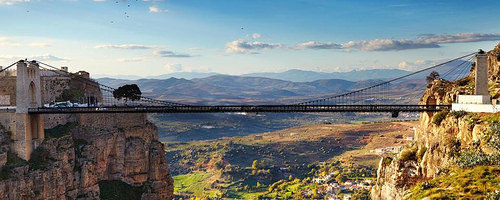
Cabilia
Ho talmente paura di incontrare mio padre dove non si dovrebbe, dove nessun uomo può rimanere un uomo. È in gioco la mia stessa umanità.
Le colpe dei padri ricadono sicuramente sui figli se i figli se ne fanno carico come succede in questo romanzo.
Come succede a Rachel, il figlio maggiore di Hans Schiller diventato sceicco del villaggio, il mujahid tedesco.
I due fratelli non sono mai stati tanto vicini come adesso che il maggiore è morto e il minore ha letto il suo diario, e man mano capisce cosa l’ha condotto al suicidio.
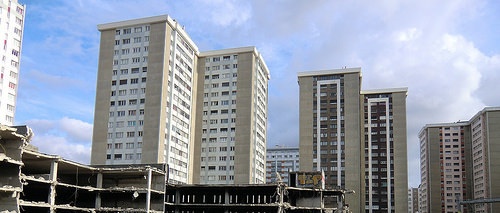
Parigi, ZUS
Il romanzo è formato da due diari: quello di Rachel, figlio maggiore, morto a 31 anni per suicidio volontario; e quello di Malrich, minore di 14 anni.
Entrambi figli di madre algerina e padre tedesco, trasferitosi in Algeria alla fine della guerra.
Rachel è la contrazione dei suoi due nomi, il primo arabo, il secondo tedesco: Rachid+Helmut=Rachel. Come pure Malrich è la contrazione di Malek+Ulrich. In entrambi i casi la pronuncia è francese perché si sono trasferiti presto a vivere in Francia, nella banlieu parigina, alias ZUS, Zones Urbaines Sensibles, anche Sensitive Urban Zones, oppure No Go Zones che la dice più chiara.
I genitori, invece, sono rimasti a vivere nel villaggio in Cabilia. Dove, il 24 aprile 1994, vengono sgozzati insieme ad altri abitanti. Assassini della GIA, oppure forze governative che vogliono far ricadere la colpa sugli integralisti, vattelapesca. Brutta gente in entrambi i casi [diciotto giorni prima era iniziato il genocidio in Rwanda].
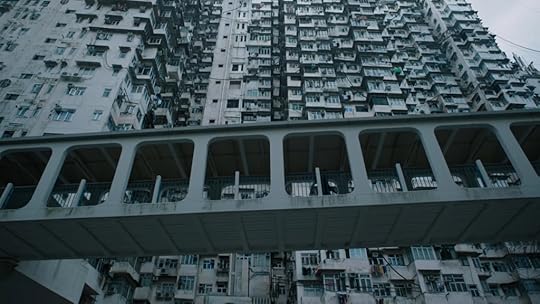
Rachel, figlio maggiore, reagisce per primo, Malrich è troppo giovane per farlo. Torna in Algeria, al villaggio, sulla tomba dei genitori. E nella casa di famiglia trova il diario del padre, carte e documenti che gli rivelano una verità che si sarebbe volentieri evitata perché gli cambierà la vita, e non certo in meglio: scopre che il padre era stato un ufficiale nazista, capitano, anche in vari campi di concentramento, per finire ad Auschwitz, ingegnere chimico, chissà che mansioni aveva nei lager. Sarebbe bello, e facile, pensare che era ignaro, che se avesse saputo si sarebbe ribellato. Ma capitano ingegnere chimico proprio in un posto dove lo Zyklon B andava per la maggiore, possibile non avesse capito, possibile non abbia contribuito allo sterminio, non abbia partecipato al genocidio?
Rachel dedica i seguenti due anni a fare ricerche, a incontrare i carnefici e le vittime sopravvissuti che conoscevano suo padre, a ripercorrere il suo viaggio-fuga dalla Germania tutto intorno al Mediterraneo, Turchia, Siria, Egitto, dove fu ingaggiato come consulente militare, per approdare in Algeria, dove divenne un combattente per l’indipendenza che contribuì alla cacciata dei francesi. Il suo itinerario attraverso l’Europa e poi lungo la via di fuga del padre non è una ricerca di prove ulteriori, piuttosto una via crucis di autoflagellazione.
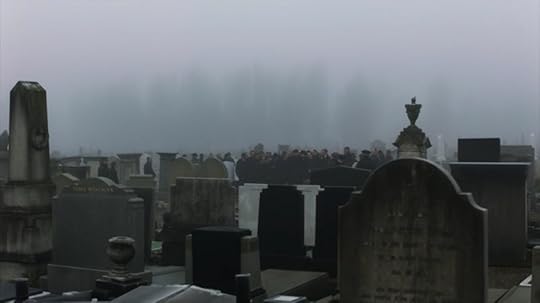
Mentre Rachel soccombe nel suo viaggio di verità, fino a togliersi la vita nel secondo anniversario della morte dei genitori, asfissiandosi in garage con lo scarico dell’auto, capelli rasati malamente a zero, addosso uno strano pigiama a grosse righe – mentre questo è il percorso del fratello maggiore, il minore cerca di capire il suo viaggio emotivo e mentale, e arriva a conclusioni affascinanti: un parallelo tra nazismo e integralismo islamico.
Qualcuno ha trovato questo binomio un po’ azzardato, spinto troppo oltre. Ma Sansal argomenta e indica i punti di contatto tra i due: partito unico, militarizzazione del Paese, lavaggio del cervello, falsificazione della storia, affermazione dell’esistenza di un complotto (i principali colpevoli sono Israele e l’America), glorificazione dei martiri e della guida suprema del Paese, onnipresenza della polizia, grandi raduni di massa, progetti faraonici di opere pubbliche (come la terza moschea più grande del mondo costruita dal presidente Bouteflika). Si tratta in pratica del Quarto Reich.
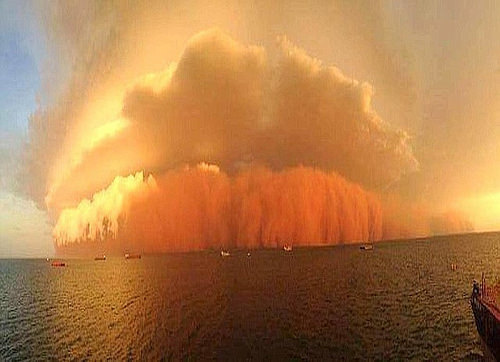
Sansal alterna punti di vista, i diari dei due fratelli, cambiando tono, trasmettendo il disorientamento dei due protagonisti e la loro progressiva consapevolezza. Qua e là Primo Levi viene citato, ritorna in più punti con le sue parole senza oblio. La Shoah vista attraverso gli occhi di un giovane arabo che ne scopre con orrore la realtà, la sporca guerra d’Algeria negli anni ’90, e la realtà delle periferie francesi, abbandonate dallo stato in mano all’integralismo.
Sansal si spinge in territori dolorosi e pericolosi, e lo fa con sapienza sensibilità e profondità, evitando la retorica. Ci vuole bravura e talento per scrivere le pagine dedicate ad Auschwitz senza cadere nella banalità.
Decisamente un bel romanzo, coraggioso, per me una sorprendente scoperta.
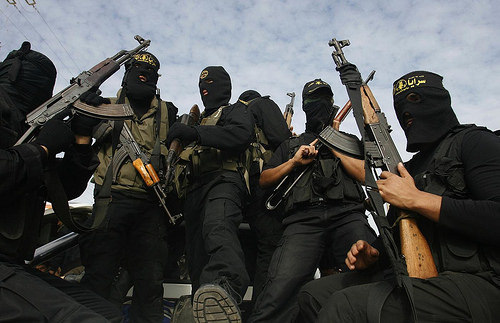
Cabilia
Ho talmente paura di incontrare mio padre dove non si dovrebbe, dove nessun uomo può rimanere un uomo. È in gioco la mia stessa umanità.
Le colpe dei padri ricadono sicuramente sui figli se i figli se ne fanno carico come succede in questo romanzo.
Come succede a Rachel, il figlio maggiore di Hans Schiller diventato sceicco del villaggio, il mujahid tedesco.
I due fratelli non sono mai stati tanto vicini come adesso che il maggiore è morto e il minore ha letto il suo diario, e man mano capisce cosa l’ha condotto al suicidio.
Parigi, ZUS
Il romanzo è formato da due diari: quello di Rachel, figlio maggiore, morto a 31 anni per suicidio volontario; e quello di Malrich, minore di 14 anni.
Entrambi figli di madre algerina e padre tedesco, trasferitosi in Algeria alla fine della guerra.
Rachel è la contrazione dei suoi due nomi, il primo arabo, il secondo tedesco: Rachid+Helmut=Rachel. Come pure Malrich è la contrazione di Malek+Ulrich. In entrambi i casi la pronuncia è francese perché si sono trasferiti presto a vivere in Francia, nella banlieu parigina, alias ZUS, Zones Urbaines Sensibles, anche Sensitive Urban Zones, oppure No Go Zones che la dice più chiara.
I genitori, invece, sono rimasti a vivere nel villaggio in Cabilia. Dove, il 24 aprile 1994, vengono sgozzati insieme ad altri abitanti. Assassini della GIA, oppure forze governative che vogliono far ricadere la colpa sugli integralisti, vattelapesca. Brutta gente in entrambi i casi [diciotto giorni prima era iniziato il genocidio in Rwanda].
Rachel, figlio maggiore, reagisce per primo, Malrich è troppo giovane per farlo. Torna in Algeria, al villaggio, sulla tomba dei genitori. E nella casa di famiglia trova il diario del padre, carte e documenti che gli rivelano una verità che si sarebbe volentieri evitata perché gli cambierà la vita, e non certo in meglio: scopre che il padre era stato un ufficiale nazista, capitano, anche in vari campi di concentramento, per finire ad Auschwitz, ingegnere chimico, chissà che mansioni aveva nei lager. Sarebbe bello, e facile, pensare che era ignaro, che se avesse saputo si sarebbe ribellato. Ma capitano ingegnere chimico proprio in un posto dove lo Zyklon B andava per la maggiore, possibile non avesse capito, possibile non abbia contribuito allo sterminio, non abbia partecipato al genocidio?
Rachel dedica i seguenti due anni a fare ricerche, a incontrare i carnefici e le vittime sopravvissuti che conoscevano suo padre, a ripercorrere il suo viaggio-fuga dalla Germania tutto intorno al Mediterraneo, Turchia, Siria, Egitto, dove fu ingaggiato come consulente militare, per approdare in Algeria, dove divenne un combattente per l’indipendenza che contribuì alla cacciata dei francesi. Il suo itinerario attraverso l’Europa e poi lungo la via di fuga del padre non è una ricerca di prove ulteriori, piuttosto una via crucis di autoflagellazione.
Mentre Rachel soccombe nel suo viaggio di verità, fino a togliersi la vita nel secondo anniversario della morte dei genitori, asfissiandosi in garage con lo scarico dell’auto, capelli rasati malamente a zero, addosso uno strano pigiama a grosse righe – mentre questo è il percorso del fratello maggiore, il minore cerca di capire il suo viaggio emotivo e mentale, e arriva a conclusioni affascinanti: un parallelo tra nazismo e integralismo islamico.
Qualcuno ha trovato questo binomio un po’ azzardato, spinto troppo oltre. Ma Sansal argomenta e indica i punti di contatto tra i due: partito unico, militarizzazione del Paese, lavaggio del cervello, falsificazione della storia, affermazione dell’esistenza di un complotto (i principali colpevoli sono Israele e l’America), glorificazione dei martiri e della guida suprema del Paese, onnipresenza della polizia, grandi raduni di massa, progetti faraonici di opere pubbliche (come la terza moschea più grande del mondo costruita dal presidente Bouteflika). Si tratta in pratica del Quarto Reich.
Sansal alterna punti di vista, i diari dei due fratelli, cambiando tono, trasmettendo il disorientamento dei due protagonisti e la loro progressiva consapevolezza. Qua e là Primo Levi viene citato, ritorna in più punti con le sue parole senza oblio. La Shoah vista attraverso gli occhi di un giovane arabo che ne scopre con orrore la realtà, la sporca guerra d’Algeria negli anni ’90, e la realtà delle periferie francesi, abbandonate dallo stato in mano all’integralismo.
Sansal si spinge in territori dolorosi e pericolosi, e lo fa con sapienza sensibilità e profondità, evitando la retorica. Ci vuole bravura e talento per scrivere le pagine dedicate ad Auschwitz senza cadere nella banalità.
Decisamente un bel romanzo, coraggioso, per me una sorprendente scoperta.

January 8, 2010
No spoilers. All this is known from the beginning of the book.
Two brothers, Rachel and Malrich, learn of their father’s past while going through his effects after he dies. Each in their own way comes to terms with what they learn about how their father was involved in the concentration camps, which decisions were made, what came to be. They each struggle with Why? and How? and, finally, with Who? their father was. And, how the father's life influences theirs. How responsible are the sons for the father's sins?
At the same time, Malrich, who lives in a Parisian ghetto, comes to terms with Islamic fundamentalists moving into the “hood” and trying to convert the poor to martyrdom with false promises and threats. The comparisons between concentration camps and the ghetto are stark and hard-hitting.
An interesting story to read and, if they were available, I’d read others by this author. It may have been helpful to know more about Algerian life and politics. But I’m not sure. The book pulls no punches about fanatics and the need to keep power out of their hands. The author does not distinguish between country or religion or personal ideals; his focus is purely on fanatics and the dangers they pose.
“You do not choose your life……. No one dreams of being a torturer, no one dreams of one day being a torture victim. Just as the sun releases its excesses of energy in sporadic sun spots, from time to time history releases the hatred humanity has accumulated in a scorching wind that sweeps away everything in its path. Chance decides whether one is here or there, protected or exposed, on this side of the channel or that. “
Two brothers, Rachel and Malrich, learn of their father’s past while going through his effects after he dies. Each in their own way comes to terms with what they learn about how their father was involved in the concentration camps, which decisions were made, what came to be. They each struggle with Why? and How? and, finally, with Who? their father was. And, how the father's life influences theirs. How responsible are the sons for the father's sins?
At the same time, Malrich, who lives in a Parisian ghetto, comes to terms with Islamic fundamentalists moving into the “hood” and trying to convert the poor to martyrdom with false promises and threats. The comparisons between concentration camps and the ghetto are stark and hard-hitting.
An interesting story to read and, if they were available, I’d read others by this author. It may have been helpful to know more about Algerian life and politics. But I’m not sure. The book pulls no punches about fanatics and the need to keep power out of their hands. The author does not distinguish between country or religion or personal ideals; his focus is purely on fanatics and the dangers they pose.
“You do not choose your life……. No one dreams of being a torturer, no one dreams of one day being a torture victim. Just as the sun releases its excesses of energy in sporadic sun spots, from time to time history releases the hatred humanity has accumulated in a scorching wind that sweeps away everything in its path. Chance decides whether one is here or there, protected or exposed, on this side of the channel or that. “

September 16, 2015
Αγαπώ πολυ αυτο το βιβλιο .., το ρούφηξα , χωρις ανάσα .....μετά τ χτεσινά γεγονότα είναι τόσο σημερινό και ανατριχιαστικα προφητικό . Πρέπει να διαβαστεί απ'ολους . Μπορεί έτσι να καταλάβουμε . Όλα τα πράγματα έχουν εξήγηση . Όλες οι θηριωδίες και οι πρακτικές . Αλλά εμείς πάντα πέφτουμε από τα σύννεφα . Αυτή είναι η δυστυχία της ανθρώπινης ύπαρξης . Θεωρεί το εαυτό του μικρό θεό και κέντρο του σύμπαντος , αλλά αφήνετε έρμαιο κάθε χιτλερ η χιτλερισκου. Ελάχιστα μαθαίνει . Και όταν μαθαίνει δεν μπορεί να το αντιμετώπισει.

June 16, 2010
... And there you have this book, pretty much.
Sansal has written a contribution to Holocaust guilt literature with a twist- this time it's globalized. These are the half German sons of an SS Officer who grew up in Algeria and the rough Paris banlieues who struggle with the sins of the fathers- a struggle that takes at least one of them all over the map, spreading the effects of the disease far and wide, implicating many more people than such angry meditations typically do. He engages heavily with the work of Primo Levi, and especially his idea that: "You have to tell the kids everything," that you have to talk about tragedies in order to move on. These kids are not told, and then they are, and what happens happens. There is real pain here, a real sense of being utterly lost and dislocated in a deeply rooted Europe that made the book worth reading, as well as an engagement with a conflict that went underreported in many places- the Algerian war of the 1990s.
It is an examination of guilt, historical memory and responsibility- all anviliciously straightforward (with lines like "Will no one tell me who my father is?" in case we miss the point). All the major bullet points are lined up and discussed. I did not find anything particularly new added to the discussion despite the gimmick of dislocating the people in place and time and trying to force the prism of the guilt of German children onto the plight of the modern immigrant family. It's awkward, insulting in several ways (more on this later), and there's something I'm a bit uncomfortable with about the idea of comparing someone caught between two cultures to a son who is worried about being contaminated by the blood on his father's hands is sort of troublesome to me. It tilts the nature vs. nuture argument towards nature in a way that's particularly European and slightly disturbing.
It is Sansal's contention that the Holocaust made the modern world- we are all part of the Machine- evil American multinationals are part of it, soulless tourist traps, uncaring beaureaucrats, worldwide bank conspiracies- it's all due to what we supposedly learned from the Holocaust: silence and collusion. If these slightly ah... interesting political conjectures weren't enough, he goes further and likens the situation of the Paris ghettoes to concentration camps, and the Islamic fundamentalists who supposedly run them to SS Officers just waiting to commit the next genocide. There is in fact a scene where one of the brothers confronts a radical imam (who is, anvil-y enough, one-eyed- get it, get it??) and asks the Crazy how he plans to "exterminate," all of the people he doesn't like, giving him some suggestions out of descriptions of the Holocaust. Sansal caught me at a pretty bad time, having just finished an entire book that concentrates on the "Islamists" in the Paris suburbs- had I not, perhaps I would not be utterly offended and slightly enraged by his ridiculously exaggerated comparison of the situation to concentration camps and ghettoes. His politics on this matter seem even farther to the right than those screaming from the Paris tabaloids throughout the 1990s and early 2000s. The author of the last book I read talks about how the media distorted the public's information on the situation there, ramping up the hysteria and blaming everything that's going wrong in the bad neighborhoods on Islam- rather than on things that are expensive to fix (or hard to acknowledge in France) like problems of poverty, discrimination, chronic unemployment, bad education and immigration. Sansal seems active proof of the public's gasping hyperventaliation over the issue, and its efforts to redirect blame elsewhere- a very particular kind of militant French educated liberal. There's even a part in the book where a character from the projects reminsciences about "before the Islamists came," and how much better being poor was when they were just horribly neglected by the French state rather than "ruled over" by the Islamists. For serious, y'all! And I quote: "Back then you'd hear them say: 'Tomorrow's another day;" "Vive la Republique, vive la France"; "Where there's life, there's hope." Or thnigs like "He who sleeps forgets his hunger," "Pretend it's Ramadan,".. and we'd all laugh." .... WOW. Don't forget, relatively speaking it's all fun and games when your democratic representatives ignore your plight, it's only the Islamists who are really scary! Ugh, I don't even have the energy to deconstruct all the endless problems with this and how much it angered me.
This book is jumping up and down and demanding that the reader take note of it's political relevance, using the unassailable moral ivory tower of the Holocaust to silence anyone who might object to its politics. It is the living incarnation of Godwin's law- taken very seriously, which makes me much less likely to be touched by what it has to say, especially as I've heard it all before, better, and with less insane politics, elsewhere. He's trying to construct some grand psychological-historical explanation of all the evil in the world, and I'm sorry, the suffering that Algeria went through was horrible, life in certain parts of France is terrible, and I think we can all get together on our opinions of the Holocaust
.... but running around screaming, "It's Hilter's fault!" helps who exactly solve which of the urgent, serious problems you bring up in this book? What an enormously disappointing cop-out.

April 13, 2018
This was perhaps the most annoying novel I've ever read.
The premise sounded promising - a combination of the France/Algeria relationship, and the Holocaust & the children of an SS officer. But, ugh. It really felt like Sansal looked at the concepts of 'postmemory' and 'multidirectionality' and implemented them in his novel as transparently as possible, which was really boring. The novel also got extremely repetitive, and Malrich's CONSTANT comparison of the estate with concentration camps was interesting the first three times, but not the twenty times afterwards. I was predominantly frustrated because this novel could have worked so well but it all felt too obvious, and I think it could've been translated better.
The premise sounded promising - a combination of the France/Algeria relationship, and the Holocaust & the children of an SS officer. But, ugh. It really felt like Sansal looked at the concepts of 'postmemory' and 'multidirectionality' and implemented them in his novel as transparently as possible, which was really boring. The novel also got extremely repetitive, and Malrich's CONSTANT comparison of the estate with concentration camps was interesting the first three times, but not the twenty times afterwards. I was predominantly frustrated because this novel could have worked so well but it all felt too obvious, and I think it could've been translated better.
January 11, 2017
Je možné dávat rovnítko mezi nacismus a islamismus? Můžeme soudit druhé, když nejsme v jejich situaci? A padá vina otců na jejich děti?
Tohle je jenom zlomek otázek, které člověka napadnou při čtení této knihy a vlastně jsem si to v hlavě ještě všechno nesrovnala. Dozvědět se, že váš milovaný otec se podílel na holokaustu a vy jste o tom nikdy neměli ani sebemenší tušení, je něco nepředstavitelného a pro hlavní hrdiny, bratry Rašela a Malricha, také nesdělitelného. A otec je mrtvý - takže není koho se zeptat. Oba si to nesou v sobě - jednoho ta vina zabije, druhého snad postrčí k revoltě (ale jak to s ní dopadne a zda se k ní Malrich vůbec odhodlá se v knize nedozvíme).
Autor prakticky celou knihu staví paralely mezi nacismus a islamismus. Oba hrdinové jsou příznačně poloviční Němci a poloviční Alžířané, i jejich přezdívky jsou kombinace arabského a německého jména. Rašel se celou dobu snaží přijít na to, jak se mohl otec stát tím, čím se stal, jak je možné, že celý stát podlehl nacistické ideologii. A přitom jeho bratr a příbuzní žijí na sídlišti, které postupně "kolonizují" islamisté a celé sídliště jim podléhá. Ta paralela je tu víc než jasná a někdy možná až příliš násilná, viz třeba rozhovor Malricha s imámem.
Co se v českém vydání opravdu povedlo, tak to je obálka - postava ztracená mezi kvádry berlínského památníku obětem holokaustu - ke knize se to opravdu hodí.
Velmi zajímavá knížka, která určitě stojí za přečtení, byť tématicky to člověk četl již nesčetněkrát. Na plný počet hvězdiček tomu chybí větší ucelenost a dotaženost a možná i trošku lehčí ruka autora, ale ty čtyři hvězdičky jsou zasloužené.
Kontext: Boualem Sansal napsal parafrázi na Orwellovo 1984 - 2084. La fin du monde - loni to vydalo Argo. Někdy se to tak prostě sejde :-)
První věta: "Rašel je už půl roku mrtvý."
Poslední věta: "Děkuji, že bude má vůle respektována."
Tohle je jenom zlomek otázek, které člověka napadnou při čtení této knihy a vlastně jsem si to v hlavě ještě všechno nesrovnala. Dozvědět se, že váš milovaný otec se podílel na holokaustu a vy jste o tom nikdy neměli ani sebemenší tušení, je něco nepředstavitelného a pro hlavní hrdiny, bratry Rašela a Malricha, také nesdělitelného. A otec je mrtvý - takže není koho se zeptat. Oba si to nesou v sobě - jednoho ta vina zabije, druhého snad postrčí k revoltě (ale jak to s ní dopadne a zda se k ní Malrich vůbec odhodlá se v knize nedozvíme).
Autor prakticky celou knihu staví paralely mezi nacismus a islamismus. Oba hrdinové jsou příznačně poloviční Němci a poloviční Alžířané, i jejich přezdívky jsou kombinace arabského a německého jména. Rašel se celou dobu snaží přijít na to, jak se mohl otec stát tím, čím se stal, jak je možné, že celý stát podlehl nacistické ideologii. A přitom jeho bratr a příbuzní žijí na sídlišti, které postupně "kolonizují" islamisté a celé sídliště jim podléhá. Ta paralela je tu víc než jasná a někdy možná až příliš násilná, viz třeba rozhovor Malricha s imámem.
Co se v českém vydání opravdu povedlo, tak to je obálka - postava ztracená mezi kvádry berlínského památníku obětem holokaustu - ke knize se to opravdu hodí.
Velmi zajímavá knížka, která určitě stojí za přečtení, byť tématicky to člověk četl již nesčetněkrát. Na plný počet hvězdiček tomu chybí větší ucelenost a dotaženost a možná i trošku lehčí ruka autora, ale ty čtyři hvězdičky jsou zasloužené.
Kontext: Boualem Sansal napsal parafrázi na Orwellovo 1984 - 2084. La fin du monde - loni to vydalo Argo. Někdy se to tak prostě sejde :-)
První věta: "Rašel je už půl roku mrtvý."
Poslední věta: "Děkuji, že bude má vůle respektována."
December 14, 2009
L'histoire : en 1996, le frère de Malrich (Malik-Ulrich) Schiller, Rachel (Rachid-Helmut), se suicide, dans son pavillon de la banlieue parisienne. A la fin de l'enquête, le commissaire lui remet le journal de son frère, commencé lorsqu'il a appris la mort de leurs parents, assassinés dans leur village algérien par des islamistes du GIA, en 1994. Leur père était d'origine allemande, et en lisant le journal de son frère, Malrich fait à son tour les découvertes qui ont conduit son frère au suicide : son père était un des bourreaux de l'Holocauste, membre des SS et gardien de différents camps, réfugié en Algérie à la fin de la guerre via les filières suisse, turque et égyptienne.
Le livre est l'histoire parallèle de la descente aux enfers de Rachel lorsqu'il s'enfonce dans la noirceur de la vie de son père, de tout ce qu'il a vécu et qui l'a conduit au suicide, d'une part, et de la révolte de Malrich, d'autre part, lorsqu'il fait ce même chemin de découverte, et qu'il fait un parallèle avec la vie dans sa cité, via leurs journaux intimes entremêlés.
Les deux frères sont extrêmement différents, l'un très éduqué (école de commerce) et ayant bien "réussi" dans la vie (poste dans une multinationale, femme française, petit pavillon de banlieue), et l'autre qui a arrêté l'école très tôt, qui vit de petites embrouilles, et qui vit toujours dans la cité, où il voit l'islamisme se développer depuis quelques années.
Et c'est cette réflexion sur l'islamisme et le parallèle qu'il est possible de faire avec le nazisme qui sert de fil conducteur au livre. C'est dommage, parce que cette réflexion n'est pas assez poussée, on en voudrait plus, on voudrait plus d'informations, et surtout une ouverture, quelque chose. Parce que j'ai reposé le livre avec une envie de crier, de faire quelque chose, et que le livre ne m'a même pas dit ce que Malrich allait faire de toute la révolte qu'il a emmagasinée à la lecture du journal de son frère, à la réflexion sur les actions de son père. Parce que le constat final est très noir, très pessimiste. Parce que c'est beaucoup trop réaliste, et que j'aurais sans doute aimé un peu de fiction, quelqu'un qui soit capable de sauver le monde (je suis optimiste comme ça, oui), ou au moins de crier sa rage.
L'écriture est incisive et réaliste, ça se lit vite même si ce n'est pas drôle du tout, la réflexion est intéressante, les informations sur les anciens nazis réfugiés en Algérie sont passionnantes, ouvrent une toute nouvelle perspective sur quelque chose qu'on ne sait pas assez, sur ces anciens SS envoyés en Algérie pour aider à la guerre d'indépendance, en tant que moudjahidins.
J'ai rencontré l'auteur du livre quand j'étais en stage à l'Institut français de Brême cet été, il était venu pour une présentation et une lecture de son livre. C'était un type passionnant, un intellectuel d'une soixantaine d'années qui a, de son propre aveu, passé des années le nez dans des archives pour documenter son bouquin, qui s'est engagé en Algérie contre certaines positions du pouvoir en place, ce qui lui a valu d'être limogé de son emploi de haut fonctionnaire dans un Ministère, bien qu'il vive toujours en Algérie. Quelqu'un qui sait de quoi il parle, en tout cas. D'autant que l'idée du livre lui est venue d'une histoire vraie.*
Bref, je le conseille vraiment ! Et moi je vais essayer de trouver quelque part Le Serment des Barbares, son premier roman !
*Entretien avec l'auteur ici : http://bibliobs.nouvelobs.com/2008010...
Le livre est l'histoire parallèle de la descente aux enfers de Rachel lorsqu'il s'enfonce dans la noirceur de la vie de son père, de tout ce qu'il a vécu et qui l'a conduit au suicide, d'une part, et de la révolte de Malrich, d'autre part, lorsqu'il fait ce même chemin de découverte, et qu'il fait un parallèle avec la vie dans sa cité, via leurs journaux intimes entremêlés.
Les deux frères sont extrêmement différents, l'un très éduqué (école de commerce) et ayant bien "réussi" dans la vie (poste dans une multinationale, femme française, petit pavillon de banlieue), et l'autre qui a arrêté l'école très tôt, qui vit de petites embrouilles, et qui vit toujours dans la cité, où il voit l'islamisme se développer depuis quelques années.
Et c'est cette réflexion sur l'islamisme et le parallèle qu'il est possible de faire avec le nazisme qui sert de fil conducteur au livre. C'est dommage, parce que cette réflexion n'est pas assez poussée, on en voudrait plus, on voudrait plus d'informations, et surtout une ouverture, quelque chose. Parce que j'ai reposé le livre avec une envie de crier, de faire quelque chose, et que le livre ne m'a même pas dit ce que Malrich allait faire de toute la révolte qu'il a emmagasinée à la lecture du journal de son frère, à la réflexion sur les actions de son père. Parce que le constat final est très noir, très pessimiste. Parce que c'est beaucoup trop réaliste, et que j'aurais sans doute aimé un peu de fiction, quelqu'un qui soit capable de sauver le monde (je suis optimiste comme ça, oui), ou au moins de crier sa rage.
L'écriture est incisive et réaliste, ça se lit vite même si ce n'est pas drôle du tout, la réflexion est intéressante, les informations sur les anciens nazis réfugiés en Algérie sont passionnantes, ouvrent une toute nouvelle perspective sur quelque chose qu'on ne sait pas assez, sur ces anciens SS envoyés en Algérie pour aider à la guerre d'indépendance, en tant que moudjahidins.
J'ai rencontré l'auteur du livre quand j'étais en stage à l'Institut français de Brême cet été, il était venu pour une présentation et une lecture de son livre. C'était un type passionnant, un intellectuel d'une soixantaine d'années qui a, de son propre aveu, passé des années le nez dans des archives pour documenter son bouquin, qui s'est engagé en Algérie contre certaines positions du pouvoir en place, ce qui lui a valu d'être limogé de son emploi de haut fonctionnaire dans un Ministère, bien qu'il vive toujours en Algérie. Quelqu'un qui sait de quoi il parle, en tout cas. D'autant que l'idée du livre lui est venue d'une histoire vraie.*
Bref, je le conseille vraiment ! Et moi je vais essayer de trouver quelque part Le Serment des Barbares, son premier roman !
*Entretien avec l'auteur ici : http://bibliobs.nouvelobs.com/2008010...

October 25, 2015
Καταπληκτικό βιβλίο. «Ο σιωπών δοκεί συναινείν» λέει το ρητό και αυτό ακριβώς μας υπενθυμίζει ο Σανσάλ μέσω του παράτολμου εγχειρήματος της σύγκρισης των ναζιστικών θηριωδιών του ολοκαυτώματος με αυτές του ισλαμικού απολυταρχισμού. Η λήθη, ο φόβος, η ανοχή και η αποσιώπηση των διωγμών και των καθάρσεων καθιστούν τις κοινωνίες συνένοχες, το μόνο που αλλάζει κάθε φορά είναι η θρησκευτική και εθνοτική ταυτότητα των θυμάτων. Εξαιρετικά επίκαιρο.

Read
August 7, 2020This was much less straightforward than I thought it'd be based on the reviews... It gets across that experience really well when ALL you read is Holocaust literature and you can't stop thinking about it and everything begins to look like the Holocaust. Except this time it's not from a Jewish perspective, the way it usually is portrayed. I am still thinking about this book; I might write something longer.
(Caveat that I should put here in the meanwhile: there are some brief mentions of anti-Blackness that are really not interrogated in-text. :( )
Spoiler and also content notice for suicide -
(Caveat that I should put here in the meanwhile: there are some brief mentions of anti-Blackness that are really not interrogated in-text. :( )
Spoiler and also content notice for suicide -

February 12, 2011
The German Mujahid by Boualem Sansal is an important book-at least for me, ignorant as I am of Algerian history. The story begins with two Algerian brothers living in France. Or rather, it begins with the younger brother, Malrich, telling us about his older brother's recent suicide in the wake of a massacre in their home village in Algeria, where their parents were killed. And Rachel's (the older brother) subsequent that their father, an important elder in their village who came originally from Germany, had been a high-ranking official in the Nazi party and had worked at some of the most infamous concentration camps.
The story that unfolds is painful and fascinating. We discover with Malrich the atrocities his father had been a part of as well as the agony of being the child of a perpetrator. We also experience the contemporary fascism of fundamentalist Islam-the rigidity of any all-powerful and all-consuming ideology that declares anyone not "inside" an evil to be eradicated.
The only real fault I found with the book was that the writing both in style (if the translation is fair to the original) and in its transitions and unfolding of plot was a little too easy, keeping the book from being "great." It was still very, very good.
The story that unfolds is painful and fascinating. We discover with Malrich the atrocities his father had been a part of as well as the agony of being the child of a perpetrator. We also experience the contemporary fascism of fundamentalist Islam-the rigidity of any all-powerful and all-consuming ideology that declares anyone not "inside" an evil to be eradicated.
The only real fault I found with the book was that the writing both in style (if the translation is fair to the original) and in its transitions and unfolding of plot was a little too easy, keeping the book from being "great." It was still very, very good.

April 28, 2026
J’ai acheté en bouquinerie sans connaître le nom de l’auteur, attirée par le titre et le résumé.
Le résumé promet : le choc de découvrir le passé n*zi de leur père, l’enquête à ce sujet pour retracer son parcours, tenter de comprendre, découvrir l’horreur des camps ; un deuxième fil d’intrigue autour de la guerre civile en Algérie dans les années 90 (là j’y connais rien mais je suis tjs contente d’apprendre de nouvelles choses) ; et un troisième fil autour de la vie de jeunes issus de l’immigration parqués dans des cités de région parisienne. Je me demandais comment les trois s’articulaient.
La documentation autour des camps de concentration est FOLLE. C’était si précis, si spécifique, je n’ose pas imaginer dans quoi l’auteur a du mettre le nez pour détailler la technique de l’industrialisation du meurtre. Je lis ce texte en 2026, un période où disparaissent les uns après les autres nos anciens, la mémoire vivante de cette époque, et qu’ils laissent la place dans l’hémicycle à des négationnistes et des imbeciles qui font des minutes de silence pour des neo-n*zis. Ça m’a fait du bien de lire le récit d’un homme épouvanté par la Shoah. Un homme qui met les termes sur les actes de son père, ingénieur de l’holocauste, et qui en devient fou. « Faire du bien » est un drôle de terme, mais j’avais besoin qu’on remettre l’Eglise au milieu du village, qu’on dise les termes : la réhabilitation des n*zis, telle qu’elle est opérée aujourd’hui par nos politiques et leurs militants, est à la fois délirante et terrifiante.
L’auteur fait un parallèle entre l’idéologie n*zie et la manipulation sectaire des jeunes des cités par des religieux radicaux, qui promettent le paradis à ceux qui mèneront une lutte violente contre… tous les autres.
Je ne sais pas si c’est la même chose, mais s’inquiéter des dérives violentes d’une idéologie et de l’embrigadement des jeunes ne semble pas superflu.
Sont mis en scène un groupe de jeunes, la vingtaine, qui se dressent contre l’Imam. Le message m’a paru plutôt positif, dans le sens : « tous les jeunes de banlieue ne sont pas des terr*ristes en devenir. »
J’ai moins compris les parties en Algérie, à part ce périple, très terre à terre, et très « récit d’aventure au croisement entre Indiana Jones et le Nature Writing » pour arriver en transport en commun, en taxi ou à pieds, au bout de la Kabylie.
Depuis, j’ai croisé beaucoup d’articles et de gros titres à propos de l’auteur et je ne comprends plus rien.
Il a été emprisonné en Algérie parce qu’il dénonce le gouvernement autoritaire dans ses livres : c’est plutôt signe d’un esprit libre.
Il a été édité pendant 26 ans chez Gallimard et aussitôt de retour de prison, il a rejoint Grasset au moment du rachat par Bolloré. Mais il dira « je savais pas ». Curieux
Il s’est rendu à une réunion éditoriale du magazine d’extrême droite « frontières » et y a écrit un article. Mais il dira « je ne connaissais pas ce média, je n’irai plus ». Peut on croire à l’argument de la naïveté, venant d’un homme qui écrit des romans à portée politique ?
Il dénonce, avec acharnement, le nazime, l’holocauste, l’antisémitisme ; mais l’extrême droite l’adore. Je ne comprends plus rien.
Ma théorie, c’est qu’il dénonce, à juste titre, le nazisme et ses horreurs, et de ce fait s’inquiète de l’antisemitisme, également à juste titre.
Il a également pris en grippe l’islamisme et ses dérives, il me semble là aussi à juste titre, qu’il dénonce dans ce roman, qui l’ont fait emprisonner en Algérie, etc ; et que cette position s’est étendue progressivement vers un rejet général de l’Islam et de ses adeptes. L’extrême droite adore l’islamophobie, et elle adore encore plus les transfuges, comme lui-même ou Sophia Aram, qu’ils peuvent agiter comme des « token » pour leur servir d’alibi : « nous ne sommes pas racistes, on a un ami arabe ».
Mais je trouve difficile à croire qu’un intellectuel de sa trempe, aussi documenté sur l’Histoire et la Politique, puisse être naïf comme il le prétend. « J’ignorais tout de Bolloré, j’ignorais tout de Frontières… » Sophia Aram a suivi la même pente.
Je suis affligée qu’on puisse être si engagé contre l’autoritarisme et les idéologies mortifères et fricoter avec le RN comme si de rien. C’est littéralement des neo nazis. Wtf.
Cette ambivalence de la part de l’auteur donne une étrange couleur à son roman ; quelle valeur accorder à son indignation contre l’holocauste quand il agit en sympathisant de leurs héritiers ? Mais du coup ce roman c’est quoi, du vent ?
Je suis déboussolée.
Le résumé promet : le choc de découvrir le passé n*zi de leur père, l’enquête à ce sujet pour retracer son parcours, tenter de comprendre, découvrir l’horreur des camps ; un deuxième fil d’intrigue autour de la guerre civile en Algérie dans les années 90 (là j’y connais rien mais je suis tjs contente d’apprendre de nouvelles choses) ; et un troisième fil autour de la vie de jeunes issus de l’immigration parqués dans des cités de région parisienne. Je me demandais comment les trois s’articulaient.
La documentation autour des camps de concentration est FOLLE. C’était si précis, si spécifique, je n’ose pas imaginer dans quoi l’auteur a du mettre le nez pour détailler la technique de l’industrialisation du meurtre. Je lis ce texte en 2026, un période où disparaissent les uns après les autres nos anciens, la mémoire vivante de cette époque, et qu’ils laissent la place dans l’hémicycle à des négationnistes et des imbeciles qui font des minutes de silence pour des neo-n*zis. Ça m’a fait du bien de lire le récit d’un homme épouvanté par la Shoah. Un homme qui met les termes sur les actes de son père, ingénieur de l’holocauste, et qui en devient fou. « Faire du bien » est un drôle de terme, mais j’avais besoin qu’on remettre l’Eglise au milieu du village, qu’on dise les termes : la réhabilitation des n*zis, telle qu’elle est opérée aujourd’hui par nos politiques et leurs militants, est à la fois délirante et terrifiante.
L’auteur fait un parallèle entre l’idéologie n*zie et la manipulation sectaire des jeunes des cités par des religieux radicaux, qui promettent le paradis à ceux qui mèneront une lutte violente contre… tous les autres.
Je ne sais pas si c’est la même chose, mais s’inquiéter des dérives violentes d’une idéologie et de l’embrigadement des jeunes ne semble pas superflu.
Sont mis en scène un groupe de jeunes, la vingtaine, qui se dressent contre l’Imam. Le message m’a paru plutôt positif, dans le sens : « tous les jeunes de banlieue ne sont pas des terr*ristes en devenir. »
J’ai moins compris les parties en Algérie, à part ce périple, très terre à terre, et très « récit d’aventure au croisement entre Indiana Jones et le Nature Writing » pour arriver en transport en commun, en taxi ou à pieds, au bout de la Kabylie.
Depuis, j’ai croisé beaucoup d’articles et de gros titres à propos de l’auteur et je ne comprends plus rien.
Il a été emprisonné en Algérie parce qu’il dénonce le gouvernement autoritaire dans ses livres : c’est plutôt signe d’un esprit libre.
Il a été édité pendant 26 ans chez Gallimard et aussitôt de retour de prison, il a rejoint Grasset au moment du rachat par Bolloré. Mais il dira « je savais pas ». Curieux
Il s’est rendu à une réunion éditoriale du magazine d’extrême droite « frontières » et y a écrit un article. Mais il dira « je ne connaissais pas ce média, je n’irai plus ». Peut on croire à l’argument de la naïveté, venant d’un homme qui écrit des romans à portée politique ?
Il dénonce, avec acharnement, le nazime, l’holocauste, l’antisémitisme ; mais l’extrême droite l’adore. Je ne comprends plus rien.
Ma théorie, c’est qu’il dénonce, à juste titre, le nazisme et ses horreurs, et de ce fait s’inquiète de l’antisemitisme, également à juste titre.
Il a également pris en grippe l’islamisme et ses dérives, il me semble là aussi à juste titre, qu’il dénonce dans ce roman, qui l’ont fait emprisonner en Algérie, etc ; et que cette position s’est étendue progressivement vers un rejet général de l’Islam et de ses adeptes. L’extrême droite adore l’islamophobie, et elle adore encore plus les transfuges, comme lui-même ou Sophia Aram, qu’ils peuvent agiter comme des « token » pour leur servir d’alibi : « nous ne sommes pas racistes, on a un ami arabe ».
Mais je trouve difficile à croire qu’un intellectuel de sa trempe, aussi documenté sur l’Histoire et la Politique, puisse être naïf comme il le prétend. « J’ignorais tout de Bolloré, j’ignorais tout de Frontières… » Sophia Aram a suivi la même pente.
Je suis affligée qu’on puisse être si engagé contre l’autoritarisme et les idéologies mortifères et fricoter avec le RN comme si de rien. C’est littéralement des neo nazis. Wtf.
Cette ambivalence de la part de l’auteur donne une étrange couleur à son roman ; quelle valeur accorder à son indignation contre l’holocauste quand il agit en sympathisant de leurs héritiers ? Mais du coup ce roman c’est quoi, du vent ?
Je suis déboussolée.

June 22, 2020
I frankly don't feel qualified to write an objective review of The German Mujahid (original French title: Le village de l'Allemand, ou Le journal des frères Schiller) -- I don't feel like the intended audience. Boualem Sansal draws parallels between Nazism and Islamic fundamentalism, grounding his comparison in a pair of Algerian brothers born to a German father and living in France. The book jacket claims that Sansal bases this on a true story, and I have it on good authority (from an Algerian colleague of my wife's) that several Algerians born in the mid-20th century have German fathers. I feel like Sansal wrote this book for them, and the rest of Algeria, and the rest of the Arab world, to make them aware of history, so as not to repeat it. Unfortunately, Algeria banned it, so I have no idea how much of his intended audience Sansal reached.
I'm glad to have read this book regardless. It gives a window into Algerian culture, and to the "estate" culture of suburban Paris, that I doubt I might have seen otherwise. Far too often, Americans insulate themselves from foreign, non-Anglophone perspectives, so I thank Frank Wynne for his colloquial, approachable translation. Sansal wrote the book in the late 00s and set it in the mid-90s, and yet his and Wynne's text manages to feel strongly current, powerful, and relevant.
Any book focused on the Holocaust of necessity treads dark terrain, and at times, Sansal gets very blunt in pushing his case -- not that the material doesn't demand it. One doesn't "enjoy" a book like The German Mujahid, but then again, one doesn't read a book like this for enjoyment in the first place. I read it for education, enlightenment, a view into different cultures, and for a reminder of what humanity is capable of when it gives in to its worst impulses. It seems that the world will always need that kind of a reminder, and so, in addition to the reasons for reading it that I laid out above, I recommend The German Mujahid to anyone who thinks things like the Holocaust can't happen again. One needn't be a white male German (or even an Arab male Algerian, as too much of our very recent history bears out) to start down this dark path.
I'm glad to have read this book regardless. It gives a window into Algerian culture, and to the "estate" culture of suburban Paris, that I doubt I might have seen otherwise. Far too often, Americans insulate themselves from foreign, non-Anglophone perspectives, so I thank Frank Wynne for his colloquial, approachable translation. Sansal wrote the book in the late 00s and set it in the mid-90s, and yet his and Wynne's text manages to feel strongly current, powerful, and relevant.
Any book focused on the Holocaust of necessity treads dark terrain, and at times, Sansal gets very blunt in pushing his case -- not that the material doesn't demand it. One doesn't "enjoy" a book like The German Mujahid, but then again, one doesn't read a book like this for enjoyment in the first place. I read it for education, enlightenment, a view into different cultures, and for a reminder of what humanity is capable of when it gives in to its worst impulses. It seems that the world will always need that kind of a reminder, and so, in addition to the reasons for reading it that I laid out above, I recommend The German Mujahid to anyone who thinks things like the Holocaust can't happen again. One needn't be a white male German (or even an Arab male Algerian, as too much of our very recent history bears out) to start down this dark path.
December 21, 2025
Un point de vue très personnel et structuréede l'organisation nazie, la comparaison entre nazisme et islamisme dérange et c'est très bien.

Read
July 3, 2025Als ich den Roman in der Auslage eines Buchladens sah, hab ich direkt zugeschlagen. Naja Boualem Sansal sitzt in Algerien im Knast und spielt eine Rolle in den jüngsten diplomatischen Verwerfungen zwischen Algerien und Frankreich. Dann soll das Buch auch noch was mit Deutschland zutun haben - das hat ausgereicht um mich mit die Lektüre schmackhaft zu machen.
Und trotzdem bin ich nicht wirklich in die Geschichte reingekommen, wahrscheinlich war es der falsche Zeitpunkt für mich - zu viele andere Dinge im Kopf.
Das Buch hat alles um zu überziehen : Nazis, Islamisten und die französischen Banlieues - “Vergangenheitsbewältigung”, Emanzipation, Schuld und Suizid und dann noch basierend auf echten Gegebenheiten.
Allein die Form der Tagebücher, der Wechsel im Sprechstil und so weiter, das Buch ist genial und doch viel mir das lesen schwer, dementsprechend habe ich das letzte Drittel diagonal gelesen.
Und trotzdem bin ich nicht wirklich in die Geschichte reingekommen, wahrscheinlich war es der falsche Zeitpunkt für mich - zu viele andere Dinge im Kopf.
Das Buch hat alles um zu überziehen : Nazis, Islamisten und die französischen Banlieues - “Vergangenheitsbewältigung”, Emanzipation, Schuld und Suizid und dann noch basierend auf echten Gegebenheiten.
Allein die Form der Tagebücher, der Wechsel im Sprechstil und so weiter, das Buch ist genial und doch viel mir das lesen schwer, dementsprechend habe ich das letzte Drittel diagonal gelesen.

April 19, 2015
I am deeply impressed by this little book, dealing with rising Islamicism in France and exploring parallels with Nazism, the inescapable tangle of responsibility and the indivisibility now of Europe and the ME/NA. It seems fresh and original, searing but not devastating - more of a plea than an offer of hope, but it feels like an important book, maybe even a new coming-of-age classic. There are exceptionally evocative riffs on things like the chaos of immediate-post-war Europe, doing business in Cairo, life in the KL; some thoughtful and original symbolism (like selling sluice gates on the Nile) lightly handled; and a sympathetic narrator, Malrich, who is cynical and alienated on his sink estate in Paris but also open and rather sweet.
I should have read this in French but anyway the translation is smooth and lyric - nice job there, Mr Frank Wynne. Found by chance on Scribd (here) and I strongly recommend it.
I should have read this in French but anyway the translation is smooth and lyric - nice job there, Mr Frank Wynne. Found by chance on Scribd (here) and I strongly recommend it.

June 11, 2019
Il y a des livres dont on n’attend rien et qui nous donne tous. Le Village de l’Allemand est un de ses livres. C’est un bouquin qui va envahir mes rêves. Bravo Boualem Sansal.
June 30, 2026
Quel roman !
J'ai pleuré pendant cette lecture, le cœur en miettes dans l'avion. D'autant plus qu'il est inspiré d'une histoire vraie 💔
On y lit le journal de deux frères, dont les parents ont été massacrés en Algérie par le GIA en 1994. Au-delà du deuil, ils apprennent que leur père, un Allemand, a participé en tant que SS à l'extermination des Juifs pendant la seconde Guerre mondiale.
Boualem Sansal y pose de nombreuses réflexions : Est-on coupable des crimes de nos parents? Doit-on (se) faire justice quand notre propre père n'a jamais été jugé de ses crimes ?
On y trouve un parallèle entre nazisme des années 40 et islamisme moderne, qui monte en flèche dans la cité de banlieue parisienne dans laquelle vit le jeune frère.
Je l'ai trouvé par moments un peu trop dense et noir mais c'est un récit bouleversant, d'une grande profondeur et intelligence.
Bonus de 2 citations qui m'ont marquée qui résument assez bien l'état d'esprit du grand frère:
" Se découvrir le fils d'un bourreau est pire que d'avoir été soi-même un bourreau. "
"Je dois assumer à ta place, je vais payer pour toi papa."
J'ai pleuré pendant cette lecture, le cœur en miettes dans l'avion. D'autant plus qu'il est inspiré d'une histoire vraie 💔
On y lit le journal de deux frères, dont les parents ont été massacrés en Algérie par le GIA en 1994. Au-delà du deuil, ils apprennent que leur père, un Allemand, a participé en tant que SS à l'extermination des Juifs pendant la seconde Guerre mondiale.
Boualem Sansal y pose de nombreuses réflexions : Est-on coupable des crimes de nos parents? Doit-on (se) faire justice quand notre propre père n'a jamais été jugé de ses crimes ?
On y trouve un parallèle entre nazisme des années 40 et islamisme moderne, qui monte en flèche dans la cité de banlieue parisienne dans laquelle vit le jeune frère.
Je l'ai trouvé par moments un peu trop dense et noir mais c'est un récit bouleversant, d'une grande profondeur et intelligence.
Bonus de 2 citations qui m'ont marquée qui résument assez bien l'état d'esprit du grand frère:
" Se découvrir le fils d'un bourreau est pire que d'avoir été soi-même un bourreau. "
"Je dois assumer à ta place, je vais payer pour toi papa."

August 8, 2023
Mi-a placut drumul trasat de autor spre recuperarea "mostenirii" paterne, insa pe langa dramatismul si infuzia in drama holocaustului nu as spune ca am fost impresionata de poveste in sine.

March 11, 2023
per non perdere la priorità acquisita

May 28, 2014
http://www.mytwostotinki.com/?p=224
Rachel and Malrich Schiller, the sons of a German father and an Algerian mother, are two brothers that are so different that it is hard to imagine that they come from the same family.
The two immigrant boys, growing up in France without their parents who stay in their home village in Algeria, are just a few years apart but take a path in life that is completely different from each other.
There is Rachel, the older one, who is very serious about his education and studies and who embarks on a successful professional career that enables him to lead the life of a well-to-do middle class French citizen. His French wife make the picture of a successful assimilation complete, even when the mother-in-law of Rachel, a sympathizer of the racist Front National that seems to become the dominant political party in France, doesn't really accept this Arab - and even worse: German! - husband of her daughter as a member of the family.
And there is Malrich, who came a few years later to France and who grew up in not so favorable conditions. His world is the banlieue, the soulless ring of suburbs that seem to be designed for the immigrants and socially weaker classes. A world without much chances for a regular job, but a world with criminal gangs and a growing number of violent incidents on the streets. (Mathieu Kassovitz' movie La Haine comes to mind) Malrich may be a bigmouth sometimes, but he is a genuinely sympathetic young man who sees very clearly what is going on around him. Especially the growing presence of the "bearded" in the banlieue, and the failure of the state authorities to deal with them, is noted very clearly by Malrich.
Malrich finally drops out of school most of the time and is hanging out with other young lads from his neighborhood who share the feeling of belonging to a lost generation without perspective and without future. His meetings with his older brother who reminds of being disciplined and the need to finish his education are a nuisance, and the rare visits of his mother are a sad and mostly speechless encounter every time. Malrich and his mother literally have no common language anymore. His Berber mother doesn't speak French and Malrich has forgotten almost all his childhood Arabic.
One day, the brothers receive devastating news from their home village. There has been an attack by terrorists - probably in one or the other under the involvement of the Algerian State Security - on their village, and their parents are among the many victims of this gruesome act.
For Rachel it becomes soon an obsession to find out more about this attack and the reason why it happened. There are many unresolved questions for Rachel, one of them is the German origin of his father, who was a respected person and hero of the Algerian independence fight against the French, since he trained Algerian military that was fighting the French forces. After the independence, their father settled in a remote village, married a local woman and later sent his two sons to France. But who his father, a somewhat detached figure, really was, where he came from and what he did before coming to Algeria, Rachel and Malrich have no idea.
For Rachel this quest for the truth is getting more and more obsessive, an obsession that destroys in the end everything in his well-organized life. But it is surprisingly Malrich who finally visits the "village of the German" (the original title of the book) and learns to accept the terrible truth about his father.
This novel is a very touching reflection on guilt and personal responsibility. The Algerian author Boualem Sansal is advocating personal freedom in a world that is threatened by inhumane ideologies. An Unfinished Business (in the US published as The German Mujahid) is an admirable book with characters that no reader will easily forget. Despite it's rather depressing subject, Sansal leaves the reader with a sign of hope: Malrich has grown-up fast as a result of the circumstances, and it is a good guess that he will be able to get to terms with the haunting past and the future as well.
Rachel and Malrich Schiller, the sons of a German father and an Algerian mother, are two brothers that are so different that it is hard to imagine that they come from the same family.
The two immigrant boys, growing up in France without their parents who stay in their home village in Algeria, are just a few years apart but take a path in life that is completely different from each other.
There is Rachel, the older one, who is very serious about his education and studies and who embarks on a successful professional career that enables him to lead the life of a well-to-do middle class French citizen. His French wife make the picture of a successful assimilation complete, even when the mother-in-law of Rachel, a sympathizer of the racist Front National that seems to become the dominant political party in France, doesn't really accept this Arab - and even worse: German! - husband of her daughter as a member of the family.
And there is Malrich, who came a few years later to France and who grew up in not so favorable conditions. His world is the banlieue, the soulless ring of suburbs that seem to be designed for the immigrants and socially weaker classes. A world without much chances for a regular job, but a world with criminal gangs and a growing number of violent incidents on the streets. (Mathieu Kassovitz' movie La Haine comes to mind) Malrich may be a bigmouth sometimes, but he is a genuinely sympathetic young man who sees very clearly what is going on around him. Especially the growing presence of the "bearded" in the banlieue, and the failure of the state authorities to deal with them, is noted very clearly by Malrich.
Malrich finally drops out of school most of the time and is hanging out with other young lads from his neighborhood who share the feeling of belonging to a lost generation without perspective and without future. His meetings with his older brother who reminds of being disciplined and the need to finish his education are a nuisance, and the rare visits of his mother are a sad and mostly speechless encounter every time. Malrich and his mother literally have no common language anymore. His Berber mother doesn't speak French and Malrich has forgotten almost all his childhood Arabic.
One day, the brothers receive devastating news from their home village. There has been an attack by terrorists - probably in one or the other under the involvement of the Algerian State Security - on their village, and their parents are among the many victims of this gruesome act.
For Rachel it becomes soon an obsession to find out more about this attack and the reason why it happened. There are many unresolved questions for Rachel, one of them is the German origin of his father, who was a respected person and hero of the Algerian independence fight against the French, since he trained Algerian military that was fighting the French forces. After the independence, their father settled in a remote village, married a local woman and later sent his two sons to France. But who his father, a somewhat detached figure, really was, where he came from and what he did before coming to Algeria, Rachel and Malrich have no idea.
For Rachel this quest for the truth is getting more and more obsessive, an obsession that destroys in the end everything in his well-organized life. But it is surprisingly Malrich who finally visits the "village of the German" (the original title of the book) and learns to accept the terrible truth about his father.
This novel is a very touching reflection on guilt and personal responsibility. The Algerian author Boualem Sansal is advocating personal freedom in a world that is threatened by inhumane ideologies. An Unfinished Business (in the US published as The German Mujahid) is an admirable book with characters that no reader will easily forget. Despite it's rather depressing subject, Sansal leaves the reader with a sign of hope: Malrich has grown-up fast as a result of the circumstances, and it is a good guess that he will be able to get to terms with the haunting past and the future as well.
September 12, 2009
Move over Bruce Bawer, you've got a novel companion to your eye-opening expose "While Europe Slept" (Broadway Books, 2006). Algierian author Boualem Sansal's 2008 novel "Le Village de L'Allemand ou Le Journal de Freres Schiller" has been translated into English and newly released as "The German Mujahid." The infiltration of European cities by militant Islamists, as chronicled in meticulous detail by Bawer, is now semi-fictionalized (the jacket tells us this story is based on a true one) and, therefore, becomes more immediately recognizable as a here-and-now threat to France, Western Europe, and the world.
Sansal, however, goes beyond the present--1996 that is--and sends Rachel Schiller, the 33 year old son of a Nazi war criminal, on a trek through Europe and North Africa as told through entries in his diary. Rachel is in search of an explanation for his father's horrific deeds and is desperate to reconcile this monster to the man he knew as a loving father and an Algerian freedom fighter. Rachel's teenage brother Malrich reads the diary and retraces his brother's journey, in search of his own peace of mind and also a need to escape the oppressive infiltration of his Parisian neighborhood by militant jihadists.
Two brothers, both in agony, move through two continents, one attempting to atone for the sins of his father, the other coming to grips with both the realities of the Holocaust and the increasingly violent stranglehold of Islamists working to build an Islamic nation in the suburbs of Paris.
Bawer notes that these discontented occupants of Parisian housing projects, veritable ghettos of North African immigrants, are "a looming challenge to twenty-first century European prosperity, stability, and democracy." Sansal, who's clearly knows his way around the 'hood, says, through Malrich, that "the estate has become unrecognisable. What was a Sensitive Urban Area, Category 1 has become a concentration camp." And in exploring the thin border between Nazism and Islamism, has placed himself, we may assume, in a rather precarious position in his native Algiers.
Malrich is consoled by his friend who advises him "It is mektoub, Malek, it is fate, we must accept it." Malrich answers "It's not mektoub, Mimed. It's us, we're the problem." Depressing? Oh yeah, most definitely. But Rachel reminds us that at every moment of our life, we have a choice. And Santayana, of course, told us "Those who cannot remember the past are condemned to repeat it."
This is a must-read book. And pick up "While Europe Slept" while you're ordering. While Europe Slept How Radical Islam is Destroying the West from Within
Sansal, however, goes beyond the present--1996 that is--and sends Rachel Schiller, the 33 year old son of a Nazi war criminal, on a trek through Europe and North Africa as told through entries in his diary. Rachel is in search of an explanation for his father's horrific deeds and is desperate to reconcile this monster to the man he knew as a loving father and an Algerian freedom fighter. Rachel's teenage brother Malrich reads the diary and retraces his brother's journey, in search of his own peace of mind and also a need to escape the oppressive infiltration of his Parisian neighborhood by militant jihadists.
Two brothers, both in agony, move through two continents, one attempting to atone for the sins of his father, the other coming to grips with both the realities of the Holocaust and the increasingly violent stranglehold of Islamists working to build an Islamic nation in the suburbs of Paris.
Bawer notes that these discontented occupants of Parisian housing projects, veritable ghettos of North African immigrants, are "a looming challenge to twenty-first century European prosperity, stability, and democracy." Sansal, who's clearly knows his way around the 'hood, says, through Malrich, that "the estate has become unrecognisable. What was a Sensitive Urban Area, Category 1 has become a concentration camp." And in exploring the thin border between Nazism and Islamism, has placed himself, we may assume, in a rather precarious position in his native Algiers.
Malrich is consoled by his friend who advises him "It is mektoub, Malek, it is fate, we must accept it." Malrich answers "It's not mektoub, Mimed. It's us, we're the problem." Depressing? Oh yeah, most definitely. But Rachel reminds us that at every moment of our life, we have a choice. And Santayana, of course, told us "Those who cannot remember the past are condemned to repeat it."
This is a must-read book. And pick up "While Europe Slept" while you're ordering. While Europe Slept How Radical Islam is Destroying the West from Within

May 10, 2014
As I was walking along the gorgeous collection of books in the french literature section, my eyes happened to gaze on this Particular book from an author of Algerian origin. And before my eyes can take a complete look and fix its vision on the book next to it, an impulse was triggered in my mind that this book has to be read very soon.
That was some days ago, and today as I finish this book I’d say that reading this has been one of the best judgement I’ve made. Multiple reasons can be stated to affirm my statement.
One, this book as controversial as it may sound, was written with such beauty about a dark event in the history of Germany.
These little gems stay away from the normal literary stage and just hide somewhere deep where it might take a lot of time to unearth it. Reading this book is like taking a dive into glorious literary world of Algeria through the words of a controversial writer.
Rachel and Malrich are the sons of a German father and an Algerian mother who were sent to Paris when they were very young. Rachel becomes a successful businessman, while his brother Malrich, 15 years younger, drops out of school and mixes with the wrong crowd. The brothers keep a wary distance from each other until tRachel discovers that his parents are killed in an Islamic terrorist raid. When Rachel decides to go to Algeria, he discovers that Hans Schiller, his father was a reputed chemist before the war, who joined the Nazi party and also played an active part in dark history of Holocaust.
Thus Rachel begins a Journey back to his father's roots, discovering his evil sins and when he could not tolerate the weights of his father's sin, he kills himself. Malrich decides to complete the journey his brother started whose end will leave Malrich in shock and anger.
This book is written in a contrasting diary styles of writing, paralleling between Malrich's diary and Rachel's diary. Both brothers draw parallels between Nazis and the new-style jihadists who forbid "talking to Jews, Christians, animists, communists, queers or journalists", while banning "speed, blow, cigarettes, beer, pinball, sports, music, books, TV, movies". The most interesting aspect of the book is the sequence where Malrich encounters with the imam on the estate, who shocks the older man by attributing and advocating, in a barrage of misfired irony, Nazi methods of extermination to the Islamists. The section is, perhaps, unintentionally humorous and yet truly reflects the modern take of an historic event.
The high points on Holocaust that drives Rachel to self-destruction, the comparison of a German Past to the Modern day Jihad and the weights a person carry to hide his father's sin makes up to one of the most honest book I've read in recent times.
That was some days ago, and today as I finish this book I’d say that reading this has been one of the best judgement I’ve made. Multiple reasons can be stated to affirm my statement.
One, this book as controversial as it may sound, was written with such beauty about a dark event in the history of Germany.
These little gems stay away from the normal literary stage and just hide somewhere deep where it might take a lot of time to unearth it. Reading this book is like taking a dive into glorious literary world of Algeria through the words of a controversial writer.
Rachel and Malrich are the sons of a German father and an Algerian mother who were sent to Paris when they were very young. Rachel becomes a successful businessman, while his brother Malrich, 15 years younger, drops out of school and mixes with the wrong crowd. The brothers keep a wary distance from each other until tRachel discovers that his parents are killed in an Islamic terrorist raid. When Rachel decides to go to Algeria, he discovers that Hans Schiller, his father was a reputed chemist before the war, who joined the Nazi party and also played an active part in dark history of Holocaust.
Thus Rachel begins a Journey back to his father's roots, discovering his evil sins and when he could not tolerate the weights of his father's sin, he kills himself. Malrich decides to complete the journey his brother started whose end will leave Malrich in shock and anger.
This book is written in a contrasting diary styles of writing, paralleling between Malrich's diary and Rachel's diary. Both brothers draw parallels between Nazis and the new-style jihadists who forbid "talking to Jews, Christians, animists, communists, queers or journalists", while banning "speed, blow, cigarettes, beer, pinball, sports, music, books, TV, movies". The most interesting aspect of the book is the sequence where Malrich encounters with the imam on the estate, who shocks the older man by attributing and advocating, in a barrage of misfired irony, Nazi methods of extermination to the Islamists. The section is, perhaps, unintentionally humorous and yet truly reflects the modern take of an historic event.
The high points on Holocaust that drives Rachel to self-destruction, the comparison of a German Past to the Modern day Jihad and the weights a person carry to hide his father's sin makes up to one of the most honest book I've read in recent times.
November 19, 2018
The ending felt a bit slow, but I really enjoyed the novel! The narrative voice(s) was very refreshing, it made the story believable and such. However, the age gaps are a bit much. I would definitely recommend reading it, if only to get a new perspective on the Holocaust and current issues.
For more, check out my Bookstagram.
For more, check out my Bookstagram.

September 11, 2019
Rachel and Malrich (aka Rachid and Malik) are brothers although they couldn’t be more distant. They are half Algerian and half German but grew up for the most part in France.
When their father, who converted to Islam and fought for Algerian independence, dies in Algeria, a horrifying truth is uncovered - that he was a high ranking Nazi SS officer who fled after the end of the war.
The novel is made up of diary entries of the two brothers and I think this was a really powerful way of conveying the inner turmoil they both went through. At times it did make for difficult reading, particularly when Rachel talks about his meticulous research into the logistics of running the concentration camps in a self-torturous attempt to get into his father’s mind and to also try and understand what the victims went through.
One thing this novel did really well was examine the way shame and guilt can affect someone so deeply and how we can experience these things so wholly even when we haven’t done anything ourselves; ie when it was our parents. The torment Rachel in particular experiences because of the fact that he can never get any answers from his father was palpable. The silence of the father, who he was and what actions did he carry out in the holocaust etc, was ever present in the novel and wondering about these unanswered questions as the reader gave an insight into the brothers minds.
The story is set during the black decade in Algeria and the terrorism that was going on ended up leading both brothers to go back to Algeria. I would have liked for this aspect of the story to be delved into deeper than it was and rather than just as a tool in the plot.
Another element of this novel, which I felt was weaker and had some issues with, focused on the estate where Malrich lives and the fact that it is being taken over by ‘Islamist fundamentals’. The author continuously drew comparisons between this group and the Nazis which did make sense at times but at others the parallel felt forced. What’s more all that really happened in this aspect of the story was that Islam became vilified and there was no distinction made between Islam as a religion and the terrorists that twist it which did feel draining for me to read.
Overall the main bulk of the story was the character driven examination of the brothers’ dealing with the shocking revelation and I felt this was done really well.
When their father, who converted to Islam and fought for Algerian independence, dies in Algeria, a horrifying truth is uncovered - that he was a high ranking Nazi SS officer who fled after the end of the war.
The novel is made up of diary entries of the two brothers and I think this was a really powerful way of conveying the inner turmoil they both went through. At times it did make for difficult reading, particularly when Rachel talks about his meticulous research into the logistics of running the concentration camps in a self-torturous attempt to get into his father’s mind and to also try and understand what the victims went through.
One thing this novel did really well was examine the way shame and guilt can affect someone so deeply and how we can experience these things so wholly even when we haven’t done anything ourselves; ie when it was our parents. The torment Rachel in particular experiences because of the fact that he can never get any answers from his father was palpable. The silence of the father, who he was and what actions did he carry out in the holocaust etc, was ever present in the novel and wondering about these unanswered questions as the reader gave an insight into the brothers minds.
The story is set during the black decade in Algeria and the terrorism that was going on ended up leading both brothers to go back to Algeria. I would have liked for this aspect of the story to be delved into deeper than it was and rather than just as a tool in the plot.
Another element of this novel, which I felt was weaker and had some issues with, focused on the estate where Malrich lives and the fact that it is being taken over by ‘Islamist fundamentals’. The author continuously drew comparisons between this group and the Nazis which did make sense at times but at others the parallel felt forced. What’s more all that really happened in this aspect of the story was that Islam became vilified and there was no distinction made between Islam as a religion and the terrorists that twist it which did feel draining for me to read.
Overall the main bulk of the story was the character driven examination of the brothers’ dealing with the shocking revelation and I felt this was done really well.

August 12, 2016
Šią ir kitas mano apžvalgas galima rasti štai čia: http://knygoholike.blogspot.lt/2016/0...
Boualem Sansal "Vokiečių kaimas, arba Brolių Šilerių dienoraštis" - romanas apie tėvų klaidas ir jų naštą vaikams.
Parašyta gerai. Žodžiai liejasi sklandžiai, gražiai, tvarkingai.
Ir tema nebloga užkabinta: ar turėtų vaikai atsakyti už tėvų klaidas? Tos klaidos - skaudžios. Tai nacistinės Vokietijos ir jos pasekėjų klaidos.
Du broliai Malrichas ir Rašelis - alžyrietės ir vokiečio vaikai. Jie gimė Alžyre, tačiau dar vaikystėje persikėlė į Prancūziją. Broliai skirtingi: vienas - padorus pilietis, turintis šeimą ir darbą, o kitas - priemiesčių vaikis be jokio tikslo gyvenime.
Jų tėvus Alžyre nužudo teroristai, tačiau ši Alžyro tema man knygoje pasimeta. Bet po šio įvykio broliai sužino, kas iš tiesų buvo jų tėvas - nacis, Hitlerio idėjų sekėjas, dirbęs koncentracijos stovyklose.
"Taip jį įtraukė, kad jis manė turįs prisiimti tėčio kaltę. Įsivaizdavo, kad gyvena stovykloje, kad yra esesininko vaikas, žaidžiantis su kitais vaikais, mušantis ir žudantis vargšus nelaimėlius, kurie jam nieko nepadarė. Pavojingiausi spąstai yra tie, kuriuos patys sau paspendžiame. Rašelis net ketino užsivilkti juodą švarką, nueiti pas teisėją ir prisiimti kaltę dėl visų Trečiojo reicho nusikaltimų."
Vienas iš brolių labai skaudžiai priima tokią žinią. Savigrauža ir kaltės jausmas galiausiai sužlugdo jo gyvenimą. Kitas brolis priima tai ramiau, tačiau ir jis patiria permainų.
Skaityti buvo įdomu, bet iki tam tikros ribos. Holokausto tema manęs nesukrėtė. Esu apie jį nemažai skaičiusi, ir žiaurumai manęs smarkiai nebeveikia. O šioje knygoje ši tema buvo išreikšta paprastai, neypatingai, neišskirtinai.
Bet bendras įspūdis, perskaičius visą knygą - labai vidutinis. Aš net nežinau kodėl. Gal dėl to kad temų per daug užgriebta? Ir nė į vieną dorai neįsigilinta? Lieka neatsakytų klausimų, neišspręstų mįslių.
Ir į pagrindinį klausimą neatsakoma: ar turėtų vaikai prisiimti tėvų klaidas? Daug apmąstymų, filosofavimų, aptarinėjimų. To atsakymo gal ir nereikia - įdomu, kaip skirtingi žmonės žvelgia į iš dangaus nugriuvusią žinią. Tačiau trūko kažkokio aštrumo ir aktualumo, tad bendras įspūdis labai blankus.
Boualem Sansal "Vokiečių kaimas, arba Brolių Šilerių dienoraštis" - romanas apie tėvų klaidas ir jų naštą vaikams.
Parašyta gerai. Žodžiai liejasi sklandžiai, gražiai, tvarkingai.
Ir tema nebloga užkabinta: ar turėtų vaikai atsakyti už tėvų klaidas? Tos klaidos - skaudžios. Tai nacistinės Vokietijos ir jos pasekėjų klaidos.
Du broliai Malrichas ir Rašelis - alžyrietės ir vokiečio vaikai. Jie gimė Alžyre, tačiau dar vaikystėje persikėlė į Prancūziją. Broliai skirtingi: vienas - padorus pilietis, turintis šeimą ir darbą, o kitas - priemiesčių vaikis be jokio tikslo gyvenime.
Jų tėvus Alžyre nužudo teroristai, tačiau ši Alžyro tema man knygoje pasimeta. Bet po šio įvykio broliai sužino, kas iš tiesų buvo jų tėvas - nacis, Hitlerio idėjų sekėjas, dirbęs koncentracijos stovyklose.
"Taip jį įtraukė, kad jis manė turįs prisiimti tėčio kaltę. Įsivaizdavo, kad gyvena stovykloje, kad yra esesininko vaikas, žaidžiantis su kitais vaikais, mušantis ir žudantis vargšus nelaimėlius, kurie jam nieko nepadarė. Pavojingiausi spąstai yra tie, kuriuos patys sau paspendžiame. Rašelis net ketino užsivilkti juodą švarką, nueiti pas teisėją ir prisiimti kaltę dėl visų Trečiojo reicho nusikaltimų."
Vienas iš brolių labai skaudžiai priima tokią žinią. Savigrauža ir kaltės jausmas galiausiai sužlugdo jo gyvenimą. Kitas brolis priima tai ramiau, tačiau ir jis patiria permainų.
Skaityti buvo įdomu, bet iki tam tikros ribos. Holokausto tema manęs nesukrėtė. Esu apie jį nemažai skaičiusi, ir žiaurumai manęs smarkiai nebeveikia. O šioje knygoje ši tema buvo išreikšta paprastai, neypatingai, neišskirtinai.
Bet bendras įspūdis, perskaičius visą knygą - labai vidutinis. Aš net nežinau kodėl. Gal dėl to kad temų per daug užgriebta? Ir nė į vieną dorai neįsigilinta? Lieka neatsakytų klausimų, neišspręstų mįslių.
Ir į pagrindinį klausimą neatsakoma: ar turėtų vaikai prisiimti tėvų klaidas? Daug apmąstymų, filosofavimų, aptarinėjimų. To atsakymo gal ir nereikia - įdomu, kaip skirtingi žmonės žvelgia į iš dangaus nugriuvusią žinią. Tačiau trūko kažkokio aštrumo ir aktualumo, tad bendras įspūdis labai blankus.

October 21, 2009
“’Tell me, imam, if you had power over the earth, where would you begin the genocide?’ ‘…you round the kaffirs all up into camps…you gas all the useless ones…the rest of them, you divide into groups based on their skills…and you work them till they drop. Anyone who disobeys, you gas them…it’s been done before.’”
Malrich Schiller is an Algerian ex-patriot living in an Islamic controlled ghetto in France. Malrich is faced with a crisis of conscious when he discovers his German father was a Nazi whose training led him to gas millions at Auschiwitz. Having escaped justice by fleeing to Algeria, he converted to Islam, married an Algerian woman, and eventually died at the hands of Islamic Fundamentalists in the Algerian civil war.
The journey of self discovery is further complicated by the suicide of Malrich’s brother, Rachel. Upon the murder of their parents, Rachel returned to Algeria and was the first to discover their father’s deep, dark secret. Having decided to keep this information from his younger brother, Rachel is eaten up with guilt over what his father has done. His diary, bequeathed to Malrich on his death, details what Rachel has learned about their father’s history and why he feels he needs to atone for those sins. The diary starts Malrich on his own path, but with differing results.
The German Mujahid is the first novel to compare the Islamic jihad to the Holocaust during World War II. The protagonist, Malrich, is faced almost daily with requests that he join the jihad in his neighborhood, forcing him to draw correlations between his own experiences and the indoctrination his father faced in Nazi Germany. Fundamentalism is fundamentalism, no matter what the dogma, and the results are invariably the same. Boualem Sansal is himself an Algerian living in France and based this novel on a true story which was inspired by Primo Levi.
Malrich Schiller is an Algerian ex-patriot living in an Islamic controlled ghetto in France. Malrich is faced with a crisis of conscious when he discovers his German father was a Nazi whose training led him to gas millions at Auschiwitz. Having escaped justice by fleeing to Algeria, he converted to Islam, married an Algerian woman, and eventually died at the hands of Islamic Fundamentalists in the Algerian civil war.
The journey of self discovery is further complicated by the suicide of Malrich’s brother, Rachel. Upon the murder of their parents, Rachel returned to Algeria and was the first to discover their father’s deep, dark secret. Having decided to keep this information from his younger brother, Rachel is eaten up with guilt over what his father has done. His diary, bequeathed to Malrich on his death, details what Rachel has learned about their father’s history and why he feels he needs to atone for those sins. The diary starts Malrich on his own path, but with differing results.
The German Mujahid is the first novel to compare the Islamic jihad to the Holocaust during World War II. The protagonist, Malrich, is faced almost daily with requests that he join the jihad in his neighborhood, forcing him to draw correlations between his own experiences and the indoctrination his father faced in Nazi Germany. Fundamentalism is fundamentalism, no matter what the dogma, and the results are invariably the same. Boualem Sansal is himself an Algerian living in France and based this novel on a true story which was inspired by Primo Levi.
April 5, 2013
"An Unfinished Business" is Boualem Sansal's (An Algerian author) first novel that was translated into English. The same novel was published as "The German Mujahid" in USA (it was originally written in French).
Considered a controversial novel, the book draws a parallel between Hitler's Nazism of 40s with current Islamic fundamentalism (or rather referred as Islamists). When you read through the novel and the parallels drawn, you are actually not surprised that the author's books are banned in his own country. It is a very bold novel which traces the life of two brothers who are suddenly drawn into the their father's terrible past and association with Nazism. This compared to what the protagonist sees in modern France and how preachers are transforming poor Muslim neighborhoods into jihadi grounds is a brilliant contrast and forces you to think as to where the current world is heading. While in some cases, the parallels may be a bit extreme but when you read through it, you sometimes do feel that it might be true or might happen to be true in future.
The novel has a philosophical tone as it summarizes the book through diary notes of the two brothers. One diary is extremely poignant as it traces through Nazi past and the damages inflicted on people during those times. The other is bold and draws comparison with today's harsh realities.
Sometimes the novel does get carried away in details like the notes on the chemicals used to burn prisoners and the descriptions of the concentration camps. And in some cases, it skips fast when it talks about the current problems. Unfortunately the novel only shows the issues and doesn't present a solution. It just provokes questions with no answers.
Some may like the novel and others might find it difficult to read.
Considered a controversial novel, the book draws a parallel between Hitler's Nazism of 40s with current Islamic fundamentalism (or rather referred as Islamists). When you read through the novel and the parallels drawn, you are actually not surprised that the author's books are banned in his own country. It is a very bold novel which traces the life of two brothers who are suddenly drawn into the their father's terrible past and association with Nazism. This compared to what the protagonist sees in modern France and how preachers are transforming poor Muslim neighborhoods into jihadi grounds is a brilliant contrast and forces you to think as to where the current world is heading. While in some cases, the parallels may be a bit extreme but when you read through it, you sometimes do feel that it might be true or might happen to be true in future.
The novel has a philosophical tone as it summarizes the book through diary notes of the two brothers. One diary is extremely poignant as it traces through Nazi past and the damages inflicted on people during those times. The other is bold and draws comparison with today's harsh realities.
Sometimes the novel does get carried away in details like the notes on the chemicals used to burn prisoners and the descriptions of the concentration camps. And in some cases, it skips fast when it talks about the current problems. Unfortunately the novel only shows the issues and doesn't present a solution. It just provokes questions with no answers.
Some may like the novel and others might find it difficult to read.
December 29, 2013
Λήθη. Αυτήν σαν να φαίνεται να πολεμάει μεταξύ άλλων ο συγγραφέας αυτού του βιβλίου που αναφέρεται στο Ολοκαύτωμα παραλληλίζοντας το με τον ισλαμικό φονταμενταλισμό. Σίγουρα έχουν γραφτεί πάρα πολλά για τον Β’ Παγκόσμιο πόλεμο και τις θηριωδίες των Ναζί. Το να διαβάζεις για το Άουσβιτς και παράλληλα να παρακολουθείς την σημερινή πραγματικότητα που επικρατεί στην Αλγερία και στα γαλλικά γκέτο των μεταναστών, σε αφήνει με το στόμα ανοιχτό και συνειδητοποιείς για μια ακόμη φορά μέχρι που μπορεί να φτάσει ο άνθρωπος, πόσο εύκολο είναι να σβήνει τα παθήματα του παρελθόντος και να επιδίδεται σε νέες θηριωδίες στο παρόν και βέβαια στο μέλλον. Μέσα στο βιβλίο αυτό παρακολουθεί κανείς την ανάπτυξη της δημιουργίας των στρατοπέδων συγκέντρωσης και τα προβλήματα που έπρεπε να λάβουν υπόψη κατά την διάρκεια της, κι απ’ την άλλη την προπαγάνδα των ισλαμιστών και τις βίαιες πρακτικές τους στην Γαλλία και την Αλγερία, μέσα από μια ιστορία που βασίζεται σε πραγματικά γεγονότα. Ο Boualem Sansal παραδίδει μαθήματα ιστορίας και γενναιότητας – δεν έχει φύγει απ’ τη χώρα του κι ας τον έχουν επανειλημμένως απειλήσει – σκιαγραφώντας δυο διαφορετικούς χαρακτήρες, δυο αδέρφια που μαθαίνουν με διαφορετικό τρόπο ο καθένας για το τρομακτικό παρελθόν του Ναζί πατέρα τους. Ο συγγραφέας δείχνει να αμφιταλαντεύεται μεταξύ της ακραίας στάσης του ενός και της πιο ρεαλιστικής αντιμετώπισης του μικρότερου αδερφού δείχνοντας τα δυο πρόσωπα του ίδιου νομίσματος. Μεστό, ευκολοδιάβαστο, με τροφή για σκέψη χωρίς να ποτέ να κουράζει σε κάνει στο τέλος να αναρωτιέσαι γιατί ένα βιβλίο μπορεί να πετύχει ότι τα περισσότερα τηλεοπτικά αφιερώματα ή οι κινηματογραφικές ταινίες αποτυγχάνουν συνήθως να μεταφέρουν.
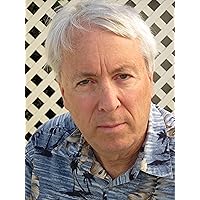
December 19, 2014
I really loved this book. It started out a little slow for me, but then gathered force as the narrative built. The contrast between the two brothers diaries made for frequent changes of pace (I don't think I could have been able to stand Rachel's diary if it had been one huge continuous chunk of the novel). I find this one of the most eloquent books that I've ever read on the Holocaust. He quotes Primo Levi, who would be another author on my short list (I've ordered ''If this is a man''). The equation of Islamic fundamentalism with Nazism was bold, and has led to threats against the author, who refuses to leave Algeria. I admire his courage and outspoken character. The fact that a prize was awarded to him and then taken away after he visited Israel strikes me as just another example of what he's been talking about; the narrow-mindedness that fundamentalism in any religion can generate. The refusal of so many Islamic leaders to face and accept the reality of the Holocaust is alarming and this book (billed as the first book by an Arab to address that horrific event), is a major contribution to Islamic intellectual history. I pray that Sansal remains safe in Algeria and continues to speak out about the importance of open-mindedness, curiosity, and compassion toward others regardless of creed, color, or beliefs, and that he continues to remind us of how evil man can be when he loses his moral compass and his humanistic core.
Displaying 1 - 30 of 146 reviews