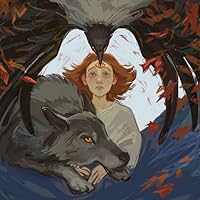
First published in 2001, this new edition has a revised text, additional formulae and illustrations not present in the first edition.
Ars Philtron was the incepting grimoire of the Verdelet of the Cultus Sabbati. Its primary foci are Sabbatic-alchemical gnosis as manifest through the medium of the Potion, and the applications of the principle formulae of Furnace, Vessel, and Water. Its method and praxis concern the principal Sabbatic philtre types, their arcana, pharmacoepia, formulation, and ritual use. As a grammar of the Art Magical, the work instaurates the Philtre as an emanation of the Vinum Sabbati, the manifest elixir of witch-power. Originally released in a very limited edition of only 144 copies, the unique subject matter and scarcity of the work created a very high demand, and in the spirit of continuity of vision Xoanon re-released the work in 2008 in the expanded 'Edition Codex Vasculum'.
Ars Philtron is a rare and intricate exploration of Sabbatic witchcraft, focusing on the alchemical and magical properties of the potion, or philtre, as a medium of transformation within the Green Arte. First published in 2001 and now revised with new text and illustrations, this work by Daniel A. Schulke is not merely a book—it is a highly sophisticated grimoire that delves into the secretive and often opaque realms of the Sabbatic tradition. For practitioners drawn to the path of the Verdant One, this book is an alchemical vessel in itself, distilling the wisdom of plant spirits, sacred waters, and the transformative mysteries of the Vinum Sabbati.
The core of Ars Philtron revolves around the potion as a sacred object that bridges the mundane and spiritual worlds. Unlike many herbal grimoires that treat potions and brews as practical tools for spells, Schulke elevates the potion to a central place within the magical tradition of the Cultus Sabbati. It is not merely a concoction of herbs and waters, but a living entity—a manifestation of the Green Arte’s power and a vehicle for deepening one's communion with plant spirits and the Genius of the land. Schulke treats the potion as a form of distilled witch-power, with each ingredient, vessel, and method acting as a metaphysical key to unlock specific arcana and spiritual insights.
The structure of the book itself reflects its arcane subject matter. The Philtron is broken down into its essential elements: Furnace, Vessel, and Water. Each chapter expounds on these elements in poetic, labyrinthine prose that challenges the reader to move beyond surface understanding. Schulke’s style is dense, often intentionally obfuscating, forcing the reader to approach the text as they would an initiation. There are no easy answers here; Ars Philtron is designed to be a ritual experience, where the reader’s engagement with the text becomes a form of praxis in itself. This is no accident, as the grimoire serves as a direct manifestation of the Cultus Sabbati’s commitment to the sacra arcana—the sacred mysteries veiled in symbol and allegory.
Yet, beneath the florid language and cryptic symbolism, Schulke offers genuine insight into the art of potion-making as a form of spiritual alchemy. His treatment of each principal philtre type—whether it be for protection, divination, or spiritual communion—carries an unmistakable weight and authority. The recipes and formulations are not designed for casual use; each is a precise, powerful rite in liquid form, requiring a deep understanding of the botanical, planetary, and spiritual forces at play. Schulke’s attention to detail is both meticulous and evocative, encouraging the practitioner to engage all senses in the preparation and ritual use of these potions.
One of the most compelling aspects of Ars Philtron is its approach to water as a magical substance. Schulke treats water not simply as a carrier for other ingredients, but as an active participant in the alchemical process. He explores the concept of Waters of Art—sacred waters that hold the imprints of spiritual power and memory. From the dew gathered on the equinox to the “Black Water” of subterranean springs, each type of water is imbued with its own spirit and presence. This understanding of water as a liminal, sentient medium permeates the entire text, transforming the potion from a static mixture into a dynamic rite of transformation.
Schulke’s incorporation of the Green Arte’s spirit-based magic further distinguishes Ars Philtron from other herbal grimoires. His praxis is rooted in a living tradition where plant spirits are revered and engaged as co-creators. The Verdelet, or Green Lord, looms large over the text, serving as both guide and guardian to those who would dare approach the darker currents of plant-based magic. Schulke’s rituals and formulae are not mere recipes; they are offerings, negotiations, and pacts with the spirits of the Green, revealing a deeper philosophy of witchcraft that is animistic, chthonic, and profoundly transformative.
While Ars Philtron may not be suited for those seeking straightforward instructions, it offers unparalleled depth for practitioners who are willing to engage with the text as an initiatory guide rather than a mere reference manual. The revised edition, with its added formulae and illustrations, further enriches the experience, offering visual keys that complement the arcane language. For those already familiar with Schulke’s work or the wider corpus of the Cultus Sabbati, this volume is a significant addition, bridging the gap between textual study and ritual enactment.
come descrivere certe altezze sublimi? come poter dividere poesie da magia? che differenza c'è tra la follia ed una pianta? non il mio primo sull'arte dei filtri, ma certamente, l'ho sentito come il primo, come un segreto rivelato, come se il verdeggiante genio della natura si fosse svelato nudo e fertile davanti ai miei occhi spalancati - finalmente.
A very knowledgeable writer and good artist often criticized for his use of big words and flowery prose-but the guy knows his onions-better read for advanced practitioners-if it was not for the artwork and general presentation/quality of the book it would have had four stars-I felt a little let down after reading the Viridarium Umbris by same author.