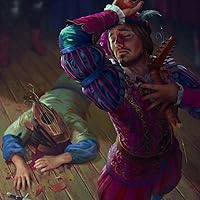
Abolqasem Ferdowsi (Persian: ابوالقاسم فردوسی), the son of a wealthy land owner, was born in 935 in a small village named Paj near Tus in Khorasan which is situated in today's Razavi Khorasan province in Iran. He devoted more than 35 years to his great epic, the Shāhnāmeh. It was originally composed for presentation to the Samanid princes of Khorasan, who were the chief instigators of the revival of Iranian cultural traditions after the Arab conquest of the seventh century. Ferdowsi started his composition of the Shahnameh in the Samanid era in 977 A.D. During Ferdowsi's lifetime the Samanid dynasty was conquered by the Ghaznavid Empire. After 30 years of hard work, he finished the book and two or three years after that, Ferdowsi went to Ghazni, the Ghaznavid capital, to present it to the king, Sultan Mahmud.
Ferdowsi is said to have died around 1020 in poverty at the age of 85, embittered by royal neglect, though fully confident of his work's ultimate success and fame, as he says in the verse: " ... I suffered during these thirty years, but I have revived the Iranians (Ajam) with the Persian language; I shall not die since I am alive again, as I have spread the seeds of this language ..."
این بخش از شاهنامه داستان های پادشاهی لهراسب، گشتاسپ، هفتخوان اسفندیار، رزم رستم و اسفندیار، رستم و شغاد، پادشاهی بهمن اسفندیار تا دارای داراب، پادشاهی اسکندر، اشکانیان و ساسانیان تا زمان بهرام گور را در بر می گیرد.
The Shâhnameh recounts the history of Iran, beginning with the creation of the world and the introduction of the arts of civilization (fire, cooking, metallurgy, law, etc.) to the Aryans and ends with the Arab conquest of Persia. The work is not precisely chronological, but there is a general movement through time. Some of the characters live for hundreds of years (as do some of the characters in the Bible), but most have normal life spans. There are many shahs who come and go, as well as heroes and villains, who also come and go. The only lasting images are that of Greater Iran itself, and a succession of sunrises and sunsets, no two ever exactly alike, yet illustrative of the passage of time. The Shahnameh is largely his effort to preserve the memory of Iran's golden days and transmit it to a new generation so that they could learn and try to build a better world. Ferdowsi started his composition of the Shahnameh in the Samanid era in 977 A.D and completed it around 1010 A.D. during the Ghaznavid era.” متاسفانه بسیاری از روایت های شاهنامه که در بازار کتاب یافت می شوند، تایید نشده و نا شناس اند، و پر از ابیات منسوب به فردوسی و گاه با تحریف های بسیار. در میان شاهنامه های موجود، دو روایت که از طرف شاهنامه شناسان تدوین و تایید شده، عبارتند از شاهنامه ی چاپ مسکو در 9 جلد و شاهنامه به روایت دکتر جلال خالقی مطلق در هفت جلد. در این دو شاهنامه که از روی نسخ معتبر در موزه های معروفی چون "آرمیتاژ"، موزه ی لندن، موزه ی توپکاپی در ترکیه و...استخراج و تدوین شده، ابیات الحاقی، تا حد ممکن تفکیک شده اند.