

What do you think?

はだしのゲン [Hadashi no Gen] #9
Barefoot Gen, Volume Nine: Breaking Down Borders
Barefoot Gen Volume Nine ― "Breaking Down Borders" ― Gen continues to confront one setback after another -- the loss of his home, the death of a friend -- when a chance encounter gives new direction to his life. An impoverished but talented artist takes Gen under his wing and teaches him to paint. Inspired by the artists assertion that art has no borders, Gen vows to become an artist himself, and takes a job as apprentice to a local poster painter. Despite merciless bullying from his boss and the older apprentices, Gen perseveres in the pursuit of his new calling.
256 pages, Paperback
First published December 1, 1974
About the author
Keiji Nakazawa
136 books178 followersKeiji Nakazawa (中沢啓治; Nakazawa Keiji) was born in Hiroshima and was in the city when it was destroyed by an atomic bomb in 1945. All of his family members who had not evacuated died as a result of the explosion after they became trapped under the debris of their house, except for his mother, as well as an infant sister who died several weeks afterward. In 1961, Nakazawa moved to Tokyo to become a full-time cartoonist, and produced short pieces for manga anthologies such as Shōnen Gaho, Shōnen King, and Bokura.
Following the death of his mother in 1966, Nakazawa returned to his memories of the destruction of Hiroshima and began to express them in his stories. Kuroi Ame ni Utarete (Struck by Black Rain), the first of a series of five books, was a fictional story of Hiroshima survivors involved in the postwar black market. Nakazawa chose to portray his own experience directly in the 1972 story Ore wa Mita, published in Monthly Shōnen Jump. The story was translated into English and published as a one-shot comic book by Educomics as I Saw It.
Immediately after completing I Saw It, Nakazawa began his major work, Hadashi no Gen (Barefoot Gen).This series, which eventually filled ten volumes, was based on the same events as I Saw It but fictionalized, with the young Gen as a stand-in for the author. Barefoot Gen depicted the bombing and its aftermath in graphic detail, with Gen's experiences being even more harrowing than Nakazawa's own. It also turned a critical eye on the militarization of Japanese society during World War II and on the sometimes abusive dynamics of the traditional family. Barefoot Gen was adapted into two animated films and a live action TV drama.
Nakazawa announced his retirement in September 2009, citing deteriorating diabetes and cataract conditions.He cancelled plans for a Barefoot Gen sequel. In September 2010, Nakazawa was diagnosed with lung cancer and in July 2011, metastasis from lung cancer was found. He died on December 19, 2012.
Following the death of his mother in 1966, Nakazawa returned to his memories of the destruction of Hiroshima and began to express them in his stories. Kuroi Ame ni Utarete (Struck by Black Rain), the first of a series of five books, was a fictional story of Hiroshima survivors involved in the postwar black market. Nakazawa chose to portray his own experience directly in the 1972 story Ore wa Mita, published in Monthly Shōnen Jump. The story was translated into English and published as a one-shot comic book by Educomics as I Saw It.
Immediately after completing I Saw It, Nakazawa began his major work, Hadashi no Gen (Barefoot Gen).This series, which eventually filled ten volumes, was based on the same events as I Saw It but fictionalized, with the young Gen as a stand-in for the author. Barefoot Gen depicted the bombing and its aftermath in graphic detail, with Gen's experiences being even more harrowing than Nakazawa's own. It also turned a critical eye on the militarization of Japanese society during World War II and on the sometimes abusive dynamics of the traditional family. Barefoot Gen was adapted into two animated films and a live action TV drama.
Nakazawa announced his retirement in September 2009, citing deteriorating diabetes and cataract conditions.He cancelled plans for a Barefoot Gen sequel. In September 2010, Nakazawa was diagnosed with lung cancer and in July 2011, metastasis from lung cancer was found. He died on December 19, 2012.
Ratings & Reviews
Friends & Following
Create a free account to discover what your friends think of this book!
Community Reviews
Displaying 1 - 30 of 55 reviews
March 28, 2026
Okay, I liked this one way better than last book.
I read it on and off for the last month though in 5 sittings but still I don't remember a lot.
So I'll talk about the end, I love that Gen is learning drawing which means this is the memoirs of Kenji Nakazawa but with some literally freedom of creating imaginary events to paint a fuller picture of the times back then.
And of course probably even joining tales he heard off into his own tale.
I was really annoyed at Gen when he broke the pretty urn that the girl wanted to hold her ashes after she died.
I think even his reason was stupid, we saw her hard work we appreciated it we saw how relieved she was after making it.
So Gen was an asshole there even if he later made an identical urn for her after she died.
Next book is the end of this journey which most of the time I delayed because it was such a depressing read, but not the last 2 books though, they didn't feel depressing and things for better or for worse are looking up even if they still lost a new friend.
There is more hope, and the orphaned friends seem to be doing well for themselves.
Remember though, this entire manga is a message for peace, no wars, no nuclear weapons.
But the message will never get across.
I read it on and off for the last month though in 5 sittings but still I don't remember a lot.
So I'll talk about the end, I love that Gen is learning drawing which means this is the memoirs of Kenji Nakazawa but with some literally freedom of creating imaginary events to paint a fuller picture of the times back then.
And of course probably even joining tales he heard off into his own tale.
I was really annoyed at Gen when he broke the pretty urn that the girl wanted to hold her ashes after she died.
I think even his reason was stupid, we saw her hard work we appreciated it we saw how relieved she was after making it.
So Gen was an asshole there even if he later made an identical urn for her after she died.
Next book is the end of this journey which most of the time I delayed because it was such a depressing read, but not the last 2 books though, they didn't feel depressing and things for better or for worse are looking up even if they still lost a new friend.
There is more hope, and the orphaned friends seem to be doing well for themselves.
Remember though, this entire manga is a message for peace, no wars, no nuclear weapons.
But the message will never get across.

February 13, 2020
يأتي الجزء التاسع ليؤكد لنا أن الكارثة التي خلفتها القنبلة لم تنتهي في يوما وليلة ولكن لازالت مستمرة حتى بعد خمس سنوات وربما ستستمر إلى ما هو أبعد من ذلك..
June 2, 2020
ملحمة رائعة وكفاح طفل عانى من شر القنبلة النووية
عيل شغتة ضلع صعب كسره بيخربش فى الحياة برجوله وفتوه
عيل شغتة ضلع صعب كسره بيخربش فى الحياة برجوله وفتوه
June 1, 2025
Vol. 9 of Barefoot Gen begins with yet two more tragedies: the loss of his home and the loss of a friend. Through an odd chain of events, he ends up becoming an apprentice for an elderly artist (which is not surprising since the fictional Gen is a stand-in for the non-fictional Keiji Nakazawa). He embraces and repeats like a mantra the idea that “art has no borders.”
A few standout things from this volume for me:
• I never knew that Douglas MacArthur wanted to use the A-bomb on Korea but was pressured out of it (three times!)
• There’s a scene where a character talks about how the A bombs were blessed by Christian leaders (and it’s depicted in the panel) and then shows how the bomb blew up a church, killing all inside (and also depicts it).
• “Gen couldn’t stop looking at the rainbow . . . He was thinking how wonderful it would be if he could build beautiful rainbow bridges from country to country, in a world without borders . . . a peaceful world free of war, where people cross freely over those rainbow bridges and talk to each other as friends . . . Gen kept staring at the rainbow . . .”
A few standout things from this volume for me:
• I never knew that Douglas MacArthur wanted to use the A-bomb on Korea but was pressured out of it (three times!)
• There’s a scene where a character talks about how the A bombs were blessed by Christian leaders (and it’s depicted in the panel) and then shows how the bomb blew up a church, killing all inside (and also depicts it).
• “Gen couldn’t stop looking at the rainbow . . . He was thinking how wonderful it would be if he could build beautiful rainbow bridges from country to country, in a world without borders . . . a peaceful world free of war, where people cross freely over those rainbow bridges and talk to each other as friends . . . Gen kept staring at the rainbow . . .”
December 14, 2023
جن في طريقه للتحول إلى فنان مانجا من أجل نشر رسالة السلام ونبذ الحرب

June 22, 2019
Natsue dies of cancer. Gen continues his struggle and dissent against any kind of war which leads him to trouble but he doesn't give up.

July 4, 2020
الاجزاء الاخيرة كان ممكن تتجمع في كتاب واحد او كتابين
رتم الاحداث ابطأ
رتم الاحداث ابطأ
August 18, 2024
هذا هو أسرع جزء قرأته. انتهيتُ منه في بضع ساعات من الصباح. "جِن" يبدأ هنا أخيرا في الانتباه إلى رغبته -المتوقعة- بأن يصبح رساما.
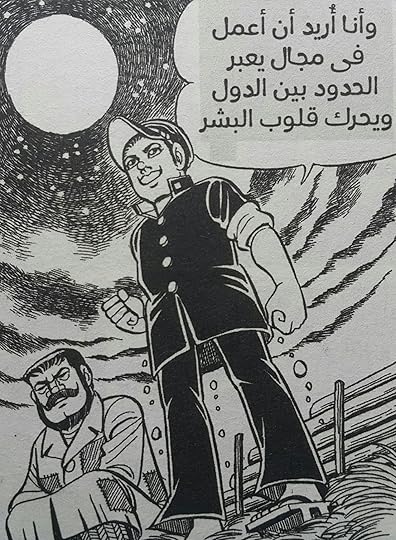


فقط كان من المؤسف قليلا أن الطبعة العربية لهذا الجزء -الذي يركز بشكل كبير على الرسم وفنيّاته- كانت أقل جمالًا من سابقاتها، فقد امتلأت فقاعات الحوار كلها تقريبا بآثار تظليل رمادية مزعجة، لإخفاء الحروف اليابانية الأصلية (وهو ما كان يتم في الأجزاء السابقة كلها بصورة أكثر قبولًا). كما ظهرت في بعض اللوحات حروف وأرقام دخيلة لم ينتبه مَن قام بالتنسيق إلى مسحها، مثل ما حدث هنا:

فقط كان من المؤسف قليلا أن الطبعة العربية لهذا الجزء -الذي يركز بشكل كبير على الرسم وفنيّاته- كانت أقل جمالًا من سابقاتها، فقد امتلأت فقاعات الحوار كلها تقريبا بآثار تظليل رمادية مزعجة، لإخفاء الحروف اليابانية الأصلية (وهو ما كان يتم في الأجزاء السابقة كلها بصورة أكثر قبولًا). كما ظهرت في بعض اللوحات حروف وأرقام دخيلة لم ينتبه مَن قام بالتنسيق إلى مسحها، مثل ما حدث هنا:

July 29, 2025
عدد الصفحات :٢٦٤ صفحة
نوع الكتاب : رسوم متحركة
لهجة سرد الكتاب : الفصحى
نبذة عن الكتاب : تدور احداث القصة عن جن الفتى الشقي و حياته الصعبة اثناء الحرب العالمية الثانية في منطقة هيروشيما في اليابان
القصة حلوة واستمتع فيها ، في مواقف ضحكتني ومواقف حزنتني بس بشكل عام حبيت
نوع الكتاب : رسوم متحركة
لهجة سرد الكتاب : الفصحى
نبذة عن الكتاب : تدور احداث القصة عن جن الفتى الشقي و حياته الصعبة اثناء الحرب العالمية الثانية في منطقة هيروشيما في اليابان
القصة حلوة واستمتع فيها ، في مواقف ضحكتني ومواقف حزنتني بس بشكل عام حبيت
August 3, 2024
يا حياتي يا جين يواسي الكل و يراعي الكل و ناسي نفسه😢😢😢😢
March 22, 2025
لا اعرف!! ... ماذا سيحدث يا ترى ؟!!
اعطاء علامة كاملة لهذا الجزء جعلني اعيد النظر في الاربع نجوم التى اعطيتها للجزء السابع قاع جهنم ... سأذهب لتعديلها الان !!
متشوقة جدا للجزء الاخير ....
اعطاء علامة كاملة لهذا الجزء جعلني اعيد النظر في الاربع نجوم التى اعطيتها للجزء السابع قاع جهنم ... سأذهب لتعديلها الان !!
متشوقة جدا للجزء الاخير ....

Read
March 28, 2016The Barefoot Gen series documents the life of young Gen Nakaoka of Hiroshima starting when he is six years old in the summer of 1945 when the USA dropped an atomic bomb on the city. Volume 9 takes place at the end of 1950 and through 1951. Gen is now 12 years old, and as the book opens the city has condemned the small hut that his family had called home. The rest of his family has either died from the blast or radiation sickness, or moved out. Now homeless, Gen decides to move in with the group of orphans he has befriended who have their own hut. While he is happy to be near the girl Natsue that he is fond of, her radiation sickness is now in its final stages and she is dying. After Natsue dies he is heartbroken but the spirit to live on through any adversity that his father instilled in him keeps him from despair.
The same spirit that has helped him and all who come in contact with him as they struggle out of the hellish remains of the atomic destruction of their city and their lives, now helps an artist in despair. The artist returns the favor by teaching Gen how to draw. The artist tells Gen "Art Has No Borders" which inspires him to learn the universal language of art so that he can break down the national barriers that led to the war and the destruction of his beloved city. As the book ends he dreams of a peaceful world free of war where all the countries are connected by rainbow bridges that people can cross freely and be friends.
The same spirit that has helped him and all who come in contact with him as they struggle out of the hellish remains of the atomic destruction of their city and their lives, now helps an artist in despair. The artist returns the favor by teaching Gen how to draw. The artist tells Gen "Art Has No Borders" which inspires him to learn the universal language of art so that he can break down the national barriers that led to the war and the destruction of his beloved city. As the book ends he dreams of a peaceful world free of war where all the countries are connected by rainbow bridges that people can cross freely and be friends.

September 16, 2025
_اسم الكتاب : كسر الحدود #جِن_الحافي 9
_ اسم المؤلف: ناكازاوا كيجي
_ دار النشر: مركز المحروسة للنشر والتوزيع
_عدد الصفحات: 264
📌 نبذة :
قصة مصورة حقيقية عن قنبلة هيروشيما تتكون من عشرة أجزاء.
📌 رأيي بالكتاب:
في الجزء التاسع من سلسلة جِن الحافي نستكمل حياة جِن بعد مرور العديد من السنوات ومازال يعاني من فقدان الأحبه ولكن في هذا الجزء تبدأ شخصية جِن بالتشكيل ليعرف ما يحب ومايرد أن يصبح.
ولكن بالطبع يسعى ضد المنغصات والأحداث السيئة التي تواجهه وتواجه أصدقائه لينتصر عليها.
📌 تقييمي : 5/5
_ اسم المؤلف: ناكازاوا كيجي
_ دار النشر: مركز المحروسة للنشر والتوزيع
_عدد الصفحات: 264
📌 نبذة :
قصة مصورة حقيقية عن قنبلة هيروشيما تتكون من عشرة أجزاء.
📌 رأيي بالكتاب:
في الجزء التاسع من سلسلة جِن الحافي نستكمل حياة جِن بعد مرور العديد من السنوات ومازال يعاني من فقدان الأحبه ولكن في هذا الجزء تبدأ شخصية جِن بالتشكيل ليعرف ما يحب ومايرد أن يصبح.
ولكن بالطبع يسعى ضد المنغصات والأحداث السيئة التي تواجهه وتواجه أصدقائه لينتصر عليها.
📌 تقييمي : 5/5

December 12, 2015
In reading the ninth volume, I had in insight into why I persist in reading the series, even though the themes can be redundant, and the style of illustration somewhat lacking; it is because, given the author's personal experience in Hiroshima, his life in the milieu in which the series takes place and his self-taught daring decision to write the book amounts to a form of memoir of marginalized communities. A people's history of post-atomic Japan if you will. There are so many little historical aspects of the post-war period I was not aware of, America seriously considered nuking Korea three times in the 1950s and sixties, but aborted due to public protest around the world? (mind blown) MacArthur sacked as head of the head of Allied command for wanting to take the Korea fight to the Chinese and onward? (figures)
I can see why this series was the first manga entirely translated to English for audiences abroad...
I can see why this series was the first manga entirely translated to English for audiences abroad...

January 7, 2015
Hmm. for a pacifist, Gen sure does get in a lot of fights. and the peeing on people is getting old now that he's a teenager. I like how we see Gen's developing talent / career as an artist.
November 29, 2015
4,5 stars
June 18, 2022
::انطباع عام وكفى::
=-=-=-=-=-=-
الفنون تعبر الحواجز بين الدول. تمنى جن أن يقيم جسرًا جميلاً من قوس قزح كي يعبر الحدود بين دول العالم جميعًا، ويصل الدول بعضها ببعض، ويتواصل مع الناس في كل مكان مقيمًا معهم عالم سلام ليس فيه حرب، وهذه هي سعادته. تمرض صديقتهم وتريد أن تتعلم صنع وعاء فخاري يوضع به رفاتها بعد موتها وترسم عليه صور أصدقائها، لكن جن يكسره، لكي يعطي لها أملاً جديدًا في صنع واحد جديد، فتعيش أكثر وتتمسك بالحياة، كم نخجل أمامك يا جن من تمسكك بالحياة وتقديرك لقيمتها! قامت أمريكا بإنشاء لجنة لفحص أمراض القنبلة الذرية والمسماة إيه بي سي سي وكانوا يأخذون كل الجثث التي توفت جراء الأشعة الذرية، ويجمعون المعلومات من أجل أمريكا كي يعرف الأمريكان كيف يعالجون جرحاهم إن سقطت عليهم قنبلة ذرية. يقابل جن فنانًا عجوزًا يلهمه بأن فنون الموسيقى والسينما والرسم والأدب فنون جميلة وتصل إلى قلوب الناس في العالم كله، وأن الفنون تعبر الحواجز ولذلك عن طريق الرسم يمكن كسر الحدود بين الدول، لأن الفن النابع من القلب يجذب الناس جميعًا بصرف النظر عن جنسية الفنان. القوة الحقيقية التي لدى جن بفعل الموت لا بفعل الحياة، لقد عانى من القنبلة وليس هناك ما يخاف منه، لقد شاهد جثثًا كثيرة جدًا ومات أعز أحباءه أمام عينيه، وهو يعرف أنه سوف يموت أيضًا، فلا يخاف من الموت، لقد واجه الموت عشرات المرات ويتوقعه في أية لحظة، لهذا كلما واجه الموت أصبح أقوى من ذي قبل وأصبح يتحمل أي شيء مهما كان.
إلى الجزء الأخير، نستكمل...
▰▰▰▰▰▰▰▰▰▱ 90%
=-=-=-=-=-=-
الفنون تعبر الحواجز بين الدول. تمنى جن أن يقيم جسرًا جميلاً من قوس قزح كي يعبر الحدود بين دول العالم جميعًا، ويصل الدول بعضها ببعض، ويتواصل مع الناس في كل مكان مقيمًا معهم عالم سلام ليس فيه حرب، وهذه هي سعادته. تمرض صديقتهم وتريد أن تتعلم صنع وعاء فخاري يوضع به رفاتها بعد موتها وترسم عليه صور أصدقائها، لكن جن يكسره، لكي يعطي لها أملاً جديدًا في صنع واحد جديد، فتعيش أكثر وتتمسك بالحياة، كم نخجل أمامك يا جن من تمسكك بالحياة وتقديرك لقيمتها! قامت أمريكا بإنشاء لجنة لفحص أمراض القنبلة الذرية والمسماة إيه بي سي سي وكانوا يأخذون كل الجثث التي توفت جراء الأشعة الذرية، ويجمعون المعلومات من أجل أمريكا كي يعرف الأمريكان كيف يعالجون جرحاهم إن سقطت عليهم قنبلة ذرية. يقابل جن فنانًا عجوزًا يلهمه بأن فنون الموسيقى والسينما والرسم والأدب فنون جميلة وتصل إلى قلوب الناس في العالم كله، وأن الفنون تعبر الحواجز ولذلك عن طريق الرسم يمكن كسر الحدود بين الدول، لأن الفن النابع من القلب يجذب الناس جميعًا بصرف النظر عن جنسية الفنان. القوة الحقيقية التي لدى جن بفعل الموت لا بفعل الحياة، لقد عانى من القنبلة وليس هناك ما يخاف منه، لقد شاهد جثثًا كثيرة جدًا ومات أعز أحباءه أمام عينيه، وهو يعرف أنه سوف يموت أيضًا، فلا يخاف من الموت، لقد واجه الموت عشرات المرات ويتوقعه في أية لحظة، لهذا كلما واجه الموت أصبح أقوى من ذي قبل وأصبح يتحمل أي شيء مهما كان.
إلى الجزء الأخير، نستكمل...
▰▰▰▰▰▰▰▰▰▱ 90%
October 30, 2022
Those who lost their families were the ones who suffered the most. It's so heartbreaking how those orphans who are just a punch of kids were forced to be a full grown women and men and instead of goofing around or learning in schools they were forced to work hard so they can find something to eat. And they all suffered from the abusement of those who were on power those who started the wars and worshipped the wrong crowds.
But it's true those who died because of the bomb were luckier cause they suffered once and for all, but those who lived they continue to suffer with every single breath. Homelessness, joblessness,hunger,fear and sickness.
But it's true those who died because of the bomb were luckier cause they suffered once and for all, but those who lived they continue to suffer with every single breath. Homelessness, joblessness,hunger,fear and sickness.

May 3, 2025
So much we Americans didn’t learn in history - they thought of using nuclear weapons in Korea?! They wanted to do testing on radiation sickness from the dying Japanese, even as we were exploding how many bombs in Bikini Atoll, etc?
This volume was interesting in that Gen is starting to really grow up and get into being an artist. Ryuta is even growing up a little. Poor Natsue.
The Nakaota boys are officially separated as their house is destroyed for “progress”.
War is so terrible. I find myself not wanting to read the next volume yet - I have been traveling with Gen since 2004, I am not sure I’m ready for his story to be over.
This volume was interesting in that Gen is starting to really grow up and get into being an artist. Ryuta is even growing up a little. Poor Natsue.
The Nakaota boys are officially separated as their house is destroyed for “progress”.
War is so terrible. I find myself not wanting to read the next volume yet - I have been traveling with Gen since 2004, I am not sure I’m ready for his story to be over.

December 24, 2025
Gen and his friends are shifting back into more difficult times again. His home is being torn down as part of a government construction project, and he loses another of his loved ones to radiation sickness. His brothers have gone off into the next stages of their lives: one to become a businessman in Osaka and the other to marry. Gen needs a focus of his own. By coincidence, he runs across a poster factory and gets the opportunity to apprentice as a poster painter, which will kick off his career in art.
This is another strong volume, though it is clear that Nakazawa is moving the series to a close with many of the characters. I truly am loving reading this series.
This is another strong volume, though it is clear that Nakazawa is moving the series to a close with many of the characters. I truly am loving reading this series.

April 5, 2022
يتفرق جن وأخوته كل في سبيله وينتقل جن للعيش في بيت أصدقائه بعد أن هدمت الحكومة بيته بحجة إعادة إعمار هيروشيما وتموت صديقتهم ناتسو بسبب السرطان فيدفن رمادها في مقبرة عائلته، ويتعرف جن إلى رسام كهل مميز ويقرر أن يتعلم الرسم ويعمل في شركة إعلانية..
هذه أبرز أحداث الجزء التاسع قبل الأخير من سلسلة مانغا جن الحافي للياباني ناكازاوا كيجي الذي لخص فيها مأساة الحرب وتبعاتها بعد القنبلتين الذريتين على اليابان من قبل أمريكا..
وأرى أن الأجزاء الأخيرة للسلسلة أضعف فنيا من الأجزاء الأولى..
الترجمة جيدة للدكتور ماهر الشربيني..
التقييم: ٥/١٠
هذه أبرز أحداث الجزء التاسع قبل الأخير من سلسلة مانغا جن الحافي للياباني ناكازاوا كيجي الذي لخص فيها مأساة الحرب وتبعاتها بعد القنبلتين الذريتين على اليابان من قبل أمريكا..
وأرى أن الأجزاء الأخيرة للسلسلة أضعف فنيا من الأجزاء الأولى..
الترجمة جيدة للدكتور ماهر الشربيني..
التقييم: ٥/١٠

October 10, 2018
Even if sometimes the Pacifist flag waving can become a bit repetitive, Gen's story is full of heart and manages to push through some really amazing reflections on Nationalism, identity, pride and power. This is particularly brave inside the Japanese society.
There is a reason why these books were translate and spread out, their message is important, timeless and kind.
Please read them, and share them around. The world needs to hear these words.
There is a reason why these books were translate and spread out, their message is important, timeless and kind.
Please read them, and share them around. The world needs to hear these words.

April 3, 2022
جن الحافي 9
كسر الحدود
جِنْ يسعى جاهدًا لعدم هدم المنزل الذي بناه هو وأُمه .. ينتقل بعد ذلك للعيش مع ريوتا .. تموت ناتسو بسبب القنبلة الذرية .. أخيرًا يجد جِنْ شغفه في الحياة .. فيعثر على مُعْلِم يُعلمه الرسم .. خروج مكاثر من اليابان، هل يمكن اعتبار ذلك بداية جديدة ونهاية للحرب؟
" أنت لا تبذل مجهود كي تنجح، ولكن تُلقى بمسؤولية فشلك على الآخرين والمجتمع "
" الفنون تعبر الحواجز بين الدول "
كسر الحدود
جِنْ يسعى جاهدًا لعدم هدم المنزل الذي بناه هو وأُمه .. ينتقل بعد ذلك للعيش مع ريوتا .. تموت ناتسو بسبب القنبلة الذرية .. أخيرًا يجد جِنْ شغفه في الحياة .. فيعثر على مُعْلِم يُعلمه الرسم .. خروج مكاثر من اليابان، هل يمكن اعتبار ذلك بداية جديدة ونهاية للحرب؟
" أنت لا تبذل مجهود كي تنجح، ولكن تُلقى بمسؤولية فشلك على الآخرين والمجتمع "
" الفنون تعبر الحواجز بين الدول "

October 22, 2025
This continues as historical fiction set six years after the Hiroshima atomic bomb was dropped. But it is clearly thinly veiled autobiography. In this one we finally see our author stand-in start working on becoming an artist. The world he is writing about is so tough, so unfair. And Gen and his friends are willing to do almost anything. Well written and drawn and worth reading. Really this series could be consider post-apocalyptic.

December 9, 2019
This is a story about the aftermath of Hiroshima I have never read before - from a Japanese point of view. From a child's view and it somehow is more approachable to read, and yet more impactful because of the simplicity of the manga. If you have ever wondered what life after an atomic bomb and war is like - this is the story for you.

March 7, 2018
Gen akhirnya menjalani kehidupan mandiri, berpisah dengan kakakkakanya, Koji dan Akira.
setelah bertemu dengan seniman miskin yg berbakat, Gen memutuskan untuk mengikuti jejaknya, belajar menjadi seniman.
setelah bertemu dengan seniman miskin yg berbakat, Gen memutuskan untuk mengikuti jejaknya, belajar menjadi seniman.

December 25, 2021
"Seni tidak terbatas."
Pada bagian ini Gen menemukan sebuah mimpi. Tidak ada yang dia takuti lagi setelah neraka yang ditunjukan oleh bom atom padanya. Orang-orang harus terus berjuang sembari menggenggam harapan yang tersisa dari serpihan-serpihan reruntuhan kota Hiroshima.
Pada bagian ini Gen menemukan sebuah mimpi. Tidak ada yang dia takuti lagi setelah neraka yang ditunjukan oleh bom atom padanya. Orang-orang harus terus berjuang sembari menggenggam harapan yang tersisa dari serpihan-serpihan reruntuhan kota Hiroshima.

September 15, 2023
Sigh, another main character dies in this one. Also, Gen is a colossal jerk and while he attempts to make amends, I don't think it quite comes off. Still, the story arc with Gen becoming an artist and doing a Rashomon movie poster is pretty good--I like how that comes together.
July 23, 2026
Book 29/52 for 2025. We are now 5-6 years post A Bomb and Gen is as resilient and empowered as ever. The messages should be shared with all. There was never any good to come of the A bomb-not then, and never in the future either.

March 18, 2020
ومازالت المعاناة مستمرة في حياة كل من عاش فاجعة القنبلة.
"القنبلة جعلت الجميع يعاني، ولكن من عاش بعد القنبلة عانى أكثر ممن مات بها فورًا".
"القنبلة جعلت الجميع يعاني، ولكن من عاش بعد القنبلة عانى أكثر ممن مات بها فورًا".
Displaying 1 - 30 of 55 reviews