

What do you think?
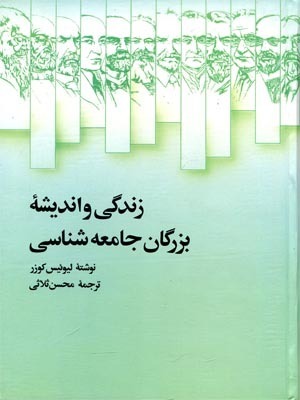
زندگی و اندیشه بزرگان جامعه شناسی
For today's readers to understand the history of sociological theories more is required than a knowledge of formal propositions and theoretical structures. In this impressive and enduring text, Coser elucidates his examination of the ideas of fifteen influential sociological thinkers with a discussion of the social and intellectual circumstances that surrounded them. Each of the first fourteen chapters follows a parallel organization. The first section is a capsule summary of the scholar's workhis main orientations, ideas, and contributions. Next is a short sketch of his lifehis struggles and successes; the influences of his family, peers, and superiors; and his involvement in community affairs. The third section locates him and his work in the texture of a particular moment in intellectual history. The concluding section addresses sociological questions such as: What were the social origins of the theorist? Did crucial events (e.g., war, depression, revolution) help fashion his orientations in ways similar to those of others in his generation? The final chapter presents a less-detailed discussion of major American theorists whose theories emerged between the 1940s and 1960s.
632 pages
Published January 1, 1379
Ratings & Reviews
Friends & Following
Create a free account to discover what your friends think of this book!
Community Reviews
Displaying 1 - 11 of 11 reviews

June 20, 2015
یک کتاب کاملا کلاسیک در رشته های علوم اجتماعی.
سه ستاره برای شیوه ی مختصر و مفید ارائه مفاهیم اصلی در آرای هر یک از جامعهشناسانی که در کتاب اومدهان.
ستاره چهارم به خاطر بخش مربوط به زندگی جامعهشناسان که بسیار جالب بود برای من.
سه ستاره برای شیوه ی مختصر و مفید ارائه مفاهیم اصلی در آرای هر یک از جامعهشناسانی که در کتاب اومدهان.
ستاره چهارم به خاطر بخش مربوط به زندگی جامعهشناسان که بسیار جالب بود برای من.

December 1, 2018
بلاخره تموم شد!
و در این چند کلمه چه دردی پنهان است
چند اندیشمند اول کتاب را مباحثه ای خواندیم و چه دورانی بود
و در این چند کلمه چه دردی پنهان است
چند اندیشمند اول کتاب را مباحثه ای خواندیم و چه دورانی بود

August 1, 2013
قطعن بعد از گیدنز باید دومین کتاب باشه برای شروع جامعه شناسی.
ترجمه خوبی هم دارد.
ترجمه خوبی هم دارد.

June 8, 2013
a very robust book...the only issue is that there are a myriad of ideas making it challenging. the most enticing are those about marx's theory of alienation and max weber's ideas on the rationalization of post capitalist societies.

May 5, 2014
like it!
حسن بزرگی که دارد این است که فضای اجتماعی و به طور کلی غیرمعرفتی هر متفکر را هم توضیح می دهد
حسن بزرگی که دارد این است که فضای اجتماعی و به طور کلی غیرمعرفتی هر متفکر را هم توضیح می دهد

January 7, 2018
به عنوان کتاب درسی معرفی شده بود و قرار بود فقط بخشهایی از اندیشهها را بخوانیم. خوشحالم که در روزگاری که کرم کتاب بودم از ابتدا تا انتهای کتاب را خواندم و بعدها فهمیدم از بخش «زندگینامه» ها بیش از «اندیشهها» آموختم.
April 19, 2019
I want to read this book
This entire review has been hidden because of spoilers.

July 21, 2022
A fun and interesting read.

February 5, 2016
While this is a good book, you had better keep your dictionary open. The author likes to use off the wall words to make it more confusing then necessary. i did enjoy learning about theorists such as Marx, Weber, and Comte. However, the author jumps all over the place instead of having a logical order to his work.
Read
March 14, 2011This book in hand and a dictionary close by. Chiliastic, really?

April 24, 2016
لقمه ای سریع و راحت الحلقوم برای آشنایی با جامعه شناسی
Displaying 1 - 11 of 11 reviews