Charlotte Brontë found in her illnesses, real and imagined, an escape from familial and social duties, and the perfect conditions for writing. The German jurist Daniel Paul Schreber believed his body was being colonized and transformed at the hands of God and doctors alike. Andy Warhol was terrified by disease and by the idea of disease. Glenn Gould claimed a friendly pat on his shoulder had destroyed his ability to play piano. And we all know someone who has trawled the Internet in solitude, seeking to pinpoint the source of his or her fantastical symptoms.
The Hypochondriacs is a book about fear and hope, illness and imagination, despair and creativity. It explores, in the stories of nine individuals, the relationship between mind and body as it is mediated by the experience, or simply the terror, of being ill. And, in an intimate investigation of those lives, it shows how the mind can make a prison of the body by distorting our sense of ourselves as physical beings. Through witty, entertaining, and often moving examinations of the lives of these eminent hypochondriacs—James Boswell, Charlotte Brontë, Charles Darwin, Florence Nightingale, Alice James, Daniel Paul Schreber, Marcel Proust, Glenn Gould, and Andy Warhol—Brian Dillon brilliantly unravels the tortuous connections between real and imagined illness, irrational fear and rational concern, the mind’s aches and the body’s ideas.
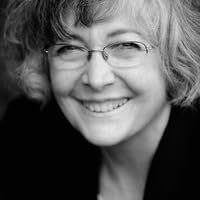
BRIAN DILLON was born in Dublin in 1969. His books include Objects in This Mirror: Essays (Sternberg Press, 2014), Sanctuary (Sternberg Press, 2011), Ruins (MIT Press/Whitechapel Gallery, 2011), Tormented Hope: Nine Hypochondriac Lives (Penguin, 2009) and In the Dark Room (Penguin 2005).
His writing appears regularly in the Guardian, the London Review of Books, the Times Literary Supplement, Artforum and frieze. Dillon is reader in critical writing at the Royal College of Art, and UK editor of Cabinet magazine. He is working on a book about the Great Explosion at Faversham in 1916.
I generally don't write many reviews, but several of the low scores for this book spurred my to put something together. Brian Dillon's study of disease and hypochondria through the characters of nine literary figures presents an interesting and illuminating read with one major caveat that has led to it receiving such low-scoring reviews.
This is not a scientific or medical study.
If you are expecting someone who is going to give a detailed account and diagnoses based upon modern standards and theory, you will not find that in this book. This confusion has, understandably, annoyed many of the book's reviewers. Rather, this book is aimed much more to someone with a background or interest in history and literature, as, really, that is Dillon's main concern in the book, not with understanding disease as a medical phenomena, but with understanding disease as a cultural and literary concern. What is more important to Dillon's study is the way in which these writers structure their lives through the depression and diseases both imaginary and real which define their existences. In exploring this concern, Dillon presents a witty and interesting read I believe would be of interest to anyone seeking to explore our relationship to disease and the body and who is willing to piece through his, at times, slightly too eclectic style of writing.
I am surprised that this book has such a relatively low rating. Each study is deftly written, and I found the chapters on Florence Nightingale, Alice James and Glenn Gould particularly elegant. I respectfully suggest that any reader who wonders why some of these individuals were included in this book would do well to read it again and reflect on the changing conceptions of hypochondria.
Currently reading: have finished half of the chapters. One British critic described it as a book one reads slowly to fully consider Dillon's writing and to postpone finishing the book: "There is no higher compliment." I fully agree. Each sentence is crafted masterfully and depicts the affect of hypochondria on the lives and creativity of the subjects. I've been fascinated with medical history for more than 20 years, and this book is engaging beyond belief, especially if the reader is particularly interested in one of the hypochondriacs (Charlotte Bronte, Andy Warhol, Florence Nightingale, Glenn Gould, etc.)>
This book is a brief biography of 9 artists, most of them writers, and how they survived and coped with their supposed hypochondria. It is not a book about hypochondria, but more of the lives of the 9 artists chosen by the author to illustrate the degree of their hypochondria as evident in their memoirs, letters, diaries, essays, novels, autobiographies, and others' writings ("testimonies") about them. The author's purpose in writing the book was to illustrate the "history of hypochondria", though after reading the book I would expand that to mean the EVOLUTION of hypochondria. The author then "attempts to write the biography of a body, where 'biography' is to be understood in its etymological sense: that is, a literal writing of life itself (bios in the original Greek)." Because it is a biography and not a medical journal or book, the artists' real illnesses as defined in our century might actually be far removed from hypochondria. This becomes obvious to anyone reading the chapter on James Boswell: they would immediately realize that today his so-called hypochondriac symptoms would be classified as depression. Charles Darwin had migraines with IBS and probable amoebiasis. Charlotte Bronte, the misunderstood hypochondriac, is actually a classic introvert based on the author's descriptions of her life. Florence Nightingale has PTSD (which the author also mentions) with possible manic-depressive disorder and polymyalgia rheumatica. Alice James had what we would call now a nervous breakdown that never got cured, with classic racing thoughts as the hallmark of her disease. Daniel Schreber, aware of his "mental illness" probably had schizoaffective disorder due to inner conflict with his homosexuality. Marcel Proust is the asthmatic who became agoraphobic as a result of it because there was no preventive medication for asthma during his time. Glenn Gould, the Monk-like OCD pianist with multiple phobias but who, under today's medical definition of hypochondria, is probably the only true hypochondriac in the whole book. Andy Warhol, whose illnesses are real and not imagined, the most serious being chorea, and whose only claim to hypochondria is his fear of contracting AIDS, which was the fear of almost everyone in the arts and gay community during the early '80s. So if you're looking to read this book to find out more about hyponchondria, you will be disappointed, because it is a biography of 9 people's illnesses, real or imagined, and not hypochondria per se.
I personaggi che incontriamo sono prevalentemente scrittori o artisti ma l'approccio alla malattia e alla presunzione della stessa cambia enormemente nei secoli. Nel 1700 innanzitutto si pensava c he esistesse un organo chiamato ipocondrio in sede adcdominale e quindi il malessere ipocondriaco fosse direttamente collegato a un disturbo fisico. Inoltre l'ipocondria era strettamente collegata all'isteria, come se una fosse specifica per gli uomini e l'altra per le donne. Poi oltre a quella che noi contemporanei conosciamo come ipocondria Dillon va a descrivere fisime varie delle persone che affronta, e di come questo insieme di disturbi abbia caratterizzato la vita di queste persone. Solitamente, almeno per le persone più lontane da noi, esamina solo un breve scorcio della loro vita, probabilmente anche a causa di fonti lacunose, e a mio parere le descrizione che fa dei personaggi a noi contemporanei sono molto più interessanti e le loro ansie condivisibili, probabilmente perché condividiamo il contesto culturale e una percezione simile della malattia. personalmente avrei preferito meno personaggi del passato, magari solo i celeberrimi, per concentrarci maggiormente su biografie del novecento, almeno per la comune accezione che diamo al termine ipocondria. In ogni caso ho scoperto che condivido la fobia verso medici e ospedali che aveva Andy Wahrol e scusate se è poco :)
Tormented Hope, which was on the shortlist for the 2009 Wellcome Trust Book Prize, is a history of hypochondria, as told through the lives of nine noted people who were diagnosed with the disorder in their lifetimes: James Boswell, Charlotte Brontë, Charles Darwin, Florence Nightingale, Alice James, Daniel Paul Schreber, Marcel Proust, Glenn Gould and Andy Warhol. The author uses written personal accounts of these individuals and biographies about them, along with past and current medical literature on hypochondria and the effect of the mind on illness, to elucidate the disease process in the person, and how their illnesses were perceived by themselves and those close to them. The nine people were chosen by the author because they had written extensively about their illnesses.
Although this concept of this book was interesting to me, I did not enjoy it, and stopped reading it about halfway through. I found the discussions tedious and drawn out, and the lives of the people as portrayed by Dillon had little or no interest to me. I think that this book would be much more interesting to readers who have a strong interest in these individuals, rather than someone looking for a medical history of hypochondria.
The author's ignorance of medicine and psychiatry makes his heavy handed attempts to force his subjects into the diagnosis "hypochondriac" annoying and unconvincing and turns into a show case for his eclectic study of the use of the term through history without teaching us anything about the effect of imaginary illness or the people he victimizes.
Many of his "hypochondriacs" like Boswell are going through normal periods of depression. Others are psychotic or like Glen Gould sound autistic. Quite a few of them died young of their maladies in a day when diagnosis was crude enough that it is very likely their feelings of having something seriously wrong were true. Charlotte Bronte, for example.
There's too much junk psychology (including a lot of outmoded simplistic Freudian thinking). My impression is that the author was not equipped to write the book he sold, probably on a proposal, but wrote it anyway.
The subject--a fascinating one--still awaits a study by someone better able to write it.
This is a very insightful account of 9 hypochondriac lives - Charles Darwin, Florence Nightingale and Andy Warhol featuring among them. I found Andy Warhol's story particularly sad as was the afterword on Michael Jackson, although the author manages to write about these people in an incredibly respectful way.
Interesting, very interesting. I thought every story would read like a textbook; I was pleased to discover the author managed to make it more story-like.
As a devoted hypochondriac myself, I came into this book hoping to find a bit of me in far more impressive people. In some cases, I'd say the author delivered on that promise. In others though, I feel like he conflated hypochondria with genuine sickness or mental illness to the point that the ailment lost any distinctive meaning. It never veers so far off track that his stories seem totally shoehorned in, but there were plenty of times where I was thinking, "Can you really be considered a hypochondriac if you're *actually* this sick?" Regardless, I still had a lot of fun reading this even if it wasn't the most substantive or engaging book ever. The sections on the Schreber case and Glenn Gould were probably my favorites. No need to rush to read this one but, if you also have a talent at spinning everything from a slight ache in the chest to a twitch of the eye into cancer or ALS, this book will remind you you're at least in decent company.
No entiendo por qué la calificación del libro es tan baja. No creo que merezca tanto perjuicio. Ahorita subiré mi reseña porque tengo muchas cosas que decir. No es ensayo literario, tampoco es un acercamiento médico y científico a la hipocondría desde la vida de 9 personalidades. Son acercamientos biográficos cuyo punto de conexión es lo hipocondriaco, a mí me parece que tiene una gran investigación detrás y conclusiones propias sobre algunos trabajos artísticos que son interesantisimos (creo que incluso aplica para la obra de Darwin, aunque no sea tan artsy). Me habría gustado leer otras de estas biografías corporales, estaría increíble que existiera algo así de Luis Zapata, en general algo latinoamericano (aunque siento que por acá la percepción de las enfermedades y, sobre todo, las enfermedades mentales es muy diferente).
Un altro libro il cui titolo mi aveva creato aspettative riguardo a un tema e in realtà si è dimostrato tutt'altro. Non parla molto di ipocondria, o meglio di ipocondria come la intendiamo. Tratta più in generale di personaggi celebri che presentano "una tale gamma di malesseri, oscuramente legati alla paura, alla rassegnazione e al desiderio di controllo, che è difficile definire dove finissero le sofferenze fisiche e iniziassero le ramificazioni psicologiche" (p. 127). Gli esempi più riusciti sono quelli dei tre personaggi più recenti (Marcel Proust, Glenn Gould e Andy Warhol), probabilmente grazie alla maggiore disponibilità di fonti.
Baffled by the poor reviews for this book. It's excellent. A fascinating analysis of these famous people and the link between mental illness, fear of death and annihilation and the need for control. Hypochondriacs are not straight forward, and this is compounded by the author using the definition used at the time, and this book is a brilliant stab at what it all means. Like he says at the end, it's all of our fears.
I think I would have to review his sources in order to appreciate the book more because a lot if what he says is a stretch sometimes (from my own, personal, limited knowledge). It is not a particularly entertaining read. At times the author seems bored by the information he is presenting.
Not the cheeriest of reads. I found the later lives of Gould and Warhol more interesting. But I must admit to a sneaking admiration for Florence Nightingale who took to her bed due to ill health and managed to live until she was 90 !
A discussion of hypochondria among famous writers and artists ranging from Boswell to Andy Warhol (a chapter each). Carrying its substantial learning very lightly, this elegantly written book is a treat.
Only read 13% of the book. It was part clinical notes and I think very dry humor that I didn’t understand. Other than the list of well known people who have been diagnosed as hypochondriacs it was boring.
This book features 9 famous and reputed hypochondriacs: Andy Warhol, Marcel Proust, Florence Nightingale, Glenn Gould, Charles Darwin, Charlotte Bronte, James Boswell, Daniel Schreber and Alice James and tells their struggles with their conditions and how illness affected their lives. Spike Milligan's famous epitaph 'I told you I was ill' runs through this book. A study of 9 people who seemed to make a career, and almost a virtue, out of being ill. The manipulation and use of ill-health to keep the world at bay, to be indulged and seen as proof of genius or as a way to avoid social pressures. These 9 have left records of their lifelong maladies either their own or their families recollections except Daniel Schreber who was the subject of an extensive study by Freud. He suffered many delusions including that he was made of glass and that he was turning into a woman. Alice James seemed one of the most tragic cases as she was, by virtue of her sex, denied the education of her brothers and condemned to a life of social calls and conformity until illness took hold and she finally become terminally ill. However, Florence Nightingale was strong enough to withstand familial and social pressures through her calling to improve nursing conditions at the front and would retreat to the sickroom when thwarted. I felt that the pianist, Glenn Gould, with his exacting demands and illness were indulged as seen as proof of his genius whereas with someone not quite so talented he would be seen as difficult and a nuisance. It's a strange choice of subjects and I wondered how the author, Brian Dillon, selected them. He says in his introduction that writers and artists featured highly in hypochondria and one wonders if this influenced his choices. After all they would be the most likely group to leave records of their struggles. Proust's main, Celeste Albaret, has left a memoir of her time in his employment and of a man in whom she seemed to be in complete awe. A densely written book, I would have like more on the subjects that Dillon rejected for inclusion. The image of the tortured artist runs through this book in that they suffer for their art and they really are 'different'. Dillon's writing style doesn't make for an easy read but an interesting subject for a book
At times difficult to get through due to extensive and sometimes repetetive descriptions, I ended up with lots of information on lives I didn't know much about. After finishing I'm left wondering whether I really wanted to know more about those lives.
As a kind-of-self-proclaimed hypochondriac I was drawn to this book for some consolation. Reading about people struggeling with (amongst other things) fear for their health, wouldn't that be nice? Well...no, not really. Although maybe yes, it gave me a feeling of not being alone (even though the people in the book are dead), it also made me feel that they had good reasons for their anxieties/struggles so that they almost 'deserved' their behaviour. And with 'deserved' I'm referring to leading quite secluded lives (which they seemed to create for themselves or maybe were forced into because of their fears and circumstances), and for me I sometimes wish for just that. I realise this is a bit of a messed up thing to take from this book. It's like it inspired me in a way I shouldn't get inspired by. This is a bit much of a sidenote for myself. Sorry.
Brian Dillon seems to have done extensive research and manages to portrait the characters almost from within. He gives us an insight into the how and why of the anxieties of some famous people covering a couple hundreds years of thoughts and research on hypochondria and/or mental illness. Not in a complete from a-to-b manner, but applied where appropriate. I had a hard time letting go of our modern ideas of hypochondria and going along with the different notions of it through time.
Not sure how to end this review which might be more appropriate for my diary.
I only read about 3/4 of this book - which is interesting, but written in a prose style that didn't carry me forward very well, intelligent as it nevertheless was. Fascinating bit in the Florence Nightingale chapter about the 19th century figure of the dandy, because the descriptions sounded just like Michael Jackson to me (p 121 and following, if you read it). WIth the examples from earlier centuries I kept wondering if they had undiagnosed conditions such as Crohn's, or something similar - so it was helpful to read the Andy Warhol chapter to get a better sense of what the author perhaps intended in describing the complex intertwining of body, symptoms, psyche, story. He also suggested the potential uses of illness/hypochondria in managing time, for instance, or avoiding constricting social or gender obligations. All of the people he chose are highly accomplished people - it felt somewhat strange to regard them mostly through the lens of their physical ailments (which were often considerable).
Uma leitura interessante sob o ponto de vista de alguns aspetos biográficos menos conhecidos das personalidades abordadas, mas pouco profundo, nada analítico e desprovido de conhecimento científico sobre o tema,o que lhe retira imensa credibilidade.
Este livro contém uma série de ensaios sobre as vidas atormentadas pela hipocondria de nove personalidades: de Charles Darwin passando por Marcel Proust, encontramos Charlotte Brontë e Andy Warhol, entre outros. Não é uma obra de leitura fácil, por vezes tornando-se massuda e pesada, especialmente se considerarmos os factos e as interpretações que o autor faz de cada caso. Quem procura neste livro de Brian Dillon um tratado médico, fica certamente desapontado. Para quem se interessa pelas interpretações sócio-culturais (não esquecendo algumas incursões na psicanálise) da doença, do corpo e das interações destes com o meio, então encontra aqui muito material com que se entreter. Gosto muito de biografias e através deste livro consegui conhecer o impacto que a hipocondria (nas suas diferentes acepções ao longo dos anos) teve na criatividade e obra destas personalidades. É uma boa obra.
I was going to give this book a one when I first started it but it's made it to three because, although I didn't finish all the stories, the one's I did finish made me so annoyed and angry at these people that if I had finished the book, I probably would have torn it into pieces in rage, and I doubt the library that I borrowed it from would be too happy about that! The point I'm trying to make is that it made me feel something, even if that something was rage and anger and annoyance at these people and their wasted lives and the way they used their illnesses to either retreat and do absolutely nothing (Mostly the rich one's) or in the case of Florence Nightingale to manipulate and control people. I think it's lucky I didn't live at the same time as most of these people, otherwise I would have probably looked them up just to shake them or punch them in the face!