

What do you think?

La Trilogia #2
Силата на разума
Терористичните атаки на 11 септември 2001 г. и лицемерното поведение на световната левица след тях провокираха световноизвестната италианска журналистка Ориана Фалачи да напише в „Силата на разума”това, което стотици милиони мислят, но се страхуват дори да изрекат. В тази книга авторката доразвива основната си теза от 2002 г. (подхваната в „Яростта и гопродостта”) за неразривната връзка между ислямската религия и световния ислямски тероризъм. Тя твърди, че ислямът иска да завладее Запада, но главното му оръжие не са терористите-самоубийци, а утробите на мюсюлманските жени, които с плодовитостта си и имиграцията на Запад ще превземат Западната цивилизация. Масовата ислямска имиграция е троянският кон, който тихо и постепенно превръща Европа в Еврабия.
„Силата на разума” е противоречива книга и сигурно мнозина ще се почувстват засегнати от нея. Дори ще осъдят писателката, както се случи в няколко западни страни през 2004 и 2005 г. Тя получи и безброй смъртни заплахи. Беше принудена да напусне Италия и да потърси убежище в апартамента си в Манхатън. Върна се в родната Флоренция, за да умре там на 15 септември 2006 г.
Тази книга вероятно няма да бъде посрещната еднозначно. Но да се запитаме: в колко ислямски страни християните имат същата свобода, каквато имат мюсюлманите в Европа и Северна Америка? Нека читателите прочетат книгата и сами си отговорят. Със силата на разума.
„Силата на разума” е противоречива книга и сигурно мнозина ще се почувстват засегнати от нея. Дори ще осъдят писателката, както се случи в няколко западни страни през 2004 и 2005 г. Тя получи и безброй смъртни заплахи. Беше принудена да напусне Италия и да потърси убежище в апартамента си в Манхатън. Върна се в родната Флоренция, за да умре там на 15 септември 2006 г.
Тази книга вероятно няма да бъде посрещната еднозначно. Но да се запитаме: в колко ислямски страни християните имат същата свобода, каквато имат мюсюлманите в Европа и Северна Америка? Нека читателите прочетат книгата и сами си отговорят. Със силата на разума.
176 pages, Paperback
First published April 5, 2004
About the author
Oriana Fallaci
62 books1,631 followersOriana Fallaci was born in Florence, Italy. During World War II, she joined the resistance despite her youth, in the democratic armed group "Giustizia e Libertà". Her father Edoardo Fallaci, a cabinet maker in Florence, was a political activist struggling to put an end to the dictatorship of Italian fascist leader Benito Mussolini. It was during this period that Fallaci was first exposed to the atrocities of war.
Fallaci began her journalistic career in her teens, becoming a special correspondent for the Italian paper Il mattino dell'Italia centrale in 1946. Since 1967 she worked as a war correspondent, in Vietnam, for the Indo-Pakistani War, in the Middle East and in South America. For many years, Fallaci was a special correspondent for the political magazine L'Europeo and wrote for a number of leading newspapers and Epoca magazine. During the 1968 Tlatelolco massacre prior to the 1968 Summer Olympics, Fallaci was shot three times, dragged down stairs by her hair, and left for dead by Mexican forces. According to The New Yorker, her former support of the student activists "devolved into a dislike of Mexicans":
The demonstrations by immigrants in the United States these past few months "disgust" her, especially when protesters displayed the Mexican flag. "I don't love the Mexicans," Fallaci said, invoking her nasty treatment at the hands of Mexican police in 1968. "If you hold a gun and say, 'Choose who is worse between the Muslims and the Mexicans,' I have a moment of hesitation. Then I choose the Muslims, because they have broken my balls."
In the late 1970s, she had an affair with the subject of one of her interviews, Alexandros Panagoulis, who had been a solitary figure in the Greek resistance against the 1967 dictatorship, having been captured, heavily tortured and imprisoned for his (unsuccessful) assassination attempt against dictator and ex-Colonel Georgios Papadopoulos. Panagoulis died in 1976, under controversial circumstances, in a road accident. Fallaci maintained that Panagoulis was assassinated by remnants of the Greek military junta and her book Un Uomo (A Man) was inspired by the life of Panagoulis.
During her 1972 interview with Henry Kissinger, Kissinger agreed that the Vietnam War was a "useless war" and compared himself to "the cowboy who leads the wagon train by riding ahead alone on his horse".Kissinger later wrote that it was "the single most disastrous conversation I have ever had with any member of the press."
She has written several novels uncomfortably close to raw reality which have been bestsellers in Italy and widely translated. Fallaci, a fully emancipated and successful woman in the man's world of international political and battlefront journalism, has antagonized many feminists by her outright individualism, her championship of motherhood, and her idolization of heroic manhood. In journalism, her critics have felt that she has outraged the conventions of interviewing and reporting. As a novelist, she shatters the invisible diaphragm of literariness, and is accused of betraying, or simply failing literature.
Fallaci has twice received the St. Vincent Prize for journalism, as well as the Bancarella Prize (1971) for Nothing, and So Be It; Viareggio Prize (1979), for Un uomo: Romanzo; and Prix Antibes, 1993, for Inshallah. She received a D.Litt. from Columbia College (Chicago). She has lectured at the University of Chicago, Yale University, Harvard University, and Columbia University. Fallaci’s writings have been translated into 21 languages including English, Spanish, French, Dutch, German, Greek, Swedish, Polish, Croatian and Slovenian.
Fallaci was a life-long heavy smoker. She died on September 15, 2006 in her native Florence from breast cancer.
Fallaci began her journalistic career in her teens, becoming a special correspondent for the Italian paper Il mattino dell'Italia centrale in 1946. Since 1967 she worked as a war correspondent, in Vietnam, for the Indo-Pakistani War, in the Middle East and in South America. For many years, Fallaci was a special correspondent for the political magazine L'Europeo and wrote for a number of leading newspapers and Epoca magazine. During the 1968 Tlatelolco massacre prior to the 1968 Summer Olympics, Fallaci was shot three times, dragged down stairs by her hair, and left for dead by Mexican forces. According to The New Yorker, her former support of the student activists "devolved into a dislike of Mexicans":
The demonstrations by immigrants in the United States these past few months "disgust" her, especially when protesters displayed the Mexican flag. "I don't love the Mexicans," Fallaci said, invoking her nasty treatment at the hands of Mexican police in 1968. "If you hold a gun and say, 'Choose who is worse between the Muslims and the Mexicans,' I have a moment of hesitation. Then I choose the Muslims, because they have broken my balls."
In the late 1970s, she had an affair with the subject of one of her interviews, Alexandros Panagoulis, who had been a solitary figure in the Greek resistance against the 1967 dictatorship, having been captured, heavily tortured and imprisoned for his (unsuccessful) assassination attempt against dictator and ex-Colonel Georgios Papadopoulos. Panagoulis died in 1976, under controversial circumstances, in a road accident. Fallaci maintained that Panagoulis was assassinated by remnants of the Greek military junta and her book Un Uomo (A Man) was inspired by the life of Panagoulis.
During her 1972 interview with Henry Kissinger, Kissinger agreed that the Vietnam War was a "useless war" and compared himself to "the cowboy who leads the wagon train by riding ahead alone on his horse".Kissinger later wrote that it was "the single most disastrous conversation I have ever had with any member of the press."
She has written several novels uncomfortably close to raw reality which have been bestsellers in Italy and widely translated. Fallaci, a fully emancipated and successful woman in the man's world of international political and battlefront journalism, has antagonized many feminists by her outright individualism, her championship of motherhood, and her idolization of heroic manhood. In journalism, her critics have felt that she has outraged the conventions of interviewing and reporting. As a novelist, she shatters the invisible diaphragm of literariness, and is accused of betraying, or simply failing literature.
Fallaci has twice received the St. Vincent Prize for journalism, as well as the Bancarella Prize (1971) for Nothing, and So Be It; Viareggio Prize (1979), for Un uomo: Romanzo; and Prix Antibes, 1993, for Inshallah. She received a D.Litt. from Columbia College (Chicago). She has lectured at the University of Chicago, Yale University, Harvard University, and Columbia University. Fallaci’s writings have been translated into 21 languages including English, Spanish, French, Dutch, German, Greek, Swedish, Polish, Croatian and Slovenian.
Fallaci was a life-long heavy smoker. She died on September 15, 2006 in her native Florence from breast cancer.
Ratings & Reviews
Friends & Following
Create a free account to discover what your friends think of this book!
Community Reviews
Displaying 1 - 30 of 96 reviews

June 22, 2013
Reading this book 10 years after it was written is amazing because everything that Fallaci was warning us about that was going to happen we are actually dealing with today. It's true that she is really angry and her anger is all over the book; but tell me who is not that angry today with everything that is happening all over the world?
August 5, 2018
There are a few authors that I would love to meet. Those that come to my immediate mind: Ayaan Hirsi Ali, Brigitte Gabriel, and the author of this book, the late Oriana Fallaci.
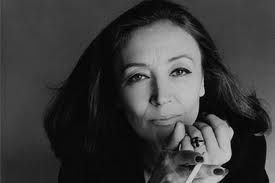
Let’s just say that she wasn’t exactly the most loved individual, but she was certainly fascinating and led quite an exciting life. When reading her books or reviewing them, I believe that it’s helpful to know some background information about her life.
As a teenager in Italy, she fought Nazi-fascism. She would cycle around the hills of Tuscany, delivering messages and transporting explosives in her bike, hiding them in a basket among lettuce and other vegetables. Then later as a war reporter, she covered major conflicts throughout the world and interviewed many public figures. She was probably the only Western journalist to have interviewed Ayatollah Khomeini twice. I love how she called the chador, “a stupid, medieval rag”.
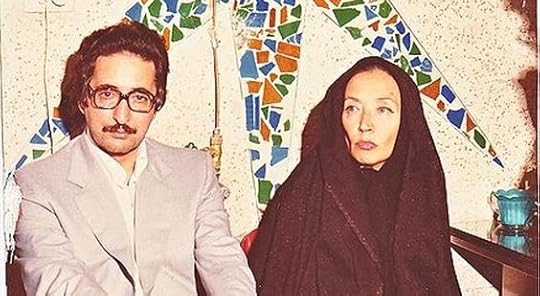
She also interviewed Cassius Clay (Muhammad Ali), whom she walked out on after he rudely belched in her face; Yasir Arafat, whom she despised; and Qaddafi, whom she also hated.

She spent her final years, while succumbing to cancer, between her native Tuscany and New York City. The U.S. was her adopted homeland and she loved it dearly. “The Force of Reason” is the second in a trilogy of books that she wrote following the horrific 9/11 attacks.
She was living in Manhattan during that time.
I have seldom seen an author write with such inflammatory passion and intensity. I think that it’s the Italian in her. Anyway, I have to say that I love it. In this book, she continues her rant about Western values being under attack by those on the left, specifically those who are anti-Western and pro-Islamic – the politically correct elite. For me, it is so refreshing to see that I am not alone with regards to my thoughts on all this. Oftentimes, I believe that there are few who seem to care. Most people that I know seem to have buried their heads in the sand and think that I’m off my rocker. For that reason, I’ve learned to stay quiet.
Oriana addresses the truth about history in Europe during the time of the Muslim invasion and the Crusaders. She says it like it is, as opposed to some romantic version of a time when everyone supposedly lived in a time of tolerance, harmony, and peaceful coexistence.
“Whoever believes in the myth of ‘peaceful coexistence that marked the relationships between the conquered and the conquerors’ should reread the stories of the burned convents and monasteries, of the profaned churches, of the raped nuns, of the Christian or Jewish women abducted to be locked away in their harems. He should ponder on the crucifixions of Cordoba, the hangings of Granada, the beheadings of Toledo and Barcelona, of Seville and Zamora. (The beheadings of Seville, ordered by Mutamid: the king who used those severed heads, heads of Jews and Christians, to adorn his palace). Invoking the name of Jesus meant instant execution. Crucifixion, of course, or decapitation or hanging or impalement. Ringing a bell, the same. Wearing green, the colour of Islam, also. And when a Muslim passed by, every Jew and Christian was obliged to step aside. To bow. And mind to the Jew or the Christian who dared react to the insults of a Muslim. As for the much-flaunted detail that the infidel-dogs were not obliged to convert to Islam, not even encouraged to do so, do you know why they were not? Because those who converted to Islam did not pay taxes. Those who refused, on the contrary, did.”

She also describes the similarities between the fascism under Hitler and Mussolini and the growing radical Islamic movement of today, especially in Europe. She calls it “Eurabia”, and vehemently criticizes the cowardice and spinelessness of Europe. She criticized what she saw as a double standard:
“If you speak your mind on the Vatican, on the Catholic Church, on the Pope, on the Virgin Mary or Jesus or the saints, nobody touches your ‘right of thought and expression.’ But if you do the same with Islam, the Koran, the Prophet Muhammad, some son of Allah, you are called a xenophobic blasphemer who has committed an act of racial discrimination.”
There are plenty of examples and anecdotes, including this one:
“… the animal rights activist Erwin Kessler who like Brigitte Bardot cannot abide the Muslims practicing to butcher the lambs like Dracula, that is, slowly drawing their blood. For criticizing it, he got two months in prison.”
As a result of her writing, she made many enemies and received numerous death threats. There were cries of outrage and demands to burn her books.
Overall, this wasn’t as good as her first book, which I truly loved. Her writing style may be difficult to appreciate at times, since she insisted on translating them herself. It is Italian English and reading it takes a bit of patience. I would only recommend this book for die-hard Oriana fans, like myself.
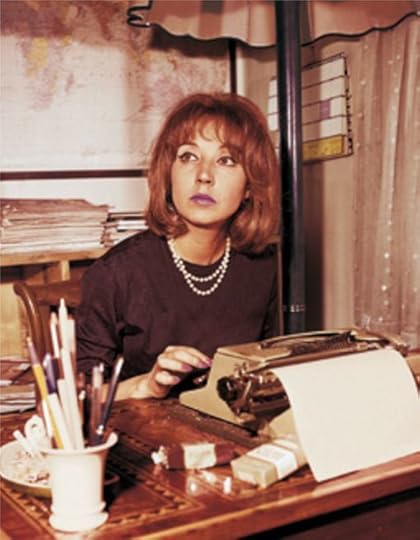
Let’s just say that she wasn’t exactly the most loved individual, but she was certainly fascinating and led quite an exciting life. When reading her books or reviewing them, I believe that it’s helpful to know some background information about her life.
As a teenager in Italy, she fought Nazi-fascism. She would cycle around the hills of Tuscany, delivering messages and transporting explosives in her bike, hiding them in a basket among lettuce and other vegetables. Then later as a war reporter, she covered major conflicts throughout the world and interviewed many public figures. She was probably the only Western journalist to have interviewed Ayatollah Khomeini twice. I love how she called the chador, “a stupid, medieval rag”.
She also interviewed Cassius Clay (Muhammad Ali), whom she walked out on after he rudely belched in her face; Yasir Arafat, whom she despised; and Qaddafi, whom she also hated.
She spent her final years, while succumbing to cancer, between her native Tuscany and New York City. The U.S. was her adopted homeland and she loved it dearly. “The Force of Reason” is the second in a trilogy of books that she wrote following the horrific 9/11 attacks.
She was living in Manhattan during that time.
I have seldom seen an author write with such inflammatory passion and intensity. I think that it’s the Italian in her. Anyway, I have to say that I love it. In this book, she continues her rant about Western values being under attack by those on the left, specifically those who are anti-Western and pro-Islamic – the politically correct elite. For me, it is so refreshing to see that I am not alone with regards to my thoughts on all this. Oftentimes, I believe that there are few who seem to care. Most people that I know seem to have buried their heads in the sand and think that I’m off my rocker. For that reason, I’ve learned to stay quiet.
Oriana addresses the truth about history in Europe during the time of the Muslim invasion and the Crusaders. She says it like it is, as opposed to some romantic version of a time when everyone supposedly lived in a time of tolerance, harmony, and peaceful coexistence.
“Whoever believes in the myth of ‘peaceful coexistence that marked the relationships between the conquered and the conquerors’ should reread the stories of the burned convents and monasteries, of the profaned churches, of the raped nuns, of the Christian or Jewish women abducted to be locked away in their harems. He should ponder on the crucifixions of Cordoba, the hangings of Granada, the beheadings of Toledo and Barcelona, of Seville and Zamora. (The beheadings of Seville, ordered by Mutamid: the king who used those severed heads, heads of Jews and Christians, to adorn his palace). Invoking the name of Jesus meant instant execution. Crucifixion, of course, or decapitation or hanging or impalement. Ringing a bell, the same. Wearing green, the colour of Islam, also. And when a Muslim passed by, every Jew and Christian was obliged to step aside. To bow. And mind to the Jew or the Christian who dared react to the insults of a Muslim. As for the much-flaunted detail that the infidel-dogs were not obliged to convert to Islam, not even encouraged to do so, do you know why they were not? Because those who converted to Islam did not pay taxes. Those who refused, on the contrary, did.”
She also describes the similarities between the fascism under Hitler and Mussolini and the growing radical Islamic movement of today, especially in Europe. She calls it “Eurabia”, and vehemently criticizes the cowardice and spinelessness of Europe. She criticized what she saw as a double standard:
“If you speak your mind on the Vatican, on the Catholic Church, on the Pope, on the Virgin Mary or Jesus or the saints, nobody touches your ‘right of thought and expression.’ But if you do the same with Islam, the Koran, the Prophet Muhammad, some son of Allah, you are called a xenophobic blasphemer who has committed an act of racial discrimination.”
There are plenty of examples and anecdotes, including this one:
“… the animal rights activist Erwin Kessler who like Brigitte Bardot cannot abide the Muslims practicing to butcher the lambs like Dracula, that is, slowly drawing their blood. For criticizing it, he got two months in prison.”
As a result of her writing, she made many enemies and received numerous death threats. There were cries of outrage and demands to burn her books.
Overall, this wasn’t as good as her first book, which I truly loved. Her writing style may be difficult to appreciate at times, since she insisted on translating them herself. It is Italian English and reading it takes a bit of patience. I would only recommend this book for die-hard Oriana fans, like myself.

November 16, 2015
Ho dovuto aspettare un po' per recensire il mio primo libro della Fallaci, principalmente perché l'ho letto subito dopo gli attentati di Parigi. In realtà l'autrice mi ha sempre affascinato, ma da come viene spesso presentata temevo di incontrare una verbosità eccessiva. Invece sono stata piacevolmente sorpresa: per quanto autrice schierata con un pensiero ben preciso, la signora Fallaci sa scrivere e spiegarsi. Temo che il mio dubbio derivasse dal giornalismo contemporaneo, fatto da gente che conosce a malapena l'italiano e che è più abituato a scrivere marchette per il politico di turno piuttosto che una cronaca corretta degli eventi.
Per quanto riguarda invece il contenuto, devo dire che mi ha chiarito molti dubbi. Non voglio entrare nel merito di un argomento così sensibile come l'immigrazione musulmana, ma concordo sul fatto che, venendo da una teocrazia, stiano cercando di importare un'ingerenza religiosa che l'Europa, più secolarizzata, non sa approcciare correttamente. E come donna mi secca che, nel nome di un politically correct per la religione di questi nuovi italiani, si tenda a peggiorare lo stato di altre categorie di cittadini, donne in primis.
Per quanto riguarda invece il contenuto, devo dire che mi ha chiarito molti dubbi. Non voglio entrare nel merito di un argomento così sensibile come l'immigrazione musulmana, ma concordo sul fatto che, venendo da una teocrazia, stiano cercando di importare un'ingerenza religiosa che l'Europa, più secolarizzata, non sa approcciare correttamente. E come donna mi secca che, nel nome di un politically correct per la religione di questi nuovi italiani, si tenda a peggiorare lo stato di altre categorie di cittadini, donne in primis.

December 30, 2015
Ориана Фалачи е една от най-големите и популярни критици на исляма. Самата тя се описва като християнски атеист, позицията ѝ е твърде еднопосочна, политически некоректна, но за разлика от много други страхливи драскачи по тази тема, тя е честна и съвсем пряма по това отношение. Тя изразява съвсем логичните страхове на мнозинството от европейците, задава неудобни и болезнени въпроси, а и също така отправя заслужена критика към политическата класа, готова да приеме политика, която е несъвместима с европейските ценности, и то само поради икономически ползи и изгоди. Ако има нещо за което бих я критикувал, е това, че Фалачи превръща дискусията в монолог, т.е. тя пренебрегва и другата страна, която също може да вметне темите за колониалните войни на Европа и експлоатацията на ресурси, както човешки, така и природни. За политиката на подчинение, която активира радикалите в много страни.
През последните десетилетия милиони мюсюлмани имигрираха в Европа, търсейки по-високи стандарти, сигурност и възможности за развитие. Множество от тях се възползваха от добре развитите социални програми и помощи, заеха празни ниши в йерархията. Но много от тях останаха неинтегрирани и се превърнаха в политиески инструмент в ръцете на богатите арабски страни, които виждат възможност да се възползват от създалата се демографска картина и постепенно да наложат свой геостратегически диктат. Като използват универсален инструмент за тази цел - религията, или по конкретно, исляма.
Работила дълги години като журналист, чиято задача винаги е била да задава въпроси, да отправя критика и да насочи вниманието на обществото към актуални проблеми, Ориана засяга и подчертава много сериозни, макар и много неудобни и опасни теми, които са като буре с барут, който в даден момент може да избухне и да въвлече човечеството в безсмислен терор. Ето някои от исканията на легални групи като "Съюз на ислямските общности и организации" в Италия, Мюсюлманският парламент във Великобритания (тук отварям скоба, че това не са радикални групи, а официални представители на мюсюлманите);
* Промени в училищните програми: мюсюлманските общности искат училищата да променят своите програми и да бъдат премахнати от учебниците някои исторически събития и знакови за Европа произведения. Едно от тези произведения е "Божествена комедия" на Данте Алигиери, тъй като в песен 28 от "Ад" Пророкът гори в адски пламъци. Те искат дори да бъдат премахнати негови паметници и названия на обекти. Същото се отнася за Волтер и Дидро. Волтер трябва да бъде забранен, заради творбата му "Fanatisme ou Mahomet le prophete"(Фанатизмът, или пророкът Мохамед). Парадоксалното е, че Волтер е бил един от най-ярките критици на религиите като цяло, но никоя една религиозна общност не е искала той да бъде премахнат. Под ударите на мюсюлманките организации попадат и творби на Тома Аквински, Мартин Лутер, Паскал и Декарт. Също така желаят да премахнат грегорианските кантати, месите и реквиемите на Хайдн, Моцарт, Бах и Верди, и "Аве Мария" на Шуберт. Да бъдат премахнати "политически некоректни"исторически факти като битките край Поатие и Виена.
*Полова сегрегация: мнозинството мюсюлмански родители не искат момчета и момичета да учат заедно, не искат дъщерите им да присъстват в часовете по физическо възпитание, или да се събличат, за да плуват в басейните. Те са против и голотата на Венера на Ботичели, против картините на Исус и Дева Мария, против изучаването им, защото според тях Божи гроб принадлежи на Пророка, Христос е пророк на исляма и никой не го е разпъвал на кръст.
* Халал и премахване на свинското месо: още едно искане също може да създаде проблем - премахването на свинското месо в училищните и затворническите столове. В много от европейските училища вече го направиха. Другият проблем е халал, практика да се режат гърлата на животни (такава практика имат и евреите), без да ги зашеметяват предварително и да ги оставят да умрат бавно, като кръвта им изтича капка по капка. В крайна сметка дори в демократичните страни търпимостта има граници, а гледките на арабски кланици със стичаща се кръв по европейските гета, не е нещо, което е по вкуса на мнозинството европейци, особено когато в Европа се опитва да се наложи модерен хуманизъм.
*Ролята на жената: В исляма има два вида брак: никаб, което е нещо като договор от категорията "продажба-сделка", който е безсрочен, ако съпругата не бъде изгонена. Другият е временен и се казва мут'а, който е от категотията "наем-срок на ползване" и може да бъде прекратен по всяко време, т,.е. това е средсто за узаконяване на безразборни сексуални връзки. Многобрачието и биенето на жената е позволено, което е в разрез с европейските закони, в които полигамията е забранена и наказуема. Както и посегателството към жена. Мъжът може да се разведе с жена си, ако повтори на гласи три пъти "талак". Да не говорим, че в някои общества са позволени бракове на 14 г., както са характерни и обрязванията. Като добавим и проблемите със забрадките, се вижда, че съвременното законодателство, както и нравите и обичаите на Европа са коренно различни от тези на шериата.
От всичко казано това ясно се вижда, че шериата не само е несъвместим с демокрацията като цяло, но на моменти е и нейна противоположност. Европа трябва съвсем да загби всички столетия на борба за демократично и светско общество, общество на равнопоставеност на хората независимо от пол и раса, уви, възползвайки се от либералните принципи някои страни от персийския залив се стремят да срутят цялата демократична система и да наложат идеология, която в своята същност не се различава от крайните такива.
Страховете са оправдани, но не съм сигурен че прогресивният либерализъм ще се справи или неговата лицемерна, двулична и сервилна природа няма да докара сериозни конфронтации и конфликти вътре в самото европейско общество, които да се покажат някой ден, въпреки неистовите опити това да се прикрие.
През последните десетилетия милиони мюсюлмани имигрираха в Европа, търсейки по-високи стандарти, сигурност и възможности за развитие. Множество от тях се възползваха от добре развитите социални програми и помощи, заеха празни ниши в йерархията. Но много от тях останаха неинтегрирани и се превърнаха в политиески инструмент в ръцете на богатите арабски страни, които виждат възможност да се възползват от създалата се демографска картина и постепенно да наложат свой геостратегически диктат. Като използват универсален инструмент за тази цел - религията, или по конкретно, исляма.
Работила дълги години като журналист, чиято задача винаги е била да задава въпроси, да отправя критика и да насочи вниманието на обществото към актуални проблеми, Ориана засяга и подчертава много сериозни, макар и много неудобни и опасни теми, които са като буре с барут, който в даден момент може да избухне и да въвлече човечеството в безсмислен терор. Ето някои от исканията на легални групи като "Съюз на ислямските общности и организации" в Италия, Мюсюлманският парламент във Великобритания (тук отварям скоба, че това не са радикални групи, а официални представители на мюсюлманите);
* Промени в училищните програми: мюсюлманските общности искат училищата да променят своите програми и да бъдат премахнати от учебниците някои исторически събития и знакови за Европа произведения. Едно от тези произведения е "Божествена комедия" на Данте Алигиери, тъй като в песен 28 от "Ад" Пророкът гори в адски пламъци. Те искат дори да бъдат премахнати негови паметници и названия на обекти. Същото се отнася за Волтер и Дидро. Волтер трябва да бъде забранен, заради творбата му "Fanatisme ou Mahomet le prophete"(Фанатизмът, или пророкът Мохамед). Парадоксалното е, че Волтер е бил един от най-ярките критици на религиите като цяло, но никоя една религиозна общност не е искала той да бъде премахнат. Под ударите на мюсюлманките организации попадат и творби на Тома Аквински, Мартин Лутер, Паскал и Декарт. Също така желаят да премахнат грегорианските кантати, месите и реквиемите на Хайдн, Моцарт, Бах и Верди, и "Аве Мария" на Шуберт. Да бъдат премахнати "политически некоректни"исторически факти като битките край Поатие и Виена.
*Полова сегрегация: мнозинството мюсюлмански родители не искат момчета и момичета да учат заедно, не искат дъщерите им да присъстват в часовете по физическо възпитание, или да се събличат, за да плуват в басейните. Те са против и голотата на Венера на Ботичели, против картините на Исус и Дева Мария, против изучаването им, защото според тях Божи гроб принадлежи на Пророка, Христос е пророк на исляма и никой не го е разпъвал на кръст.
* Халал и премахване на свинското месо: още едно искане също може да създаде проблем - премахването на свинското месо в училищните и затворническите столове. В много от европейските училища вече го направиха. Другият проблем е халал, практика да се режат гърлата на животни (такава практика имат и евреите), без да ги зашеметяват предварително и да ги оставят да умрат бавно, като кръвта им изтича капка по капка. В крайна сметка дори в демократичните страни търпимостта има граници, а гледките на арабски кланици със стичаща се кръв по европейските гета, не е нещо, което е по вкуса на мнозинството европейци, особено когато в Европа се опитва да се наложи модерен хуманизъм.
*Ролята на жената: В исляма има два вида брак: никаб, което е нещо като договор от категорията "продажба-сделка", който е безсрочен, ако съпругата не бъде изгонена. Другият е временен и се казва мут'а, който е от категотията "наем-срок на ползване" и може да бъде прекратен по всяко време, т,.е. това е средсто за узаконяване на безразборни сексуални връзки. Многобрачието и биенето на жената е позволено, което е в разрез с европейските закони, в които полигамията е забранена и наказуема. Както и посегателството към жена. Мъжът може да се разведе с жена си, ако повтори на гласи три пъти "талак". Да не говорим, че в някои общества са позволени бракове на 14 г., както са характерни и обрязванията. Като добавим и проблемите със забрадките, се вижда, че съвременното законодателство, както и нравите и обичаите на Европа са коренно различни от тези на шериата.
От всичко казано това ясно се вижда, че шериата не само е несъвместим с демокрацията като цяло, но на моменти е и нейна противоположност. Европа трябва съвсем да загби всички столетия на борба за демократично и светско общество, общество на равнопоставеност на хората независимо от пол и раса, уви, възползвайки се от либералните принципи някои страни от персийския залив се стремят да срутят цялата демократична система и да наложат идеология, която в своята същност не се различава от крайните такива.
Страховете са оправдани, но не съм сигурен че прогресивният либерализъм ще се справи или неговата лицемерна, двулична и сервилна природа няма да докара сериозни конфронтации и конфликти вътре в самото европейско общество, които да се покажат някой ден, въпреки неистовите опити това да се прикрие.

May 6, 2016
A screed. Vitriolic..., to the point of fury. One of the most vehement and intense anti-Islamic rants -- Islam as an aggressive, fascistic, illiberal dagger aimed at the heart of European Civilization -- one might ever read. Is it xenophobic? Yes. Unless she is right, that is. Has it forced her to align with the right and the Far Right -- it seems. A very disturbing book. Powerfully written, and not a trifle.
Her point is that it is Islam itself, since its inception, that has been aimed at Europe -- since the conquests of the 7th cen. -- and that the problem is not a dislocated fringe, a mere fragment that has failed to modernize... without which the Islamic world as a whole would be a peaceful and progressive force.
To rate it would mean to take sides on the content, and I'd rather not.
Her point is that it is Islam itself, since its inception, that has been aimed at Europe -- since the conquests of the 7th cen. -- and that the problem is not a dislocated fringe, a mere fragment that has failed to modernize... without which the Islamic world as a whole would be a peaceful and progressive force.
To rate it would mean to take sides on the content, and I'd rather not.

January 16, 2008
not exactly the "force of reason". more like having an anvil dropped on you.
she lead one of the great lives of the twentieth century, a female burton. at 14 she was running around the hills of northern italy with a rifle, fighting the nazis. later, she dropped out of med school to pursue a life of adventure. as a journalist she interviewed mao, the ayatollah, and the dali lama. crazy bravery and stunning beauty carried her through palaces and war zones.
this book is her final act. written as she lay dieing of cancer. she decries the cowardice and spiritual collapse of europe in the face of radical islam. i am really at a loss to describe the book. it feels like a stream of consciousness rant. but powerful. and impossible to ignore.
she lead one of the great lives of the twentieth century, a female burton. at 14 she was running around the hills of northern italy with a rifle, fighting the nazis. later, she dropped out of med school to pursue a life of adventure. as a journalist she interviewed mao, the ayatollah, and the dali lama. crazy bravery and stunning beauty carried her through palaces and war zones.
this book is her final act. written as she lay dieing of cancer. she decries the cowardice and spiritual collapse of europe in the face of radical islam. i am really at a loss to describe the book. it feels like a stream of consciousness rant. but powerful. and impossible to ignore.

November 11, 2015
Еврабия или свободата, която покани нашествениците
Цялото ревю тук: http://knijenpetar.blogspot.bg/2015/1...
„Силата на разума“ („МаК“, 2008, с превод от английски на Огнян Дъскарев). Интересно заглавие, нали? Европа е свободна. Европа държи да е свободна. Европа държи целият свят да прегърне идеята за демокрацията и е солидарна към онези, които още не са я разбрали и почувствали. Европа е пристан за всички, които искат да са свободни. Този малък континент притежава хилядолетна история, която е събрала в себе си и мъка, и радост, и разум. Последното е резултат от спечелените битки с многобройните древни богове, опустошителните войни и нелеката борба с болестите. Европа е победител. Днес Европа е модерна и се радва на постигнатото през годините. Радват се обикновените хора, които могат да избират къде и какво да учат, в каква посока да се развият, да гласуват кой да ги управлява. Законите са съобразени с правото на всеки сам да оформи мирогледа си и да се чувства удовлетворен и щастлив. Така стоят нещата на ниско ниво. Тръгнем ли нагоре, където се разполагат овластените от нас, нещата започват да се променят. Властта е тази, която взема решенията, от които зависи в каква посока ще се развие държавата и какви цели ще се преследват в близко и далечно бъдеще. Политиката е инструментът, с който боравят овластените – официалният глас на държавата. Политическите решения имат висок залог, защото от тях зависи как ще се развият отношенията с другите държави.
Европа е свободна и в едно друго отношение. На континента е приета политика на толерантност към различните вероизповедания. Всеки е добре дошъл, стига да спазва местните закони и да не пречи на останалите. Официално всичко говори за истинска идилия. И точно тук журналистката Ориана Фалачи съзира един голям проблем, който в близко бъдеще би променил Европа из основи. Този проблем носи името ислям и представлява най-радикалната религия в нашето съвремие. Може да се каже, че християнството вече си има „хомот“ и съвсем не е онова страшилище от средновековието – с Инквизицията и каноните, които са превръщали хората в треперещи животинки пред отмъстителното божество. Има развитие в положителна посока. Също така християнството не е под контрола на държавата. Вече има толеранс към избора на всеки и никой няма да ви обяви за лош, ако не влизате в църква или не си казвате молитвите. Има и вярващи със сериозно отношение към християнството като религия, но за болшинството вече е нещо като навик. Този навик се проявява главно при по-специални причини като раждане, смърт, сватби, именни дни и честване на светии, избрани за патрони на армията и т.н.
Ислямът е нещо съвсем различно. Тук вече ще използвам трактовката на Ориана Фалачи, защото все пак става въпрос за книгата ѝ, която е написана без всякаква политическа коректност и дълбае в рани, чоплени от нея десетилетия наред. (Продължава в блога: http://knijenpetar.blogspot.bg/2015/1...)
Цялото ревю тук: http://knijenpetar.blogspot.bg/2015/1...
„Силата на разума“ („МаК“, 2008, с превод от английски на Огнян Дъскарев). Интересно заглавие, нали? Европа е свободна. Европа държи да е свободна. Европа държи целият свят да прегърне идеята за демокрацията и е солидарна към онези, които още не са я разбрали и почувствали. Европа е пристан за всички, които искат да са свободни. Този малък континент притежава хилядолетна история, която е събрала в себе си и мъка, и радост, и разум. Последното е резултат от спечелените битки с многобройните древни богове, опустошителните войни и нелеката борба с болестите. Европа е победител. Днес Европа е модерна и се радва на постигнатото през годините. Радват се обикновените хора, които могат да избират къде и какво да учат, в каква посока да се развият, да гласуват кой да ги управлява. Законите са съобразени с правото на всеки сам да оформи мирогледа си и да се чувства удовлетворен и щастлив. Така стоят нещата на ниско ниво. Тръгнем ли нагоре, където се разполагат овластените от нас, нещата започват да се променят. Властта е тази, която взема решенията, от които зависи в каква посока ще се развие държавата и какви цели ще се преследват в близко и далечно бъдеще. Политиката е инструментът, с който боравят овластените – официалният глас на държавата. Политическите решения имат висок залог, защото от тях зависи как ще се развият отношенията с другите държави.
Европа е свободна и в едно друго отношение. На континента е приета политика на толерантност към различните вероизповедания. Всеки е добре дошъл, стига да спазва местните закони и да не пречи на останалите. Официално всичко говори за истинска идилия. И точно тук журналистката Ориана Фалачи съзира един голям проблем, който в близко бъдеще би променил Европа из основи. Този проблем носи името ислям и представлява най-радикалната религия в нашето съвремие. Може да се каже, че християнството вече си има „хомот“ и съвсем не е онова страшилище от средновековието – с Инквизицията и каноните, които са превръщали хората в треперещи животинки пред отмъстителното божество. Има развитие в положителна посока. Също така християнството не е под контрола на държавата. Вече има толеранс към избора на всеки и никой няма да ви обяви за лош, ако не влизате в църква или не си казвате молитвите. Има и вярващи със сериозно отношение към християнството като религия, но за болшинството вече е нещо като навик. Този навик се проявява главно при по-специални причини като раждане, смърт, сватби, именни дни и честване на светии, избрани за патрони на армията и т.н.
Ислямът е нещо съвсем различно. Тук вече ще използвам трактовката на Ориана Фалачи, защото все пак става въпрос за книгата ѝ, която е написана без всякаква политическа коректност и дълбае в рани, чоплени от нея десетилетия наред. (Продължава в блога: http://knijenpetar.blogspot.bg/2015/1...)
August 30, 2012
Emphatic, factual, incisive -- readers will find _The Force of Reason_ among the great cautionary works addressing Arab expansionism and Islamic Jihad as signaled by violence and delivered as a political program wrapped in the cover of the Religion of Peace. As an independent spirit, one free of obligations as advocate of a cause or institution, Fallaci's straight-up analysis of how the medieval in Islam works its will in modern Europe -- has worked it in history, on her own watch, and will continue for some time (if not addressed properly) -- spells a challenge for we "infidel-dogs" in general and the would-be modern (apostate, heretical, or merely struggling) Muslims who abhor the sort of dictates the Taliban embrace, promote, and savagely exploit.
June 21, 2008
Powerful. Longer and more introspective than the Rage and the Pride. Oriana Fallaci is a fascinating character, and I find that I want to check out more of her past work. She's led a very interesting life.
April 14, 2007
This book is not what I expected. It was really racist and I wouldn't recommend it to anyone.

October 13, 2015
An incredibly biased, racist, one-sided and selective account. Reading it was a real challenge, but not in a positive sense of the word.

February 9, 2014
I read the Spanish version
[No es un caso aislado. Son muchas las mujeres que dan ejemplo de valor e independencia frente a los pusilánimes hombres que no dan la talla, pues son viles lacayos de intereses partidistas. Sirva esto de homenaje a esta gran mujer, periodista, escritora e intelectual de personalidad indomable e insobornable.]
Reading her reminds me of Jesus' words in Luke 9:50: 'If they are not against us, they are for us.' Fallaci calls herself a Christian atheist. An incongruity, it might seem, because He was (is) indeed God, or else he was completely crazy. Fallaci is a freelance Christian, who instead of relying on God, prefers to rely on her own reason. And that takes a lot of confidence, as much as valor, but that only comes at the price of rage, a heck of a lot of rage. She also claims not to sympathize neither with the Right nor the Left, and rejects any political classification other than a revolutionary (bloodless, I hope).
I sympathize with her. I understand her rage. From the very first page you will know that you are up to something special. This ain't no ordinary book. She is no ignorant person. She is a very cultivated reporter who knows what she's talking about, who suffered and sees the injustices around her but doesn't mince words. Oh. the rage! She is Achiles' intellectual counterpart.
Her message, her warning is a call to Europeans to stand up and defend our hard-earned Western civilization, our culture. We are giving in to Islamo-fascism, we are commiting suicide. The history that Fallaci pours in her book falls with the force of a mighty Niagara. One has to become sad reading this book. It reminds me also of Job, his complaining to his legalist friends about how innocent he is, about how unjustly he is suffering. He wants a fair trial with God, sure He will understand him and get him off the hook. Who is Fallaci calling on to? Nobody. We have no washingtons nor Jeffersons, and no Churchills anymore... now we got pampered anti-system rioters in expensive Nike shoes.
The letter she writes to an Italian Catholic prelate, a bishop who wouldn't bless the coffins of 19 soldiers killed in Irak, and said it pained him to witness the celebrations that took place in their honor, is well worth putting here: "If that Sunday Jesus Christ had had the misfortune to find himself [she doesn't capitalize Him] in the Caserta cathedral, his disdain for the temple's Pharisee merchants would have become a joke in comparison to his disdain for you. He would have kicked your ass and thrown you out into the square, and here he would have smashed so hard your face that day that you would not even be able to eat a tomato soup." No comments needed.
In lack of a proletariat to appeal to the neo-commies have found in the Arab masses their natural allies. This, in a few words, explains the tremendous success of the take-over of Islam in Europe, the craddle of both Socialisms (Nazi and Communist).
What does not amuse me is Fallaci's irreverent dismissal of religions in general. Here's one comment on account of Abraham, in his role as the Founder of Israel: "Who wants a Founding Father who is ready to slit his own son's throat for the glory of some God?" Inadvertently given herself the answer: It is not 'some' God; but otherwise her question -for a non-believer, is quite understandable.
There's a lot that she talks about in this book, but I think I understand her best when she points to "the presumption and assumption of holding the Truth (by the Left). Its dogmatism" as the unforgivable sin of the Left. Meaning this: They want to put us in an intellectual ghetto of inferiority, where freedom of speech would be irrelevant, useless, since we would be outside society altogether. It is a Holocaust of the soul.
[No es un caso aislado. Son muchas las mujeres que dan ejemplo de valor e independencia frente a los pusilánimes hombres que no dan la talla, pues son viles lacayos de intereses partidistas. Sirva esto de homenaje a esta gran mujer, periodista, escritora e intelectual de personalidad indomable e insobornable.]
Reading her reminds me of Jesus' words in Luke 9:50: 'If they are not against us, they are for us.' Fallaci calls herself a Christian atheist. An incongruity, it might seem, because He was (is) indeed God, or else he was completely crazy. Fallaci is a freelance Christian, who instead of relying on God, prefers to rely on her own reason. And that takes a lot of confidence, as much as valor, but that only comes at the price of rage, a heck of a lot of rage. She also claims not to sympathize neither with the Right nor the Left, and rejects any political classification other than a revolutionary (bloodless, I hope).
I sympathize with her. I understand her rage. From the very first page you will know that you are up to something special. This ain't no ordinary book. She is no ignorant person. She is a very cultivated reporter who knows what she's talking about, who suffered and sees the injustices around her but doesn't mince words. Oh. the rage! She is Achiles' intellectual counterpart.
Her message, her warning is a call to Europeans to stand up and defend our hard-earned Western civilization, our culture. We are giving in to Islamo-fascism, we are commiting suicide. The history that Fallaci pours in her book falls with the force of a mighty Niagara. One has to become sad reading this book. It reminds me also of Job, his complaining to his legalist friends about how innocent he is, about how unjustly he is suffering. He wants a fair trial with God, sure He will understand him and get him off the hook. Who is Fallaci calling on to? Nobody. We have no washingtons nor Jeffersons, and no Churchills anymore... now we got pampered anti-system rioters in expensive Nike shoes.
The letter she writes to an Italian Catholic prelate, a bishop who wouldn't bless the coffins of 19 soldiers killed in Irak, and said it pained him to witness the celebrations that took place in their honor, is well worth putting here: "If that Sunday Jesus Christ had had the misfortune to find himself [she doesn't capitalize Him] in the Caserta cathedral, his disdain for the temple's Pharisee merchants would have become a joke in comparison to his disdain for you. He would have kicked your ass and thrown you out into the square, and here he would have smashed so hard your face that day that you would not even be able to eat a tomato soup." No comments needed.
In lack of a proletariat to appeal to the neo-commies have found in the Arab masses their natural allies. This, in a few words, explains the tremendous success of the take-over of Islam in Europe, the craddle of both Socialisms (Nazi and Communist).
What does not amuse me is Fallaci's irreverent dismissal of religions in general. Here's one comment on account of Abraham, in his role as the Founder of Israel: "Who wants a Founding Father who is ready to slit his own son's throat for the glory of some God?" Inadvertently given herself the answer: It is not 'some' God; but otherwise her question -for a non-believer, is quite understandable.
There's a lot that she talks about in this book, but I think I understand her best when she points to "the presumption and assumption of holding the Truth (by the Left). Its dogmatism" as the unforgivable sin of the Left. Meaning this: They want to put us in an intellectual ghetto of inferiority, where freedom of speech would be irrelevant, useless, since we would be outside society altogether. It is a Holocaust of the soul.

September 25, 2010
Read the Hebrew translation.
This book is like a long, long, emotional, rant, despite its name. I think it probably does more damage to its cause than help because the hysteric tone makes it that much easier to criticize. That's a pity, because Fallaci writes about important topics in today's world, and her basic idea is true - Europe is (or maybe has been) turning into Eurabia with the assistance, whether intentional or not, of an unholy alliance of weak governments, ultra-left intelligentsia, the media, the Church, Muslim immigrants and governments, terrorist organizations and anti-Semites. The best part of the book is probably the epilogue, where she gives her theory as to why it happened (although I don't go to the extent of blaming calculators and electric stoves), and why, maybe, there still is hope, at least in America if not in Europe.
This book is like a long, long, emotional, rant, despite its name. I think it probably does more damage to its cause than help because the hysteric tone makes it that much easier to criticize. That's a pity, because Fallaci writes about important topics in today's world, and her basic idea is true - Europe is (or maybe has been) turning into Eurabia with the assistance, whether intentional or not, of an unholy alliance of weak governments, ultra-left intelligentsia, the media, the Church, Muslim immigrants and governments, terrorist organizations and anti-Semites. The best part of the book is probably the epilogue, where she gives her theory as to why it happened (although I don't go to the extent of blaming calculators and electric stoves), and why, maybe, there still is hope, at least in America if not in Europe.

December 11, 2018
Всяка толерантност е такава, само ако е подкрепена от сила и връзка със собствените корени. Толерантност без сила е слабост и анархия, сила без толерантност е агресия и диктатура. Тук Ориана е права за отношенията на Европа с ислямските емигранти. Европа често губи баланса в посока нерешителност и затваряне на очите поради криворазбран страх да не повтори грешките от миналото, които са били в посока на насилие и смърт, без достатъчно критичен анализ на сегашната ситуация.
Но...това е една изключително обзета от омраза Ориана, и тази екстатична и бълваща гняв жена не ми харесва. Не е Ориана от 60-те и 70-те, когато е била под куршумите и е запазвала много по-голямо самообладание и хладнокръвие, с много по-стряскащи текстове.
Но...това е една изключително обзета от омраза Ориана, и тази екстатична и бълваща гняв жена не ми харесва. Не е Ориана от 60-те и 70-те, когато е била под куршумите и е запазвала много по-голямо самообладание и хладнокръвие, с много по-стряскащи текстове.

May 9, 2025
Oriana Fallaci wasn't just a great journalist, she was also prophetic about Europe, Islam and immigration.
Oriana Fallaci is opposed to abortion, unless she “were raped and made pregnant by a bin Laden or a Zarqawi.” She is fiercely opposed to gay marriage (“In the same way that the Muslims would like us all to become Muslims, they would like us all to become homosexuals”), and suspicious of immigration in general. The demonstrations by immigrants in the United States these past few months “disgust” her, especially when protesters displayed the Mexican flag. “I don’t love the Mexicans,” Fallaci said, invoking her nasty treatment at the hands of Mexican police in 1968. “If you hold a gun and say, ‘Choose who is worse between the Muslims and the Mexicans,’ I have a moment of hesitation. Then I choose the Muslims, because they have broken my balls.”
Oriana Fallaci is opposed to abortion, unless she “were raped and made pregnant by a bin Laden or a Zarqawi.” She is fiercely opposed to gay marriage (“In the same way that the Muslims would like us all to become Muslims, they would like us all to become homosexuals”), and suspicious of immigration in general. The demonstrations by immigrants in the United States these past few months “disgust” her, especially when protesters displayed the Mexican flag. “I don’t love the Mexicans,” Fallaci said, invoking her nasty treatment at the hands of Mexican police in 1968. “If you hold a gun and say, ‘Choose who is worse between the Muslims and the Mexicans,’ I have a moment of hesitation. Then I choose the Muslims, because they have broken my balls.”

August 12, 2009
Why did I do this to myself? I guess because I am doing research on the monotheistic religions and somehow came upon this book in the library. This is an utterly atrocious diatribe against Islam. Fallaci may have had some legitimate points to make about cultural anxieties caused by mass Muslim migration to Christian Europe. However, she surrenders any shred of legitimacy or, indeed, coherence, in this over-the-top rant. I am surprised someone actually published this. If you seek serious argument, stay away from this book.
April 15, 2026
This book was written twenty-one years ago and it is amazing how some of Fallaci's grievances have not only not been corrected but made worse, her warnings have become a reality and Europe, and the rest of the world in general, are just beginning to take actions against them.
Perhaps it would be easier to name her an "islamophobe" (sic), and called it a day but that would be both reductionist and wrong. Yes, she is angry, and she wrote from death's door with the certainty she will would be ignored, using her least breath to try to wake every one up. Sadly no one heard, and the issue got worse after the failed "Arab Spring".
To make it clear: Islam is not an issue, we are. She is very adamant about it, we forgot how to be proud of our heritage, to set clear boundaries, to ask for a duty in exchange of a right, and if we cannot properly manage non-Westerners immigrants we shouldn't receive them in huge numbers, and then cry blue murder when unwanted change does happen.
As for the rest, yes, she gets a bit repetitive, and uses this chance to tell everyone who wronged her, and everyone else by the way, to go to hell in the most beautiful terms, and that history will judge them. She was right on both accounts. Time has put everything in its place and she is being finally given her due on having been one of the first people to address the issue for what it was, time will also tell whether we can take actions, in an adult way since nobody likes extremism, before her "Eurobia" comes to be.
Perhaps it would be easier to name her an "islamophobe" (sic), and called it a day but that would be both reductionist and wrong. Yes, she is angry, and she wrote from death's door with the certainty she will would be ignored, using her least breath to try to wake every one up. Sadly no one heard, and the issue got worse after the failed "Arab Spring".
To make it clear: Islam is not an issue, we are. She is very adamant about it, we forgot how to be proud of our heritage, to set clear boundaries, to ask for a duty in exchange of a right, and if we cannot properly manage non-Westerners immigrants we shouldn't receive them in huge numbers, and then cry blue murder when unwanted change does happen.
As for the rest, yes, she gets a bit repetitive, and uses this chance to tell everyone who wronged her, and everyone else by the way, to go to hell in the most beautiful terms, and that history will judge them. She was right on both accounts. Time has put everything in its place and she is being finally given her due on having been one of the first people to address the issue for what it was, time will also tell whether we can take actions, in an adult way since nobody likes extremism, before her "Eurobia" comes to be.

September 23, 2025
Astonishingly prophetic, which is not surprising, but connecting this book with today’s news makes for a very, very gruesome picture.

September 14, 2013
There is a major problem when journalist turn into scholars. How do you not care about potential opprobrium having spent most of your career in the super ambitious world of journalism? As proof consider Oriana's very very long introduction to her book where she is defending her narrative before anyone has had a chance to read it yet. The introduction is thus setting herself up as a courageous academic, a lone voice among the countless others spineless herd which choose to ignore the threat which immigrant Muslims bring to Europe. She then states comparing all Islamic settlers in Europe without giving much of a thought to exactly where they hail from. So Indonesians are the same as Palestinians just because they are Muslim in her valued opinion. She also sees Muslims breeding like rabbits which will surely take over Europeans pretty soon. Where is the evidence that Muslims have taken over? In UK for instance most Muslim politicians have chosen to join the mainstream political parties instead of creating their own. So where is the threat as clearly majority of Muslims in UK want to be associated with the mainstream and not with any Sharia enforcing third party. In fact in UK there are a number of anti-Islamic political parties denouncing Muslim invaders in UK. Ever wondered why Pakistanis and Indians tend to invade UK only mainly Oriana? Because India was a former colony maybe similar to Algerians in France. Who was invading who? But this tiny little point does not seem to make it into Oriana's narrative as it is pretty irrelevant to her case.The truth is that majority Muslims are economic immigrants in Europe who choose to integrate withEuropean culture. There is a small minority who are fundamentalist. This book is written with that minority in view, a minority who is not even allowed to preach in most mosques! The only people really interested in the minority view is people like Oriana and mainstream media when they want to ostracise all of Islam with a wide brush. Oriana seems to have achieved her objective by selling quite a few of her very ordinary book. The real danger, fear is not Islamism, but sharing jobs and opportunities at the grass root level in Europe. What can the Muslims do when most of the world resources are plenty full in the West as compared to their own countries? Are the Muslims supposed to stay content where we are making 10% of what a similar worker gets in Europe? I myself am a modern Muslim invader in Oriana's Europea, but so far seemed to have only a quiver to write two books and improved my tennis over the 13 years of jihad. And no, I am not an exciting halal butcher, just an ordinary boring 9-5 IT worker, trying to provide the most for my two kids (not five) from my one wife.
I am afraid the critics are right Oriana, you were demonised for your highly one sided and prejudiced narrative, not for being courageous as plenty of others are openly attacking so called 'Islamic' invaders of Europe.
The book was a waste of my time. I did not find any balanced resonate argument in this 300 page book. It seemed to be ravings and ranting of an old woman, who goes on and on when given the pulpit.
Lastly, how can Oriana claim to be representing a beleaguered minority when her book has sold millions of copies in Italy?
I am afraid the critics are right Oriana, you were demonised for your highly one sided and prejudiced narrative, not for being courageous as plenty of others are openly attacking so called 'Islamic' invaders of Europe.
The book was a waste of my time. I did not find any balanced resonate argument in this 300 page book. It seemed to be ravings and ranting of an old woman, who goes on and on when given the pulpit.
Lastly, how can Oriana claim to be representing a beleaguered minority when her book has sold millions of copies in Italy?

June 9, 2016
It is a rare thing for passion to jump right off the pages of a book to touch the heart of the reader. For Oriana Fallaci, it is but second nature. She seems incapable of writing without passion. Her entire work is impregnated with righteous anger and bare, honest emotion. But make no mistake, lucidity suffers none of it.
The history of this woman, regrettably deceased in 2006 after her final struggle with cancer, is illustrious. Before she became a writer, she gained renown as an interviewer, thoroughly grilling powerful men (among them Kissinger, Arafat and Khomeini) with questions many would not even dare think of. She just posed them, not accepting any evasive maneuvers. Christopher Hitchens eulogizes her in his 2006 article, bringing to life a powerful, passionate woman.
Not that her struggle with cancer diminished any of her fervor. Almost on the contrary. She blasted away, as if this was the last chance to save the civilized world from the double threat of islam and the multiculturalists. Which it well might have been.
Mrs Fallaci vividly describes how the stream of newcomers to her native Italy have changed the landscape. Contrary to most western immigrants and a lot of non-western immigrants, islamic immigrants do not integrate very well, if at all. Instead, the followers of the islam demand that their surroundings adjust to their islamic law, the shariah. The examples she comes up with are from the beginning of this century. If anything happened in between, it is that these examples have become much more pronounced now than they were back then.
Instead of standing up to these demands made by the followers of the islam, they are facilitated. The group of people guilty to this behaviour consists mostly of socialist, communist oriented people, although the right did not confront this "wisdom", effectively approving the approach. The movement to take in other cultures has grown to religious proportions, no longer susceptible to reason, nor logic. It just trundles on, a slow unstoppable behemoth.
And woe those who dare to oppose the Creed. A mark of shame is pinned on you, leading to social pariahood. The author herself has experienced this, as do many nowadays who oppose jihad.
The book contains a lot of anecdotes, even one not so flattering about the late heavyweight boxing champion, Cassius Clay aka Muhammed Ali. Obviously, Mrs Fallaci has travelled a lot and has spent her time well to overthink the things she has seen and experienced.
The book reads pleasantly and for those who dare to open their eyes and See it contains a clear, coherent view of the events that are happening to us in Europe right now. Ravaged by cancer, Mrs Fallaci still found the strength to demand of us to grow a spine, find our inner courage, the same courage our ancestors drew upon, and stand up to the third totalitarian threat to Europe, right after Fascism and Communism; Islam.
The history of this woman, regrettably deceased in 2006 after her final struggle with cancer, is illustrious. Before she became a writer, she gained renown as an interviewer, thoroughly grilling powerful men (among them Kissinger, Arafat and Khomeini) with questions many would not even dare think of. She just posed them, not accepting any evasive maneuvers. Christopher Hitchens eulogizes her in his 2006 article, bringing to life a powerful, passionate woman.
Not that her struggle with cancer diminished any of her fervor. Almost on the contrary. She blasted away, as if this was the last chance to save the civilized world from the double threat of islam and the multiculturalists. Which it well might have been.
Mrs Fallaci vividly describes how the stream of newcomers to her native Italy have changed the landscape. Contrary to most western immigrants and a lot of non-western immigrants, islamic immigrants do not integrate very well, if at all. Instead, the followers of the islam demand that their surroundings adjust to their islamic law, the shariah. The examples she comes up with are from the beginning of this century. If anything happened in between, it is that these examples have become much more pronounced now than they were back then.
Instead of standing up to these demands made by the followers of the islam, they are facilitated. The group of people guilty to this behaviour consists mostly of socialist, communist oriented people, although the right did not confront this "wisdom", effectively approving the approach. The movement to take in other cultures has grown to religious proportions, no longer susceptible to reason, nor logic. It just trundles on, a slow unstoppable behemoth.
And woe those who dare to oppose the Creed. A mark of shame is pinned on you, leading to social pariahood. The author herself has experienced this, as do many nowadays who oppose jihad.
The book contains a lot of anecdotes, even one not so flattering about the late heavyweight boxing champion, Cassius Clay aka Muhammed Ali. Obviously, Mrs Fallaci has travelled a lot and has spent her time well to overthink the things she has seen and experienced.
The book reads pleasantly and for those who dare to open their eyes and See it contains a clear, coherent view of the events that are happening to us in Europe right now. Ravaged by cancer, Mrs Fallaci still found the strength to demand of us to grow a spine, find our inner courage, the same courage our ancestors drew upon, and stand up to the third totalitarian threat to Europe, right after Fascism and Communism; Islam.

February 14, 2018
Oriana Fallaci is my new hero!
It feels so refreshing to learn that there are more people who think like me and I don't live alone among blind fools, coz in these days I had that feeling more and more often. This book looks out at some really painful social and political issues, and it's hard not to feel anger and resentment of what has happened in Europe lately. In 2018, the myth of Eurabia is not just a crazy woman's talks but it’s a fact and it seems like no one really cares. Even more, our politicians encourage it by accepting in our lands more and more of the so-called refugees every year. It’s outrages how most people don’t even realize the consequences which we will suffer by loosing our ethnicity, culture and traditions. If you go to some of Eastern Europe’s countries you will see the damages that Ottoman Empire left there through the years and how every little village had his own stories to tell, that can give you a goosebumps.
Its outrages how in present days this disease has spread in every European country. For example, here in Germany the situation is out of control, with every Main Street in the cities looking like ghetto. There is a massive wave of Muslim Honor Killings during the last two years, but it seems that nobody pays attention. Also, it seems that no one remembers the New Year's Eve mass rapes in Cologne, which took place in front of one of the most emblematic cathedral n Europe. The biggest paradox is that in this same cathedral, and like in many others in Germany, you can buy bright orange scarves with the loud sign "Welcome Refugees!", and also you can make a donation for this cause. I wonder if the victims or their relatives had such orange scarves and whether they still wear them with the same pride.
There is still much more to say about it, but I will stop here. “The Force of Reason” seems to be written as last cry for help by Fallaci, unfortunately there is no one there to here her. I can only hope that in a future America and Russia will be so welcoming to the European refugees, as we are now to the muslims.
It feels so refreshing to learn that there are more people who think like me and I don't live alone among blind fools, coz in these days I had that feeling more and more often. This book looks out at some really painful social and political issues, and it's hard not to feel anger and resentment of what has happened in Europe lately. In 2018, the myth of Eurabia is not just a crazy woman's talks but it’s a fact and it seems like no one really cares. Even more, our politicians encourage it by accepting in our lands more and more of the so-called refugees every year. It’s outrages how most people don’t even realize the consequences which we will suffer by loosing our ethnicity, culture and traditions. If you go to some of Eastern Europe’s countries you will see the damages that Ottoman Empire left there through the years and how every little village had his own stories to tell, that can give you a goosebumps.
Its outrages how in present days this disease has spread in every European country. For example, here in Germany the situation is out of control, with every Main Street in the cities looking like ghetto. There is a massive wave of Muslim Honor Killings during the last two years, but it seems that nobody pays attention. Also, it seems that no one remembers the New Year's Eve mass rapes in Cologne, which took place in front of one of the most emblematic cathedral n Europe. The biggest paradox is that in this same cathedral, and like in many others in Germany, you can buy bright orange scarves with the loud sign "Welcome Refugees!", and also you can make a donation for this cause. I wonder if the victims or their relatives had such orange scarves and whether they still wear them with the same pride.
There is still much more to say about it, but I will stop here. “The Force of Reason” seems to be written as last cry for help by Fallaci, unfortunately there is no one there to here her. I can only hope that in a future America and Russia will be so welcoming to the European refugees, as we are now to the muslims.

June 10, 2021
The European hard Left liberals no doubt slammed Fallaci for a lot of what she writes about here, and those muppets hiding out in the caves of Tora Bora I'm sure would have liked nothing more than to see her head on a stick. But I commend her absolutely fearless nature and for having the balls to speak out against what she describes as the 'looming destruction of Europe and once great European culture through Islamification.' Now, she is one pissed off woman, and I don't agree with every sentence here, but I do believe in freedom of speech; especially when defending one's homeland and cultural way of life, within a democracy. I mean, how on earth else are we suppose to have a peaceful civilized discussion of the east meets west problem when most people remain paralyzed by fear and political bullshit. Like, for example, a parent wants to know why Christmas carols have been taken away from their child's school because one Muslim family kicked off about it. How exactly do you challenge this without being accused of racism and xenophobia? I'd be pissed off too, but that doesn't mean I'm some crazy far-right extremist that is just about ready to burn down the nearest mosque. Regardless of the topic, I do like a good passionate rant me - and this is certainly that.

December 12, 2020
Харесвам Ориана и нейния плам. Бих прочела повече по темата, за да се информирам още и да мога да изградя свое мнение по въпроса.
Споделям части, които ми харесаха:
"Парадоксално е, но сега сме по-малко интелигентни от времето, когато не можехме да летим до Марс, когато не можехме да заменим отрязана ръка, извадено око или болно сърце...
Мозъкът е като мускул. Както всички други мускули, мозъкът има нужда от упражнение. Ако не се упражнява, той става ленив, бавен... Мозъкът губи интелигентността си, защото атрофира. Нещо по-лошо: мозъкът оглупява. Затова той не може да мисли, да преценява и се покорява на решенията, взети от други, предава се на готовите решения. Мозъкът приема безкритично мисли, преработени и опаковани като полуготова храна.
... в демокрацията думата равенство означава само равенството пред законите на държавата, но не и равенство на умовете и морала. Нито на ценностите, интелигентността и смелостта... в демокрацията гласовете се броят, но не се претеглят. Това е причината количеството да се цени повече от качеството в демократичните страни и почти винаги неинтелигентните да управляват останалите. "
Споделям части, които ми харесаха:
"Парадоксално е, но сега сме по-малко интелигентни от времето, когато не можехме да летим до Марс, когато не можехме да заменим отрязана ръка, извадено око или болно сърце...
Мозъкът е като мускул. Както всички други мускули, мозъкът има нужда от упражнение. Ако не се упражнява, той става ленив, бавен... Мозъкът губи интелигентността си, защото атрофира. Нещо по-лошо: мозъкът оглупява. Затова той не може да мисли, да преценява и се покорява на решенията, взети от други, предава се на готовите решения. Мозъкът приема безкритично мисли, преработени и опаковани като полуготова храна.
... в демокрацията думата равенство означава само равенството пред законите на държавата, но не и равенство на умовете и морала. Нито на ценностите, интелигентността и смелостта... в демокрацията гласовете се броят, но не се претеглят. Това е причината количеството да се цени повече от качеството в демократичните страни и почти винаги неинтелигентните да управляват останалите. "

January 28, 2023
Certe volte ripenso a tutte le inesattezze scritte in questo "libro", a quante persone avrà influenzato e al fatto che ancora oggi questo testo viene pubblicato così com'è senza una versione critica che spieghi come non tutto ciò che è scritto in questo libro sia obiettivo e accurato, ma anzi viene permesso che le persone continuino a farsi influenzare da cose non vere. E mi chiedo perchè, a che pro... vengono addirittura sbagliati i titoli dei film!
Mi chiedo anche perchè tutte queste inesattezze quando per le argomentazioni a favore della propria tesi si va nel profondo, mentre, guarda caso, le tesi contro vengono trattate con estrema superficialità. Possibile non ci fosse modo di trattare approfonditamente tali tesi, oppure chi ha scritto e pubblicato l'ha fatto sapendo ciò che stava facendo?...
Mi chiedo anche perchè tutte queste inesattezze quando per le argomentazioni a favore della propria tesi si va nel profondo, mentre, guarda caso, le tesi contro vengono trattate con estrema superficialità. Possibile non ci fosse modo di trattare approfonditamente tali tesi, oppure chi ha scritto e pubblicato l'ha fatto sapendo ciò che stava facendo?...
August 11, 2009
Гневна книга. Имах по-големи очаквания. Вярно е, че публицистичното писане допуска внушения, но в случая то е на границата с манипулацията.
Може би е важно да се има предвид, че българското издание е превод от версията на английски, издадена в САЩ /като преводът е бил на самата Фалачи/. Оказва се има съществени различия между италианския и английския текст.
И все пак, въпросите, повдигнати в книгата, не са за подминаване...
Може би е важно да се има предвид, че българското издание е превод от версията на английски, издадена в САЩ /като преводът е бил на самата Фалачи/. Оказва се има съществени различия между италианския и английския текст.
И все пак, въпросите, повдигнати в книгата, не са за подминаване...

January 30, 2011
Oriana e Oriana ma...
Oriana Fallaci è Oriana Fallaci , si ama si odia ma rimane indissolubile la sua presenza letteraria in questo momento storico che vede coinvolti tutti e nessuno escluso. Ha avuto il coraggio di dire cose sconvenienti in un momento poco favorevole al politically uncorrect , a volte ha sbagliato creando attorno a se l'odio , perchè in molti non hanno capito il suo pensiero. Avanti anni e anni rispetto a tutti noi. Speriamo che questo ritardo non sia la nostra fine.
Oriana Fallaci è Oriana Fallaci , si ama si odia ma rimane indissolubile la sua presenza letteraria in questo momento storico che vede coinvolti tutti e nessuno escluso. Ha avuto il coraggio di dire cose sconvenienti in un momento poco favorevole al politically uncorrect , a volte ha sbagliato creando attorno a se l'odio , perchè in molti non hanno capito il suo pensiero. Avanti anni e anni rispetto a tutti noi. Speriamo che questo ritardo non sia la nostra fine.

July 17, 2016
Miejscami przerażające przewidywania dotyczące muzułmańskiej wizji przyszłości. Także zapis makabrycznych wydarzeń z przeszłości. Przeplatane to wszystko dość afektowanymi listami do polityków i fragmentami indoktrynacji.
June 1, 2025
Fallaci hace una crítica de la muerte de la izquierda-derecha muy actual. Hay fragmentos que no entiendo porque menciona acontecimientos de Italia, pero por lo general, es sublime. Totalmente recomendable.

April 9, 2023
Въпреки че на моменти беше много информативна, през по-голямата част от времето четях само за омразата на авторката към арабите - в повечето случаи породена от лични причини.

January 28, 2018
"Siła rozumu" to kontynuacja napisanej dwa lata wcześniej książki-apelu Oriany Fallaci pt. "Wściekłość i duma". Pierwsza część była krzykiem rozpaczy i bólu po atakach islamskich terrorystów na wieże WTC. Przepełnionym emocjami wezwaniem Europy do opamiętania. Druga część jest pisana bardziej na chłodno i to jej duża zaleta. Fallaci zdecydowała się napisać kolejną książkę pomimo ostrego ataku na jej osobę po publikacji "Wściekłości i dumy". A może zrobiła to właśnie z powodu tego ataku. Wyśmiewanie, publiczne oskarżenia, palenie jej wizerunków oraz groźby śmierci. A jednak nie dała się złamać, bo jak sama stwierdziła: "strach jest grzechem".
Pisząc "Siłę rozumu" Fallaci wystawiła się na kolejny etap ataków. Ta jedna z najbardziej znanych dziennikarek XX wieku, dla wielu ikona feminizmu oraz środowisk lewicowych, znana z niezwykle ciętego i precyzyjnego języka, zawsze walcząca o wolność słowa i poglądów, została niecodziennie zaatakowana, gdy zaczęła pisać o islamie. Pisała prawdę, choć trudną i bolesną. Prawdę, której wielu poznać nie chciało albo którą wielu odrzucało. Odważyła się otwarcie pisać o tym, o czym wielu wiedziało, ale w imię politycznej poprawności nie chciało przyznać. Ale w swej książce Fallaci znaczniej mocniej niż na krytyce islamu skupia się na wytykaniu europejskim liderom i politykom ich głupoty, fałszu i zakłamania.
"Rozum uwidocznił prawdy, których nie uwidoczniały emocje i które dziś mogę głosić bez niedomówień. Na przykład zadając sobie pytanie: cóż to za demokracja, która zabrania odmiennego zdania, karze za nie, przemienia je w zbrodnię? Cóż to za demokracja, która zamiast słuchać obywateli zamyka im usta, wydaje ich wrogowi, naraża ich na nadużycia i przemoc? (...) Cóż to za demokracja, w której mniejszość liczy się bardziej od większości, a licząc się bardziej od większości szarogęsi się i szantażuje?!? To antydemokracja, mówię ci. To łgarstwo, bujda. I cóż to za wolność, która zakazuje myśleć, mówić, iść pod prąd, buntować się, przeciwstawiać się temu, kto nas najeżdża albo zmusza do milczenia?"
Poza zdecydowaną krytyką działań polityków zachodniej Europy, Fallaci ponownie przedstawia wiele argumentów przeciw niekontrolowanemu przyjmowaniu migrantów z krajów arabskich. Zwraca uwagę na szereg wypowiedzi islamskim imamów, przywódców czy po prostu znanych osobistości z tych kręgów. Przytacza fragmenty swoich rozmów z nimi oraz ich wypowiedzi dla innych przedstawicieli mediów. A niektóre z nich są zatrważające. Jeden z przedstawicieli islamskiej myśli o podbiciu Europy (George Habasz - przywódca Ludowego Frontu Wyzwolenia Palestyny) powiedział w latach 70-tych:
„Nasza rewolucja to moment w rewolucji światowej. Nie ogranicza się do odbicia Palestyny. Należy być szczerym i przyznać, że chcemy doprowadzić do wojny takiej, jak wojna w Wietnamie. Ponieważ chcemy drugiego Wietnamu. I to dotyczy nie tylko Palestyny, ale i wszystkich krajów arabskich. Palestyńczycy należą do Narodu Arabskiego. A więc jest konieczne, aby cały Naród Arabski przystąpił do wojny przeciwko Ameryce i Europie. Żeby przeciwko Zachodowi rozpętał wojnę totalną. I on ją rozpęta. Ameryka i Europa muszą wiedzieć, że jesteśmy dopiero na samym początku. Że najlepsze dopiero się zacznie. Że odtąd nie będzie już dla nich wytchnienia". A potem: „Przesuwać się krok po kroku, milimetr po milimetrze. Rok po roku. Dekada po dekadzie. Zdeterminowani, uparci, cierpliwi. Oto nasza strategia. Strategia, którą zresztą rozszerzymy".
Kolejny cytat:
"Ale, przede wszystkim, wystarczy przypomnieć to, co Boumedienne (przez którego Ben Bella został złożony z urzędu w wyniku zamachu stanu trzy lata po odzyskaniu przez Algierię niepodległości) powiedział w roku 1974 na Zgromadzeniu Narodów Zjednoczonych: „Pewnego dnia miliony ludzi opuszczą półkulę południową, aby wedrzeć się na półkulę północną. I z pewnością nie jako przyjaciele. Ponieważ wedrą się, aby dokonać podboju. I podbiją ją, zaludniając swoimi dziećmi. To brzuchy naszych kobiet dadzą nam zwycięstwo”.
Tego typu cytatów w książce jest więcej. Rzucają one odmienne światło na wydarzenia rozgrywające się w ostatnich latach w Europie. W książce odnaleźć można także wiele innych ciekawych fragmentów, jak choćby te dotyczące rozmowy Oriany Fallaci z Cassiusem Clayem, znanym jako Muhammad Ali. Ukazują one tego chyba najbardziej znanego boksera na świecie w niezwykle niekorzystnym świetle. Ale szczegółów nie będę zdradzał, zachęcam do przeczytania.
Podobnie jak w przypadku pierwszej części, tak i "Siła rozumu" napisana jest w formie listu do włoskiego przyjaciela-wydawcy Fallaci, choć w tej części adresat listu nie jest tak mocno wyartykułowany. Można przez to odnieść wrażenie, że list jest pisany do każdego czytelnika. A czyta się tę książkę ciężko. Ale nie z powodu stylu pisarskiego autorki czy też poziomu jej umiejętności. Co to, to nie. Ciężko, bo historie i przykłady zawarte zmuszają do myślenia, do spojrzenia na niektóre sprawy wbrew ogólnie przyjętym (czy też narzuconym) narracjom. Ciężko, bo nieraz zmuszają do samokrytyki, bo wywołują bezsilność i gniew. Ciężko, ale warto.
"Ergo, ludzie już nie myślą. Albo myślą bez pomocy własnej głowy."
Trudno się z Fallaci nie zgodzić, gdy zawzięcie woła i apeluje do czytelników, by zaczęli posługiwać się rozumem. By odważyli się przeciwstawić tym, którzy co dzień mówią im jak mają myśleć. Niejako programując ich, tworząc jednolitą masę, pozbawioną własnych przemyśleń i marzeń, masę, którą można łatwo kontrolować i której członkowie przerażeni są tym, że mogliby wypaść z szeregu. Wychylić się z własnym zdaniem, to jak skazać się na ostracyzm, na społeczny niebyt. Nieraz mam wrażenie, że żyjemy w czasach, w których wiele rzeczy postawionych jest na głowie. W świecie, w którym powszechnie znane pojęcia mają jakby odwrotne znaczenia. Gdzie tzw. bojownicy o wolność słowa kneblują usta tym, którzy się z nimi nie zgadzają i atakują ich nazywając ich różnego rodzaju -fobami i -istami. Gdzie walczący z tzw. hejtem, zawzięcie i z nieskrywaną satysfakcją atakują słownie innych. Gdzie ofierze wmawia się winę, a winnego ukazuje się jako ofiarę. Gdzie zwyczajna normalność jest w odwrocie, a na sztandarach niesione są przesadna ekstrawagancja i nieustanne dążenie do bycia odmiennym od reszty. Wreszcie, gdzie prawda przestała być sobą.
"Żeby ugotować jajko, zagotować wodę, musiałeś używać węgla, czyli rozpalać ogień. Musiałeś także za pomocą miecha ręcznego podtrzymywać palący się węgiel. Dzisiaj nie. Przekręcasz gałkę kuchenki elektrycznej albo gazowej, a ona sama się włącza. Bez zapałki. I sama się pali, co byłoby wielką zdobyczą, gdybyś czas, który oszczędzasz, wykorzystał na myślenie. Na przykład na zastanowienie się nad tym, co widzisz, co słyszysz, co czytasz. Abyś wykorzystał swój mózg na polu idei, świadomości, moralności. Abyś się spostrzegł, że coś w tym, co widzisz i słyszysz, i czytasz, jest nie tak, że kryje oszustwo albo obłudę, Ale nie, nie robisz tego, ponieważ... Ponieważ, mózg jest mięśniem. I jak każdy inny mięsień ma potrzebę bycia trenowanym. Nietrenowany rozleniwia się, drętwieje. Zanika, jak zanikają mięśnie moich nóg, kiedy przez całe miesiące siedzę przy tym stoliku, wciąż pisząc, wciąż studiując... A zanikając staje się mniej inteligentny, nawet głupi. Stając się głupim, zatraca zdolność rozumowania, osądzania i wydaje się na łup cudzej myśli. Powierza się już gotowym rozwiązaniom, decyzjom już podjętym, myślom już wypracowanym, opakowanym, gotowymi do użycia. Receptom, których jak wag elektronicznych albo kuchenek gazowych, albo komputerów dostarcza mu indoktrynacja poprzez Politycznie Poprawne formułki. Formułkę pacyfizmu. Formułkę imperializmu. Formułkę czułostkowości. Formułkę roztkliwiania się. Formułkę rasizmu, formułkę ekumenizmu. Formułkę, a nawet przepis na konformizm, czyli na tchórzostwo, W taki sposób, że on nie zdaje sobie z tego sprawy. Faktem jest, że nie może zdać sobie z tego sprawy. Te formułki i te recepty są bezbarwnymi, pozbawionymi smaku, bezbolesnymi truciznami: sproszkowanym arszenikiem, którym karmi się od zbyt dawna."
W sposób niezwykle mocny Fallaci rozlicza się także z nurtem politycznym, z którym przez latach była kojarzona. Pokazuje w ten sposób, że przynależność do jakiejś grupy czy formacji, czy nawet nurtu nigdy nie zwalnia od krytycznego spojrzenia na swoje środowisko. Nigdy nie zwalnia od używania rozumu.
"Lewica jest Kościołem. I nie jest Kościołem przypominającym Kościoły, które wyszły z chrześcijaństwa, czyli w jakiś sposób są otwarte na wolną wolę, lecz Kościołem przypominającym Islam. Zupełnie tak jak Islam utrzymuje, że jest wybranką Boga stojącego na straży Dobra i Prawdy. Jak Islam nie uznaje nigdy własnych win ani własnych błędów. Uważa się za nieomylną, nigdy nie prosi o wybaczenie. Jak Islam żąda świata na swój obraz i podobieństwo, społeczeństwa zbudowanego na wersetach jej proroka Karola Marksa. Jak Islam wtrąca w niewolę swoich własnych wyznawców, zastrasza ich, przemienia w idiotów, nawet jeśli są inteligentni. Jak Islam nie akceptuje tego, że myślisz odmiennie i jeśli myślisz odmiennie, nienawidzi cię."
Podsumowując: "Siła rozumu" to niezwykle cenna i potrzebna książka, w której autorka posługując się językiem bezkompromisowym i zdecydowanym przeciwstawia się zakłamaniu i głupocie polityków. Przeciwstawia się źle rozumianej tolerancji. Przedstawia fakty niewygodne dla wszystkich piewców islamu jako religii pokoju. To książka, w której Oriana Fallaci wzywa, by na nowo zacząć myśleć, używać rozumu i nie godzić się na to, by inni mówili jak i co masz myśleć. Jedynym minusem "Siły rozumu" jest częste odwoływanie się do włoskich polityków i wydarzeń historycznych. Jest to zrozumiałe, jako że Fallaci była Włoszką, jednak dla czytelników z innych krajów niektóre fragmenty mogą być niezupełnie czytelne.
Pisząc "Siłę rozumu" Fallaci wystawiła się na kolejny etap ataków. Ta jedna z najbardziej znanych dziennikarek XX wieku, dla wielu ikona feminizmu oraz środowisk lewicowych, znana z niezwykle ciętego i precyzyjnego języka, zawsze walcząca o wolność słowa i poglądów, została niecodziennie zaatakowana, gdy zaczęła pisać o islamie. Pisała prawdę, choć trudną i bolesną. Prawdę, której wielu poznać nie chciało albo którą wielu odrzucało. Odważyła się otwarcie pisać o tym, o czym wielu wiedziało, ale w imię politycznej poprawności nie chciało przyznać. Ale w swej książce Fallaci znaczniej mocniej niż na krytyce islamu skupia się na wytykaniu europejskim liderom i politykom ich głupoty, fałszu i zakłamania.
"Rozum uwidocznił prawdy, których nie uwidoczniały emocje i które dziś mogę głosić bez niedomówień. Na przykład zadając sobie pytanie: cóż to za demokracja, która zabrania odmiennego zdania, karze za nie, przemienia je w zbrodnię? Cóż to za demokracja, która zamiast słuchać obywateli zamyka im usta, wydaje ich wrogowi, naraża ich na nadużycia i przemoc? (...) Cóż to za demokracja, w której mniejszość liczy się bardziej od większości, a licząc się bardziej od większości szarogęsi się i szantażuje?!? To antydemokracja, mówię ci. To łgarstwo, bujda. I cóż to za wolność, która zakazuje myśleć, mówić, iść pod prąd, buntować się, przeciwstawiać się temu, kto nas najeżdża albo zmusza do milczenia?"
Poza zdecydowaną krytyką działań polityków zachodniej Europy, Fallaci ponownie przedstawia wiele argumentów przeciw niekontrolowanemu przyjmowaniu migrantów z krajów arabskich. Zwraca uwagę na szereg wypowiedzi islamskim imamów, przywódców czy po prostu znanych osobistości z tych kręgów. Przytacza fragmenty swoich rozmów z nimi oraz ich wypowiedzi dla innych przedstawicieli mediów. A niektóre z nich są zatrważające. Jeden z przedstawicieli islamskiej myśli o podbiciu Europy (George Habasz - przywódca Ludowego Frontu Wyzwolenia Palestyny) powiedział w latach 70-tych:
„Nasza rewolucja to moment w rewolucji światowej. Nie ogranicza się do odbicia Palestyny. Należy być szczerym i przyznać, że chcemy doprowadzić do wojny takiej, jak wojna w Wietnamie. Ponieważ chcemy drugiego Wietnamu. I to dotyczy nie tylko Palestyny, ale i wszystkich krajów arabskich. Palestyńczycy należą do Narodu Arabskiego. A więc jest konieczne, aby cały Naród Arabski przystąpił do wojny przeciwko Ameryce i Europie. Żeby przeciwko Zachodowi rozpętał wojnę totalną. I on ją rozpęta. Ameryka i Europa muszą wiedzieć, że jesteśmy dopiero na samym początku. Że najlepsze dopiero się zacznie. Że odtąd nie będzie już dla nich wytchnienia". A potem: „Przesuwać się krok po kroku, milimetr po milimetrze. Rok po roku. Dekada po dekadzie. Zdeterminowani, uparci, cierpliwi. Oto nasza strategia. Strategia, którą zresztą rozszerzymy".
Kolejny cytat:
"Ale, przede wszystkim, wystarczy przypomnieć to, co Boumedienne (przez którego Ben Bella został złożony z urzędu w wyniku zamachu stanu trzy lata po odzyskaniu przez Algierię niepodległości) powiedział w roku 1974 na Zgromadzeniu Narodów Zjednoczonych: „Pewnego dnia miliony ludzi opuszczą półkulę południową, aby wedrzeć się na półkulę północną. I z pewnością nie jako przyjaciele. Ponieważ wedrą się, aby dokonać podboju. I podbiją ją, zaludniając swoimi dziećmi. To brzuchy naszych kobiet dadzą nam zwycięstwo”.
Tego typu cytatów w książce jest więcej. Rzucają one odmienne światło na wydarzenia rozgrywające się w ostatnich latach w Europie. W książce odnaleźć można także wiele innych ciekawych fragmentów, jak choćby te dotyczące rozmowy Oriany Fallaci z Cassiusem Clayem, znanym jako Muhammad Ali. Ukazują one tego chyba najbardziej znanego boksera na świecie w niezwykle niekorzystnym świetle. Ale szczegółów nie będę zdradzał, zachęcam do przeczytania.
Podobnie jak w przypadku pierwszej części, tak i "Siła rozumu" napisana jest w formie listu do włoskiego przyjaciela-wydawcy Fallaci, choć w tej części adresat listu nie jest tak mocno wyartykułowany. Można przez to odnieść wrażenie, że list jest pisany do każdego czytelnika. A czyta się tę książkę ciężko. Ale nie z powodu stylu pisarskiego autorki czy też poziomu jej umiejętności. Co to, to nie. Ciężko, bo historie i przykłady zawarte zmuszają do myślenia, do spojrzenia na niektóre sprawy wbrew ogólnie przyjętym (czy też narzuconym) narracjom. Ciężko, bo nieraz zmuszają do samokrytyki, bo wywołują bezsilność i gniew. Ciężko, ale warto.
"Ergo, ludzie już nie myślą. Albo myślą bez pomocy własnej głowy."
Trudno się z Fallaci nie zgodzić, gdy zawzięcie woła i apeluje do czytelników, by zaczęli posługiwać się rozumem. By odważyli się przeciwstawić tym, którzy co dzień mówią im jak mają myśleć. Niejako programując ich, tworząc jednolitą masę, pozbawioną własnych przemyśleń i marzeń, masę, którą można łatwo kontrolować i której członkowie przerażeni są tym, że mogliby wypaść z szeregu. Wychylić się z własnym zdaniem, to jak skazać się na ostracyzm, na społeczny niebyt. Nieraz mam wrażenie, że żyjemy w czasach, w których wiele rzeczy postawionych jest na głowie. W świecie, w którym powszechnie znane pojęcia mają jakby odwrotne znaczenia. Gdzie tzw. bojownicy o wolność słowa kneblują usta tym, którzy się z nimi nie zgadzają i atakują ich nazywając ich różnego rodzaju -fobami i -istami. Gdzie walczący z tzw. hejtem, zawzięcie i z nieskrywaną satysfakcją atakują słownie innych. Gdzie ofierze wmawia się winę, a winnego ukazuje się jako ofiarę. Gdzie zwyczajna normalność jest w odwrocie, a na sztandarach niesione są przesadna ekstrawagancja i nieustanne dążenie do bycia odmiennym od reszty. Wreszcie, gdzie prawda przestała być sobą.
"Żeby ugotować jajko, zagotować wodę, musiałeś używać węgla, czyli rozpalać ogień. Musiałeś także za pomocą miecha ręcznego podtrzymywać palący się węgiel. Dzisiaj nie. Przekręcasz gałkę kuchenki elektrycznej albo gazowej, a ona sama się włącza. Bez zapałki. I sama się pali, co byłoby wielką zdobyczą, gdybyś czas, który oszczędzasz, wykorzystał na myślenie. Na przykład na zastanowienie się nad tym, co widzisz, co słyszysz, co czytasz. Abyś wykorzystał swój mózg na polu idei, świadomości, moralności. Abyś się spostrzegł, że coś w tym, co widzisz i słyszysz, i czytasz, jest nie tak, że kryje oszustwo albo obłudę, Ale nie, nie robisz tego, ponieważ... Ponieważ, mózg jest mięśniem. I jak każdy inny mięsień ma potrzebę bycia trenowanym. Nietrenowany rozleniwia się, drętwieje. Zanika, jak zanikają mięśnie moich nóg, kiedy przez całe miesiące siedzę przy tym stoliku, wciąż pisząc, wciąż studiując... A zanikając staje się mniej inteligentny, nawet głupi. Stając się głupim, zatraca zdolność rozumowania, osądzania i wydaje się na łup cudzej myśli. Powierza się już gotowym rozwiązaniom, decyzjom już podjętym, myślom już wypracowanym, opakowanym, gotowymi do użycia. Receptom, których jak wag elektronicznych albo kuchenek gazowych, albo komputerów dostarcza mu indoktrynacja poprzez Politycznie Poprawne formułki. Formułkę pacyfizmu. Formułkę imperializmu. Formułkę czułostkowości. Formułkę roztkliwiania się. Formułkę rasizmu, formułkę ekumenizmu. Formułkę, a nawet przepis na konformizm, czyli na tchórzostwo, W taki sposób, że on nie zdaje sobie z tego sprawy. Faktem jest, że nie może zdać sobie z tego sprawy. Te formułki i te recepty są bezbarwnymi, pozbawionymi smaku, bezbolesnymi truciznami: sproszkowanym arszenikiem, którym karmi się od zbyt dawna."
W sposób niezwykle mocny Fallaci rozlicza się także z nurtem politycznym, z którym przez latach była kojarzona. Pokazuje w ten sposób, że przynależność do jakiejś grupy czy formacji, czy nawet nurtu nigdy nie zwalnia od krytycznego spojrzenia na swoje środowisko. Nigdy nie zwalnia od używania rozumu.
"Lewica jest Kościołem. I nie jest Kościołem przypominającym Kościoły, które wyszły z chrześcijaństwa, czyli w jakiś sposób są otwarte na wolną wolę, lecz Kościołem przypominającym Islam. Zupełnie tak jak Islam utrzymuje, że jest wybranką Boga stojącego na straży Dobra i Prawdy. Jak Islam nie uznaje nigdy własnych win ani własnych błędów. Uważa się za nieomylną, nigdy nie prosi o wybaczenie. Jak Islam żąda świata na swój obraz i podobieństwo, społeczeństwa zbudowanego na wersetach jej proroka Karola Marksa. Jak Islam wtrąca w niewolę swoich własnych wyznawców, zastrasza ich, przemienia w idiotów, nawet jeśli są inteligentni. Jak Islam nie akceptuje tego, że myślisz odmiennie i jeśli myślisz odmiennie, nienawidzi cię."
Podsumowując: "Siła rozumu" to niezwykle cenna i potrzebna książka, w której autorka posługując się językiem bezkompromisowym i zdecydowanym przeciwstawia się zakłamaniu i głupocie polityków. Przeciwstawia się źle rozumianej tolerancji. Przedstawia fakty niewygodne dla wszystkich piewców islamu jako religii pokoju. To książka, w której Oriana Fallaci wzywa, by na nowo zacząć myśleć, używać rozumu i nie godzić się na to, by inni mówili jak i co masz myśleć. Jedynym minusem "Siły rozumu" jest częste odwoływanie się do włoskich polityków i wydarzeń historycznych. Jest to zrozumiałe, jako że Fallaci była Włoszką, jednak dla czytelników z innych krajów niektóre fragmenty mogą być niezupełnie czytelne.
Displaying 1 - 30 of 96 reviews