

What do you think?

Correction
The scientist Roithamer has dedicated the last six years of his life to “the Cone,” an edifice of mathematically exact construction that he has erected in the center of his family’s estate in honor of his beloved sister. Not long after its completion, he takes his own life. As an unnamed friend pieces together—literally, from thousands of slips of papers and one troubling manuscript—the puzzle of Rotheimer’s breakdown, what emerges is the story of a genius ceaselessly compelled to correct and refine his perceptions until the only logical conclusion is the negation of his own soul.
Considered by many critics to be Thomas Bernhard’s masterpiece, Correction is a cunningly crafted and unforgettable meditation on the tension between the desire for perfection and the knowledge that it is unattainable.
Considered by many critics to be Thomas Bernhard’s masterpiece, Correction is a cunningly crafted and unforgettable meditation on the tension between the desire for perfection and the knowledge that it is unattainable.
271 pages, Paperback
First published January 1, 1975
About the author
Thomas Bernhard
293 books2,618 followersThomas Bernhard was an Austrian writer who ranks among the most distinguished German-speaking writers of the second half of the 20th century.
Although internationally he’s most acclaimed because of his novels, he was also a prolific playwright. His characters are often at work on a lifetime and never-ending major project while they deal with themes such as suicide, madness and obsession, and, as Bernhard did, a love-hate relationship with Austria. His prose is tumultuous but sober at the same time, philosophic by turns, with a musical cadence and plenty of black humor.
He started publishing in the year 1963 with the novel Frost. His last published work, appearing in the year 1986, was Extinction. Some of his best-known works include The Loser (about a student’s fictionalized relationship with the pianist Glenn Gould), Wittgenstein’s Nephew, and Woodcutters.
Although internationally he’s most acclaimed because of his novels, he was also a prolific playwright. His characters are often at work on a lifetime and never-ending major project while they deal with themes such as suicide, madness and obsession, and, as Bernhard did, a love-hate relationship with Austria. His prose is tumultuous but sober at the same time, philosophic by turns, with a musical cadence and plenty of black humor.
He started publishing in the year 1963 with the novel Frost. His last published work, appearing in the year 1986, was Extinction. Some of his best-known works include The Loser (about a student’s fictionalized relationship with the pianist Glenn Gould), Wittgenstein’s Nephew, and Woodcutters.
Ratings & Reviews
Friends & Following
Create a free account to discover what your friends think of this book!
Community Reviews
Displaying 1 - 30 of 466 reviews

October 10, 2022
Vanity and futility… The hero of the novel, Roithamer – a highly educated philosopher – was striving to achieve perfection for years… When his idea of perfection had failed he took his own life…
The protagonist bequeathed all his documents and manuscripts to his old friend. So the narrator of the story now reads his dead friend’s papers and analyzes his life. The dead philosopher wished to build a faultless house for his sister, whom he adored madly… He wished she lived there in supreme happiness… When the ideal house was built at last it turned out that his sister didn’t want it… It has become her prison…
Death is a final correction of all human doings…
He who is building utopia is digging a grave.
It was in Hoeller’s garret, where I had now moved with Roithamer’s papers, most of them relating to the building of the Cone, and I regard my work on Roithamer’s papers as the ideal occupational therapy for myself after my long illness and also feel it is ideal, it was here that Roithamer had conceived the idea of the Cone and drawn up the basic plans for it, and the fact that even now, some months after Roithamer’s death and half a year after his sister’s death, his sister for whom he had built the Cone which is already abandoned to natural decay, Hoeller’s garret still contains all the plans, all the books and articles, most of them never used but all of them collected by Roithamer in his last years with a view to building the Cone…
The protagonist bequeathed all his documents and manuscripts to his old friend. So the narrator of the story now reads his dead friend’s papers and analyzes his life. The dead philosopher wished to build a faultless house for his sister, whom he adored madly… He wished she lived there in supreme happiness… When the ideal house was built at last it turned out that his sister didn’t want it… It has become her prison…
Death is a final correction of all human doings…
From a certain unforeseeable moment on, young men, mostly those getting on toward thirty-five, tend to push an idea, and they push that idea so far until they have made it a reality and they themselves have been killed by this idea-turned-reality, I said. I see now, I said, that Roithamer’s life, his entire existence, had aimed at nothing but this creation of the Cone, everyone has an idea that kills him in the end, an idea that surfaces inside him and haunts him and that sooner or later – always under extreme tension – wipes him out, destroys him.
He who is building utopia is digging a grave.

July 21, 2012
Thomas Bernhard's novels constitute perhaps the most enigmatic prose reading experience of my life. His novels are brilliant puzzles, and a single reading will probably not vouchsafe you all of a given novel's secrets. Correction seems a prime example. Here we are again with the typical first-person Bernhard narrator, a highly unreliable, socially connected but insensitive individual, who's circular in his reasoning, repetitious in his verbal style, almost monomaniacal in his focus, and whose torrent of words cunningly excludes subjects about which we would like to know more.
At the start of Correction, Roithamer, the polymath, an Austrian-born scientist teaching at Cambridge University, has just committed suicide shortly after the completion of a massive, rural architecture project, known as the Cone, for his beloved sister. The unnamed narrator, a peer and boyhood friend of Roithamer, presents a hagiographic overview early on of the late man's work; though in fact it is remarkably devoid of specifics. This fellow was named by Roithamer as his literary executor. The book starts when he shows up at a house of a taxidermist by the name of Hoeller, another boyhood friend of Roithamer, whose new home on the Aurach gorge contains the garret in which the great man did most of his intellectual work. It was here, inspired by Hoeller's daring new house, that Roithamer devised the Cone and planned and executed its construction over six years.
It is never made clear what the narrator, who seems an eerie doppleganger of the dead Roithamer, or the deceased genius himself for that matter, are supposed to be famous for. All we know about Roithamer is that he's in the natural sciences, and that he both teaches and studies at Cambridge. Of the narrator we know even less, except that he was once upbraided by Roithamer for following his (Roithamer's) ideas with too slavish an allegiance. No one but the unnamed narrator is even allowed to speak in the novel, except Roithamer himself, and then only through the texts he's left behind. There's no dialogue per se, no real-time verbal exchanges. This is very strange, and suggests a kind of jealous guarding of the narrative by the narrator. Hoeller is not allowed to speak even when spoken to, nor his wife, nor their children, nor are recollected friends and acquaintances ever allowed to say anything. So we're left with a single ranting voice, page after page, dense pages without paragraphs. The novel is in fact a single unbroken chunk of text.
Anyway, slowly, up there in Hoeller's garret, like Roithamer before him, our narrator begins to unravel. Is he, in his dopplegangerness, intentionally repeating the pattern of behavior that took Roithamer's life? Is he that much of a sycophant? Or is he being subjected to the same stresses that drove Roithamer to take his own life? Will the narrator soon take his life? The setting of Hoeller's house on the edge of the Aurach gorge, amid the rush of turbulent waters, and the craziness not only of building a house there, but of living in such a house, is a large part of the narrator's, as it was Roithamer's, fascination with the place. It's when the narrator begins to go bonkers in the garret himself that the doubleness and connection of narrator and acolyte seems to crystalize.
Moreover, Roithamer has built his Cone for his sister in the depths of the Kobernausser forest without ever talking to her about either her willingness to live in such an isolated structure, or even if she wants such a place, even as a occasional retreat. He bases his design, he tells us, on his lifelong "observation" of his sister's character. Apparently this does not include one-on-one conversation. Right after this revelation, which left this reader astonished and a little breathless, he turns right around and lambastes contemporary architects for their inability to "investigate" their clients. The suggestion is that some kind of intellectual assessment, apart from anything a client might have to say, should be the overarching design criterion; though this something is never explicitly named.
This section seems to resolve itself into a statement on the prerogatives of the artist or creator and the manner in which the artist or creator should think and process his thoughts. Roithamer's approach is idiosyncratic, to say the least. For instance, not only should his sister not be consulted about the construction of the Cone, to which, we soon learn, she is averse to living in. But Roithamer must undertake the actual construction of the Cone, not on-site where the building will rise, but from Hoeller's garret, because this is where his thoughts can most readily reach fruition. A large portion of the posthumous writings are dedicated to a rant-filled recapitulation of injustices done by his parents to Roithamer during childhood. Each offence, it seems, is remembered. Each is deplored at length. Here is someone who never got over his dysfuctional childhood. He's stuck with a chip on his shoulder. He has never undergone the growth of character necessary to put those early experiences behind him, something I believe all adults must eventually try to do. He is self-pitying. This is tragic and pathetic. 'Get over it,' one thinks. But Roithamer cannot. He was long ago arrested in his emotional development, and his inability to move on--to recognize the fundamental imperfection of daily life and yet to live it fully and purposefully anyway--kills him. Character is fate.
Highly recommended, but brace yourself for a dark, dense, sexless, misogynistic, icy-hearted read.
At the start of Correction, Roithamer, the polymath, an Austrian-born scientist teaching at Cambridge University, has just committed suicide shortly after the completion of a massive, rural architecture project, known as the Cone, for his beloved sister. The unnamed narrator, a peer and boyhood friend of Roithamer, presents a hagiographic overview early on of the late man's work; though in fact it is remarkably devoid of specifics. This fellow was named by Roithamer as his literary executor. The book starts when he shows up at a house of a taxidermist by the name of Hoeller, another boyhood friend of Roithamer, whose new home on the Aurach gorge contains the garret in which the great man did most of his intellectual work. It was here, inspired by Hoeller's daring new house, that Roithamer devised the Cone and planned and executed its construction over six years.
It is never made clear what the narrator, who seems an eerie doppleganger of the dead Roithamer, or the deceased genius himself for that matter, are supposed to be famous for. All we know about Roithamer is that he's in the natural sciences, and that he both teaches and studies at Cambridge. Of the narrator we know even less, except that he was once upbraided by Roithamer for following his (Roithamer's) ideas with too slavish an allegiance. No one but the unnamed narrator is even allowed to speak in the novel, except Roithamer himself, and then only through the texts he's left behind. There's no dialogue per se, no real-time verbal exchanges. This is very strange, and suggests a kind of jealous guarding of the narrative by the narrator. Hoeller is not allowed to speak even when spoken to, nor his wife, nor their children, nor are recollected friends and acquaintances ever allowed to say anything. So we're left with a single ranting voice, page after page, dense pages without paragraphs. The novel is in fact a single unbroken chunk of text.
Anyway, slowly, up there in Hoeller's garret, like Roithamer before him, our narrator begins to unravel. Is he, in his dopplegangerness, intentionally repeating the pattern of behavior that took Roithamer's life? Is he that much of a sycophant? Or is he being subjected to the same stresses that drove Roithamer to take his own life? Will the narrator soon take his life? The setting of Hoeller's house on the edge of the Aurach gorge, amid the rush of turbulent waters, and the craziness not only of building a house there, but of living in such a house, is a large part of the narrator's, as it was Roithamer's, fascination with the place. It's when the narrator begins to go bonkers in the garret himself that the doubleness and connection of narrator and acolyte seems to crystalize.
Moreover, Roithamer has built his Cone for his sister in the depths of the Kobernausser forest without ever talking to her about either her willingness to live in such an isolated structure, or even if she wants such a place, even as a occasional retreat. He bases his design, he tells us, on his lifelong "observation" of his sister's character. Apparently this does not include one-on-one conversation. Right after this revelation, which left this reader astonished and a little breathless, he turns right around and lambastes contemporary architects for their inability to "investigate" their clients. The suggestion is that some kind of intellectual assessment, apart from anything a client might have to say, should be the overarching design criterion; though this something is never explicitly named.
This section seems to resolve itself into a statement on the prerogatives of the artist or creator and the manner in which the artist or creator should think and process his thoughts. Roithamer's approach is idiosyncratic, to say the least. For instance, not only should his sister not be consulted about the construction of the Cone, to which, we soon learn, she is averse to living in. But Roithamer must undertake the actual construction of the Cone, not on-site where the building will rise, but from Hoeller's garret, because this is where his thoughts can most readily reach fruition. A large portion of the posthumous writings are dedicated to a rant-filled recapitulation of injustices done by his parents to Roithamer during childhood. Each offence, it seems, is remembered. Each is deplored at length. Here is someone who never got over his dysfuctional childhood. He's stuck with a chip on his shoulder. He has never undergone the growth of character necessary to put those early experiences behind him, something I believe all adults must eventually try to do. He is self-pitying. This is tragic and pathetic. 'Get over it,' one thinks. But Roithamer cannot. He was long ago arrested in his emotional development, and his inability to move on--to recognize the fundamental imperfection of daily life and yet to live it fully and purposefully anyway--kills him. Character is fate.
Highly recommended, but brace yourself for a dark, dense, sexless, misogynistic, icy-hearted read.

November 9, 2018
¿Existen razones para seguir leyendo a Thomas Bernhard?
Aquellos que no hayan leído a Thomas Bernhard tienen, por encima de cualquier otra, una razón poderosa para hacerlo que es, efectivamente, subsanar la carencia que supone no haber leído a Thomas Bernhard. Pero qué se les puede decir a aquellos que ya han leído tres, cuatro, cinco libros de Thomas Bernhard.
Saben sobradamente que no van a encontrar nada nuevo en esa nueva lectura. Saben con absoluta certeza que volverán a sumergirse en la misma historia que sin trama alguna ya les han contado una y otra vez los mismos personajes egocéntricos, misántropos y pesimistas que se desprecian a sí mismos por seguir en un mundo al que desprecian; personas obsesionadas con proyectos imposibles y enfermas de soledad o de mediocridad o de angustia o de insatisfacción o de incomunicación, que piden a la vida lo que esta no les puede dar y que parecen arrastrar consigo una culpa personal o incluso colectiva en la que la familia, los profesores, el estado y la sociedad toda tuvieron un papel determinante y perverso; individuos con claras carencias afectivas en su infancia y aquejados frecuentemente de problemas médicos que van a precipitar sus naturalezas autocríticas y autodestructivas; quejicas insoportables y elitistas a los que el mundo entero odia, a los que el mundo entero entorpece y obstaculiza, a los que el mundo entero ve como quiere verlos y no como son realmente, a los que nadie en el mundo comprende ni comprenderá jamás.
Personalidades estas que se avienen perfectamente con el estilo, siempre el mismo, que definirá tanto o más a los personajes que el propio contenido. Una forma de narrar extrema, enfurecida, atropellada, repetitiva, que se extiende en párrafos eternos repletos de frases subordinadas que son el relleno de otras interminables frases subordinadas que se van sucediendo en círculos que no pararán de rodar hasta marearte. Un estilo intenso, provocador, histriónico, exagerado, irónico, y sí, aunque sea un cliché mil veces repetido, hipnótico.
Y ustedes podrán preguntarse, si todo esto es así ¿para qué vamos a volver a leer a Thomas Bernhard? ¿Para volver a oírle gritar que todo es inútil, de que no hay nada que se pueda hacer, de que todo es risible cuando se piensa en la muerte? Pues sí, tienen toda la razón, en cada uno de sus libros, y este no es una excepción, Thomas Bernhard se revuelca lujuriosamente en el fracaso, en la felicidad que procura la infelicidad (“Escribir sobre la infelicidad suprema puede ser la felicidad suprema.”), en la sinrazón, en el absurdo de que sea la falta de verdad la gran verdad buscada. Todos sus textos rezuman rabia, una desesperanza rebelde, una repulsa hacia un estado de cosas del que todos son culpables, incluida la naturaleza que así nos creó.
Yo lo sé y ustedes también lo saben. Pura y simplemente porque más pronto que tarde sentimos que le echamos de menos, más pronto que tarde nos urge tomar una nueva dosis de esta droga que es Thomas Bernhard. Sin poder ni querer resistirnos, oímos la llamada de ese embrujo incomprensible e incomunicable que emana de su literatura y queremos volver a conmovernos con la fragilidad que esconden sus furibundas diatribas, a emocionarnos con el patetismo de sus personajes en sus ridículos monólogos que, apuntando a todo y a todos, solo disparan contra ellos mismos, a sentir y a compartir la trágica tensión entre lo que creemos poder llegar a hacer y lo que hacemos, entre lo que esperamos de la vida y la vida nos da, en definitiva, entre lo que pretendemos ser y lo que somos. Así, aunque al terminar una novela de Thomas Bernhard se nos pase por la cabeza renunciar definitivamente a Thomas Bernhard, nuestra naturaleza está absolutamente en contra de esa renuncia y no tenemos más remedio que reconocer que todo en Thomas Bernhard “nos es provechoso, y lo más horrible lo más provechoso."
¿Y Corrección, por qué hay que leer Corrección?
Corrección nos habla de Roithamer y su tarea de planear y construir un Cono que estaba destinado a ser la residencia perfectamente adaptada a su hermana y con el objeto de hacerla perfectamente feliz, y es, además de una magnífica expresión de completamente todo lo dicho anteriormente, una amarga justificación de Thomas Bernhard y su empeño por hacer literatura y la soledad y el fracaso que sentía en ese empeño.
Sólo hay que sustituir Roirhamer por Thomas Bernhard y Cono por Corrección o cualquiera de sus otros libros en los siguientes párrafos:
Ahora solo queda la tarea de pensar qué será lo próximo que leamos de Thomas Bernhard.
Aquellos que no hayan leído a Thomas Bernhard tienen, por encima de cualquier otra, una razón poderosa para hacerlo que es, efectivamente, subsanar la carencia que supone no haber leído a Thomas Bernhard. Pero qué se les puede decir a aquellos que ya han leído tres, cuatro, cinco libros de Thomas Bernhard.
Saben sobradamente que no van a encontrar nada nuevo en esa nueva lectura. Saben con absoluta certeza que volverán a sumergirse en la misma historia que sin trama alguna ya les han contado una y otra vez los mismos personajes egocéntricos, misántropos y pesimistas que se desprecian a sí mismos por seguir en un mundo al que desprecian; personas obsesionadas con proyectos imposibles y enfermas de soledad o de mediocridad o de angustia o de insatisfacción o de incomunicación, que piden a la vida lo que esta no les puede dar y que parecen arrastrar consigo una culpa personal o incluso colectiva en la que la familia, los profesores, el estado y la sociedad toda tuvieron un papel determinante y perverso; individuos con claras carencias afectivas en su infancia y aquejados frecuentemente de problemas médicos que van a precipitar sus naturalezas autocríticas y autodestructivas; quejicas insoportables y elitistas a los que el mundo entero odia, a los que el mundo entero entorpece y obstaculiza, a los que el mundo entero ve como quiere verlos y no como son realmente, a los que nadie en el mundo comprende ni comprenderá jamás.
Personalidades estas que se avienen perfectamente con el estilo, siempre el mismo, que definirá tanto o más a los personajes que el propio contenido. Una forma de narrar extrema, enfurecida, atropellada, repetitiva, que se extiende en párrafos eternos repletos de frases subordinadas que son el relleno de otras interminables frases subordinadas que se van sucediendo en círculos que no pararán de rodar hasta marearte. Un estilo intenso, provocador, histriónico, exagerado, irónico, y sí, aunque sea un cliché mil veces repetido, hipnótico.
Y ustedes podrán preguntarse, si todo esto es así ¿para qué vamos a volver a leer a Thomas Bernhard? ¿Para volver a oírle gritar que todo es inútil, de que no hay nada que se pueda hacer, de que todo es risible cuando se piensa en la muerte? Pues sí, tienen toda la razón, en cada uno de sus libros, y este no es una excepción, Thomas Bernhard se revuelca lujuriosamente en el fracaso, en la felicidad que procura la infelicidad (“Escribir sobre la infelicidad suprema puede ser la felicidad suprema.”), en la sinrazón, en el absurdo de que sea la falta de verdad la gran verdad buscada. Todos sus textos rezuman rabia, una desesperanza rebelde, una repulsa hacia un estado de cosas del que todos son culpables, incluida la naturaleza que así nos creó.
“Siempre lo imposible y, al quedarse con lo posible en el mínimo existencial, el individuo se encuentra siempre insatisfecho en lo más hondo... Siempre queremos algo distinto de lo que podemos tener, de lo que tenemos y de lo que nos corresponde, y por eso somos infelices.”Entonces, si leer a Thomas Bernhard es esto y siempre esto ¿por qué seguir leyendo a Thomas Bernhard?
Yo lo sé y ustedes también lo saben. Pura y simplemente porque más pronto que tarde sentimos que le echamos de menos, más pronto que tarde nos urge tomar una nueva dosis de esta droga que es Thomas Bernhard. Sin poder ni querer resistirnos, oímos la llamada de ese embrujo incomprensible e incomunicable que emana de su literatura y queremos volver a conmovernos con la fragilidad que esconden sus furibundas diatribas, a emocionarnos con el patetismo de sus personajes en sus ridículos monólogos que, apuntando a todo y a todos, solo disparan contra ellos mismos, a sentir y a compartir la trágica tensión entre lo que creemos poder llegar a hacer y lo que hacemos, entre lo que esperamos de la vida y la vida nos da, en definitiva, entre lo que pretendemos ser y lo que somos. Así, aunque al terminar una novela de Thomas Bernhard se nos pase por la cabeza renunciar definitivamente a Thomas Bernhard, nuestra naturaleza está absolutamente en contra de esa renuncia y no tenemos más remedio que reconocer que todo en Thomas Bernhard “nos es provechoso, y lo más horrible lo más provechoso."
¿Y Corrección, por qué hay que leer Corrección?
Corrección nos habla de Roithamer y su tarea de planear y construir un Cono que estaba destinado a ser la residencia perfectamente adaptada a su hermana y con el objeto de hacerla perfectamente feliz, y es, además de una magnífica expresión de completamente todo lo dicho anteriormente, una amarga justificación de Thomas Bernhard y su empeño por hacer literatura y la soledad y el fracaso que sentía en ese empeño.
Sólo hay que sustituir Roirhamer por Thomas Bernhard y Cono por Corrección o cualquiera de sus otros libros en los siguientes párrafos:
“He construido el Cono, he sido el primero en construir el Cono, nadie antes que yo, yo lo he emprendido todo y he subordinado sólo a esa idea toda mi existencia y todas mis posibilidades, proyectar, impulsar y terminar el Cono.”
“Había querido construir algo especial, una vivienda completamente en contra de las construcciones de los otros, completamente en contra de las reglas y también de las ideas de los otros, completamente en contra de la razón de los otros y, por añadidura en el sitio más peligroso.”
“Me habían hecho reproches por el hecho de que, en general, en una época contraria a ideas así tuviera una idea así, en una época así, que ha adoptado una posición contraria a concepciones y realizaciones así, llevara a la práctica y realizara y, finalmente, terminara una concepción así, y de que, en una época que, en general, era contraria a personas y cabezas u caracteres y espíritus como Roithamer (¡y otros!), él fuera un ser así y una cabeza así y un carácter así y un espíritu así...”
“No estaba interesado en que otros examinasen su Cono, su obra maestra de la construcción, sobre todo los llamados expertos, los expertos de la construcción.”
“Cuando, después de terminar el Cono y de entregar el Cono a su hermana, había vuelto a Inglaterra, había sido completamente evidente que la terminación del Cono no podía ser realmente, como había creído, como había podido creer.”
Ahora solo queda la tarea de pensar qué será lo próximo que leamos de Thomas Bernhard.

Read
May 12, 2012I read this back in 2010 but it remains vivid in my memory, so vivid in fact that it might be one of the most powerful reading experiences I've ever had because during the time I spent reading it I was increasingly hypnotised by the writing, completely drawn in to the narrator's world which is really the main character Roithamer's world since the narrator is involved in the editing of his childhood friend's writings after his death, and as Roithamer's writings have already been subjected to much correction by Roithamer himself, the resulting text, further corrected by the narrator, revolves in an ever narrowing spiral that eventually takes the reader into Roithamer's conception of an ideal cone-shaped dwelling deep in the heart of an Austrian forest.

April 2, 2023
گاهی وقتها وقتی به صورت و تن عریان تقریبا کم نقص خودم در آینه نگاه میکنم، می اندیشم شاید دلیل این حد از دیوانگی و تمایل به خود ویرانی در من به عنوان نوع بشر، به این خاطر است که خدا هم مبتلا به نوعی ایده آل گرایی وسوسه آمیز بوده است و این عدم تقارن نابودگر در ظاهر و باطن، یکی از نتایج آن اصلاحات ابدی و بازنگری های دائمی در نسخه تولیدی از انسان می باشد. به همین خاطر هم او، با مشاهده این مخلوق ناهماهنگ، از دست یابی به ایده آل ذهنی اش ناامید شده و من را به حال خود رها کرده است تا به دست خود و یا طبیعت پیرامونم نابود شوم. و او حتی به نظاره این ویرانی تدریجی مخلوق خود نیز نایستاده است. این منم، نتیجه توهم کمالگرایی غیر قابل ارضا، مخلوق بسیار بازنویسی شده، اما رها شده تا فساد و فروپاشی حتمی.
.......
من اصولا آدم ایده آل گرایی نیستم ولی آدم های ایده آل گرایی را در طول زندگی ام دیده ام که اسیر کمالگرایی بی پایان خود هستند. این افراد با وجود دقت و وسواس بیش از اندازه برای کامل بودن کارهاشان، اغلب آن ها را نیمه کاره رها میکنند یا در صورت به پایان رساندن آن، هرگز از نتیجه نهایی راضی نیستند.
توماس برنهارد، نویسنده نابغه اتریشی در کتاب بازنویسی، نشان میدهد که چطور این ایده آل گرایی و وسواس، میتواند انسان را به مرز دیوانگی، جنون، خودکشی و مرگ کشانده و تمام ایده های سازنده و پردازنده خود را نابود کند.
بازنویسی یا تصحیح کتاب بسیار عجیبی است؛ سخت جانفرسا، گاهی گیجکننده، اما در مجموع جذاب و پرکشش.
برنهارد این رمان را تنها در دو پاراگراف نوشته است، اما دو پاراگراف بسیار طولانی با سبکی متراکم که هرکدام یک بخش کتاب را شامل میشود.
داستان این رمان،توسط یک راوی ناشناس روایتد می شود که به خانه عجیب و غیر معمول یکی از دوستانش رفته است. جایی که دوست دیگری به نام روتهایمر قبل از خودکشی در میانه یک جنگل در اتریش، در اتاق زیر شیروانی آنجا اقامت داشت. این رمان تلاش راوی ناشناس برای درک افکار دوست از دست رفته اش روتهایمر را به تصویر می کشد، دوستی که در نتیجه ایده آل گرایی افراطی اش عقل خود را از دست داده و در نهایت خودکشی می کند. این راوی ناشناس برای درک روتهایمر، به مرور نوشته های وسواسی و یادداشت های شخصی او می پردازد تا سرانجام راز دیوانگی و مرگ او را کشف می کند.
.......
این کتاب شاید جزو عجیب ترین، چالش برانگیزترین، دیوانه وارترین و دشوارترین متن هایی است که تابحال خوانده ام و آن را فقط به دیوانه ترین ، سرسخت ترین و متعهد ترین دوستانم پیشنهاد می کنم. بنابراین با احتیاط به این کتاب نزدیک شوید.
.......
من اصولا آدم ایده آل گرایی نیستم ولی آدم های ایده آل گرایی را در طول زندگی ام دیده ام که اسیر کمالگرایی بی پایان خود هستند. این افراد با وجود دقت و وسواس بیش از اندازه برای کامل بودن کارهاشان، اغلب آن ها را نیمه کاره رها میکنند یا در صورت به پایان رساندن آن، هرگز از نتیجه نهایی راضی نیستند.
توماس برنهارد، نویسنده نابغه اتریشی در کتاب بازنویسی، نشان میدهد که چطور این ایده آل گرایی و وسواس، میتواند انسان را به مرز دیوانگی، جنون، خودکشی و مرگ کشانده و تمام ایده های سازنده و پردازنده خود را نابود کند.
بازنویسی یا تصحیح کتاب بسیار عجیبی است؛ سخت جانفرسا، گاهی گیجکننده، اما در مجموع جذاب و پرکشش.
برنهارد این رمان را تنها در دو پاراگراف نوشته است، اما دو پاراگراف بسیار طولانی با سبکی متراکم که هرکدام یک بخش کتاب را شامل میشود.
داستان این رمان،توسط یک راوی ناشناس روایتد می شود که به خانه عجیب و غیر معمول یکی از دوستانش رفته است. جایی که دوست دیگری به نام روتهایمر قبل از خودکشی در میانه یک جنگل در اتریش، در اتاق زیر شیروانی آنجا اقامت داشت. این رمان تلاش راوی ناشناس برای درک افکار دوست از دست رفته اش روتهایمر را به تصویر می کشد، دوستی که در نتیجه ایده آل گرایی افراطی اش عقل خود را از دست داده و در نهایت خودکشی می کند. این راوی ناشناس برای درک روتهایمر، به مرور نوشته های وسواسی و یادداشت های شخصی او می پردازد تا سرانجام راز دیوانگی و مرگ او را کشف می کند.
.......
این کتاب شاید جزو عجیب ترین، چالش برانگیزترین، دیوانه وارترین و دشوارترین متن هایی است که تابحال خوانده ام و آن را فقط به دیوانه ترین ، سرسخت ترین و متعهد ترین دوستانم پیشنهاد می کنم. بنابراین با احتیاط به این کتاب نزدیک شوید.

January 25, 2017
This is my second experience of reading Bernhard - I read Old Masters last year, so I had a pretty good idea of what to expect from this one. Unlike Old Masters, which was written as a single long sentence, this one has normal (if convoluted) sentences, but apart from one section break halfway through, there are no paragraph breaks. This sounds forbidding but what remains is surprisingly readable, though still very nihilistic and misanthropic. In the first half of the book, the narrator explains that his friend Roithamer has recently committed suicide and left him with the task of dealing with his papers. Roithamer is a more extreme extension of certain aspects of the philosopher Wittgenstein - like Wittgenstein he divides his time between Austria and Cambridge, came from a rich family, left most of his work unpublished and built an expensive and original house for his sister. I must stress that I know very little about Wittgenstein and his work, so most of this information is second hand - the allusions are pointed out in George Steiner's introduction. Roithamer has spent much of his time in his friend Hoeller's garret, and the narrator is invited to stay there while dealing with his papers. Hoeller is a taciturn taxidermist, and his house is also a crazy self-built vanity project, built in the Aurach gorge. Hoeller, the narrator and Roithamer have known each other since their schooldays. The first half of the book seems to repeat itself (with subtle variations which it becomes clear are corrections of a sort) - the key facts are that Roithamer has inherited Altensam, his parents' estate, that he hates the place and most of his family, that he has conceived a Cone at the centre of the Kobernausser forest as a perfect space for his sister, that he spent three years planning it and another three building it, that he could only work effectively in Hoeller's garret, in the Aurach gorge, that his sister died soon after seeing the Cone and that he, Roithamer, committed suicide shortly afterwards, leaving an incomplete masterwork covered in corrections.
The second half of the book "Sorting and Sifting", is largely told in Roithamer's own words (generally long sentences, "so Roithamer") as edited by the narrator, who occasionally intervenes, and points out what has been underlined, deleted and stetted in the manuscript he is quoting. This is not an easy book to read or to love, but I have to give it five stars because it is so perfectly imagined and its oppressive atmosphere is so completely realised. Thanks to The Mookse and the Gripes group and particularly to Paul for the recommendation. [I would have liked to put more paragraph breaks in this review, but decided not to in the spirit of the book!]
The second half of the book "Sorting and Sifting", is largely told in Roithamer's own words (generally long sentences, "so Roithamer") as edited by the narrator, who occasionally intervenes, and points out what has been underlined, deleted and stetted in the manuscript he is quoting. This is not an easy book to read or to love, but I have to give it five stars because it is so perfectly imagined and its oppressive atmosphere is so completely realised. Thanks to The Mookse and the Gripes group and particularly to Paul for the recommendation. [I would have liked to put more paragraph breaks in this review, but decided not to in the spirit of the book!]

November 19, 2016
As John Peel once remarked about The Fall, “always different, always the same”, and this applies to the dissonant pulveriser Thomas Bernhard too, with Correction his Perverted by Language. (In fact, a more studious Fall/Bernhard scholar might spend some time compiling a diverting buzzfeed pairing off Fall albums to Bernhard novels [and that person will be me—check back in 2018]). As remarked in the blurb, the protagonist Roithamer is based on Wittgenstein, but knowledge of that popular philosopher is not required to penetrate the cracked skull of this obsessive-depressive. At work for six years on a large dwelling for his sister in an Austrian forest known as The Cone, Roithamer’s plans unravel when that sister commits suicide, leaving him to chronicle his mania, madness, resentment in his friend Hoeller’s garret, offing himself afterwards. This sequence of events is described by an unnamed narrator in the first part, then in Roithamer’s own words in the second, at which point the novel ramps up a gear into the deranged brilliance stakes, as Bernhard’s maddening repetitions and claustrophobic blocks of text lock the reader into his protagonist’s fascinating and hilariously disturbed mind. Genius.

September 26, 2010
Who hasn't experienced that 3 AM clarity, when—having been rudely yanked away from the dreamy re-runs currently playing in slumberland—wakefulness descends upon you with an unwanted crispness, retuning your awareness to one that acutely perceives and identifies things and strains formerly subsumed into your everyday existence—personality traits, crippling delusions and illusions, carefully constructed battlements and barriers that have been erected to ward off select discernment or apprehension of all manner of truths about one's manner of living, and this structure configured within space-time wherein such living takes place—and which are limned in all of their despairing reality and existential horror with a detail that is terrifying. One simply couldn't live basking in the cold black sun of such a perspective, in the caustic gaze of that lidless eye that mercilessly penetrates all of your quotidian glamours and masks and exposes the quaking, quailing, naked individuality within. A Thomas Bernhard novel always features a narrator—or a character for whom the narrator provides the voice—who has an enduring experience of that ocular searchlight from the shadowy vales of night far beyond that which most human beings could sustain without losing their minds. Not that Bernhard's creatures haven't lost, or won't lose theirs, mind you—but they have retained a vestige of sanity enough to allow them to set down these tortuous insights before leaving this hateful world for another.
Carrying right along from where The Lime Works left off, Correction features the scholar-student Roithamer, the estranged scion of the Austrian gentry estate of Altensam, a disturbed man who, in the midst of shuttling back and forth between a professional life at Cambridge and his home of Altensam which he both loves and loathes, plumbs his genius to harvest the virgin idea of building a geometrically perfect and personality-infused edifice—in the form of a giant, multi-level cone—dead center in the vast Kobernausser forest. Why do such a curious thing? To present it as a place of abode for his beloved sister, a quiet, introspective lass who has been flattened by the twin assaults of an overbearing, hostile mother (aided and abetted by her eldest and youngest sons) and a beloved-but-distant father who apparently regretted siring each of his children upon first sight. Inspired by the taciturn Hoeller—a childhood friend-cum-taxidermist who planned, and built, a uniquely suitable abode perched astride the treacherous gorge of the Aurach river, one whose garret provides the one place on earth where Roithamer can sift AM thoughts with a degree of confidence—Roithamer realizes that only his wunderKone can provide the security and happiness that will save his dear sister, and sinks all of his vast fortune and formidable intellect into achieving this bizarre-but-laudable scheme. Alas, no sooner has the Cone been completed, and presented to a trembling sibling who has long dreaded this moment, than the sister quickly succumbs to a deathly illness. Not long after, Roithamer hangs himself in a clearing midpoint between Altensam and the neighboring village of Stocket, thus continuing a family (perhaps Austrian) tradition of erasing one's map when life proves unendurable.
The first half of the book is narrated by a faceless childhood friend of both Hoeller and Roithamer, who is recovering from a nasty bout of pneumonia in the same garret where Roithamer found such spiritual and mental solace and has finally decided to comb through the thousands of notes and jottings—and one manuscript—left behind by the suicide. The second half consists of said notes and jottings and manuscript presented, via the narrator, in Roithamer's voice. The two personalities bear little in the way of difference, the narrator being a continuation of Roithamer's thought processes, a personality who shares many of the quirks and obsessions that plagued the Cone builder. Both are minds that circle around and repeat, that cling to phrases and routines, venturing off now and then into narrow digressions that illuminate a wide array of neuroses and paranoia, profundities and cavils, hatreds and admirations, but always returning to their existential base camp, to circle around, to lather, rinse and repeat. We discover that Roithamer has made many corrections to his principal essay, having distilled it, by way of emendation, striking out, and underline, from several hundred pages to half-again as many, then grinding it down further to a final eighty. This process of correcting reveals what the reader will doubtless have already begun to suspect: that the events and personalities that Roithamer describes may, in fact, be nothing at all like the author has delineated. This includes both his mother and his sister—indeed, considering that the Cone was painstakingly built to perfectly reflect all of the latter's needs, hopes, and aspirations, it is quite remarkable what a deadly poison the final result turns out to be. Is the sister Roithamer dotes upon actually, in effect, a delusion of her deteriorating brother?
This is another five-star work of brilliance from the master ranter, perhaps the best yet of his novels that I have read. Again we have nature—cruel, cold, remorseless nature—which sweeps man and his silly hubris aside like so much chaff, which brings entropy and decay to humanity's creations, which necessarily prevents Man from ever being able to realize his recurring ideas: those schemes and visions that haunt him with their perfection and purity that, upon being put to paper or canvas, set to music or shaped from the earth, are immediately revealed as ridiculous and paltry imitations, clunky incarnations of what was conceived as something supernal and sublime. As Roithamer progresses deeper into his despair, abuts the abyss of madness, he laments how all human creativity inevitably arises from torment, that the artistic soul must perforce also be damaged. Roithamer, in perceiving Nature's malevolence, sees humanity not as progressing but held down through time, a species achieving intelligence and self-consciousness through a terrible mistake, one that nature has attempted to rectify by increasing the agonies and trials that scald man's spirit, offering the ever more attractive lure of suicide as the only sane way out of this lunatic maze. As humanity has endured it has grown more ridiculous, more isolated, more desperate; as Roithamer acknowledges late in the book, the sudden perception of how truly lonely we all are, how isolated from a cruel society struggling against a crueler physical world, strikes more often, and harder, as we age, leaving us benumbed and stricken. This isolation also affects how we understand and interpret the actions of our family and friends, colleagues and strangers—one is continually having to correct and revise prior opinions and estimations as their falseness, their erroneousness, their chimerical framework is revealed. We go through all the daily rituals of life in order to avoid being forced to confront the awful truths that hang over us, Damocles-like, using routine as a shield against verities too awful to acknowledge. We can thus never be certain about anything; the only solution, having unwillingly entered into life, is to abandon all hope and—making the ultimate correction—die, leaving an unlamented civilization to be overrun and buried by implacable Nature, a crumbled victim of the vast array of awesome weapons that this primeval Mother, allied with baneful Time, can bring to bear. Yet within the stark bile and endless negativity, the page-long sentences and half-book-length paragraphs, is a wicked dark humor that ameliorates the bleak, breathless, exhausting prose—and declamations of a wracked-but-ingrained humanity that effectively eases the iron clutches with which society and the world hold the individual in place.
There are few other authors who understand the way the mind works—even if only at certain periods—like Bernhard does, and can mimic this chaotic-but-structured, tiered assemblage of orbiting thoughts, echoing memes, and determined obsessions, the way that a select train of thought can be instantly derailed by the darting return of another that won't be denied. And his stories are invariably monologues that pour forth in an endless stream, washing over the reader and leaving no pause for air. We have nothing taking place outside of the thought process: there are no sex scenes in Bernhard, no parties or feasts, no glimpses of a day at the office or of the family on vacation, no joyous weddings or bitter divorces. Yet despite, or perhaps because of this, they are impossible to put down. There are repetitions galore, phrases reworked and reordered but always hitting the same notes; and still boredom never sets in. The effect becomes hypnotic in the best of ways, pulling the reader along into the vortex of the narrator's turbulent mind and leaving it to them to find their way out. They most assuredly are not for everybody, but I absolutely love them all. So Roithamer. So multitudes.
Carrying right along from where The Lime Works left off, Correction features the scholar-student Roithamer, the estranged scion of the Austrian gentry estate of Altensam, a disturbed man who, in the midst of shuttling back and forth between a professional life at Cambridge and his home of Altensam which he both loves and loathes, plumbs his genius to harvest the virgin idea of building a geometrically perfect and personality-infused edifice—in the form of a giant, multi-level cone—dead center in the vast Kobernausser forest. Why do such a curious thing? To present it as a place of abode for his beloved sister, a quiet, introspective lass who has been flattened by the twin assaults of an overbearing, hostile mother (aided and abetted by her eldest and youngest sons) and a beloved-but-distant father who apparently regretted siring each of his children upon first sight. Inspired by the taciturn Hoeller—a childhood friend-cum-taxidermist who planned, and built, a uniquely suitable abode perched astride the treacherous gorge of the Aurach river, one whose garret provides the one place on earth where Roithamer can sift AM thoughts with a degree of confidence—Roithamer realizes that only his wunderKone can provide the security and happiness that will save his dear sister, and sinks all of his vast fortune and formidable intellect into achieving this bizarre-but-laudable scheme. Alas, no sooner has the Cone been completed, and presented to a trembling sibling who has long dreaded this moment, than the sister quickly succumbs to a deathly illness. Not long after, Roithamer hangs himself in a clearing midpoint between Altensam and the neighboring village of Stocket, thus continuing a family (perhaps Austrian) tradition of erasing one's map when life proves unendurable.
The first half of the book is narrated by a faceless childhood friend of both Hoeller and Roithamer, who is recovering from a nasty bout of pneumonia in the same garret where Roithamer found such spiritual and mental solace and has finally decided to comb through the thousands of notes and jottings—and one manuscript—left behind by the suicide. The second half consists of said notes and jottings and manuscript presented, via the narrator, in Roithamer's voice. The two personalities bear little in the way of difference, the narrator being a continuation of Roithamer's thought processes, a personality who shares many of the quirks and obsessions that plagued the Cone builder. Both are minds that circle around and repeat, that cling to phrases and routines, venturing off now and then into narrow digressions that illuminate a wide array of neuroses and paranoia, profundities and cavils, hatreds and admirations, but always returning to their existential base camp, to circle around, to lather, rinse and repeat. We discover that Roithamer has made many corrections to his principal essay, having distilled it, by way of emendation, striking out, and underline, from several hundred pages to half-again as many, then grinding it down further to a final eighty. This process of correcting reveals what the reader will doubtless have already begun to suspect: that the events and personalities that Roithamer describes may, in fact, be nothing at all like the author has delineated. This includes both his mother and his sister—indeed, considering that the Cone was painstakingly built to perfectly reflect all of the latter's needs, hopes, and aspirations, it is quite remarkable what a deadly poison the final result turns out to be. Is the sister Roithamer dotes upon actually, in effect, a delusion of her deteriorating brother?
This is another five-star work of brilliance from the master ranter, perhaps the best yet of his novels that I have read. Again we have nature—cruel, cold, remorseless nature—which sweeps man and his silly hubris aside like so much chaff, which brings entropy and decay to humanity's creations, which necessarily prevents Man from ever being able to realize his recurring ideas: those schemes and visions that haunt him with their perfection and purity that, upon being put to paper or canvas, set to music or shaped from the earth, are immediately revealed as ridiculous and paltry imitations, clunky incarnations of what was conceived as something supernal and sublime. As Roithamer progresses deeper into his despair, abuts the abyss of madness, he laments how all human creativity inevitably arises from torment, that the artistic soul must perforce also be damaged. Roithamer, in perceiving Nature's malevolence, sees humanity not as progressing but held down through time, a species achieving intelligence and self-consciousness through a terrible mistake, one that nature has attempted to rectify by increasing the agonies and trials that scald man's spirit, offering the ever more attractive lure of suicide as the only sane way out of this lunatic maze. As humanity has endured it has grown more ridiculous, more isolated, more desperate; as Roithamer acknowledges late in the book, the sudden perception of how truly lonely we all are, how isolated from a cruel society struggling against a crueler physical world, strikes more often, and harder, as we age, leaving us benumbed and stricken. This isolation also affects how we understand and interpret the actions of our family and friends, colleagues and strangers—one is continually having to correct and revise prior opinions and estimations as their falseness, their erroneousness, their chimerical framework is revealed. We go through all the daily rituals of life in order to avoid being forced to confront the awful truths that hang over us, Damocles-like, using routine as a shield against verities too awful to acknowledge. We can thus never be certain about anything; the only solution, having unwillingly entered into life, is to abandon all hope and—making the ultimate correction—die, leaving an unlamented civilization to be overrun and buried by implacable Nature, a crumbled victim of the vast array of awesome weapons that this primeval Mother, allied with baneful Time, can bring to bear. Yet within the stark bile and endless negativity, the page-long sentences and half-book-length paragraphs, is a wicked dark humor that ameliorates the bleak, breathless, exhausting prose—and declamations of a wracked-but-ingrained humanity that effectively eases the iron clutches with which society and the world hold the individual in place.
There are few other authors who understand the way the mind works—even if only at certain periods—like Bernhard does, and can mimic this chaotic-but-structured, tiered assemblage of orbiting thoughts, echoing memes, and determined obsessions, the way that a select train of thought can be instantly derailed by the darting return of another that won't be denied. And his stories are invariably monologues that pour forth in an endless stream, washing over the reader and leaving no pause for air. We have nothing taking place outside of the thought process: there are no sex scenes in Bernhard, no parties or feasts, no glimpses of a day at the office or of the family on vacation, no joyous weddings or bitter divorces. Yet despite, or perhaps because of this, they are impossible to put down. There are repetitions galore, phrases reworked and reordered but always hitting the same notes; and still boredom never sets in. The effect becomes hypnotic in the best of ways, pulling the reader along into the vortex of the narrator's turbulent mind and leaving it to them to find their way out. They most assuredly are not for everybody, but I absolutely love them all. So Roithamer. So multitudes.
January 10, 2025
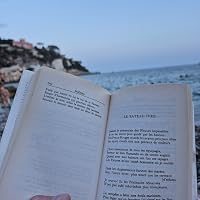
After I’ve read his first and last novels, as well as almost all his prose work written between these two poles, I can say that Correction concentrates and brings in consonance the best of what Bernhard achieved in his work to and after this turning point. This book is like a metronome, being the centerpiece of a whole oeuvre, with a pendulum bar that oscillates between its two halves, indicating with one tact the already written part and with the next, the one to be written.
Correction has the density and sobriety of Bernhard’s first works while offering a good foretaste of the darkly humorous and lighter prose yet to come. It’s where he finally mastered that addictive flow – that he will conduct even better in his later works – but where he still has those raw and somehow more genuinely mad moods of his first novels.
I chose the image of a metronome also because of its general shape – that of a cone. Roithamer, the main absent character of the book, has built, right in the middle of a forest, a “cone design to be lived in”. In the original German, it is named in one composite word – “Wohnkegel”. Roithamer builds this unprecedented, inhuman edifice for his sister who is the only person he loves, but she dies before she can get the chance to live there. Shortly afterwards, Roithamer hangs himself in the forest. Thus, the absurd building is “abandoned to nature”, becoming just an empty, useless monument. Likewise, Bernhard leaves all that is architectural about narratives – descriptions, plot, character development, the whole Bildungsroman – behind in the composite forest that was cut in order to print the books that still contain these structures. Like an uninhabited building, Bernhard’s text is a place only for the movement of a narrative voice that goes back and forth to the same few themes, developed in endless variations, musically.
Roithamer also leaves behind a large manuscript – corrected to almost nothingness – about Altensam, his hometown against which he concentrated all his contempt. This manuscript is inherited by the nameless narrator who is supposed to edit it, correcting it even furthermore, maybe to complete nothingness. “Correction” also means going back and forth in the text and eliminating surplus material. It’s again mostly this movement that takes part, that occupies, forms and voices the text. The voice is internal, it goes through the head of the narrator and implicitly through ours, the readers’ – and a consonance is reached also here. All the little that is actually spoken or done in this book is channelled through the same voice.
“Physically”, as the saying goes, or from an “external” point of view, the narrator is mostly situated in Höller’s garrett (“höllerschen Dachkammer”). Höller is a common friend of the narrator and the late Roithamer. His garrett was a refuge for both, as it is the only place where they could be at rest in their solitude for a while, a studio, a room for writing and where they can close themselves in their own minds. It’s where Roithamer wrote against his place of birth and also where he projected the cone-in-the-forest. For both him and the narrator, it’s a place away from where they normally live (or lived), in England, and also from the neighbouring hometown that they hate (or, in Roithamer’s case, hated).
In Höller’s house people actually live – his whole family and domestics –, which puts it in contrast with Roithamer’s Wohnkegel. As an epitome of indestructible living quarters, Höller has built his house by Aurach, a “torrential” mountain river that, in spring, when ice and snow melts, can destroy everything in its path. Indeed, other houses are periodically washed away by Aurach, but never Höller’s, which is a testimony of his pragmatic architectural genius: to build a house in the heart of nature that won’t be engulfed by it and where one can actually live at peace. It’s also a place where the torrential flow is tamed, domesticated, where it becomes only white noise: “the incessant rushing of the Aurach had never distracted me or Roithamer during his sojourns in Hoeller’s garret, a place so totally noiseless apart from the deafening noise of the torrential river”.
Correction is a central novel in Bernhard’s oeuvre, where his earlier, very elaborated (or more laboured) and fragmented amalgams of narrative voices get unified; his maybe more genuine but harder to decrypt madness – I’m thinking especially about his debut novel Frost – gets tamer. Earlier, there seemed to be still some pseudo-epic tendencies in a sort of bleak comédie humaine (Frost is far from any Balzac novel, but nevertheless) in how kaleidoscopically the figures in that mountain village are presented. All these tendencies gradually fade away, or are refined, or are properly corrected in the Correction novel. The more somber temperament that marked the works before it are already mingling here with a more playful temperament of Bernhard’s later works. This later temperament becomes lighter but also sharper (like a better-honed blade). The works before it were more clogged and static. The style here is fluid from one end to the other, though still heavy like that torrential river that deafens the narrator. It will become finer, but by no means shallower, in the subsequent novels; more humorous, also. I personally believe that his so-called “rant-novels” are paradoxically his most serious works, with Old Masters, the last novel chronologically, culminating as Bernhard’s funnier yet saddest and most enlightening novel. Its core theme and conclusion are mourning after a lost life-partner and the deep realisation that despite everything said against them, the others are all one has in life.
Bernhard’s prose will become even less architectural and more musical, more like a fugue than an orchestrated stable structure. Correction is not Bernhard’s absolute masterpiece, but the central one. It admirably brings together or reflects both sides of his entire body of work.
But perhaps it is more relevant not to discuss Bernhard’s individual works so much as to view his oeuvre as one great work with various moments. The moment of Correction is somewhat too long. We know from a remark by Nabokov or from our own reading experience that every writer has an optimal number of pages. Within that limit, they deliver their work with the greatest concentration and the best-measured intensity. However, if they exceed that limit and write too many pages, the work becomes overstretched, more or less redundant and obvious. In my view, this happens somewhat with Correction and Extinction. Thomas Bernhard’s ideal page count per novel, in my opinion (though other Bernhard fans or addicts may have different views), lies somewhere between Yes and Woodcutters. His most concentrated moment is the short prose piece The Cap (Die Mütze), which is so intense and essential that it is not merely a moment but a core piece, a seed of Bernhard’s oeuvre.
Up until and beyond Correction, Bernhard’s work gradually sheds its weightiness to become lighter, but never superficial. On the contrary, it becomes deeper and more multifaceted. His complex and subtle humor, his irony and self-irony and eventually his paradoxical sentimentality will only lend his prose additional dimensions.
—
I have read this book in German and reviewed it in the same language here
Correction has the density and sobriety of Bernhard’s first works while offering a good foretaste of the darkly humorous and lighter prose yet to come. It’s where he finally mastered that addictive flow – that he will conduct even better in his later works – but where he still has those raw and somehow more genuinely mad moods of his first novels.
I chose the image of a metronome also because of its general shape – that of a cone. Roithamer, the main absent character of the book, has built, right in the middle of a forest, a “cone design to be lived in”. In the original German, it is named in one composite word – “Wohnkegel”. Roithamer builds this unprecedented, inhuman edifice for his sister who is the only person he loves, but she dies before she can get the chance to live there. Shortly afterwards, Roithamer hangs himself in the forest. Thus, the absurd building is “abandoned to nature”, becoming just an empty, useless monument. Likewise, Bernhard leaves all that is architectural about narratives – descriptions, plot, character development, the whole Bildungsroman – behind in the composite forest that was cut in order to print the books that still contain these structures. Like an uninhabited building, Bernhard’s text is a place only for the movement of a narrative voice that goes back and forth to the same few themes, developed in endless variations, musically.
Roithamer also leaves behind a large manuscript – corrected to almost nothingness – about Altensam, his hometown against which he concentrated all his contempt. This manuscript is inherited by the nameless narrator who is supposed to edit it, correcting it even furthermore, maybe to complete nothingness. “Correction” also means going back and forth in the text and eliminating surplus material. It’s again mostly this movement that takes part, that occupies, forms and voices the text. The voice is internal, it goes through the head of the narrator and implicitly through ours, the readers’ – and a consonance is reached also here. All the little that is actually spoken or done in this book is channelled through the same voice.
“Physically”, as the saying goes, or from an “external” point of view, the narrator is mostly situated in Höller’s garrett (“höllerschen Dachkammer”). Höller is a common friend of the narrator and the late Roithamer. His garrett was a refuge for both, as it is the only place where they could be at rest in their solitude for a while, a studio, a room for writing and where they can close themselves in their own minds. It’s where Roithamer wrote against his place of birth and also where he projected the cone-in-the-forest. For both him and the narrator, it’s a place away from where they normally live (or lived), in England, and also from the neighbouring hometown that they hate (or, in Roithamer’s case, hated).
In Höller’s house people actually live – his whole family and domestics –, which puts it in contrast with Roithamer’s Wohnkegel. As an epitome of indestructible living quarters, Höller has built his house by Aurach, a “torrential” mountain river that, in spring, when ice and snow melts, can destroy everything in its path. Indeed, other houses are periodically washed away by Aurach, but never Höller’s, which is a testimony of his pragmatic architectural genius: to build a house in the heart of nature that won’t be engulfed by it and where one can actually live at peace. It’s also a place where the torrential flow is tamed, domesticated, where it becomes only white noise: “the incessant rushing of the Aurach had never distracted me or Roithamer during his sojourns in Hoeller’s garret, a place so totally noiseless apart from the deafening noise of the torrential river”.
Correction is a central novel in Bernhard’s oeuvre, where his earlier, very elaborated (or more laboured) and fragmented amalgams of narrative voices get unified; his maybe more genuine but harder to decrypt madness – I’m thinking especially about his debut novel Frost – gets tamer. Earlier, there seemed to be still some pseudo-epic tendencies in a sort of bleak comédie humaine (Frost is far from any Balzac novel, but nevertheless) in how kaleidoscopically the figures in that mountain village are presented. All these tendencies gradually fade away, or are refined, or are properly corrected in the Correction novel. The more somber temperament that marked the works before it are already mingling here with a more playful temperament of Bernhard’s later works. This later temperament becomes lighter but also sharper (like a better-honed blade). The works before it were more clogged and static. The style here is fluid from one end to the other, though still heavy like that torrential river that deafens the narrator. It will become finer, but by no means shallower, in the subsequent novels; more humorous, also. I personally believe that his so-called “rant-novels” are paradoxically his most serious works, with Old Masters, the last novel chronologically, culminating as Bernhard’s funnier yet saddest and most enlightening novel. Its core theme and conclusion are mourning after a lost life-partner and the deep realisation that despite everything said against them, the others are all one has in life.
Bernhard’s prose will become even less architectural and more musical, more like a fugue than an orchestrated stable structure. Correction is not Bernhard’s absolute masterpiece, but the central one. It admirably brings together or reflects both sides of his entire body of work.
But perhaps it is more relevant not to discuss Bernhard’s individual works so much as to view his oeuvre as one great work with various moments. The moment of Correction is somewhat too long. We know from a remark by Nabokov or from our own reading experience that every writer has an optimal number of pages. Within that limit, they deliver their work with the greatest concentration and the best-measured intensity. However, if they exceed that limit and write too many pages, the work becomes overstretched, more or less redundant and obvious. In my view, this happens somewhat with Correction and Extinction. Thomas Bernhard’s ideal page count per novel, in my opinion (though other Bernhard fans or addicts may have different views), lies somewhere between Yes and Woodcutters. His most concentrated moment is the short prose piece The Cap (Die Mütze), which is so intense and essential that it is not merely a moment but a core piece, a seed of Bernhard’s oeuvre.
Up until and beyond Correction, Bernhard’s work gradually sheds its weightiness to become lighter, but never superficial. On the contrary, it becomes deeper and more multifaceted. His complex and subtle humor, his irony and self-irony and eventually his paradoxical sentimentality will only lend his prose additional dimensions.
—
I have read this book in German and reviewed it in the same language here

September 16, 2013
The story is of obsession, the obsession of the protagonist to build a perfect Conical dwelling for his sister. It will be built in the exact center of a forrest to the exact dimensions of her character and needs. He needs to be away from others to work in locked solitude.
As a child his mother abhorred who he truly was, his father indifferent and withdrawn, his brothers buying into the families conventions. Isolation whether with others or alone was his only means of survival, of maintaining his self. It has left its marks no matter where he travels; Austria-his home-or London, or Cambridge. In order to do his work, Science, research and building the Cone, which is his life accept for his friendship with the narrator, must be done with doors locked. There can be no disturbance for then he will no longer be able to return to that supreme state of concentration which shuts out the rest of the world. The disturbance ranges from someone trying to enter the room to anything out of its place including any bits of paper used as bookmarks sticking out a fraction too long from the piles of books and journals. Are we watching the deterioration of a man, a mind, a soul?
The answer is the foreground story written in the extraordinary Bernhardian style best depicted by George Steiner in the preface.
“Nowhere is Bernhard’s notorious prose, with
its maddening, grating recursive and tidal motion,
with its clipped understatements, with its bone
bleached economy, used to deeper purpose.”
Bernhard adds to the stirred brew, smoke riddled and acid flaked, a narrator who is a major character in the proceedings. I felt the saliva and spittle across my face as he ranted the narrative forward. But it wasn’t a rant though that seems the typical word associated with Bernhard. Here, to me, it sounded and felt like desperation. A grave desperation to get his point across to get me to understand what was happening. This desperation left his told tale unreliably-interesting in that his tale is about his tragic friend’s obsession with obtaining perfection and control.
The tale, I believe, that the narrator is hoping with dear life to express is that control, perfection, truly knowing anything, is impossible. Everything is in flux, changing each moment. What we know now is different one moment later. Who ourselves are, so too, is different. In my writing this review to this point has resulted in my being different. We only agree, according to this haunting and haunted tale, on the static complexion of life as a matter of survival.
So, Roithamer made corrections to the Cone. Then corrections to his corrections and so forth. In the end is the destruction of the original idea, aim, as it only can be. Bernhard shows us, compelling and chilling that the truth can never be uncovered no matter how hard we seek, and yes we are compelled to seek.
As a child his mother abhorred who he truly was, his father indifferent and withdrawn, his brothers buying into the families conventions. Isolation whether with others or alone was his only means of survival, of maintaining his self. It has left its marks no matter where he travels; Austria-his home-or London, or Cambridge. In order to do his work, Science, research and building the Cone, which is his life accept for his friendship with the narrator, must be done with doors locked. There can be no disturbance for then he will no longer be able to return to that supreme state of concentration which shuts out the rest of the world. The disturbance ranges from someone trying to enter the room to anything out of its place including any bits of paper used as bookmarks sticking out a fraction too long from the piles of books and journals. Are we watching the deterioration of a man, a mind, a soul?
The answer is the foreground story written in the extraordinary Bernhardian style best depicted by George Steiner in the preface.
“Nowhere is Bernhard’s notorious prose, with
its maddening, grating recursive and tidal motion,
with its clipped understatements, with its bone
bleached economy, used to deeper purpose.”
Bernhard adds to the stirred brew, smoke riddled and acid flaked, a narrator who is a major character in the proceedings. I felt the saliva and spittle across my face as he ranted the narrative forward. But it wasn’t a rant though that seems the typical word associated with Bernhard. Here, to me, it sounded and felt like desperation. A grave desperation to get his point across to get me to understand what was happening. This desperation left his told tale unreliably-interesting in that his tale is about his tragic friend’s obsession with obtaining perfection and control.
The tale, I believe, that the narrator is hoping with dear life to express is that control, perfection, truly knowing anything, is impossible. Everything is in flux, changing each moment. What we know now is different one moment later. Who ourselves are, so too, is different. In my writing this review to this point has resulted in my being different. We only agree, according to this haunting and haunted tale, on the static complexion of life as a matter of survival.
So, Roithamer made corrections to the Cone. Then corrections to his corrections and so forth. In the end is the destruction of the original idea, aim, as it only can be. Bernhard shows us, compelling and chilling that the truth can never be uncovered no matter how hard we seek, and yes we are compelled to seek.

May 20, 2007
This is the novel Ben Marcus referred to in his contra-JFranz defense of difficulty in that Harper's essay. He says that according to a little function that used to be on Amazon.com, to read and comprehend Thomas Bernhard's "Correction" requires 355 years of education. Like all Bernhard, it's never really difficult reading -- it's more about endurance, this one more than any of the others because it's three or four times longer than any of the others. This one includes for example at least ten pages of repetitive ranting about how Austrians only excel at one thing, out of everything they could possibly excel at, the only thing they excel at is suicide. It goes on and on about how good Austrians are at suicide -- if this is your idea of a good time, if paragraphless rants that after about half a page become pretty hilarious before going on and on, saying the same thing in different ways, musically, wonderfully, over and over, if this is the sort of thing that turns you on, you have found a must read. This book also emphasizes a giant cone in the middle of a forest.

November 25, 2015
La radura possibile
“Tutta l'epoca in cui viviamo oggi in verità è sempre stata contro il pensiero e si limita a fingere di pensare, la tendenza oggi è contro il pensiero ed è per la finzione, come in genere tutta quest'epoca in cui viviamo è finta, tutto è finto, nulla è reale, tutto è finto”.
Nella visione letteraria di Thomas Bernhard la descrizione è il contrario del reale: tutto è vero ed è falso, il linguaggio è inutile, siamo solo esecutori mancanti, la superficie terrestre è riempita di frammenti. E così egli descrive solo ciò che non vede nessuno. Se pensiamo, non sappiamo, ci rifugiamo in un'idea, che non conosciamo per nulla, è un residuo. Non è l'Altro al quale ci avviciniamo, allontanandoci, a non corrispondere ai nostri sensi, è la realtà che uccide e sbalordisce perché impossibile da trasformare, da correggere, ogni correzione comporta una nuova correzione. Fino alla correzione definitiva, quell'inclinazione alla follia, quella predisposizione alla morte disturbante e distruttiva, che è il suicidio. Come scrisse Ingeborg Bachmann, “in Bernhard ogni cosa diventa sotterranea e abissale”. Lo scienziato Roithamer è il protagonista del romanzo, formato sull'immagine cognitiva del filosofo austriaco Ludwig Wittgenstein ed è una figura maniacale e archetipica: la sua avventura conoscitiva e umana è orientata dai caratteri classici e logici della riflessione neopositivista e della genialità negativa, ma è al tempo stesso marcata da discontinuità, dispersione, schizofrenia, paranoia, come contraddizioni esclusive della modernità. Non solo dialettica ordine e caos, ma soprattutto parola-lacrima e indicibile-incomunicabile. La sua scrittura, metanarrativa e metalinguistica, si riproduce continuamente come differimento del momento conclusivo, esercizio di pensiero in cui risiede l'unica opzione all'essere. Perché Roithamer, doppio dell'io narrante, è a sua volta copia e modello dell'autore effettivo, Thomas Bernhard (del quale simula la personalità): precipita nel sospetto, si sposta in un luogo per comprendere l'altro, ama la sorella per salvarla, la uccide costruendo per lei una casa irrealizzabile, che costituisce la massima felicità, la perfezione, quella geometria lirica nel mezzo del bosco, natura innaturale, mondo di cui appropriarsi, mondo originario, oscurità oscura nella quale scomparire, svanire come in un crepaccio abissale nel ghiaccio. Bernhard scrive per ricomporre la frattura io-mondo, natura-linguaggio, per liberarsi dalla colpa dell'essere infelice, per legittimare l'odio verso se stesso, verso il padre e la madre e i fratelli, per opporsi all'immane, contenere il tormento, esprimere la propria finitezza e smascherare la propria ipocrisia. E' uno studio, una ricerca, un progetto di delirante perfezione, è un archeologia dell'introspezione; rievoca la memoria delle esperienze che lo hanno segnato positivamente, con vitalità e gioia, il sentiero della scuola che percorreva serenamente e coraggiosamente con i compagni e la rosa gialla regalata a una sconosciuta, emblema della possibile beatitudine. C'è qui un'idea di ascesi, di spiritualità mistica, da frequentare con la purezza dell'idealità. Fino al momento in cui l'odio come una malattia travolge ogni cosa, ci si scopre indifesi, disarmati nella rivolta nichilista, la scelta di isolarsi diventa cattiva coscienza, l'ossessione pervade ogni facoltà, viene la disgrazia, il notturno, la vergogna di abitare un mondo che non ci appartiene, l'impossibilità di portare a compimento le proprie responsabilità, di farsi carico di un destino dolente e angosciante, estraneo: sfondare il confine ultimo, estremo fallimento, estrema inattuabilità, impotenza del singolo nel fragore della condanna, nella prigione dell'intransigenza, nella mostruosità verso il prossimo. Roithamer cerca di essere come un altro, nella scrittura, nella lettura, nella costruzione del cono in mezzo al bosco, nel manoscritto (“Correggere le bozze e l'intero libro significava annientare le bozze e l'intero manoscritto. Ma con l'annientamento del suo documento ne sorge uno nuovo”). Improvvisamente si trova all'estremo dell'esistenza, inquieto e disperato. Ma non può smettere di ricordare, né di riflettere; non dorme, si osserva, vive contro se stesso. Tragicamente la conseguenza dell'intensità della solitudine, il declino dell'anima, ha la meglio sull'amore per la vita. Non utopico: entropico. Come scrive Vincenzo Quagliotti nell'ottima prefazione, dalle vite non vissute verso un nuovo orizzonte. Trasformazione. Violazione. Distruzione. Correzione.
“Ma il bello dei miei libri è appunto che il bello non vi è mai descritto, e in questo modo nasce da sé. E quelli che descrivono solo il bello, beh, quelli scrivono libri brutti e orribili. La letteratura io la vedo così”.
“Tutta l'epoca in cui viviamo oggi in verità è sempre stata contro il pensiero e si limita a fingere di pensare, la tendenza oggi è contro il pensiero ed è per la finzione, come in genere tutta quest'epoca in cui viviamo è finta, tutto è finto, nulla è reale, tutto è finto”.
Nella visione letteraria di Thomas Bernhard la descrizione è il contrario del reale: tutto è vero ed è falso, il linguaggio è inutile, siamo solo esecutori mancanti, la superficie terrestre è riempita di frammenti. E così egli descrive solo ciò che non vede nessuno. Se pensiamo, non sappiamo, ci rifugiamo in un'idea, che non conosciamo per nulla, è un residuo. Non è l'Altro al quale ci avviciniamo, allontanandoci, a non corrispondere ai nostri sensi, è la realtà che uccide e sbalordisce perché impossibile da trasformare, da correggere, ogni correzione comporta una nuova correzione. Fino alla correzione definitiva, quell'inclinazione alla follia, quella predisposizione alla morte disturbante e distruttiva, che è il suicidio. Come scrisse Ingeborg Bachmann, “in Bernhard ogni cosa diventa sotterranea e abissale”. Lo scienziato Roithamer è il protagonista del romanzo, formato sull'immagine cognitiva del filosofo austriaco Ludwig Wittgenstein ed è una figura maniacale e archetipica: la sua avventura conoscitiva e umana è orientata dai caratteri classici e logici della riflessione neopositivista e della genialità negativa, ma è al tempo stesso marcata da discontinuità, dispersione, schizofrenia, paranoia, come contraddizioni esclusive della modernità. Non solo dialettica ordine e caos, ma soprattutto parola-lacrima e indicibile-incomunicabile. La sua scrittura, metanarrativa e metalinguistica, si riproduce continuamente come differimento del momento conclusivo, esercizio di pensiero in cui risiede l'unica opzione all'essere. Perché Roithamer, doppio dell'io narrante, è a sua volta copia e modello dell'autore effettivo, Thomas Bernhard (del quale simula la personalità): precipita nel sospetto, si sposta in un luogo per comprendere l'altro, ama la sorella per salvarla, la uccide costruendo per lei una casa irrealizzabile, che costituisce la massima felicità, la perfezione, quella geometria lirica nel mezzo del bosco, natura innaturale, mondo di cui appropriarsi, mondo originario, oscurità oscura nella quale scomparire, svanire come in un crepaccio abissale nel ghiaccio. Bernhard scrive per ricomporre la frattura io-mondo, natura-linguaggio, per liberarsi dalla colpa dell'essere infelice, per legittimare l'odio verso se stesso, verso il padre e la madre e i fratelli, per opporsi all'immane, contenere il tormento, esprimere la propria finitezza e smascherare la propria ipocrisia. E' uno studio, una ricerca, un progetto di delirante perfezione, è un archeologia dell'introspezione; rievoca la memoria delle esperienze che lo hanno segnato positivamente, con vitalità e gioia, il sentiero della scuola che percorreva serenamente e coraggiosamente con i compagni e la rosa gialla regalata a una sconosciuta, emblema della possibile beatitudine. C'è qui un'idea di ascesi, di spiritualità mistica, da frequentare con la purezza dell'idealità. Fino al momento in cui l'odio come una malattia travolge ogni cosa, ci si scopre indifesi, disarmati nella rivolta nichilista, la scelta di isolarsi diventa cattiva coscienza, l'ossessione pervade ogni facoltà, viene la disgrazia, il notturno, la vergogna di abitare un mondo che non ci appartiene, l'impossibilità di portare a compimento le proprie responsabilità, di farsi carico di un destino dolente e angosciante, estraneo: sfondare il confine ultimo, estremo fallimento, estrema inattuabilità, impotenza del singolo nel fragore della condanna, nella prigione dell'intransigenza, nella mostruosità verso il prossimo. Roithamer cerca di essere come un altro, nella scrittura, nella lettura, nella costruzione del cono in mezzo al bosco, nel manoscritto (“Correggere le bozze e l'intero libro significava annientare le bozze e l'intero manoscritto. Ma con l'annientamento del suo documento ne sorge uno nuovo”). Improvvisamente si trova all'estremo dell'esistenza, inquieto e disperato. Ma non può smettere di ricordare, né di riflettere; non dorme, si osserva, vive contro se stesso. Tragicamente la conseguenza dell'intensità della solitudine, il declino dell'anima, ha la meglio sull'amore per la vita. Non utopico: entropico. Come scrive Vincenzo Quagliotti nell'ottima prefazione, dalle vite non vissute verso un nuovo orizzonte. Trasformazione. Violazione. Distruzione. Correzione.
“Ma il bello dei miei libri è appunto che il bello non vi è mai descritto, e in questo modo nasce da sé. E quelli che descrivono solo il bello, beh, quelli scrivono libri brutti e orribili. La letteratura io la vedo così”.
June 3, 2024
Nachdem ich den ersten und den letzten seiner Romane sowie die meisten dazwischen gelesen habe, kann ich sagen, dass Korrektur das Beste von dem, was Bernhard in seiner frühen und späten Prosa erreicht, in Einklang bringt und konzentriert. Es hat die Dichte und Nüchternheit seiner ersten Werke und gibt einen guten Vorgeschmack auf seine düster humorvolle und leichtere Prosa, die noch kommen wird. Es hat bereits seinen süchtig machenden Fluss, ist aber noch ernster, mehr echt verrückt und scharfzüngiger.
Korrektur ist ein zentrales Roman Bernhards Werke, in dem er seine frühen, aber entwickelten pseudoepischen (oder architektonischen) Tendenzen und sein ernstes Temperament mit einem spielerischeren, späteren Temperament ausbalanciert. Dieses spätere Temperament wird noch leichter, aber auch schärfer (wie eine besser geschliffene Klinge). Der Stil ist bereits flüssig, aber noch sehr orchestriert, was in den folgenden Romanen flüssiger und weniger orchestriert wird, also weniger architektonisch und mehr musikalisch, mehr wie eine Fuge als eine stabile Dichtungsstruktur. Trotzdem würde ich nicht sagen, dass Korrektur Bernhards absolutes Meisterwerk ist. Es ist ein sehr zentrales und bewundernswert repräsentatives Werk, das sein ganzes Schaffen widerspiegelt.
Aber es ist vielleicht relevanter, nicht so sehr über Bernhards verschiedene Werke zu sprechen, sondern über ein großes Werk mit verschiedenen Momenten. Der Moment Korrektur ist ein bisschen zu lang. Wir wissen aus einer Bemerkung Nabokovs oder aus eigener Lektüreerfahrung, dass jeder Schriftsteller eine optimale Seitenanzahl hat. Innerhalb dieser Grenze liefern sie ihre Arbeiten mit größter Konzentration und best dosierter Intensität. Wenn sie diese Grenze jedoch überschreiten und zu viele Seiten schreiben, wird das Werk überdehnt, mehr oder weniger redundant und offensichtlich. Meiner Meinung nach passiert dies ein wenig bei Korrektur und Auslöschung. Thomas Bernhards beste Seitenanzahl pro Roman liegt, meiner Meinung nach (andere Bernhardsüchtige können andere Meinungen haben), irgendwo zwischen Ja und Holzfällen. Sein bestes konzentriertes Moment ist das kurze Prosastück Die Mütze, das so intensiv und ohnegleichen ist, dass es nicht nur ein Moment, sondern ein Kernstück von Bernhards Werk ist.
Nach Korrektur verliert Bernhards Werk allmählich an Schwere, um leichter zu werden, aber in keinem Fall oberflächlicher. Es wird desto tiefer und vielfältiger. Sein komplexer und subtiler Humor, seine Ironie und Selbstironie verleihen seiner Prosa nur zusätzliche Dimensionen.
Korrektur ist ein zentrales Roman Bernhards Werke, in dem er seine frühen, aber entwickelten pseudoepischen (oder architektonischen) Tendenzen und sein ernstes Temperament mit einem spielerischeren, späteren Temperament ausbalanciert. Dieses spätere Temperament wird noch leichter, aber auch schärfer (wie eine besser geschliffene Klinge). Der Stil ist bereits flüssig, aber noch sehr orchestriert, was in den folgenden Romanen flüssiger und weniger orchestriert wird, also weniger architektonisch und mehr musikalisch, mehr wie eine Fuge als eine stabile Dichtungsstruktur. Trotzdem würde ich nicht sagen, dass Korrektur Bernhards absolutes Meisterwerk ist. Es ist ein sehr zentrales und bewundernswert repräsentatives Werk, das sein ganzes Schaffen widerspiegelt.
Aber es ist vielleicht relevanter, nicht so sehr über Bernhards verschiedene Werke zu sprechen, sondern über ein großes Werk mit verschiedenen Momenten. Der Moment Korrektur ist ein bisschen zu lang. Wir wissen aus einer Bemerkung Nabokovs oder aus eigener Lektüreerfahrung, dass jeder Schriftsteller eine optimale Seitenanzahl hat. Innerhalb dieser Grenze liefern sie ihre Arbeiten mit größter Konzentration und best dosierter Intensität. Wenn sie diese Grenze jedoch überschreiten und zu viele Seiten schreiben, wird das Werk überdehnt, mehr oder weniger redundant und offensichtlich. Meiner Meinung nach passiert dies ein wenig bei Korrektur und Auslöschung. Thomas Bernhards beste Seitenanzahl pro Roman liegt, meiner Meinung nach (andere Bernhardsüchtige können andere Meinungen haben), irgendwo zwischen Ja und Holzfällen. Sein bestes konzentriertes Moment ist das kurze Prosastück Die Mütze, das so intensiv und ohnegleichen ist, dass es nicht nur ein Moment, sondern ein Kernstück von Bernhards Werk ist.
Nach Korrektur verliert Bernhards Werk allmählich an Schwere, um leichter zu werden, aber in keinem Fall oberflächlicher. Es wird desto tiefer und vielfältiger. Sein komplexer und subtiler Humor, seine Ironie und Selbstironie verleihen seiner Prosa nur zusätzliche Dimensionen.

March 15, 2019
Roithamer, Höller e il narratore, tre ragazzi, la stessa scuola che raggiungevano insieme percorrendo un sentiero costellato di pericoli, attraverso un bosco che incuteva paura, il freddo invernale e l’afa estiva. È il ricordo più vivo di un’amicizia nata ai tempi della scuola e durata per tutta la vita, nonostante le notevoli differenze sociali e caratteriali.
Luogo di rivelazioni e pensieri, di scoperte e scambi di opinioni, è quanto di più simile a un percorso di formazione, di preparazione a quella che sarà la vita adulta. Non a caso, il tragitto più lungo e tortuoso è quello di Roithamer, inquieto e geniale, sempre in fuga e al tempo stesso sempre di ritorno al suo luogo d’origine, l’Austria, per lui ormai
“soltanto una rimanenza in liquidazione della storia spirituale e culturale, una merce statale giacente, in cui il cittadino ha a disposizione soltanto la seconda e la terza e la quarta e comunque sempre l’ultima scelta”.
Una patria che sente ostile ed estranea, come da sempre ostile ed estranea ha sentito Altensam, dove è nato e dove ha trascorso un’infanzia infelice, funestata dall’indifferenza del padre e dall’odio (ricambiato) della madre, vero elemento estraneo, che ha infettato e snaturato Altensam, provocando in Roithamer una precoce tendenza al silenzio e all’isolamento.
Dalle prime pagine del romanzo, apprendiamo che Roithamer si è suicidato. Ha portato a compimento l’opera della sua vita, un cono progettato e realizzato per l’amatissima sorella al centro di un bosco. Dopo anni trascorsi a perfezionare l’idea, dividendosi tra Cambridge, dove insegnava e studiava, e la soffitta di Höller, in cui si rinchiudeva per leggere, riflettere e costruire il cono, si è tolto la vita, affidando la cura delle opere scritte all’amico, l’io narrante, di cui non conosciamo il nome.
La prima parte del racconto si svolge nella soffitta di Höller, ancora impregnata del pensiero e delle abitudini dello scomparso, dove il narratore tenta di capire cosa fare degli scritti di Roithamer, più volte riveduti, in parte frammentari
“Forse dovrei mettere in relazione tra loro tutti i brandelli, tutti i frammenti, e unire questi brandelli e questi frammenti del suo pensiero in un insieme, un insieme che poi si possa pubblicare”.
Quasi annientato dalla potenza del pensiero dell’amico, il narratore decide di dormirci su.
A questo punto, il romanzo cambia tono. L’io narrante sembra quasi risucchiato negli appunti di Roithamer ed è la voce di quest’ultimo quella che ci porterà, con una scrittura che si avvolge su se stessa, in un susseguirsi ipnotico di ripetizioni e di ossessioni, alla radura del suicidio.
I temi di Bernhard ci sono tutti, portati al limite estremo, che non è la follia bensì la morte.
Morte che altro non è se non un confine che spesso nella vita ci attira, spesso lo raggiungiamo senza varcarlo, fino al momento giusto.
“la durata della vita è lunghissima e nello stesso tempo brevissima, perché bisogna pensarla e sentirla fino in fondo in un attimo, sempre nell’attimo in cui si pensa un simile (audace) pensiero.”
Il tempo è importante. Dall’arco di poche ore della prima parte, si dilata a un’intera esistenza, ripercorsa e analizzata ripetutamente per poterla comprendere meglio. Dall’infanzia dominata dai genitori alla sudata indipendenza, soprattutto di pensiero.
Pensare, avere un’idea che motivi l’andare avanti, portarla a compimento e poi chiudere.
“Il tempo è realizzazione, idea, disperazione e viceversa”.
L’idea di Roithamer, realizzata contro tutto e contro tutti, è il cono al centro del bosco dove la sorella possa raggiungere la massima felicità.
“Quando ho detto a mia sorella, il cono è il tuo cono, appartiene a te, l’ho costruito per te e l’ho costruito esattamente al centro del Kobernausserwald, così Roithamer, ho constatato che l’effetto del cono su mia sorella è stato un effetto distruttivo. Tutto ciò che è seguito è stato un seguito di orrore, così Roithamer, nient’altro, morte lenta, isolamento nella malattia mortale, nient’altro, da quel momento in poi tutto l’ha portata alla sua morte certa (3 maggio)”.
La morte della sorella toglie senso alla vita di Roithamer. Ultima ossessione, scrivere su Altensam, in un processo di allontanamento, che solo garantisce una visione chiara dell’oggetto, e con una continua revisione, Correzione, di quanto ha scritto, perché le descrizioni non corrispondono alla realtà, sono false. La correzione è drastica, ripetuta, trasforma lo scritto, lo riduce da 600 a 30 pagine. Ossessiva come il pensiero, la scrittura inganna, linguaggio e realtà sono distanti.
“Sempre più monologhi perché non abbiamo più nessuno, tranne Höller più nessuno, abbandonato a me stesso nella soffitta di Höller non ho nessuna possibilità di uscire dalla soffitta di Höller (7 maggio). Un carcere, un carcere per monologare (9 maggio) [...]
Leggiamo un libro, leggiamo noi stessi, quindi aborriamo la lettura, così Roithamer, non ci avviciniamoci neppure più alla lettura, non ci permettiamo più di leggere.”
Tutto è un carcere in cui ci dibattiamo, illudendoci di raggiungere una libertà che si rivela falsa. L’esistenza è un carcere, come lo è il bosco, una prigione di alberi che non lascia filtrare la luce. Poi, all’improvviso, la rivelazione: radura, luogo di luce e di infinite possibilità, massima felicità.
“La fine non è un evento. Radura.”
Luogo di rivelazioni e pensieri, di scoperte e scambi di opinioni, è quanto di più simile a un percorso di formazione, di preparazione a quella che sarà la vita adulta. Non a caso, il tragitto più lungo e tortuoso è quello di Roithamer, inquieto e geniale, sempre in fuga e al tempo stesso sempre di ritorno al suo luogo d’origine, l’Austria, per lui ormai
“soltanto una rimanenza in liquidazione della storia spirituale e culturale, una merce statale giacente, in cui il cittadino ha a disposizione soltanto la seconda e la terza e la quarta e comunque sempre l’ultima scelta”.
Una patria che sente ostile ed estranea, come da sempre ostile ed estranea ha sentito Altensam, dove è nato e dove ha trascorso un’infanzia infelice, funestata dall’indifferenza del padre e dall’odio (ricambiato) della madre, vero elemento estraneo, che ha infettato e snaturato Altensam, provocando in Roithamer una precoce tendenza al silenzio e all’isolamento.
Dalle prime pagine del romanzo, apprendiamo che Roithamer si è suicidato. Ha portato a compimento l’opera della sua vita, un cono progettato e realizzato per l’amatissima sorella al centro di un bosco. Dopo anni trascorsi a perfezionare l’idea, dividendosi tra Cambridge, dove insegnava e studiava, e la soffitta di Höller, in cui si rinchiudeva per leggere, riflettere e costruire il cono, si è tolto la vita, affidando la cura delle opere scritte all’amico, l’io narrante, di cui non conosciamo il nome.
La prima parte del racconto si svolge nella soffitta di Höller, ancora impregnata del pensiero e delle abitudini dello scomparso, dove il narratore tenta di capire cosa fare degli scritti di Roithamer, più volte riveduti, in parte frammentari
“Forse dovrei mettere in relazione tra loro tutti i brandelli, tutti i frammenti, e unire questi brandelli e questi frammenti del suo pensiero in un insieme, un insieme che poi si possa pubblicare”.
Quasi annientato dalla potenza del pensiero dell’amico, il narratore decide di dormirci su.
A questo punto, il romanzo cambia tono. L’io narrante sembra quasi risucchiato negli appunti di Roithamer ed è la voce di quest’ultimo quella che ci porterà, con una scrittura che si avvolge su se stessa, in un susseguirsi ipnotico di ripetizioni e di ossessioni, alla radura del suicidio.
I temi di Bernhard ci sono tutti, portati al limite estremo, che non è la follia bensì la morte.
Morte che altro non è se non un confine che spesso nella vita ci attira, spesso lo raggiungiamo senza varcarlo, fino al momento giusto.
“la durata della vita è lunghissima e nello stesso tempo brevissima, perché bisogna pensarla e sentirla fino in fondo in un attimo, sempre nell’attimo in cui si pensa un simile (audace) pensiero.”
Il tempo è importante. Dall’arco di poche ore della prima parte, si dilata a un’intera esistenza, ripercorsa e analizzata ripetutamente per poterla comprendere meglio. Dall’infanzia dominata dai genitori alla sudata indipendenza, soprattutto di pensiero.
Pensare, avere un’idea che motivi l’andare avanti, portarla a compimento e poi chiudere.
“Il tempo è realizzazione, idea, disperazione e viceversa”.
L’idea di Roithamer, realizzata contro tutto e contro tutti, è il cono al centro del bosco dove la sorella possa raggiungere la massima felicità.
“Quando ho detto a mia sorella, il cono è il tuo cono, appartiene a te, l’ho costruito per te e l’ho costruito esattamente al centro del Kobernausserwald, così Roithamer, ho constatato che l’effetto del cono su mia sorella è stato un effetto distruttivo. Tutto ciò che è seguito è stato un seguito di orrore, così Roithamer, nient’altro, morte lenta, isolamento nella malattia mortale, nient’altro, da quel momento in poi tutto l’ha portata alla sua morte certa (3 maggio)”.
La morte della sorella toglie senso alla vita di Roithamer. Ultima ossessione, scrivere su Altensam, in un processo di allontanamento, che solo garantisce una visione chiara dell’oggetto, e con una continua revisione, Correzione, di quanto ha scritto, perché le descrizioni non corrispondono alla realtà, sono false. La correzione è drastica, ripetuta, trasforma lo scritto, lo riduce da 600 a 30 pagine. Ossessiva come il pensiero, la scrittura inganna, linguaggio e realtà sono distanti.
“Sempre più monologhi perché non abbiamo più nessuno, tranne Höller più nessuno, abbandonato a me stesso nella soffitta di Höller non ho nessuna possibilità di uscire dalla soffitta di Höller (7 maggio). Un carcere, un carcere per monologare (9 maggio) [...]
Leggiamo un libro, leggiamo noi stessi, quindi aborriamo la lettura, così Roithamer, non ci avviciniamoci neppure più alla lettura, non ci permettiamo più di leggere.”
Tutto è un carcere in cui ci dibattiamo, illudendoci di raggiungere una libertà che si rivela falsa. L’esistenza è un carcere, come lo è il bosco, una prigione di alberi che non lascia filtrare la luce. Poi, all’improvviso, la rivelazione: radura, luogo di luce e di infinite possibilità, massima felicità.
“La fine non è un evento. Radura.”

July 6, 2024
No diré qué significa corrección en el contexto de esta novela. No lo diré pero lo diré. Porque la estructura y el estilo narrativo de esta obra no es aristotélica ni está basada en el argumento. Desde un inicio sabemos lo que ha pasado con el personaje principal, a quien conocemos indirectamente por el narrador, que fue amigo de Roithamer, el científico y músico protagonista de esta ¿historia? metaliteraria. La trama se construye a través de la mirada del narrador que en una especie de arqueología literaria examina los escritos dejados por Roithamer en los que, de una manera delirante, narra pasajes de su vida, su infancia, su familia, y también el proceso de construcción de El Cono, una obra arquitectónica absurda que erige para su hermana en medio del bosque. Todo ello intercalado con ideas y reflexiones oscuras y fulminantes sobre la vida y la muerte. Una ilógica empresa que solo puede terminar mal. Como todo lo que escribe Bernhard, al menos en esta etapa de su obra. El pesimismo, la negatividad, el horror incluso frente a lo humano, lo inútil de cualquier iniciativa, el camino inevitable hacia la aniquilación. Eso es “corrección”. No dejamos nunca de corregirnos para mejorar, hasta que la mayor corrección que podemos realizar es esa, la auto-aniquilación.
Al leer una novela como esta, catalogada como el summum de la obra de Bernhard, es común preguntarse por qué leer algo así, tan desesperanzador y negativo. No tengo la respuesta precisa, pero quizás se deba a la pluma de autor, de un lirismo oscuro y una musicalidad funesta, sí, pero precisa. En Bernhard la forma traspasa al fondo. Sus conocidas repeticiones y redundancias recrean un ritmo afinado y puntilloso rayano en obsesión y sí, en locura, dos temas particularmente recurrentes en su narrativa, así como los personajes autodestructivos. Esa forma, decía, que logra una narración fluida, un solo párrafo (con puntos seguidos, eso sí) una prosa de largo aliento, que juega con la dualidad de la voces del narrador testigo y de la voz metaliteraria que conocemos a través de los escritos de Roithamer, los cuales se ensamblan con el punto de vista del narrador de una manera diestra.
No soy tan conocedora de la obra de Bernhard, pero sé que tuvo tres etapas, la primera más espiritual representada en la búsqueda de Dios a lo Pascal, la segunda, una ausente de toda espiritualidad y decididamente pesimista y oscura, y una tercera más cínica e irónica. Esta novela pertenece a la segunda etapa, patética en suma.
Ahora, he leído esta novela en parte también por hacer un comparativo con Jon Fosse, pues según algunas personas, su narrativa es “demasiado bernhardesca”. No sé si lo decían en el sentido de ser una simple copia o a que Bernhard les resultaba insoportable o no consideraban buena su obra. Lo cierto es que, si bien hay un hilo estilístico que puede emparentarlos, y que Fosse probablemente ha bebido de Bernhard (pues en Fosse son evidentes todas sus influencias, pero a la vez, la originalidad de su propuesta), en realidad Fosse tiene algo que Bernhard no tiene y hace algo que Bernhard no hace, y esto se relaciona con las capas narrativas de Fosse, con la exploración del espíritu humano, con la construcción de atmósferas y con el tratamiento narrativo que logra conectar mente y emociones, ideas y sensaciones. Hay un pathos que no es patético en Fosse. Quizás engañe a primera vista o a primera lectura la prosa de largos párrafos (que en Septología de Fosse termina siendo una sola oración, sin puntos solo comas), pero ello realmente es superficial, pues de fondo, puedo decir que poco o nada tiene que ver la narrativa de Fosse con la de Bernhard. Aunque quizás debería leer alguna obra de su primera etapa, la espiritual, para determinar si tiene algo que ver con la exploración literaria de Fosse (aunque lo dudo).
Finalmente, me queda por decir que no sé si me atreva a entrar nuevamente en el abismo bernhardiano, quizás sí alguna obra de su primera y tercera etapa (de esta última he leído El sobrino de Wittgenstein). Me he debatido en la puntuación de este libro. Estuve oscilando entre las tres y cuatro estrellas durante toda su lectura. Le puse cuatro finalmente, porque tiene partes de una lucidez hiriente. Como diría en sus escritos Roithamer: "Leemos un libro y nos leemos a nosotros mismos, por eso aborrecemos la lectura". Pero ojo, no nos dejemos engañar por esta frase, que en realidad es un recurso narrativo, o un juego más bien, de espejo. El autor pretende convencer al lector de que odia lo que está leyendo porque en realidad es un espejo de su vida y de su interior. Pero prontamente entendemos que hay reflejos de lo común a lo humano, de las zonas oscuras, pero no todo es aplicable a la experiencia personal, simplemente son ecos reconstruidos por la ficción con el fin de un puro maniqueísmo unilateral. Este recurso, aunque quizás algo simple, me ha parecido ingenioso.
Al leer una novela como esta, catalogada como el summum de la obra de Bernhard, es común preguntarse por qué leer algo así, tan desesperanzador y negativo. No tengo la respuesta precisa, pero quizás se deba a la pluma de autor, de un lirismo oscuro y una musicalidad funesta, sí, pero precisa. En Bernhard la forma traspasa al fondo. Sus conocidas repeticiones y redundancias recrean un ritmo afinado y puntilloso rayano en obsesión y sí, en locura, dos temas particularmente recurrentes en su narrativa, así como los personajes autodestructivos. Esa forma, decía, que logra una narración fluida, un solo párrafo (con puntos seguidos, eso sí) una prosa de largo aliento, que juega con la dualidad de la voces del narrador testigo y de la voz metaliteraria que conocemos a través de los escritos de Roithamer, los cuales se ensamblan con el punto de vista del narrador de una manera diestra.
No soy tan conocedora de la obra de Bernhard, pero sé que tuvo tres etapas, la primera más espiritual representada en la búsqueda de Dios a lo Pascal, la segunda, una ausente de toda espiritualidad y decididamente pesimista y oscura, y una tercera más cínica e irónica. Esta novela pertenece a la segunda etapa, patética en suma.
Ahora, he leído esta novela en parte también por hacer un comparativo con Jon Fosse, pues según algunas personas, su narrativa es “demasiado bernhardesca”. No sé si lo decían en el sentido de ser una simple copia o a que Bernhard les resultaba insoportable o no consideraban buena su obra. Lo cierto es que, si bien hay un hilo estilístico que puede emparentarlos, y que Fosse probablemente ha bebido de Bernhard (pues en Fosse son evidentes todas sus influencias, pero a la vez, la originalidad de su propuesta), en realidad Fosse tiene algo que Bernhard no tiene y hace algo que Bernhard no hace, y esto se relaciona con las capas narrativas de Fosse, con la exploración del espíritu humano, con la construcción de atmósferas y con el tratamiento narrativo que logra conectar mente y emociones, ideas y sensaciones. Hay un pathos que no es patético en Fosse. Quizás engañe a primera vista o a primera lectura la prosa de largos párrafos (que en Septología de Fosse termina siendo una sola oración, sin puntos solo comas), pero ello realmente es superficial, pues de fondo, puedo decir que poco o nada tiene que ver la narrativa de Fosse con la de Bernhard. Aunque quizás debería leer alguna obra de su primera etapa, la espiritual, para determinar si tiene algo que ver con la exploración literaria de Fosse (aunque lo dudo).
Finalmente, me queda por decir que no sé si me atreva a entrar nuevamente en el abismo bernhardiano, quizás sí alguna obra de su primera y tercera etapa (de esta última he leído El sobrino de Wittgenstein). Me he debatido en la puntuación de este libro. Estuve oscilando entre las tres y cuatro estrellas durante toda su lectura. Le puse cuatro finalmente, porque tiene partes de una lucidez hiriente. Como diría en sus escritos Roithamer: "Leemos un libro y nos leemos a nosotros mismos, por eso aborrecemos la lectura". Pero ojo, no nos dejemos engañar por esta frase, que en realidad es un recurso narrativo, o un juego más bien, de espejo. El autor pretende convencer al lector de que odia lo que está leyendo porque en realidad es un espejo de su vida y de su interior. Pero prontamente entendemos que hay reflejos de lo común a lo humano, de las zonas oscuras, pero no todo es aplicable a la experiencia personal, simplemente son ecos reconstruidos por la ficción con el fin de un puro maniqueísmo unilateral. Este recurso, aunque quizás algo simple, me ha parecido ingenioso.

December 6, 2023
https://kansasbooks.blogspot.com/2023...
"... porque si siempre había sido ya distinto de todo lo demás y de todos los demás, mediante la continua observación de todo lo demás y de todos los demás llegó, en grado aún más alto, a la lucidez necesaria para darse cuenta de que tenía que tomar una dirección distinta de la de los demás, seguir un camino distinto del de los demás, llevar una vida distinta de la de los demás..."
Thomas Bernhard..., cuando pienso en el terror que me producía embarcarme en alguna de sus novelas pienso también en lo importante que es la paciencia y ajustarte a ciertos autores dependiendo de tu evolución como lector, y me reitero como otras veces he dicho, en que hay autores que no hay prisa por querer conocer enseguida. Hace unos años no hubiera podido acabar esta novela agotadora pero fascinante a la vez, y que claramente me ha marcado; no hubiera tenido la paciencia suficiente pero ahora entiendo que muchas otras lecturas quizás me habían estado preparando para esta Corrección. Prácticamente me ha engullido desde el primer momento y me ha sumergido en una especie de experiencia muy atmosférica y de cadencias muy musicales. Va a ser difícil que consiga desprenderme de esta atmósfera sonámbula en la que me imaginaba perfectamente deambulando por el bosque de Kobernauss o plantada frente a la casa de los Höller al pie de la oscurísima garganta de Aurach, o incluso encerrada en esa buhardilla de los Höller. Es tan importante el entorno físico para Bernhard que a base de repeticiones está claro que consigue imprimir una especie de estado hipnótico en el lector.
"...porque sabido es que la oscuridad aquí, en el Aurach, en el valle del Aurach y, sobre todo, en la garganta del Aurach, es la mas intensa y, por tanto, la más oscura, y era significativo que Höller hubiera construido su casa precisamente aquí, en el lugar más oscuro de la oscuridad, en la garganta del Aurach, y que fuera aquí, en esta oscuridad oscurisima, donde Roithamer se había sentido mejor..."
Como voy a tientas, tanteando a Bernhard sin prisas, controlando los tiempos en los que me acerco a él dependiendo también de mi estado receptivo, imagino que esta atmósfera será algo ya habitual en él, porque ésta es solo la tercera novela que leo suya. En Helada, su primera novela, está ya ahí casi el mismo paisaje, la misma niebla oscura e impenetrable, que convierte a los personajes casi en fantasmas indefinidos entre el paisaje, sin embargo, aquí en Corrección a base de refinar su estilo, convierte toda la historia en una abstracción del estado mental del narrador. La buhardilla de los Höller, expresión mil veces repetida durante la primera parte de la novela, y aunque es un sitio físico, un ático, refugio donde repensar las ideas, es ante todo el centro neurálgico de un estado mental. Höller, es el apellido de la familia de la novela, pero además el término bucea en las connotaciones de infierno (Hölle, en alemán, höllerisch, infernal) y cueva (Höhle, en alemán). Es cierto que estas connotaciones se pueden perder en la traducción pero así y todo, está todo ahí para que pueda ser captado por el lector.
"...pensar y escribir lo que no le había sido posible pensar y escribir en Inglaterra ni en Altensam, aquí pude leer por primera vez, con conciencia clara y sin ser molestado, Las Afinidades Electivas y El Viaje Sentimental, aquí, en la buhardilla de los Höller, tuve acceso de pronto a las ideas que, durante todo el decenio anterior a la buhardilla, me habían estado vedadas...”
Tras el suicidio de su amigo Roithamer, el narrador sin nombre llega a casa de su amigo, el taxidermista Höller, para hacerse cargo de los manuscritos que ha dejado Roithamer. En la buhardilla de Höller, Roithamer había permanecido seis largos años entregado a la misión obsesiva de planear y construir, en el mismo centro del bosque de Kobernauss, un Cono, un edificio en homenaje a su hermana, y aunque realmente era un edificio para establecer una residencia para una hermana que adoraba, realmente nunca le preguntó a ella, si querría vivir alli…, El Cono que pretende ser un edificio que desafíe todas las reglas de la construcción tradicional tenía como objetivo principal ser la casa de su hermana y convertir la experiencia en la felicidad suprema yo diría más para él que para ella, una obsesión rara y extraña la que sentía Roithamer por esta hermana suya que estaba en las antipodas del odio acérrimo que sentía por el resto de su familia…, compulsión, obsesión, fragmentación....
"En el momento oportuno tenemos que levantarnos de esas reuniones sociales, circunstancias y situaciones e irnos, como es natural, a un estar solos bastante largo, largo, siempre infinito. Es cotidiano ese levantarse e irse, el dejar siempre una reunión social que nos repugna. Pero, como consecuencia de nuestro marcharnos, nos declaran locos."
Esta primera parte está narrada por el amigo anónimo a su llegada a casa de los Höller y sin embargo, es tanta la admiración del narrador por Roithamer, que realmente su narración se camufla y hay momentos en que nos parece que quién esté realmente narrando es el mismo Roithamer. Es una pauta que se repite en las tres novelas que he leido de Bernhard, la amistad entre dos hombres, más que amistad/adoración admiración, en la que uno está hechizado por el otro y en Helada, su primera novela, era algo ya muy palpable: "Porque estoy totalmente bajo la influencia del pintor, tengo que ir con él, y no es que tenga que ir, es que no puedo hacer otra cosa que ir con él. A veces estoy solo." Lo que le ocurría al narrador de Helada, también le ocurre al narrador de esta Corrección, solo que cuando comienza la novela, el amigo se ha suicidado, y lo conoceremos a través del relato del narrador anónimo. Este narrador está obsesionado con Roithamer y le angustia la posible publicación póstuma de los artículos que ha dejado Roithamer, especialmente su estudio de Altensam, que fue el hogar de su infancia y un lugar que detestaba como una especie de metáfora al odio que sentía por Austria. Roithamer no podía vivir en Altensam así que se refugiaba en Cambridge, sin embargo una fuerza superior le hacía volver una y otra vez a Austria, hasta que se acaba refugiando en la casa de los Höller para construir el Cono.
"porque siempre he sentido Altensam como la cárcel de mi infancia, no fue para mi otra cosa, los días hermosos que pude pasar en Altensam se cuentan con los dedos de una mano, comparable a un preso que cumple condena por un crimen que no comprende y que tampoco recuerda en absoluto haber cometido, así pues, en la cárcel, como tengo que llamar a Altensam, tuve que pasar mi infancia en la cárcel de Altensam."
En la segunda parte de la novela titulada “Examinar y ordenar” la novela adquiere un tono diferente porque consiste en un texto del propio Roithamer sobre sus experiencias y donde parece que se quiera centrar sobre todo en lo que odió su infancia en Altensam centrado en las relaciones disfuncionales con su familia, de la que únicamente salvaba a su hermana. Es un texto lleno de correcciones y de aquí el titulo de la novela, y donde podemos percibir la mente contradictoria de Roithamer, entre la locura y la lógica más absoluta. Un texto en el que nos hablará no solo de su familia sino de la obsesión que le llevó a idear la construcción del Cono.
"Durante la construcción del Cono, conocí a todas las personas imaginables, jamás había conocido a tantas personas y trabajé con todas esas personas y fui feliz con esas personas, pero nunca estuve tan solo como con todas esas y entre todas esas personas. Con mi idea completamente solo."
Mientras que en la primera parte de la novela el narrador anónimo encerrado en la buhardilla, se empapa de los escritos de Roithamer y explora la mente caótica de su amigo, en la segunda parte, es Roithamer quien habla a través de su texto, sin embargo, llegado un punto los dos puntos de vista casi se convierten en una especie de simbiosis y no llegamos a estar seguros del todo de si este narrador anónimo sea un testigo confiable, porque entendemos que está perdiendo el control y la perspectiva casi camuflándose en la mente de su amigo Roithamer:
"Todavía lo oigo cómo dice, precipitándome instantáneamente en el trabajo me salvaré de esa infelicidad suprema, dijo esa frase textualmente, creo que es la última frase que me dijo..."
Quizá lo más interesante entre la primera y la segunda parte de Corrección, no esté solo en los dos diferentes puntos de vista, que al final se acaban aunando, sino en las diferencias de estilo. En la primera parte tenemos el estilo de Bernhard llevado hasta sus últimas consecuencias, con frases interminables entre las que lector querrá encontrar un punto final en alguna parte para sentirse seguro, y que sin embargo, Bernhard extenderá como en un bucle interminable o como una serpiente que nunca termine de arrastrarse por recovecos. Es un estilo fascinante por la cadencia pero al mismo tiempo puede resultar agotador porque el lector se puede sentir inseguro, el secreto está en dejarse llevar porque además hay una buena carga de humor negrísimo camuflado en este serpenteo de las frases.
"Jamás decía arquitecto ni arquitectura, replicaba enseguida que no podía escuchar las palabras arquitecto o arquitectura, esas dos palabras no eran más que deformidades...
Se había acostumbrado a no utilizar las palabras arquitecto o arquitectura, solo constructor o construcción o arte de la construcción, el que la palabra construir era una de las más hermosas lo sabíamos desde que Roithamer nos habló al respecto."
La segunda parte, sin embargo, parece algo más estática, más contundente en sus frases mucho menos largas.., aunque la gracia está precisamente en que es pura apariencia.., porque a la postre está reflejando a dos narradores, el anónimo y Roithamer, totalmente fragmentados: el primero porque casi se ha introducido en la mente de Roithamer, y este último porque aunque el texto de la segunda parte es el suyo, no nos olvidemos que el narrador anónimo es quién está manipulando sus textos así que no estaremos seguros de hasta qué punto, no sea un texto alterado por el mismo narrador anónimo y albacea. Ambas partes comienzan coherentemente y sin embargo y a medida que van avanzando se van volviendo irregulares, quizás como un espejo del abismo fragmentado de sus personajes.
“Cómo era posible que esas dos personas, que se atormentan de esa forma continuamente, que se atormentan mutuamente con una falta de consideración sin precedentes, y que tienen que llevar siempre sus tormentos mutuos hasta el borde mismo de la locura, que se atormentan una y otra vez y se odian una y otra vez y, cada vez más profunda y cada vez más despiadadamente, se reúnan una otra vez. "
[...]
"En todos los dominios solo tenemos ante nosotros algo caótico. A dondequiera que miremos, algo caótico, si miramos las ciencias, caótico, si miramos la política, caótico, miremos lo que queramos, caótico, son nada más que situaciones caóticas las que vemos, y tenemos que enfrentarnos siempre con situaciones caóticas. Porque todo se hace atropellada y precipitadamente."
Corrección es una novela fascinante que reflexiona sobre el poder destructivo que puede ejercer la mente obsesionada que tiene todos los medios para llevar a cabo un plan que roza la locura y aquí podríamos abordar el significado de un edificio como el Cono. Thomas Bernhard, que en su vida también parecía estar obsesionado por estos espacios y/o edificios que le aislaran del mundo para poder pensar y escribir (y La Casa Bernhard es un ejemplo), convierte el Cono en una metáfora sobre esta locura llevada a sus últimas consecuencias porque este tipo de construcciones no hacian otra cosa que promover el autoaislamiento y la soledad. En fin, una novela devastadora en todos los aspectos, tanto estilísticos como temáticos en su reflexión sobre el intelecto, la familia, la soledad, la patria (siempre odiada pero también amada), el suicidio, la locura, la muerte... Claustrofóbica, sonámbula, oscurísima y totalmente genial.
"...pero toda esta época en que hoy existimos es una época en verdad opuesta al intelecto, que solo finge lo intelectual, la tendencia hoy es en contra del intelecto y en favor de lo fingido, lo mismo que, en general, toda esta época en que existimos es fingida, todo es fingido, nada es real, todo es fingido."
♫♫♫ Try - The Soft Moon ♫♫♫
"... porque si siempre había sido ya distinto de todo lo demás y de todos los demás, mediante la continua observación de todo lo demás y de todos los demás llegó, en grado aún más alto, a la lucidez necesaria para darse cuenta de que tenía que tomar una dirección distinta de la de los demás, seguir un camino distinto del de los demás, llevar una vida distinta de la de los demás..."
Thomas Bernhard..., cuando pienso en el terror que me producía embarcarme en alguna de sus novelas pienso también en lo importante que es la paciencia y ajustarte a ciertos autores dependiendo de tu evolución como lector, y me reitero como otras veces he dicho, en que hay autores que no hay prisa por querer conocer enseguida. Hace unos años no hubiera podido acabar esta novela agotadora pero fascinante a la vez, y que claramente me ha marcado; no hubiera tenido la paciencia suficiente pero ahora entiendo que muchas otras lecturas quizás me habían estado preparando para esta Corrección. Prácticamente me ha engullido desde el primer momento y me ha sumergido en una especie de experiencia muy atmosférica y de cadencias muy musicales. Va a ser difícil que consiga desprenderme de esta atmósfera sonámbula en la que me imaginaba perfectamente deambulando por el bosque de Kobernauss o plantada frente a la casa de los Höller al pie de la oscurísima garganta de Aurach, o incluso encerrada en esa buhardilla de los Höller. Es tan importante el entorno físico para Bernhard que a base de repeticiones está claro que consigue imprimir una especie de estado hipnótico en el lector.
"...porque sabido es que la oscuridad aquí, en el Aurach, en el valle del Aurach y, sobre todo, en la garganta del Aurach, es la mas intensa y, por tanto, la más oscura, y era significativo que Höller hubiera construido su casa precisamente aquí, en el lugar más oscuro de la oscuridad, en la garganta del Aurach, y que fuera aquí, en esta oscuridad oscurisima, donde Roithamer se había sentido mejor..."
Como voy a tientas, tanteando a Bernhard sin prisas, controlando los tiempos en los que me acerco a él dependiendo también de mi estado receptivo, imagino que esta atmósfera será algo ya habitual en él, porque ésta es solo la tercera novela que leo suya. En Helada, su primera novela, está ya ahí casi el mismo paisaje, la misma niebla oscura e impenetrable, que convierte a los personajes casi en fantasmas indefinidos entre el paisaje, sin embargo, aquí en Corrección a base de refinar su estilo, convierte toda la historia en una abstracción del estado mental del narrador. La buhardilla de los Höller, expresión mil veces repetida durante la primera parte de la novela, y aunque es un sitio físico, un ático, refugio donde repensar las ideas, es ante todo el centro neurálgico de un estado mental. Höller, es el apellido de la familia de la novela, pero además el término bucea en las connotaciones de infierno (Hölle, en alemán, höllerisch, infernal) y cueva (Höhle, en alemán). Es cierto que estas connotaciones se pueden perder en la traducción pero así y todo, está todo ahí para que pueda ser captado por el lector.
"...pensar y escribir lo que no le había sido posible pensar y escribir en Inglaterra ni en Altensam, aquí pude leer por primera vez, con conciencia clara y sin ser molestado, Las Afinidades Electivas y El Viaje Sentimental, aquí, en la buhardilla de los Höller, tuve acceso de pronto a las ideas que, durante todo el decenio anterior a la buhardilla, me habían estado vedadas...”
Tras el suicidio de su amigo Roithamer, el narrador sin nombre llega a casa de su amigo, el taxidermista Höller, para hacerse cargo de los manuscritos que ha dejado Roithamer. En la buhardilla de Höller, Roithamer había permanecido seis largos años entregado a la misión obsesiva de planear y construir, en el mismo centro del bosque de Kobernauss, un Cono, un edificio en homenaje a su hermana, y aunque realmente era un edificio para establecer una residencia para una hermana que adoraba, realmente nunca le preguntó a ella, si querría vivir alli…, El Cono que pretende ser un edificio que desafíe todas las reglas de la construcción tradicional tenía como objetivo principal ser la casa de su hermana y convertir la experiencia en la felicidad suprema yo diría más para él que para ella, una obsesión rara y extraña la que sentía Roithamer por esta hermana suya que estaba en las antipodas del odio acérrimo que sentía por el resto de su familia…, compulsión, obsesión, fragmentación....
"En el momento oportuno tenemos que levantarnos de esas reuniones sociales, circunstancias y situaciones e irnos, como es natural, a un estar solos bastante largo, largo, siempre infinito. Es cotidiano ese levantarse e irse, el dejar siempre una reunión social que nos repugna. Pero, como consecuencia de nuestro marcharnos, nos declaran locos."
Esta primera parte está narrada por el amigo anónimo a su llegada a casa de los Höller y sin embargo, es tanta la admiración del narrador por Roithamer, que realmente su narración se camufla y hay momentos en que nos parece que quién esté realmente narrando es el mismo Roithamer. Es una pauta que se repite en las tres novelas que he leido de Bernhard, la amistad entre dos hombres, más que amistad/adoración admiración, en la que uno está hechizado por el otro y en Helada, su primera novela, era algo ya muy palpable: "Porque estoy totalmente bajo la influencia del pintor, tengo que ir con él, y no es que tenga que ir, es que no puedo hacer otra cosa que ir con él. A veces estoy solo." Lo que le ocurría al narrador de Helada, también le ocurre al narrador de esta Corrección, solo que cuando comienza la novela, el amigo se ha suicidado, y lo conoceremos a través del relato del narrador anónimo. Este narrador está obsesionado con Roithamer y le angustia la posible publicación póstuma de los artículos que ha dejado Roithamer, especialmente su estudio de Altensam, que fue el hogar de su infancia y un lugar que detestaba como una especie de metáfora al odio que sentía por Austria. Roithamer no podía vivir en Altensam así que se refugiaba en Cambridge, sin embargo una fuerza superior le hacía volver una y otra vez a Austria, hasta que se acaba refugiando en la casa de los Höller para construir el Cono.
"porque siempre he sentido Altensam como la cárcel de mi infancia, no fue para mi otra cosa, los días hermosos que pude pasar en Altensam se cuentan con los dedos de una mano, comparable a un preso que cumple condena por un crimen que no comprende y que tampoco recuerda en absoluto haber cometido, así pues, en la cárcel, como tengo que llamar a Altensam, tuve que pasar mi infancia en la cárcel de Altensam."
En la segunda parte de la novela titulada “Examinar y ordenar” la novela adquiere un tono diferente porque consiste en un texto del propio Roithamer sobre sus experiencias y donde parece que se quiera centrar sobre todo en lo que odió su infancia en Altensam centrado en las relaciones disfuncionales con su familia, de la que únicamente salvaba a su hermana. Es un texto lleno de correcciones y de aquí el titulo de la novela, y donde podemos percibir la mente contradictoria de Roithamer, entre la locura y la lógica más absoluta. Un texto en el que nos hablará no solo de su familia sino de la obsesión que le llevó a idear la construcción del Cono.
"Durante la construcción del Cono, conocí a todas las personas imaginables, jamás había conocido a tantas personas y trabajé con todas esas personas y fui feliz con esas personas, pero nunca estuve tan solo como con todas esas y entre todas esas personas. Con mi idea completamente solo."
Mientras que en la primera parte de la novela el narrador anónimo encerrado en la buhardilla, se empapa de los escritos de Roithamer y explora la mente caótica de su amigo, en la segunda parte, es Roithamer quien habla a través de su texto, sin embargo, llegado un punto los dos puntos de vista casi se convierten en una especie de simbiosis y no llegamos a estar seguros del todo de si este narrador anónimo sea un testigo confiable, porque entendemos que está perdiendo el control y la perspectiva casi camuflándose en la mente de su amigo Roithamer:
"Todavía lo oigo cómo dice, precipitándome instantáneamente en el trabajo me salvaré de esa infelicidad suprema, dijo esa frase textualmente, creo que es la última frase que me dijo..."
Quizá lo más interesante entre la primera y la segunda parte de Corrección, no esté solo en los dos diferentes puntos de vista, que al final se acaban aunando, sino en las diferencias de estilo. En la primera parte tenemos el estilo de Bernhard llevado hasta sus últimas consecuencias, con frases interminables entre las que lector querrá encontrar un punto final en alguna parte para sentirse seguro, y que sin embargo, Bernhard extenderá como en un bucle interminable o como una serpiente que nunca termine de arrastrarse por recovecos. Es un estilo fascinante por la cadencia pero al mismo tiempo puede resultar agotador porque el lector se puede sentir inseguro, el secreto está en dejarse llevar porque además hay una buena carga de humor negrísimo camuflado en este serpenteo de las frases.
"Jamás decía arquitecto ni arquitectura, replicaba enseguida que no podía escuchar las palabras arquitecto o arquitectura, esas dos palabras no eran más que deformidades...
Se había acostumbrado a no utilizar las palabras arquitecto o arquitectura, solo constructor o construcción o arte de la construcción, el que la palabra construir era una de las más hermosas lo sabíamos desde que Roithamer nos habló al respecto."
La segunda parte, sin embargo, parece algo más estática, más contundente en sus frases mucho menos largas.., aunque la gracia está precisamente en que es pura apariencia.., porque a la postre está reflejando a dos narradores, el anónimo y Roithamer, totalmente fragmentados: el primero porque casi se ha introducido en la mente de Roithamer, y este último porque aunque el texto de la segunda parte es el suyo, no nos olvidemos que el narrador anónimo es quién está manipulando sus textos así que no estaremos seguros de hasta qué punto, no sea un texto alterado por el mismo narrador anónimo y albacea. Ambas partes comienzan coherentemente y sin embargo y a medida que van avanzando se van volviendo irregulares, quizás como un espejo del abismo fragmentado de sus personajes.
“Cómo era posible que esas dos personas, que se atormentan de esa forma continuamente, que se atormentan mutuamente con una falta de consideración sin precedentes, y que tienen que llevar siempre sus tormentos mutuos hasta el borde mismo de la locura, que se atormentan una y otra vez y se odian una y otra vez y, cada vez más profunda y cada vez más despiadadamente, se reúnan una otra vez. "
[...]
"En todos los dominios solo tenemos ante nosotros algo caótico. A dondequiera que miremos, algo caótico, si miramos las ciencias, caótico, si miramos la política, caótico, miremos lo que queramos, caótico, son nada más que situaciones caóticas las que vemos, y tenemos que enfrentarnos siempre con situaciones caóticas. Porque todo se hace atropellada y precipitadamente."
Corrección es una novela fascinante que reflexiona sobre el poder destructivo que puede ejercer la mente obsesionada que tiene todos los medios para llevar a cabo un plan que roza la locura y aquí podríamos abordar el significado de un edificio como el Cono. Thomas Bernhard, que en su vida también parecía estar obsesionado por estos espacios y/o edificios que le aislaran del mundo para poder pensar y escribir (y La Casa Bernhard es un ejemplo), convierte el Cono en una metáfora sobre esta locura llevada a sus últimas consecuencias porque este tipo de construcciones no hacian otra cosa que promover el autoaislamiento y la soledad. En fin, una novela devastadora en todos los aspectos, tanto estilísticos como temáticos en su reflexión sobre el intelecto, la familia, la soledad, la patria (siempre odiada pero también amada), el suicidio, la locura, la muerte... Claustrofóbica, sonámbula, oscurísima y totalmente genial.
"...pero toda esta época en que hoy existimos es una época en verdad opuesta al intelecto, que solo finge lo intelectual, la tendencia hoy es en contra del intelecto y en favor de lo fingido, lo mismo que, en general, toda esta época en que existimos es fingida, todo es fingido, nada es real, todo es fingido."
♫♫♫ Try - The Soft Moon ♫♫♫

January 14, 2023
As always, Bernhard manages to make the tragedy funny, even humorous. Entertaining and bitter at the same time.

October 2, 2018
"Cárcere, cárcere de solilóquio, assim Roithamer. Lemos um livro, lemo-nos a nós próprios, detestamos por isso a leitura, assim, Roithamer, não pegamos mais em nenhum livro, ler já não nos é permitido."
... não detestei a leitura, pego noutro livro, ler ainda me é permitido.
Em Correcção não existem descrições físicas e psicológicas das personagens, é o leitor que vai definindo o seu carácter e as razões do seu comportamento. Não existem parágrafos, minto, existe um ao mudar da primeira para a segunda parte, os pontos finais são raros e as vírgulas abundantes. Num texto contínuo, sem diálogos, o narrador vai expondo o seu pensamento e acontecimentos, recorrendo a frases repetidas, não como fluxo de consciência, pois não há desordem do pensamento que possa dificultar a compreensão do texto, mas um revelar gradual — tomando como exemplo um cone (importante figura geométrica do livro), é como se partíssemos do vértice e rodando rodando fossemos ampliando a estrutura até alcançarmos a base onde temos a visão completa da construção. Não é uma leitura difícil, embora ao folhear o livro possa parecer, a minha maior dificuldade residiu nas pausas da leitura por dois motivos, um porque não havendo capítulos, com mudança de situação bem definida, ao retomar foi necessário reler, pelo menos, a página anterior ao marcador, outro motivo foi pelo redemoinho de emoções em que me sentia enleada sem desejo de me libertar.
Tem uma história mas não a vou contar pois penso que deverá ser descoberta e composta no decorrer da leitura. Refiro apenas alguns dos temas que torturam a personagem principal ou o narrador: Áustria, educação, arquitectura, criação de arte, solidão, suicídio, amizade e o principal, e cerne do romance, explico com excertos de É isto o poema de Philip Larkin (espero que a tesoura da censura ainda não tenha chegado ao Goodreads...):
Agora, deixo-vos com Thomas Bernhard...
"Se formos sinceros, sentimos que quase todas as conversas em que entramos, sem sabermos como nem por que razão, são inúteis, que nunca são para nós convenientes e que só nos debilitam. No momento certo temos de nos levantar e sair de tais grupos, circunstâncias, situações, entrando naturalmente numa longa, muito longa, sempre infinita solidão"
"todo este tempo em que nós hoje existimos e, na verdade, contra o intelecto e só finge o intelectual, a tendência hoje é contra o intelecto e pelo fingimento, como, aliás, todo este tempo em que nós existimos é fingido, tudo é fingido, nada é real, tudo é fingido."
"Permanentemente corrigimos e corrigimo-nos a nós próprios sem a mínima contemplação, porque a todo o momento reconhecemos que fizemos (escrevemos, pensámos, executámos) tudo errado, que agimos erradamente, que tudo era falso no nosso procedimento, de modo que tudo até esse momento é uma falsificação, por isso corrigimos essa falsificação e corrigimos novamente a correcção dessa falsificação e corrigimos o resultado dessa correcção da correcção e assim por diante"
"numa época em que tudo, menos o que é importante, é editado e publicado, menos o que é efectivamente da maior originalidade e, ainda por cima, altamente científico-genial, e todos os anos centenas e milhares de toneladas de estupidez colocadas no papel são lançadas no mercado, todo o lixo degradante desta degradada sociedade europeia ou, não tenhamos receio de o dizer, desta degradada sociedade mundial, numa época em que incessantemente só o que se produz é lixo intelectual e esse lixo intelectual, permanentemente malcheiroso e que permanentemente tudo entope, é apresentado sem cessar, de uma forma em extremo repugnante, como produtos intelectuais, quando afinal se trata apenas de detritos do intelecto,"
... não detestei a leitura, pego noutro livro, ler ainda me é permitido.
Em Correcção não existem descrições físicas e psicológicas das personagens, é o leitor que vai definindo o seu carácter e as razões do seu comportamento. Não existem parágrafos, minto, existe um ao mudar da primeira para a segunda parte, os pontos finais são raros e as vírgulas abundantes. Num texto contínuo, sem diálogos, o narrador vai expondo o seu pensamento e acontecimentos, recorrendo a frases repetidas, não como fluxo de consciência, pois não há desordem do pensamento que possa dificultar a compreensão do texto, mas um revelar gradual — tomando como exemplo um cone (importante figura geométrica do livro), é como se partíssemos do vértice e rodando rodando fossemos ampliando a estrutura até alcançarmos a base onde temos a visão completa da construção. Não é uma leitura difícil, embora ao folhear o livro possa parecer, a minha maior dificuldade residiu nas pausas da leitura por dois motivos, um porque não havendo capítulos, com mudança de situação bem definida, ao retomar foi necessário reler, pelo menos, a página anterior ao marcador, outro motivo foi pelo redemoinho de emoções em que me sentia enleada sem desejo de me libertar.
Tem uma história mas não a vou contar pois penso que deverá ser descoberta e composta no decorrer da leitura. Refiro apenas alguns dos temas que torturam a personagem principal ou o narrador: Áustria, educação, arquitectura, criação de arte, solidão, suicídio, amizade e o principal, e cerne do romance, explico com excertos de É isto o poema de Philip Larkin (
"Fodem-te a vida, o papá e a mamã,
Mesmo que não seja essa a intenção.
Deixam-te todos os vícios que tenham
E mais dois ou três, por especial atenção.
(...)
E assim é legada a infelicidade,
Vai mais e mais fundo, como o fundo do mar.
Foge mal tenhas oportunidade"
Agora, deixo-vos com Thomas Bernhard...
"Se formos sinceros, sentimos que quase todas as conversas em que entramos, sem sabermos como nem por que razão, são inúteis, que nunca são para nós convenientes e que só nos debilitam. No momento certo temos de nos levantar e sair de tais grupos, circunstâncias, situações, entrando naturalmente numa longa, muito longa, sempre infinita solidão"
"todo este tempo em que nós hoje existimos e, na verdade, contra o intelecto e só finge o intelectual, a tendência hoje é contra o intelecto e pelo fingimento, como, aliás, todo este tempo em que nós existimos é fingido, tudo é fingido, nada é real, tudo é fingido."
"Permanentemente corrigimos e corrigimo-nos a nós próprios sem a mínima contemplação, porque a todo o momento reconhecemos que fizemos (escrevemos, pensámos, executámos) tudo errado, que agimos erradamente, que tudo era falso no nosso procedimento, de modo que tudo até esse momento é uma falsificação, por isso corrigimos essa falsificação e corrigimos novamente a correcção dessa falsificação e corrigimos o resultado dessa correcção da correcção e assim por diante"
"numa época em que tudo, menos o que é importante, é editado e publicado, menos o que é efectivamente da maior originalidade e, ainda por cima, altamente científico-genial, e todos os anos centenas e milhares de toneladas de estupidez colocadas no papel são lançadas no mercado, todo o lixo degradante desta degradada sociedade europeia ou, não tenhamos receio de o dizer, desta degradada sociedade mundial, numa época em que incessantemente só o que se produz é lixo intelectual e esse lixo intelectual, permanentemente malcheiroso e que permanentemente tudo entope, é apresentado sem cessar, de uma forma em extremo repugnante, como produtos intelectuais, quando afinal se trata apenas de detritos do intelecto,"

September 14, 2019
تصحیح
توماس برنهارد
عبداله جمنی
نشر نوای مکتوب
توماس برنهارد یکی از مهمترین نویسندگان اروپای پس از جنگ جهانی دوم در ایران انچنان که باید شناخته شده نیست .تا چندی پیش تنها دو نمایشنامه از او به فارسی موجود بود و از رمانهایش چیزی به فارسی ترجمه نشده بود . برنهارد نویسنده ای دشوار نویس است و شاید بتوان از نظر دشواری نثر او را با بکت رمان نویس مقایسه کرد. مقایسه ای که از همان ابتدا ، زمانی که اولین آثارش در اتریش منتشر شد ، تا به امروز میان منتقدان و خوانندگان صورت گرفته است. مهمترین رمانهای برنهارد عبارتند از تصحیح ، بازنده و برادر زاده ویتگنشتاین که خوشبختانه به تازگی هر سه به فارسی ترجمه شده اند.
تصحیح یکی از مهمترین آثار برنهارد رمانی است پیچیده ، عجیب و مالیخولیایی .رمان از زبان راوی اول شخصی روایت می شود که پس از خودکشی رویتهامر معمار ،دوست صمیمی کودکی و بزرگسالی اش ، به قصد مرتب کردن و خواندن و نه تصحیح کردن نوشته های او به محل سکونت اخرین سالهای زندگی اش میرود . اتاق زیر شیروانی خانه ی دوست مشترکی که اون نیز دلبستگی زیادی به رویتهامر داشته است.رمان به دو بخش کاملا مساوی تقسیم شده است . در نیمه اول راوی داستان زندگی خود و رویتهامر و همچنین احداث و تخریب مخروط ، ساخته رویتهامر را میگوید و در نیمه دوم در خلال مرتب کردن متن به جا مانده از رویتهامر خلاصه ای از متن دستنویس را نقل میکند.
منتقدان رویتهامر را تصویری از ویتگنشتاین در سالهای پایانی عمرش قلمداد کرده اند و داستان برنهارد را ادای دینی به فیلسوف شهیر دانسته اند .
خواندن تصحیح چندان ساده نیست. متن کتاب به عمد پر است از جملات تکراری، جملات طویل و بدون نقطه .کل کتاب تنها دو پاراگراف طویل است که بدون لحظه ای وقفه همچو سیلابی بر سر خواننده فرود میاید که یا اورا فراری میدهد، یا اینکه او را در خود غرق میکند.
تصحیح داستان عشق و نفرت است ، عشق و نفرت توامان رویتهامر به مادرش، زنی که اورا عاشقانه میپرستد و او را چون فاحشه ای قلمداد میکند و از خود میراند. کشورش اتریش که ان را چون مادرش دوست دارد و در عین حال از ملت و کشورش شرمگین و نفرت زده است. پدرش، مرد مستبدی که اورا به نابودی و زوال خانواده اش سوق میدهد و سر آخر تنها دختر خانواده ، خواهرش که تمام زندگی رویتهامر برای ساختن مخروطی برای او صرف میشود. مخروطی که اتمامش ، زوال و مرگ خواهرش ، خودش و خاندانش را به همراه دارد.
برنهارد ، نویسنده سرکش و ناسازگار، در سن ۵۵سالگی در گذشت . در زمان مرگش وصیت کرد که جسدش هرگز در خاک اتریش دفن نشود و هیچ کدام از اثارش در کشور اتریش منتشر نشوند.
توماس برنهارد
عبداله جمنی
نشر نوای مکتوب
توماس برنهارد یکی از مهمترین نویسندگان اروپای پس از جنگ جهانی دوم در ایران انچنان که باید شناخته شده نیست .تا چندی پیش تنها دو نمایشنامه از او به فارسی موجود بود و از رمانهایش چیزی به فارسی ترجمه نشده بود . برنهارد نویسنده ای دشوار نویس است و شاید بتوان از نظر دشواری نثر او را با بکت رمان نویس مقایسه کرد. مقایسه ای که از همان ابتدا ، زمانی که اولین آثارش در اتریش منتشر شد ، تا به امروز میان منتقدان و خوانندگان صورت گرفته است. مهمترین رمانهای برنهارد عبارتند از تصحیح ، بازنده و برادر زاده ویتگنشتاین که خوشبختانه به تازگی هر سه به فارسی ترجمه شده اند.
تصحیح یکی از مهمترین آثار برنهارد رمانی است پیچیده ، عجیب و مالیخولیایی .رمان از زبان راوی اول شخصی روایت می شود که پس از خودکشی رویتهامر معمار ،دوست صمیمی کودکی و بزرگسالی اش ، به قصد مرتب کردن و خواندن و نه تصحیح کردن نوشته های او به محل سکونت اخرین سالهای زندگی اش میرود . اتاق زیر شیروانی خانه ی دوست مشترکی که اون نیز دلبستگی زیادی به رویتهامر داشته است.رمان به دو بخش کاملا مساوی تقسیم شده است . در نیمه اول راوی داستان زندگی خود و رویتهامر و همچنین احداث و تخریب مخروط ، ساخته رویتهامر را میگوید و در نیمه دوم در خلال مرتب کردن متن به جا مانده از رویتهامر خلاصه ای از متن دستنویس را نقل میکند.
منتقدان رویتهامر را تصویری از ویتگنشتاین در سالهای پایانی عمرش قلمداد کرده اند و داستان برنهارد را ادای دینی به فیلسوف شهیر دانسته اند .
خواندن تصحیح چندان ساده نیست. متن کتاب به عمد پر است از جملات تکراری، جملات طویل و بدون نقطه .کل کتاب تنها دو پاراگراف طویل است که بدون لحظه ای وقفه همچو سیلابی بر سر خواننده فرود میاید که یا اورا فراری میدهد، یا اینکه او را در خود غرق میکند.
تصحیح داستان عشق و نفرت است ، عشق و نفرت توامان رویتهامر به مادرش، زنی که اورا عاشقانه میپرستد و او را چون فاحشه ای قلمداد میکند و از خود میراند. کشورش اتریش که ان را چون مادرش دوست دارد و در عین حال از ملت و کشورش شرمگین و نفرت زده است. پدرش، مرد مستبدی که اورا به نابودی و زوال خانواده اش سوق میدهد و سر آخر تنها دختر خانواده ، خواهرش که تمام زندگی رویتهامر برای ساختن مخروطی برای او صرف میشود. مخروطی که اتمامش ، زوال و مرگ خواهرش ، خودش و خاندانش را به همراه دارد.
برنهارد ، نویسنده سرکش و ناسازگار، در سن ۵۵سالگی در گذشت . در زمان مرگش وصیت کرد که جسدش هرگز در خاک اتریش دفن نشود و هیچ کدام از اثارش در کشور اتریش منتشر نشوند.

June 17, 2024
Een meesterwerk, punt aan de lijn.
Hét zelfmoordboek bij uitstek, maar alle andere beruchte Bernhard-thema's zitten er op geniale wijze in verwerkt: cultuurpessimisme, ziekte, waanzin, vaderlandshaat,...
Intensere lectuur bestaat niet, me dunkt, of ik heb die (nog) niet gelezen.
Hét zelfmoordboek bij uitstek, maar alle andere beruchte Bernhard-thema's zitten er op geniale wijze in verwerkt: cultuurpessimisme, ziekte, waanzin, vaderlandshaat,...
Intensere lectuur bestaat niet, me dunkt, of ik heb die (nog) niet gelezen.

March 19, 2019
Λίγα τα πέντε αστέρια , τα δέκα και τα είκοσι για αυτό το βιβλίο και για τον συγγραφέα . Ότι κ να πω εγώ σαν απλός αναγνώστης για αυτό το μεγαλειώδες πνευματικό βιβλίο θα είναι λίγο . Η τεχνική γραψιματος που χρησιμοποιεί ο Μπέρνχαρντ με έχει μαγέψει , η αποτύπωση όμως όσων πραγματεύεται με έχει συγκλονίσει . Ο συνδιασμός των δύο αυτών πραγμάτων όπως πολύ εύστοχα είδα σε ένα σχόλιο πιο κάτω οδηγεί σε Έκσταση .

Want to Read
November 10, 2015Dear Flor, because you read The Book of Disquiet and since you have nothing on your to-read shelf...
I, Goodreads, recommend you this book.
*reads summary; smiles; nods; wants this book, now*
I, Goodreads, recommend you this book.
*reads summary; smiles; nods; wants this book, now*

November 26, 2021
this is both a great novel and a very unpleasant reading experience

January 10, 2013
I want to kill this man. I'm unable to read and enjoy any other writer.
The book looks like a monument. Yet I think his other works are better, like the Lime Works, which is written before this.
The book looks like a monument. Yet I think his other works are better, like the Lime Works, which is written before this.

January 21, 2024
A circular whirlpool of a novel. Long strung out sentences of psychological musings and corrections of corrections? I got sucked in. If not pleasant then at least darkly introspective in a layered way.

May 4, 2019
»Der Todestrieb überwiegt, aber er löscht den Eros nicht aus. Man kann krank sein vor Widerwillen gegen dieses Land, wenn man ihm angehört. Aber man hört nicht auf, es auf eine vertrackte Art zu lieben.« [Jean Améry: Morbus Austriacus. Bemerkungen zu Thomas Bernhards ›Die Ursache‹ und ›Korrektur‹ - 1976]
Dass sich Jean Améry zwei Jahre später das Leben nahm, ist eine tragische Koinzidenz, denn auch Roithamer, der Protagonist in Korrektur, beendet sein Leben gewaltsam, nachdem er seiner Schwester einen in jahrelanger Geistesarbeit genau auf ihr Wesen hin geplanten Kegel als Wohngebäude in den exakten Mittelpunkt des Kobernaußer Waldes baute, um sie glücklich zu machen, nach dessen Anblick die Schwester jedoch an einer Todeskrankheit stirbt.
Roithamer hinterlässt eine Niederschrift, ›Über Altensam und alles, das mit Altensam zusammenhängt, unter besonderer Berücksichtigung des Kegels‹, die er im Laufe seiner Entstehung mehrmals korrigierte und verkürzte.
Tatsächlich bin ich erschrocken über alles, das ich jetzt geschrieben habe, daß alles ganz anders gewesen ist, denke ich, aber ich korrigiere, was ich geschrieben habe, jetzt nicht, ich korrigiere dann, wenn der Zeitpunkt für eine solche Korrektur ist, dann korrigiere ich und dann korrigiere ich das Korrigierte und das Korrigierte korrigiere ich dann wieder undsofort, so Roithamer.
Jede Vorstellung erweist sich hinterher als falsch, alles was man glaubt, erfasst zu haben, erweist sich als Illusion, als Fälschung. Roithamer erhängt sich an der alten Linde in der Lichtung zwischen Altensam und Stocket, das ist seine letzte, eigentliche und wesentliche Korrektur. Sein Vermächtnis besteht aus einem riesigen Konvolut von Papieren, Hunderte und Tausende Bruchstücke, die er dem namenlosen Erzähler, einem ehemaligen Schulfreund hinterläßt.
Soweit die Vorgeschichte. Der Roman selbst besteht im ersten Teil aus der Annäherung des Erzählers an Roithamers Vermächtnis, das er im zweiten Teil sichtet und ordnet.
Wer mag, kann den Stoff auf vielfältige Weise deuten. Die Unmöglichkeit der geometrischen Mitte eines völlig unregelmäßigen Waldstücks und die Fragwürdigkeit wissenschaftlicher Wahrheits- und Erkenntnissuche, der Kegel als idealisierte geometrische Figur, deren Spitze in den Himmel zeigt, oder als Sexualsymbol, eine nicht ausgelebte inzestuöse Verbindung, der Tod der Schwester als Opfer, wie auch immer, der Interpretationsfreude sind keine Grenzen gesetzt. Ich denke aber, genauso wie Roithamer kein zusammenhängendes und abgeschlossenes Werk hinterlassen hat, sondern nur Hunderte und Tausende unzusammenhängender Bruchstücke, hat Thomas Bernhard eine Menge Spuren und Hinweise auf offene Möglichkeiten gelegt.
Die Figur des Physikers, Mathematikers und Denkers Roithamer ist in zahlreichen Details an Ludwig Wittgenstein angelehnt, der in Wien für seine Schwester ein radikal geometrisches Gebäude baute. Roithamer ist nicht Wittgenstein, aber er ist Wittgenstein, schreibt Thomas Bernhard selbst dazu. Es würde aber wundern, wenn Roithamer nicht zugleich auch einer dieser typischen Bernhardschen Protagonisten wäre, einer dieser einsamen, von ihrer Geistestätigkeit zum Äußersten getriebenen Geistesmenschen, völlig verkannt und unverstanden und in eine Welt hineingeworfen, die nur auf seine Vernichtung und auf die Zerstörung alles Geistigen und alles Höheren abzielt. Roithamer ist ein Getriebener, der an der Kleingeistigkeit und Bosheit seiner Umgebung verzweifelt und, indem er sich immer mehr in seiner Obsession verfängt, immer rücksichtsloser an seiner eigenen Vereinsamung arbeitet und daran zugrunde geht.
Anstatt Selbstmord zu machen, gehen die Menschen in die Arbeit. Das ganze Leben, solange ihre Existenz diesen sich immer wieder wiederholenden Vorgang gestattet, so Roithamer.
Roithamers Aufzeichnungen, vorallem die wiederholte Schilderung seiner Herkunft, seines Verhältnisses zu den Eltern, die beide im Grunde nur seine Zerstörung und Vernichtung, aber auch die des gesamten Altensamer Anwesens betrieben, sowie zu seinen Brüdern, die ihn immer nur haßten, sind über weite Strecken deprimierend und zugleich immer wieder komisch. Das ist wohl das Wesen dieses Morbus Austriacus, das Thomas Bernhard wie kein anderer auf den Punkt trifft. Und als nativer Bewohner dieses Landes spricht er mir auf das Innigste aus dem Herzen.
Lebenslänglich sind wir in Altensam Millionen Holzwürmern gegenübergestanden, ohne uns gegen diese Millionen Holzwürmer wehren zu können. Ohnmächtig gegenüber den Holzwürmern, so meine Mutter, so Roithamer, lebenslänglich gegen die Holzwürmer gekämpft, aber den Kampf schließlich aufgegeben, so meine Mutter, so Roithamer.
In seinem vierten Roman verfeinert und komprimiert Thomas Bernhard seinen schon im zweiten Teil von Verstörung gefundenen typischen Stil um einen weiteren Grad. Seitenlange vertrackte Satzgebilde in variierenden Wiederholungen, indirekte Rede, Gedanken aus zweiter und dritter Hand erzeugen eine distanzierte, artifizielle Textur, die gerade durch die Monotonie ihre Intensität und Eindringlichkeit erreicht. In dem für Bernhard-Interessierte sehr sehenswerten Film von Ferry Radax Drei Tage spricht Thomas Bernhard von den Buchseiten als weiße Wände, die nur vordergründig kahl sind. Wenn man sie genau und vom Alleinsein geschult betrachtet, entdeckt man, dass die Wände nicht weiß, nicht kahl sind, man entdeckt, wo andere nichts sehen, kleine Risse, Sprünge, Unebenheiten, Ungeziefer, eine ungeheure Bewegung an den Wänden.
Es ist merkwürdig, dass der Roman voll mit grammatikalischen Fehlern und anderen Ungereimtheiten ist und somit selbst einer umfassenden Korrektur bedürftig wäre. Es bleibt offen, ob Bernhards hinterhältige Absicht, Zeitdruck und Schlamperei oder einfach die Ironie der Vorsehung zum Totalversagen des Lektorats geführt hat. In der Werkausgabe von 2005 wurde der Text wie in der Originalausgabe 1975 unkorrigiert wiedergegeben und in einem umfangreichen Anhang alle Fehler mit Änderungsvorschlägen dokumentiert.
Dass sich Jean Améry zwei Jahre später das Leben nahm, ist eine tragische Koinzidenz, denn auch Roithamer, der Protagonist in Korrektur, beendet sein Leben gewaltsam, nachdem er seiner Schwester einen in jahrelanger Geistesarbeit genau auf ihr Wesen hin geplanten Kegel als Wohngebäude in den exakten Mittelpunkt des Kobernaußer Waldes baute, um sie glücklich zu machen, nach dessen Anblick die Schwester jedoch an einer Todeskrankheit stirbt.
Roithamer hinterlässt eine Niederschrift, ›Über Altensam und alles, das mit Altensam zusammenhängt, unter besonderer Berücksichtigung des Kegels‹, die er im Laufe seiner Entstehung mehrmals korrigierte und verkürzte.
Tatsächlich bin ich erschrocken über alles, das ich jetzt geschrieben habe, daß alles ganz anders gewesen ist, denke ich, aber ich korrigiere, was ich geschrieben habe, jetzt nicht, ich korrigiere dann, wenn der Zeitpunkt für eine solche Korrektur ist, dann korrigiere ich und dann korrigiere ich das Korrigierte und das Korrigierte korrigiere ich dann wieder undsofort, so Roithamer.
Jede Vorstellung erweist sich hinterher als falsch, alles was man glaubt, erfasst zu haben, erweist sich als Illusion, als Fälschung. Roithamer erhängt sich an der alten Linde in der Lichtung zwischen Altensam und Stocket, das ist seine letzte, eigentliche und wesentliche Korrektur. Sein Vermächtnis besteht aus einem riesigen Konvolut von Papieren, Hunderte und Tausende Bruchstücke, die er dem namenlosen Erzähler, einem ehemaligen Schulfreund hinterläßt.
Soweit die Vorgeschichte. Der Roman selbst besteht im ersten Teil aus der Annäherung des Erzählers an Roithamers Vermächtnis, das er im zweiten Teil sichtet und ordnet.
Wer mag, kann den Stoff auf vielfältige Weise deuten. Die Unmöglichkeit der geometrischen Mitte eines völlig unregelmäßigen Waldstücks und die Fragwürdigkeit wissenschaftlicher Wahrheits- und Erkenntnissuche, der Kegel als idealisierte geometrische Figur, deren Spitze in den Himmel zeigt, oder als Sexualsymbol, eine nicht ausgelebte inzestuöse Verbindung, der Tod der Schwester als Opfer, wie auch immer, der Interpretationsfreude sind keine Grenzen gesetzt. Ich denke aber, genauso wie Roithamer kein zusammenhängendes und abgeschlossenes Werk hinterlassen hat, sondern nur Hunderte und Tausende unzusammenhängender Bruchstücke, hat Thomas Bernhard eine Menge Spuren und Hinweise auf offene Möglichkeiten gelegt.
Die Figur des Physikers, Mathematikers und Denkers Roithamer ist in zahlreichen Details an Ludwig Wittgenstein angelehnt, der in Wien für seine Schwester ein radikal geometrisches Gebäude baute. Roithamer ist nicht Wittgenstein, aber er ist Wittgenstein, schreibt Thomas Bernhard selbst dazu. Es würde aber wundern, wenn Roithamer nicht zugleich auch einer dieser typischen Bernhardschen Protagonisten wäre, einer dieser einsamen, von ihrer Geistestätigkeit zum Äußersten getriebenen Geistesmenschen, völlig verkannt und unverstanden und in eine Welt hineingeworfen, die nur auf seine Vernichtung und auf die Zerstörung alles Geistigen und alles Höheren abzielt. Roithamer ist ein Getriebener, der an der Kleingeistigkeit und Bosheit seiner Umgebung verzweifelt und, indem er sich immer mehr in seiner Obsession verfängt, immer rücksichtsloser an seiner eigenen Vereinsamung arbeitet und daran zugrunde geht.
Anstatt Selbstmord zu machen, gehen die Menschen in die Arbeit. Das ganze Leben, solange ihre Existenz diesen sich immer wieder wiederholenden Vorgang gestattet, so Roithamer.
Roithamers Aufzeichnungen, vorallem die wiederholte Schilderung seiner Herkunft, seines Verhältnisses zu den Eltern, die beide im Grunde nur seine Zerstörung und Vernichtung, aber auch die des gesamten Altensamer Anwesens betrieben, sowie zu seinen Brüdern, die ihn immer nur haßten, sind über weite Strecken deprimierend und zugleich immer wieder komisch. Das ist wohl das Wesen dieses Morbus Austriacus, das Thomas Bernhard wie kein anderer auf den Punkt trifft. Und als nativer Bewohner dieses Landes spricht er mir auf das Innigste aus dem Herzen.
Lebenslänglich sind wir in Altensam Millionen Holzwürmern gegenübergestanden, ohne uns gegen diese Millionen Holzwürmer wehren zu können. Ohnmächtig gegenüber den Holzwürmern, so meine Mutter, so Roithamer, lebenslänglich gegen die Holzwürmer gekämpft, aber den Kampf schließlich aufgegeben, so meine Mutter, so Roithamer.
In seinem vierten Roman verfeinert und komprimiert Thomas Bernhard seinen schon im zweiten Teil von Verstörung gefundenen typischen Stil um einen weiteren Grad. Seitenlange vertrackte Satzgebilde in variierenden Wiederholungen, indirekte Rede, Gedanken aus zweiter und dritter Hand erzeugen eine distanzierte, artifizielle Textur, die gerade durch die Monotonie ihre Intensität und Eindringlichkeit erreicht. In dem für Bernhard-Interessierte sehr sehenswerten Film von Ferry Radax Drei Tage spricht Thomas Bernhard von den Buchseiten als weiße Wände, die nur vordergründig kahl sind. Wenn man sie genau und vom Alleinsein geschult betrachtet, entdeckt man, dass die Wände nicht weiß, nicht kahl sind, man entdeckt, wo andere nichts sehen, kleine Risse, Sprünge, Unebenheiten, Ungeziefer, eine ungeheure Bewegung an den Wänden.
Es ist merkwürdig, dass der Roman voll mit grammatikalischen Fehlern und anderen Ungereimtheiten ist und somit selbst einer umfassenden Korrektur bedürftig wäre. Es bleibt offen, ob Bernhards hinterhältige Absicht, Zeitdruck und Schlamperei oder einfach die Ironie der Vorsehung zum Totalversagen des Lektorats geführt hat. In der Werkausgabe von 2005 wurde der Text wie in der Originalausgabe 1975 unkorrigiert wiedergegeben und in einem umfangreichen Anhang alle Fehler mit Änderungsvorschlägen dokumentiert.
October 5, 2019
I always forget how fucking good Bernhard is. Wonderfully repetitious blocks of prose that funnel you through the cone of insanity and eventual suicide. Always miserable. Always hilarious. And at many points sheer brilliance. Gotta get my claws on another juicy morsel before long.

April 4, 2025
Twee lange alinea's van elk honderdvijftig pagina's, waarvan de eerste - "Höllers zolderkamer" - het verslag bevat van een ik-figuur die naar de zolder van een vriend is afgereisd om daar de aan hem nagelaten notities van Roithamer te lezen en te structureren, en de tweede - "Doorkijken en ordenen" - die aantekeningen zijn. De Roithamer in kwestie was een zonderling figuur, geobsedeerd door zijn zus en verpletterd door het idee om - geïnspireerd door Höllers huis - voor haar in het midden van een bos een wiskundig perfecte, volledig aan haar persoon aangepaste, kegelvormige woning te bouwen, in de hoop haar op die manier gelukkig te maken. Dat wordt ze uiteraard niet, waarna ze sterft en Roithamer zelfmoord pleegt.
"Correctie" is alweer een lichtjes andere variatie op hetzelfde thema, of thema's in Bernhards geval. Verschrikkelijk breed van visie, een gigantische hoeveelheid onderwerpen passeren de revue en worden gedissecteerd, kapotgedacht en "vernietigd": het lawaai van een rivier, houtwurmen, zelfdoding, trauma, de banden tussen familieleden, literatuur, ruimte, pessimisme, obsessie, architectuur, Oostenrijk, de natuur, doorzetting, denken, afleiding, misdaad, ... met het corrigeren als een van de centrale ideeën: Roithamer die zijn notities zodanig veel verbetert dat hij ze verslechtert en vernietigt, die het leven van zijn zus wil verbeteren maar faalt, met uiteindelijk de dood of de zelfmoord als ultieme correctie van het leven. Zwaar spul dat door de absurditeit hier en daar gelukkig ook wat humor toelaat.
Ik las in een andere bespreking (Laurent) hier op GR dat er geen intensere literatuur bestaat, en ik moet me daar volledig bij aansluiten. Alhoewel het een pagina of 50 duurde vooraleer ik er echt in zat, is wat volgde alweer een verslavende stroom woorden waarin de ene gedachte na de andere uitgespit wordt en die op mij het effect had van de in de roman beschreven Aurach: een vloed wild water die je met zijn krachtig geruis en gekolk overdondert, maar je paradoxaal gaandeweg - zoals bij de bewoners van het Höllerhuis - meer en meer tot rust brengt. Meesterlijk werk van een van de beste auteurs van de twintigste eeuw.
"[...] boeken waren voor volwassenen, zei ze, ze gingen als ziekten in je hoofd zitten, zei onze moeder altijd [...]."
"De ouders als de eerste verwoesters van hun kinderen, vernietigers van hun kinderen en omgekeerd."
"Wat hij eerst een verbetering had genoemd, was toch niets anders dan verslechtering, verwoesting, vernietiging. Elke correctie was verwoesting, vernietiging, aldus Roithamer."
"[...] hij heeft zich in Stocket in de schacht van de kaasmakerij gestort [...]."
"Correctie" is alweer een lichtjes andere variatie op hetzelfde thema, of thema's in Bernhards geval. Verschrikkelijk breed van visie, een gigantische hoeveelheid onderwerpen passeren de revue en worden gedissecteerd, kapotgedacht en "vernietigd": het lawaai van een rivier, houtwurmen, zelfdoding, trauma, de banden tussen familieleden, literatuur, ruimte, pessimisme, obsessie, architectuur, Oostenrijk, de natuur, doorzetting, denken, afleiding, misdaad, ... met het corrigeren als een van de centrale ideeën: Roithamer die zijn notities zodanig veel verbetert dat hij ze verslechtert en vernietigt, die het leven van zijn zus wil verbeteren maar faalt, met uiteindelijk de dood of de zelfmoord als ultieme correctie van het leven. Zwaar spul dat door de absurditeit hier en daar gelukkig ook wat humor toelaat.
Ik las in een andere bespreking (Laurent) hier op GR dat er geen intensere literatuur bestaat, en ik moet me daar volledig bij aansluiten. Alhoewel het een pagina of 50 duurde vooraleer ik er echt in zat, is wat volgde alweer een verslavende stroom woorden waarin de ene gedachte na de andere uitgespit wordt en die op mij het effect had van de in de roman beschreven Aurach: een vloed wild water die je met zijn krachtig geruis en gekolk overdondert, maar je paradoxaal gaandeweg - zoals bij de bewoners van het Höllerhuis - meer en meer tot rust brengt. Meesterlijk werk van een van de beste auteurs van de twintigste eeuw.
"[...] boeken waren voor volwassenen, zei ze, ze gingen als ziekten in je hoofd zitten, zei onze moeder altijd [...]."
"De ouders als de eerste verwoesters van hun kinderen, vernietigers van hun kinderen en omgekeerd."
"Wat hij eerst een verbetering had genoemd, was toch niets anders dan verslechtering, verwoesting, vernietiging. Elke correctie was verwoesting, vernietiging, aldus Roithamer."
"[...] hij heeft zich in Stocket in de schacht van de kaasmakerij gestort [...]."

January 10, 2024
This is the first book in quite some time that compelled me to write notes on it as I was reading. Absolutely terrifying, hypnotic hypotaxis, rhythmic repetitions, obsession and depression. Yet, exhilarating reading.

February 5, 2019
In a lot of ways this is a book I get, with its longing for quiet places of solitude, obsessiveness about details, fascination with long, involved projects, and general misanthropy. It works within an unorthodox structure of zero paragraph breaks, and only occasionally consenting to sentence breaks, that captures the experience of having persistent nagging thoughts that you can't quite shake, and how if left to fester will start to bleed into everything else. Or maybe the other way around. When you are prone to obsessing over details then everything you experience will likely get overwhelmingly rehashed into oblivion. Such maddening thoughts are thoroughly counterproductive but our brains are wired to fall into patterns, and some of them will inevitably be bad.
I sometimes think about how most people have areas of their lives in which they demand precision, while in other areas they can be totally blind, and either can be equally annoying to both themselves and others. I want all the dishes carefully rinsed and arranged in the dishwasher and am willing to explain at length the problems that arise if these requirements are not met, yet my desks both at home and work are a complete mess. It’s impossible to control everything, and even in what you think you control, there’s a way to zoom in and see some loose thread, some tiny imperfection.
There's a bit towards the end when this manifests itself into straight-up OCD, as Roithamer describes being unable to sit down and focus if, e.g., he hadn't turned his key twice to engage the lock, or if the books on his desk aren't precisely aligned, or if he detects a fingerprint anywhere in the room. Only he can never fail to notice imperfection, so it follows that he can never actually get any work done. Since he also thinks that work is all that's keeping him from suicide, well, it's a sub-optimal situation for him.
So Correction is an impressive technical accomplishment of matching form to content, but bottom line, I wished it was less of a slog. True to its nature it re-states the same dozen ideas hundreds of times, which turns out to not really be something that’s engaging to read in the form of literal transcription. I don’t know, maybe it had to be this way to achieve the full effect, where a lighter touch wouldn't have felt so cloistered. I'm glad I read it, I can't imagine reading it ever again.
I sometimes think about how most people have areas of their lives in which they demand precision, while in other areas they can be totally blind, and either can be equally annoying to both themselves and others. I want all the dishes carefully rinsed and arranged in the dishwasher and am willing to explain at length the problems that arise if these requirements are not met, yet my desks both at home and work are a complete mess. It’s impossible to control everything, and even in what you think you control, there’s a way to zoom in and see some loose thread, some tiny imperfection.
There's a bit towards the end when this manifests itself into straight-up OCD, as Roithamer describes being unable to sit down and focus if, e.g., he hadn't turned his key twice to engage the lock, or if the books on his desk aren't precisely aligned, or if he detects a fingerprint anywhere in the room. Only he can never fail to notice imperfection, so it follows that he can never actually get any work done. Since he also thinks that work is all that's keeping him from suicide, well, it's a sub-optimal situation for him.
So Correction is an impressive technical accomplishment of matching form to content, but bottom line, I wished it was less of a slog. True to its nature it re-states the same dozen ideas hundreds of times, which turns out to not really be something that’s engaging to read in the form of literal transcription. I don’t know, maybe it had to be this way to achieve the full effect, where a lighter touch wouldn't have felt so cloistered. I'm glad I read it, I can't imagine reading it ever again.
Displaying 1 - 30 of 466 reviews